

Retirement means shifting your focus from growing your wealth to fiercely protecting it, and a strategic trip to Target can actually help you slash recurring monthly expenses. While many shoppers view the retailer as a trap for impulse buys, savvy retirees leverage Target deals to permanently lower utility, grocery, and healthcare bills. You can replace expensive single-use items with durable alternatives that pay for themselves in weeks. By knowing exactly which aisles to navigate and which money-saving products to grab, you significantly stretch your fixed income. Here are the seven purchases you should make right now to lock in long-term savings and keep more cash in your budget every single month.
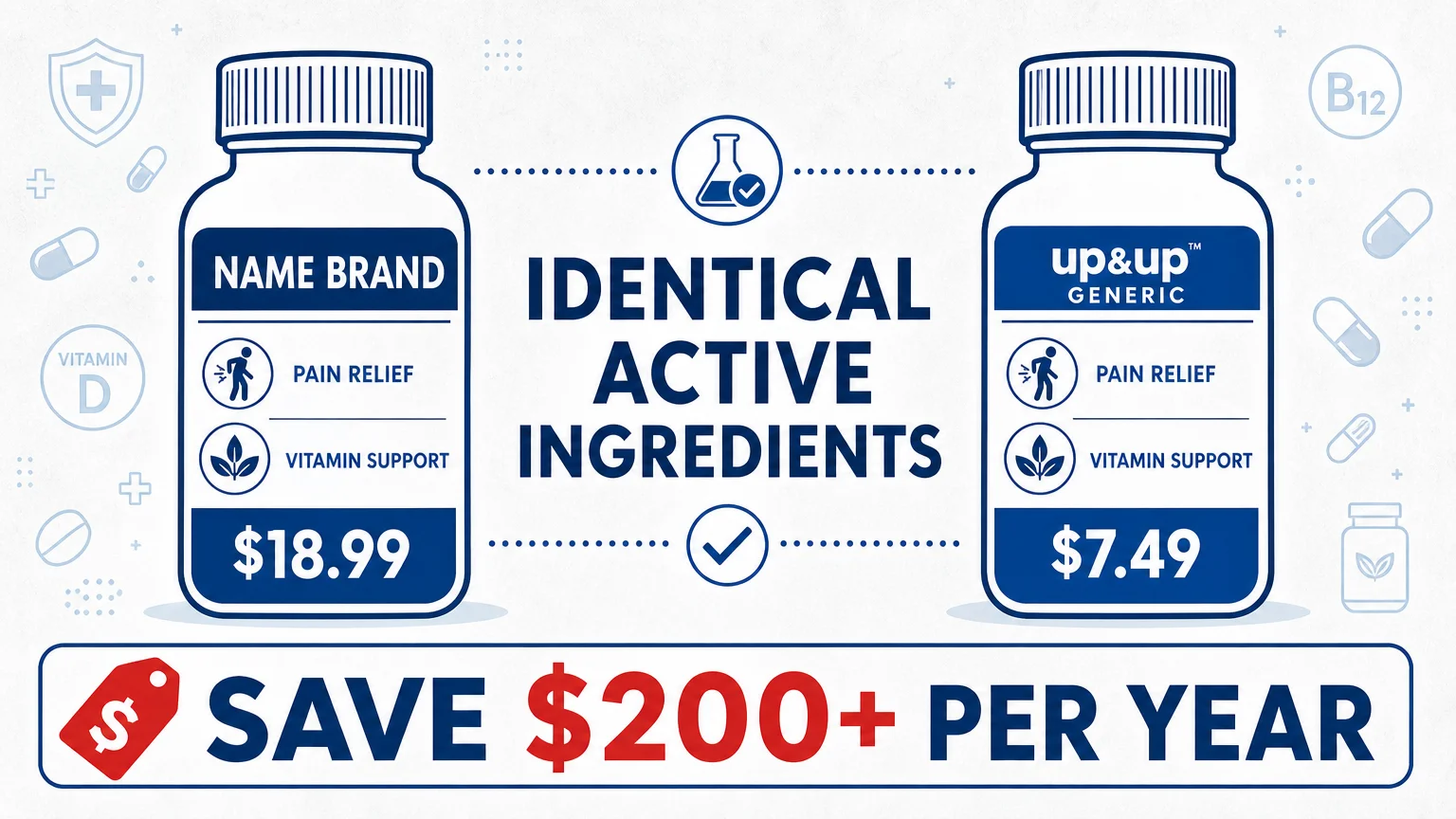
Tip #1: Up&Up Generic Over-The-Counter Medications
Target’s private-label health brand offers a massive discount on the exact same active ingredients found in name-brand counterparts. Retirees frequently spend a significant portion of their fixed income on health products, from daily pain relievers and allergy pills to digestive aids and multivitamins. When you reach for an Up&Up pain reliever instead of Advil or Tylenol, you frequently cut your cost per pill by more than half. The Food and Drug Administration requires generic medications to meet the identical strict standards for safety, strength, and effectiveness as the expensive, heavily marketed brands. You are literally paying extra for a familiar logo and a multimillion-dollar television advertising budget. Managing chronic aches and pains should not force you to compromise on your grocery budget. Over the course of a year, swapping out just three daily over-the-counter medications can easily save you upward of two hundred dollars. You should also check the Target Circle app before you shop; the retailer frequently offers additional percentage-off digital coupons specifically for their in-house pharmacy products. Buying the largest bottle available maximizes your savings even further, as the cost per dose drops drastically when you buy in bulk. Store these bulk bottles in a cool, dry place to ensure they remain potent through their expiration date. This simple switch provides immediate financial relief and substantially strengthens your overall senior budgeting strategy.

Tip #2: Thermal Blackout Curtains by Room Essentials
Energy costs often represent the most unpredictable variable in your monthly budget, especially during extreme summer heat waves or freezing winter cold snaps. Target carries highly rated thermal blackout curtains under their Room Essentials and Threshold lines; these specific textiles can dramatically stabilize your utility bills. These thick, specially lined window treatments block out harsh sunlight and trap your indoor air, preventing your expensive air conditioning or heating from escaping through drafty windowpanes. If you live in an older home with original, single-pane windows, these curtains are an absolute necessity for regulating your indoor temperature. The Department of Energy estimates that smart window coverings can reduce heat gain by up to thirty-three percent. By installing thermal curtains in your living room and bedroom, you can safely adjust your thermostat by a few degrees without sacrificing an ounce of personal comfort. The initial investment is remarkably low compared to replacing old windows or upgrading your entire HVAC system. A pair of these energy-saving curtains usually costs under thirty dollars at your local store. Over a single season, the reduction in your heating and cooling costs easily covers the initial purchase price and then begins returning money to your pocket. As an added bonus, the blackout feature improves your sleep quality by eliminating intrusive streetlights and early morning sun glare.
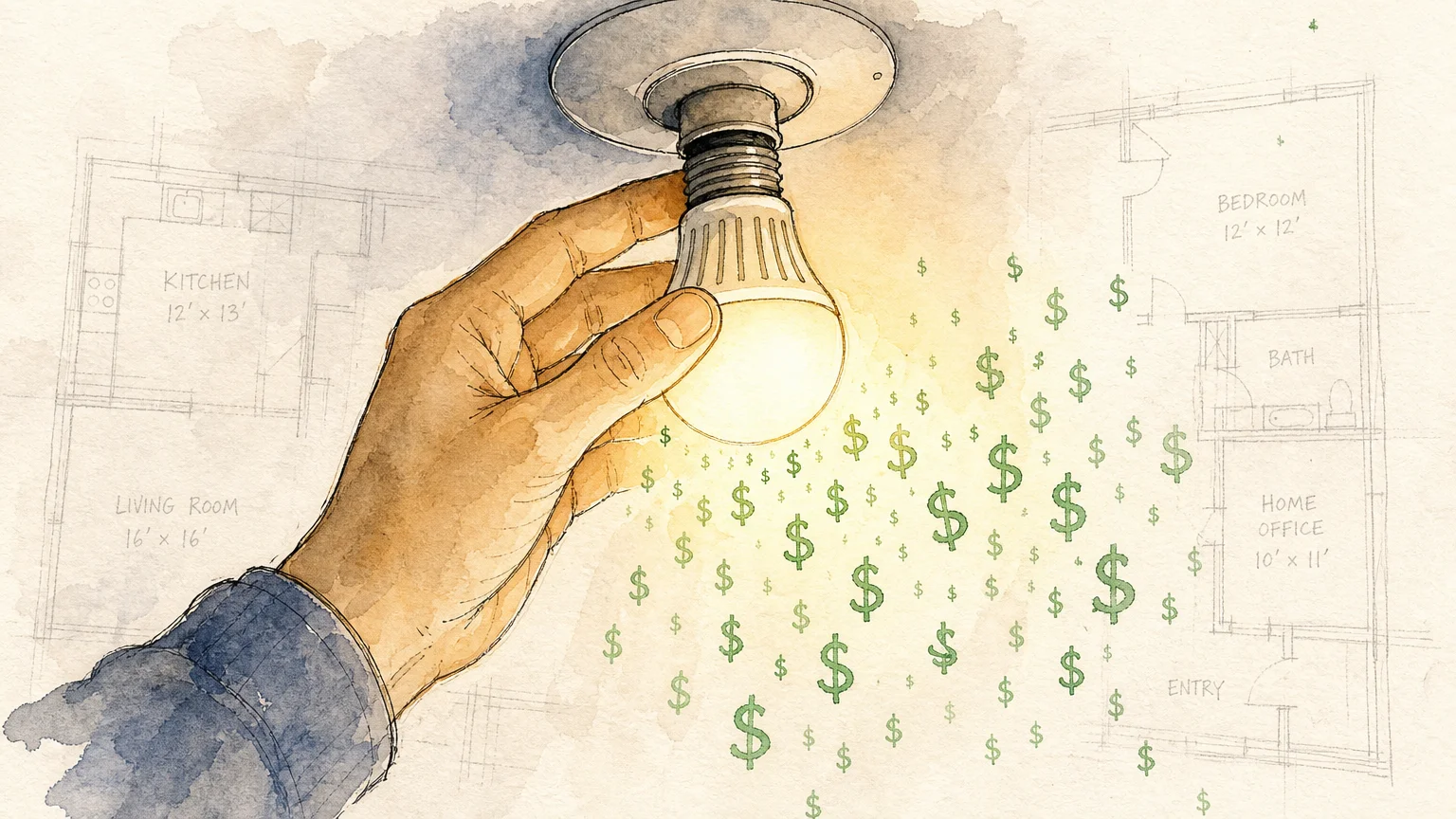
Tip #3: Up&Up Smart LED Light Bulbs
If your home still utilizes traditional incandescent bulbs, you are essentially burning money every time you flip a light switch. Target offers incredibly affordable LED bulbs under their proprietary brand, and upgrading your home lighting is one of the easiest ways to secure immediate monthly savings. LEDs use up to ninety percent less energy and last up to twenty-five times longer than traditional incandescent lighting. While retirement gives you more free time to enjoy reading or watching television at home, it also means your lights stay on much longer throughout the day. Replacing just five high-use incandescent bulbs with Target’s LED alternatives can save you nearly seventy-five dollars a year on your electricity bill. Furthermore, because these modern bulbs last for over a decade, you eliminate the recurring cost and physical hassle of constantly buying and changing dead lights. Seniors with mobility issues will especially appreciate the fact that they can install a reliable LED bulb and completely forget about it for the next ten years. You no longer need to drag a heavy step ladder out of the garage to change a burnt-out ceiling fixture, significantly reducing your risk of dangerous falls. This simple one-time purchase noticeably slims down your utility bill and makes managing your household much safer.

Tip #4: Reusable Silicone Food Storage Bags
Food waste and disposable storage products slowly drain your grocery budget week after week. Target stocks excellent reusable silicone storage bags from premium brands like Stasher alongside more budget-friendly, store-brand alternatives. You likely grew up relying on boxes of disposable plastic zip-top bags to store leftover casseroles, freeze meats, or keep half-eaten vegetables crisp. However, continually repurchasing those single-use plastics adds a completely unnecessary expense to your routine grocery runs. Silicone bags offer a heavy-duty, leak-proof solution that you can wash and reuse thousands of times. You can throw them in the dishwasher, place them in the microwave to reheat meals, and even use them in boiling water. The airtight seal keeps expensive produce fresh much longer than flimsy plastic, directly reducing the amount of spoiled food you inevitably toss in the trash. By keeping your fruits and vegetables crisp and edible for an extra week, you stretch your food budget and ensure you get the vital nutrients you need. When you stop buying three boxes of disposable bags every month, you instantly redirect that cash back into your checking account. Although a single silicone bag costs more upfront than a whole box of disposable plastic, the break-even point usually occurs within just a few months.

Tip #5: A Programmable Slow Cooker
Dining out rapidly depletes retirement savings, making home-cooked meals a cornerstone of effective financial planning. Target features a wide array of slow cookers from renowned brands like Crock-Pot and their own aesthetic kitchen line, Figmint. Purchasing a reliable slow cooker fundamentally changes how you approach meal prep and budget shopping. You can buy significantly cheaper, tougher cuts of meat—like pork shoulder or beef chuck roast—and transform them into tender, restaurant-quality meals through low and slow cooking. When you transition to a fixed income, finding creative ways to make cheap ingredients taste gourmet is a vital skill for long-term financial stability. A slow cooker also requires far less electricity than running your conventional oven for hours, providing a subtle but consistent drop in your overall energy usage. Furthermore, the appliance excels at batch cooking. You can prepare a massive batch of chili, hearty stew, or vegetable soup on a Sunday afternoon and easily freeze individual portions for the rest of the month. This proactive strategy completely eliminates the temptation to order expensive takeout on evenings when you feel too tired or sore to cook a full meal. The appliance does the heavy lifting while you enjoy your day, securing your budget against expensive convenience foods and high utility charges.
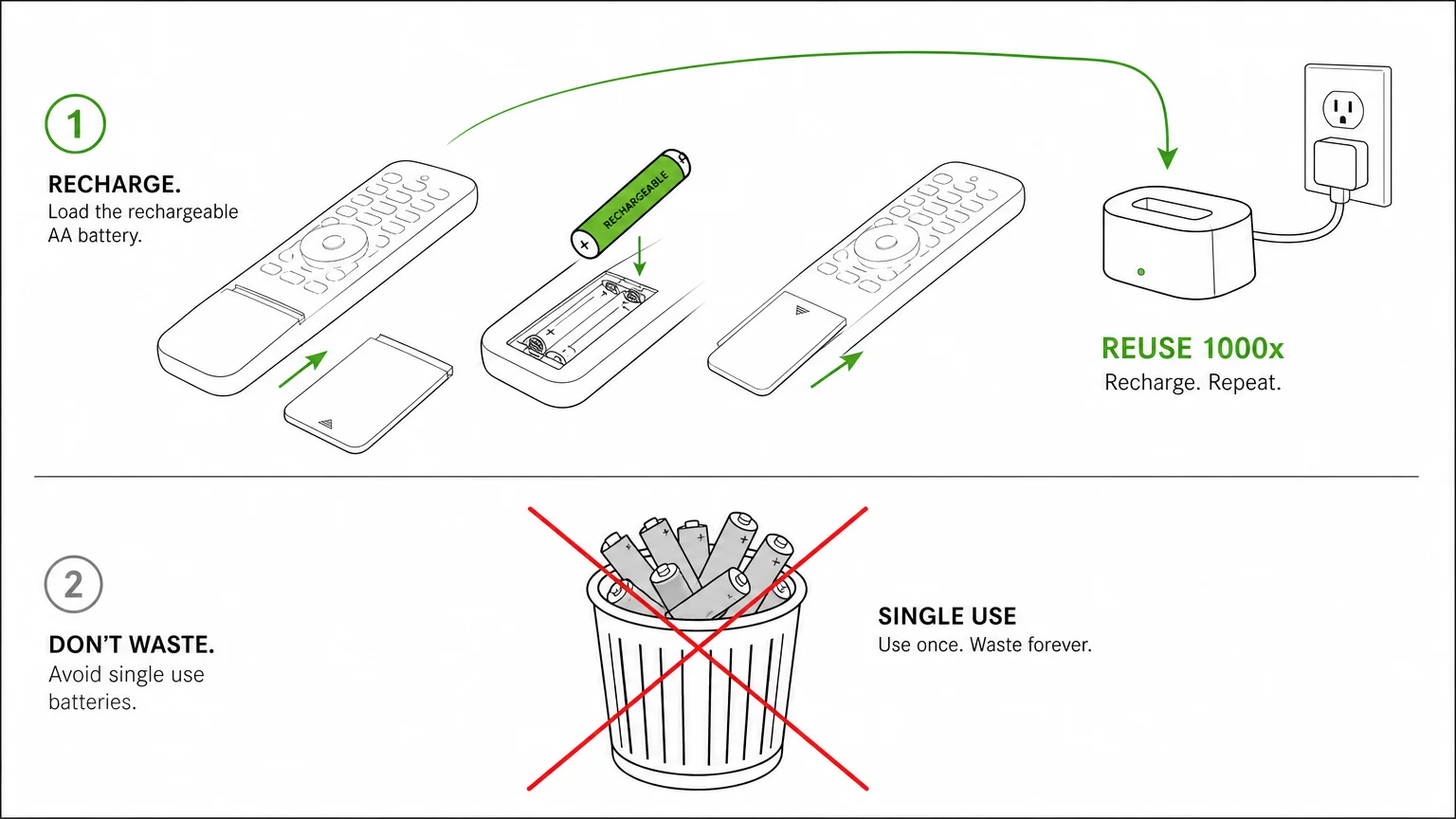
Tip #6: Rechargeable Batteries and Charging Station
Modern retirement involves a surprising number of battery-operated devices, from television remotes and wireless computer mice to blood pressure monitors and hearing aids. If you constantly buy multi-packs of alkaline batteries from the Target checkout aisle, you are throwing away cash on a product specifically designed to die. Target sells comprehensive rechargeable battery kits from Energizer and Duracell that include both the wall-charging block and high-capacity batteries. A high-quality rechargeable battery can be depleted and restored hundreds of times before losing its maximum capacity. The math here is incredibly straightforward and highly favorable to your wallet. Instead of spending twenty dollars every few months on disposable batteries, you make a single forty-dollar investment that serves you for years. You also avoid the hidden cost of gas and vehicle wear-and-tear that comes from making emergency trips to the store just to buy AA batteries. You never have to experience the frustration of a dead television remote late at night, and you stop contributing toxic heavy metals to your local landfill. This small swap completely removes a recurring household expense from your ledger. Keeping a steady rotation of fully charged batteries on standby ensures your vital health monitors and everyday devices always function perfectly.

Tip #7: Water Filtration Pitcher
Bottled water represents one of the most brilliant marketing tricks in the beverage industry, convincing consumers to pay a massive premium for a resource that flows freely from their kitchen sink. If you buy cases of bottled water at Target out of habit or convenience, you are devastating your monthly budget. Instead, walk over to the kitchen appliance aisle and purchase a Brita pitcher or Target’s highly rated Up&Up water filtration system. A single replacement filter purifies roughly forty gallons of tap water, which equals about three hundred standard plastic water bottles. The cost difference is staggering; you transition from paying a dollar or more per gallon to mere pennies. Beyond the tremendous financial savings, you no longer have to lug heavy cases of water from your shopping cart to your car, and from your car into your pantry. The filtered water tastes incredibly crisp, encouraging you to stay hydrated. Staying hydrated becomes increasingly important as we age, and having immediate access to crisp, clean water makes it much easier to reach your daily intake goals. By eliminating packaged water from your weekly shopping list, you free up substantial room in your grocery budget to purchase fresh, nutrient-dense foods instead.

The Bottom Line: What This Means for Your Wallet
Target is famous for convincing shoppers to spend more than they intended, but you can flip the script by entering the store with a tactical plan. By focusing entirely on durable goods and generic alternatives, you transform a casual shopping trip into a wealth-preservation strategy. Every item listed above shares a common financial principle: paying a small amount upfront to eliminate a recurring monthly fee. When you stop buying disposable plastics, overpriced name-brand medications, and cases of bottled water, you immediately lower your baseline living expenses. Lowering your baseline expenses is the absolute most effective way to stretch your retirement income, as a penny saved goes much further than a penny earned when you live on a fixed budget. Integrating these money-saving products into your daily routine requires very little effort, yet the financial impact compounds month after month. Protect your hard-earned nest egg by rejecting the endless cycle of disposable consumer goods. Armed with this knowledge, you can navigate those familiar red aisles with confidence, knowing exactly how to extract the maximum value for your household.
Frequently Asked Questions
Are Target’s store brands actually identical in quality to name brands?
Yes, in most cases, they are functionally identical. Target’s Up&Up medications are mandated by the FDA to contain the exact same active ingredients, dosage, and quality as their name-brand equivalents. For household goods like silicone bags and light bulbs, Target sources their private-label products from the same massive manufacturing plants that produce the expensive premium brands. You get the exact same performance without paying the markup required to fund national television commercials.
How can I maximize my savings even further when shopping for these items?
To get the absolute best Target deals, you must download the Target Circle app and link it to your account before you step foot in the store. The app frequently features exclusive digital coupons that you can stack with standard sales. Furthermore, applying for a Target Circle Card automatically deducts five percent from your entire purchase at the register. Combining a store sale, a digital coupon, and the card discount creates immense leverage for budget shopping.
Do thermal blackout curtains actually make a noticeable difference on energy bills?
Absolutely. Windows are the primary source of heat loss in the winter and heat gain in the summer. Thermal curtains act as an insulating barrier that regulates your indoor climate. While the exact savings depend on your local climate and the age of your windows, most homeowners notice a substantial drop in how often their HVAC system runs. This reduction in energy usage provides immediate relief for your retirement savings.
Is buying in bulk always a smart idea for retirees on a fixed income?
Buying in bulk makes financial sense only for non-perishable items or products you use constantly. Purchasing massive bottles of daily pain relievers or multi-packs of LED bulbs lowers your cost per unit without the risk of spoilage. However, buying bulk perishable food is a poor strategy for smaller households because the food often goes bad before you can consume it, which negates any potential savings. Stick to bulking up on household supplies and durable goods.
For consumer protection information, visit the Federal Trade Commission (FTC) and the Consumer Financial Protection Bureau (CFPB). For product safety and reviews, consult Consumer Reports.
Disclaimer: This article is for informational purposes only and does not constitute financial advice. The content reflects the author’s opinion and research at the time of writing. Always do your own research before making financial decisions.








Leave a Reply