

Retailers rely on sophisticated psychological tactics to drain your wallet before you reach the checkout lane, but you can learn exactly how to dismantle their strategies. Every time you push a cart through those automatic doors, you walk into a carefully engineered environment designed to make you spend more than you planned. From the deceptive placement of dairy staples at the back of the store to the weaponized nostalgia of fresh bakery scents, grocers manipulate your senses and your budget. You need actionable grocery savings tips to fight back against these calculated illusions. Master these insider secrets, bypass the hidden markups, and start redirecting hundreds of dollars back into your household budget every single month.
Shopping Trap #1: The False Economy of Bulk Buying
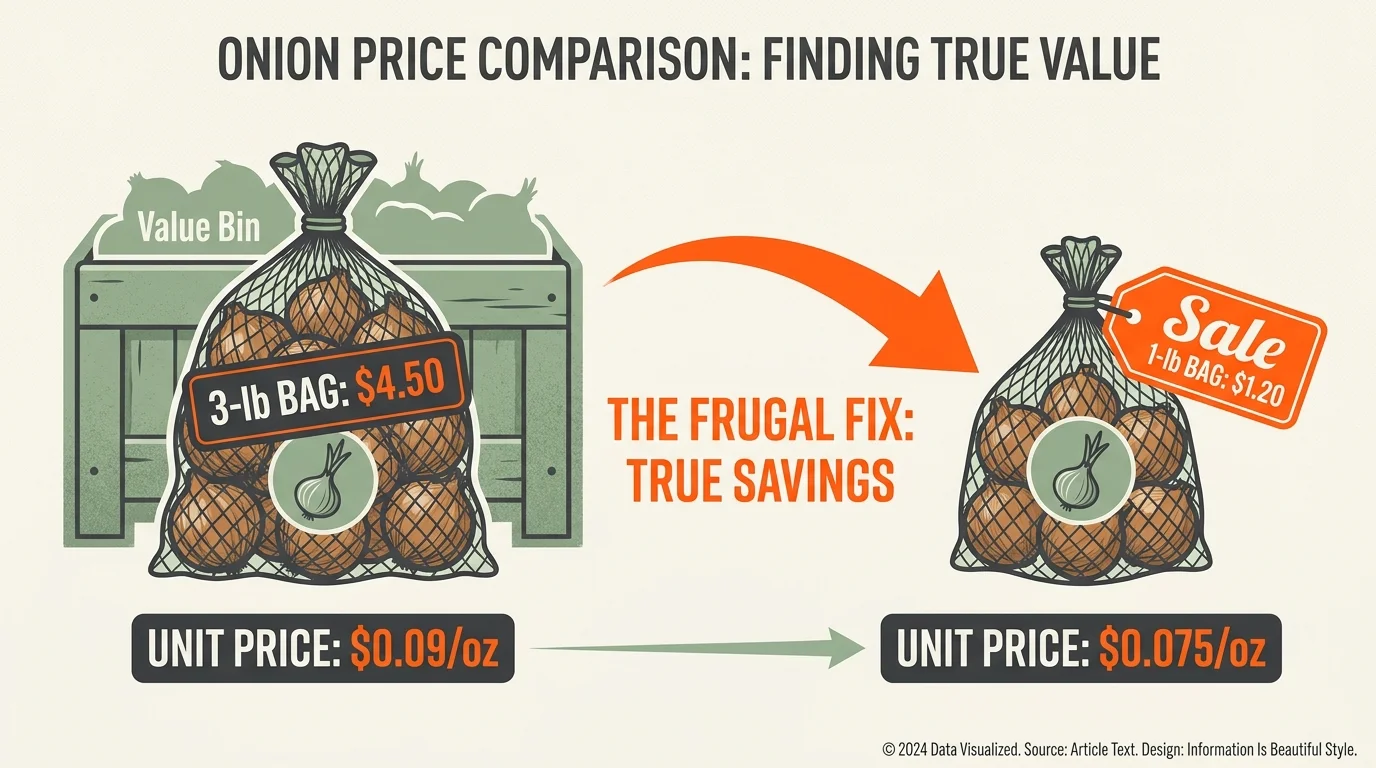
Supermarkets desperately want you to believe that purchasing massive quantities automatically guarantees a lower price per ounce. They place oversized, brightly colored “value bins” directly in your line of sight to trigger your instinct for hoarding. However, this represents one of the most pervasive retail myths designed to artificially inflate your final receipt.
Store managers know that consumers assume a bulk package offers the best deal, so they often apply aggressive markups to the largest sizes. Meanwhile, the medium or standard sizes frequently go on unadvertised promotional sales. When you blindly grab the three-pound bag of onions without checking the math, you fall right into their trap.
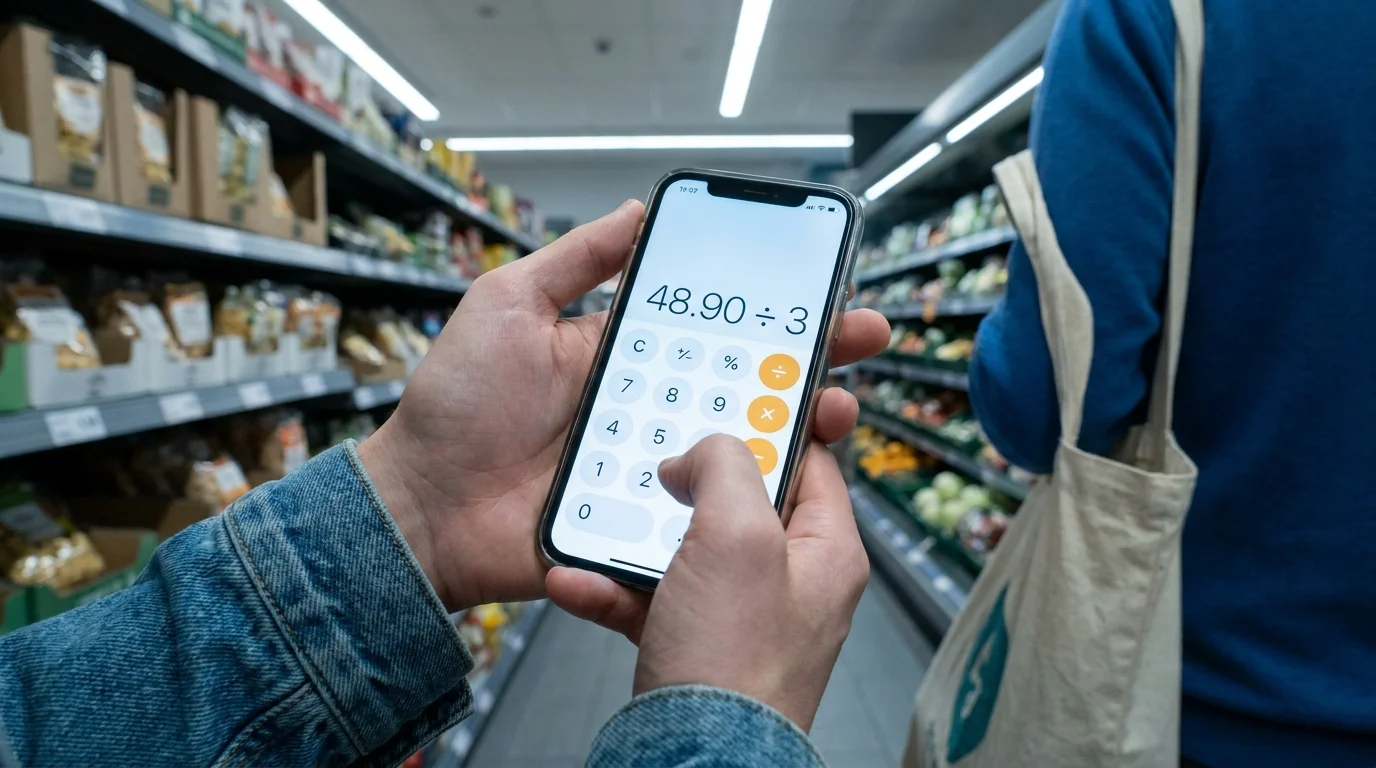
Furthermore, bulk buying introduces the hidden penalty of food waste. If you purchase a gigantic tub of organic spinach but throw half of it away when it inevitably turns to green slime in your crisper drawer, you just doubled your actual cost per ounce. The Frugal Fix: Break out your smartphone calculator before tossing any bulk item into your basket. Divide the total price by the number of ounces to find the true unit price. Buy only the volume your family will actually consume before the expiration date hits.
Shopping Trap #2: The Produce Department Misting Mirage
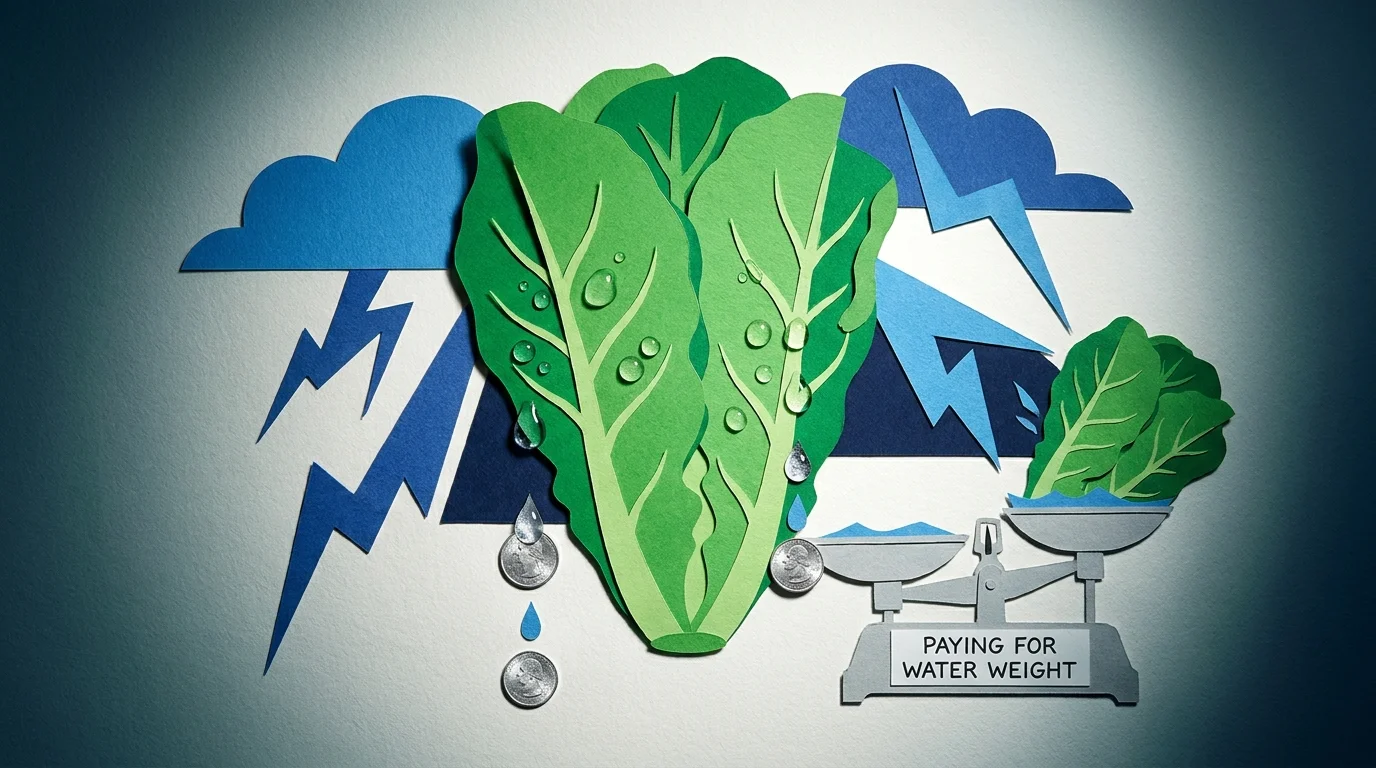
You step into the produce section and notice the crisp, rhythmic sound of thunder followed by a gentle spray of water cascading over the leafy greens. Supermarkets spend thousands of dollars installing these misting systems to create the illusion of farm-fresh vitality. The water droplets reflect the specialized overhead lighting, making the vegetables look incredibly vibrant and appealing.
Here is the costly reality of that artificial dew: it actively accelerates the rotting process and drastically increases the weight of the vegetables. Because grocers charge you by the pound, buying a soaking wet head of cabbage means you literally pay premium organic food prices for ordinary tap water.
The mist provides zero nutritional benefit and actually encourages bacterial growth if the produce sits in your fridge without being thoroughly dried. The Frugal Fix: Give your leafy greens a firm shake over the display to remove excess water before placing them in your bag. Whenever possible, select un-misted vegetables situated higher up on the dry racks to ensure you only pay for actual food, not theatrical water weight.
Shopping Trap #3: The Endcap Display Deception
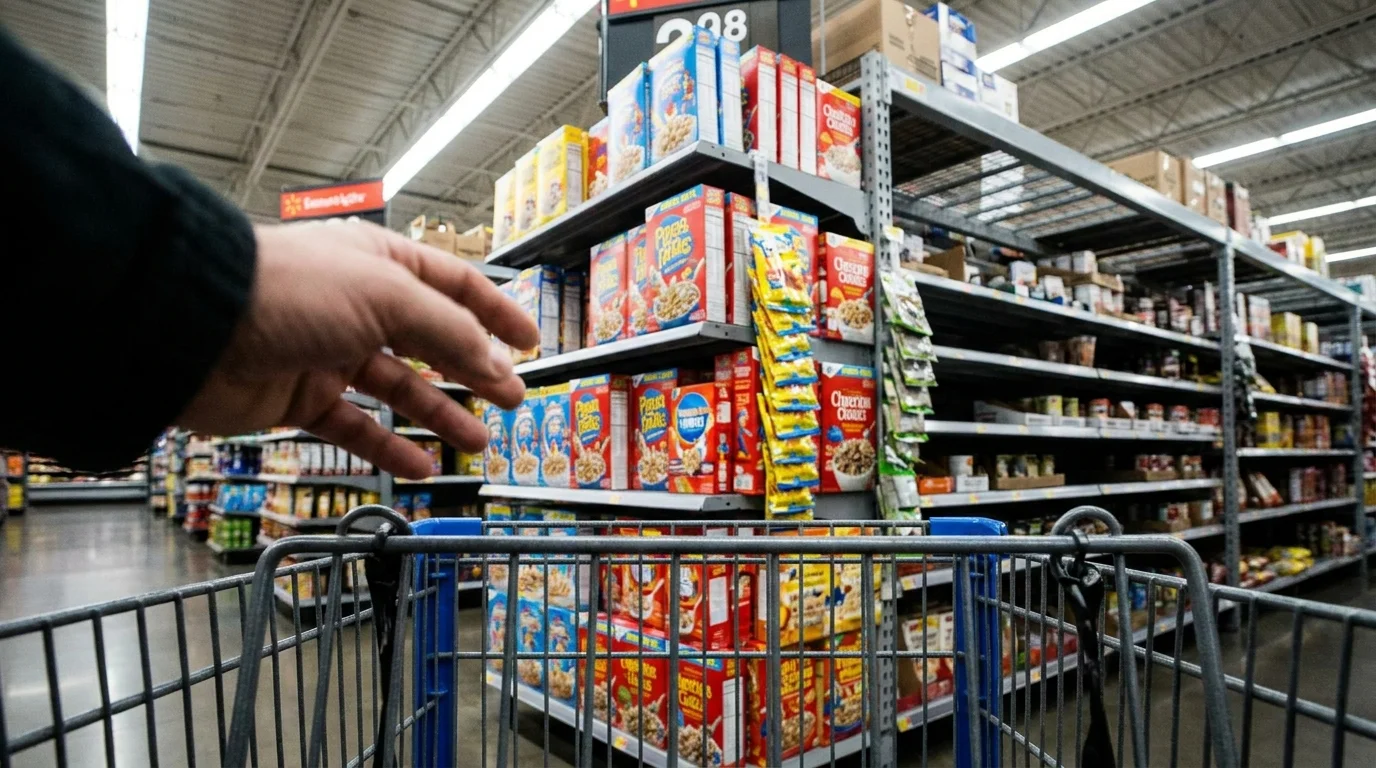
Those prominent displays located at the very ends of the aisles—known in the retail industry as endcaps—serve as highly effective visual speed bumps. Shoppers naturally assume that any product isolated on an endcap is heavily discounted on clearance. Supermarkets exploit this hardwired assumption relentlessly.
In truth, major food conglomerates pay millions of dollars in premium slotting fees just to position their products on these endcaps. The items featured here are rarely discounted; they simply feature high-visibility packaging designed to intercept you before you reach the main aisle. The supermarket uses these displays to push high-margin junk food and full-priced brand-name sodas.
Finding genuinely cheap groceries requires looking past these flashy cardboard roadblocks. The Frugal Fix: Treat endcaps as active warning signs rather than bargain bins. Acknowledge the display, but forcefully march down the actual aisle to locate the identical category of food. You will almost always find a store-brand equivalent sitting quietly on the bottom shelf for a fraction of the cost.
Shopping Trap #4: The Multi-Buy Marketing Mirage
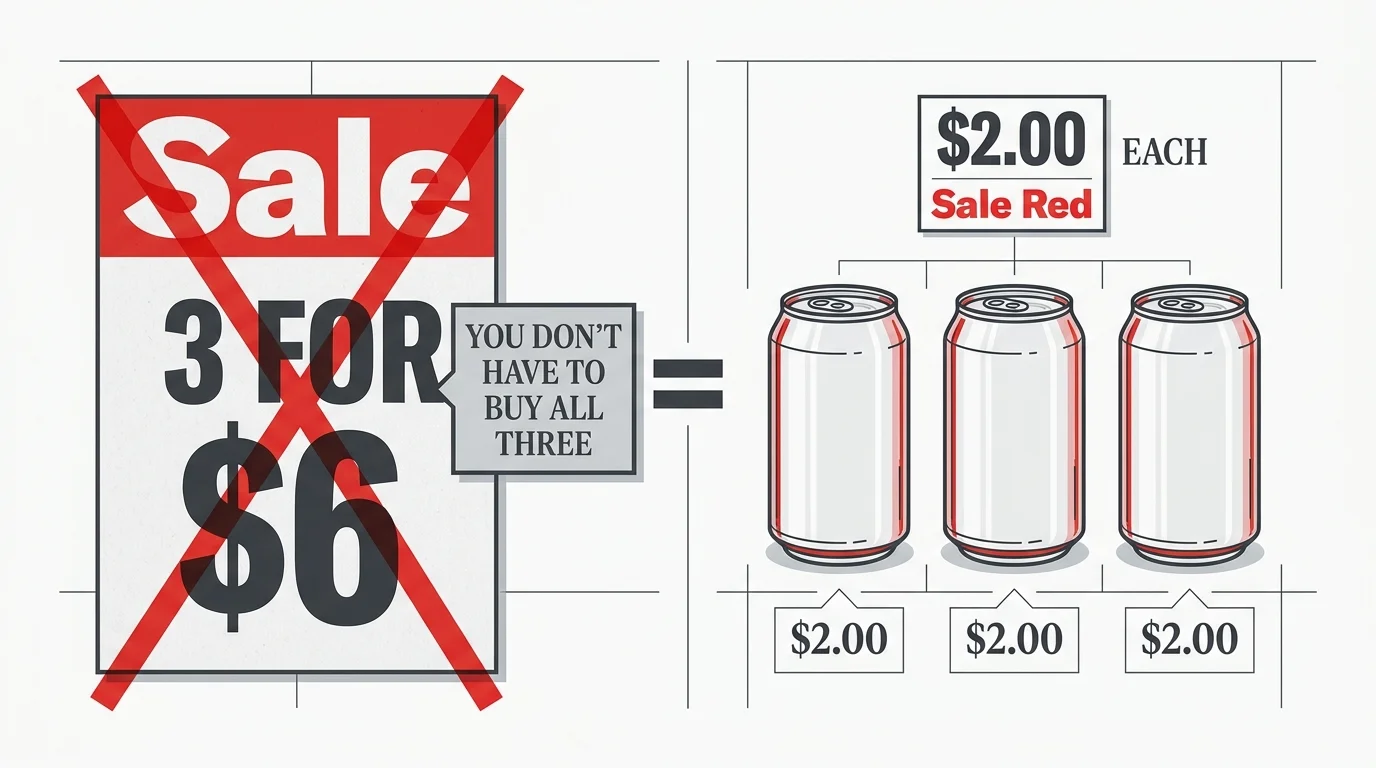
You constantly encounter bright yellow tags aggressively proclaiming “10 for $10” or “Buy 5, Save $5.” This classic anchor pricing trick exploits a cognitive bias in your brain. When you see the number ten printed in a massive font, your mind subconsciously fixes on that quantity, compelling you to load ten cans of soup into your cart without a second thought.
Retailers rely on you rushing through the store and ignoring the microscopic fine print situated at the bottom of the shelf tag. In the vast majority of supermarkets, a “10 for $10” promotion still rings up a single item at exactly one dollar. The forced bulk requirement is an absolute illusion designed to increase your overall volume of purchases.
By tricking you into stockpiling items you do not currently need, the store successfully transfers their inventory holding costs directly into your pantry. The Frugal Fix: Always read the smallest print on the digital shelf tag. Unless the label explicitly states “must buy 10 to receive discount,” firmly purchase only the exact amount you originally placed on your grocery list.
Shopping Trap #5: The Middle Shelf Premium Margin
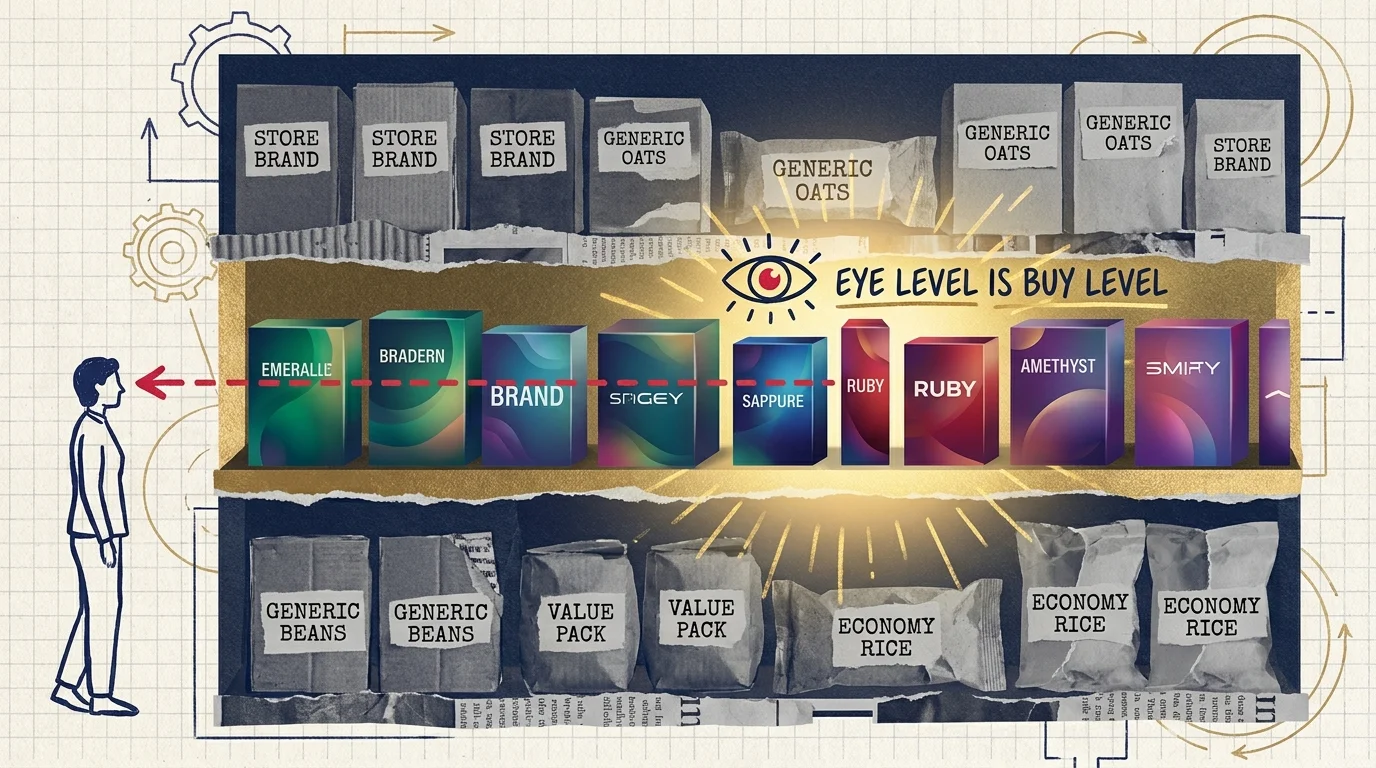
Retail architects operate by a very simple rule: eye level is buy level. The most expensive, highest-margin national brands strategically purchase the shelf space located precisely between four and five feet off the ground. When you casually scan an aisle, these premium products dominate your direct line of sight.
Supermarkets deliberately hide the best deals to protect their profit margins. If you want to locate the budget-friendly generic alternatives, you must physically work for them. Store brands, bulk bags, and heavily discounted surplus items are systematically relegated to the bottom shelves near your shoes or the top shelves towering above your head.
This trick proves especially insidious in the cereal aisle, where sugary, overpriced brands are placed at exactly the eye level of a seated toddler riding in your shopping cart. The Frugal Fix: Adopt a vertical shopping strategy. Every time you enter a new aisle, force yourself to scan the floor-level shelves first. The identical oats, flours, and canned goods sitting in the shadows routinely cost thirty percent less than the brightly lit boxes at eye level.

Shopping Trap #6: Shrinkflation and the Convenience Tax
Food manufacturers have quietly launched a massive assault on your wallet by subtly shrinking the physical size of their products while keeping the cardboard packaging completely identical. An allegedly standard box of crackers that once held sixteen ounces now secretly contains only fourteen. Grocers happily mask this stealth inflation by aggressively pushing “convenience” packaging.
The supermarket wants you to buy pre-chopped onions, shredded cheddar cheese, and pre-peeled garlic cloves. They market these items as incredible time-savers for busy families. However, the convenience tax applied to these modified foods often represents a staggering two hundred percent markup over their whole-food counterparts.
Pre-shredded cheese even contains anti-caking agents like cellulose—literally wood pulp—that ruins its ability to melt properly. The Frugal Fix: Invest five extra minutes in your kitchen. Buy whole blocks of cheese, whole heads of garlic, and intact vegetables. Executing a little manual prep work serves as one of the most effective ways to slash your grocery bill overnight.
Shopping Trap #7: The Peril of the Oversized Shopping Cart
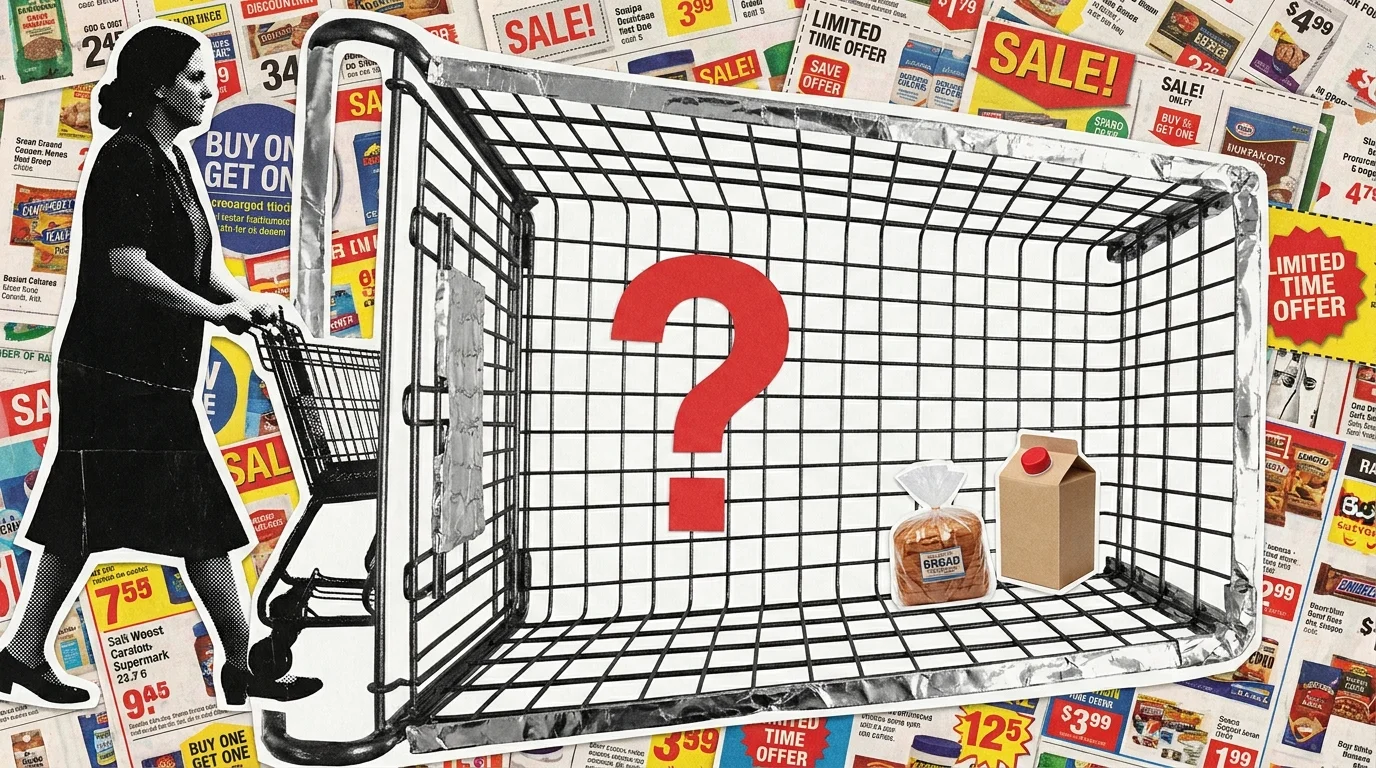
If you feel like grocery carts have morphed into massive rolling utility vehicles, your eyes are not deceiving you. Supermarkets have steadily increased the physical volume of their shopping carts by roughly thirty percent over the last two decades. This engineering choice is far from accidental.
An oversized cart creates a powerful psychological vacuum. When you place three basic items into a cavernous metal basket, your brain perceives a scarcity problem. The visual emptiness triggers a subconscious urge to fill the void, prompting you to wander aimlessly and toss impulse purchases into the cart until it finally looks “full enough” to justify your trip.
The Frugal Fix: Take away their spatial advantage. If you only need a few specific ingredients, completely refuse the large cart and carry a plastic hand basket instead. The physical weight of carrying your groceries creates immediate friction, actively discouraging you from grabbing heavy, unnecessary items. When you must use a large cart, place your reusable bags or a heavy coat in the main compartment to artificially restrict the available space.
Shopping Trap #8: The Sensory Overload Bakery Ambush
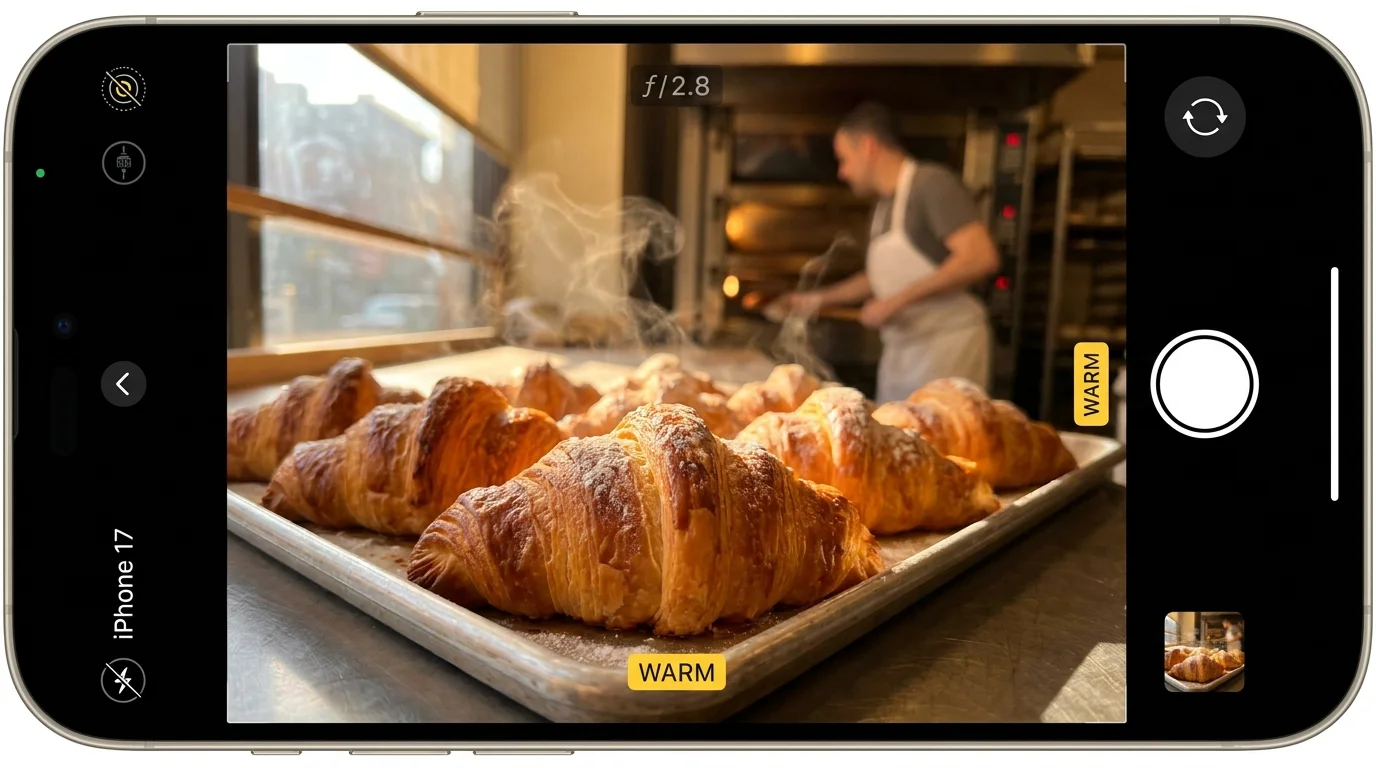
Supermarkets orchestrate a deliberate assault on your senses the exact moment you step through the entrance. Grocers strategically position the floral department and the bakery at the front doors to act as a “decompression zone.” The sudden blast of bright colors and the smell of freshly roasted chicken or warm bread triggers an immediate dopamine response in your brain.
This sensory overload intentionally activates your salivary glands. Studies consistently demonstrate that hungry shoppers purchase sixty-four percent more junk food and process high prices with far less critical thought. Furthermore, the stores pipe in slow-tempo background music to subtly reduce your walking speed, ensuring you spend maximum time exposed to their inventory.
If you want to save money groceries represent the most flexible line item in your expenses, but you must defend your senses. The Frugal Fix: Never cross the threshold of a supermarket on an empty stomach. Eat a dense, protein-heavy snack before shopping. Pop a piece of strong mint gum into your mouth to block the bakery aromas, and wear headphones playing upbeat, fast-paced music to maintain a brisk, efficient walking tempo.
Shopping Trap #9: Artificial Scarcity and the Limit Sign
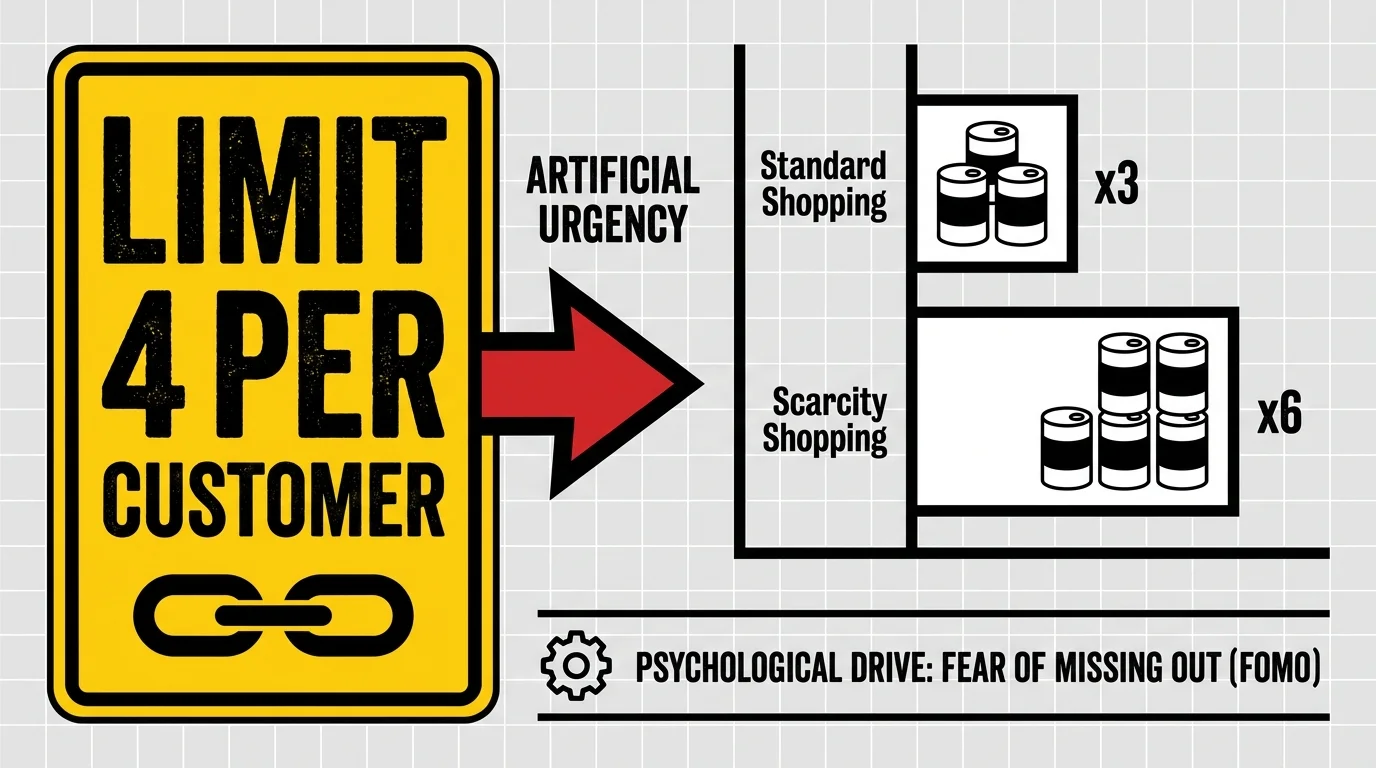
Retailers frequently weaponize your fear of missing out by placing strict numerical limits on specific products. You will often spot signs aggressively declaring “Limit 4 Per Customer” taped beneath a stack of frozen pizzas or canned vegetables. Your brain instantly assumes the product must be heavily discounted or in dangerously low supply.
In reality, this is an artificial scarcity tactic. The store has massive pallets of the item sitting in the back warehouse. By imposing a hard limit, the supermarket tricks your competitive nature. Shoppers who originally intended to buy zero frozen pizzas suddenly feel compelled to buy exactly four, simply because the store implied they were not allowed to have five.
This psychological manipulation entirely overrides your logical budgeting processes. The Frugal Fix: Treat every limit sign with extreme skepticism. When you encounter a restriction, completely ignore the number printed on the cardboard. Consult your physical shopping list; if the item does not appear on your paper, leave it on the shelf, no matter how exclusive the retailer makes it seem.
Shopping Trap #10: The Checkout Aisle Decision Fatigue
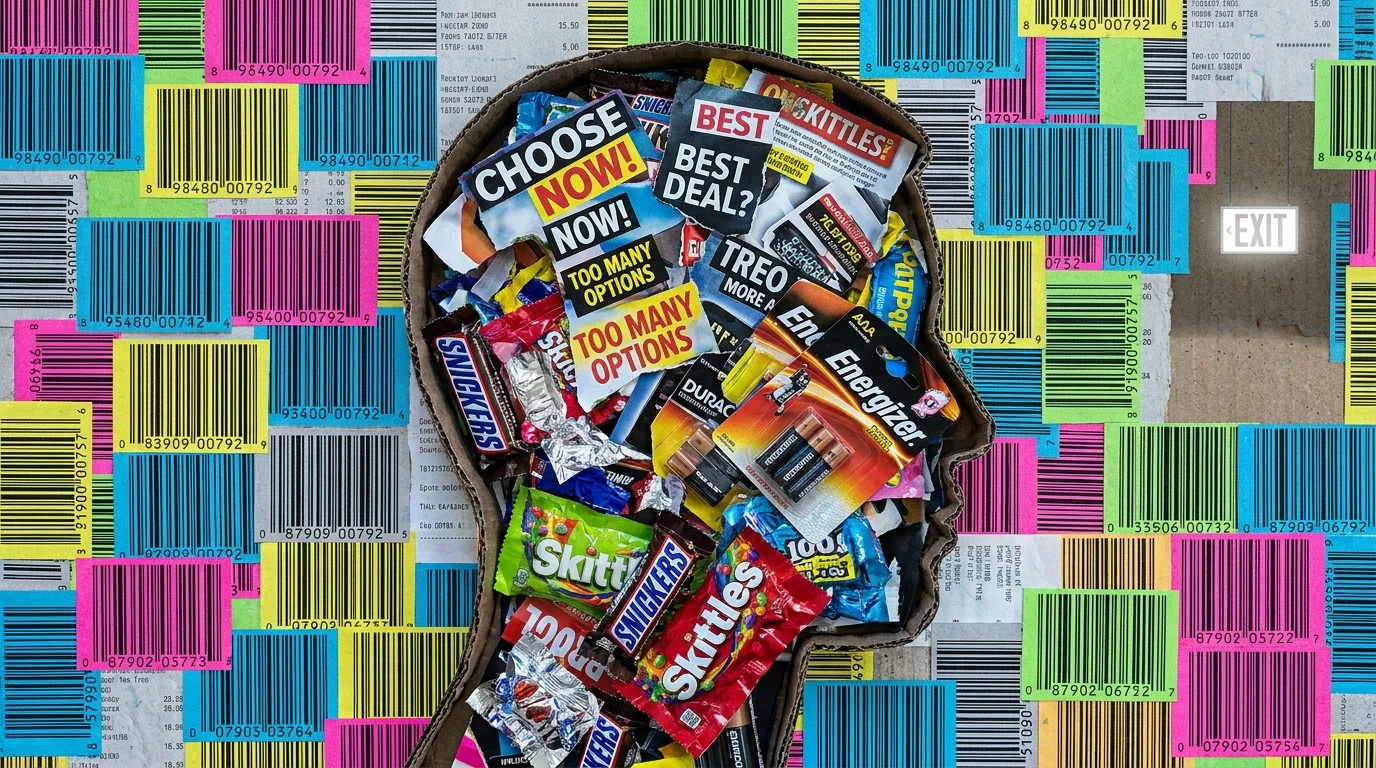
By the time you successfully navigate the maze of the supermarket, cross-check unit prices, and dodge promotional traps, your brain reaches a state of profound mental exhaustion. Psychologists call this phenomenon “ego depletion” or decision fatigue. Supermarkets design the checkout lane specifically to exploit your tired mind.
While you stand trapped in a slow-moving line, retailers surround you with a gauntlet of high-margin impulse triggers: brightly colored candy bars, cold sodas, and sensationalist magazines. Because your willpower is completely drained from making thirty minutes of responsible financial choices, you easily surrender to the immediate gratification of a sugary snack.
The Frugal Fix: Turn the checkout lane into a strict zero-tolerance zone. Before you enter the queue, make a hard mental commitment that absolutely nothing will be added to your cart while waiting. Whenever possible, utilize self-checkout kiosks; these stations typically feature drastically fewer impulse displays and allow you to maintain active control over the final scanning and bagging process.
Your Action Plan: How to Be a Smarter Shopper
Defeating retail psychology requires discipline, preparation, and an unwavering commitment to your strategy. Effective frugal shopping is not about clipping thousands of microscopic coupons; it is about recognizing and sidestepping retail manipulation before it separates you from your cash.
1. Stick strictly to the perimeter: The vast majority of your healthy, essential foods—produce, dairy, and fresh meats—reside on the outer edges of the store. The center aisles serve as a processed food trap packed with high-margin traps.
2. Shop with a physical list: Never rely on your memory. Write down exactly what you need and enforce a strict rule against placing undocumented items into your basket. If it is not on the paper, it does not exist.
3. Monitor the unit price: Ignore the flashy retail price printed in giant numbers. Focus entirely on the tiny unit price sticker to reveal the true cost of convenience and packaging.
When evaluating household budget tips, mastering your supermarket routine yields the highest immediate return on investment. Implement these strategies today and reclaim your hard-earned money.
Frequently Asked Questions
Are store brands really the same quality as name brands?
Yes, in the vast majority of cases. Many generic store brands are manufactured in the exact same commercial facilities as the expensive name brands, utilizing identical ingredients. The only tangible difference is the millions of dollars the name brand spends on national television advertising—a cost they pass directly onto you. Always test the store brand first; you will likely never notice a difference in taste.
When is the exact best time to hunt for supermarket markdowns?
Timing is everything when hunting for deep discounts. The optimal window is typically early Wednesday morning. Most major supermarket chains reset their weekly sales cycles on Wednesdays, meaning you can often double-dip by finding last week’s unsold clearance meats right alongside the new promotional discounts. Arriving shortly after the store opens guarantees you first access to the heavily discounted bakery and deli markdowns before the afternoon crowds arrive.
Do digital loyalty apps actually provide better deals than paper coupons?
Absolutely. Supermarkets are aggressively attempting to phase out the cost of printing weekly physical mailers. To force consumers into their digital ecosystem, grocers routinely offer highly lucrative, app-exclusive “digital clippable” coupons that never appear in the Sunday paper. While these apps do track your purchasing data, strategically utilizing the personalized digital discounts can easily slash twenty percent off your total bill at the register.
To check for scams and false advertising, visit the FTC. For unbiased product reviews, consult Consumer Reports. Business ratings are available at the Better Business Bureau.
Disclaimer: The opinions in this article are for informational and entertainment purposes. Brands, products, and store policies can change. Always verify information and prices before making a purchase.






Leave a Reply