

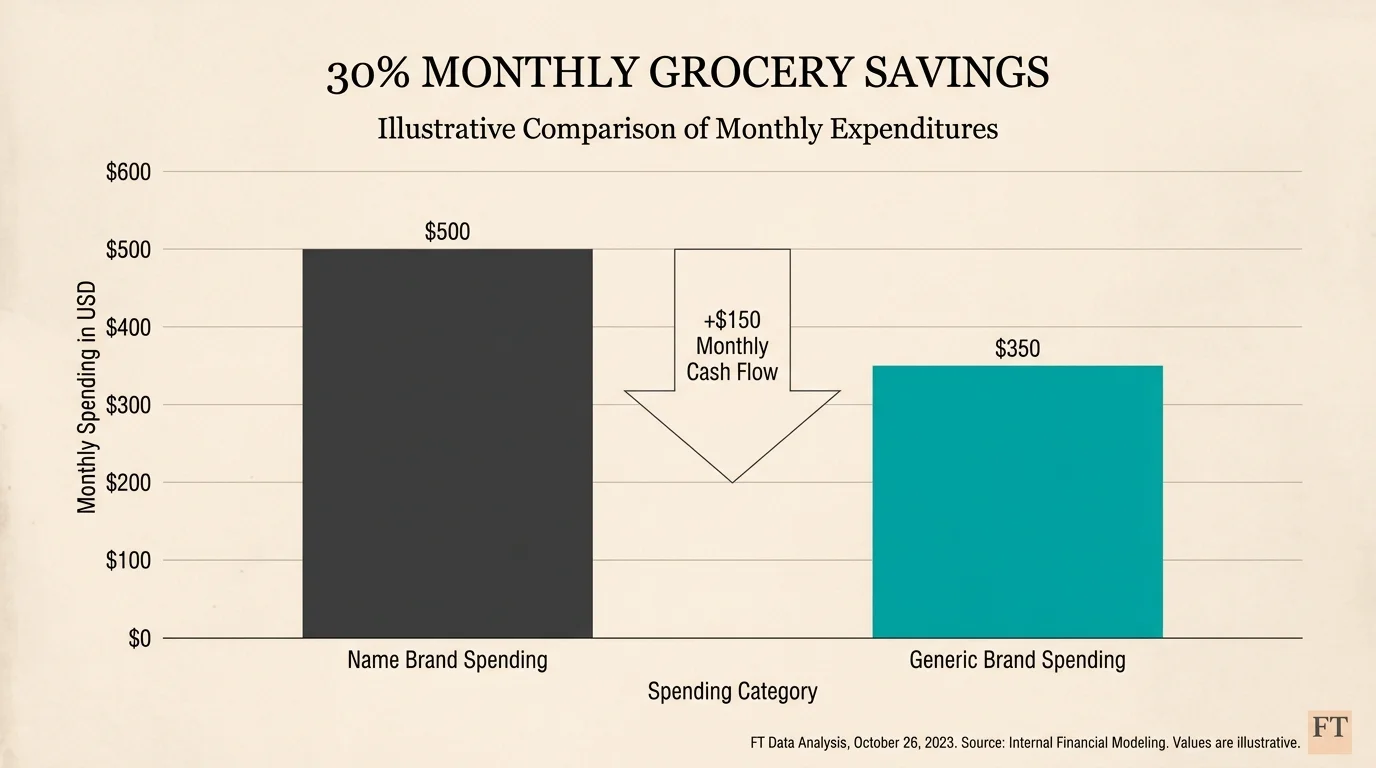
Stop paying a premium for fancy packaging when the exact same product sits just inches away on the lower shelf. Switching to generic products is the fastest way to slash your grocery and pharmacy bills by up to thirty percent without sacrificing an ounce of quality. Retailers understand that savvy shoppers are catching on to the illusion of name brands, driving a massive surge in private-label sales across America. You can effortlessly keep more cash in your bank account simply by ignoring the multi-million-dollar marketing campaigns designed to drain your wallet. Let us examine the exact items you should immediately swap for store brands to maximize your monthly savings.
Tip #1: Over-the-Counter Medications
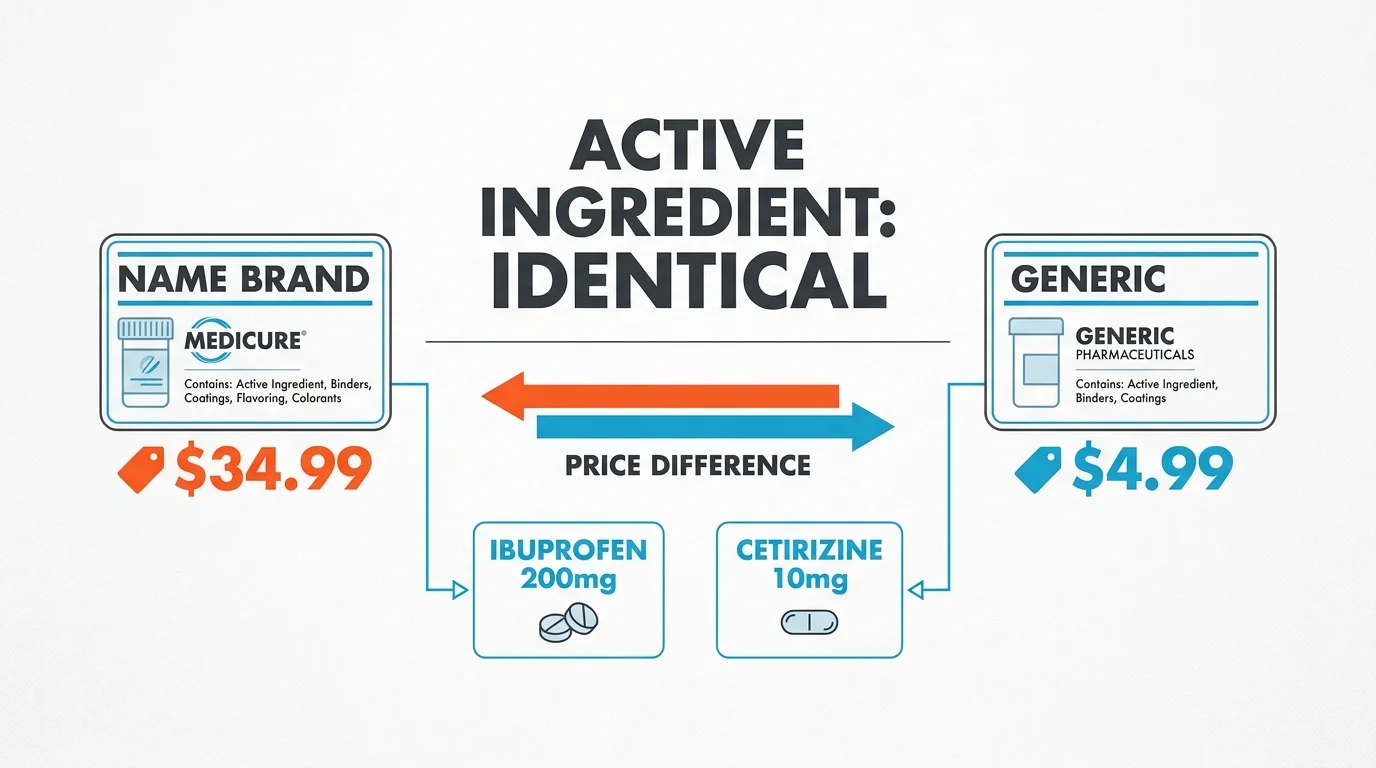
You are throwing money away if you buy name-brand pain relievers and allergy pills. The Food and Drug Administration mandates that generic over-the-counter medications contain the exact same active ingredients, dosage, safety profile, and performance characteristics as their branded counterparts. A bottle of store-brand ibuprofen will reduce your fever and cure your headache just as effectively as the heavily advertised alternative in the shiny box.
The price difference in the pharmacy aisle is staggering; you often pay three to four times more for a brand name purely to cover the pharmaceutical company’s massive advertising budget. When you look closely at the labels, you will see that the active ingredient list is identical down to the milligram. Stop letting clever commercials convince you that you need a specific logo to feel better. The generic bottle sitting directly next to the expensive version is your smartest purchase.
This rule applies across the board—from allergy medications like cetirizine and loratadine to basic first-aid staples like antibacterial ointment. Savvy consumers always check the drug facts label, match the active ingredients, and confidently select the cheaper generic option. You instantly lower your healthcare costs without compromising your health.
Tip #2: Infant Formula
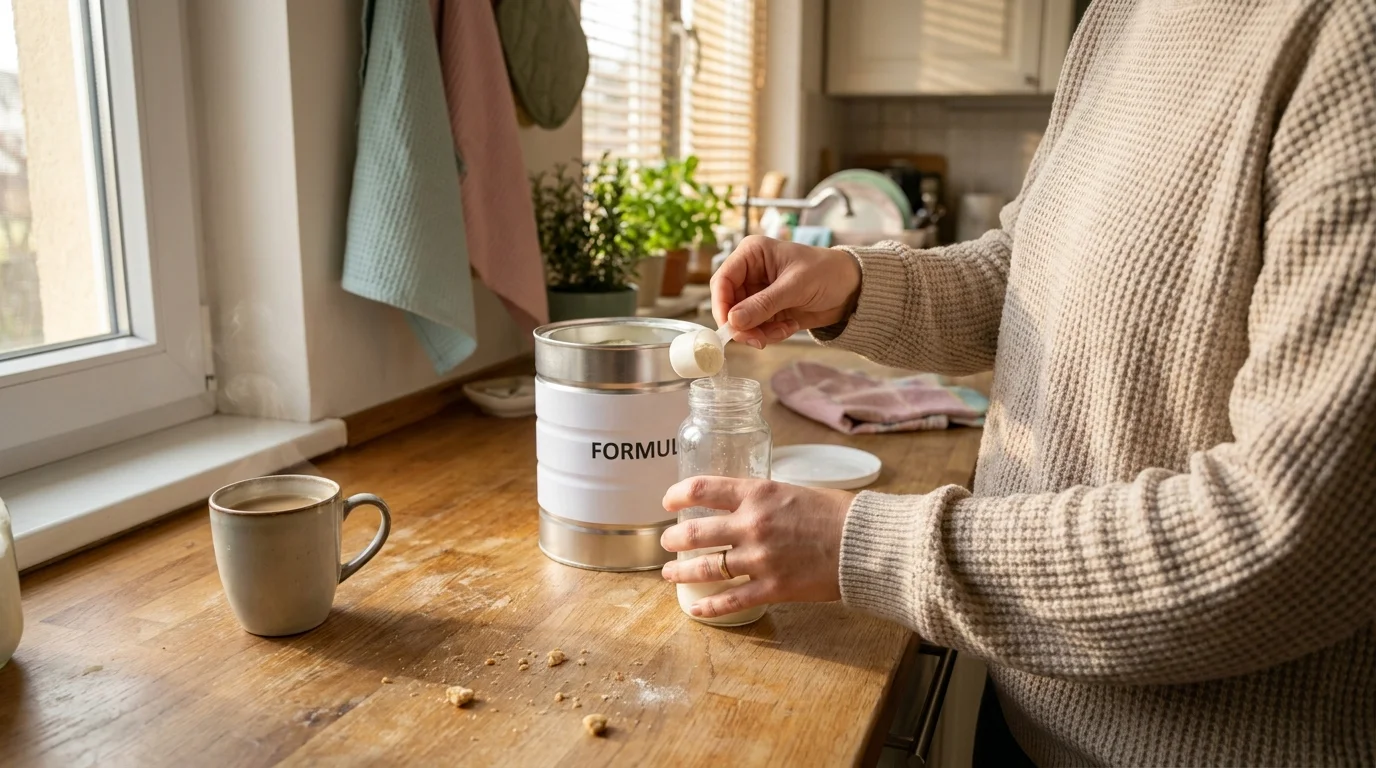
Feeding a baby is wildly expensive, and infant formula manufacturers routinely prey on the anxiety of new parents by marketing their products as nutritionally superior. However, the federal government heavily regulates this industry through the Infant Formula Act. This legislation strictly dictates the exact macronutrient and micronutrient profiles required in every single can of formula sold in the United States.
Store-brand formulas must meet the exact same rigorous nutritional and safety standards as the premium brands that dominate the hospital gift bags and pediatrician waiting rooms. In fact, many private-label infant formulas are manufactured in the same facilities as the expensive brands, using identical core ingredients. The only meaningful difference is the label pasted on the outside of the container.
Switching to a generic baby formula can easily save you hundreds of dollars over your child’s first year of life. When you understand that the FDA does not allow subpar formula to reach store shelves, you can let go of the guilt associated with skipping the brand name. You are providing your baby with premium nutrition while protecting your family budget.
Tip #3: Pantry Staples and Baking Commodities
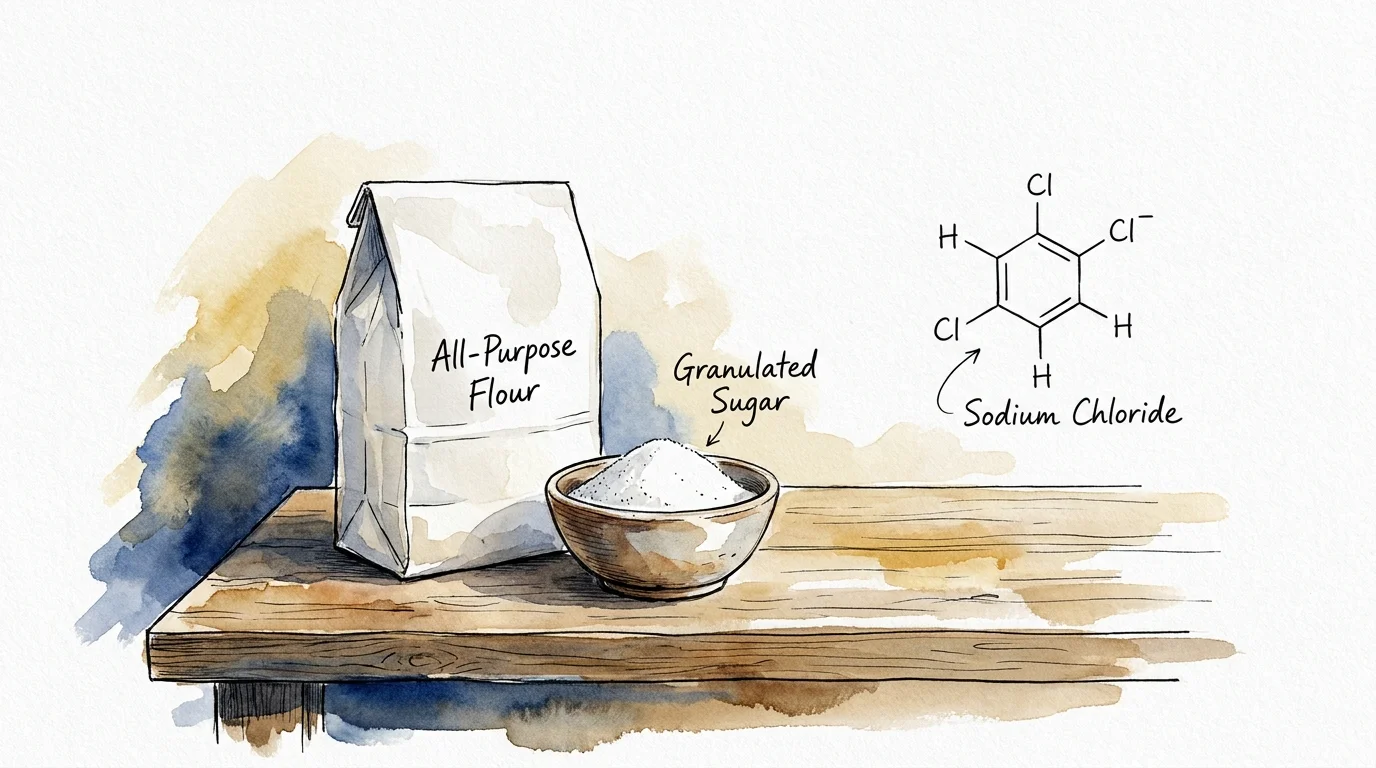
Sugar, salt, flour, and baking soda share a common trait; they are single-ingredient commodities. A molecule of sodium chloride does not change its chemical structure just because a famous company puts it in a dark blue container with a picture of a girl holding an umbrella. Buying generic pantry staples is one of the easiest, most unnoticeable changes you can make to your shopping routine.
The refining process for cane sugar and the milling process for all-purpose flour are entirely standardized across the food industry. Store-brand baking ingredients perform identically in your ovens and mixing bowls. You will never taste the difference in a batch of chocolate chip cookies because you used store-brand brown sugar instead of the national brand.
By opting for generic dry goods, you shield yourself from the ridiculous markups applied to basic dietary staples. These savings compound quickly over months of grocery shopping, especially during the holiday baking season. Always reach for the bottom shelf when stocking your pantry with essential ingredients.
Tip #4: Cleaning Supplies and Bleach
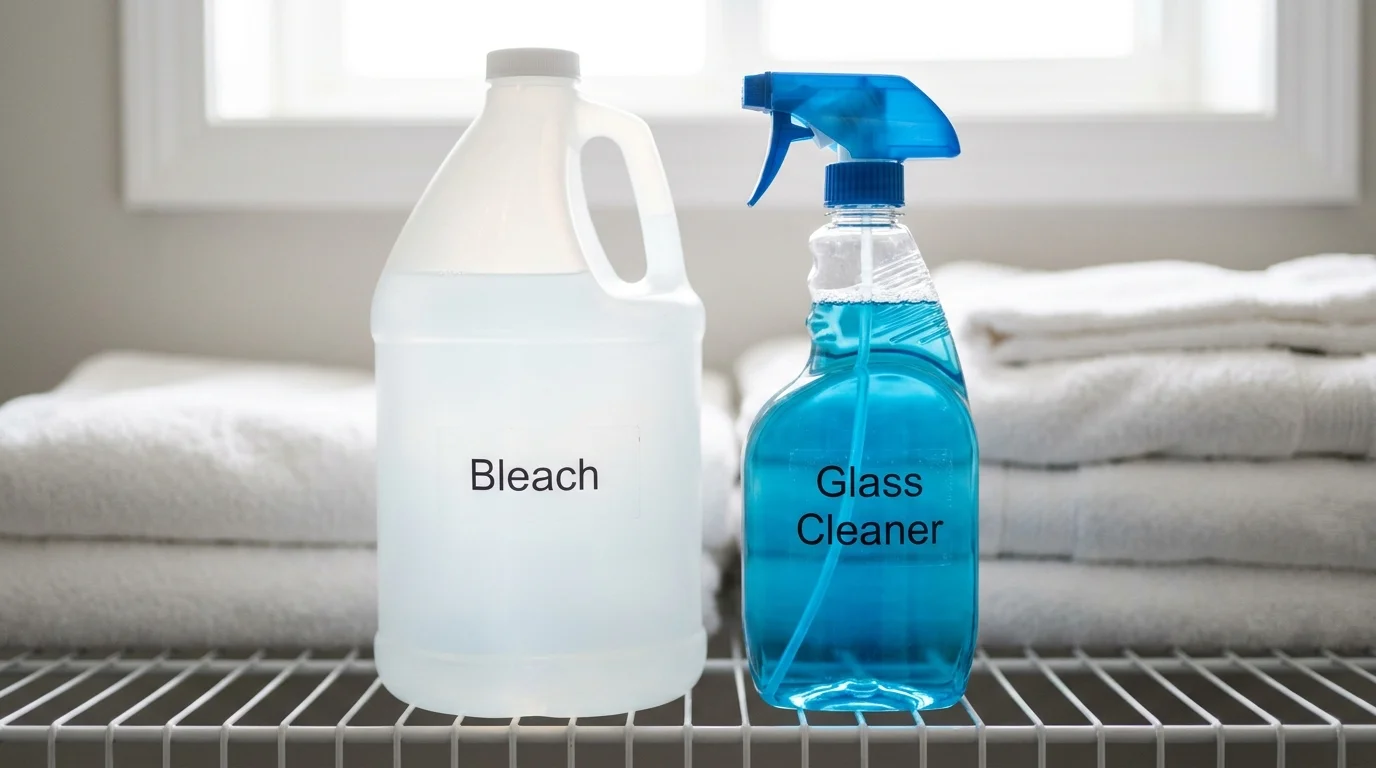
Household cleaning brands spend fortunes convincing you that their specific chemical formulations possess magical dirt-destroying properties. In reality, basic chemistry dictates the effectiveness of most household cleaners. Liquid bleach is simply a solution of sodium hypochlorite and water. The generic jug provides the exact same disinfecting and whitening power as the name brand, usually for half the price.
This principle extends far beyond bleach. Window cleaners are largely composed of ammonia, water, and blue dye. Store-brand glass cleaners cut through grime and leave a streak-free shine just as effectively as the leading competitor. Furthermore, the famous white cleaning erasers that cost a premium are simply blocks of melamine foam. You can purchase generic melamine sponges in bulk online for pennies on the dollar.
Do not let fresh scents and colorful spray bottles trick you into overpaying for basic sanitation. Your floors, countertops, and bathrooms will shine brightly using generic chemicals. Smart shoppers clean their homes efficiently while keeping their household maintenance budgets remarkably low.
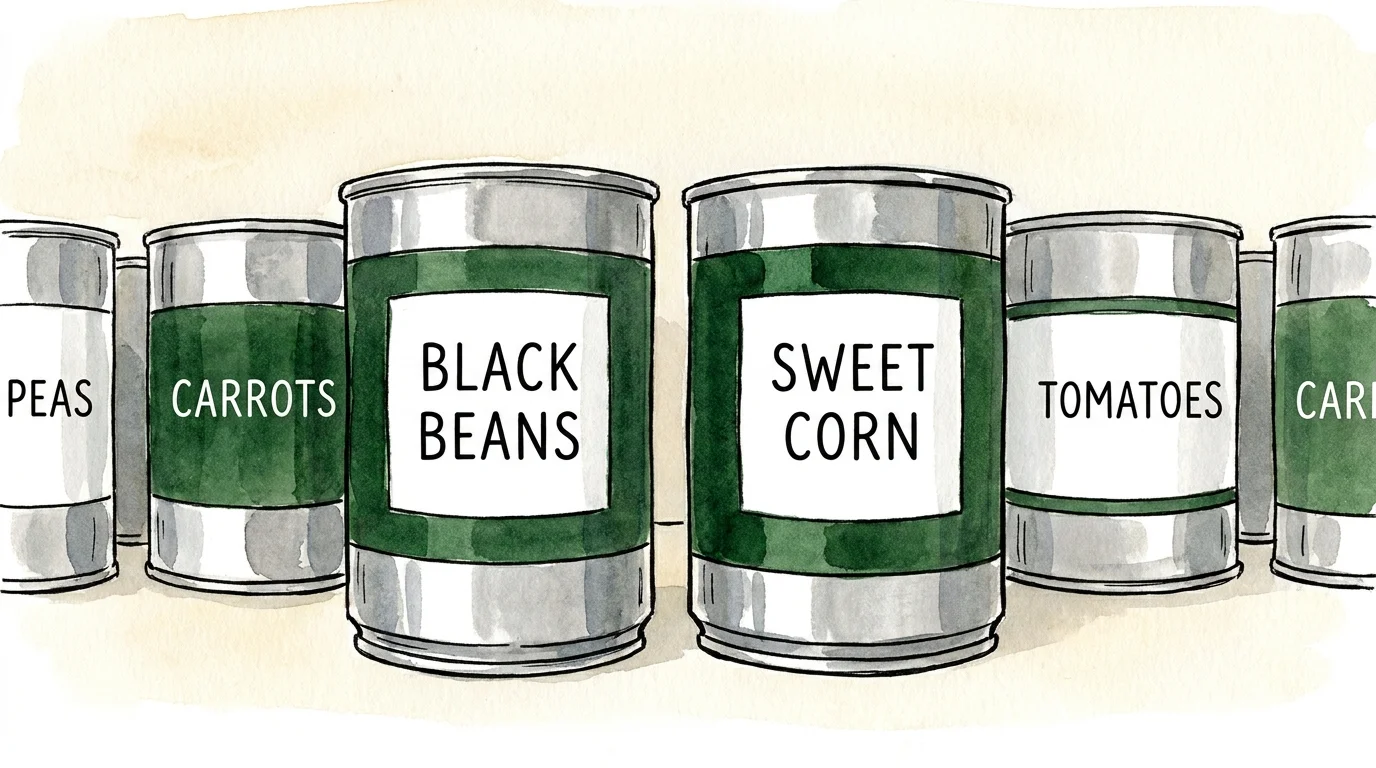
Tip #5: Canned Beans and Vegetables
The canned goods aisle is a masterclass in marketing illusion. Major agricultural conglomerates utilize a system called co-packing, meaning they harvest massive crop yields, process them in giant regional canneries, and sort them into different labeling lines. The store-brand black beans and the premium-brand black beans frequently come from the exact same field and the exact same processing plant.
Vegetables and legumes preserved in water and salt do not require proprietary recipes. A can of generic diced tomatoes will simmer down into a rich, flavorful pasta sauce just as beautifully as a can carrying a famous Italian-sounding brand name. When you inspect the ingredient lists, you will find identical contents—often just the vegetable, water, and perhaps a touch of calcium chloride to maintain firmness.
Building a robust emergency pantry or preparing weekly family dinners becomes drastically cheaper when you strip away the branding. You can easily shave twenty to thirty cents off every single can you purchase. Over the course of a year, those seemingly small savings add up to a substantial sum of money.
Tip #6: Bottled Water
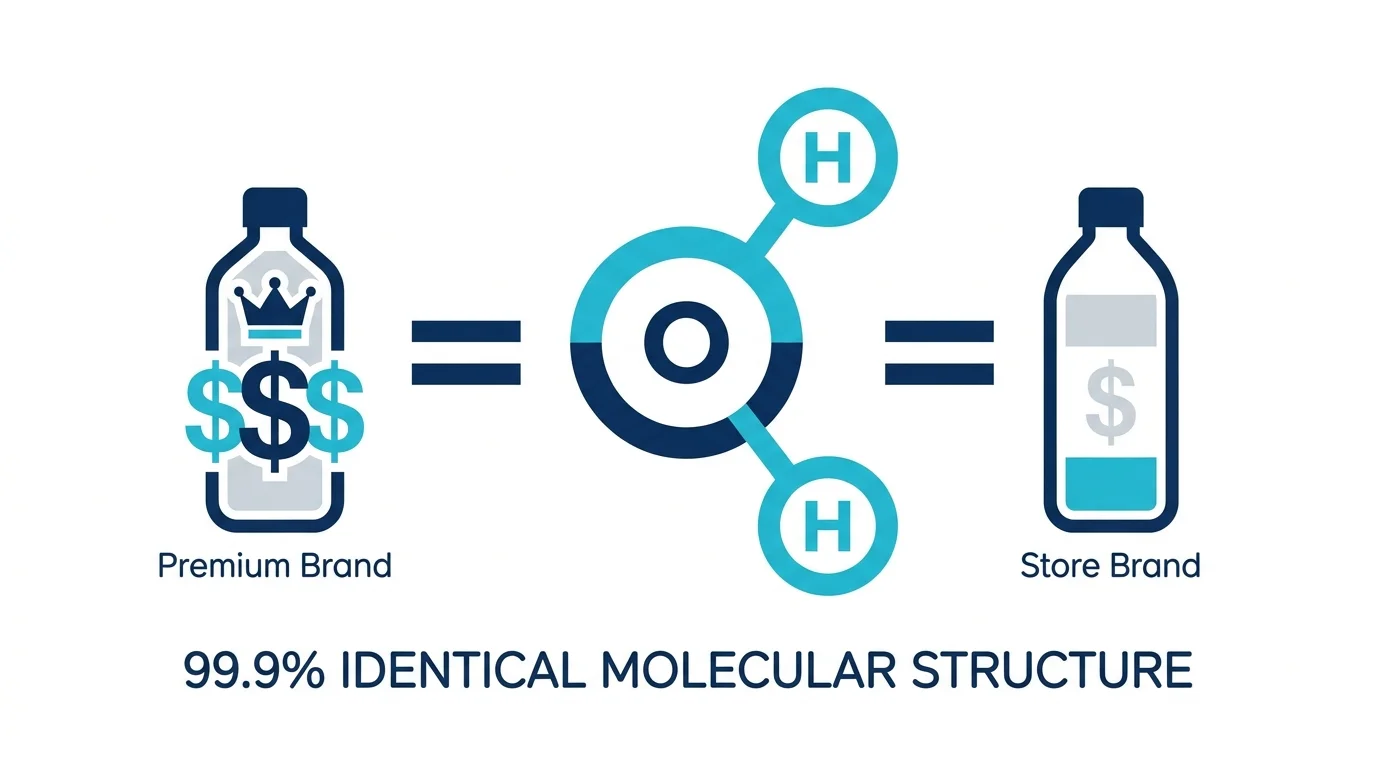
Selling water in plastic bottles is arguably one of the most brilliant marketing coups in modern consumer history. Major beverage companies routinely charge a massive premium for water that is sourced directly from municipal tap supplies and run through industrial reverse osmosis filters. If you must buy bottled water for convenience or travel, paying for a brand name is an entirely foolish endeavor.
Store-brand purified water goes through the exact same rigorous filtration processes as the expensive brands—including carbon filtration, ultraviolet light treatment, and ozonation. The safety and purity standards set by the Environmental Protection Agency and the FDA apply universally. You are fundamentally paying for a slightly different shape of plastic and a recognizable logo.
Better yet, investing in a high-quality reusable water bottle and a home filtration system eliminates this expense entirely. But when you find yourself standing at a gas station or grocery store in need of hydration, bypass the premium labels. The generic gallon or case of water will quench your thirst without draining your wallet.
Tip #7: Dairy Products
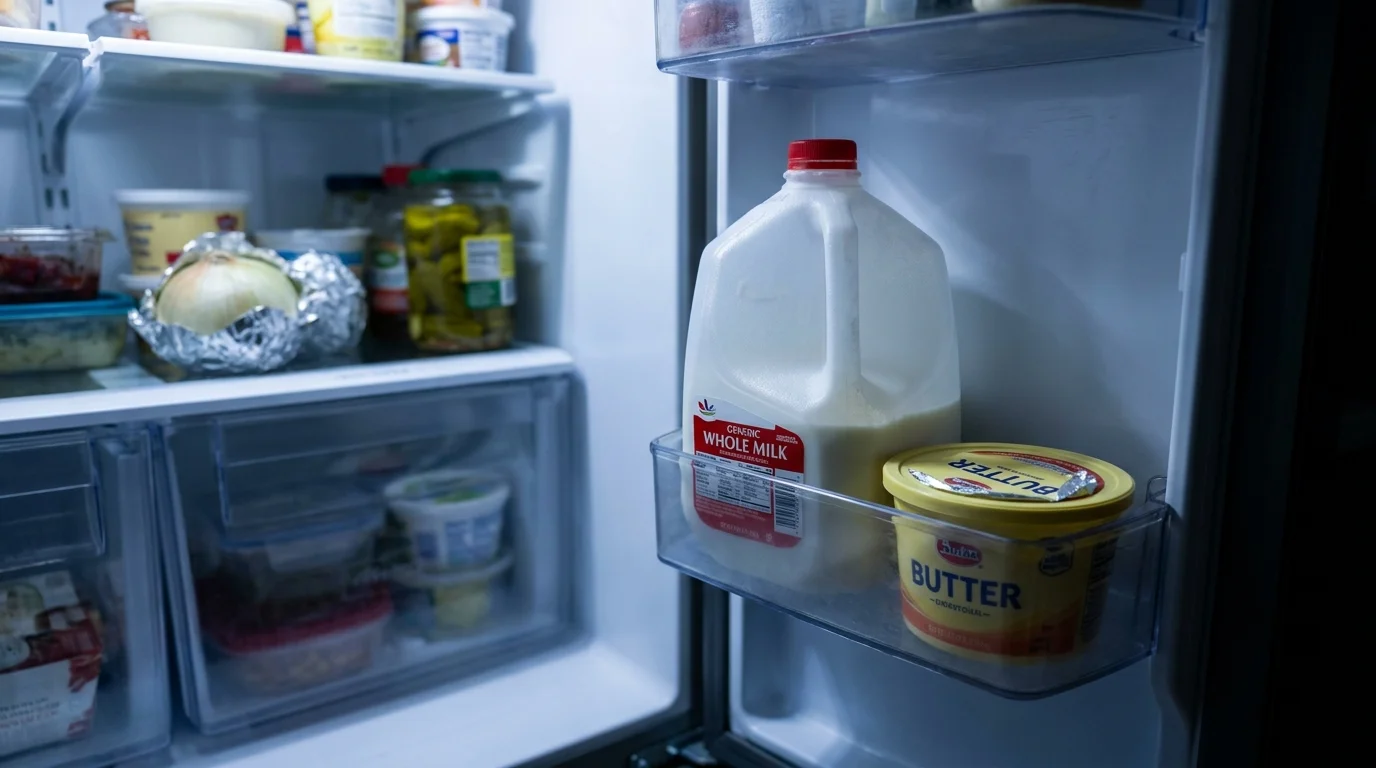
The dairy industry operates on highly localized distribution networks because milk is a perishable commodity. Regional dairy farms pool their milk at centralized processing plants, where it is pasteurized, homogenized, and funneled into various jugs. This means the store-brand gallon of whole milk likely originated from the exact same local cows as the expensive branded milk sitting right next to it.
You can verify this fact yourself by checking the dairy plant code stamped near the expiration date on the plastic jug. Savvy consumers often notice that the generic milk and the premium milk share the exact same plant code, proving they were processed in the same facility. You are literally paying extra for the printed label.
This logic heavily applies to block cheese, butter, and sour cream. Unless you are specifically seeking out grass-fed, artisanal, or specialty dairy items, standard butter and cheddar cheese are uniform commodities. Protect your grocery budget by letting the dairy industry’s logistics work in your financial favor.
Tip #8: Breakfast Cereals
The cereal aisle is notoriously dangerous for your budget, designed specifically to capture the attention of young children with bright colors and cartoon mascots. The premium price attached to these boxes strictly funds television commercials and licensing fees. However, private-label manufacturers have entirely reverse-engineered the flavor profiles of America’s favorite morning meals.
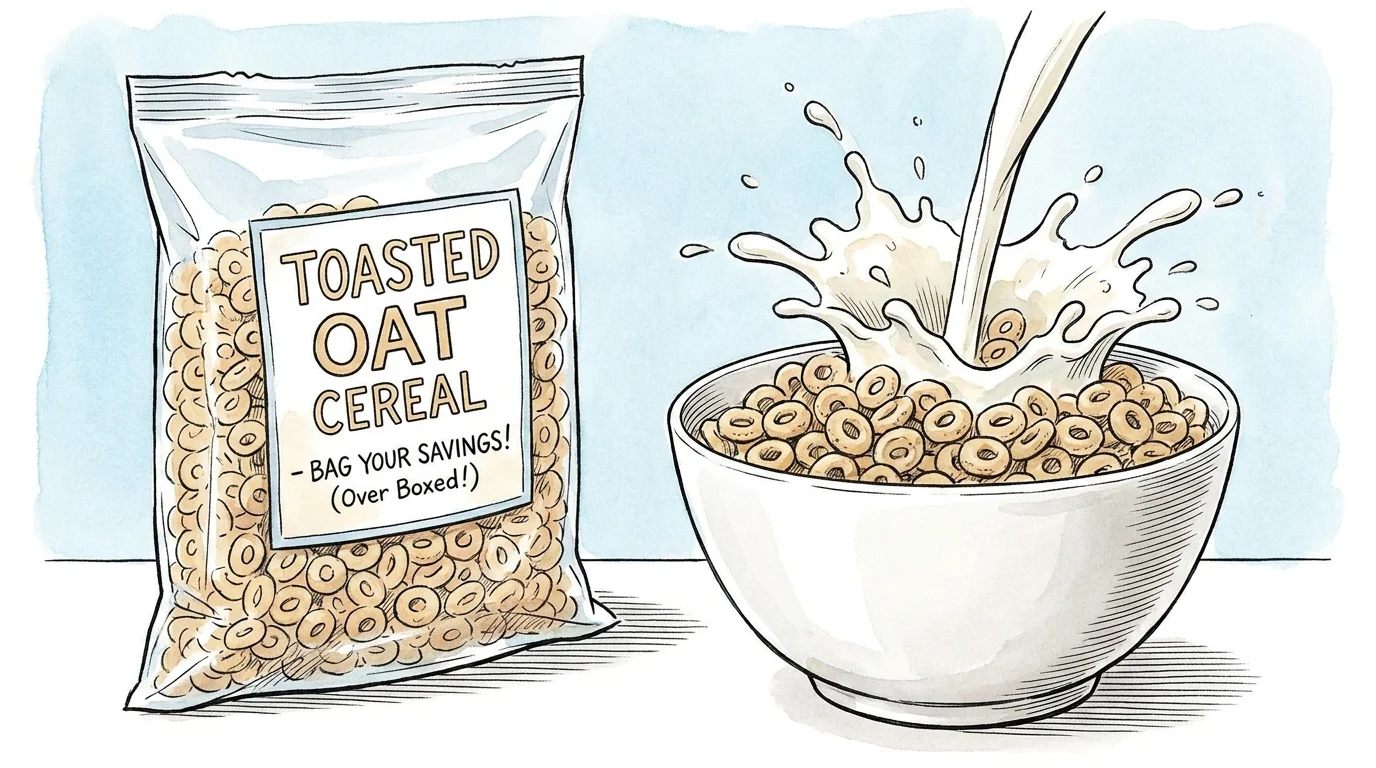
Store-brand cereals—often sold in large, resealable plastic bags rather than cardboard boxes—deliver the same satisfying crunch and sweetness for a fraction of the cost per ounce. Blind taste tests consistently prove that both children and adults struggle to distinguish between the generic toasted oats and the expensive branded rings.
Transitioning your household to generic cereal requires a simple mental shift. If your family is resistant to the change, you can easily pour the bagged generic cereal into reusable plastic pantry containers. Once the branded cardboard box disappears from the counter, the complaints usually vanish, and your grocery bill drops significantly.
Tip #9: Spices and Dried Herbs
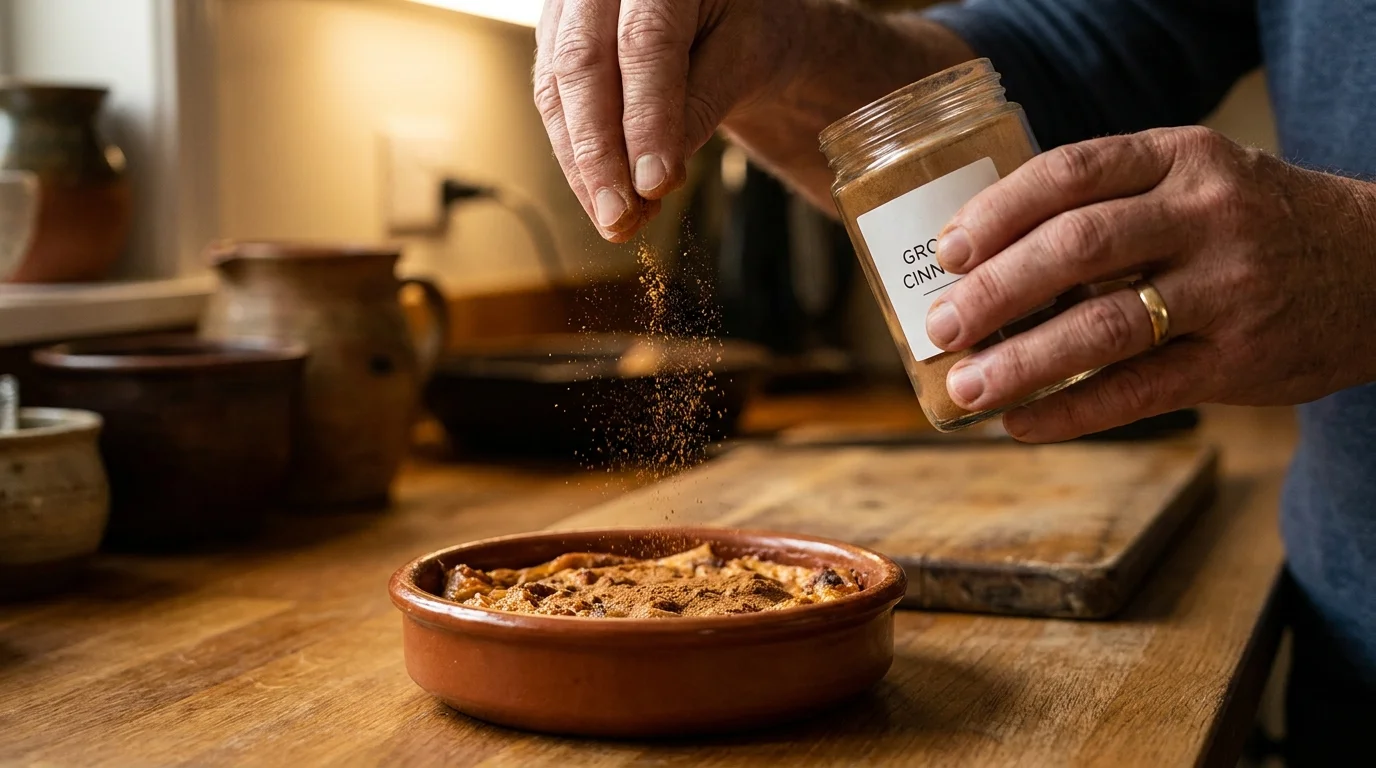
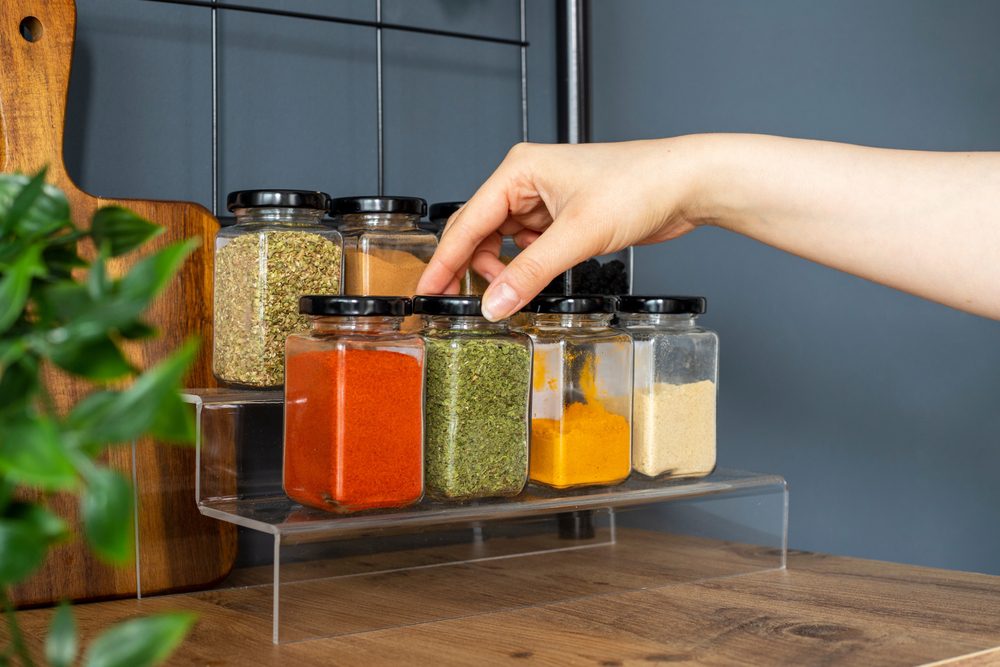
Building a diverse spice cabinet can quickly become an incredibly expensive undertaking if you rely on mainstream national brands. Supermarkets dedicate prime eye-level shelf space to fancy glass jars filled with basic dried herbs, marking them up astronomically. A single jar of branded oregano or cinnamon can easily cost five or six dollars.
Smart home cooks know that single-ingredient spices do not warrant premium prices. You can find massive savings by purchasing generic spices or buying from the bulk bins at your local health food store. Furthermore, exploring the international aisle of your supermarket often reveals generic or lesser-known imported brands offering larger quantities of spices for significantly less money.
Spices degrade over time, meaning freshness is far more critical than branding. High turnover rates on generic and bulk spices often mean you are actually buying a fresher, more potent product. Refill your existing jars with generic spices and enjoy robust, flavorful meals while keeping your grocery budget strictly in check.
Tip #10: Snack Foods and Crackers
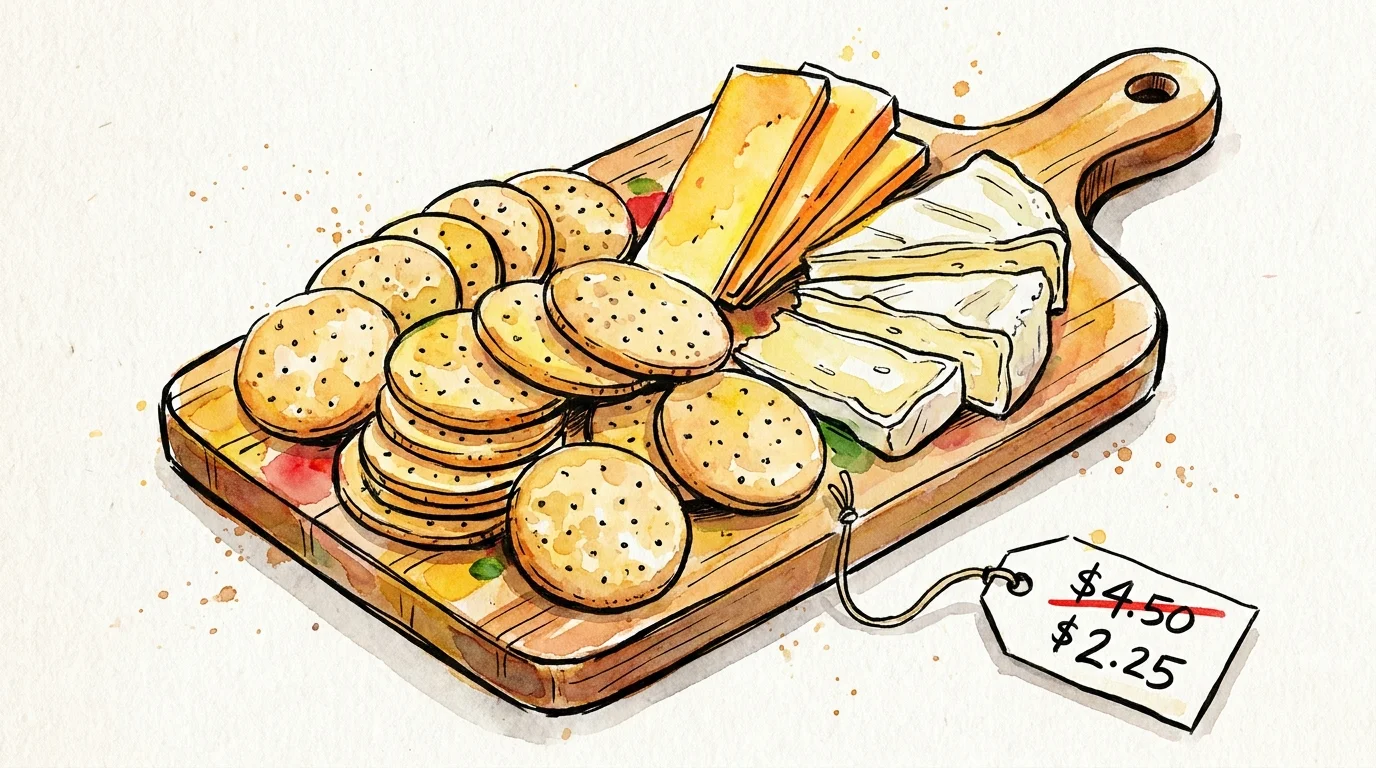
The stigma surrounding store-brand snack foods completely evaporated over the last decade. Major retailers realized that offering high-quality, delicious private-label snacks was the key to building customer loyalty. Today, generic potato chips, tortilla chips, and cheese crackers frequently rival or even surpass their name-brand equivalents in taste and texture.
Retail giants utilize massive amounts of consumer data to perfect their snack formulations. They identify the best-selling flavor profiles and partner with top-tier food manufacturers to create indistinguishable generic alternatives. When you grab a box of store-brand woven wheat crackers or a bag of generic sea salt kettle chips, you benefit from this intense corporate competition.
Entertaining guests or packing school lunches no longer requires you to shell out top dollar for premium snack branding. The quality of private-label snacks has skyrocketed, making them a strategic staple for any frugal household. Swap out your favorite branded snacks one by one, and watch your weekly grocery receipt shrink.
The Bottom Line: What This Means for Your Wallet
Refusing to blindly trust name brands is a hallmark of an educated, financially resilient consumer. Every dollar you keep out of the hands of corporate marketing departments is a dollar you can redirect toward your investments, your debt payoff strategy, or your savings goals. The transition from premium labels to store brands requires zero sacrifice in your standard of living; it simply requires you to break long-standing shopping habits.
The next time you navigate a supermarket or pharmacy, challenge yourself to actively compare the ingredient lists and the price-per-ounce metrics. You will quickly realize that the retail industry relies heavily on consumer laziness to drive profit margins. By making these ten generic swaps a permanent part of your purchasing routine, you take immediate control of your household budget and build lasting financial momentum.
Frequently Asked Questions
Are generic products really made in the exact same factories?
Yes; many large-scale manufacturers produce both branded and private-label goods on the same assembly lines. This process, known as co-packing, maximizes factory efficiency. The manufacturer simply switches the packaging materials at the end of the production run, meaning the product inside is often completely identical.
Why are store brands so much cheaper if the quality is the same?
Name brands spend billions of dollars annually on television commercials, celebrity endorsements, graphic design, and premium shelf-placement fees. Generic brands entirely avoid these massive overhead costs. Retailers pass these marketing savings directly down to the consumer, offering a competitive price to encourage you to buy their exclusive store-brand product.
Are there any products I should avoid buying generic?
While basic commodities and highly regulated items are safe generic bets, you might prefer name brands for highly complex or proprietary formulas. Things like specialized electronics, highly specific cosmetic formulations, or artisanal foods often have unique qualities that generics cannot perfectly replicate. However, for everyday staples, the generic route is almost always the superior financial choice.
For consumer protection information, visit the Federal Trade Commission (FTC) and the Consumer Financial Protection Bureau (CFPB). For product safety and reviews, consult Consumer Reports.
Disclaimer: This article is for informational purposes only and does not constitute financial advice. The content reflects the author’s opinion and research at the time of writing. Always do your own research before making financial decisions.






Leave a Reply