

Introduction: A No-Nonsense Guide to 10 Grocery Shopping Habits That Can Cut Your Food Bill in Half
Food prices have surged aggressively, leaving many Americans struggling to balance their household budgets. You walk into the supermarket for a few basic essentials and walk out with a staggering receipt, wondering exactly where your hard-earned money went. It is a common and frustrating financial drain, but you possess the absolute power to stop the bleed. You do not need to resort to extreme couponing or survive on a bland diet of rice and beans to cut food costs effectively. Real savings require a permanent shift in your shopping psychology and the execution of a few highly calculated strategies.
By adopting specific, disciplined behaviors, you can drastically reduce your monthly food expenditures and redirect that newly freed cash toward paying off high-interest consumer debt, fully funding your emergency savings, or investing for your long-term retirement. This guide delivers 10 actionable, heavily tested steps designed to transform how you buy food. Master these straightforward tactics, implement them consistently every week, and you will see immediate, tangible savings the next time you step up to the checkout register.

Financial Habit #1: Shop with an Inventory-Based List and Stick to It
The modern grocery store is a highly engineered, psychologically optimized environment designed to make you spend as much money as possible. Entering a supermarket with only a vague idea of what you need is a guaranteed recipe for impulse buys. Before you even look at a store flyer or grab your car keys, you must take a hard inventory of your existing pantry, refrigerator, and freezer. Smart grocery shopping begins long before you arrive at the store.
Open your kitchen cabinets and design your weekly meal plan around the ingredients you already own. If you have a box of pasta, a can of crushed tomatoes, and half an onion sitting in your pantry, you only need to purchase ground turkey to complete a nutritious meal. Write that down. Once you draft your comprehensive list based on missing ingredients, treat that piece of paper or digital note like a legally binding contract. If an item is not physically written on the list, it does not go into your shopping cart under any circumstances.
Retail statistics show that shoppers who wander the aisles looking for dinner inspiration spend up to 40 percent more than those who follow a rigid, pre-planned list. Consider the math—grabbing just three unplanned, impulse items at $5 each adds $15 to your trip. Over 52 weeks, that is nearly $800 drained from your bank account simply because you lacked a written plan. Stop paying this disorganized tax and start shopping with strict, unwavering purpose.

Financial Habit #2: Buy Generic and Store Brands for Pantry Staples
Brand loyalty is an expensive luxury that quietly inflates your grocery bill week after week. Many consumers hesitate to buy generic products, fearing a significant drop in quality, texture, or taste. However, store brands are frequently manufactured in the exact same commercial facilities as their premium competitors. When you buy the name brand, you are largely paying a premium for a colorful label, celebrity endorsements, and expensive national marketing campaigns.
Switching to generic labels for common pantry staples—such as baking flour, granulated sugar, canned black beans, dry oatmeal, and basic spices—yields massive and instant savings. Consider a standard 15-ounce can of diced tomatoes. The national brand often retails for $1.59, while the store brand sits directly next to it for $0.89. That 70-cent difference might seem utterly insignificant in isolation, but applied across 30 different items in your shopping cart, you save $21 per trip. Over the course of a year, that equates to more than $1,000 kept securely in your checking account.
When exploring grocery savings, seniors in particular find that dropping brand loyalty provides immediate financial relief on fixed incomes. Reserve your premium spending for the very few items where you genuinely taste a distinct difference, and let the cheaper store brands handle the heavy lifting for your foundational cooking ingredients.
Financial Habit #3: Leverage the Loss Leader Strategy at Local Supermarkets
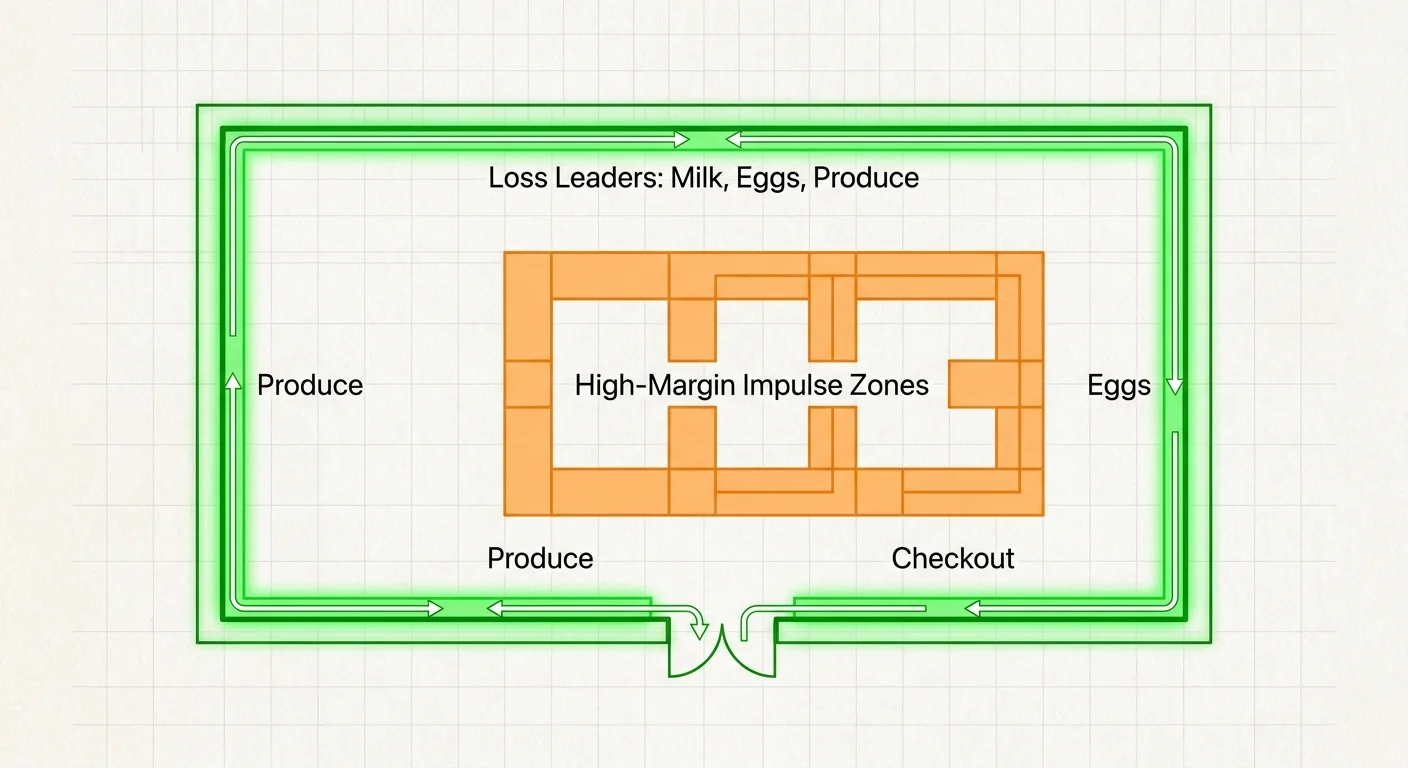
Supermarkets routinely sell certain high-demand grocery items below their actual cost to lure you through their automatic doors. These heavily discounted products are known in the retail industry as “loss leaders.” The store anticipates that once you walk in to claim the highly publicized $1.99 per pound chicken breasts, you will also buy the $5 bottle of barbecue sauce, the $4 bag of potato chips, and the $6 case of soda at their full retail markup.
You can beat the grocery stores at their own psychological game by ruthlessly cherry-picking these loss leaders. Review the weekly promotional circulars from two or three competing supermarkets in your local area. Identify the massive, front-page discounts on fresh meat, seasonal produce, and dairy products. Buy only those steeply discounted items, confidently skip the heavily marked-up center aisles, and walk out the door.
If Store A is advertising lean ground beef for $2.99 a pound and Store B is selling whole roasting chickens for $0.99 a pound, split your weekly shopping trip. Stock your deep freezer with these bargains. While this strategy requires a bit of extra driving and time management, saving $20 to $30 on a single meat haul makes these frugal food tips highly lucrative and entirely worth the effort.

Financial Habit #4: Implement Meatless Meals Multiple Times a Week
Meat is consistently the most expensive category on almost any grocery receipt. Relying heavily on beef, pork, or poultry for every single family dinner places a heavy burden on a tight financial budget. You do not need to become a strict, full-time vegetarian to see massive savings; you merely need to diversify your primary protein sources.
If you want to drastically reduce food bill 60+ expenses, integrating plant-based proteins into your weekly diet is highly effective. Consider the raw numbers. A single pound of lean ground beef averages around $6.00 depending on your geographic region. Conversely, a 16-ounce bag of dried brown lentils—which yields significantly more physical food volume when cooked with water—costs roughly $1.50.
Swap out the expensive beef in your homemade chili for black beans and dark red kidney beans. Use inexpensive chickpeas in a hearty, vegetable-based curry, or bake a simple potato frittata using eggs, which remain one of the most cost-effective protein sources available. By actively skipping meat just two or three times a week, you can easily shave $15 to $20 off your weekly grocery run. That simple, healthy dietary adjustment translates to $1,000 in annual savings.
Financial Habit #5: Check the Unit Price Instead of the Retail Price
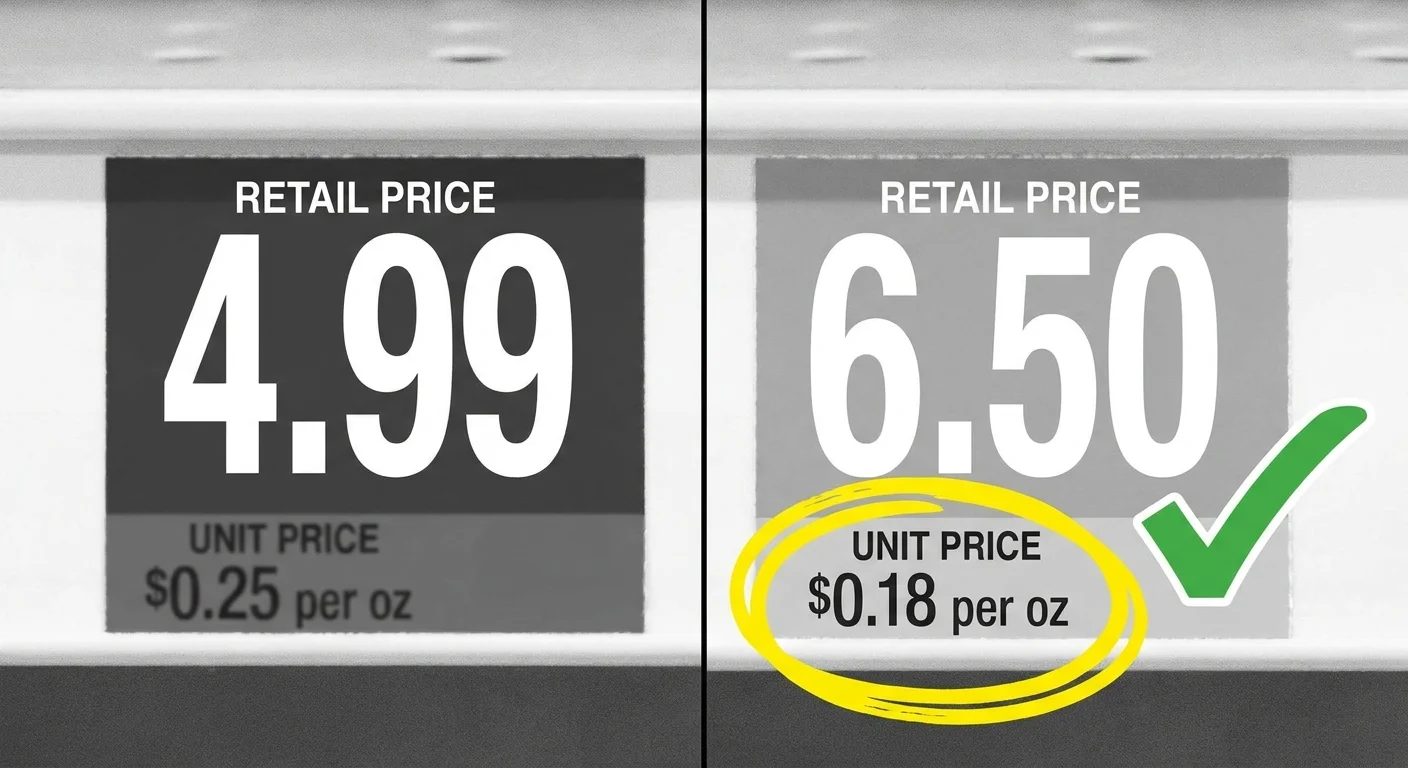
Retailers constantly use deceptive package sizing to manipulate your perception of financial value. A large, bulky box of breakfast cereal is not always cheaper per ounce than a medium box, especially if the medium box is featured on a promotional store sale. The large retail price printed in bold numbers tells you what you will pay at the register, but it tells you absolutely nothing about the actual value of the food contained inside the packaging.
Your best financial defense against “shrinkflation” and tricky marketing is the unit price, which is usually printed in much smaller text in the bottom corner of the shelf tag. This crucial number breaks down the total cost by ounce, pound, or liter. Comparing unit prices strips away the marketing deception and reveals the raw math.
For example, you might see a 12-ounce bottle of salad dressing retailing for $3.00 and an 8-ounce bottle for $2.40. The smaller bottle boasts a lower retail price, making it appear like the cheaper option to a hurried shopper. However, the 12-ounce bottle costs $0.25 per ounce, while the 8-ounce bottle costs $0.30 per ounce. The larger bottle is clearly the smarter financial choice. Training your eyes to automatically scan for the unit price guarantees you always get the maximum volume of food for every dollar you spend.
Financial Habit #6: Avoid the Convenience Tax on Pre-Packaged Produce
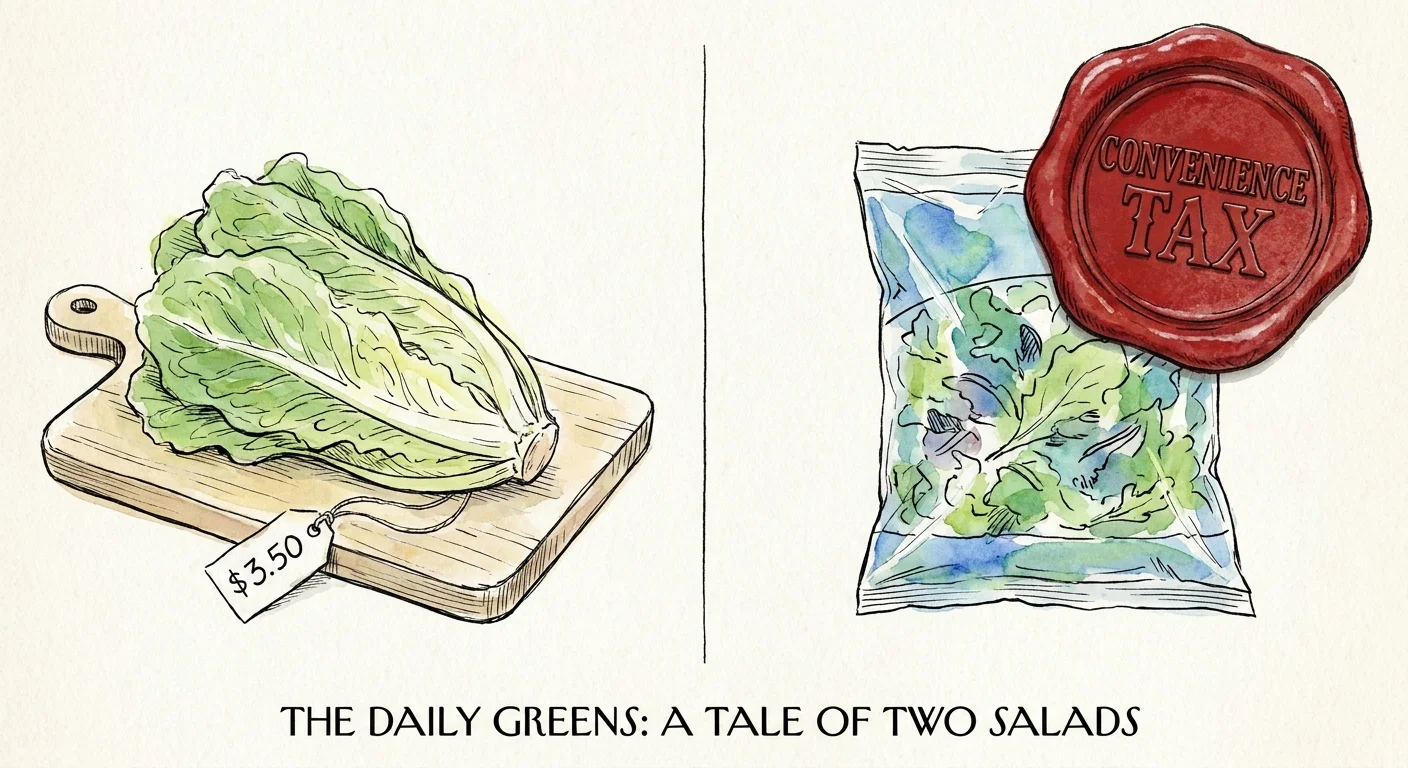
Supermarkets heavily promote pre-cut fresh fruits, bagged salad mixes, and pre-marinated meats in their perimeter aisles. These items aggressively promise to save you prep time in the kitchen after a long day of work, but that convenience carries a massive, hidden financial penalty. When you buy these items, you are effectively paying grocery store employees an exorbitant hourly rate to hold a kitchen knife for you.
A 16-ounce plastic container of pre-cut, cubed watermelon often sells for $5.00 or more. Meanwhile, an entire whole watermelon, weighing 10 pounds or more, might sell for just $6.00 total. By choosing the pre-cut option, you are paying ten times more per ounce for the exact same fruit. Similarly, bagged, pre-washed romaine lettuce often costs $3.99 for a mere 8 ounces, whereas a whole, fresh head of romaine costs $1.99 and yields twice the edible volume.
Always buy your fruits and vegetables in their whole, natural, un-manipulated state. Spend ten to fifteen minutes on a Sunday afternoon washing, peeling, and chopping your fresh produce for the upcoming week. The physical labor is minimal, but the financial savings are spectacular. Dodging this convenience tax ensures your grocery budget buys actual food nutrition, not unnecessary plastic packaging and slicing services.
Financial Habit #7: Master the Art of Bulk Buying Without Creating Waste
Warehouse clubs and supermarket bulk bins offer tremendous unit price discounts, but bulk buying is only a viable money-saving strategy if your household actually consumes the product before it spoils. Buying a massive, five-pound tub of organic spinach for $4.00 is a terrible financial deal if three pounds of it inevitably turns to green slime in the back of your refrigerator crisper drawer.
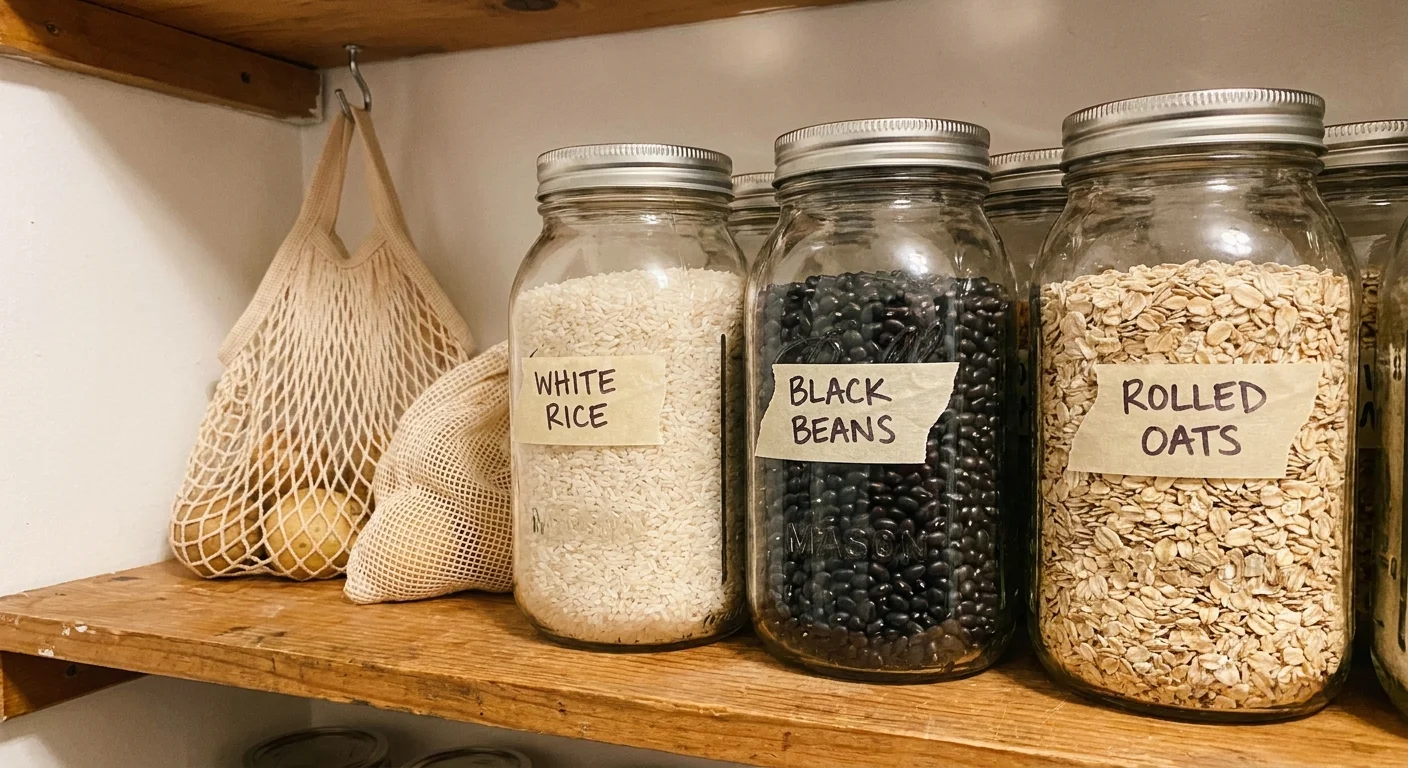
The core secret to profitable bulk shopping is thoroughly understanding the shelf life of your purchases. Focus your bulk buying exclusively on non-perishable goods, household cleaning staples, and items you can easily portion and freeze. Toilet paper, dry white rice, dried pasta, canned vegetables, and whole bean coffee are excellent, low-risk bulk candidates.
If you find a massive, undeniable discount on a perishable item like family-sized packs of chicken thighs, immediately portion the raw meat into separate, airtight freezer bags the moment you return home. When dealing with large bulk purchases, your deep freezer is your greatest financial asset. Treat bulk buying as a long-term investment in your pantry inventory, ensuring you strictly spend money on quantities you are mathematically guaranteed to use.

Financial Habit #8: Shop on a Full Stomach and Unaccompanied
Human psychology and biology play a massive role in your financial decision-making process. Shopping while physically hungry elevates your blood sugar cravings, making every single end-cap display of chocolate chip cookies, salty chips, and frozen pizzas look utterly irresistible. Raw hunger completely overrides your logical, budgeting brain and forces you into a state of reactive consumption.
Before you step foot in a grocery store, consciously eat a full meal or a highly satiating, high-protein snack like a handful of almonds or a hard-boiled egg. A physically satiated shopper calmly sticks to the written list; a hungry shopper aggressively justifies expensive, nutrient-poor junk food.
Additionally, grocery shopping should be a solo mission whenever logistically possible. Bringing a spouse or young children into the store introduces the dangerous “nag factor” into your financial equation. Family members will inevitably toss extra, unapproved items into the shopping cart, completely derailing your carefully calculated budget. A box of premium crackers here, a novel ice cream flavor there, and suddenly your final bill is $30 higher. Go alone, secure exactly what you planned to buy, and leave without the emotional friction of negotiating over snacks in aisle four.
Financial Habit #9: Embrace Seasonal Produce to Slash Prices
The modern global supply chain allows you to buy fresh strawberries in late December and crisp asparagus in October, but fighting the natural agricultural cycle comes at a premium cost. When you buy out-of-season produce, you are directly paying for the massive fuel and transportation costs required to fly that delicate food across the globe to your local store.
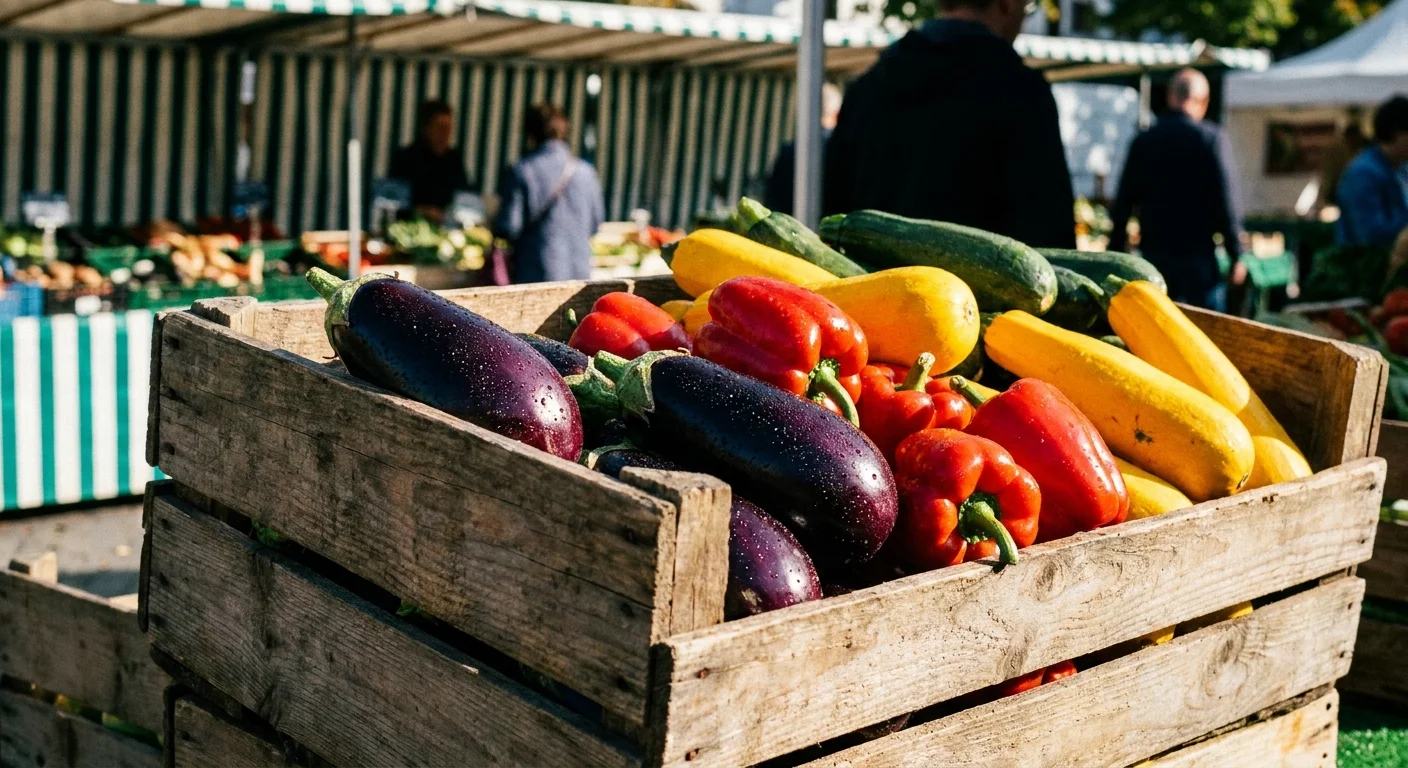
To maximize your purchasing power, forcefully align your family menu with your region’s agricultural harvest seasons. During the hot summer months, gorge on cheap, abundant zucchini, ripe tomatoes, sweet corn, and fresh berries. When autumn rolls around, pivot your recipes to apples, butternut squash, and sweet potatoes. In the dead of winter, rely heavily on hearty root vegetables, dense cabbage, and robust citrus fruits.
When local farms simultaneously harvest a specific seasonal crop, the regional market violently floods with supply, driving the retail price down to rock bottom. Fresh strawberries that cost $4.99 a pint in the winter naturally drop to $1.99 a pint in late spring. Adjusting your palate to the changing seasons is a critical component of a frugal grocery strategy, guaranteeing peak freshness while keeping your weekly produce budget incredibly low.
Financial Habit #10: Stack Cash-Back Apps and Digital Store Coupons
The nostalgic days of spending two hours clipping paper coupons from the Sunday newspaper with scissors are largely over. Today, extreme grocery savings require a modern smartphone and exactly five minutes of digital prep work. Every major grocery chain in America now operates a proprietary loyalty app featuring exclusive digital coupons that you must actively “clip” to your account before checking out.
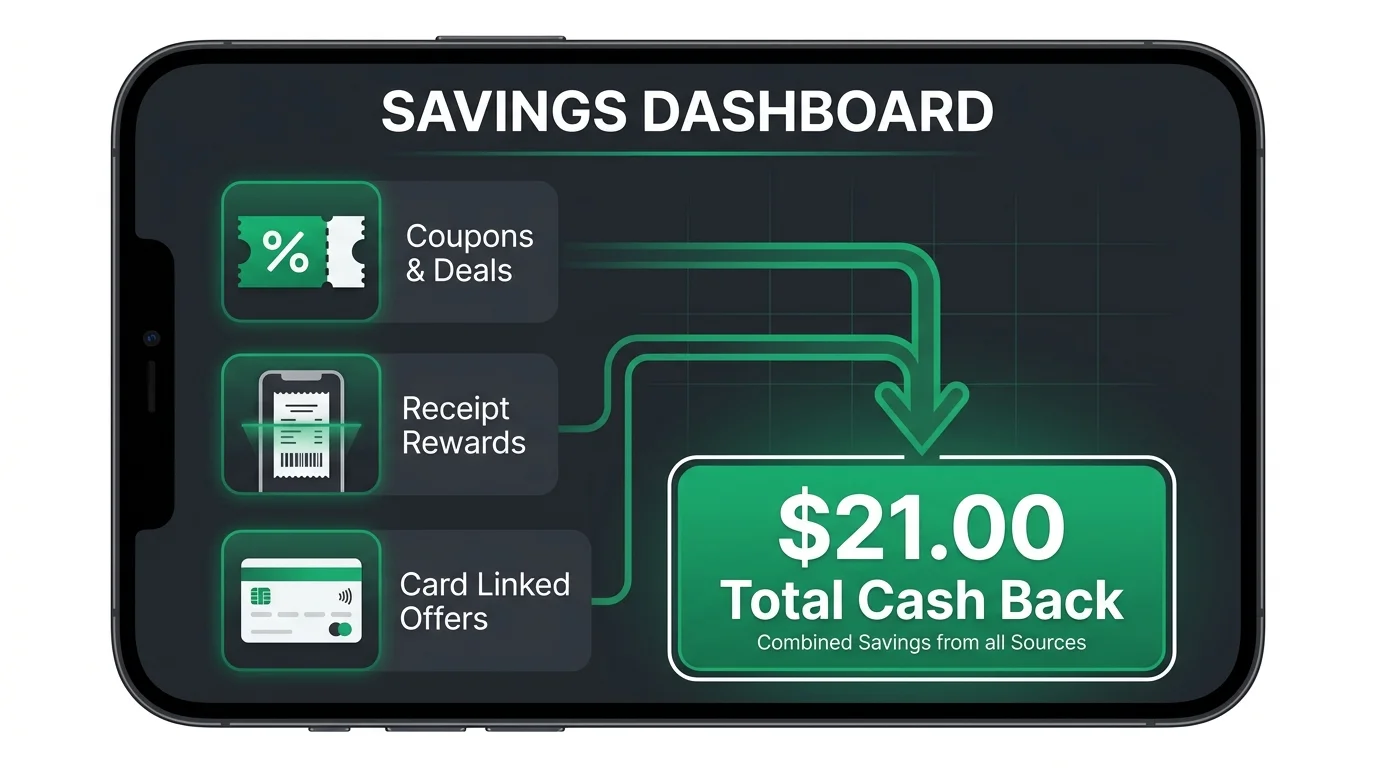
Do not stop your efforts at the store level. Third-party cash-back applications allow you to quickly scan your physical receipt after the transaction is complete to earn hard cash rebates on specific brands or general grocery categories. While earning a $1.00 rebate on a carton of eggs or getting $0.50 back on a standard loaf of bread feels small in the exact moment, these micro-transactions accumulate rapidly into sizable payouts.
If you strategically combine a weekly store sale, a digital manufacturer coupon accessed from the grocer’s app, and a post-purchase rebate from a cash-back app, you can frequently acquire standard pantry staples for mere pennies on the dollar. Make it a non-negotiable habit to check your apps while sitting in the store parking lot before you walk inside. Five minutes of focused screen time easily yields a ten to fifteen percent reduction on your final checkout total.
The Big Picture: How This Affects Your Financial Future
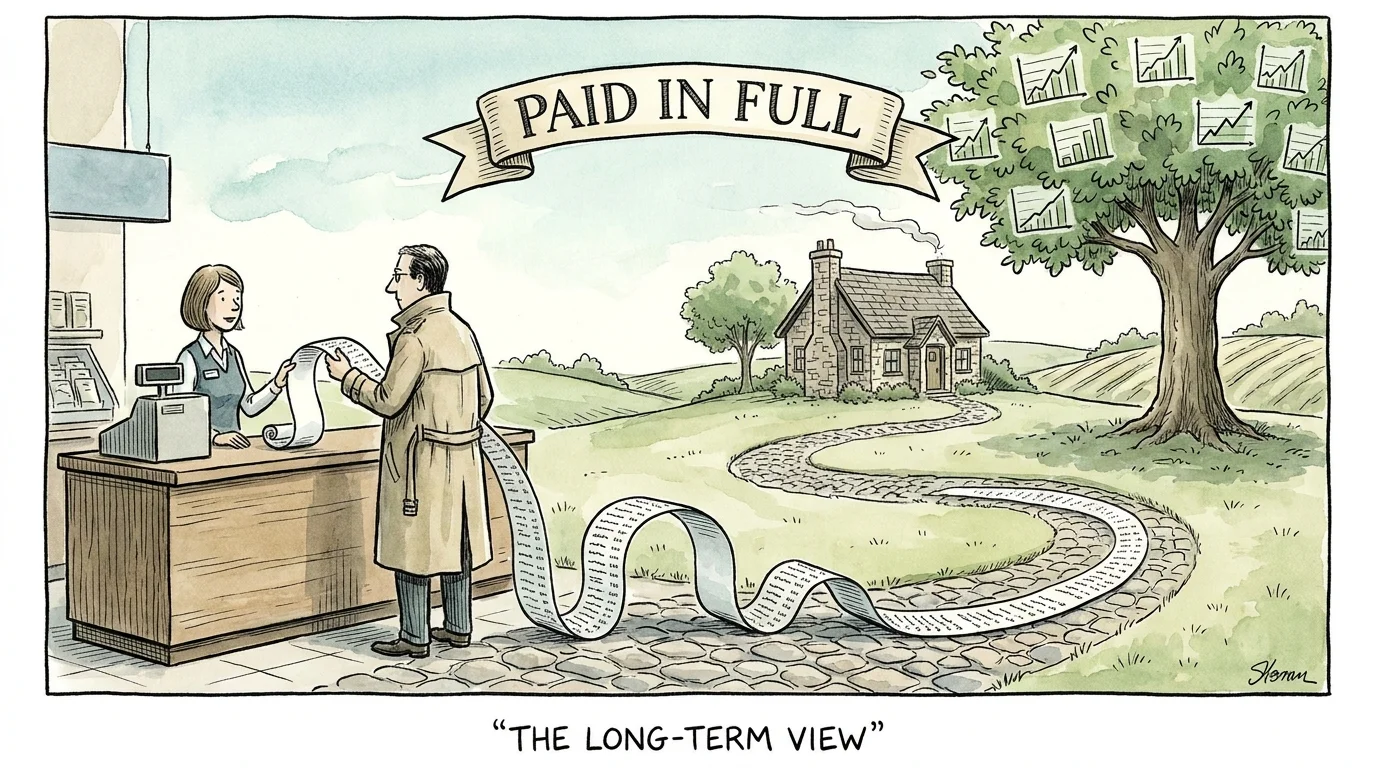
Shaving $100 or $200 off your monthly food bill might not immediately seem like a life-altering financial milestone on its own. However, personal finance is fundamentally a game of margins. Cutting your grocery bill is absolutely not about depriving yourself of good, nutritious food; it is about ruthlessly eliminating waste and dodging retail manipulation so you can repurpose that capital toward true wealth building.
If you diligently apply these 10 habits and reduce your grocery spending by $250 a month, you have just injected $3,000 of free cash flow into your household budget every single year. You can systematically use that found money to aggressively pay down high-interest credit card debt, fully fund a Roth IRA, or build a bulletproof emergency savings account that protects your family from unexpected financial shocks.
The fierce discipline you build navigating the supermarket aisles translates directly to other, much larger areas of your financial life. When you stop overpaying for basic chicken and cereal, you naturally stop overpaying for automobiles and insurance premiums. Master your household food budget, take permanent control of your daily consumption habits, and watch closely as those saved dollars rapidly compound into long-term, generational wealth.
Frequently Asked Questions
How can I save money on groceries if I have severe dietary restrictions?
Strict dietary restrictions—such as requiring a gluten-free or dairy-free lifestyle—often force consumers into buying premium, highly processed specialty products. To aggressively combat this markup, focus heavily on naturally compliant whole foods rather than boxed, processed substitutes. Brown rice, sweet potatoes, quinoa, and fresh vegetables are naturally gluten-free and infinitely cheaper than a $7 box of specialty gluten-free crackers. Build your meals around inexpensive base ingredients that inherently fit your diet without the specialty manufacturing tax.
Are warehouse club memberships actually worth the upfront annual fee?
A wholesale warehouse membership is highly profitable if you strategically buy non-perishable household staples, bulk meats specifically for freezing, and discounted automotive fuel. However, if you frequently throw away expired bulk produce or routinely fall victim to expensive impulse buys in the electronics and clothing aisles, the membership will ultimately cost you far more than it saves. Track your bulk purchases strictly against regular supermarket unit prices to definitively ensure you are actually coming out ahead on the math.
What is the absolute most effective way to track my grocery budget?
Implementing a zero-based budgeting method is the gold standard. Allocate a precise, non-negotiable dollar amount for food at the exact start of the month. You can use digital budgeting software, a simple spreadsheet, or the highly effective traditional cash envelope system. When you use physical cash for groceries, the physical act of handing over dollar bills triggers a psychological friction that prevents casual overspending. Once the cash envelope is empty, you must creatively rely on your pantry reserves until the next budget cycle begins.
How do I successfully handle rising inflation at the grocery store?
When macroeconomic inflation aggressively drives food prices up across the board, you must become much more aggressive and flexible with your ingredient substitutions. Pivot immediately from expensive cuts of beef to cheaper chicken thighs, pork shoulders, or plant-based proteins. Increase your reliance on dried beans, lentils, and frozen vegetables. Frozen produce is frozen at peak nutritional freshness, heavily outlasts fresh equivalents, and eliminates the expensive risk of food spoilage, thoroughly shielding your weekly budget from intense inflationary pressures.
For official information on consumer finance and debt, consult the CFPB. Tax information is available from the IRS. For investment basics, refer to the U.S. SEC.
Disclaimer: This article provides informational content and personal opinions, not professional financial advice. Consult a certified financial advisor for guidance tailored to your specific situation.









Leave a Reply