Traveling drains your bank account fast enough without you falling for culinary illusions disguised as local delicacies. You hand over your hard-earned cash expecting an authentic cultural experience, but instead, you receive an inflated, mass-produced bite engineered to exploit your vacation mindset.
Smart travelers know how to separate genuine regional cuisine from carefully marketed traps designed exclusively for sightseers. Once you recognize the visual cues and location red flags of these culinary imposters, you easily bypass the tourist tax and redirect your budget toward memorable, high-quality meals.
Stop subsidizing the travel industry with your food budget; learn how to identify the glossy, photogenic bites that offer zero authentic value and exist purely to separate you from your money.
Tip #1: The Mountainous Neon Gelato
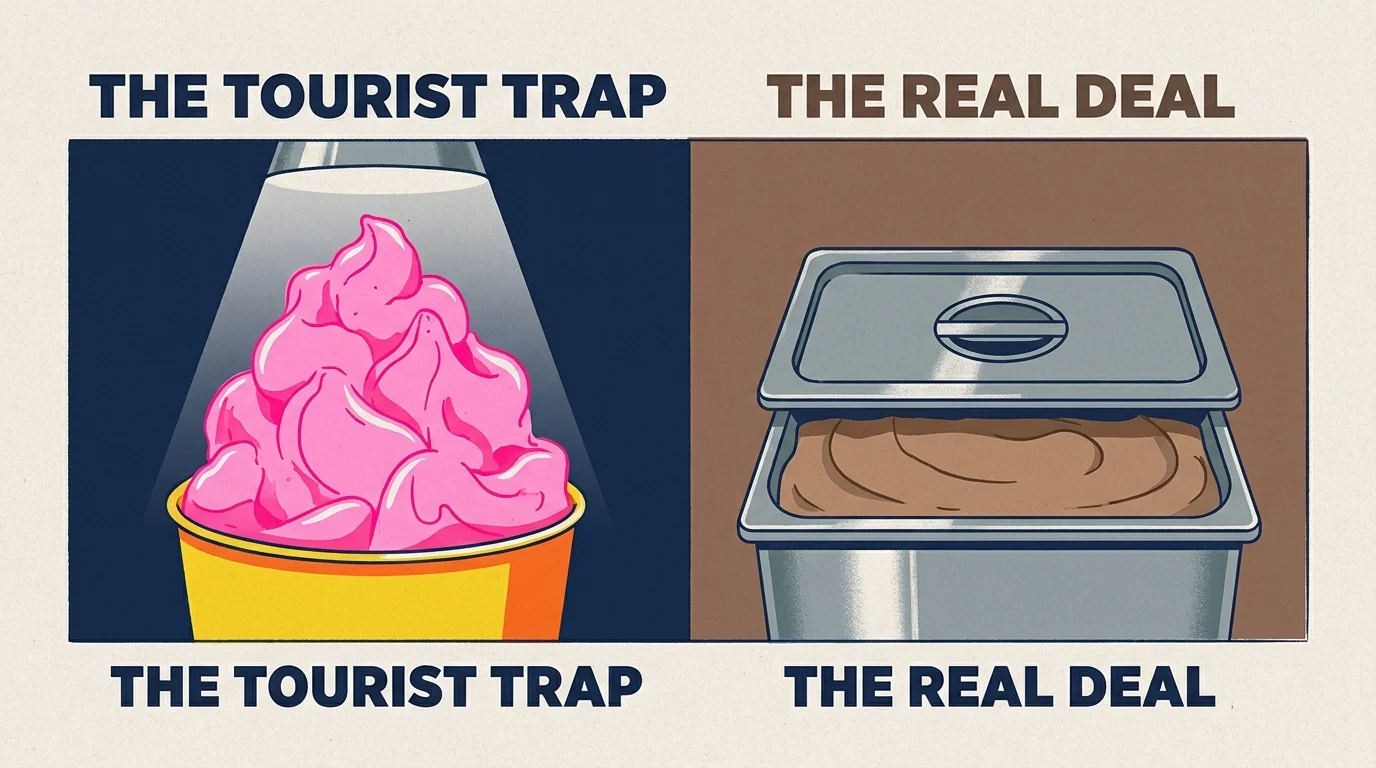
Wandering the cobblestone streets of Rome or Florence, you will inevitably encounter shop windows displaying towering, neon-colored mounds of ice cream. This vibrant display immediately triggers your vacation dining instincts, but it actually serves as a massive red flag.
Authentic artisanal gelato does not hold a mountainous shape; it remains dense, rests flat in metal tubs—often hidden under heavy lids—and features muted, natural colors.
Vendors pump the sky-high swirls you see on the main thoroughfares full of air and stabilize them with artificial emulsifiers. You end up paying an eight-euro premium for vegetable fats and food coloring rather than high-quality dairy.
Walk three blocks away from the major piazzas to find the real deal and save your money.
Tip #2: Prague’s Chimney Cakes
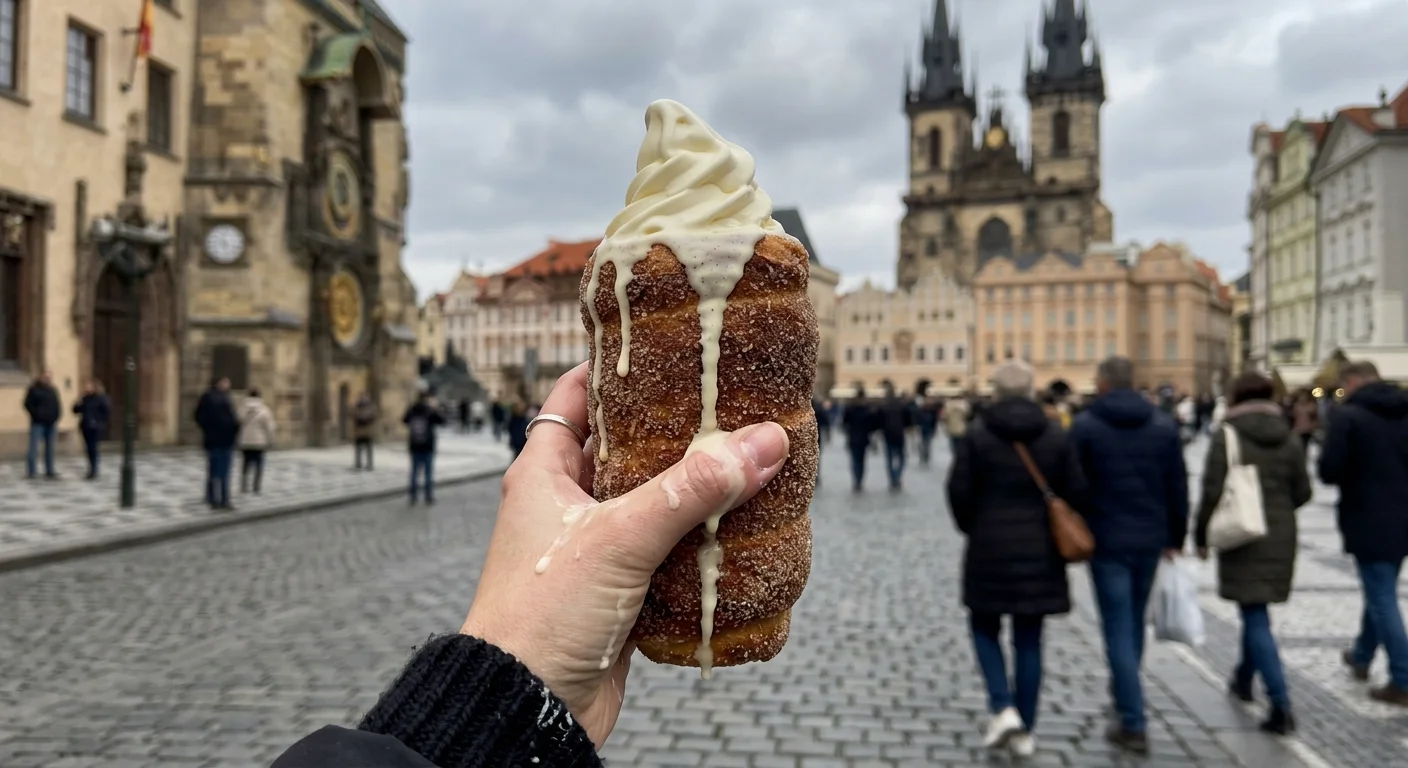
Street vendors aggressively market the trdelník as a traditional old Bohemian pastry, complete with rustic wooden spinning racks positioned over open coals. In reality, this photogenic, sugar-coated cylinder represents a modern marketing illusion designed specifically as tourist food.
Czech grandmothers never baked these for their families; aggressive entrepreneurs imported the concept from Transylvania relatively recently to capitalize on hungry sightseers. You pay the equivalent of six dollars for a simple ring of sweet dough that offers very little substance.
The stalls then upcharge you even further by stuffing the hollow center with cheap soft-serve ice cream or generic chocolate spread. Skip this inflated snack and seek out an authentic Czech kolache at a local neighborhood bakery.
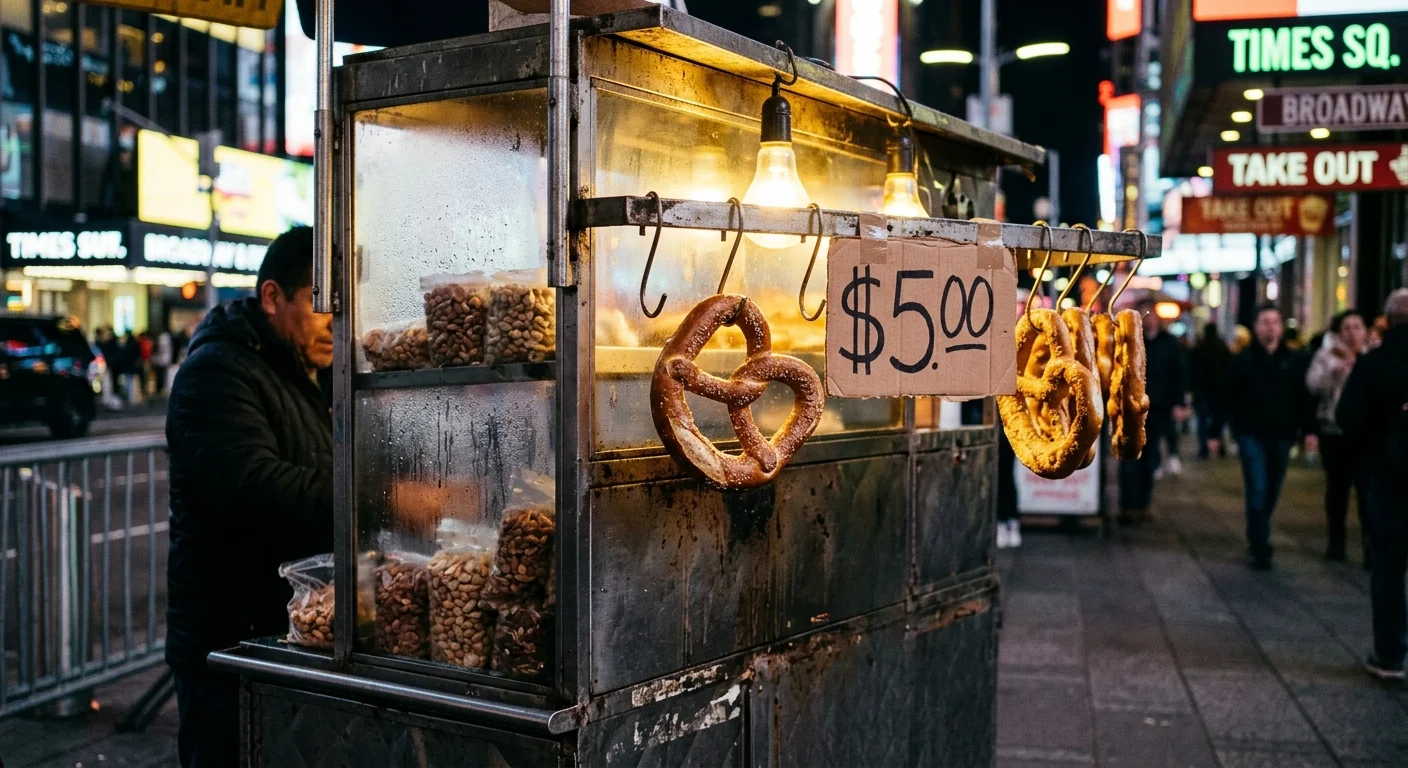
Tip #3: The Times Square Jumbo Pretzel
New York City cart vendors rely on the iconic image of the giant, salty street pretzel to lure in exhausted families. Unfortunately, the reality rarely matches the romanticized image you see in the movies.
These pretzels often sit under weak heat lamps for six to eight hours, transforming from soft dough into tough, chewy cardboard. Cart operators near major attractions routinely charge upwards of five dollars for a product that costs pennies to manufacture and distribute.
Instead of throwing your money away on a stale piece of bread, use your travel food budget at a proper neighborhood bagel shop or bakery, where they bake fresh goods daily and charge fair, local prices.
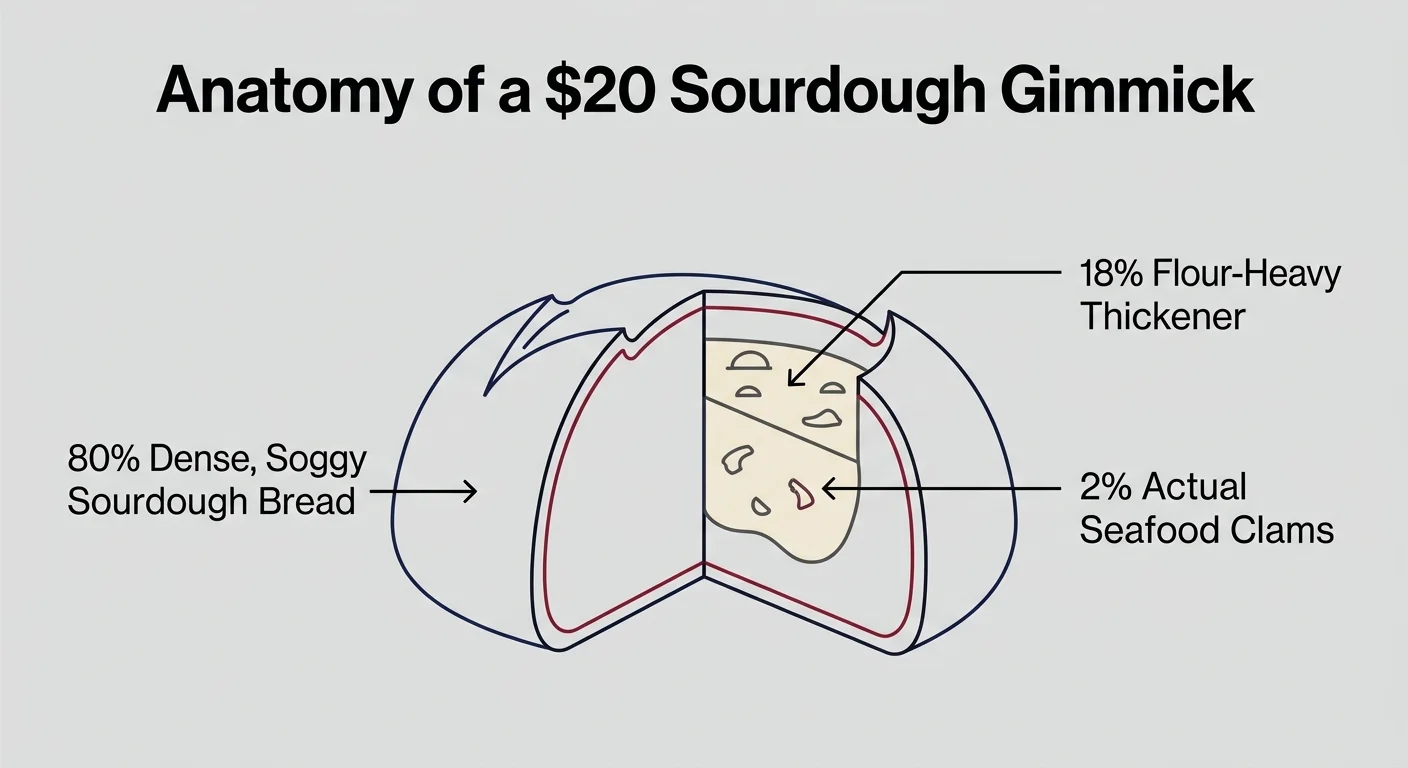
1. This
2. satirical
3. diagram
4. breaks
5. down
6
Tip #4: Fisherman’s Wharf Sourdough Chowder Bowls
Tourists flock to San Francisco expecting a life-changing seafood experience housed inside a rustic loaf of bread. The waterfront restaurants recognize this demand and mass-produce thick, flour-heavy chowder to fill generic sourdough bowls.
You pay twenty dollars for a meal where the bread acts as a cheap, filling gimmick to distract you from the sparse amount of actual seafood in the soup.
The bowl itself absorbs the moisture, leaving you with a soggy, inedible crust by the time you finish the liquid.
Smart travelers venture out of the immediate wharf zone to neighborhood seafood spots that serve rich, broth-based cioppino or high-quality chowder without relying on the bread bowl distraction.
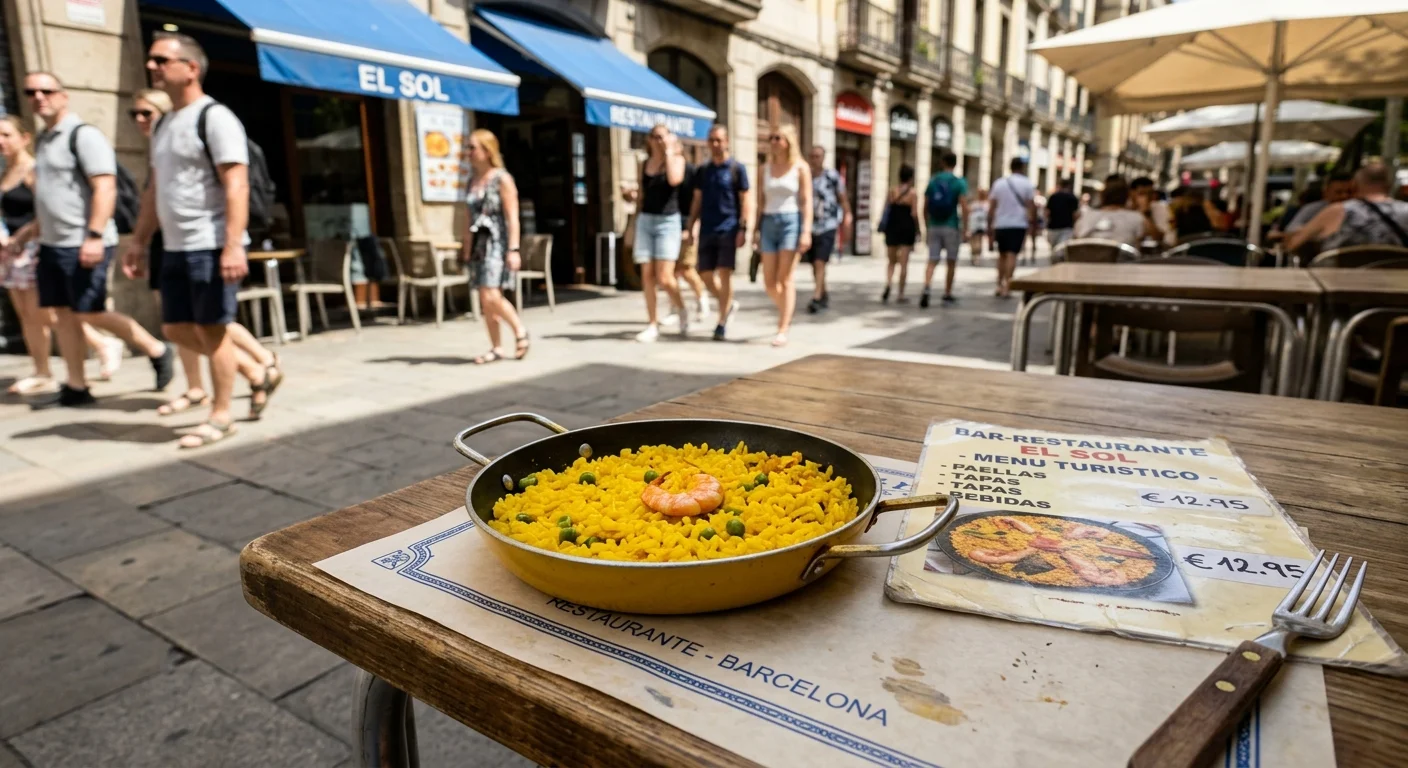
Tip #5: The Las Ramblas Paella Pan
Walking down the busiest avenue in Barcelona, you will see dozens of restaurants displaying vibrant yellow paella in individual metal pans. Waiters stand outside clutching laminated menus in ten languages, aggressively waving you inside.
These individual portions almost always consist of industrially frozen rice heavily dyed with cheap food coloring instead of expensive saffron.
Authentic Spanish paella requires significant preparation time, utilizes fresh regional ingredients, and arrives at the table in a large pan meant for a group to share. When you buy the single-serving tourist version, you essentially pay a massive premium for a microwave meal.
Take a cab to the coastal neighborhoods to eat real paella and experience true Spanish culinary traditions.
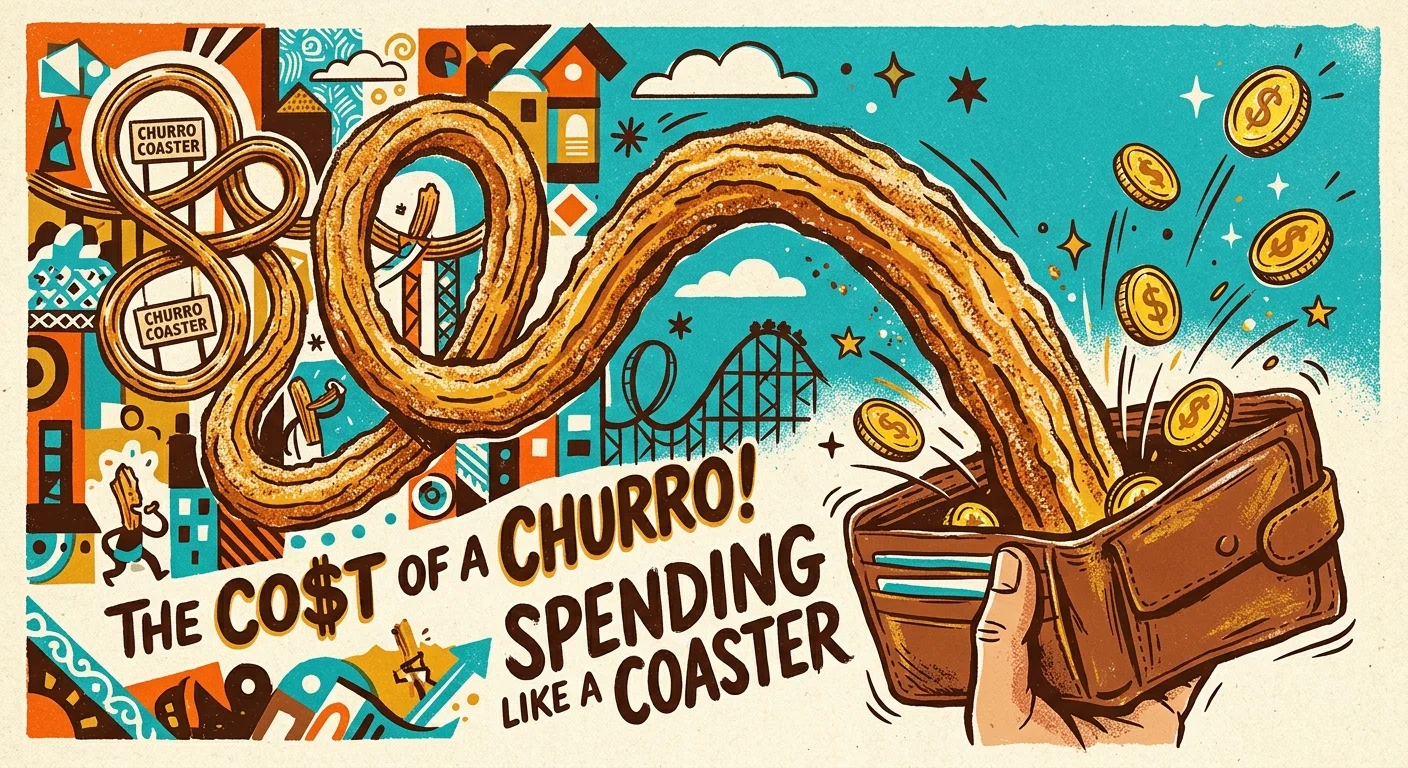
Tip #6: Theme Park Churros
Amusement parks possess a captive audience, and they exploit this advantage mercilessly through their snack kiosks. The theme park churro stands as the ultimate example of overpriced food disguised as a treat.
These parks purchase massive boxes of frozen, pre-fried dough sticks from industrial suppliers for pennies per unit. They briefly reheat them in small ovens, roll them in cinnamon sugar, and charge you seven dollars apiece.
The texture often leans dry and brittle, lacking the crispy exterior and fluffy interior of a genuine, freshly piped churro. Keep your wallet in your pocket while inside the park gates and satisfy your sweet tooth at a dedicated local dessert shop once you leave.
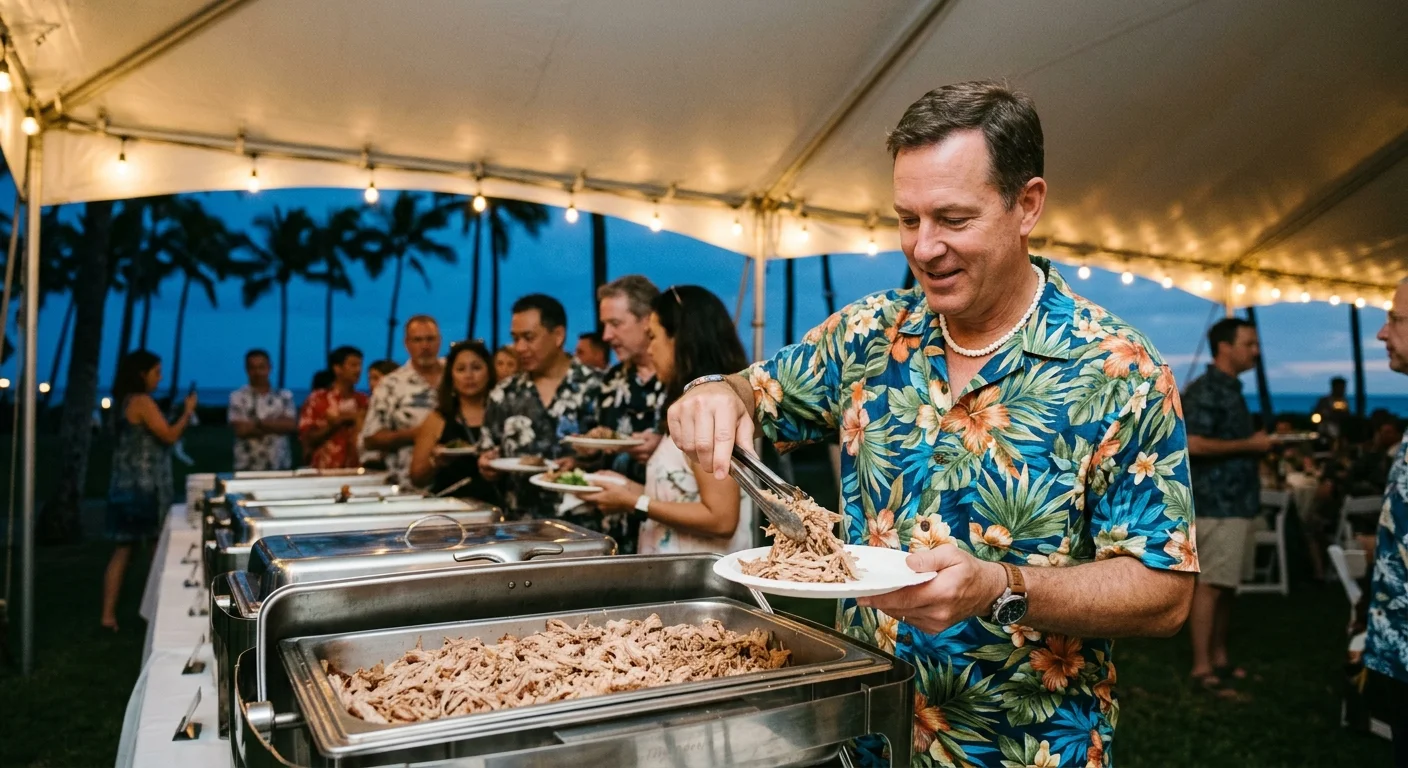
Tip #7: Hawaiian Luau Buffet Pork
Resorts aggressively market the traditional luau as a mandatory Hawaiian vacation experience, charging upwards of one hundred and fifty dollars per ticket. They heavily promote the ceremonial unearthing of the kalua pig from the underground imu oven.
However, strict commercial health codes prevent resorts from serving the actual pig buried in the sand to hundreds of guests. Instead, the kitchen staff mass-roasts pork shoulders in conventional industrial steamers and coats them in liquid smoke.
You pay a staggering premium for a theatrical show while eating cafeteria-grade meat served from a standard buffet chafing dish. You easily find vastly superior, authentic kalua pork at local Hawaiian plate lunch counters for less than fifteen dollars.
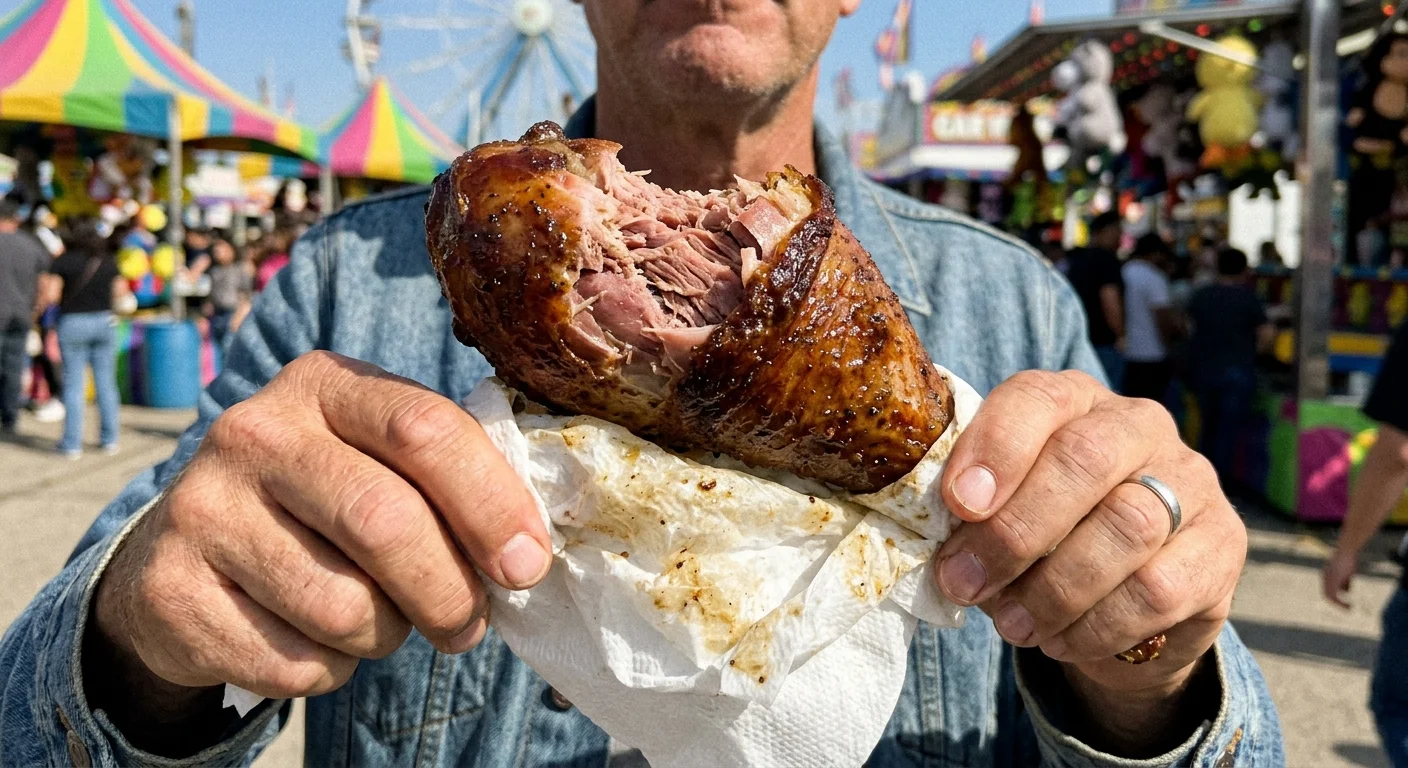
Tip #8: The Giant Fairground Turkey Leg
State fairs and festival grounds push the massive roasted turkey leg as the ultimate primal snacking experience. Vendors smoke these enormous legs and pump them full of aggressive saline solutions and artificial curing salts to extend their shelf life.
The heavy curing process chemically alters the meat, making it taste and feel much more like cheap ham than actual roasted poultry.
Furthermore, the sheer size of the leg guarantees that a large portion of the meat dries out under the heating elements before you even take your first bite.
You hand over fifteen dollars for a novelty photo opportunity that ultimately ends up sitting half-eaten in the nearest trash can.
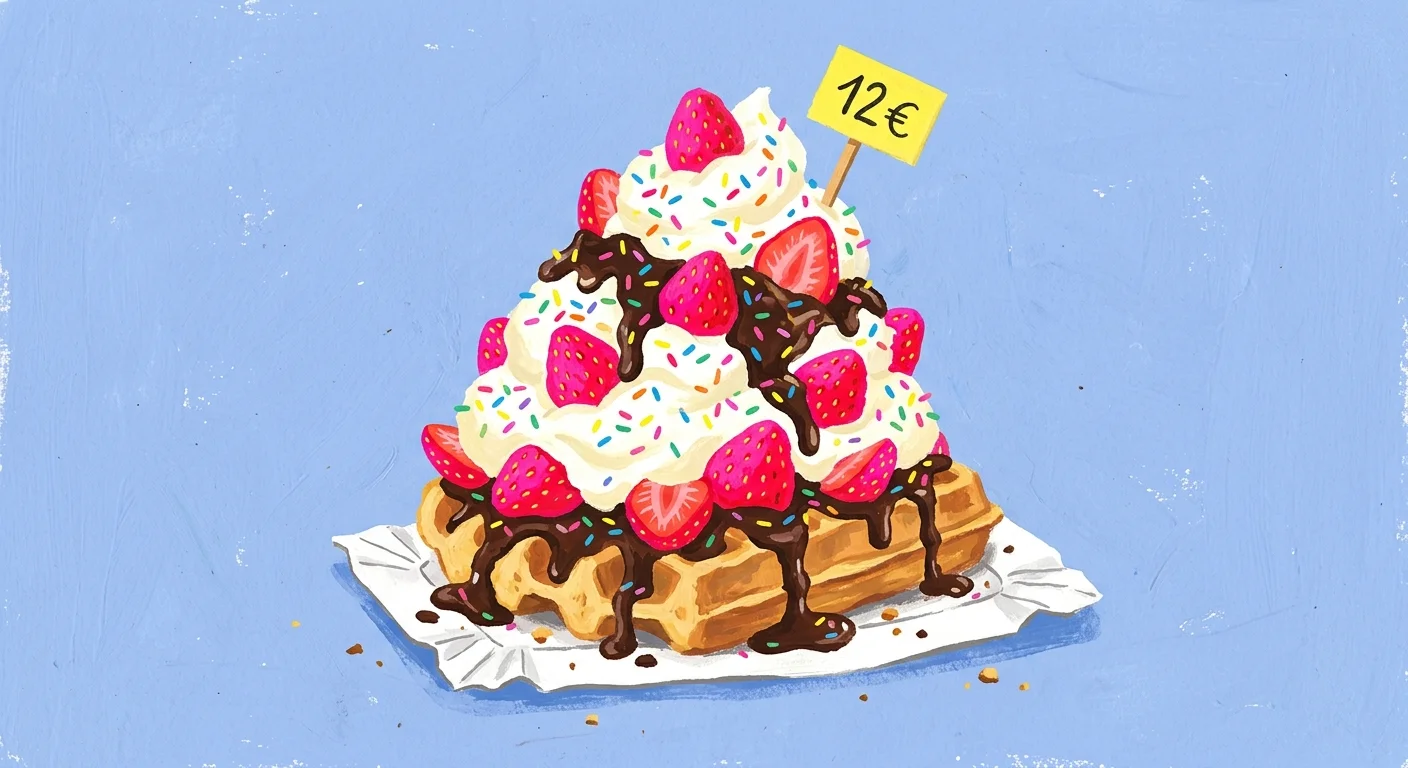
Tip #9: Brussels Center Loaded Waffles
Waffle shops dominate the streets immediately surrounding the Grand Place in Brussels, stacking their window displays with waffles buried under mountains of strawberries, whipped cream, chocolate sauce, and candy. This visual overload explicitly targets tourists.
Locals prefer the Liege waffle lightly dusted with powdered sugar, which allows the rich, caramelized pearl sugar within the dough to shine. The tourist traps use cheap, pre-made batter and rely on heavy, sugary toppings to mask the inferior quality of the pastry.
When you order the fully loaded version, you pay an outrageous eight-euro markup for a few squirts of canned cream and a handful of out-of-season fruit.
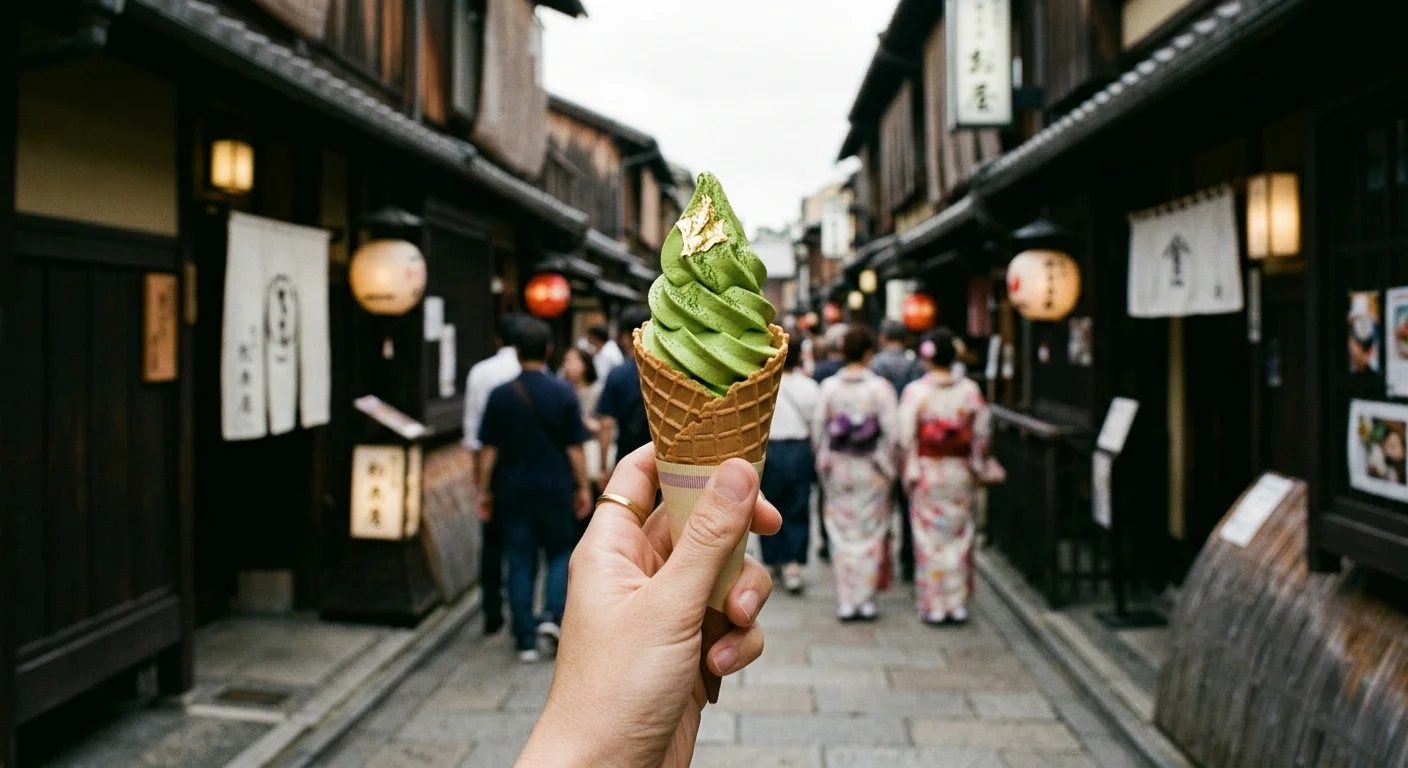
Tip #10: Kyoto Tourist-Trap Matcha Sweets
The historic streets leading up to Kyoto’s famous shrines overflow with vendors selling violently green matcha ice cream, cookies, and lattes. While Japan deeply respects its tea culture, these high-traffic snack stands utilize low-grade culinary matcha heavily diluted with processed white sugar.
They capitalize on the matcha health craze by selling you a hyper-sweetened dairy product that entirely lacks the complex, umami-rich flavor profile of traditional green tea. You pay a significant premium purely for the bright green aesthetic.
If you want an authentic experience, bypass the street snacks entirely and invest your money in a traditional tea ceremony at a quiet, dedicated tea house.

Tip #11: The Venice Canalside Bellini
Sitting at a cafe along the Grand Canal in Venice feels like the pinnacle of European luxury, and the waiters know exactly how to price that feeling. They push the Bellini—a local cocktail made of prosecco and white peach puree—as a mandatory experience.
In these heavy tourist zones, bartenders frequently mix cheap, bulk sparkling wine with mass-produced bottled fruit syrup. They pour this inferior mixture into an elegant glass and charge you twenty euros for a drink that costs them less than one euro to assemble.
You completely subsidize the cost of the real estate with your beverage budget. Drink your aperitivo at a small bacaro in a back alley for a quarter of the price.
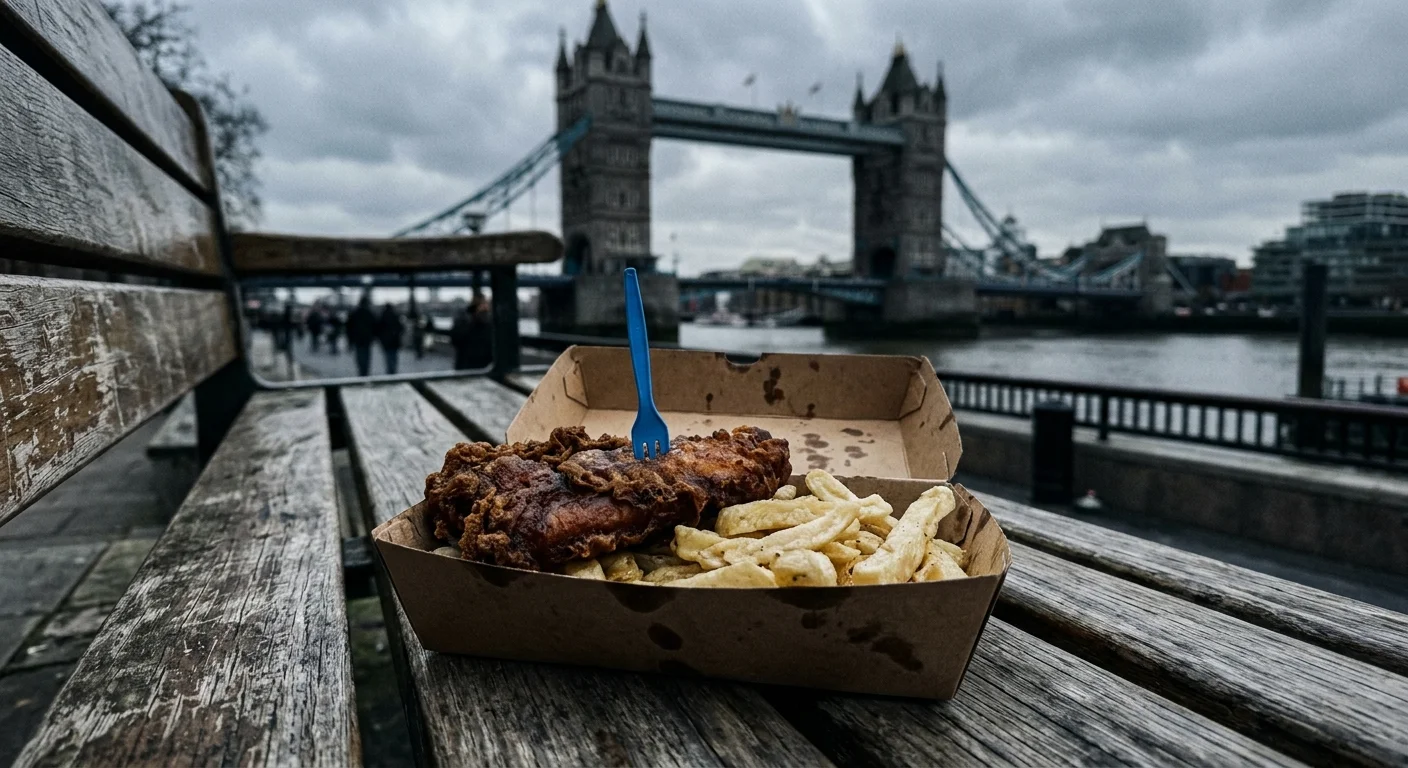
Tip #12: London Monument Fish and Chips
Pubs situated directly across from the Tower of London or the London Eye boast prominent signs advertising traditional fish and chips. These prime real estate locations face immense pressure to turn tables quickly, resulting in kitchen shortcuts.
They rely heavily on frozen fish fillets and pre-cut, factory-frozen potato wedges dropped into dirty frying oil. The resulting meal features soggy, grease-logged batter and dry fish, priced at a staggering twenty pounds.
True British chippies operate in quiet residential neighborhoods, frying fresh cod or haddock to order in clean oil. Protect your travel budget by taking a short tube ride away from the monuments before placing your lunch order.
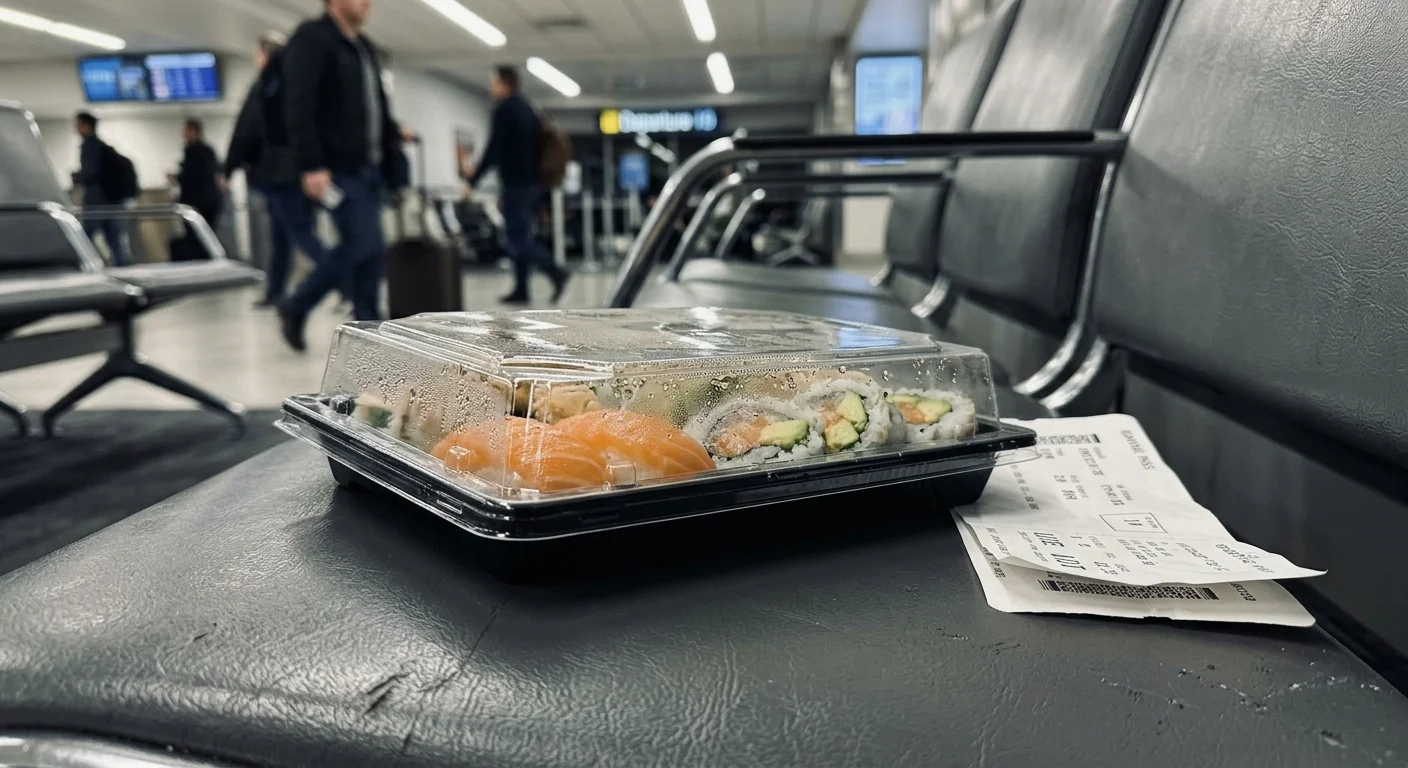
Tip #13: Airport Terminal Sushi
Travelers stuck in transit often desire a light, seemingly healthy meal before boarding their flights. Airport vendors exploit this desire by stocking plastic clamshells full of California rolls and spicy tuna.
This highly processed travel food represents the ultimate financial trap. Suppliers prepare these rolls in off-site industrial kitchens, refrigerate them aggressively, and truck them to the terminal.
The extreme cold hardens the rice into dense pellets and degrades the texture of the fish. You pay a fifty percent airport markup for sushi that tastes distinctly of refrigeration and regret.
Stick to simple, freshly assembled sandwiches or pack your own snacks to avoid this specific culinary swindle.
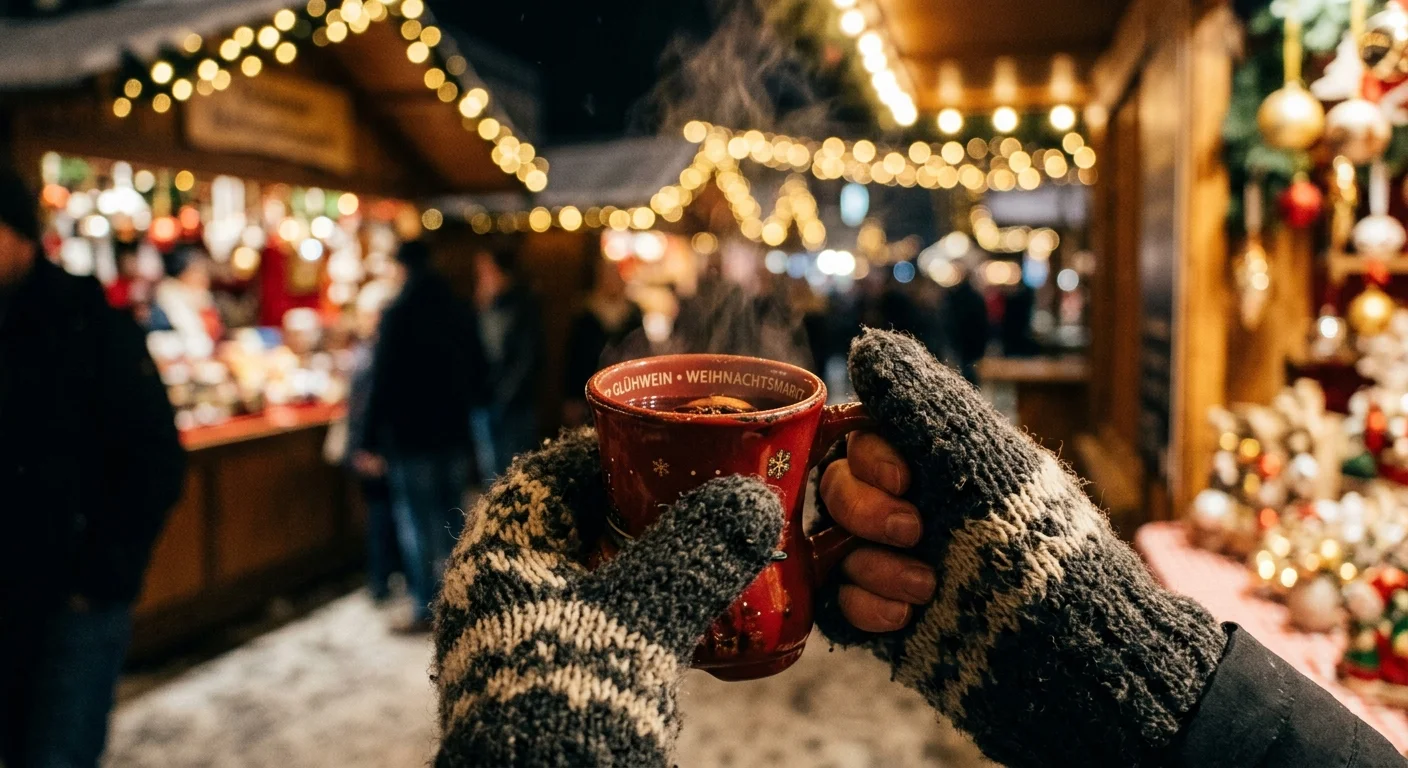
Tip #14: Christmas Market Glühwein in Commemorative Mugs
European Christmas markets thrive on creating a magical, festive atmosphere, heavily fueled by the sale of hot mulled wine. Vendors serve the glühwein in charming, year-stamped ceramic mugs, charging you a deposit that you forfeit if you keep the cup.
The mug acts as a brilliant distraction from the incredibly low-quality beverage inside. Market organizers frequently purchase the cheapest industrial wine available in massive vats, boiling it down with heavy sugar syrups and synthetic spice extracts.
This cheap alcohol and high sugar content practically guarantees a severe headache the next morning. You overpay for a cheap souvenir and a harsh beverage when you could enjoy superior, locally produced wine at a nearby tavern.
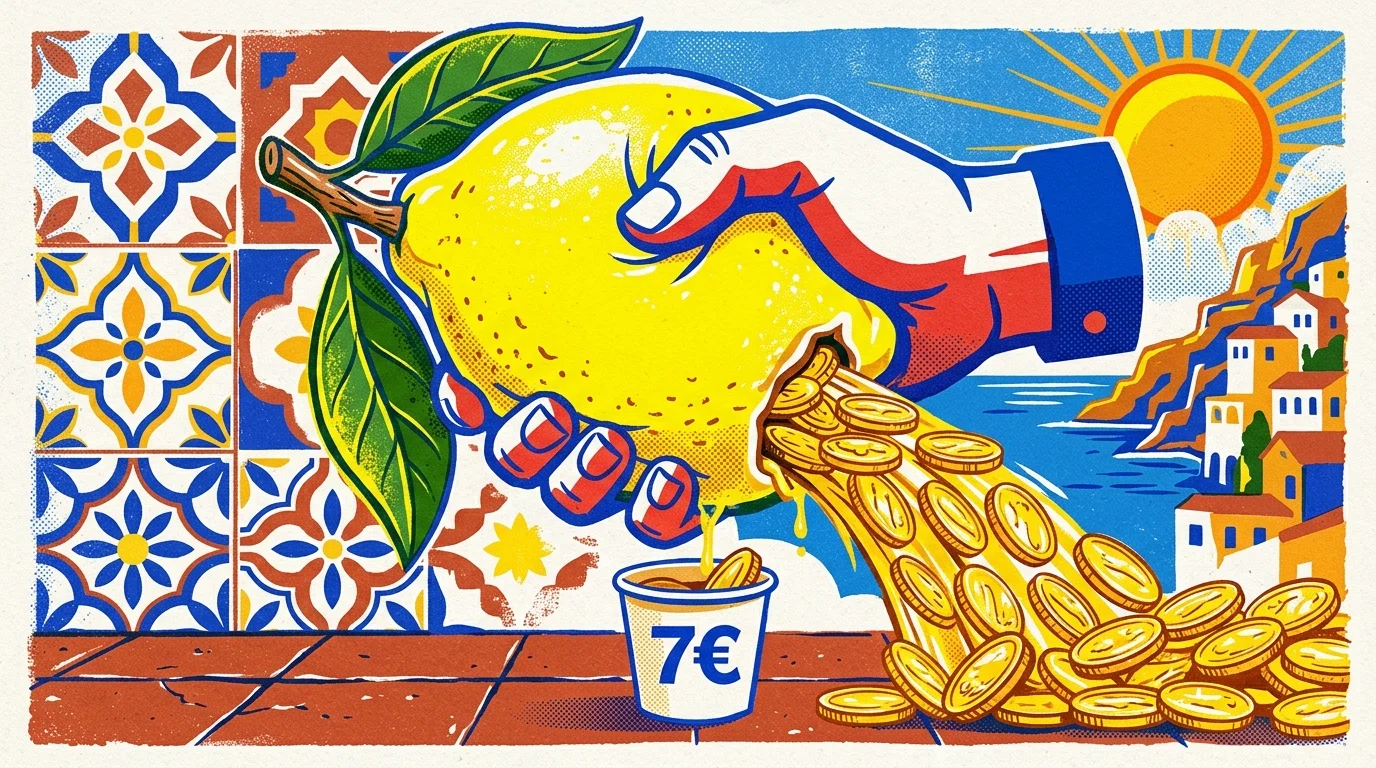
Tip #15: The Amalfi Coast Lemon Slush
The Amalfi Coast built its entire visual identity around its massive, fragrant regional lemons. Tourist stalls line the coastal highways selling lemon slush out of standard commercial spinning machines.
They market this icy drink as traditional Italian granita, but it rarely contains actual fresh fruit. Vendors mix concentrated lemon syrups with tap water and spin it in a machine for hours, charging exhausted tourists eight to ten euros for a small cup.
Authentic Sicilian-style granita features a delicate, flaky texture made fresh daily from real lemon juice, water, and sugar, never processed in a slushie machine. Save your money and buy a real gelato or a freshly squeezed lemonade from a reputable local cafe.
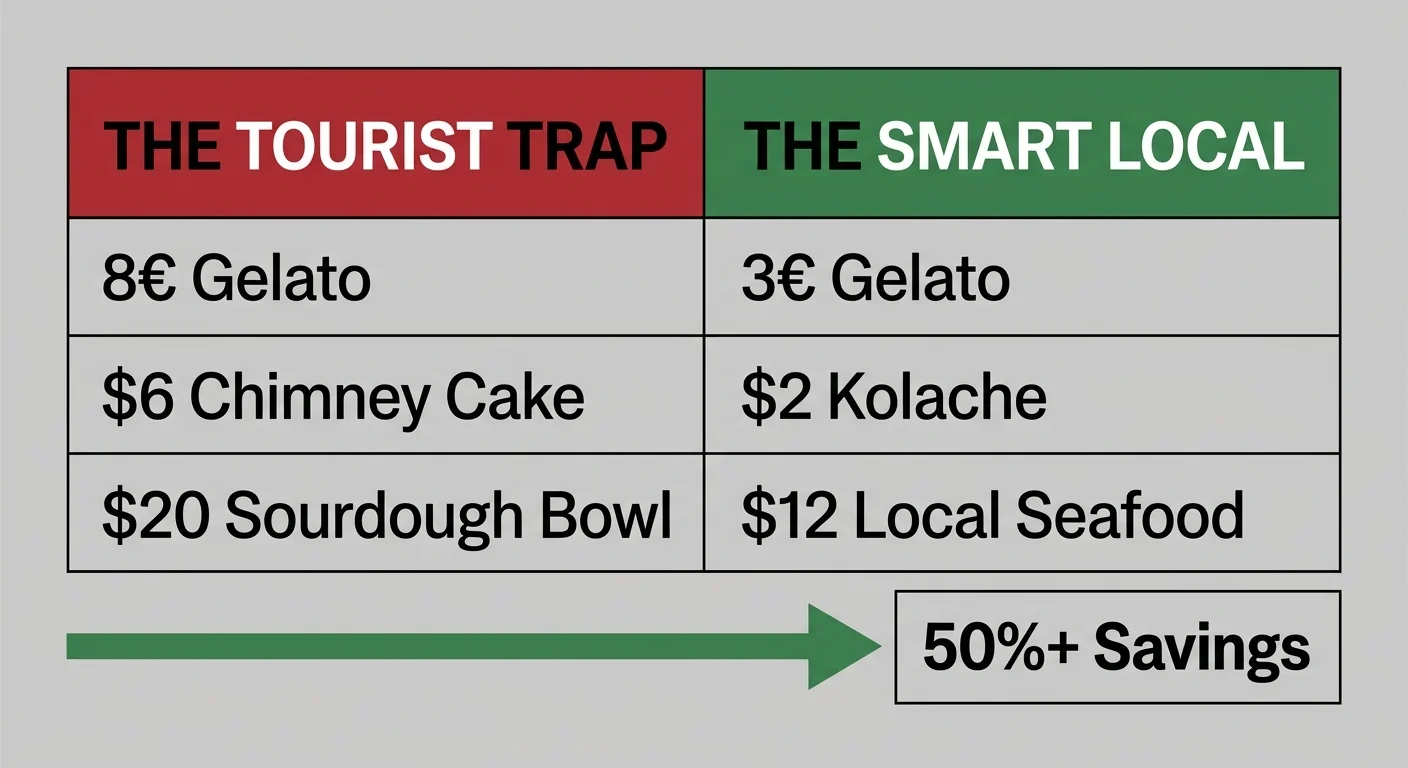
The Bottom Line: What This Means for Your Wallet
Vacation dining requires a strategic approach if you want to protect your finances from aggressive hospitality marketing. Every time you purchase an inflated street snack near a major monument, you willingly hand over your hard-earned money for convenience and artificial aesthetics rather than culinary quality.
The travel industry expertly engineers these foods to look incredible in photographs while costing pennies to mass-produce. Stop treating your food budget as disposable income simply because you cross a border or enter a resort.
By walking a few extra blocks away from the tourist centers and demanding authentic, locally prepared food, you stretch your vacation dollars significantly further. Implementing these smart travel tips ensures that you pay for genuine experiences rather than subsidizing the rent of a tourist trap.
Frequently Asked Questions
How can I identify a tourist trap restaurant before walking in?
Look for several glaring red flags before you look at the menu. Authentic restaurants rarely employ aggressive staff members who stand on the sidewalk waving you inside.
Furthermore, if a restaurant features a laminated menu printed in eight different languages accompanied by stock photos of the food, you should immediately walk away. Locals do not eat at establishments that require multi-lingual picture books to explain the cuisine.
Is it always more expensive to eat near major tourist attractions?
Yes, the proximity to a major monument directly correlates to the markup on the menu. Restaurant owners pay exorbitant commercial rent to secure locations next to places like the Colosseum, the Eiffel Tower, or Times Square.
They pass those massive overhead costs directly onto you through inflated prices for mediocre food. You instantly guarantee a cheaper, higher-quality meal simply by walking ten to fifteen minutes away from the main attraction.
How do I find authentic, reasonably priced food while traveling?
Ditch the glossy travel brochures and consult neighborhood-level resources. Talk to the staff at your hotel—not the concierge who receives kickbacks, but the front desk clerks or housekeeping staff—and ask where they eat on their days off.
Additionally, leverage technology by searching local food blogs or regional forums rather than relying on massive, gamified review platforms that heavily favor tourist-centric businesses.
Should I completely avoid street food while on vacation?
Absolutely not; street food often represents the most authentic and affordable way to experience a culture. The trick involves distinguishing between genuine street food and engineered tourist snacks.
A modest cart serving tacos in a busy Mexico City neighborhood offers a legitimate cultural experience. A brightly painted stand selling neon ice cream directly outside the Louvre represents a financial trap.
Observe the clientele: if you see locals lining up in their work clothes, you have found a worthwhile meal.
For consumer protection information, visit the Federal Trade Commission (FTC) and the Consumer Financial Protection Bureau (CFPB). For product safety and reviews, consult Consumer Reports.
Disclaimer: This article is for informational purposes only and does not constitute financial advice. The content reflects the author’s opinion and research at the time of writing.
Always do your own research before making financial decisions.