

Retirement travel should not drain your life savings just to hear the ocean waves crash against the shore. You can easily find affordable beach vacations by targeting destinations that offer senior discounts, favorable shoulder-season rates, and free coastal access without the premium price tags of luxury resorts. Many popular beach destinations cater heavily to older travelers with accessible boardwalks, budget-friendly early dining, and discounted condo rentals. By avoiding tourist traps and timing your trip strategically, you secure an unforgettable oceanfront experience at a fraction of the cost. Discover these eight budget getaways designed for seniors who demand maximum relaxation and value.

Tip #1: Myrtle Beach, South Carolina
Myrtle Beach operates on a simple principle of supply and demand; the sheer volume of high-rise condos and oceanfront hotels forces property managers to fiercely compete for your business. This competition drives prices down to incredibly affordable levels, especially when you book outside the peak summer rush. If you schedule your getaway for September or October, you secure luxury-level accommodations for the price of a budget motel. The ocean water retains its summer warmth well into the fall, giving you perfect swimming conditions without the overwhelming crowds of families and college students.
Your savings extend far beyond the hotel room. Myrtle Beach is famous for its early bird dining specials, where dozens of renowned seafood buffets slash their prices for patrons eating between 4:00 PM and 6:00 PM. You can feast on fresh Atlantic shrimp and crab legs at a fraction of the prime-time dinner cost. Furthermore, numerous local theaters and live entertainment venues offer steep discounts for AARP members and travelers over the age of fifty-five. Simply flashing your identification at the box office often shaves twenty percent off your admission ticket to highly rated musical performances and comedy shows.
Mobility and accessibility also rank highly in this South Carolina hub. The extensive paved boardwalks allow you to enjoy sweeping ocean views without trudging through deep, exhausting sand. If you prefer a quieter natural setting, skip the busy central strip and head south to Huntington Beach State Park. The entry fee is minimal, and the park features accessible viewing decks where you can watch local birdlife and enjoy the pristine, undeveloped coastline in absolute peace.

Tip #2: Gulf Shores, Alabama
Gulf Shores stands as the undisputed champion of the winter snowbird migration, offering unbeatable long-term rental rates for seniors looking to escape freezing northern temperatures. Condo owners eagerly slash their monthly rates in January and February just to cover their winter maintenance fees. By booking a thirty-day stay, you completely bypass exorbitant nightly hotel taxes and secure a fully furnished oceanfront apartment for roughly the cost of a standard suburban mortgage. These units include full kitchens, allowing you to easily prepare your own meals and drastically reduce your daily dining expenses.
The local culture heavily supports budget-conscious senior travelers. Local seafood markets sell fresh, inexpensive Gulf shrimp and red snapper that you can cook right in your rental unit. When you do want to eat out, the area boasts numerous casual dining spots where lunch specials run well under fifteen dollars. You also benefit from a community that organizes specific winter events—such as potlucks, craft fairs, and informational seminars—aimed entirely at older adults staying for the season.
Navigating the terrain is incredibly easy for those with mobility concerns. The beaches here feature flat, soft sand, and local municipalities maintain sturdy mobility mats that stretch down toward the water. For a scenic and budget-friendly day out, visit Gulf State Park. The park features miles of paved, flat trails perfect for leisurely walking or cycling, along with a massive fishing pier that provides spectacular views of the Gulf of Mexico for just a few dollars.
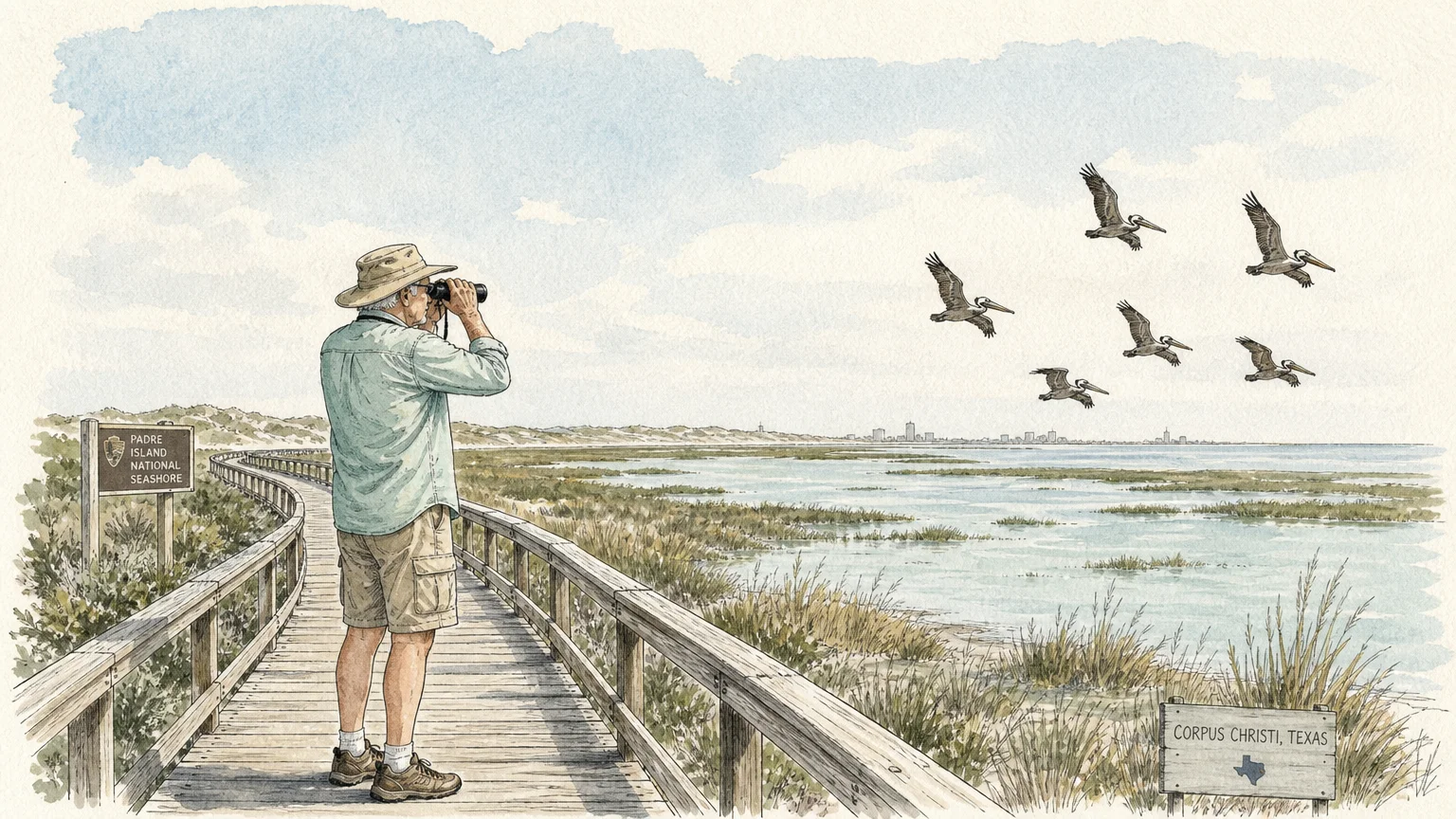
Tip #3: Corpus Christi, Texas
Corpus Christi offers the lowest cost of living of almost any major coastal city in the United States, making it a financial haven for senior travelers. Everything from gasoline to groceries costs significantly less here compared to the East or West coasts. The city welcomes a massive influx of “Winter Texans” every year, leading local businesses to offer highly competitive pricing on RV park slots, motel stays, and monthly vacation rentals. You get all the benefits of a warm Gulf Coast climate without the terrifying credit card bills associated with places like Miami or San Diego.
The undisputed crown jewel of this region for frugal seniors is the Padre Island National Seashore. This incredible stretch of undeveloped beach is operated by the federal government, which means it falls under the National Parks and Federal Recreational Lands Senior Pass. If you purchase this lifetime pass for eighty dollars—or the annual version for twenty dollars—you gain unlimited free access to one of the most beautiful and serene coastal environments in the country. You can spend your days beachcombing, bird watching, and picnicking without spending a single dime on admission.
Dining in Corpus Christi acts as another major budget hack. Instead of overpriced tourist traps, the city runs on authentic, incredibly affordable Tex-Mex cuisine. You can easily find massive, satisfying breakfast tacos for under three dollars and hearty seafood lunches that barely dent your wallet. The city also features a flat, accessible seawall running right along the bay, providing two miles of paved waterfront walking paths ideal for morning strolls or evening sunsets.

Tip #4: St. Augustine, Florida
Florida beaches often carry an intimidating reputation for high prices, but St. Augustine delivers a rich, historic coastal experience for a fraction of what you would pay in Naples or Key West. By flying into nearby regional airports like Jacksonville and driving south, you bypass the premium airfare associated with major tourist hubs. Visiting in the late fall or early spring unlocks deeply discounted hotel rates while ensuring the weather remains delightfully mild and comfortable for outdoor exploration.
You can easily ditch the expense of a rental car if you book accommodations near the historic downtown district. The city is highly walkable, and the local Old Town Trolley system offers an efficient, affordable way to navigate between major sites. The trolley operators routinely provide senior discounts, allowing you to hop on and off at historic landmarks, museums, and local eateries without worrying about expensive daily parking fees or navigating unfamiliar traffic patterns.
When you are ready for the beach, Anastasia State Park offers an inexpensive alternative to pricey private beach clubs. For a minor vehicle entry fee, you gain access to four miles of pristine, white-sand beaches. The park features well-maintained boardwalks, accessible restroom facilities, and calm waters protected by offshore sandbars. It serves as the perfect spot to set up a beach chair, crack open a good book, and enjoy a premium Florida beach day on a tight, fixed income.
Tip #5: Outer Banks, North Carolina
The Outer Banks—a string of picturesque barrier islands off the coast of North Carolina—shuns massive commercial resorts in favor of traditional vacation homes and cottages. This unique lodging landscape creates a powerful cost-saving opportunity for seniors traveling with friends or extended family. By renting a multi-bedroom house and splitting the cost three or four ways, your per-person nightly rate plummets below the cost of the cheapest roadside motel. This strategy proves incredibly effective during the September shoulder season, when rental agencies slash weekly prices by up to forty percent.
One of the greatest financial benefits of the Outer Banks is the complete lack of hidden beach access fees. Unlike some northern coastal destinations that force you to buy daily beach tags, the public beach accesses here remain entirely free. You can park your vehicle, walk over the dunes using the public wooden walkways, and enjoy the Atlantic Ocean without opening your wallet. The region also features the Cape Hatteras National Seashore, where your federal Senior Pass grants you free entry to protected coastal habitats and historic lighthouse grounds.
Having a full kitchen in your rental house drastically alters your food budget. Local seafood markets dot the highway, selling fresh-caught flounder, crabs, and shrimp. Preparing a seafood feast on your own deck costs a mere fraction of a restaurant bill. When you do venture out, the area is wonderfully flat, making the numerous historic sites—including the Wright Brothers National Memorial—incredibly easy to navigate for those using canes or mobility scooters.

Tip #6: Ocean Springs, Mississippi
Ocean Springs represents the ultimate hidden gem of the Gulf Coast, offering a quiet, artistic atmosphere at rock-bottom Southern prices. Nestled between larger, more expensive coastal cities, this charming town allows you to stretch your retirement dollars to their absolute maximum. The cost of accommodations here—ranging from quaint bed and breakfasts to independent motels—remains insulated from the massive price gouging seen in popular Florida panhandle towns just a few hours east.
The downtown area caters specifically to a relaxed, mature demographic. You can spend days wandering under massive, Spanish-moss-draped live oak trees, exploring free public art galleries and browsing inexpensive local boutiques. The Walter Anderson Museum of Art offers discounted senior admission, providing world-class cultural entertainment for just a few dollars. Furthermore, you sit only a short drive away from the massive casinos of neighboring Biloxi. You can easily pop over to take advantage of their loss-leader lunch buffets and free live entertainment without paying their high hotel room rates.
Beach access in Ocean Springs is completely free and notoriously tranquil. Because barrier islands sit off the coast, the water at the local beaches remains incredibly calm, resembling a gentle lake rather than a roaring ocean. This makes it perfect for safe, easy wading. The paved pathways at Front Beach provide smooth, level surfaces for afternoon walks, ensuring you can enjoy the stunning sunset views over the Gulf without struggling over uneven terrain.

Tip #7: Cape May, New Jersey
Cape May boasts some of the most stunning Victorian architecture and pristine coastlines on the Eastern Seaboard, but visiting in July will aggressively drain your bank account. The frugal secret to this destination is exploiting the “local summer.” The moment Labor Day passes, the massive crowds of families depart, and property managers drop their nightly rates by fifty percent or more. September and early October offer warm ocean waters, spectacular weather, and drastically reduced prices on charming historic inns.
The financial perks of off-season travel compound when you step onto the sand. During the peak summer months, local municipalities strictly enforce the purchase of beach tags, which can quickly add up to a significant daily expense. However, once the off-season begins, these requirements vanish. You gain completely free, unfettered access to the pristine beaches. Furthermore, street parking—which costs a premium in July—frequently becomes free and abundant in the autumn months.
Cape May is exceptionally accommodating to older visitors. The city features a beautiful, fully paved promenade running parallel to the beach, allowing you to walk for miles while enjoying the ocean breeze without ever stepping in the sand. You can also take advantage of discounted senior fares on the Cape May-Lewes Ferry, turning a standard transportation route into an affordable, scenic boat cruise across the Delaware Bay.

Tip #8: Tybee Island, Georgia
Known affectionately as “Savannah’s Beach,” Tybee Island is a laid-back, low-rise barrier island that actively resists commercial overdevelopment. You will not find expensive high-rise luxury resorts here; instead, the island features a high inventory of older, highly affordable beach cottages and vintage motels. Booking a stay in mid-to-late autumn guarantees excellent weather, deeply discounted lodging, and a wonderfully quiet atmosphere perfect for relaxation.
Tybee Island provides exceptional value through its free public amenities. The Tybee Island Pier and Pavilion charges absolutely nothing for entry, offering a perfect, accessible vantage point for fishing, people-watching, and taking in the panoramic views of the Atlantic. The sand on the island’s main beaches is famously hard-packed, making it significantly easier on the joints for seniors who enjoy long beach walks but struggle with the deep, powdery sand found in other destinations.
The island’s proximity to Savannah multiplies its value. You can enjoy the cheap, relaxed pace of beach living while remaining only a twenty-minute drive from one of the most historic and culturally rich cities in the South. You can spend your morning collecting seashells on a budget and your afternoon exploring Savannah’s free public squares, massive oak trees, and historic waterfront, effectively giving you two distinct vacations for the price of one.
The Bottom Line: What This Means for Your Wallet
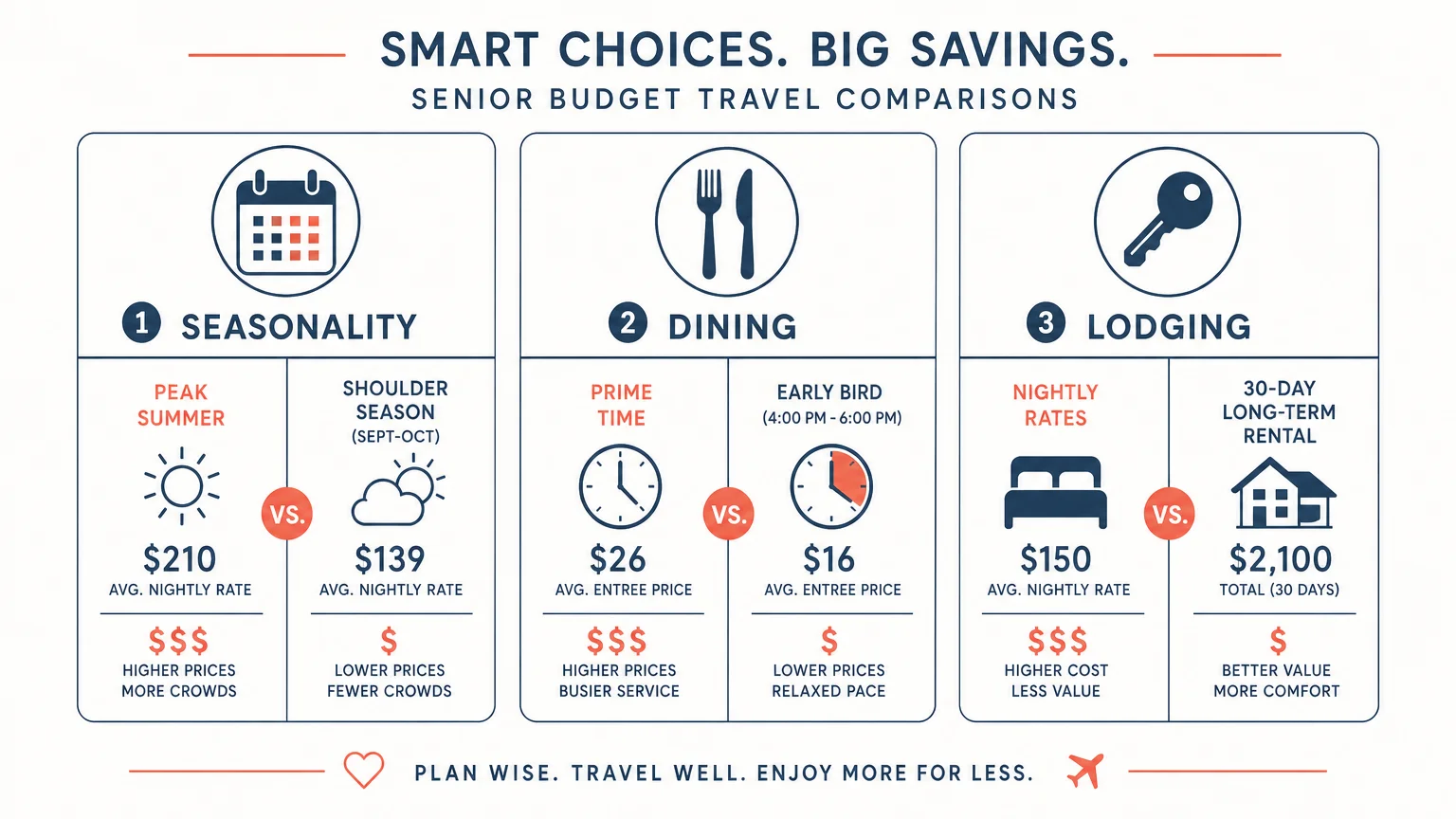
Taking a beach vacation in retirement does not require draining your investment accounts or accumulating credit card debt. The overarching strategy for frugal senior travel relies entirely on timing and location. By shifting your travel dates away from the chaotic summer school holidays, you instantly slash your lodging costs by up to fifty percent. Combining off-season travel with destinations that heavily favor long-term snowbird rentals, free state park access, and low local food costs guarantees a luxurious experience on a fixed income.
Always prioritize accommodations that include full kitchens to eliminate the crushing daily expense of restaurant dining. Leverage your age to your absolute advantage by securing the federal Senior Pass for national seashores and asking for AARP discounts at every local attraction. When you intentionally avoid the highly marketed, overpriced coastal resorts in favor of quiet barrier islands and historic southern shores, you protect your retirement budget while still enjoying the ultimate oceanfront escape.
Frequently Asked Questions
What is the most cost-effective time of year for seniors to book a beach trip?
The cheapest time to travel heavily depends on your chosen coast, but the golden rule is to travel while children are in school. For the East Coast and mid-Atlantic, the September and October shoulder season offers the best balance of warm ocean water and deeply discounted rental rates. For the Gulf Coast, targeting January and February allows you to take advantage of heavily subsidized thirty-day “snowbird” rental leases.
How do you bypass expensive beachfront hotel rates?
Avoid massive corporate resorts entirely. Your most powerful financial weapon is renting a vacation home or condo equipped with a kitchen, ideally located a block or two away from the actual beachfront. Splitting a multi-bedroom house with other senior couples drastically reduces your per-person nightly cost. Additionally, committing to a longer stay—such as a weekly or monthly rental—often entirely waves expensive daily hotel taxes and resort fees.
Which beach destinations offer the best mobility access?
When mobility is a primary concern, target coastal towns that feature extensive paved promenades or boardwalks, such as Cape May or Myrtle Beach. These infrastructure features allow you to enjoy the ocean without navigating uneven dunes. Furthermore, beaches like Tybee Island offer naturally hard-packed sand that is much easier to walk on with canes or mobility devices compared to deep, powdery sand.
Does the National Parks Senior Pass cover beach access?
Yes, the National Parks and Federal Recreational Lands Senior Pass is arguably the best investment a senior traveler can make. Available to US citizens aged 62 or older, this pass costs twenty dollars annually or eighty dollars for a lifetime. It grants unlimited free entry to spectacular federal coastal preserves, including the Cape Hatteras National Seashore in North Carolina, the Gulf Islands National Seashore in Mississippi, and the Padre Island National Seashore in Texas.
For consumer protection information, visit the Federal Trade Commission (FTC) and the Consumer Financial Protection Bureau (CFPB). For product safety and reviews, consult Consumer Reports.
Disclaimer: This article is for informational purposes only and does not constitute financial advice. The content reflects the author’s opinion and research at the time of writing. Always do your own research before making financial decisions.









Leave a Reply