
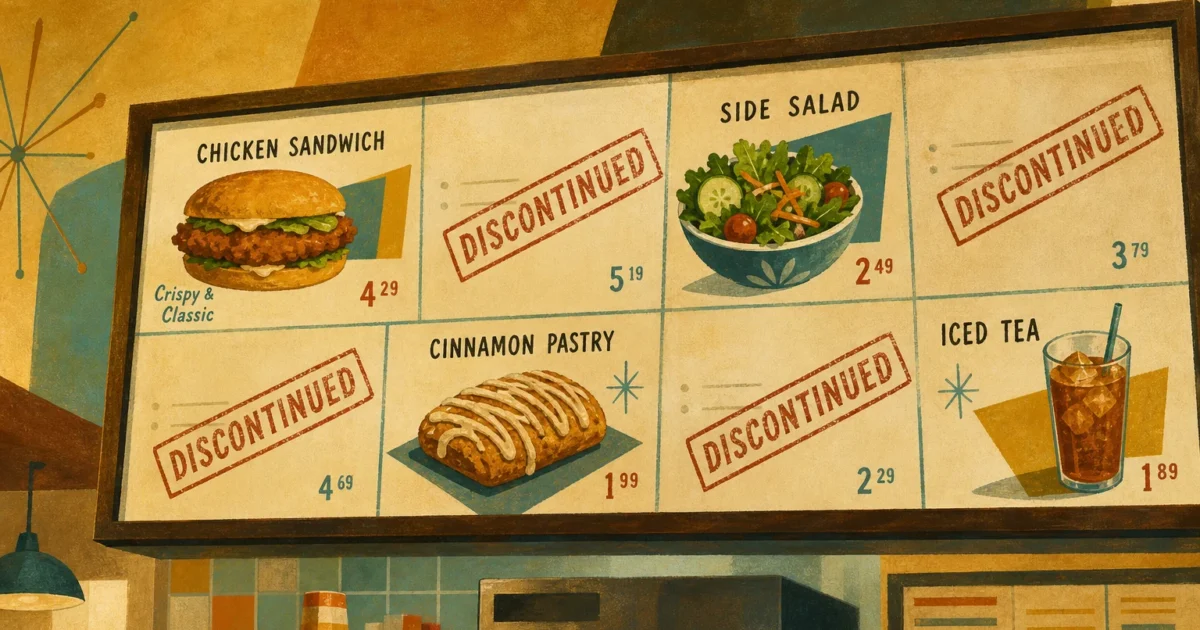
Chick-fil-A continuously tweaks its menu to maximize drive-thru speed, meaning your favorite order can vanish overnight. Executives mercilessly cut items that slow down kitchen operations, regardless of their loyal fanbases. You might still crave a gooey Cinnamon Cluster or the beloved Chicken Salad Sandwich, but mourning these discontinued Chick-fil-A items will not bring them back. We tracked down exactly why these eight iconic foods disappeared and uncovered practical ways you can recreate them right now. From clever drive-thru hacks to official corporate recipes you can make in your own kitchen, here is how to bypass the current menu board and finally satisfy your cravings for the discontinued fast food you miss most.
Tip #1: The Chicken Salad Sandwich
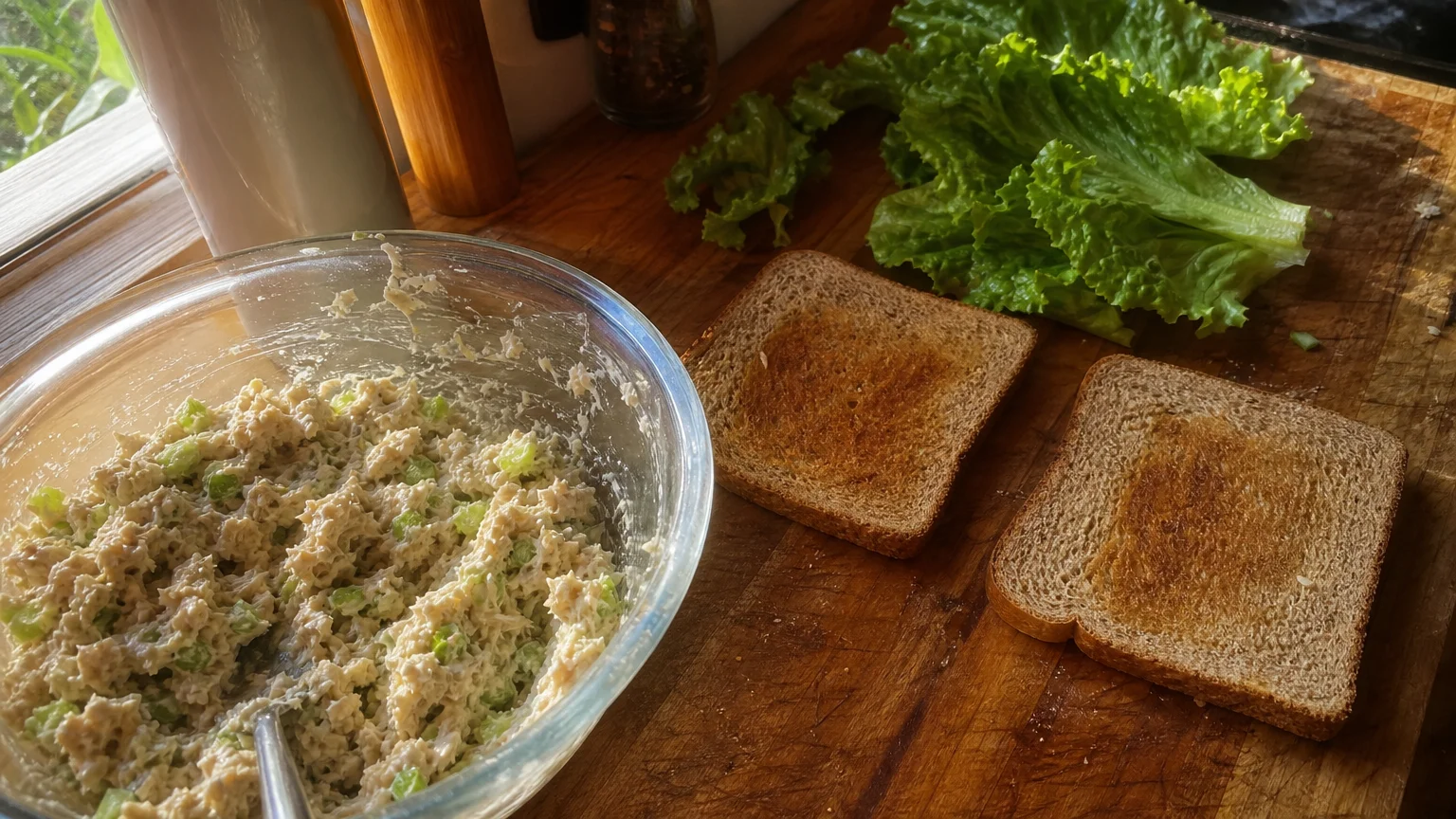
When you analyze the fast-food landscape, operational efficiency always trumps nostalgia. For years, the beloved Chicken Salad Sandwich served as a savory, cool alternative to the standard hot, fried filet. It featured finely chopped chicken, crisp celery, sweet relish, and mayonnaise, served flawlessly on toasted wheat bread with green leaf lettuce. Fans adored this item because it felt like a homemade picnic lunch rather than a greasy, rushed fast-food meal.
However, Chick-fil-A abruptly discontinued this cult classic in 2017. The kitchen prep time was simply too high. Chopping, mixing, and safely storing chicken salad requires significant manual labor, which inevitably slows down the assembly line. Fast food profit margins rely heavily on speed; unfortunately, the Chicken Salad Sandwich became an undeniable operational bottleneck during lunch rushes.
Instead of driving around looking for a drive-thru alternative, you can leverage a brilliant financial hack: make it yourself using the company’s exact formula. Chick-fil-A released the official recipe to appease outraged fans. You only need five basic ingredients: leftover cooked chicken, celery, mayonnaise, sweet pickle relish, and hard-boiled eggs. By preparing this at home, you slash the cost per sandwich by roughly 60 percent. You control the quality of the ingredients, completely eliminate the drive-thru wait, and keep more cash in your checking account. That is exactly the kind of practical workaround smart shoppers use to beat fast-food inflation.
Tip #2: The Cinnamon Cluster
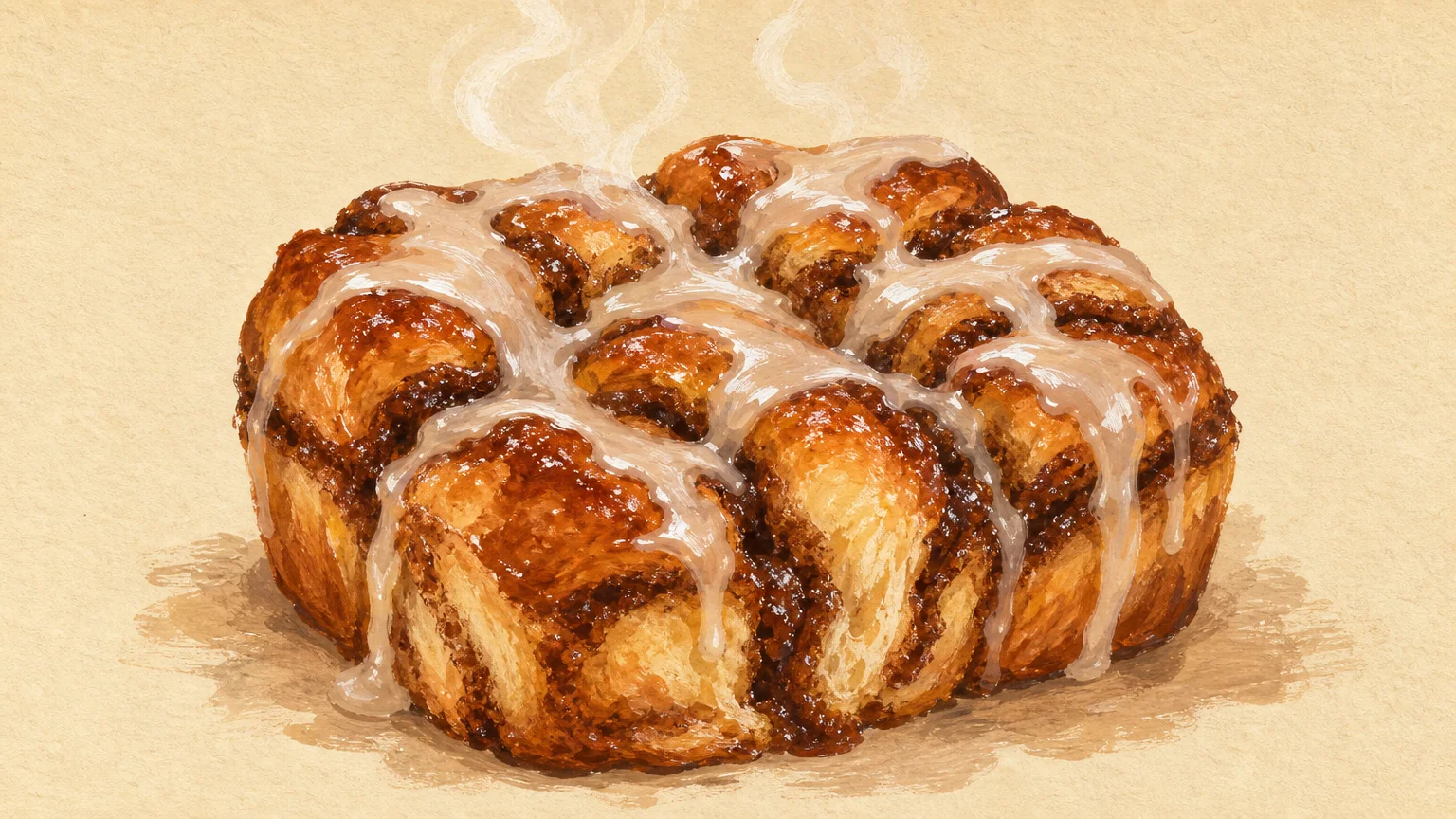
Breakfast pastries are a massive profit driver in the restaurant industry, yet Chick-fil-A purposefully pulled the plug on one of its most legendary morning items. Introduced in 2005, the Cinnamon Cluster was a decadent, gooey mass of cinnamon and doughy sweetness. It offered the perfect sugary rush to complement a savory, salty chicken biscuit or a bitter black coffee. Customers loved the unique pull-apart texture and the heavy, generous drizzle of vanilla icing.
Despite its deeply dedicated following, the Cinnamon Cluster vanished from the menu board. The item required specialized heating equipment and individual packaging, which complicated the hectic morning rush. Furthermore, as consumer trends shifted slightly toward protein-heavy breakfasts, the purely sugar-based pastry saw a dip in steady daily sales compared to the unstoppable chicken biscuit. Speed and consistency won the day.
You do not need to accept this loss permanently. You can create an incredibly close replica at a fraction of the cost right in your own kitchen. Buy a standard can of refrigerated biscuit dough from your local grocery store. Cut the biscuits into small quarters, toss them in melted butter, cinnamon, and brown sugar; then bake them tightly packed in a muffin tin. Drizzle the warm pastries with a simple powdered sugar glaze. This homemade monkey bread hack yields a full dozen clusters for the price you used to pay for just two at the drive-thru. You satisfy the exact same craving while actively protecting your household grocery budget.
Tip #3: The Carrot and Raisin Salad
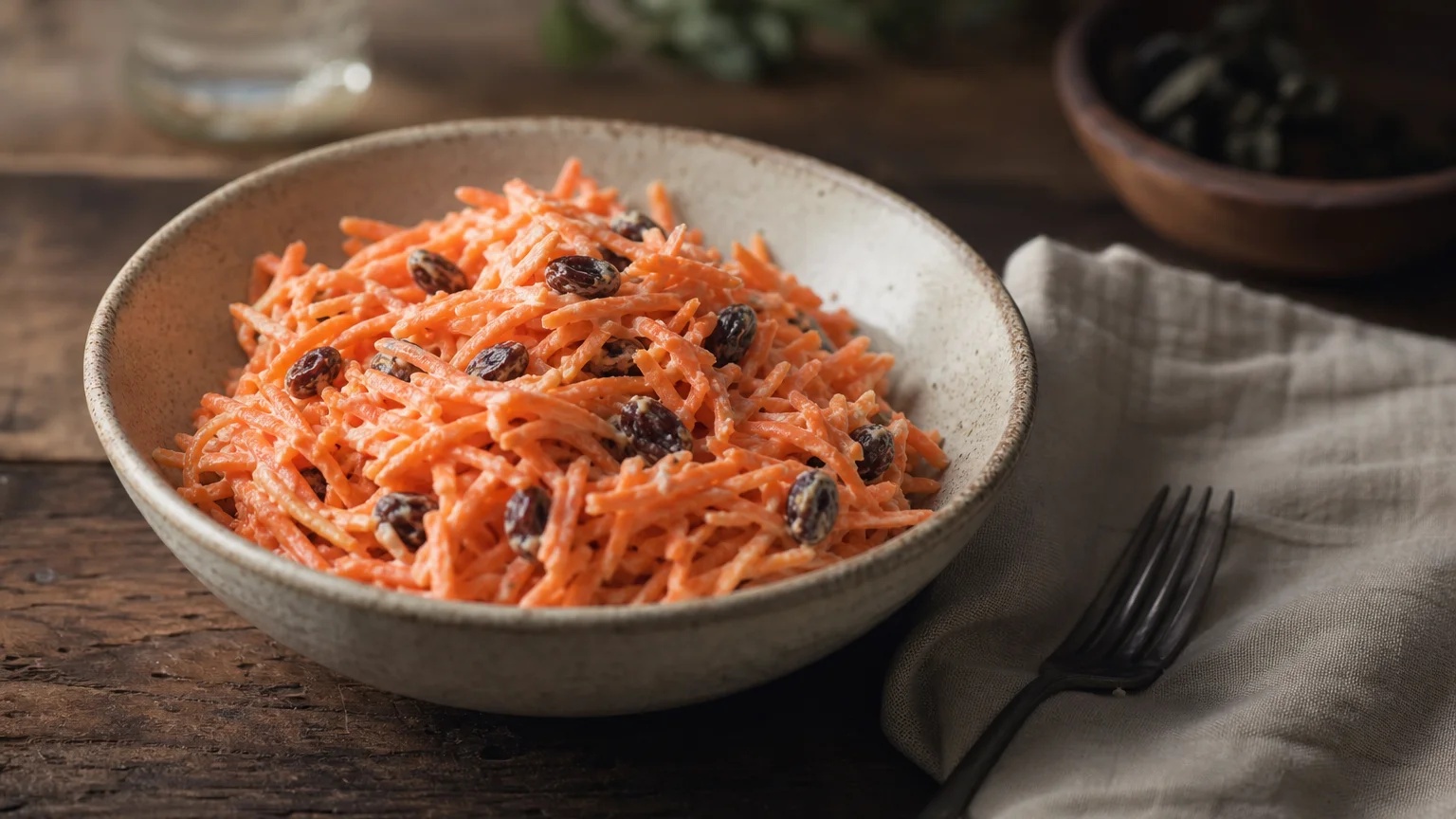
Nostalgia rarely pays the bills in the highly competitive restaurant business. The Carrot and Raisin Salad was a staple side dish for decades, offering a sweet, tangy, and surprisingly refreshing contrast to salty, hot waffle fries. It tasted exactly like an old-school Southern church potluck recipe, effortlessly blending shredded carrots, crushed pineapple, sweet raisins, creamy mayonnaise, and fresh lemon juice.
Yet, behind the scenes, this vintage side dish was a massive operational headache for restaurant operators. Former employees have noted that some locations sold as few as one or two orders per day. The exhaustive prep work required to shred fresh carrots and mix the precise dressing was entirely disproportionate to the minimal revenue it generated. Chick-fil-A ultimately replaced it with the much simpler and trendier Superfood Side, effectively killing a classic.
You can easily bypass this corporate menu cut. Because Chick-fil-A published the official recipe through its Shared Table Program, you hold the exact blueprint. Recreating this unique side at home costs practically nothing. A bag of whole carrots and a standard box of raisins run less than three dollars combined. Shredding the carrots yourself and utilizing basic pantry staples allows you to produce a massive party-sized batch for the cost of a single fast-food side. This approach turns a discontinued favorite into a high-yield, low-cost meal prep strategy that saves you serious cash over time.
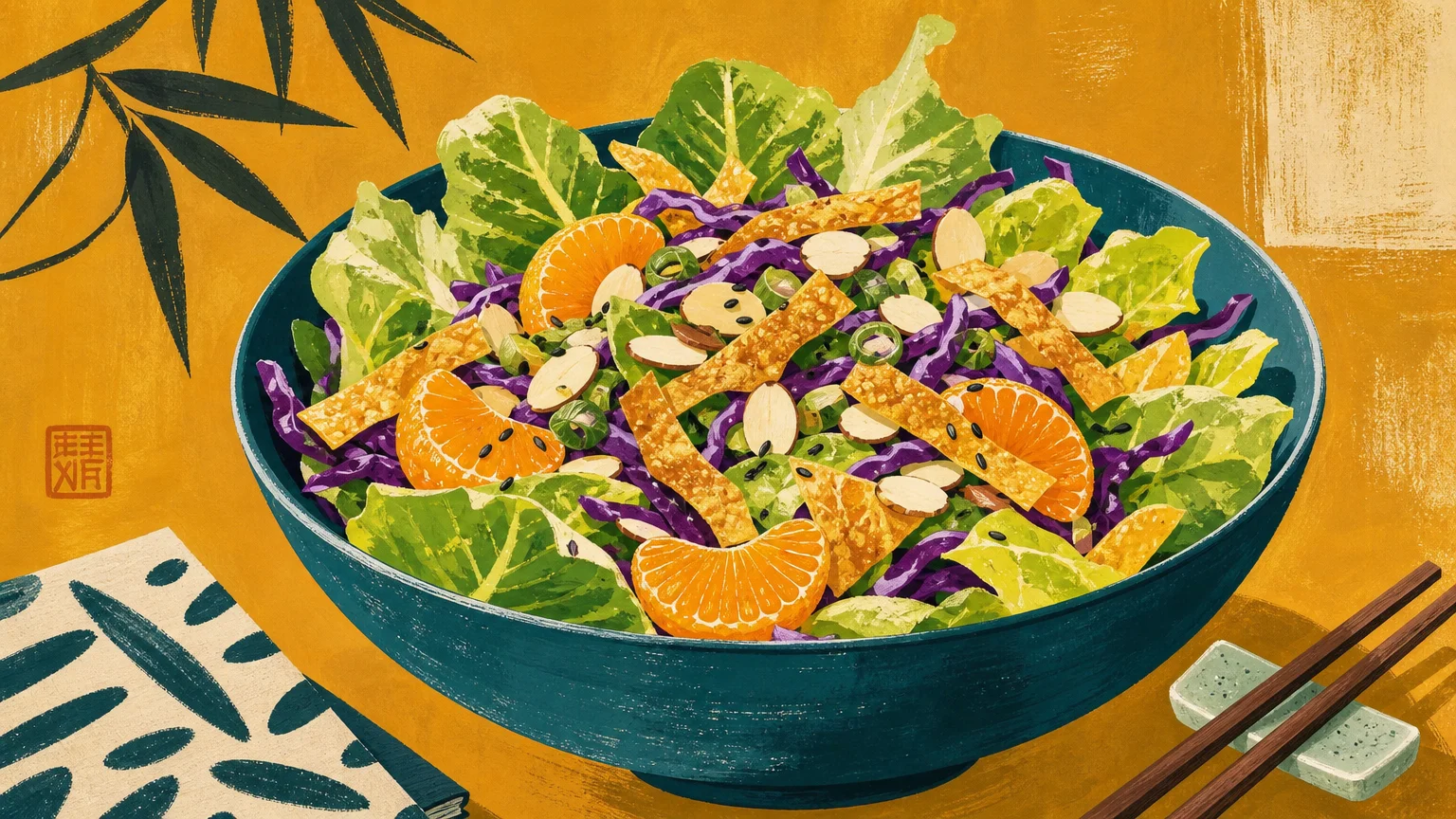
Tip #4: The Asian Salad
Salads typically present a massive markup opportunity for fast-food chains, making them highly profitable items. The Asian Salad was a premium menu tier star, packed generously with mandarin oranges, red cabbage, sliced almonds, and crispy wonton noodles. Dressed in a signature sweet and savory Honey Sesame dressing, it provided a complex flavor profile that easily stood out in a boring sea of standard ranch and Caesar options.
Chick-fil-A discontinued the Asian Salad primarily to make room for the Spicy Market Salad. Managing inventory for highly specific, specialized toppings—like the fragile wonton strips and perishable mandarin oranges—created unnecessary supply chain friction. By standardizing their salad bases across fewer core items, the company significantly reduced expensive food waste and dramatically improved overall kitchen speed.
If you miss this specific flavor profile, you can hack the current menu without overpaying for an entirely new meal. Order a standard Market Salad but explicitly ask them to hold the blue cheese and apples. Then, instead of settling for a generic vinaigrette, keep a bottle of premium toasted sesame dressing in your workplace fridge. You instantly upgrade your lunch while maintaining the exact flavor profile you miss. Better yet, build the entire salad at home. Buying a large bag of mixed greens, a cheap can of mandarin oranges, and a pack of crispy noodles allows you to meal-prep five full days of Asian Salads for the price of two drive-thru orders.
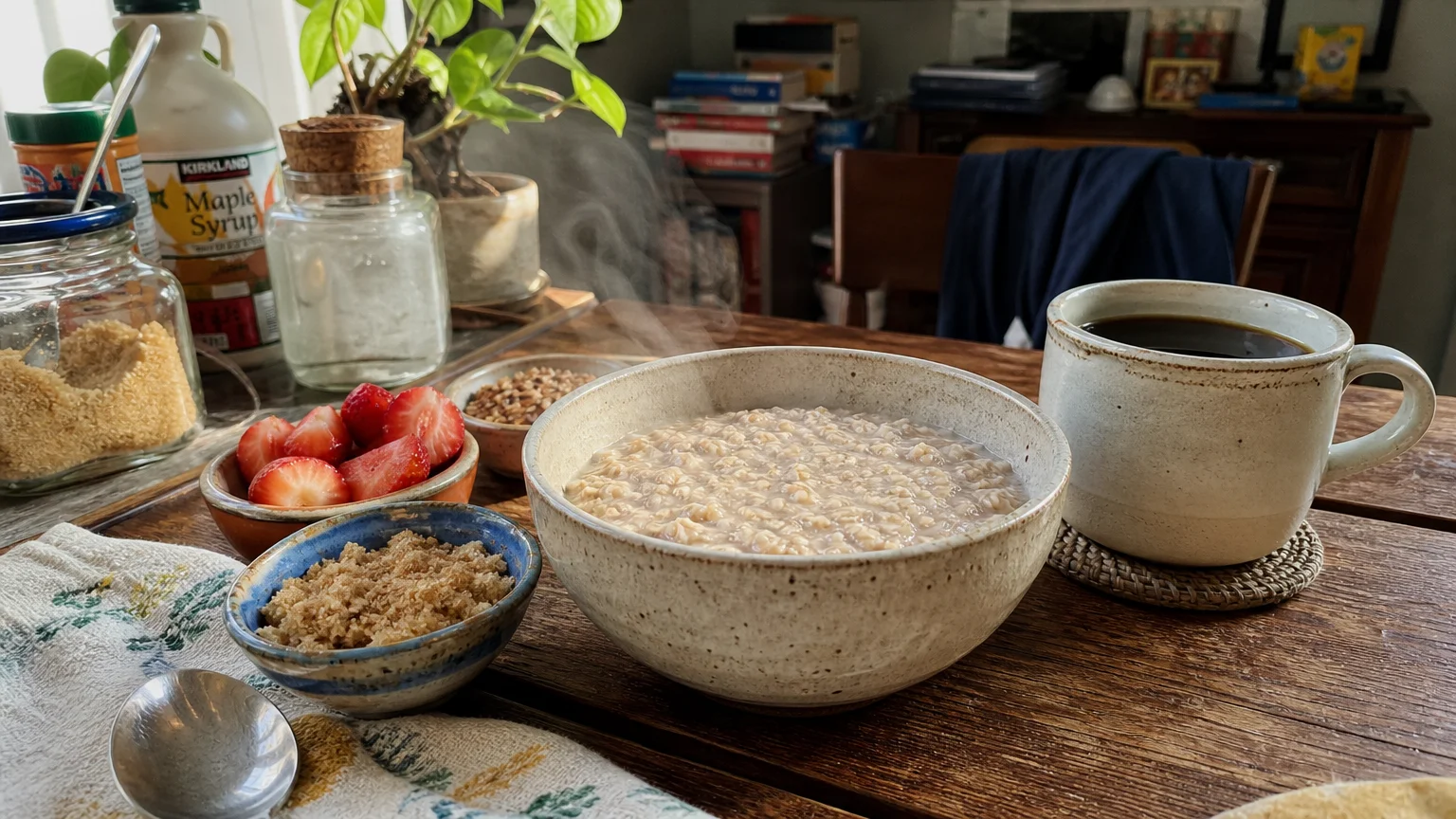
Tip #5: The Oatmeal
Breakfast is a fiercely competitive daypart, and fast-food chains constantly experiment with new items to capture your morning dollars. Chick-fil-A rolled out a slow-cooked Oatmeal topped elegantly with mixed nuts and dried fruit, aiming directly at the health-conscious commuter. It felt like a warm, comforting, and nutritionally sound alternative to a heavy, fried chicken breakfast sandwich.
Unfortunately for devoted fans, oatmeal is notoriously difficult to scale profitably in a high-speed environment. Holding hot oatmeal at the exact right temperature without it turning into a gelatinous brick is an absolute operational nightmare. Coupled with the glaring fact that most customers visiting a chicken restaurant actually want to eat chicken, the overwhelmingly low sales volume swiftly sealed the oatmeal’s fate.
This discontinuation is actually a massive financial win for you. Buying oatmeal at a drive-thru is historically one of the worst values in the entire fast-food industry. A single serving can easily cost upwards of three or four dollars. Meanwhile, a massive forty-two-ounce canister of plain rolled oats costs about four dollars at the local grocery store and provides roughly thirty generous servings. Stop overpaying for hot water and oats. Prep your own overnight oats using milk, chia seeds, and fresh berries. You completely eliminate the frustrating drive-thru wait, slash your morning expenses to mere pennies per serving, and enjoy a vastly superior nutritional profile.
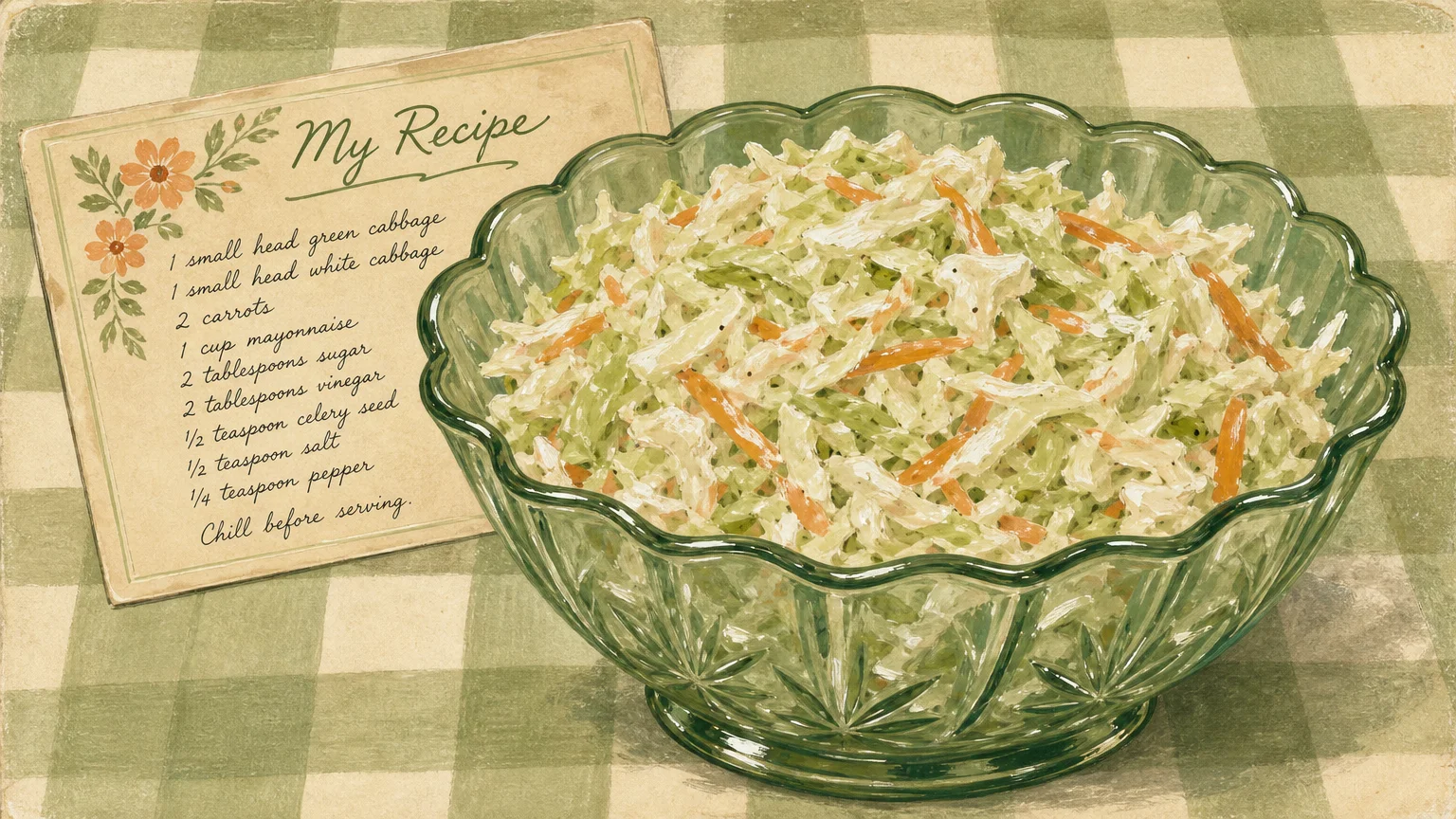
Tip #6: The Cole Slaw
Side items can easily make or break a fast-food meal, and the original Chick-fil-A Cole Slaw commanded a fierce cult following. It was remarkably creamy, finely chopped, and delivered the exact perfect acidic bite needed to cut through the heavy richness of a fried chicken sandwich. For generations of loyal customers, a standard lunch meal felt completely unfinished without it.
In 2016, Chick-fil-A made the highly controversial decision to completely axe the cole slaw. The company desperately wanted to modernize its menu and quickly introduced the Kale Crunch side to appeal to shifting dietary trends. Kale physically holds up much better in takeout packaging and requires far less mayonnaise-based temperature management, making it a significantly easier operational lift for busy kitchens.
Before you let culinary frustration set in, realize that you can leverage this corporate change to your distinct financial advantage. Chick-fil-A graciously released the exact, easily scaleable recipe for their famous cole slaw. It involves cheap, basic green cabbage, finely chopped carrots, mayonnaise, white vinegar, dry mustard, and a touch of sugar. Cabbage is famously one of the absolute cheapest vegetables you can buy anywhere. By mixing a large batch at home, you effortlessly secure the ultimate barbecue side dish for a mere fraction of standard retail pricing. You get to keep your absolute favorite flavor alive while aggressively dodging the exorbitant markups associated with fast-food side items.
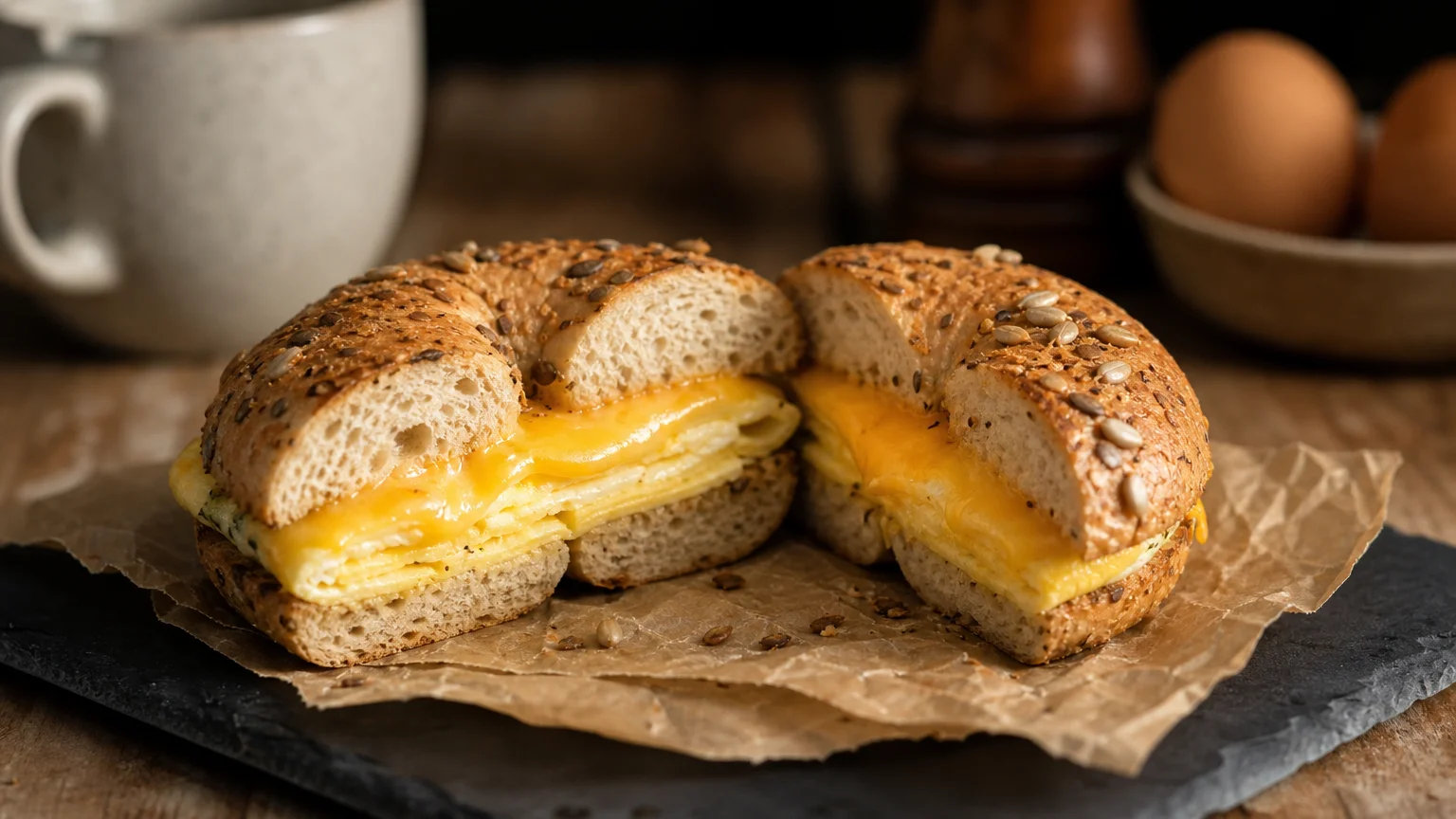
Tip #7: The Sunflower Multigrain Bagel
Bread options rarely take center stage in fast-food discussions, but the Sunflower Multigrain Bagel was a brilliant hidden gem on the morning menu. It provided a dense, savory, and incredibly satisfying base for hearty breakfast sandwiches, easily elevating a standard egg and cheese order into something that felt like it came directly from an artisanal local bakery.
During the pandemic, fast-food chains faced immense operational pressure to aggressively streamline operations and survive massive supply chain disruptions. Chick-fil-A slashed several fringe items to immediately improve drive-thru speed, and the Sunflower Multigrain Bagel was an unfortunate casualty of this efficiency purge. Keeping a highly specific bagel in stock exclusively for a fraction of breakfast sandwiches created unnecessary complexity when plain biscuits and English muffins already covered the vast bulk of morning sales.
Do not let corporate menu simplification ruin your morning routine. You can build a vastly superior sandwich at home. Purchase a sleeve of high-quality multigrain bagels from your grocery store. If you absolutely need that signature savory chicken flavor, you can order a plain breakfast filet a la carte from Chick-fil-A; this maneuver costs significantly less than a full, pre-assembled sandwich. Toast your own premium bagel, fry an egg exactly how you prefer it, and assemble the masterpiece yourself. You instantly gain complete portion control, dramatically upgrade your bread quality, and effectively bypass the hefty fast-food markup on standard breakfast ingredients.
Tip #8: The Frosted Key Lime
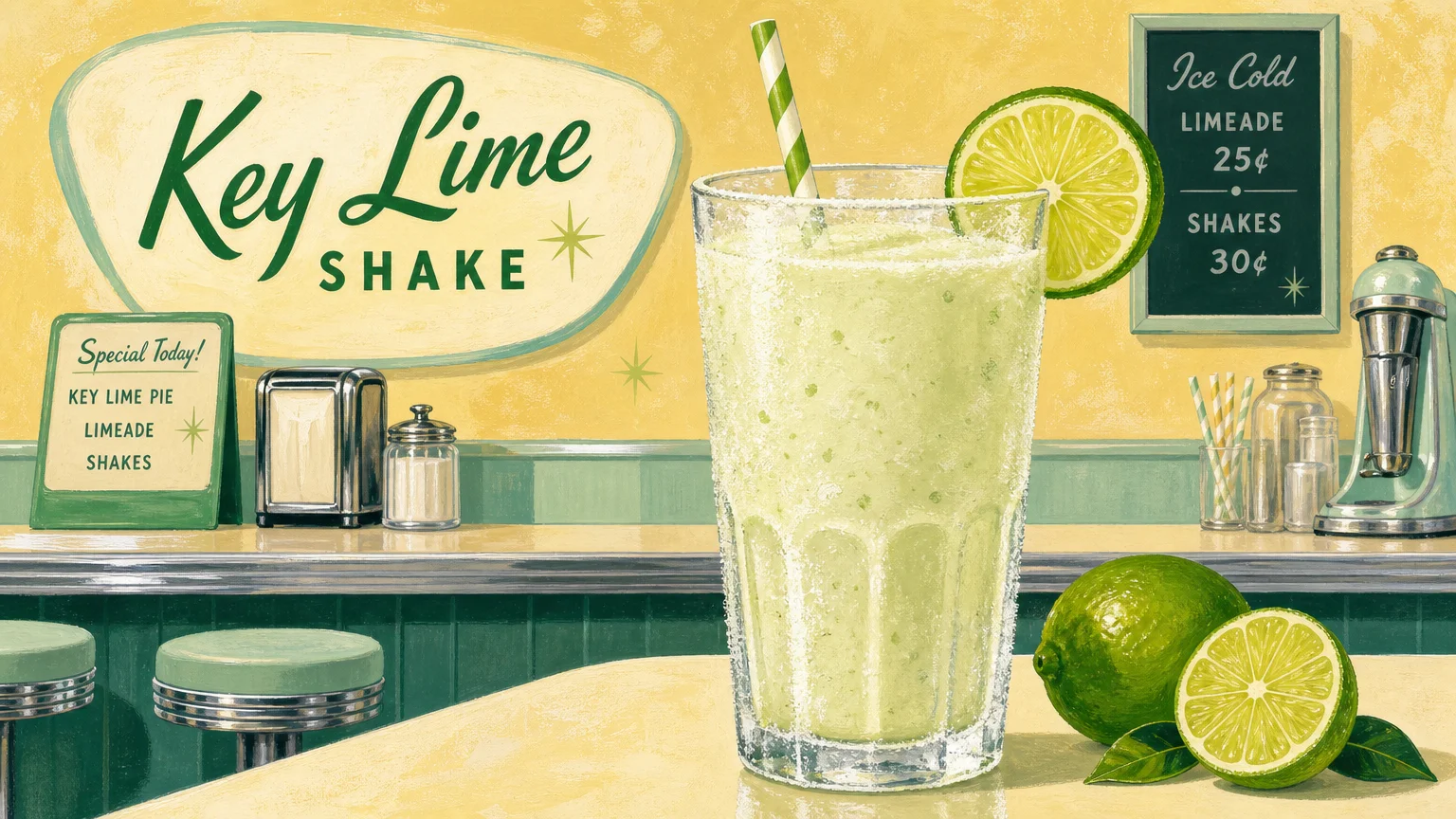
Beverage innovation drives massive profit margins across the industry, and the Frosted Key Lime was a spectacular, albeit strictly temporary, financial success. By perfectly blending their signature vanilla IceDream with a tart, refreshing key lime flavoring, Chick-fil-A created a tangy milkshake hybrid that thirsty fans absolutely obsessed over. It felt significantly lighter than a standard thick milkshake but far more indulgent than a plain, watery lemonade.
Because it was strictly positioned as a limited-time seasonal offering, the Frosted Key Lime was inherently doomed to disappear. Sourcing highly specialized key lime syrup for thousands of franchise locations is expensive and logistically complicated. Once the brief promotional window officially closed, the company swiftly reverted back to its standard Frosted Lemonade to maintain a lean, highly efficient inventory system.
You do not need to wait around for a promotional miracle to taste this beverage again. You can hack the drive-thru menu or simply use your own kitchen. For a quick workaround, simply order a standard Frosted Lemonade and ask the cashier to add a pump of vanilla syrup if available; though it lacks the sharp lime kick, it mimics the creamy sweetness. The smarter, highly frugal move is to buy a standard carton of vanilla ice cream and a bottle of high-quality key lime juice. Blend them together at home to reach your exact preferred tartness. You completely avoid paying five dollars for a single drink and can enjoy this discontinued treat year-round.
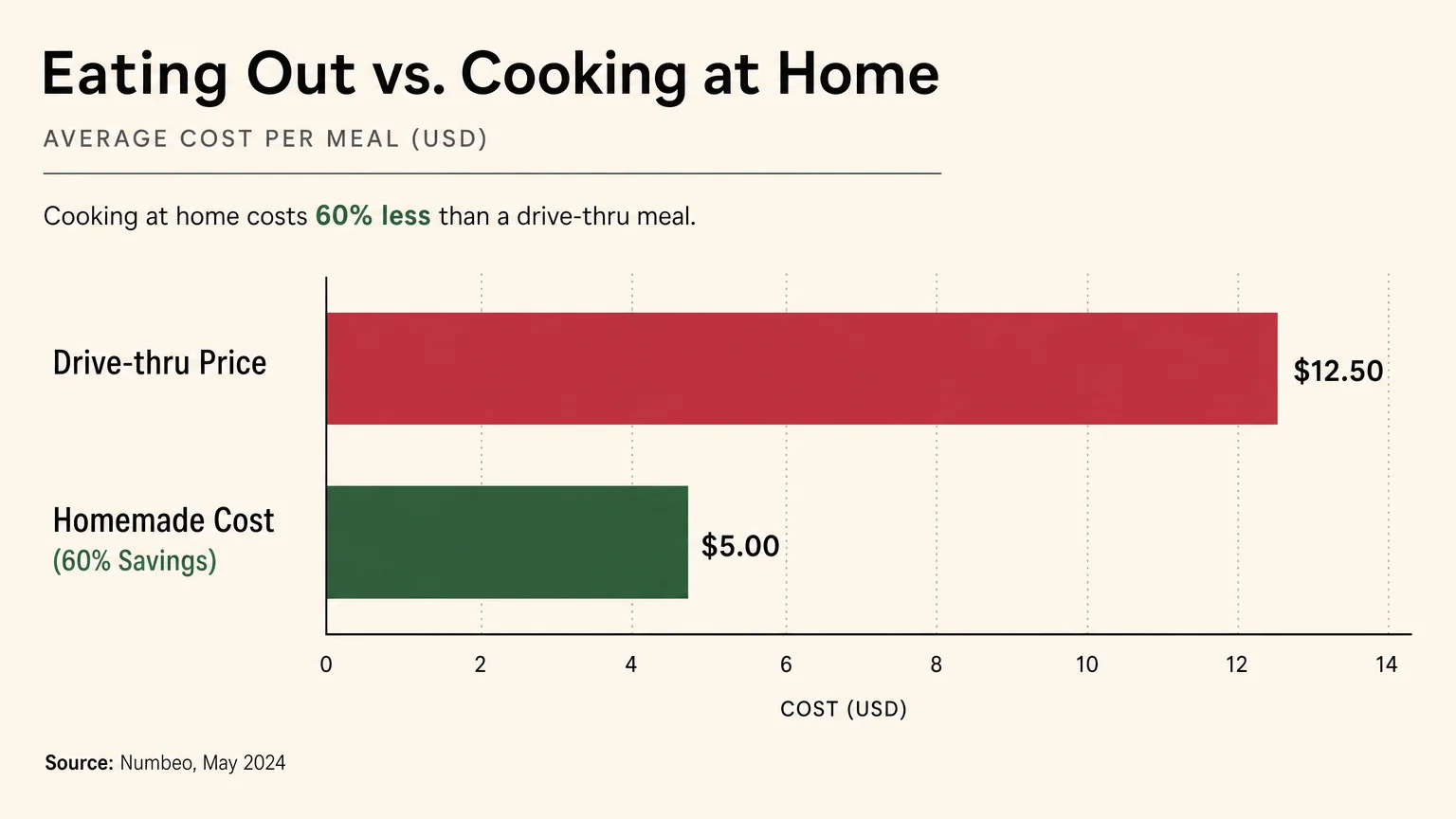
2: bar
3: chart
4: shows
5: how
6: cooking
7: at
8: home
9: saves
10: you
The Bottom Line: What This Means for Your Wallet
Fast-food chains prioritize speed, efficiency, and profit margins over nostalgia. When a company discontinues your favorite item, they are making a calculated financial decision. You need to do the exact same thing. Mourning a lost menu item or paying premium prices for temporary promotional items drains your budget unnecessarily. By learning the official corporate recipes and utilizing smart drive-thru hacks, you immediately regain control of your spending.
Recreating these discontinued Chick-fil-A items in your own kitchen exposes the massive markups built into the fast-food industry. A scoop of cole slaw or a portion of hot oatmeal costs mere pennies to produce at home, yet restaurants successfully charge premium prices simply for the convenience. Treat these menu discontinuations not as a devastating culinary loss, but as a reliable catalyst to improve your culinary skills and protect your monthly budget. By seamlessly combining bulk grocery purchases with simple, proven recipes, you can consistently enjoy the exact flavors you miss without ever sacrificing your financial goals.
For consumer protection information, visit the Federal Trade Commission (FTC) and the Consumer Financial Protection Bureau (CFPB). For product safety and reviews, consult Consumer Reports.
Frequently Asked Questions
Why does Chick-fil-A discontinue popular items?
Restaurants eliminate items to strictly maximize operational efficiency. If a menu item requires extensive prep time, relies on highly specific ingredients, or fails to meet strict daily sales quotas, executives will cut it. Streamlining the menu ensures faster drive-thru times, which directly and aggressively increases the company’s daily revenue.
Will Chick-fil-A ever bring back the Chicken Salad Sandwich?
It is highly unlikely. The manual labor involved in safely preparing the chicken salad slows down kitchen operations significantly. However, the company explicitly released the official recipe so loyal fans can easily recreate the exact sandwich at home.
How can I find official recipes for discontinued Chick-fil-A items?
Chick-fil-A periodically releases authentic recipes for retired classics through its Shared Table program and corporate blog. You can currently find exact measurements and instructions for their Cole Slaw, Carrot and Raisin Salad, and Chicken Salad online, allowing you to bypass the drive-thru completely.
Is it actually cheaper to make fast food at home?
Absolutely. You avoid the massive industry markups on sides, drinks, and manual labor. Purchasing raw ingredients like fresh cabbage, rolled oats, and whole carrots in bulk allows you to recreate multiple full servings of your favorite discontinued items for the exact cost of a single fast-food meal.
Disclaimer: This article is for informational purposes only and does not constitute financial advice. The content reflects the author’s opinion and research at the time of writing. Always do your own research before making financial decisions.







Leave a Reply