

Stretch your retirement savings to fund a luxurious lifestyle by trading expensive American cities for affordable international havens. You can upgrade your quality of life, secure top-tier healthcare, and enjoy incredible climates on a budget that barely covers rent back home. The secret lies in geoarbitrage—earning strong dollars while spending in favorable local currencies. Skip the overpriced domestic retirement communities that slowly drain your nest egg. By relocating to specific global destinations with favorable tax laws, accessible retiree visas, and remarkably low costs of living, you instantly transform a modest pension into profound purchasing power. Here are ten global locations where your retirement dollars unlock a premium lifestyle without the premium price tag.

Destination #1: Cuenca, Ecuador
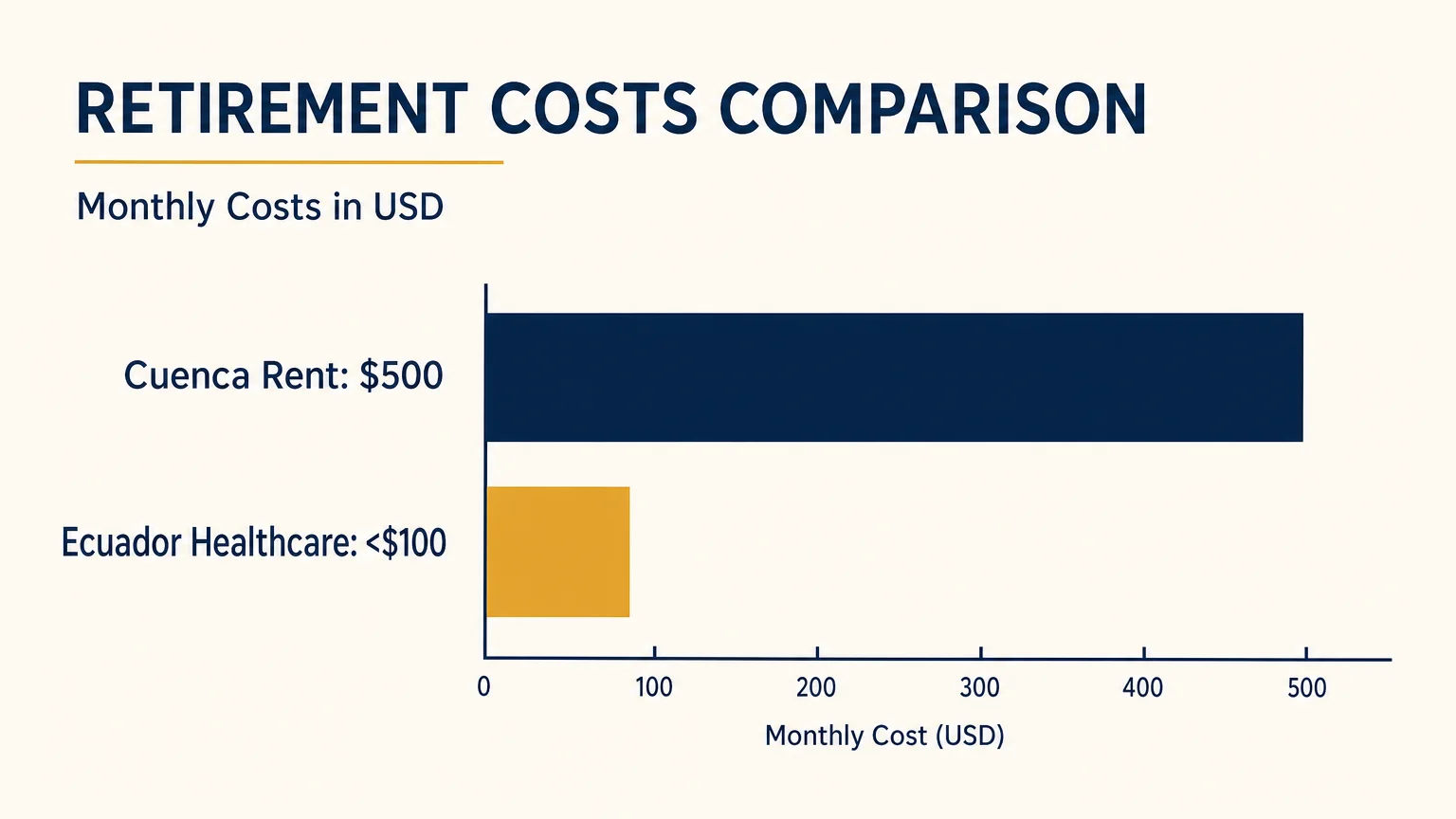
Forget the overpriced gated communities in Florida. You can upgrade your retirement in Cuenca, Ecuador, a stunning UNESCO World Heritage site where your dollar stretches unimaginably far. Cuenca offers a massive, established expat community, making the transition completely seamless for English speakers. The real hack here lies in the real estate and healthcare markets. You can rent a gorgeous, modern two-bedroom apartment in a walkable neighborhood like El Vergel for around $500 a month. Compare that to the exorbitant housing costs draining your savings back home. Furthermore, Ecuador uses the US dollar, which entirely eliminates frustrating currency exchange risks. Once you secure residency, you can join the national healthcare system for less than $100 a month. This program covers medical, dental, and even prescription medications with zero deductibles. If you prefer private care, a consultation with an English-speaking specialist costs roughly $40. You do not need to own a vehicle here; the city features a brand-new light rail system and incredibly cheap taxis. By skipping the car payment, auto insurance, and high rent, you reclaim thousands of dollars annually.

Destination #2: Boquete, Panama
Panama aggressively courts American retirees, and the government proves it through the unparalleled Pensionado visa program. If you receive a guaranteed lifetime pension or Social Security income of just $1,000 per month, you immediately qualify for residency and a suite of massive, legally mandated discounts. The financial leverage here is staggering. You receive 25 percent off utility bills, 25 percent off airline tickets, 50 percent off entertainment, and 20 percent off medical consultations. Boquete sits high in the lush Chiriquí Highlands, providing a cool, crisp climate that completely eliminates the need for expensive air conditioning or heating systems. You slash your energy bills to the bone simply by living at this altitude. The economy is fully dollarized; you never have to calculate exchange rates or worry about local currency devaluation wiping out your purchasing power. A comfortable lifestyle for two, including eating out multiple times a week at farm-to-table restaurants, easily runs under $1,800 a month. You gain a first-world lifestyle, unmatched tax benefits, and breathtaking mountain views at a fraction of the cost you would pay in any American mountain town.
Destination #3: Penang, Malaysia
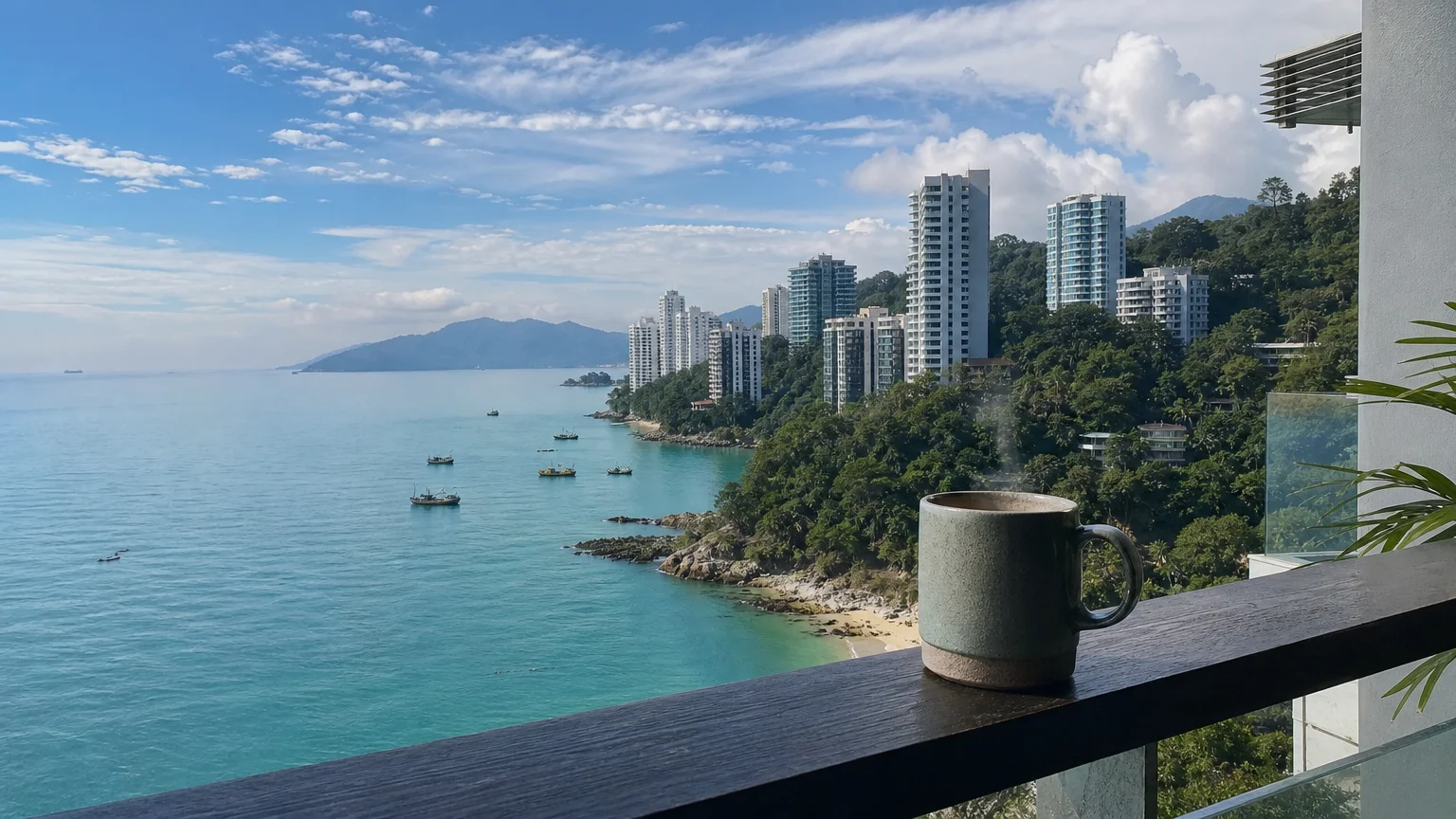
Southeast Asia offers unparalleled geoarbitrage, but Penang stands out as a premier destination for savvy retirees demanding high-end luxury on a strict budget. This vibrant island state boasts world-class infrastructure, a massive English-speaking population, and remarkably affordable high-rise living. You can rent a modern, fully furnished condo with panoramic ocean views in upscale neighborhoods like Tanjung Bungah for roughly $700 a month. The true secret weapon of Penang, however, is its status as a global medical tourism hub. You gain immediate access to JCI-accredited hospitals equipped with cutting-edge technology. A comprehensive executive health screening—which routinely costs thousands of dollars in the United States—runs about $150 here. An MRI will set you back less than $100 out of pocket. You do not need to navigate a confusing insurance maze; out-of-pocket costs remain so low that many expats simply self-insure. Furthermore, Penang is a celebrated culinary capital. World-renowned street food costs less than $3 a meal, meaning you can afford to dine out every single day without breaking your budget.

Destination #4: Merida, Mexico
If you want to stay physically close to the United States while drastically cutting your living expenses, Merida demands your attention. As the cultural capital of the Yucatan state, Merida frequently ranks as the safest city in Mexico—consistently boasting lower crime rates than most major US metropolitan areas. The cost of living remains astonishingly low compared to the vibrant culture and modern amenities you receive. For about $800 a month, you can rent a beautifully restored colonial home featuring inner courtyards and private plunge pools. Try finding that level of luxury in Arizona or Texas for under $3,000. Merida offers elite medical care at private facilities like Star Médica, where top-tier specialists charge around $40 for a standard visit. Many of these doctors trained in the United States and speak fluent English. You can easily secure robust private Mexican health insurance for a fraction of your current Medicare supplement costs. While the summer months get hot, the financial savings you accumulate allow you to comfortably run your air conditioning or take short, cheap direct flights back to the US.

Destination #5: Chiang Mai, Thailand
Chiang Mai remains the undisputed king of low-cost, high-reward retirement destinations. Nestled in the lush, mountainous north of Thailand, this dynamic city provides a rich cultural experience combined with modern conveniences at rock-bottom prices. A retirement budget of $1,500 a month here does not just buy you a basic, comfortable life; it buys you unabashed luxury. You can secure a pristine, serviced apartment in the trendy Nimman district for under $500 a month. This price often includes premium building amenities like rooftop pools, co-working spaces, and state-of-the-art fitness centers. The local food scene is famously cheap and incredibly healthy. You can eat Michelin-recognized street food for $2 or dine at upscale international restaurants for under $15. Thailand offers a specific, highly streamlined retirement visa for individuals over 50. The financial requirements are remarkably accessible—you only need to show roughly $23,000 in a Thai bank account or prove a monthly income of about $1,800. Healthcare at facilities like Bangkok Hospital Chiang Mai easily rivals the best Western hospitals, delivering five-star service and VIP treatment for mere pennies on the dollar.

Destination #6: Tavira, Portugal
Stop looking at Lisbon and the crowded, heavily overpriced hotspots of the western Algarve. The smart money moves east to Tavira. This charming, historic town offers the classic European lifestyle—complete with ancient cobblestone streets, Roman bridges, and pristine Atlantic beaches—without the inflated price tags driven up by wealthy tourists. Portugal utilizes the highly popular D7 Visa, arguably the most attractive passive income visa in Europe today. By proving a modest, steady income from Social Security or a pension, you secure a clear path to permanent residency and eventually European citizenship. In Tavira, a couple can live an opulent lifestyle for around $2,000 a month. Rents for spacious, centrally located apartments sit near $800, leaving plenty of room in your monthly budget for excellent local wine and fresh, daily-caught seafood. Once you establish your residency, you gain immediate access to Portugal’s public healthcare system, which operates virtually free of charge. Even if you opt for private insurance to skip the public queues, premium comprehensive policies cost around $100 to $150 a month.

Destination #7: Alicante, Spain
Spain remains a top-tier retirement haven, but savvy expats intentionally skip the exorbitant costs of Barcelona and Madrid in favor of the beautiful Costa Blanca. Alicante delivers the ultimate Mediterranean lifestyle at a steep discount. You enjoy more than 300 days of glorious sunshine a year, magnificent sandy beaches, and a thriving local culinary scene. The Spanish Non-Lucrative Visa is perfectly designed for retirees; it allows you to live in Spain simply by demonstrating sufficient financial means without needing to enter the local workforce. For around $800 a month, you can rent a beautiful apartment overlooking the Mediterranean Sea. Groceries are exceptionally cheap, heavily focused on fresh local produce, high-quality olive oil, and regional seafood. A glass of fantastic local wine at a coastal tavern costs roughly $3. Healthcare stands out as a massive draw here. To secure your visa, you must purchase private health insurance. A comprehensive, zero-copay policy from leading providers costs a typical retiree around $150 a month, granting immediate access to world-class private hospitals with virtually zero wait times.

Destination #8: Varna, Bulgaria
If your retirement budget is tight but you refuse to sacrifice the classic European lifestyle, Varna is your ultimate loophole. Situated on the gorgeous Black Sea coast, Varna represents Europe’s best-kept financial secret for expats. Bulgaria possesses the absolute lowest cost of living in the entire European Union. You can rent a fully modern, air-conditioned city-center apartment just minutes from the beach for around $350 to $450 a month. A comprehensive monthly budget for two people, including dining out frequently and enjoying the vibrant local cafe culture, rarely exceeds $1,200. Bulgaria offers a specific Type D long-stay visa uniquely tailored for foreign pensioners. The financial requirement is astonishingly low; you simply need to prove you receive a pension that covers the Bulgarian minimum wage, which currently hovers around $500 a month. Furthermore, if you choose to become a tax resident, Bulgaria features a flat 10 percent income tax rate, easily one of the lowest in the developed world. Private medical care remains cheap enough to pay strictly out-of-pocket, ensuring your nest egg stays intact.

Destination #9: Medellin, Colombia
Shed the outdated stereotypes immediately. Medellin has successfully transformed into a premier, forward-thinking metropolis and a highly desirable haven for budget-conscious retirees. Known globally as the “City of Eternal Spring,” the climate hovers perfectly in the 70s and 80s year-round. You will quite literally never pay a heating or air conditioning bill again. This city offers robust modern infrastructure, highly reliable high-speed internet, and a remarkably low cost of living. You can easily secure a luxury apartment in highly desirable, leaf-canopied neighborhoods like El Poblado or Laureles for $700 to $900 a month. Colombia makes retiring incredibly easy with its Migrant (M) visa for pensioners, which only requires you to prove a monthly income of roughly $900. The healthcare infrastructure in Medellin ranks among the absolute best in Latin America. Hospitals like Pablo Tobon Uribe are consistently rated at the top of the continent. Once you hold your national ID, you can join the public health system, where monthly premiums are based on a small percentage of your declared pension and copays are virtually nonexistent.

Destination #10: Dumaguete, Philippines
For those dreaming of an exotic, tropical retirement surrounded by some of the friendliest people on earth, Dumaguete is your ultimate destination. Known affectionately as the “City of Gentle People,” this coastal university town offers a wonderfully relaxed pace of life and extraordinary purchasing power. The Philippines operates the Special Resident Retiree’s Visa (SRRV), heavily regarded as one of the best retirement visas globally due to its incredible flexibility and minimal restrictions. English serves as an official language, totally eliminating the daunting language barrier that stops many Americans from moving abroad. Your dollars stretch incredibly far here. A spacious, multi-bedroom house just outside the city center rents for about $300 a month. For an extra $100 a month, you can easily hire full-time domestic help to handle all cooking and cleaning. Your entire living expense—including fresh markets, utilities, and weekly entertainment—can comfortably sit under $1,200 a month. Medical care at the Silliman University Medical Center remains highly affordable, meaning out-of-pocket expenses are minimal and expensive international insurance policies are rarely necessary.
The Bottom Line: What This Means for Your Wallet
Retiring in the United States often feels like an inescapable financial trap. You spend decades building a formidable nest egg, only to watch it get rapidly devoured by skyrocketing property taxes, inflated grocery prices, and a merciless, profit-driven healthcare system. By heavily leveraging geoarbitrage, you completely flip the script. Relocating to these highly affordable international destinations allows you to slash your core living expenses by 50 to 70 percent almost overnight. You immediately upgrade your housing, drastically lower your medical costs, and free up thousands of dollars in disposable income. You absolutely do not have to accept a downgraded, excessively frugal lifestyle just because you stopped working. The global market offers incredible, untapped value if you are simply willing to look past your own borders. Treat your retirement like a strategic financial decision. Assess your visa options, test out a destination by renting an Airbnb for a few months, and take definitive control of your purchasing power. Your golden years should be spent thoroughly enjoying your hard-earned wealth, not aggressively budgeting just to survive.
Frequently Asked Questions
Do I still have to pay US taxes if I retire abroad?
Yes. The United States uniquely taxes its citizens on their worldwide income, regardless of where they actually live. However, tools like the Foreign Earned Income Exclusion (FEIE) and Foreign Tax Credits can heavily mitigate or completely eliminate double taxation. Since pensions and Social Security categorize as unearned income, the FEIE does not apply to them. Fortunately, robust tax treaties between the US and your new host country often protect you from being unfairly taxed twice on the exact same money. Always consult a specialized expat tax accountant before making a permanent move to ensure your assets remain protected.
What happens to my Medicare benefits when I move overseas?
Medicare legally does not cover healthcare services received outside the United States. If you move abroad permanently, you cannot use Medicare to fund your daily medical needs. Many savvy retirees choose to drop Medicare Part B entirely to save on hefty monthly premiums, relying instead on high-quality local public healthcare systems or affordable private international insurance policies. However, if you plan to return to the US frequently or move back permanently in the future, dropping Part B can result in severe financial penalties when you attempt to re-enroll. You must carefully weigh the monthly cost of keeping Part B against your long-term, global living strategy.
Is it safe to buy real estate in a foreign country?
Buying foreign property carries massive, often unpublicized risks, including unfamiliar property laws, hidden liens, and rapidly shifting market dynamics. The smartest financial move for any expat retiree is to rent, not buy. Renting gives you the ultimate flexibility to pack up and leave if the neighborhood changes, the government suddenly alters its visa policies, or you simply desire a change of scenery. If you absolutely insist on purchasing property, never use a real estate agent without simultaneously hiring an independent, locally licensed attorney who works solely for you. Their job is to rigorously verify the title and meticulously inspect the contract.
Can I still collect my Social Security checks while living in another country?
Absolutely. You can smoothly receive your Social Security payments in almost every country on earth. The Social Security Administration can directly deposit your monthly funds into a US bank account, which you can then easily access overseas using a high-quality travel credit card or via cheap wire transfer services. In many popular retirement destinations, the SSA can even execute direct deposits straight into an approved local bank account. Keep in mind that a very small handful of countries facing strict US international sanctions are excluded, but none of the premier retirement destinations fall into that restricted category.
For consumer protection information, visit the Federal Trade Commission (FTC) and the Consumer Financial Protection Bureau (CFPB). For product safety and reviews, consult Consumer Reports.
Disclaimer: This article is for informational purposes only and does not constitute financial advice. The content reflects the author’s opinion and research at the time of writing. Always do your own research before making financial decisions.









Leave a Reply