
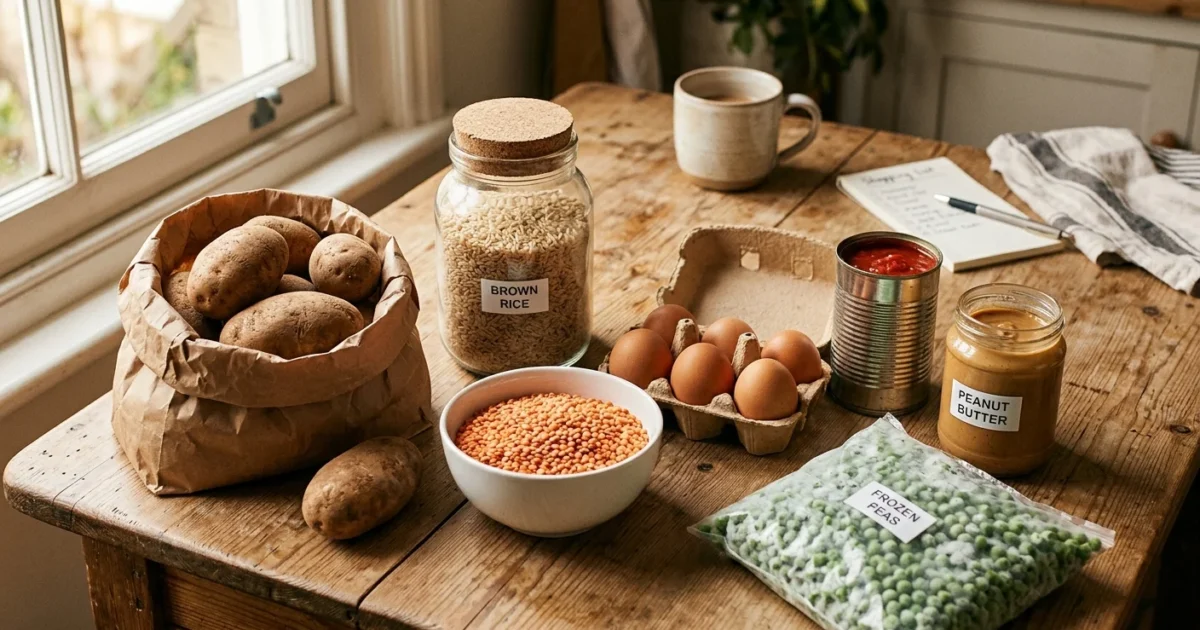
When your grocery budget evaporates before the end of the month, you need affordable food that actually sustains you rather than cheap filler that leaves you hungry an hour later. Real grocery savings require strategic choices at the supermarket, focusing on calorie-dense, nutrient-rich staples that stretch across multiple budget meals. Supermarkets intentionally design their layouts to trick you into buying expensive processed foods, but you can fight back by knowing exactly which aisles hold the true bargains. By stocking up on these specific versatile ingredients, you guarantee your pantry remains full and your wallet stays intact. Here is the ultimate guide to the best cheap groceries you must grab when cash is running incredibly low.
Tip #1: Dried Beans and Lentils
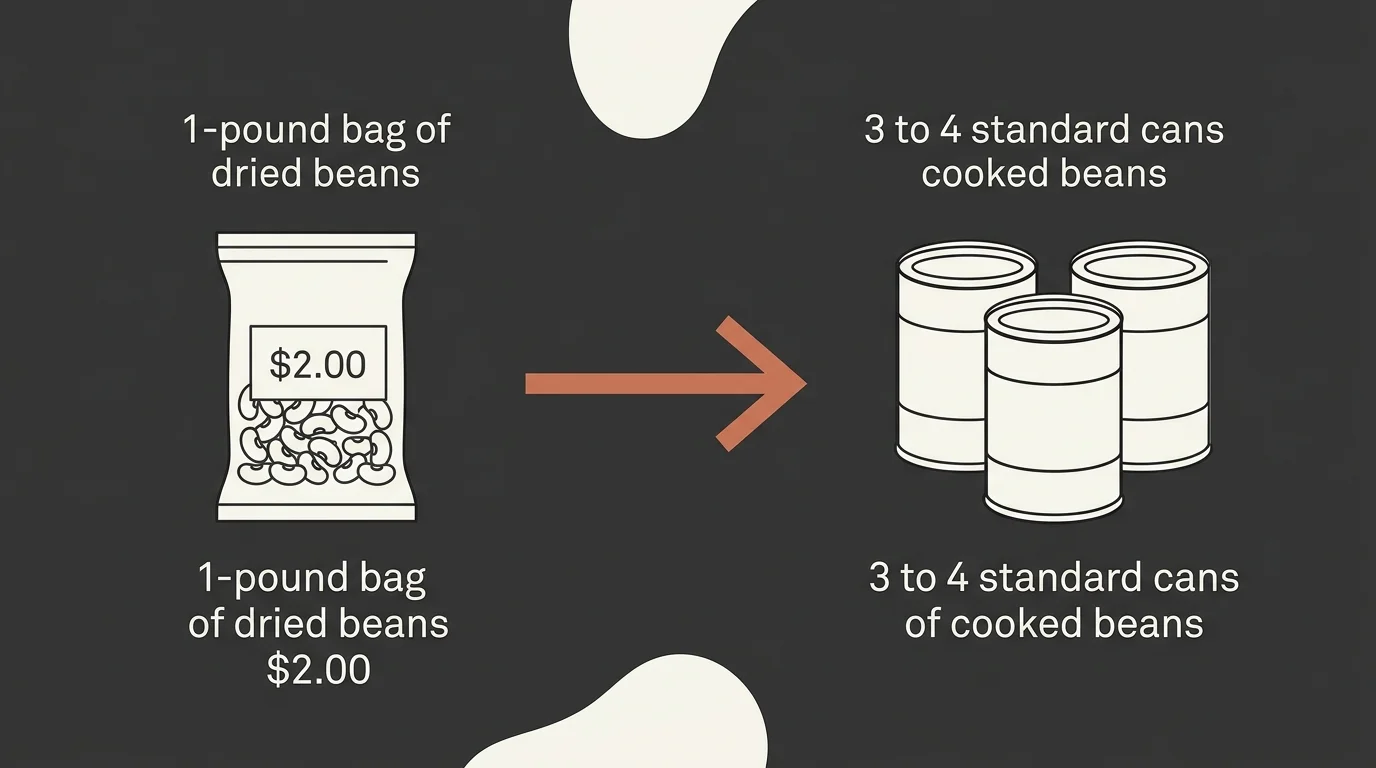
When you desperately need to slash your grocery bill, dried beans and lentils are the undisputed champions of budget grocery shopping. Most shoppers instinctively reach for canned beans out of pure convenience; however, paying for water and metal packaging silently destroys your budget over time. A standard one-pound bag of dried black beans or pinto beans costs around two dollars and yields the equivalent of three to four standard cans once cooked. This drops your cost to mere pennies per serving, freeing up valuable cash for other household necessities.
From a nutritional standpoint, beans deliver a massive payload of both protein and complex fiber. This specific combination stabilizes your blood sugar and keeps you remarkably full for hours, which directly prevents the mindless midday snacking that drains your wallet. Lentils are particularly valuable when you need affordable food fast. Unlike larger dried beans, lentils require zero overnight soaking and cook completely in roughly twenty minutes on the stovetop.
You can effortlessly stretch a single pot of beans across several days of budget meals. Serve them over hot rice, mash them into refried beans for homemade tacos, or blend them into a hearty winter soup. If you want a genuine insider hack, always save the cooking liquid from your dried beans. This rich, starchy broth adds incredible depth and thickness to future soups and stews, ensuring absolutely zero waste in your kitchen.
Tip #2: Whole Rolled Oats
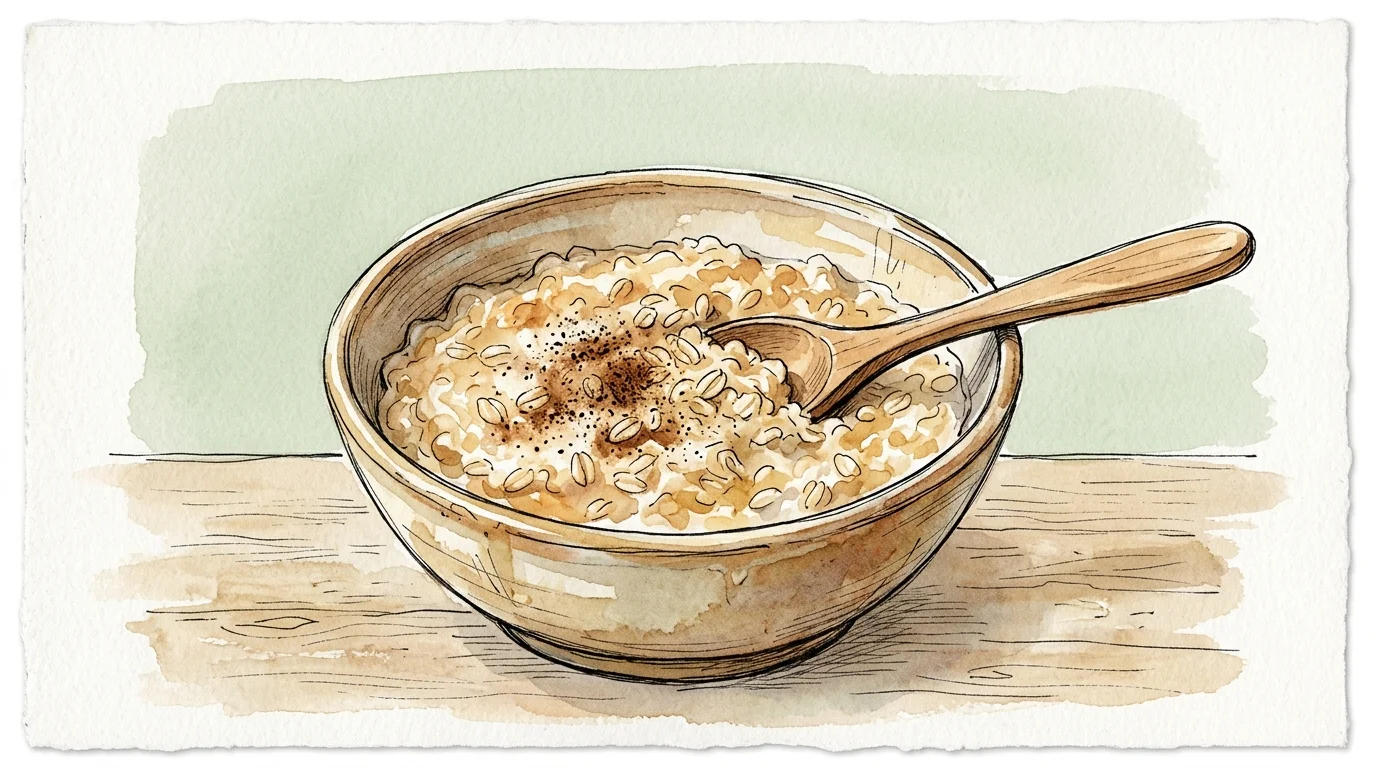
You must immediately stop buying those convenient little packets of instant oatmeal if you want to see real grocery savings. Those sugary packets often cost up to five times more per ounce than a simple, massive canister of whole rolled oats. Plain rolled oats are incredibly cheap, boast a phenomenal shelf life, and serve as a versatile foundation for countless budget meals beyond just a simple breakfast bowl.
A massive forty-two-ounce tube of store-brand oats typically costs a few dollars and provides nearly thirty hearty servings. When you consume a bowl of slow-cooked rolled oats, you ingest complex carbohydrates and a specific fiber called beta-glucan. This fiber actively expands in your stomach, keeping you satiated far longer than a bowl of expensive, brightly colored cereal ever could. You can easily flavor your oats with cheap cinnamon, a scoop of peanut butter, or whatever clearance fruit you find at the market.
Do not arbitrarily limit your oats to the morning hours. Savory oats cooked in cheap chicken or vegetable bouillon with a handful of frozen vegetables provide an incredibly comforting and filling dinner for practically nothing. You can also grind dry oats in a cheap blender to create oat flour for inexpensive baking, or use them as a highly effective binder in meatloaf and vegetarian patties.
Tip #3: Long-Grain White or Brown Rice
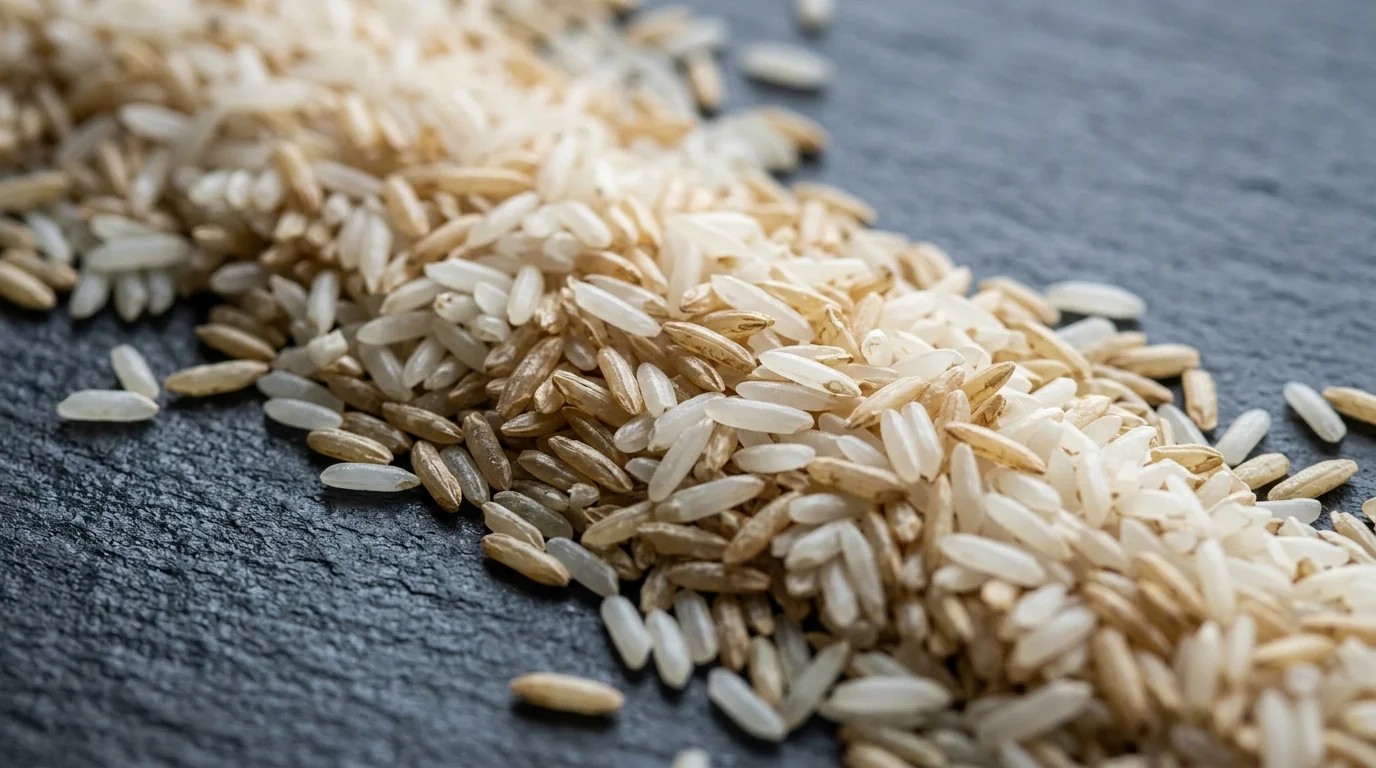
No list of cheap groceries is complete without rice, but the real secret lies in how you buy it. Purchasing those small, one-pound plastic sleeves of rice in the main grocery aisle is a rookie financial mistake. To unlock extreme grocery savings, you must navigate to the international aisle or visit a local ethnic market to secure a massive ten-pound or twenty-pound bag. Buying in bulk drives the price per pound down to an almost microscopic level.
Rice acts as the ultimate volume stretcher for any meal. When combined with the dried beans mentioned earlier, rice forms a complete protein containing all nine essential amino acids your body requires to function optimally. This historical combination has sustained working-class families across the globe for centuries because it works effectively. Brown rice takes slightly longer to cook but provides extra fiber and nutrients, while parboiled white rice offers speed and incredible shelf stability.
Think of rice as a blank canvas for your budget meals. You can transform cold, leftover rice into a spectacular fried rice using minimal oil, a splash of soy sauce, and basic vegetables. When money is tight, a large pot of cooked rice sitting in your refrigerator means you are always just minutes away from a filling, hot meal that costs less than fifty cents to produce.
Tip #4: Frozen Mixed Vegetables
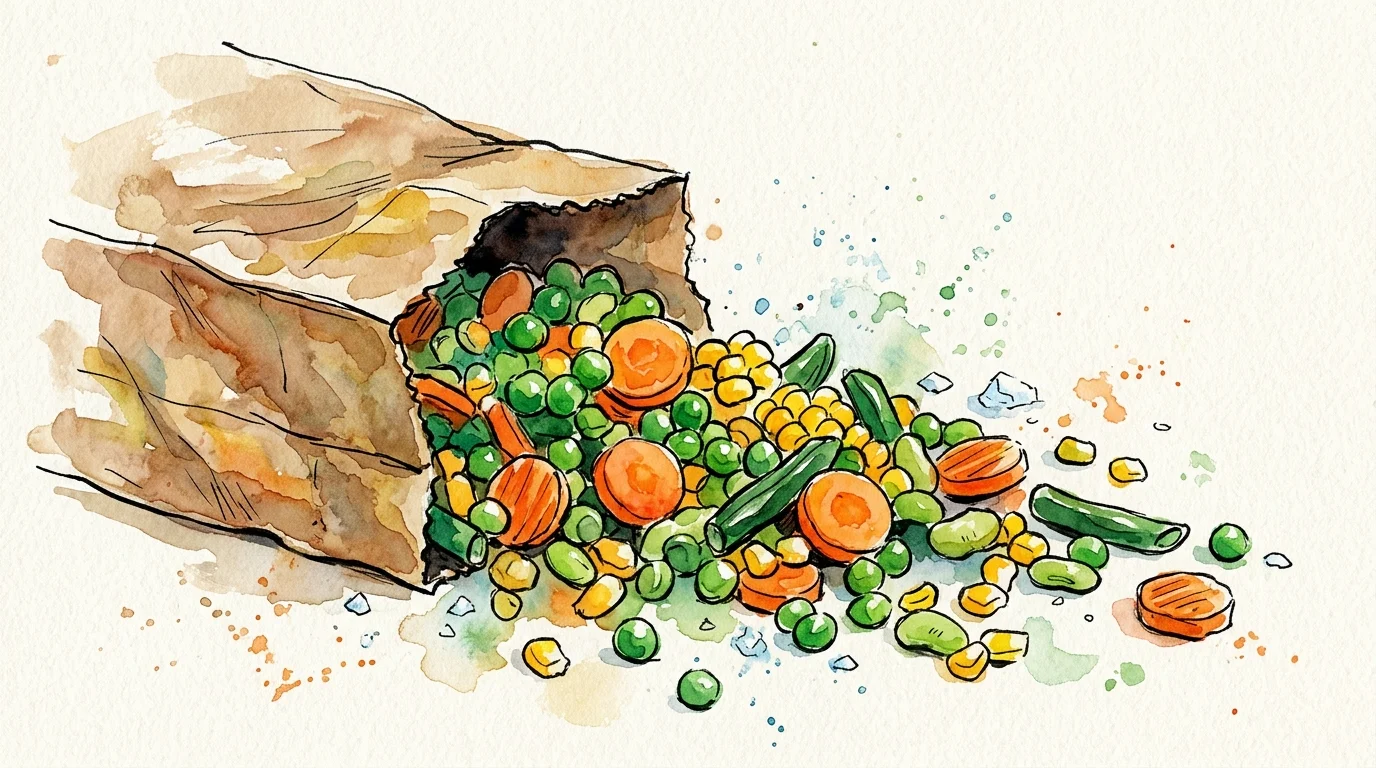
Fresh produce often becomes the first casualty when families attempt strict budget grocery shopping. Fresh vegetables spoil quickly, and throwing away a bag of rotting spinach feels like tossing dollar bills directly into the garbage can. Frozen mixed vegetables completely eliminate this costly food waste while delivering identical—and sometimes superior—nutritional value.
Produce destined for the freezer aisle gets flash-frozen within hours of harvesting. This rapid freezing process locks in critical vitamins and minerals that fresh vegetables often lose as they sit on a transport truck for days. A generic, store-brand bag of mixed frozen peas, carrots, corn, and green beans provides immense utility for only a dollar or two. You only pour out exactly what you need for a specific recipe, immediately returning the rest to the freezer for your next meal.
These icy lifesavers integrate seamlessly into your daily budget meals. Toss a large handful into boiling pasta water during the final three minutes of cooking, stir them aggressively into your cheap fried rice, or dump a whole bag into a slow cooker soup. By relying heavily on frozen vegetables, you maintain a healthy, nutrient-dense diet without suffering the severe financial sting of out-of-season fresh produce markups.

Tip #5: Standard Large Eggs
Despite occasional market fluctuations, standard large eggs remain one of the most cost-effective sources of high-quality animal protein available in the supermarket. When cash is critically low, you must ruthlessly ignore the premium cage-free, pasture-raised, organic options. A simple carton of basic store-brand eggs provides precisely the same essential amino acids, healthy fats, and vital nutrients like choline for a fraction of the cost.
Eggs are the ultimate fast food when you are hunting for cheap groceries. You can hard-boil a dozen on Sunday and have instant, filling snacks available throughout the entire week. Two eggs scrambled with a piece of toast provide a substantial, hot meal for roughly fifty cents. If you have leftover rice or random vegetables nearing the end of their lifespan, cracking a couple of eggs over the top instantly transforms those sad scraps into a cohesive, highly satisfying dinner.
Furthermore, eggs are a mandatory staple if you plan to save money by baking your own bread, muffins, or pancakes from scratch. The structural binding properties of eggs are impossible to replicate cheaply. When you calculate the actual price per gram of bioavailable protein, standard eggs consistently beat out cheap cuts of chicken, ground beef, and certainly heavily processed deli meats.
Tip #6: Canned Crushed Tomatoes
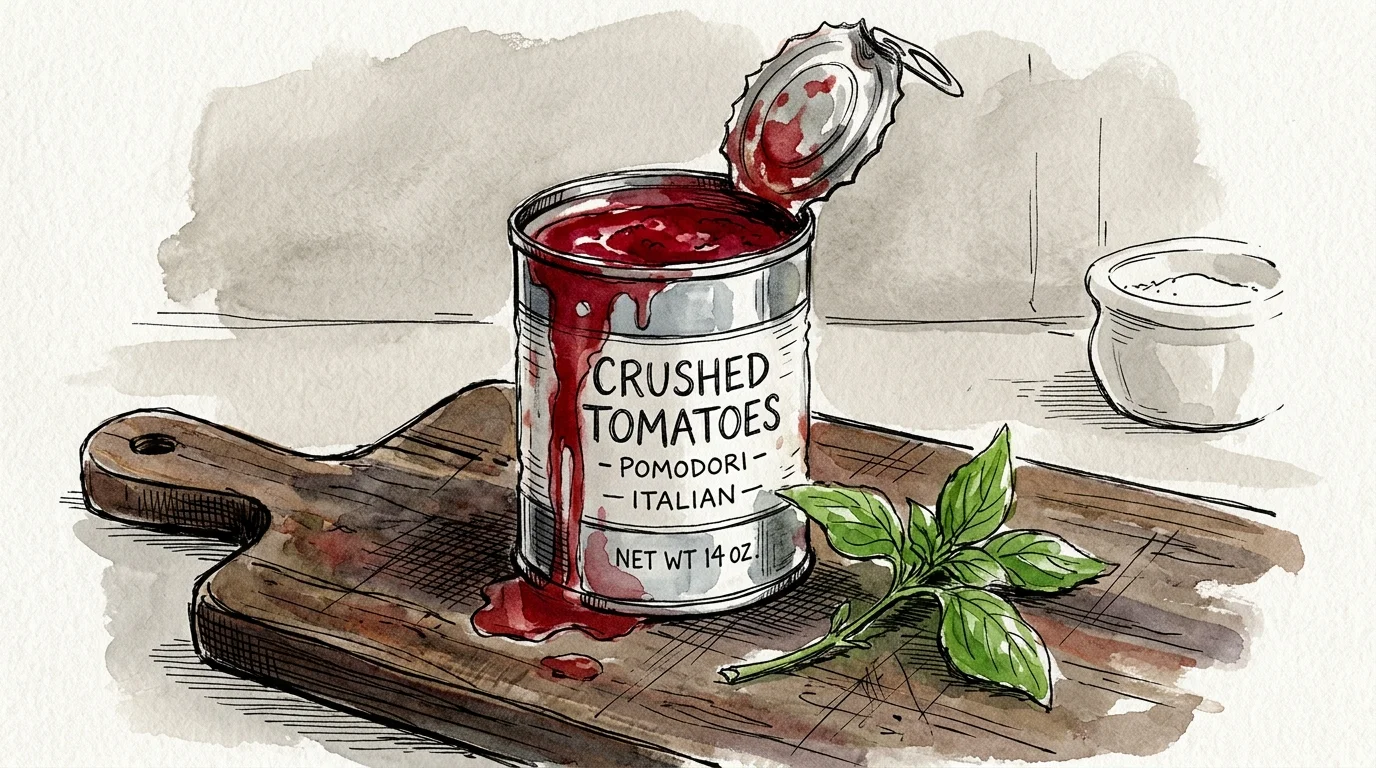
Walking down the pre-made pasta sauce aisle is a masterclass in supermarket marketing. Food companies take basic crushed tomatoes, add a dash of cheap soybean oil and dried herbs, and mark up the price by three hundred percent simply by slapping a rustic Italian label on the jar. To achieve real grocery savings, bypass those glass jars entirely and purchase large metal cans of plain crushed or diced tomatoes.
A massive twenty-eight-ounce can of store-brand crushed tomatoes provides the robust foundation for dozens of spectacular budget meals. With just a little garlic powder, dried oregano, and a pinch of salt from your pantry, you can easily simmer these tomatoes into a vibrant, delicious pasta sauce for literal pennies. Unlike commercial sauces, your homemade version will completely lack the unnecessary, cheap high-fructose corn syrup companies use to mask poor-quality ingredients.
Canned tomatoes offer aggressive versatility for the frugal cook. You can use them to bulk up a cheap bean chili, create a rich base for a vegetable stew, or poach eggs in a spicy tomato sauce for a spectacular dinner. Because they are highly acidic, canned tomatoes boast an incredible multi-year shelf life, meaning you can confidently stock up whenever you spot a lucrative buy-one-get-one-free sale at your local market.
Tip #7: Creamy Peanut Butter
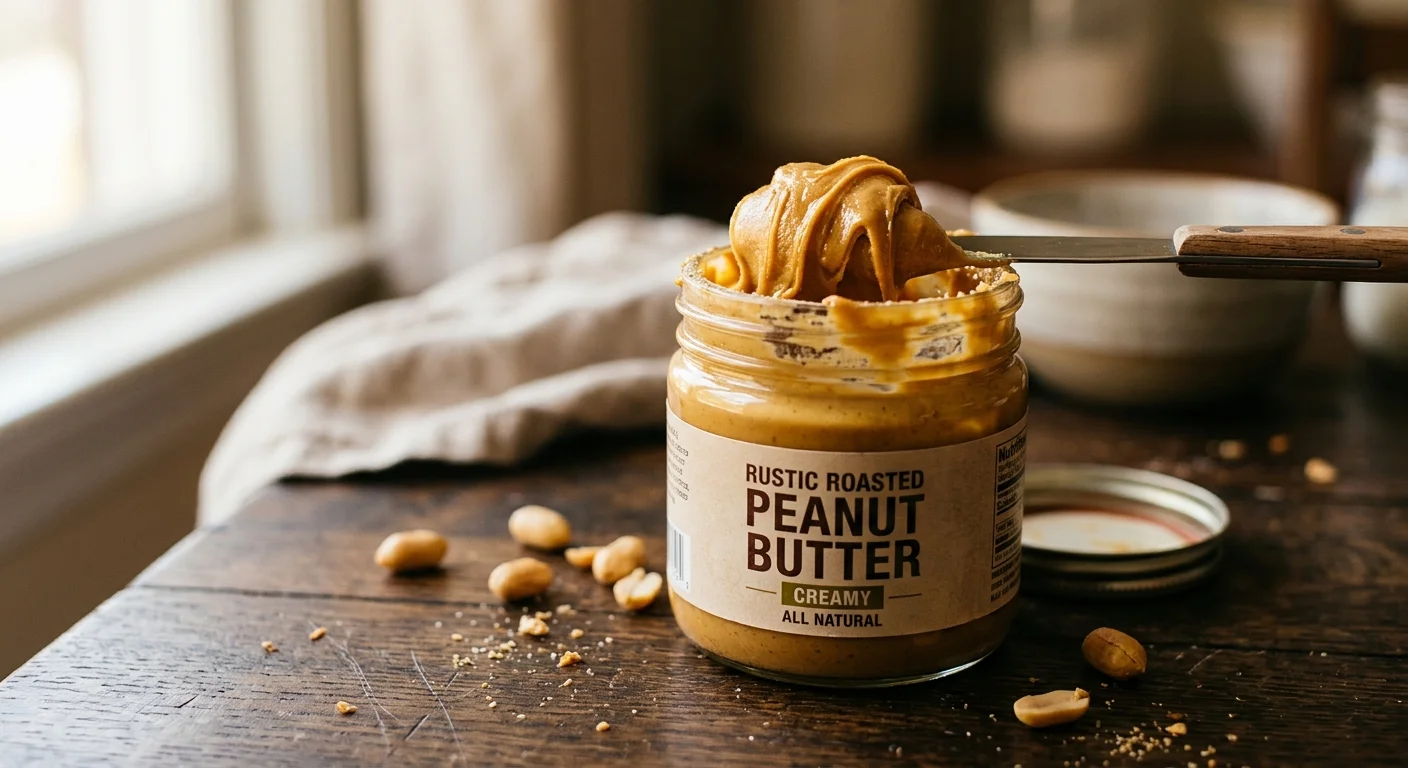
When you are counting every single penny to survive until payday, calorie density becomes a crucial metric. You desperately need foods that pack a massive amount of sustaining energy into a very small, affordable package. Standard creamy peanut butter fits this strict requirement perfectly. It is absolutely loaded with heart-healthy monounsaturated fats and plant-based protein that crush sudden hunger cravings instantly.
You must absolutely stick to the large, generic tubs of standard peanut butter. While artisanal, natural almond butters are undeniably delicious, they are a luxury item that will quickly destroy a tight budget. A large plastic jar of standard peanut butter does not require refrigeration and will happily sit in your dark pantry for months without degrading in quality. This makes it an incredibly reliable safety net when the kitchen starts looking bare.
Peanut butter utility extends far beyond the classic sandwich. You can melt a large spoonful into your cheap morning oats to dramatically increase the protein content and flavor profile. If you want to highly elevate your budget meals, vigorously mix peanut butter with a little soy sauce, vinegar, and garlic powder to create a rich, savory Asian-style peanut sauce. Pour this cheap sauce over plain noodles and frozen vegetables for a spectacular, restaurant-quality dinner at home.
Tip #8: Whole Russet Potatoes
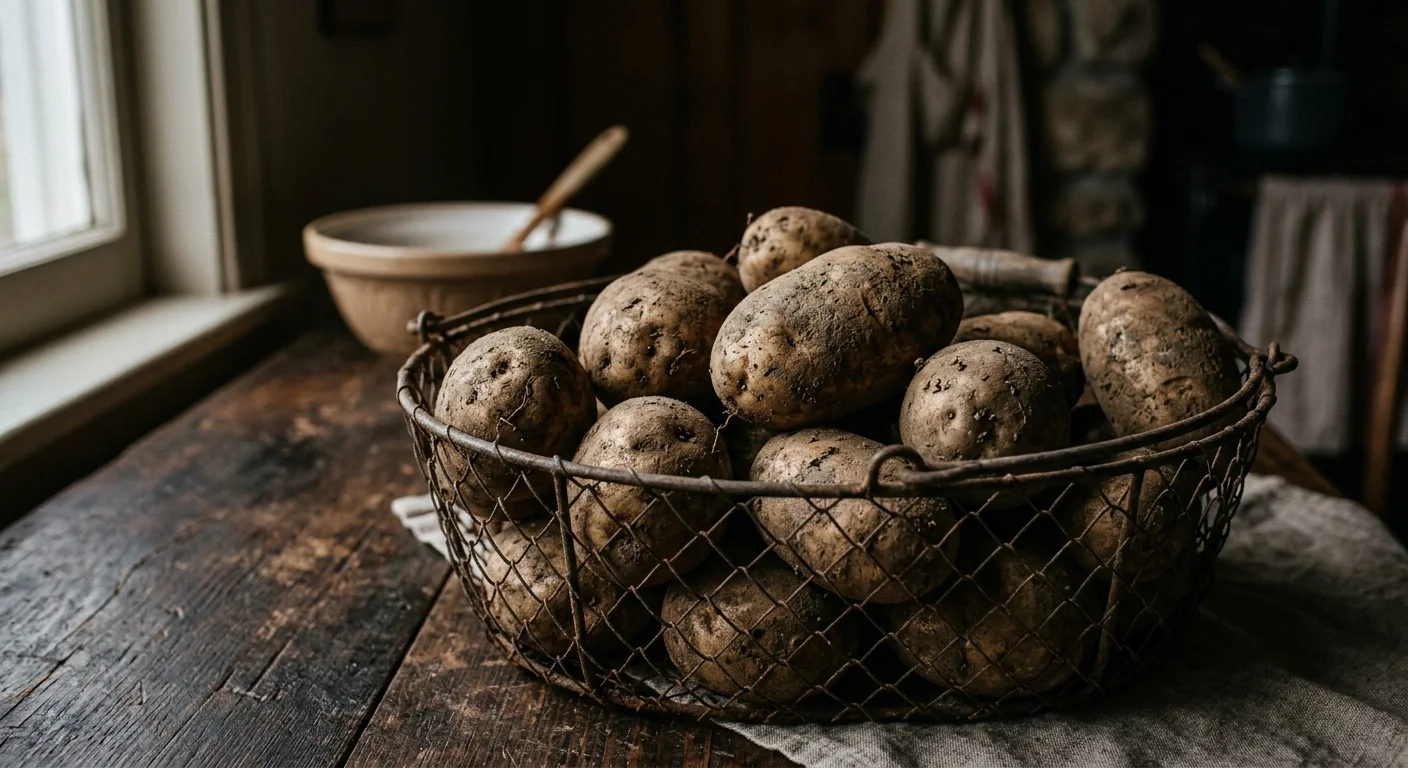
Russet potatoes are heavy, ugly, and dirt cheap; they are also unequivocally one of the greatest budget staples you can possibly buy. In terms of satiety—which is the official scientific measurement of how full a specific food makes you feel—boiled potatoes rank consistently higher than nearly any other food on the planet. A massive ten-pound bag of russet potatoes often costs less than five dollars and provides enough heavy carbohydrates to successfully feed a family for a week.
Potatoes are grossly misunderstood by the public as empty, fattening calories. In reality, a plain baked potato is packed tightly with potassium, vitamin C, and dietary fiber, especially if you heavily scrub and consume the outer skin. The real trick is to intentionally avoid destroying their nutritional value and your limited budget by loading them with expensive sour cream, premium bacon bits, and fancy artisan cheeses.
Instead, utilize potatoes as the bulky, filling anchor for your budget meals. You can bake them, mash them, or dice them into a cheap, crispy vegetable hash. If you want a truly hearty meal, pour your cheap homemade chili or lentil stew directly over a hot baked potato. This brilliant combination provides a massive, warming dinner that costs well under a dollar per serving, firmly proving that affordable food can indeed be incredibly satisfying.
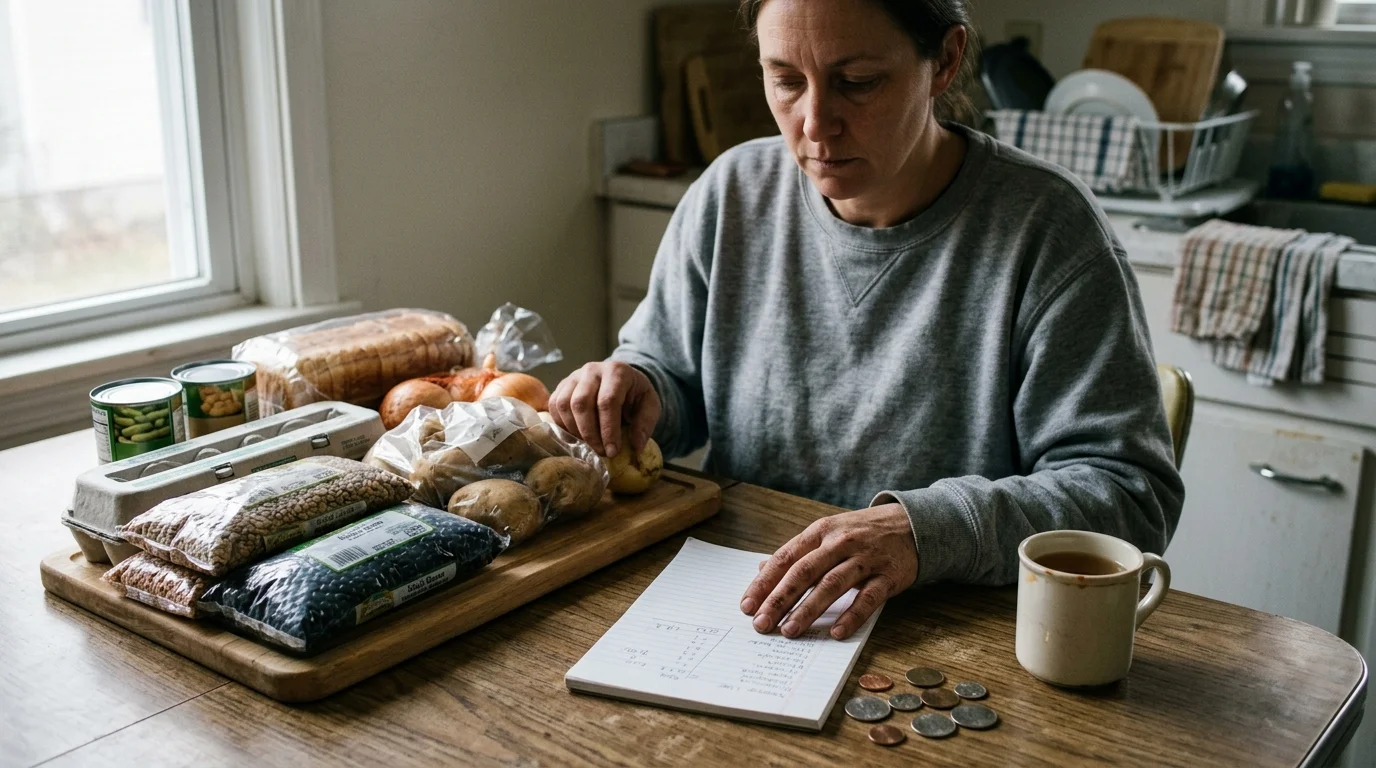
The Bottom Line: What This Means for Your Wallet
Mastering the art of budget grocery shopping requires a fundamental psychological shift in how you view the supermarket. You must forcefully stop looking for convenient, pre-packaged solutions and start aggressively looking for versatile, single-ingredient staples. The eight cheap groceries detailed above share a distinct common theme: they are incredibly nutrient-dense, wildly versatile, and shockingly inexpensive when broken down by the actual cost per serving.
By actively avoiding the inner grocery aisles filled with flashy cardboard boxes and focusing your limited funds on heavy hitters like oats, rice, beans, and potatoes, you build an ironclad pantry. This intelligent strategy completely insulates you against sudden price spikes or unexpected financial emergencies. When money is exceptionally tight, you simply cannot afford to waste your hard-earned cash on empty calories that leave you starving two hours later. You need premium fuel that works exactly as hard for your physical body as you do for your weekly paycheck. Stick strictly to this practical grocery list, intentionally ignore the clever marketing tricks, and watch your monthly food expenses plummet while your bank account finally begins to recover.
Frequently Asked Questions
Is it cheaper to shop at discount grocery chains?
Absolutely. Discount grocery chains operate on a ruthless, bare-bones business model, meaning they deliberately do not spend money on fancy store displays, massive television advertising campaigns, or excessive customer service staff. They pass these massive operational savings directly to you. Buying your cheap groceries and affordable food staples at these regional discount stores can easily reduce your weekly grocery bill by twenty to forty percent compared to shopping at traditional, large-scale supermarkets.
How can I make these basic groceries taste better without spending a lot of money?
The core secret to elevating basic budget meals lies in building a small arsenal of cheap, high-impact spices and condiments. Salt, black pepper, garlic powder, and onion powder are absolutely mandatory pantry additions. You should also invest a few dollars in a large bottle of soy sauce and some basic hot sauce. These inexpensive flavor enhancers last for months and instantly transform plain rice, beans, and frozen vegetables into highly enjoyable, deeply savory dishes.
What if I do not have the time to cook dried beans from scratch?
Time is definitely a valid concern when you are actively juggling multiple jobs or heavy family responsibilities. If you cannot dedicate time to simmering beans on the stove, you should heavily rely on lentils, which boil perfectly in just twenty minutes without any prior soaking required. Alternatively, consider investing a few dollars in a second-hand slow cooker from a local thrift store. You can throw dried beans, water, and cheap spices into a slow cooker in the morning, and a hot, cheap meal will be waiting for you when you return home.
Are canned vegetables as good as frozen vegetables for budget meals?
While canned vegetables are undeniably cheap, frozen vegetables are generally the superior choice for both your tight budget and your physical health. The commercial canning process often requires high heat that inevitably destroys certain vitamins, and many brands add excessive amounts of sodium to preserve the food. Frozen vegetables retain their nutritional profile far better. Furthermore, you can simply pour a small portion of frozen vegetables out of a bag and freeze the rest; once you open a metal can, you must aggressively consume the entire contents quickly before they spoil.
For consumer protection information, visit the Federal Trade Commission (FTC) and the Consumer Financial Protection Bureau (CFPB). For product safety and reviews, consult Consumer Reports.
Disclaimer: This article is for informational purposes only and does not constitute financial advice. The content reflects the author’s opinion and research at the time of writing. Always do your own research before making financial decisions.








Leave a Reply