

Retiring on a fixed income forces you to scrutinize every dollar, making the debate over warehouse club memberships critical. You need to know if dropping cash on an annual fee at Costco, Sam’s Club, or BJ’s Wholesale will actually shrink your monthly expenses or just encourage wasteful spending. Warehouse clubs offer massive savings on hearing aids, prescriptions, and fuel; however, they also trap unsuspecting shoppers into buying perishable bulk goods that rot before two people can eat them. By understanding the distinct pricing strategies and hidden perks of each retailer, you can easily recoup your membership fee with a single purchase. Here is exactly how to extract maximum value from these big-box giants during your golden years.

Tip #1: Crunching the Basic Membership Math for Fixed Incomes
You cannot make an informed financial decision without looking at the raw numbers. Warehouse clubs charge an upfront fee for the privilege of walking through their doors, and on a fixed retirement budget, that initial outlay can feel like a steep barrier. Currently, a standard Costco membership costs $65 per year. Sam’s Club aggressively undercuts the competition with a $50 annual fee, while BJ’s Wholesale sits right in the middle at $55. The sunk-cost fallacy often tricks retirees into buying things they do not need just to feel like they are getting their money’s worth. You must approach this fee as a strategic investment rather than a shopping tax.
To justify the annual fee, you need to save more than the cost of the membership over a twelve-month period. If you choose Sam’s Club, you only need to save a little over four dollars a month to break even. Costco requires you to save about five dollars and forty cents a month. This is an incredibly low hurdle if you shop strategically. Buying a single high-ticket item, such as a television or a new set of tires, often covers the membership cost immediately. However, you must factor in the distance you have to drive. If the nearest Costco is forty miles away, the fuel burned to get there will obliterate any savings you earn on paper towels and coffee.
Before handing over your credit card, ask for a guest pass or a walk-through. All three major warehouse clubs usually allow potential members to tour the aisles. Look specifically at the items you buy every single week. Check the prices on your preferred brand of laundry detergent, your daily vitamins, and your favorite coffee. If the math makes sense for your specific household consumption, the basic membership fee easily pays for itself. If it does not, keep your cash and stick to your local grocery store.

Tip #2: Hacking the Pharmacy and Prescription Savings
Healthcare costs consistently rank as the highest financial burden for retirees. This is exactly where warehouse clubs transform from mere grocery stores into essential financial lifelines. You might not realize that in many states, you do not even need a warehouse membership to use their pharmacy. State laws often mandate that pharmacies remain open to the general public. However, holding an active membership unlocks exclusive discount tiers that drastically reduce the cash price of generic and brand-name medications.
Costco offers the Costco Member Prescription Program, which acts as a massive discount card for individuals who lack comprehensive Medicare Part D coverage or those who find themselves in the dreaded coverage gap. Prices for common maintenance medications—like those for high blood pressure, cholesterol, and diabetes—routinely beat the prices at traditional retail pharmacies like CVS or Walgreens by staggering margins. Sam’s Club takes this a step further for its Plus members, offering a robust list of generic medications completely free of charge, along with hundreds of other generic drugs for just four to ten dollars.
Do not blindly trust your insurance copay. Often, the warehouse club cash price is cheaper than what you would pay using your insurance card. Always ask the pharmacist to compare the cash price against your insurance copay. By transferring just two or three daily prescriptions to a warehouse club, a retired couple can easily save hundreds of dollars a year, rendering the fifty- or sixty-five-dollar membership fee completely irrelevant. BJ’s Wholesale also features highly competitive pharmacy pricing, though their network of in-store pharmacies is smaller than that of Costco or Sam’s Club.
Tip #3: The Truth About Bulk Groceries for Two-Person Households
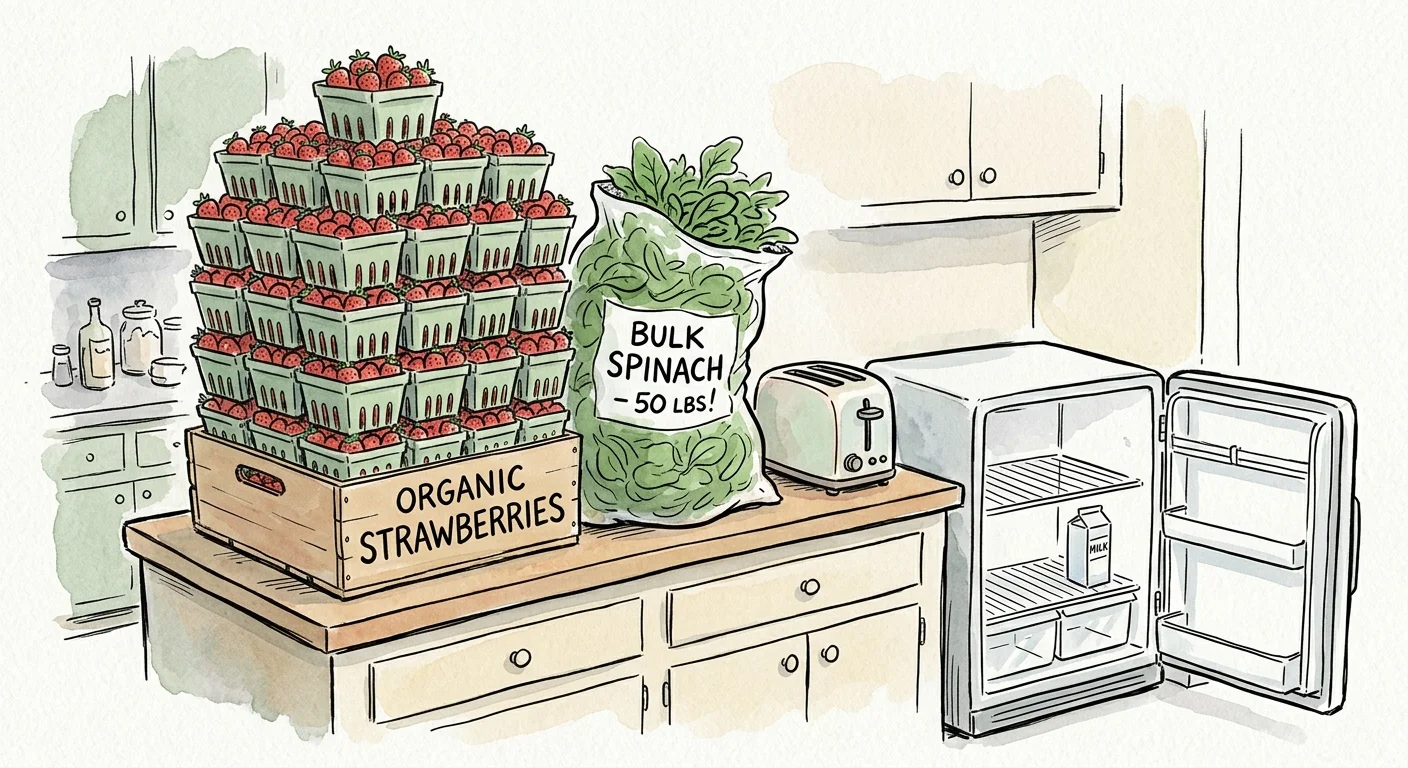
The greatest myth surrounding warehouse clubs is that they only serve families of six. Retirees often avoid Costco because they assume everything comes in a fifty-pound sack. While bulk buying requires discipline, two-person households can still extract massive value by following strict rules of engagement. The secret is to completely ignore bulk perishables. Buying three dozen eggs or a massive clamshell of spinach usually results in food waste, which destroys any financial advantage you gained at the register.
Instead, focus your grocery budget strictly on non-perishables and easily freezable items. Paper towels, toilet paper, trash bags, and laundry detergent do not expire. Canned goods, olive oil, and coffee beans represent the best value per ounce in the store. When it comes to meat, warehouse clubs offer premium cuts at wholesale prices. You must invest in a quality vacuum sealer. Buy the massive pack of chicken breasts or pork chops, immediately divide them into two-portion bags, vacuum seal them, and stock your freezer. This strategy protects you from inflation and limits your trips to the store.
When comparing the three giants, BJ’s Wholesale is arguably the most retiree-friendly for everyday groceries. BJ’s offers a full-service deli counter where you can buy a half-pound of sliced turkey, completely bypassing the massive pre-packaged meat logs required at Costco or Sam’s Club. Furthermore, BJ’s is the only warehouse club that accepts manufacturer coupons on top of their own store coupons. Sam’s Club counters with its brilliant Scan and Go app, which allows you to scan items with your smartphone and walk right out the door, completely bypassing the checkout lines. Costco stubbornly refuses to implement this technology, though they make up for it with their beloved five-dollar rotisserie chickens—a legendary loss leader that serves as a cheap, ready-to-eat protein source for several meals.

Tip #4: Maximizing Hearing Aid and Optical Center Value
If you wear glasses or are experiencing age-related hearing loss, a warehouse club membership is non-negotiable. Traditional audiologists typically charge between four thousand and six thousand dollars for a pair of premium hearing aids. Costco has aggressively disrupted this industry. The Costco Hearing Aid Center offers free hearing tests performed by licensed specialists, and they sell top-tier, Bluetooth-enabled hearing aids for roughly sixteen hundred dollars a pair. You are getting equivalent medical technology for a fraction of the price, and the savings from this single purchase will cover your Costco membership fee for over thirty years.
The optical centers at all three major clubs operate on a similar high-volume, low-margin model. Progressive lenses, anti-reflective coatings, and designer frames often cost upwards of four hundred dollars at a private optometrist. At Sam’s Club, BJ’s, or Costco, you can frequently walk out with a complete pair of high-quality prescription glasses for under one hundred and fifty dollars. They also aggressively discount contact lenses.
You can bring a prescription from your own eye doctor or schedule an appointment with the independent optometrist located next to the warehouse. Sam’s Club Plus members receive an additional twenty percent off a complete pair of eyeglasses, making it an incredibly attractive option for retirees watching their vision expenses. The quality of the lenses and the generosity of the return policies make the optical and hearing aid centers the undisputed crown jewels of the warehouse club model.

Tip #5: Navigating Fuel Savings and Auto Center Perks
Fuel costs eat away at fixed incomes, especially if you plan to spend your retirement traveling, visiting grandchildren, or driving a recreational vehicle. Costco, Sam’s Club, and BJ’s all use cheap gasoline to lure shoppers into their parking lots. You will routinely find their fuel priced anywhere from ten to thirty cents cheaper per gallon than the local neighborhood gas stations. If you fill a fifteen-gallon tank twice a month and save twenty cents a gallon, you keep an extra seventy-two dollars a year in your pocket—which entirely covers the cost of a basic membership.
Costco commands a slight edge in this category because they exclusively sell Top Tier certified gasoline, which contains advanced detergent additives designed to clean your engine and improve performance over time. However, Costco gas stations are notorious for massive, frustrating lines. If you value your time, you must plan your fuel stops early in the morning or right before closing. Sam’s Club gas stations tend to flow faster, and BJ’s frequently runs promotions where buying specific grocery items knocks additional cents off your per-gallon price.
Do not ignore the tire and battery centers. Replacing a set of four tires is a painful expense on a retirement budget. Warehouse clubs offer excellent pricing on premium brands like Michelin and Bridgestone, but the true value lies in the installation package. Costco and Sam’s Club include lifetime tire rotation, balancing, and flat repairs with your installation. They also sell highly rated car batteries with robust replacement warranties. When your car fails to start on a cold winter morning, knowing you can easily swap the battery at your local warehouse club provides immense peace of mind.
Tip #6: Decoding the Travel and Gift Card Discounts
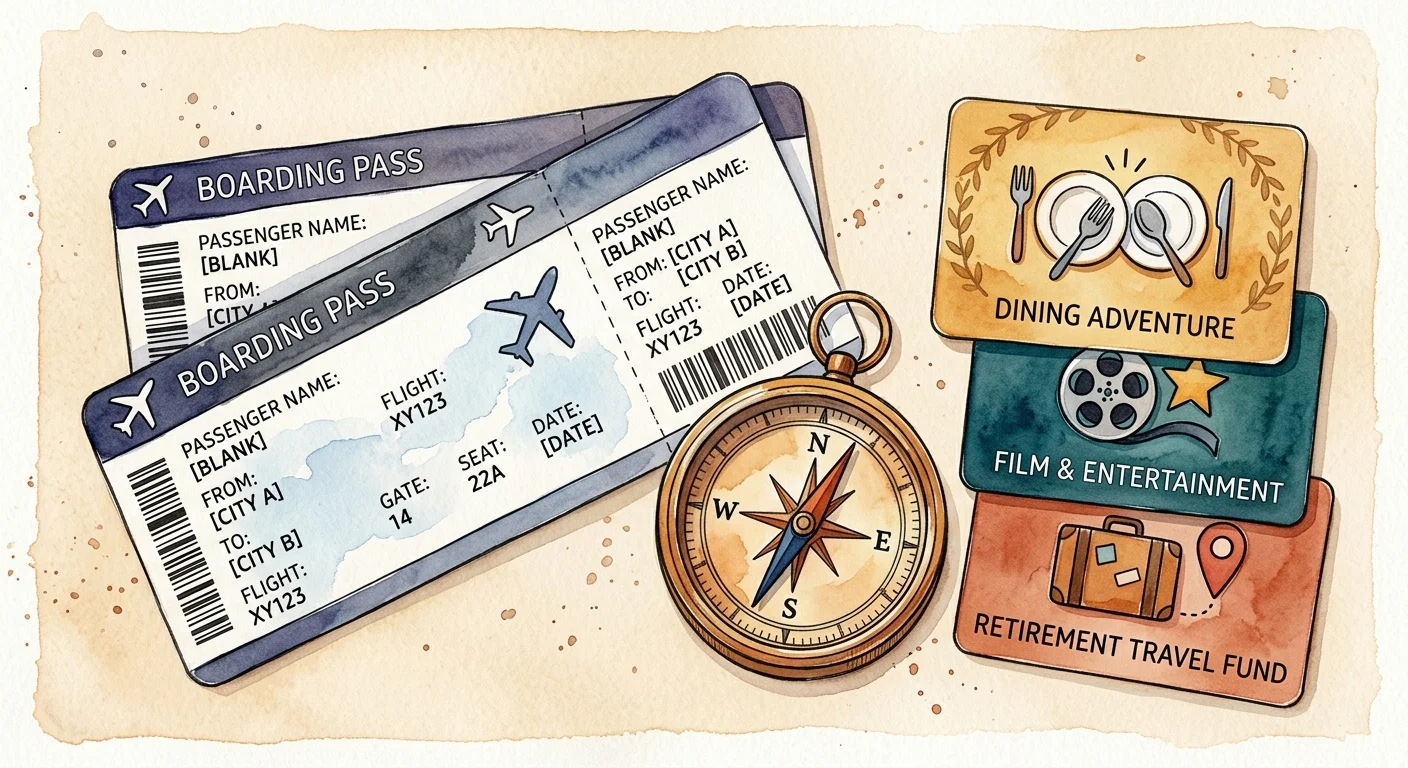
Retirement provides the one luxury most working people lack: free time. If you plan to travel, warehouse clubs quietly operate some of the most lucrative travel agencies in the country. Costco Travel is famous among savvy retirees for offering heavily discounted vacation packages, rental cars, and cruises. When you book a cruise through Costco, you frequently receive the same baseline price as booking direct, but Costco sweetens the deal by throwing in a digital Costco Shop Card worth hundreds of dollars. This essentially acts as a massive cash rebate you can use for your groceries upon returning home.
Rental cars are another hidden treasure. By punching your travel dates into the Costco or BJ’s travel portals, you will consistently beat the rates offered by Expedia or direct booking sites. They aggregate the prices from Alamo, Enterprise, and Avis, automatically applying steep corporate discount codes. Better yet, these portals usually allow you to add a second driver for free—a perk rental companies normally charge up to fifteen dollars a day for.
If you prefer to stay local, march straight to the gift card aisle. Sam’s Club and Costco sell multi-packs of gift cards to popular national restaurant chains, movie theaters, and local attractions at an immediate twenty to twenty-five percent discount. You can routinely buy one hundred dollars’ worth of steakhouse gift cards for just seventy-nine dollars. Keeping a stash of these discounted cards in your drawer for date nights or impromptu dinners with friends is an effortless way to stretch your entertainment budget without sacrificing your social life.

Tip #7: Upgrading to Executive or Plus Memberships
Every time you check out, the cashier will relentlessly pitch you on upgrading to the premium tier. Costco pushes the Executive Membership for an extra sixty-five dollars, while Sam’s Club pushes the Plus Membership for an extra sixty dollars. Both programs offer a two percent cash-back reward on nearly all your in-club purchases. You must use ruthless math to determine if this upgrade makes sense for your fixed income.
To break even on the Costco Executive upgrade, you must spend exactly three thousand two hundred and fifty dollars a year at the warehouse. For the Sam’s Club Plus upgrade, you must spend three thousand dollars. If you hit those numbers, the upgrade is entirely free. If you spend more, you are actively making a profit. Retirees booking a single vacation through Costco Travel or buying a set of hearing aids will instantly clear this spending threshold, making the upgrade a no-brainer.
Beyond the cash back, Sam’s Club Plus offers a perk that is an absolute game-changer for older adults: free shipping on most online orders. If you suffer from mobility issues, hate dealing with crowded parking lots, or simply do not want to lug massive bags of dog food and cases of water into your trunk, the free shipping perk is priceless. You can sit on your couch, order your heavy bulk items, and have them dropped on your front porch. Costco does not offer a comparable free shipping tier, making Sam’s Club the clear winner for seniors prioritizing physical convenience.

The Bottom Line: What This Means for Your Wallet
Deciding which membership warehouse club is worth it in retirement comes down to your specific health needs, physical proximity, and grocery habits. If you require hearing aids or want the absolute highest quality store brand via Kirkland Signature, Costco is the undisputed champion. If you want the lowest upfront fee, the convenience of the Scan and Go app, and free shipping to save your back from heavy lifting, Sam’s Club is your best bet. If you want a traditional grocery store experience where you can buy smaller quantities from a deli counter and use manufacturer coupons, BJ’s Wholesale wins.
You should never pay for more than one of these memberships simultaneously. Pick the one closest to your house, ruthlessly exploit their pharmacy and optical center, and stick to buying non-perishables and fuel. By treating your membership card as a tactical tool rather than a license to overspend, you will effortlessly protect your retirement nest egg while enjoying premium products.
For consumer protection information, visit the Federal Trade Commission (FTC) and the Consumer Financial Protection Bureau (CFPB). For product safety and reviews, consult Consumer Reports.
Frequently Asked Questions
Can you shop at a warehouse club without paying for a membership?
Yes, but your options are strictly limited. In many states, liquor laws prohibit stores from requiring a membership to purchase alcohol, meaning you can buy cheap Kirkland or Member’s Mark vodka simply by informing the door greeter. The same applies to the pharmacy in many jurisdictions. You can also shop online at Costco or Sam’s Club without a membership, but you will be hit with a hefty non-member surcharge—usually around five to ten percent—which quickly negates any potential savings. If you only want to buy items once or twice a year, ask a friend with a membership to purchase a store gift card for you, as door greeters will usually let you enter and shop if you are paying exclusively with a Shop Card.
Are the store-branded credit cards worth applying for?
If you pay your balance in full every single month, yes. The Costco Anywhere Visa by Citi and the Sam’s Club Mastercard offer tremendous cash-back multipliers that stack on top of your premium membership rewards. The Costco Visa gives you four percent back on eligible gas worldwide, while the Sam’s Club Mastercard offers an incredible five percent back on gas. Using these cards exclusively for fuel and warehouse purchases is a fantastic strategy to maximize your fixed income. However, they carry exorbitantly high interest rates. If you carry a balance, the interest charges will wipe out your rewards within the first month.
Which warehouse club is best for retirees with mobility issues?
Sam’s Club easily defeats the competition in this category. Their Plus membership offers free shipping directly to your door, eliminating the need to push heavy carts or lift bulk items. Furthermore, their in-store Scan and Go app lets you bypass the checkout lines completely. You just scan items with your phone as you put them in your cart, swipe to pay on your screen, and walk out the door. Costco still forces members to stand in long checkout lines and does not offer a universal free shipping program, making it much more physically demanding for older adults to navigate.
Disclaimer: This article is for informational purposes only and does not constitute financial advice. The content reflects the author’s opinion and research at the time of writing. Always do your own research before making financial decisions.








Leave a Reply