
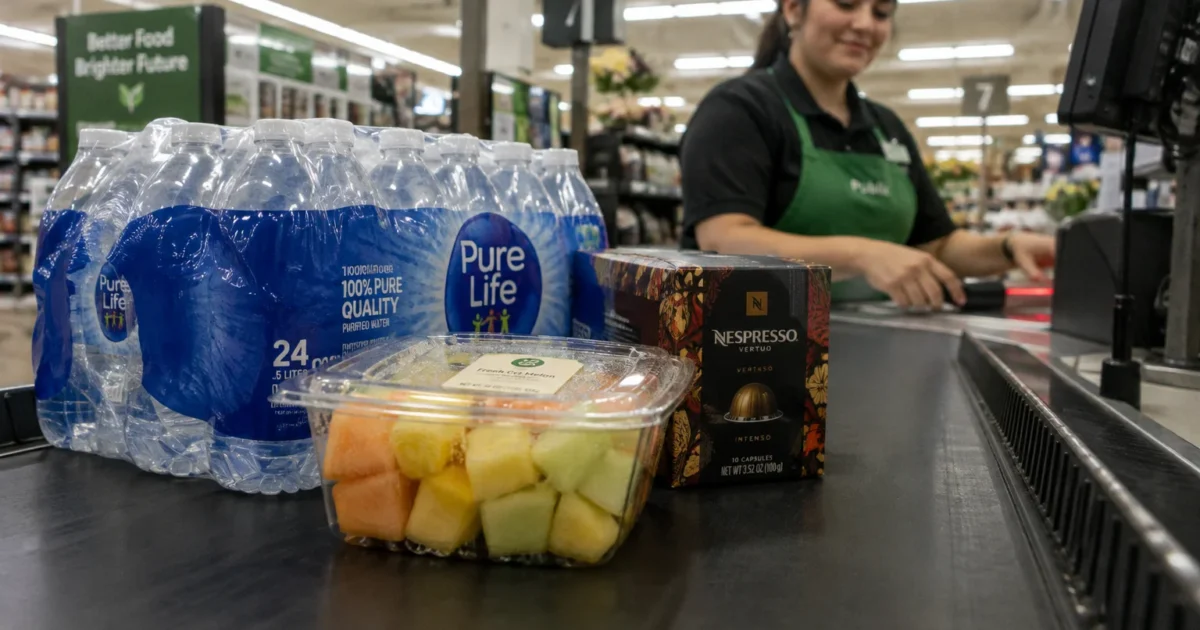
Cashiers see hundreds of shoppers every shift, and they immediately recognize when you are throwing your hard-earned money away. While you might worry about awkward things to buy, register clerks actually roll their eyes at avoidable financial traps.
The real checkout line judgments happen when you overpay for severe retail markups that common sense easily solves. Your conveyor belt tells a clear story about your shopping habits and budgeting discipline.
Smart shoppers avoid these glaring pitfalls to keep thousands of dollars in their pockets each year. Here is what cashiers really think about your basket—and how to fix your spending today.
Tip #1: Single-Serve Bottled Water
Cashiers watch shoppers haul heavy plastic water cases to the register every single day. Most clerks view this purchase as an absolute waste of your household income.
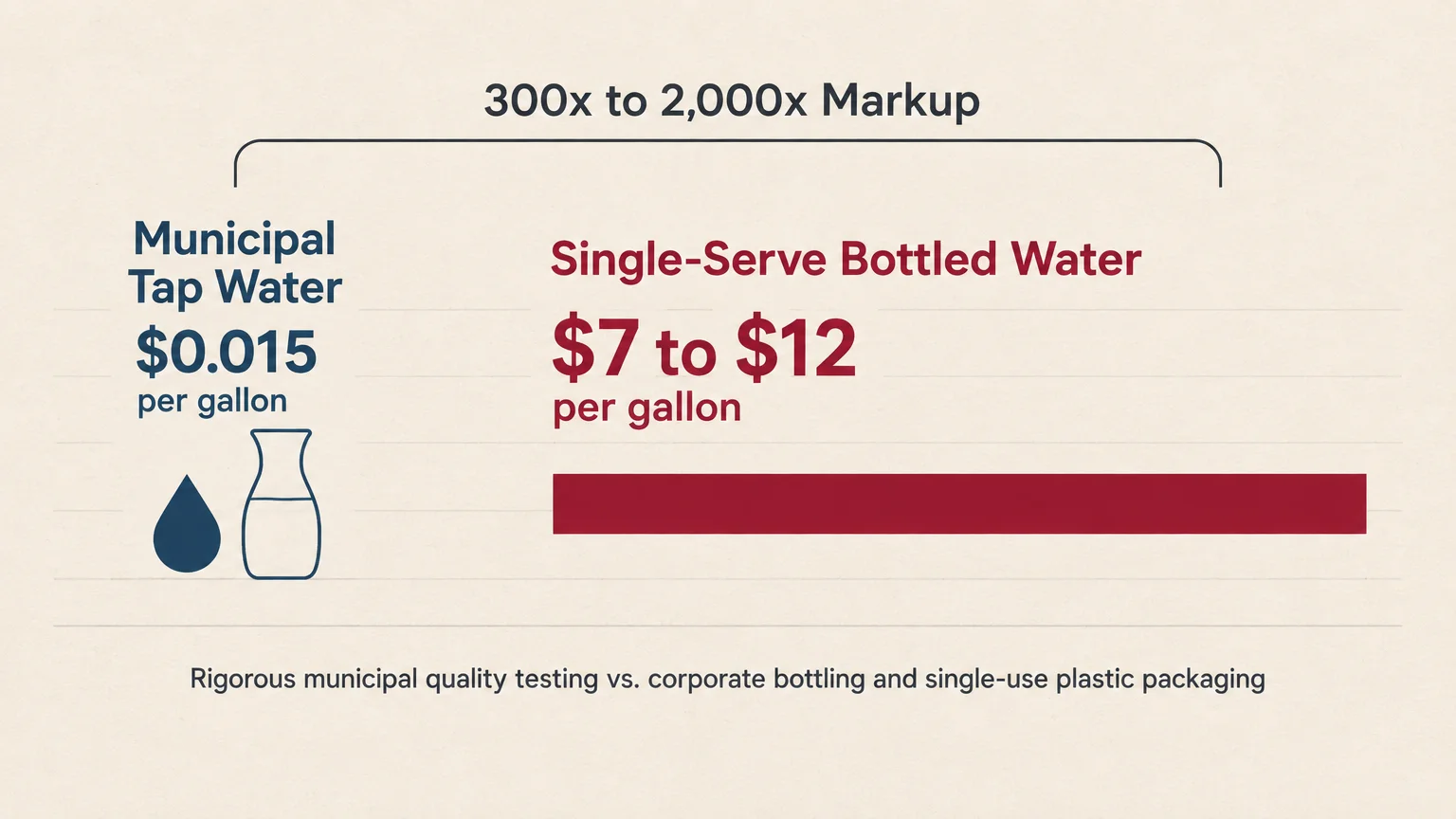
Residential tap water costs an average of $0.015 per gallon when you factor in municipal sewer charges. Meanwhile, single-serve bottled water averages between $7 and $12 per gallon.
That convenience creates a shocking markup of 300 to 2,000 times the cost of municipal tap water. You are essentially paying for single-use plastic and standard corporate transportation costs.
Cashiers know that municipal tap water passes rigorous quality tests daily. Bottled water frequently comes from the exact same municipal supplies anyway.
Protect your budget by purchasing a durable stainless steel canteen and an inexpensive home carbon filter. You will eliminate plastic waste while keeping hundreds of dollars in your bank account.
Tip #2: Pre-Cut and Packaged Produce
Grabbing plastic tubs of sliced watermelon or diced onions seems like a smart time-saving shortcut. However, cashiers immediately spot this choice as an expensive grocery budget leak.
Pre-cut fruits and vegetables carry average retail markups ranging from 40% to over 100%. Grocery stores charge high labor fees just to chop your ingredients for you.
Sliced produce also deteriorates much faster than intact produce once exposed to air. You pay double the price for food that spoils in half the standard time.
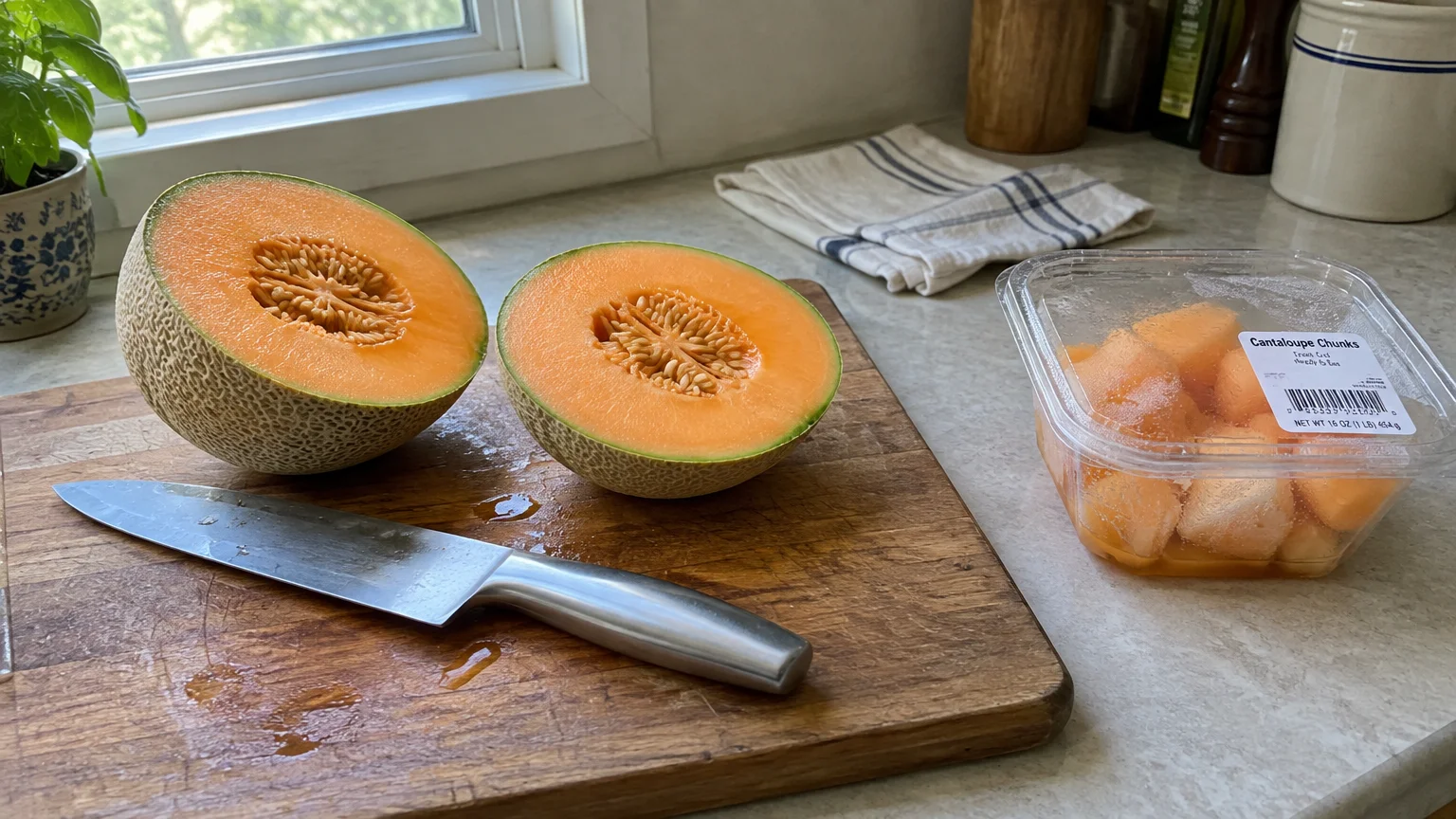
Cashiers know whole pineapples and melons cost a fraction of the price sitting two feet away. Chopping whole produce yourself takes less than three minutes on a cutting board.
Keep your produce whole until you are ready to cook. Your food will stay fresher, and your wallet will notice the difference immediately.
Tip #3: Point-of-Sale Extended Warranties
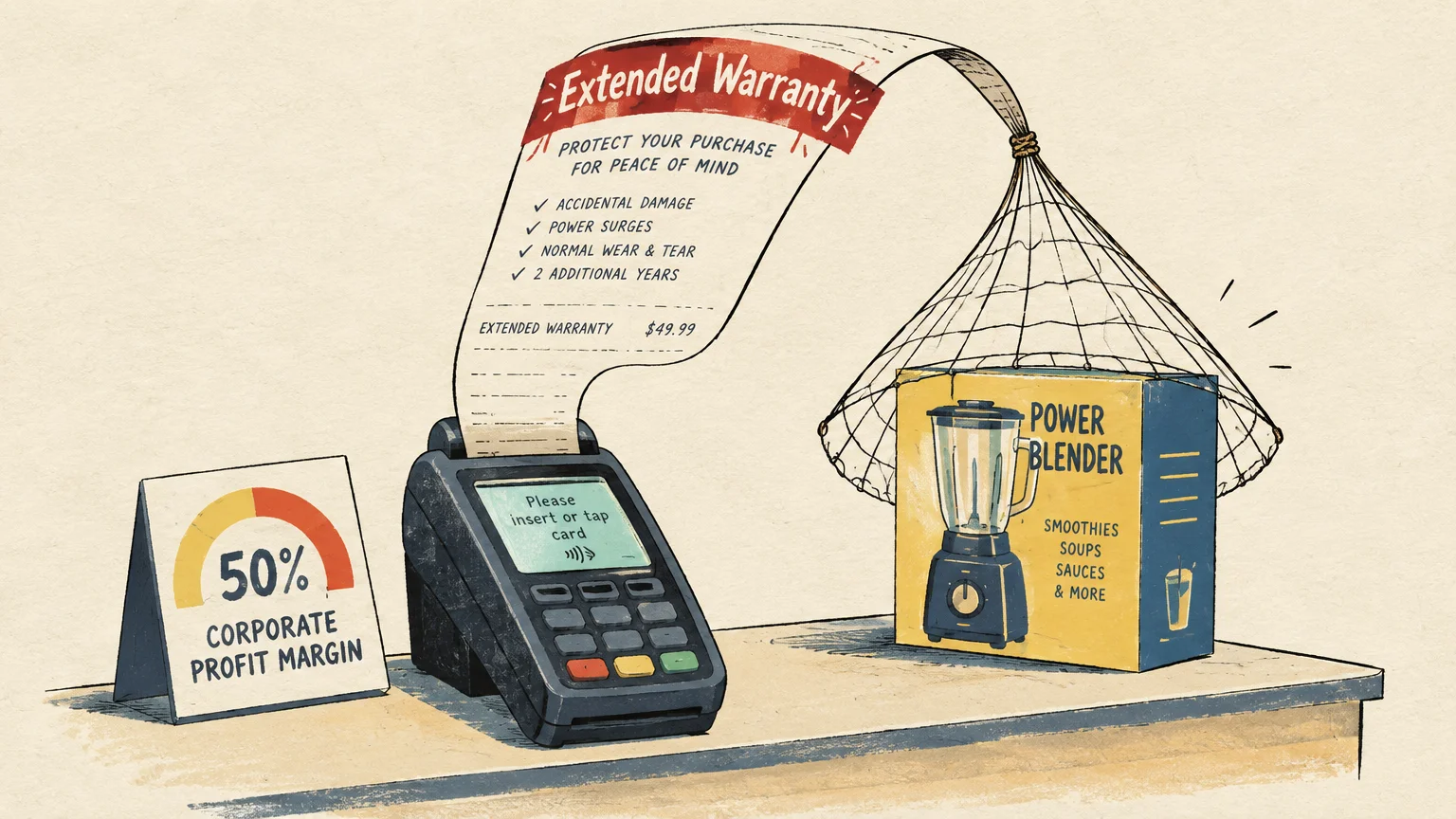
Cashiers must recite promotional scripts offering warranty plans on blenders, headphones, and small electronics. Behind the register, they secretly hope you decline the offer.
Investigations reveal that retailers pocket 50% or more of protection plan costs as pure profit margin. These service contracts generate massive windfalls for corporations while providing minimal value to you.
Most modern electronics rarely malfunction during the narrow extended warranty window. If a product contains defects, standard manufacturer warranties typically cover those repairs during the first year.
Many major credit cards also automatically extend manufacturer warranties when you use them for purchases. Paying extra cash at the checkout counter duplicates protection you already own.
Skip the register insurance plan every single time. Direct those saved premiums into a dedicated personal emergency fund instead.
Tip #4: High-Interest Store Credit Cards
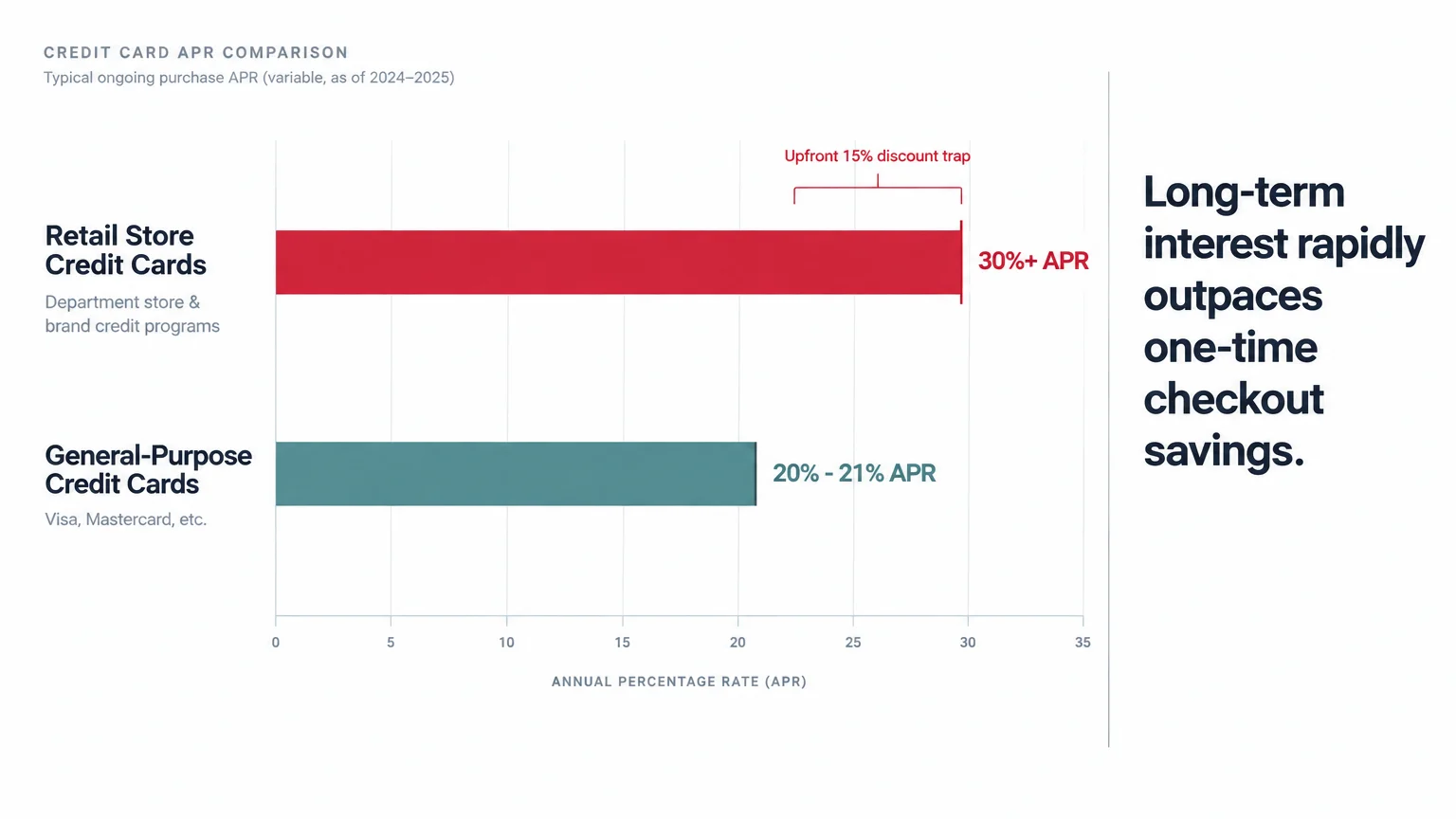
Cashiers frequently face immense corporate pressure to open new retail store credit accounts at the register. They know the tempting upfront discount masks an expensive financial trap.
Retail credit cards currently carry an average annual percentage rate exceeding 30%. In contrast, general-purpose credit cards average around 20% to 21% APR.
Saving 15% on a single clothing purchase sounds appealing when the cashier rings your total. Yet carrying a balance for just two months completely destroys that initial discount.
Store cards also encourage unnecessary retail loyalty and prompt more frequent unplanned shopping trips. Retailers design these perks specifically to inflate your monthly discretionary spending.
Decline retail card offers politely at the register. Stick to low-rate credit cards or debit cards that do not penalize your balances with predatory interest rates.
Tip #5: Name-Brand Over-the-Counter Medications
Cashiers frequently scan expensive brand-name pain relievers, allergy pills, and cold medicines. This habit represents one of the most glaring things cashiers judge you for buying.
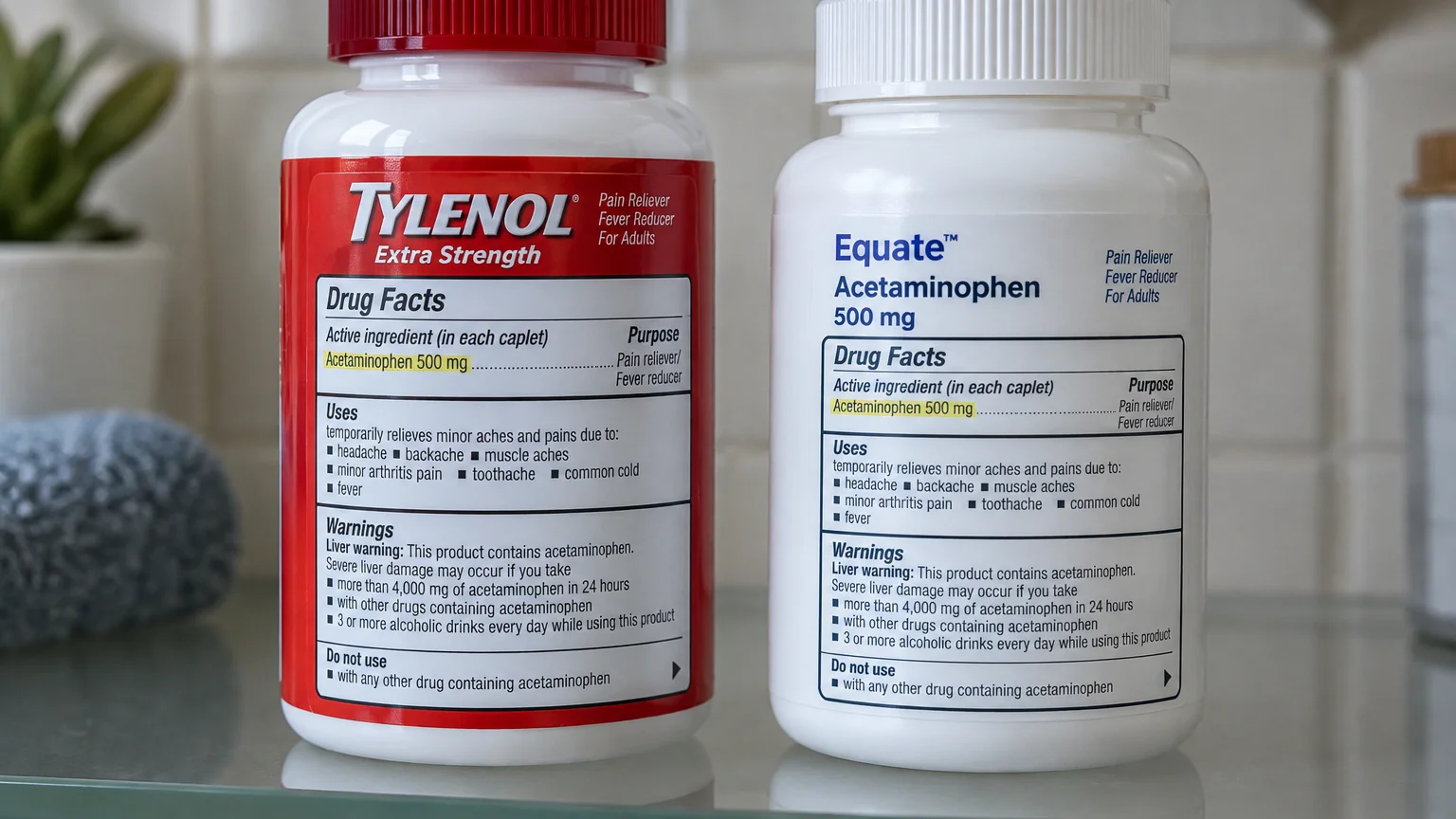
The Food and Drug Administration requires generic over-the-counter medications to match brand-name versions precisely. They must contain the exact same active ingredients, dosage, strength, and safety standards.
Despite offering identical medicinal benefits, store-brand generic equivalents cost 30% to 80% less. You pay a heavy financial premium solely to subsidize celebrity endorsements and glossy television ads.
Cashiers buy generic options for their own families because they recognize the chemical equivalence. They understand that brand loyalty offers zero health benefits in medicine aisles.
Turn the box around and compare the active ingredient panel before you reach checkout. Grabbing generic ibuprofen or acetaminophen delivers instant savings without sacrificing relief.

Tip #6: Pre-Shredded Bagged Cheese
Bagged shredded cheese seems like an innocent convenience when you prepare weekly family dinners. However, experienced cashiers recognize it as a subtle pricing trap.
Pre-shredded cheese generally costs 20% to 40% more per ounce than standard cheese blocks. You pay extra money for a smaller volume of actual dairy.
Dairy manufacturers also coat pre-shredded varieties in cellulose powder and potato starch to prevent clumping. These anti-caking agents compromise the cheese texture and impede smooth melting.
Block cheese contains pure dairy fat and protein without added wood pulp powders or preservatives. It melts into rich sauces effortlessly while tasting noticeably fresher.
Pick up a solid block of cheddar and grate it yourself using a standard hand grater. You will save money and enjoy superior culinary results in your home cooking.
Tip #7: Register Aisle Impulse Buys
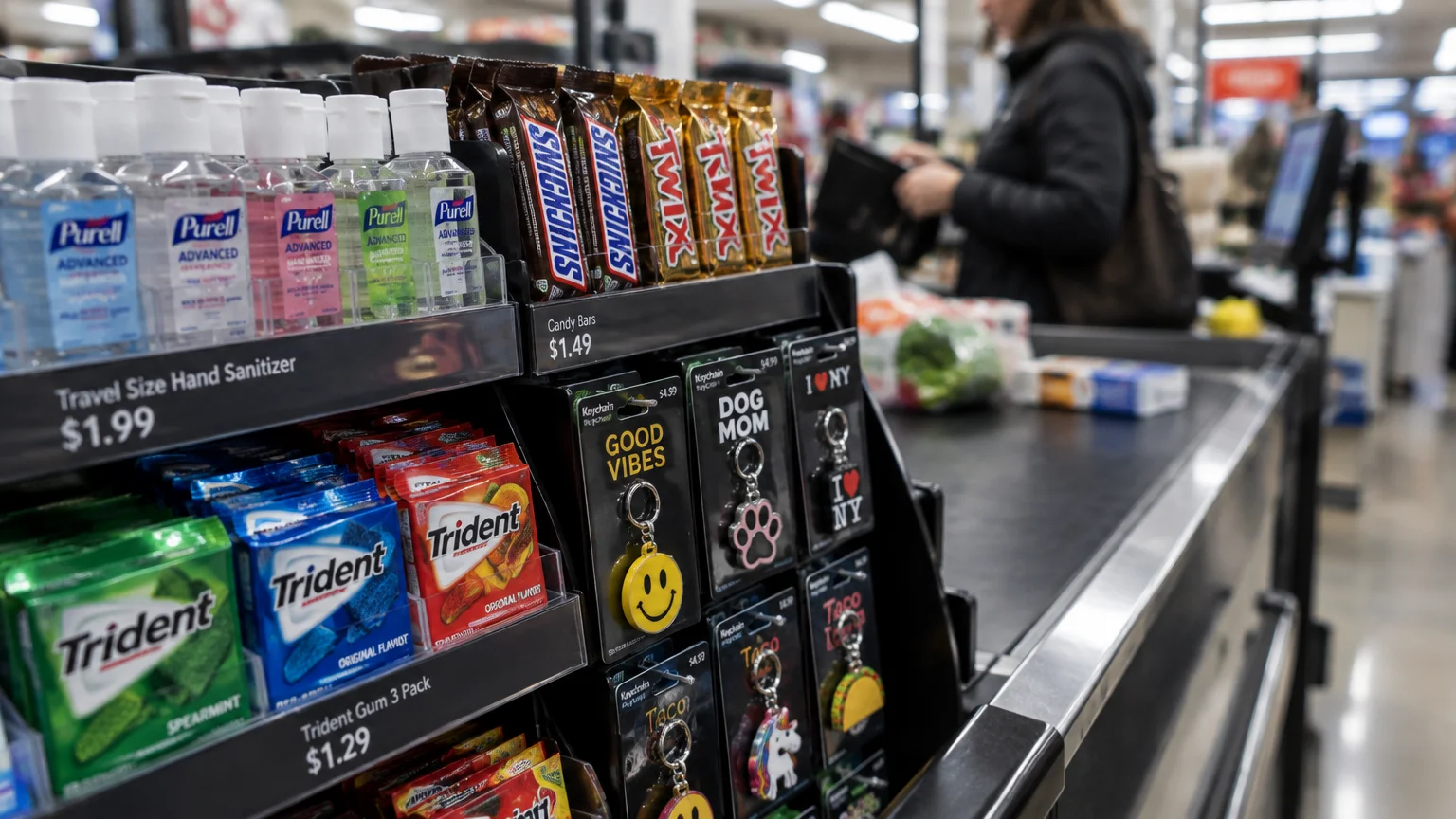
Checkout corridors are meticulously engineered labyrinths packed with chocolates, sodas, and celebrity magazines. Cashiers watch shoppers succumb to these retail psychology traps all day long.
Surveys reveal that 80% to 84% of consumers admit to impulse buying in brick-and-mortar stores. The average American wastes between $250 and $318 each month on unplanned register grabs.
That thoughtless spending adds up to more than $3,000 in drained income every single year. Stores place these items at eye level specifically to capitalize on your decision fatigue.
Cashiers see shoppers undo their careful couponing by tossing a four-dollar candy bar onto the conveyor. These tiny treats silently destroy your monthly grocery allocations over time.
Keep your hands in your pockets while waiting in line. Commit to buying only the items written on your predetermined grocery list.
Tip #8: Disposable Shopping Bags
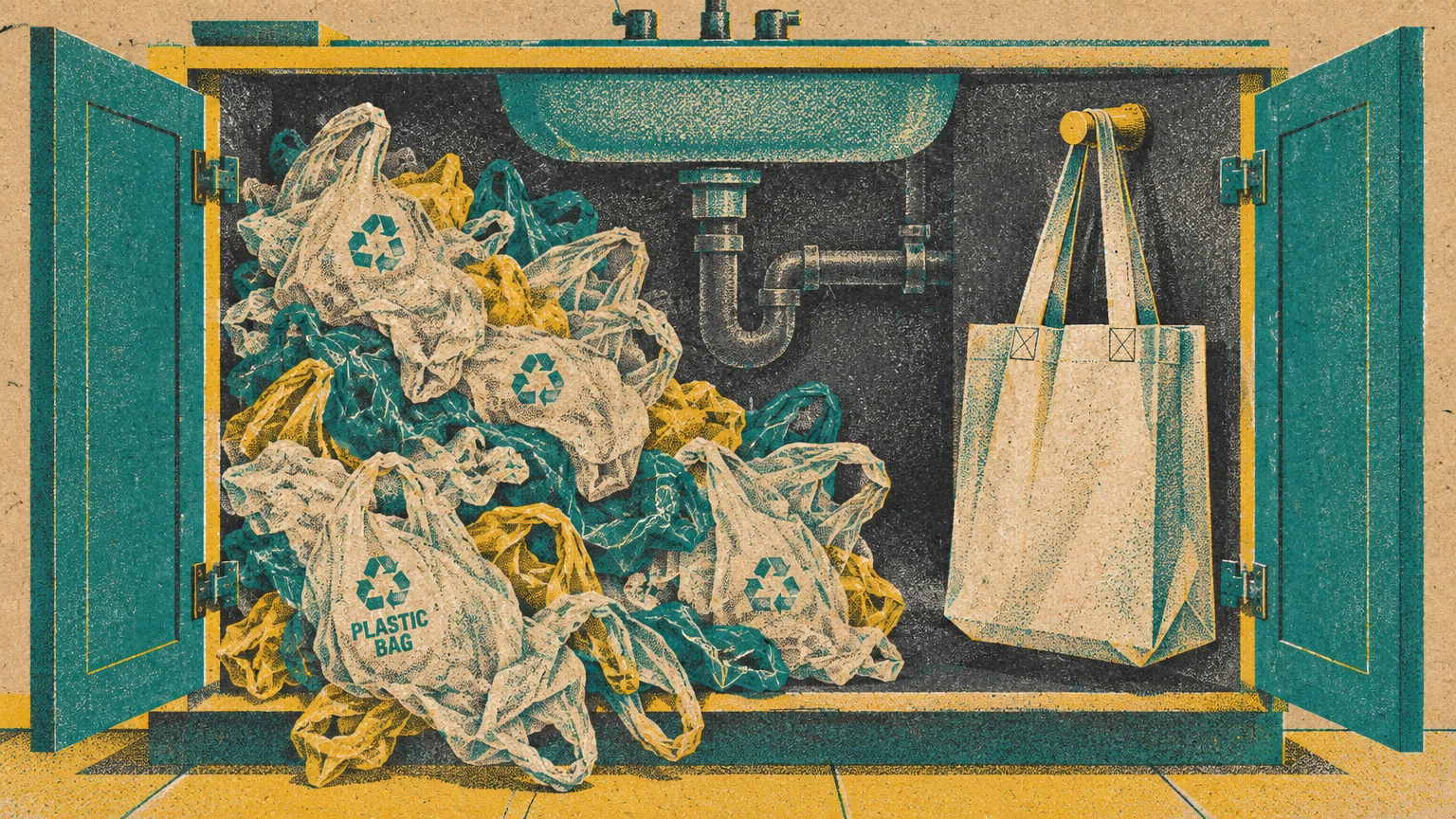
Leaving your durable grocery totes in the trunk creates routine checkout line judgments. Cashiers view disposable bags as an avoidable waste of household money and natural resources.
More than 10 states and hundreds of cities currently mandate checkout bag fees ranging from $0.05 to $0.10. Paying for five or ten bags every shopping trip creates a pointless monthly leak.
Spending $0.50 per trip adds up to dozens of wasted dollars over a single year. That money could easily fund an extra week of pantry staples instead.
Thin plastic bags also tear easily, risking damaged groceries on your walk from the car. Canvas totes carry heavier loads securely and last for several years of weekly shopping.
Build a simple habit by placing your reusable bags directly by your front door after unpacking. You will dodge bag fees and help checkout lines move much faster.
Tip #9: Single-Serve Coffee Pods
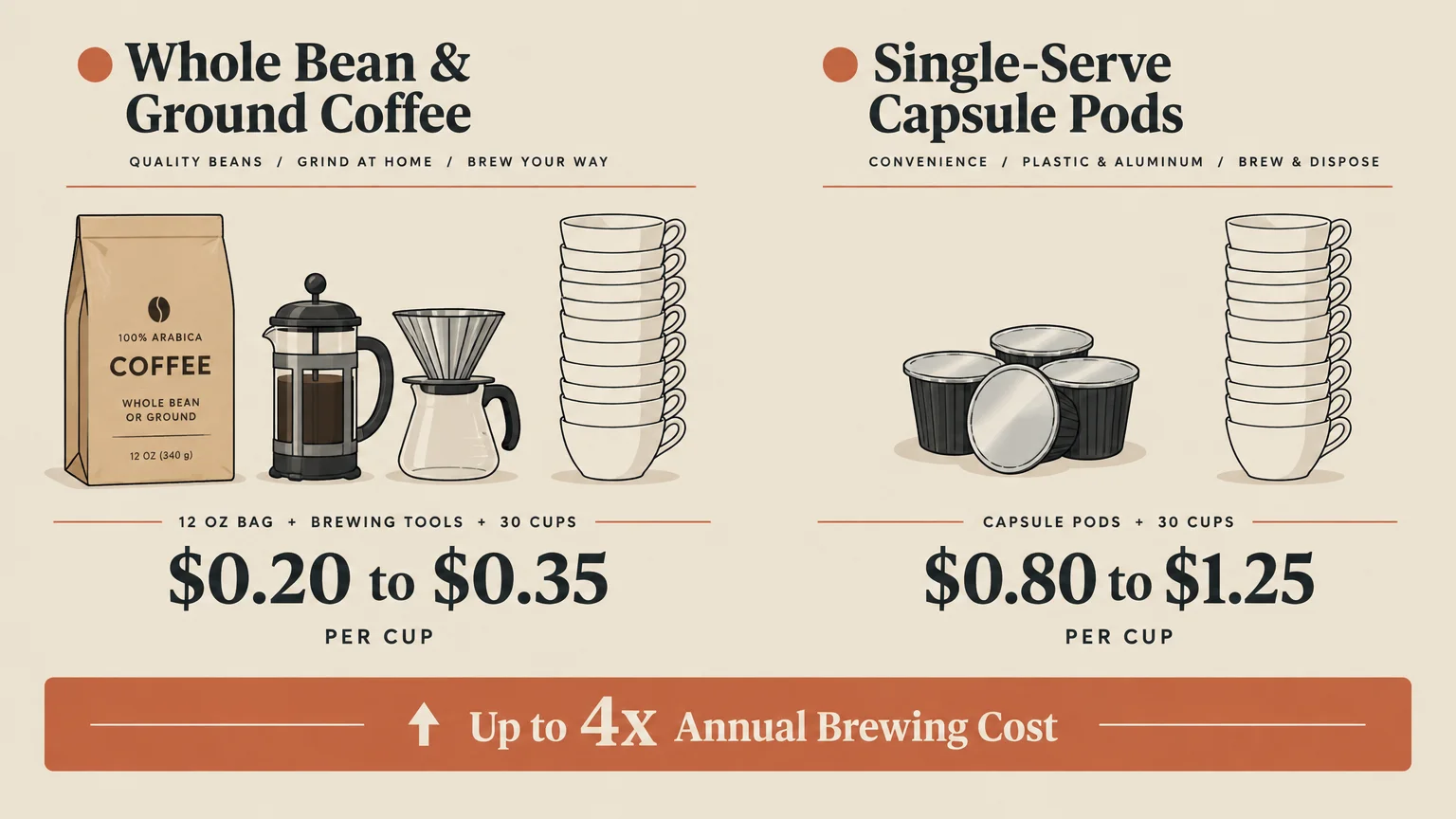
Coffee pods provide quick morning caffeine, but cashiers know you pay an outrageous premium per cup. Pod purchases signal a severe convenience tax on your daily beverage routine.
When you calculate coffee pod volume by weight, you often pay between $40 and $50 per pound. Standard whole-bean coffee costs a small fraction of that price for superior roast quality.
Pre-ground coffee sealed inside plastic cups quickly loses its aromatic flavor profiles and natural freshness. You end up overpaying for stale coffee grounds disguised in colorful aluminum capsules.
Cashiers who love coffee know that traditional brewing methods take only two extra minutes. Methods like French presses and pour-over carafes produce significantly richer coffee at pennies per mug.
Buy a reusable stainless steel coffee pod adapter if you love your pod machine. Fill it with bulk-bought artisan grounds to slash your coffee expenses immediately.
Tip #10: Pre-Marinated Meats and Poultry
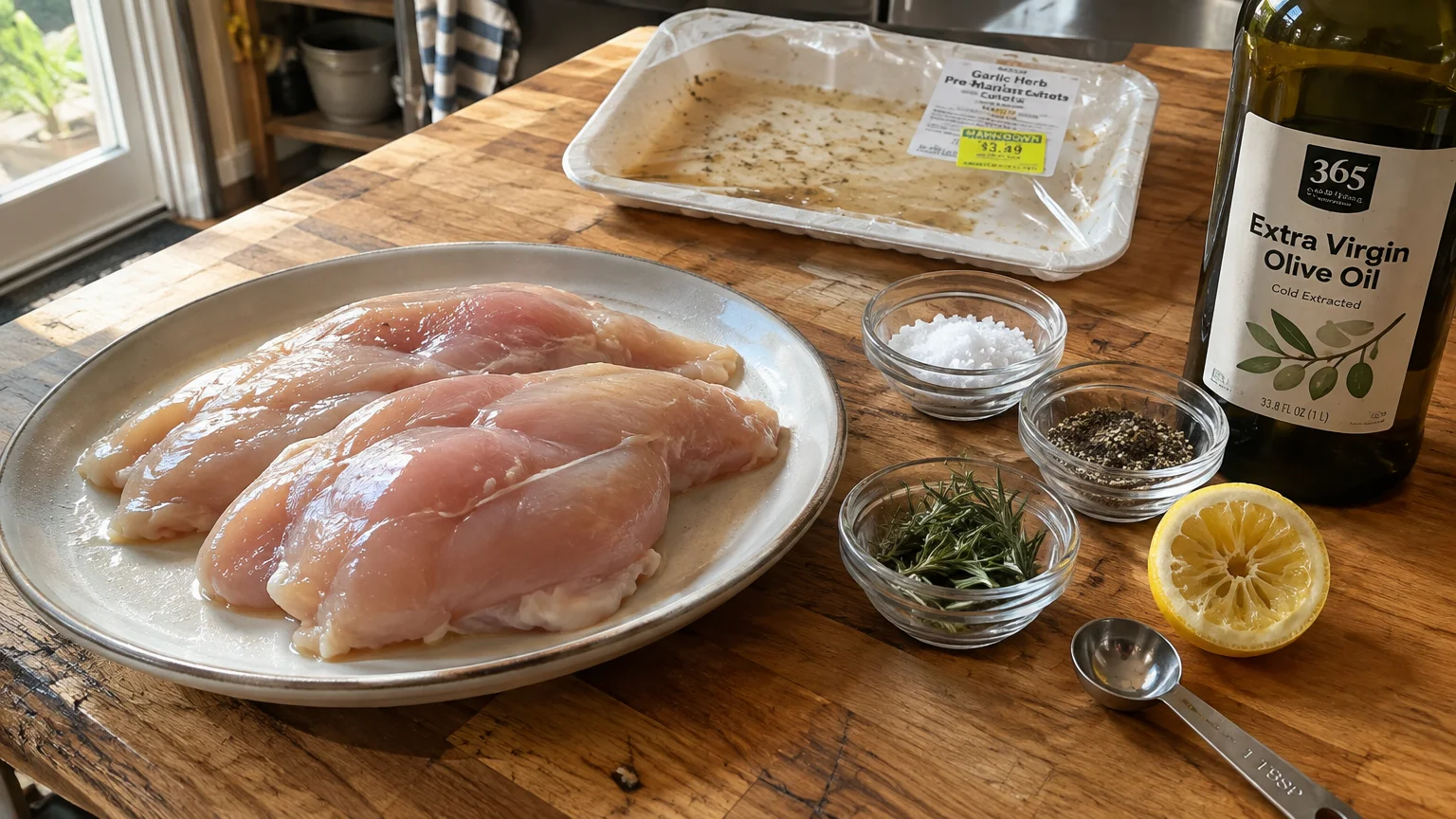
Packaged barbecue chicken and pre-seasoned fajita meat look like convenient dinner solutions after an exhausting workday. However, meat clerks and cashiers recognize the hidden tricks behind seasoned packages.
Butcher departments often season meats that sit dangerously close to their expiration dates to mask discoloration. Heavy marinades conceal dull meat surfaces and extend inventory shelf life.
You also pay full meat prices per pound for heavy saltwater brines, vegetable oil, and artificial flavorings. A significant portion of your package weight evaporates into steam the second it hits the pan.
Cashiers see shoppers overspend by several dollars per pound compared to fresh cuts on discount. Mixing oil, vinegar, and dried spices at home requires minimal effort and costs pennies.
Buy unseasoned cuts on sale and marinate them yourself in a reusable container. You guarantee peak freshness and avoid paying butcher counter prices for salty water.
Tip #11: Brand-Name Commodity Baking Staples
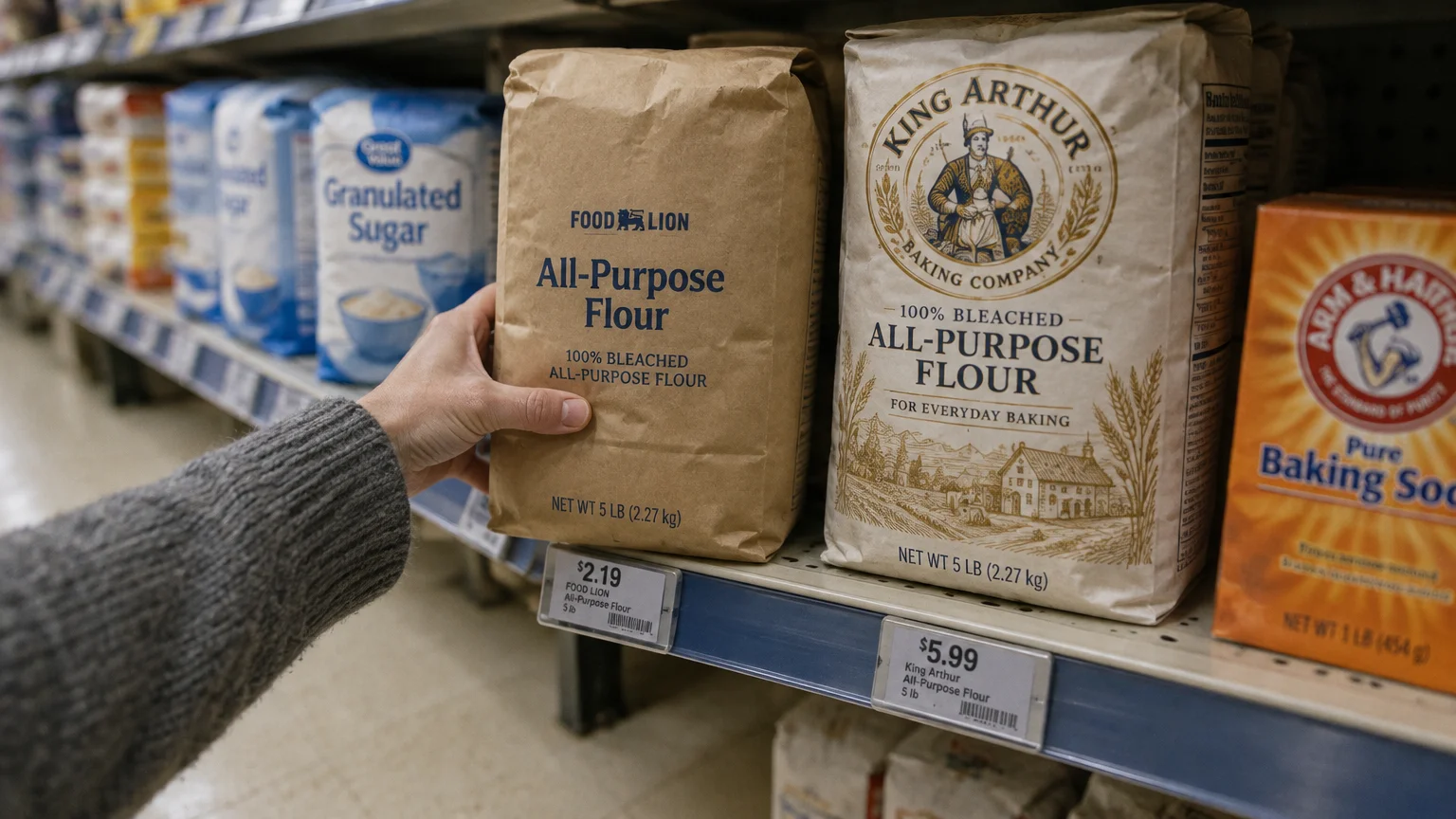
Cashiers frequently scan expensive name-brand packages of granulated sugar, all-purpose flour, and baking soda. Clerks recognize this habit as paying extra cash for identical chemical compounds.
Basic commodity ingredients do not change across different manufacturer labels. Pure sugar is pure sucrose, and baking soda is strictly sodium bicarbonate regardless of the box color.
Name-brand commodity staples often carry price tags 40% to 60% higher than generic store labels. Major commercial mills package store brands and premium brands from the identical bulk agricultural silos.
Your homemade cookies, breads, and cakes will taste completely identical regardless of which brand you use. Blind taste tests consistently prove that expensive brand names provide no sensory advantage.
Reach for the store-brand bag whenever you restock your pantry with dry baking goods. You will trim your grocery bill without altering your favorite family recipes.

Tip #12: Name-Brand Cleaning Sprays and Bleach
Scanning ten-dollar brand-name surface sprays and boutique bleaches always triggers internal judgments from retail workers. Cashiers understand the basic chemistry of sanitizers and disinfectants.
Standard household bleach is fundamentally a 6% sodium hypochlorite solution in water. Name-brand manufacturers charge double the price simply for recognizable labels and added floral fragrances.
Premium multi-surface sprays also charge steep markups for colorful plastic bottles and heavy perfumes. Store-brand cleaning products use identical active disinfectants to sanitize kitchen and bathroom counters.
Cashiers know that simple household ingredients clean most living spaces just as thoroughly. Diluted white vinegar and basic baking soda handle tough soap scum and kitchen grease effortlessly.
Purchase generic disinfectants or mix your own simple cleaning solutions in spray bottles. Your living spaces will stay pristine while your monthly household cleaning expenses drop drastically.

The Bottom Line: What This Means for Your Wallet
Cashiers do not judge you for embarrassing grocery purchases like laxatives or acne cream. They quietly judge blatant spending mistakes that drain your financial security.
Eliminating these twelve grocery blunders will immediately recover hundreds of dollars every month. Small retail conveniences create massive financial leaks when repeated across every checkout trip.
Focus on buying whole foods, embracing generic formulations, and resisting checkout impulse traps. Taking control of your grocery cart transforms your household finances faster than extreme couponing.
Next time you unload your cart onto the conveyor belt, inspect every item with intention. You will walk out of the store with more cash in your checking account.
For consumer protection information, visit the Federal Trade Commission (FTC) and the Consumer Financial Protection Bureau (CFPB). For product safety and reviews, consult Consumer Reports.
Disclaimer: This article is for informational purposes only and does not constitute financial advice. The content reflects the author’s opinion and research at the time of writing. Always do your own research before making financial decisions.
Frequently Asked Questions
Do cashiers really care about embarrassing grocery purchases?
Cashiers scan thousands of personal items every week and rarely remember individual medical or hygiene items. Products like hemorrhoid ointment or hair dye never phase experienced clerks.
What cashiers really think revolves around efficiency, price markups, and conveyor belt organization. They notice financial waste far more than awkward personal items.
Are generic medications truly identical to brand-name drugs?
Yes, the FDA requires generic drugs to maintain identical chemical bioequivalence to their brand-name counterparts. They possess the exact same active ingredients, strength, and safety standards.
The only variations involve inert inactive ingredients like colors, flavorings, or binding agents. Choosing generic over-the-counter medication saves money without sacrificing effectiveness.
Why do stores place so many snacks right at the register?
Retailers design checkout aisles to trigger impulse buys during moments of decision fatigue. After navigating store aisles, shoppers possess less willpower to resist cheap treats.
These checkout impulse displays generate massive profit margins for retailers every quarter. Sticking strictly to a pre-written shopping list protects your wallet from these psychological traps.
Is pre-cut produce ever worth the higher price tag?
Pre-cut produce can benefit individuals with physical disabilities, mobility limitations, or severe time constraints. For most shoppers, however, the 40% to 100% markup represents pure financial waste.
Pre-sliced fruits also degrade and spoil much faster once exposed to ambient air. Preparing whole produce at home delivers fresher taste and saves substantial grocery money.








Leave a Reply