
Eating out without wrecking your budget requires looking past shiny menu boards and understanding the hidden economics of fast food value tiers. You can still score incredible calorie-to-dollar ratios by weaponizing mobile apps, exploiting loss leaders, and ignoring the overpriced combo meals designed to drain your wallet. While inflation has decimated the legendary dollar menus of the past, clever diners know that secret value options and digital-exclusive deals still exist if you know exactly where to look. By treating fast food transactions like a strategic game rather than a spontaneous craving, you easily slash your dining expenses. Here are the absolute best places to feed yourself for pennies on the dollar right now.
Tip #1: Taco Bell
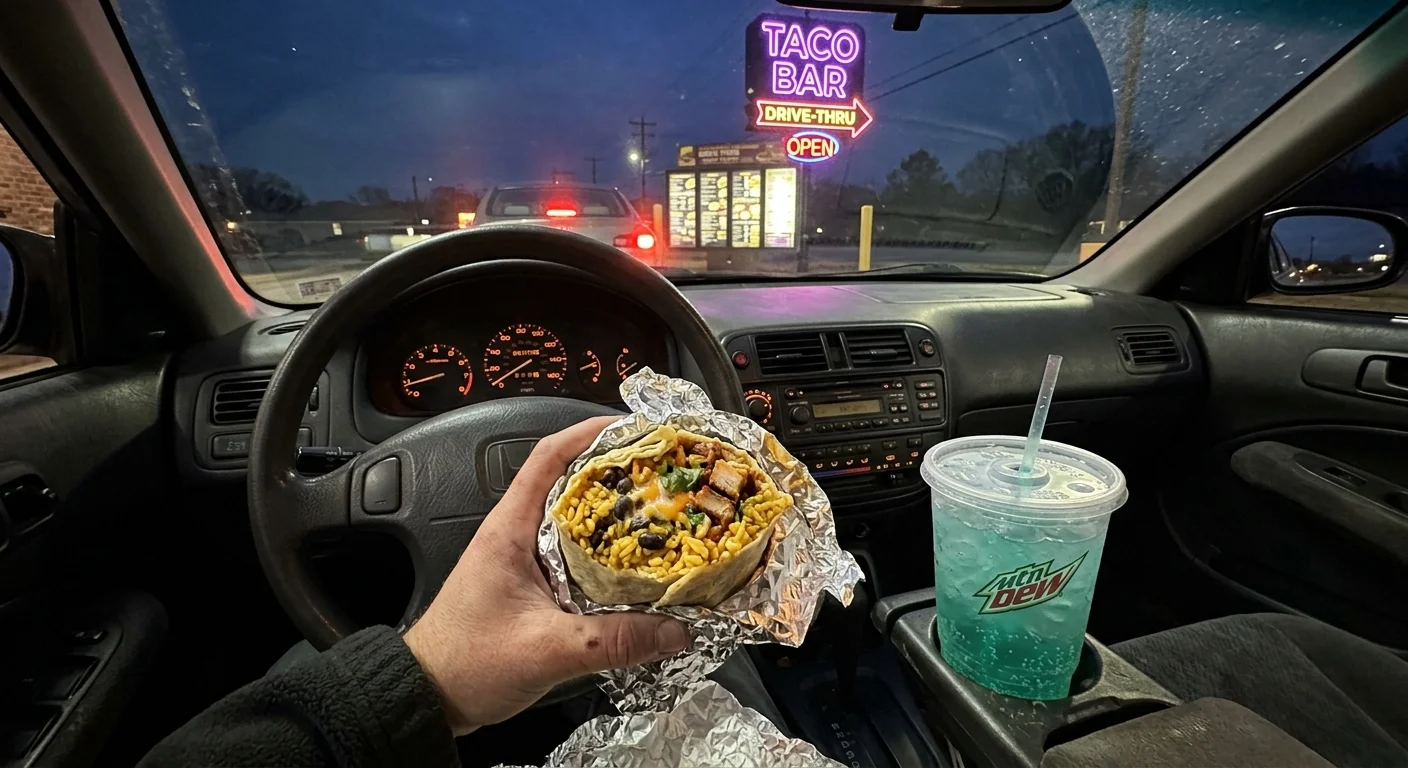
Taco Bell remains an undisputed heavyweight champion of budget dining, but only if you order strategically. Walking up to the register and pointing at a standard combo meal is a rookie mistake that will easily cost you ten dollars or more. Instead, you must exclusively utilize the Cravings Value Menu found within their mobile app; this is where the real savings hide.
The true financial hack here is the Build Your Own Cravings Box. For around six dollars in most markets, you secure a specialty item like a Crunchwrap Supreme, a classic item like a Beefy 5-Layer Burrito, a side of Cheesy Fiesta Potatoes, and a fountain drink. Purchasing these items individually would push your total well past twelve dollars. Furthermore, the standalone Cheesy Bean and Rice Burrito acts as a perfect calorie-per-dollar anchor. At roughly one dollar and thirty cents, it delivers over four hundred calories of filling sustenance. By relying strictly on these high-yield items and ignoring the flashy limited-time items, Taco Bell easily maintains its reputation as a cornerstone of affordable dining.
Tip #2: Del Taco
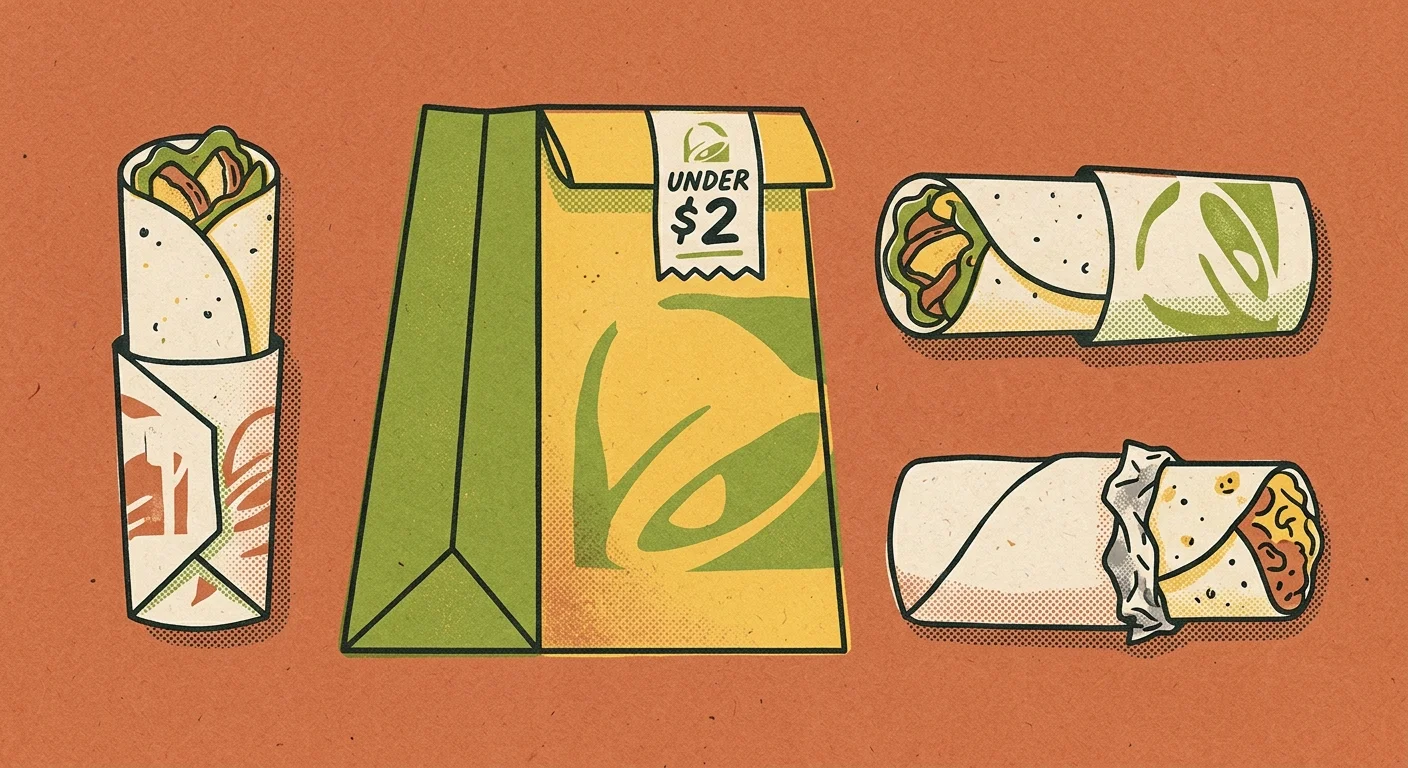
If you live on the West Coast or in a region lucky enough to have a Del Taco, you already know it outpaces its competitors in both freshness and pricing. The secret weapon here is the Del’s 20 Under $2 Menu. While other chains quietly phase out their dollar menus in favor of premium pricing, Del Taco leans heavily into aggressive value to capture budget-conscious diners.
You can easily piece together a massive feast without breaking a five-dollar bill. The Chicken Rollers—stuffed with grilled chicken, pepper jack cheese, and tangy sauce—cost barely a buck and a half. Their classic Bean and Cheese Burritos utilize freshly grated cheddar cheese and slow-cooked beans, making them substantially more satisfying than the powdered rehydrated alternatives served at rival chains. You get genuine food quality paired with rock-bottom prices. Skip the large platters, join their Del Yeah! Rewards program for free welcome tacos, and stick exclusively to the under-two-dollar section to maximize your purchasing power.
Tip #3: Wendy’s
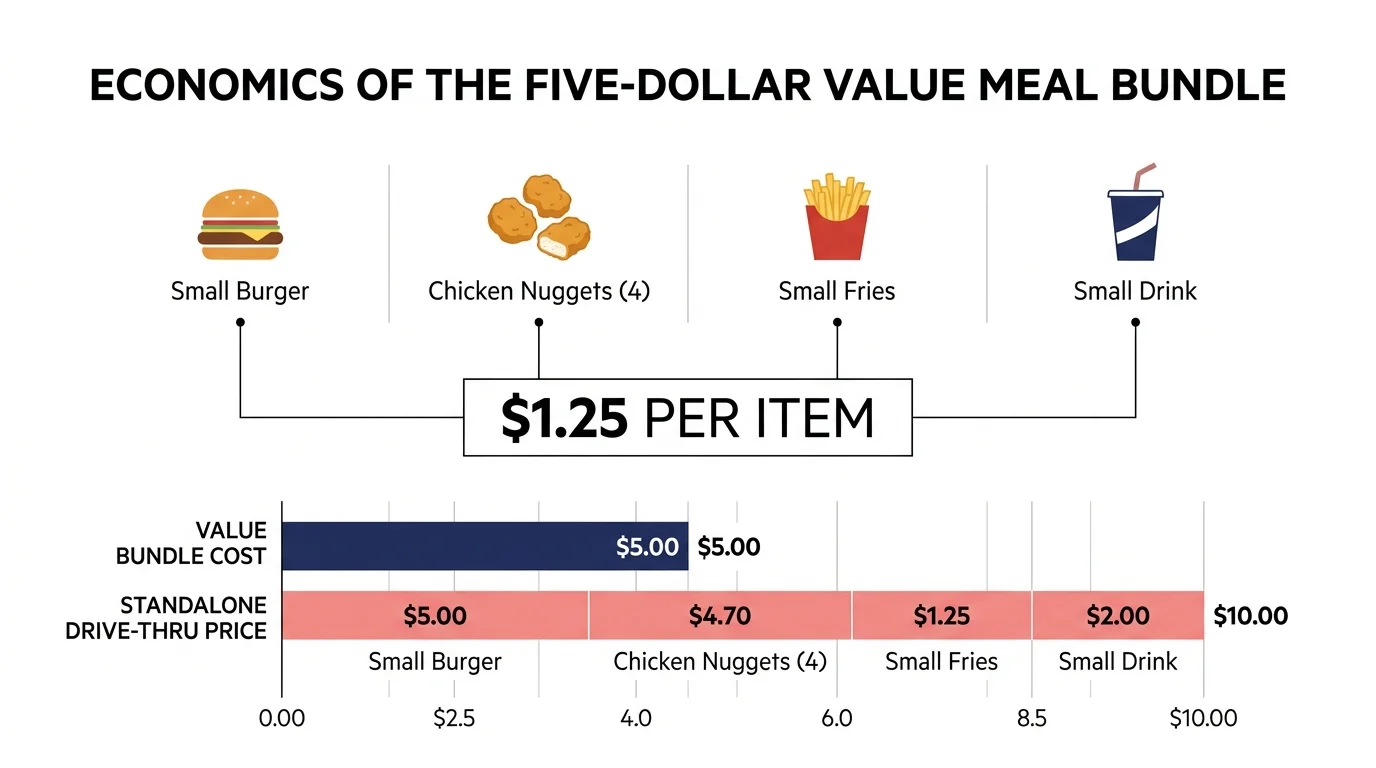
Wendy’s practically invented the modern value bundle when they introduced the 4 for $4 meal. While inflation has largely transformed that legendary deal into the $5 and $6 Biggie Bags, the underlying economics still work heavily in your favor. When you search for cheap restaurants USA, Wendy’s stands out because they bundle proteins, starches, and hydration into a single fixed-price transaction.
A five-dollar Biggie Bag nets you a Jr. Bacon Cheeseburger, four chicken nuggets, small fries, and a small drink. If you break down the math, you pay exactly one dollar and twenty-five cents per item. Try buying a standalone burger with bacon at any other drive-thru for that price; it simply will not happen. The key is strict discipline. Do not let the cashier upsell you to a medium or large fry, and be sure to check the Wendy’s app for weekly free nugget drops. The entire purpose of the Biggie Bag is to lock in a hard spending ceiling. Take the bag, decline the upgrades, and walk away with one of the most reliable restaurant deals available today.
Tip #4: McDonald’s
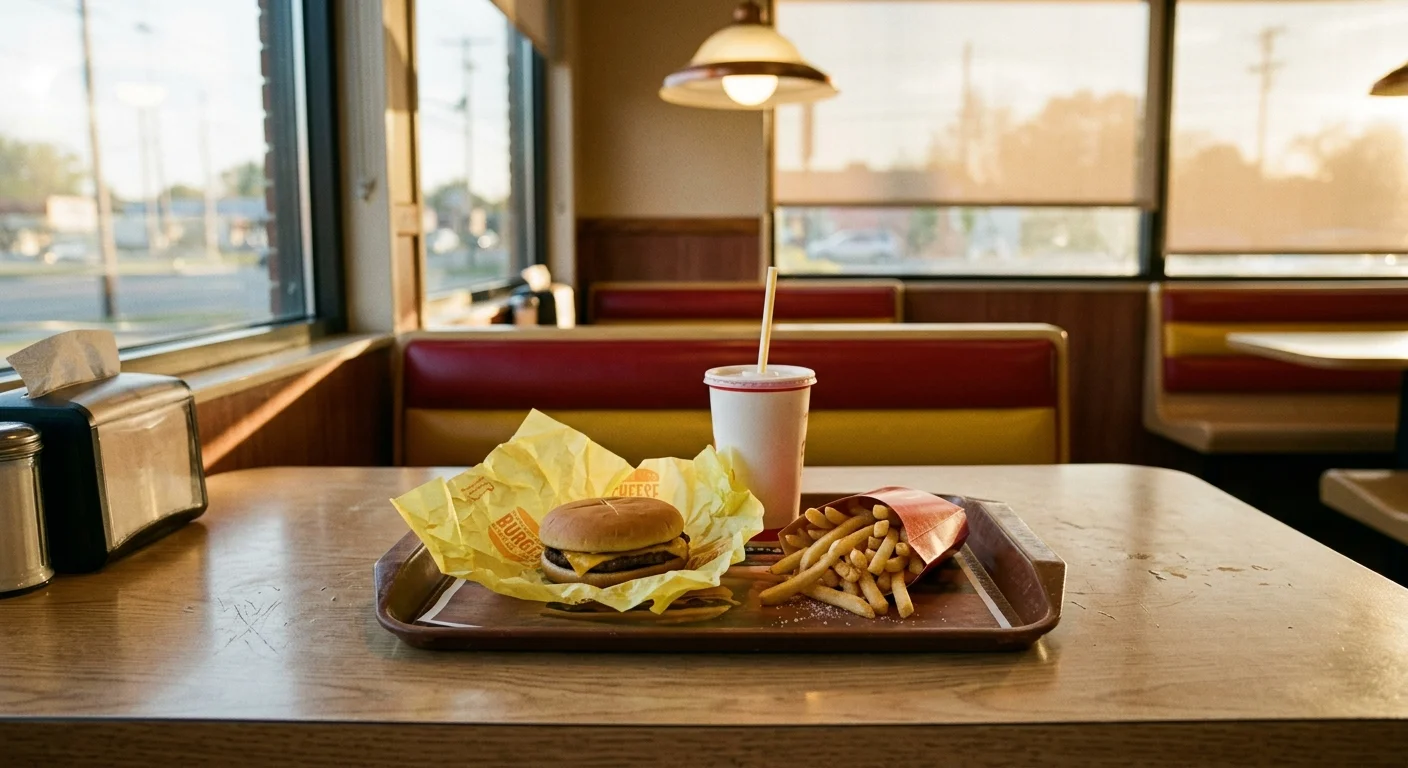
Forget the drive-thru menu board entirely; it is essentially a trap designed for impulsive spenders. McDonald’s earns a spot on this list solely because of the aggressive discounts hidden inside their mobile app. If you walk inside and order a Quarter Pounder meal off the wall, you will spend roughly twelve dollars. If you open the app, you navigate an entirely different financial reality.
The deals section updates daily and consistently features offers like a twenty percent discount on any order over five dollars, buy-one-get-one-free sandwiches, or the legendary Free Fries Friday promotion. Furthermore, you accumulate points on every purchase that can be redeemed for free food later. Savvy diners use the app to order a heavily discounted breakfast sandwich, request a complimentary cup of water instead of an overpriced soda, and leave completely full for under five dollars. You must treat the McDonald’s app as a strict prerequisite for entry if you want to eat cheap.
Tip #5: Domino’s Pizza
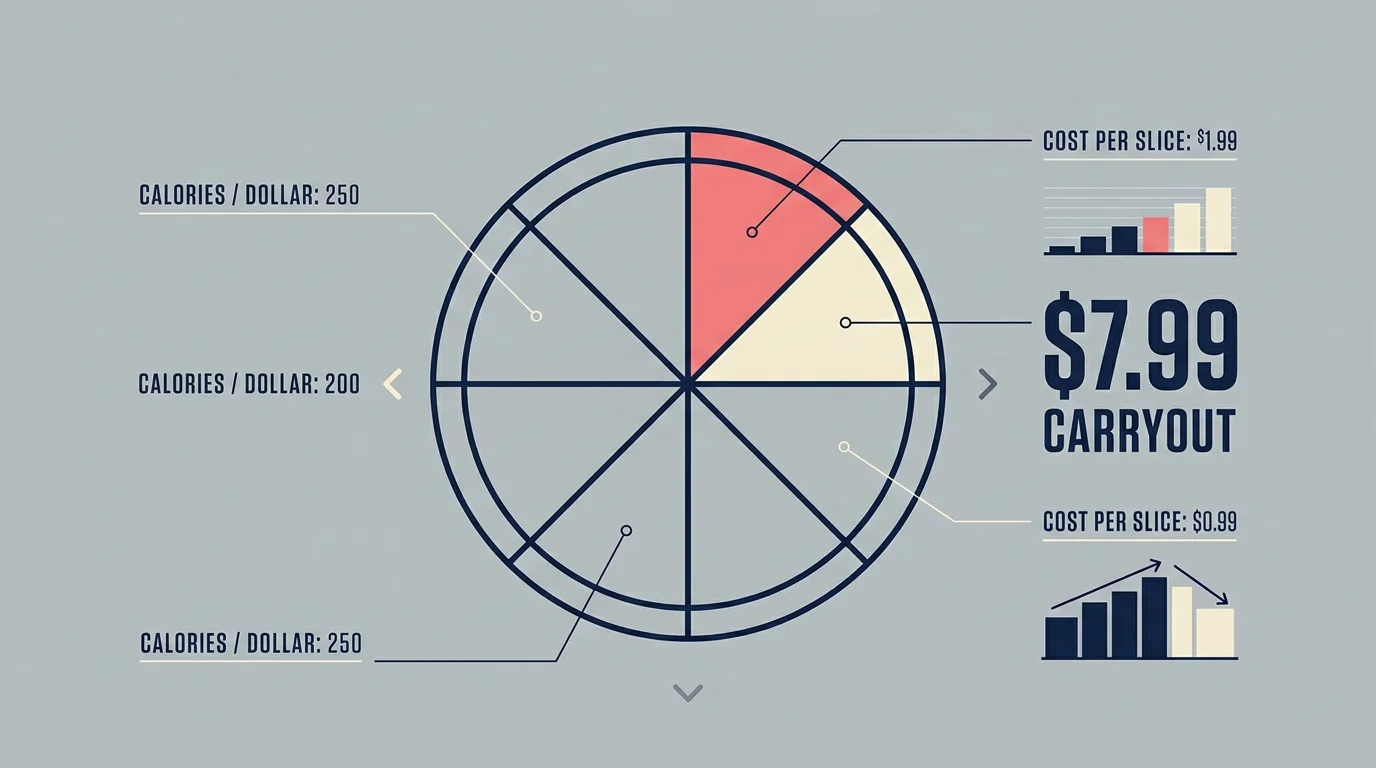
Pizza possesses the highest calorie-to-cost ratio in the entire food industry, and Domino’s has weaponized this fact with their Mix & Match Deal. For nearly a decade, they have held the line on this promotion, allowing you to choose any two or more items from a specific menu for $6.99 each.
This translates to a massive amount of food for very little money. Two medium two-topping pizzas cost less than fifteen dollars before tax and can easily feed a family of four. If you are dining solo, those two pizzas represent three to four separate meals, bringing your cost per meal down to roughly three dollars and fifty cents. To truly maximize this budget hack, you must choose the carryout option. Delivery fees and mandatory tipping will instantly destroy the value proposition. Drive to the store, grab the boxes yourself, earn points toward their emergency pizza promotion, and enjoy one of the most reliable caloric bargains in the country.
Tip #6: Little Caesars
When evaluating budget restaurants, extreme convenience usually commands a premium price. Little Caesars disrupts this model completely with their Hot-N-Ready strategy. You walk in, hand the cashier a few bills, and walk out with a large pepperoni pizza in less than sixty seconds.
While the famous five-dollar price tag recently shifted to around $6.79 depending on your local franchise, the core value remains absolutely untouchable. A large pizza contains eight slices and roughly two thousand calories. You are literally paying pennies per slice. The business model works because Little Caesars focuses on extreme volume and low overhead, passing those operational savings directly to your wallet. Forget the specialty Detroit-style deep dishes or the stuffed crust upgrades—those exist solely to pad corporate profit margins. Buy the basic classic pepperoni, utilize their pizza portal to skip the line, and stretch those slices across multiple days.
Tip #7: Burger King
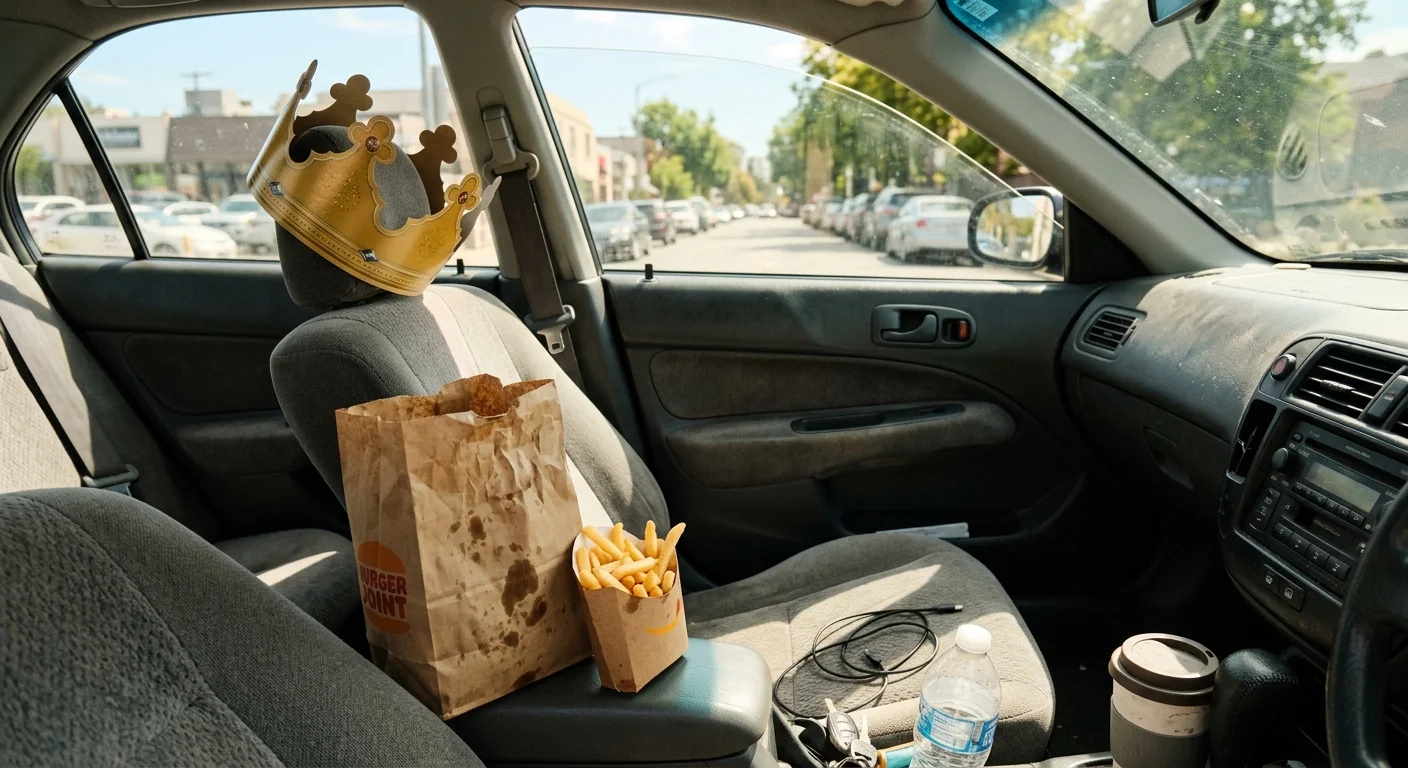
Burger King rarely receives credit for its affordability, primarily because their standard menu prices have crept up alongside premium fast-casual chains. However, they manage an aggressive paper coupon and digital rewards program that absolutely slashes the final bill.
Check your physical mailbox; Burger King is one of the last major holdouts still distributing heavy sheets of paper coupons. These mailers routinely offer family bundles or two Whopper meals for prices that make local competitors look completely absurd. If you throw away your junk mail, you can access nearly identical savings via their Royal Perks app. Digital exclusives frequently include free any-size fries with any purchase. By pairing a free large fry with a value-tier hamburger, you assemble a complete meal for roughly three dollars. It requires a bit of logistical planning, but the savings are substantial and immediate.
Tip #8: In-N-Out Burger
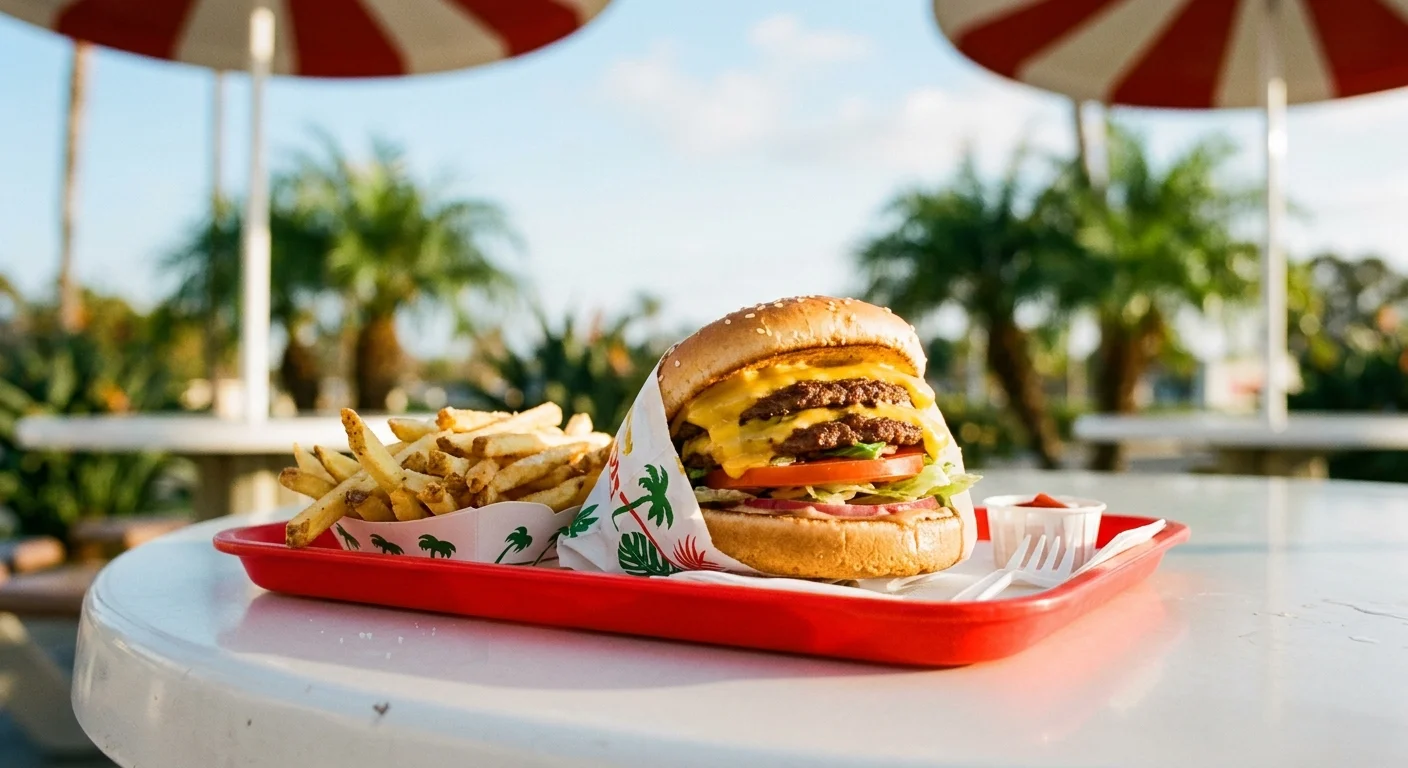
In-N-Out Burger proves that affordable dining does not require frozen beef or artificial preservatives. Operating primarily in the West and Southwest, this iconic chain keeps prices astonishingly low through a fiercely limited menu and a vertically integrated supply chain. They own their distribution centers, which cuts out the expensive middlemen and keeps retail prices down.
A standard cheeseburger currently costs around three dollars and fifty cents. A Double-Double—featuring two fresh beef patties and two slices of real American cheese—sits just under six dollars. When you compare this quality against high-end burger joints charging fifteen dollars for an identical product, the financial triumph is obvious. The secret to keeping your receipt low at In-N-Out is skipping the combo. Their fries are inexpensive, but they are famously polarizing and lack the caloric density of the burgers. Buy two basic cheeseburgers, order them “Animal Style” for free grilled onions and extra flavor, and you will secure an elite protein payout for under eight dollars.
Tip #9: Waffle House
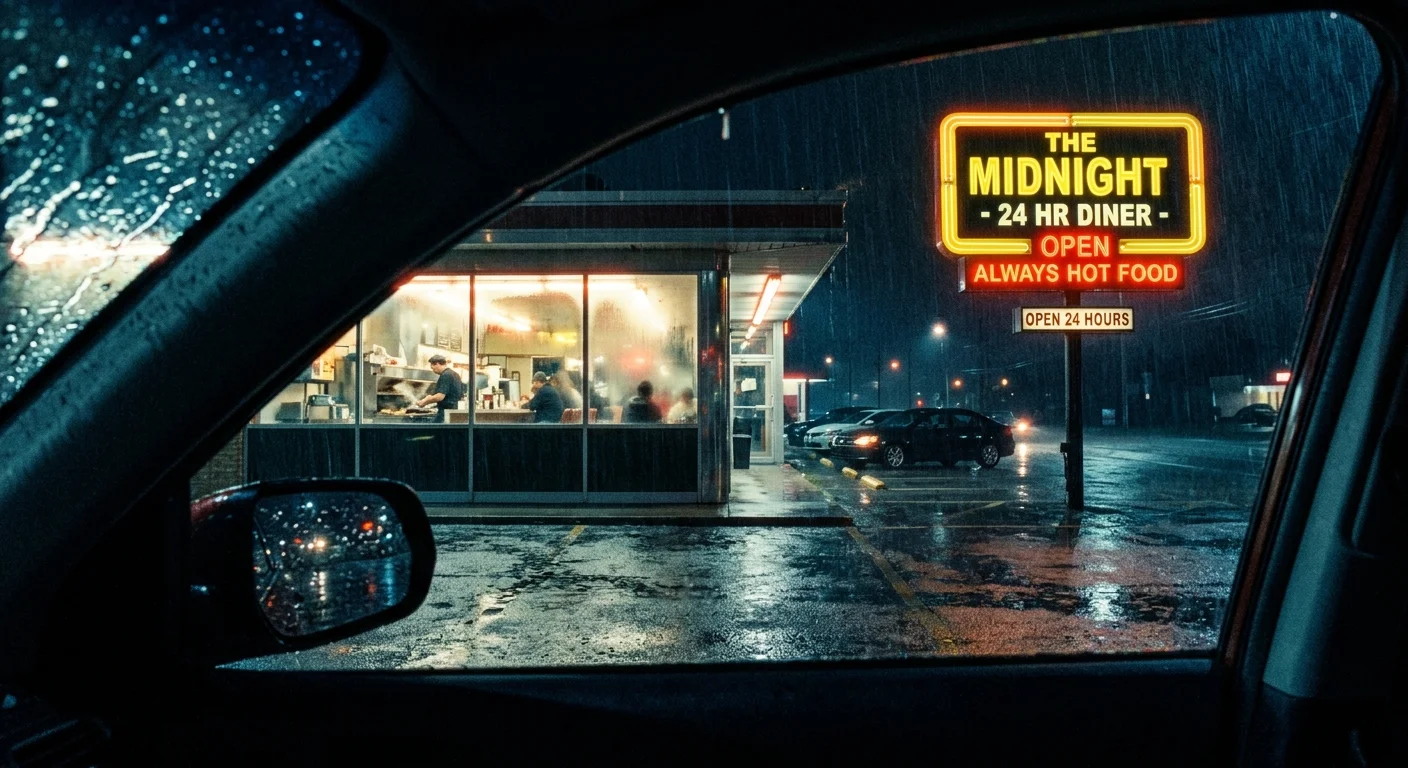
Sit-down restaurants almost never qualify as cheap due to massive overhead costs, table service, and the expectation of tipping. Waffle House is the glaring exception to this rule. Operating twenty-four hours a day, this Southern institution serves up massive plates of comfort food at prices that rival drive-thru windows.
Your absolute best move is the Hashbrown Bowl. For around nine dollars, you receive a massive pile of scattered and smothered potatoes topped with eggs, melted American cheese, and your choice of bacon, sausage, or ham. This single bowl easily contains enough calories to fuel an adult for an entire day. Even when you factor in a generous twenty percent tip for the server and unlimited hot coffee, your total remains incredibly low. Waffle House forces you to reconsider the premium you pay for breakfast food elsewhere; there is no reason to spend eighteen dollars on a trendy brunch when this yellow-signed beacon exists.
Tip #10: Cook Out
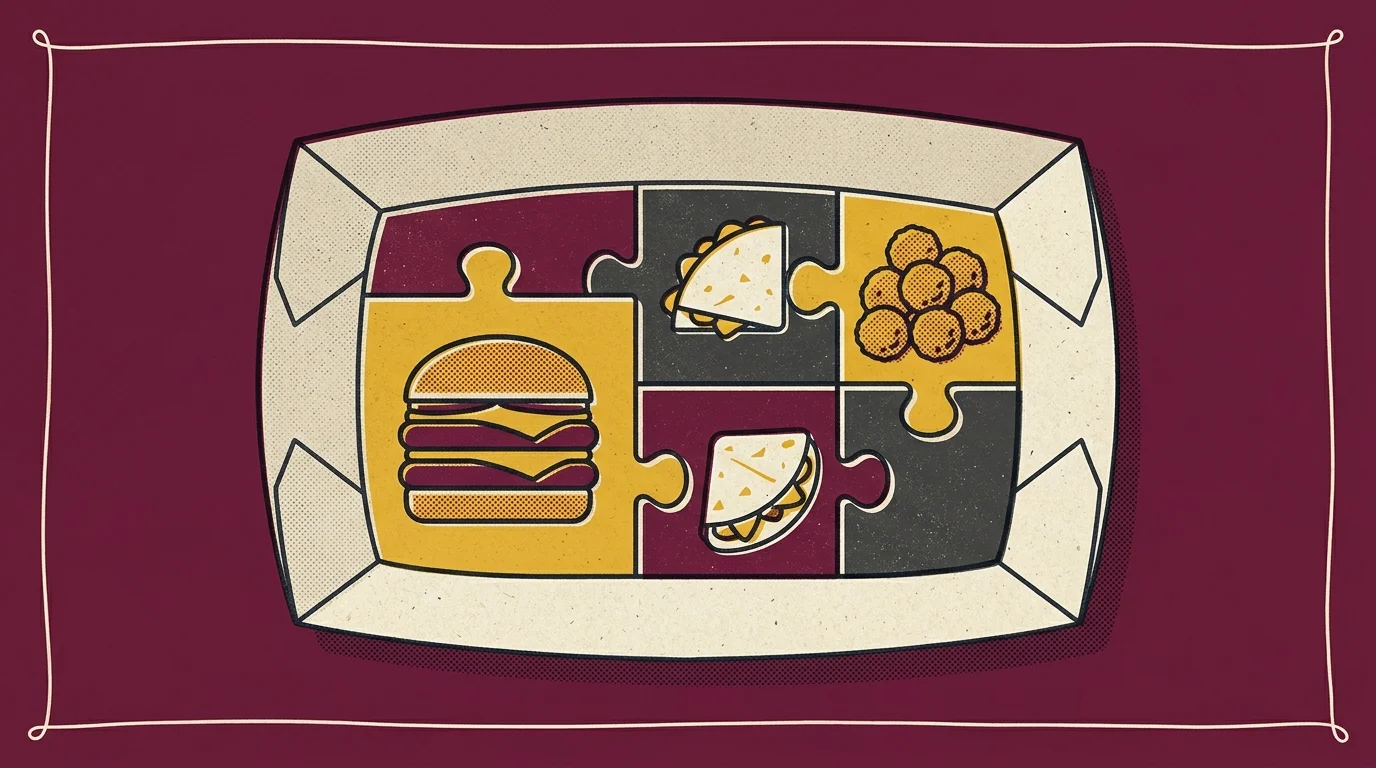
If you reside in the American South, Cook Out is a budgetary religious experience. This drive-thru chain offers a sprawling, chaotic menu, but clever patrons ignore everything except the legendary Cook Out Tray. This single menu item represents the absolute pinnacle of fast food value engineering.
For approximately seven dollars, you select a main item—such as a quarter-pound burger, two hot dogs, or a spicy chicken sandwich—and pair it with two sides and a beverage. The genius of the tray lies in what Cook Out considers a “side.” You can choose french fries, but you can also choose a corn dog, a chicken quesadilla, or a serving of chili cheese fries. The sheer volume of food stuffed into a single styrofoam container is staggering. For a minor upcharge, you can replace your fountain drink with one of their forty varieties of thick milkshakes. It is undeniably the most aggressive restaurant deal on the market today.
Tip #11: Sonic Drive-In
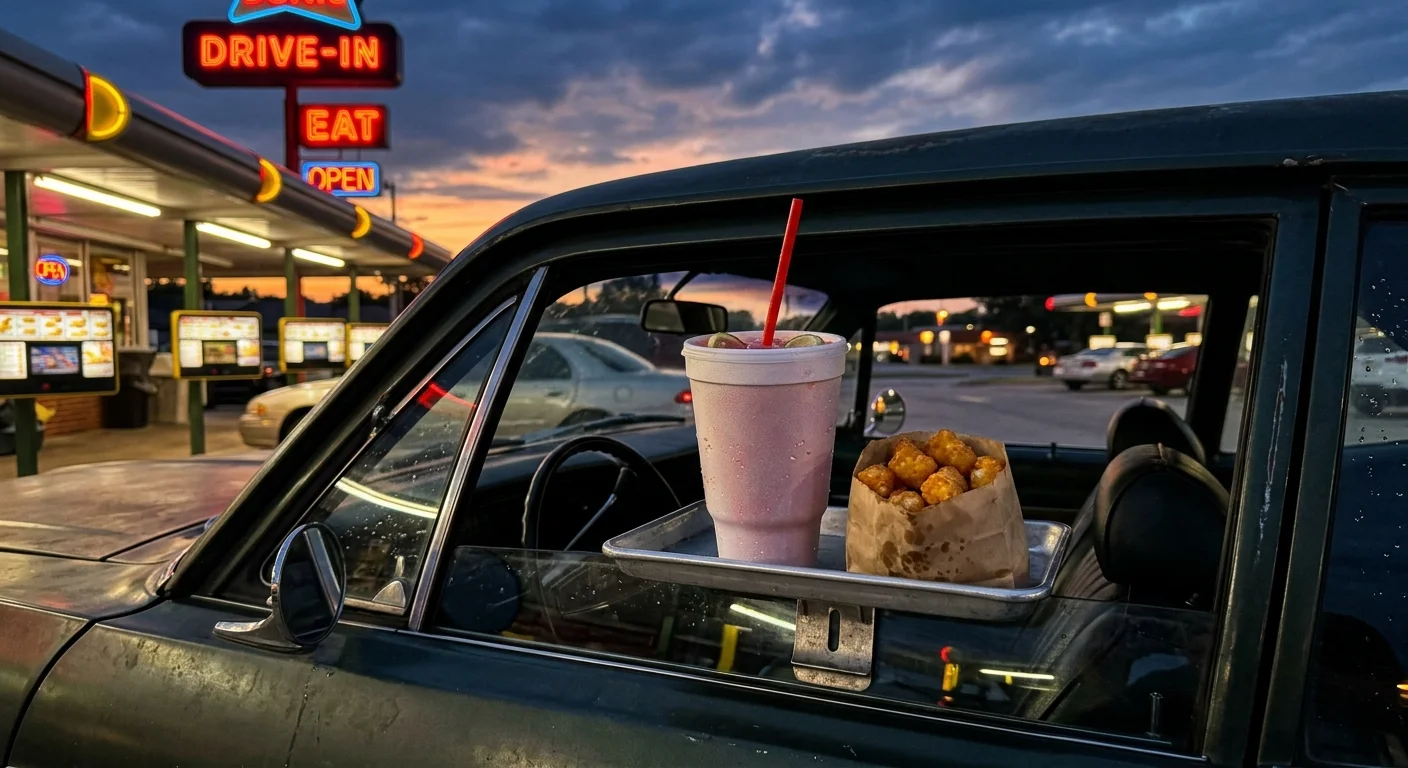
Sonic Drive-In operates best as a specialized budget tool rather than a traditional lunch destination. Their standard menu is relatively expensive, heavily featuring premium burgers and chicken sandwiches that will quickly erode your daily dining allowance. To unlock Sonic as a cheap restaurant USA, you must exploit their beverage and snack mechanics.
By ordering exclusively through the Sonic app, you receive half-price drinks and slushes all day long. A massive Route 66 fountain drink or a cherry limeade costs less than a bottled water from a gas station. Furthermore, Sonic routinely pushes limited-time app offers—such as one-dollar chili cheese coneys or half-price cheeseburgers on Tuesday nights. You should view Sonic strictly as a strategic refueling station. Never pull into a stall without the app open and a specific digital promotion targeted for deployment.
Tip #12: Steak ‘n Shake
Steak ‘n Shake built an entire empire on the concept of premium diner food served at blistering speeds. While their dining rooms have largely transitioned to self-serve kiosks in recent years, this modernization has kept their pricing fiercely competitive. They offer real, smashed-to-order steakburgers for less than what most chains charge for a microwave-reheated patty.
Their under-four-dollar value menu is the primary attraction. The Double Cheese ‘n Fries deal gives you a perfectly seared double cheeseburger and a side of shoestring fries for roughly four dollars. It feels like a pricing error, yet it remains a permanent fixture on their kiosk screens. By sticking to this specific value tier, visiting during their half-price shake happy hours, and asking for a complimentary cup of tap water, you secure a genuine restaurant meal using the loose change you found in your car’s cupholder.
The Bottom Line: What This Means for Your Wallet
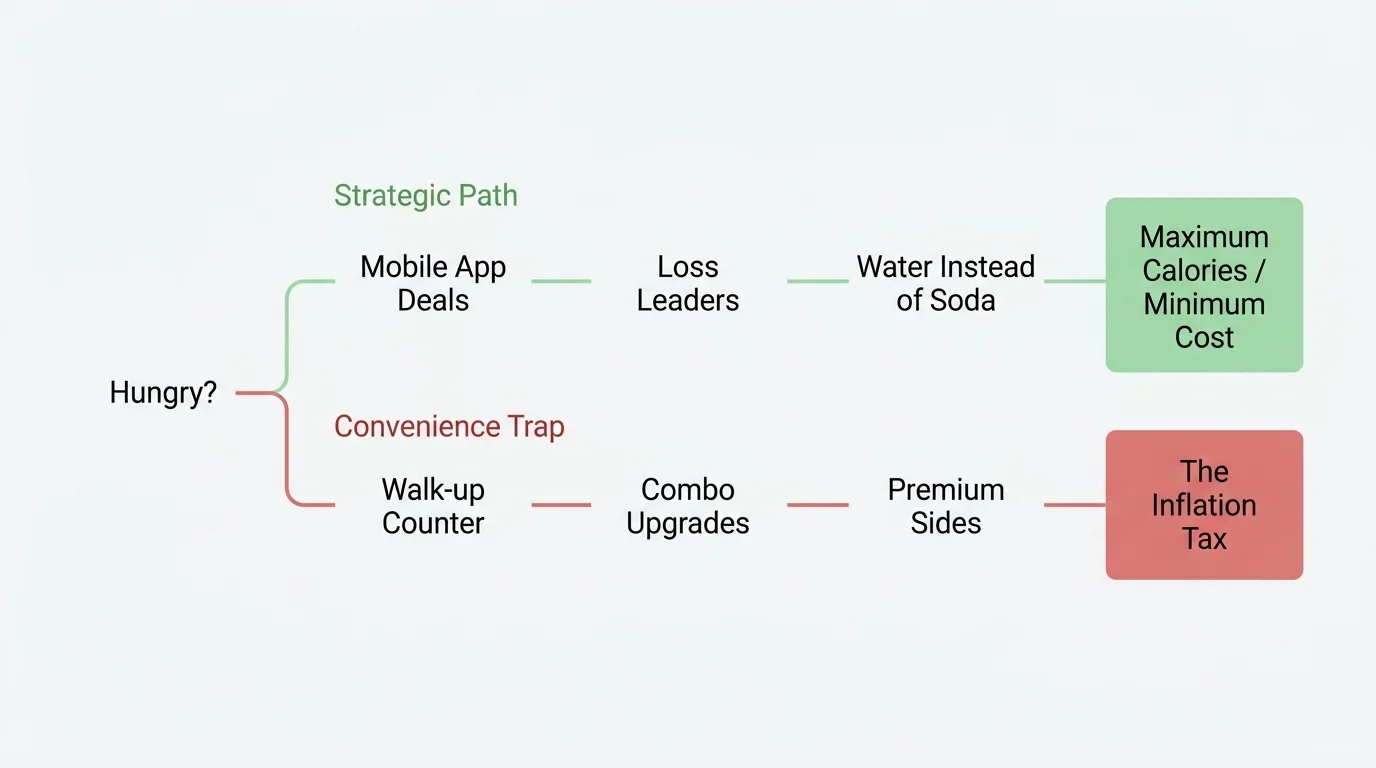
The landscape of affordable dining has shifted dramatically over the past five years, but the opportunities for massive savings have not disappeared—they just moved behind digital paywalls. You can no longer rely on brightly lit dollar menus advertised on massive roadside billboards. The cheapest restaurants in the US reward customers who study their mobile apps, ruthlessly exploit bundle deals, and refuse to pay full retail price for heavily marked-up items like fountain drinks and french fries.
By approaching your lunch break with a tactical mindset, you immediately stop bleeding cash at the drive-thru. Download the necessary applications, set up your reward accounts, and commit to ordering strictly from the designated value tiers. When you execute these strategies flawlessly, you protect your monthly budget while still enjoying the convenience of having someone else cook your food.
Frequently Asked Questions
Are fast food value menus actually shrinking?
Yes, shrinkflation has hit the restaurant industry hard. Chains have quietly reduced portion sizes while either maintaining or slightly raising the prices of their value items. A classic example is the shrinking footprint of the standard fast-food hamburger patty. To combat this hidden price hike, you must focus on caloric density rather than physical size; items heavily loaded with beans, cheese, and potatoes generally retain the best overall value for your dollar.
How much money does using fast food apps really save?
Consistently utilizing digital applications can slash your final bill by twenty to thirty percent. Restaurants offer these massive discounts because the apps collect your data and bypass the physical labor costs of a human cashier. By opting into their digital ecosystem, you gain access to buy-one-get-one-free offers and digital punch cards that simply do not exist for walk-in customers.
Is it cheaper to eat fast food or cook meals at home?
Cooking at home remains undeniably cheaper on a per-meal basis, especially when buying groceries in bulk. However, if you are strictly purchasing heavily subsidized fast-food loss leaders—like a two-dollar bean burrito or a heavily discounted app exclusive—the financial gap narrows significantly. Fast food only becomes a budget disaster when you upgrade to large combo meals and premium specialty items.
Why are traditional combo meals considered a bad deal?
Combo meals are meticulously engineered to maximize corporate profit, not your savings. When you buy a meal, you are paying an exorbitant markup for the fountain drink and the french fries, which cost the restaurant mere pennies to produce. You will almost always secure a better deal by ordering two substantial entrees directly from the value menu and drinking water.
For consumer protection information, visit the Federal Trade Commission (FTC) and the Consumer Financial Protection Bureau (CFPB). For product safety and reviews, consult Consumer Reports.
Disclaimer: This article is for informational purposes only and does not constitute financial advice. The content reflects the author’s opinion and research at the time of writing. Always do your own research before making financial decisions.



Leave a Reply