
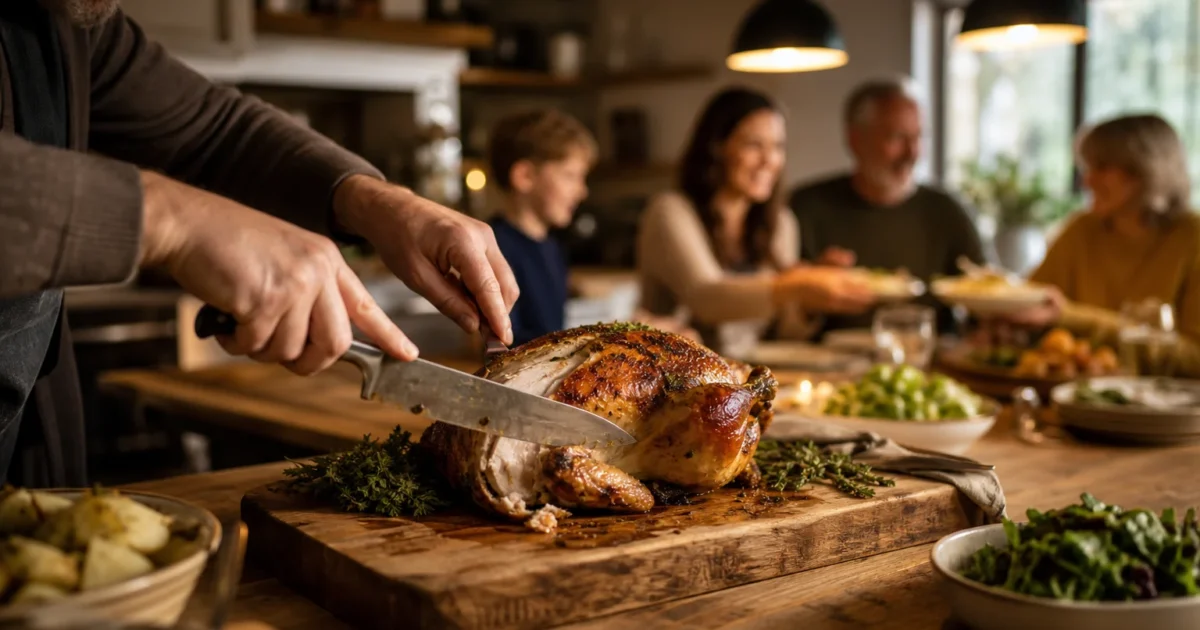
Grabbing a hot meal on your way home saves time and keeps your budget intact when dining out feels too expensive. You just need to know which grocery store chicken delivers tender meat and which ones hide dry, overcooked disappointment under a heat lamp. Savvy shoppers understand that not all prepared foods are created equal; supermarkets often use these birds as loss leaders to lure you inside, but the quality varies wildly across different retail chains. We evaluated the top national contenders based on overall taste, physical size, retail price, and ingredient transparency to bring you definitive rotisserie chicken rankings. Let us guide you toward the smartest dinner shortcuts and warn you away from the worst offenders.
Tip #1: Costco Kirkland Signature (Worth Every Bite)
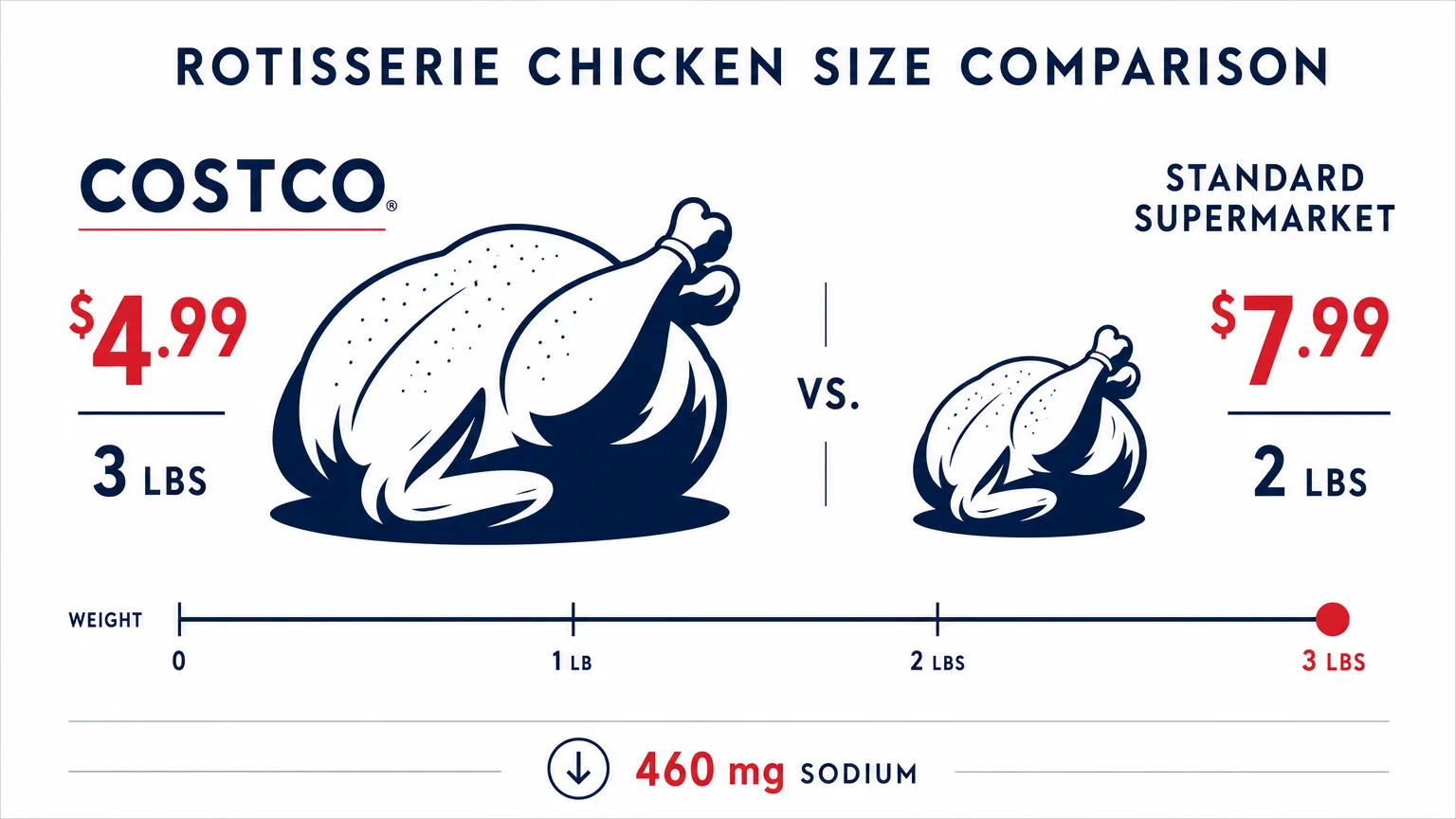
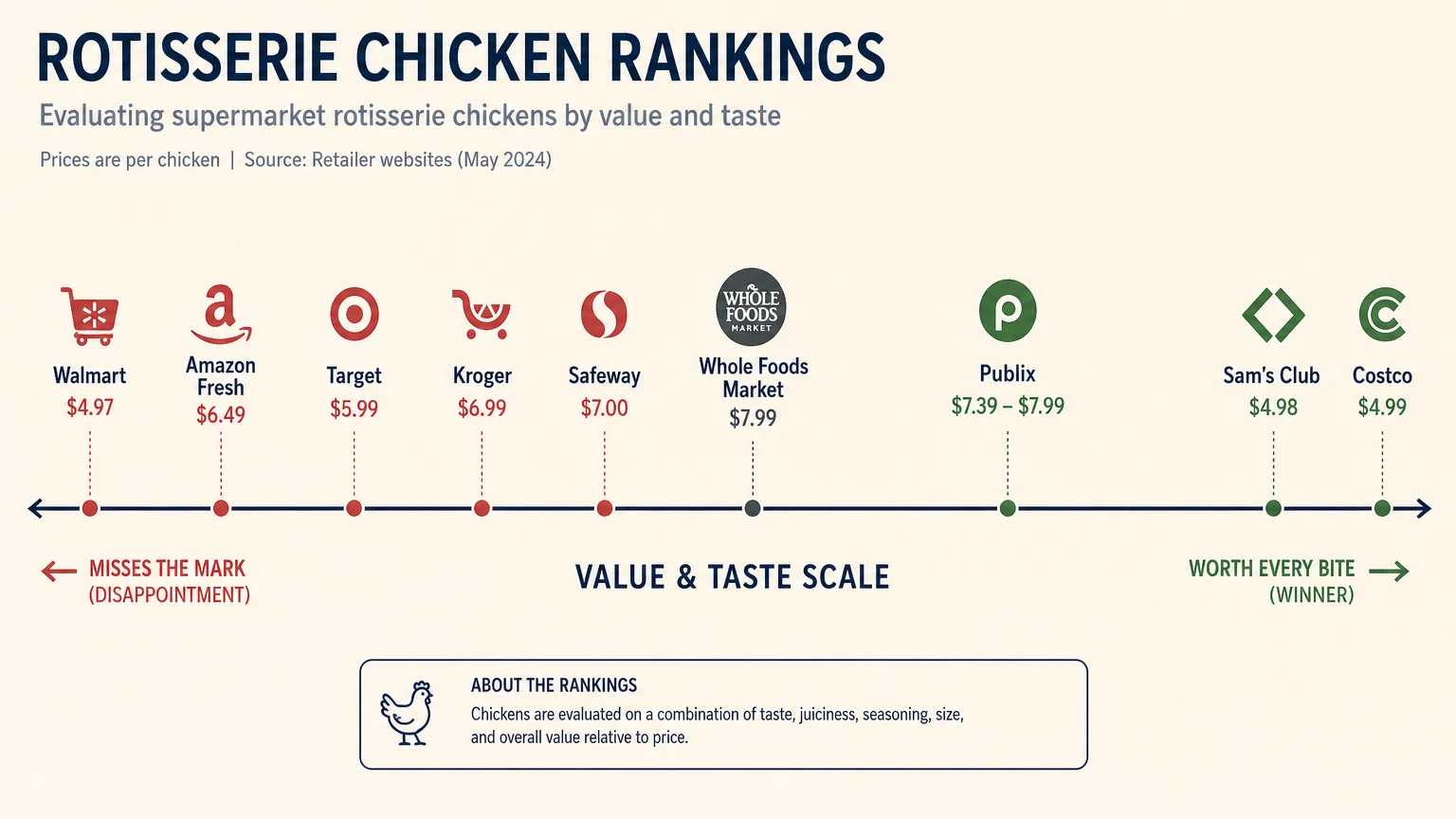
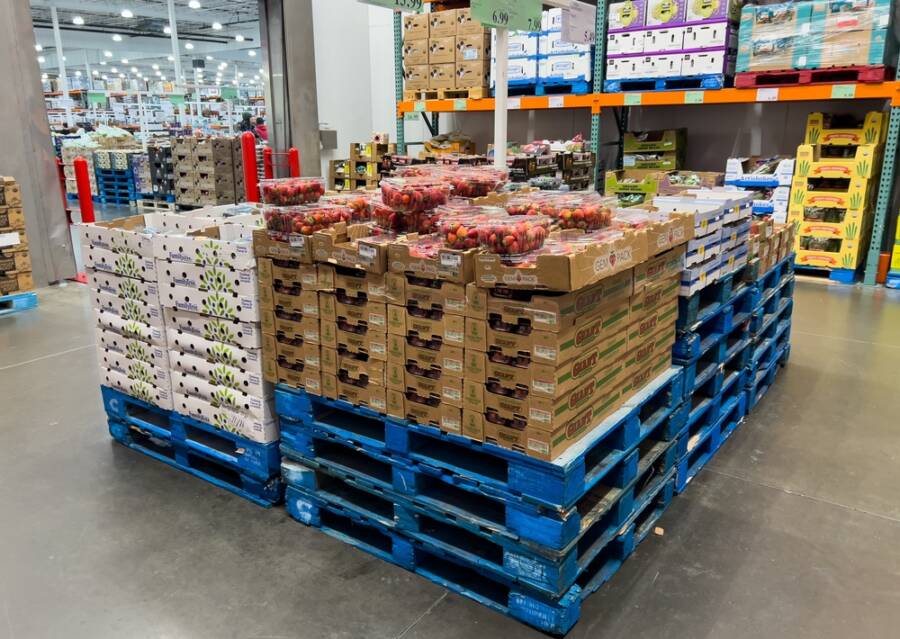
Costco holds the undisputed crown when it comes to the best rotisserie chicken, maintaining a stubborn $4.99 price tag that borders on modern grocery mythology. The warehouse club famously treats these birds as a loss leader, intentionally absorbing tens of millions of dollars in losses annually just to get you through the massive warehouse doors. Your budget benefits immensely from this aggressive corporate strategy. Weighing in at a massive three pounds, a Kirkland Signature bird provides significantly more meat than standard supermarket options. You can easily feed a family of four and still have enough leftover breast meat to craft a substantial chicken salad for lunch the following day. The secret to their consistent juiciness lies in a calculated saline injection, ensuring the meat remains tender even after hours sitting under harsh warming lights. While health-conscious shoppers might raise an eyebrow at the 460 milligrams of sodium per serving, the sheer economic value makes this a grocery shopping tip you cannot ignore. You sacrifice a tiny bit of dietary purity for unmatched, uncompromising convenience. Costco sells well over one hundred million of these birds every single year because they represent the absolute pinnacle of cheap, reliable protein.
Tip #2: Publix Deli Original (Worth Every Bite)
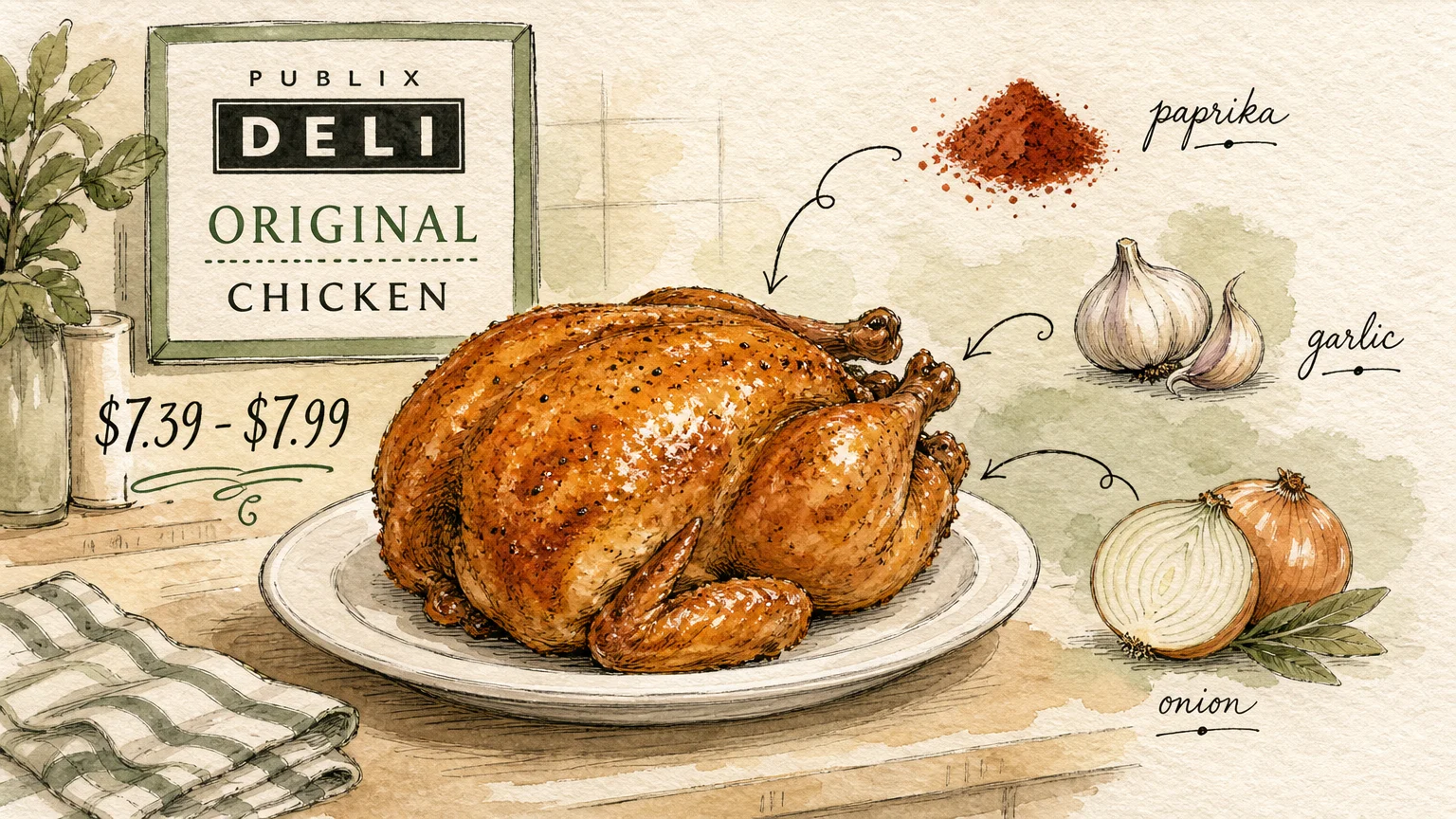
Publix sets a remarkably high standard for supermarket prepared foods, proving that you do not always need an exclusive warehouse club membership to find an excellent, ready-to-eat dinner. The Publix Deli Original rotisserie chicken commands a slightly higher price point—typically hovering around $7.39 to $7.99 depending on your regional location—but the exceptional culinary quality justifies every single penny. Unlike the massive, mechanically injected birds found at discount retailers, Publix focuses heavily on flavor development and optimal skin texture. The proprietary seasoning blend relies on a savory, well-balanced mix of paprika, garlic, and onion powder that caramelizes beautifully during the roasting process, creating a deeply flavorful, golden skin that snaps rather than sags. The delicate breast meat completely avoids the chalky, overcooked fate that plagues so many competing grocery store chickens. You also get excellent product consistency; store deli managers rotate these birds aggressively on a strict schedule, ensuring you rarely end up paying for an ancient, dried-out chicken that has been baking in its own plastic container. If you prioritize genuine flavor and true culinary execution over sheer volume, Publix remains the absolute gold standard for regional supermarkets.
Tip #3: Sam’s Club Member’s Mark (Worth Every Bite)
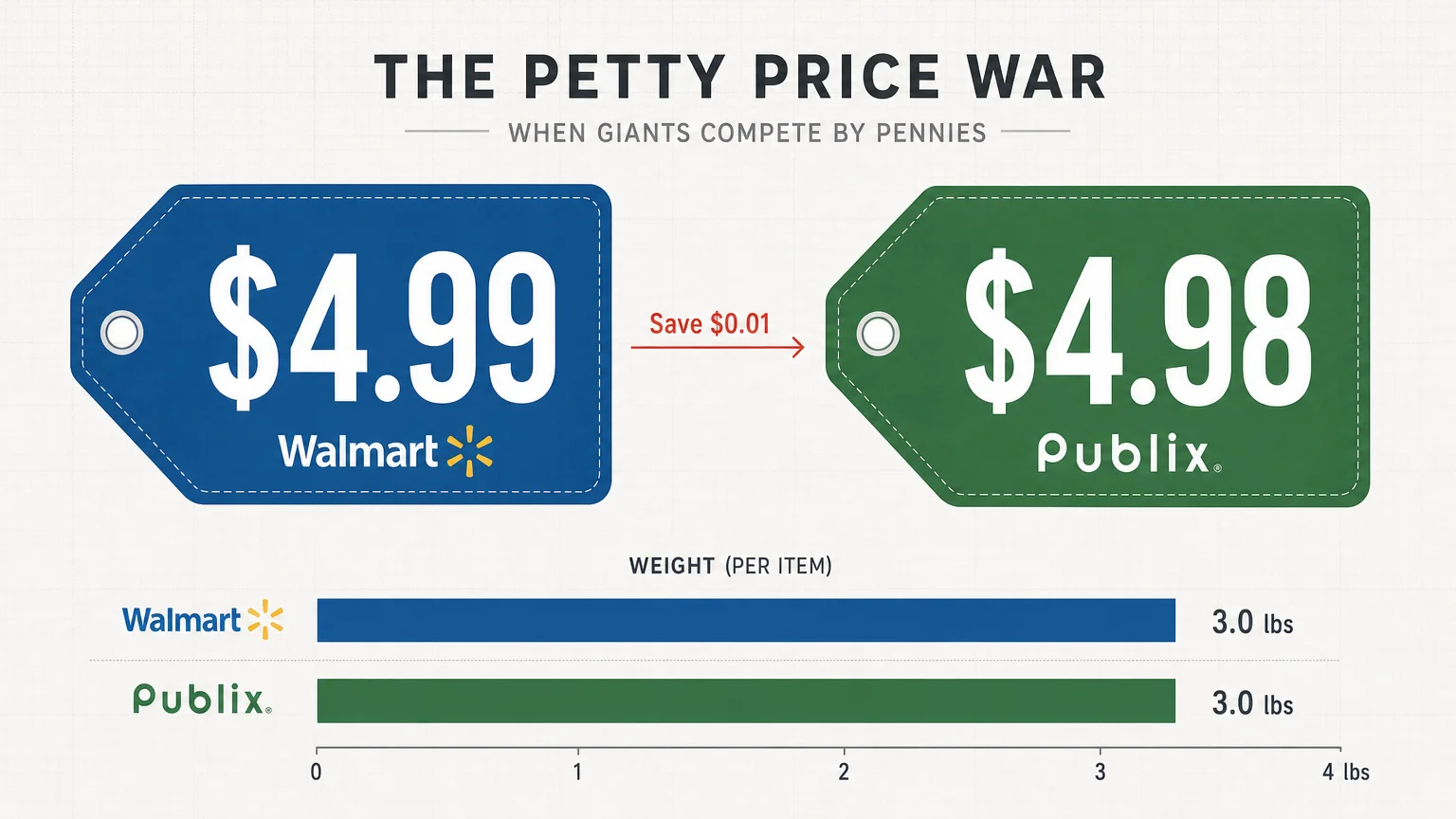
Sam’s Club consistently matches its biggest rival in the highly competitive warehouse club space, pricing its Member’s Mark rotisserie chicken at an aggressively precise $4.98—intentionally undercutting Costco by exactly one penny. This ongoing, petty price war results in a massive financial victory for your household grocery budget. These prepared birds are absolute behemoths, frequently tipping the scales at three full pounds or more, which easily translates into three distinct family meals if you portion the meat correctly. You get a tremendous amount of usable yield here, making it one of the smartest grocery shopping tips for dedicated meal preppers. The tender meat falls right off the bone with minimal effort, allowing you to quickly shred the entire bird for weeknight tacos or heavy casseroles. Sam’s Club utilizes a slightly different skin seasoning profile, leaning into a subtle sweetness that perfectly balances out the customary savory, salty notes. The skin tends to be slightly less crispy due to the highly humid environment of the plastic packaging, but the sheer volume of perfectly cooked, edible meat completely makes up for this minor flaw. When calculating the raw cost per ounce of high-quality protein, Member’s Mark stands as an undeniable financial triumph.
Tip #4: Whole Foods Market Organic (Worth Every Bite)
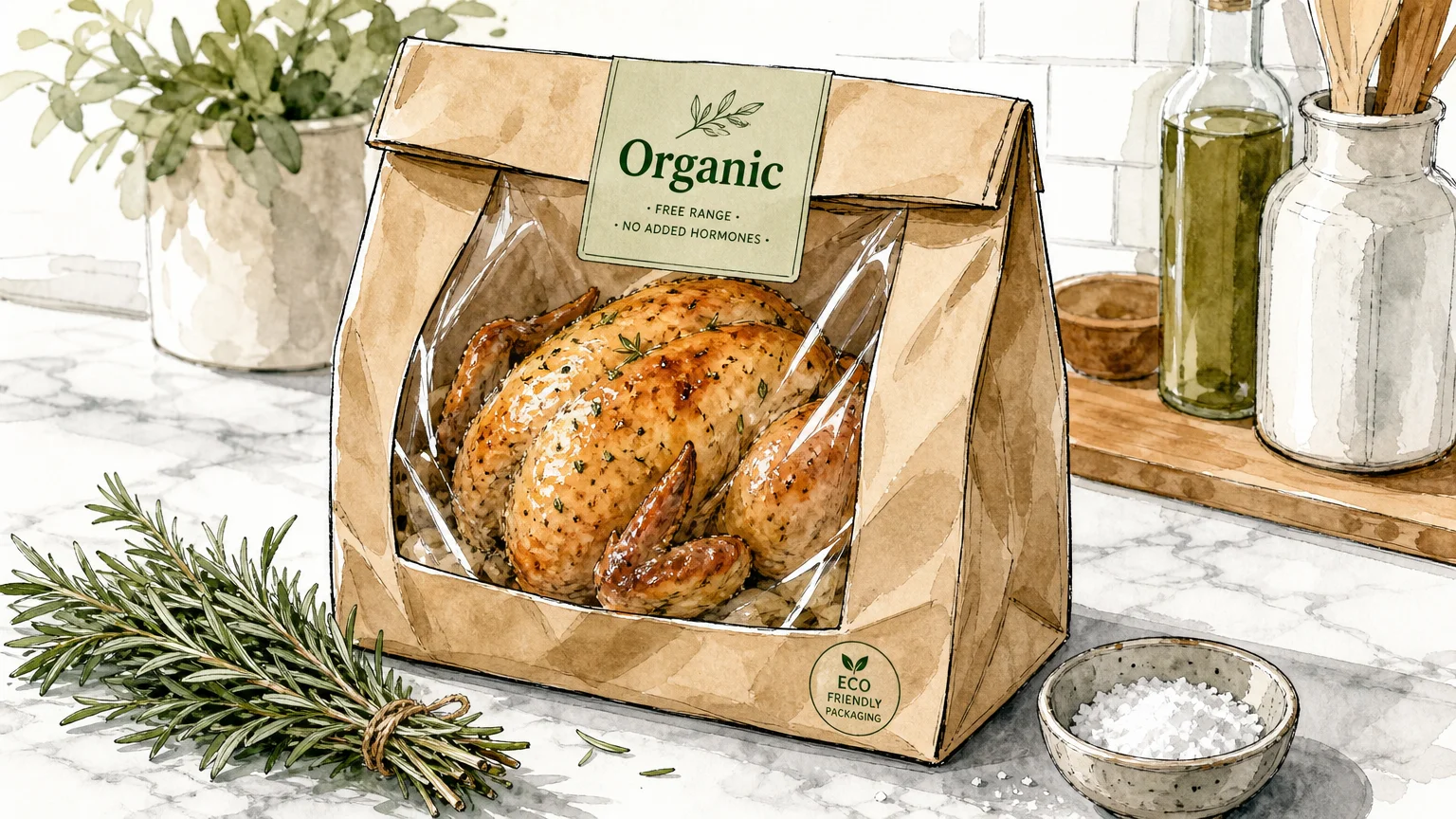
Whole Foods Market takes a distinctly different approach to the prepared foods sector, prioritizing incredibly clean ingredients, strict animal welfare standards, and total transparency over rock-bottom pricing. You will undeniably pay a noticeable premium here, with prices often starting at $9.99 for a classic bird and pushing significantly higher for certified organic varieties. However, for careful shoppers meticulously tracking what they consume, this premium chicken is absolutely worth the financial investment. Whole Foods adheres to uncompromising quality standards; their dedicated partner farms ensure the birds receive no antibiotics ever, no added hormones, and importantly, the deli uses no artificial flavorings or heavy saline injections during the cooking process. When you carve into a Whole Foods rotisserie chicken, you taste actual, high-quality poultry rather than a highly engineered, artificially plumped salt solution. The birds are noticeably smaller than bulk warehouse club offerings, usually landing right around two pounds, which drops your total yield per dollar significantly. Yet, the texture of the meat feels undeniably superior, featuring a natural, firm bite rather than a mushy, waterlogged consistency. If daily budget constraints are secondary to ingredient purity, this is undoubtedly the best rotisserie chicken available.
Tip #5: Wegmans Organic (Worth Every Bite)
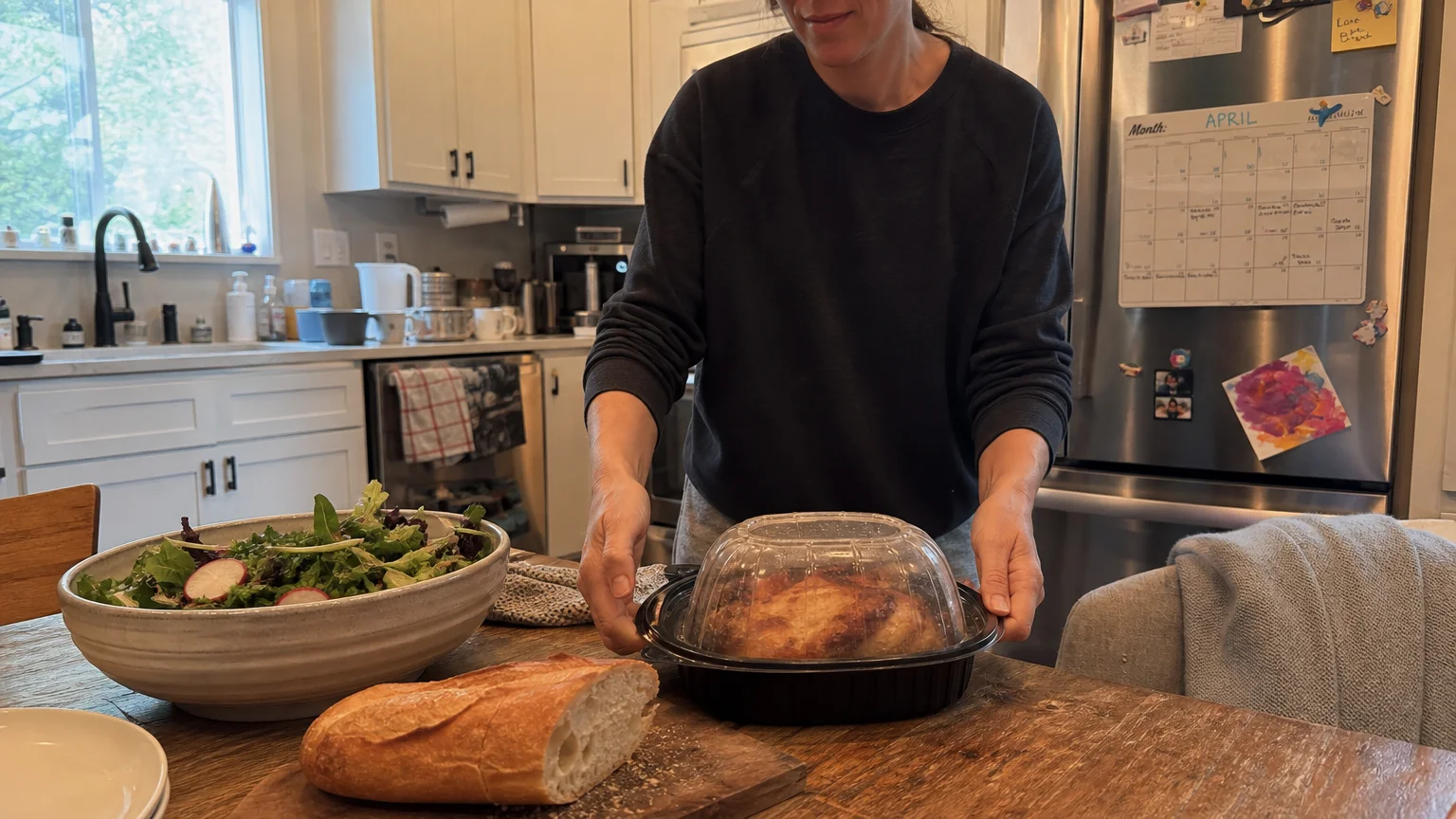
Wegmans inspires fierce, unwavering loyalty among its dedicated customer base, and their exceptionally managed prepared foods department plays a massive role in building that consumer dedication. Their standard rotisserie chicken strikes a perfect, harmonious balance between the sheer size of a warehouse club bird and the premium, clean-ingredient quality of a high-end specialty grocer. Priced very reasonably around $6.99 to $7.49, Wegmans delivers a reliable product heavily focused on actual culinary execution rather than just cheap calories. The skin is expertly rendered in their massive rotisserie ovens, minimizing flabby, unappetizing fat pockets while maximizing the adherence of their signature, proprietary spice rub. The dark meat remains exceptionally rich and juicy, while the notoriously tricky white meat completely avoids drying out, even when you reheat the leftovers the following day. Wegmans also excels in offering exciting flavor variety; their tangy lemon pepper and sticky BBQ glazed options provide a fantastic change of pace if you grow tired of the traditional savory profiles. You can confidently build a quick, high-quality family meal around this beautiful centerpiece without ever feeling like you compromised on true flavor or settled for mediocre fast food.
Tip #6: Walmart Traditional (Misses the Mark)
Walmart attempts to dominate the highly competitive rotisserie chicken market through sheer convenience and massive heavy foot traffic, but their traditional offering often misses the mark entirely. While the retail price generally sits comfortably low, usually ranging from $4.97 to $5.98 depending on regional pricing adjustments, the actual value proposition quickly falls apart upon closer visual inspection. These budget chickens suffer from chronic, intensely frustrating inconsistency. On one visit, you might find a reasonably cooked, acceptable bird; on the next shopping trip, you encounter a shriveled, dark specimen that clearly spent entirely too long roasting on the mechanical spit. The most glaring issue lies deep within the breast meat, which frequently achieves a chalky, fibrous texture that makes swallowing extremely difficult without applying a heavy dose of gravy or mayonnaise. Furthermore, the exterior skin tends to be highly rubbery and completely devoid of any meaningful caramelization, serving only as a soggy, unappealing barrier to the dry meat below. Walmart relies far too heavily on deep salt injections to mask these obvious textural flaws, leaving you with an artificially plumped bird that shrinks drastically once you begin carving. Your grocery money goes much further when spent elsewhere.
Tip #7: Kroger Simple Truth (Misses the Mark)
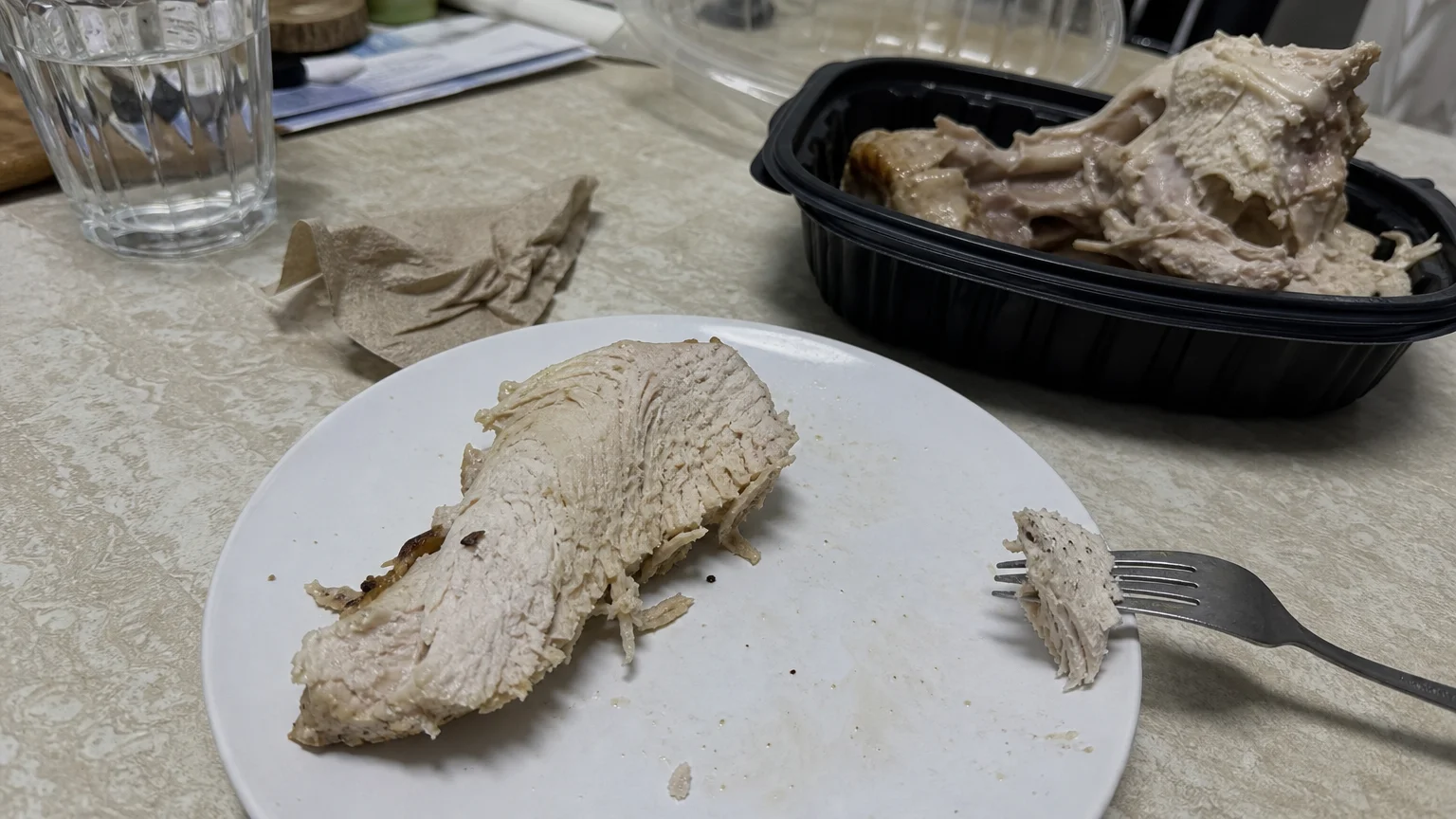
Kroger operates thousands of massive supermarkets under various regional banners, but their highly centralized, corporate approach to rotisserie chicken leaves much to be desired. The Simple Truth and standard Kroger brand birds frequently disappoint busy shoppers looking for a reliable, satisfying dinner shortcut. The primary culprit behind their culinary failure is the incredibly aggressive brining process. Kroger heavily injects their chickens with a chemical solution specifically designed to artificially increase the selling weight and retain moisture under brutal, hot deli lamps. Unfortunately, this chemical process often goes much too far, resulting in meat that feels strangely spongy, slick, and unnaturally soft. The resulting flavor profile leans heavily toward pure sodium rather than distinct, roasted herbs or savory spices, completely overpowering the natural, delicate taste of the actual poultry. You will also routinely notice a significant amount of gelatinous liquid pooled at the bottom of the plastic dome container, which is essentially the injected water weight heavily leaking out after the cooking process concludes. You end up paying by the pound for heavily seasoned water that inevitably ends up poured straight down your kitchen drain. Skip this perpetually soggy option completely.
Tip #8: Target Good & Gather (Misses the Mark)
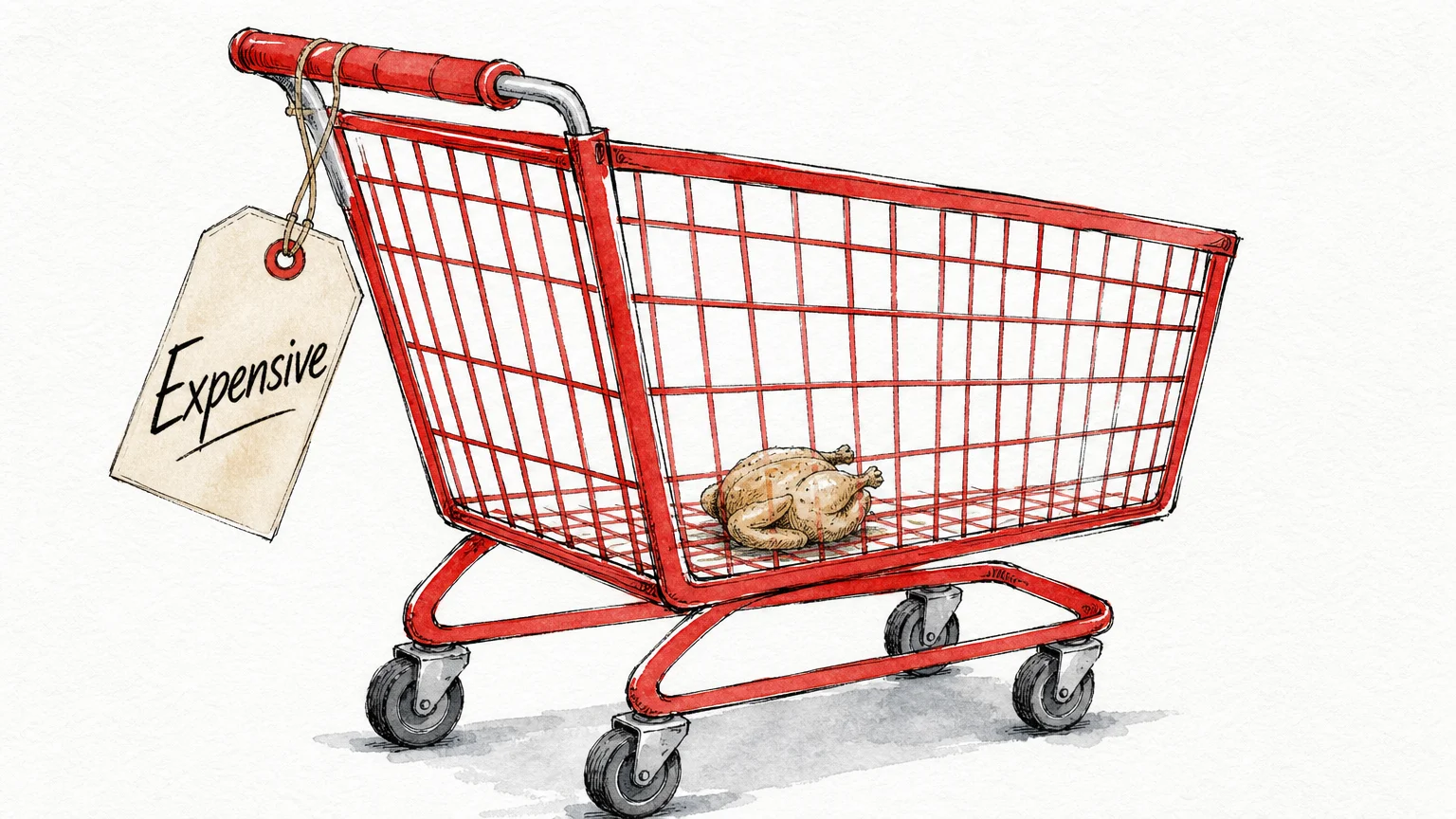
Target made a significant, highly publicized push into the mainstream grocery sector with their revamped Good & Gather line, but their in-store prepared foods department still struggles mightily to find its footing. The standard rotisserie chicken serves as a prime, unfortunate example of this ongoing corporate growing pain. These specific birds typically suffer from a severe, highly noticeable lack of flavor penetration. While the thin skin might carry a light dusting of generic, uninspired seasoning, the thick meat underneath tastes remarkably bland and entirely devoid of any culinary character. Target seemingly prioritizes visual appeal and shelf packaging over actual kitchen execution, resulting in birds that look golden brown and picturesque through the plastic dome but offer absolutely zero complexity on the palate. Sizing presents another major, frustrating hurdle for hungry shoppers; Target chickens are notoriously diminutive, often weighing barely two pounds while carrying a steep retail price tag comparable to much larger, vastly superior supermarket offerings. When you finally strip away the bones and cartilage, the actual edible meat yield is surprisingly low. Trying to feed a hungry family with a single Good & Gather chicken often leaves everyone scrounging through the pantry for a substantial snack.
Tip #9: Safeway Signature Cafe (Misses the Mark)
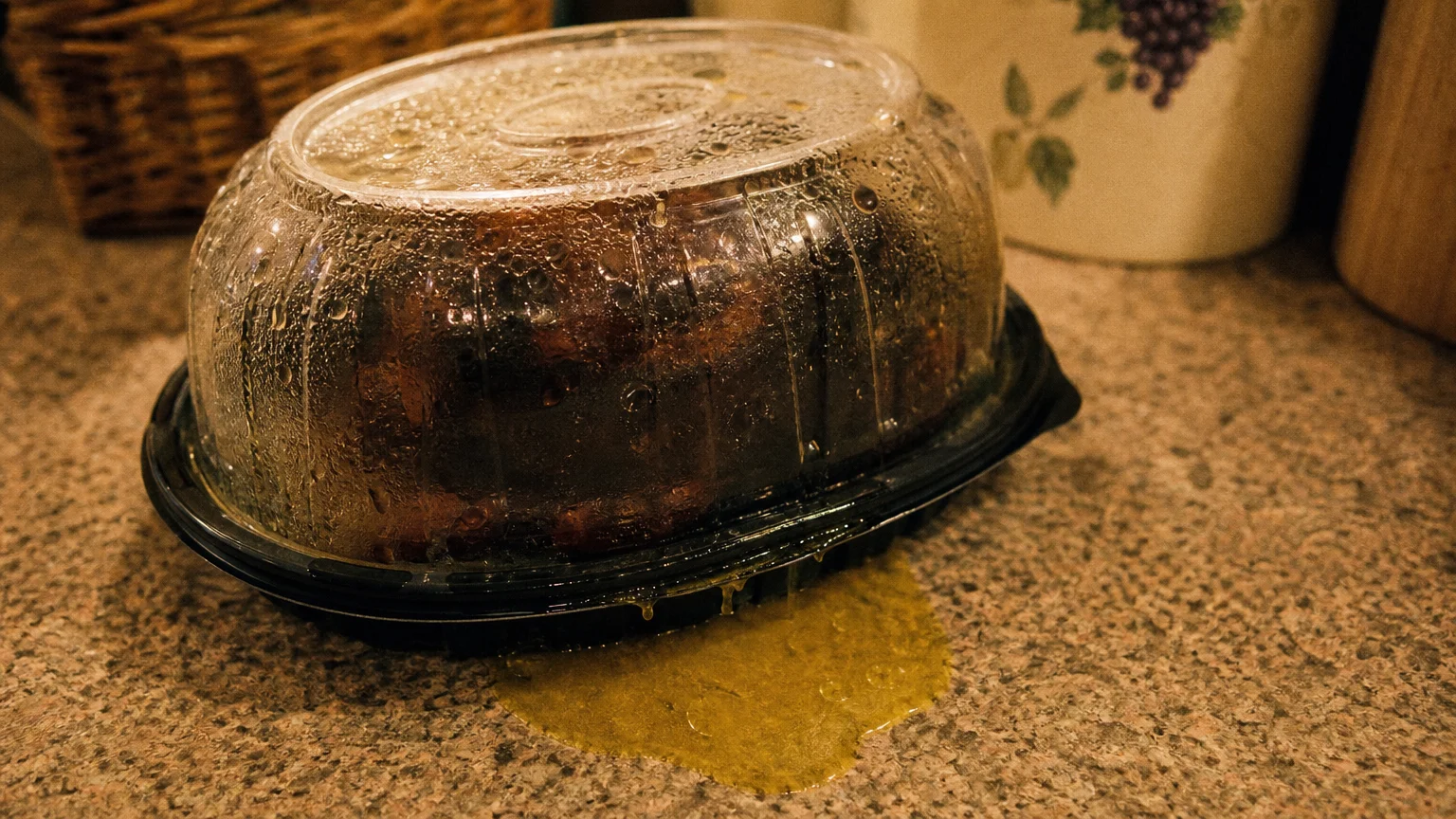
Safeway, along with its massive network of Albertsons-owned sister stores, aggressively prices its Signature Cafe rotisserie chickens at a premium tier that the actual physical product simply cannot justify. You will frequently see these birds priced at $7.99 or higher, boldly entering the pricing territory of premium, organic grocers, yet consistently delivering the severely underwhelming quality of a deep discount chain. The cooking process appears heavily automated and completely detached from actual human deli oversight. The delicate wings and drumsticks frequently cook down into dry, blackened twigs, rendering those outer portions nearly inedible and entirely useless for meal prep. The thicker breast meat fares only slightly better, relying entirely on the residual steam from the enclosed plastic container to remain somewhat palatable. Safeway also heavily struggles with aggressive over-salting, creating a harsh, stinging flavor profile that quickly induces palate fatigue after just a few bites. When you directly compare the high retail cost, the minimal edible meat yield, and the borderline aggressive sodium levels, the Safeway rotisserie chicken firmly establishes itself as a terrible financial return on your grocery investment. You should confidently bypass the deli warming rack entirely.
Tip #10: Stop & Shop Nature’s Promise (Misses the Mark)
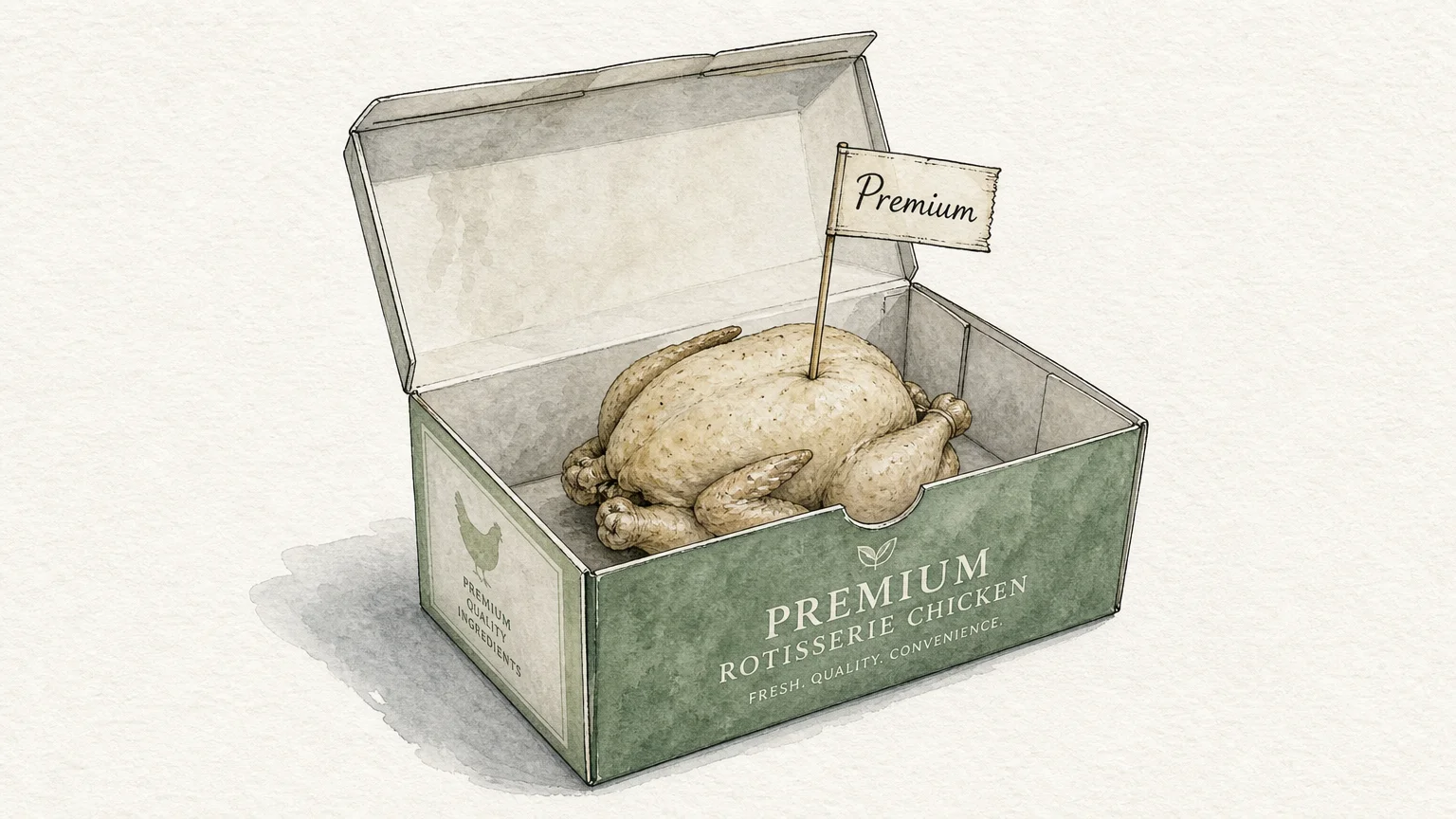
Stop & Shop firmly anchors the absolute bottom tier of modern grocery store chicken offerings with a highly disappointing product that defines absolute culinary apathy. The Nature’s Promise and standard store-brand rotisserie birds consistently suffer from a complete and total lack of structural integrity. The delicate meat frequently turns to literal mush when you attempt to carve it, strongly suggesting a chemical breakdown from an overly aggressive, cheap marinade or simply exceedingly poor-quality poultry sourcing from the very start. The flabby skin lacks any redeeming culinary qualities; it rarely holds any crispness from the oven and acts much more like a wet, flavorless sleeve than a savory, satisfying crust. Stop & Shop also frequently struggles with maintaining proper holding temperatures without completely destroying the final retail product. You will routinely find these overcooked chickens sweating profusely inside their flimsy packaging, sitting in a murky, unappetizing pool of rendered fat and water that turns the entire bottom half incredibly soggy. Given the steep, ongoing inflation in basic food prices, wasting your hard-earned dollars on a mushy, flavorless chicken constitutes a major budgetary misstep. Your definitive rotisserie chicken rankings should place this unfortunate option firmly in last place.
The Bottom Line: What This Means for Your Wallet
Understanding the vast, undeniable differences in the prepared foods aisle directly impacts your monthly grocery budget. Supermarkets purposefully utilize hot, ready-to-eat chickens to subtly manipulate your shopping behavior, hoping the savory, wafting aroma pulls you toward higher-margin side dishes, expensive sodas, and premium bakery desserts. You take total control of the retail transaction when you clearly recognize exactly which stores offer genuine, nutritional value and which ones peddle subpar, overcooked poultry. Prioritize the massive warehouse clubs for sheer volume and unparalleled cost efficiency if you focus heavily on weekly meal prepping or feeding a large, hungry family. Turn to premium, regional grocers when complex flavor, clean ingredients, and perfect texture trump the simple per-ounce price tag. Never settle for the rubbery, hyper-salted birds from underperforming grocery chains simply because they sit conveniently near the checkout lanes as you rush home. A poor-quality, dry chicken forces you to discard unpalatable meat, ultimately wasting the very dollars you actively attempted to save by skipping the restaurant drive-thru. You drastically optimize your daily food spending by treating these convenience meals with the exact same critical, discerning eye you apply to every other major household expense.
Frequently Asked Questions
How long does a grocery store rotisserie chicken stay fresh in the refrigerator?
You should completely consume or safely freeze your cooked chicken within three to four days of the original purchase. Always take the extra time to remove the meat from the bones before storing it; leaving the entire carcass intact in the original plastic container promotes faster bacterial growth and takes up completely unnecessary shelf space. Store the carved, shredded meat in an airtight glass container to preserve the internal moisture and prevent the poultry from absorbing other strong odors lingering in your fridge.
Are injected rotisserie chickens bad for your long-term health?
Most large commercial supermarkets strategically inject their poultry with a heavy liquid solution of water, salt, and sodium phosphates to artificially increase the final weight yield and maintain juiciness under harsh deli heat lamps. While this standard commercial process does not make the chicken inherently dangerous to consume, it dramatically spikes the baseline sodium content. A standard three-ounce serving of injected meat can easily contain up to 500 milligrams of sodium. If you actively monitor your daily blood pressure or adhere to a strict low-sodium diet, you must heavily factor these enhanced birds into your daily nutritional limits or seek out un-injected alternatives.
What is the absolute best way to reheat leftover chicken without drying it out?
Microwaving cold chicken breast aggressively blasts the remaining moisture out of the delicate meat fibers, leaving you with a tough, excessively chewy meal. To reheat your delicious leftovers properly, utilize your conventional oven or a standard toaster oven. Place the carefully carved meat in an oven-safe dish, add a small splash of chicken broth or filtered water, and cover the entire dish tightly with heavy-duty aluminum foil. Heat the meat at 350 degrees Fahrenheit for approximately fifteen minutes. The enclosed steam gently warms the chicken through while fully restoring the vital moisture lost during cold refrigeration.
Can I realistically use the leftover carcass to make homemade chicken broth?
Yes; fully utilizing the remaining bones brilliantly transforms a cheap, quick dinner into a fantastic, multi-meal investment for your household budget. Once you strip all the usable meat for sandwiches or salads, toss the entire remaining carcass into a slow cooker or a large metal stockpot. Add in saved onion scraps, celery tops, old carrots, and enough cold water to completely submerge the bones. Simmer the highly flavorful mixture on very low heat for eight to twelve hours. Strain the hot liquid carefully, and you instantly possess a rich, highly gelatinous bone broth that completely rivals expensive, store-bought cartons in both deep flavor and overall nutritional value.
For consumer protection information, visit the Federal Trade Commission (FTC) and the Consumer Financial Protection Bureau (CFPB). For product safety and reviews, consult Consumer Reports.
Disclaimer: This article is for informational purposes only and does not constitute financial advice. The content reflects the author’s opinion and research at the time of writing. Always do your own research before making financial decisions.






Leave a Reply