

Retiring comfortably requires slashing your largest ongoing expenses, and your transportation budget is the perfect place to start. Forget the outdated advice that says you need a massive luxury barge or a heavy SUV to stay safe and comfortable on the road. The most financially savvy retirees are ditching overpriced status symbols for smart, efficient, and relentlessly reliable machines that keep more cash in their retirement accounts. By choosing the right model, you minimize depreciation, cut your fuel bills in half, and practically eliminate unexpected repair costs. From hybrid hatchbacks to surprisingly capable compact crossovers, these seven budget-friendly vehicles provide the comfort and safety you demand without destroying your fixed income.
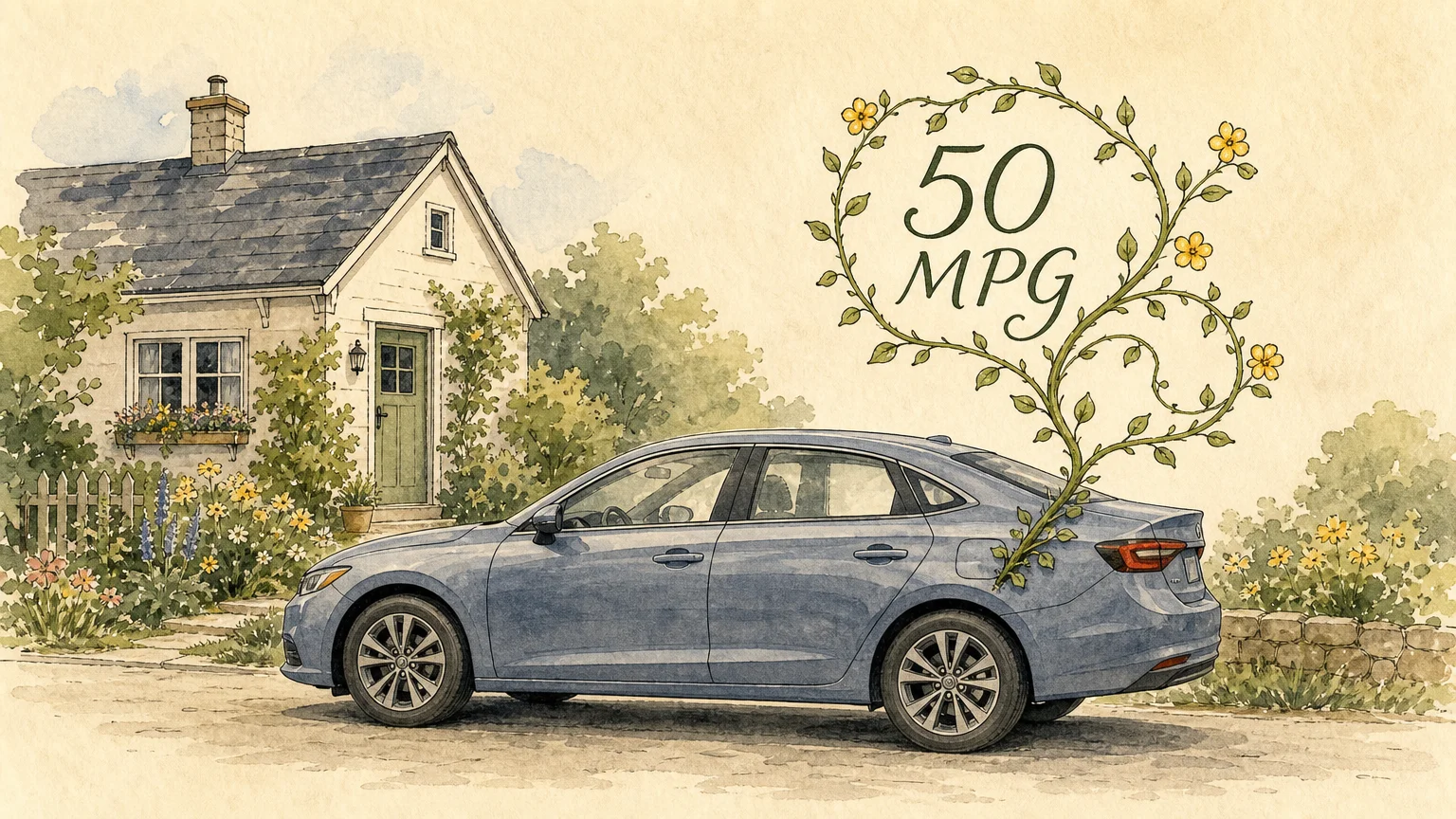
Tip #1: Toyota Camry Hybrid
The Toyota Camry serves as the undisputed benchmark for practical, low-cost transportation. Frugal retirees recognize that vehicles are appliances designed to move you safely from point A to point B, and no appliance performs its job more reliably than the Camry Hybrid. When you prioritize financial longevity, you simply cannot afford unpredictable mechanic bills; the Camry eliminates that anxiety entirely.
Toyota’s hybrid powertrain seamlessly blends a highly efficient four-cylinder engine with an electric motor, returning upwards of 50 miles per gallon. Over the course of a ten-year retirement, that fuel efficiency translates to thousands of dollars in pure savings. Furthermore, you should specifically look for the LE trim level. The LE model uses smaller wheels with thicker tire sidewalls. Not only do these smaller wheels provide a significantly smoother, more comfortable ride over pothole-ridden streets, but the replacement tires cost a fraction of what you pay for the low-profile rubber found on the sportier trims. Dealerships try to up-sell you on flashy aesthetic packages, but the base LE trim remains the ultimate financial hack for sensible buyers.
The Camry also holds its resale value better than almost any other sedan on the market. If you eventually decide to sell it or trade it down the line, you capture a much larger percentage of your initial investment. By sticking to basic maintenance—regular oil changes and tire rotations—you easily drive a Camry well past the 200,000-mile mark without breaking a sweat.

Tip #2: Subaru Forester
The Subaru Forester dominates the list of the best cars for retirees because it combines maximum utility with a remarkably affordable price tag. You want an SUV that handles bad weather and rough roads without forcing you to pay the premium associated with luxury off-roaders. The Forester delivers exactly that, primarily through its legendary symmetrical all-wheel-drive system, which comes completely standard on every trim level.
Most competing manufacturers charge an additional $1,500 to $2,000 to add all-wheel drive to their base models. By choosing the Forester, you dodge that upcharge instantly. Beyond the raw purchase price, the Forester excels in physical ergonomics. Older drivers often struggle with vehicles that sit too low to the ground or SUVs that require stepping high up into the cabin. The Forester features an ideal “H-point”—or hip point. You simply slide sideways into the driver’s seat without bending your knees excessively or hoisting your body upward.
Visibility represents another massive cost-saving feature of the Forester. Subaru designed this vehicle with an incredibly tall greenhouse, meaning the windows are massive and the roof pillars are thin. Excellent visibility drastically reduces your chances of backing into obstacles or sideswiping another car in a busy parking lot. Fewer accidents mean your insurance premiums stay incredibly low. When you combine standard safety tech, low insurance costs, and perfect seating ergonomics, the Forester emerges as a brilliant play for a frugal retirement.

Tip #3: Honda CR-V Hybrid
When you transition into retirement, your lifestyle often changes. You no longer need to haul a baseball team of children in a massive, gas-guzzling minivan, but you still want enough space for golf clubs, gardening supplies, and road trips to see your grandchildren. The Honda CR-V Hybrid perfectly fills this gap. It replaces the heavy, inefficient midsize SUVs of the past with a highly optimized, spacious interior that runs on pennies.
The CR-V ranks high among affordable cars for seniors because its two-motor hybrid system averages roughly 40 miles per gallon in city driving. However, the hidden financial genius of the CR-V Hybrid lies in its regenerative braking system. When you lift your foot off the accelerator, the electric motor reverses its function and generates electricity to recharge the battery. This process naturally slows the vehicle down without requiring you to aggressively use the physical brake pedal.
Because the electric motor handles the majority of your daily deceleration, your physical brake pads and rotors last significantly longer than those on a traditional gas-powered car. It is not uncommon for hybrid drivers to bypass brake pad replacements until they hit 80,000 miles or more. You dodge the mechanic, keep your emergency fund intact, and enjoy a remarkably quiet, comfortable cabin that feels much more expensive than its sticker price suggests.

Tip #4: Kia Soul
For retirees prioritizing a low entry price and absolute financial predictability, the Kia Soul stands unmatched. The Soul is the quintessential budget box. You can purchase a brand-new, nicely equipped Kia Soul for substantially less money than the base models of almost every other crossover on the market. Keeping your initial capital outlay low means you keep more money invested in your brokerage accounts, earning dividends rather than depreciating in your driveway.
The Soul looks unconventional, but that boxy design serves a highly practical purpose. The vertical side walls and flat roofline maximize interior cubic volume while keeping the exterior footprint incredibly small. You get the headroom and cargo capacity of a much larger SUV, yet you can easily parallel park it in tight spaces or maneuver through congested city streets without anxiety.
The most compelling financial argument for the Soul is Kia’s industry-leading 10-year or 100,000-mile powertrain warranty. Frugal retirees despise unpredictable financial shocks. If a transmission fails or an engine component breaks in year eight of your ownership, the warranty covers the catastrophic costs. You effectively transfer the risk of major mechanical failure from your own wallet directly to the manufacturer. By securing a low purchase price and a decade of powertrain protection, the Kia Soul serves as the ultimate defensive strategy for budget-friendly vehicles.

Tip #5: Ford Maverick Hybrid
The “truck tax” drains American wallets faster than almost any other automotive expense. Historically, retirees who enjoyed woodworking, gardening, or frequent trips to the hardware store believed they needed a full-size pickup truck. Today, buying a full-size truck means taking on a $60,000 auto loan and suffering through 18 miles per gallon. The Ford Maverick Hybrid completely disrupts this terrible financial trap.
The Maverick is a compact, unibody pickup truck that drives with the smooth, comfortable dynamics of a regular sedan. The hybrid variant achieves an astonishing 40 miles per gallon in city driving. You get a fully functional truck bed capable of hauling mulch, plywood, or antique furniture, all while spending less on gas than you would in a midsize sedan. With a starting price well under $30,000, you save tens of thousands of dollars on the purchase price alone.
Because the Maverick shares its architectural platform with smaller SUVs, you also save massive amounts of money on maintenance. Full-size trucks require heavy-duty tires, larger brakes, and higher fluid capacities, all of which cost a fortune to replace. The Maverick uses standard, affordable passenger car components. You secure the utility you desire without falling victim to the staggering operating costs that traditional trucks force upon you.
Tip #6: Toyota Prius
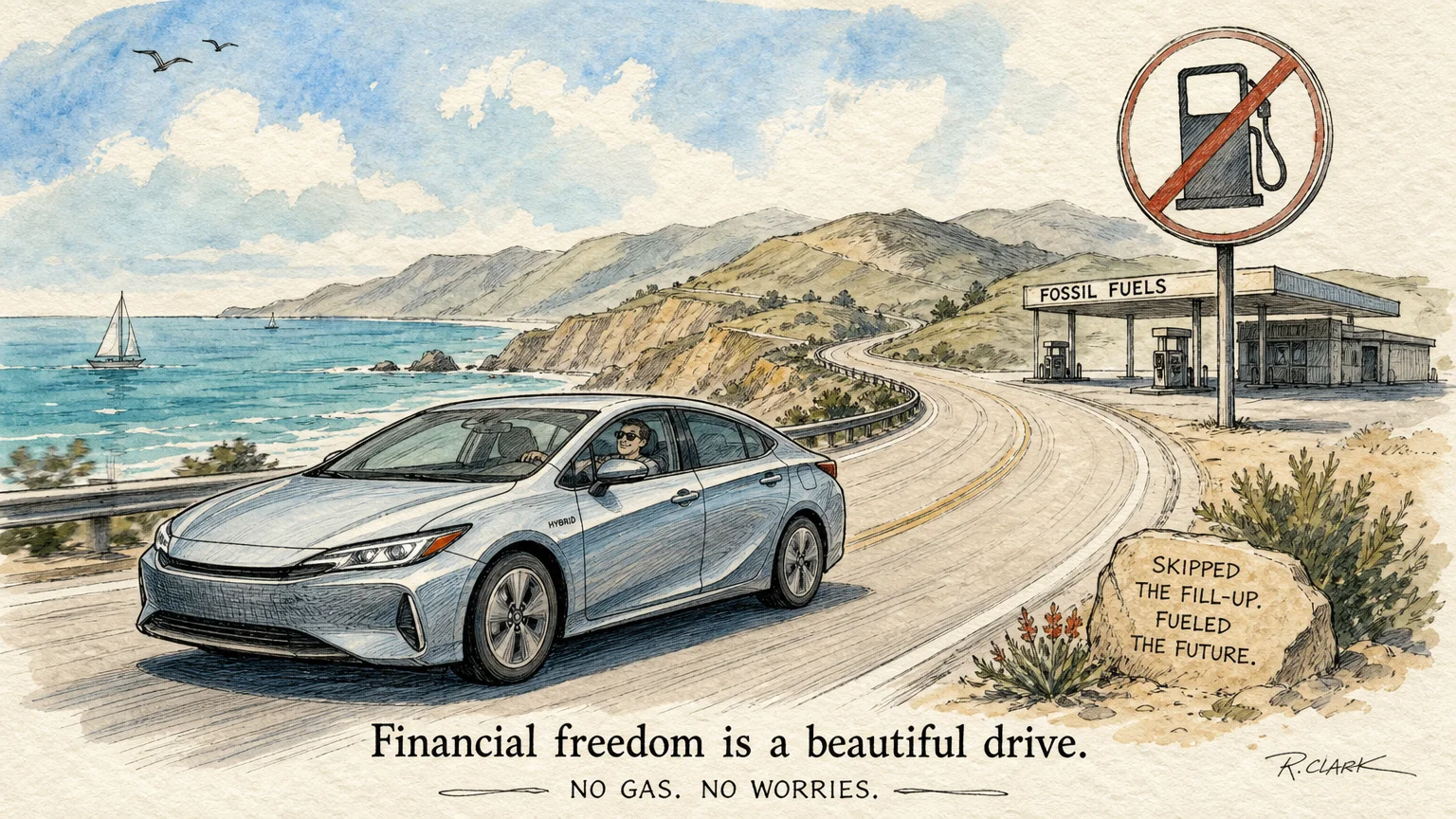
You cannot discuss vehicles for retirees without highlighting the gold standard of financial efficiency: the Toyota Prius. While the newest generation boasts sleek, aerodynamic styling and surprising acceleration, the core mission of the Prius remains entirely unchanged. It exists to destroy your fuel expenses and outlast almost everything else on the highway.
Achieving up to 57 miles per gallon, the Prius effectively cuts your monthly gasoline budget in half. If you love to travel during your retirement, this vehicle represents a massive advantage. Many retirees express interest in fully electric vehicles, but they hesitate because dealing with broken charging stations and range anxiety during cross-country road trips sounds stressful. The Prius requires no plug-in charging infrastructure. You simply fill the gas tank and drive nearly 600 miles before needing to stop again.
The secret to the legendary reliability of the Prius lies in its electronic continuously variable transmission (eCVT). Unlike traditional automatic transmissions that rely on a complex network of physical gears, clutches, and belts that eventually snap or wear down, the Prius eCVT uses two electric motor-generators and a simple planetary gearset. Fewer moving parts mean fewer points of failure. The drivetrain is practically bulletproof. When you buy a Prius, you buy decades of relentless, cheap, and uninterrupted service.

Tip #7: Chevrolet Equinox
The Chevrolet Equinox represents the ultimate contrarian value play for frugal retirees. Conventional wisdom tells you to only buy Japanese vehicles for longevity, but the aggressive pricing dynamics of the domestic auto market create massive opportunities for smart shoppers. Toyotas and Hondas command premium prices and hold their value exceptionally well; therefore, you rarely find deep discounts on them. The Equinox plays by a different set of rules.
Chevrolet dealerships frequently rely on heavy volume to hit their sales quotas, which means they routinely offer massive cash rebates, dealer discounts, and attractive financing incentives on the Equinox. If you negotiate firmly, your out-the-door price on a new or lightly used Equinox can easily be $5,000 to $8,000 less than a comparably equipped foreign competitor. That initial savings gives you a tremendous financial head start.
Furthermore, domestic vehicles offer a significant advantage when it comes to long-term repair costs. Chevrolet replacement parts are ubiquitous and remarkably cheap. If an alternator fails or a water pump leaks, you do not need a specialized technician or imported parts to fix it. Every independent mechanic from big cities to the most rural stretches of America knows exactly how to repair a Chevrolet engine. By leveraging low upfront purchase prices and incredibly cheap domestic parts, the Equinox perfectly fits the model of a frugal retirement.
The Bottom Line: What This Means for Your Wallet
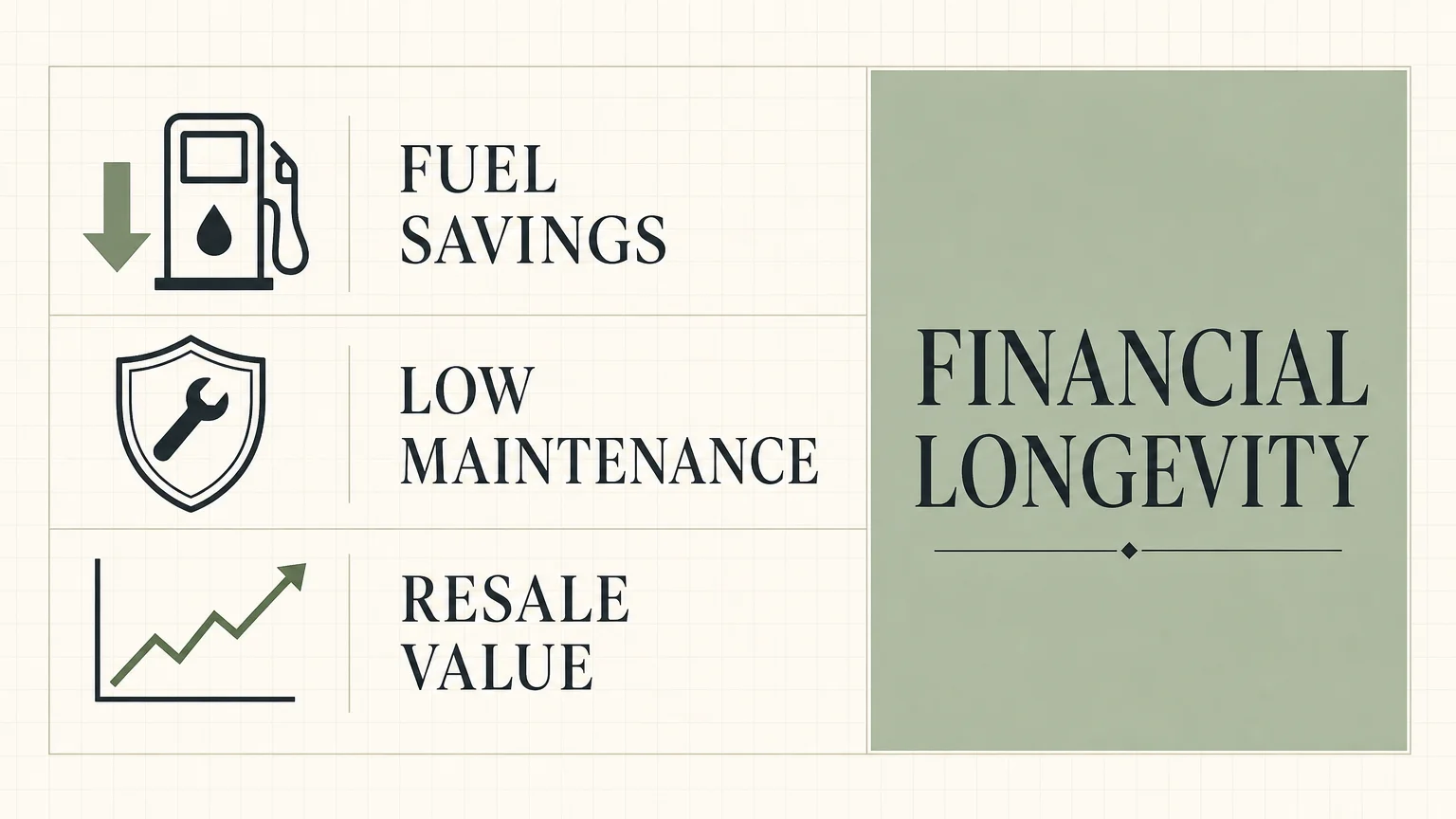
Cars are depreciating liabilities, not investments. Every dollar you tie up in the driveway is a dollar that cannot generate interest, dividends, or security for your retirement portfolio. The automotive industry spends billions of dollars on marketing to convince you that success and safety require leather-lined luxury SUVs and massive pickup trucks. Frugal retirees know this is entirely false. By ignoring the noise and purchasing reliable, highly efficient vehicles, you protect your fixed income from the silent wealth-killers of rapid depreciation, high insurance premiums, and catastrophic repair bills.
Choosing a practical hybrid or a smartly priced crossover allows you to reallocate hundreds of dollars a month back into your own pocket. You cut your fuel costs, extend the life of your brake pads, and secure warranties that shield you from unexpected automotive disasters. Financial independence during retirement relies heavily on controlling your outgoing cash flow. When you treat your vehicle purchase as a strategic financial decision rather than an emotional status symbol, you build a resilient, stress-free budget that ensures your golden years actually remain golden.
Frequently Asked Questions
Should frugal retirees buy brand-new or used cars to save the most money?
Historically, the smartest financial move was buying a three-year-old used car to let the original owner absorb the initial depreciation hit. However, modern supply chain issues and high demand have artificially inflated the used car market. Today, lightly used vehicles often sell for nearly the same price as brand-new models. If you intend to keep the car for ten to fifteen years, buying a brand-new vehicle at the manufacturer’s suggested retail price (MSRP) often makes more mathematical sense. You secure a full factory warranty, know the complete maintenance history from day one, and benefit from the lowest possible promotional financing rates.
Are hybrid vehicles actually worth the higher upfront cost for seniors?
Yes; hybrids excel particularly well for retirees. The upfront premium for a hybrid powertrain usually ranges from $1,200 to $2,000 over a standard gas engine. Because hybrids are incredibly efficient in stop-and-go city driving—which matches the driving habits of most retirees running errands—you typically recover that premium through fuel savings within the first four to five years. Beyond the fuel savings, the regenerative braking system significantly extends the lifespan of your physical brake pads, saving you multiple expensive trips to the mechanic over the life of the vehicle.
Does leasing make sense for a retiree on a fixed income?
No. Dealerships aggressively push leases because leases generate continuous recurring profit for them. For a frugal retiree, leasing represents an endless cycle of monthly payments with absolutely zero equity built up at the end of the term. You essentially rent a depreciating asset and trap yourself in perpetual debt. The most financially sound strategy involves buying a reliable, affordable vehicle with cash or a short-term loan, maintaining it meticulously, and driving it without a car payment for a decade or longer.
Do I really need all-wheel drive for safety during retirement?
Unless you live in a region with heavy, persistent snowfall or frequently navigate unpaved, steep inclines, you likely do not need all-wheel drive. Front-wheel-drive vehicles combined with a high-quality set of dedicated winter tires perform exceptionally well in moderate winter conditions. Skipping the all-wheel-drive option saves you money on the initial purchase price, improves your overall fuel economy, and reduces your long-term maintenance liabilities by eliminating extra differentials and driveshafts that eventually require servicing.
For consumer protection information, visit the Federal Trade Commission (FTC) and the Consumer Financial Protection Bureau (CFPB). For product safety and reviews, consult Consumer Reports.
Disclaimer: This article is for informational purposes only and does not constitute financial advice. The content reflects the author’s opinion and research at the time of writing. Always do your own research before making financial decisions.









Leave a Reply