
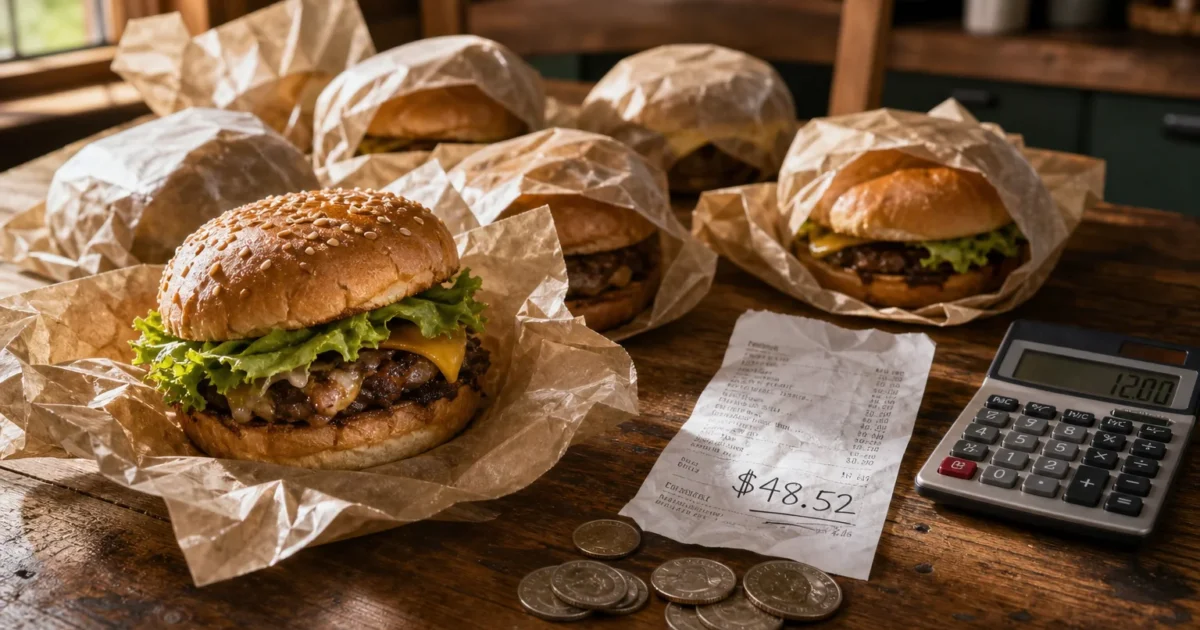
Navigating the modern drive-thru feels like dodging financial landmines while trying to satisfy a simple craving. Fast food chains spend millions engineering menus to separate you from your hard-earned cash, often masking shrinking patties and inflated prices behind flashy combos. You need to know which sandwiches actually deliver flavor and value without draining your wallet. This definitive ranking cuts through the marketing noise to evaluate the most popular patties based on meat quality, ingredient freshness, and true cost-to-value ratio. By understanding the economics behind the bun, you can optimize your next lunch run, skip the overpriced disappointments, and spend your budget on the meals that actually earn their keep.
12. Burger King Whopper
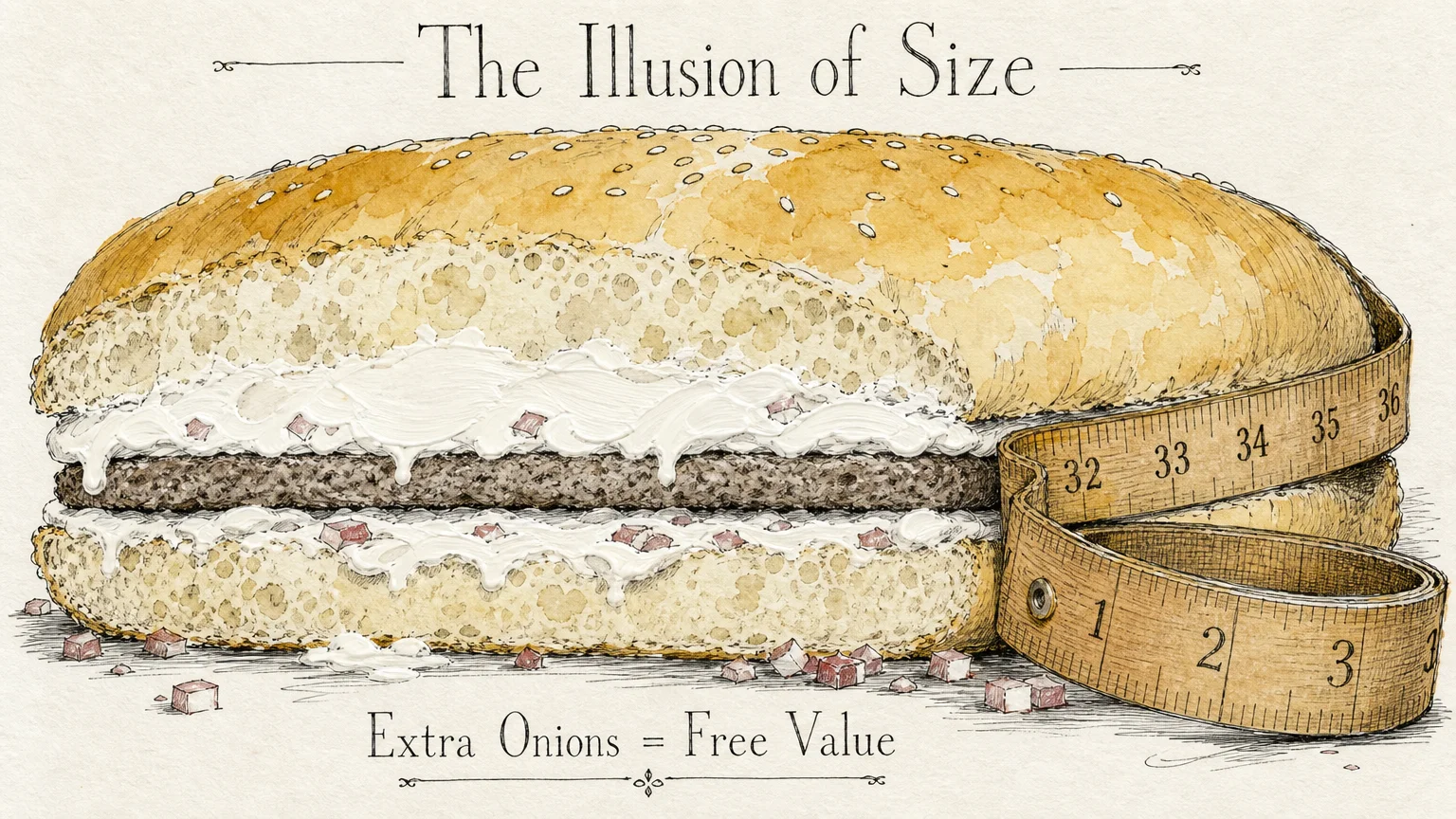
The flagship sandwich of this burger empire relies heavily on the illusion of size to justify its ballooning price tag. While the wide circumference gives the impression of a massive meal, the actual beef patty is remarkably thin and notoriously prone to drying out under the kitchen heat lamps. To compensate for the lack of inherent juiciness, employees systematically drench the bun in excessive amounts of mayonnaise and ketchup. From a strict value standpoint, paying the full menu price for this sandwich is a rookie financial mistake. You should never order this particular item without utilizing the chain mobile application, which frequently offers aggressive buy-one-get-one promotions. If you must stop here during a road trip, customize your order by requesting extra onions, lettuce, and pickles. These additions are entirely free and bulk up the sandwich without increasing your total bill. While the flame-grilled flavor offers a distinct taste, the overall execution often falls short of the relentless television marketing hype.
11. Dairy Queen GrillBurger
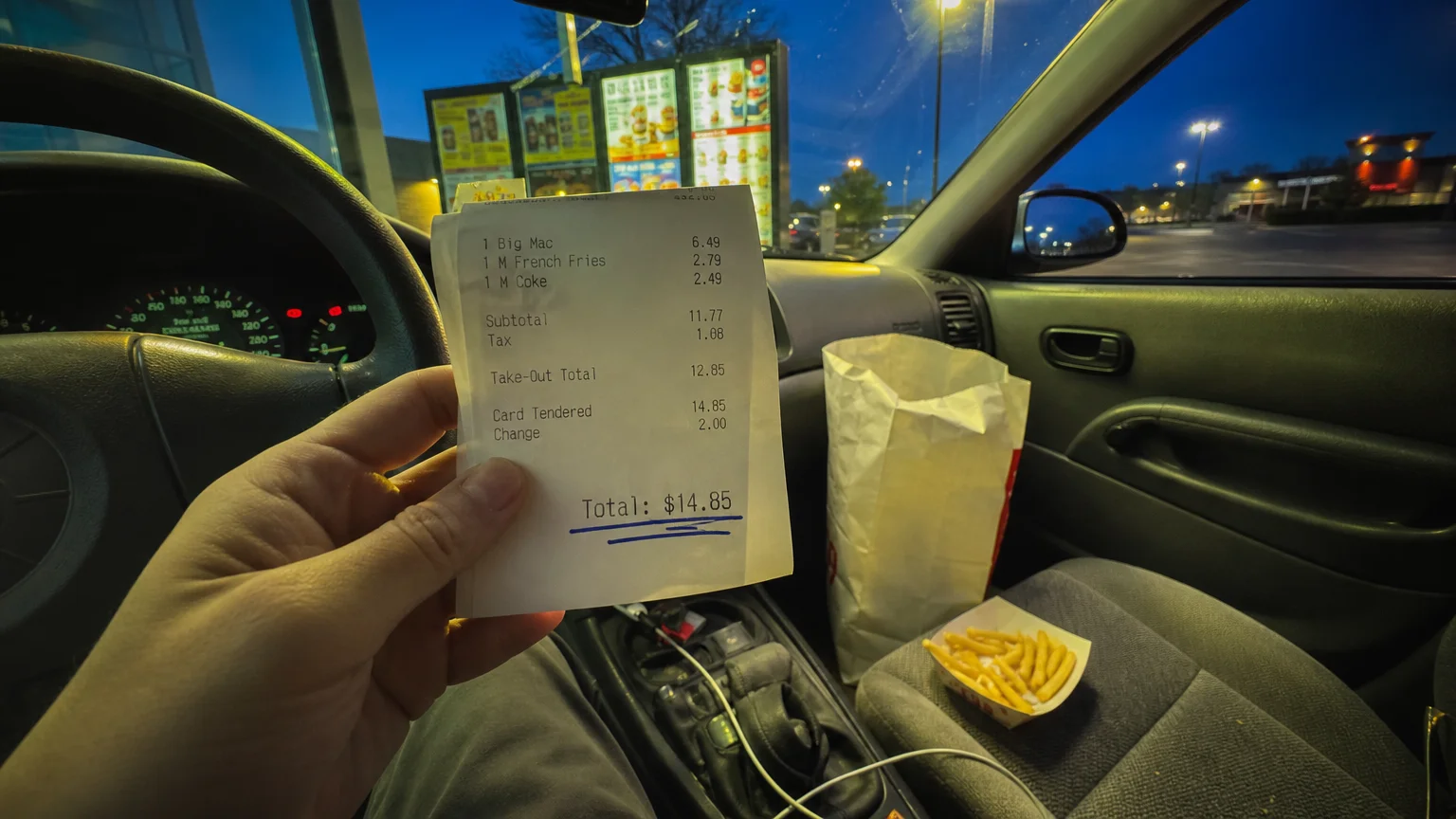
Ordering a savory meal at a chain explicitly famous for its soft serve ice cream often leads to premium charges for remarkably mediocre food. The standard beef patty served here tastes suspiciously similar to frozen, bulk-purchased grocery store patties. It entirely lacks the fresh, caramelized sear you should demand at modern fast food price points. When you carefully examine the receipt, you will quickly notice that combo meal prices easily rival dedicated burger joints offering vastly superior quality. The primary trap at this establishment is the convenience factor; exhausted parents often purchase a savory combo out of convenience rather than actual culinary desire. If you find yourself trapped in this specific drive-thru, split a standalone sandwich instead of mindlessly upgrading to a full combo meal. Their standard fries offer a terrible return on your financial investment. The meat provides basic, functional sustenance, but the steep cost makes it a poor choice for anyone actively managing a daily dining budget.
10. Jack in the Box Jumbo Jack
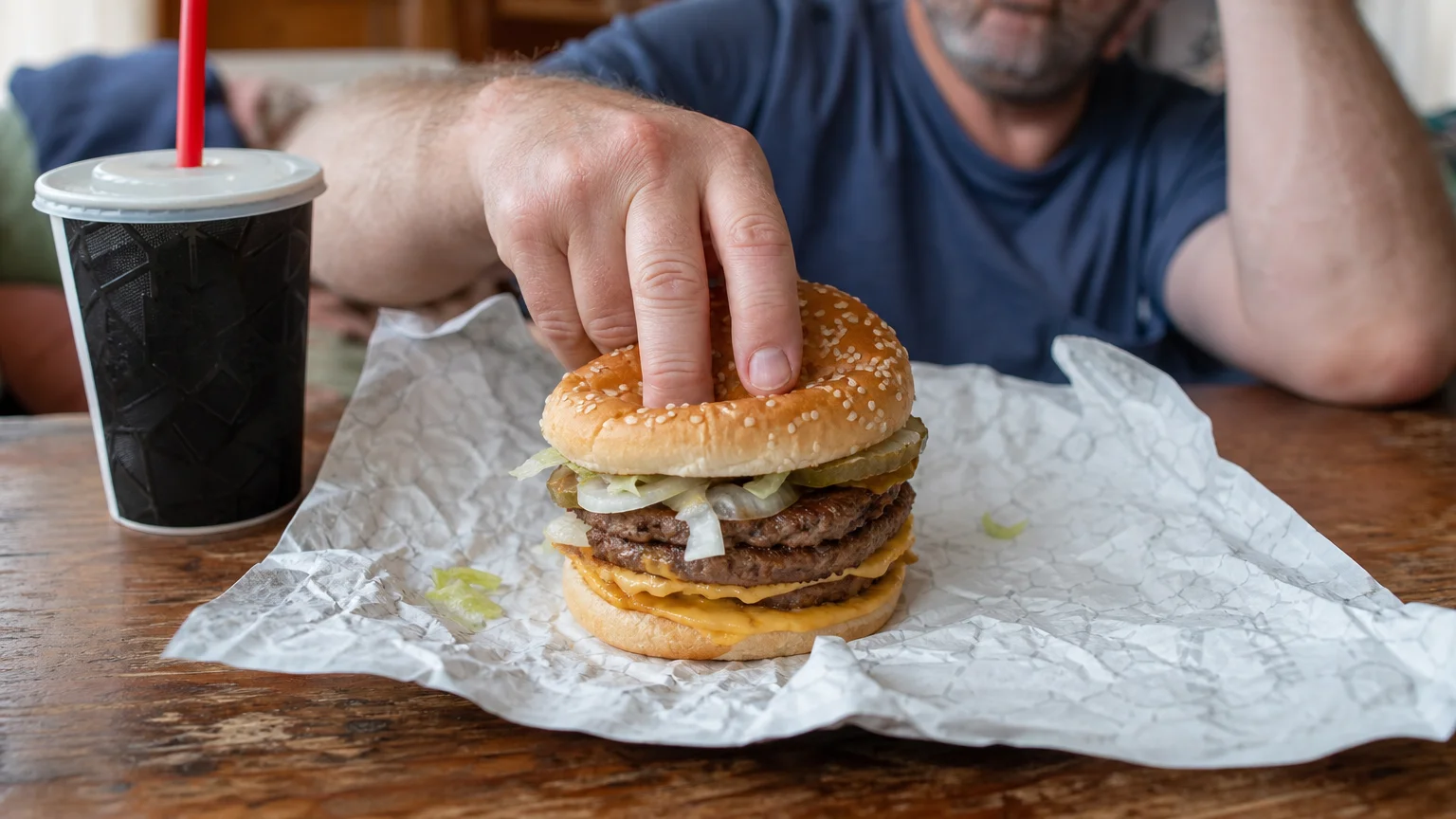
This late-night staple positions itself as a budget savior, but the daytime value proposition requires careful financial navigation. The beef itself borders on entirely flavorless, relying almost exclusively on the acidic bite of dill pickles and a sweet onion-mayonnaise sauce to trick your palate into registering satisfaction. However, the chain aggressively prices this specific item as a loss leader on their mobile platform. If you actively leverage their digital coupons, you can secure this meal for pennies on the dollar compared to their premium competitors. The savvy consumer strategy involves avoiding the expensive premium menu entirely and sticking strictly to these heavily subsidized, basic items. Always decline the upcharge for a slice of cheese; it adds nearly twenty percent to the base cost while contributing zero discernible flavor. The sandwich functions perfectly as an inexpensive calorie delivery system, provided you flatly refuse to pay the inflated retail sticker price printed on the drive-thru board.
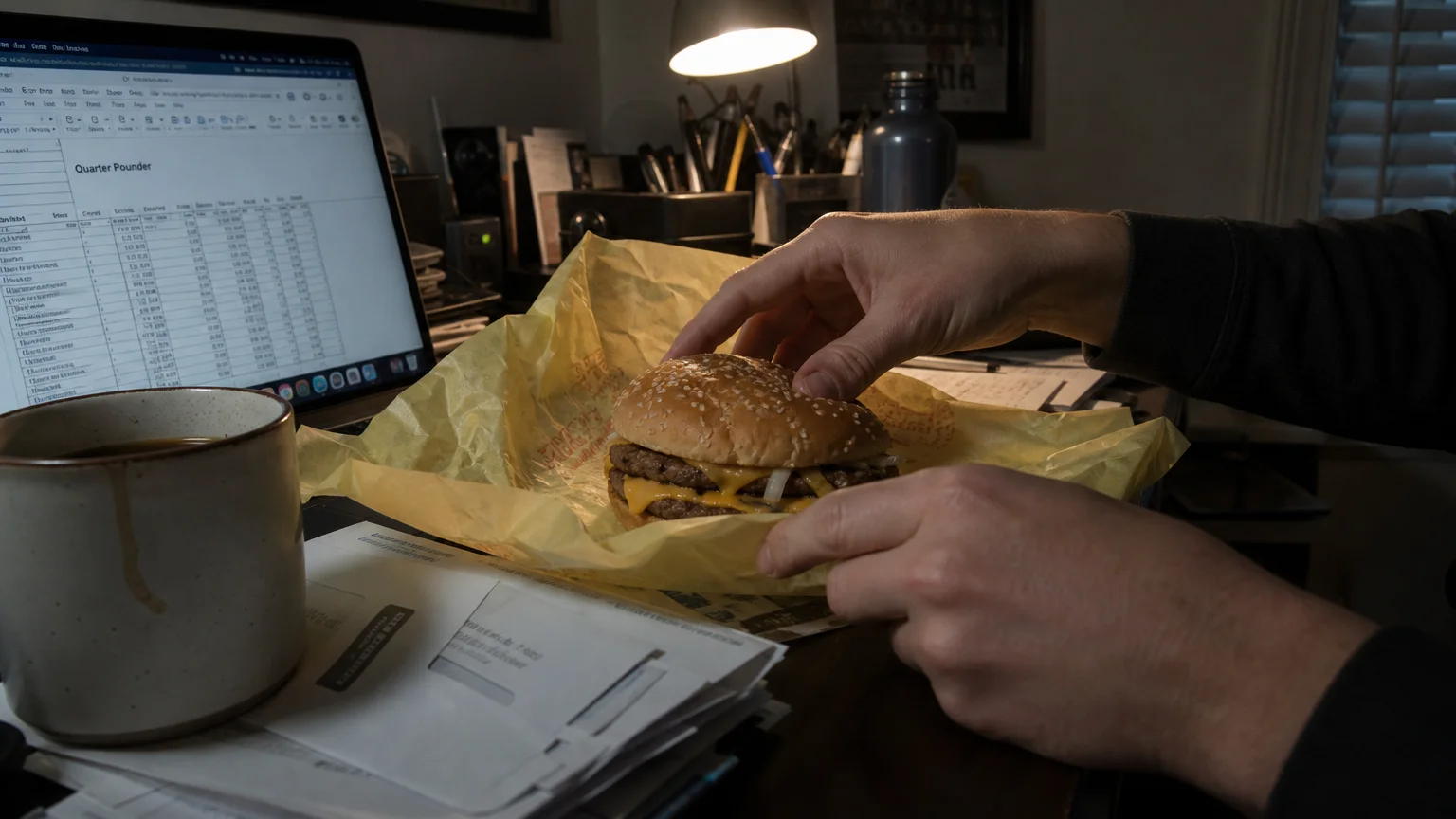
9. McDonald’s Quarter Pounder with Cheese
The global fast food behemoth significantly improved this classic offering by transitioning to fresh beef cooked directly to order. This operational shift eliminated the rubbery, dense texture that plagued the sandwich for decades. The grill sear is noticeably better now, and the meat retains a surprising amount of juice for a massive fast food chain. Unfortunately, the corporate pricing strategy has shifted right alongside the ingredient quality. What used to be an affordable working-class lunch option now frequently pushes past the eight-dollar mark for the standalone sandwich in many regional markets. To extract maximum value, you must exploit the receipt survey printed on the bottom of every ticket. Completing it often yields a buy-one-get-one-free code for your next visit. Additionally, diligently checking the deals tab on your smartphone application can mitigate the painful sting of inflated menu board numbers. It represents a solid, highly dependable meal, but only if you game their digital system to avoid exorbitant base fares.
8. Wendy’s Dave’s Single
Famous for the iconic square patty and a stubborn corporate refusal to freeze their beef, this option consistently delivers a much higher baseline quality than the ubiquitous golden arches. The fresh vegetables actually provide a satisfying crunch, and the meat possesses a distinct, savory flavor profile that does not rely entirely on heavy condiments for moisture. The primary financial hazard here lies within the deceptive combo meal structure. The chain utilizes aggressive psychological pricing to make the meal upgrade look appealing, but you effectively pay a massive premium for heavily salted potatoes and colored sugar water. Your wallet is significantly better served by ordering the main sandwich completely à la carte and pairing it directly with a four-piece nugget from their discounted value menu. This custom pairing strategy provides significantly more protein per dollar spent while keeping your out-of-pocket expenditure below the threshold of a standard meal deal. You get the premium beef experience without falling for high-profit side items traps.
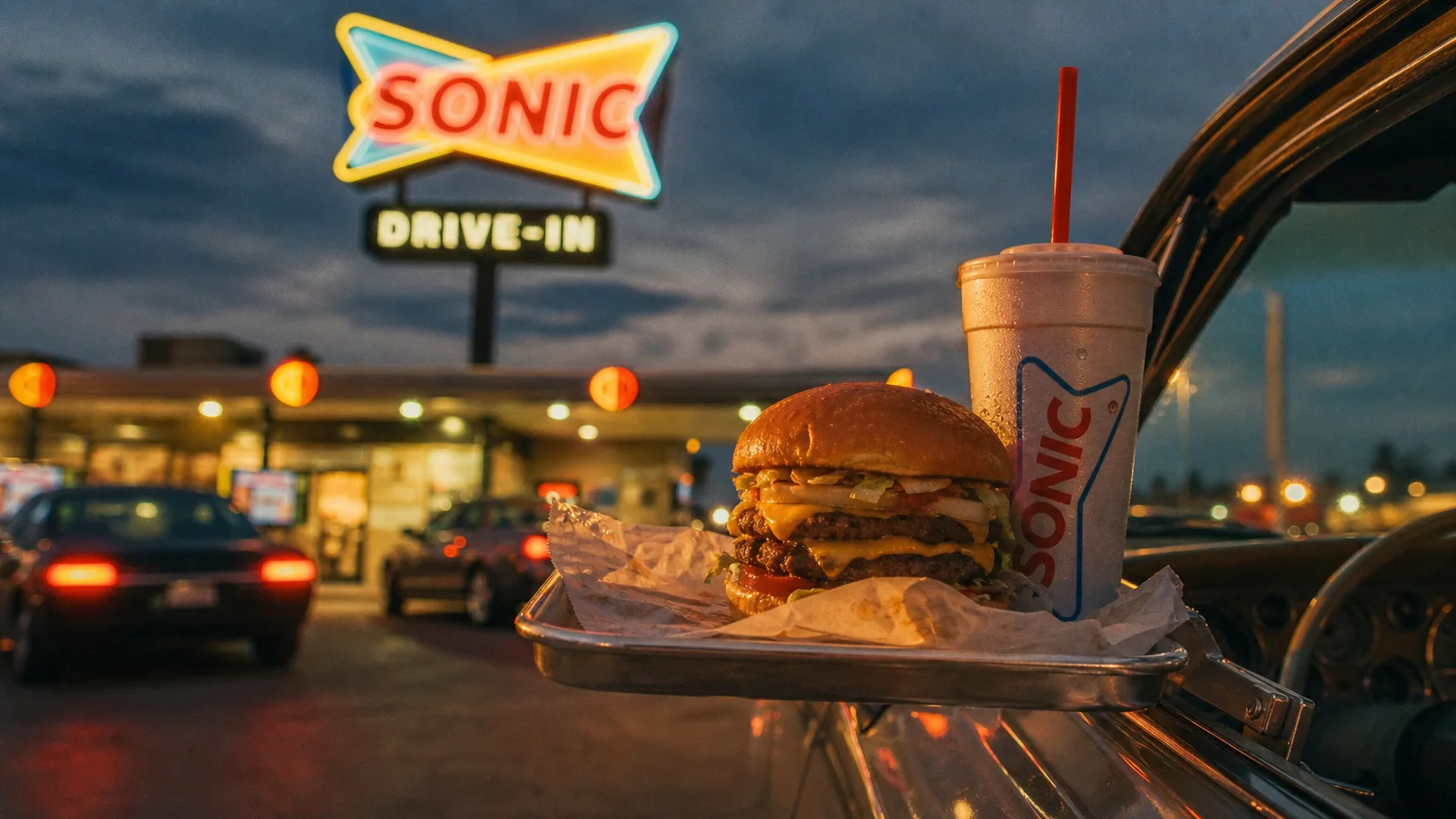
7. Sonic SuperSONIC Double Cheeseburger
The retro drive-in experience carries a massive, hidden nostalgia tax that manifests directly in their surprisingly steep pricing structure. You receive two relatively thin beef patties loaded with an impressive array of fresh, crunchy toppings, but the un-discounted price frequently approaches the cost of a sit-down casual dining restaurant. The meat itself is perfectly serviceable, though occasionally overcooked and dry depending on the operational competence of the specific location. You should absolutely never pay full retail price at this establishment. The overarching corporate strategy centers entirely around training consumers to download their proprietary digital application, which constantly unlocks half-price drinks and highly lucrative burger promotions. Ordering at the physical stall without digital assistance practically guarantees you will overpay by at least forty percent. If you patiently wait to catch a Tuesday night family special or a targeted digital flash sale, the math suddenly works entirely in your favor, transforming an overpriced indulgence into a highly strategic budgetary win.
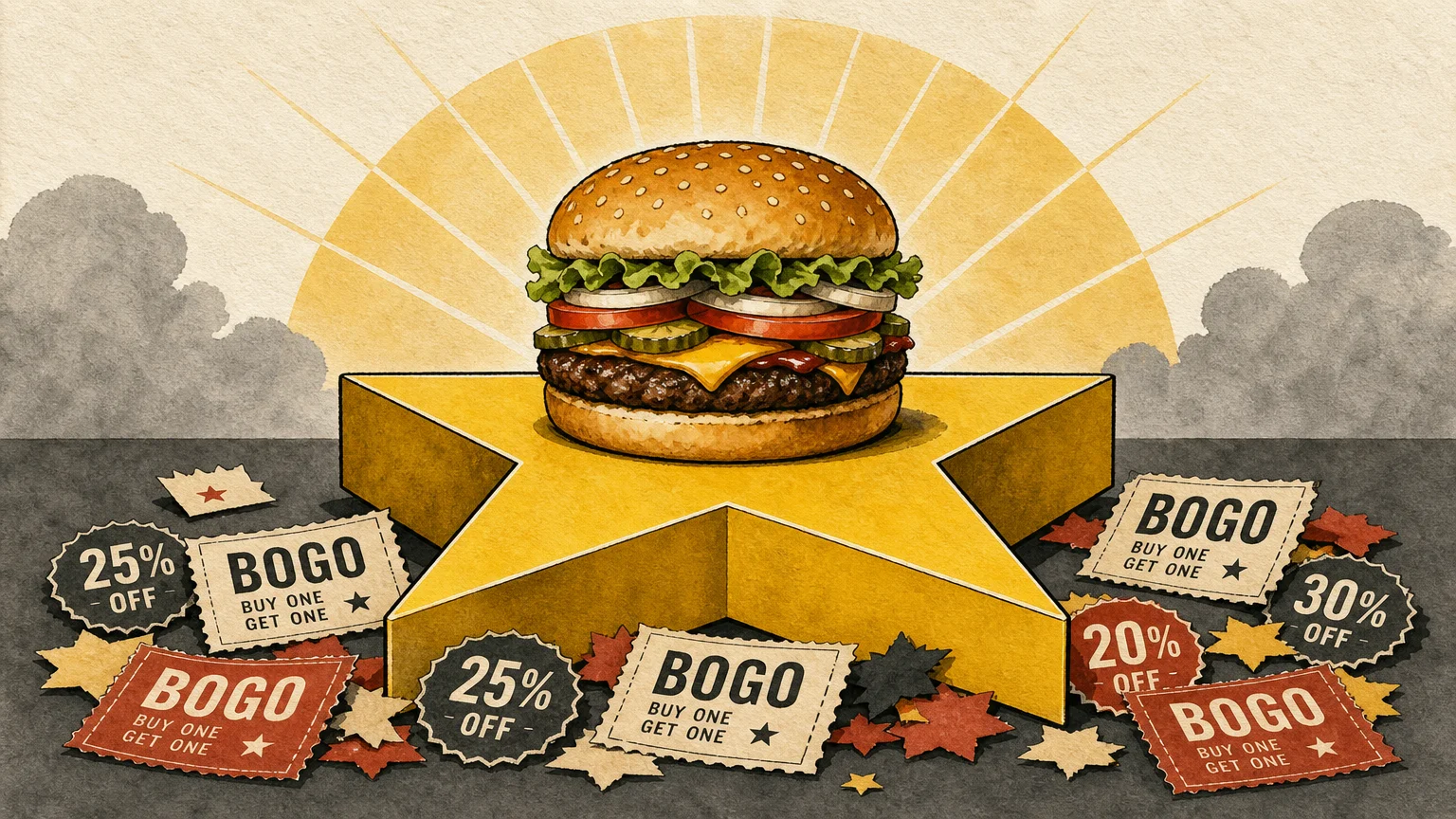
6. Carl’s Jr. Famous Star
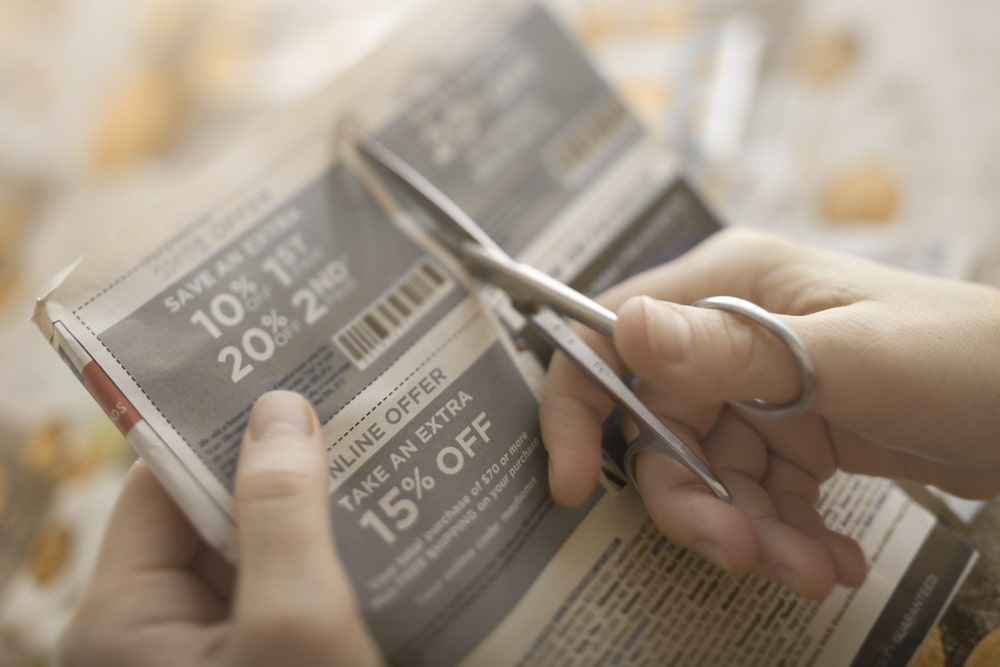
This charbroiled classic offers a distinct, smoky flavor profile that legitimately separates it from the vast sea of flat-top griddle competitors. The inclusion of a specialized, tangy burger sauce and a high-quality sesame seed bun elevates the textural experience far above the standard industry baseline. Yet, the corporate pricing model is incredibly aggressive, routinely pushing standard combo meals well past the twelve-dollar mark. The ultimate secret to surviving their menu without draining your wallet is aggressive, old-school couponing. This company still relies heavily on direct mailers, frequently dropping thick promotional bundles in weekly postal circulars. Combining a physical paper coupon with a strict à la carte order circumvents the massively inflated combo margins. You should also be hyper-aware that the physical size of the beef patty has subtly decreased over the past decade, making their ultra-premium options far less attractive. Stick to the basic star, utilize a paper discount, and successfully secure a premium-tasting lunch at a reasonable price point.
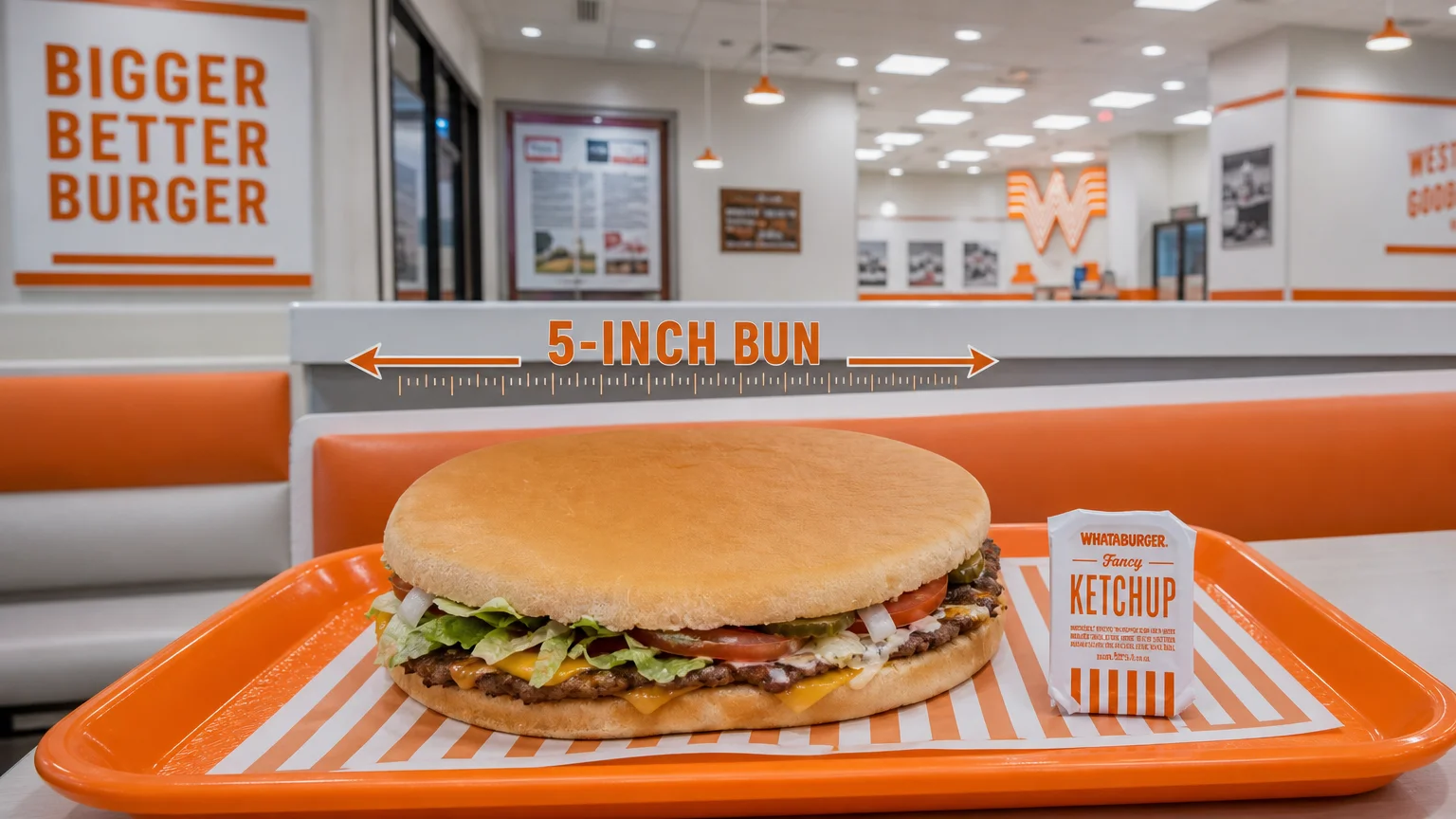
5. Whataburger Whataburger
The undisputed pride of Texas dominates the regional burger market through sheer physical volume and extreme order customization. The standard five-inch bun requires two hands to hold, offering a vastly superior meat-to-bread ratio compared to almost all national competitors. The beef is seasoned aggressively on the flat top grill, and the unique ability to add everything from fiery grilled jalapeños to thick-cut bacon allows you to stretch your dollar by building a highly caloric meal. From a strict frugality perspective, the sheer physical mass of the standard sandwich often completely negates the need for purchasing expensive side items entirely. By skipping the lackluster fries and requesting extra free toppings like grilled onions and pickles, you effortlessly maximize your return on investment. The primary operational drawback is consistency; late-night drive-thru wait times can be agonizingly slow. However, when evaluating pure fast food burgers based strictly on caloric value and taste per dollar spent, this southern giant remains a formidable contender.
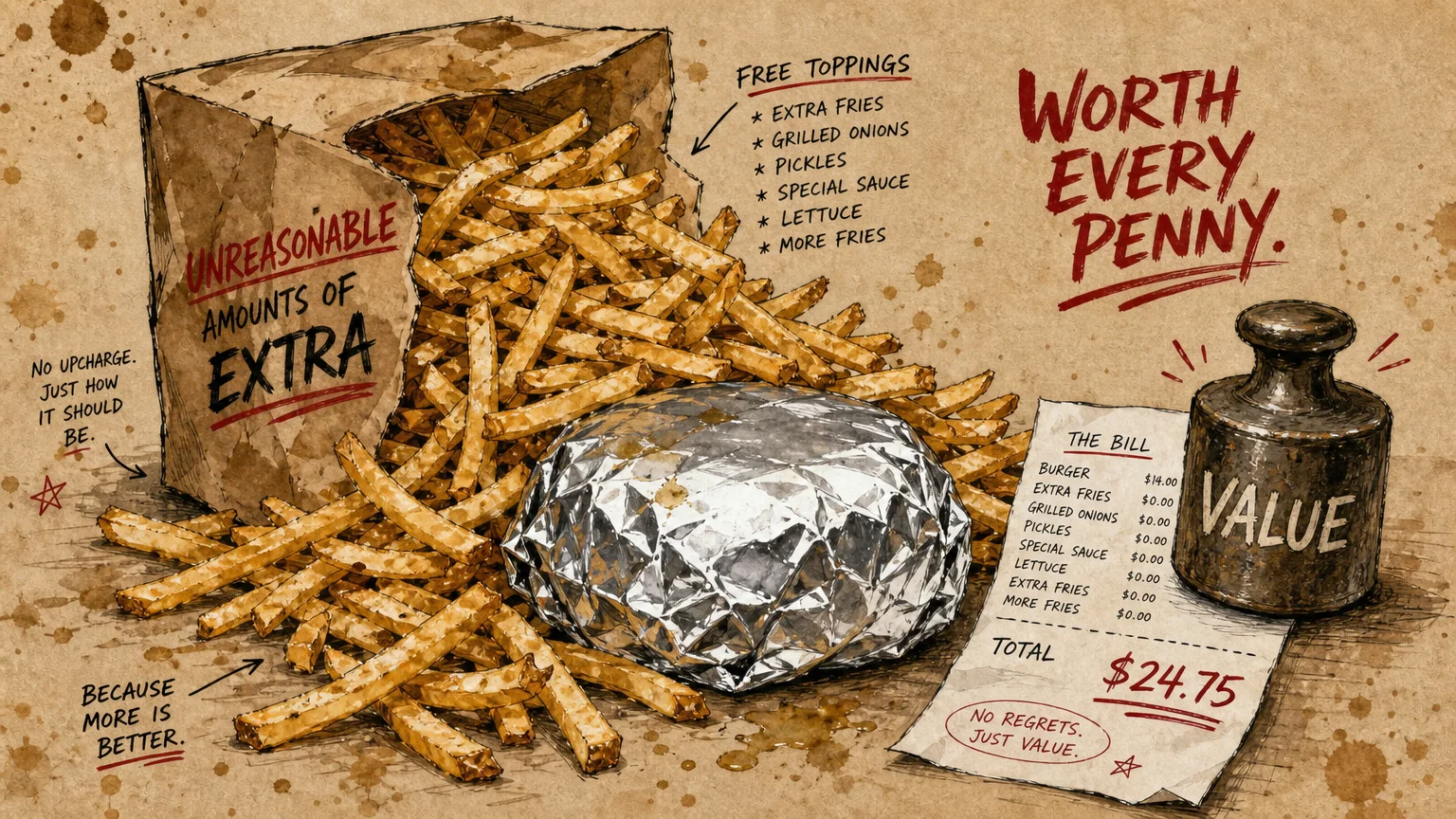
4. Five Guys Bacon Cheeseburger
You simply cannot discuss this peanut-strewn establishment without openly acknowledging the staggering receipt shock that accompanies every visit. A standard double patty burger equipped with cheese and bacon easily breaches the fifteen-dollar mark before you even pause to consider adding a beverage or fries. The meat is undeniably premium quality, hand-formed daily, and cooked perfectly, while the fresh toppings are completely unlimited. To make this upscale establishment fit within a genuinely frugal lifestyle, you must employ the little menu hack. Ordering a Little Bacon Cheeseburger provides a single, highly substantial patty that perfectly satisfies a normal adult appetite for significantly less money. Furthermore, if you dine with a companion, strictly order only one little fry to share; employees are famously trained to aggressively dump an extra scoop into the bottom of the bag, providing more than enough potatoes for two hungry adults. Paying for an oversized fry portion here is an absolute waste of your carefully managed dining budget.
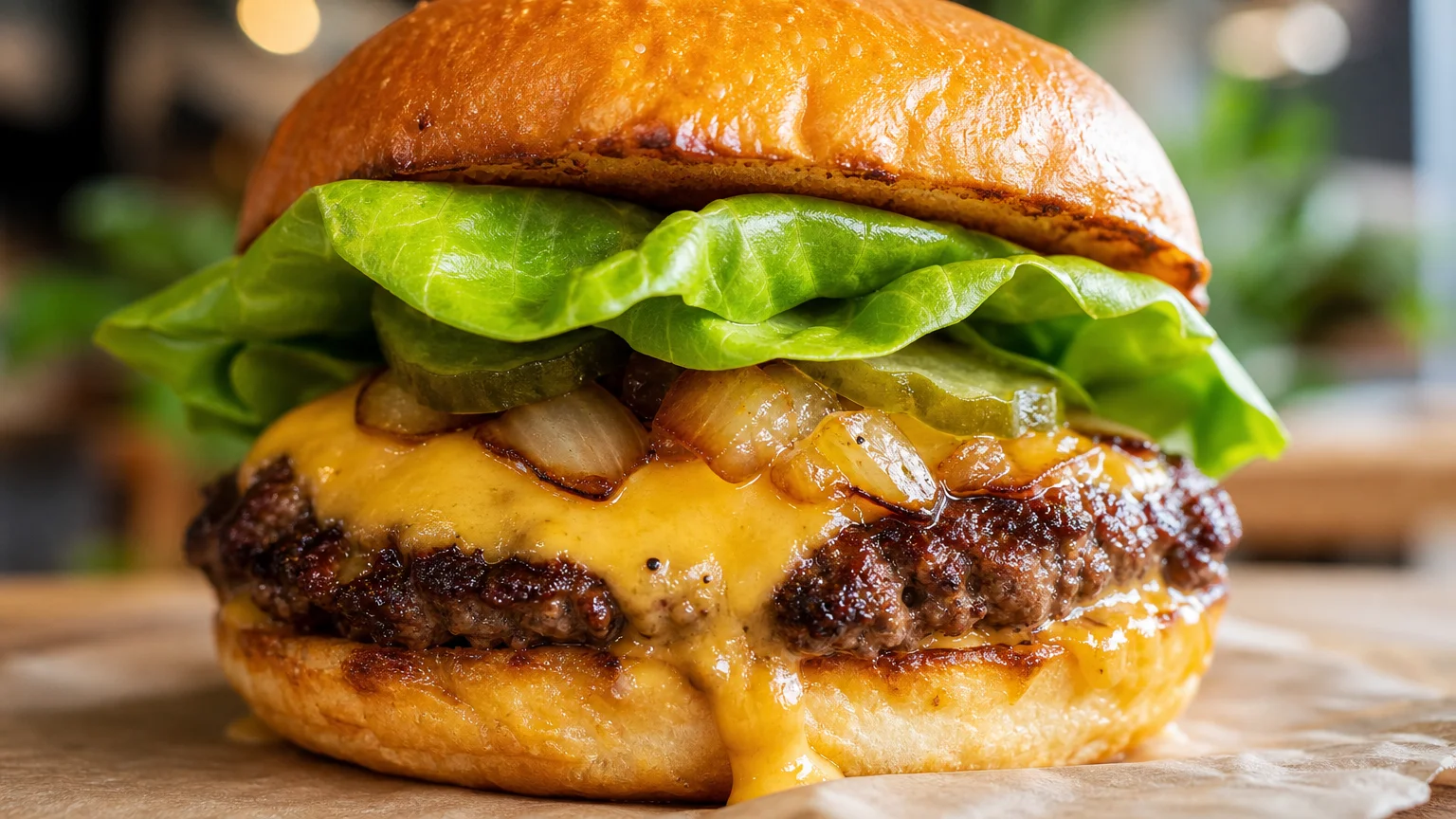
3. Shake Shack ShackBurger
This modern culinary phenomenon essentially popularized the intricate smash burger technique for the masses, consistently delivering an exceptional crust and a proprietary blend of brisket and chuck that tastes genuinely luxurious. The soft potato roll absorbs the savory meat juices perfectly, and the signature tangy sauce provides a rich, umami-heavy finish. However, the physical portion sizes are notoriously small relative to the intensely premium price tag. You are paying a massive financial markup for the trendy branding, the upscale packaging, and the sleek urban aesthetic. To effectively stretch your dining dollar here, you must completely avoid the highly profitable crinkle-cut fries and premium milkshakes, which severely damage the overall cost-to-value ratio. Treat the expertly crafted sandwich as a standalone culinary experience rather than a traditional, belly-filling complete meal. While undeniably expensive when calculated per ounce, the vastly superior ingredient quality ensures you purchase actual, chef-driven food rather than the heavily processed fillers utilized by lower-tier drive-thru competitors.
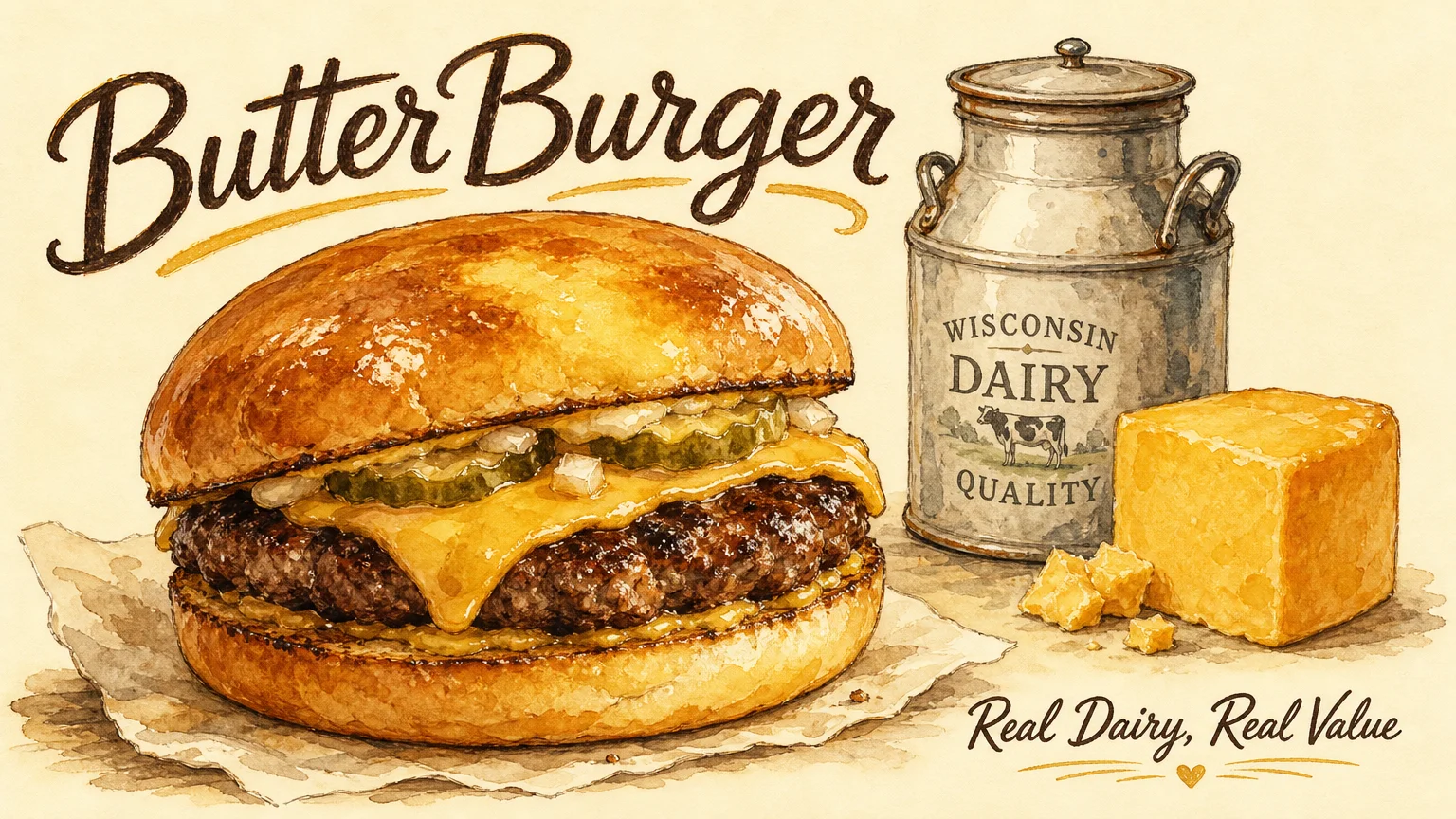
2. Culver’s ButterBurger Cheese
This rapidly expanding Midwestern powerhouse perfectly bridges the widening gap between traditional cheap fast food and expensive premium fast-casual dining. The specific technique of smashing fresh beef directly onto a searing hot grill creates lacy, crispy edges that trap immense flavor, while the lightly toasted, heavily buttered bun provides a rich, deeply decadent foundation. Despite the obvious, measurable leap in quality over massive global competitors, the pricing structure remains remarkably grounded and fair. They intentionally prioritize high food quality over massive national television advertising campaigns, directly passing operational savings down to the consumer. For the smartest possible purchase, rigidly bypass the heavily marketed value baskets. Instead, order a double butter burger completely à la carte and pair it with a single, modest scoop of their famous frozen custard. This specific strategy yields a highly satisfying, premium-tasting experience for roughly the exact same price as a soggy, depressing meal from a significantly lesser drive-thru.
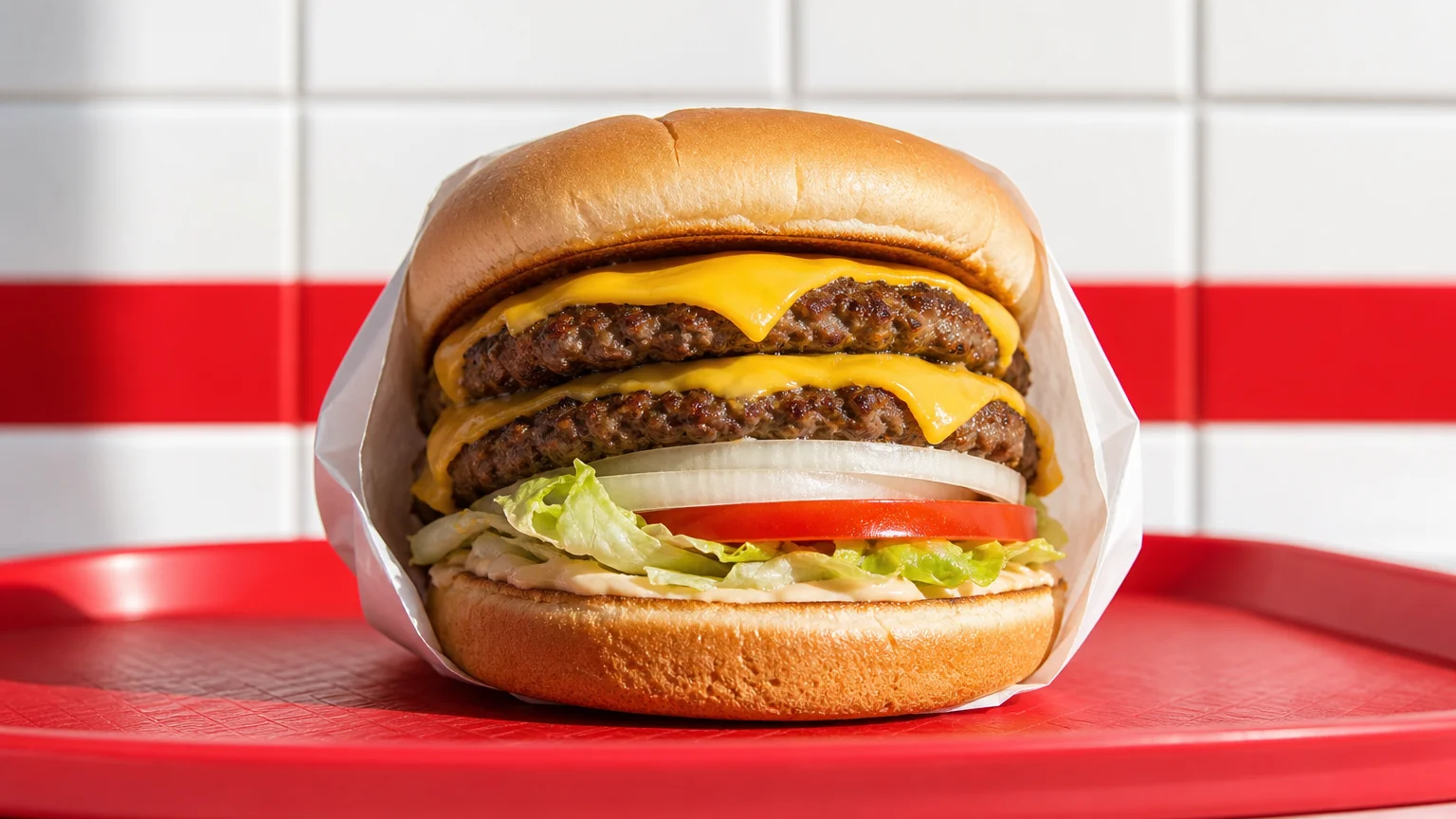
1. In-N-Out Double-Double
No other fast food establishment in the entire country masterfully balances extreme financial affordability with such uncompromising ingredient quality quite like this legendary west coast institution. They famously refuse to use heat lamps, microwaves, or corporate freezers, ensuring every single patty hits the grill completely fresh the moment you place your order. The brilliant combination of perfectly toasted sponge dough buns, crisp iceberg lettuce, and a beautifully seared double beef patty creates an absolutely immaculate flavor profile. Astonishingly, they maintain rock-bottom prices that frequently undercut the lowest-tier, highly processed national chains. Their corporate model relies entirely on a highly restricted menu, aggressively streamlined logistics, and massive daily customer volume, allowing them to sell a genuinely premium product at a bargain-basement price. Your ultimate financial hack here involves confidently ordering animal style directly from their poorly kept secret menu. This custom modification adds mustard-grilled patties, extra savory spread, and deeply caramelized onions at absolutely no additional charge.
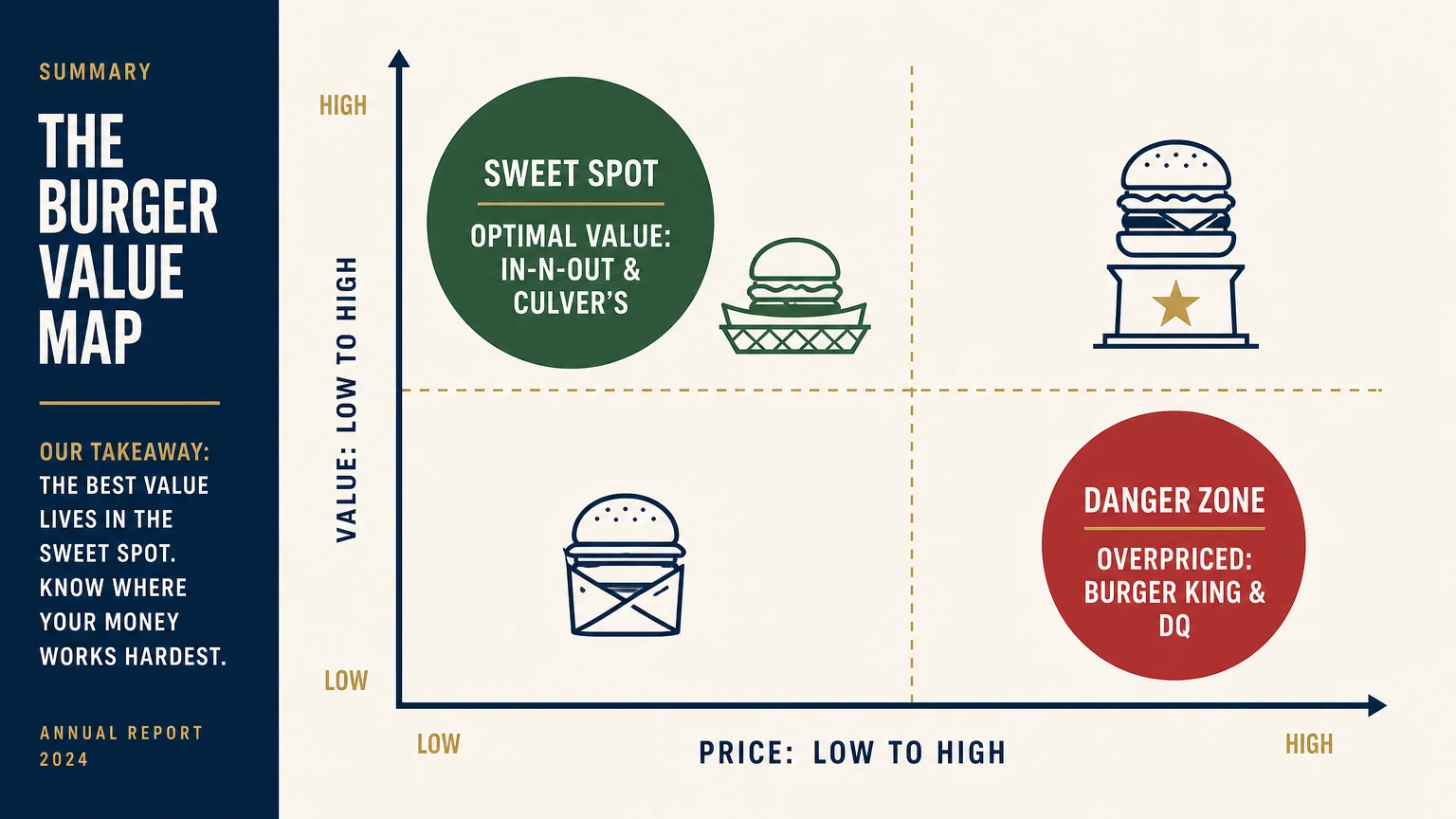
The Bottom Line: What This Means for Your Wallet
Navigating the vast landscape of fast food burgers requires significantly more than just a large appetite; it demands sharp, strategic financial thinking. The most heavily advertised global chains almost always deliver the absolute worst return on your investment, routinely masking their inferior ingredients behind massive marketing budgets and deceptive combo meal pricing. As demonstrated by the top-ranked options on this list, paying a lower price at the register does not automatically relegate you to eating low-quality garbage, provided you specifically choose establishments with highly streamlined menus and ethical sourcing practices. Stop blindly defaulting to the closest drive-thru out of sheer habit. By aggressively leveraging mobile applications, flatly declining overpriced potato side items, and demanding fresh beef, you can fiercely protect your monthly dining budget while upgrading your lunch experience. Force your dollars to demand better overall quality, and the competitive fast food market will eventually have no choice but to provide it.
Frequently Asked Questions
Are fast food mobile apps actually worth the privacy trade-off?
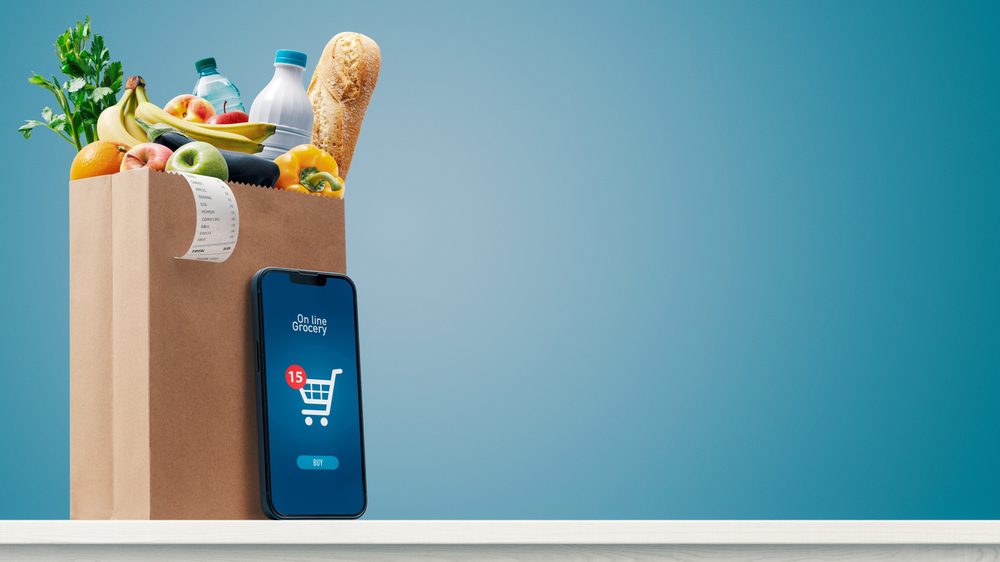
Yes, provided you manage your smartphone data permissions. Chains deliberately inflate physical menu prices to subsidize discounts offered through digital platforms. If you refuse to use the mobile app, you are effectively subsidizing the meals of those who do. Use a dedicated spam email address to protect your primary inbox while reaping financial benefits.
Why are fast food combo meals usually a terrible financial deal?
Restaurants generate their absolute highest profit margins on highly sugary fountain drinks and deep-fried potatoes. A standard combo meal bundles a relatively low-margin beef sandwich with these massively high-margin items, creating the psychological illusion of a deal. You will almost always save money and consume higher-quality calories by ordering sandwiches à la carte and asking for a free cup of tap water.
Does fresh, never frozen beef actually make a difference in taste?
Absolutely. Freezing ground beef aggressively alters its delicate cellular structure, causing the meat to permanently lose massive amounts of natural moisture upon thawing. Chains utilizing fresh beef consistently achieve a much better, crusty sear on the flat top grill, resulting in a more flavorful and genuinely juicy patty. They simply do not need to rely on excessive mayonnaise or synthetic sauces to mask the dry texture found at lower-tier competitors.
For consumer protection information, visit the Federal Trade Commission (FTC) and the Consumer Financial Protection Bureau (CFPB). For product safety and reviews, consult Consumer Reports.
Disclaimer: This article is for informational purposes only and does not constitute financial advice. The content reflects the author’s opinion and research at the time of writing. Always do your own research before making financial decisions.




Leave a Reply