
Tip #3: Stop Overpaying at Whole Foods Market
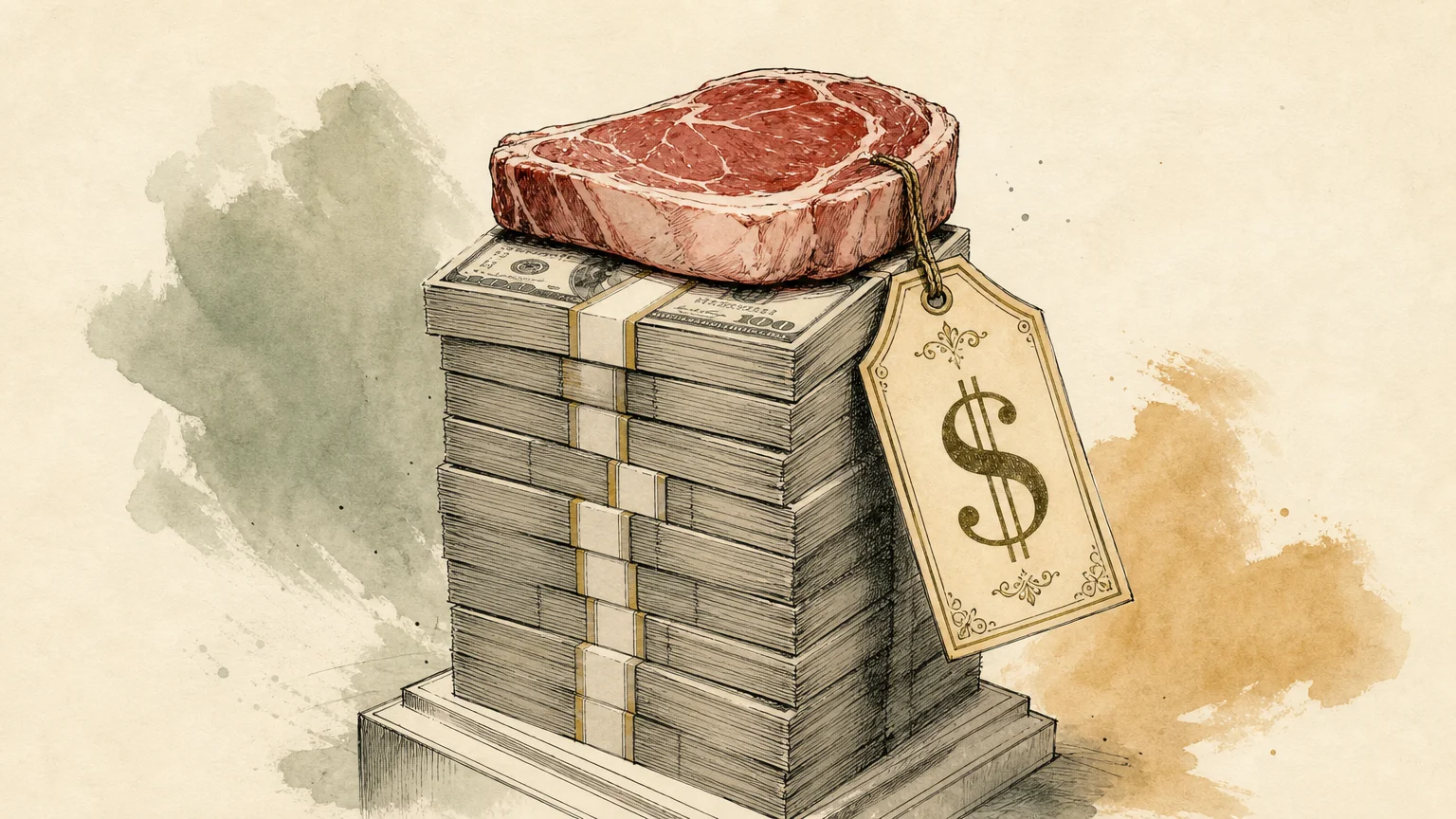
Whole Foods Market earned the nickname “Whole Paycheck” years ago, and their meat department stands as the primary reason why. The Amazon-owned grocer built a massive empire on the back of organic marketing and sustainability halos. While their sourcing standards generally exceed those of discount retailers, their pricing structure is entirely indefensible for anyone trying to manage a household budget.
Whole Foods utilizes a complex animal welfare rating system to justify astronomical markups on basic cuts of meat. You will routinely find standard New York strip steaks priced at double the going rate of your neighborhood butcher. The store essentially charges a luxury tax for peace of mind. You are paying for the brand name, the immaculate store aesthetic, and the highly curated shopping experience rather than the actual protein sitting on the styrofoam tray.
The organic chicken presents an equally terrible value proposition. Whole Foods often charges premium prices for air-chilled, free-range poultry. While air-chilling prevents the water-logging issues seen at discount stores, the massive price disparity eliminates any financial benefit. A family of four can easily spend thirty dollars just on raw chicken breasts for a single Tuesday night dinner. Amazon Prime members receive minor discounts on select items, but these markdowns rarely bridge the gap created by the initial forty percent markup.
If you genuinely care about grass-fed beef, pasture-raised pork, and ethical farming, bypass Whole Foods entirely. You can source the exact same quality of meat by purchasing directly from local farmers or independent butcher shops. Local butchers do not carry the massive corporate overhead of Whole Foods. They will sell you superior, locally sourced proteins at a fraction of the cost, and they will custom-cut the meat exactly to your specifications.








Leave a Reply