

Slashing your grocery bill directly boosts your retirement savings while keeping your body fueled for an active lifestyle. Navigating the grocery aisles on a fixed income requires strategic choices that maximize both nutrition and dollar value. Cheap meals seniors rely on do not have to mean sacrificing flavor or relying on processed foods loaded with sodium. By rethinking how you source and prepare your food, you transform everyday ingredients into affordable healthy food that protects your physical health and your bank account. This guide breaks down ten highly nutritious, low cost meals elderly adults can prepare using basic pantry staples. Implementing these meal strategies helps you eat well spend less, keeping your hard-earned wealth safely inside your portfolio.
Financial Habit #1: Fortifying Oatmeal with High-Yield Proteins
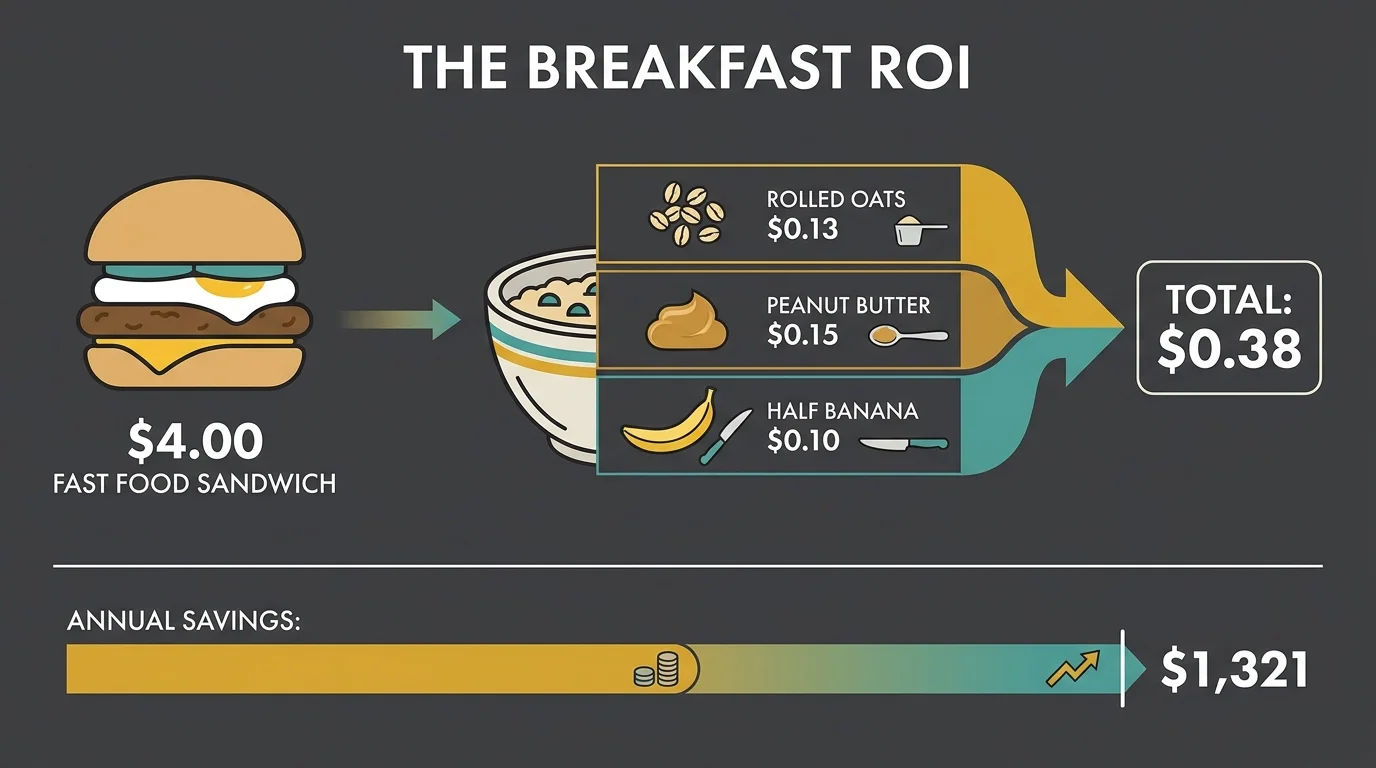
Starting your day with a processed, pre-packaged breakfast drains your wallet and spikes your blood sugar. Rolled oats offer a radically different financial value proposition. You buy a 42-ounce canister for approximately $4.00, yielding roughly 30 servings. That breaks down to a mere 13 cents per meal. When you stir in two tablespoons of peanut butter (around 15 cents) and half a sliced banana (10 cents), you construct a nutrient-dense breakfast for under 40 cents. Compare this to a $4.00 fast-food breakfast sandwich, and you save over $1,300 a year simply by changing your morning routine.
This combination perfectly illustrates budget nutrition 60+. The rolled oats provide an exceptional source of soluble fiber, which actively lowers cholesterol levels and promotes cardiovascular health. The peanut butter introduces healthy fats and significant protein, stabilizing your energy levels and preventing mid-morning hunger crashes. Maintaining strong heart health through diet directly reduces your long-term reliance on expensive prescription medications, keeping more of your retirement income securely under your control.
Financial Habit #2: Maximizing ROI on Lentil and Vegetable Stews
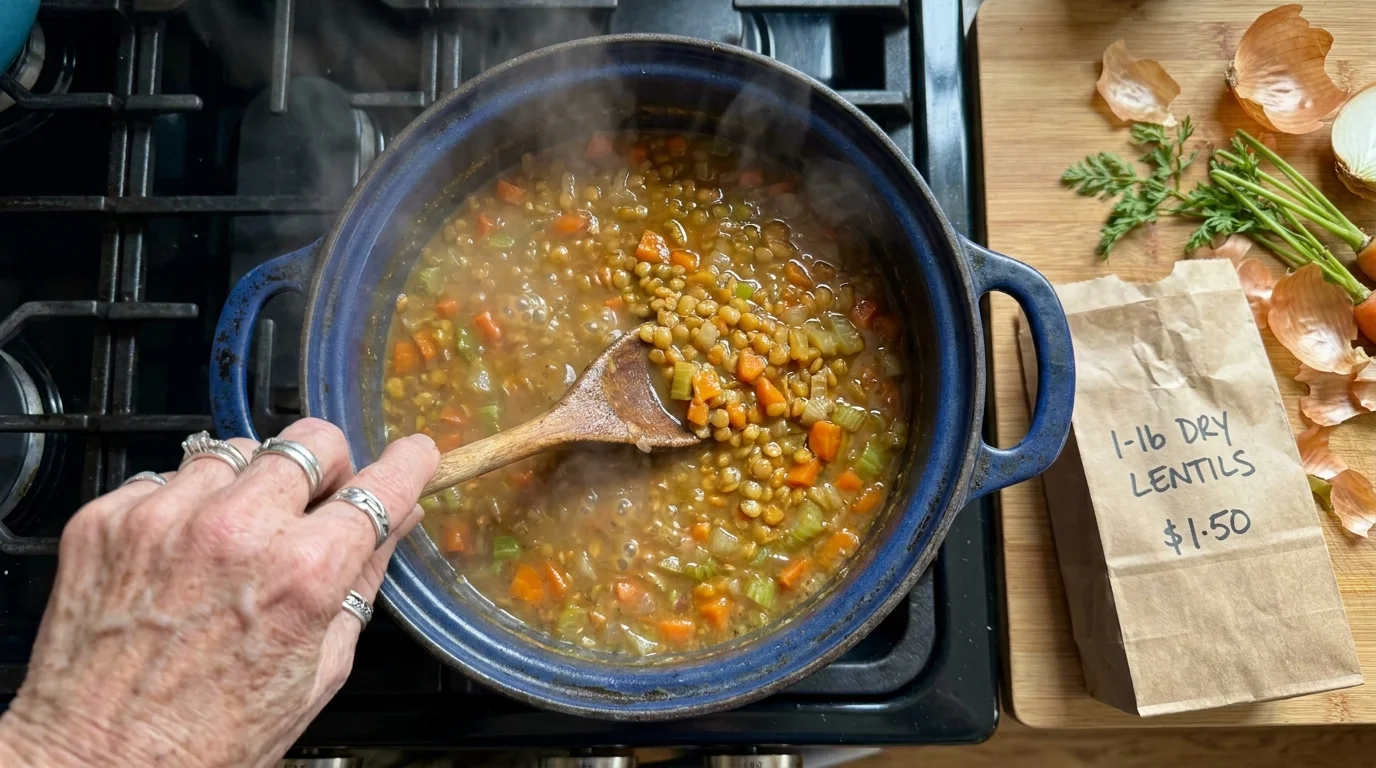
Lentils represent one of the most aggressive cost-cutting ingredients you can stock in your pantry. A standard one-pound bag of dry lentils costs about $1.50 and yields at least 10 hearty servings. At 15 cents a serving, lentils crush the per-meal cost of chicken, beef, or pork. Cooking a large batch of lentil and vegetable stew requires minimal culinary skill and allows you to salvage wilting carrots, celery, and onions from your crisper drawer. Utilizing aging produce before it spoils directly combats food waste, a silent financial leak that costs the average American household hundreds of dollars annually.
From a health perspective, lentils are a powerhouse for older adults seeking the low cost meals elderly individuals require. They deliver a massive dose of dietary fiber and plant-based protein without the saturated fat found in red meat. Iron and folate support healthy red blood cell production, fighting off fatigue and anemia. Because you control the seasoning, you bypass the astronomical sodium levels found in canned commercial soups. Protecting your blood pressure through smart cooking techniques reduces your risk of hypertension-related medical bills, safeguarding your nest egg.
Financial Habit #3: Leveraging Canned Tuna for Low-Cost Omega-3s
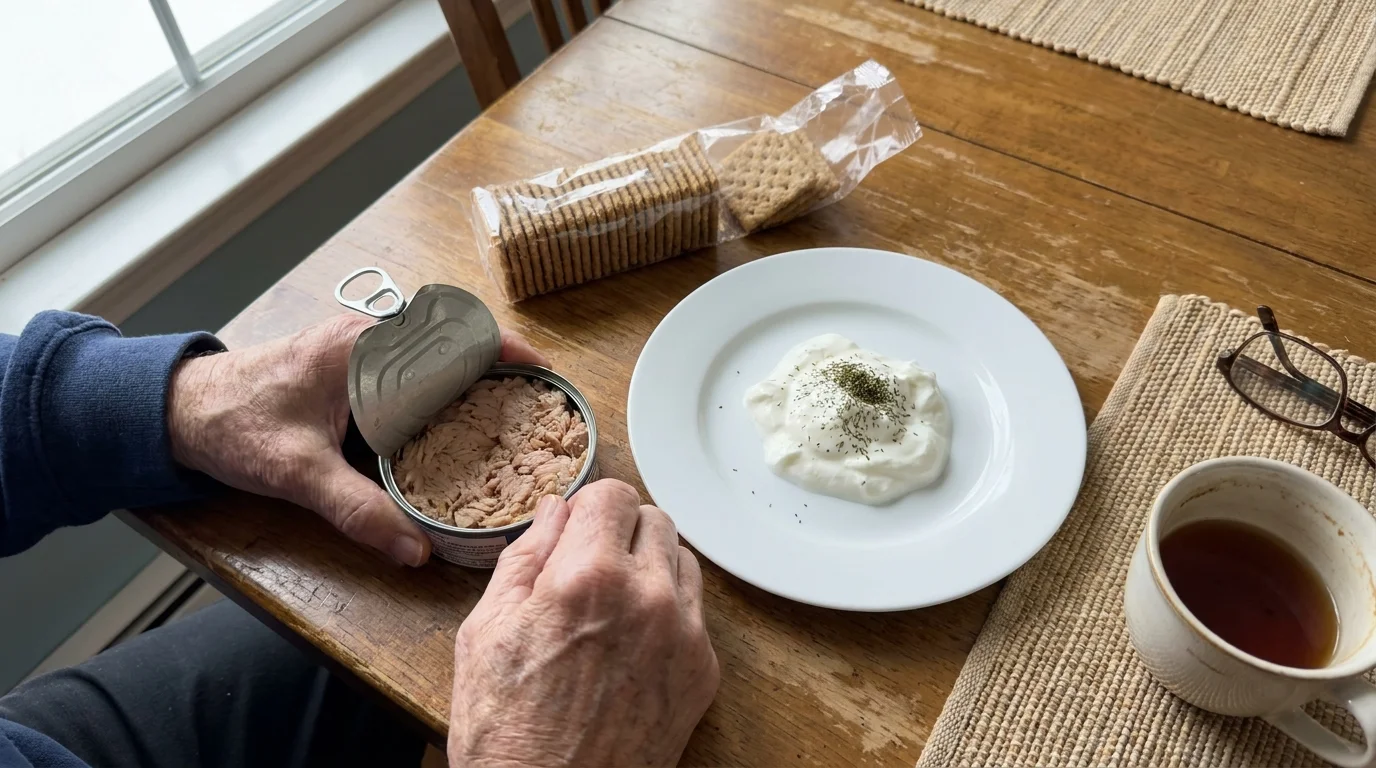
Fresh seafood prices consistently outpace standard inflation, putting vital nutrients out of reach for many retirees on fixed incomes. Canned tuna solves this economic problem while delivering high-quality marine protein. Buying canned tuna in bulk during supermarket promotional sales creates a recession-proof pantry. A standard five-ounce can costs between $1.00 and $1.50 and easily serves two people when prepared efficiently. Mixing tuna with a dollop of Greek yogurt instead of expensive mayonnaise stretches the meal further while boosting the overall protein content. Serve this over whole wheat crackers or a bed of cheap mixed greens for a complete, satisfying lunch.
Integrating canned fish into your diet ensures you consume adequate omega-3 fatty acids, which play a critical role in preserving cognitive function and reducing joint inflammation. As you age, mitigating joint pain and maintaining mental sharpness become paramount for living independently. The Greek yogurt substitution adds a necessary hit of calcium and probiotics for digestive health. Eating well and spending less go hand in hand when you leverage shelf-stable proteins to build affordable healthy food.
Financial Habit #4: Utilizing Black Beans and Rice as a Complete Protein
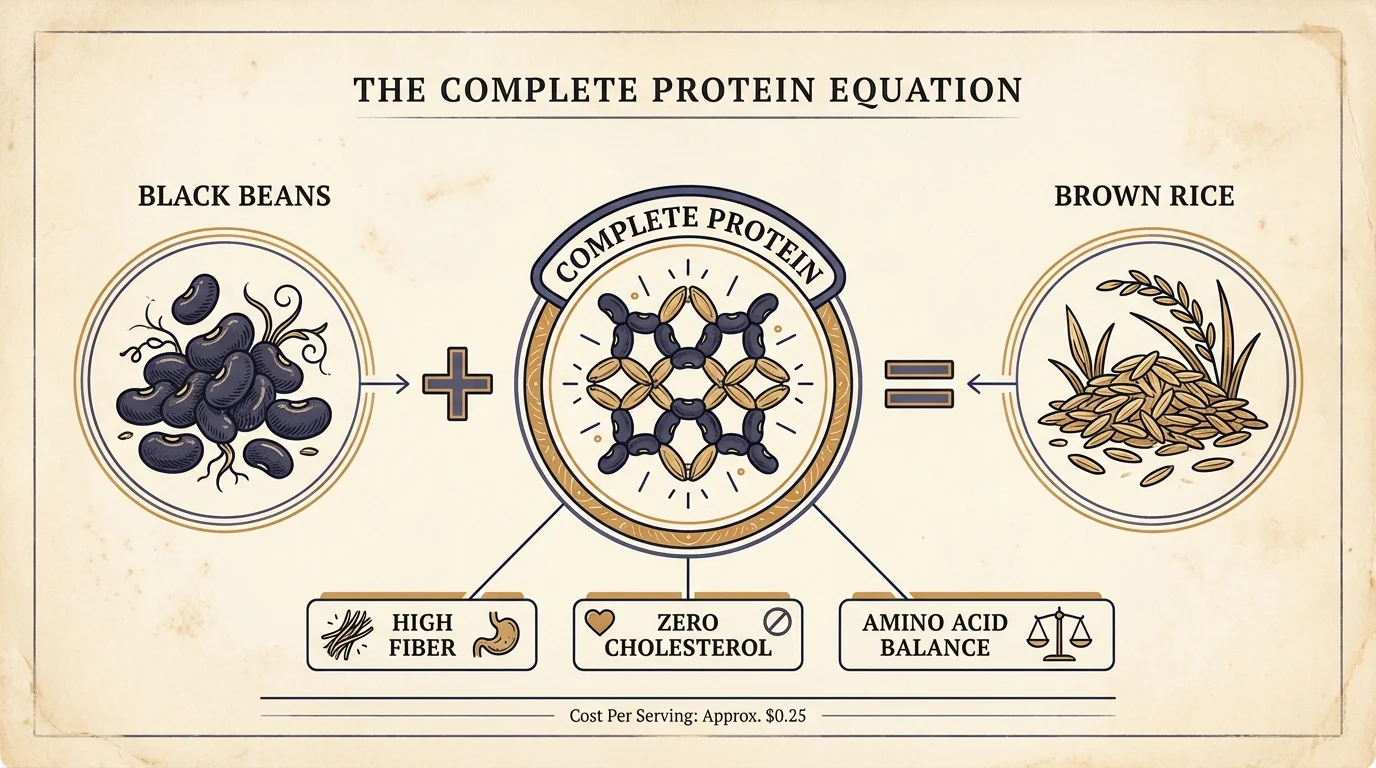
Financial discipline in the kitchen often starts with the most fundamental staples. Black beans and brown rice form a complete protein, meaning they provide all nine essential amino acids your body requires, mimicking the nutritional profile of meat at a fraction of the cost. A one-pound bag of dry black beans and a two-pound bag of brown rice cost less than $5.00 combined. This simple investment generates over ten substantial meals, driving your per-plate cost down to roughly 50 cents. You achieve massive savings that you can immediately redirect into a high-yield savings account or use to cover rising utility costs.
This traditional pairing is incredibly effective for seniors managing diabetes or prediabetes. The complex carbohydrates in brown rice digest slowly, while the intense fiber content of the beans prevents dangerous spikes in blood sugar. Adding basic, inexpensive spices like cumin, garlic powder, and paprika transforms bland ingredients into a highly flavorful dish. You maintain strict control over your grocery budget while proactively managing your metabolic health, proving that cheap meals seniors prepare at home can actively support longevity.
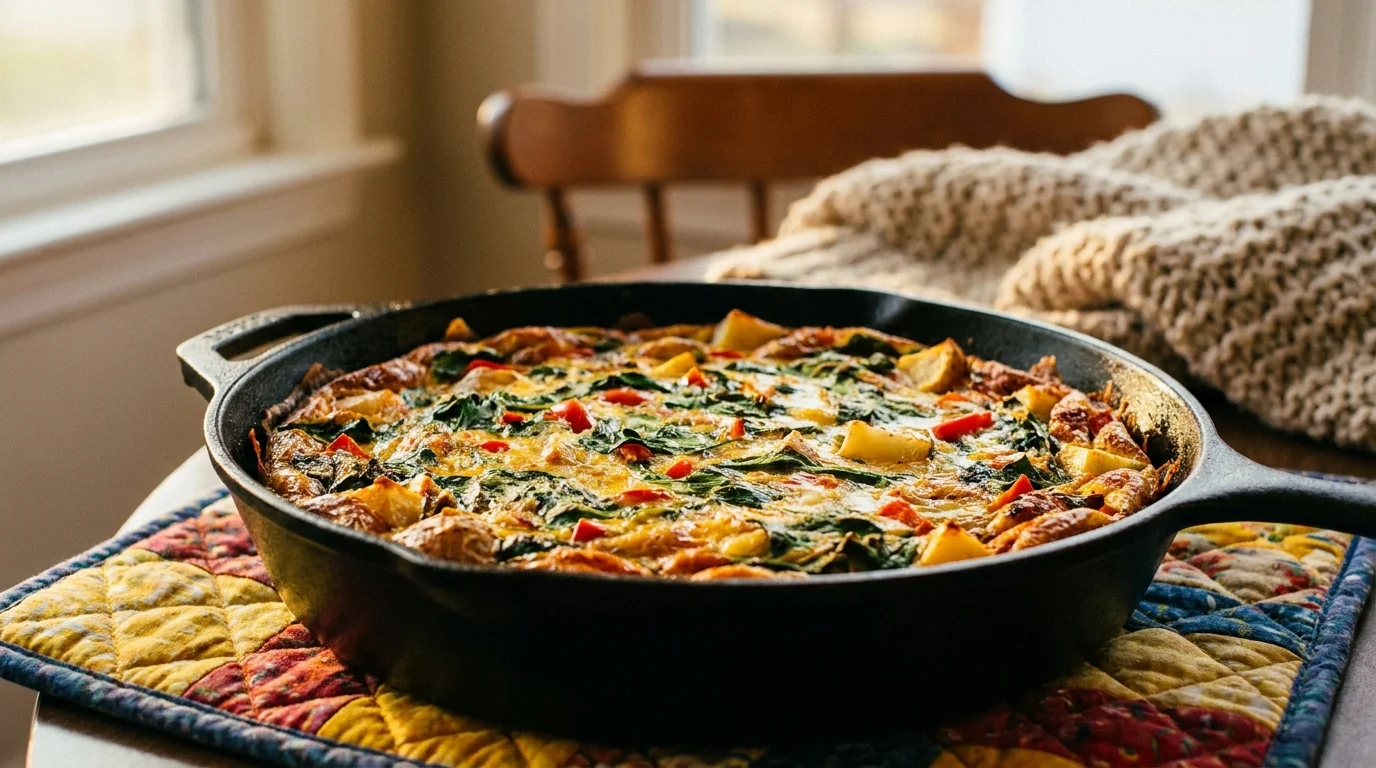
Financial Habit #5: Repurposing Leftovers into Nutrient-Dense Frittatas
Eggs experience price volatility, but they fundamentally remain one of the cheapest per-gram sources of high-quality protein available. When a dozen eggs cost $3.00, a two-egg serving costs just 50 cents. The true financial brilliance of a frittata lies in asset recovery. A frittata serves as the ultimate vehicle for repurposing leftover vegetables, small amounts of cheese, or remaining ounces of meat that sit forgotten in your refrigerator. Throwing away edible food is mathematically identical to throwing dollar bills in the trash. The frittata strategy effectively zeroes out your food waste.
Older adults benefit significantly from the nutritional payload of whole eggs. They provide crucial vitamins D and B12, along with choline, a nutrient that supports memory and brain health. By loading your frittata with salvaged spinach, bell peppers, or broccoli, you create a nutrient-dense meal that covers multiple dietary requirements in a single pan. This approach requires very little active cooking time, reducing the physical strain of meal preparation while maximizing your budget. You eat highly nutritious food without spending a single extra dime at the grocery store.
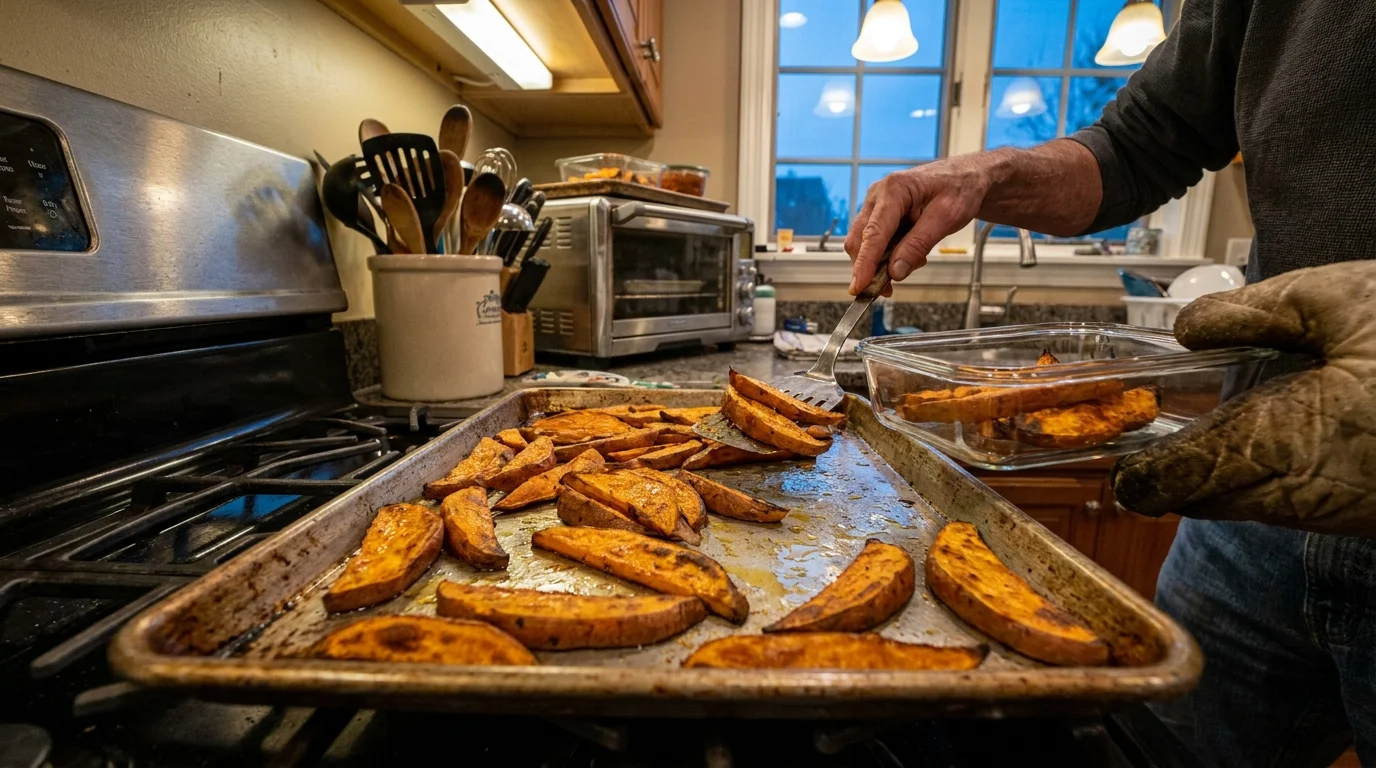
Financial Habit #6: Investing in Sweet Potatoes for High-Value Carbohydrates
Sweet potatoes act as an incredibly high-yield investment for your nutritional portfolio. Averaging roughly $1.00 per pound, these dense tubers provide exceptional caloric and nutritional value per dollar spent. Furthermore, sweet potatoes possess a remarkably long shelf life when stored in a cool, dark environment. This longevity mitigates the financial risk of spoilage that plagues more delicate produce. Baking a batch of sweet potatoes early in the week reduces your daily electricity or gas consumption, offering a secondary tier of savings on your monthly utility statements.
One baked sweet potato stuffed with a quarter cup of black beans and a spoonful of salsa creates an exceptionally filling, low-cost dinner. The orange flesh is packed with beta-carotene, which your body converts into vitamin A to protect your vision and support immune function. Potassium helps regulate fluid balance and muscle contractions, directly supporting heart health. This meal requires almost zero prep work and utilizes cheap, non-perishable toppings, keeping your grocery expenses remarkably low while delivering targeted, affordable healthy food for your aging body.
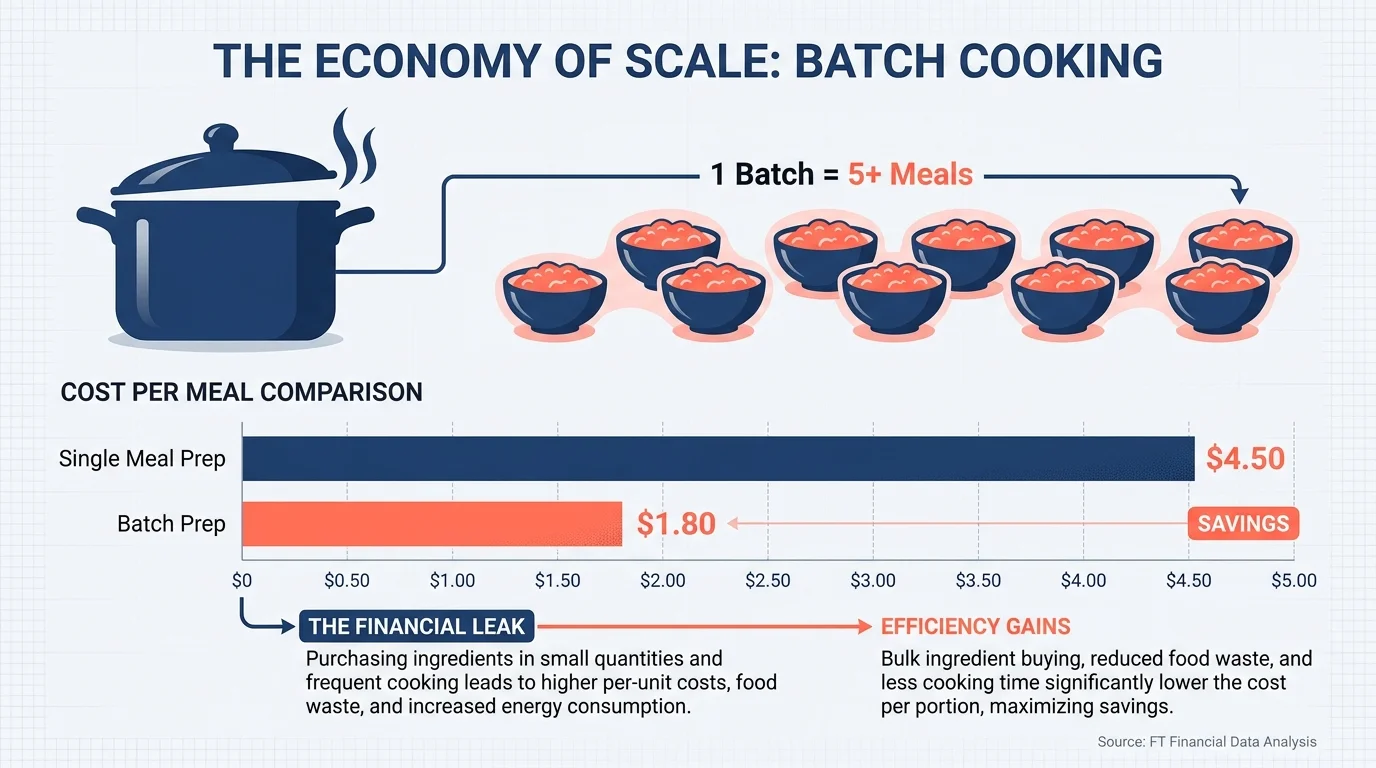
Financial Habit #7: Batch-Cooking Chili to Reduce Per-Meal Expenses
Ground beef and poultry prices rapidly consume a fixed grocery budget, often costing between $5.00 and $7.00 per pound. You slash these per-meal expenses by batch-cooking chili with an aggressively high bean-to-meat ratio. Utilize just half a pound of ground meat for flavor, and double the volume of cheap, filling kidney and pinto beans. Batch-cooking acts as an economy of scale within your own kitchen. You reduce your per-unit energy costs by running the stove once to generate four or five days’ worth of meals. Freezing the surplus portions prevents you from resorting to costly takeout on days when you feel too tired to cook.
Canned tomatoes form the base of the chili, delivering concentrated lycopene, an antioxidant linked to a reduced risk of chronic diseases. The high fiber content from the beans supports robust digestion, a common concern for many seniors. Spices like chili powder and oregano provide anti-inflammatory benefits without adding extra calories or sodium. This strategy mathematically guarantees you eat well, spend less, and protect your physical health through intelligent portion management.
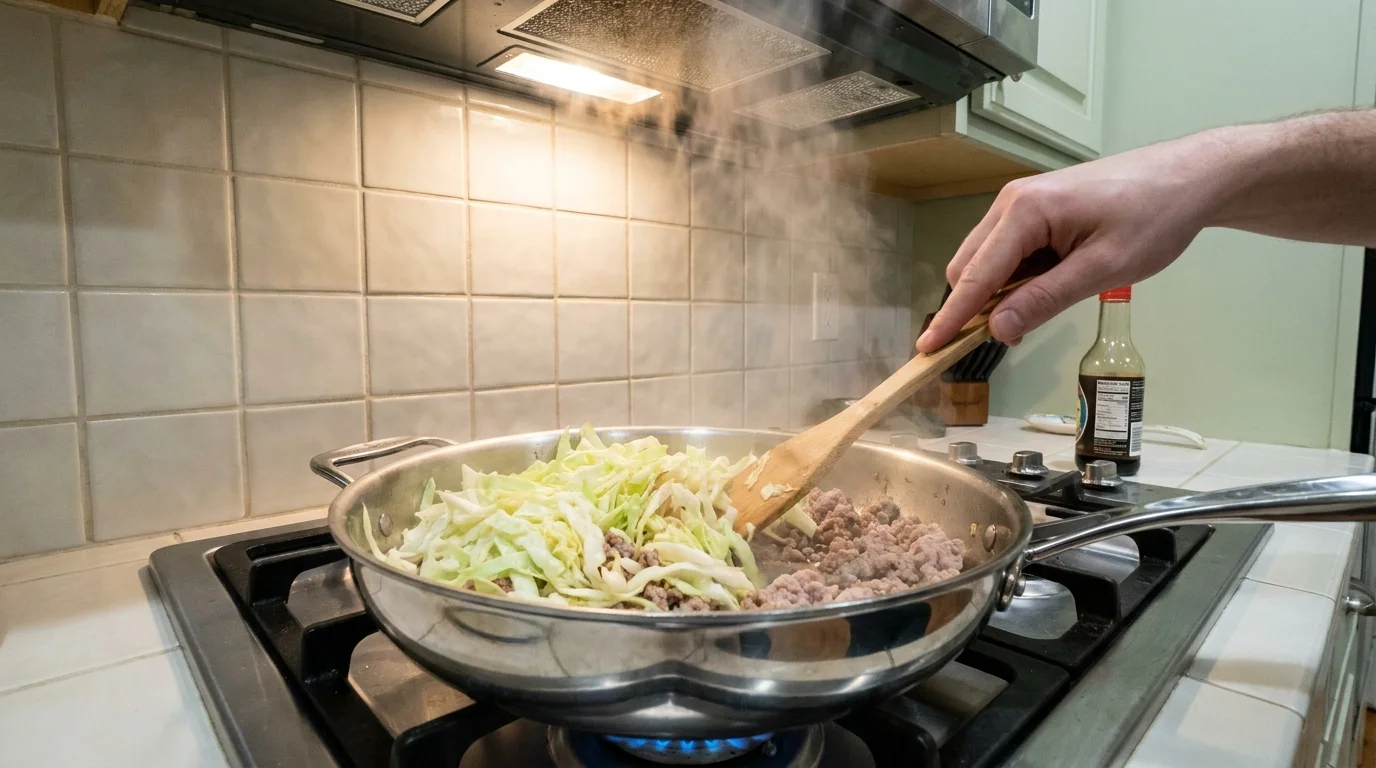
Financial Habit #8: Substituting Expensive Meats with Cabbage and Ground Turkey
Cabbage remains one of the most drastically undervalued assets in the produce aisle. A single head of green cabbage typically costs around $2.00 and produces a massive volume of food when shredded. It shrinks down beautifully when sautéed with inexpensive proteins like ground turkey or sliced turkey sausage. Cabbage boasts incredible longevity; it easily lasts for weeks in your crisper drawer without degrading. Buying highly perishable greens often leads to financial waste if you do not consume them rapidly. Cabbage acts as a reliable, shelf-stable vegetable investment that ensures you always have fresh produce on hand.
When you combine cabbage with ground turkey, you build a high-volume, low-calorie meal that costs around $1.25 per serving. Cabbage delivers massive amounts of vitamin C, vitamin K, and crucial roughage necessary for optimal intestinal health. Ground turkey supplies the lean protein required to maintain muscle mass as you age. This simple skillet meal requires only one pan, minimizing cleanup time and hot water usage, further trimming your household operating costs while providing premium nutrition.
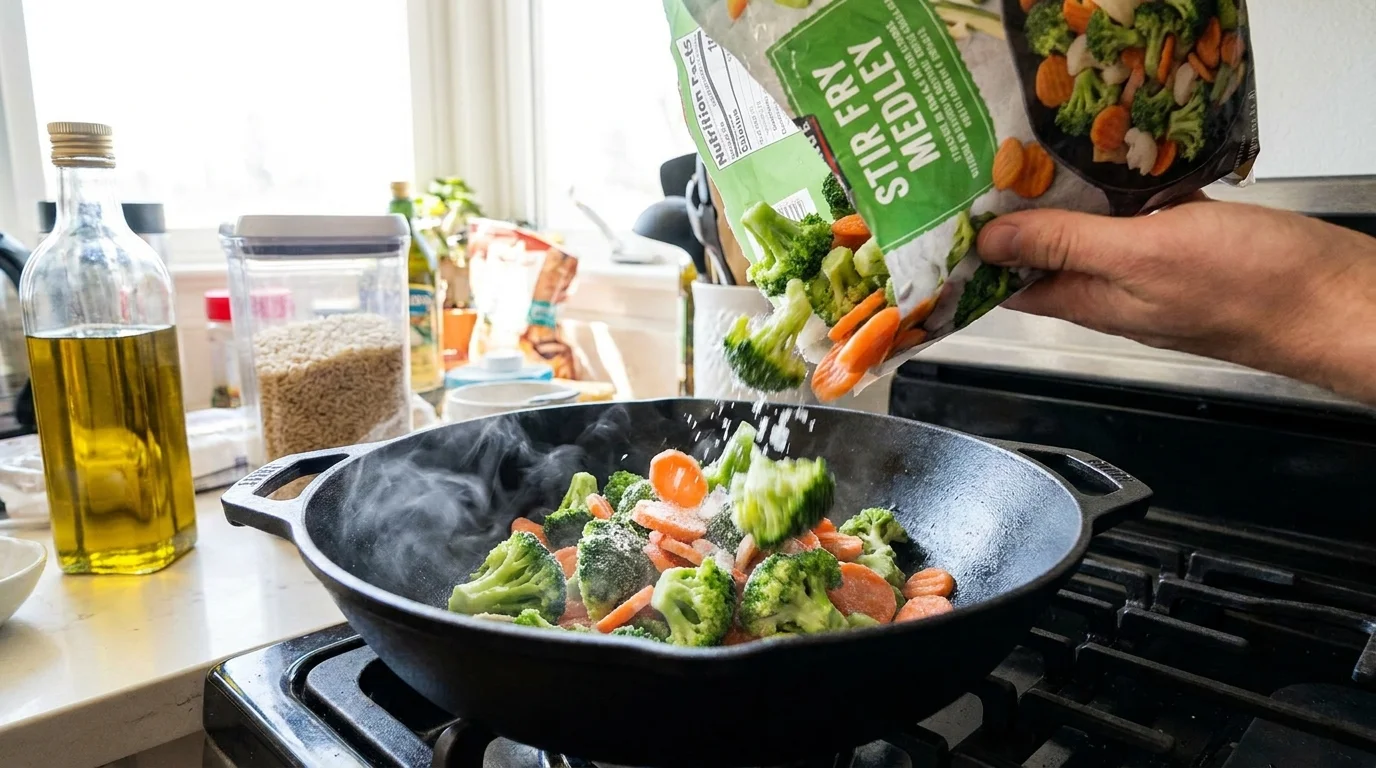
Financial Habit #9: Stretching Dollars with Frozen Vegetable Stir-Fries
Many consumers fall into the expensive trap of believing fresh produce is inherently superior to frozen. From a financial perspective, frozen vegetables easily win the cost-benefit analysis. A large, multi-serving bag of frozen stir-fry vegetables costs about $3.00. Because you pour out exactly the portion you need and immediately return the rest to the freezer, you drive your food waste down to absolute zero. Frozen vegetables are flash-frozen at peak ripeness, meaning they frequently retain a higher nutrient density than fresh produce that degrades during cross-country transit.
Sauté these vegetables with a dash of low-sodium soy sauce, a scrambled egg, and leftover rice to create an ultra-cheap, restaurant-quality meal for roughly $1.40 per plate. This approach supplies a vast array of vitamins and minerals necessary for cellular repair and energy production. The inclusion of the egg ensures you meet your daily protein targets. By leaning heavily on frozen assets, you master budget nutrition 60+ and shield yourself from the erratic price fluctuations of the fresh produce market.

Financial Habit #10: Building Cheap, High-Calcium Meals with Cottage Cheese Bowls
Dairy products often strain fixed budgets, but cottage cheese remains a remarkably cheap and highly effective protein source. A standard 24-ounce tub costs roughly $3.50 to $4.00 and contains up to six servings. This creates a baseline meal cost of just over 60 cents. Cottage cheese bowls require zero cooking, instantly saving you utility costs and active preparation time. You scale the meal easily, portioning out exactly what you need without generating any leftovers that might spoil.
For seniors, cottage cheese acts as a vital nutritional supplement. It is packed with casein protein, which digests slowly and prevents muscle wasting. The exceptionally high calcium content proves vital for preserving bone density and combating osteoporosis in older adults. Top a half-cup serving with inexpensive seasonal fruits, a dash of cinnamon, or a handful of cheap sunflower seeds for added texture and healthy fats. This meal design guarantees you build meals that prioritize skeletal strength and financial preservation simultaneously.

The Big Picture: How This Affects Your Financial Future
Mastering your grocery budget does much more than simply keep your checking account out of the red; it directly fortifies your long-term financial security. When you transition away from expensive, pre-packaged convenience foods and adopt these frugal meal strategies, you drastically alter your monthly cash flow. Shaving just $100 off your monthly grocery bill creates an extra $1,200 of annualized savings. You can immediately deploy this reclaimed capital into a high-yield savings account, use it to aggressively pay down remaining high-interest consumer debt, or set it aside to cover inevitable out-of-pocket medical expenses.
Furthermore, the intrinsic link between your dietary choices and your physical health functions as a powerful financial hedge. Consuming nutrient-dense food actively prevents the onset of diet-related chronic conditions like type 2 diabetes, hypertension, and advanced heart disease. By proactively managing your health through intelligent cooking, you drastically reduce your lifetime spending on prescription medications, specialist copays, and specialized care. Strategic meal planning ensures you maintain your independence and keep your hard-earned wealth working for you, rather than surrendering it to the healthcare system.
Frequently Asked Questions
How can seniors maintain a balanced diet on a strict fixed income?
Maintaining a balanced diet requires shifting your capital away from processed foods and toward versatile, single-ingredient staples. Focus your spending on dry beans, lentils, whole oats, and eggs. These items deliver the highest ratio of macronutrients per dollar. By anchoring your meals with these cheap, nutrient-dense items, you free up the remaining cash in your budget to purchase seasonal vegetables and targeted dairy products, ensuring a complete nutritional profile without breaking the bank.
Is buying in bulk actually a good financial strategy for single seniors?
Buying in bulk acts as a highly effective inflation hedge, provided you purchase the right assets. Single seniors should only buy shelf-stable or freezable items in bulk. Stockpiling dry rice, canned fish, and frozen vegetables lowers your per-unit cost and protects you against future price hikes. Never buy highly perishable items in bulk, as the inevitable spoilage instantly negates any upfront savings you achieved at the register.
How do frozen foods compare to fresh produce financially and nutritionally?
Frozen foods frequently outperform fresh produce in both financial and nutritional metrics. Vegetables frozen at peak ripeness lock in vitamins and minerals that fresh produce slowly loses during transportation and display. Financially, frozen foods eliminate spoilage risk. You use exactly the volume you need for a single meal and freeze the rest. This precision portion control permanently eliminates the hidden tax of throwing away rotting vegetables.
What are the best ways to track grocery spending effectively?
The most effective tracking method requires isolating your food budget from your general spending. Utilize a dedicated cash envelope system or a specific debit card strictly funded for weekly groceries. Review your receipts immediately after checkout to identify any localized price spikes on your standard staples. By consistently auditing your grocery receipts, you spot inflationary trends early and quickly pivot to cheaper alternative ingredients before your budget sustains significant damage.
For official information on consumer finance and debt, consult the CFPB. Tax information is available from the IRS. For investment basics, refer to the U.S. SEC.
Disclaimer: This article provides informational content and personal opinions, not professional financial advice. Consult a certified financial advisor for guidance tailored to your specific situation.









Leave a Reply