
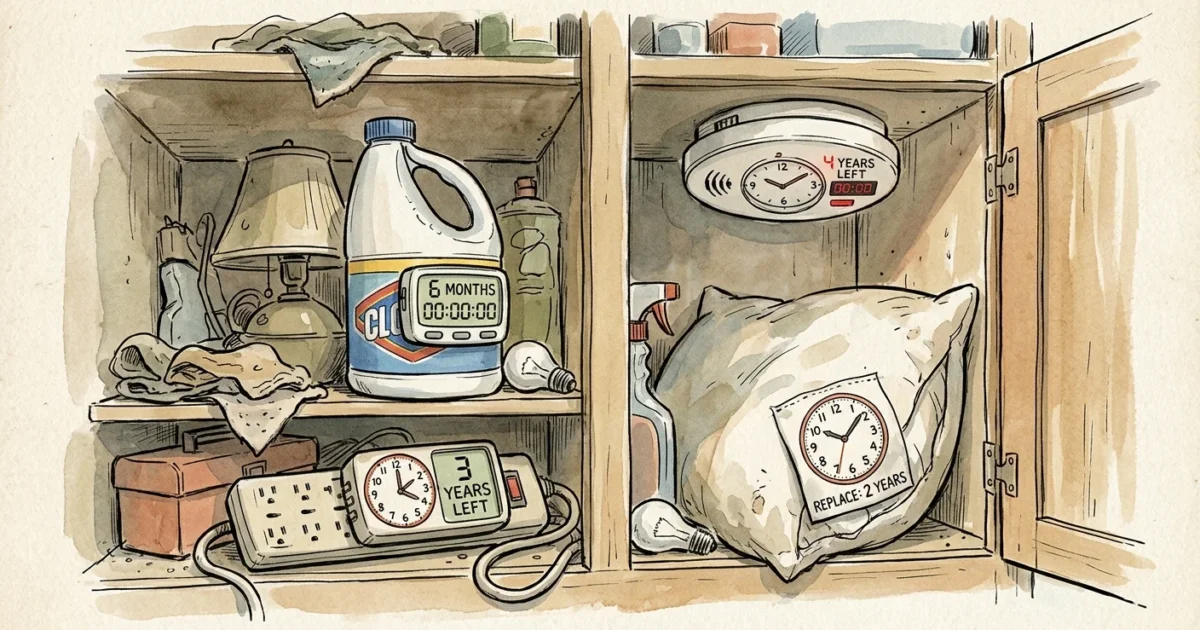
Knowing exactly which household products expire can save you from wasting money and compromising your family’s safety. Manufacturers rarely advertise the hidden lifespans of everyday home essentials because they rely on you blindly replacing items only when they visibly break. You probably check the dates on milk and medicine; however, dozens of seemingly durable objects silently degrade inside your cabinets right now. Using expired surge protectors or decayed bleach does not just kill your budget—it creates genuine household hazards. By auditing your home for products that expire unexpectedly, you protect your assets and eliminate wasteful spending on replacements you did not plan for. Keep your wallet intact by learning which permanent objects actually harbor secret expiration dates.
Tip #1: Surge Protectors
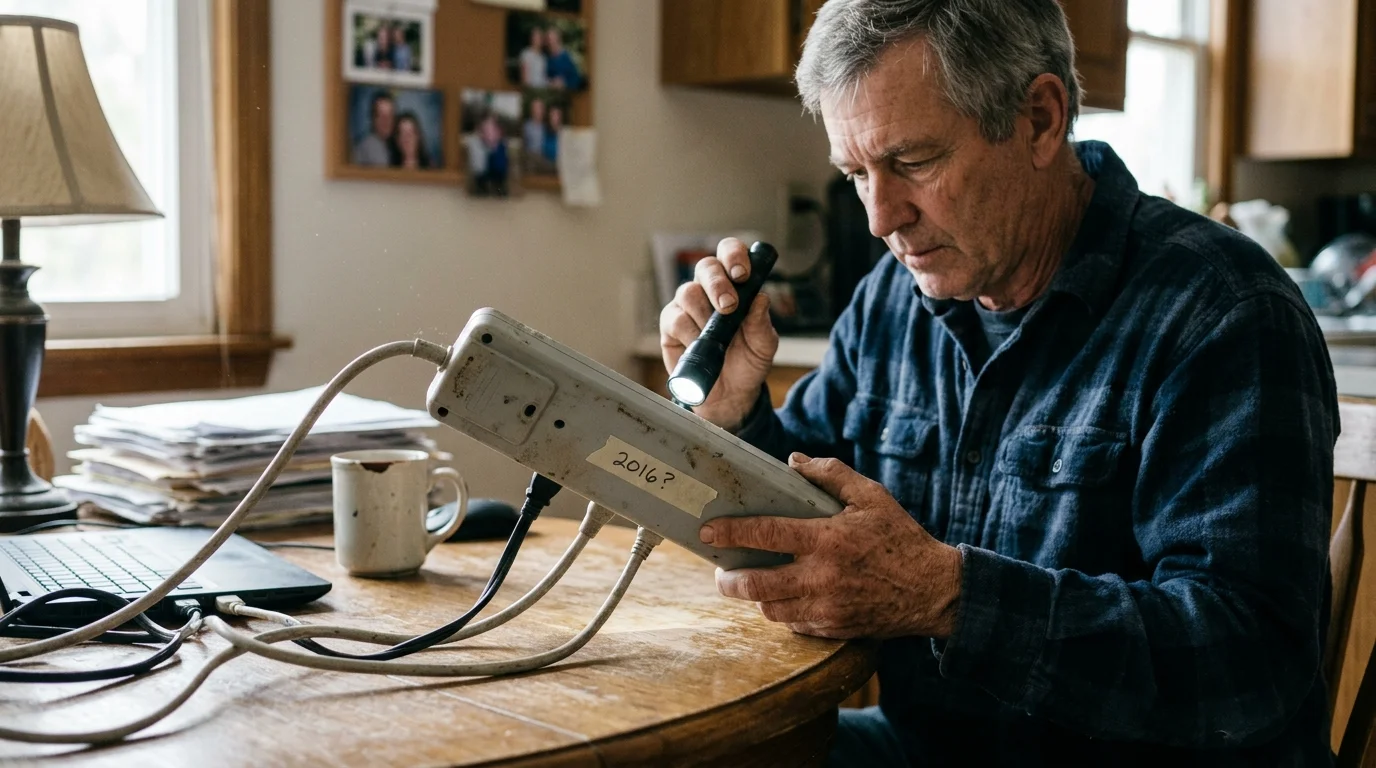
A surge protector absorbs electrical spikes using internal components called metal oxide varistors. Every time a power spike hits your home—even tiny fluctuations you never notice—these components sacrifice a bit of their capacity. Once they deplete their joule rating, the device functions as a regular power strip with zero protective benefits. Plugging your expensive television or laptop into a dead surge protector leaves your electronics completely vulnerable to frying during the next lightning storm. Most standard models lose their protective capabilities within three to five years of continuous use. Check your devices for a dedicated warning light; if the protection indicator goes dark, replace the unit immediately to avoid catastrophic replacement costs for your digital equipment.
Tip #2: Smoke Alarms
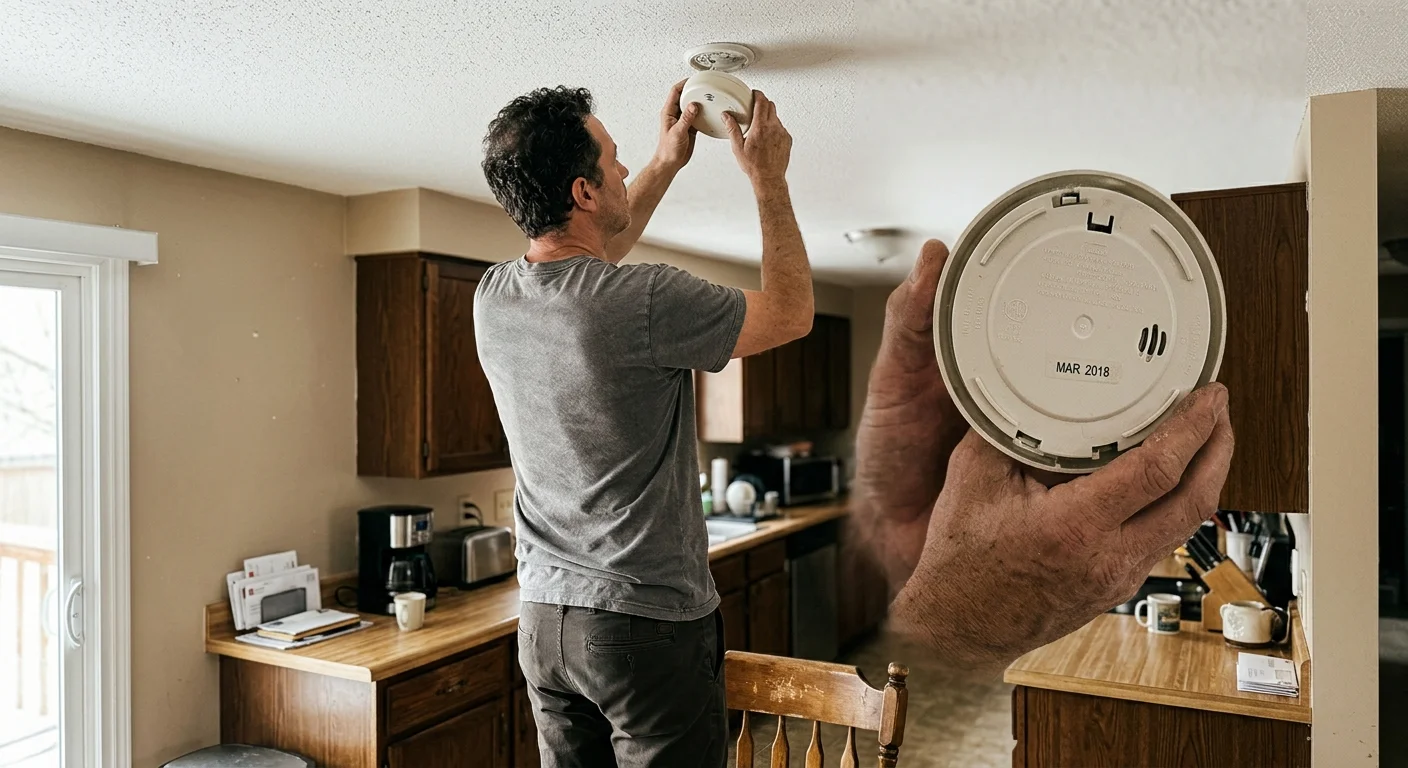
The sensors inside your smoke detectors lose sensitivity over time due to accumulated dust, environmental factors, and chemical degradation. Even if the test button triggers a loud beep, you only verify that the battery and horn still function. The actual sensing apparatus degrades completely after a decade. The National Fire Protection Association mandates replacing the entire unit exactly ten years from the manufacturing date printed on the back. Do not gamble with your family’s safety by relying on outdated alarms that might fail to detect smoldering fires in the middle of the night. Twist your alarms off the ceiling today, check the stamped date on the plastic casing, and purchase fresh units if they crossed the ten-year threshold.
Tip #3: Liquid Bleach
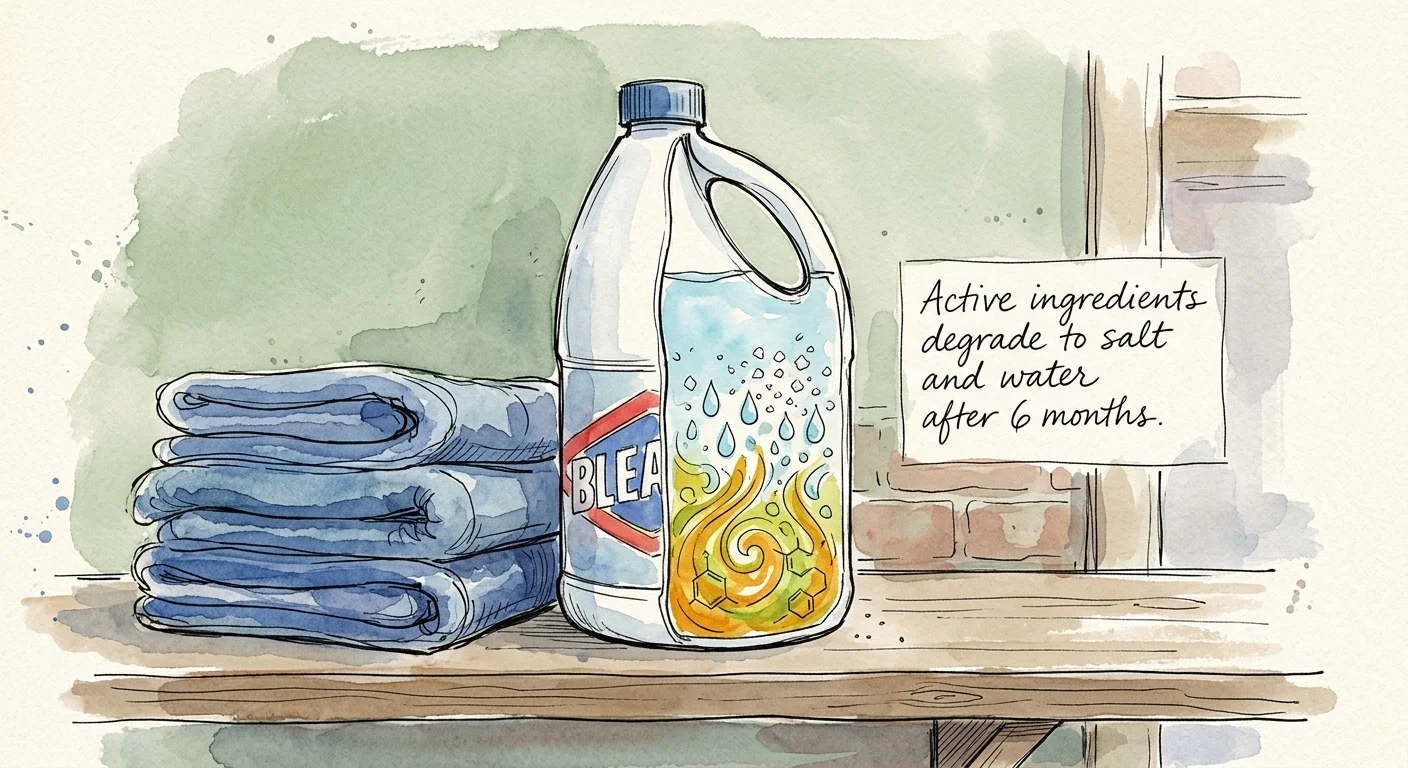
Disinfecting your home with old bleach wastes your time and leaves dangerous bacteria fully intact. Liquid bleach possesses an incredibly volatile chemical structure that rapidly degrades the moment it leaves the factory. Six months after opening a bottle, the active sodium hypochlorite breaks down into ordinary salt and water. Even an unopened bottle loses roughly twenty percent of its effectiveness each year. You cannot tell by the smell; degraded bleach still carries that distinct swimming pool odor long after its sanitizing power vanishes. Buy bleach in small quantities that you can consume within a few months. Purchasing wholesale jugs to save pennies ultimately costs you more when you end up pouring glorified saltwater into your laundry machine.
Tip #4: Children’s Car Seats
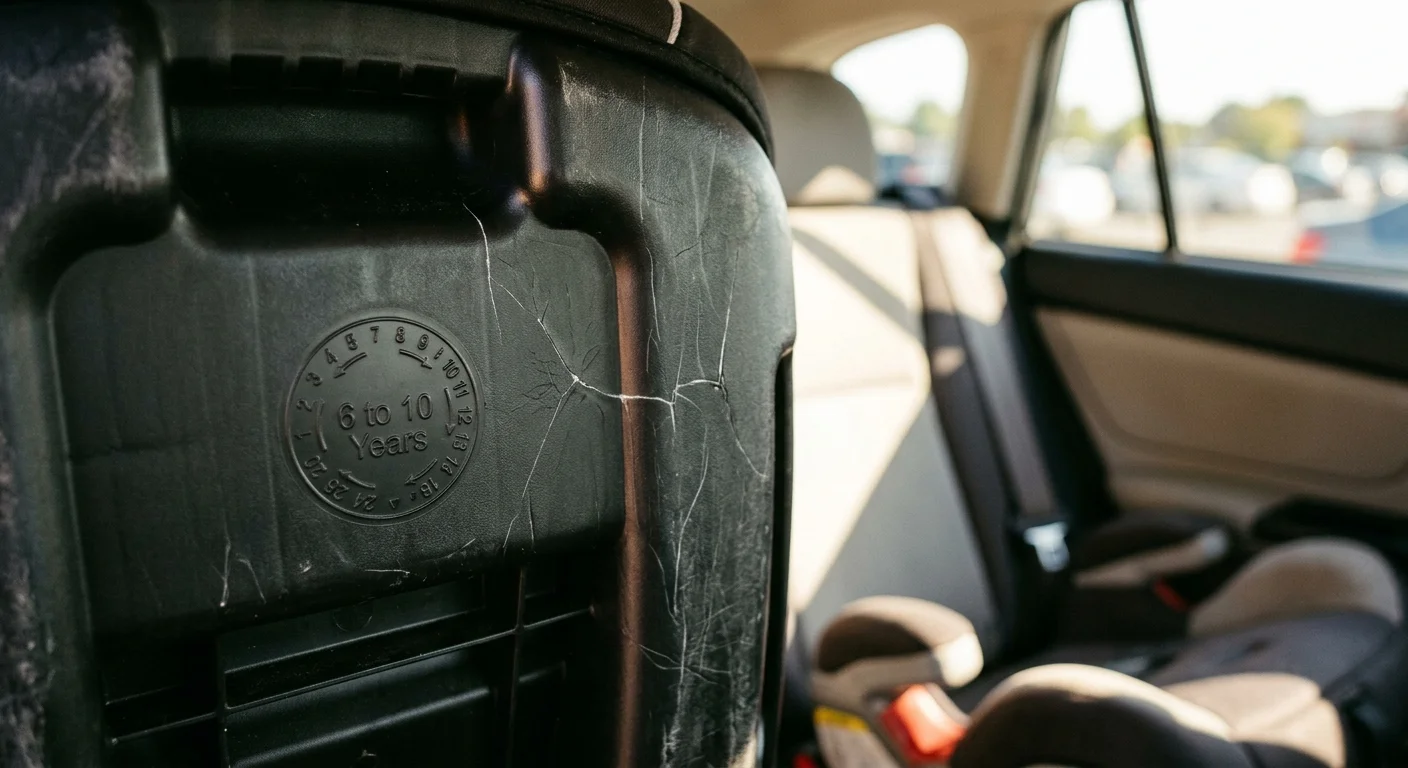
Securing your child in a second-hand car seat presents an invisible hazard because the plastic shell and safety harnesses quietly deteriorate. Extreme temperature swings inside your parked vehicle—baking heat in July and freezing cold in January—turn durable plastics brittle over time. Most manufacturers stamp strict expiration dates on the bottom of the seat, typically six to ten years from the production date. Furthermore, safety regulations and crash-testing standards evolve constantly; a decade-old seat likely falls short of modern federal requirements. Never buy a used car seat at a garage sale or thrift store. The upfront cost of a brand-new model guarantees the structural integrity needed to survive a severe traffic impact.
Tip #5: Fire Extinguishers
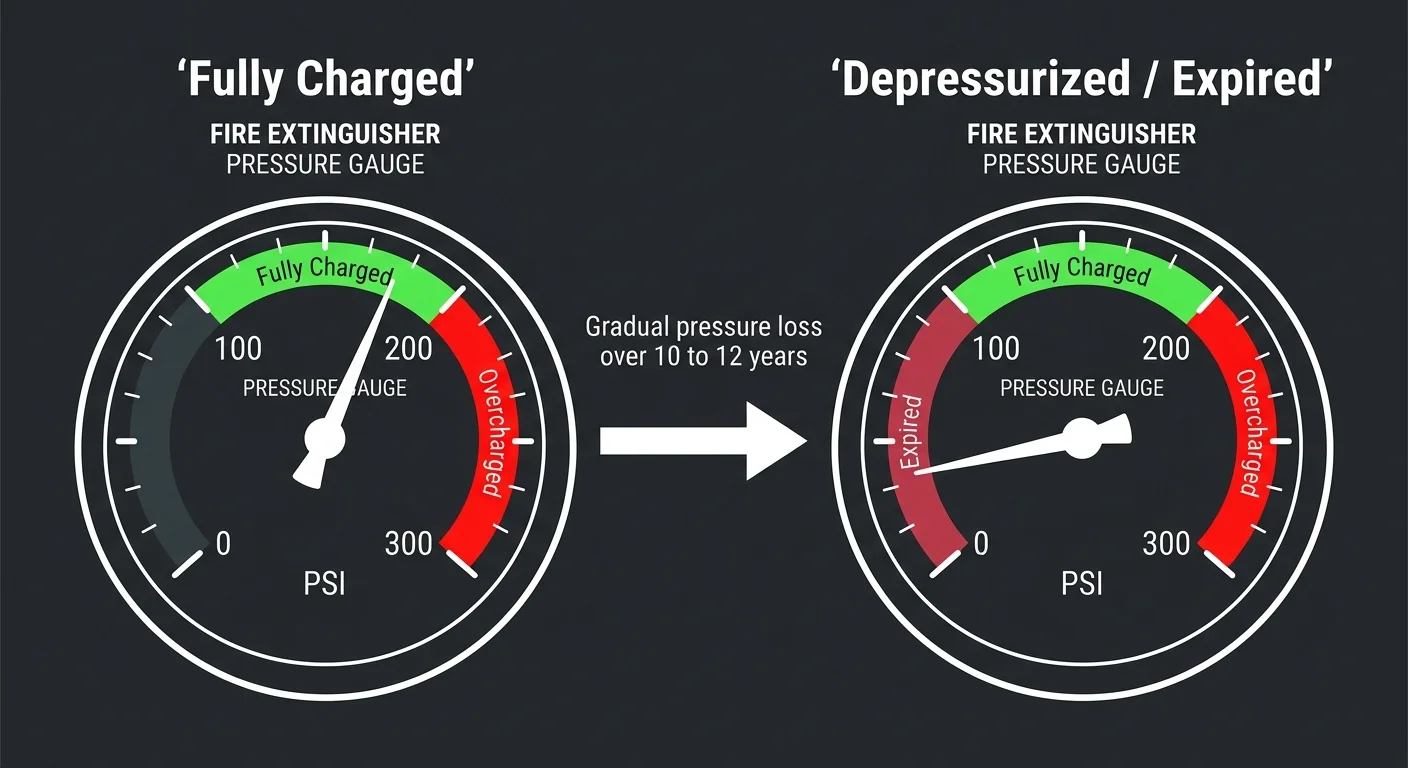
Keeping a red canister beneath your kitchen sink provides a false sense of security if you never check the pressure gauge. Fire extinguishers lose pressure over time; the dry chemicals inside can compress into a rock-hard cake at the bottom of the cylinder. If you face a grease fire and squeeze the handle of a fifteen-year-old extinguisher, nothing but a weak puff of dust will emerge. Most non-rechargeable household extinguishers expire after ten to twelve years. Inspect the pressure dial monthly to ensure the needle remains strictly in the green zone. If the needle slips, or if the unit lacks a gauge and feels suspiciously light, discard it at a hazardous waste facility immediately and buy a replacement.
15. sink
16. has
17. expired.
Wait, “on the sink” -> “on the bathroom sink”
“A hand uses a cotton swab to test if the hydrogen peroxide on the sink has expi
Tip #6: Hydrogen Peroxide
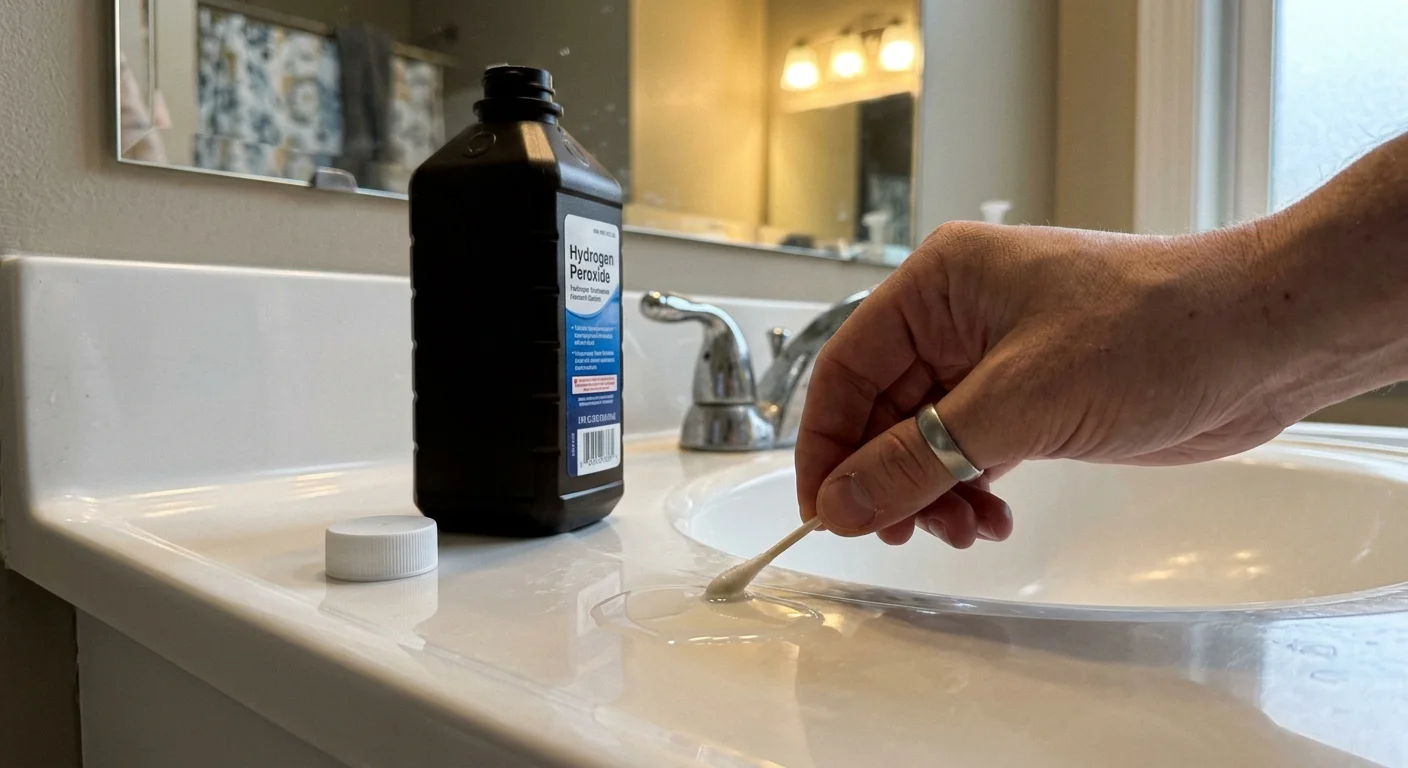
The bubbling reaction you expect from hydrogen peroxide vanishes much faster than you realize. This common first-aid staple degrades into plain water when exposed to air and light. Once you break the seal on a fresh brown bottle, you have roughly six months before the active solution turns completely inert. Unopened bottles last about three years on a dark shelf. You can easily test your current supply by pouring a small splash into the sink; if it does not immediately fizz, it has lost all chemical potency. Stop hoarding massive bottles of peroxide in your medicine cabinet. Purchase the smallest available size to ensure you actually utilize the product before it expires into useless tap water.
Tip #7: Motor Oil
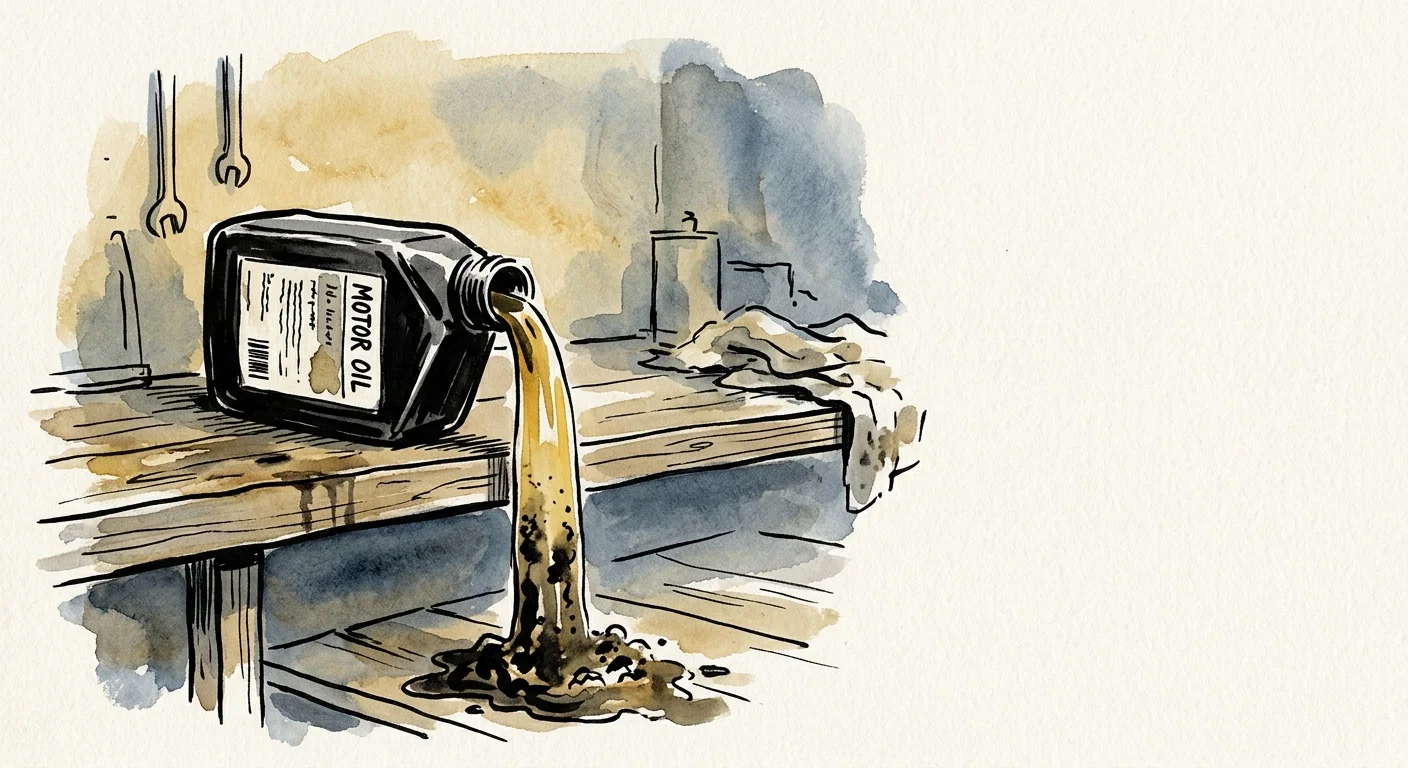
Storing plastic jugs of motor oil in your garage for a decade ruins the chemical additives designed to protect your engine. While raw petroleum stays stable, the complex detergents, dispersants, and viscosity modifiers blended into modern motor oils separate and break down after five years. Pouring expired, separated oil into your crankcase deprives your engine of vital lubrication and causes severe metal-on-metal wear. The environment in your garage—specifically the continuous temperature fluctuations between summer and winter—accelerates this chemical breakdown process. Always check the manufacturing date printed on the bottle before topping off your vehicle. Buying bulk oil on clearance only saves you money if you actually perform your oil changes within the five-year usability window.
Tip #8: Running Shoes
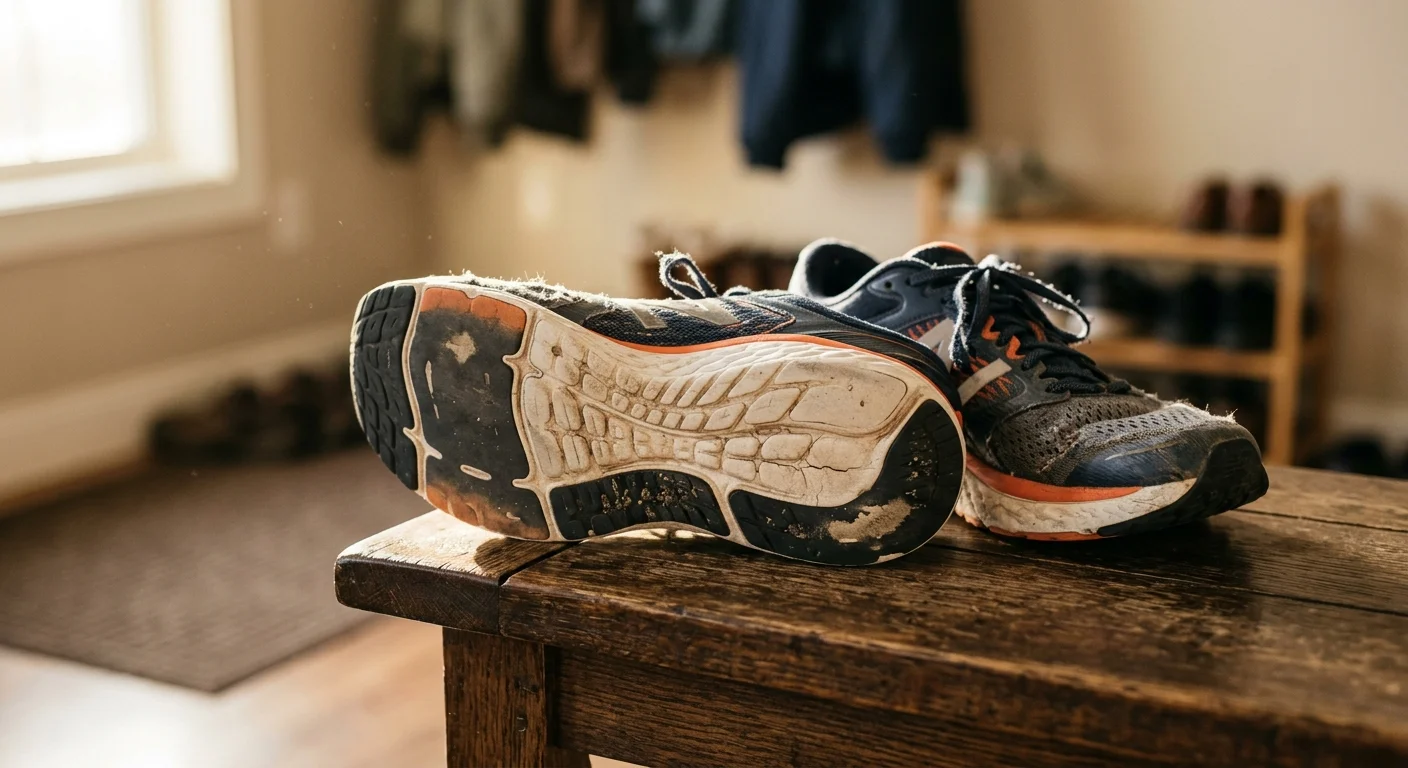
Athletic shoes lose their structural support whether you run marathons or leave them sitting in a dark closet. The ethylene-vinyl acetate foam used in modern midsoles dries out and stiffens over time. If you buy sneakers on sale and store them for three years, the shock absorption capabilities degrade completely before you ever lace them up. Running in expired shoes transfers harsh impact forces directly to your knees, hips, and lower back, leading to expensive medical bills and physical therapy. Replace your active footwear every three hundred to five hundred miles; alternatively, swap them out after a year of moderate use. Protect your joints by wearing fresh foam instead of hardened rubber.
Tip #9: Bar Soap
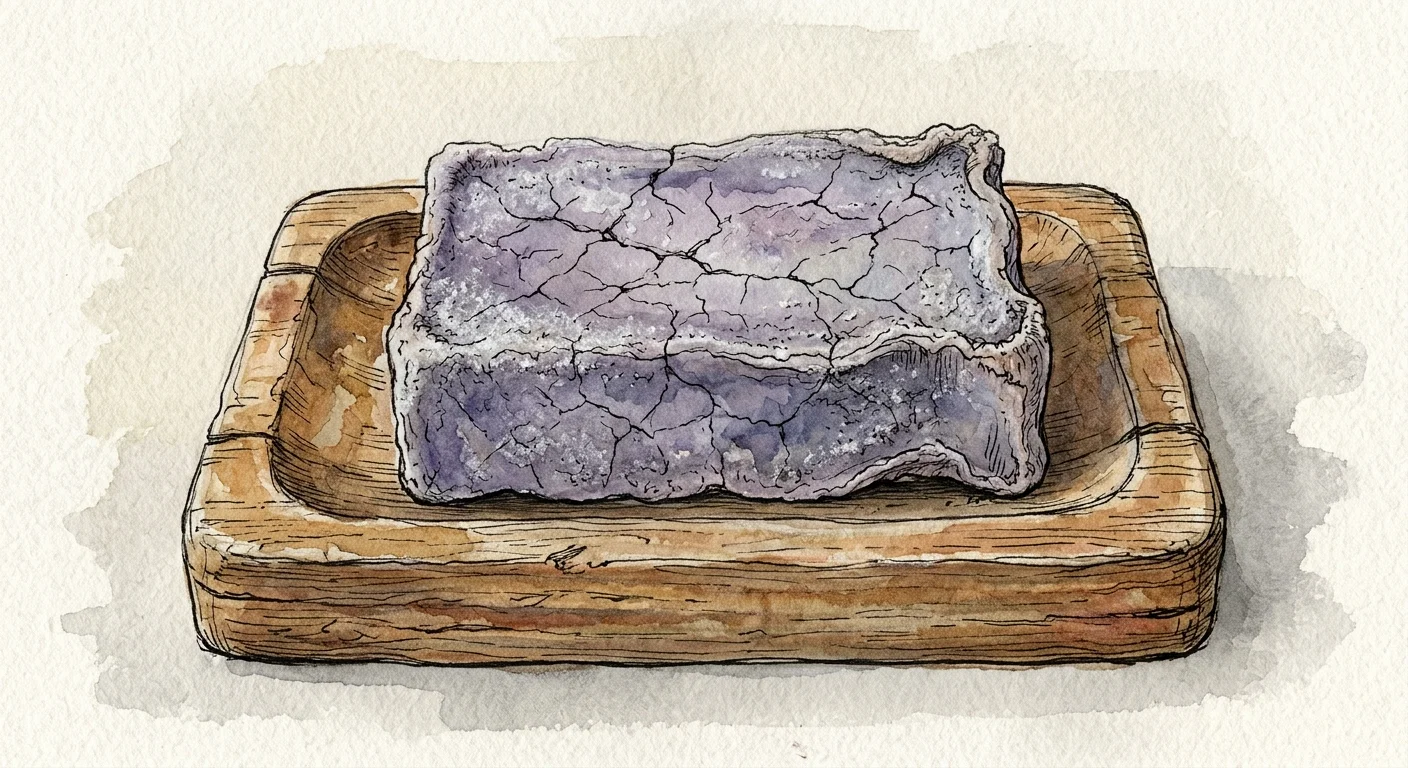
Rubbing an ancient bar of soap on your body does not make you cleaner; it actually covers your skin in rancid fats. Traditional bar soaps utilize plant oils and animal fats that eventually oxidize and spoil. Most commercial and artisanal soaps carry a shelf life of roughly two to three years. Once expired, the soap develops orange spots, loses its lathering ability, and takes on a distinctly stale odor. Using rancid soap removes natural moisture from your skin and triggers severe dermatological irritation. Toss out the decorative soaps you collected from hotel rooms five years ago. Stick to a reasonable inventory of bathing supplies that you can realistically use before the essential oils go bad.
Tip #10: Sunscreen
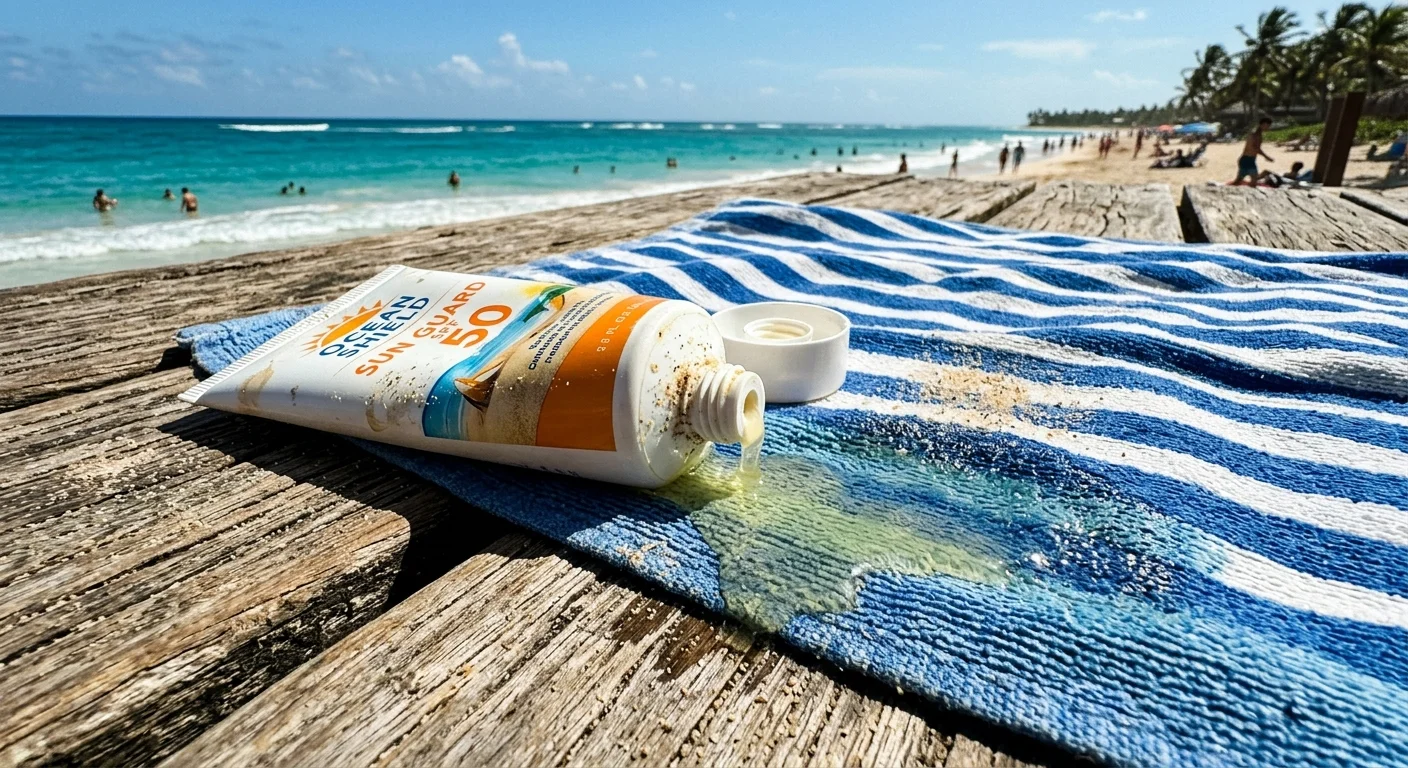
Applying expired sunscreen guarantees you a painful sunburn and a highly increased risk of skin damage. The active ingredients that block ultraviolet radiation—such as avobenzone and oxybenzone—chemically degrade over time. The regulatory agencies require sunscreens to remain at their original strength for exactly three years. After that period, the lotion separates into a watery mess that provides zero sun protection. Storing your sunscreen in a hot car or a damp beach bag drastically accelerates this chemical breakdown. Always write the purchase month on the bottle with a permanent marker. Throw away last year’s separated lotion and invest in a fresh bottle to genuinely shield your skin from harmful ultraviolet rays during summer vacations.
Tip #11: Bed Pillows
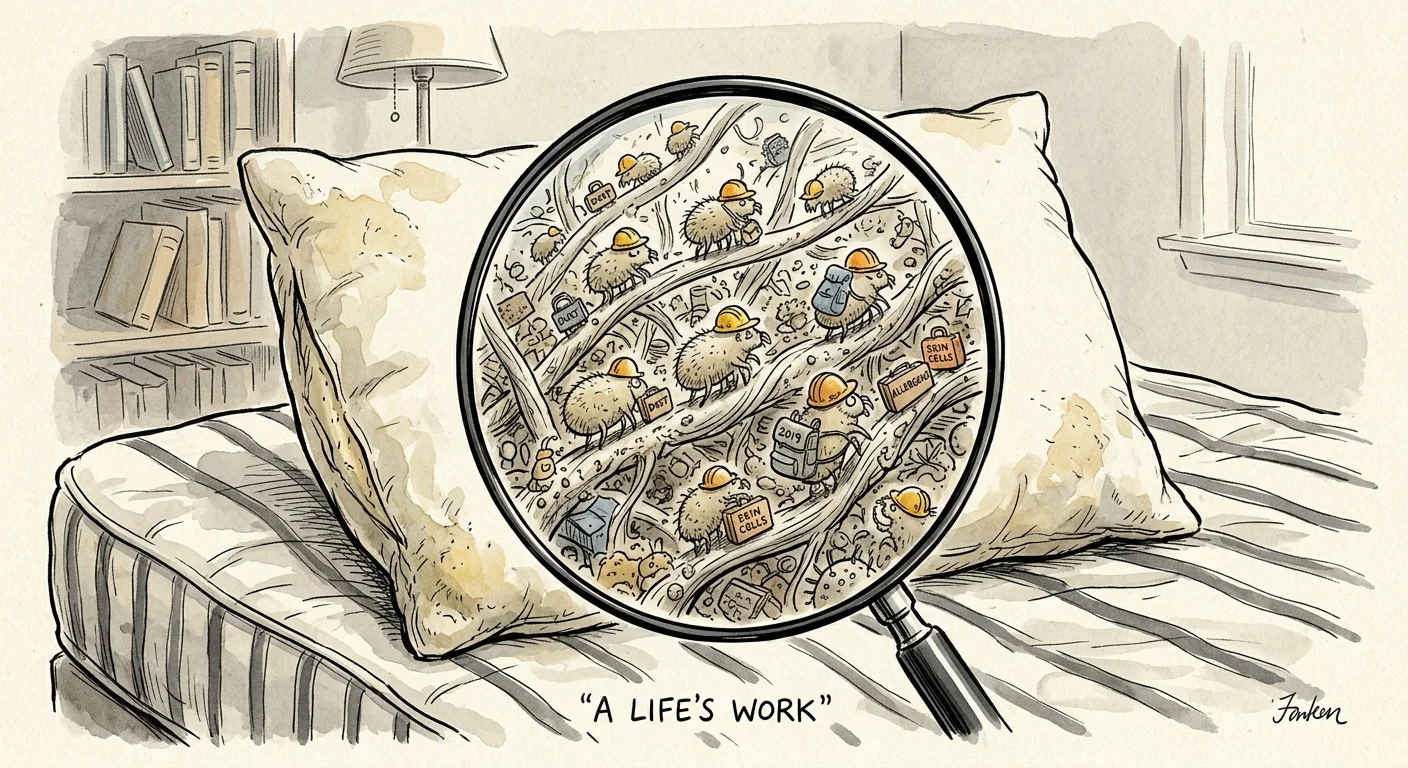
Sleeping on the same pillow for five years introduces massive amounts of microscopic debris into your respiratory system. Every night, your pillow absorbs sweat, drool, and dead skin cells; this organic matter transforms the stuffing into a breeding ground for dust mites. Beyond the hygienic horror, the structural core of the pillow collapses after one to two years, forcing your neck into unnatural angles that cause chronic muscular pain. You can test your pillow by folding it completely in half; if it fails to spring back immediately, the internal support is dead. Protect your spine and clear your sinuses by replacing your primary sleeping pillows every eighteen to twenty-four months.
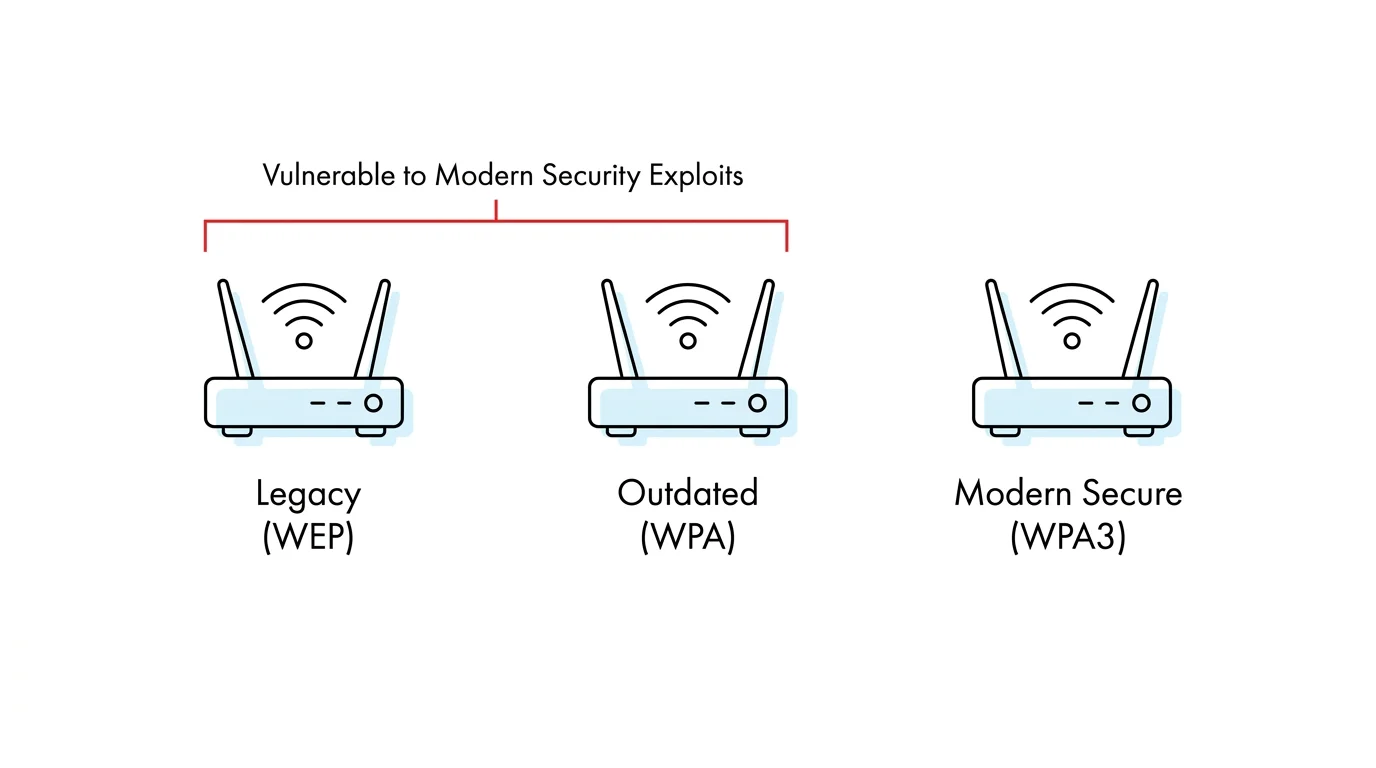
Tip #12: Wi-Fi Routers
Your internet router degrades quietly in the corner of your living room, costing you connection speed and compromising your digital security. Routers endure constant heat stress because they operate continuously without active cooling fans. Over three to five years, the internal circuitry degrades, resulting in dropped connections and severely throttled internet speeds. More importantly, manufacturers eventually stop releasing firmware updates for older models. Running an unsupported router leaves your home network entirely exposed to modern malware and hacking attempts. If you pay your service provider for high-speed internet but rely on a six-year-old router, you are throwing money away. Upgrade your networking hardware every four years to maintain top speeds and ironclad digital security.
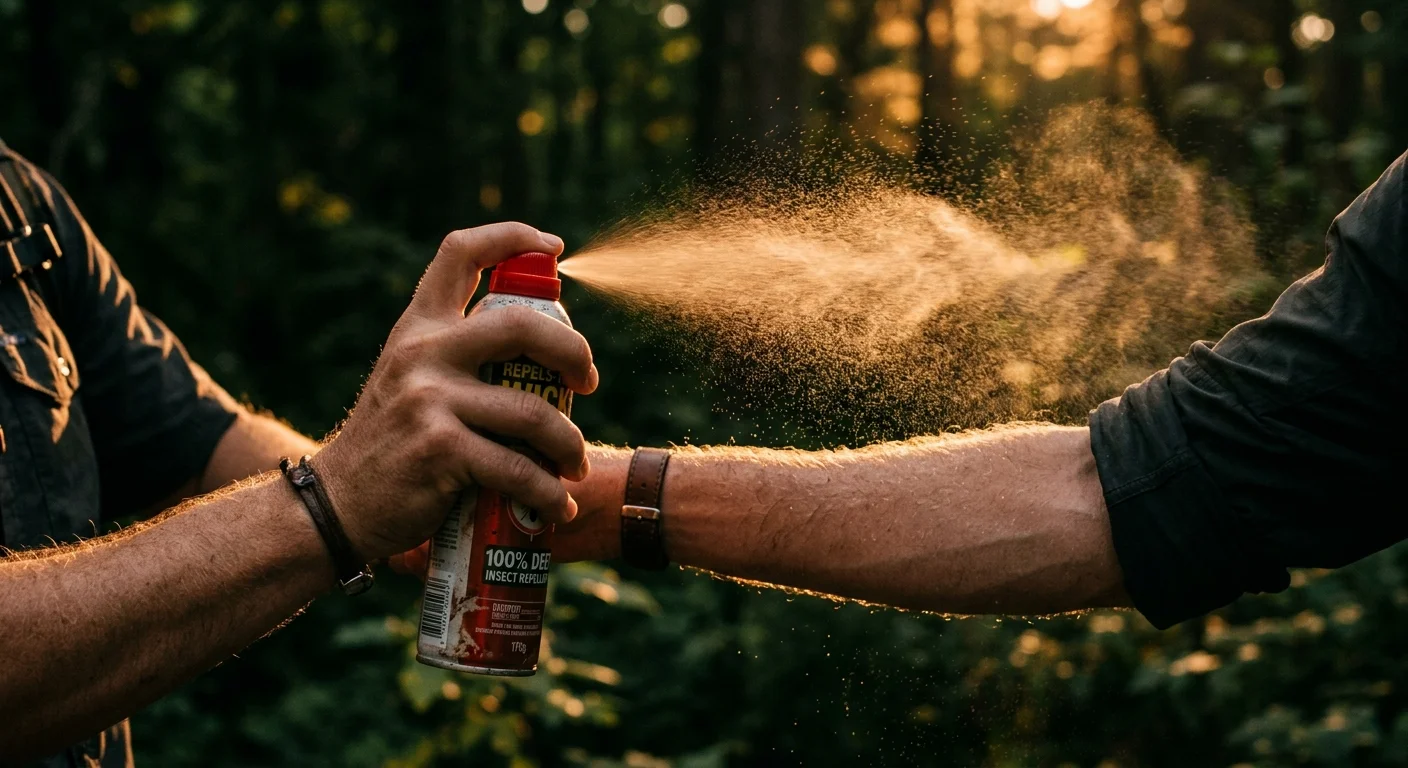
Tip #13: Insect Repellent
Spraying old bug spray on your arms provides a dangerously false shield against mosquitos and ticks. The primary active ingredients in insect repellents, specifically DEET and picaridin, lose their chemical efficacy after roughly three years. When you rely on expired repellent during a camping trip, you dramatically increase your exposure to vector-borne illnesses like Lyme disease and West Nile virus. Extreme heat ruins the formula rapidly, so the canister you left baking in the trunk of your car last summer is already compromised. Inspect your camping gear at the start of every season. Discard any spray that has separated, smells unusually sour, or lacks a visible expiration date stamped on the bottom of the can.
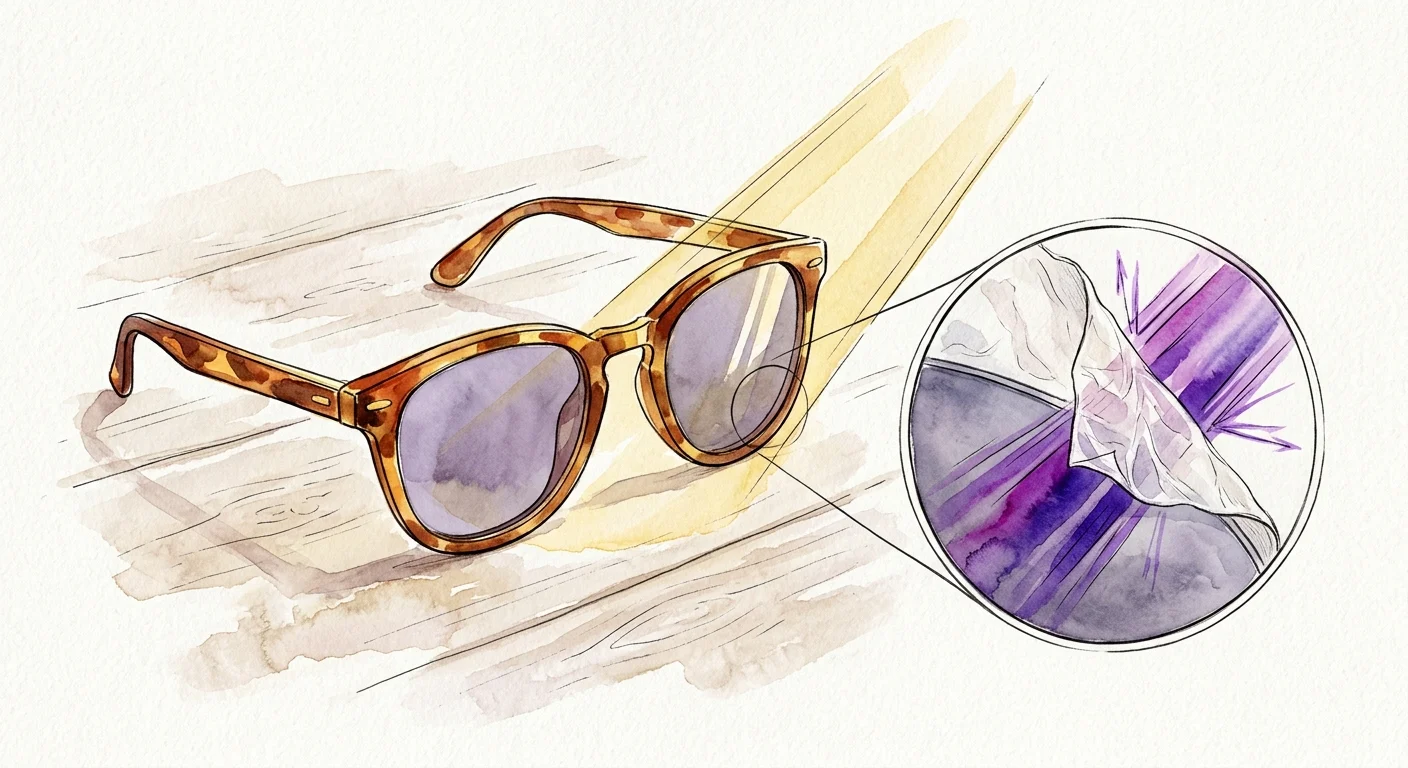
Tip #14: Sunglasses
Wearing old sunglasses actually harms your eyes more than wearing no sunglasses at all. The dark tint of the lenses forces your pupils to dilate, but the invisible ultraviolet protective coating degrades from prolonged sun exposure. Researchers found that standard UV coatings break down significantly after roughly two years of regular wear. If you wear expired sunglasses, your dilated pupils absorb massive doses of unfiltered ultraviolet radiation, actively increasing your risk for cataracts and macular degeneration. Do not trust a five-year-old pair of shades just because the lenses remain dark. Replace your daily-wear sunglasses every two years, or take them to a local optometrist to test their current level of UV resistance.
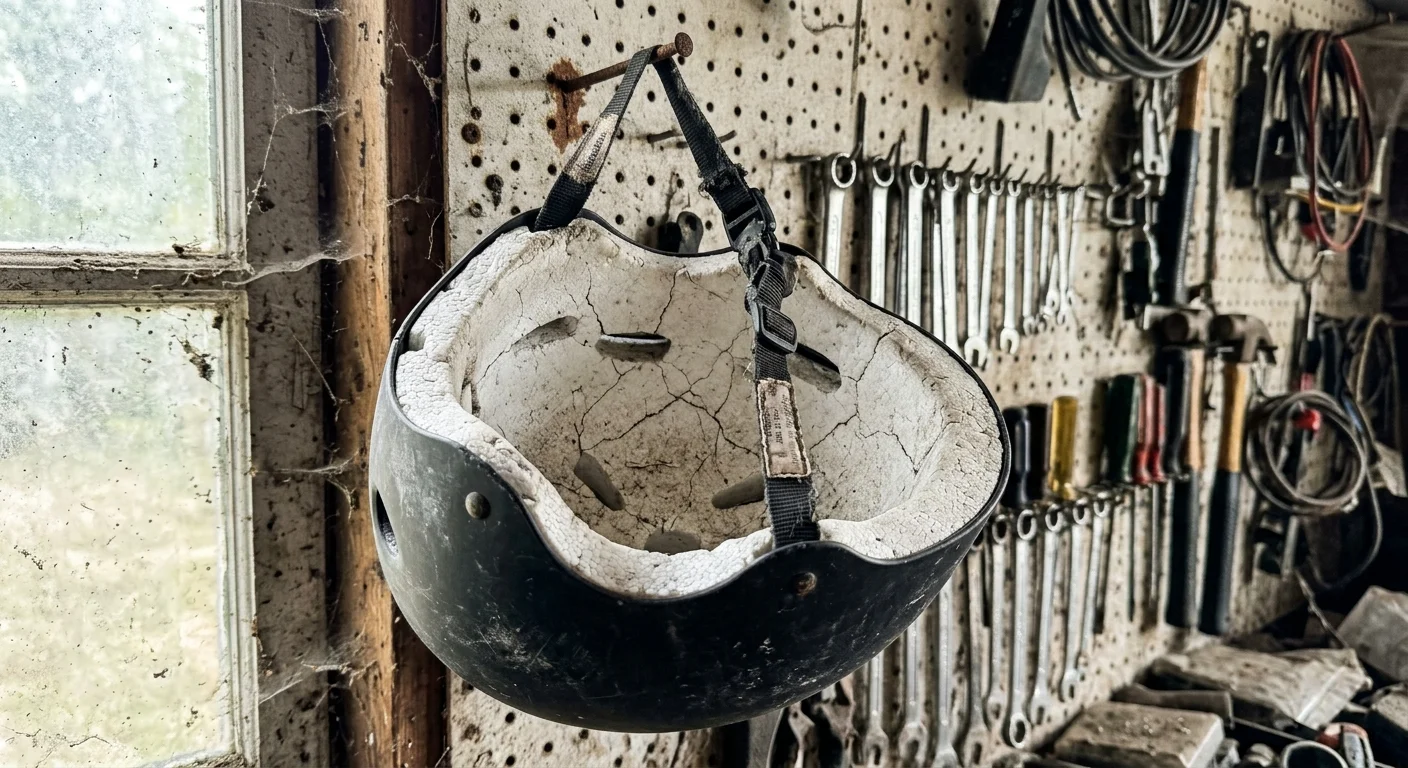
Tip #15: Bicycle Helmets
Strapping an old helmet to your head before a bike ride offers disastrously low protection during a crash. The expanded polystyrene foam inside the helmet—the crucial material designed to absorb impact energy—dries out and turns brittle over time. Environmental factors like sweat, ultraviolet rays, and fluctuating garage temperatures accelerate this structural decay. Safety commissions recommend replacing your bicycle helmet every five to ten years, even if you never crash or drop it. Furthermore, the plastic exterior shell degrades from sun exposure, compromising its overall structural integrity. Inspect your helmet for micro-cracks and check the production sticker inside; if it predates the current decade, toss it in the trash immediately to protect your brain.
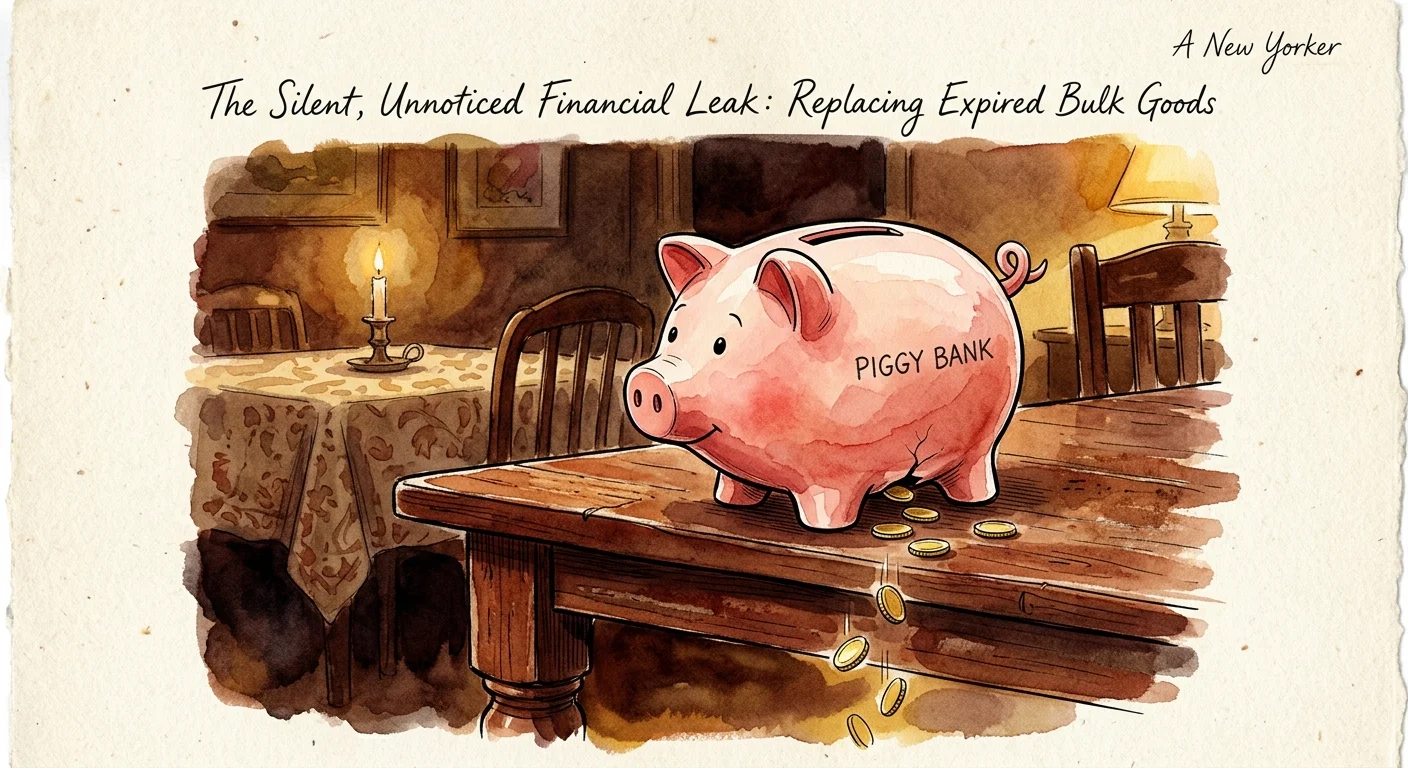
The Bottom Line: What This Means for Your Wallet
Ignoring the hidden lifespans of your household belongings provides a temporary illusion of frugality. You might think you save money by keeping a fifteen-year-old surge protector behind your television; however, you set yourself up for a devastating financial blow when a storm fries your expensive electronics. True financial savvy requires recognizing the precise difference between a durable good and a degrading asset. Treating chemical agents, protective foams, and internal electrical components as permanent fixtures ultimately costs you far more in emergency replacements and unexpected medical bills.
Take actionable steps today by grabbing a permanent marker and auditing your house. Mark the purchase dates on your new smoke detectors, routers, and fire extinguishers. Throw away the dead liquids and hardened plastics cluttering your utility cabinets. Anticipating these required replacements allows you to budget for them systematically rather than scrambling your finances during a household crisis. Practical consumer tips always dictate that an ounce of prevention beats a pound of cure; replace your failing equipment on your own schedule before it fails you completely.
Frequently Asked Questions
How can I track the lifespan of household products without visible expiration dates?
Buy a cheap permanent marker and keep it in your utility drawer. Whenever you purchase home essentials like power strips or fire extinguishers, write the purchase month and year directly on the plastic casing. This simple habit completely eliminates the guesswork when auditing your home years down the line.
Are expiration dates just a marketing trick to make me buy more stuff?
While some food dates indicate peak freshness rather than strict safety, the expiration dates on safety equipment and chemical cleaners dictate actual functionality. Manufacturers base these timelines on scientifically proven material degradation. Ignoring them puts your physical safety and valuable property at severe risk.
Is it legal to sell expired car seats or safety equipment at garage sales?
Selling recalled or severely outdated safety equipment opens you up to massive personal liability. Thrift stores legally cannot sell used car seats for this exact reason. You should always destroy expired safety gear before throwing it away; cut the harness straps on an old car seat so nobody can pull it out of the trash and endanger a child.
Can I extend the life of these items by storing them better?
Proper storage definitely maximizes longevity, even if it cannot stop the chemical clock entirely. Keep chemical liquids and foam-based products out of direct sunlight and away from extreme temperature swings. A climate-controlled indoor closet preserves these items much better than a sweltering outdoor garage.
For consumer protection information, visit the Federal Trade Commission (FTC) and the Consumer Financial Protection Bureau (CFPB). For product safety and reviews, consult Consumer Reports.
Disclaimer: This article is for informational purposes only and does not constitute financial advice. The content reflects the author’s opinion and research at the time of writing. Always do your own research before making financial decisions.





Leave a Reply