

Introduction: Slashing Your Household Bills with These Tips
Stepping into retirement often brings a profound shift in how you manage your monthly cash flow. When your paychecks transition into fixed monthly deposits, you quickly realize that every dollar needs to work harder. Inflation constantly threatens your purchasing power, turning everyday trips to the grocery store or the hardware shop into stressful events. Adapting to live fixed income realities requires a strategic shift in how you run your home. You must move away from a culture of constant consumption and embrace resourceful, hands-on solutions that maximize the lifespan of what you already own.
This comprehensive senior budget guide provides actionable strategies to lower your overhead costs dramatically. Household expenses quietly drain your bank account through disposable cleaning supplies, wasted food, and subtle energy leaks. By making a few targeted changes to your daily routines, you can reclaim hundreds of dollars each year. These tips focus on practical home economics, demonstrating that the secret to financial survival retiree style lies in making things last longer and taking control of your domestic environment. Prepare to reduce your reliance on expensive commercial products and discover clever ways to spend wisely 60+ while maintaining a beautifully kept home.
Household Hack #1: Crafting Your Own Heavy-Duty Laundry Detergent
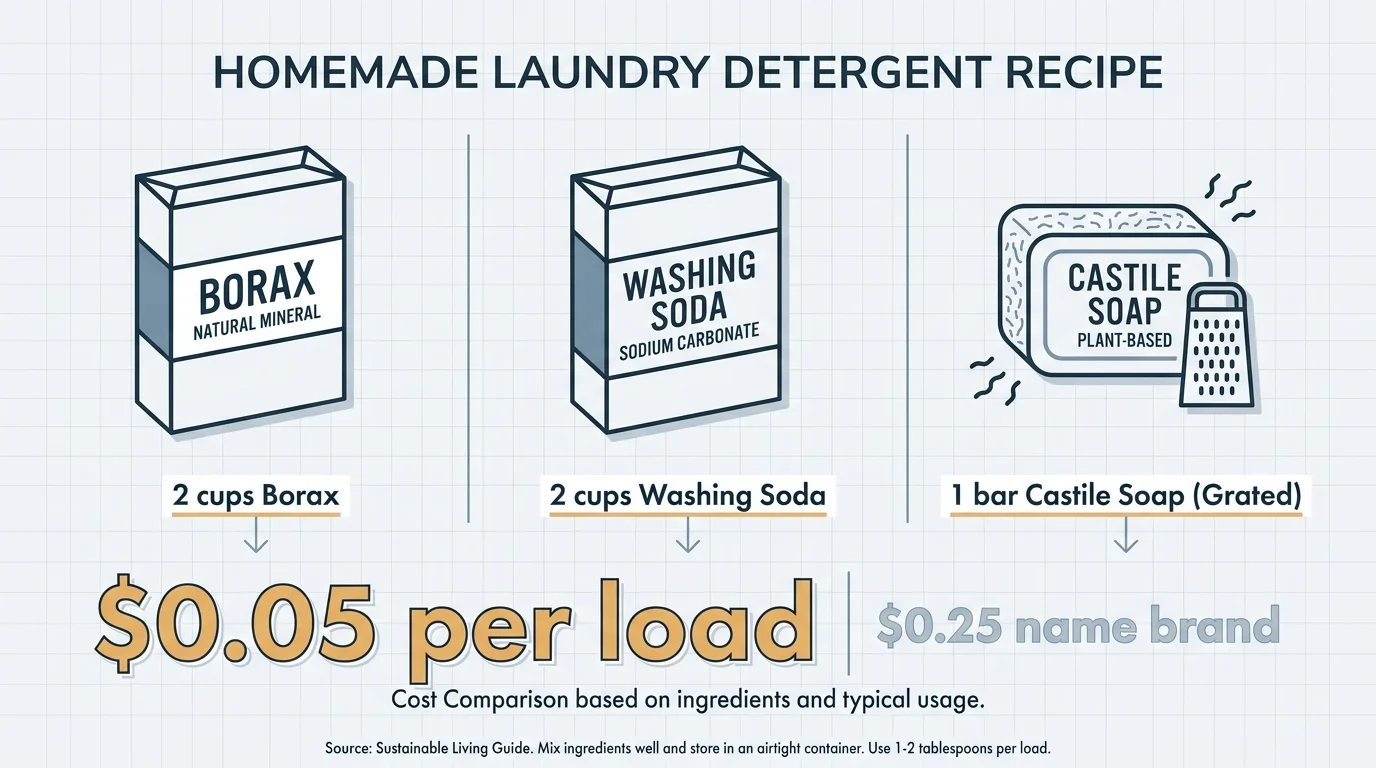
Commercial laundry detergents command premium prices for what essentially amounts to water and synthetic fragrances. You can bypass the grocery store cleaning aisle entirely by mixing your own powdered detergent for a fraction of the cost. A homemade batch yields remarkable cleaning power and costs roughly five cents per load, compared to the twenty-five cents or more you pay for name brands. To begin, you need three basic ingredients: washing soda, borax, and a solid bar of castile soap.
Finely grate the bar of castile soap using a standard kitchen cheese grater. Combine the grated soap with two cups of washing soda and two cups of borax in a large container. Stir the dry mixture thoroughly to ensure even distribution. When laundry day arrives, you only need to use two tablespoons of this concentrated powder for a large, heavily soiled load. The mixture dissolves easily in warm water and cuts through tough stains without relying on harsh chemicals. Storing the powder in an airtight glass jar keeps moisture out and guarantees your supply lasts for several months.
Household Hack #2: Preserving Fresh Produce to Eliminate Food Waste
Throwing away spoiled vegetables and moldy fruits feels exactly like throwing dollar bills directly into the garbage can. Seniors often struggle to consume fresh produce before it goes bad, leading to significant financial waste over the course of a year. You can drastically extend the lifespan of your groceries by understanding how to store them properly. Many fruits, such as apples and bananas, release ethylene gas as they ripen. This invisible gas accelerates the rotting process of surrounding vegetables. Always store ethylene-producing fruits in a separate drawer from your delicate leafy greens.
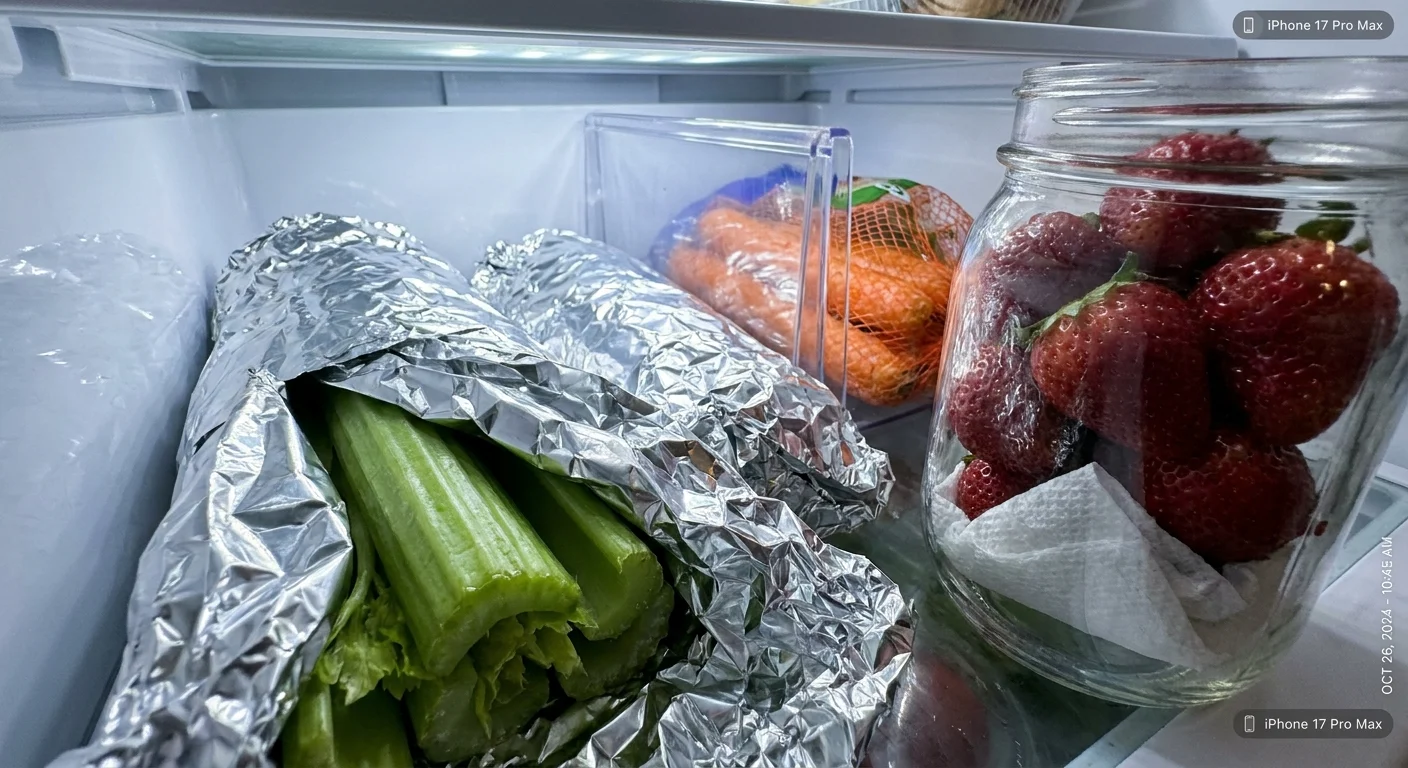
You can also utilize specific storage techniques for highly perishable items. Wrap fresh celery stalks tightly in aluminum foil before placing them in the crisper drawer; they will remain crisp and snappy for up to a month. For fresh berries, wash them gently in a solution of one part white vinegar to three parts water, dry them completely, and store them in a glass jar lined with a folded paper towel. The vinegar kills unseen mold spores, and the glass container prevents premature spoiling. These simple storage habits ensure you eat exactly what you purchase.
Household Hack #3: Mixing a Potent, All-Purpose Citrus Cleaner
A quick glance under the average kitchen sink reveals a costly collection of specialized cleaning sprays. You do not need a separate, expensive product for your windows, your countertops, and your bathroom tiles. White vinegar serves as a powerful, natural solvent that cuts through grease and disinfects surfaces effectively. However, the strong smell of pure vinegar often deters people from using it regularly. You can solve this problem quickly by creating an infused citrus cleaner using leftover fruit peels from your breakfast.
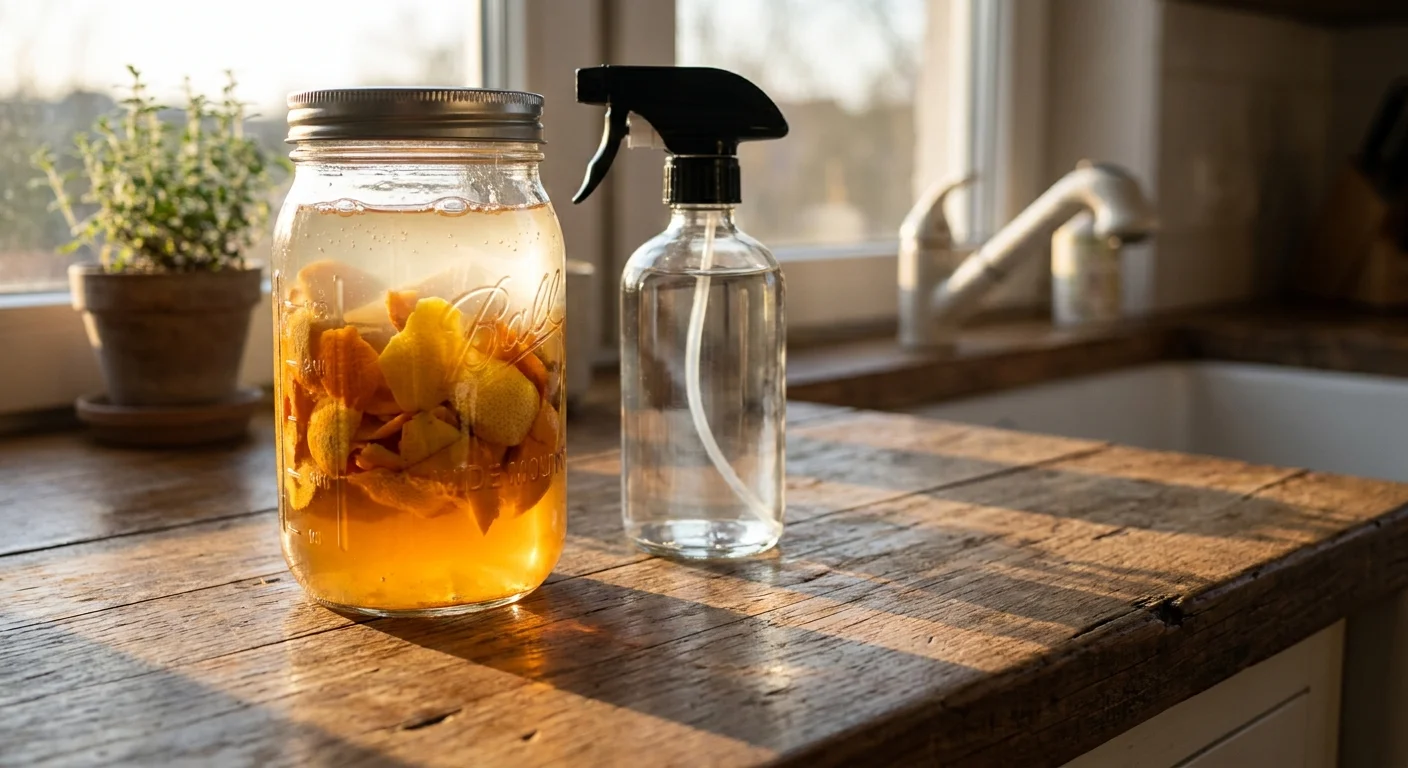
Save the rinds from oranges, lemons, and grapefruits instead of tossing them into the compost bin. Pack these peels tightly into a large glass mason jar and pour undiluted white vinegar over them until the jar overflows. Seal the lid and leave the mixture resting in a dark cupboard for two weeks. The natural citrus oils will extract directly into the vinegar, neutralizing the harsh scent and adding serious degreasing power. Strain the infused liquid into a standard spray bottle and dilute it with an equal amount of tap water. You now possess a highly effective, incredibly cheap surface cleaner.
Household Hack #4: Sewing Reusable Mop Pads from Old Bath Towels
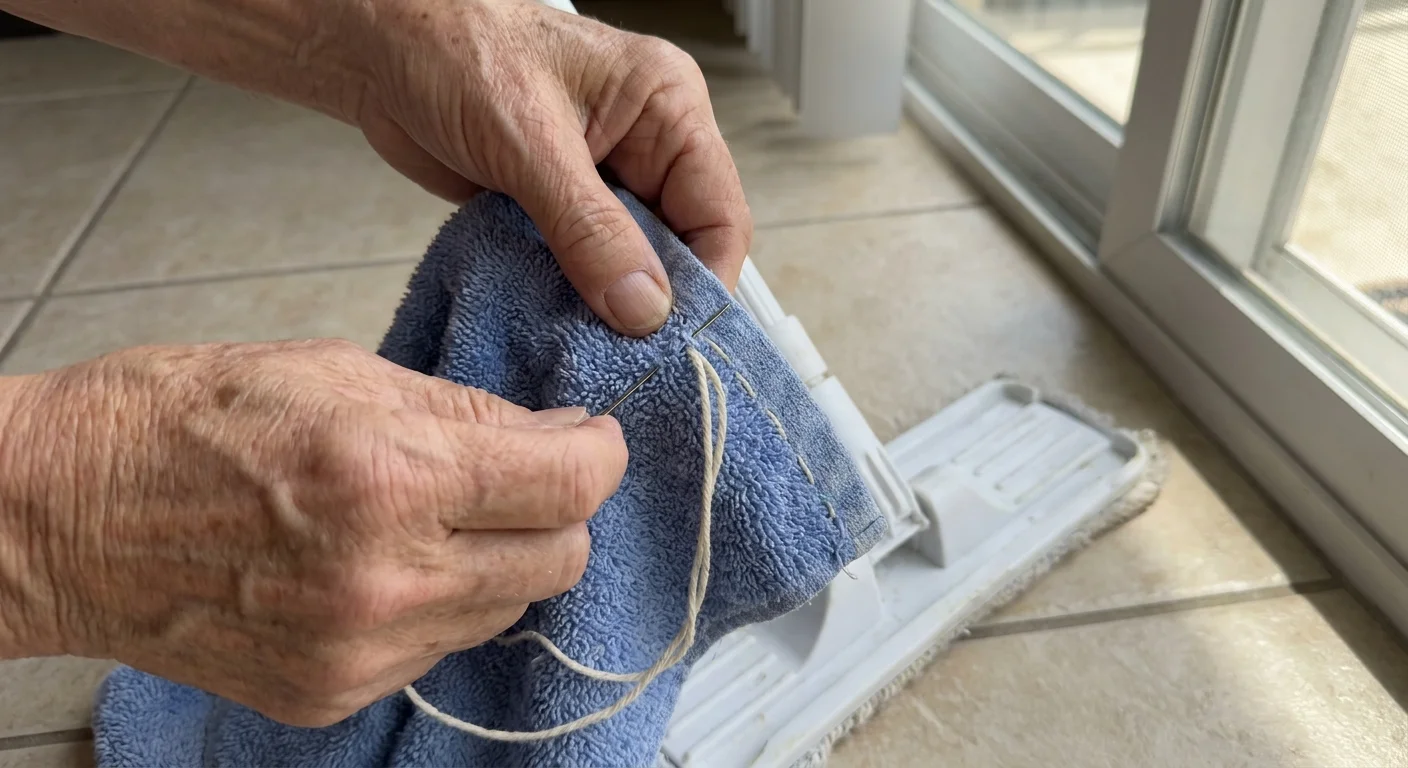
Disposable floor sweeping pads offer undeniable convenience, but their recurring cost actively sabotages your household budget. Buying a box of wet or dry replacement pads every few weeks adds up to a surprisingly high annual expense. You can easily replicate the cleaning action of these brand-name tools by repurposing old, frayed bath towels that you would otherwise throw away. The densely textured loops of a standard terrycloth towel trap household dust and pet hair perfectly.
Place your flat mop head directly onto an old towel and trace a rectangle that extends three inches past the edges on all sides. Cut out the fabric rectangle and hem the raw edges to prevent fraying during future washes. You can secure the fabric to the mop head by sewing simple elastic bands across the back or by attaching adhesive strips of hook-and-loop fasteners. When you finish mopping the kitchen, simply peel the dirty towel pad off the plastic base and toss it directly into your washing machine. A single bath towel yields four or five reusable pads, keeping your floors spotless indefinitely.
Household Hack #5: Sealing Drafty Windows and Doors with Simple Fixes
Heating and cooling costs consume a massive portion of retirement income, a detail standard retirement income tips usually overlook. An older home often suffers from tiny structural gaps that allow conditioned air to escape out into the neighborhood, forcing your HVAC system to work overtime. Identifying and sealing these drafts provides an immediate reduction in your monthly utility bills. Start by inspecting the perimeters of your windows and the thresholds of your exterior doors on a blustery day. You can detect subtle air movement by holding a lit candle near the window frame; if the flame flickers wildly, you have a draft.
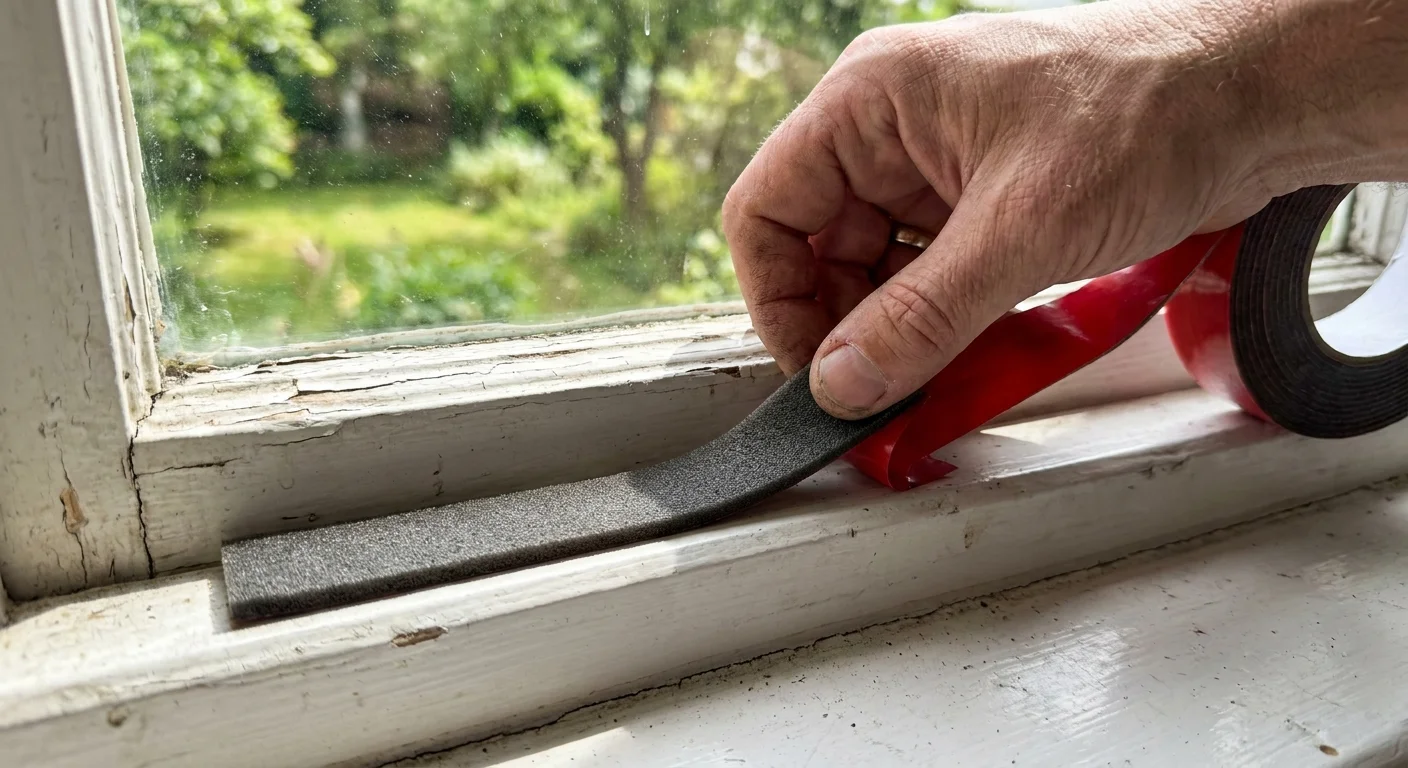
Purchase a roll of inexpensive rope caulk from the local hardware store to address window gaps. You simply unroll the putty-like cord and press it firmly into the internal seams of the window sash. It blocks the cold air completely and peels away effortlessly when spring arrives. For drafty doors, craft a homemade draft dodger by filling an old, thick knee sock with dry rice or cheap dried beans. Tie off the open end securely and lay the weighted fabric tube along the bottom gap of your door to block incoming drafts instantly.

Household Hack #6: Optimizing Your Water Heater for Maximum Savings
Your water heater operates silently in the utility closet, consuming a significant amount of electricity or natural gas every single day. Most manufacturers set the default temperature on new units to 140 degrees Fahrenheit. This elevated temperature poses a severe scalding risk and wastes a tremendous amount of energy keeping the water needlessly hot. You can instantly reduce your daily water heating costs by adjusting the main thermostat dial on the front of the tank down to 120 degrees Fahrenheit.
Additionally, sediment naturally accumulates at the bottom of the steel tank over time, especially if you live in a municipality with hard water. This thick layer of mineral sludge forces the gas burner or heating element to work much harder to heat the water sitting above it. Connect a standard garden hose to the spigot at the base of the tank and drain a few gallons of water into a nearby floor drain once a year. Flushing out this sediment improves the thermal efficiency of the unit and dramatically extends the lifespan of the appliance, sparing you from a costly emergency replacement.
Household Hack #7: Regrowing Kitchen Scraps on Your Windowsill
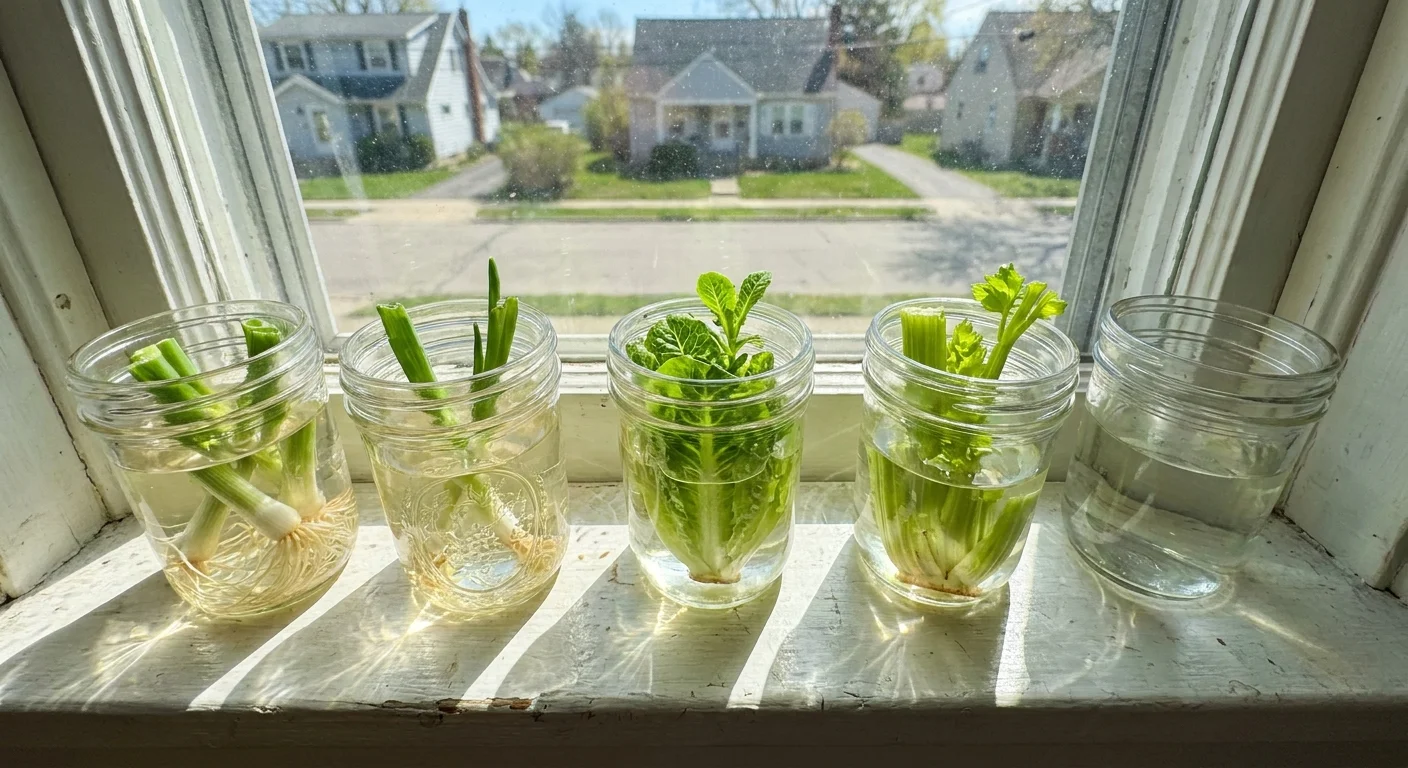
Growing your own food offers immense personal satisfaction and noticeable grocery savings, but you do not need a sprawling backyard garden to reap the benefits. Many common kitchen vegetables possess the remarkable ability to regenerate directly from the scrap bases you normally throw away. Green onions provide the absolute easiest starting point for indoor scrap gardening. Leave about a full inch of the white root intact when you chop the green stalks for a soup or salad.
Place these root ends upright in a shallow glass containing just enough water to submerge the bottom root tendrils. Set the glass on a bright, sunny windowsill and change the water every couple of days to prevent stagnation. Within a single week, fresh green shoots will emerge rapidly from the tops. You can continually snip off exactly what you need for baked potatoes while the resilient plant continues to grow. You can apply this exact same shallow-water technique to the solid base of romaine lettuce heads or celery bunches before transplanting them into soil.
Household Hack #8: Concocting a Chemical-Free Landscape Weed Killer
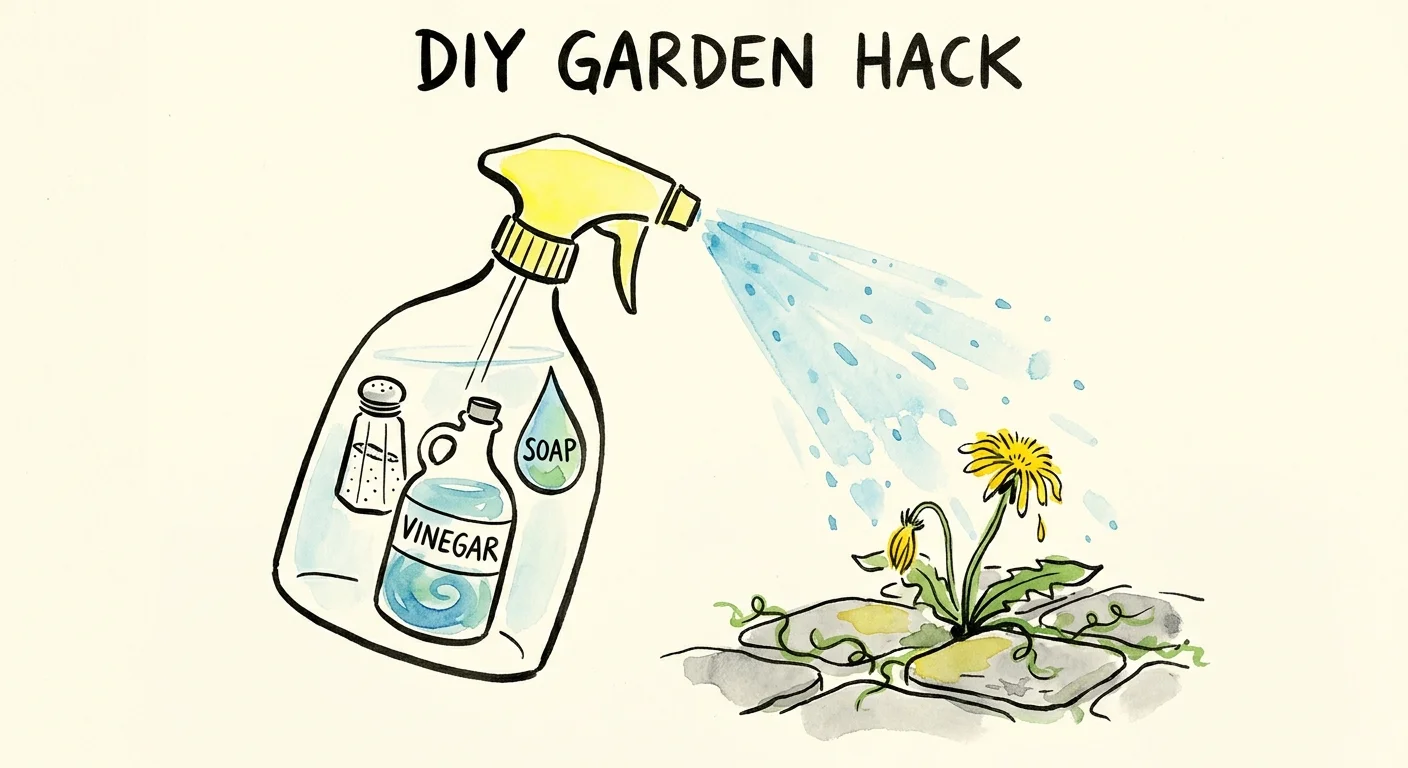
Maintaining a tidy concrete driveway, patio, and brick garden path requires constant vigilance against invasive weeds. Commercial herbicides command aggressively high prices and introduce toxic chemicals into your immediate living environment, which poses risks to local wildlife and neighborhood pets. You can eradicate unwanted weeds safely and cheaply using ingredients you likely already stock in your kitchen pantry. A standard gallon jug of white vinegar contains enough natural acetic acid to dry out and kill young weeds quickly.
Mix one gallon of regular white vinegar with one cup of ordinary table salt and one tablespoon of liquid dish soap. The salt effectively poisons the soil immediately surrounding the targeted weed, preventing future growth in that specific spot. The dish soap breaks the surface tension of the acidic liquid, allowing the solution to coat the waxy green leaves of the plant rather than simply beading up and rolling off into the dirt. Pour this potent mixture into a pump sprayer and douse the weeds heavily during the hottest part of a sunny afternoon. The intense sunlight accelerates the drying effect, wilting the weeds completely by nightfall.
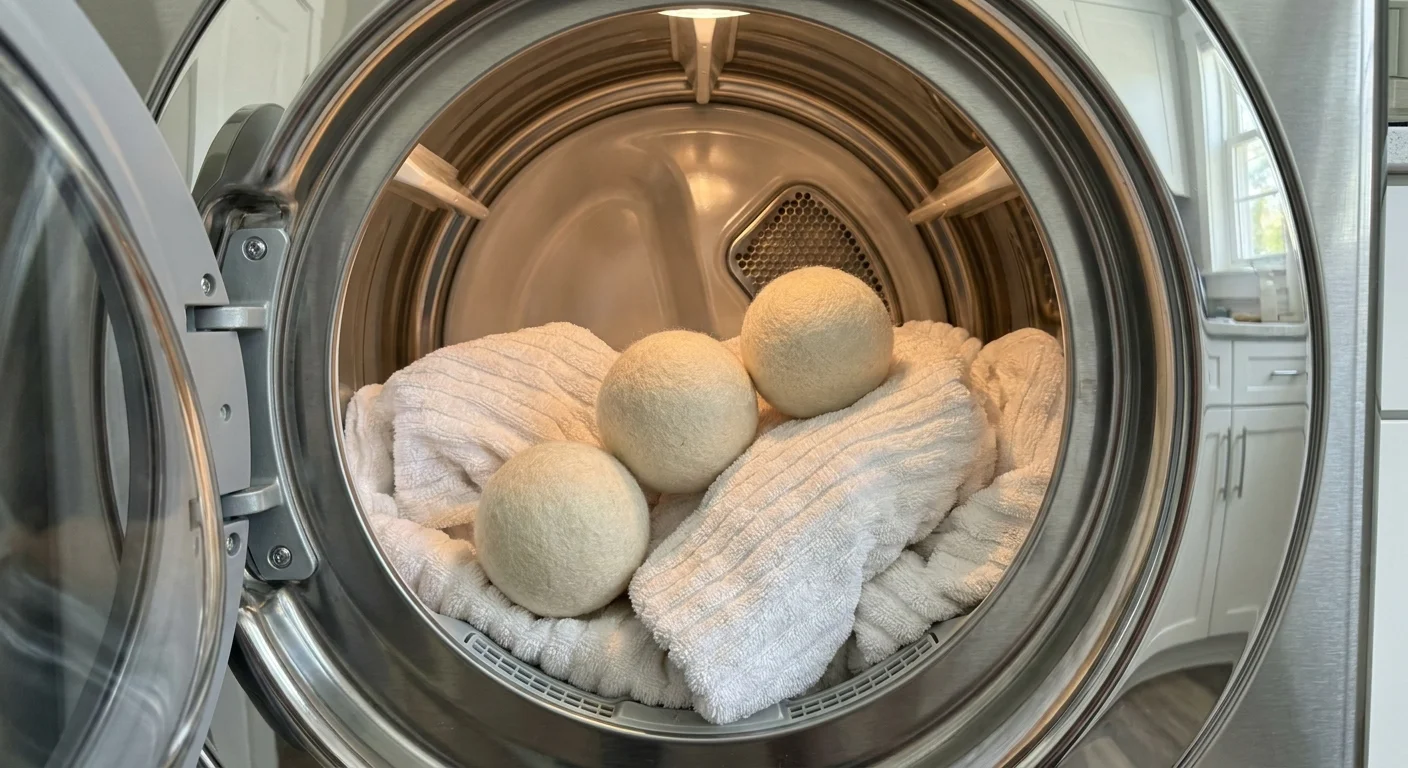
Household Hack #9: Swapping to Wool Dryer Balls to Cut Energy Costs
Liquid fabric softeners and single-use perfumed dryer sheets represent completely unnecessary, recurring household expenses. These products purposely coat your clothing and bath towels with synthetic waxes that actually reduce the water absorbency of the fabric over time. Furthermore, the waxy chemical residue eventually clogs the fine lint screen housing in your dryer, restricting crucial airflow and forcing the machine to run much longer than necessary. You can achieve softer laundry and speed up the drying process simultaneously by investing in a set of reusable wool dryer balls.
When you toss three or four solid wool balls into the dryer drum with your wet clothes, they tumble around and physically separate the heavy garments. This constant mechanical agitation creates large pockets of hot air between the fabrics, allowing the trapped moisture to evaporate much faster. Many frugal households report a twenty-five percent reduction in total drying time, which translates directly to a noticeably lower electricity bill. A quality set of wool dryer balls lasts for thousands of loads, completely eliminating the need to ever purchase chemical softeners again.
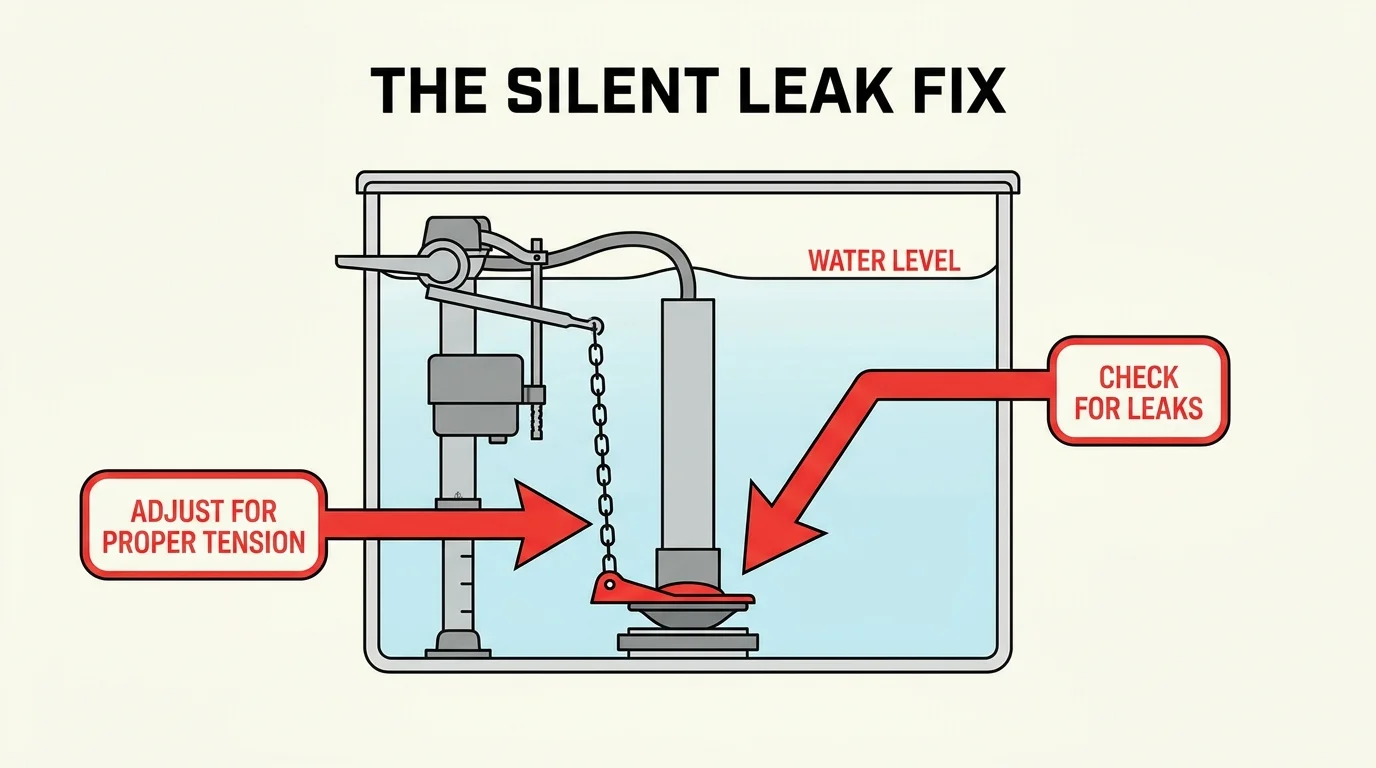
Household Hack #10: Diagnosing and Fixing a Leaky Toilet Flapper
A running toilet often sounds like a minor background annoyance, but it acts as a massive drain on your fixed monthly utility budget. A faulty toilet flush mechanism wastes hundreds of gallons of clean, treated water every week, slowly driving your municipal water bill higher and higher without you realizing it. The most common culprit behind a constantly running toilet is a deteriorated rubber flapper valve located at the very bottom of the upper tank. You can diagnose this plumbing issue quickly using a simple bottle of food coloring from your baking cabinet.
Remove the heavy porcelain tank lid and drop five to ten drops of dark blue or red food coloring directly into the water reservoir. Do not flush the toilet handle. Wait exactly thirty minutes and check the clear water sitting inside the lower toilet bowl. If the dark color has seeped down into the bowl, you have a definitive leak. You can purchase a replacement rubber flapper at any local hardware store for roughly five dollars. Turn off the metal water supply valve behind the toilet, unhook the old flapper from the plastic pegs, and snap the new one firmly into place. This five-minute repair yields instant financial rewards.
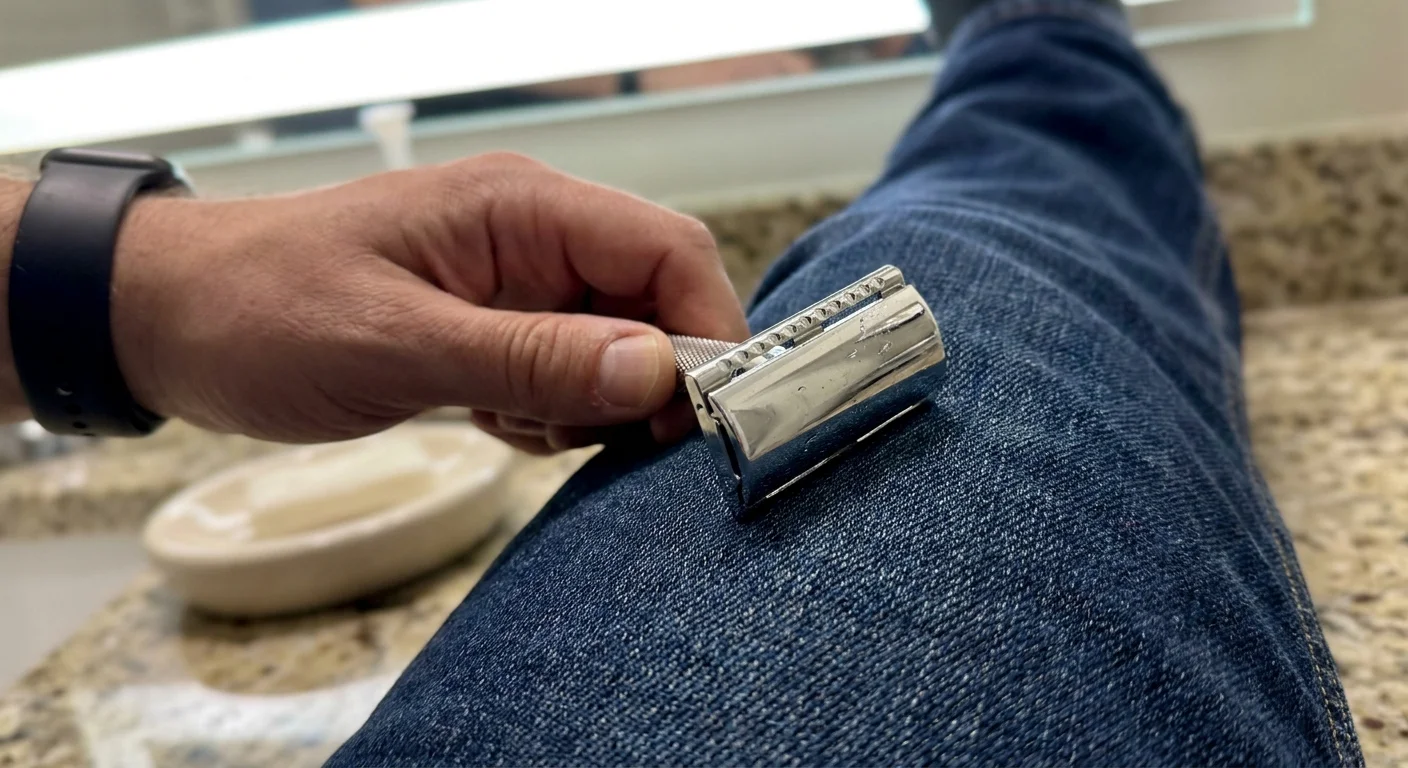
Household Hack #11: Extending the Life of Your Razor Blades
Replacement multi-blade cartridges for modern shaving razors carry an exorbitant retail markup, making everyday personal grooming surprisingly expensive. Most men and women discard their razor blades after a few uses because they feel dull and pull at the skin, but the actual steel edges rarely blunt that quickly. Instead, the perceived dullness usually results from microscopic rust forming on the delicate metal edge due to prolonged exposure to trapped bathroom moisture. You can easily triple the lifespan of your razor cartridges by changing how you handle them after you finish shaving.
Never leave your wet razor sitting in a damp shower caddy or resting in a puddle of water on the bathroom sink edge. Thoroughly dry the metal blades by pressing them firmly into a dry hand towel after every single use. Once fully dry, you can hone the fine blade edges using an old pair of heavy denim jeans. Lay the denim flat on a solid table and briskly push the razor head up the leg of the jeans, moving backward in the opposite direction of the sharp edge. Repeating this motion ten times realigns the microscopic metal burrs, restoring the smooth, sharp feel of a brand-new cartridge instantly.

The Payoff: Real Savings for Your Home Budget
Applying these practical strategies transforms the way you approach your daily household chores and your shopping lists. You quickly discover that many expensive commercial products exist solely to provide a slight convenience rather than a genuine domestic necessity. Taking the brief time to craft your own detergents, preserve your fresh food carefully, and maintain your aging home appliances requires a bit of upfront effort, but the financial payoff accumulates rapidly. When you deliberately stop leaking cash on disposable goods and utility waste, you create vital breathing room in your monthly budget.
Adopting this resourceful, hands-on mindset proves absolutely essential for anyone looking to navigate an economy with rising prices successfully. You no longer feel completely at the mercy of volatile grocery costs or unpredictable energy rates because you hold tangible control over your domestic consumption. Embrace the immense satisfaction that comes from fixing a leaky plumbing valve yourself or watching a celery stump sprout fresh green leaves on your bright windowsill. Your bank account balance will reflect your daily diligence, allowing you to direct your hard-earned retirement funds toward the experiences and people that matter most to you.
Frequently Asked Questions
Does homemade laundry detergent really clean as well as store-bought brands?
Yes, homemade detergent built from washing soda and borax effectively tackles heavy dirt soils and natural body oils. Washing soda acts as a highly powerful grease solvent, while plain borax naturally softens the wash water, allowing the grated castile soap to lift trapped dirt directly from fabric fibers. For heavily soiled gardening items or bright white sheets, you can always add a scoop of oxygen bleach to the washing machine drum. Homemade powder excels at everyday cleaning tasks without leaving behind itchy, artificial fragrance residues on your clean clothing.
Are there any surfaces I should avoid cleaning with the vinegar and citrus solution?
You must keep acidic liquid cleaners like white vinegar far away from all natural stone surfaces, including expensive granite, marble, and quartz countertops. The acid slowly etches the porous stone materials, destroying the applied protective sealant and leaving permanent dull marks across the surface. Furthermore, you should strongly avoid using heavy vinegar solutions on unsealed wood floors, as the acid can strip away the natural finish over time. Reserve your powerful citrus-infused vinegar solely for tackling ceramic bathroom tiles, glass window panes, stainless steel kitchen sinks, and durable laminate surfaces where it safely eliminates sticky grime.
How long do wool dryer balls actually last before needing replacement?
High-quality wool dryer balls crafted from one hundred percent solid felted wool typically withstand well over a thousand heated drying cycles. For the average retired household doing normal laundry a few times a week, a single set easily lasts between three and five full years. You might notice them slowly beginning to pill on the surface or shrink slightly as they age, but this aesthetic wear does not impact their mechanical effectiveness in the dryer. Once the dense balls start unraveling significantly or begin leaving stray wool fibers stuck to your dark clothing, you know it is finally time to purchase a fresh set.
For information on energy savings in your home, visit the U.S. Department of Energy at Energy.gov. For eco-friendly household tips, consult the Environmental Protection Agency (EPA).
Disclaimer: This article provides tips for informational purposes. Follow all safety precautions when attempting DIY projects or using household products. The author is not liable for any damages or injuries. Results may vary.






Leave a Reply