

Buying in bulk can slash your annual household spending by hundreds of dollars immediately. Store workers see shoppers fall for flashy retail gimmicks every single day.
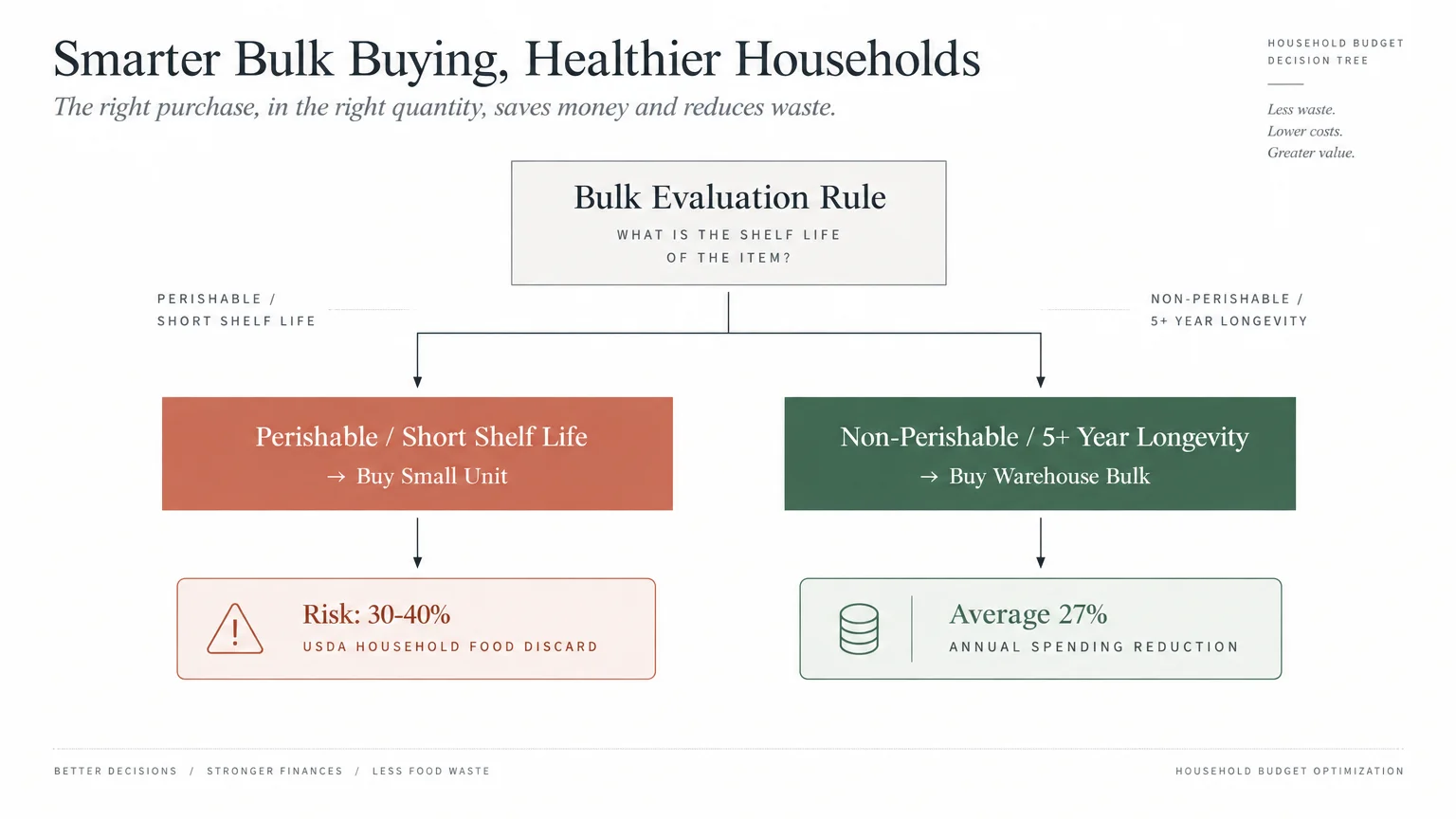
When you choose the right items, you bypass retail markups and pocket substantial long-term gains. LendingTree data shows smart bulk shoppers pocket an average savings of 27 percent across household staples.
However, buying the wrong products will quickly turn your budget into pure food waste. Here are the top ten products that retail insiders say you should always buy in bulk.
Tip #1: White Rice and Dried Beans
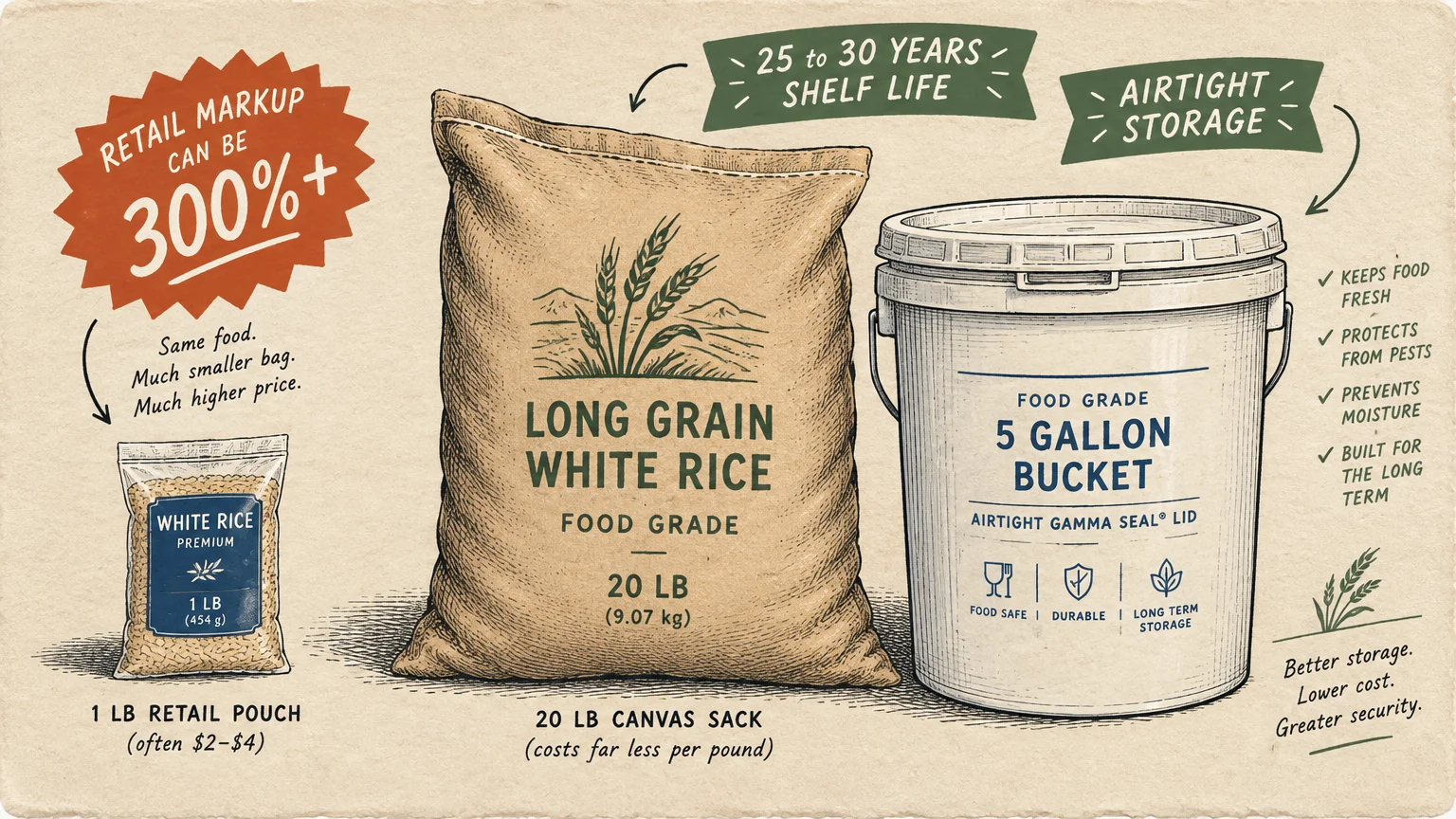
Supermarket markups on small one-pound bags of grain are astonishingly high. Grocery employees watch customers pay three times more per pound simply for colorful single-meal packaging.
Uncooked white rice and dried beans are premier bulk buying store items because they do not spoil. Stored properly in airtight containers, they maintain safety and nutritional value for 25 to 30 years.
Purchasing twenty-pound or fifty-pound sacks brings your baseline cost down to pennies per serving. You instantly insulate your kitchen budget against persistent grocery inflation while securing reliable dinner foundations.
The U.S. Department of Agriculture reports that American households discard 30 to 40 percent of their food. Dried staples completely eliminate this financial hazard because they never rot in your pantry drawer.
Pair these pantry powerhouses with airtight five-gallon buckets to lock out pests and ambient moisture. That single storage upgrade guarantees your staple supply stays fresh for decades to come.
You can transform these humble dried staples into endless inexpensive meals using basic spices and broth. Savvy shoppers recognize that raw grains provide the highest calorie-per-dollar return in any warehouse store.
Tip #2: Toilet Paper and Paper Towels
Paper goods represent one of the most reliable products worth buying in bulk. You will always need them, and they carry zero danger of food spoilage or product degradation.
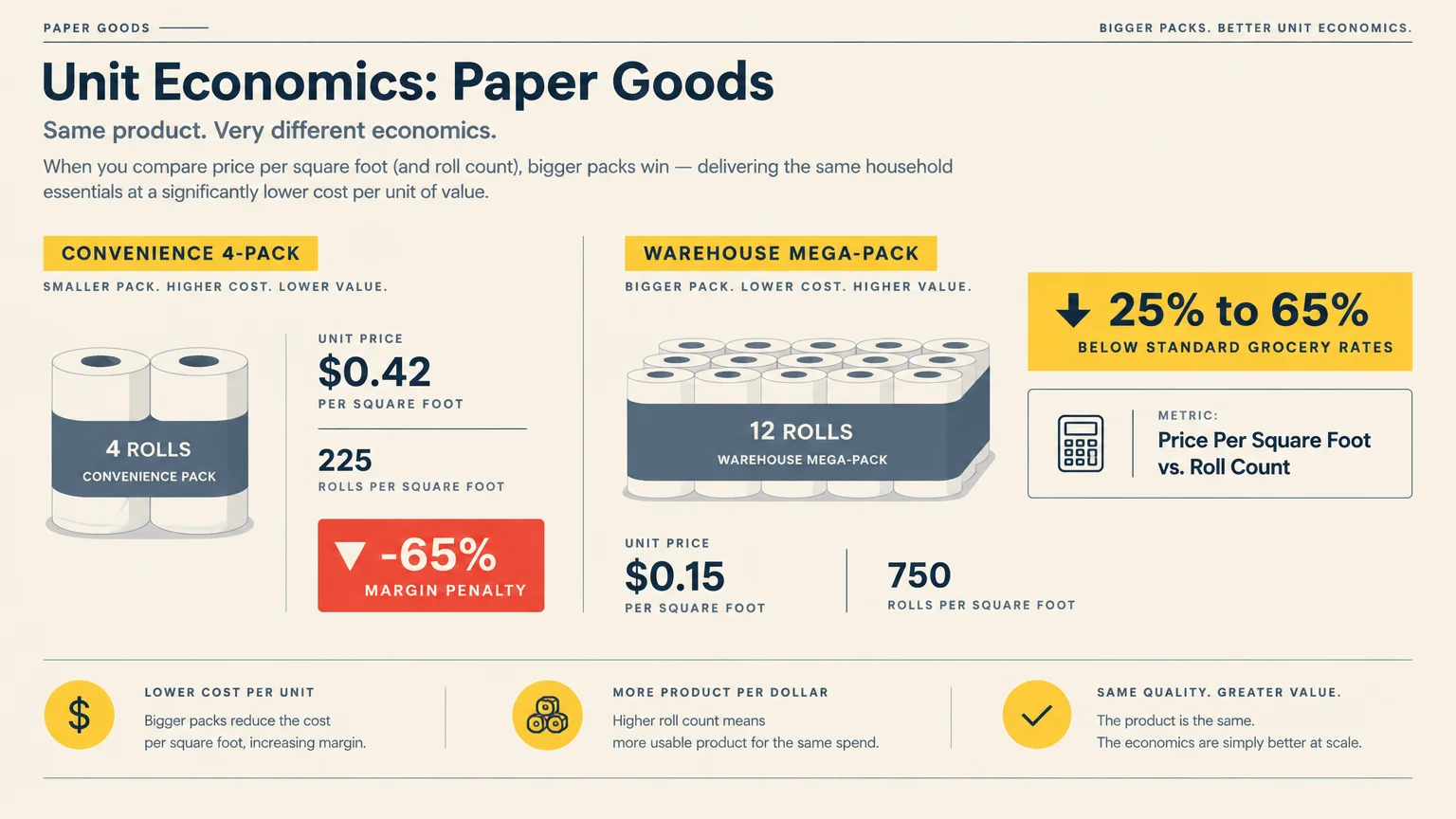
Store clerks note that warehouse clubs sell paper products at 25 to 65 percent below standard grocery rates. Buying individual four-packs at local convenience stores essentially burns your hard-earned cash.
You must compare the unit price per square foot rather than relying solely on sheet counts. Manufacturers love to shrink roll dimensions, but warehouse mega-packs consistently offer superior total surface area.
Storing multiple giant bundles requires dedicated space in a closet, attic, or under a guest bed. That minor storage trade-off pays for itself through steady, compounding annual savings.
Warehouse house brands regularly match or outperform costly national name brands in independent strength tests. You get commercial-grade absorbency without paying premium marketing markups at the register.
Keep a six-month supply on hand to protect your budget against supply chain disruptions and seasonal price spikes. Having an abundant stock at home eliminates emergency late-night runs to overpriced corner bodegas.
Tip #3: Alkaline Batteries
Purchasing a four-pack of AA or AAA batteries at a checkout register carries a staggering markup. Store workers know front-end impulse displays rely on urgency rather than fair consumer pricing.
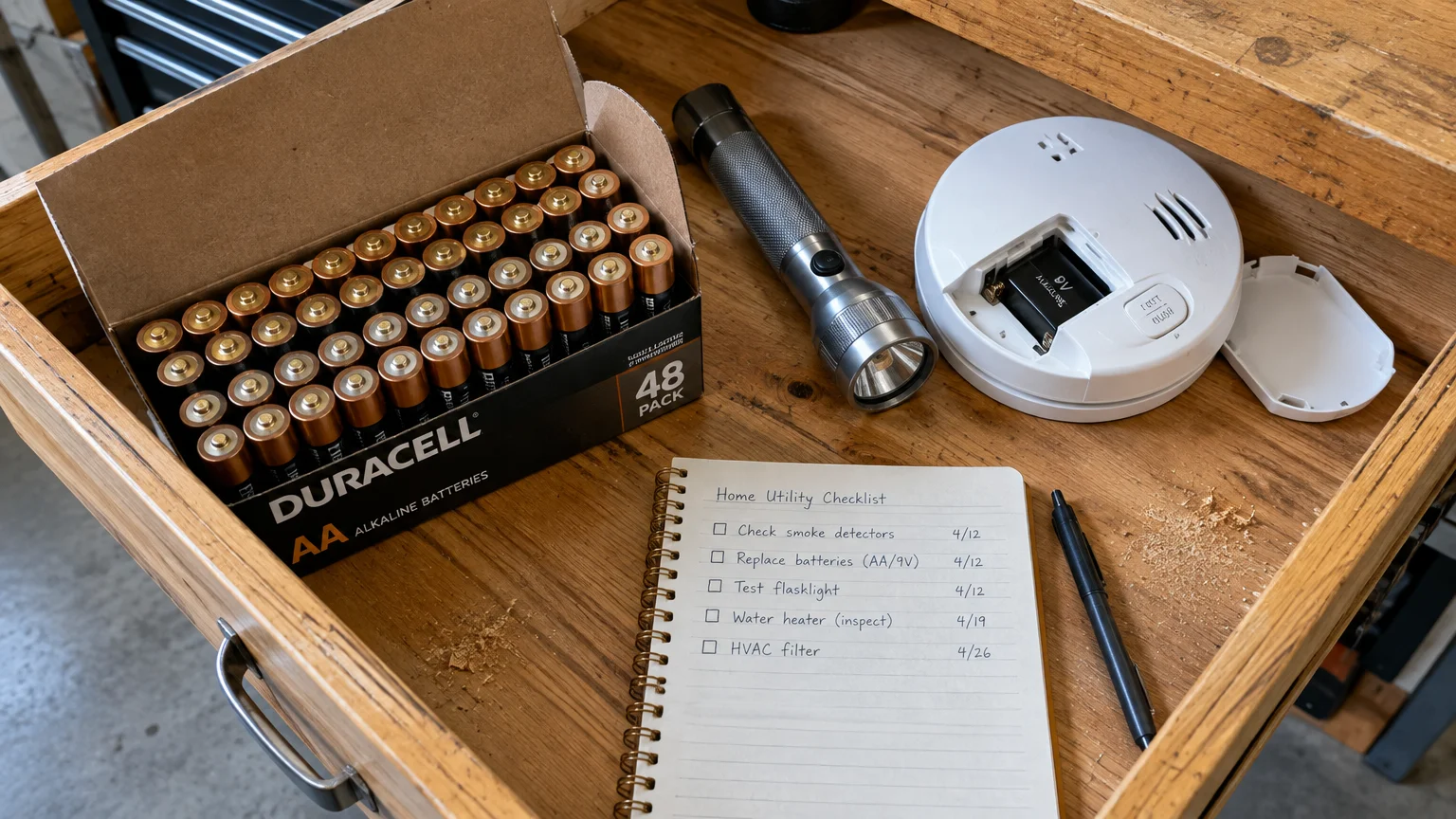
Buying 40-pack or 48-pack cartons at a warehouse club slashes your per-unit costs by 50 to 60 percent. That massive discount turns a household necessity into one of the best bulk purchase items available.
Major battery manufacturers rate modern alkaline batteries for a shelf life of up to ten full years. You can stash them in a tool drawer without worrying about chemical breakdown or sudden power drainage.
From smoke detectors to handheld flashlights and television remotes, batteries inevitably run out at inconvenient moments. Having a dependable bulk stash at home saves you both money and frantic trips to the store.
Avoid storing batteries in hot attics or damp basements where extreme temperatures can degrade their capacity. Keep them inside their original plastic container in a climate-controlled room to maximize their ten-year longevity.
The math on battery multi-packs is straightforward and heavily favors the organized buyer. Paying fifty cents per battery beats paying two dollars apiece during a household emergency every single time.
Tip #4: Generic Over-the-Counter Pain Relievers
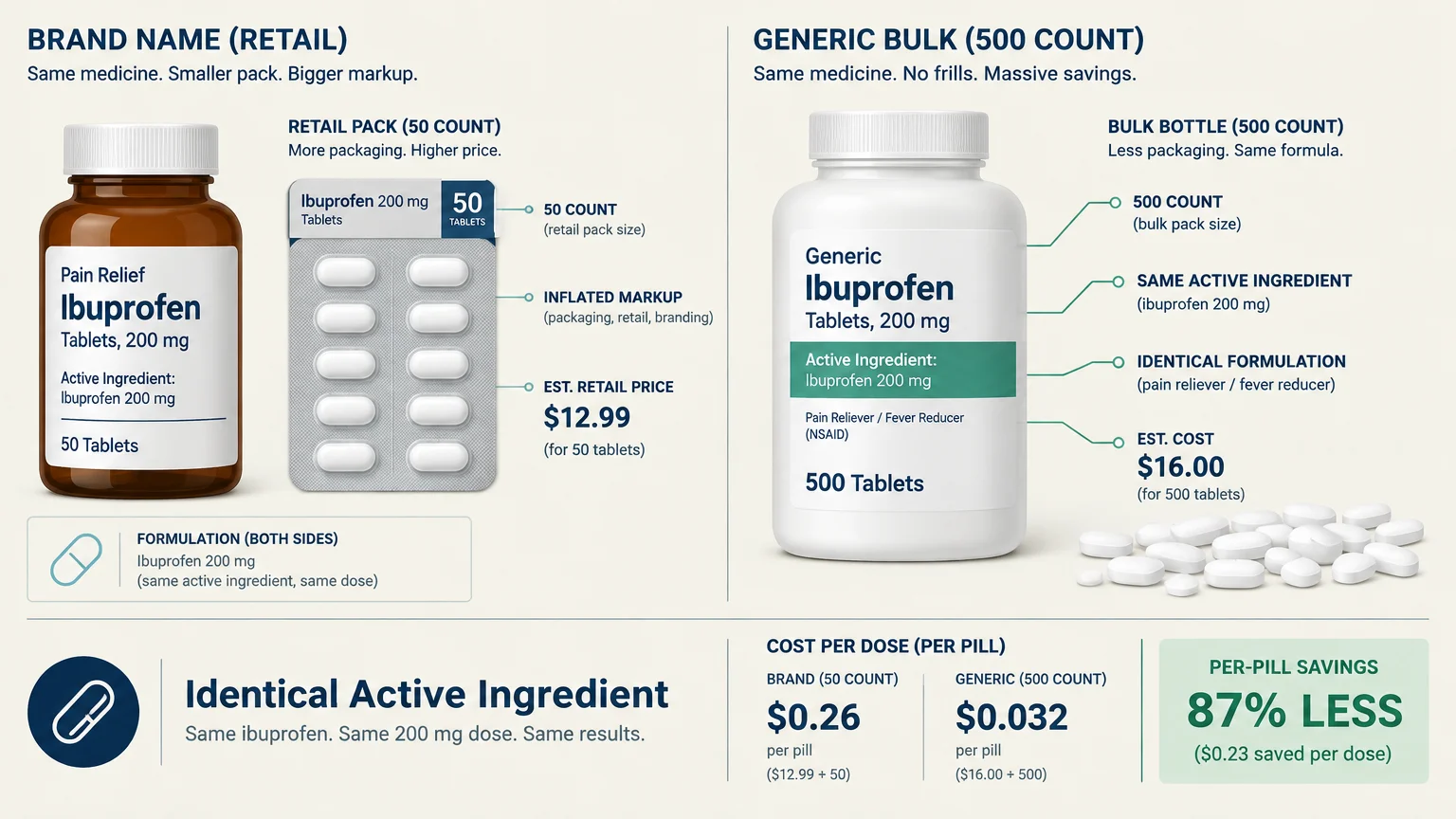
Pharmacy shelves at standard drugstores mark up common pain and allergy medications to astronomical levels. You frequently pay $15 to $25 for small branded bottles containing only 100 to 200 tablets.
Store employees routinely steer bargain hunters toward generic store-brand bottles containing 500 to 1,000 tablets. These massive bottles regularly sell for under $15 at warehouse clubs, delivering savings exceeding 80 percent.
The active ingredients in generic ibuprofen, acetaminophen, and cetirizine are chemically identical to pricey name brands. Federal law requires generic formulations to meet the exact same rigorous safety and effectiveness standards.
Always check the printed expiration date before taking a giant bottle home from the club. Most solid over-the-counter tablets retain full potency for two to three years, giving households ample time to finish them.
Keep a small travel bottle in your bag and refill it directly from your bulk home supply. That simple habit prevents you from buying overpriced two-pill packs at gas stations or airport convenience stores.
For families managing seasonal allergies or chronic aches, generic bulk medication represents one of retail’s greatest bargains. You save over a hundred dollars annually while receiving identical therapeutic relief.
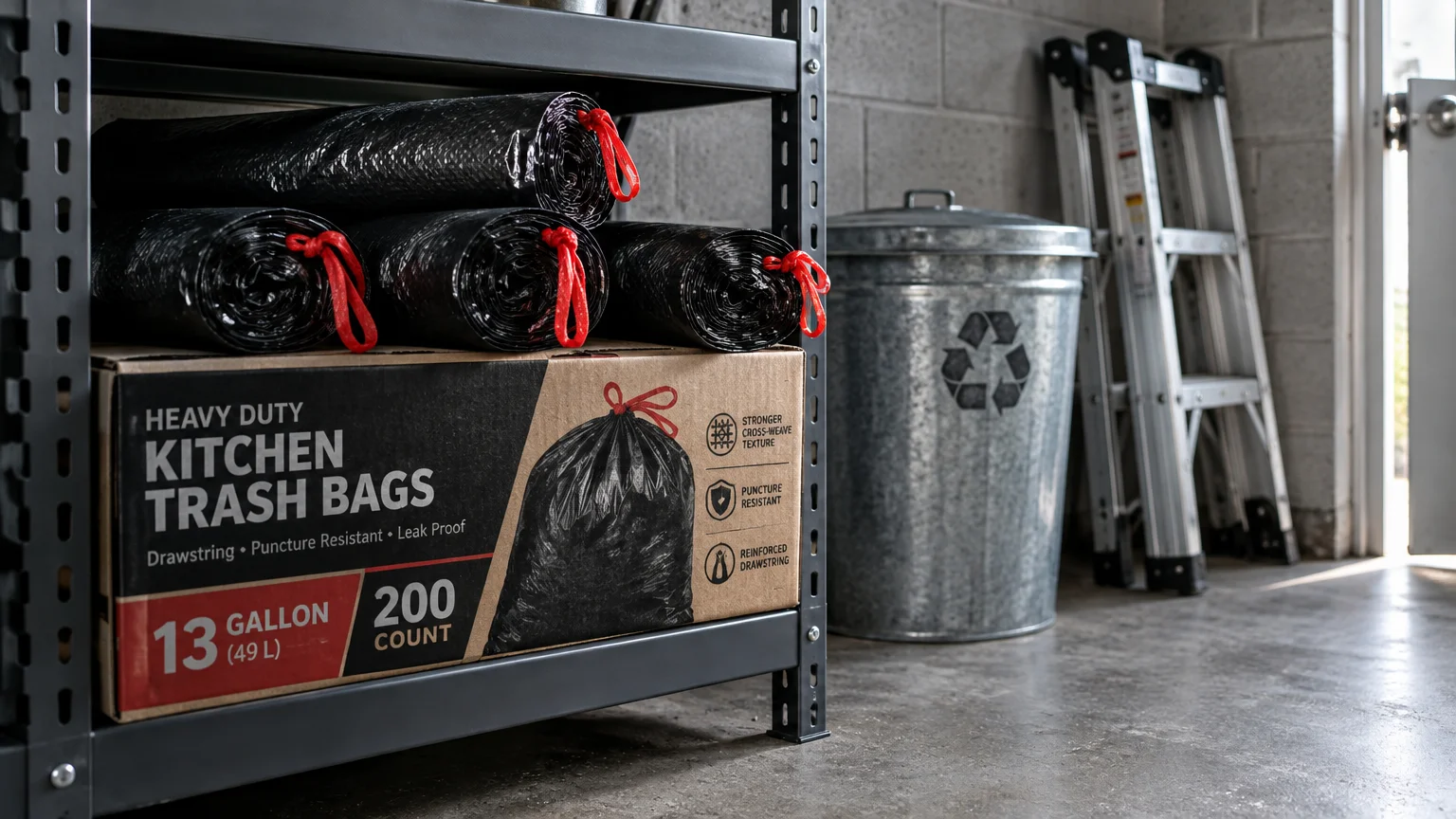
Tip #5: Heavy-Duty Trash Bags
Trash bags are an inescapable recurring expense for every modern household. Grocery stores capitalize on this constant need by pricing 20-count boxes at inflated retail rates.
Warehouse clubs offer industrial cartons holding 150 to 200 durable trash bags for a fraction of the unit cost. You instantly lock in 30 to 50 percent savings compared to traditional supermarket shelves.
Plastic polymers never spoil, degrade, or lose structural integrity while resting quietly in your utility cabinet. A single box purchased once a year completely eliminates another recurring monthly expense from your shopping list.
Retail workers stress buying the club-brand contractor or flex-style bags rather than thin, generic alternatives. You get commercial-grade tear resistance alongside substantial volume discounts.
One commercial carton typically lasts an average family between nine and twelve months. That means you spend less time browsing store aisles and more time keeping your household budget intact.
Compare the thickness ratings measured in mils on the box before making your final selection. Choosing heavy-duty bags prevents messy kitchen spills while preserving your bulk per-unit savings.
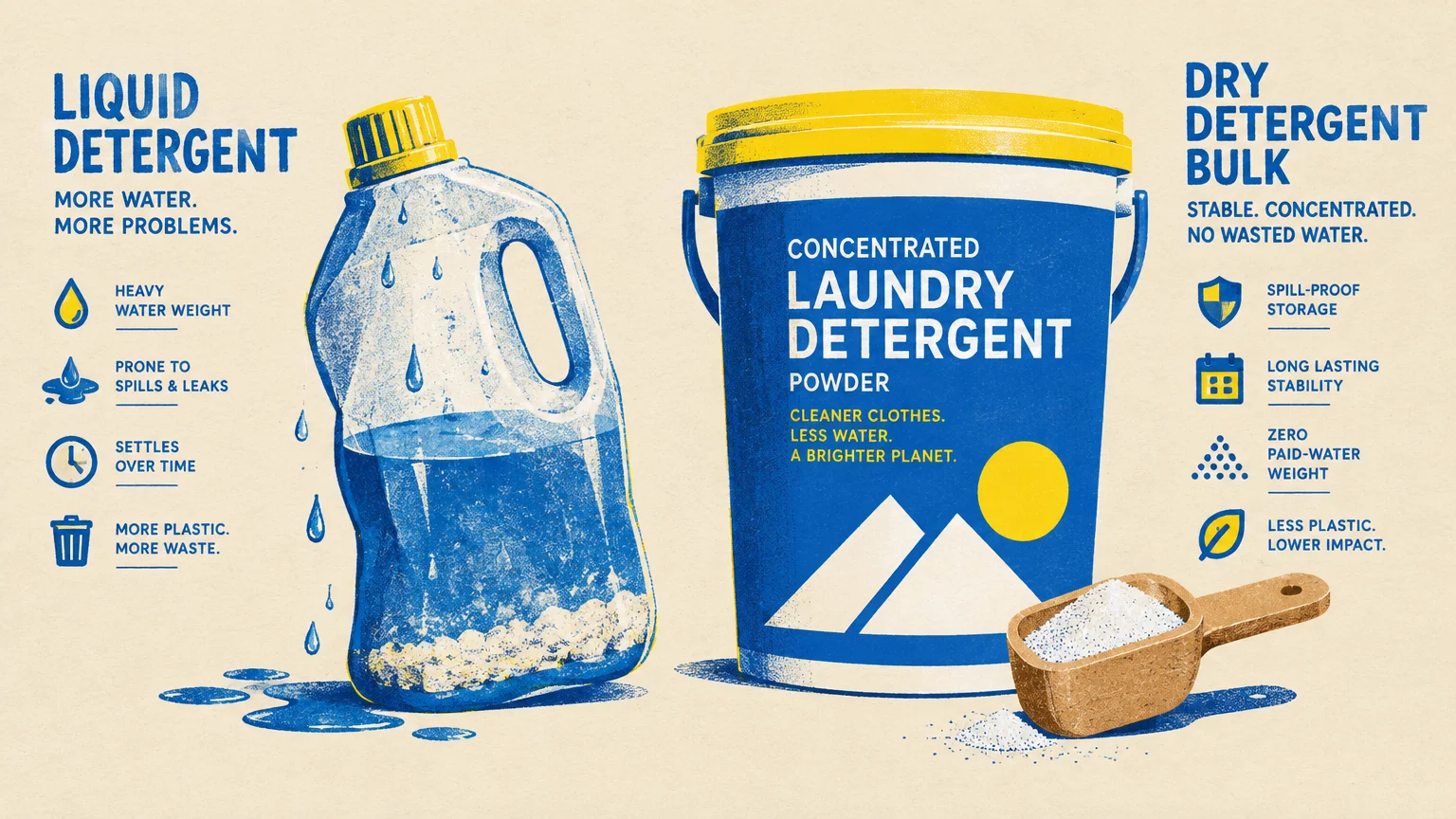
Tip #6: Powdered Laundry Detergent
Many shoppers gravitate toward gigantic jugs of liquid laundry detergent, but store clerks issue a clear warning. Liquid formulas degrade, separate, and lose enzyme cleaning power roughly 6 to 12 months after opening.
Unless you wash several loads daily, bulk liquid detergent often degrades before you reach the bottom. Powdered detergent solves this dilemma completely because it maintains an indefinite shelf life when stored in a dry space.
A single large bucket of commercial powdered laundry detergent easily handles several hundred residential wash cycles. The cost per load drops down to just pennies compared to liquid pods or designer gel detergents.
Keep the powder inside a sealed plastic pail with a measuring scoop to prevent humidity clumping. This disciplined bulk shopping savings tips strategy keeps your clothes spotless without wasting costly cleaning agents.
Powdered detergents also avoid the messy drips and plastic waste associated with bulky liquid detergent jugs. You save substantial money while keeping heavy chemical plastics out of municipal waste streams.
If you wash with cold water, simply dissolve your powdered dose in a cup of warm water first. That quick trick ensures peak cleaning performance without leaving any powdery residue on your dark fabrics.
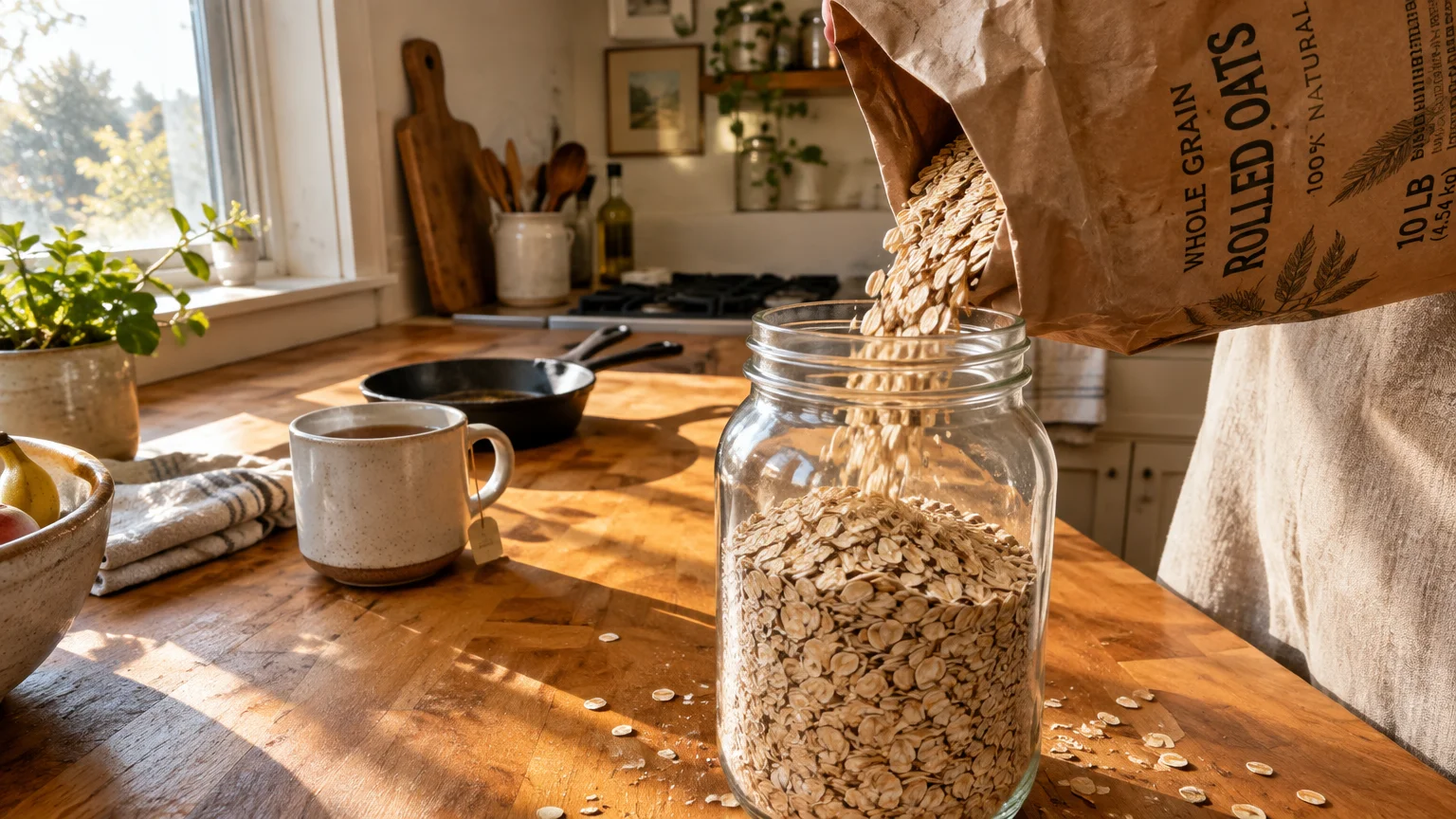
Tip #7: Rolled Oats
Breakfast cereals are among the most heavily marked-up items in any modern grocery aisle. Cardboard boxes filled with sugar and processed grains provide terrible nutritional and economic value for your family.
Whole rolled oats purchased in bulk multi-packs or twenty-five-pound sacks offer massive financial relief. When kept in sealed, airtight containers, rolled oats preserve their quality and nutritional density for up to twenty-five years.
Buying oats in high volume brings the price per breakfast serving down to roughly ten cents. You gain a versatile whole grain that works for morning porridge, home baking, and homemade granola recipes.
Store workers frequently buy bulk oats themselves because they know the raw grain costs virtually nothing to process. Avoid single-serving flavored packets and sweeten your bulk oats at home with honey, fruit, and cinnamon.
Oats also serve as a healthy binder for meatloaves, veggie burgers, and homemade bread loaves. Incorporating bulk oats across diverse dinner recipes stretches your meat budget while boosting dietary fiber.
Make sure you store your bulk oats away from damp conditions or heat sources like ovens. Cool, airtight pantry storage guarantees your oats taste freshly harvested for years to come.
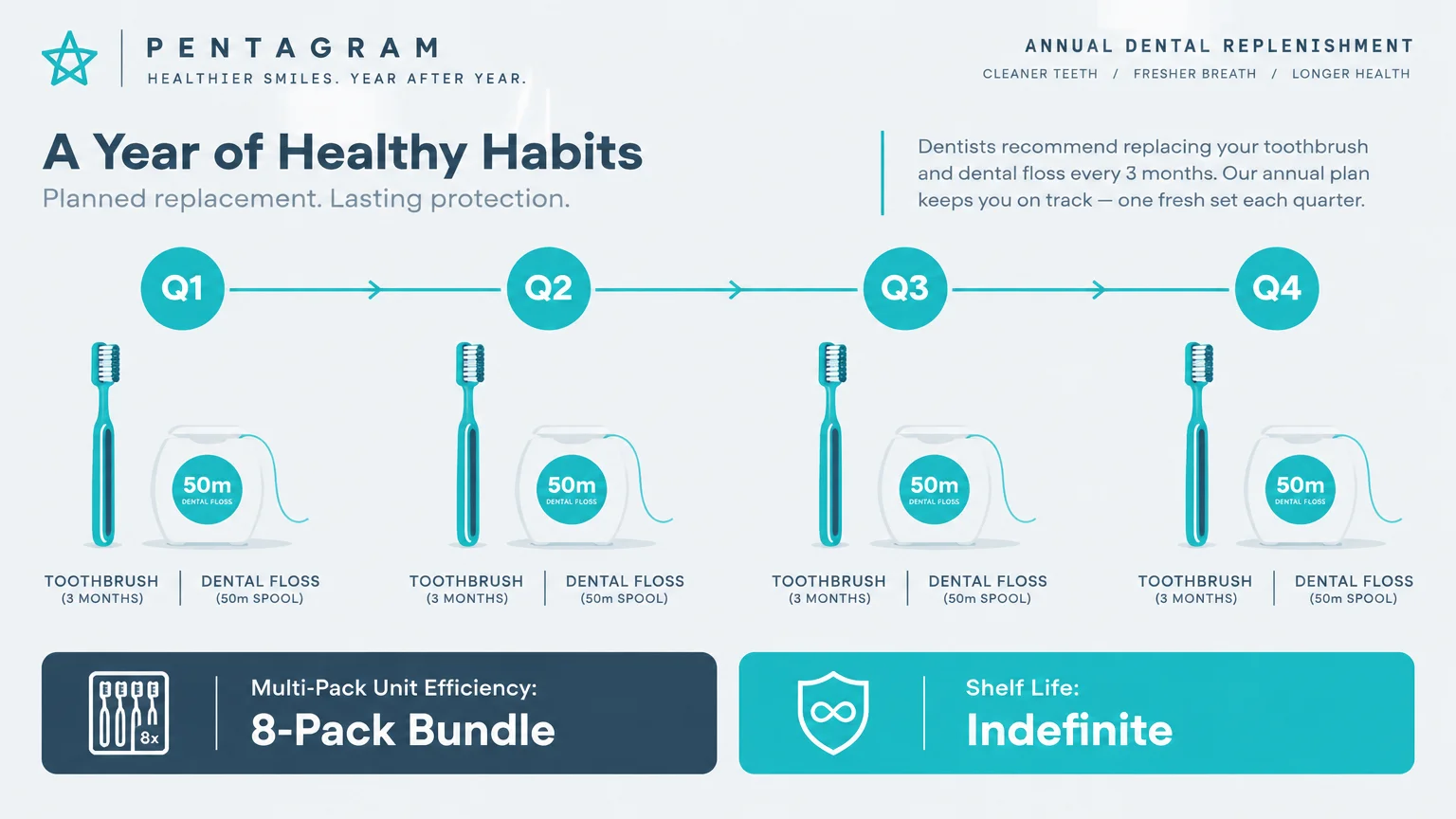
Tip #8: Toothbrushes and Dental Floss
Dental hygiene products carry enormous profit margins when purchased individually at local grocery stores. Retailers routinely charge five or six dollars for a single manual toothbrush sealed in decorative plastic packaging.
Warehouse multi-packs group eight to ten high-quality toothbrushes together for roughly the price of two single items. Dental floss multi-packs yield identical discounts, slashing your unit prices by more than 50 percent.
Toothbrushes do not decay, expire, or degrade while waiting inside their sealed manufacturer packaging. The American Dental Association recommends replacing your toothbrush every three months, making bulk quantities deeply practical.
Having a reliable reserve supply ensures your household always maintains healthy, consistent dental hygiene habits. You never have to rush to an expensive convenience store at night to replace a worn-out brush.
Store clerks also recommend grabbing bulk floss packs to keep in your desk, car, and travel bags. Maintaining clean teeth at home prevents catastrophic, budget-busting dental bills down the road.
Multi-packs of toothbrushes are also perfect for overnight guests or sudden household chore cleanups. You save money on personal care while keeping handy utility scrubbing tools readily accessible.

Tip #9: Pure Vanilla Extract and Whole Spices
Small glass spice jars in supermarket baking aisles represent some of the highest markups in retail history. You often spend seven or eight dollars for a tiny fraction of an ounce of cinnamon or vanilla.
Sixteen-ounce bottles of pure vanilla extract at warehouse clubs frequently cost the same as two-ounce supermarket bottles. Whole spices, like black peppercorns and whole cinnamon sticks, offer identical massive volume savings.
Ground spices lose volatile aromatic oils quickly, but whole peppercorns and pure vanilla extract last for years without spoiling. Keep your whole spices stored away from heat and grind them freshly as needed in your kitchen.
Baking and seasoned home cooking become significantly cheaper when you stop overpaying for miniature glass containers. Seasoned retail workers know that bulk spices represent unmatched per-ounce kitchen value.
You can even split giant spice containers with friends, family members, or cooking enthusiasts in your neighborhood. Sharing bulk baking supplies delivers wholesale savings without crowding your kitchen cabinet shelves.
Always choose pure vanilla extract over synthetic imitation flavoring when buying in bulk quantities. The high alcohol content in pure vanilla extract acts as a natural preservative, giving it an indefinite shelf life.
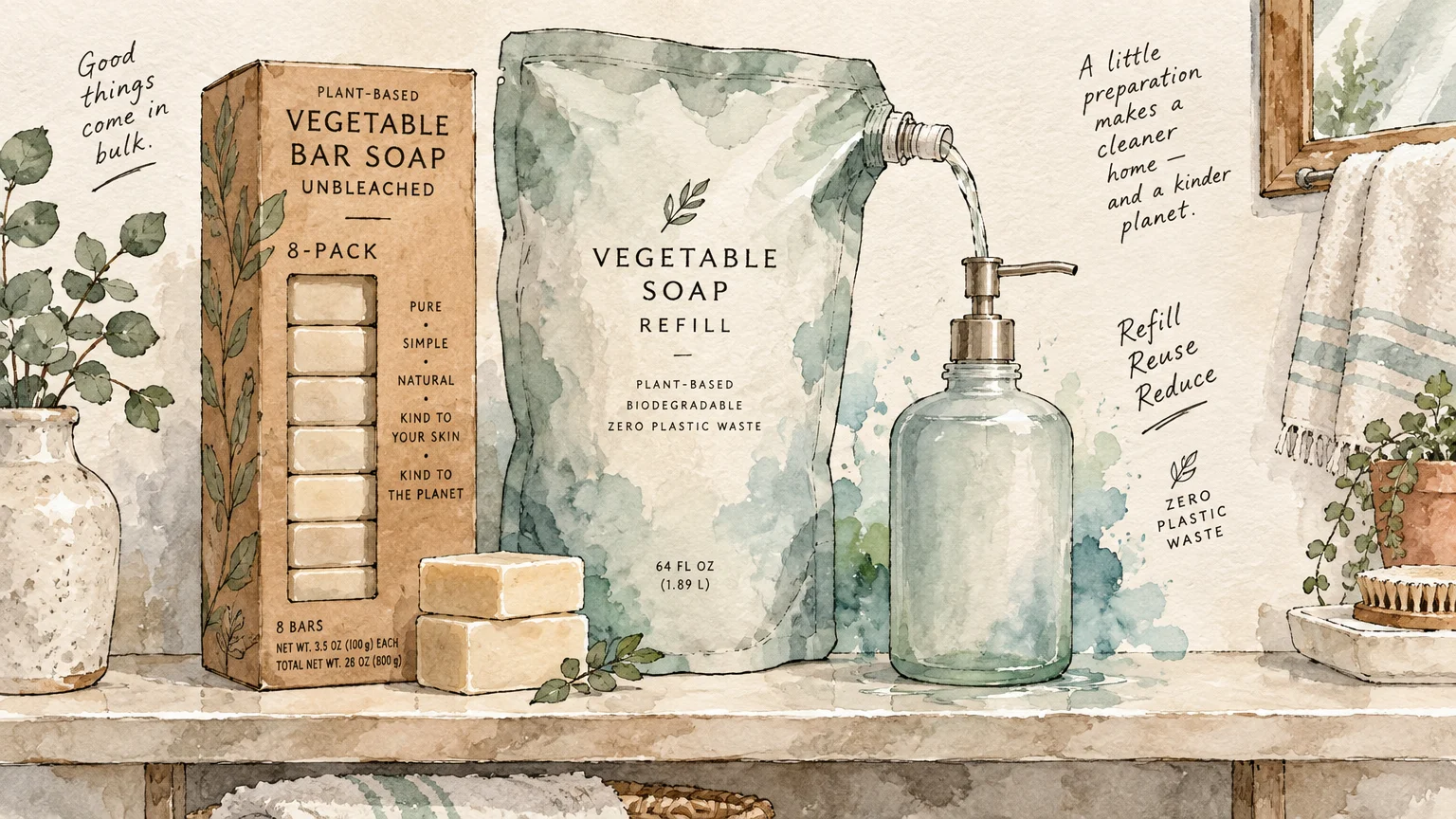
Tip #10: Solid Bar Soap and Body Wash Refills
Personal hygiene products are recurring expenses that quietly drain your checking account every single month. Buying single bottles of body wash or individual soap bars at boutique pharmacies wastes substantial money over time.
Warehouse clubs sell multi-packs of solid bar soap containing twelve to twenty bars at deep discounts. Solid soap bars contain virtually no excess water, meaning they keep indefinitely in dry bathroom linen closets.
If you prefer liquid body wash, look for bulk refill pouches or commercial gallon jugs. Refilling your existing shower dispenser reduces plastic waste while cutting your liquid hygiene costs in half.
Learning what to always buy in bulk protects your family budget against sneaky shrinkflation in personal care packaging. Stocking a one-year supply of soap ensures you never pay full retail price for hygiene essentials again.
Store employees note that personal soap prices jump during holiday promotions and cosmetic redesigns. Securing your basic cleansing bars in high-quantity packages insulates your personal care budget from cosmetic marketing gimmicks.
Unwrapped bar soaps can even be placed inside clothes drawers to keep fabrics smelling fresh while curing. Curing bar soap hardens the wax base, which makes each bar last significantly longer in the shower.
The Bottom Line: What This Means for Your Wallet
Mastering bulk purchases allows you to transform regular household expenses into predictable, compounding savings. LendingTree research confirms that buying in bulk generates an average savings of 27 percent across household goods.
For an average American family, those savings add up to between $300 and $600 in cash every single year. That puts an extra $25 to $50 back into your monthly checking account without sacrificing quality.
However, you must factor in the upfront cost of your warehouse club membership before celebrating. Effective September 1, 2024, Costco increased its standard Gold Star membership fee to $65 per year and its Executive tier to $130.
Meanwhile, Sam’s Club charges $50 annually for standard Club access and $110 for Plus members. Your bulk savings on paper products, batteries, and generic medications will easily offset those membership fees within three months.
Focus your spending entirely on shelf-stable goods and non-perishables that your household consumes predictably. Steer clear of perishable produce in bulk, which USDA data shows fuels a $1,500 annual household waste bill.
Smart shopping is not about filling an oversized cart with novelty treats or impulse purchases. True financial discipline means purchasing shelf-stable essentials at wholesale prices and letting the compounding savings build your wealth.
Audit your pantry space, plan your storage solutions, and stick strictly to your shopping list. When you treat warehouse shopping like an investment strategy, your household balance sheet will reward you immediately.
Frequently Asked Questions
How do I know if an item is truly worth buying in bulk?
Calculate the unit price by dividing the total cost by the weight, volume, or count of the product. Compare that unit price against the best sale price at your regular supermarket to verify real savings.
Ensure your household will consume the entire product well before its manufacturer expiration date. If an item risks spoiling before use, any theoretical upfront discount turns into pure waste.
What household items should you never buy in bulk?
Never buy large quantities of fresh produce, dairy products, or whole-wheat flour unless you can preserve them immediately. Perishable groceries spoil rapidly and account for the bulk of America’s $1,500 annual food waste.
Store workers also advise against buying massive jugs of liquid bleach and liquid laundry detergents. Liquid bleach loses half its disinfecting strength within six months, while liquid detergents degrade enzyme efficacy rapidly.
Is a warehouse club membership worth the cost for single individuals?
Single shoppers can easily recoup the $65 Costco or $50 Sam’s Club annual fee through non-perishable staples. Purchasing bulk paper products, generic over-the-counter allergy pills, and gasoline quickly covers the membership fee.
Solo buyers should avoid perishable family packs of meat and produce that lead directly to spoilage. Pair up with a friend or neighbor to split larger packages if your storage space remains limited.
How should you store bulk pantry staples to maximize their shelf life?
Transfer dry bulk grains, beans, and rolled oats into food-grade, airtight plastic buckets or thick glass jars. Adding oxygen absorbers to sealed containers keeps pests out and preserves dry goods for up to 30 years.
Store your bulk reserves in a temperature-controlled, dark, and dry environment like a pantry or closet. Avoid keeping paper goods or dry food in damp basements where moisture and pests can ruin inventory.
For consumer protection information, visit the Federal Trade Commission (FTC) and the Consumer Financial Protection Bureau (CFPB). For product safety and reviews, consult Consumer Reports.
Disclaimer: This article is for informational purposes only and does not constitute financial advice; the content reflects the author’s opinion and research at the time of writing. Always do your own research before making financial decisions.








Leave a Reply