You can turn unused possessions and biological assets into serious financial breathing room today. Traditional charities expect free drop-offs, but savvy Americans leverage programs that offer immediate payouts or valuable retail credits.
Whether you want to make money decluttering your home or explore legitimate medical contributions, opportunities exist everywhere. Knowing where to donate for money helps you avoid lowball offers and protect your household budget.
From clinical research programs to retail trade-ins, these practical channels deliver cash right when you need it. Here are the top ways to convert your assets into spendable funds safely and legally.
Tip #1: Blood Plasma
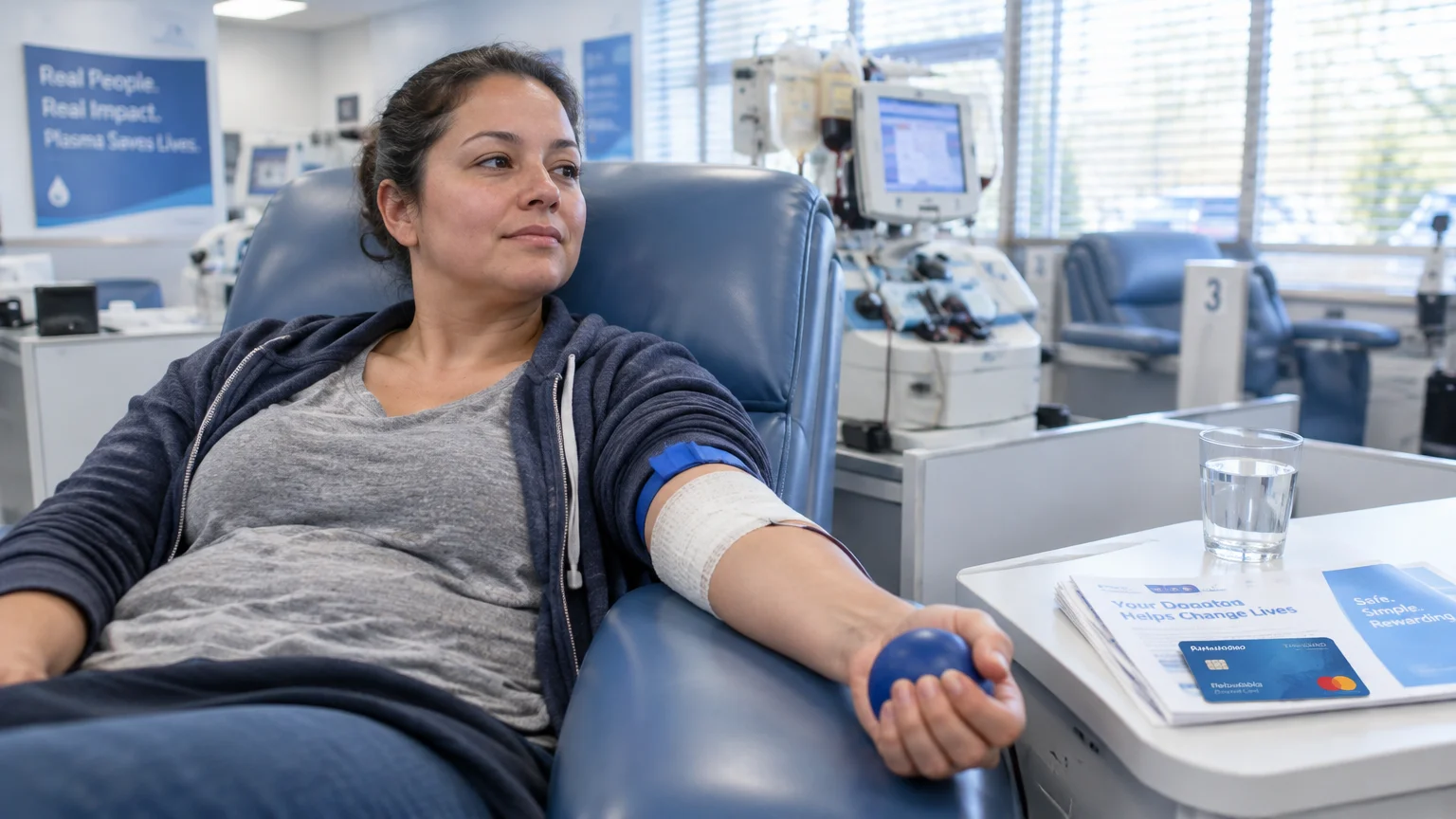
Selling blood plasma is one of the most reliable ways to generate immediate cash flow. Private collection companies rely on healthy donors to manufacture critical medications for patients with rare diseases.
The Food and Drug Administration permits donations up to twice within a seven-day window, requiring at least 48 hours between visits. Commercial centers like CSL Plasma, BioLife, and Octapharma pay between $30 and $100 per appointment.
First-time donors can capitalize on lucrative promotional bonuses. New donor incentives routinely boost your initial monthly earnings to between $500 and $1,000.
Each donation takes roughly ninety minutes, making the hourly return exceptional for casual side income. Drink plenty of water and eat protein before your appointment to speed up the collection process.
Funds transfer directly onto a reloadable debit card the moment your session finishes.
Tip #2: Untreated Human Hair
Custom wig makers and extensions manufacturers pay top dollar for healthy human locks. If you plan to cut significant length, selling your hair yields far better returns than sweeping it onto the salon floor.
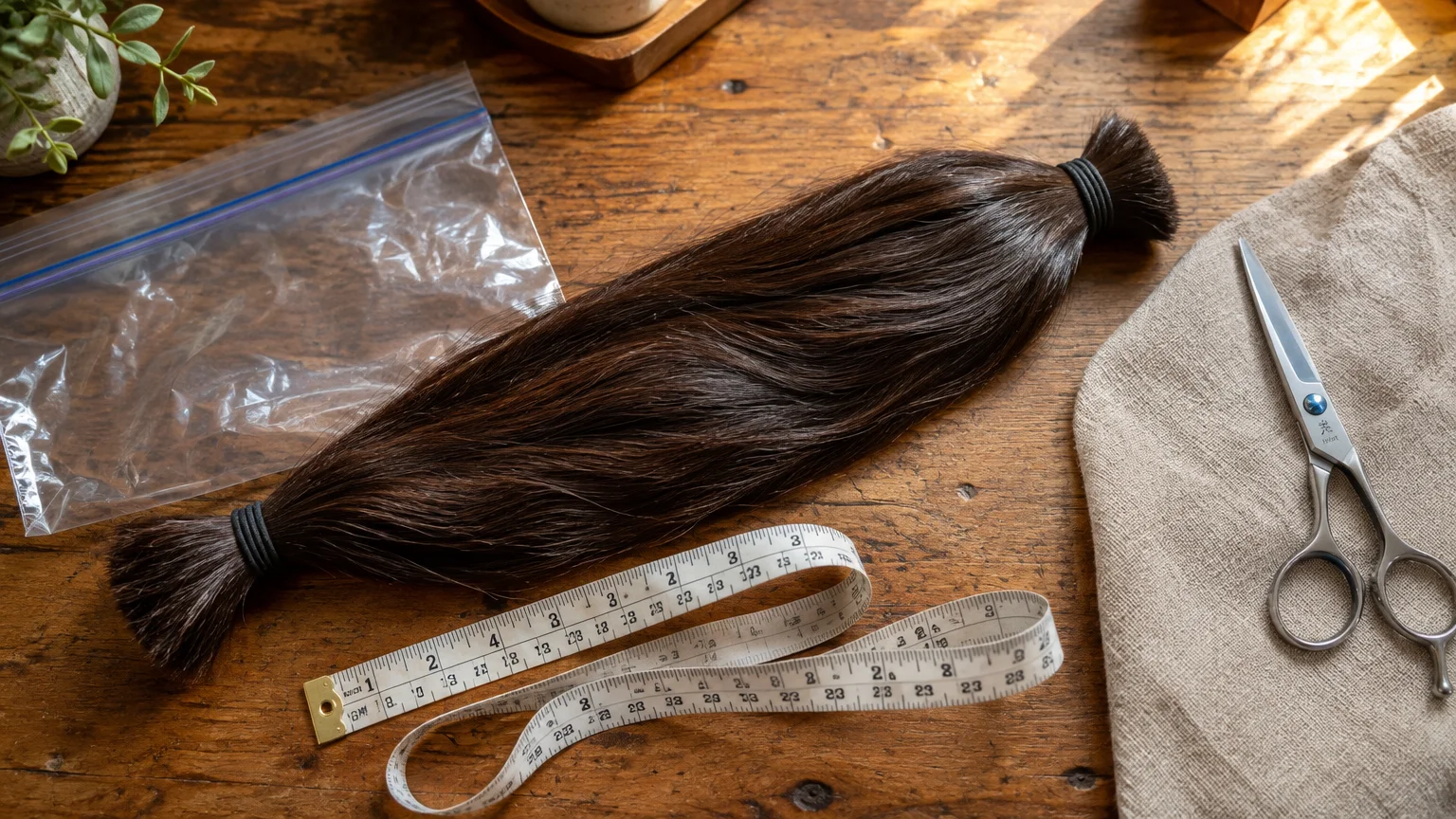
Buyers search exclusively for untreated virgin hair that measures at least 10 to 14 inches long. Bleached, dyed, or heat-damaged locks rarely attract viable commercial offers.
Dedicated online marketplaces like HairSellon and BuyandSellHair let you connect directly with international buyers. Typical bundles sell for $100 to $500, while exceptionally thick, light-colored hair can fetch over $1,000.
Always bind your hair tightly into a secure ponytail or braid before making the cut. Clean cuts preserved in zip-top bags command the highest market bids from verified buyers.
Tip #3: Donor Sperm
Certified sperm banks provide healthy men with steady, predictable supplemental income. Reputable national facilities like California Cryobank and Fairfax Cryobank manage structured, highly compensated programs.
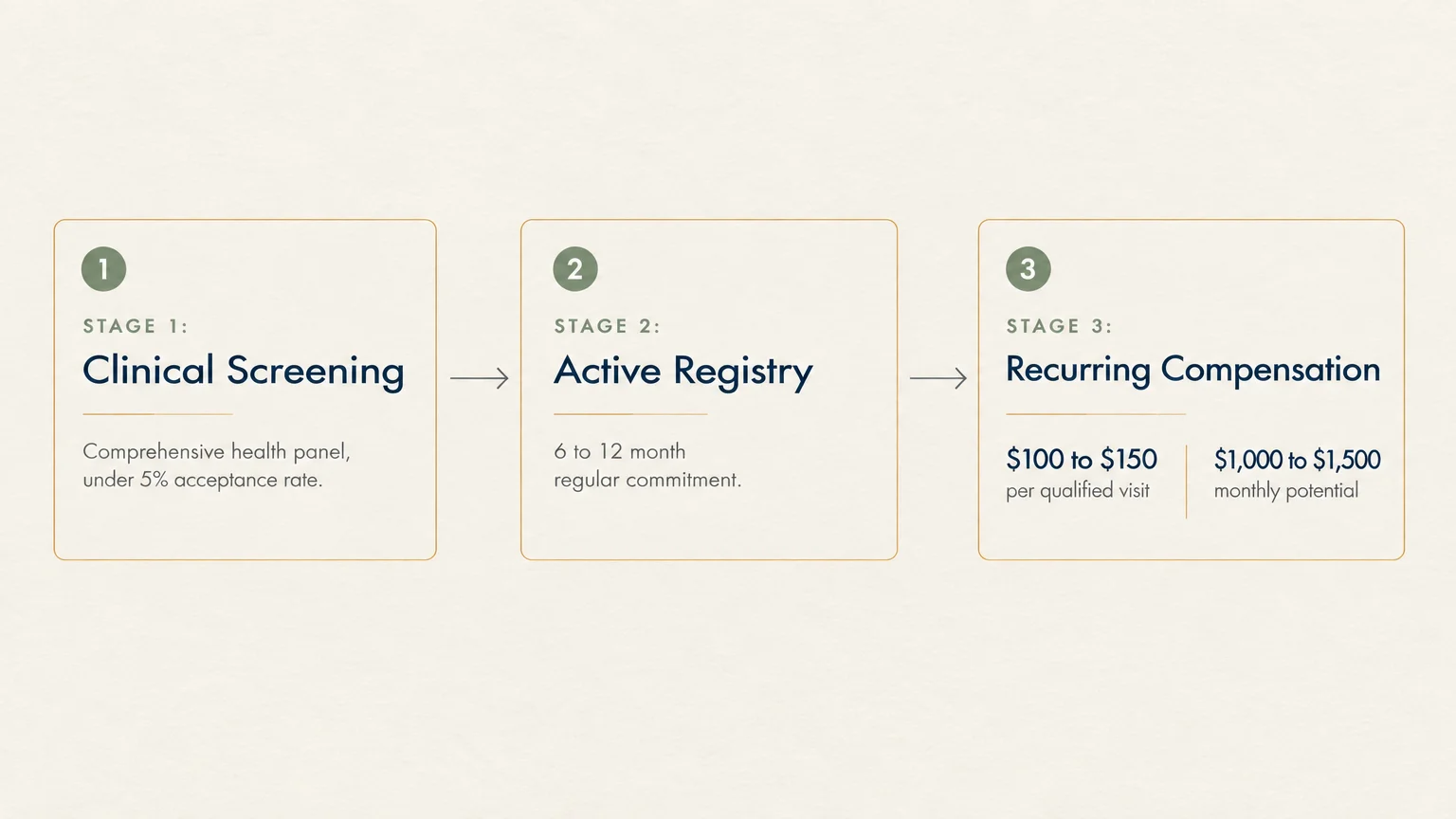
Accepted donors receive between $100 and $150 per qualified donation. Active participants who donate two or three times weekly easily generate $1,000 to $1,500 in monthly income.
Acceptance standards are notoriously selective, with clinics admitting less than 5% of all applicants. You must undergo extensive genetic screenings, infectious disease panels, and background reviews.
Most programs require a six-month to twelve-month regular commitment once you enter the active donor registry. The process demands discipline, but the recurring monthly payout remains among the best side gigs available.

Tip #4: Human Eggs
Egg donation represents an intensive medical journey that provides life-changing opportunities for intended parents. In exchange for your time and biological commitment, fertility clinics offer substantial compensation packages.
Compensation caps no longer exist after the landmark Kamanky v. ASRM federal antitrust settlement.
First-time donors typically receive between $5,000 and $10,000 for completing a single retrieval cycle.
Repeat donors and candidates with high-demand traits often command between $12,000 and $25,000 or more per cycle. The protocol involves several weeks of hormone injections, frequent clinical monitoring, and a minor surgical procedure.
Remember that the IRS treats egg donation compensation as ordinary taxable gross income. Set aside money for taxes immediately so you avoid penalties when filing your annual return.
Tip #5: Surplus Breast Milk
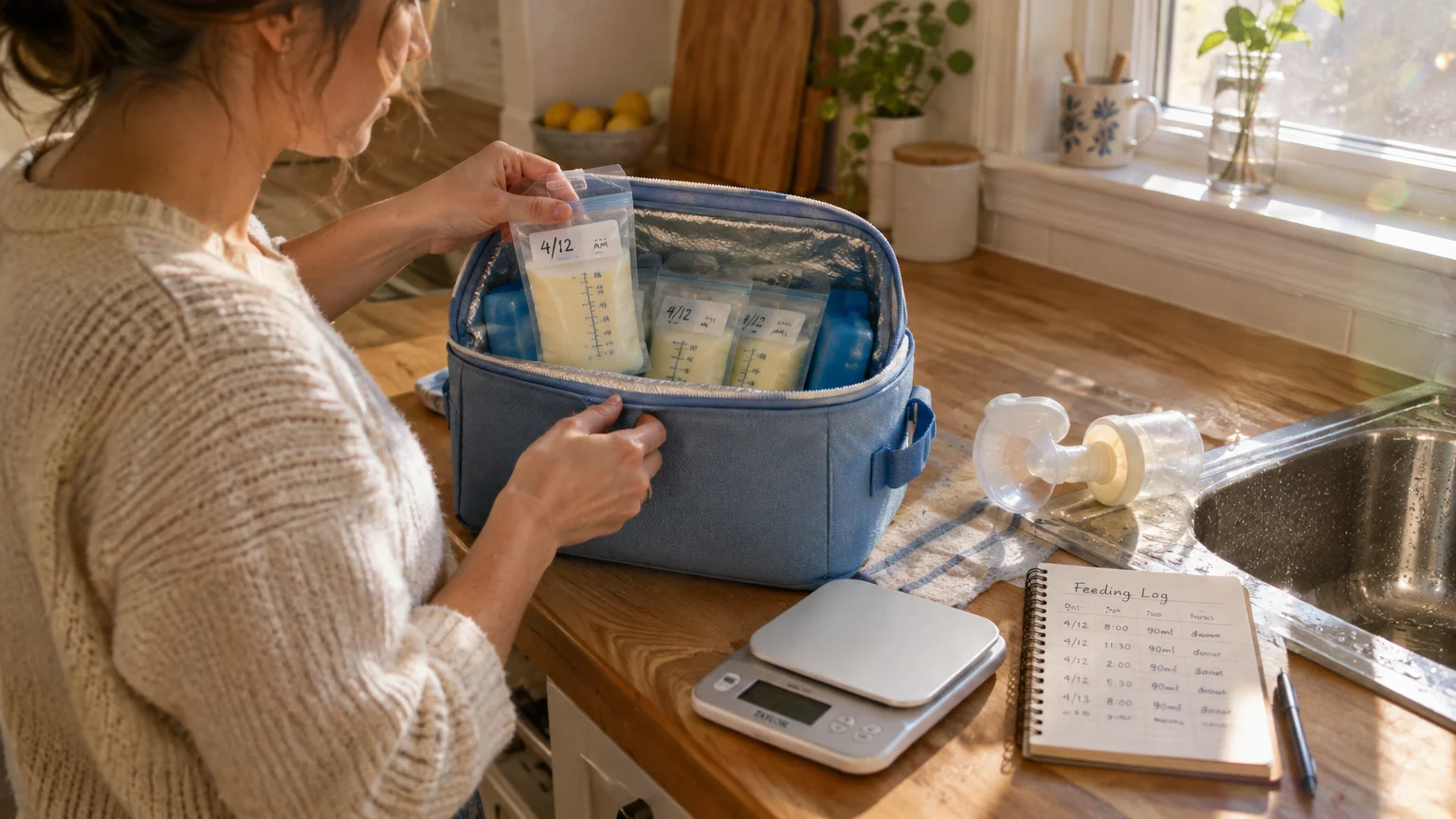
Mothers who produce excess milk can assist fragile premature infants while earning meaningful cash compensation. Medical milk banks purchase human milk to manufacture specialized nutrition for neonatal intensive care units.
Regulated operations like Prolacta Bioscience and Tiny Treasures Milk Bank pay donors $1.20 to $1.50 per qualified ounce. This financial payment reimburses you for pumping supplies, freezer storage, and sanitation time.
Donors must pass health questionnaires, blood tests, and physician sign-offs before shipping milk. You freeze the milk in provided containers and ship it using specialized dry-ice coolers.
Mothers producing several extra ounces each day can earn hundreds of extra dollars each month. It is a rewarding way to support vulnerable infants while padding your savings account.
Tip #6: Stool for Microbiome Research
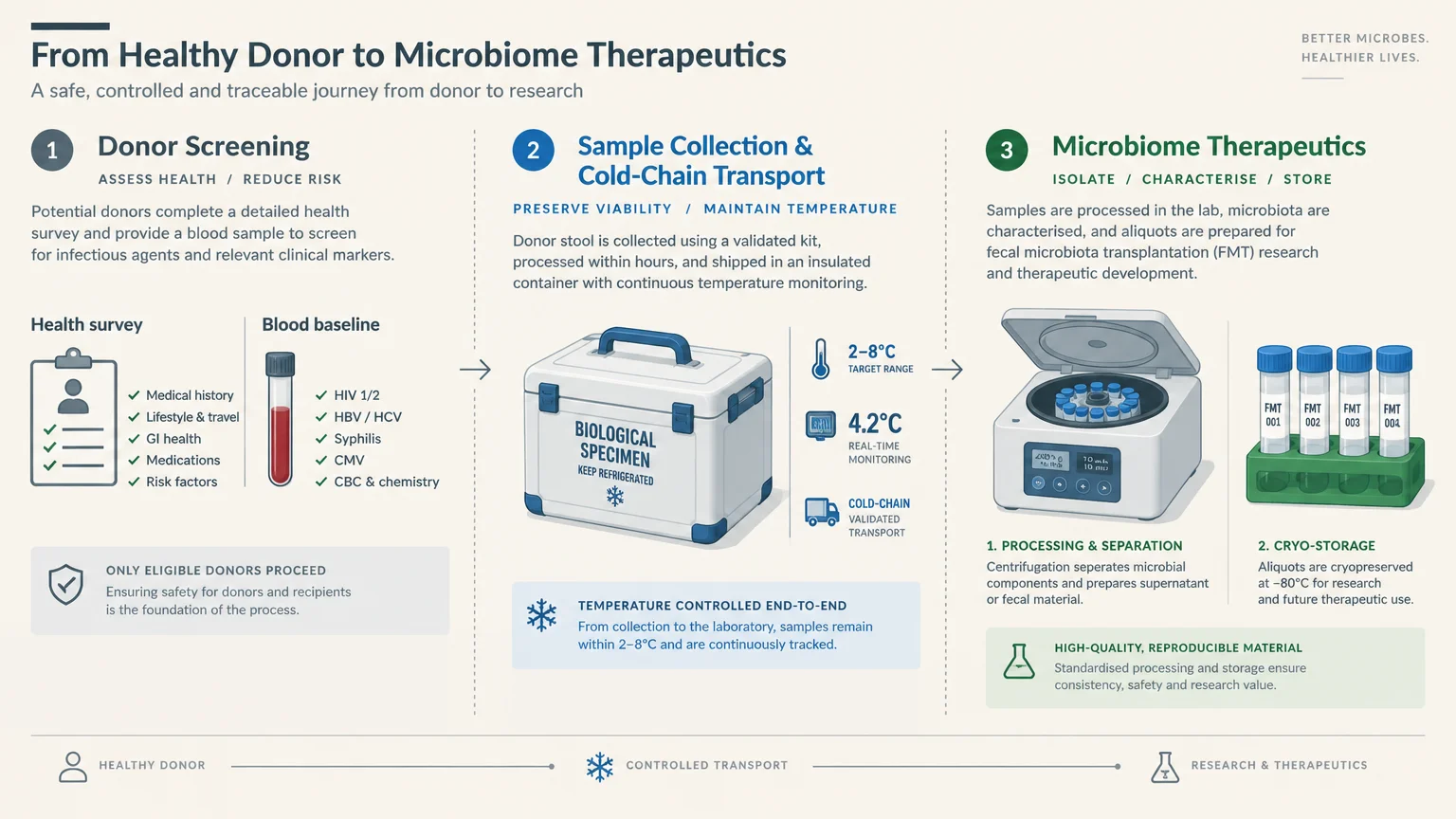
Medical researchers study the human gut microbiome to develop treatments for chronic gastrointestinal diseases. Elite research platforms pay premium rates to healthy donors who possess exceptionally balanced digestive systems.
Specialized research organizations like Human Microbes pay up to $500 per usable stool sample. Donors who provide consistent daily samples can earn up to $15,000 per month.
The screening criteria remain exceptionally strict, with donor acceptance rates falling below 1%. Researchers require extraordinary physical fitness, pristine digestive health, and zero history of antibiotic overuse.
Your samples help create fecal microbiota transplants that eliminate debilitating, recurrent C. diff infections. Qualifying is difficult, but accepted donors secure unparalleled payouts for simple daily biological contributions.
Tip #7: Used Vehicles and Automobiles
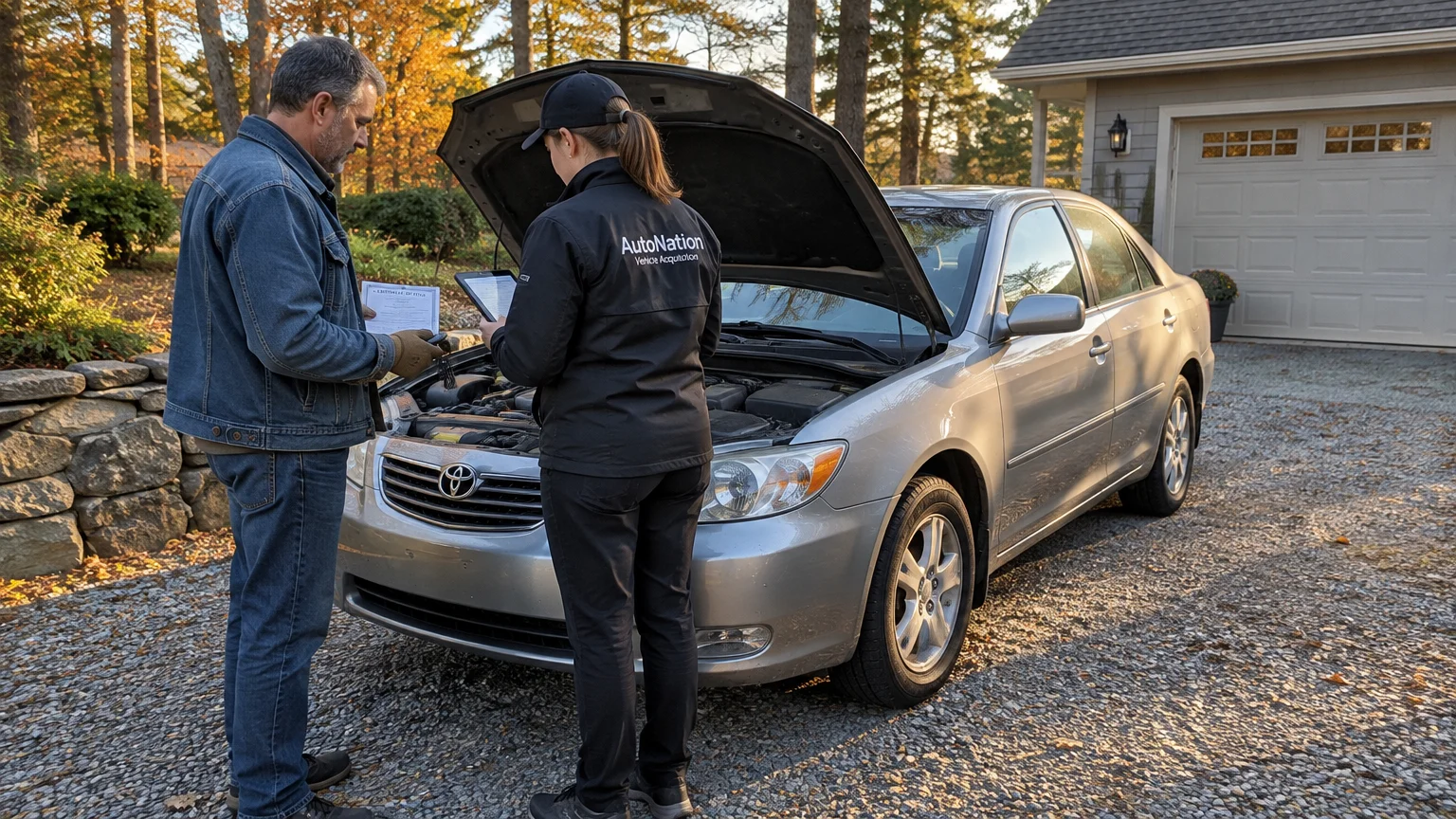
Charity car donation commercials promise massive tax deductions, but the reality rarely matches expectations. You must understand strict IRS regulations before donating an automobile for financial benefit.
Under IRC Section 170(f)(12), your deduction for a donated car sold for over $500 is capped strictly at the gross auction price. You cannot deduct Kelley Blue Book value unless the charity uses the vehicle directly in operations.
The charity will issue Form 1098-C showing the exact sale price they received. If an older car sells at auction for $350, your write-off delivers virtually no tangible financial relief.
Worse, charitable tax deductions only help taxpayers who itemize their deductions on Schedule A. If you take the standard deduction, you are far better off choosing to sell items for cash directly.
Tip #8: Old Denim and Apparel
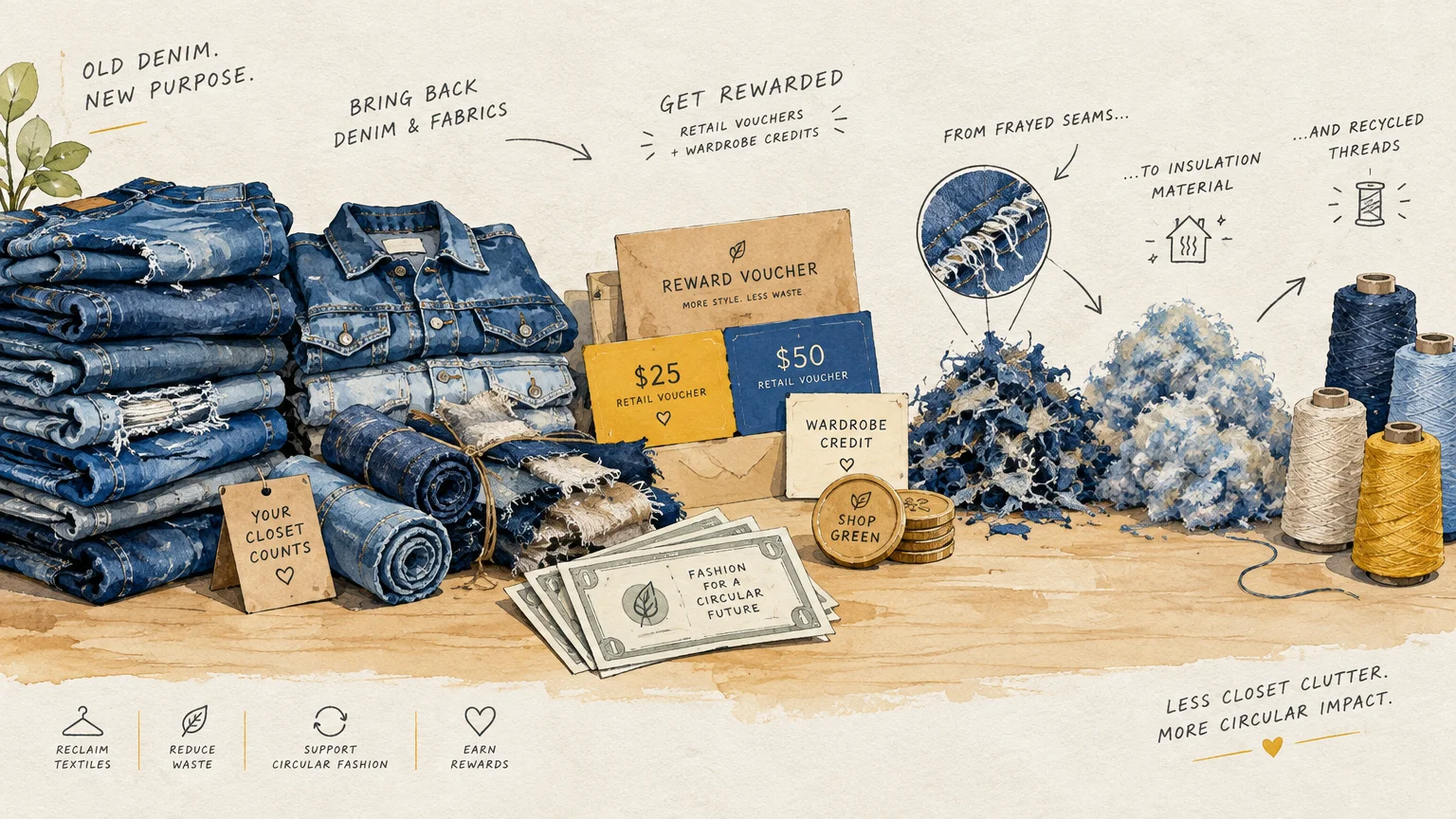
Dropping worn clothes into donation bins yields zero cash and often ends up in overseas landfills. Forward-thinking retailers now offer direct store credits when you bring them used garments.
The Madewell Do Well denim program gives shoppers a $20 voucher toward new jeans for every donated pair. They accept denim from any brand in any physical condition, including rips and fraying.
Other major apparel brands like H&M and Patagonia offer 10% to 15% discount coupons for bagged textile drop-offs. These recurring store vouchers make money decluttering your bedroom closet an instant, measurable win.
Combine these recycling discounts with existing clearance sales to stock up on household essentials without busting your budget.
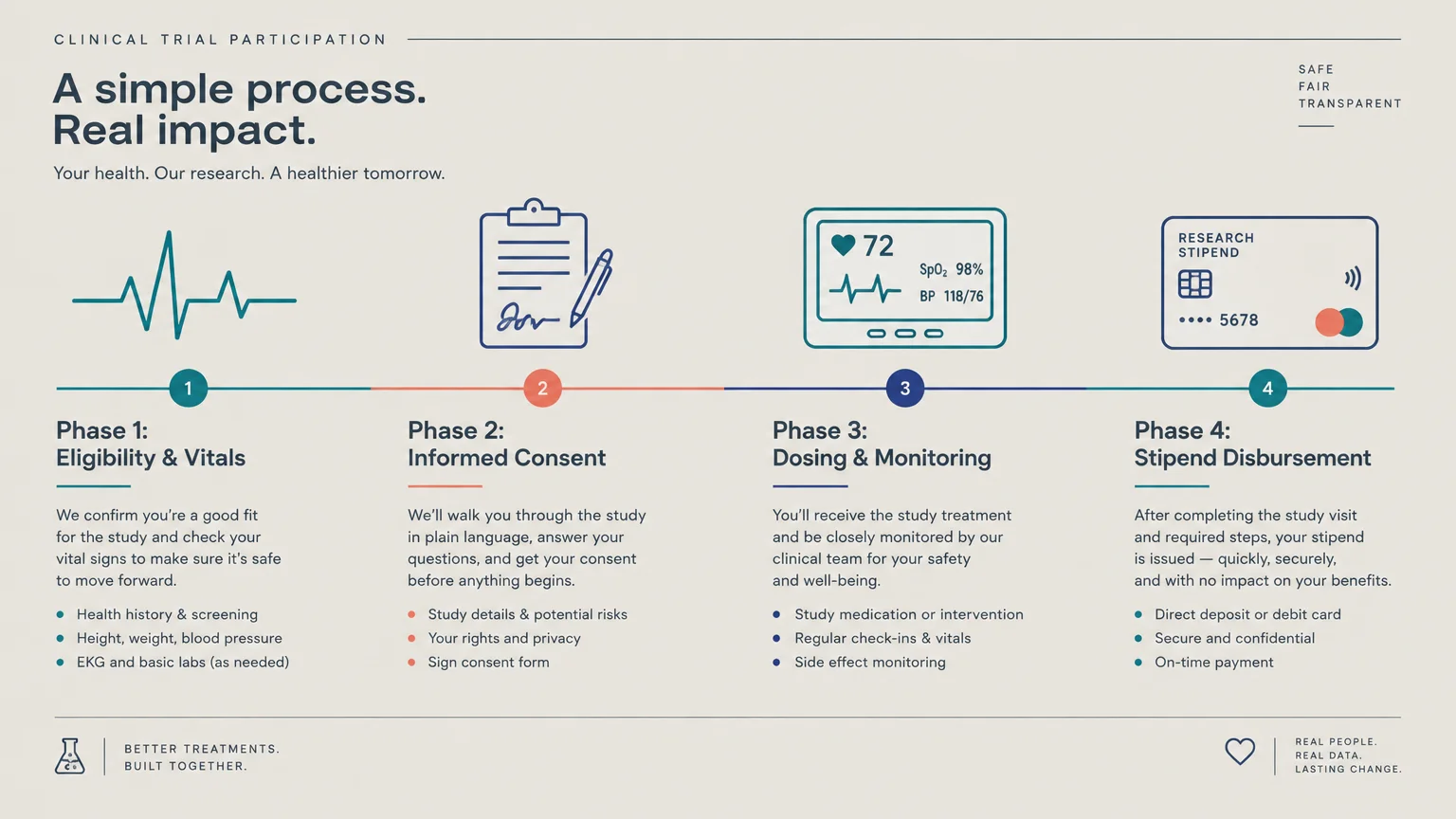
Tip #9: Participation in Clinical Trials
Contract research organizations and pharmaceutical companies need human volunteers to test new medical treatments. Academic medical centers compensate participants generously for their time, travel, and biological data.
Phase 1 safety trials pay the highest rates because they evaluate initial drug tolerances in healthy adults. Inpatient clinical studies requiring weekend stays frequently pay between $2,000 and $5,000 or more.
Search through the government registry at ClinicalTrials.gov to locate enrolling studies in your metropolitan area. Each listing discloses study duration, medical screening requirements, and exact participant compensation.
Sponsors will issue a Form 1099-NEC if your annual trial earnings reach $600 or more. Track all parking fees, mileage, and transit receipts to deduct travel expenses against your taxable study earnings.
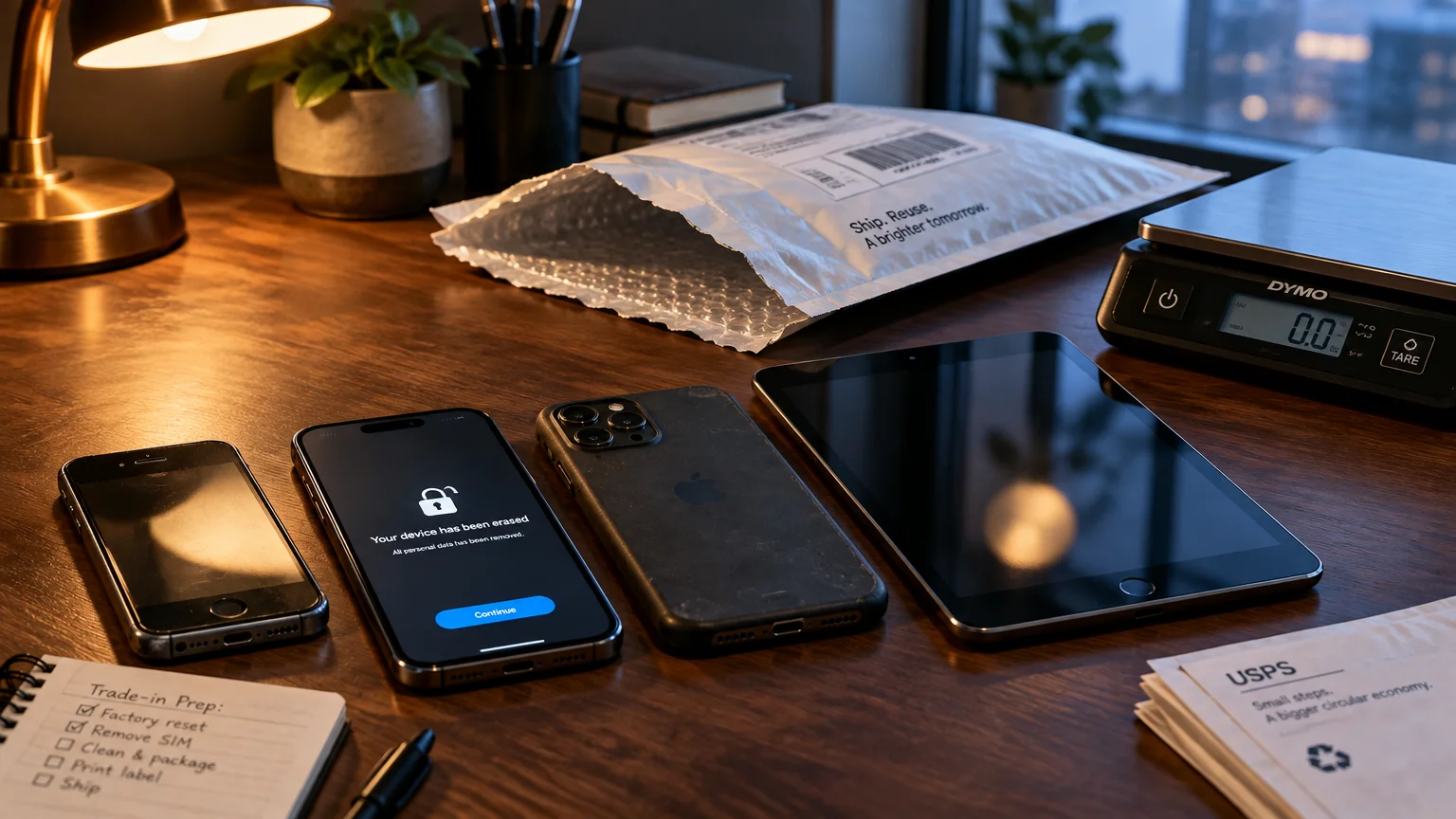
Tip #10: Old Smartphones and Electronics
Old technology sitting inside junk drawers steadily depreciates every month. Rather than handing devices over to free e-waste drop-offs, savvy consumers sell used items for immediate cash.
Automated ecoATM kiosks located in grocery stores across the country dispense cash on the spot. The machine evaluates your tablet or smartphone, runs diagnostic checks, and prints immediate cash vouchers.
Wireless carriers and tech retailers like Best Buy also offer robust electronics trade-in initiatives. They issue instant store gift cards that you can use to offset your home internet or tech hardware bills.
Always back up your files, log out of cloud accounts, and perform a factory reset before surrendering any device.

Tip #11: Textbooks and Media Collections
Old textbooks lose practical value every time publishers release minor revised editions. Selling your academic books promptly prevents them from turning into worthless paperweights.
Price aggregation tools like BookScouter simplify the process by searching dozens of wholesale buyback sites simultaneously. You enter the ISBN, review competing real-time offers, and print free prepaid shipping labels.
Specialized wholesale buyers often pay fifty to one hundred dollars for recent medical, legal, and engineering volumes. This process turns unused books into quick checking account liquidity with zero packing or shipping costs.
Scour college dorms and yard sales at graduation time to uncover lucrative things to sell for extra cash.

Tip #12: Musical Instruments
Guitars, trumpets, flutes, and electronic keyboards rarely deserve to gather dust in your garage. Community youth orchestras and school music programs are always looking to acquire quality student instruments.
Many school music booster clubs partner with local instrument rental shops that purchase student gear outright. Negotiating a direct sale gives you immediate cash while supporting local arts education.
National retailers like Guitar Center provide on-the-spot cash appraisals for used amplifiers, pedals, and instruments. They generally pay 50% to 60% of the item projected resale value in immediate cash.
Clean your instrument thoroughly and lubricate sticky keys or valves before bringing it in for inspection. Presenting gear in ready-to-play condition helps you secure top-tier buyback pricing.
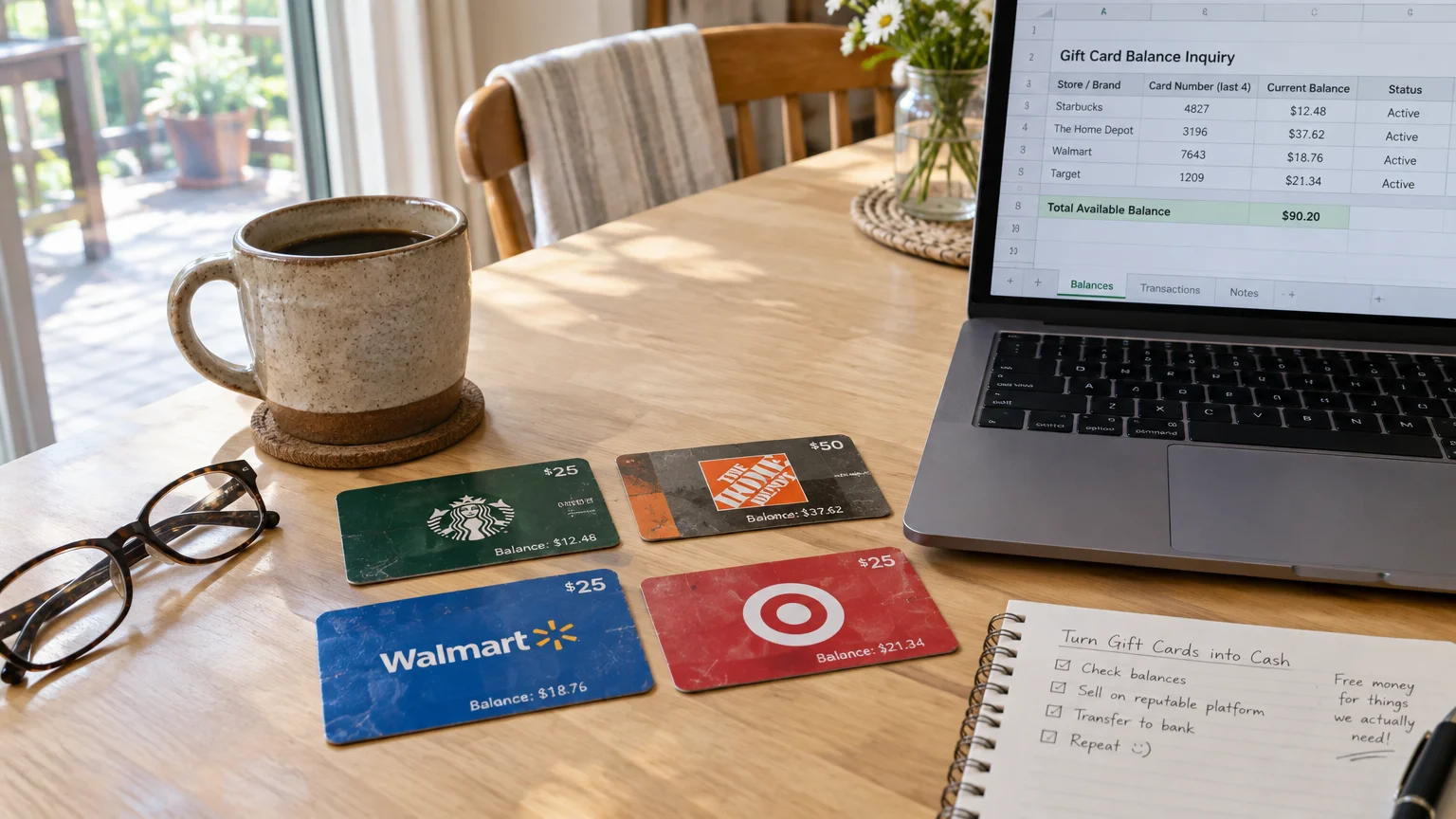
Tip #13: Unwanted Gift Cards
Americans leave billions of dollars in unredeemed merchant gift cards sitting in drawers every year. Forcing yourself to spend a gift card on unwanted merchandise is a losing financial habit.
Secondary gift card exchanges let you convert unwanted store plastic directly into spendable money. Marketplaces like CardCash and Raise pay up to 85% to 92% of the card remaining balance.
Digital payouts arrive via direct deposit, PayPal, or paper checks within a few business days. Putting that recovered capital toward debt payments or grocery bills provides immediate budget relief.
Check each card balance on the merchant official website before submitting your exchange request to prevent processing delays.
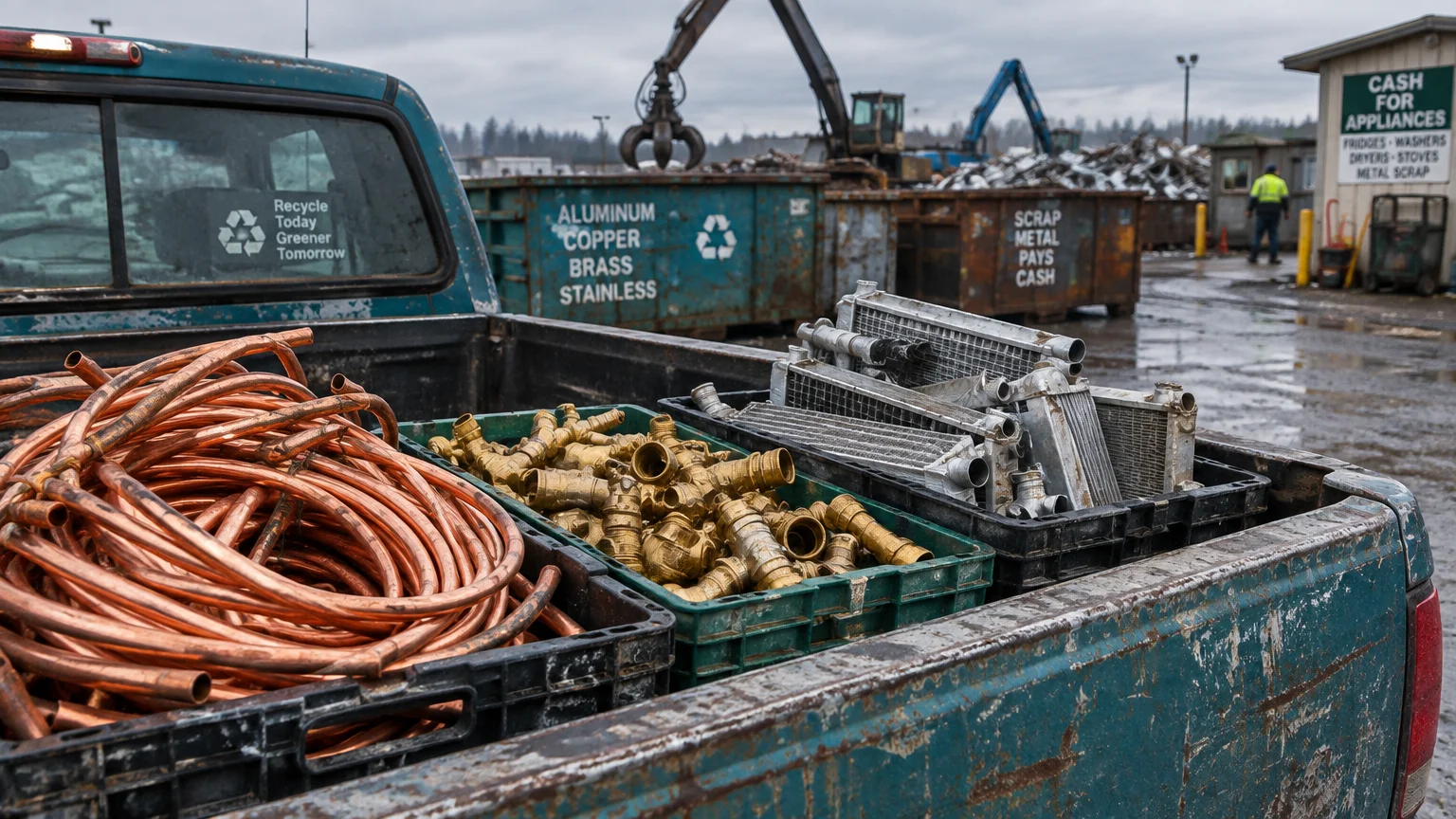
Tip #14: Scrap Metal and Broken Appliances
Defective water heaters, broken air conditioners, and discarded copper pipes represent untamed profits. Leaving damaged appliances on the curb allows local scrap collectors to harvest money that belongs to you.
Commercial scrap metal yards purchase non-ferrous and ferrous metals based on current commodities market weights. Copper plumbing pipe, bare electrical wire, and brass fixtures command the highest per-pound payouts.
Large appliances like stoves, washing machines, and sheet iron fetch lower scrap rates, but the tonnage adds up quickly. Separate non-magnetic metals like aluminum and copper from ordinary iron to avoid getting downgraded at the scale.
Hauling your own renovation debris directly to the scrap processor pays you cash on the spot.

Tip #15: Architectural Salvage and Renovation Supplies
Remodeling projects often generate antique woodwork, vintage fixtures, and surplus building materials that hold strong collector value. Tossing historic interior elements into dumpsters throws away serious renovation capital.
Architectural salvage operations pay upfront cash for solid wood doors, vintage brass hardware, and cast-iron sinks. Historic homes undergoing renovations yield exceptional treasures that antique dealers eagerly purchase.
Unopened boxes of tile, leftover lumber, and surplus cabinetry also command instant secondary cash from local contractors. While nonprofit home improvement stores accept donations, commercial salvage yards hand you cash immediately.
Take clear photos and accurate measurements before approaching local salvage buyers to negotiate optimal wholesale prices.
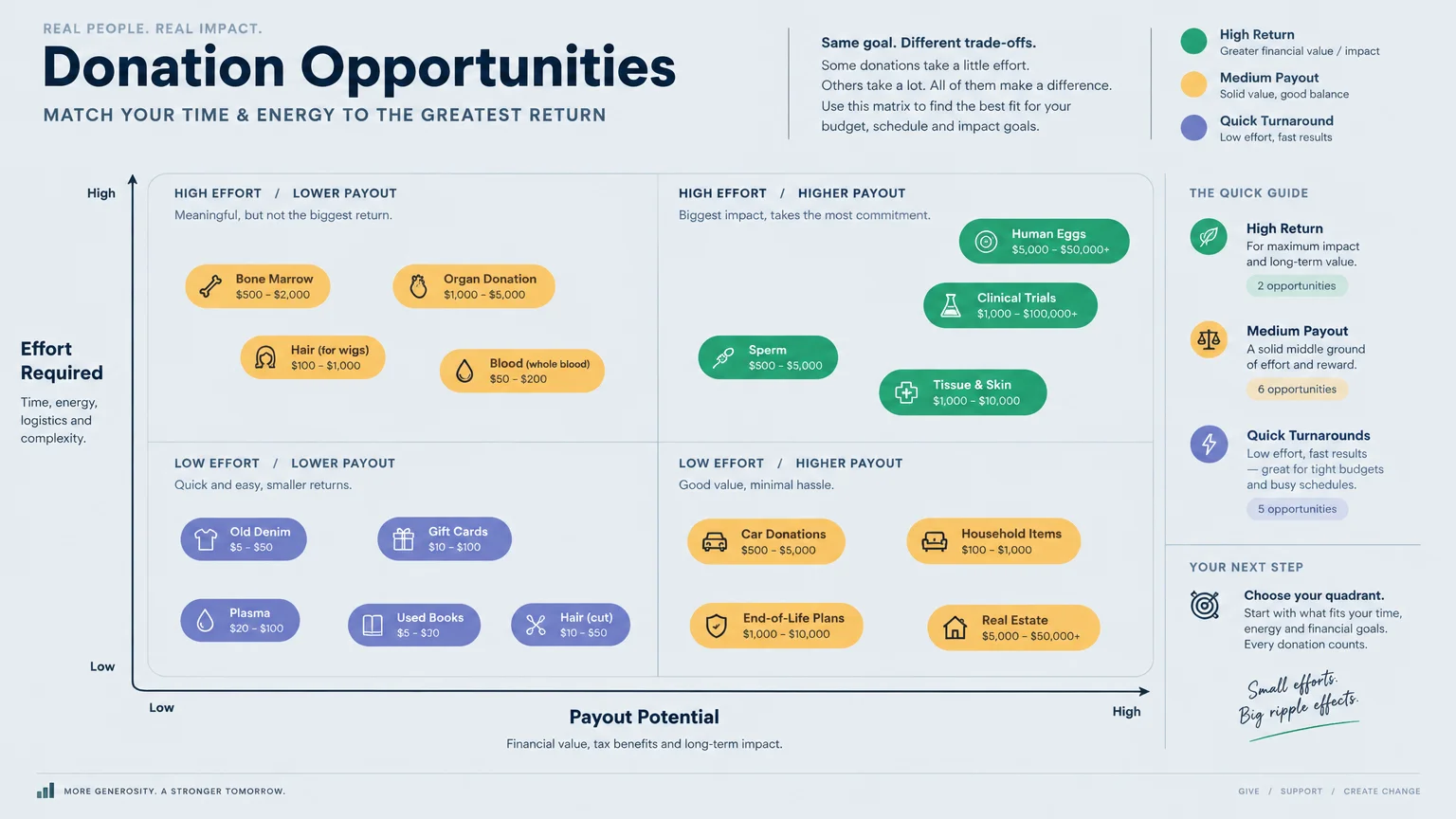
The Bottom Line: What This Means for Your Wallet
Donating items does not have to be a one-way financial loss for your household. Smart consumers leverage corporate trade-ins, medical research programs, and scrap exchanges to recover real monetary value.
Always evaluate whether a charitable tax receipt actually beats immediate cash in hand. Because the elevated standard deduction eliminates itemizing for most Americans, upfront cash almost always wins.
Keep tax rules in mind whenever you participate in clinical trials, biological donations, or large vehicle liquidations. The IRS treats paid bodily donations as ordinary taxable gross income under Internal Revenue Code Section 61.
Set aside a portion of your earnings for tax season and verify that all organizations operate under proper legal guidelines. With proactive planning, you can support community health, recycle sustainably, and systematically fortify your personal finances.
Frequently Asked Questions
Is it legal to sell human organs for money in the United States?
No, buying or selling human organs is strictly illegal under United States federal law. The National Organ Transplant Act of 1984 strictly prohibits purchasing kidneys, livers, lungs, or bone marrow.
Violating this federal statute carries severe criminal penalties, including heavy financial fines and multi-year prison sentences. You may only receive compensation for replenishable bodily materials like plasma, sperm, eggs, and milk.
Do I have to pay income taxes on bodily donations?
Yes, all compensation received for plasma, sperm, and egg donations is considered ordinary taxable gross income. The U.S. Tax Court explicitly confirmed this rule in the landmark case Perez v.
Commissioner.
Donors cannot categorize these payments as tax-free personal injury damages under tax code Section 104(a)(2). Organizations will issue a Form 1099 if your total annual compensation reaches or exceeds $600.
How does a vehicle donation tax deduction actually work?
Your vehicle tax deduction is limited to the exact gross sale price the charity achieves at auction. If the charity liquidates your vehicle for $400, your deduction is capped at fair market value up to $500.
The charity must issue an IRS Form 1098-C within thirty days confirming the vehicle final sales price. Remember that vehicle write-offs only benefit taxpayers who itemize deductions on Schedule A.
Can I sell prescription medications or medical devices?
Selling unused prescription medications is illegal under federal and state food and drug laws. While registered charitable drug repositories accept sealed donations without compensation, reselling medication for profit is prohibited.
However, non-prescription medical devices like wheelchairs, crutches, and unopened diabetic test strips can be sold legally. Specialized medical equipment buyers and local classified marketplaces provide immediate cash for clean equipment.
For consumer protection information, visit the Federal Trade Commission (FTC) and the Consumer Financial Protection Bureau (CFPB). For product safety and reviews, consult Consumer Reports.
Disclaimer: This article is for informational purposes only and does not constitute financial advice. The content reflects the author’s opinion and research at the time of writing; always do your own research before making financial decisions.