

Extreme frugality during your working years helps you build wealth, but pinching pennies in retirement can backfire. Experienced retirees know that skimping on the wrong purchases costs you more in health, stress, and cash down the road.
When you stop trading time for a paycheck, your spending priorities must shift toward convenience, personal safety, and peace of mind. Choosing quality over price is not reckless spending; it is smart risk management.
Here are twelve strategic purchases that veteran retirees consistently identify as worth paying extra for to protect their lifestyle.
Tip #1: Comprehensive Supplemental Healthcare Coverage
Cutting corners on healthcare premiums is one of the most dangerous gambles you can make in retirement. Standard Medicare Parts A and B leave substantial cost-sharing gaps that can quickly devastate your nest egg.
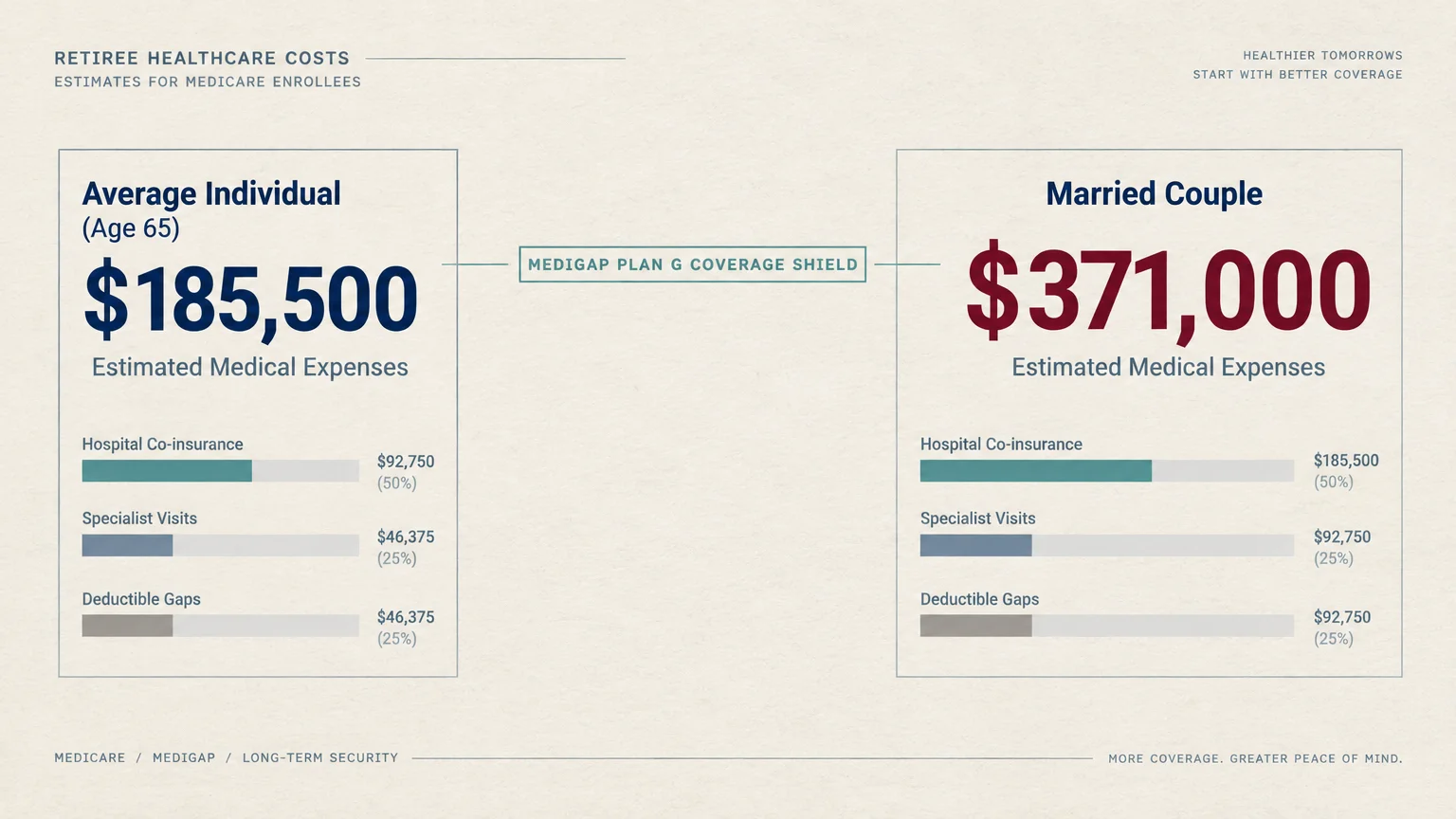
The average 65-year-old retiring today needs approximately $185,500 in after-tax savings to cover medical expenses, according to Fidelity. A married couple faces an estimated $371,000 in lifetime healthcare costs.
Retirees consistently praise comprehensive supplemental plans like Medigap Plan G. While the upfront monthly premiums run higher than cheap Advantage plans, they eliminate unpredictable out-of-pocket expenses.
You gain the freedom to visit any specialist who accepts Medicare nationwide without hunting for network permissions. That absolute flexibility prevents administrative delays when serious medical conditions develop.
Securing comprehensive supplemental coverage turns unpredictable healthcare emergencies into a predictable line item in your monthly budget.

Tip #2: High-Quality Ergonomic Mattresses
Your body recovers differently today than it did in your twenties. According to the Bureau of Labor Statistics, housing consumes roughly 35% of an older adult’s budget, and sleep deserves top priority.
Bargain innerspring mattresses sag quickly, triggering spinal misalignment, chronic back aches, and painful pressure points. Broken sleep ruins daytime focus, impairs mood, and accelerates physical fatigue.
Investing $1,500 to $3,000 in a premium natural latex or dense hybrid mattress delivers contouring joint support. High-density support layers alleviate chronic pressure across your hips and lower back.
Retirees who splurge on high-end sleep setups report immediate improvements in morning mobility and daily energy. Restorative rest functions as foundational preventive healthcare you enjoy for eight hours every single night.
Never pinch pennies on an item that directly influences your physical comfort and mobility for a third of your life.
Tip #3: Professional Aging-in-Place Home Modifications
Trying to save cash by delaying home accessibility upgrades is an expensive mistake. Data from the CDC reveals that more than one in four Americans aged 65 and older falls each year.
Those 14 million annual falls result in approximately three million emergency room visits. A single fractured hip can wipe out tens of thousands in savings and strip away your personal independence.
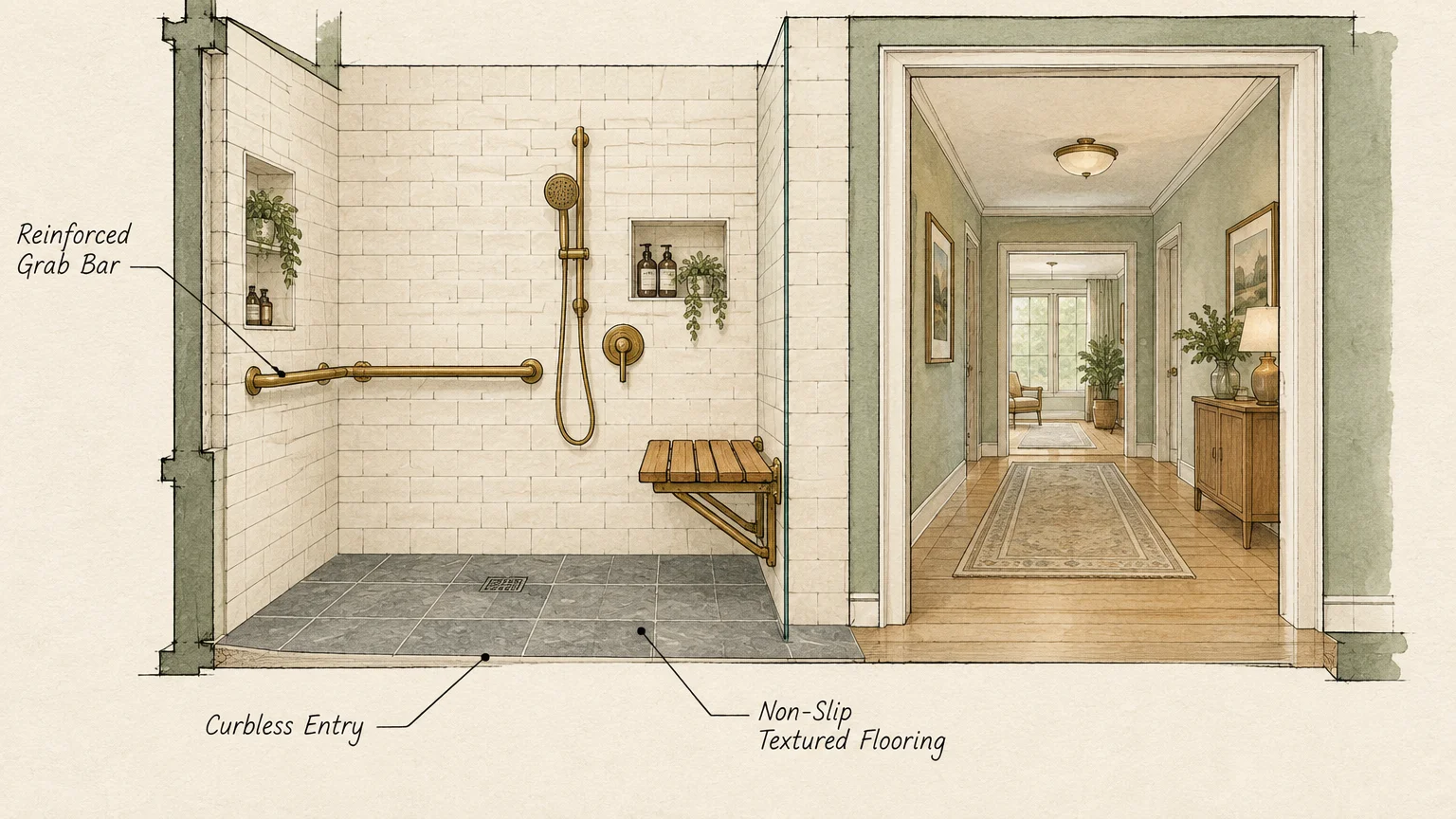
Essential aging-in-place renovations typically cost between $3,000 and $15,000, according to home improvement data. Upgrades include curbless walk-in showers, zero-threshold entryways, sturdy grab bars, and non-slip flooring.
Veteran retirees view these modifications as essential insurance against catastrophic injury. Eliminating fall hazards inside your living space protects your autonomy and keeps you in your beloved home.
Spending upfront on home safety delays or completely prevents costly moves into assisted living facilities.

Tip #4: Reliable Vehicles with Advanced Driver-Assistance Systems
Transportation represents approximately 14% to 15% of annual spending for older households. While driving an aging vehicle eliminates car payments, it also deprives you of modern safety innovations.
Seasoned retirees prioritize late-model vehicles equipped with Advanced Driver-Assistance Systems (ADAS). Features such as blind-spot detection, automatic emergency braking, and lane-keep assist actively compensate for reduced night vision and slower reaction times.
Premium trim packages often include 360-degree parking cameras, cross-traffic alerts, and adaptive cruise control. These technological tools reduce driving anxiety and make long highway trips to visit grandchildren far less fatiguing.
Paying extra for automotive reliability guarantees fewer unexpected roadside breakdowns in extreme weather. It also keeps you mobile, confident, and safe behind the wheel for years to come.
Automotive safety is not an indulgence when it protects your life and preserves your driving freedom.

Tip #5: Comprehensive International Travel and Evacuation Insurance
International travel is a major retirement dream, but leaving the country without robust insurance is a massive financial gamble. Original Medicare generally provides zero coverage for healthcare services received outside the United States.
Standard credit card coverage often excludes pre-existing medical conditions and fails to cover emergency air transport. A private air ambulance transport back to an American hospital can easily exceed $100,000.
Comprehensive travel insurance for travelers over 65 typically costs between 8% and 10% or more of the nonrefundable trip cost. Retirees gladly pay this premium to secure emergency medical evacuation and trip interruption protection.
This specialized coverage reimburses prepaid flights and nonrefundable cruise fares if an acute illness cancels your departure. You explore foreign cities knowing an unexpected health crisis will not drain your investment portfolio.
Peace of mind abroad is always worth the modest extra percentage added to your vacation budget.
Tip #6: Outsourcing Hazardous Home and Yard Maintenance
The lifelong habit of tackling every household chore yourself can become dangerous as balance and reflexes change. The Consumer Product Safety Commission links ladder falls to over 500,000 treated injuries every single year.
Ladder falls disproportionately cause severe fractures and life-altering head trauma in adults over 65. Saving fifty dollars by cleaning your own gutters is an unwise trade against your physical well-being.
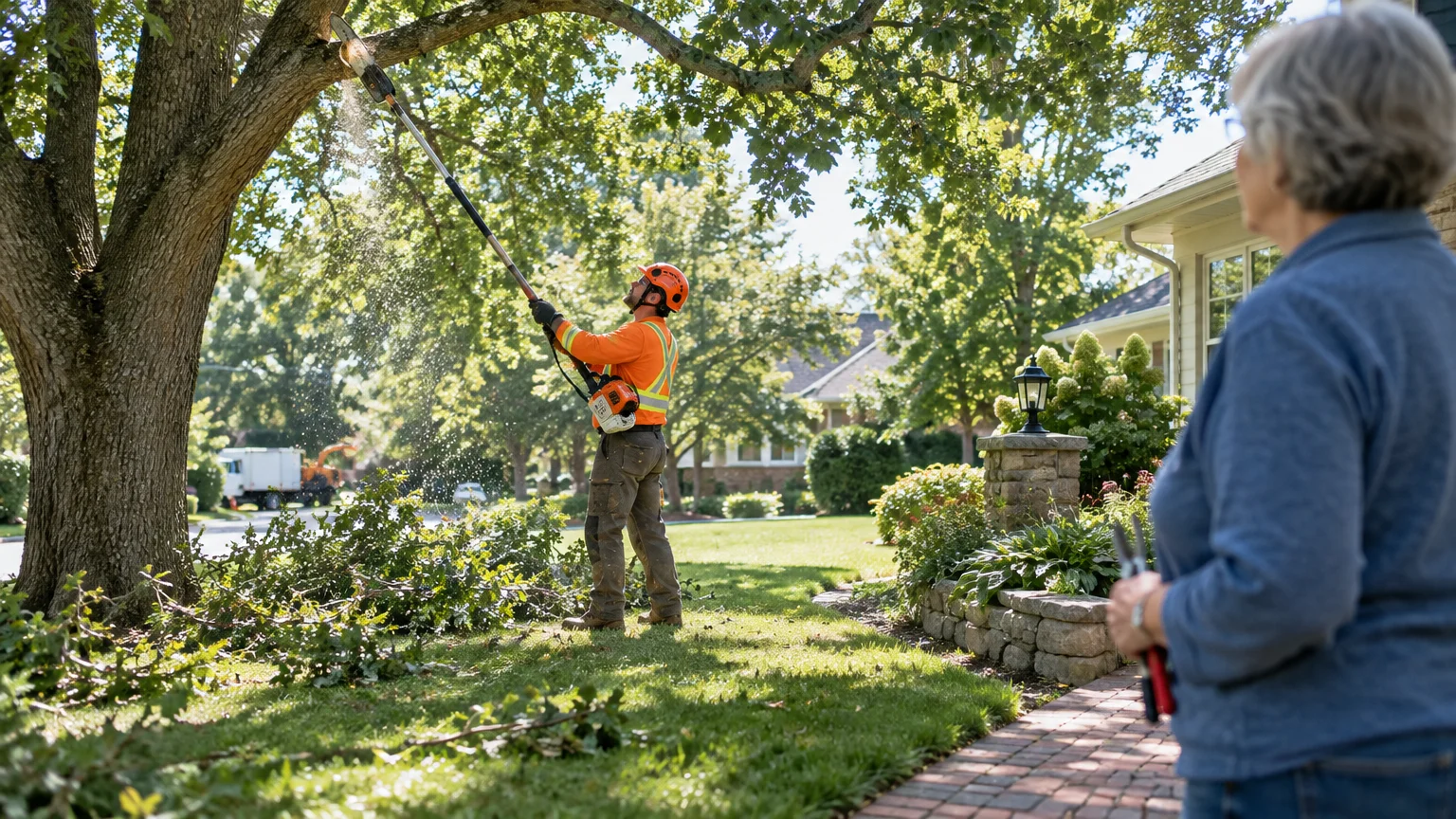
Retirees routinely budget $150 to $300 per visit for licensed contractors to handle gutter cleaning, roof inspections, and tree trimming. Outsourcing heavy winter snow removal also prevents cardiovascular strain and cold-weather slips.
Hiring professionals for hazardous exterior chores protects your mobility and frees your calendar for leisure. Treating your physical safety as an absolute priority keeps you out of emergency departments.
True thriftiness means preserving your physical health so you can actually enjoy your retirement years.
Tip #7: Fee-Only Fiduciary Financial and Tax Advisory Guidance
Accumulating wealth during your career requires a very different strategy than managing withdrawals in retirement. Navigating Required Minimum Distributions, Medicare premium surcharges, and Roth conversions requires technical precision.
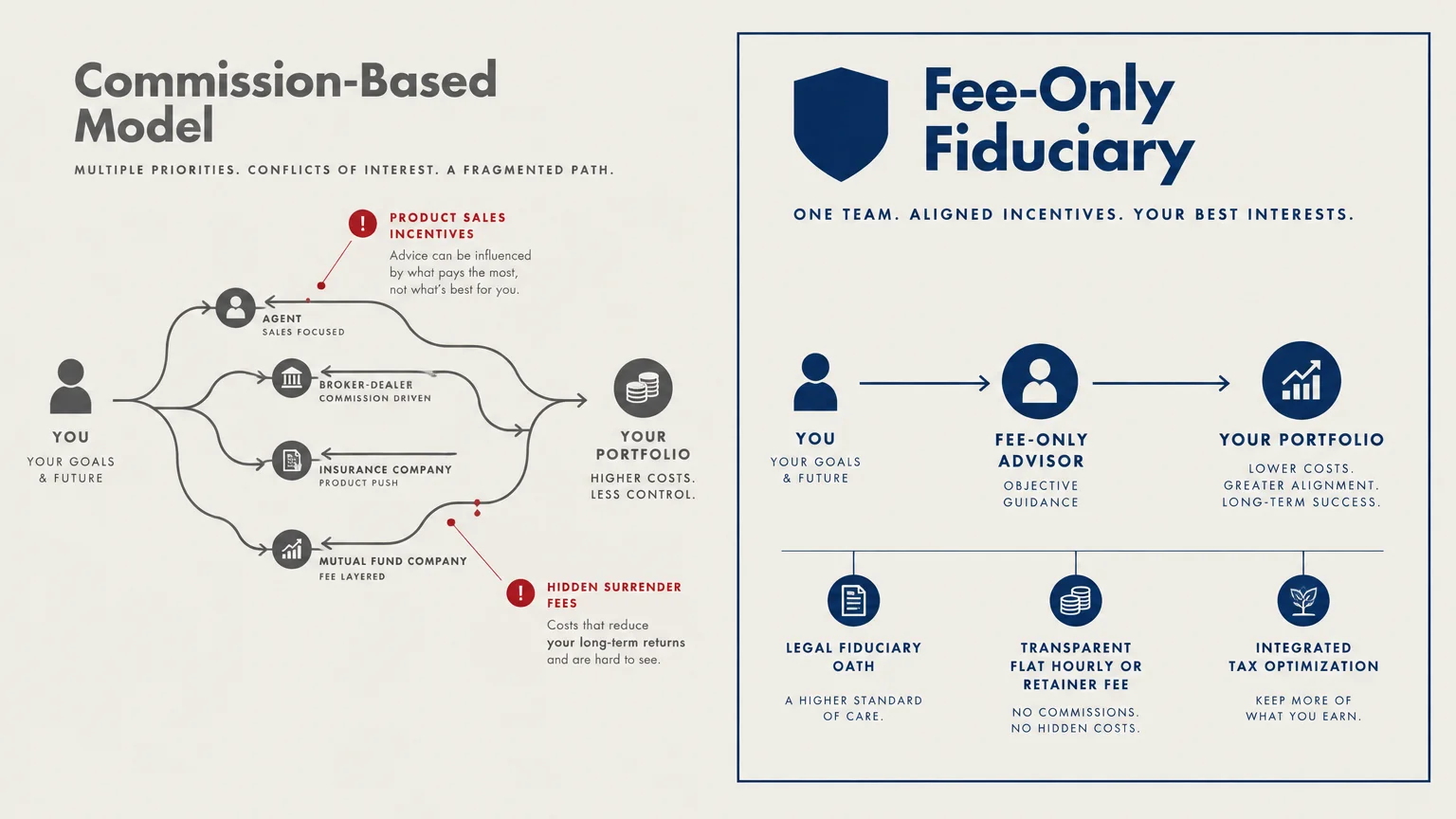
Commission-based brokers frequently push expensive annuities and high-fee products that pad their own pockets. In contrast, fee-only Certified Financial Planners act as fiduciaries bound by law to prioritize your best interests.
Fee-only advisors generally charge around 1.0% of assets under management or a flat hourly fee of $200 to $450. Paying for conflict-free financial architecture prevents irreversible and expensive tax penalties.
A skilled fiduciary can save you tens of thousands of dollars through strategic asset location and tax drawdown planning. That professional expertise ensures your hard-earned portfolio comfortably outlasts you.
Investing in expert, unbiased financial guidance provides immense clarity and protects your wealth against unforced errors.
Sound financial architecture pays for itself many times over throughout your golden years.

Tip #8: Premium Prescription Hearing Aids and Audiology Care
Untreated hearing loss is far more than a minor inconvenience; it accelerates cognitive decline and causes severe social isolation. Maintaining sharp sensory connections keeps your brain active and your relationships strong.
The FDA approved over-the-counter hearing aids in October 2022, providing entry-level devices priced between $200 and $1,500. While OTC options help mild impairment, complex hearing loss demands professional care.
Prescription hearing aids run from $2,500 to over $7,000 per pair, which Original Medicare does not cover. Veteran retirees consider this premium investment worthwhile for personalized device programming by an experienced audiologist.
Advanced prescription models isolate human speech in noisy environments and sync directly to your telephone and television. Clear communication restores your confidence and keeps you fully engaged in group conversations.
Do not let substandard audio clarity cut you off from the people and activities you love most.

Tip #9: High-Performance Orthopedic and Supportive Footwear
Inexpensive shoes with flat soles and zero arch support rapidly transmit shock into your joints. Over time, poorly cushioned footwear aggravates plantar fasciitis, knee osteoarthritis, and lower back strain.
Retirees quickly discover that spending $140 to $220 for premium orthopedic walking shoes transforms their daily endurance. High-performance brands feature wide toe boxes, rigid heel counters, and engineered impact dampening.
Splurging on quality footwear or custom orthotics stabilizes your gait and reduces your risk of tripping on uneven sidewalks. Comfortable feet allow you to walk miles while traveling without debilitating aches.
Maintaining daily physical activity is vital for cardiovascular health, weight management, and mental wellness. Investing in superior footwear directly supports an active, independent lifestyle.
Treat your footwear as essential mobility equipment rather than a disposable fashion accessory.
When your feet are well supported, your entire skeletal alignment benefits every single day.

Tip #10: Direct Flights and Premium Travel Seating Upgrades
During your working years, enduring a six-hour layover to save two hundred dollars felt like a victory. In retirement, cramped flights and multi-leg journeys take a heavy toll on your body.
Long layovers require navigating sprawling airport terminals, dragging heavy luggage, and facing higher risks of missed connections. Squeezing into narrow coach seats exacerbates joint stiffness and raises the threat of blood clots.
Paying extra for nonstop flights or upgrading to premium economy provides essential extra legroom and early boarding privileges. Retirees view premium seating as functional self-care that prevents physical exhaustion upon arrival.
Arriving at your destination well-rested means you can immediately enjoy your vacation rather than spending two days recovering in bed. Your physical energy is finite, so spend money to protect it.
Upgraded travel turns the journey itself into a comfortable, stress-free part of your retirement adventure.

Tip #11: High-Quality Fresh Food and Nutrient-Dense Groceries
Highly processed food might help stretch a tight monthly grocery allowance, but it taxes your long-term health. Diets packed with refined carbohydrates, sodium, and trans fats fuel chronic inflammatory conditions.
Retirees prioritize spending extra on organic produce, wild-caught fish, and pasture-raised meats. Allocating more money to nutrient-dense whole foods directly supports cardiovascular vitality and stable blood sugar levels.
Many older adults also subscribe to fresh prepared meal services to avoid cooking burnout while maintaining balanced nutrition. Eating wholesome food boosts daytime stamina and strengthens your immune defenses against seasonal illness.
Viewing quality food as preventive medicine saves you thousands in downstream prescription drug co-pays and doctor visits. Never feel guilty about spending extra on ingredients that nourish your body and longevity.
Your vitality in retirement depends entirely on the fuel you put into your body every day.
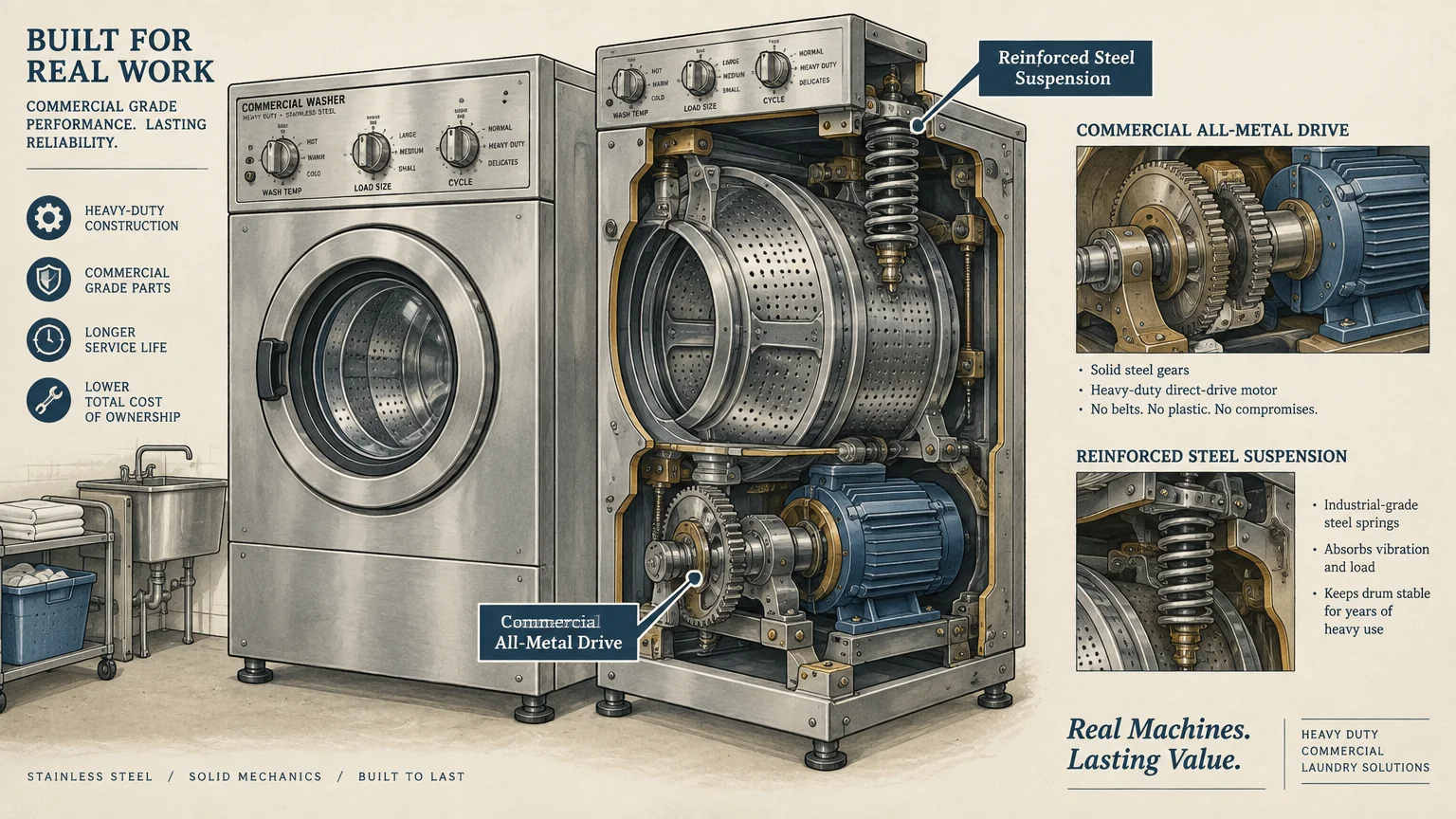
Tip #12: Commercial-Grade, Low-Maintenance Home Appliances
Bargain household appliances are built with cheap plastic parts designed to fail shortly after factory warranties expire. Dealing with broken washing machines or leaking refrigerators creates unnecessary stress on a fixed income.
Veteran retirees gladly pay premium prices for commercial-grade, easily serviceable brands like Speed Queen or Bosch. These rugged machines boast heavy-duty metal components, intuitive controls, and proven lifespans exceeding twenty years.
High-end appliances also deliver whisper-quiet performance and superior energy efficiency, which trims your recurring utility bills. Investing in durable hardware eliminates frequent repair bills and sudden replacement headaches.
True frugality evaluates the total cost of ownership over decades rather than the initial sticker price at checkout. Purchasing dependable appliances buys you decades of daily reliability and total peace of mind.
Pay for durability once so you never have to waste your retirement years troubleshooting broken equipment.
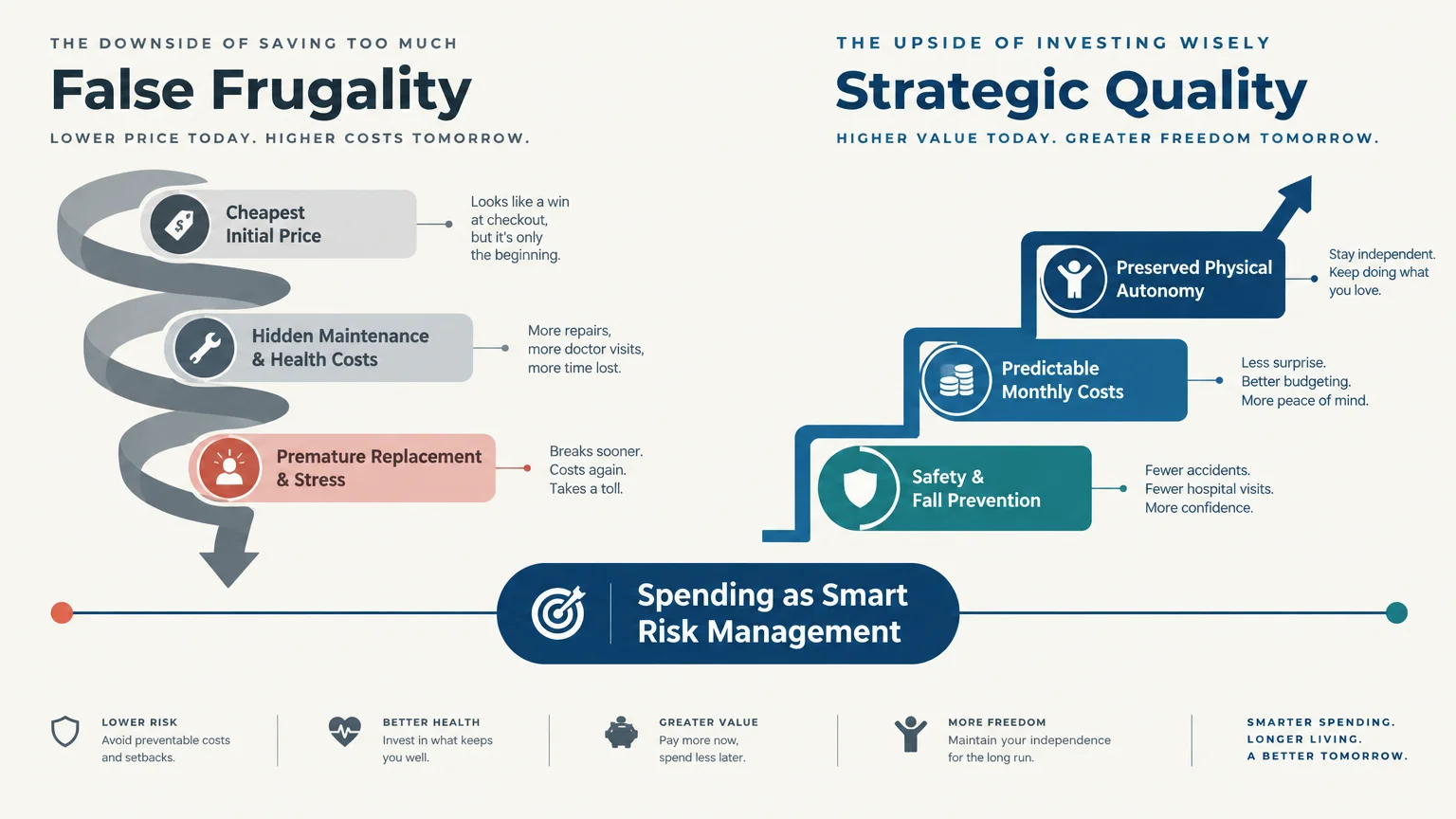
The Bottom Line: What This Means for Your Wallet
Spending money wisely in retirement is not about strict deprivation; it is about allocating your resources where they deliver maximum value. Blindly chasing the lowest price tag frequently creates expensive, dangerous false economies.
Frugality should always serve your lifestyle, not dictate it. Veteran retirees understand that paying extra for safety, comfort, and expert guidance protects both their physical health and their financial independence.
Take time to audit your current spending priorities. Look for areas where cutting corners generates daily friction, increases safety risks, or harms your physical vitality.
Reallocate money away from low-value recurring expenses and redirect those funds toward high-impact upgrades. When you invest intentionally in quality over price, you build a safer, happier, and far more fulfilling retirement.
Making deliberate splurges in retirement preserves your independence and keeps you thriving in your golden years.
Frequently Asked Questions
How do I budget for these splurges on a fixed retirement income?
Establish a dedicated sinking fund within your monthly budget specifically targeted for healthcare, home accessibility, and safety maintenance.
Cut low-value recurring subscriptions, dining out at mediocre restaurants, and impulse purchases to free up cash for these vital upgrades.
Won’t spending extra on premium items deplete my nest egg too quickly?
Strategic quality upgrades actually prevent catastrophic expenses like emergency hospital admissions, premature nursing home care, and costly home repairs.
Allocating capital toward preventive safety and high-durability items preserves your overall wealth by minimizing volatile, unexpected emergency costs down the road.
How can I tell if a higher price tag truly reflects superior quality?
Examine third-party laboratory testing, customer reliability indices, and independent product teardowns before opening your wallet.
Ensure that higher prices stem from commercial-grade engineering, robust warranties, and proven durability rather than cosmetic branding or aggressive marketing.
What is the most critical item on this list for a new retiree?
Supplemental health insurance is paramount because medical emergencies represent the single largest financial threat to your retirement security.
Securing comprehensive healthcare coverage and fall-prevention home modifications immediately safeguards both your wealth and your personal independence.
For consumer protection information, visit the Federal Trade Commission (FTC) and the Consumer Financial Protection Bureau (CFPB). For product safety and reviews, consult Consumer Reports.
Disclaimer: This article is for informational purposes only and does not constitute financial advice. The content reflects the author’s opinion and research at the time of writing. Always do your own research before making financial decisions.









Leave a Reply