
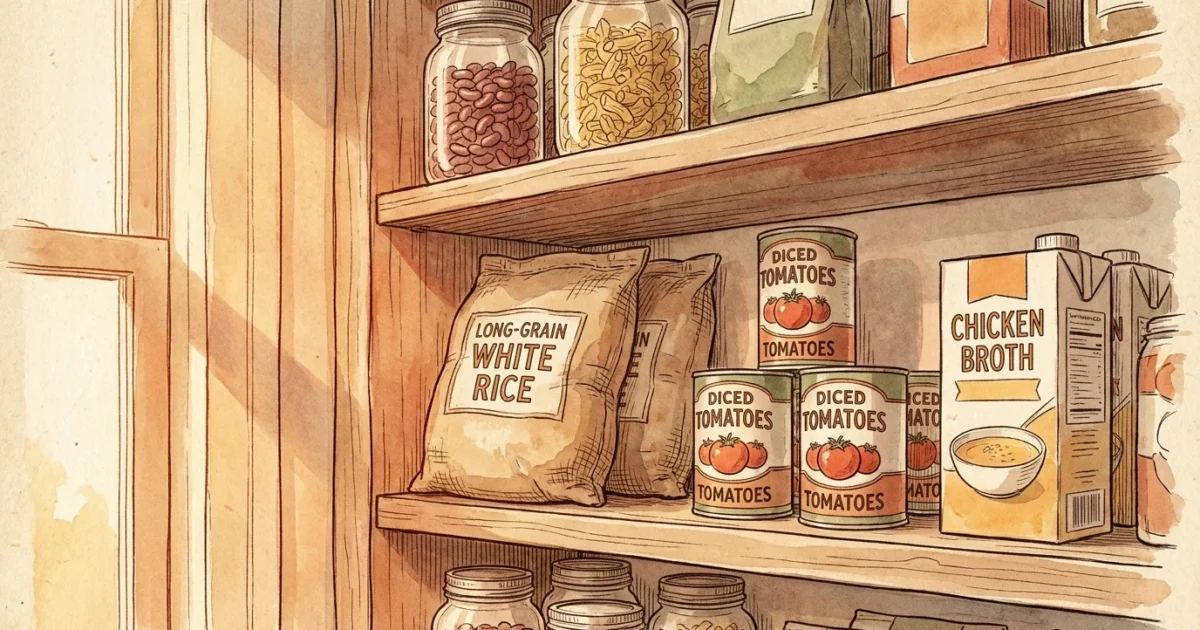
Locking in your grocery savings now protects your fixed income from predictable autumn price hikes and holiday inflation. As summer wraps up, retailers begin rotating their inventory to make room for fall merchandise; this transition window offers savvy retirees the perfect opportunity to stock up on everyday necessities. By strategically buying specific Walmart pantry staples before September, you bypass the seasonal demand surge that drives up costs on cold-weather comfort foods. Securing these affordable groceries today ensures your kitchen remains fully equipped for months to come without draining your budget. Your financial peace of mind relies on staying one step ahead of retail pricing cycles.

Tip #1: Great Value Canned Tomatoes and Tomato Paste
When the temperature drops, your meal planning naturally shifts from fresh summer salads to hearty soups, stews, and heavy pasta dishes. This predictable change in consumer behavior gives supermarkets a distinct advantage in the fall. Retailers know you need canned tomatoes for your chili and minestrone, and they adjust their pricing algorithms accordingly. By purchasing Great Value diced tomatoes, crushed tomatoes, and tomato paste right now, you secure your winter food bases at off-season prices.
Walmart’s store brand consistently beats name brands like Hunt’s or Muir Glen by a significant margin. You might pay less than a dollar for a can of Great Value diced tomatoes, whereas name brands can easily cost twice as much. When you multiply that savings across a season of cooking, the money stays in your pocket. Furthermore, fresh tomatoes shipped during the winter are grown in expensive hothouses and lack flavor. Canned tomatoes are picked and packed at peak summer ripeness, locking in vital nutrients like lycopene.
To maximize your budget shopping, inspect the cans before putting them in your cart. Avoid any cans with dents along the seams or signs of rust, as these defects compromise the airtight seal. Store your canned tomatoes in a cool, dark cabinet. Because tomatoes are highly acidic, they generally have a shorter shelf life than canned vegetables—usually around eighteen months. Buying your entire winter supply in August ensures maximum freshness and protects you from the inevitable cold-weather price creep.
Tip #2: Bulk Long-Grain White Rice
Few foods stretch a retirement budget quite like a massive bag of rice. As you prepare for the colder months, having a versatile, calorie-dense carbohydrate base in your pantry is non-negotiable. Rice anchors casseroles, serves as a filling side dish, and acts as a canvas for cheap proteins. However, buying rice in small, one-pound bags is a catastrophic drain on your grocery budget. You pay heavily for the convenience of small packaging.
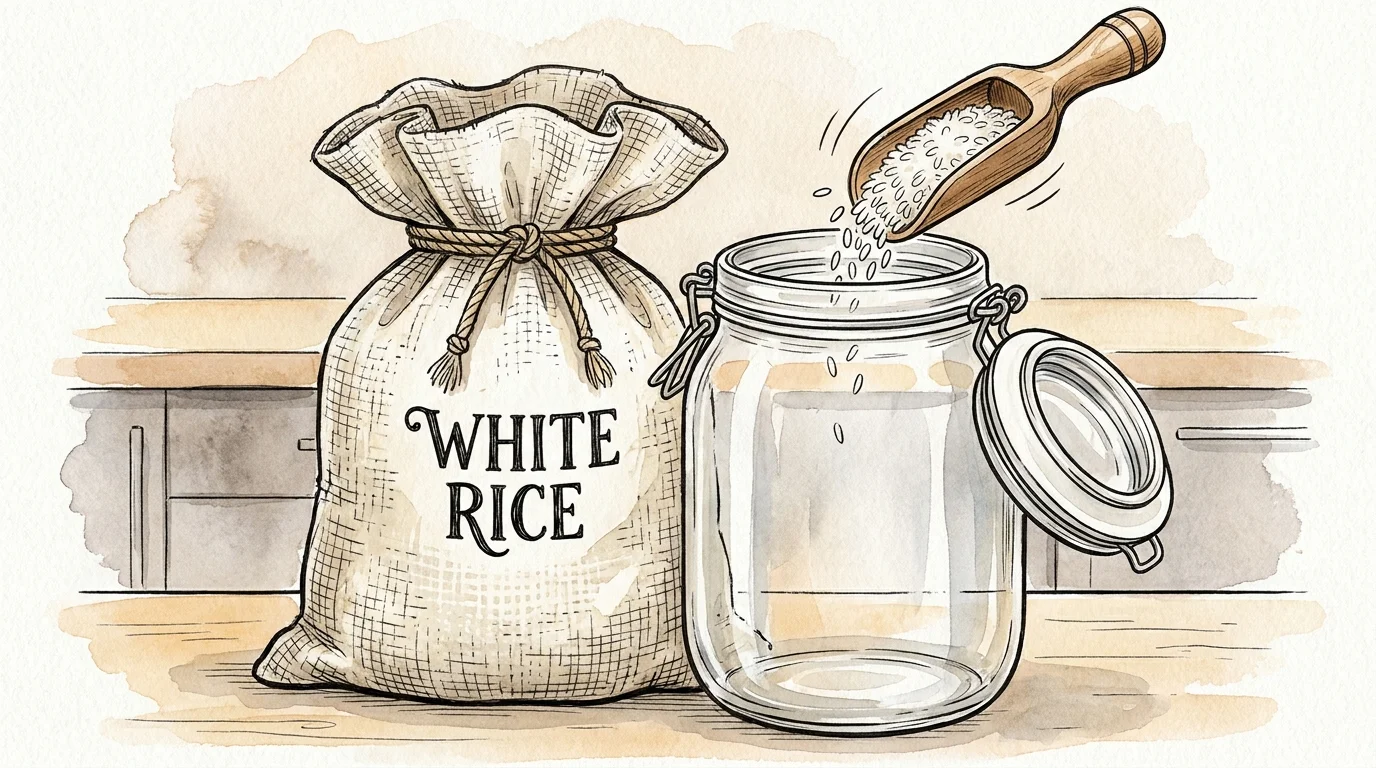
Before summer ends, head to the bottom shelves of the Walmart grocery aisle and grab a twenty-pound bag of Great Value Long-Grain White Rice. The cost per ounce on these bulk bags is astonishingly low, often breaking down to mere pennies per serving. Do not make the mistake of stocking up on brown rice for long-term storage; the natural oils present in the bran of brown rice cause it to go rancid within six months. White rice, stripped of the bran, will last indefinitely if stored correctly.
Once you get that heavy bag home, do not leave it in the original plastic packaging. Pests like pantry moths and weevils can easily chew through thin plastic. Transfer your bulk rice into heavy-duty, food-grade plastic buckets with airtight gamma seal lids, or repurpose large glass jars. This upfront effort guarantees your affordable groceries remain safe and edible through the entire winter, providing you with endless meal possibilities regardless of what inflation does to the broader food market.

Tip #3: Great Value Chicken and Beef Broth
The moment November arrives, the demand for chicken, beef, and vegetable broth skyrockets. Millions of Americans suddenly need massive quantities of broth for Thanksgiving stuffing, holiday gravies, and comforting winter soups. Supermarkets anticipate this frenzy. Consequently, finding deep discounts on boxed broth during the holiday season is nearly impossible. Smart shoppers beat the rush by hoarding these pantry essentials in late August.
Walmart offers several variations of their Great Value boxed broths, and retirees should pay close attention to the sodium content. Purchasing the unsalted or low-sodium versions allows you to control your blood pressure and season your meals to your specific dietary needs. These aseptic cartons have a remarkably long shelf life—usually a year or more—meaning you can confidently buy a dozen boxes now and slowly use them throughout the winter without fear of spoilage.
If you have recently downsized and lack the physical cabinet space for bulky quart-sized liquid boxes, pivot to bouillon cubes or jars of concentrated stock bases like Better Than Bouillon. These compact alternatives offer tremendous grocery savings and take up a fraction of the space. Whether you choose liquid cartons or concentrated pastes, securing your flavor bases before the holiday cooking season kicks off is a masterclass in proactive budget shopping.

Tip #4: Dried and Canned Beans
Animal protein prices fluctuate wildly, and fixed incomes simply cannot absorb sudden spikes in the cost of beef, pork, or poultry. The most effective strategy to shield yourself from meat inflation is substituting plant-based proteins into your weekly diet. Beans are nutritional powerhouses for seniors; they are packed with dietary fiber, which aids digestion, and complex carbohydrates that keep blood sugar levels stable. Best of all, they are incredibly cheap.
As summer fades, transition your pantry from barbecue staples to chili ingredients. Stock up on Great Value black beans, kidney beans, pinto beans, and chickpeas. Canned beans offer unparalleled convenience for quick meals. A can of beans, rinsed thoroughly to remove excess sodium, can be heated with some crushed tomatoes and spices for an instant, hearty meal that costs less than two dollars total.
For even steeper grocery savings, buy bags of dried beans. While they require more preparation—such as overnight soaking and longer simmering times—the financial payoff is massive. A single one-pound bag of dried beans yields the equivalent of three to four cans once cooked. Spend a Sunday afternoon cooking a large batch of dried beans, portion them out, and freeze them in smaller containers. This simple hack fills your freezer with ready-to-eat, affordable groceries that will drastically lower your winter grocery bills.

Tip #5: Core Baking Essentials
The “holiday baking tax” is a very real phenomenon. As Thanksgiving and Christmas approach, retailers know that consumers will purchase flour, sugar, baking powder, and seasonal spices regardless of the price. If you wait until mid-November to buy your baking essentials, you are voluntarily paying a premium. Protect your wallet by purchasing these Walmart pantry staples before summer completely gives way to fall.
Start with the heavy hitters: all-purpose flour and granulated sugar. Great Value brand flour performs identically to expensive name brands in almost every home baking application. When you bring flour home, place the entire paper bag inside your freezer for forty-eight hours. This crucial step destroys any microscopic weevil eggs that might have hitched a ride from the warehouse. Afterward, transfer the flour into an airtight container. Sugar never spoils if kept completely dry, so you can buy it in bulk with absolute confidence.
Do not forget the chemical leaveners. Baking powder and baking soda lose their potency over time. If your current containers have been sitting in the back of your cupboard since last Christmas, they are likely dead. Test your baking powder by dropping a spoonful into hot water; if it bubbles vigorously, it is still active. If it simply sinks, throw it out and add a fresh container to your late-summer Walmart list. Securing fresh leaveners and spices now ensures your holiday baking goes flawlessly without busting your budget.

Tip #6: Peanut Butter and Nut Butters
August is the undisputed king of back-to-school sales. Supermarkets, including Walmart, heavily discount items associated with school lunches to lure parents into the store. Retirees should absolutely hijack these promotional cycles. Peanut butter is often sold as a loss leader during this period, making it the perfect time to stock up on one of the most calorie-dense, shelf-stable foods available.
Peanut butter provides an excellent source of heart-healthy monounsaturated fats and substantial protein. It requires no cooking, making it an essential emergency food if winter ice storms knock out your power. When assessing the shelves, you will notice a steep price difference between commercial peanut butters and the trendy “all-natural” varieties. For long-term pantry storage, stick to the standard commercial formulations.
Natural peanut butters, which lack hydrogenated oil stabilizers, are prone to oil separation and can go rancid much faster than commercial brands. Great Value creamy or crunchy peanut butter will easily last in your pantry for a year or more. By purchasing several jars during the back-to-school discount window, you secure a reliable, delicious protein source that will last well into the spring. This is the essence of strategic budget shopping—buying what you need when the demographic forces drive the prices down.
Tip #7: Dry Pasta and Egg Noodles
Cold weather demands heavy, comforting carbohydrates. Pasta is the ultimate vehicle for stretching small amounts of expensive meat and vegetables into massive, filling meals. A single chicken breast and a cup of frozen broccoli can feed four people when tossed with a generous portion of pasta. Because dry pasta has an almost infinite shelf life when kept away from moisture, buying it in bulk now is a zero-risk investment.
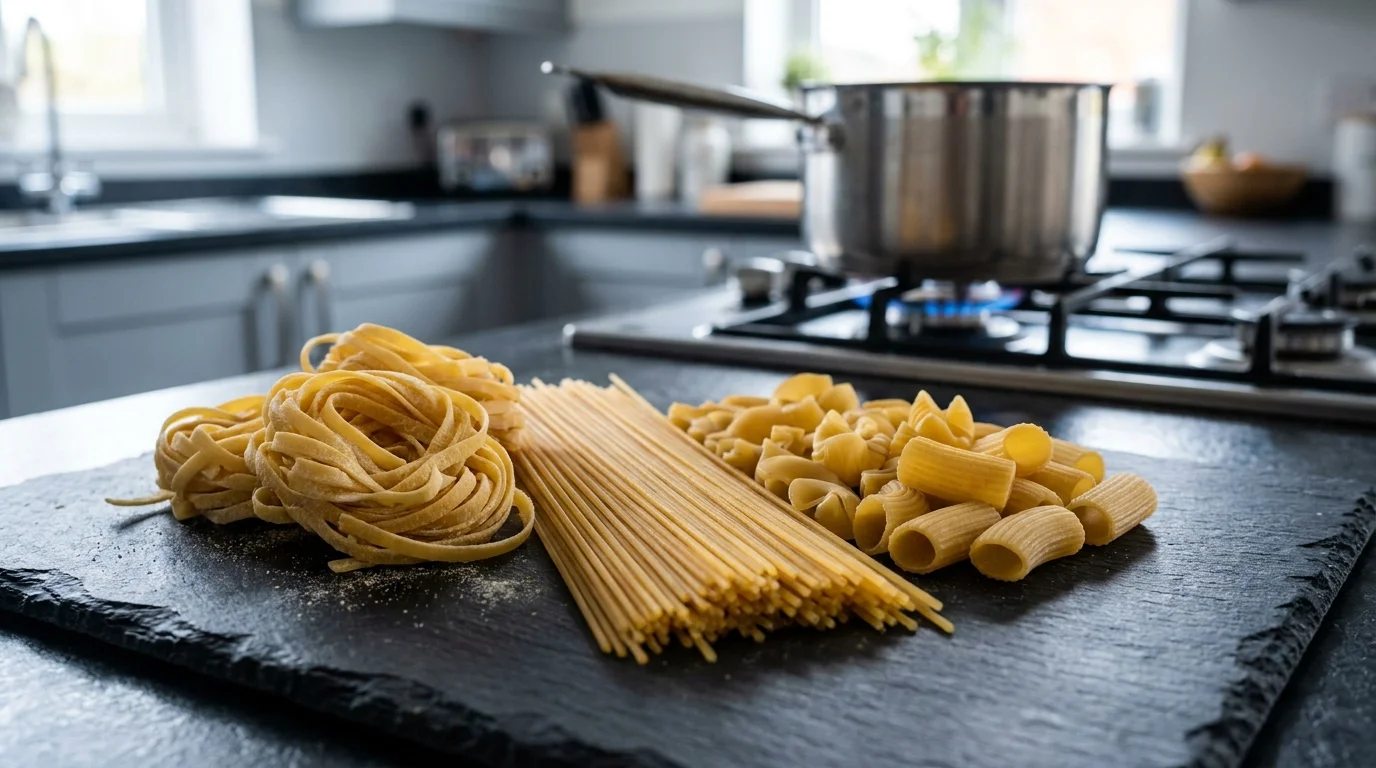
Inflation frequently targets wheat products, and geopolitical supply chain issues can cause pasta prices to fluctuate unpredictably. Take control by purchasing Great Value spaghetti, penne, macaroni, and egg noodles before the summer ends. At just over a dollar a box, Walmart’s store-brand pasta is one of the most affordable groceries you can keep on hand.
Pay special attention to egg noodles, which are crucial for winter dishes like beef stroganoff or hearty chicken noodle soup. Because they contain egg yolks, their price is often tied to the volatile egg market. Buying your winter supply of egg noodles now insulates you from potential agricultural disruptions or winter bird flu outbreaks that typically send egg prices soaring. Store all dry pasta in a dark, dry place—preferably transferring them from cardboard boxes to sealed glass or plastic jars to deter pests and prevent humidity from making the noodles stale.
Tip #8: Canned Vegetables and Holiday Sides
Every single November, without fail, American supermarkets experience a localized shortage of canned pumpkin puree. Panicked shoppers scramble to find enough pumpkin for their pies, and retailers stubbornly refuse to discount whatever stock remains. You can entirely avoid this stressful scenario by securing your holiday canned goods in the final weeks of summer.
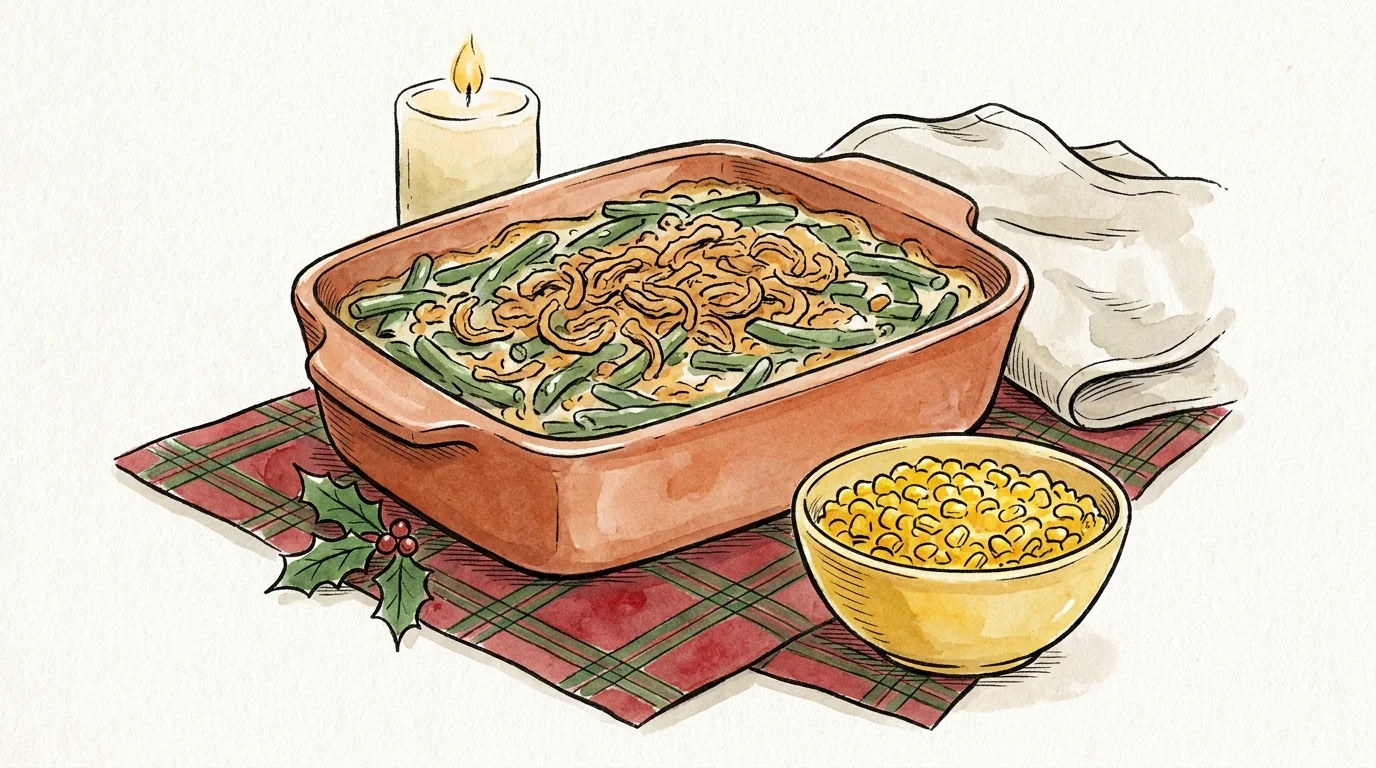
Stock up on Libby’s or Great Value 100% pure pumpkin puree immediately. Make sure you are buying pure pumpkin and not the pre-mixed “pumpkin pie filling,” which is loaded with unnecessary sugars and costs more. While you are in the canned vegetable aisle, grab the essential components for your holiday side dishes. Canned green beans, sweet corn, and cream of mushroom soup are absolute necessities for classic winter casseroles.
Canned vegetables are a brilliant asset for retirees because they eliminate food waste. Fresh vegetables rot quickly in the crisper drawer if not consumed promptly, resulting in literal money thrown in the trash. Canned corn and green beans are preserved at the peak of their freshness and will sit patiently on your shelf until you are ready to cook them. Buying these holiday-centric vegetables now guarantees you have the ingredients for family gatherings, ensuring you never have to make a frantic, expensive grocery run the day before Thanksgiving.
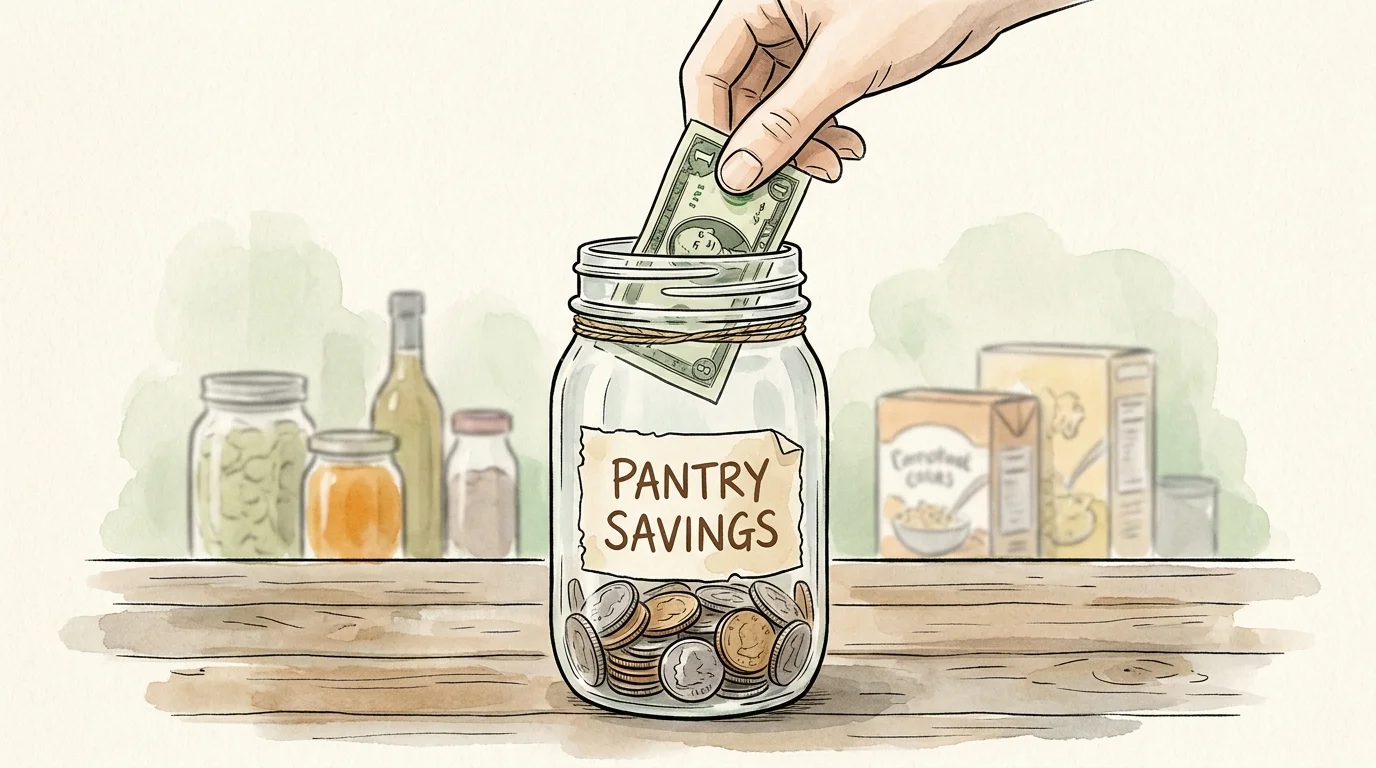
The Bottom Line: What This Means for Your Wallet
Relying on a fixed income requires you to view your local supermarket not just as a store, but as a fluctuating commodities market. Buying groceries exactly when you need them leaves you vulnerable to seasonal markups, holiday-driven inflation, and supply chain shortages. The secret to stretching your retirement dollars is aggressive proactivity. By purchasing these eight Walmart pantry staples before summer ends, you effectively freeze the prices of your winter food supply.
Every dollar you save on discounted peanut butter, bulk rice, and off-season canned goods is a dollar you can redirect toward rising utility bills or essential medical expenses. Budget shopping is not about deprivation; it is about outsmarting the retail algorithms that rely on your predictable habits. Fill your pantry strategically today, properly store your bulk goods to maximize their shelf life, and enjoy the financial peace of mind that comes from knowing your kitchen is fully stocked for whatever the winter months bring.
Frequently Asked Questions
How long do Walmart Great Value canned goods actually last?
The dates stamped on canned goods are generally “best by” or “best if used by” dates, which indicate peak quality and flavor, not safety. According to the USDA, high-acid canned goods like tomatoes and fruits will keep their best quality for twelve to eighteen months. Low-acid canned goods like meats, poultry, stews, and vegetables will keep their best quality for two to five years. As long as the cans show no signs of deep denting, swelling, or rust, the food inside remains safe to consume indefinitely.
Should I buy in bulk if I cook for only one or two people?
Yes, buying in bulk remains the most effective way to secure grocery savings, even for single retirees or couples. The key is sticking strictly to non-perishable pantry essentials. Items like white rice, dry pasta, and sugar do not spoil quickly. When you bring bulk items home, immediately divide them into smaller, manageable, airtight containers. This prevents you from dealing with unwieldy twenty-pound bags daily while still locking in the incredibly low cost-per-ounce pricing.
Does Walmart offer senior discounts on groceries?
No, Walmart does not offer specific senior discount days. The company’s business model is built entirely around “Everyday Low Prices” for all consumers. Because you cannot rely on a standard senior percentage discount at the register, timing your purchases becomes the most critical tool in your budget shopping arsenal. You must capitalize on seasonal transitions and bulk pricing to artificially create your own discounts.
How do I store large quantities of pantry staples in a small home?
Downsizing often means sacrificing large pantry spaces. To manage bulk groceries in a smaller footprint, you must get creative with hidden storage. Utilize the dead space under your bed by sliding flat, airtight plastic bins filled with extra canned goods or bags of flour. Repurpose empty luggage in your closet to hold extra boxes of pasta or paper goods. Alternatively, prioritize high-density items like bouillon cubes instead of liquid broth, and dried beans instead of canned, to dramatically reduce the physical space required to maintain your food supply.
For consumer protection information, visit the Federal Trade Commission (FTC) and the Consumer Financial Protection Bureau (CFPB). For product safety and reviews, consult Consumer Reports.
Disclaimer: This article is for informational purposes only and does not constitute financial advice. The content reflects the author’s opinion and research at the time of writing. Always do your own research before making financial decisions.








Leave a Reply