

Stretching your retirement budget means knowing exactly where your dollar goes furthest, and relying entirely on Walmart for your weekly shopping trip often results in hidden financial drains. You probably visit the retail giant assuming low prices across the board; however, strategic pricing algorithms ensure certain departments overcharge while others offer genuine bargains. Navigating these aisles on a fixed income requires a tactical approach to avoid overpriced convenience goods, deceptive warranties, and subpar electronics that need constant replacing. Sidestepping these specific product categories protects your nest egg from gradual depletion. By rethinking these common purchases, you instantly redirect hundreds of dollars back into your bank account each year.

Tip #1: Pre-Cut and Packaged Produce
Grabbing a plastic container of pre-sliced melon or chopped onions feels like a simple way to save time in the kitchen. For retirees cooking smaller meals, the convenience is highly tempting. However, you pay an aggressive convenience tax for that labor, completely undermining your senior savings strategy. Stores routinely mark up pre-cut fruits and vegetables by three hundred percent or more compared to their whole counterparts.
Beyond the outrageous pricing, pre-cut produce degrades rapidly on the shelf. The moment a knife slices into an apple or a bell pepper, oxidation begins. You end up buying food that loses its nutritional density and spoils within forty-eight hours of hitting your refrigerator. This creates a cycle of food waste that silently drains your grocery budget week after week.
Protect your fixed income by purchasing whole produce and dedicating twenty minutes twice a week to meal prep. If arthritis or mobility issues make chopping difficult, consider investing in a high-quality electric food chopper. This kitchen tool requires a small upfront investment but pays for itself in less than a month by allowing you to completely skip the overpriced convenience cooler.
Tip #2: Name-Brand Over-the-Counter Medications
Managing daily aches, seasonal allergies, or chronic conditions often requires a steady supply of over-the-counter medications. When you walk down the pharmacy aisle, the brightly colored packaging of name-brand drugs immediately commands your attention. Marketers spend billions of dollars conditioning consumers to trust these specific labels, but paying for that marketing severely damages your monthly budget.
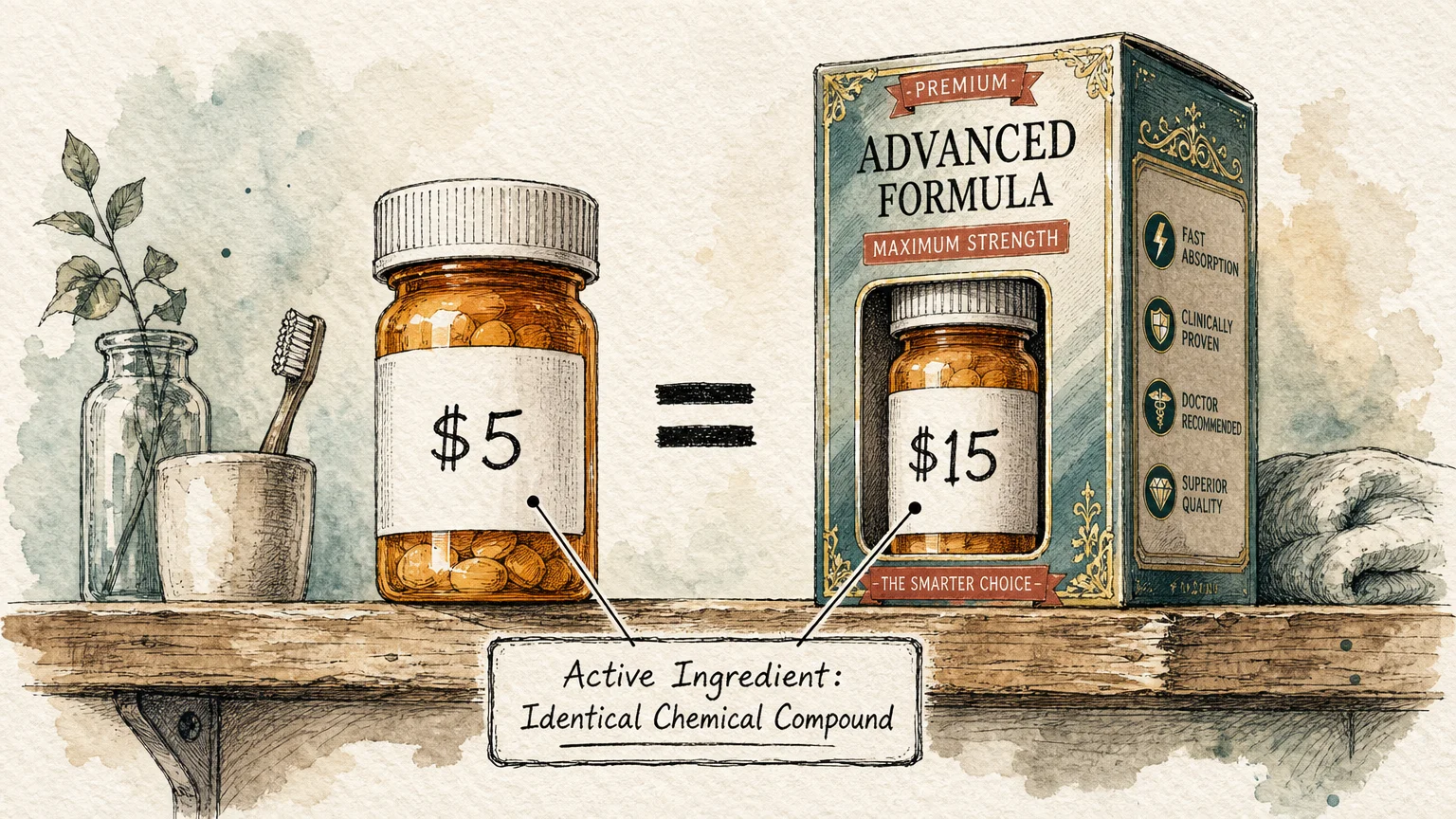
The secret that pharmaceutical companies hope you never discover involves strict federal regulations. The Food and Drug Administration mandates that generic medications contain the exact same active ingredients, dosage, and safety profile as their name-brand equivalents. When you buy the Equate version of a popular pain reliever, you purchase the identical chemical compound—just without the massive advertising markup.
Consider the daily cost of a basic pain reliever or a daily allergy pill. A bottle of the premium brand might cost fifteen dollars, while the store-brand equivalent sits right next to it for under five dollars. Over the course of a single year, executing this specific Walmart shopping tip easily saves you hundreds of dollars.
Tip #3: Extended Protection Plans on Minor Electronics
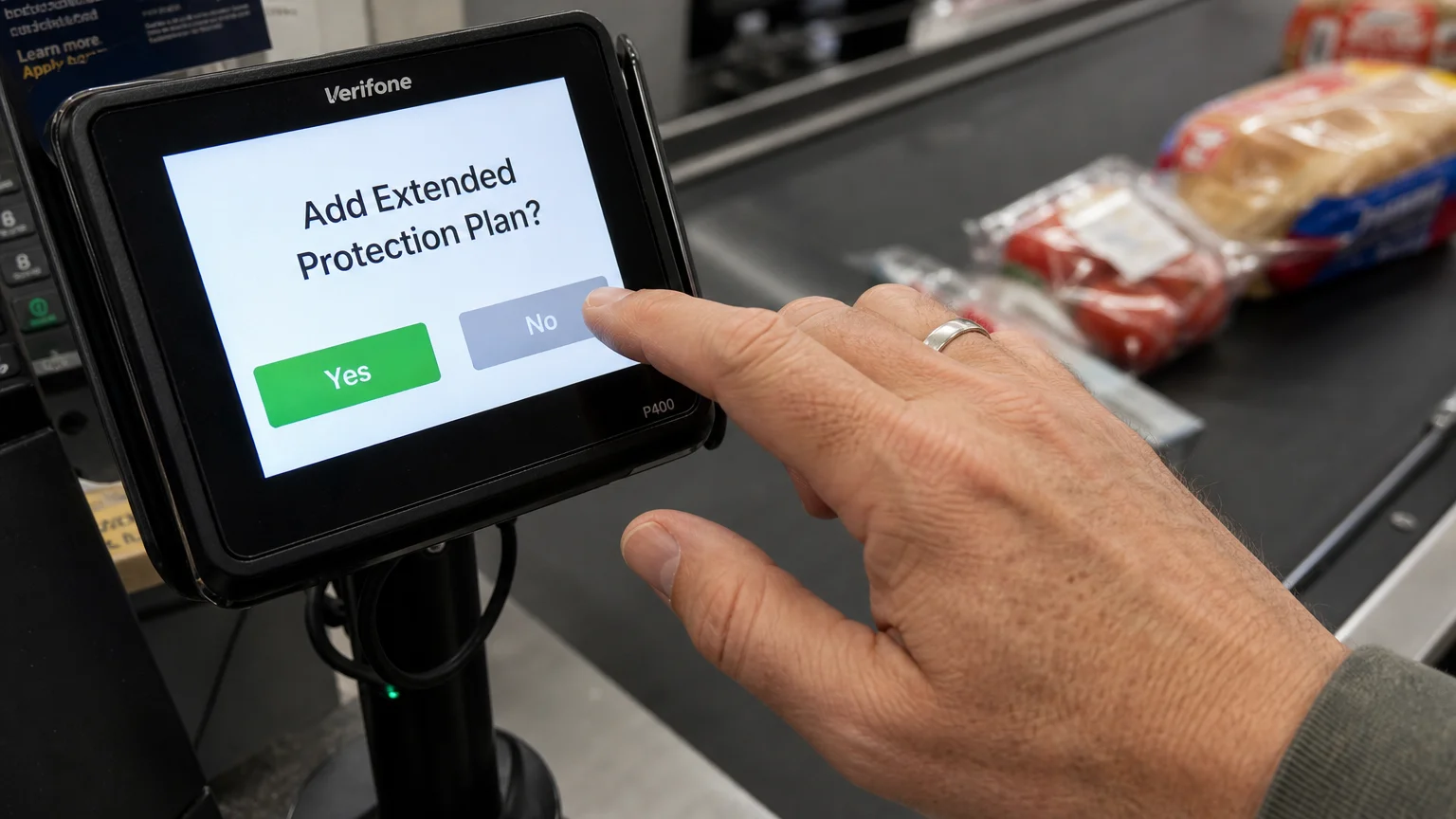
You finally reach the checkout register with a new coffee maker or a digital camera, only to be confronted by a prompt on the credit card terminal. The screen insists that for just a few extra dollars, you can purchase an extended protection plan to secure your investment. Cashiers receive active training to push these warranties, framing them as a necessary safeguard for anyone living on a fixed income.
These protection plans represent one of the highest-margin items in the entire store, serving as pure profit for the retailer. The actuarial math heavily favors the corporate bottom line; minor electronics usually break either immediately during the manufacturer’s warranty period, or years after the extended coverage expires. You essentially pay an insurance premium on items that rarely require a payout.
Furthermore, the claims process for these third-party warranties is notoriously complex. You often face endless hold times, complicated shipping requirements, and hidden diagnostic fees. Instead of falling for this psychological trap, rely on the consumer protections you already possess. Many premium credit cards automatically double the manufacturer’s warranty at no additional cost simply by using the card for the purchase.
Tip #4: Premium Fresh Meat and Seafood
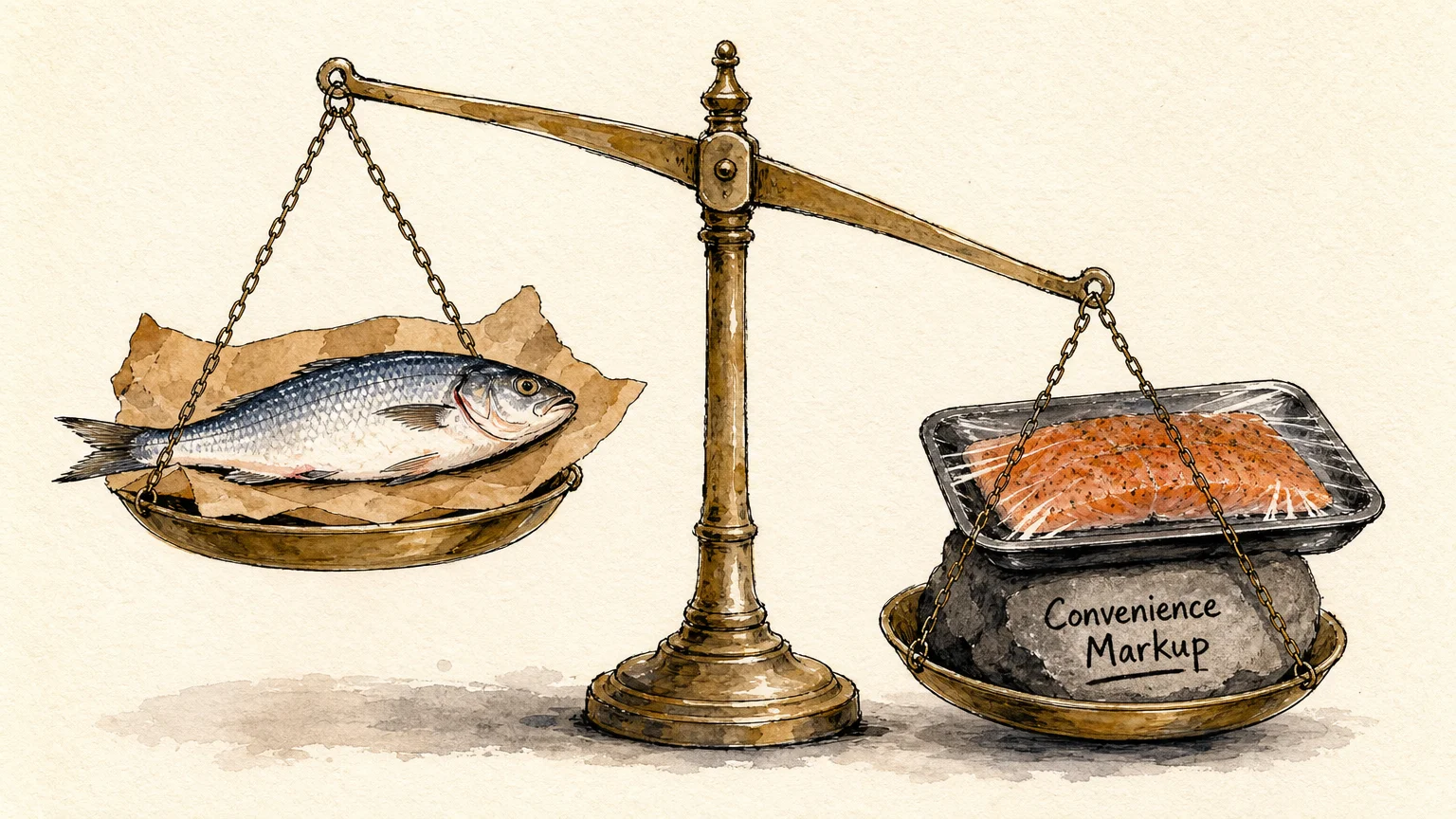
Securing high-quality protein is essential for a healthy retirement diet, but the massive supercenter is rarely the optimal place to purchase your steaks, chicken, or fish. While the prices might initially appear competitive, a closer inspection of the actual product reveals a significantly lower value proposition compared to traditional grocery stores.
Many of the meats sold in big-box retailers are “case-ready,” meaning they are processed and packaged at massive off-site facilities before being shipped across the country. To preserve the color and extend the shelf life, producers frequently inject these products with a saltwater solution. This industry practice—often referred to as plumping—adds artificial water weight to the package. You end up paying premium meat prices for saltwater that simply evaporates the moment the chicken hits your hot skillet.
You also miss out on the expertise of an in-house butcher. Regional grocery chains employ dedicated meat cutters who can provide custom slices, trim excess fat, and advise you on the freshest daily catches. For true smart shopping, purchase your dry goods at the supercenter, but source your proteins from a dedicated grocer running a weekly loss-leader sale.

Tip #5: Stripped-Down Budget Electronics
Walking past the electronics department, you inevitably spot massive television screens and sleek laptop computers heavily discounted at the end of the aisle. The bright yellow clearance stickers suggest an unbelievable bargain, practically begging you to upgrade your living room entertainment center. However, purchasing complex electronics solely based on a rock-bottom price tag is one of the most common retiree shopping mistakes.
Retail giants frequently collaborate directly with manufacturers to produce “derivative models.” These specific televisions or computers look identical to standard models on the outside, but the manufacturer drastically downgrades the internal components to meet an aggressive retail price point. The manufacturer might remove essential HDMI ports, utilize an inferior processing chip, or install lower-quality internal power supplies.
While the upfront savings feel victorious, the long-term reality is deeply frustrating. A television built with substandard internal parts likely fails just outside the standard warranty period, leaving you with a useless piece of plastic. When you live on a fixed income, having to purchase the same electronic device twice completely erases any initial savings you thought you secured.
Tip #6: Pre-Paid Cellular Plans and Refill Cards
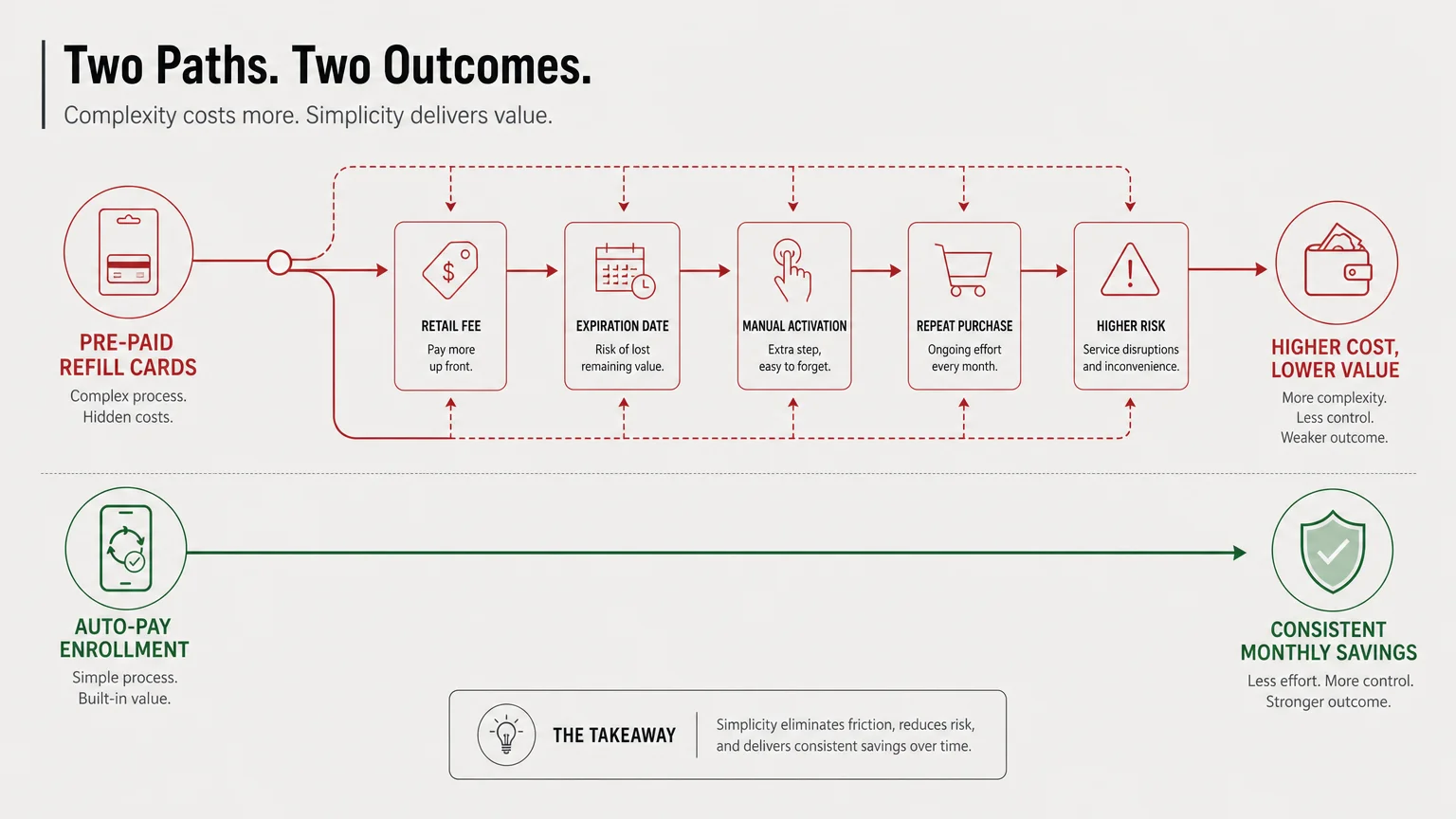
The aisles dedicated to pre-paid cellular service feature massive walls of brightly colored cardboard refill cards. For years, seniors utilized these pay-as-you-go systems to manage their communication budgets, believing that buying a physical card in-store is the safest way to avoid exorbitant monthly cell phone contracts. Unfortunately, this outdated retail model currently offers some of the worst values in the entire telecommunications industry.
Purchasing these physical refill cards locks you into legacy pricing tiers that completely ignore the massive price drops occurring in the digital marketplace. These specific brands spend heavily on shelf space and retail packaging, passing those marketing and logistical costs directly onto the consumer. You end up paying thirty to forty dollars a month for heavily restricted data limits and subpar network prioritization.
Modern mobile virtual network operators—frequently referred to as MVNOs—revolutionize this space by eliminating the physical store entirely. Companies operating strictly online offer unlimited talk, text, and generous data packages for roughly fifteen dollars a month. They utilize the exact same national cellular towers as the major carriers, ensuring you receive identical coverage without the massive retail markup.

Tip #7: Name-Brand Vitamins and Dietary Supplements
Maintaining optimal health during retirement often requires a daily regimen of vitamins, joint support formulas, and specialized dietary supplements. The pharmacy section boasts entire aisles dedicated to these products, featuring familiar brand names backed by decades of television advertising. Yet, tossing these premium bottles into your cart is a highly inefficient way to fund your daily nutritional needs.
The supplement industry operates with minimal federal oversight regarding actual product efficacy and ingredient purity. When you purchase expensive name brands at a standard retail level, you heavily subsidize their massive marketing budgets rather than paying for superior ingredients. Furthermore, trendy formats like gummy vitamins degrade incredibly fast on retail shelves, often losing their stated potency long before the printed expiration date arrives.
Savvy retirees understand that true value in the supplement market comes from independent verification and bulk purchasing. Look for the United States Pharmacopeia (USP) seal on generic store brands, which guarantees the bottle actually contains the ingredients listed on the label. The store-brand Equate line often carries this exact certification for a fraction of the cost.

Tip #8: Major Kitchen Appliances
Replacing a failing refrigerator, a dying washing machine, or a broken dishwasher is a stressful, high-cost event for any household. When browsing the massive supercenter, you might stumble across a seemingly competitive deal on a major kitchen appliance and decide to handle the replacement immediately. However, buying heavy machinery from a general retailer introduces a host of logistical nightmares that far outweigh the potential savings.
General big-box stores simply do not possess the specialized infrastructure required to seamlessly manage large appliance deliveries. Their floor staff rarely possesses the technical knowledge needed to answer complex questions regarding plumbing hookups, electrical requirements, or exact clearance measurements. You are largely left to guess whether the machine actually fits through your front door and functions safely in your specific kitchen layout.
The true nightmare begins once you finalize the purchase. Third-party delivery contractors used by general retailers are notorious for missed windows, rushed installations, and a complete refusal to haul away your old, broken unit. Always source your major appliances from dedicated hardware stores or specialized local dealers who guarantee professional, end-to-end installation services.
Tip #9: Pre-Cooked Deli Sides and Meals
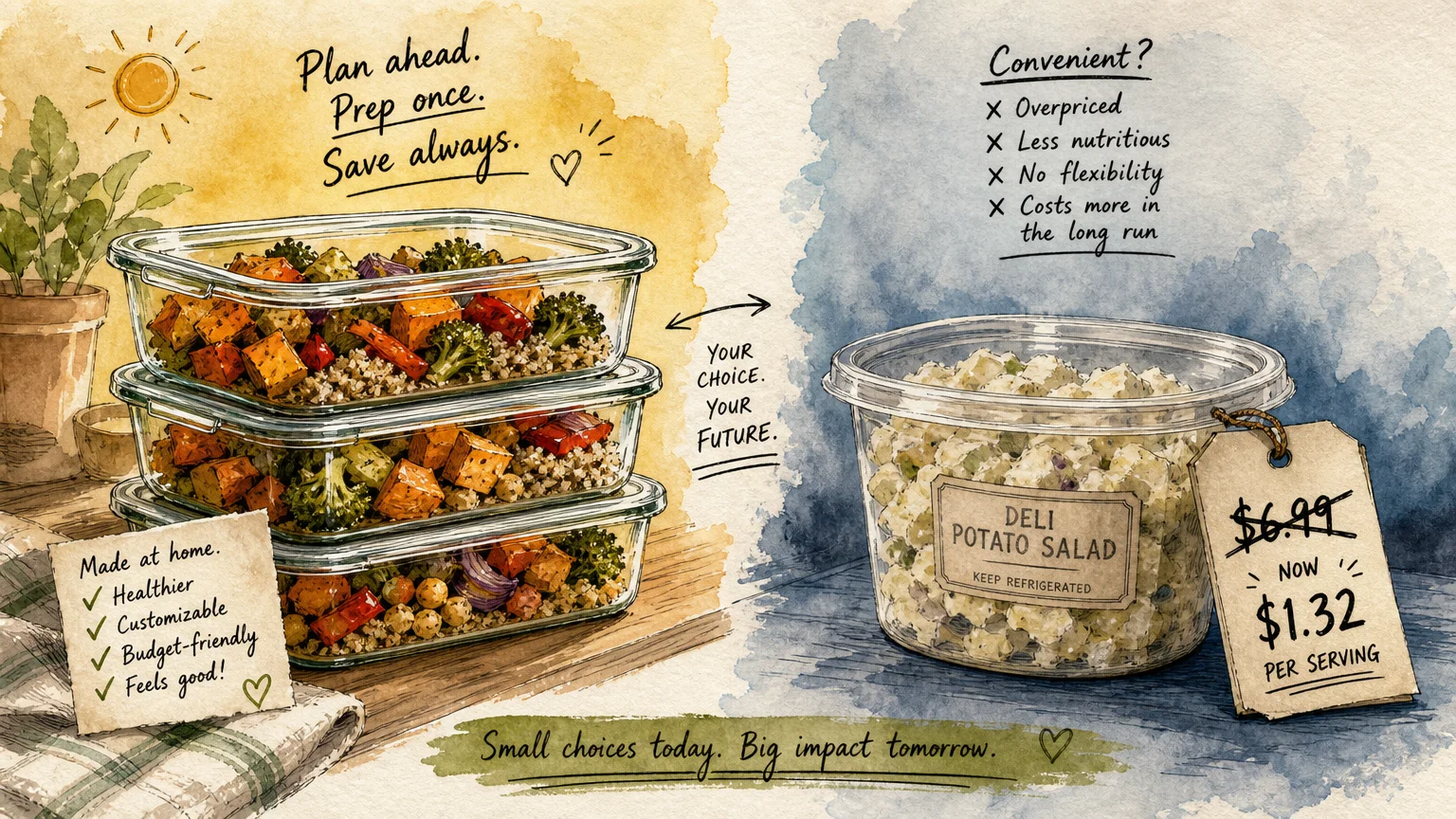
After navigating crowded aisles and standing in long checkout lines, the savory smell of the deli counter presents a powerful temptation. Grabbing a container of pre-made macaroni and cheese, a tub of heavy potato salad, or a few deep-fried appetizers feels like a well-deserved reward that completely eliminates the need to cook dinner. Unfortunately, these convenience foods represent a significant threat to both your wallet and your cardiovascular health.
The markup on pre-cooked deli sides is mathematically staggering. You pay premium restaurant prices for basic ingredients like pasta, mayonnaise, and potatoes simply because someone else mixed them together. A small plastic container of standard coleslaw easily costs four times what it costs to prepare a fresh batch in your own kitchen. Over-relying on these prepared foods quickly exhausts a carefully planned grocery budget.
Beyond the financial damage, these mass-produced deli items are heavily engineered for maximum shelf life rather than senior nutrition. They are uniformly loaded with terrifying amounts of hidden sodium, artificial preservatives, and cheap industrial seed oils. For retirees actively managing their blood pressure or cholesterol levels, consuming these highly processed sides actively works against your doctor’s orders.

7. with
8. simple
9. twine
10. and
11. paper
12. instead
13. of
14. buying
15. expensive
16. gift
17. wrap.
Total: 17 words. Perfect (fits the 10-
Tip #10: Greeting Cards and Gift Wrap
Celebrating birthdays, anniversaries, and holidays with your children and grandchildren brings immense joy to your retirement years. When shopping for these special occasions, it feels natural to grab a beautiful card and some festive wrapping paper on your way toward the cash register. However, purchasing paper goods from the prominent, name-brand displays near the front of the store is a severe misallocation of your finite resources.
The greeting card industry operates on shocking profit margins. A single piece of heavy cardstock featuring a generic poem and a licensed cartoon character easily commands six to eight dollars. When you factor in the cost of a decorative gift bag, tissue paper, and a shiny bow, you frequently spend more money on the disposable packaging than on the actual gift hidden inside.
This is a completely unnecessary expenditure. The recipient cares entirely about the sentiment and the gift itself, inevitably tossing the expensive card and wrapping paper away within seconds. For all of your party supply needs, completely bypass the supercenter and walk into a dedicated dollar store. You consistently secure high-quality greeting cards at a rate of two for a single dollar, freeing up cash for the gifts that actually matter.
For consumer protection information, visit the Federal Trade Commission (FTC) and the Consumer Financial Protection Bureau (CFPB). For product safety and reviews, consult Consumer Reports.
The Bottom Line: What This Means for Your Wallet
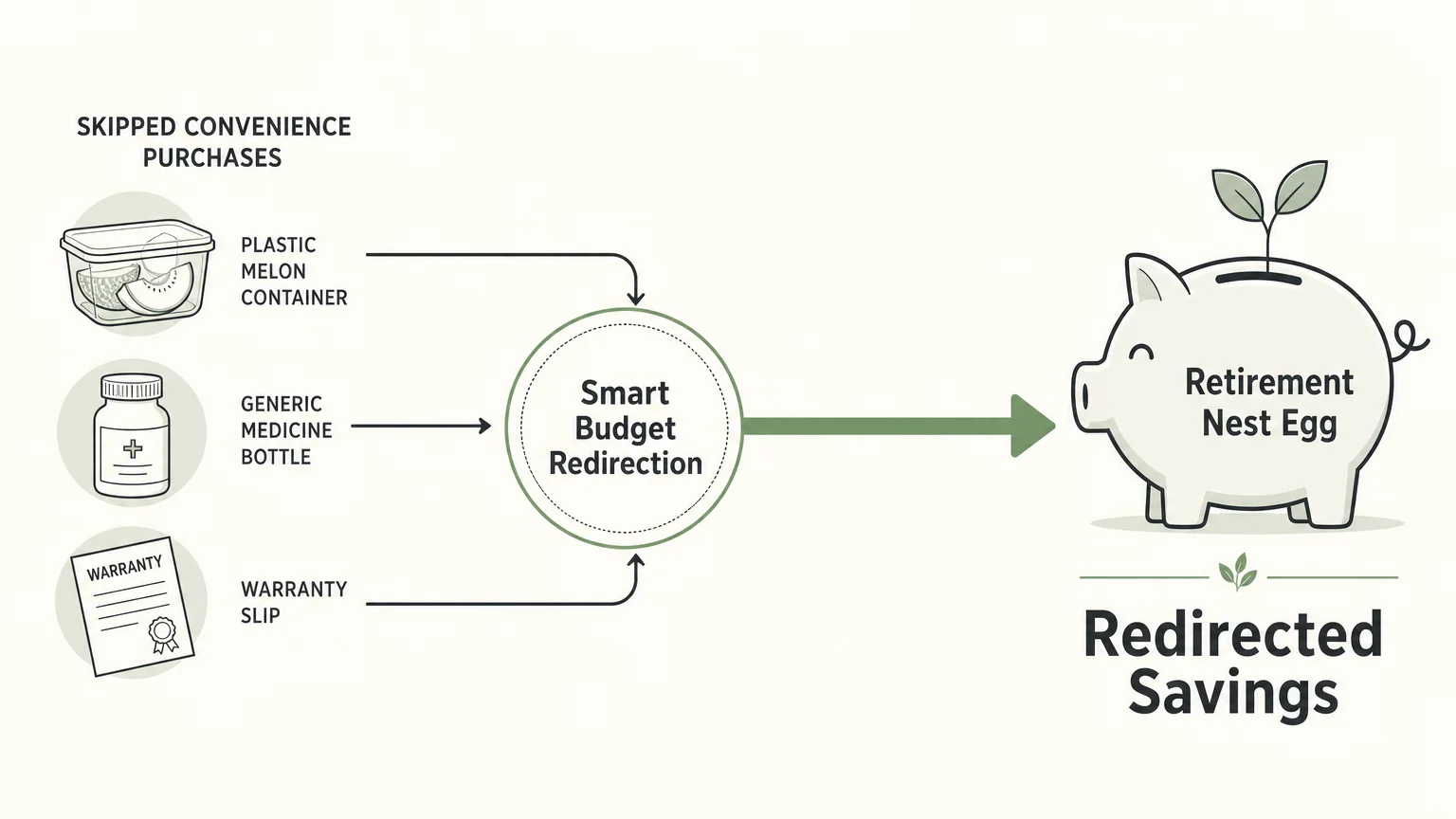
Successfully navigating a massive supercenter on a fixed income requires strict discipline and a deep understanding of retail psychology. The marketing algorithms designed to empty your wallet rely heavily on your fatigue and your desire for immediate convenience. Every time you throw a marked-up, pre-packaged item into your cart, you slowly chip away at the financial security you spent decades building.
By consciously choosing to avoid these ten specific product categories, you instantly transform from a passive consumer into a tactical shopper. Sourcing your electronics from specialized dealers, purchasing whole produce, and switching to scientifically identical generic medications creates a massive buffer in your monthly budget. You stop subsidizing corporate advertising budgets and start keeping your hard-earned money exactly where it belongs.
Remember that mastering Walmart products is simply about recognizing the difference between authentic value and an overpriced illusion. Treat the retail giant as a targeted utility for household staples and dry goods, but ruthlessly protect your budget from their high-margin traps. By adopting this uncompromising approach, you guarantee that your retirement funds serve your lifestyle rather than the retailer’s bottom line.
Frequently Asked Questions
Are generic store-brand products actually as safe as name brands?
Yes; the federal government strictly regulates over-the-counter medications and consumer health items. Store brands like Equate must meet the exact same rigorous safety, purity, and efficacy standards as their highly expensive, name-brand counterparts. You are simply saving money by refusing to pay for their television marketing campaigns.
Does Walmart offer a senior discount day?
Unlike many regional grocery chains and specialized pharmacies, Walmart does not offer a designated senior discount day or any age-based percentage off your total purchase. They utilize an “everyday low price” business model, which means you must rely on strategic shopping and price comparisons rather than a blanket discount to protect your retirement budget.
How can I identify stripped-down electronic models before buying?
Always verify the exact model number printed on the retail box. If you search for that specific string of letters and numbers on the manufacturer’s official website and it only shows up at one specific retailer, you are likely looking at a lower-tier derivative model. These specific units are built with inferior internal components specifically to hit a highly aggressive clearance price point.
Is it ever worth purchasing the extended protection plan?
In the vast majority of scenarios, purchasing an extended warranty is a severe mathematical disadvantage for the consumer. Modern electronics generally fail during the included manufacturer’s warranty window or long after the extended plan expires. Furthermore, if you purchase the item using a premium credit card, your bank likely doubles the factory warranty automatically at no additional cost to you.
Disclaimer: This article is for informational purposes only and does not constitute financial advice. The content reflects the author’s opinion and research at the time of writing. Always do your own research before making financial decisions.









Leave a Reply