
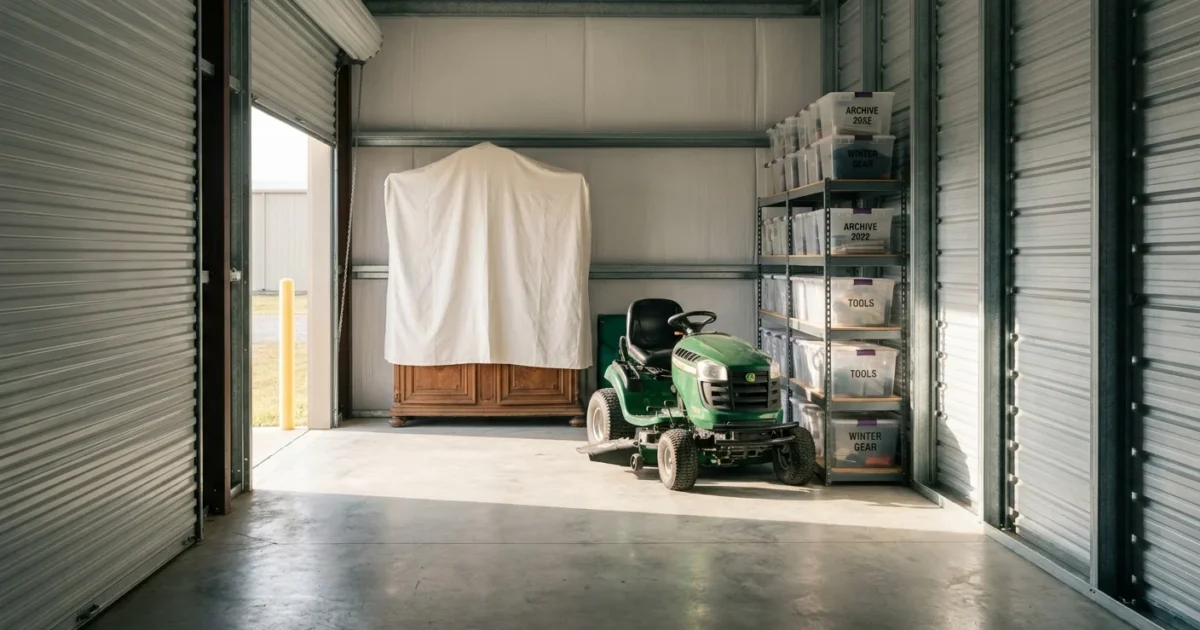
Renting a storage unit only makes financial sense when the preserved items save you significantly more money than the monthly fee costs. Most people bleed cash by paying a premium every month to warehouse broken televisions, expired paint, and clothes they will never wear again; you must adopt a ruthless approach to asset management to protect your budget. By treating rented space as a strategic asset rather than a graveyard for clutter, you can preserve high-value seasonal gear, secure expensive furniture, and protect your investments. Here are the ten specific items that actually justify a rental cost, helping you stop throwing your hard-earned money away on dead space.
Tip #1: Bulky Seasonal Power Equipment
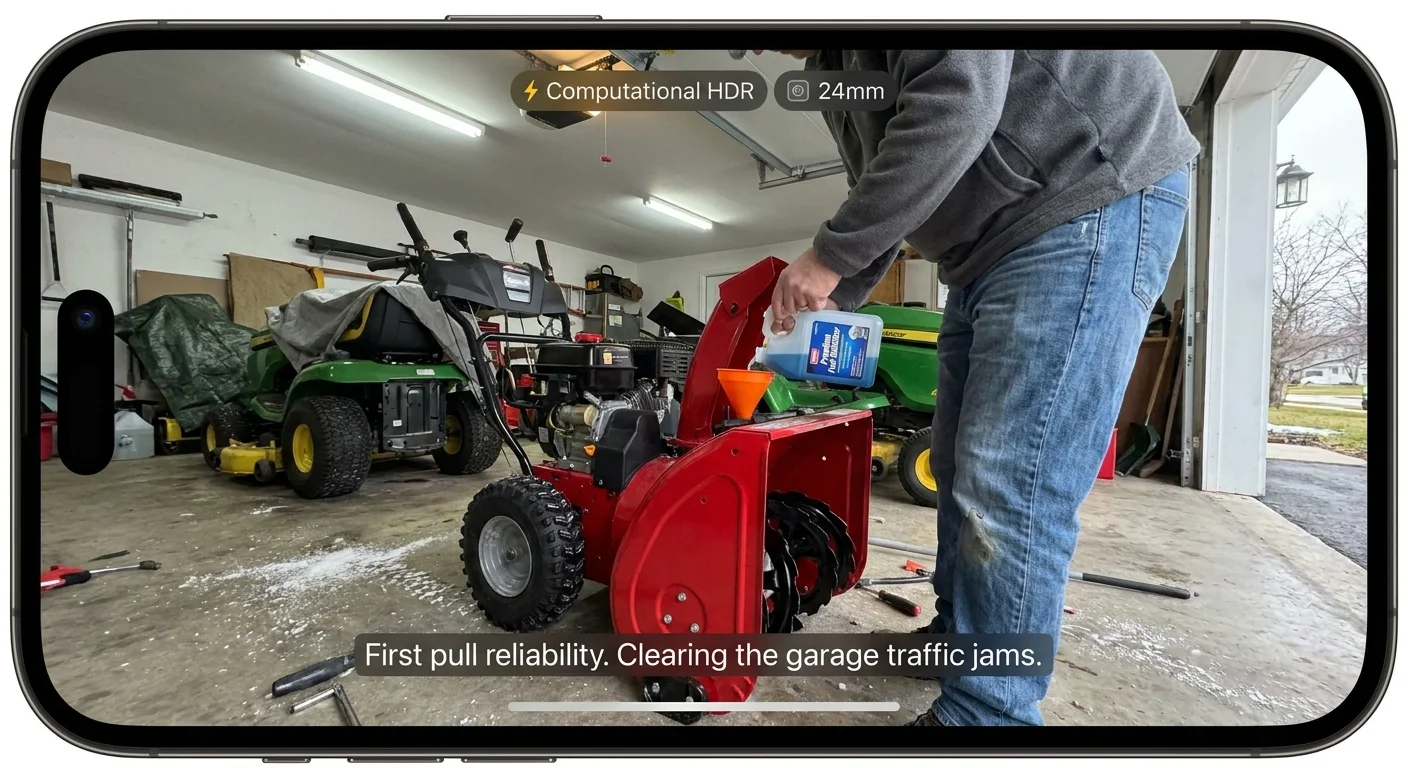
Your garage should house your vehicle, not a traffic jam of snowblowers, riding lawn mowers, and power washers. These high-ticket machines represent significant financial investments that degrade rapidly when left exposed to the elements—or shoved under a leaky outdoor tarp. Moving your heavy equipment into a secure facility keeps your home property functional and protects your machinery from rust and mechanical failure. You can master storage unit organization by cycling your equipment based on the season. When winter hits, the lawn mower goes in; when spring arrives, the snowblower takes its place. This simple strategy extends the lifespan of a three-thousand-dollar riding mower by years, easily offsetting the rental cost of a modest drive-up unit. You also free up your garage for its actual purpose, which protects your car’s paint job from sun and snow damage. Always drain the fuel or add a premium fuel stabilizer before you lock these machines away to ensure they start on the first pull when you need them next.
Tip #2: Expensive Outdoor and Patio Furniture
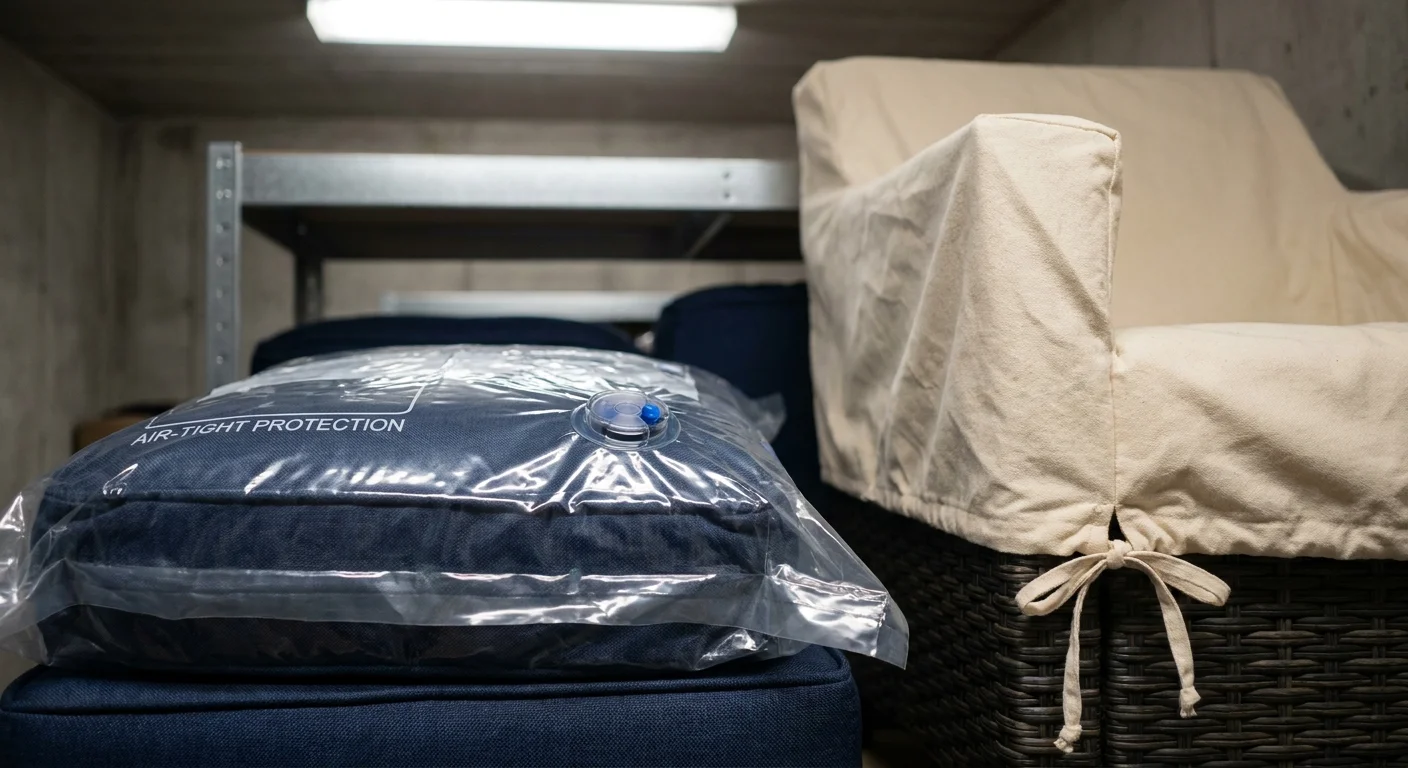
Leaving a high-end wicker patio set out during a brutal winter destroys its structural integrity. Even so-called weather-resistant materials succumb to cracking, fading, and rust when subjected to freezing temperatures and heavy ice. If you spent a small fortune on an outdoor dining setup, extra furniture storage serves as a cheap insurance policy against premature ruin. You cannot afford to replace a massive outdoor sectional every three years simply because you lack basement space. By transferring your cushions, glass tabletops, and metal frames into a secure unit during the off-season, you preserve their pristine showroom quality. Treat your seasonal item storage like a preservation chamber. Wrap the frames in breathable cotton covers to prevent dust buildup, and keep the soft cushions in vacuum-sealed bags. This simple seasonal rotation guarantees your outdoor oasis looks brand new every single spring without requiring another expensive trip to the patio furniture store.
Tip #3: E-commerce Business Inventory and Tax Archives
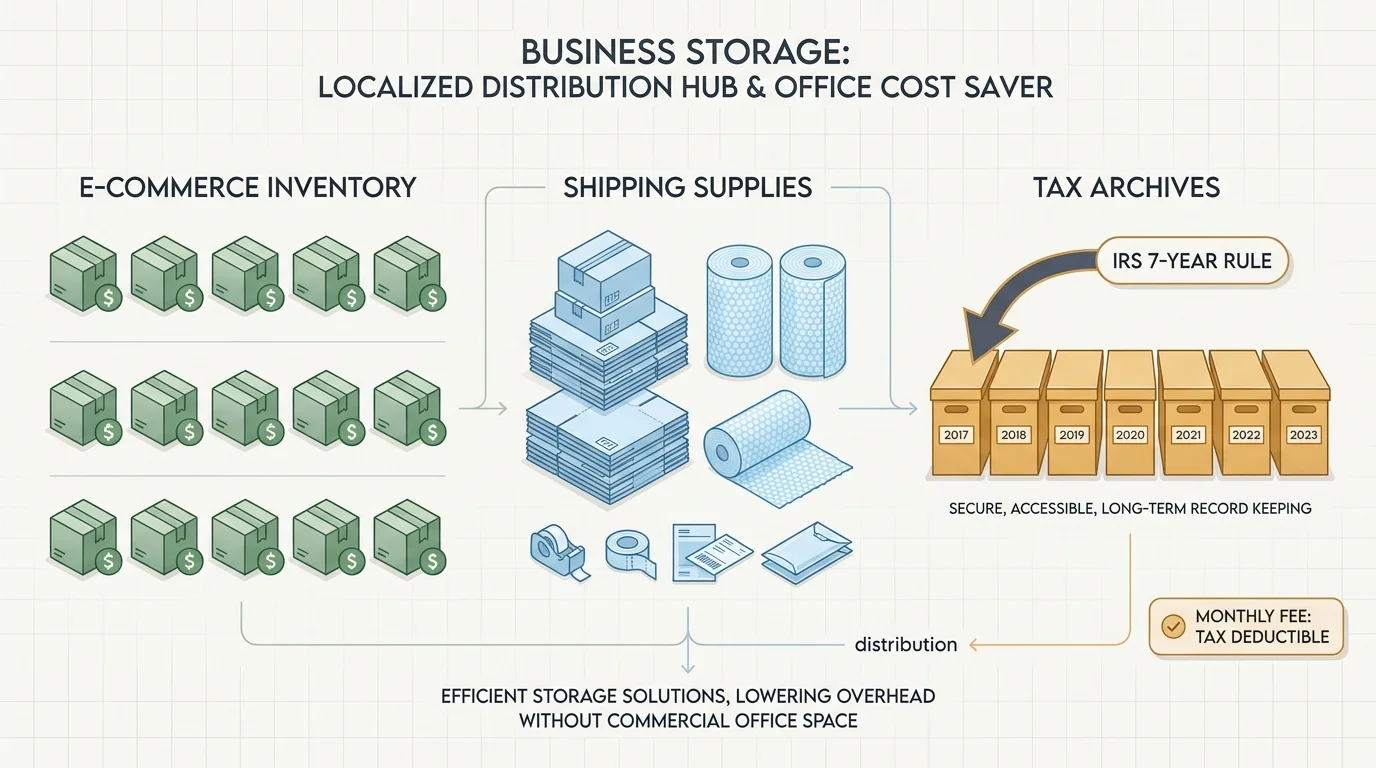
Running a side hustle out of your spare bedroom sounds frugal until your living space looks like a cluttered warehouse. When your home-based business scales, paying for commercial office space obliterates your profit margins. A basic drive-up unit provides the perfect middle ground for storing bulk inventory, shipping supplies, and essential business archives. You pay a fraction of commercial rent prices while keeping your home strictly for living. Many savvy entrepreneurs use secure facilities as localized distribution hubs, and you can even accept bulk freight deliveries directly to the facility manager at many premium locations. Furthermore, the IRS requires you to keep certain tax documents for up to seven years. Instead of letting filing cabinets consume your home office, pack those sensitive documents into sealed plastic bins and utilize long term storage. The monthly rental fee often qualifies as a legitimate business tax deduction, making this one of the smartest financial maneuvers you can execute.
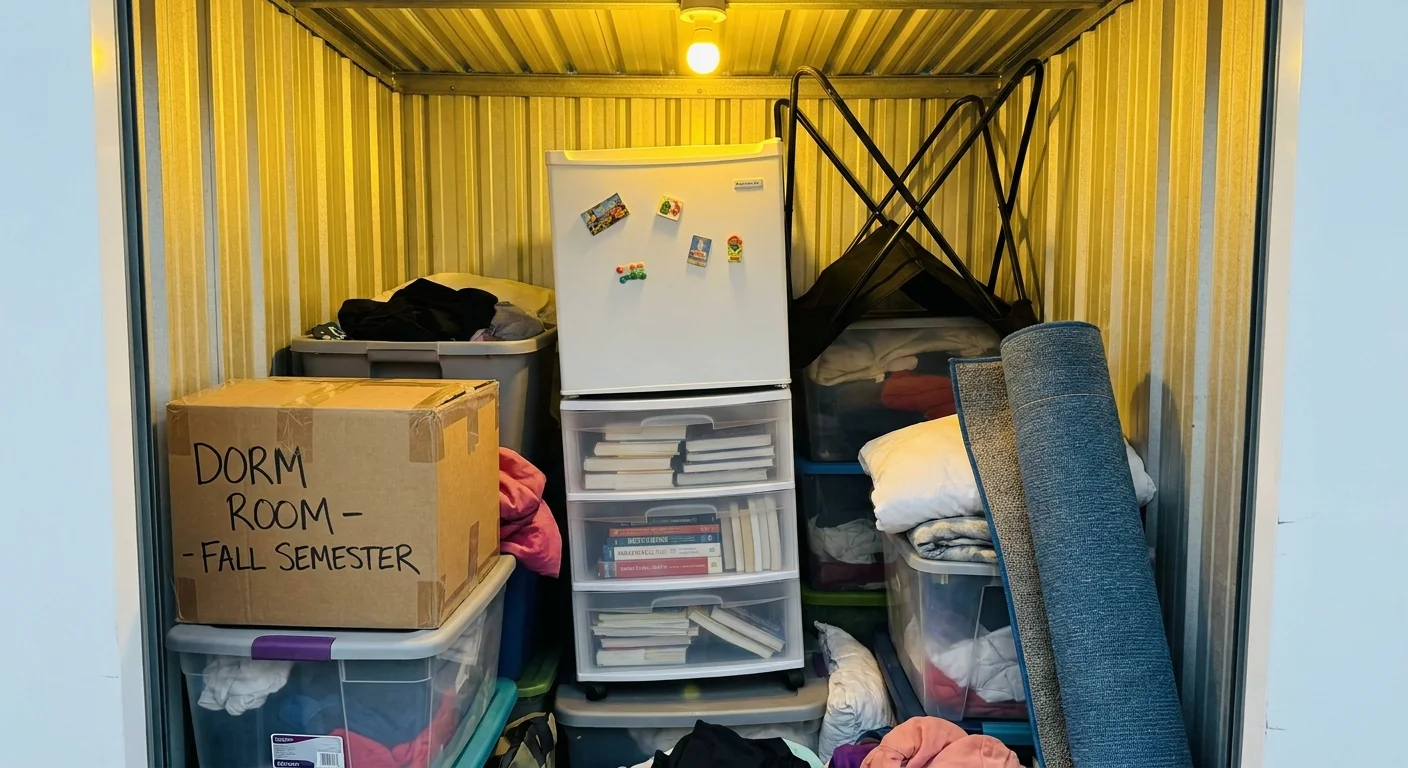
Tip #4: College Student Dorm Furniture Between Semesters
Hauling a futon, mini-fridge, and heavy desk across the country twice a year drains your gas tank and your sanity. College towns experience massive logistical nightmares every May and August. You will save hundreds of dollars by securing a small unit near the campus just for the summer months. Compare the cost of a three-month rental split among roommates to the exorbitant price of renting a moving truck for a long-haul drive. This tactic prevents the vicious cycle of throwing away perfectly good furniture in May only to buy the exact same items at a steep markup in August. Secure safe storage solutions early in the spring semester before local facilities inevitably sell out. You lock in a lower promotional rate and guarantee a stress-free move-out week. When the fall semester begins, your student simply drives across town, loads up the pickup truck, and furnishes their new apartment in a single afternoon.

Tip #5: Clearance Home Renovation Materials
Contractor delays and supply chain shortages derail home improvement projects and destroy carefully planned budgets. When you spot a massive clearance sale on hardwood flooring, high-end cabinets, or bathroom fixtures, you must strike immediately. However, stacking a thousand square feet of heavy oak flooring in your living room creates a chaotic living environment for months. Renting a temporary unit allows you to hoard discounted building materials without turning your house into a dusty construction zone. You lock in promotional pricing and avoid future inflation on raw materials. This strategy gives you incredible financial leverage. You can source your materials piece by piece over several months, wait for holiday blowout sales, and stockpile everything safely off-site. Once your contractor finally secures the city permits and sets a hard start date, you deliver all the safe storage solutions materials to the job site at once. The savings generated by buying materials at a steep discount wildly exceed the few months of rental fees.
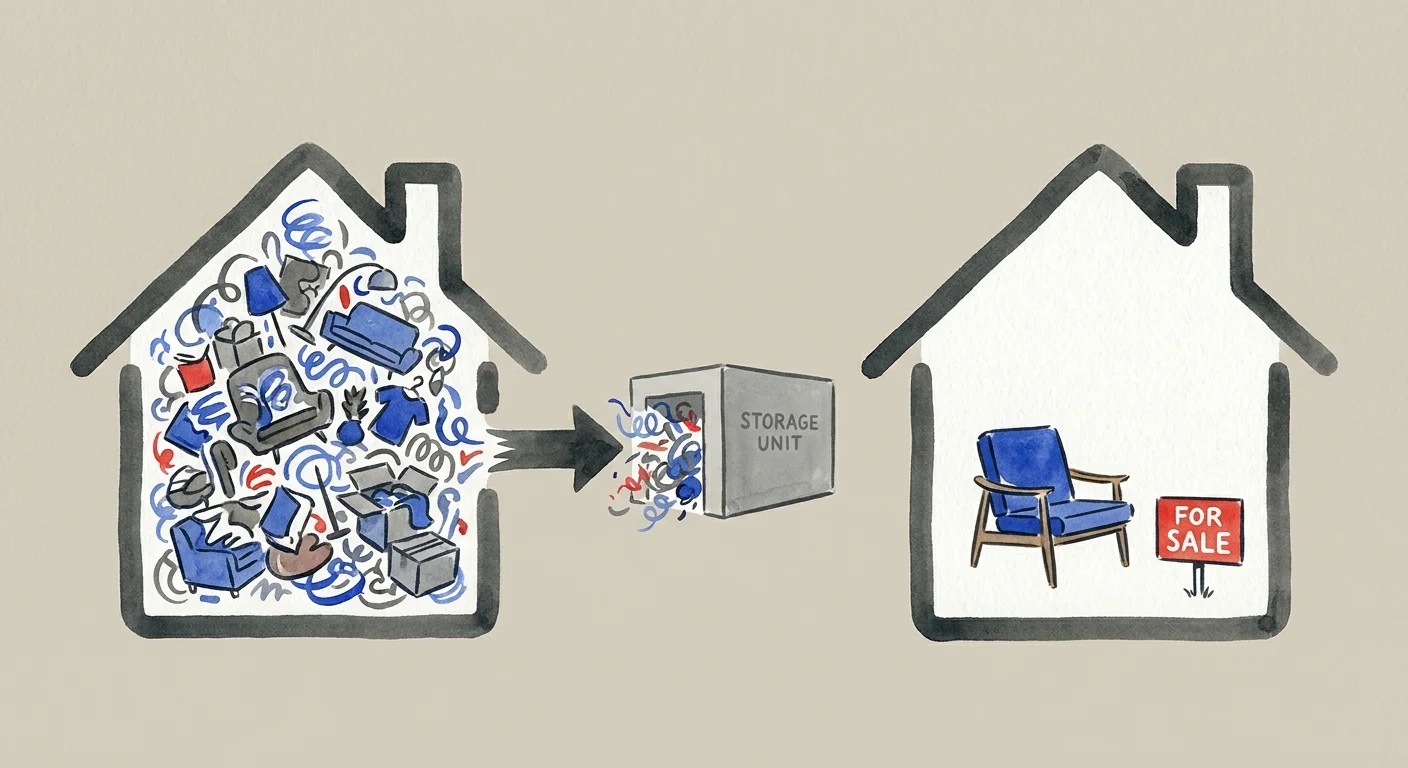
Tip #6: Home Staging Items During a Real Estate Sale
Selling a home requires you to sell an aspirational lifestyle, not your personal clutter. Real estate agents universally agree that empty space sells faster and for higher prices than cramped, highly personalized rooms. You must remove oversized sectionals, out-of-season clothing, and excessive family portraits before the professional photographer arrives. Utilizing extra furniture storage allows you to depersonalize your home and create the lucrative illusion of expansive square footage. When potential buyers walk through your front door, they need to envision their own belongings in the space. A room stuffed with two bulky recliners and a massive entertainment center feels claustrophobic and cheap. By moving thirty percent of your non-essential belongings into a secure unit, you highlight your home’s architectural features and maximize the perceived floor plan. This aggressive decluttering strategy frequently sparks bidding wars and dramatically increases your final closing price.
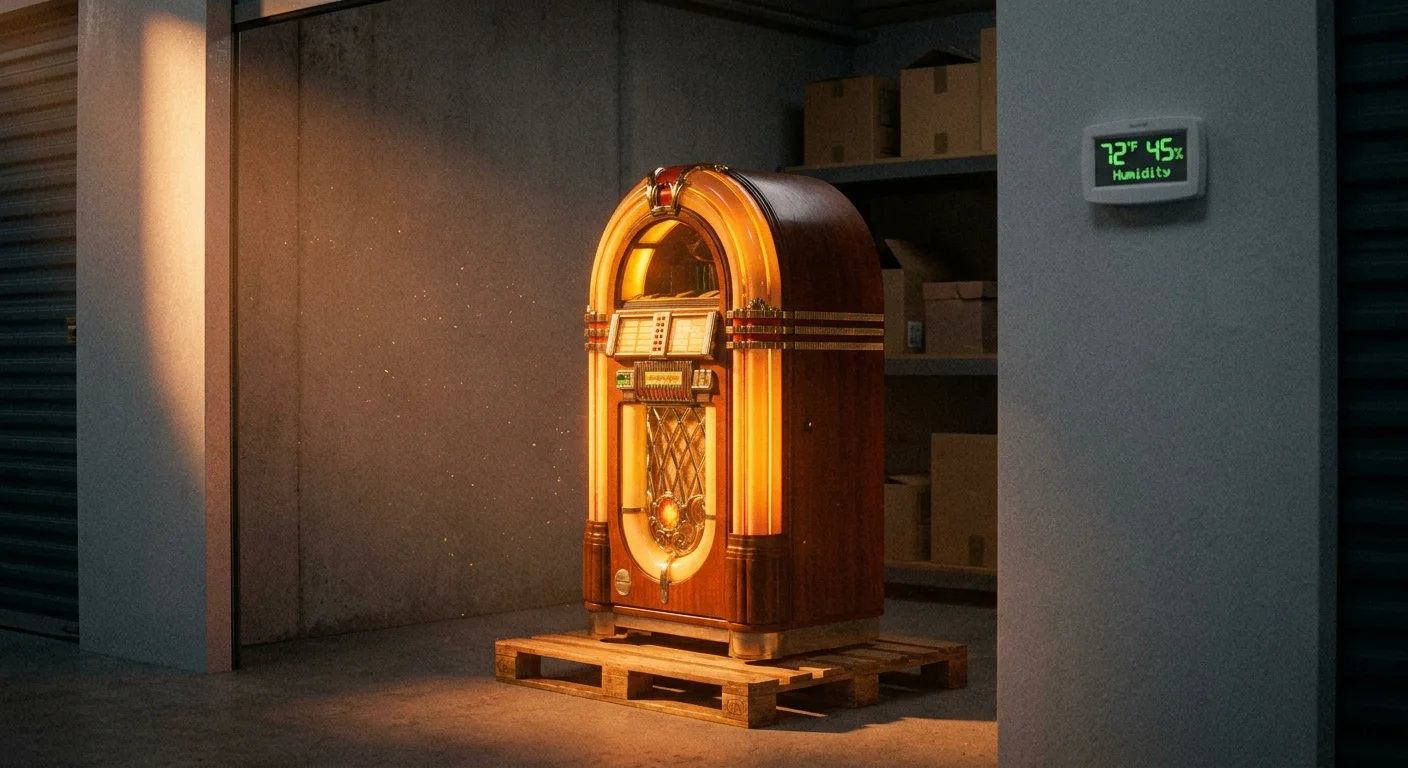
Tip #7: Climate-Sensitive Antiques and Collectibles
Heat, humidity, and extreme temperature fluctuations absolutely decimate solid wood furniture, vintage clothing, and fragile paper collectibles. Shoving your grandmother’s antique mahogany dresser or your rare vinyl record collection into an uninsulated attic guarantees their eventual destruction. These high-value assets require strict environmental controls to maintain their market worth over the decades. Upgrading to climate-controlled long term storage preserves your investments by keeping the temperature and humidity locked in a safe, consistent range. You avoid the cracked wood veneers, warped records, and moldy fabrics that plague garage-stored items. If you plan to hold onto inherited estate pieces or speculative investments for several years, you cannot afford to skimp on environmental protection. Consider the slightly higher monthly storage fee a necessary maintenance cost for your appreciating assets. When you finally decide to take these pristine items to an auction house or a private appraiser, their flawless condition will easily command top dollar.
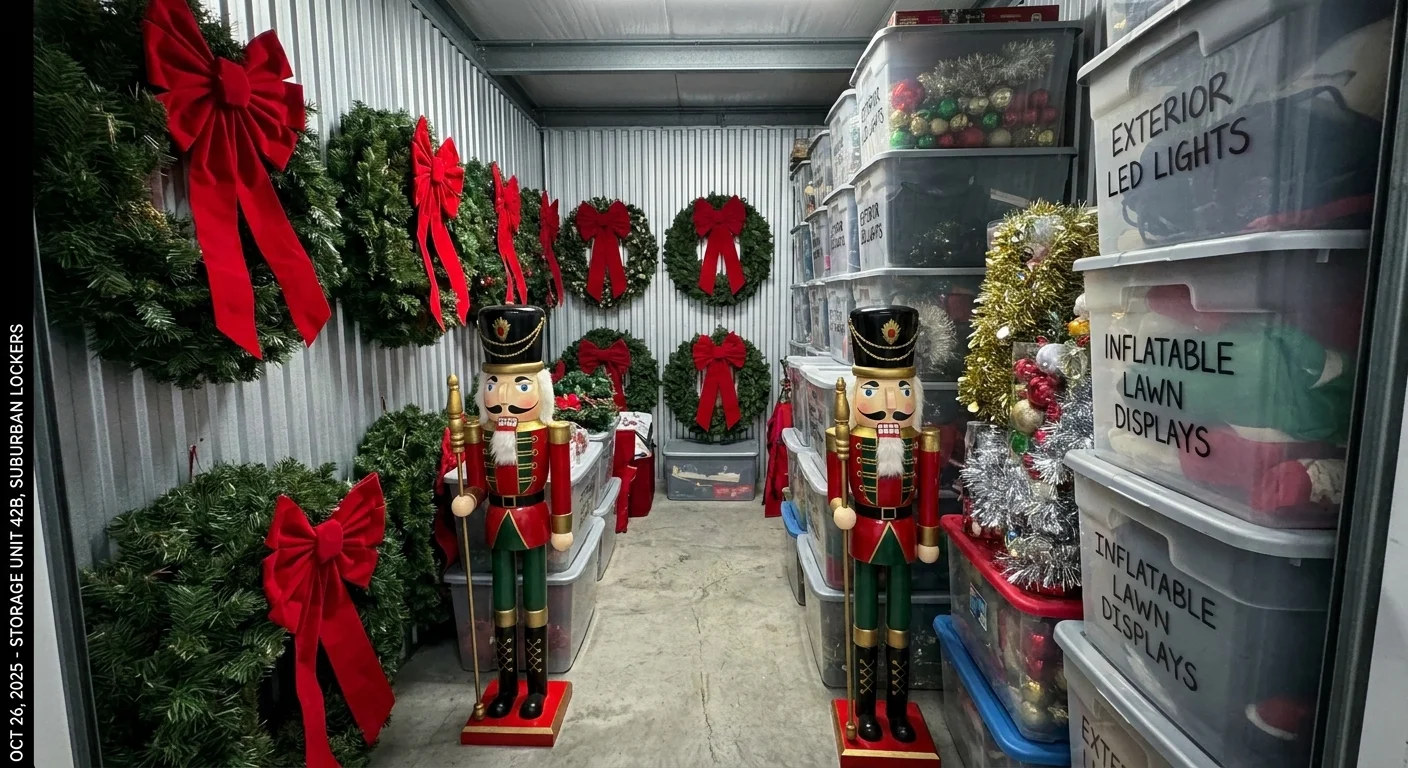
Tip #8: Massive Holiday and Theatrical Displays
If you are the person on your block who orchestrates a computerized light show and a lawn full of towering inflatables, you know exactly how quickly these decorations devour your basement. Commercial-grade holiday displays cost thousands of dollars and feature delicate electrical wiring that rodents love to chew. Storing these massive investments in a damp crawlspace invites absolute disaster. Proper seasonal item storage keeps your expensive holiday gear organized, dry, and entirely protected from destructive pests. You can utilize heavy-duty plastic totes and industrial shelving inside your unit to separate Halloween animatronics from Christmas lighting rigs. This elite level of storage unit organization saves you hours of untangling wires and testing bulbs every November. Furthermore, retrieving your decorations from an off-site location feels like a special event, keeping the festive magic alive without forcing you to trip over plastic skeletons every time you need to find a wrench in your garage.
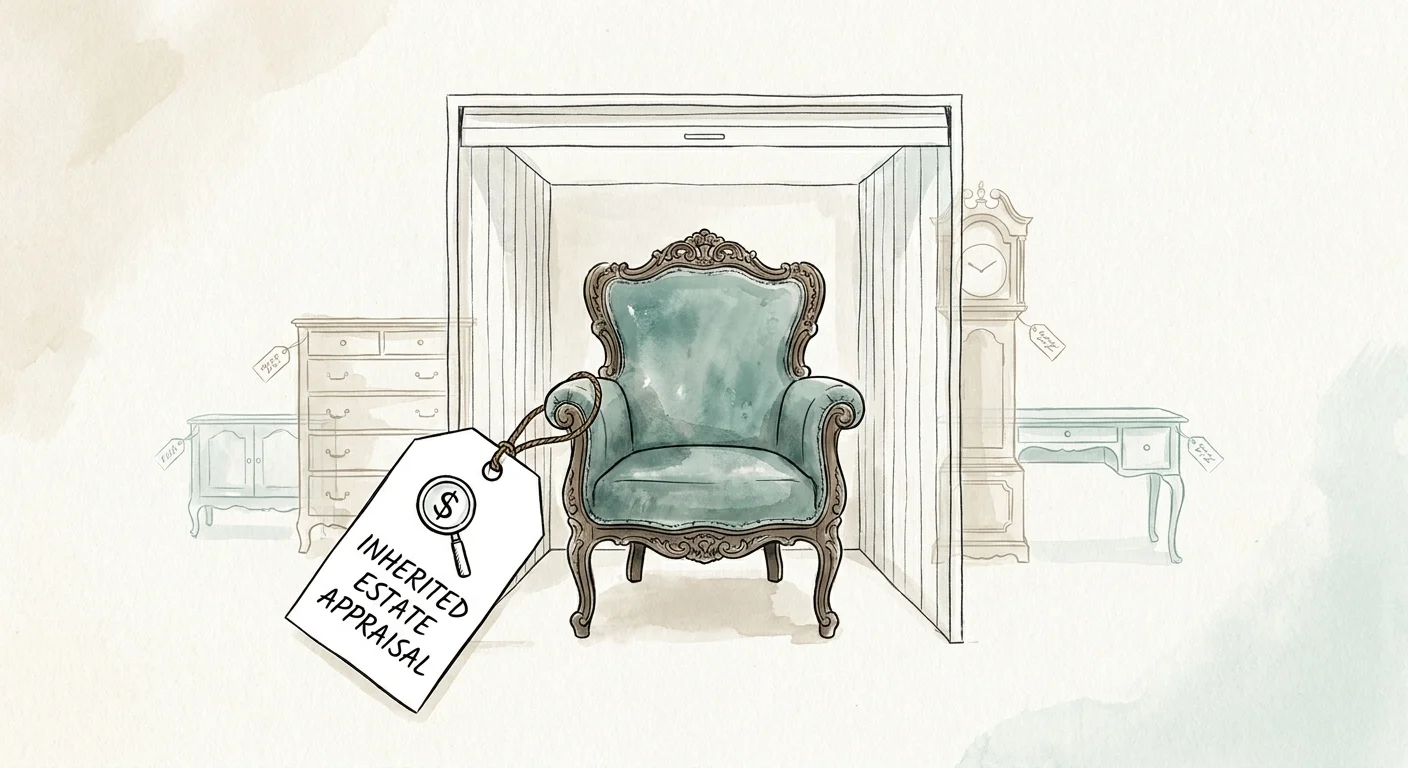
Tip #9: Inherited Estate Pieces Awaiting Appraisals
Handling a deceased relative’s estate often forces grieving families into rash, highly emotional financial decisions. When faced with clearing out a massive house quickly, many people sell valuable mid-century modern furniture, rare artwork, and vintage jewelry at yard sale prices simply to be done with the grueling process. You must resist this urge. Renting a commercial unit provides you with the ultimate gift of time. You can safely relocate the entire contents of an estate into a secure facility, clean the empty house, and put the real estate on the market immediately. Once the property is sold and the dust finally settles, you can systematically sort through the boxed belongings at your own pace. You give yourself the vital breathing room to hire professional appraisers, research niche auction sites, and identify hidden treasures. Paying a few hundred dollars in rental fees over six months prevents you from accidentally donating a five-thousand-dollar vintage timepiece to a local thrift store.
Tip #10: Bulk Emergency Preparedness Supplies
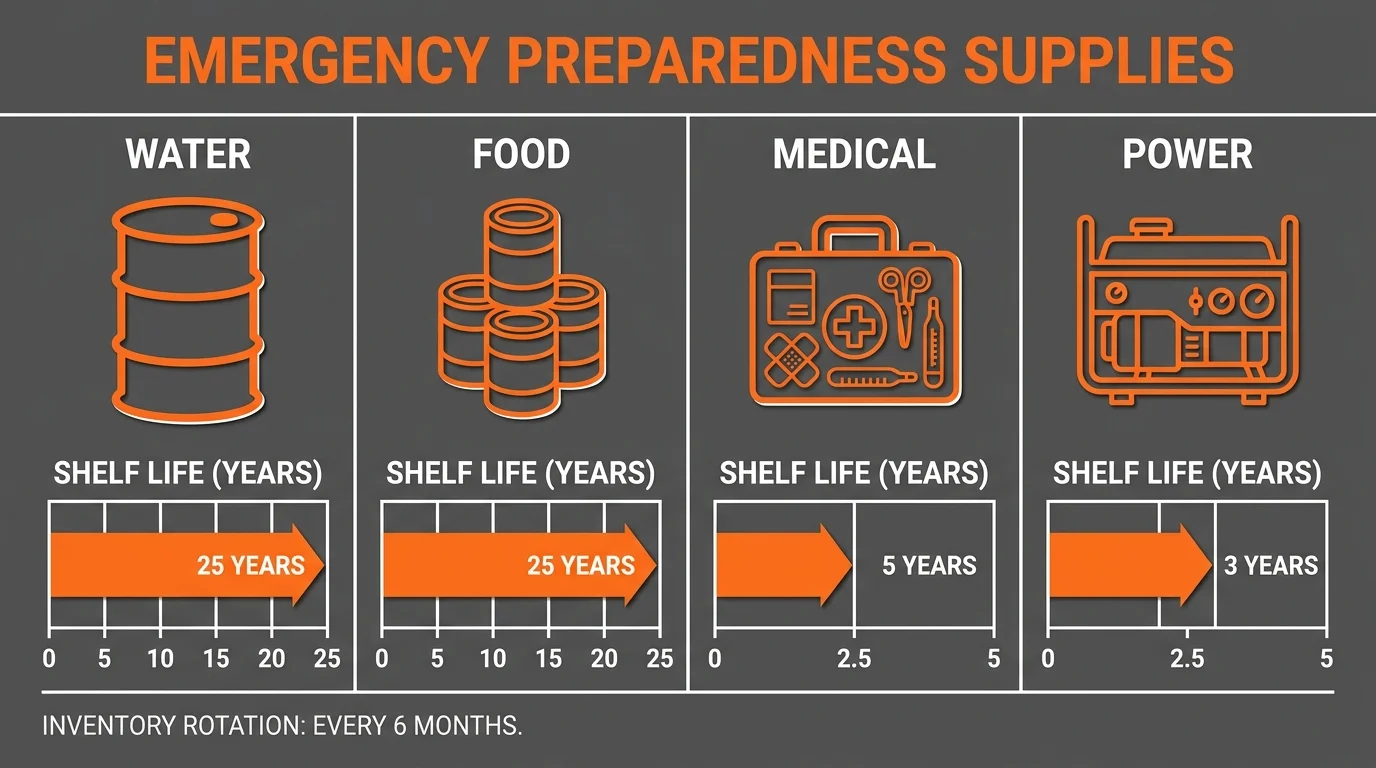
Modern supply chain vulnerabilities have taught savvy consumers the immense value of keeping a deep pantry. However, stockpiling six months of non-perishable food, heavy water filtration systems, and bulky emergency gear quickly overwhelms a standard residential kitchen. If you lack a cool, dry basement, a climate-controlled unit serves as the perfect off-site bunker. Reliable safe storage solutions allow you to buy staple goods in massive bulk quantities when wholesale prices drop, securing your family against future grocery inflation and empty retail shelves. You must carefully read your facility’s lease agreement, as some locations strictly prohibit the storage of food to prevent pest infestations. If your facility permits it, only use sealed, rodent-proof containers like heavy-duty plastic buckets equipped with gamma seal lids. Rotate your stock by bringing older items home to consume while replacing them with fresh inventory, ensuring your decentralized supply cache remains viable year after year.
The Bottom Line: What This Means for Your Wallet
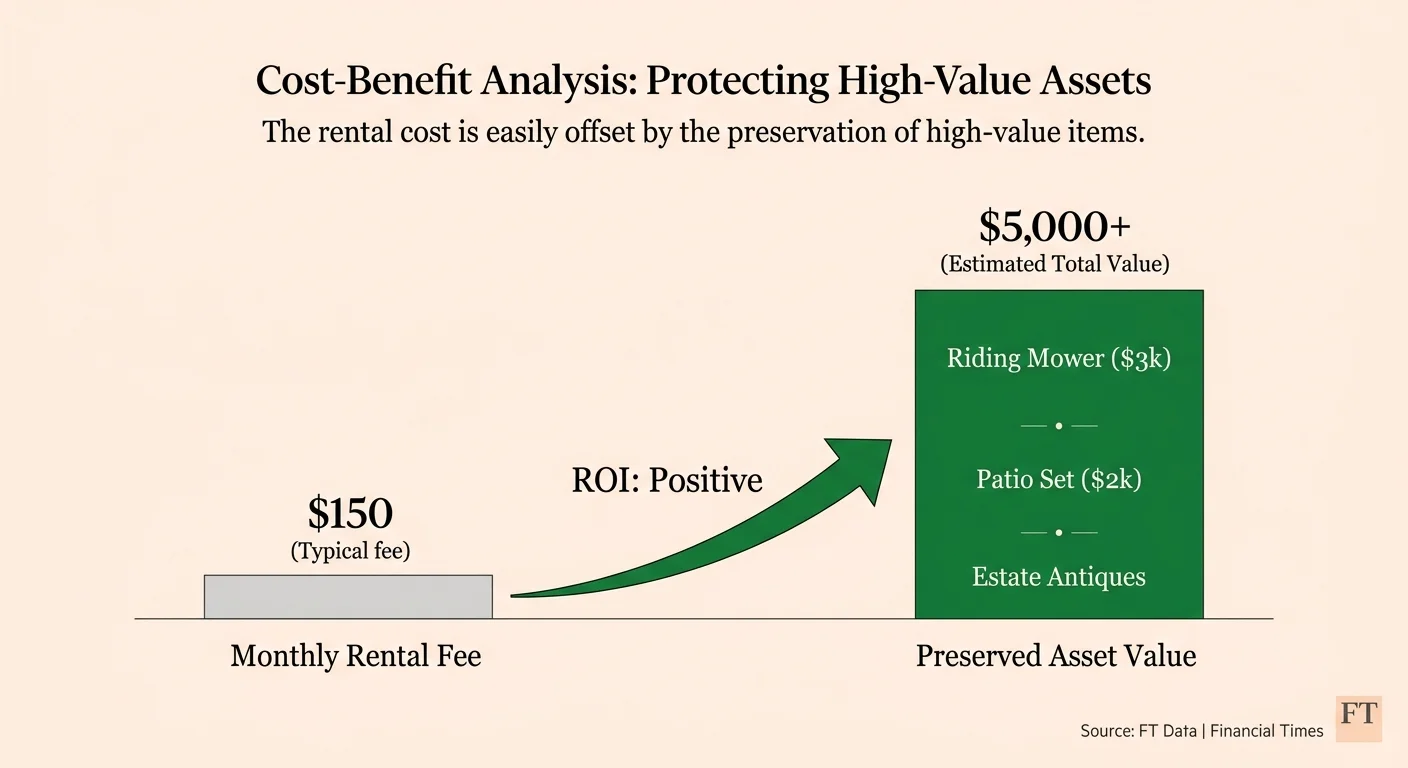
Renting a storage unit is never just about finding a dark place to hide your junk; it is a highly calculated financial decision. When you use these facilities to protect high-value assets, stage a home for a lucrative real estate sale, or secure discounted renovation materials, the monthly fee acts as a strategic investment rather than a drained expense. You must ruthlessly audit what you place behind that rolling steel door. If the items inside do not appreciate in value, save you massive replacement costs, or generate business income—you are actively losing money. Take complete control of your budget by utilizing smart storage unit organization and off-site space to your ultimate advantage. Stop paying a premium to warehouse useless clutter and start treating your rented square footage like the powerful financial tool it is meant to be.
Frequently Asked Questions
Does homeowner’s insurance cover items in a storage facility?
Most standard homeowner and renter insurance policies provide severely limited coverage for personal property kept off-premises, typically capped at just ten percent of your total personal property limit. You must call your insurance agent to verify the exact terms of your policy coverage. If you are utilizing extra furniture storage for high-value antiques or warehousing business inventory, you will likely need to purchase a supplemental policy or buy direct coverage from the storage facility itself to guarantee full financial protection against theft, fire, or natural disasters.
Are climate-controlled units actually worth the extra cost?
You absolutely need a climate-controlled unit if you plan on storing electronics, solid wood furniture, vinyl records, or sensitive paper documents. Standard drive-up units act like blazing ovens in the summer and deep freezers in the winter, which causes expensive wood to warp and fabrics to develop permanent mold. While these upgraded units cost between twenty and fifty percent more each month, they provide essential safe storage solutions that prevent thousands of dollars in irreversible environmental damage to your long term storage investments.
How often should I visit my long-term storage unit?
You should inspect your rented unit at least once every three months, even if you utilize it strictly for deep long term storage. Regular physical visits allow you to check for subtle signs of pest intrusions, roof water leaks, or humidity issues before they permanently ruin your belongings. You also use this critical time to rotate emergency supplies, swap out your seasonal item storage, and reassess whether you still actually need to pay for the space. If you completely forget what you have locked away, you are definitely wasting your money.
Can I run a business directly out of my rented unit?
Most commercial facilities explicitly prohibit operating a retail storefront or a primary daily workspace from inside a unit due to strict municipal zoning laws and heavy liability concerns. You cannot invite retail customers over or set up a dangerous manufacturing workshop. However, you can absolutely use the space to manage e-commerce inventory, organize bulk shipping supplies, and store essential tax documents safely. You basically use the rental space as a secure, localized warehouse to keep your operational overhead low and your residential home completely free from overwhelming business clutter.
For consumer protection information, visit the Federal Trade Commission (FTC) and the Consumer Financial Protection Bureau (CFPB). For product safety and reviews, consult Consumer Reports.
Disclaimer: This article is for informational purposes only and does not constitute financial advice. The content reflects the author’s opinion and research at the time of writing. Always do your own research before making financial decisions.








Leave a Reply