
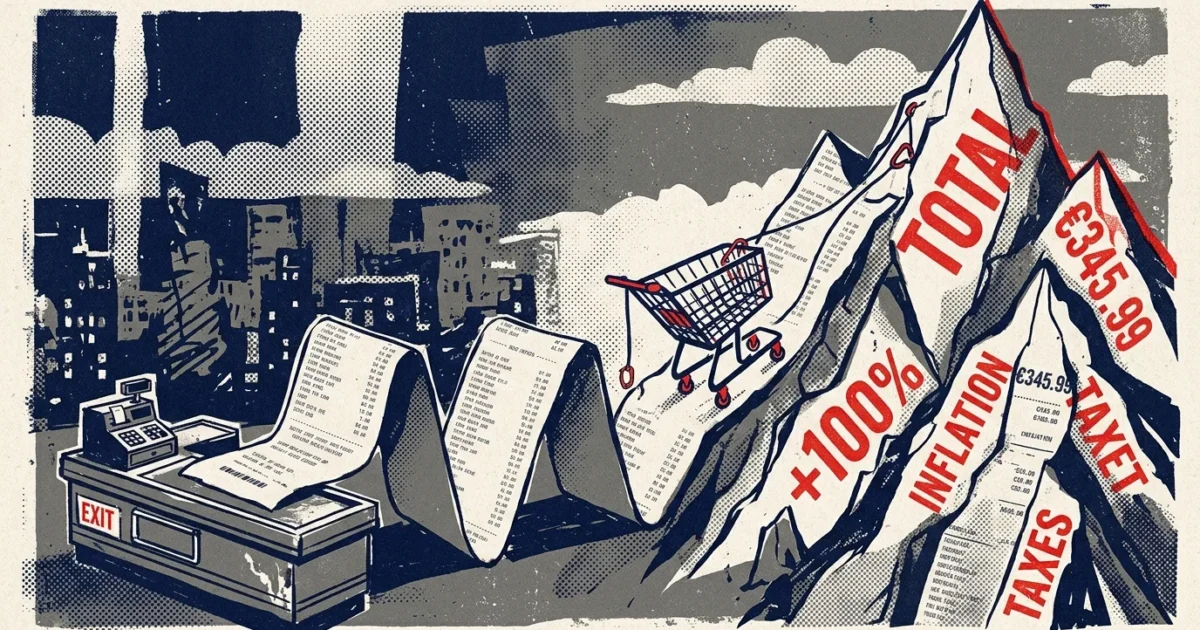
You are paying twice as much for your weekly groceries, and you are not imagining it. While official inflation numbers suggest a mild increase, the checkout aisle paints a drastically different picture. A brutal combination of supply chain failures, severe weather, disease outbreaks, and soaring energy costs has pushed essential pantry staples into the stratosphere. Supermarkets routinely use shrinkflation to mask the damage, but the raw data exposes the truth. We analyzed the price tags on everyday provisions from 2020 through 2026 to reveal the harsh reality of food inflation. Here are ten common grocery items that have consistently doubled—or nearly doubled—in price, quietly draining your wallet every time you visit the checkout line.
Tip #1: Beef Roasts and Steaks
You might have noticed your weekend barbecue costs significantly more than it did a few years ago. Beef prices have relentlessly climbed, leading the pack in grocery inflation across the nation. Between 2020 and 2026, the price of beef roasts surged by an astonishing 73.8 percent, while steaks and ground beef followed closely with increases of 57 percent and 52.5 percent, respectively. Prolonged droughts in cattle country ruined grazing pastures and spiked feed costs, dropping the United States cattle inventory to historic lows. With fewer cows available, meatpackers face tightened supply, and supermarkets eagerly pass those premium costs directly onto your receipt.
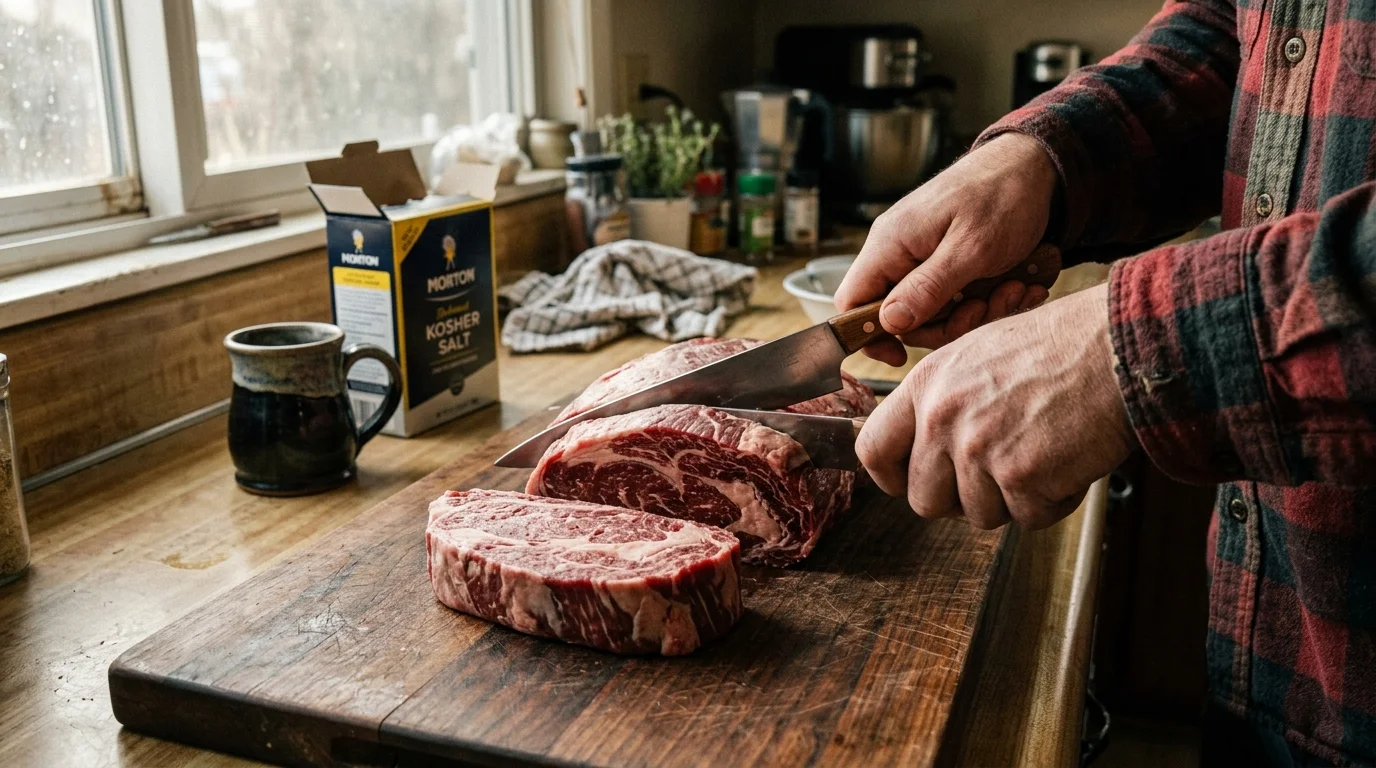
Your best defense against these outrageous prices involves stepping outside the traditional grocery store ecosystem. Stop buying pre-cut, shrink-wrapped steaks that carry massive retail markups. Instead, find a local farmer and invest in a quarter or half-cow bulk share. Purchasing direct from the source cuts out the corporate middleman entirely. If you lack the freezer space for bulk agricultural buying, purchase large subprimal cuts—like a whole sirloin or chuck roll—from a warehouse club. You can easily butcher these large cuts into individual steaks and roasts at home using a sharp knife, saving yourself several dollars per pound while bypassing the grocery store’s greedy premium packaging fees.
Tip #2: Farm-Fresh Eggs
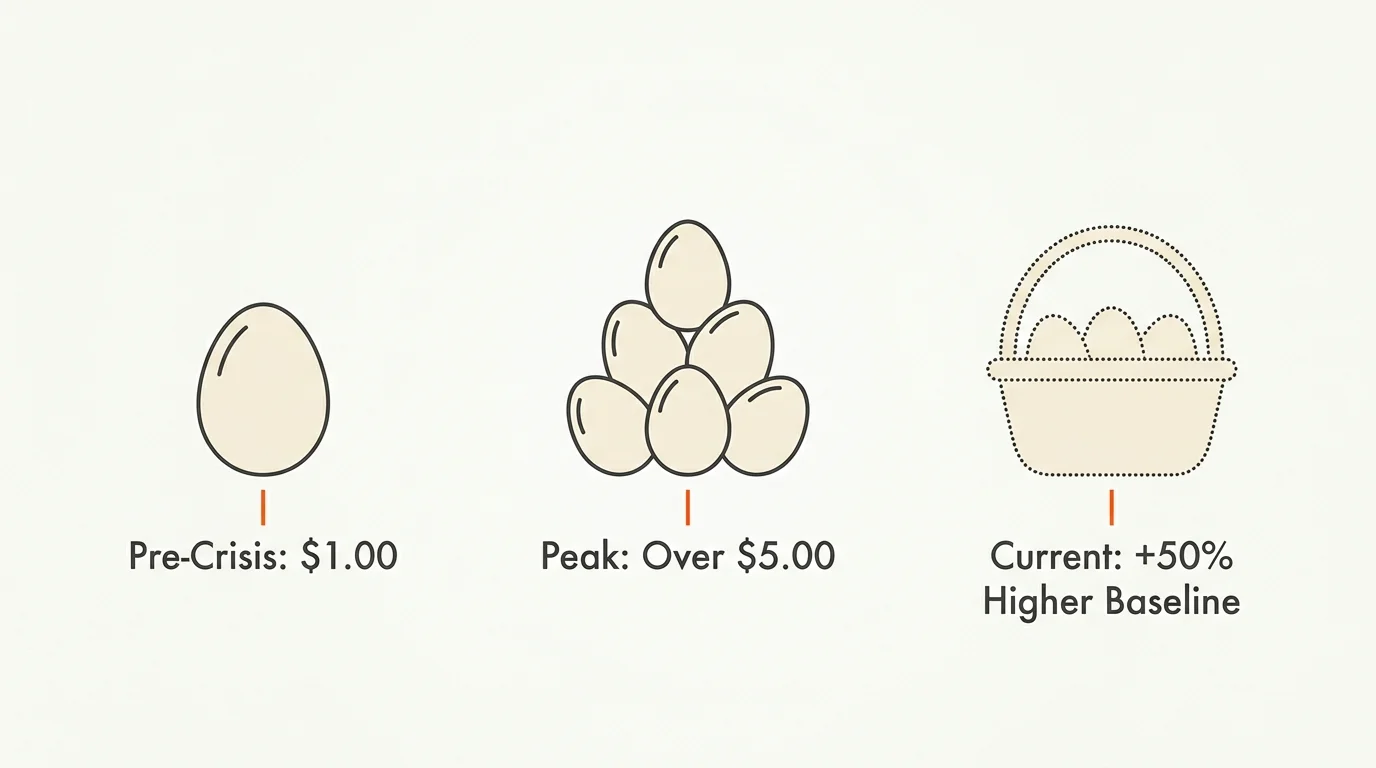
Farm-fresh eggs completely shattered consumer budgets over the last few years, serving as the ultimate poster child for modern food inflation. The Highly Pathogenic Avian Influenza outbreak decimated poultry flocks nationwide, forcing farmers to cull millions of egg-laying hens to prevent further spread. This massive supply shock caused egg prices to skyrocket; at the peak of the crisis, cartons that once cost just over a dollar easily breached the five-dollar mark in many states, effectively tripling your breakfast costs. Even as the agricultural market stabilizes slightly, the baseline price remains permanently elevated—hovering over 50 percent higher than pre-pandemic levels.
You must radically rethink your egg-buying strategy to keep your grocery budget intact. Supermarkets heavily markup organic and pasture-raised eggs, using confusing buzzwords on the carton to trick you into paying a massive premium. Ditch the major grocery chains and seek out local farmers or community-supported agriculture groups. Many independent chicken keepers sell exceptional, truly free-range eggs at a fraction of the commercial organic price. For large-scale baking and regular cooking, consider buying commercial liquid eggs in bulk cartons. Liquid eggs often avoid the wildest price fluctuations associated with whole shell eggs, and they freeze beautifully for long-term pantry storage.

Tip #3: Whole Bean and Ground Coffee
Your morning caffeine habit now demands a significantly larger chunk of your monthly paycheck. Coffee prices have skyrocketed by more than 47 percent over the past few years, vastly outpacing general inflation metrics across the board. Recent geopolitical conflicts, skyrocketing shipping costs, and extreme weather events in major producing nations like Brazil absolutely devastated global crop yields. During just the past year, coffee experienced an aggressive 18.8 percent price hike, reflecting severe global supply chain disruptions and aggressive import tariffs. Corporate coffee roasters simply passed the burden to you, quietly disguising price hikes by shrinking the size of their standard bags from a full sixteen ounces down to twelve or even ten ounces.
Stop paying a massive premium for fancy packaging and pre-ground convenience. You can ruthlessly protect your wallet by purchasing whole roasted beans in bulk from warehouse stores or online wholesale distributors. Whole beans maintain their freshness significantly longer than ground coffee, allowing you to confidently stockpile when you find a genuine markdown. Invest in a quality burr grinder and grind your beans daily; you will extract maximum flavor and stretch every single dollar. Furthermore, absolutely ignore the expensive single-serve pods. They represent the worst financial value in the entire coffee aisle and quietly drain your budget with every press of a button.

Tip #4: Extra Virgin Olive Oil
Extra virgin olive oil transformed from an everyday cooking staple into an ultra-expensive luxury item almost overnight. A devastating multi-year megadrought and unprecedented heatwaves completely scorched the Mediterranean region, severely damaging olive groves in Spain, Italy, and Greece. Because Spain alone produces roughly half of the global olive oil supply, this ecological disaster sent massive shockwaves through the worldwide market. Retail prices doubled at your local supermarket as the global reserve supply evaporated. Big food brands aggressively hiked their profit margins during this crisis, hoping you would just swipe your credit card without looking closely at the receipt.
You do not need to abandon olive oil entirely, but you must shop significantly smarter. Avoid buying those tiny, beautifully designed glass bottles at standard grocery chains; you are paying entirely for the aesthetic marketing. Head straight to a local Middle Eastern or Mediterranean ethnic market and buy olive oil in large, three-liter metal tins. The metal protects the delicate oil from light degradation, and bulk purchasing dramatically reduces the final cost per ounce. For high-heat stovetop cooking, stop wasting expensive extra virgin oil entirely. Switch to neutral, cost-effective alternatives like avocado oil or pure grapeseed oil, consciously saving your liquid gold solely for finishing hot dishes and whisking homemade salad dressings.
Tip #5: Cocoa Powder and Chocolate
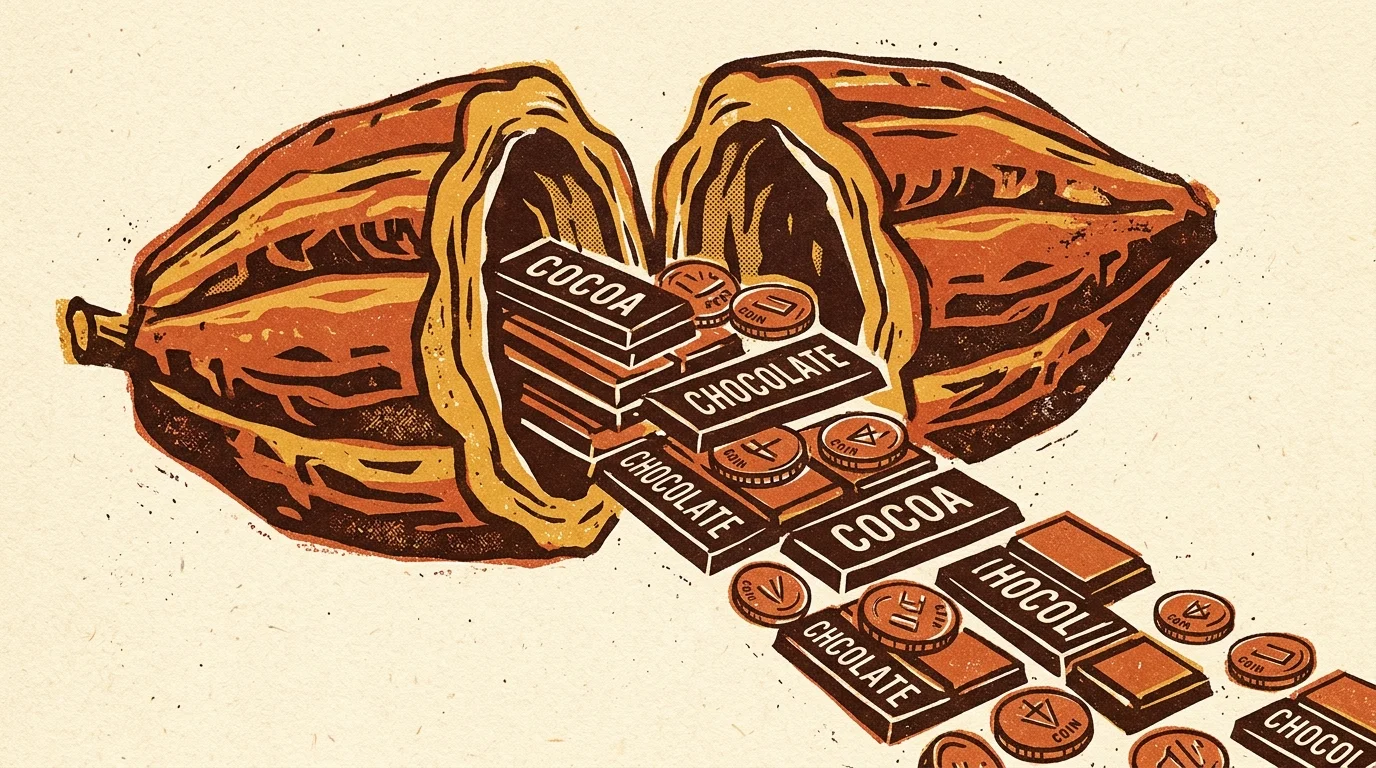
Satisfying your sweet tooth requires a much larger financial commitment these days. Global cocoa prices doubled—and then doubled again—reaching historical, record-breaking highs between 2024 and 2026. A vicious combination of severe crop diseases, particularly black pod disease, and erratic weather phenomena drastically reduced cocoa harvests in West Africa. Since the Ivory Coast and Ghana produce the vast majority of the world’s commercial cocoa, manufacturers faced an immediate and catastrophic raw material shortage. To protect their corporate profit margins, major candy companies quietly reduced the size of their chocolate bars and dramatically increased prices, hoping you would blindly accept the new retail reality.
Do not let blatant shrinkflation steal your hard-earned money. If you bake frequently, stop buying those tiny specialty tubs of cocoa powder at the local grocery store. Purchase high-quality, Dutch-processed cocoa powder in large bulk bags from restaurant supply stores or commercial baking websites. A robust two-pound bag costs a fraction of the retail equivalent and stores perfectly in an airtight container for years without losing potency. When buying eating chocolate, ignore the colorful candy aisle completely. Head straight to the baking aisle and purchase massive block chocolate or premium dark chocolate chips; they offer a vastly superior price-to-weight ratio compared to individually wrapped, heavily marketed candy bars.

Tip #6: Butter and Margarine
The dairy aisle experienced some of the steepest and most aggressive price hikes since 2020, with general dairy costs rising over 30 percent. The cost of high-quality butter essentially doubled in many regional markets as dairy farmers battled skyrocketing overhead expenses. Record-high feed costs for dairy cows, combined with increased transportation expenses and energy spikes, created a perfect economic storm for dairy production. Margarine, long considered the cheap frugal alternative, followed the exact same steep trajectory as the industrial vegetable oils used to manufacture it exploded in price. Supermarkets ruthlessly took advantage of this essential household item, locking in exorbitant prices long after the initial supply shocks subsided.
You can easily outsmart the dairy monopoly with a bit of strategic grocery planning. Butter remains a highly seasonal commodity; grocery stores heavily discount it as a loss leader right before major baking holidays like Thanksgiving, Christmas, and Easter. When you see a massive holiday sale, buy ten or twenty pounds and throw it directly into your deep freezer. Butter freezes flawlessly for up to an entire year without any noticeable loss in flavor or texture. If you own a stand mixer and have a few spare minutes, you can also manufacture your own. When heavy whipping cream goes on clearance, simply whip it past the whipped cream stage until the butterfat permanently separates from the buttermilk.

Tip #7: Fresh Tomatoes and Produce
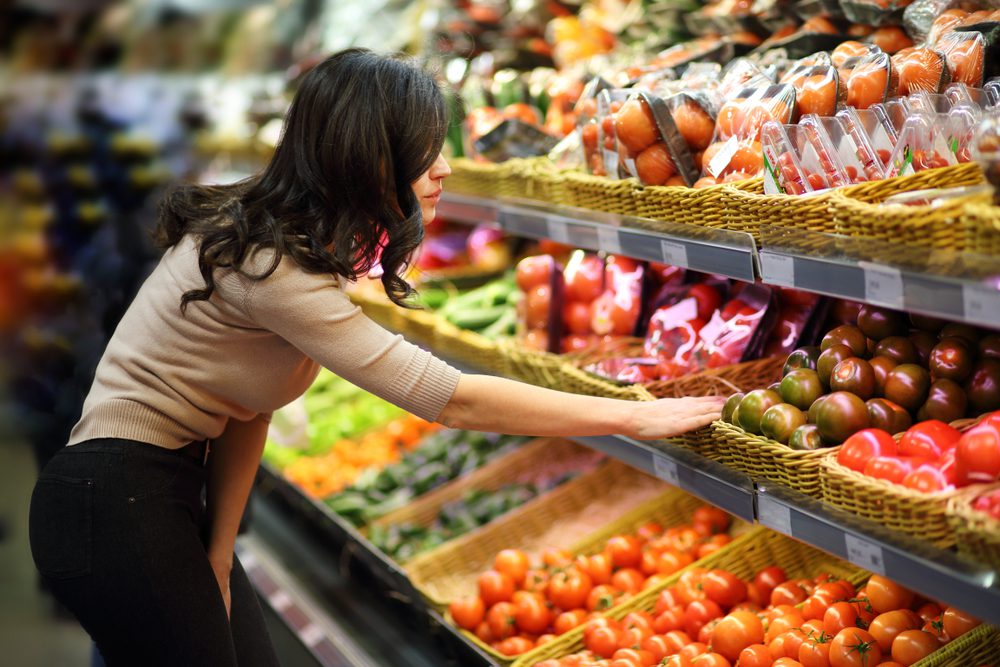
You might have noticed your simple side salad costs significantly more than a premium steak used to. Fresh vegetables experienced sharp double-digit price increases across the board, with tomatoes leading the aggressive upward trend. Recently, tomato prices soared by 15 percent in a single month and jumped nearly 40 percent year-over-year. This massive surge stems directly from skyrocketing energy costs; fragile tomatoes require temperature-controlled, refrigerated diesel trucks for long-distance transport. Furthermore, new import tariffs on Mexican agricultural goods punished American consumers directly at the checkout lane. Grocers flatly refuse to absorb these transportation and tariff shocks, passing every single cent onto your final grocery bill.
You must fundamentally change how you source your fresh produce to survive this inflation. Stop buying out-of-season tomatoes shipped thousands of miles; they taste like wet cardboard and carry ridiculous premium price tags. Instead, exclusively buy locally grown, in-season produce from farmer’s markets or community-supported agriculture shares. For your daily cooking needs—like robust sauces, soups, and stews—completely abandon fresh tomatoes. Buy flats of whole peeled canned tomatoes from wholesale warehouse clubs. Canned tomatoes are picked at peak ripeness, cost a fraction of fresh equivalents, and deliver vastly superior flavor for all hot applications. Better yet, leverage a sunny patio or apartment balcony to grow your own prolific container tomatoes during the summer months.

Tip #8: Orange Juice and Citrus
A refreshing glass of morning orange juice now feels like a rare luxury indulgence rather than a breakfast staple. The price of fresh citrus fruits and commercial orange juice hit record-breaking highs, largely driven by an unavoidable and devastating agricultural crisis. Citrus greening—an incurable bacterial disease—ravaged Florida’s massive orange groves, reducing state crop yields to terrifying levels not seen since the Great Depression. Severe hurricanes compounded the agricultural damage, violently wiping out mature trees and severely limiting the global citrus supply. As juice manufacturers scrambled to secure imported oranges from Brazil just to meet basic consumer demand, the retail price of a standard carton of orange juice skyrocketed, practically doubling for many premium name brands.
You should immediately stop paying premium prices for watered-down, processed commercial juice. If you truly crave the bold flavor of citrus, buy whole oranges only when they hit peak season in the deep winter months. Eating the whole fruit provides essential dietary fiber that commercial juicing entirely strips away, keeping you fuller for much longer. If your family absolutely demands orange juice at the breakfast table, step back into the 1990s and revisit the frozen foods aisle. Frozen orange juice concentrate offers a dramatically cheaper, highly stable alternative to fresh-squeezed cartons. You simply add your own tap water at home, effortlessly bypassing the ridiculous premium supermarkets charge for shipping heavy liquid across the country.
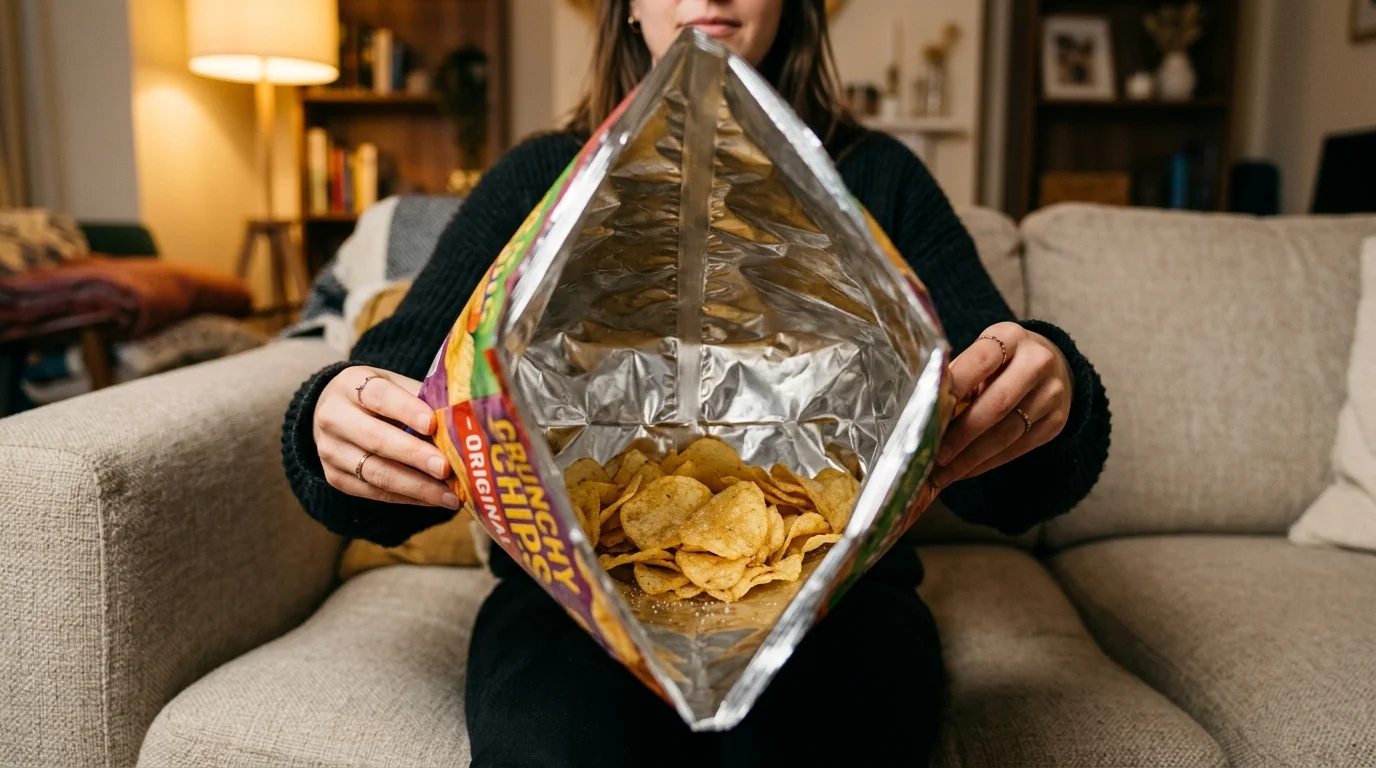
Tip #9: Potato Chips and Processed Snacks
The colorful snack aisle represents the absolute worst financial value in the entire modern grocery store. While raw agricultural potato prices saw moderate increases, the cost of processed potato chips and savory snack foods absolutely exploded. Big food corporations loudly blamed supply chain issues and cooking oil costs for the hikes, but their record-breaking corporate profit margins tell a drastically different story. These snack companies aggressively weaponized shrinkflation, reducing the physical amount of chips in every bag while simultaneously jacking up the retail sticker price. You are now paying nearly double the price per ounce for a noisy bag mostly filled with nitrogen gas and cheap, processed carbohydrates.
Stop willingly funding corporate greed with your weekly snack budget. You can easily replace expensive processed snacks with healthier, vastly cheaper homemade alternatives. Buy a massive fifty-pound bag of raw popcorn kernels from a local restaurant supply store; it costs mere pennies per serving and will easily last your family an entire calendar year. Use a cheap countertop air-popper or a simple stovetop pot to create massive, customized bowls of fresh popcorn. If you desperately need a crunchy potato fix, buy a cheap ten-pound bag of raw russet potatoes. You can quickly slice them paper-thin with a mandoline, toss them in a splash of cheap oil, and bake them to create your own incredibly cheap, custom-seasoned potato chips.

Tip #10: Sugar and Basic Sweeteners
Even the most basic, foundational pantry staples have fallen victim to relentless corporate price gouging. Raw sugar and basic commercial sweeteners experienced dramatic price hikes as severe global weather events massively disrupted sugarcane harvests in key producing nations like India and Thailand. To protect their own domestic food supplies, several countries implemented strict export bans, heavily restricting the global sugar trade. This sudden scarcity forced wholesale commodity prices up, and American grocery stores quickly adjusted their retail tags to match the new reality. A standard four-pound bag of granulated sugar that used to cost barely two dollars now consistently rings up for double that amount at nearly every major retailer.
You must immediately adopt a savvy prepper’s mindset when buying shelf-stable baking staples. Never buy the small, premium-branded bags of sugar from the middle grocery aisles. Sugar possesses an indefinite shelf life; it literally never goes bad as long as you keep it perfectly dry and free of pests. Head directly to a big-box warehouse club and buy a twenty-five or fifty-pound bulk bag of pure cane sugar. Transfer the contents into food-grade, airtight plastic buckets equipped with screw-on gamma-seal lids. By purchasing in extreme bulk, you lock in the absolute lowest possible price per ounce and completely insulate your personal pantry from future global supply chain disruptions and sudden supermarket markups.

The Bottom Line: What This Means for Your Wallet
The era of thoughtless, autopilot grocery shopping has officially ended. As we navigate the complex economic landscape of 2026, the hard data clearly shows that severe inflation on everyday staples is not a temporary glitch; it is the permanent new normal. Massive food manufacturers and regional supermarket chains have realized that consumers will willingly pay exorbitant prices for basic necessities out of sheer convenience and habit. They will continue to mask these aggressive price hikes through deceptive shrinkflation and clever marketing until you actively refuse to play their rigged game.
You must treat grocery shopping like a highly strategic financial mission. By understanding exactly which items have doubled in price—like premium beef, olive oil, and coffee—you can consciously pivot your spending habits. Stop blindly paying for convenience, flashy packaging, and the total illusion of premium quality. Embrace the power of bulk buying, seek out independent local farmers, cook meals entirely from scratch, and fiercely leverage warehouse clubs to shield your monthly budget from ridiculous retail markups. Your wallet will only survive this brutal economic gauntlet if you remain incredibly sharp, highly adaptable, and ruthlessly vigilant every single time you step up to the checkout counter.
Frequently Asked Questions
Why are grocery prices still rising when overall inflation is supposed to be cooling down?
Official government inflation numbers often represent a broad, blended average across multiple distinct economic sectors, including consumer electronics, used cars, and retail apparel. While those specific categories might periodically cool down, the food sector faces entirely unique, compounding challenges. Ongoing severe weather events, unpredictable global geopolitical conflicts, lingering supply chain bottlenecks, and massive spikes in energy and transportation costs specifically target the agricultural sector. Furthermore, supermarkets heavily hesitate to lower their shelf prices once consumers demonstrate a steady willingness to pay them, resulting in artificially high grocery bills even as the broader national economy stabilizes.
Is shrinkflation actually legal for grocery stores and food manufacturers to use?
Yes, shrinkflation is completely legal, provided the food manufacturer accurately prints the newly updated net weight on the product’s packaging. Food companies strategically reduce the physical size, volume, or piece count of a product while keeping the retail price exactly the same—or even slightly raising it. They rely heavily on the psychological fact that you visually recognize the familiar packaging and will not bother to check the printed ounce count. To combat this highly deceptive practice, you must completely ignore the overall large sticker price and exclusively compare the smaller unit price (the exact cost per ounce or per pound) printed directly on the store shelf tag.
How can I realistically save money if I do not have a large family or massive freezer space?
You absolutely do not need a cavernous chest freezer to practice highly effective, smart frugality. If you live in a small apartment or operate on a very tight budget, focus entirely on purchasing highly concentrated, shelf-stable items that require minimal physical storage footprint. Buy dry rice, dried beans, whole coffee beans, and bulk spices, effortlessly storing them in stackable, airtight containers under your bed or tucked deep inside your cabinets. Additionally, you should actively split large bulk purchases with trusted friends, neighbors, or coworkers. You can quickly buy a massive sack of flour or a heavy bulk flat of canned goods at a warehouse club and immediately divide both the cost and the product, successfully giving everyone the coveted bulk discount without the overwhelming storage burden.
Will grocery prices ever return to the cheap levels we saw in 2019 and 2020?
Historically speaking, broad and sustained deflation across the entire grocery sector is incredibly rare. While specific commodities like fresh eggs or seasonal produce might experience temporary, highly localized price drops after a severe supply spike resolves, the baseline cost of most manufactured and heavily processed foods rarely reverses its upward trend. Structural factors like labor costs, baseline transportation overhead, and manufacturing expenses have permanently increased across the board. Instead of passively waiting for a magical price drop that will likely never arrive, you must focus entirely on optimizing your current shopping habits, aggressively switching to cheaper unbranded alternatives, and mastering fundamental scratch-cooking techniques to stretch your current monthly income much further.
For consumer protection information, visit the Federal Trade Commission (FTC) and the Consumer Financial Protection Bureau (CFPB). For product safety and reviews, consult Consumer Reports.
Disclaimer: This article is for informational purposes only and does not constitute financial advice. The content reflects the author’s opinion and research at the time of writing. Always do your own research before making financial decisions.




Leave a Reply