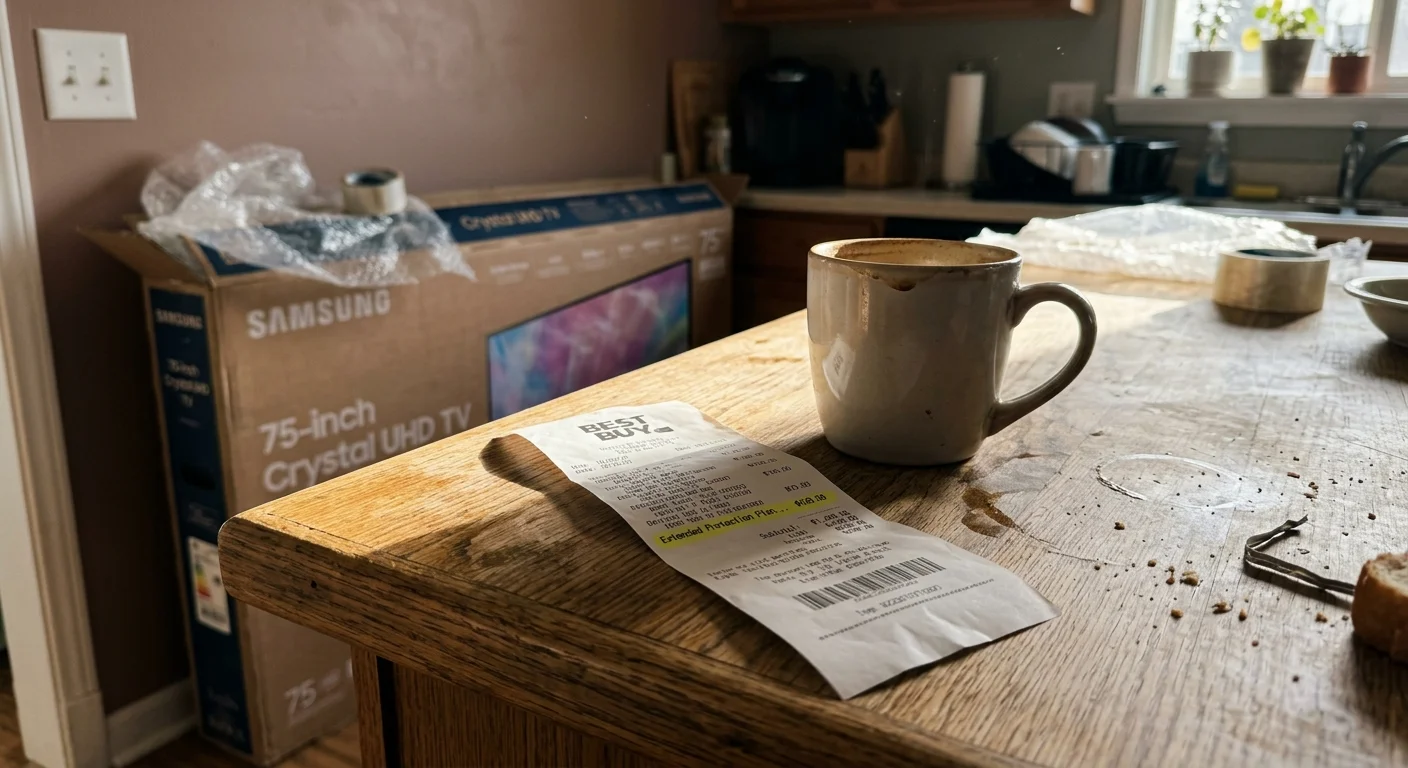
Extended warranties generate massive profit margins for retailers while quietly draining hundreds—sometimes thousands—of dollars from your bank account. Sales reps push these service contracts aggressively at checkout because stores pocket profit margins between 40% and 70% on every policy sold.
Most consumers buy protection plans out of fear, yet statistical data proves that the majority of policyholders pay far more in upfront premiums and hidden fees than they ever recover in actual repairs.
Recognizing the subtle warranty overpayment warning signs allows you to stop wasting cash on redundant coverage, self-insure effectively, and reclaim your hard-earned money from predatory dealership and retail finance packages.
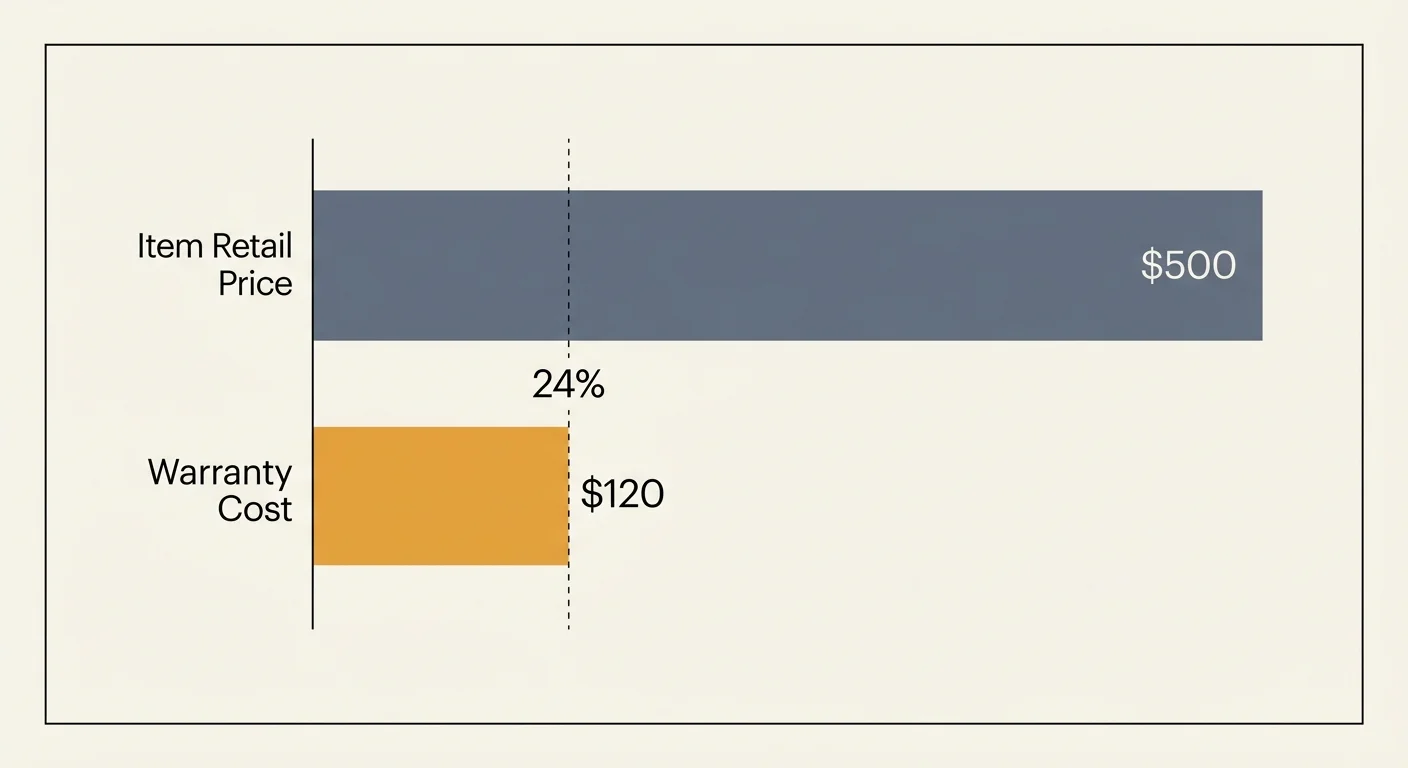
Tip #1: The Policy Costs More Than 20% of the Item’s Retail Price
Retail stores and online merchants pitch extended service plans as cheap insurance, but a quick extended warranty cost analysis exposes the math behind their pitch. For consumer electronics, laptops, and small home appliances, extended warranties typically add 10% to 26% to the total purchase price.
If you buy a $500 television and agree to pay $120 for a three-year protection plan, you are handing the retailer a 24% premium on an item that depreciates the moment you unbox it.
Financial analysts benchmark any warranty exceeding 15% to 20% of an item’s retail value as an automatic financial overpayment. Modern consumer electronics and small appliances feature solid-state components that rarely suffer manufacturing defects after the initial 90-day break-in period.
If a component fails within the first year, the standard manufacturer warranty covers it entirely for free.
Paying a quarter of an item’s original cost to protect against a statistically rare failure makes zero financial sense. When repair or replacement costs approach the price of the contract itself, you are better off declining the cashier’s offer.
Stash that 20% premium in your own savings account instead, building an emergency fund that protects everything you own rather than a single gadget.
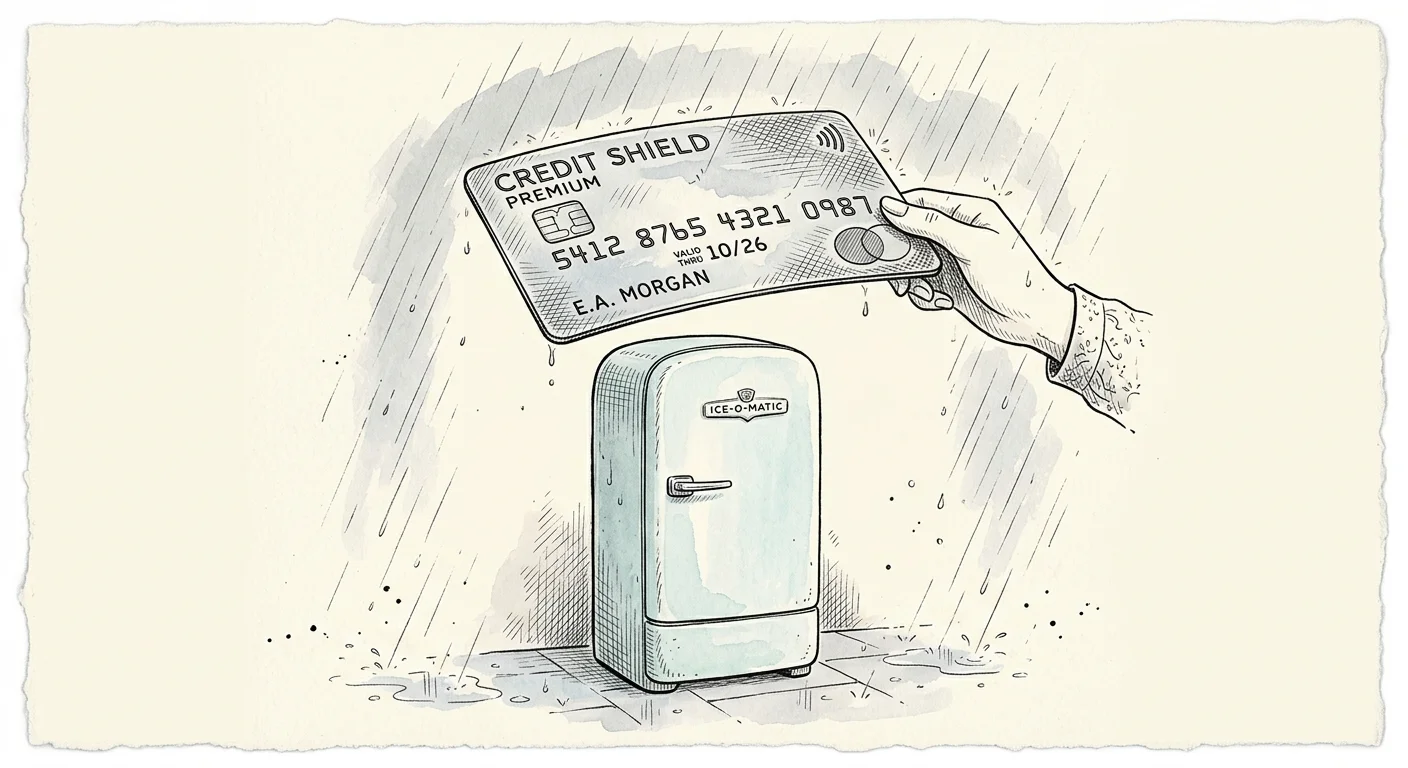
Tip #2: Your Credit Card Already Provides Free Extended Coverage
One of the clearest signs you don’t need an extended warranty is that you already own duplicate coverage without realizing it.
Major credit card payment networks quietly include extended warranty protection as a built-in cardholder benefit on popular tiers, including Visa Signature, Mastercard World Elite, and standard American Express cards.
When you charge an eligible item to these cards, the issuer automatically extends the original manufacturer warranty at zero additional cost.
These complimentary credit card policies typically add one full year of coverage to manufacturer warranties that run anywhere from one to five years.
If you buy a refrigerator or laptop carrying a standard one-year factory warranty, paying with an eligible credit card automatically stretches that coverage to two full years.
The card issuer covers the cost of parts and labor up to the original purchase price or a generous per-claim limit.
Retail sales clerks will never mention this perk because they earn zero commission when you rely on your cardholder agreement. Before you hand over $80 at checkout for an electronics warranty, log into your credit card portal and review your benefits guide.
Buying a store protection plan when your credit card already duplicates the exact same terms is simply throwing money away.
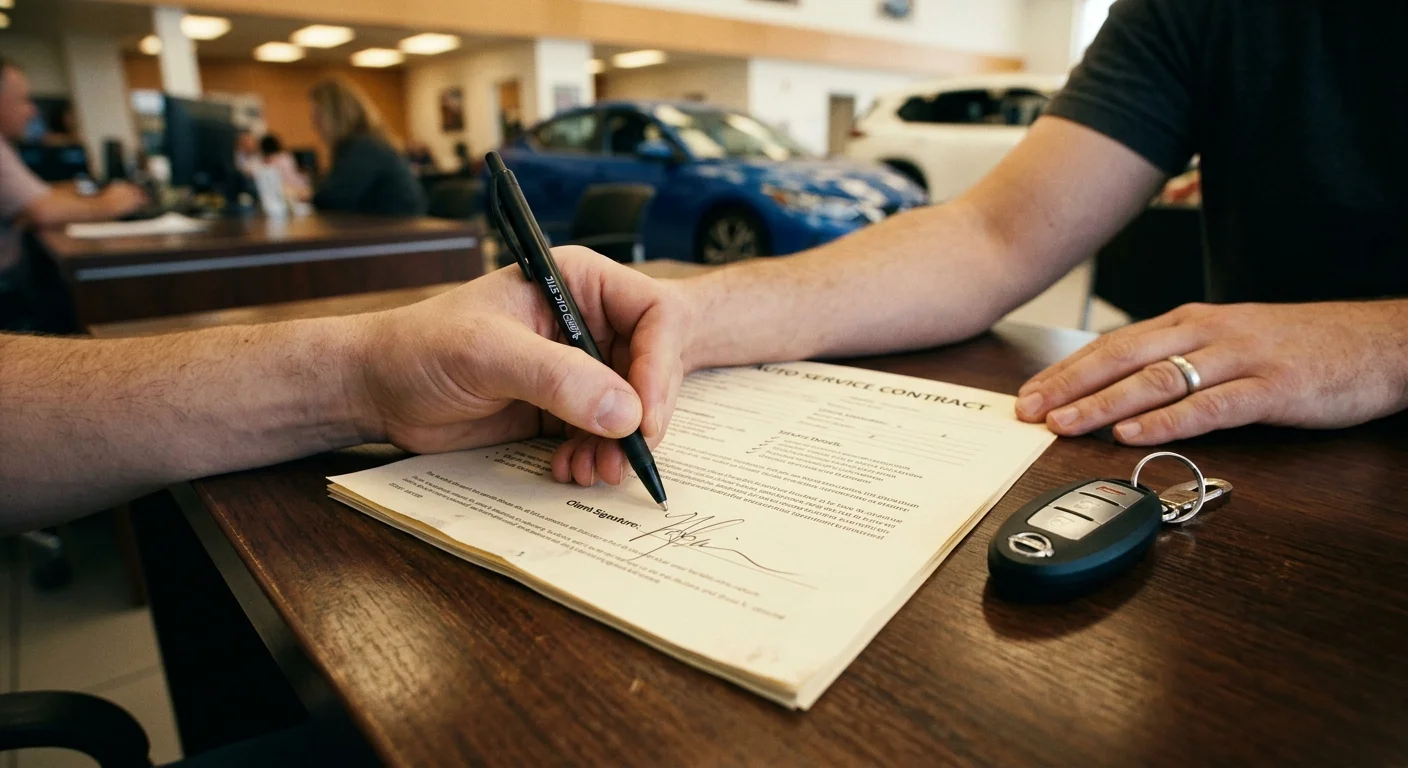
Tip #3: The Auto Dealership Bundled the Plan into Your Loan Financing
The finance and insurance (F&I) office inside car dealerships represents ground zero for aggressive warranty markups. Auto service contracts wholesale for modest amounts, but dealerships regularly mark up these policies by 50% to over 100% before presenting them to car buyers.
An auto service contract that costs the dealer $900 behind closed doors frequently appears on your purchase agreement as a $2,200 to $3,500 line item.
Rolling that inflated warranty cost into a 60-month or 72-month auto loan magnifies your financial loss through compound interest. A $2,500 service contract financed at an 8% interest rate over six years ends up costing you more than $3,150 in total cash outlays.
You end up paying finance charges on an intangible service product while your vehicle continuously loses market value.
Dealership finance managers often claim that lenders require an extended warranty to approve your auto loan or grant a promotional interest rate. This tactic is deceptive and illegal under federal standards.
Lenders evaluate credit scores and debt-to-income ratios—not whether you bought an optional vehicle service contract.
Tip #4: Per-Claim Deductibles and Service Fees Rival Actual Repair Costs
A major trap hidden within appliance, home, and auto warranties is the mandatory deductible or service dispatch fee required for every single claim.
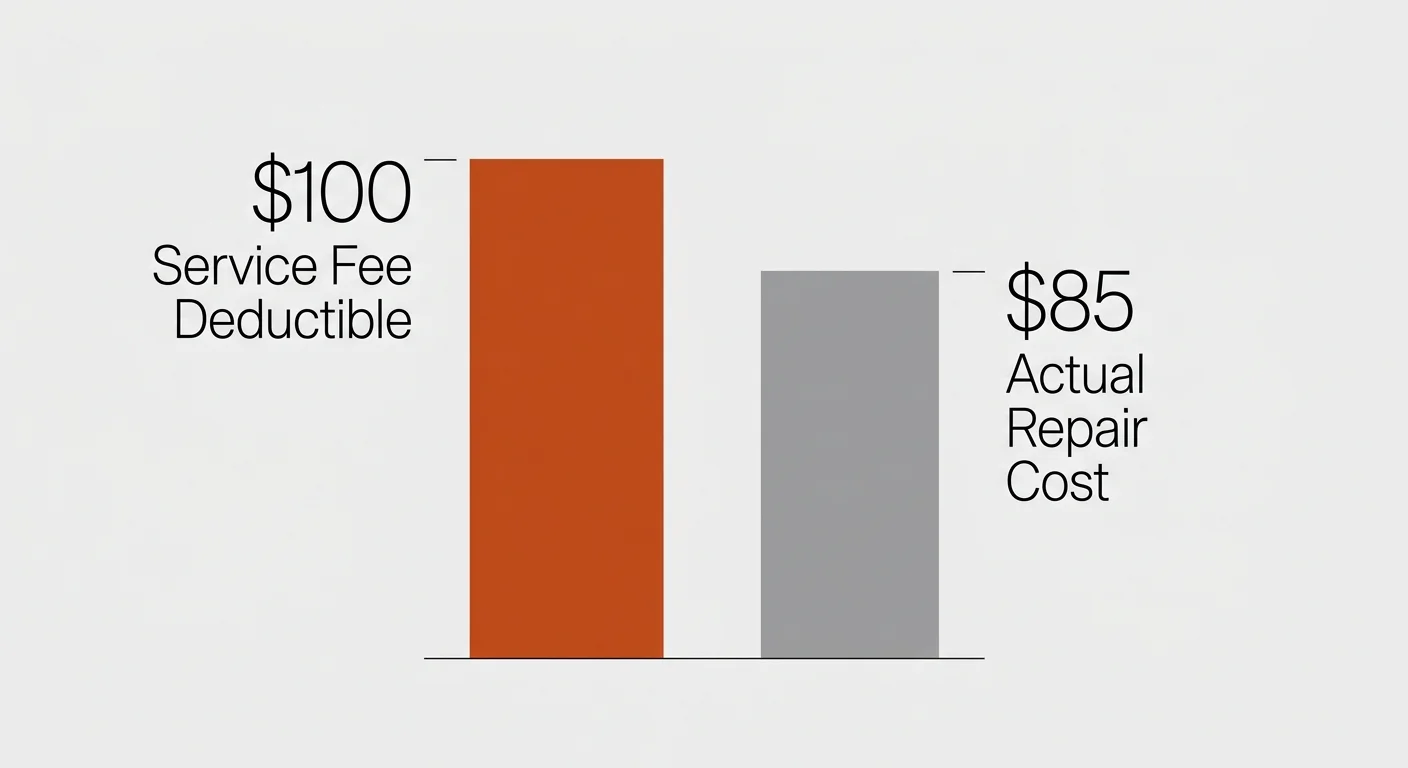
Many vehicle service contracts and home warranty plans require you to pay a $50 to $150 fee out of pocket before a technician even turns a wrench. These recurring fees chip away at any potential savings you expected the policy to deliver.
Consider a scenario where your washing machine suffers a minor issue, such as a clogged drain pump or a failed lid switch. An independent repair shop might charge $130 for the total repair, including labor.
If your appliance warranty carries an upfront cost of $250 plus a $100 service fee per visit, filing a claim means you have spent $350 in total to fix a $130 part.
When you evaluate a service contract, scrutinize whether the deductible applies per visit or per repair item. Some predatory contracts charge separate deductibles for multiple mechanical failures diagnosed during the same service appointment.
If the mandatory out-of-pocket deductible rivals the price of common replacement parts, the policy is an expensive illusion.
Tip #5: The Plan Overlaps Heavily with the Manufacturer’s Base Warranty
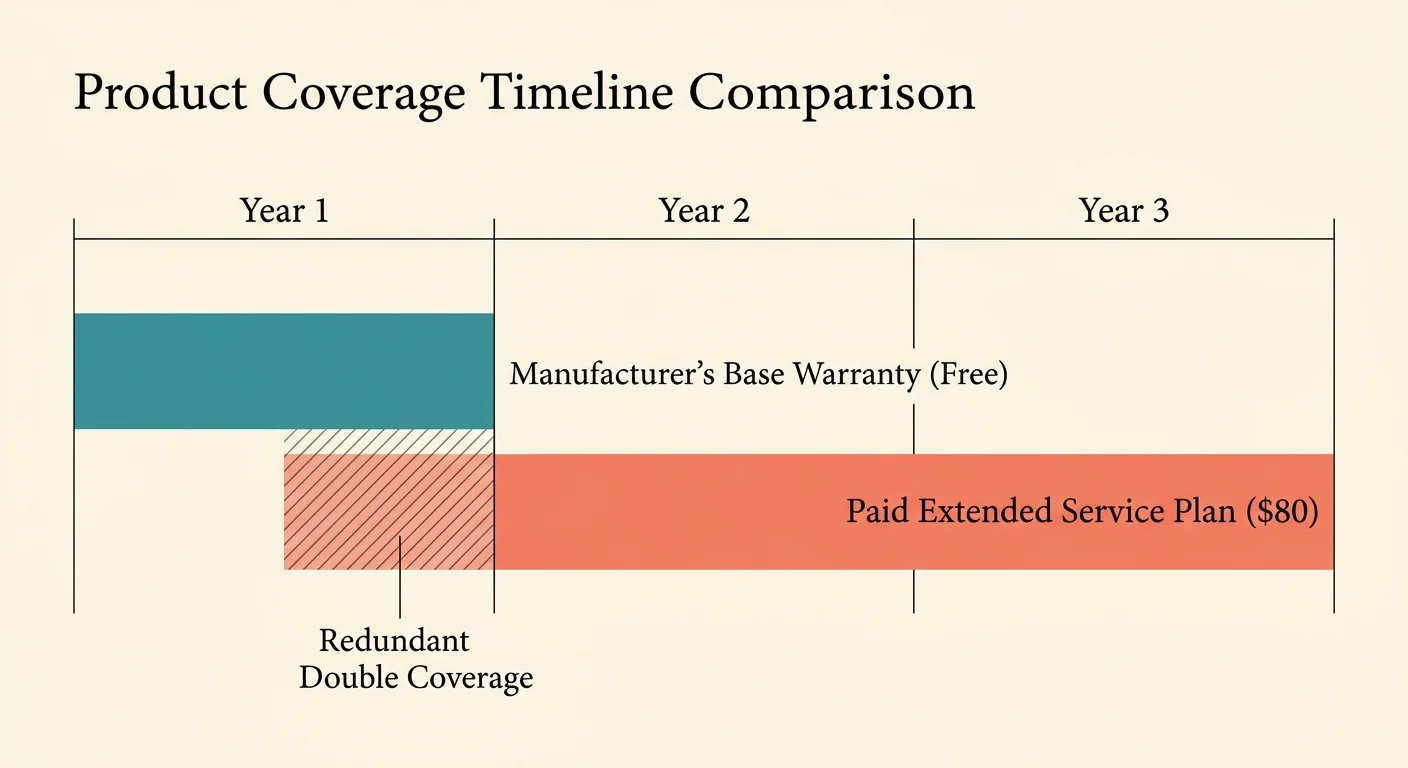
Retailers and third-party warranty brokers frequently sell contracts that run concurrently with the manufacturer’s original factory warranty rather than extending it.
If you purchase a brand-new vehicle with a three-year/36,000-mile bumper-to-bumper factory warranty alongside a five-year vehicle service contract, you are not receiving eight years of total protection.
You are paying for five total years from the in-service date, meaning the first three years overlap directly with coverage the manufacturer already provided for free.
During those initial three years, the third-party warranty company takes on virtually zero financial risk because all mechanical defects default to the factory warranty. The administrator pockets your upfront cash while providing zero practical utility.
You are essentially paying full price for a policy that only delivers two years of supplemental coverage at the tail end of the agreement.
Always inspect the contract’s effective start date before signing any paperwork. If the policy clock starts ticking on the original purchase date rather than the day the factory warranty expires, calculate the true cost per active month of coverage.
Paying upfront for years of overlapping coverage is one of the most glaring signs of overpaying for extended warranties.
Tip #6: Statistical Repair Odds Are Far Lower Than the Policy’s Cost
To answer the fundamental question of whether extended warranties are worth it, you must examine actual repair frequency data against contract pricing.
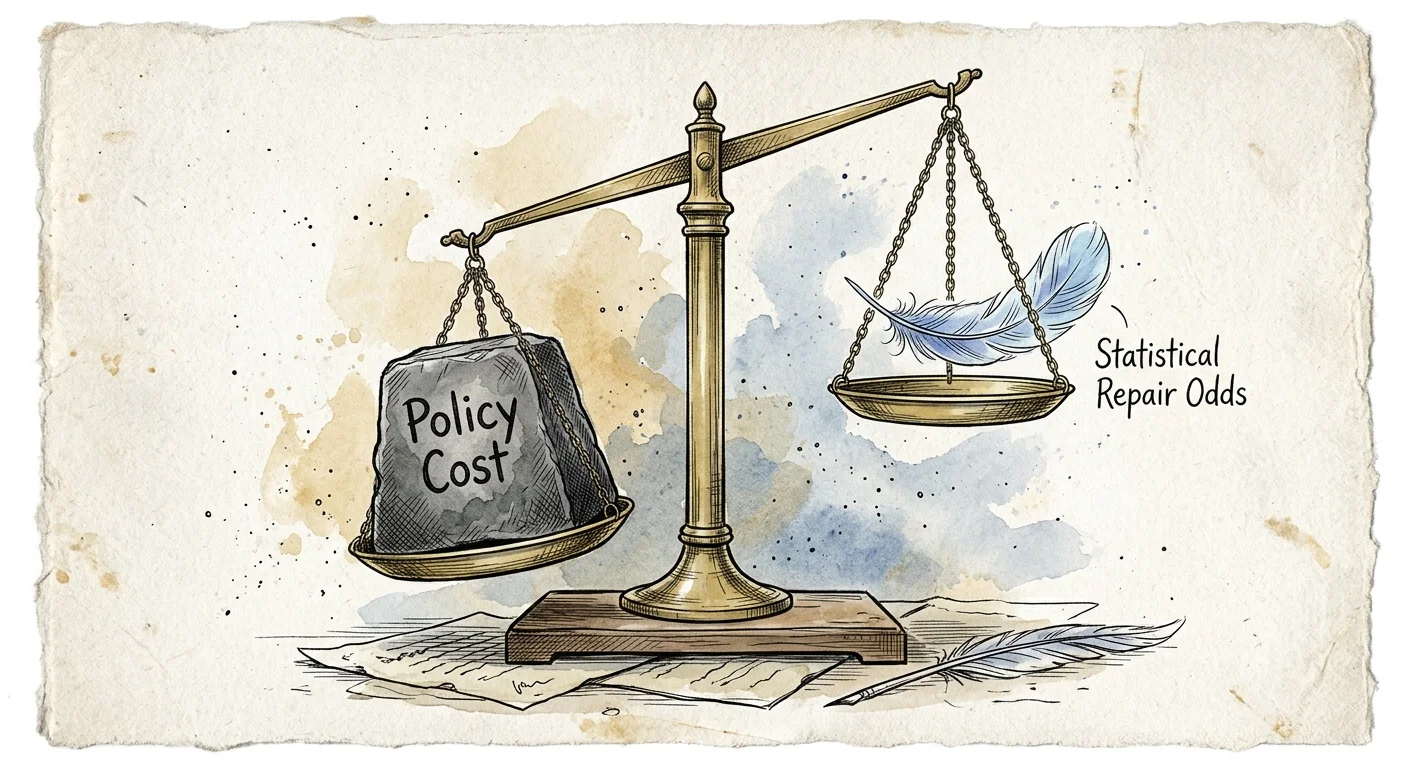
Consumer research consistently reveals a harsh reality: 55% of vehicle owners who purchase an extended auto warranty never file a single claim during the entire life of the policy.
Among the minority who do use the contract, the average repair savings fall hundreds of dollars short of the total premium paid.
Major automotive organizations estimate that routine maintenance and standard mechanical repairs for a typical passenger vehicle average roughly $800 annually. Meanwhile, auto service contracts often run between $1,000 and $3,000 in total, which translates to $600 to $1,500 per year or about $139 monthly.
You are essentially prepaying an inflated sum for repairs that have a low probability of ever happening.
Consumer surveys show that 70% of car owners who purchased an extended warranty state they would not buy one again after seeing the poor return on investment.
The math overwhelmingly favors setting aside monthly savings rather than handing that cash to a warranty administrator whose entire business model relies on paying out less than they collect.

Tip #7: Restrictive Exclusions and Wear-and-Tear Clauses Void Real-World Claims
The marketing brochure for an extended warranty always paints a picture of complete peace of mind, but the dense terms and conditions tell a completely different story.
Many budget service contracts are inclusionary policies, meaning they only cover a specific list of named components while excluding everything else. If an unlisted sensor, wire harness, or computer module fails, the administrator denies your claim immediately.
Worse yet, many auto and home contracts feature broad wear-and-tear exclusions. The warranty company can legally reject coverage on critical suspension parts, brake components, gaskets, and seals simply by claiming the parts deteriorated due to normal aging rather than a mechanical defect.
You pay thousands of dollars for protection, only to discover that the parts most likely to break are explicitly excluded from reimbursement.
Dealerships may also attempt to scare buyers by claiming that third-party maintenance voids your warranty coverage. Federal law explicitly protects consumers against this pressure.
The Magnuson-Moss Warranty Act prevents manufacturers and service contract providers from denying claims simply because you used an independent mechanic or installed reputable aftermarket parts.

Tip #8: You Are Paying Monthly Subscription Premiums for Depreciating Tech
A recent trend across the retail sector is the transition toward monthly subscription-based warranty plans for smartphones, tablets, and smartwatches. Retailers push recurring charges of $10 to $15 per month, framing them as affordable, bite-sized payments.
Over a standard 24-month or 36-month ownership cycle, however, these micro-transactions add up to a staggering financial drain.
Paying $15 per month for two years amounts to $360 in total payments on a smartphone that loses roughly 50% of its market value over that same timeframe.
When you add the mandatory $99 accidental damage deductible required to replace a cracked screen or failed battery, your total expenditure exceeds $450. By year two, the total money spent on warranty fees often exceeds the entire resale value of the phone itself.
Consumer electronics drop in value rapidly as newer models hit the market. Committing to an open-ended monthly subscription protection plan on a rapidly depreciating device guarantees that you will overpay relative to the current replacement cost.
Cancel recurring tech subscriptions and use a durable protective case instead.

Tip #9: You Skipped the “Free Look” Window to Claim a 100% Refund
Many consumers experience immediate buyer’s remorse after purchasing an extended warranty in a high-pressure dealership or checkout environment.
What most buyers do not realize is that state insurance regulations and standard contract provisions give you the legal right to cancel extended service contracts for a full or pro-rated refund.
If you realize you overpaid, you do not have to remain trapped in the agreement.
Nearly all extended auto, appliance, and home warranties feature a free look period that lasts between 30 and 60 days from the date of purchase. If you cancel your policy in writing during this initial window, the administrator must issue a 100% full refund with zero cancellation penalties.
If you financed the warranty through an auto loan, the refunded amount gets applied directly to your loan principal, lowering your balance and interest charges.
Even if you missed the initial 60-day window, you can still cancel your contract at any point during its active term to receive a pro-rated refund based on elapsed time or vehicle mileage.
Failing to execute your cancellation rights when you spot warranty overpayment warning signs leaves hundreds of dollars on the table that rightfully belong in your pocket.
The Bottom Line: What This Means for Your Wallet
Extended warranties are structured products engineered to generate high margins for retail corporations and auto dealerships while leaving consumers with the bill. Overpaying for extended warranties drains resources you could otherwise direct toward high-yield savings, debt elimination, or wealth-building investments.
When you factor in dealer markups, per-claim deductibles, strict exclusions, and automatic credit card coverage, buying third-party service contracts rarely makes financial sense.
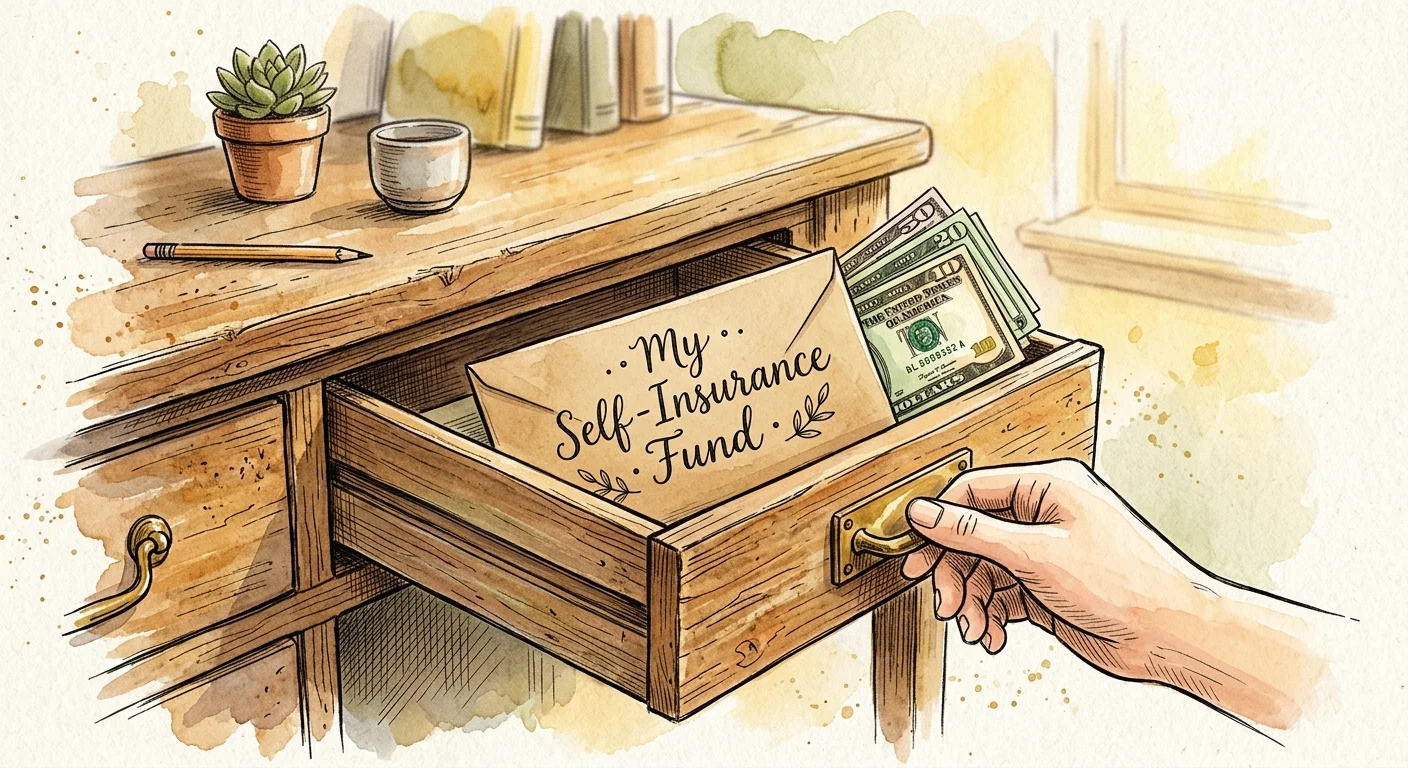
The smartest alternative to buying service contracts is building a dedicated self-insurance sinking fund. Take the $1,500 to $3,000 you would have spent on an auto warranty or the $15 per month you would have paid for a tech subscription, and deposit it into a high-yield savings account.
You retain full control over your money, earn interest every month, and can spend those funds on any repair shop you choose without navigating claim adjusters or fine-print exclusions.
For consumer protection information, visit the Federal Trade Commission (FTC) and the Consumer Financial Protection Bureau (CFPB). For product safety and reviews, consult Consumer Reports.
Disclaimer: This article is for informational purposes only and does not constitute financial advice. The content reflects the author’s opinion and research at the time of writing.
Always do your own research before making financial decisions.
Frequently Asked Questions
Can an auto dealer legally force me to buy an extended warranty to secure loan approval?
No, auto dealers and lenders cannot legally require you to purchase an extended warranty or vehicle service contract as a condition for loan approval or promotional interest rates.
Federal Trade Commission guidelines and Consumer Financial Protection Bureau regulations prohibit lenders from mandating optional add-on products to secure financing.
If a finance manager claims that purchasing a service contract is mandatory to qualify for a specific interest rate, demand to see that requirement in writing from the lender or walk away from the deal entirely.
How do I cancel an existing extended warranty and receive my refund?
To cancel an extended warranty, locate your original contract paperwork to find the administrator’s contact information and the cancellation clause.
Submit a formal cancellation request in writing via certified mail or secure email, including your contract number, current vehicle mileage or appliance serial number, and a direct statement requesting cancellation.
If you cancel within the initial 30 to 60 days, you will receive a 100% full refund; cancellations after that period receive a pro-rated refund based on unused time or mileage minus any previously paid claims.
Are there any products where purchasing an extended warranty is actually worth the cost?
Extended warranties occasionally make financial sense for complex, high-wear items that have documented high failure rates and expensive replacement parts, such as high-end OLED televisions prone to burn-in or luxury vehicles with complex air suspension systems.
However, even in these narrow instances, the warranty is only worth purchasing if the total cost of the policy is under 15% of the item’s purchase price and the agreement explicitly covers accidental damage or wear-and-tear with zero deductibles.
What should I do if a warranty administrator wrongfully denies my repair claim?
If a warranty administrator denies your repair claim, start by requesting a detailed written explanation citing the exact contract section and exclusion used to justify the denial.
Gather maintenance records, receipts, and a written diagnostic report from an independent certified technician that refutes the administrator’s claim.
If the company refuses to honor the valid terms of your agreement, file a formal consumer complaint with your state attorney general’s office, the state insurance commissioner, and the Federal Trade Commission.