
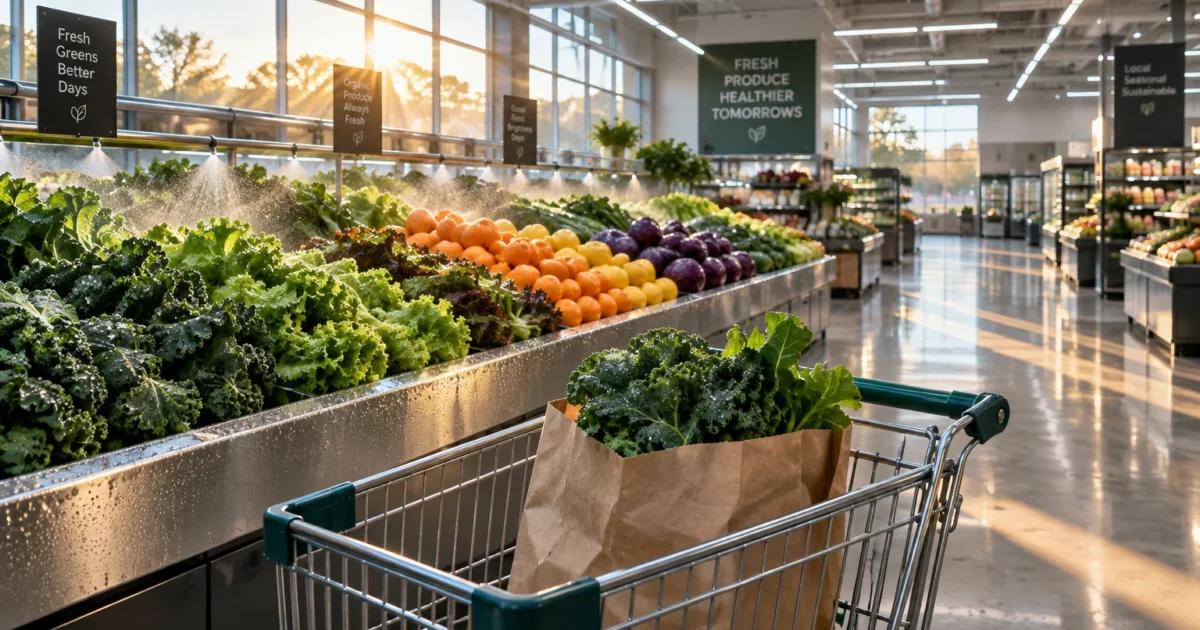
Shopping during early supermarket hours instantly locks in fresher food and prevents costly food waste. Arriving before the midday rush gives you first access to perishable items that degrade quickly under hot supermarket display lights.
Supermarkets run on strict overnight restocking routines and dawn prep cycles. When you know when grocery stores restock, you can easily outsmart retail display tricks and stretch your household food budget.
You will avoid picked-over produce bins and stale baked goods by adjusting your shopping schedule. Knowing the best time to buy groceries protects your health and keeps your hard-earned dollars in your pocket.

Tip #1: Scratch-Baked Breads and Bagels
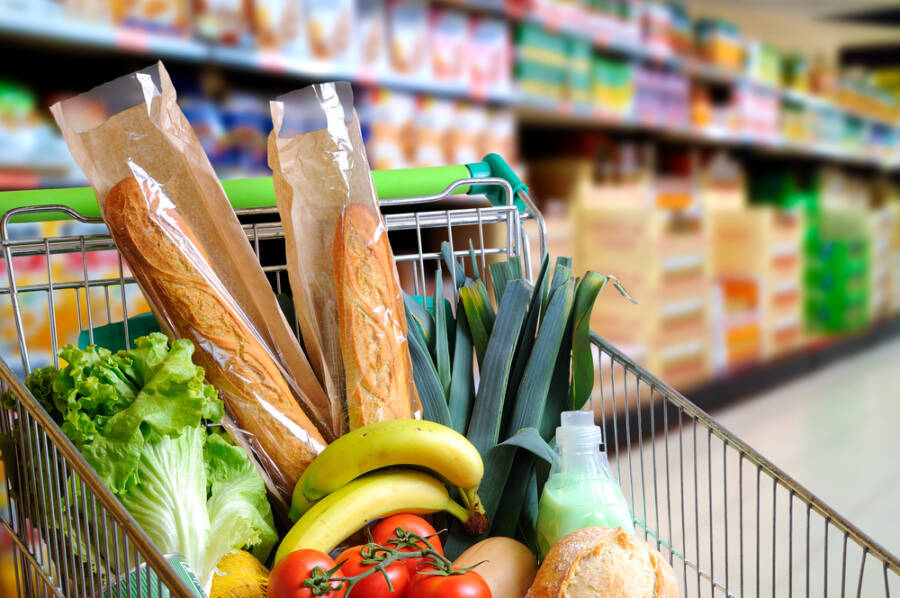
Commercial supermarket bakers arrive between 3:00 a.m. and 5:00 a.m. to fire up the ovens. That early dawn schedule means fresh bakery bread morning displays offer peak crust texture and crumb moisture.
By late afternoon, unpackaged baguettes and crusty boules sit exposed to dry ambient store air. The crust loses its crispness, and the interior crumb begins drying out into a stale texture.
Grocery stores rarely bake a second artisanal batch later in the afternoon. The baguettes you see at 5:00 p.m. are almost always leftover inventory from the morning bake.
You pay full retail price whether you buy a loaf at dawn or dusk. Grabbing your bread early ensures you get maximum shelf life on your kitchen counter.
Look for artisan loaves resting on cooling racks near the bakery counter. If you arrive early enough, the loaf might still feel warm in your hands.
Wrap unconsumed artisanal bread in brown paper or freeze half immediately. Taking home a truly fresh morning loaf guarantees three to four days of quality eating.
Tip #2: Delicate Leafy Greens and Fresh Herbs
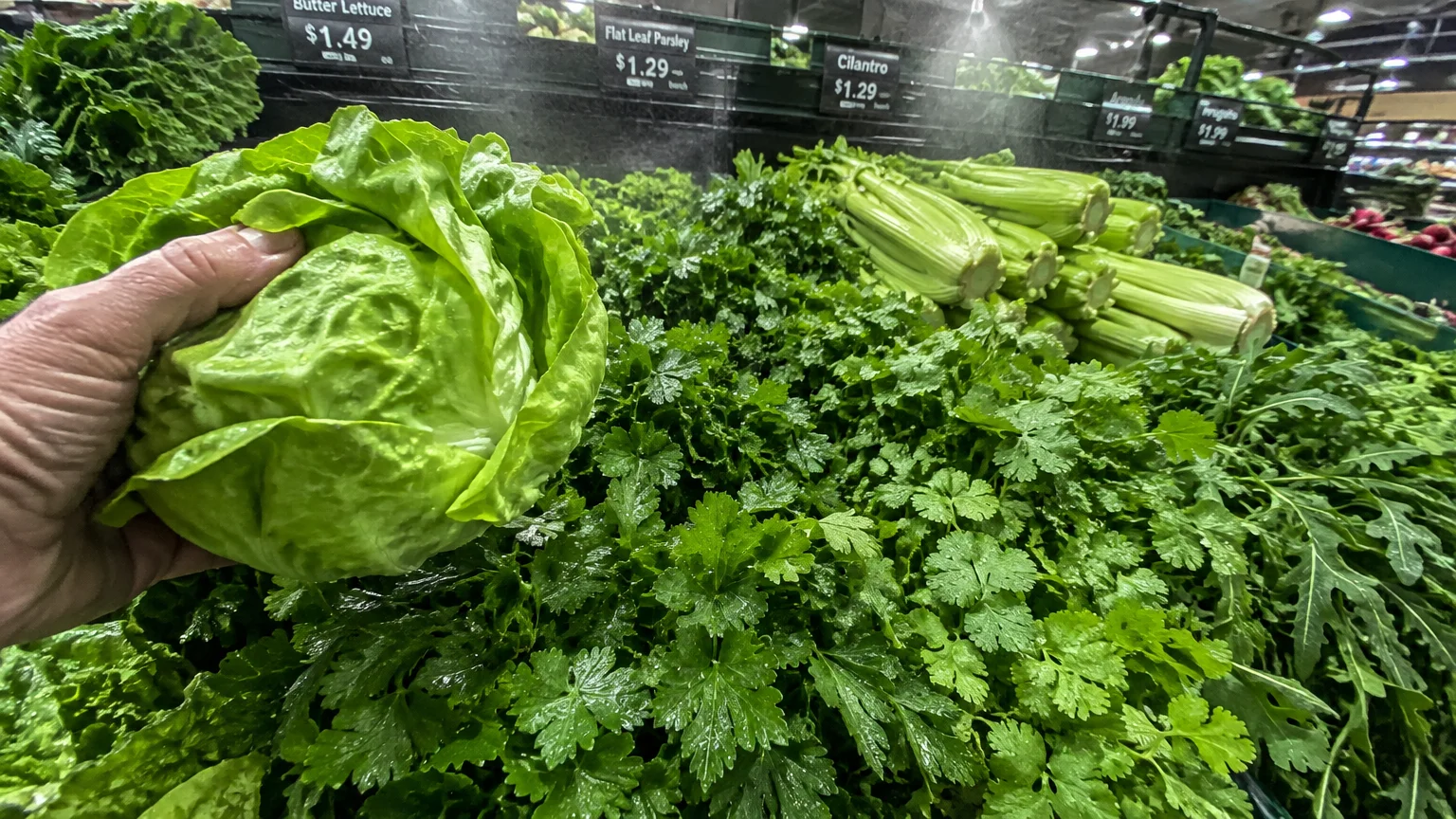
Tender leafy greens like spinach, arugula, and cilantro wilt rapidly under hot fluorescent grocery lighting. Morning displays showcase crisp, fully hydrated leaves fresh from overnight misting systems.
Night-shift stockers trim celery bases and refresh lettuce heads before opening the doors. These fresh produce shopping tips ensure you pick stems before thousands of shoppers handle and bruise them.
By late afternoon, unpurchased greens suffer from cellular breakdown and moisture evaporation. Bruised leaves quickly turn slimy inside plastic bags once you bring them home.
Physical pinches from indecisive shoppers accelerate bacterial rot on delicate leaves. Shopping early lets you secure pristine greens that will last up to ten days in your refrigerator.
Look for greens displayed directly under the cool misting nozzles early in the day. Check the core of loose heads for clean, pale ribs without any brown speckling.
Shake off excess water before placing wet greens in your cart. Excess moisture trapped in plastic produce bags speeds up decay during the drive home.
Tip #3: Fresh Filleted Fish and Shellfish
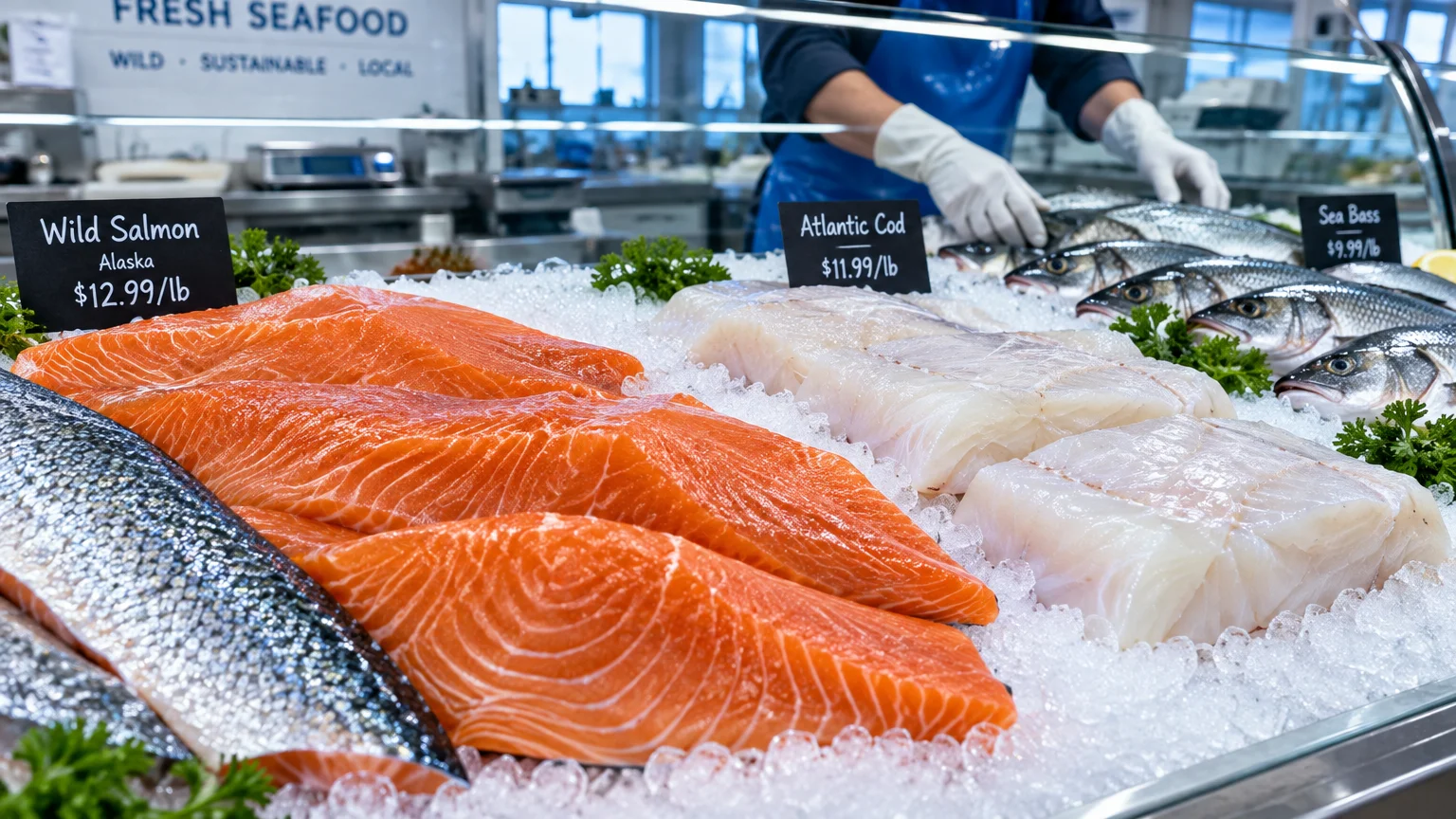
Supermarket seafood counters receive iced shipments late at night or during pre-dawn hours. Seafood managers unpack and fillet whole fish first thing in the morning.
Early shoppers get fish resting on clean, freshly packed shaved ice beds. Melting ice throughout the afternoon creates water pools that breed off-flavors and soften delicate flesh.
Afternoon fillets have often sat in the glass case under display bulbs for eight hours. This prolonged light exposure oxidizes fish oils and creates that unmistakable pungent seafood odor.
Fresh fish should never smell fishy; it should smell like clean ocean air or fresh water. When you buy early, the flesh remains translucent, firm, and resilient to the touch.
Ask the counter attendant to show you the fillet skin side down. The skin should look glossy and moist, with scales firmly attached and no cloudy slime.
Buying seafood early gives you the best chance of cooking it at peak restaurant quality. You avoid paying premium prices for fish that has spent half its shelf life on display.
Tip #4: The First Batch of Rotisserie Chickens
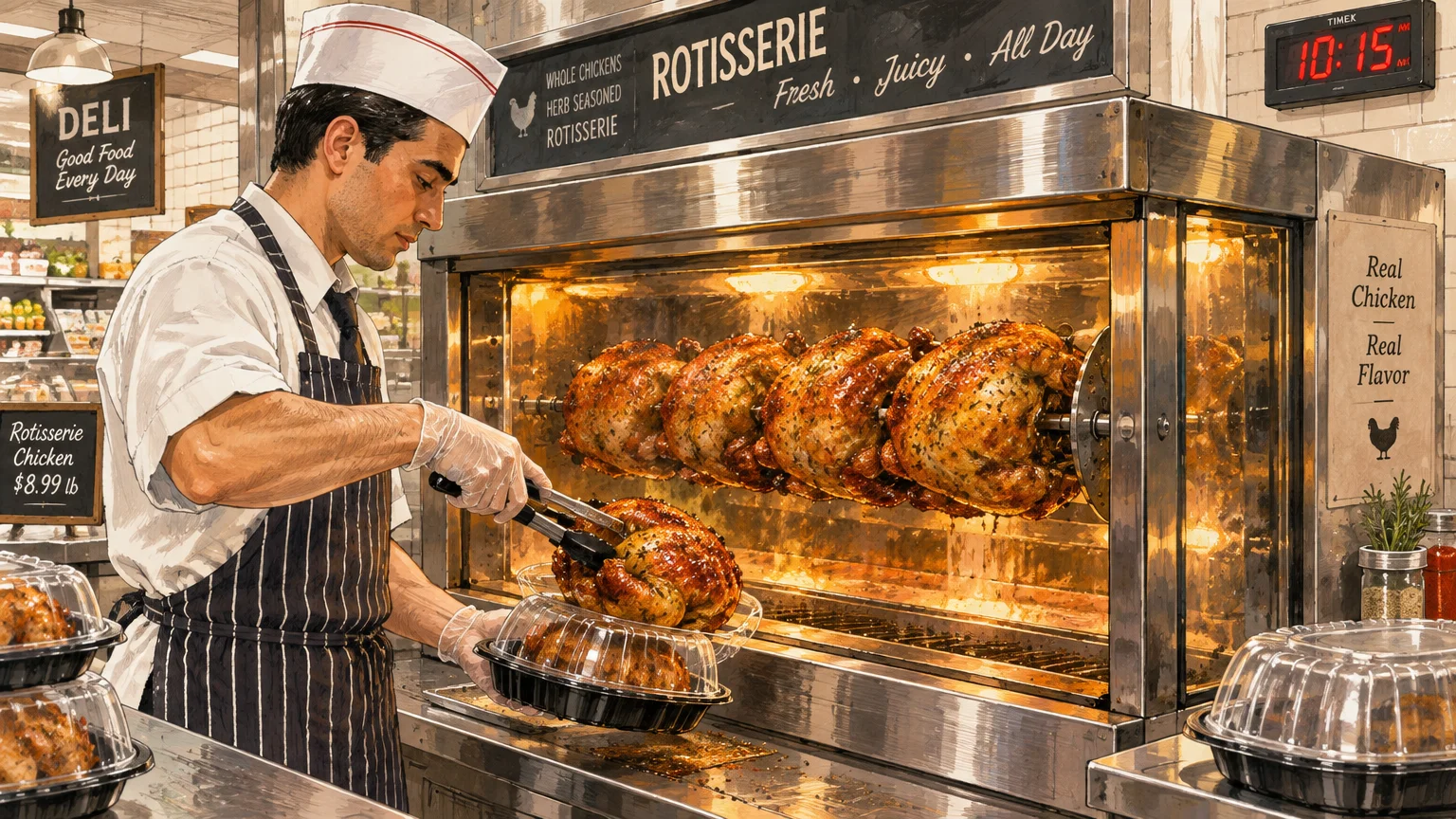
Supermarket rotisserie ovens run their first major roasting cycles between 9:00 a.m. and 10:30 a.m. Buying from this initial batch guarantees juicy breast meat and crisp, seasoned skin.
Birds displayed in heated display cabinets lose up to two percent of their moisture every hour. By evening, leftover rotisserie chickens become dry, stringy, and overly salty from condensation loss.
Food safety standards require stores to discard or repurpose birds held longer than four hours. Morning chickens represent the safest, freshest hot-case poultry you can put on your dinner table.
Check the timestamp printed directly on the rotisserie container dome before buying. Aim for birds packaged within sixty minutes of your checkout time to ensure optimal juiciness.
You can shred a morning rotisserie bird immediately for quick weeknight meal prep. The retained moisture makes the meat hold up better in salads, soups, and enchiladas.
Never settle for evening birds that sit shriveled beneath infrared heating lamps. Timing your grocery run for mid-morning lets you buy lunch and dinner at peak culinary value.
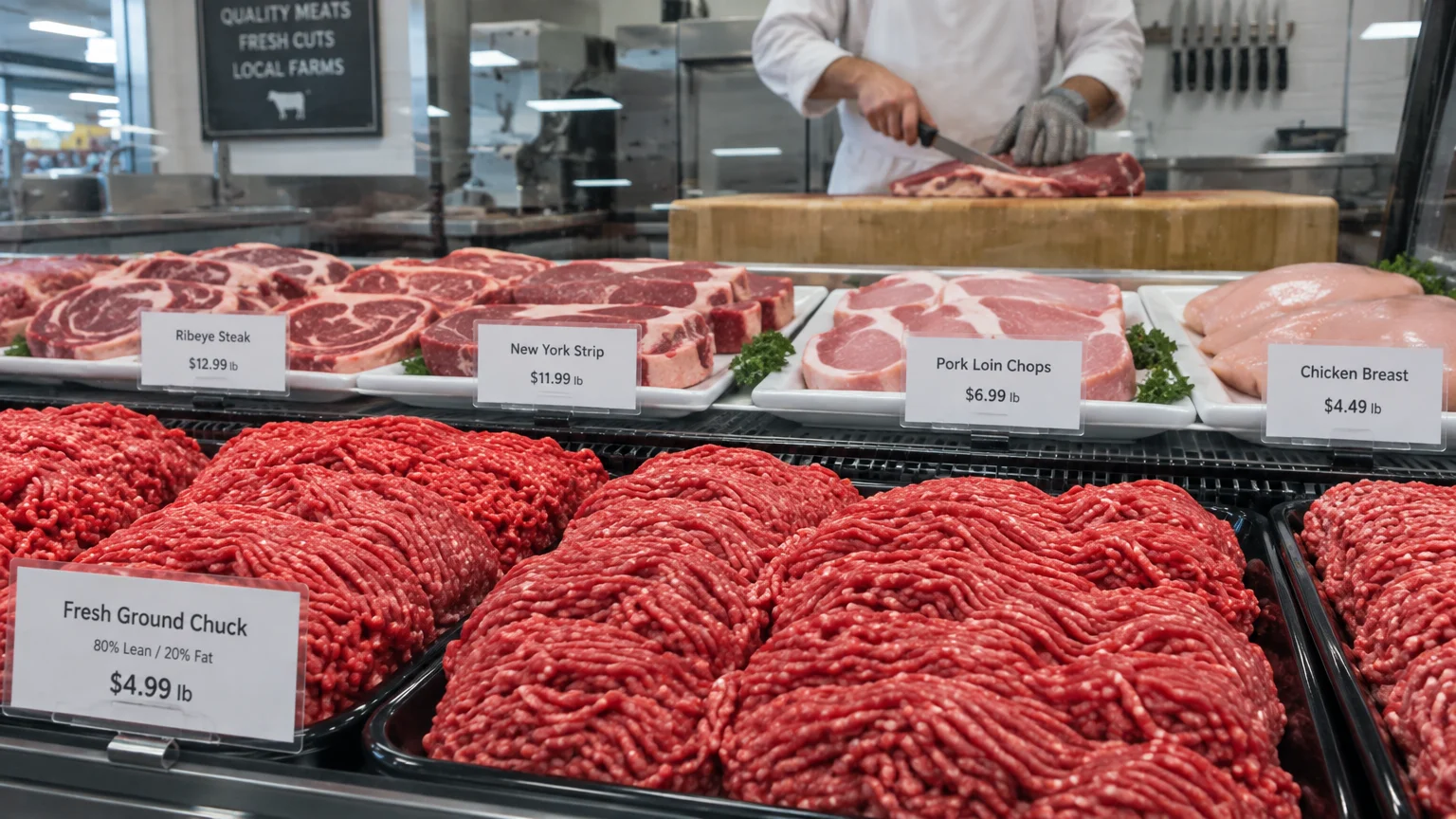
Tip #5: Butcher-Ground Beef and Fresh Trimmings
Meat department staff begin grinding whole beef trimmings as soon as their morning shift starts. These freshly ground batches feature a vibrant cherry-red hue and clean fat distribution.
Supermarket ground beef degrades faster than whole muscle cuts because grinding exposes massive surface area to oxygen. Morning packages carry the lowest bacterial counts and maximum culinary freshness.
By late afternoon, meat department cases often display older ground beef that has turned dull gray or brown. While oxidation is natural, it often signals an older grind nearing its expiration threshold.
Purchasing freshly ground beef early allows you to portion and freeze it with minimal cellular damage. Fresh beef retains its juices during high-heat searing far better than oxidized ground meat.
Ask the butcher behind the counter for a pound ground that very morning. Most meat cutters will happily wrap a portion straight from their morning grinding block.
Inspect the package date code and look for bright red oxymyoglobin on the surface. Avoiding oxidized evening grinds keeps your burgers juicy and saves your grocery dollars from spoilage.
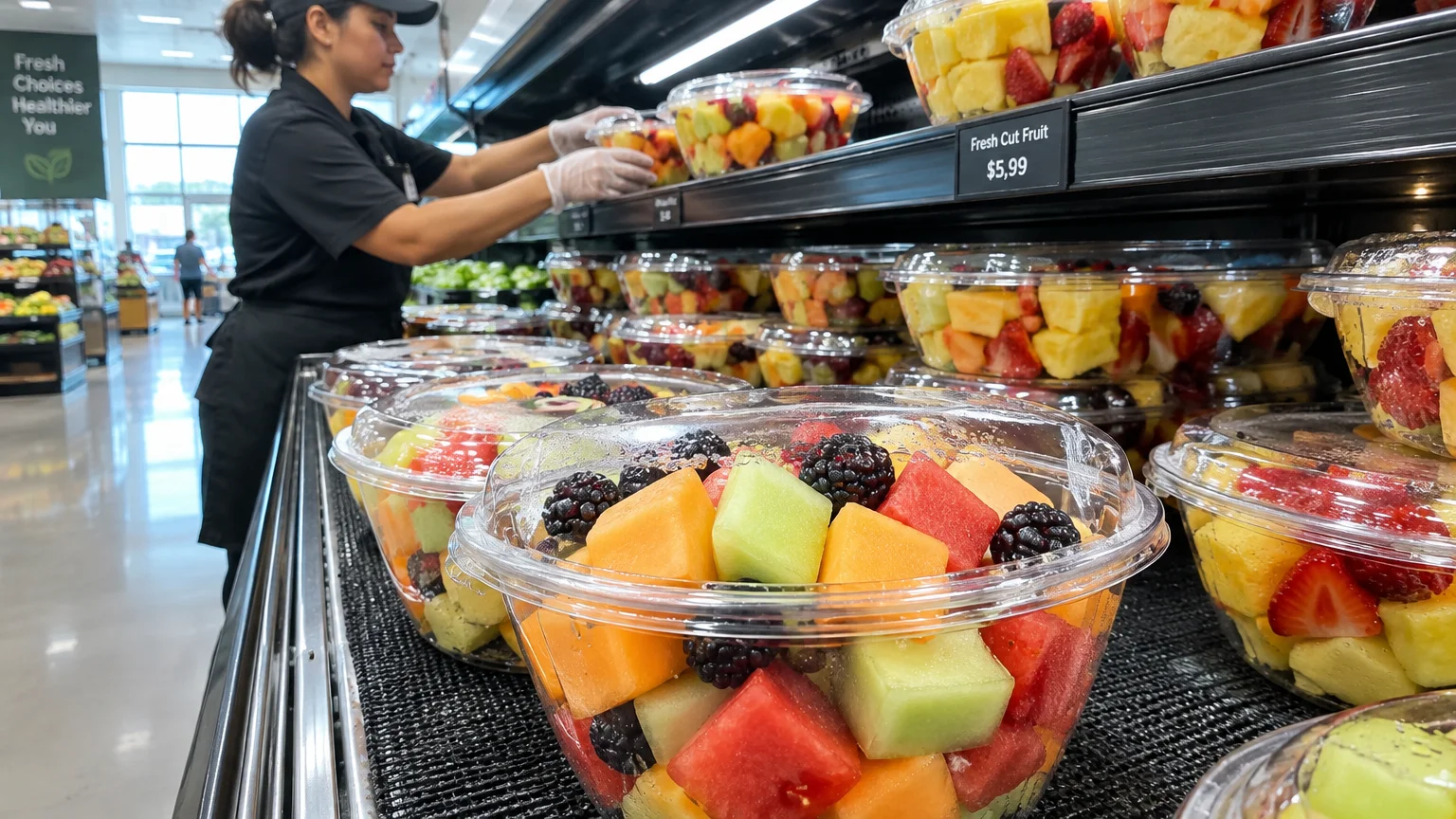
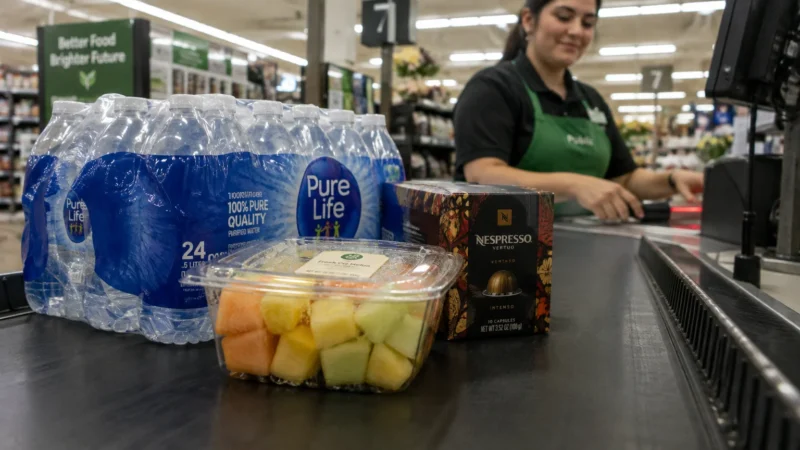
Tip #6: In-Store Cut Fruit Bowls and Melons
Morning prep crews slice whole pineapples, cantaloupes, and watermelons between 6:00 a.m. and 8:00 a.m. Slicing fruit fresh prevents natural sugars from fermenting inside plastic clamshell containers.
Pre-cut fruit bowls sitting in display chillers by 4:00 p.m. often sit in pools of leaked juice. That watery liquid indicates damaged cell walls, causing fruit chunks to turn mushy and bland.
Watermelon and cantaloupe chunks begin softening rapidly once prep cooks remove their protective rinds. Buying your fruit bowls in the morning guarantees crisp texture and bright, concentrated sweetness.
You pay a steep premium for pre-cut convenience, often three times the cost of whole fruit. Getting morning-cut containers ensures you actually receive the quality you are paying for.
Inspect the bottom of the container before dropping it into your shopping basket. Pass on any container showing more than a tablespoon of accumulated juice at the base.
Store your fresh fruit bowl in the coldest section of your home refrigerator immediately. Morning-sliced fruit will easily last four full days without turning sour or soggy.
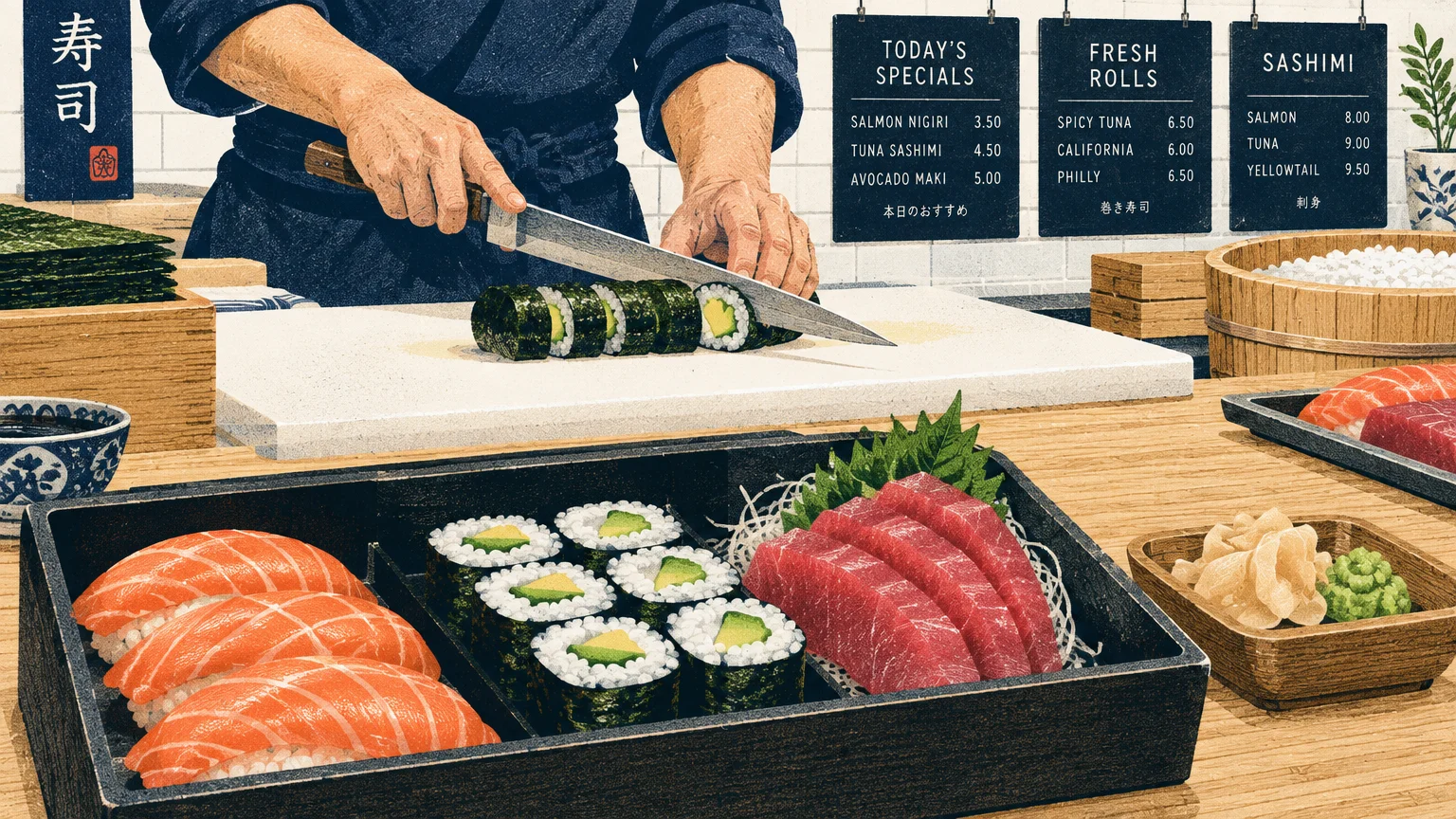
Tip #7: Grab-and-Go Sushi and Fresh Bento Trays
In-store sushi chefs prepare rolls, nigiri, and bento boxes during the early morning hours. Purchasing sushi around 10:30 a.m. gives you properly seasoned, tender rice and pristine fish slices.
Cold grocery store refrigerators dry out cooked sushi rice over the course of several hours. By dinner time, the starch retrogrades, turning the rice grains hard, chalky, and unpleasant to chew.
Seaweed nori sheets also absorb moisture from the surrounding air and damp rice fillings. Morning rolls boast snappy, crisp nori rather than the chewy, leathery texture found in evening trays.
Fresh avocado slices inside specialty rolls rapidly turn brown and slimy through atmospheric oxidation. Morning rolls feature bright green avocado and vibrant, glistening fish that look and taste freshly made.
Watch the sushi counter staff work to confirm they are actively packaging fresh rolls. Grabbing a box directly from the prep station provides a true restaurant-grade meal at grocery prices.
Avoid evening sushi trays marked down with yellow discount stickers. Stale rice and oxidized tuna rarely justify the meager savings when texture and safety are compromised.
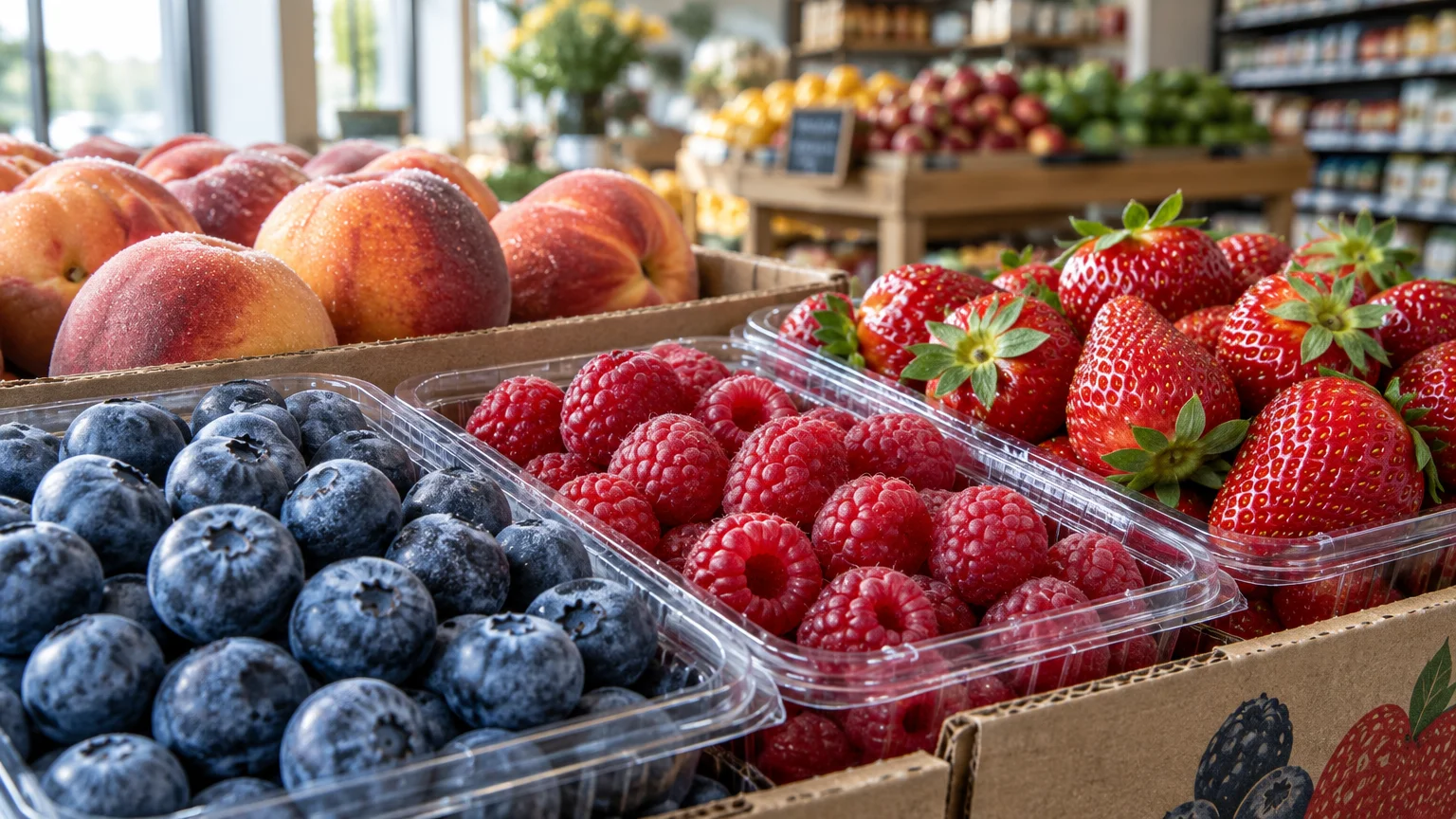
Tip #8: Berries and Tender Stone Fruits
Delicate raspberries, blackberries, and strawberries rank among the most fragile items in the store. Supermarkets unpack fresh berry pallets overnight, stocking display chillers with untouched inventory at opening.
Berries suffer severe damage from handling by crowds of afternoon shoppers. Early morning pickings ensure you get berries before anyone squeezes, shakes, or drops the cartons.
Warmer afternoon temperatures inside busy supermarkets accelerate mold spore growth within tightly packed clamshells. Finding pristine berries early prevents bringing hidden fuzzy mold colonies into your home kitchen.
Flip the plastic container upside down gently to inspect the bottom fruit and absorbent pad. If the berries move freely and the pad stays dry, you have found a pristine batch.
Stone fruits like peaches and plums also arrive on display shelves unbruised during morning hours. Grabbing unblemished fruit lets you ripen them evenly on your counter without premature rotting.
Wash your berries in a mild vinegar bath only right before you plan to consume them. Morning berries treated this way remain plump and sweet for over a week.
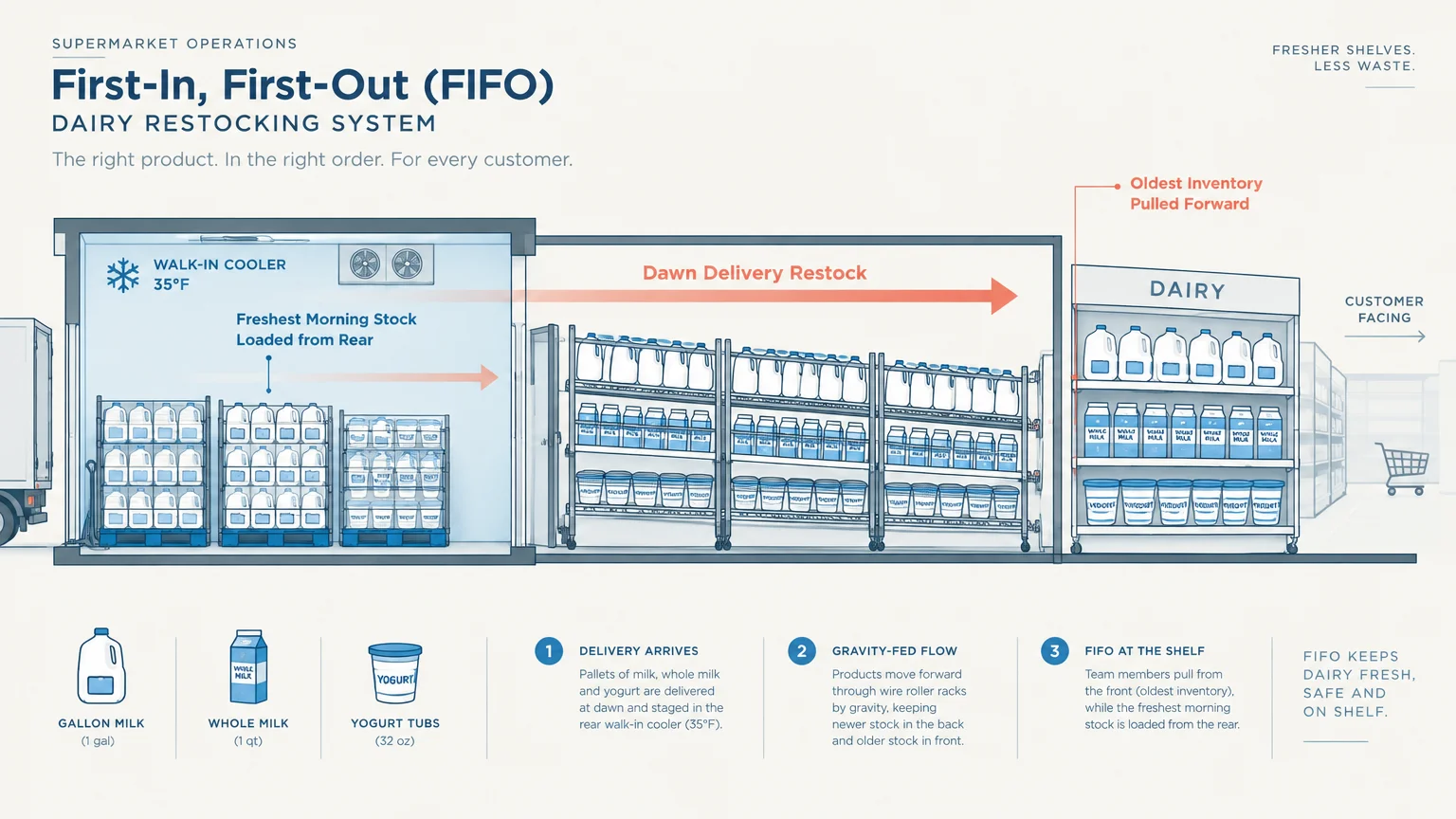
Tip #9: Milk Cartons and Fresh Dairy Jugs
Supermarkets receive major dairy shipments in the middle of the night or at dawn. Morning dairy stocking pushes fresh milk jugs with the furthest expiration dates to the shelves.
Afternoon restocking often forces workers to rotate older stock quickly under heavy shopper traffic. Morning shopping gives you time to reach back into walk-in coolers for the freshest cartons.
Milk cartons left in shopping carts or on unrefrigerated return carts during rush hours suffer temperature spikes. Grabbing dairy early ensures the cold chain remained unbroken from warehouse to display case.
Always check the sell-by date stamped near the carton shoulder or jug cap. You will frequently find morning dates extending five to seven days beyond the front-facing evening stock.
Unbroken temperature management preserves beneficial lactic bacteria while preventing early spoilage organisms from blooming. Keeping your milk cold from dawn shopping protects your morning coffee and breakfast cereal.
Grab dairy products last during your morning shopping run to minimize warming in your cart. That single habit ensures your milk stays fresh well past its printed expiration date.
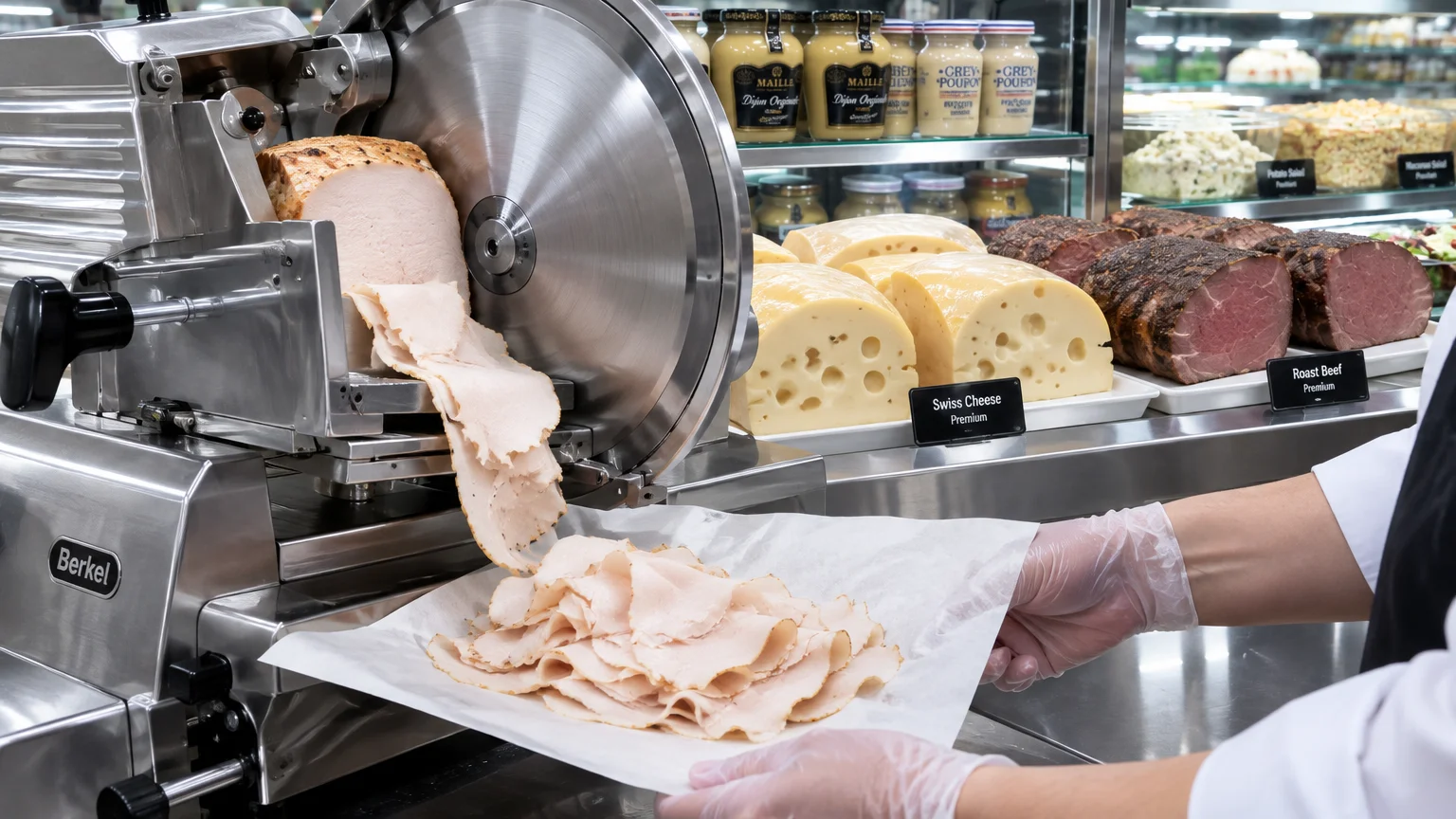
Tip #10: Freshly Sliced Deli Meats and Cheeses
Commercial deli counters thoroughly sanitize slicing blades and sanitation stations every night after closing. Ordering cold cuts early in the morning guarantees your food touches pristine, freshly sterilized equipment.
Morning deli clerks open brand-new chubs of roast beef, turkey, and ham for display cases. You receive slices from the moist center rather than dried, oxidized end cuts left from yesterday.
By late afternoon, deli slicers run continuously without deep cleaning, which can degrade meat flavors. Slicers also build up meat residue and cross-contact cheese oils during heavy afternoon rushes.
Early orders ensure your turkey does not carry traces of salami fat from previous slicing jobs. The cuts remain uniform, tender, and devoid of the crusty edges common in late-day orders.
Ask the clerk to slice a fresh sample slice so you can evaluate the thickness and moisture. Morning deli staff have more time to customize your order without rushing to clear long lines.
Store your freshly sliced deli meats in airtight glass containers immediately upon returning home. Morning-sliced cold cuts retain premium flavor and texture for up to seven days without drying out.
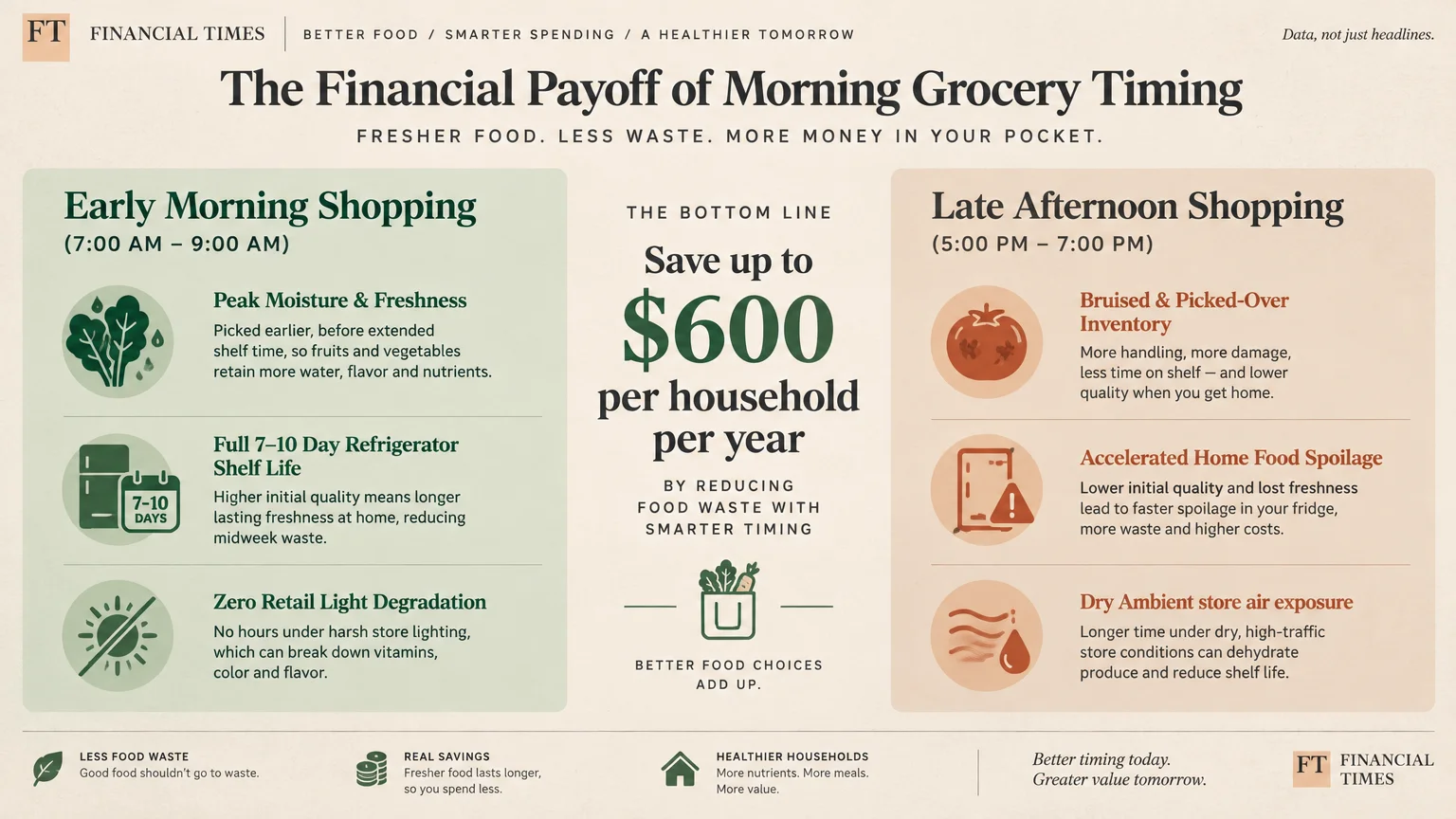
The Bottom Line: What This Means for Your Wallet
Timing your supermarket visits can slash your annual household food waste by hundreds of dollars. Buying grocery items fresher in the morning gives you maximum shelf life for every dollar spent.
Retailers use midday crowds and strategic lighting to move aging inventory before it expires. When you shop early, you gain the upper hand by selecting food before it suffers heat, handling, and oxidation.
You work hard for your grocery budget, and spoiled produce or sour milk wastes hard-earned cash. Adopting a morning routine transforms your pantry shelf life and elevates your everyday cooking quality.
Plan your shopping trip around delivery schedules and morning baking times to capture top value. Smart timing turns routine grocery runs into an effortless way to stretch your household food dollars.
Frequently Asked Questions
What is the single best day of the week to shop in the morning?
Wednesday mornings typically offer the best combination of freshly stocked shelves and new weekly sales. Most grocery stores launch their new discount circulars on Wednesday while clearing out leftover warehouse shipments.
Shopping on Wednesday morning also allows you to beat the heavy crowds that arrive on Friday and Saturday. You enjoy full access to fresh items without competing for parking or waiting in long checkout lines.
Do supermarkets restock shelves throughout the entire day?
Supermarkets restock dry non-perishable goods throughout the day as shelf space opens up. However, highly perishable departments like bakery, seafood, and butcher meats complete their primary production during early morning shifts.
If you wait until evening, you will often find picked-over displays and older perishables rotated to the front. Perishable restocking after midday usually just means front-facing older products to sell them before expiration.
Are morning markdowns worth buying if you want fresh food?
Morning yellow-sticker markdowns offer incredible savings if you plan to cook or freeze the food immediately. Butchers and bakers apply clearance stickers around 7:00 a.m. to items approaching their sell-by date.
Never buy marked-down fish or fragile berries that show visible breakdown or odor. For beef cuts and bakery bread, however, morning clearance finds can cut your grocery bill in half.
How can I verify when my local grocery store restocks?
You can simply ask your department managers about their direct delivery schedules during your morning visit. Most meat and produce managers will gladly share the specific days their regional delivery trucks arrive.
Knowing whether your store gets major deliveries on Tuesday or Thursday lets you optimize your morning visits. Aligning your schedule with delivery trucks guarantees you take home produce hours after it leaves distribution centers.
For consumer protection information, visit the Federal Trade Commission (FTC) and the Consumer Financial Protection Bureau (CFPB). For product safety and reviews, consult Consumer Reports.
Disclaimer: This article is for informational purposes only and does not constitute financial advice. The content reflects the author’s opinion and research at the time of writing. Always do your own research before making financial decisions.






Leave a Reply