

You can save hundreds of dollars each year by saying no at checkout. Retailers push protection plans aggressively because extended warranties not worth it for shoppers line corporate pockets instead.
Cashiers frame these add-ons as smart safety nets for your household budget. In reality, stores generate massive windfalls while leaving you with redundant coverage you will likely never use.
Learning when to skip extended warranty offers gives you immediate control over your hard-earned money. The following guide exposes the retail tricks behind these contracts and highlights ten items you should never insure.
Tip #1: Small Kitchen Appliances
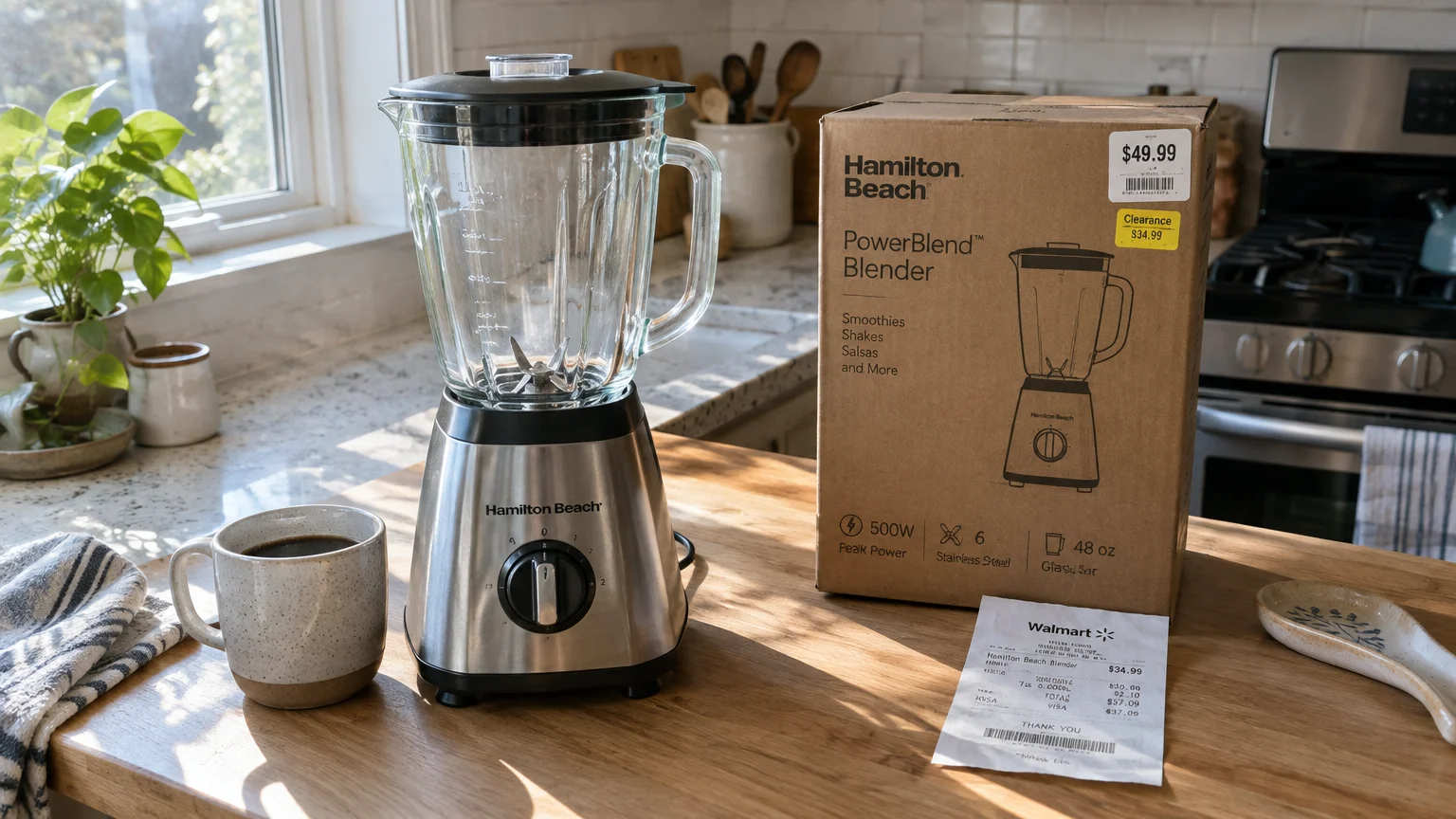
Retailers love selling protection plans on toasters, blenders, and coffee makers priced under $100. These add-on service contracts typically cost between $10 and $30 at the cash register.
Paying $20 to protect a $50 blender represents 40 percent of the machine’s entire replacement value. Actuarial math never justifies paying such a steep premium for cheap, easily replaceable kitchenware.
Most small appliances function reliably for years without experiencing mechanical trouble. When defects occur, they almost always surface within the manufacturer’s standard one-year warranty period.
If your budget coffee maker breaks down after three years, replacement models will likely cost less anyway. Save your cash upfront and replace the item outright if a breakdown happens.
Rely on the store return window for early defects instead of purchasing extra coverage. Skipping warranties on small appliances keeps meaningful dollars in your checking account over time.
Store registers encourage impulse insurance buys on inexpensive gear. You protect your wallet by ignoring these checkout prompts every single time.
Tip #2: Flat-Screen Televisions
Big-box electronics stores make razor-thin margins of four to eight percent on television hardware. To make real money, sales associates pressure you into buying high-margin warranty contracts.
These retail warranty plans boast gross profit margins between 40 percent and 70 percent for the merchant. You pay hundreds of dollars for coverage that primarily enriches the store.
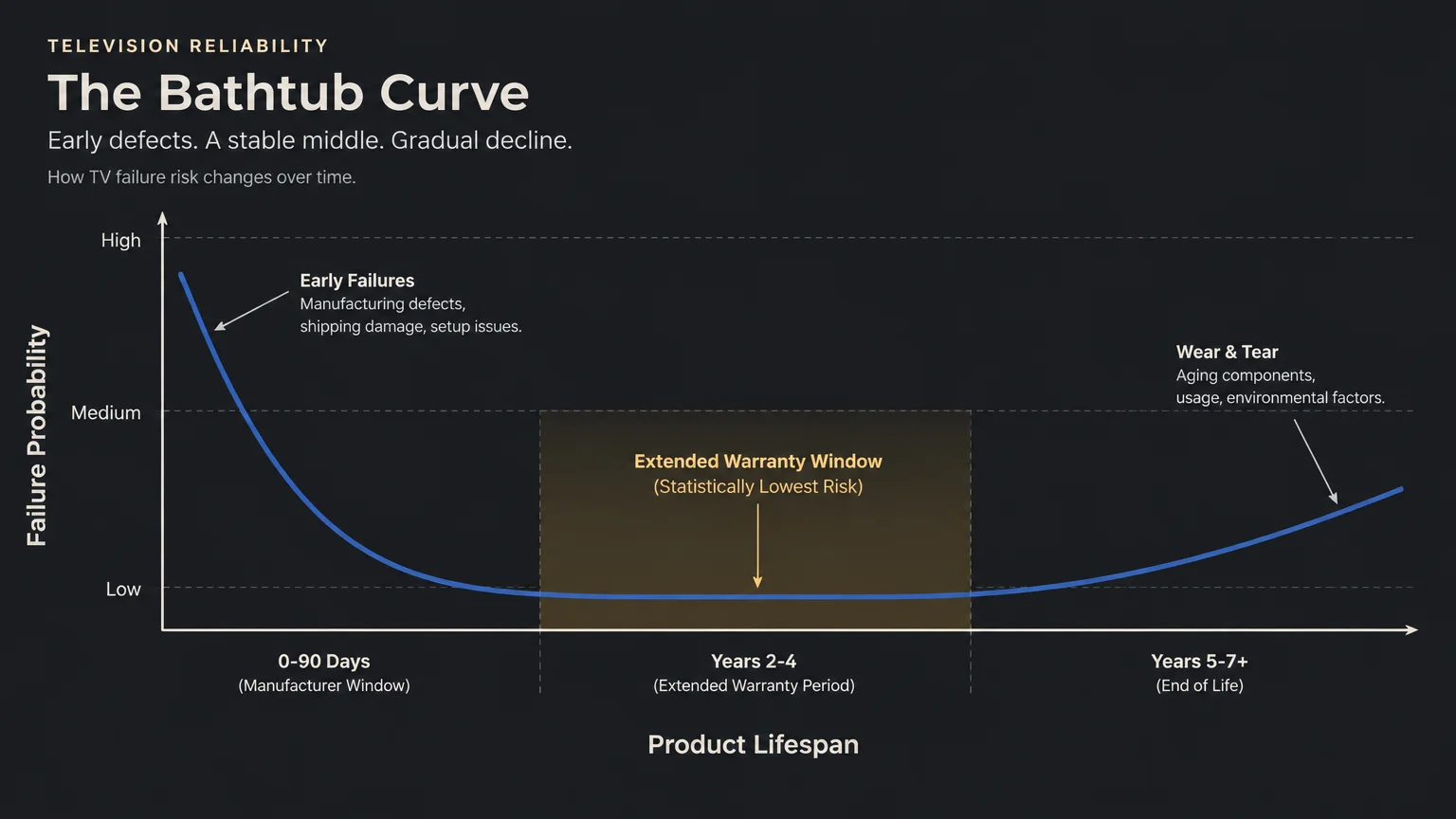
Modern LED and OLED televisions follow an engineering failure pattern known as the bathtub curve. Hardware defects generally reveal themselves during the first 30 to 90 days of heavy viewing.
Your complimentary manufacturer warranty covers those initial failure windows completely. Once a television survives its first year, it rarely fails before reaching five to seven years of age.
Extended warranty windows cover years two through four, precisely when your screen is statistically least likely to break. Do not buy expensive insurance for a period of peak hardware reliability.
Apply our top electronics warranty tips by checking your credit card benefits before buying a display. Smart shoppers let complimentary payment protections shoulder the risk.
Tip #3: Smartphones and Mobile Devices
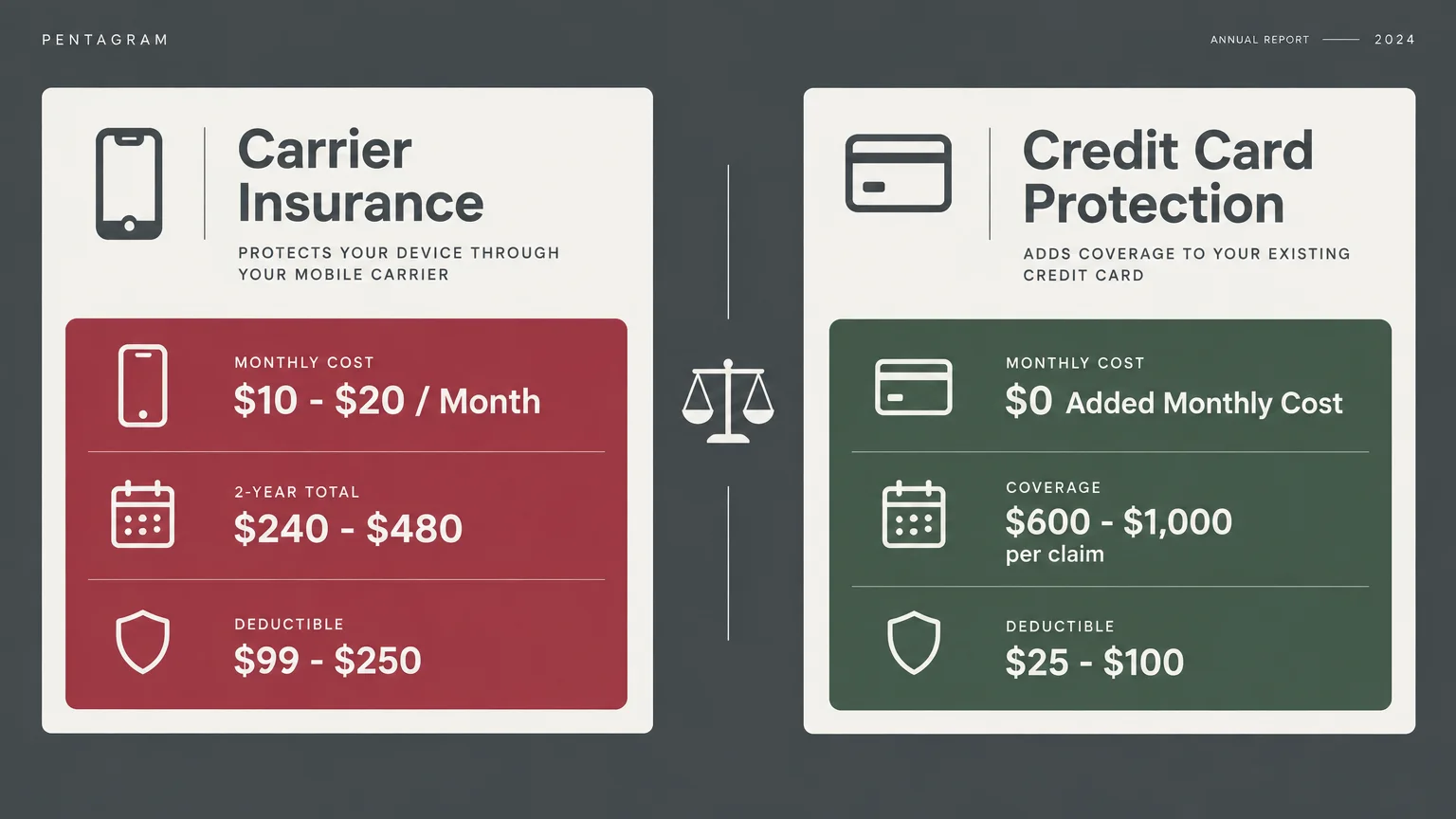
Wireless carriers and retail stores charge $10 to $20 every month for phone protection plans. Over a typical two-year ownership cycle, you spend $240 to $480 in recurring premiums alone.
When an accident happens, these plans hit you with surprise deductibles between $99 and $250. You end up paying nearly the cost of a refurbished phone just to complete a claim.
You can replace these overpriced retail plans entirely by leveraging your existing credit cards. Many premium cards provide complimentary cell phone protection simply for paying your monthly wireless bill with the card.
These card benefits typically offer $600 to $1,000 in theft and damage reimbursement per claim. Furthermore, credit card deductibles run between just $25 and $100, saving you significant cash.
Ditching carrier insurance creates immediate monthly savings with zero loss in practical peace of mind. The staggering price difference exposes retail extended warranty scams in the mobile phone industry.
Keep a sturdy case on your device and let your credit card issuer cover catastrophic drops. You will bank hundreds of dollars over the lifetime of your phone.

Tip #4: Laptops and Budget Computers
Computer sales staff frequently warn customers about expensive motherboard repairs and cracked displays. Yet buying extended warranties for budget laptops remains a losing financial proposition.
Laptops depreciate rapidly as computing power expands and component manufacturing costs decline. Spending $150 to protect a $400 laptop makes no economic sense after twenty-four months of use.
Major credit card networks like Visa Signature, Mastercard World Elite, and American Express provide built-in warranty extensions. They match manufacturer warranties lasting three years or less by adding one additional year of coverage.
These complimentary credit card perks cover up to $10,000 per claim without costing you an extra dime. Store warranties merely duplicate protection you already possess through your standard payment methods.
Put your computer purchase on an eligible rewards card and decline the retail plan. If your machine fails years down the road, upgrade to newer technology with the money you saved.
Computers suffer far more from software bloat than sudden mechanical failure. Regular operating system cleanups protect your machine better than any extended service contract.

Tip #5: Major Home Appliances
Washing machines, dryers, and refrigerators represent major household investments that tempt buyers into purchasing extra coverage. However, comprehensive data from Consumer Reports proves that over 50 percent of buyers never use these plans.
When major appliances break, the median cost of out-of-pocket repairs is often roughly equivalent to the upfront warranty cost. You pre-pay for repairs that may never materialize during the contract window.
Most major appliances feature multi-tiered factory coverage that protects critical parts for five to ten years. Manufacturers cover compressor motors and wash drums long after store-level contracts expire.
Service plans also include frustrating exclusions for cosmetic damage, environmental corrosion, and improper installation. You often face endless bureaucratic arguments when trying to schedule an authorized technician.
Clean refrigerator coils annually and inspect washer hoses to prevent the vast majority of appliance failures. Practicing routine maintenance protects your machines far better than an overpriced piece of retail paper.
When asking are extended warranties worth buying for appliances, the math consistently says no. Set aside a personal appliance repair fund instead of buying store service plans.
Tip #6: Video Game Consoles
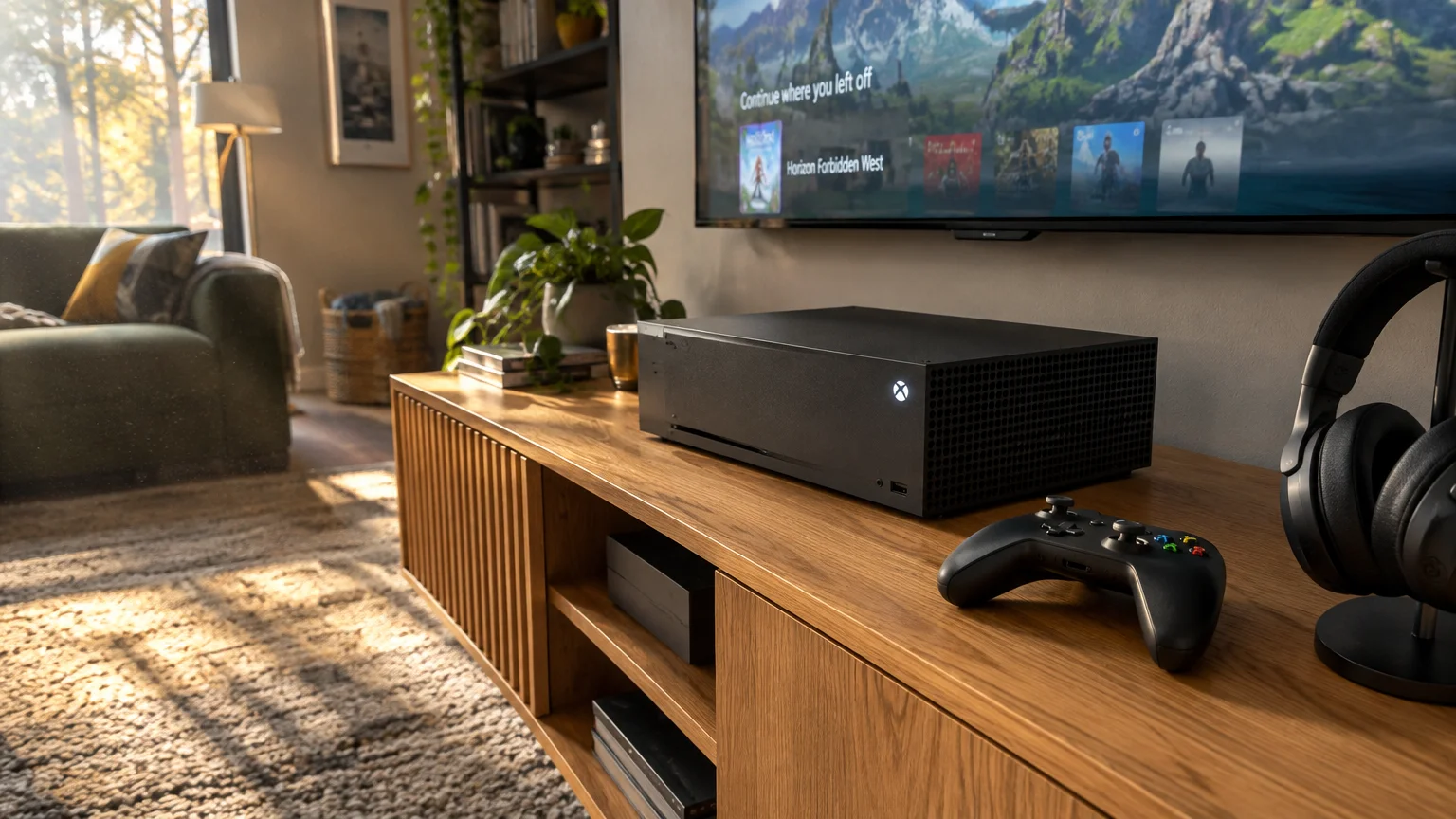
Modern gaming consoles from Sony, Microsoft, and Nintendo arrive on shelves with comprehensive one-year factory warranties. Hardware flaws like cooling defects or bad disc drives typically show up within weeks of purchase.
Retailers push store contracts that add two years of coverage for $60 to $80. That fee represents nearly 15 to 20 percent of the console’s entire retail value.
Federal regulations under the Magnuson-Moss Warranty Act protect your right to repair your own gaming console. Retailers and manufacturers cannot void your warranty simply because you opened the casing or used third-party parts.
The Federal Trade Commission has repeatedly warned tech companies against deceptive “warranty void if removed” stickers. You possess strong legal rights under federal law without buying supplementary retail protection.
Keep your console well-ventilated, clear dust vents every few months, and skip the register add-on. Console hardware remains exceptionally durable once past the initial setup phase.
Most console repairs involve simple fan cleanings or HDMI port replacements that local shops fix cheaply. Paying eighty dollars upfront for retail coverage rarely makes financial sense.
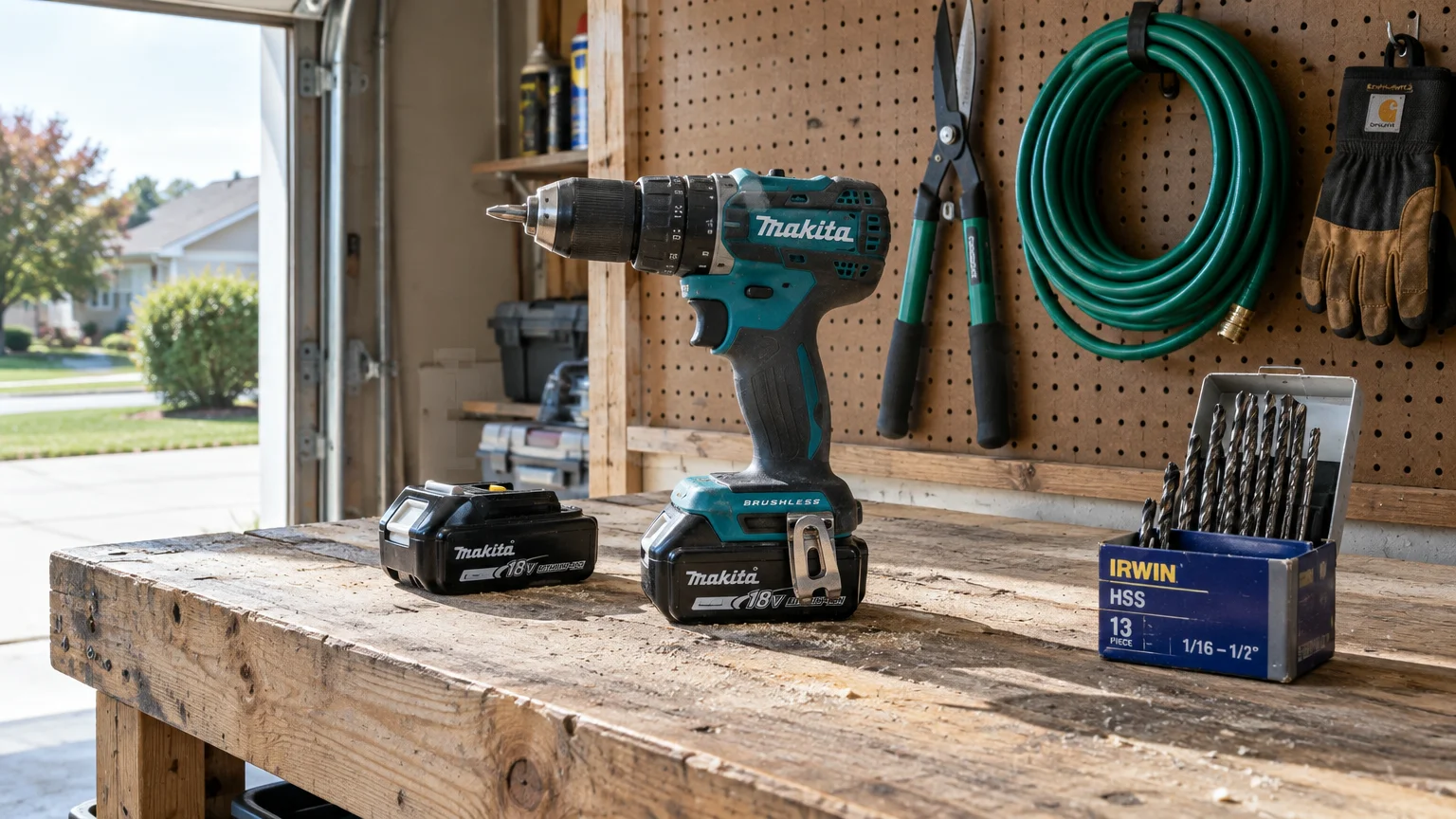
Tip #7: Power Tools and Lawn Equipment
Home improvement centers push extended service plans on lawnmowers, string trimmers, and cordless drills. Cashiers emphasize repair costs, yet reputable tool brands already include generous manufacturer warranties.
Industry leaders like DeWalt, Milwaukee, and Ryobi offer standard factory coverage lasting three to five years. Buying a retail warranty simply duplicates protections already provided by the original manufacturer.
Store-level service contracts regularly exclude the components most susceptible to damage. They deny claims involving dull saw blades, worn carbon brushes, or stale fuel gumming up carburetors.
You pay an upfront premium for a contract that refuses to cover standard wear and tear. When your tool requires routine servicing, the warranty company leaves you holding the bill anyway.
Invest in professional-grade tools and follow basic maintenance schedules instead of purchasing useless service contracts. Draining your lawnmower fuel before winter saves far more money than buying retail insurance.
Proper storage in a dry shed keeps tool motors free from rust and moisture damage. Your personal care prevents far more mechanical breakdowns than store contracts ever resolve.
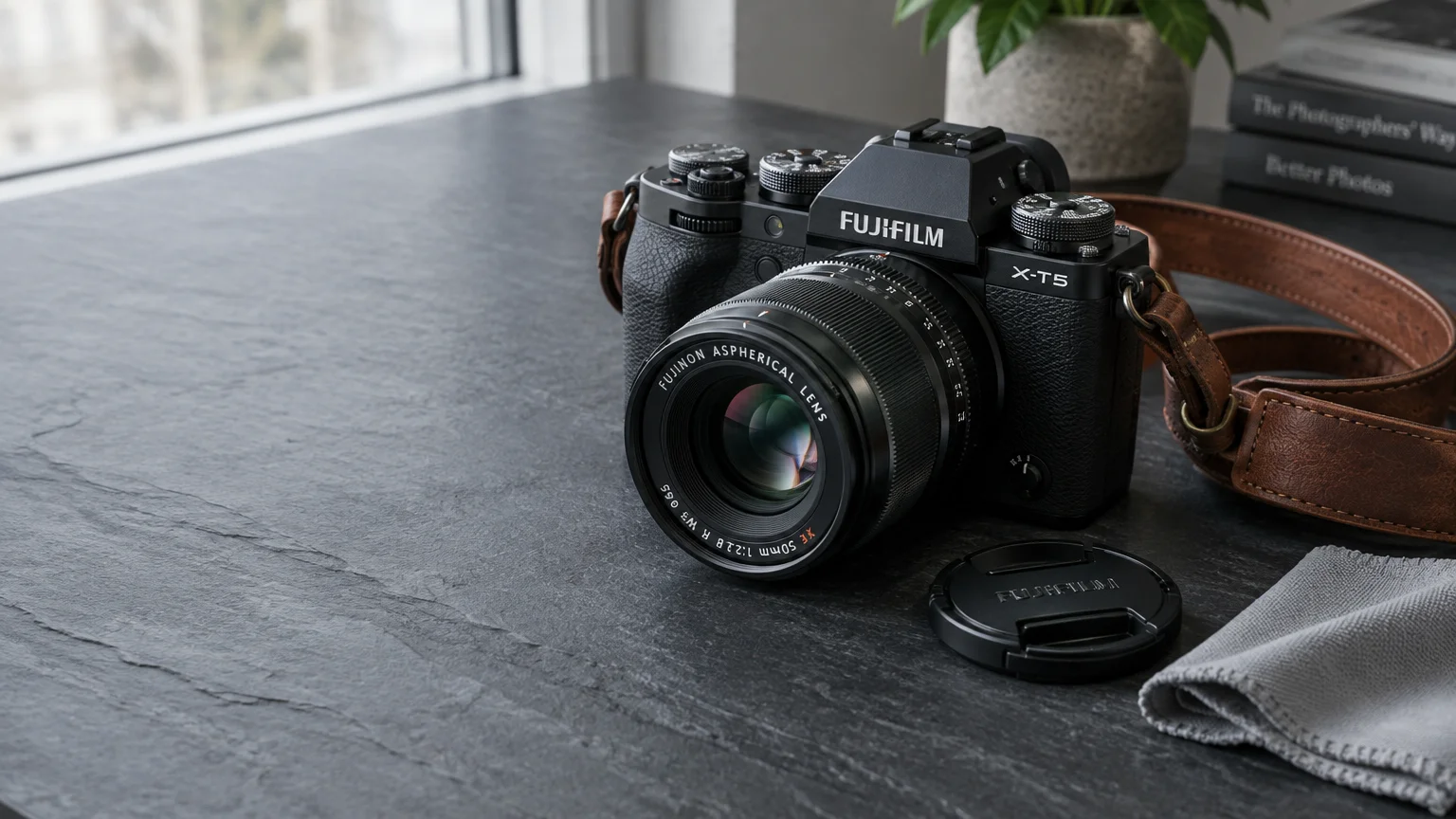
Tip #8: Digital Cameras and Lenses
Camera sales counters routinely pitch extended warranties to guard against sensor malfunctions and electronic glitches. However, dedicated photography gear features exceptional build quality and rigorous quality control.
Modern camera sensors and prime lenses contain no consumer-serviceable parts and rarely fail on their own. Manufacturing flaws emerge quickly and fall squarely under the brand’s standard warranty.
Standard extended warranties specifically exclude accidental drops, water submersion, and sand intrusion. The real hazards facing outdoor photographers receive zero coverage from standard retail contracts.
If you need true protection against drops and theft, schedule your gear on your renters or homeowners insurance. A dedicated insurance rider costs pennies a day and provides worldwide coverage with zero deductible.
Skip the store’s restrictive contract and protect your photography investment through legitimate insurance channels instead. You get vastly superior coverage while paying a fraction of retail warranty prices.
Camera lens filters and padded bags provide physical protection that prevents catastrophic damage from occurring. Smart handling habits safeguard your gear without adding ongoing service fees.
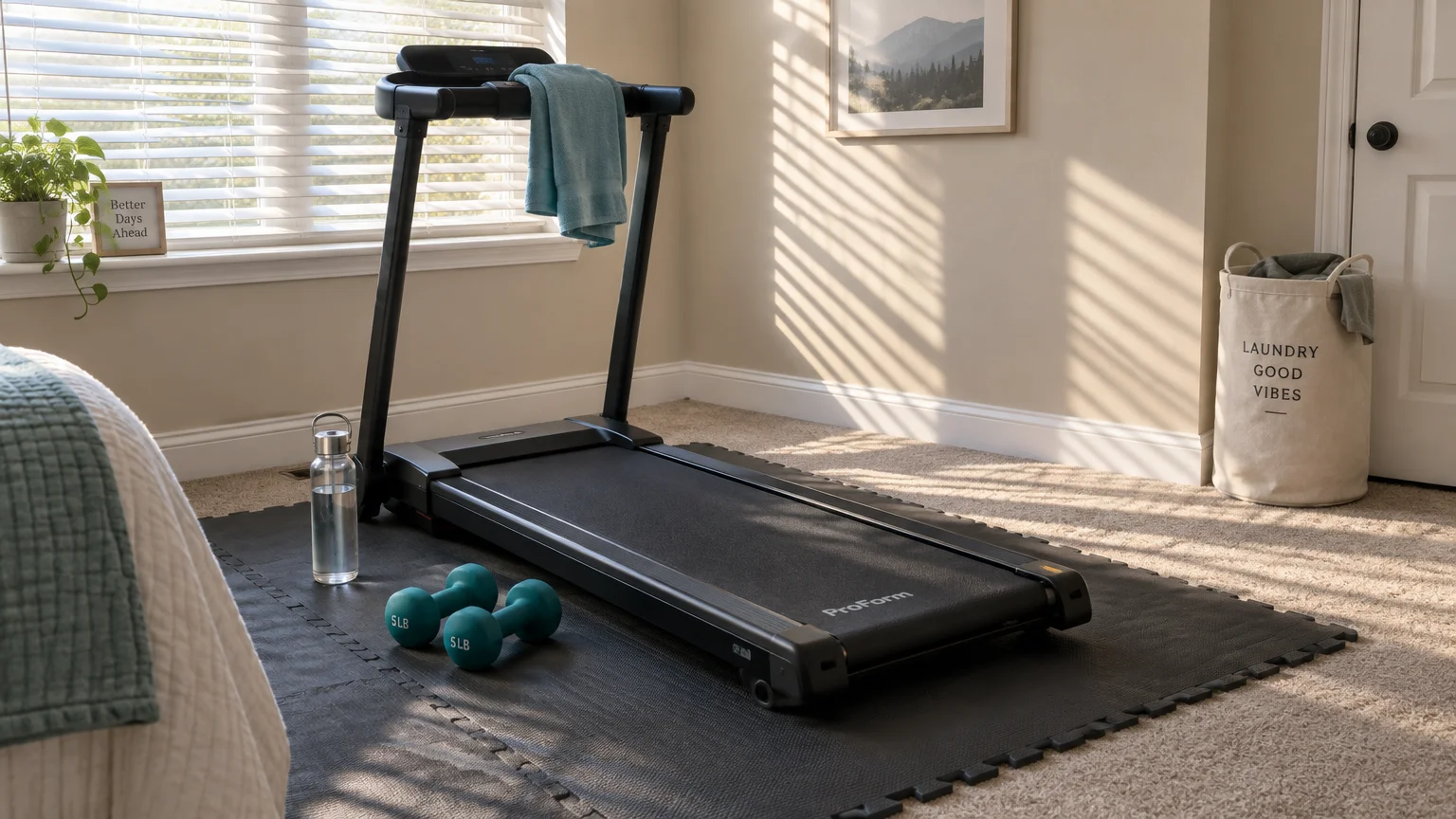
Tip #9: Fitness Equipment and Home Gyms
Treadmills, rowing machines, and stationary bikes carry high price tags that make buyers anxious about breakdowns. Retailers exploit this anxiety by selling expensive protection plans that cost hundreds of dollars.
Fitness equipment manufacturers already back their frames and motors with substantial warranties lasting five to ten years. In many instances, top brands offer lifetime guarantees on core structural components.
Retail plans primarily cover wear items like drive belts, tension knobs, and foam handle grips. These small replacement parts cost twenty dollars online and take ten minutes to install yourself.
Studies consistently reveal that home exercise equipment suffers far more from disuse than mechanical exhaustion. Paying for a three-year service plan on a treadmill you might rarely use wastes valuable capital.
Lubricate your treadmill deck twice a year and tighten loose bolts to keep equipment running smoothly. Self-maintenance eliminates the need for expensive technician dispatch contracts.
Spending hundreds on service contracts before establishing a daily workout habit wastes valuable cash. Focus on your fitness routine first and let factory warranties handle early problems.

Tip #10: Mattresses and Living Room Furniture
Furniture showrooms generate immense profits by selling fabric protection plans and mattress warranty extensions. These add-ons cost upwards of $150 and promise stress-free stain removal and repairs.
In practice, third-party warranty administrators reject claims using notoriously strict reporting rules. If you fail to report a stain within 24 to 48 hours, they void your entire coverage claim.
Mattresses already include mandatory 10-year manufacturer warranties covering structural defects like sagging coils and frame failure. Retail warranties merely sell you an overpriced cleaning kit with empty promises.
A $25 waterproof mattress protector provides far superior defense against stains and fluid damage than any service plan. Applying standard fabric protectant spray shields your living room couch for five dollars.
Avoid the high-pressure sales pitches in furniture showrooms by recognizing these plans for what they are: pure profit generators. Basic protective covers safeguard your home furnishings far better than fine-print contracts.
Furniture salespeople push these plans aggressively because retail commissions on service contracts run exceptionally high. Keep your money and address household spills with standard stain removers.

The Bottom Line: What This Means for Your Wallet
Extended warranties exist primarily to pad retail profit margins rather than protect consumer bank accounts. When you understand the math behind failure rates, saying no at the register becomes an easy decision.
Consumer goods follow the bathtub curve, meaning products either break immediately or last for years. Standard manufacturer warranties handle infant mortality issues, while retail plans cover the quiet period in between.
Take advantage of automatic benefits provided by your credit card provider instead of buying redundant retail policies. Eligible cards offer free warranty extensions and cell phone protection with minimal effort on your part.
Establish a dedicated household emergency fund with the cash you save by skipping extended service contracts. Self-insuring puts you in complete control of your finances and keeps corporate profit grabs out of your pocket.
Retailers rely on customer fear to sell high-margin coverage that rarely pays out. Make informed purchasing decisions and keep your cash working for your personal financial goals.
Frequently Asked Questions
Are extended warranties ever worth buying for any product?
Extended warranties are rarely worth the expense for typical consumer products. They only make sense if you purchase an unusually fragile item you cannot afford to replace, or if the policy guarantees accidental damage protection with zero deductible.
In almost every other consumer scenario, setting aside cash in a dedicated savings account provides far better financial protection.
How do credit card extended warranties work?
Eligible credit cards automatically extend the original manufacturer warranty by an additional 12 to 24 months. You must purchase the entire item using the qualifying card to activate coverage.
If the product breaks during the extended window, you submit the original store receipt, manufacturer warranty, and repair estimate to your credit card company for direct reimbursement.
What should you do if a cashier pressures you into buying a warranty?
Politely but firmly decline the offer with a simple statement that you self-insure your purchases. Cashiers often face corporate sales quotas for protection plans, but you owe them no explanation.
Remember that the store earns up to 70 percent profit on the contract, which explains their aggressive sales tactics.
What legal rights protect consumers against unfair warranty practices?
The federal Magnuson-Moss Warranty Act prevents companies from imposing deceptive warranty restrictions or tying coverage to specific repair shops. Retailers cannot void your factory warranty simply because you used independent parts or services.
Regulatory agencies actively penalize companies that deceive consumers regarding their legal warranty entitlements.
For consumer protection information, visit the Federal Trade Commission (FTC) and the Consumer Financial Protection Bureau (CFPB). For product safety and reviews, consult Consumer Reports.
Disclaimer: This article is for informational purposes only and does not constitute financial advice. The content reflects the author’s opinion and research at the time of writing. Always do your own research before making financial decisions.









Leave a Reply