Buying brand-new items drains your bank account while corporate marketing convinces you that shiny packaging equals quality. You can instantly reclaim thousands of dollars every year by shifting your shopping habits toward the secondary marketplace.
When analyzing secondhand vs new pricing dynamics, the savings become glaringly obvious. Most manufactured goods lose the bulk of their retail value within weeks of purchase, even when their underlying function remains completely intact.
Smart shoppers exploit these artificial retail markups by letting someone else swallow the initial depreciation hit. Here are thirteen everyday items you should never purchase at full retail price again.
Tip #1: Late-Model Vehicles
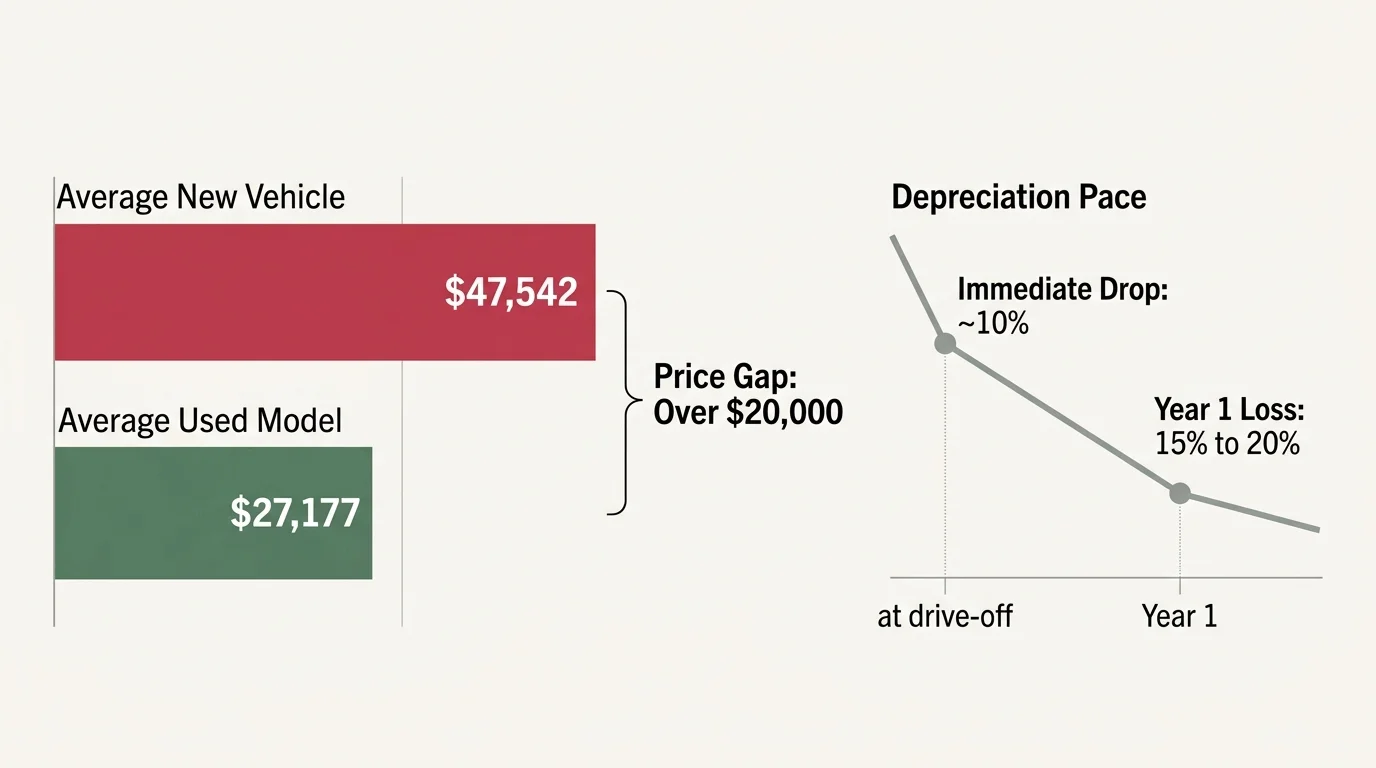
In Q3 2024, the price gap between new and used vehicles crossed $20,000 for the first time on record. The average new vehicle reached $47,542, while used models averaged just $27,177.
A brand-new car loses roughly 10% of its value the moment you drive it off the lot. By the end of year one, it surrenders 15% to 20% of its initial worth.
When you buy a three-year-old vehicle, the original owner absorbed that brutal financial loss for you. You secure modern safety features and dependable mechanics at a massive discount.
Curating your garage this way demonstrates why late-model cars rank among the best used items to buy. Insist on an independent pre-purchase inspection before signing paperwork to safeguard your budget against hidden mechanical repairs.
Tip #2: Solid Wood Furniture
Retail showrooms mark up particle-board furniture to outrageous prices, yet these flimsy pieces disintegrate during your next apartment move. Consumer furniture typically depreciates by 50% to 70% the moment it enters a home.
That massive drop creates an incredible opportunity for savvy decorators and thrifty homeowners. You can easily find heirloom-quality oak, maple, and cherry dressers on local marketplaces for less than flat-pack alternatives.
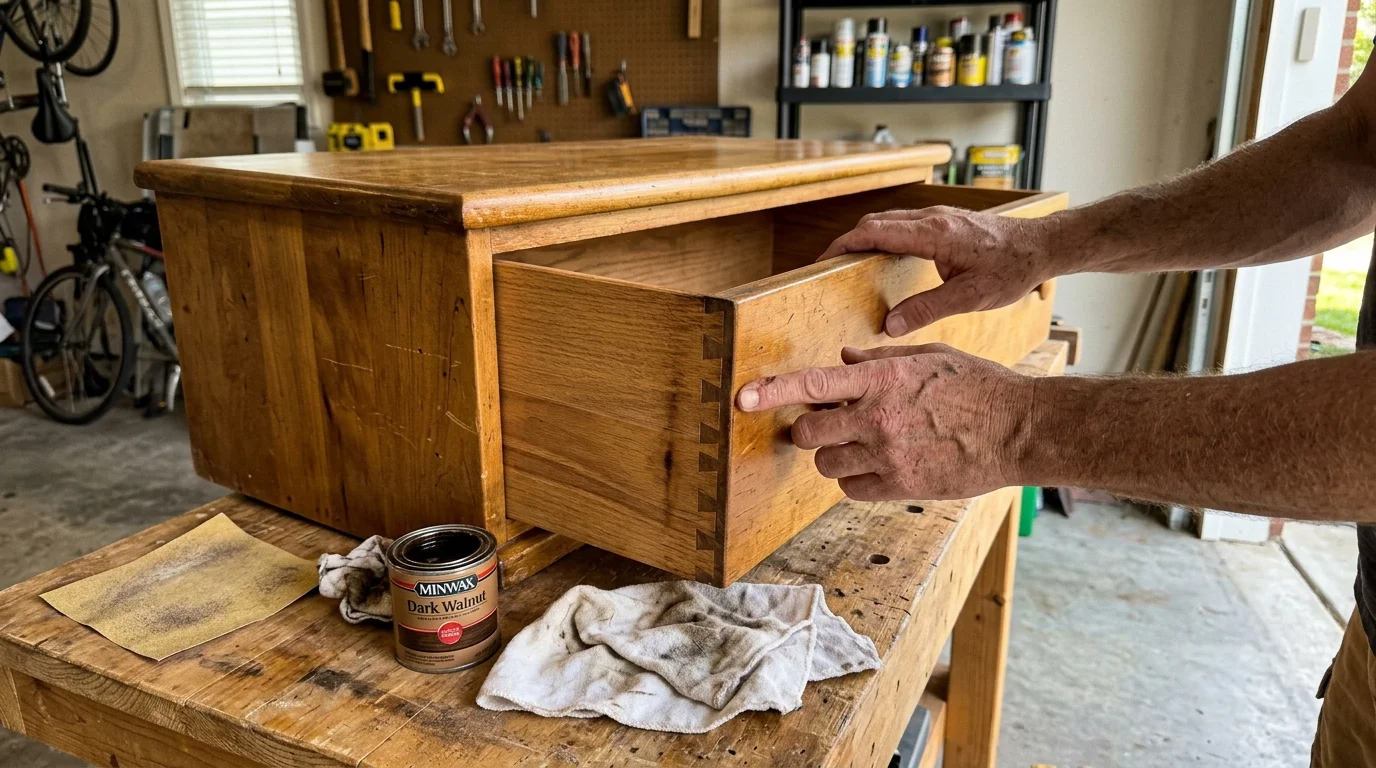
Inspect joint construction before buying, looking specifically for durable dovetail corners rather than staples or glue. Minor surface scratches on solid wood vanish quickly with minimal sanding and a fresh coat of stain.
Real timber lasts several lifetimes when properly maintained; compressed sawdust rarely survives a single decade. Choosing secondhand wood furnishes your space with authentic craftsmanship while protecting your wallet.
Tip #3: Cast-Iron Free Weights and Gym Gear
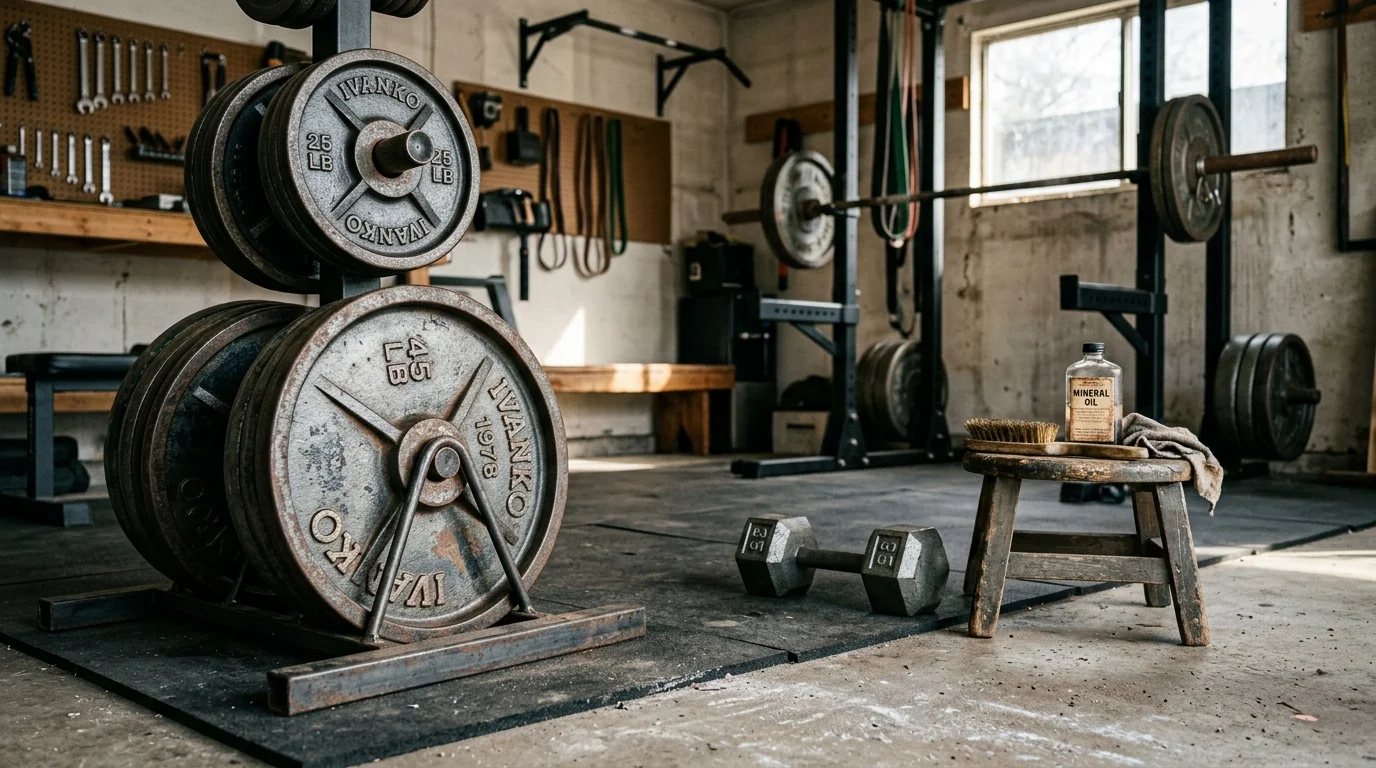
New cast-iron plates and dumbbells cost between $1.50 and $2.50 per pound at traditional sporting goods retailers. Building a modest home gym at those rates will quickly drain thousands of dollars from your savings.
Iron does not degrade or lose its mass simply because someone else lifted it inside their garage. Secondhand weights reliably trade on local marketplaces for $0.50 to $1.00 per pound.
That price difference delivers an immediate 50% to 70% savings on identical equipment. Even if an older barbell displays surface rust, a quick wire brushing and protective oil restore it completely.
Skip expensive fitness boutiques and browse neighborhood yard sales or classified listings instead. A forty-pound dumbbell challenges your muscles exactly the same way regardless of its cosmetic shine.

Tip #4: College Textbooks
The College Board estimates full-time undergraduate students spend roughly $1,200 to $1,400 annually on books and basic supplies. University bookstores prey on captive student audiences by charging full list prices for shrink-wrapped editions.
Buying used textbooks slashes those expenses by 40% to 60% immediately. Publishers release minor revisions every few years simply to kill the secondary market, yet core instructional content rarely changes.
Cross-reference the required International Standard Book Number (ISBN) before completing your transaction to guarantee you buy the right edition. Peer-to-peer student exchanges and dedicated online book portals consistently beat campus store pricing.
Once your semester concludes, resell those same books to incoming students to recover your upfront capital. Treating textbooks as temporary assets prevents your education budget from spiraling out of control.
Tip #5: Certified Refurbished Electronics
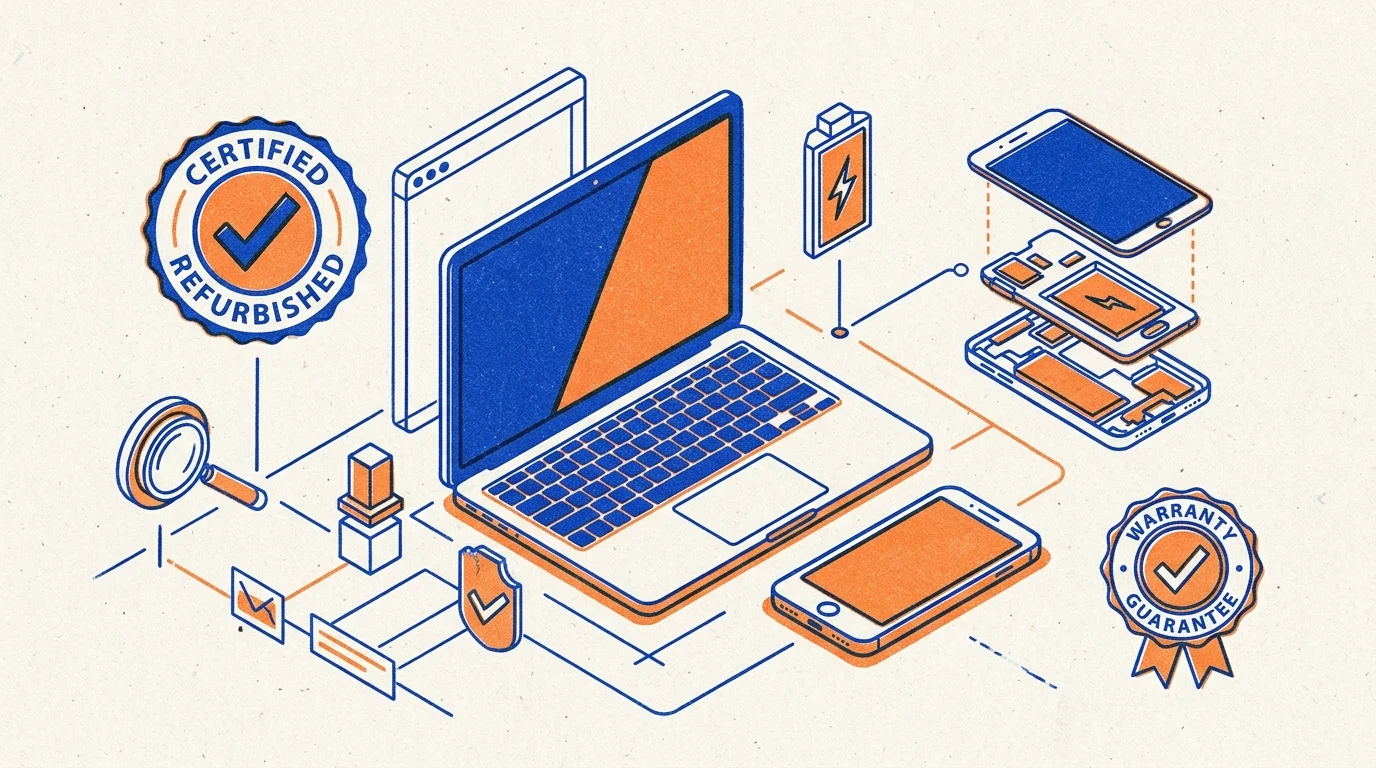
Buying factory-refurbished tech represents one of the most reliable money-saving used purchases available today. Leading manufacturers like Apple offer certified refurbished devices that look and function like brand-new hardware.
These certified units arrive with genuine discounts ranging from 15% to 25% off original retail prices. Unlike random private sellers, major brands replace worn exterior shells and install fresh batteries on portable electronics.
Every legitimate factory-refurbished purchase includes a full one-year warranty matching the coverage of brand-new units. You receive identical customer support and repair guarantees without paying the steep introductory premium.
Stick strictly to official manufacturer outlets or authorized retailers rather than unverified third-party liquidators. This discipline ensures you receive thoroughly tested hardware while securing substantial cash savings.
Tip #6: Hand Tools and Lawn Equipment
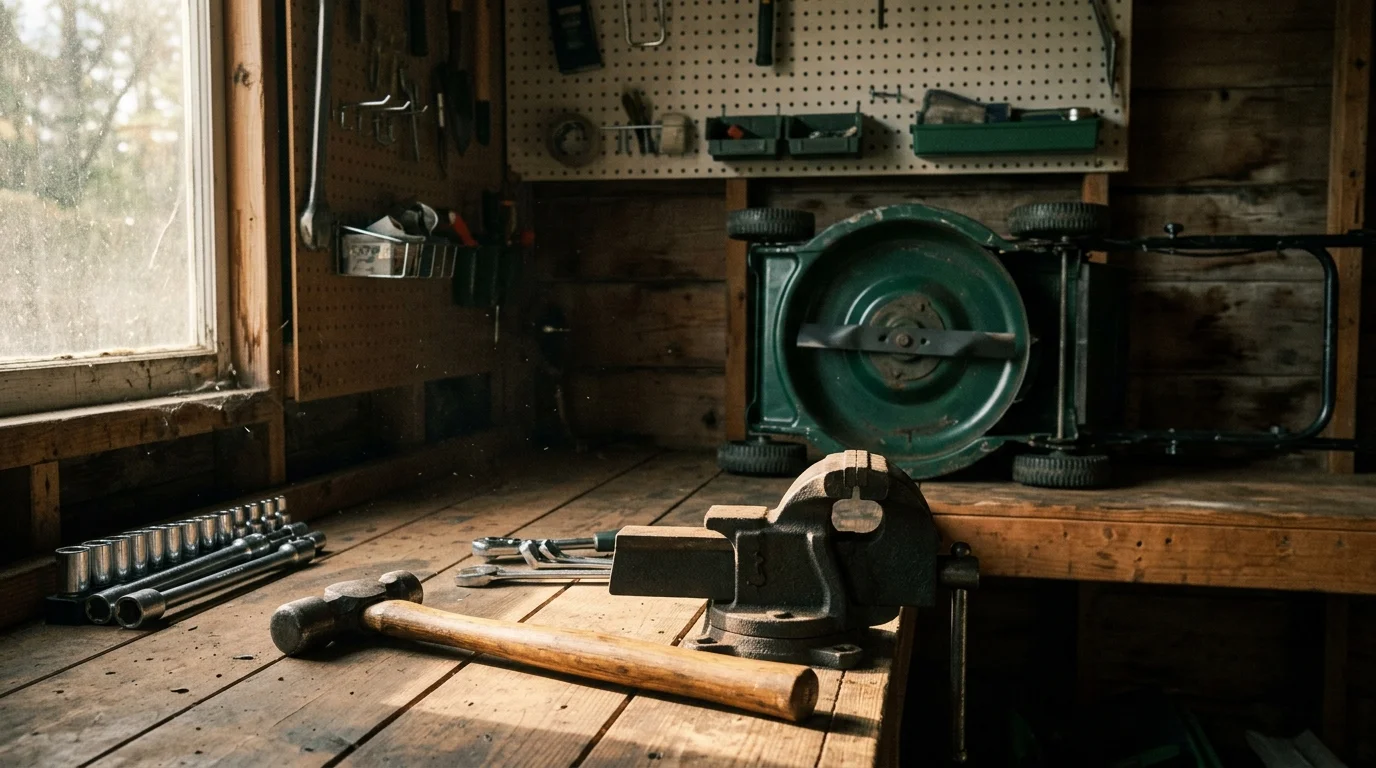
Big-box hardware stores stock shelves with cheap plastic power tools designed to fail after light residential use. Vintage hand tools, heavy anvils, and mechanical lawnmowers were forged from hardened steel built to endure decades.
Estate sales and local farm auctions frequently feature premium wrenches, sockets, and clamps for literal pocket change. Buying these durable tools secondhand lets you acquire professional-grade equipment for less than discount retail brands.
For gas-powered equipment like lawnmowers or string trimmers, search for reputable commercial brands with readily available replacement parts. A clean carburetor and a fresh spark plug will quickly revive a slumbering small engine.
Following these practical buying secondhand tips ensures your workshop remains stocked with resilient, professional tools. You tackle home maintenance projects with dependable gear while sidestepping retail markups entirely.
Tip #7: Student Musical Instruments
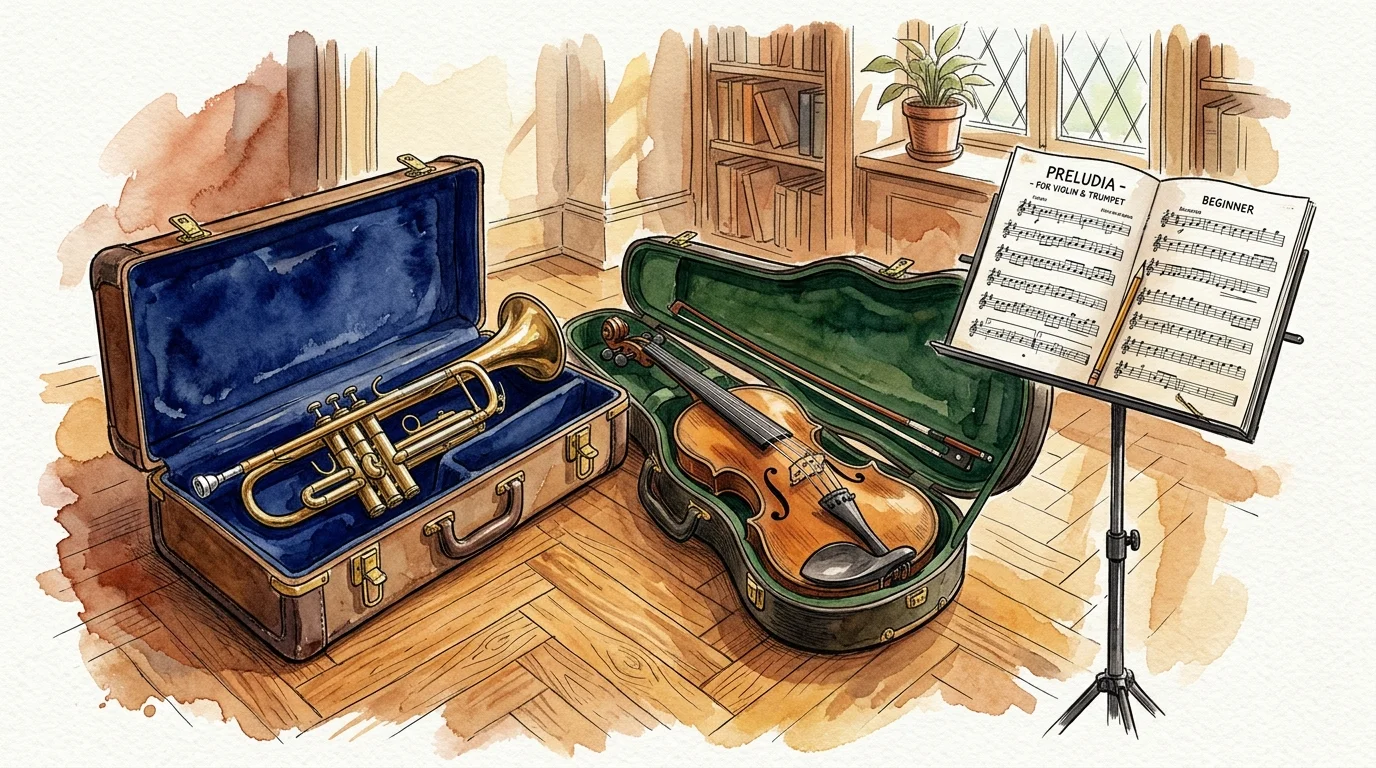
Thousands of well-meaning parents purchase shiny beginner clarinets, violins, and guitars each autumn, only for their children to quit within months. This annual cycle floods local classifieds with pristine, barely played musical instruments.
Retail markups on student-level instruments are notoriously aggressive, often exceeding 100% over manufacturing costs. Buying a gently used instrument cuts that entry cost in half while preserving resale value if your child moves on.
Focus your search on reputable student brands known for durable construction and reliable tuning stability. Avoid unbranded novelty instruments sold on budget websites, as poor intonation frustrates beginners and discourages practice.
Take a knowledgeable musician friend along to check for cracked wood, bent valves, or warped guitar necks before paying. A minor professional tune-up costs very little and makes a used instrument play like a dream.
Tip #8: High-End Outerwear and Designer Apparel
According to industry research from ThredUp, the global secondhand apparel market will expand toward $393 billion by 2030. In the United States, resale fashion expands nearly four times faster than traditional retail clothing stores.
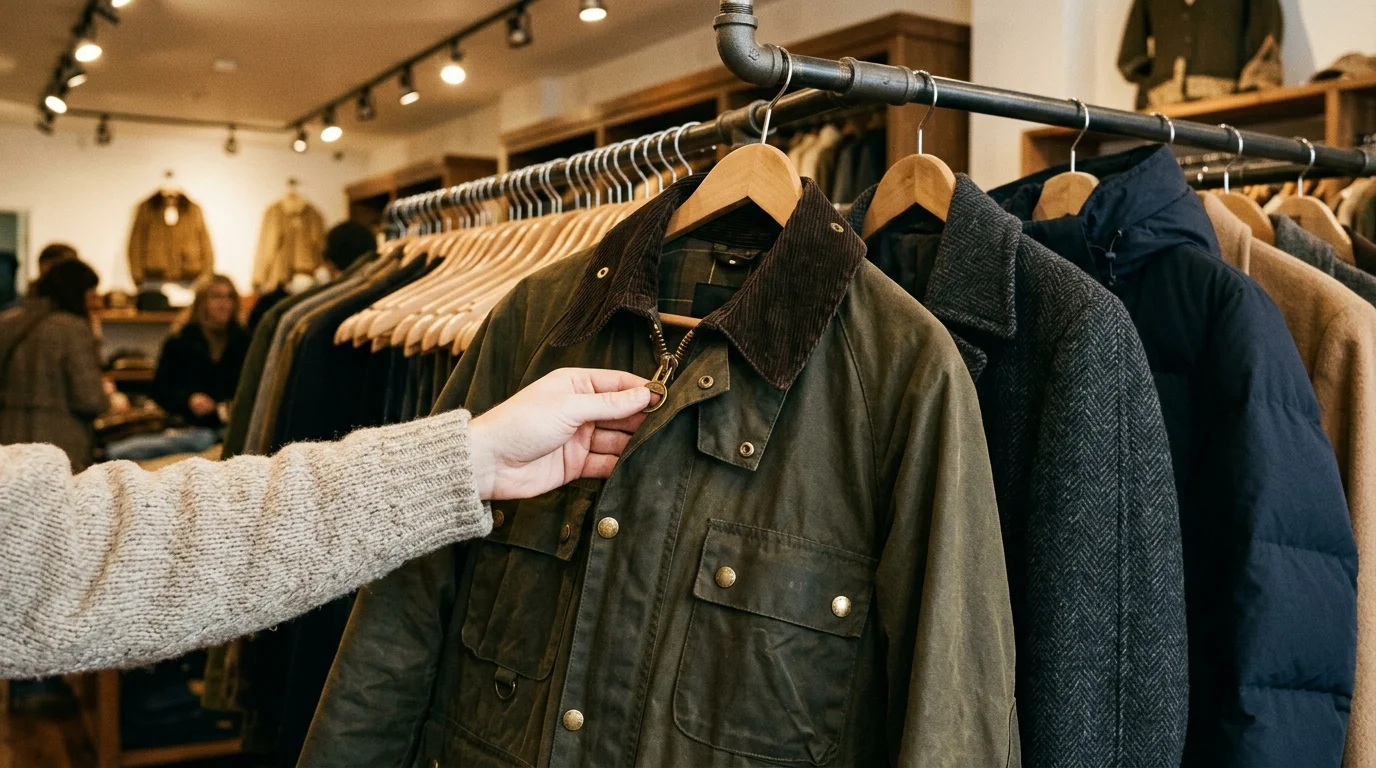
Fast-fashion brands manufacture disposable garments designed to unravel after three wash cycles, draining your clothing budget continuously. Conversely, luxury outerwear and heavy denim from premium labels survive years of daily wear without structural breakdown.
You can hunt down technical alpine jackets, merino wool sweaters, and selvedge jeans on resale apps for deep discounts. These garments often retail for upwards of $400 new but surface online for under $100.
Inspect listing photographs closely for armpit discoloration, frayed cuffs, and damaged zippers before submitting bids. Investing in pre-owned heritage quality guarantees you stay warmer and dress sharper for pennies on the dollar.
Tip #9: Commuter and Road Bicycles
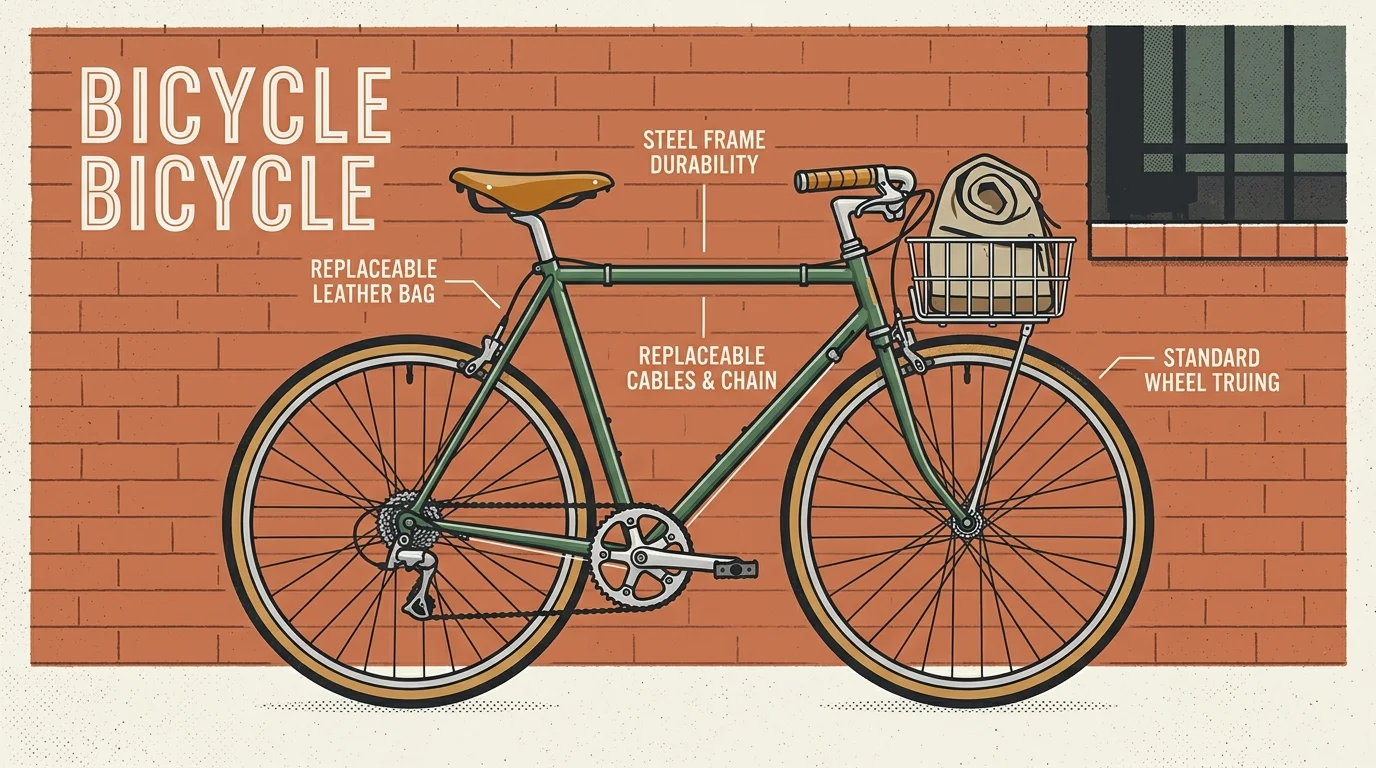
Mass-market bicycles sold at department stores use inferior stamped metal components that resist proper mechanical adjustment. Enthusiasts refer to these fragile machines as bicycle-shaped objects because they break quickly and prove impossible to repair.
Browsing the secondhand market lets you purchase a high-grade aluminum or chromoly steel bike for roughly the same price. Quality brand-name bicycles from Trek, Specialized, or Giant feature standardized components that local bike mechanics can easily service.
Examine the frame thoroughly for structural cracks, severe dents, or bent rear dropouts near the chain assembly. Spin both wheels to verify they rotate straight without rubbing against the brake pads.
Replacing worn brake pads, cables, and tires costs very little while transforming an older frame into a smooth commuter. You gain an indestructible daily ride while dodging hundreds of dollars in showroom markups.
Tip #10: Children’s Toys and Board Games
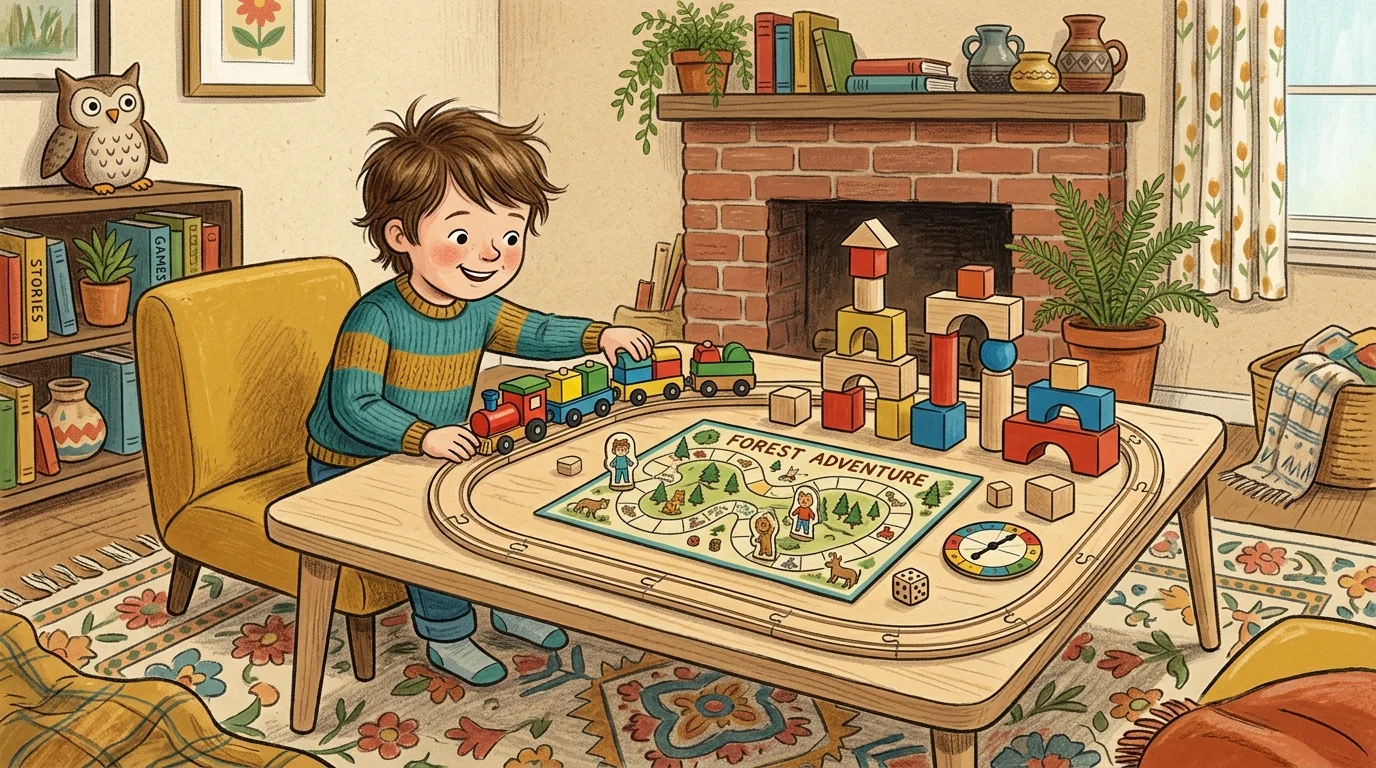
Children outgrow developmental toys, balance bikes, and plastic playhouses within months of learning to walk and talk. Paying retail prices for plastic entertainment that captures a toddler’s interest for twenty minutes makes zero financial sense.
Local parent groups and yard sales overflow with durable brands like Little Tikes and Melissa & Doug for pocket change. A quick wash with warm soapy water and diluted vinegar leaves these sturdy toys sanitized and ready.
Check board games to confirm all critical pieces, dice, and cards remain accounted for before handing over your money. Missing generic components can often be substituted using parts from household games you already own.
Keep child safety at the forefront of every pre-owned purchase you make. Federal regulations under 16 CFR 1219 and 1220 banned the sale and resale of dangerous drop-side cribs due to severe infant hazards.
Never purchase used car seats or cycling helmets from strangers either. The NHTSA warns that hidden structural damage or foam degradation from previous crashes compromises life-saving protection.

Tip #11: Premium Cookware and Cast Iron
Teflon-coated nonstick frying pans degrade rapidly under high heat, flaking chemical coatings into food after a year of use. Premium cast-iron skillets and multi-clad stainless steel pans, however, are practically indestructible kitchen workhorses.
Vintage cast-iron skillets from Griswold or Wagner feature ultra-smooth cooking surfaces superior to modern textured castings. Thrift stores frequently price these culinary treasures below fifteen dollars because thick crusts of baked grease hide their pedigree.
Stripping that accumulated grease and applying a fresh seasoning of grapeseed oil produces a nonstick cooking surface that lasts generations. You avoid ingesting degrading industrial coatings while outfitting your kitchen like an executive chef.
Stainless steel stockpots and Dutch ovens from brands like All-Clad and Le Creuset also clean up effortlessly with specialized scouring powder. Never pay retail premiums when a little elbow grease yields lifetime kitchen assets.
Tip #12: Commercial-Grade Office Furniture
Retail office supply stores sell ergonomic chairs constructed from brittle plastic and cheap foam that sags within six months. When you work from home, spending eight hours a day in poor seating wrecks your posture and productivity.
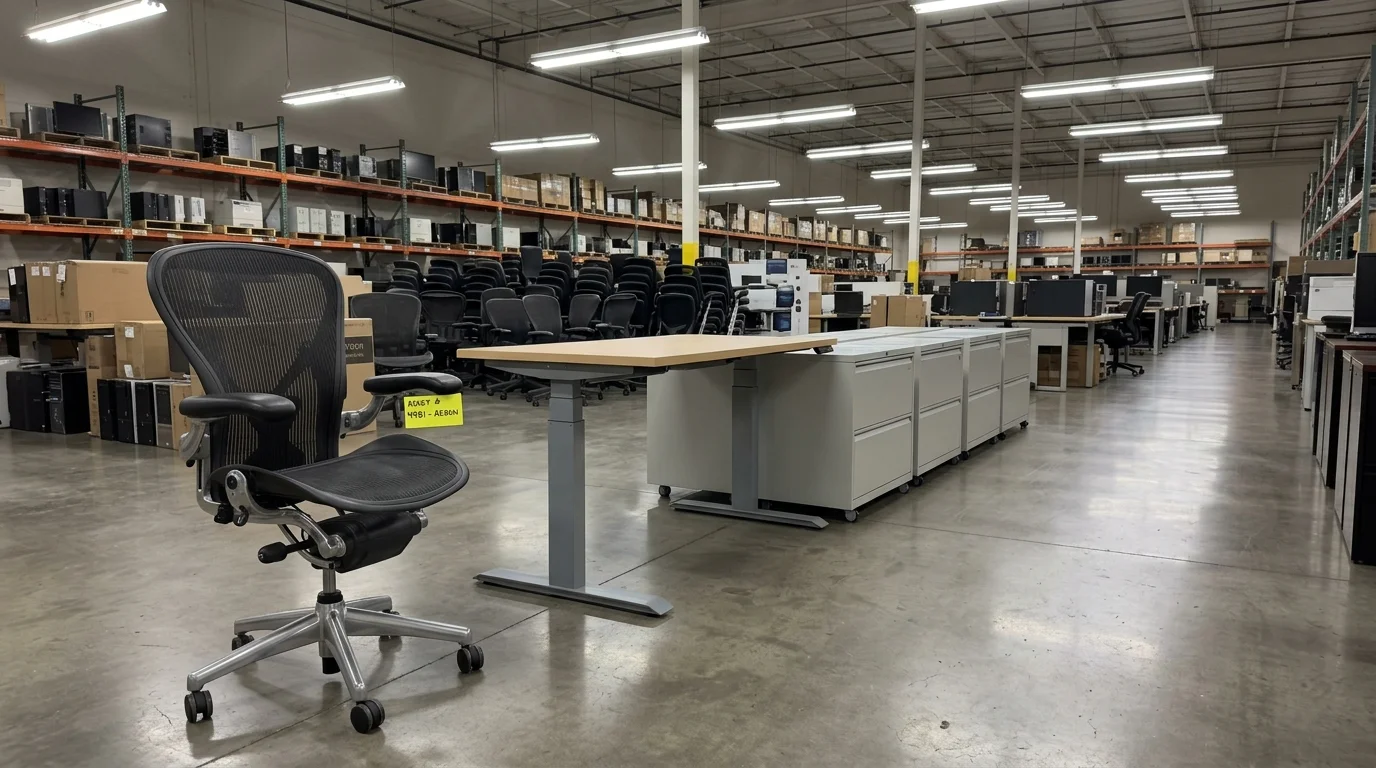
Corporate liquidators routinely clear out venture-backed startups and Fortune 500 offices, offering high-end commercial task chairs at steep discounts. Elite models like the Herman Miller Aeron or Steelcase Leap retail for $1,400 new but sell used for $350.
These professional chairs feature heavy aluminum skeletons, breathable high-tension mesh, and fully customizable lumbar supports engineered to withstand decades of use. Replacement gas cylinders and casters cost minimal cash and snap into place easily.
Pair your commercial task chair with a pre-owned solid wood executive desk or motorized standing desk frame. You create an ergonomic, high-performance workspace while keeping over a thousand dollars securely in your pocket.

Tip #13: Hardcover Books and Physical Media
New hardcover releases retail between thirty and thirty-five dollars at major bookstore chains, delivering an expensive form of home entertainment. Once read, those same volumes sit silently on shelves collecting dust without appreciating in monetary value.
Local library sales, thrift shops, and online secondary platforms offer identical reading copies for two to three dollars each. Purchasing used books slashes entertainment spending while granting you access to massive literary collections without recurring digital subscription fees.
Collectors also discard complete box sets of classic television series and physical Blu-ray discs on local marketplaces for pennies. Physical media ownership protects your favorite films from arbitrary streaming licensing removals and annoying monthly subscription rate hikes.
Inspect book bindings and check video discs for severe scratches before concluding your thrift shopping haul. Utilizing this approach as your thrift shopping guide for home media builds an enviable library on a shoestring budget.

The Bottom Line: What This Means for Your Wallet
Shifting your purchasing mindset from default retail buying to strategic secondhand sourcing rewrites your personal financial trajectory. You circumvent artificial showroom markups, bypass catastrophic initial depreciation curves, and retain more of your hard-earned capital.
The savings generated by avoiding brand-new purchases compound rapidly when directed toward high-yield savings accounts or retirement portfolios. Rather than financing retail corporate profits, you transform everyday consumption into an engine for personal wealth creation.
Prioritize durable materials like cast iron, solid hardwoods, and serviceable mechanical assemblies while steering clear of compromised safety gear. Master these frugal buying principles, and you will live exceptionally well while spending a fraction of the cost.
Every dollar you keep out of a corporate cash register stays under your direct financial command. Smart spending is never about deprivation; it is about outsmarting the retail machine.
For consumer protection information, visit the Federal Trade Commission (FTC) and the Consumer Financial Protection Bureau (CFPB). For product safety and reviews, consult Consumer Reports.
Frequently Asked Questions
What everyday items should you never buy secondhand?
Always avoid purchasing used car seats, bicycle helmets, and older drop-side cribs due to critical safety hazards. Car seats and helmets degrade over time and lose structural integrity after moderate impacts, even if visible signs are absent.
Drop-side cribs manufactured prior to June 2011 violate federal safety regulations due to proven entrapment dangers. Never gamble with child safety equipment simply to save a few dollars.
How do you safely clean and sanitize used furniture?
Vacuum all crevices thoroughly using a high-efficiency particulate air filter before bringing secondhand upholstery into your living quarters. Steam cleaning fabric at high temperatures kills dust mites, bacteria, and hidden pest larvae effectively.
Wipe down solid wood, metal, and plastic surfaces with a mild disinfectant detergent or diluted white vinegar solution. Let all treated surfaces dry completely in direct sunlight to eliminate lingering odors naturally.
Where are the best platforms to find quality used goods?
Local platforms like Facebook Marketplace, OfferUp, and neighborhood yard sales offer the best pricing for bulky physical goods. You inspect items firsthand and negotiate prices without paying expensive shipping charges or processing fees.
Specialized online platforms like eBay, ThredUp, and certified manufacturer outlets excel for technical electronics, designer apparel, and rare collectibles. These services often provide buyer protection programs that shield your payments against inaccurate descriptions.
How can you tell if a used tool or appliance has life left?
Look for reputable commercial brand names that manufacture replacement internal components, such as brushes, bearings, and switches. Check power cords for exposed copper wiring and listen for grinding internal gear noises during functional testing.
If an electric motor smells like burning plastic or sparks heavily during operation, skip the purchase entirely. High-quality legacy equipment should run smoothly and exhibit only superficial cosmetic wear.
Disclaimer: This article is for informational purposes only and does not constitute financial advice. The content reflects the author’s opinion and research at the time of writing.
Always do your own research before making financial decisions.