
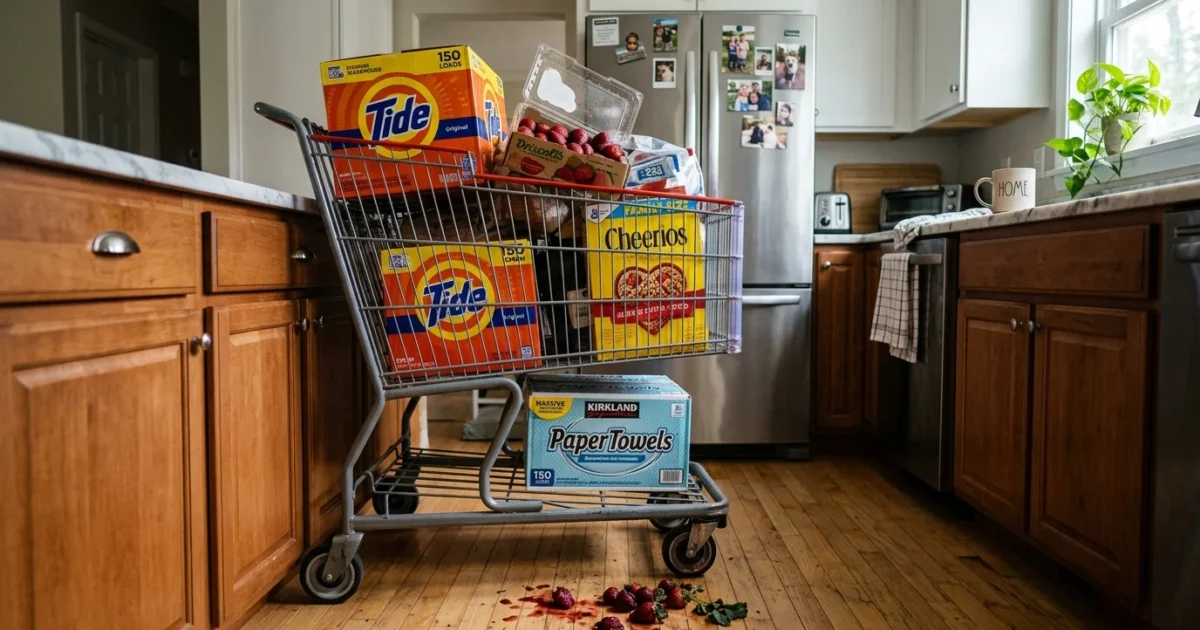
Your Costco membership card unlocks massive savings on thousands of products, but blindly loading your oversized cart with every bulk deal drains your bank account. Warehouse shopping creates a psychological illusion where every giant package feels like an unbeatable bargain. Savvy shoppers know the truth; some items inside those concrete walls are massive money pits. Stop wasting your hard-earned cash on products that spoil before you consume them or cost significantly more than supermarket loss leaders. By avoiding these specific purchases, you maximize the actual value of your annual fee. Here are the seven items veteran shoppers and budget experts leave on the pallets, ensuring your next Costco run actually keeps money in your wallet.
Tip #1: Fresh Produce and Highly Perishable Fruits
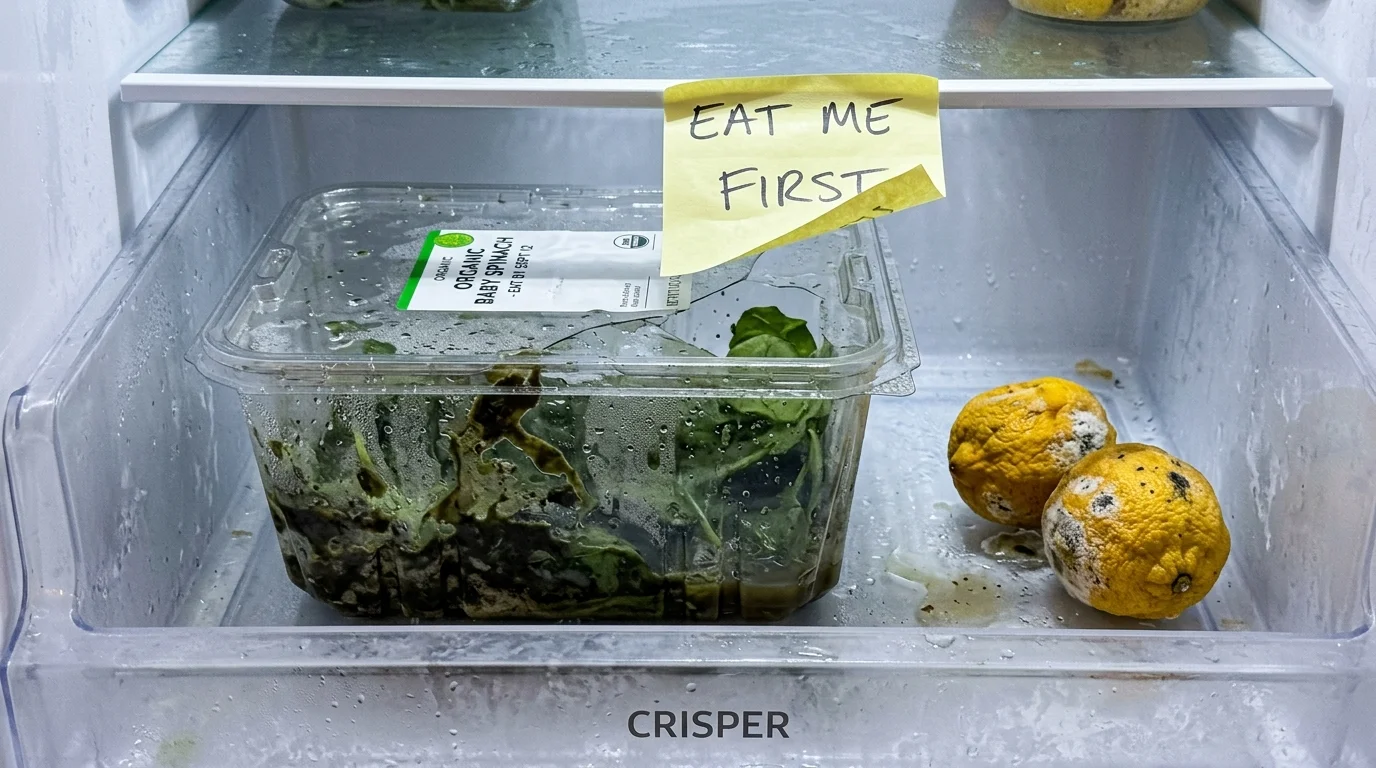
Warehouse shopping tricks you into buying a three-pound clamshell of organic spinach because the price per ounce looks incredible on paper. However, fresh produce remains one of the absolute worst investments for the average family shopping at a warehouse club. The math only works in your favor if you consume every single leaf, berry, or pepper before it rots in your crisper drawer. The United States Department of Agriculture reports that the average American family throws away roughly thirty percent of the fresh food they purchase. When you toss half a container of moldy strawberries into the trash, you instantly double the effective price of the portion you actually managed to eat. You completely lose all the financial benefits of buying in bulk.
Instead of gambling on highly perishable items, shift your focus to the freezer aisle. The Costco deals on frozen fruits and vegetables are legitimately spectacular and carry zero risk of rapid spoilage. Frozen organic broccoli, mixed berries, and edamame are flash-frozen at peak ripeness, locking in maximum nutritional value without the ticking clock of decay. You pull out exactly what you need for a meal and return the rest to the deep freeze. Leave the giant bags of fresh avocados and massive crates of peaches to restaurant owners and caterers who process food at commercial speeds. The environmental impact of this food waste is also staggering, adding ecological guilt to your financial loss. Make a strict rule to only buy produce you have a definitive, scheduled meal plan for within the next forty-eight hours. By skipping the massive fresh produce section entirely, you eliminate a major source of invisible waste and keep your grocery budget entirely intact.
Tip #2: Ground Spices and Baking Powders
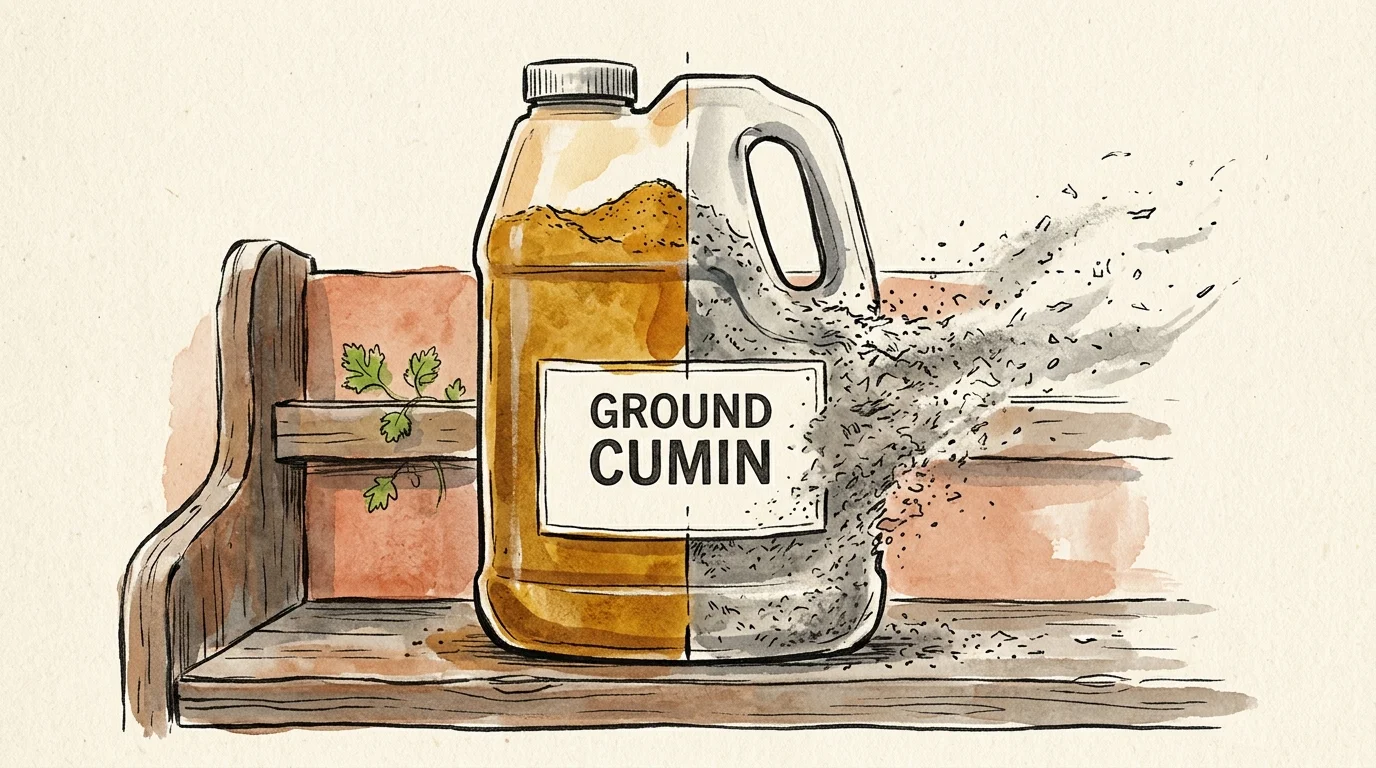
Walk down the baking aisle, and you will see towering plastic jugs of ground cinnamon, garlic powder, and paprika. They cost just a few dollars more than the tiny glass jars at your local supermarket. Buying them feels like a major victory for your pantry preparation. Yet, culinary experts and veteran shoppers advise strongly against purchasing ground spices in these industrial quantities. Once spices are ground into a powder, their essential oils immediately begin to evaporate and degrade. Exposure to light, oxygen, and varying kitchen temperatures accelerates this destructive process dramatically.
Within six months of breaking the factory seal, that massive container of ground cumin loses its aromatic potency and essentially tastes like colored sawdust. Unless you run a bustling commercial kitchen or cook massive vats of chili every single day, you will never finish sixteen ounces of a ground spice before it dies on your shelf. You end up using three times the amount of stale spice to achieve half the flavor, completely ruining your favorite family recipes. Your tastebuds will thank you for making the switch back to smaller, manageable quantities. Freshly ground spices elevate a mediocre meal into a restaurant-quality experience, something bulk tubs simply cannot deliver.
The exact same logic applies to chemical leaveners like baking powder and active dry yeast. Baking powder loses its lifting power rapidly once opened, resulting in flat pancakes and incredibly dense cakes. Protect your culinary creations by purchasing standard-sized spices from your regular grocery store, ensuring your ingredients remain vibrant, punchy, and effective. Reserve your Costco products budget strictly for shelf-stable items that maintain their integrity over the long haul, like whole black peppercorns or coarse sea salt.
Tip #3: Name-Brand Breakfast Cereals
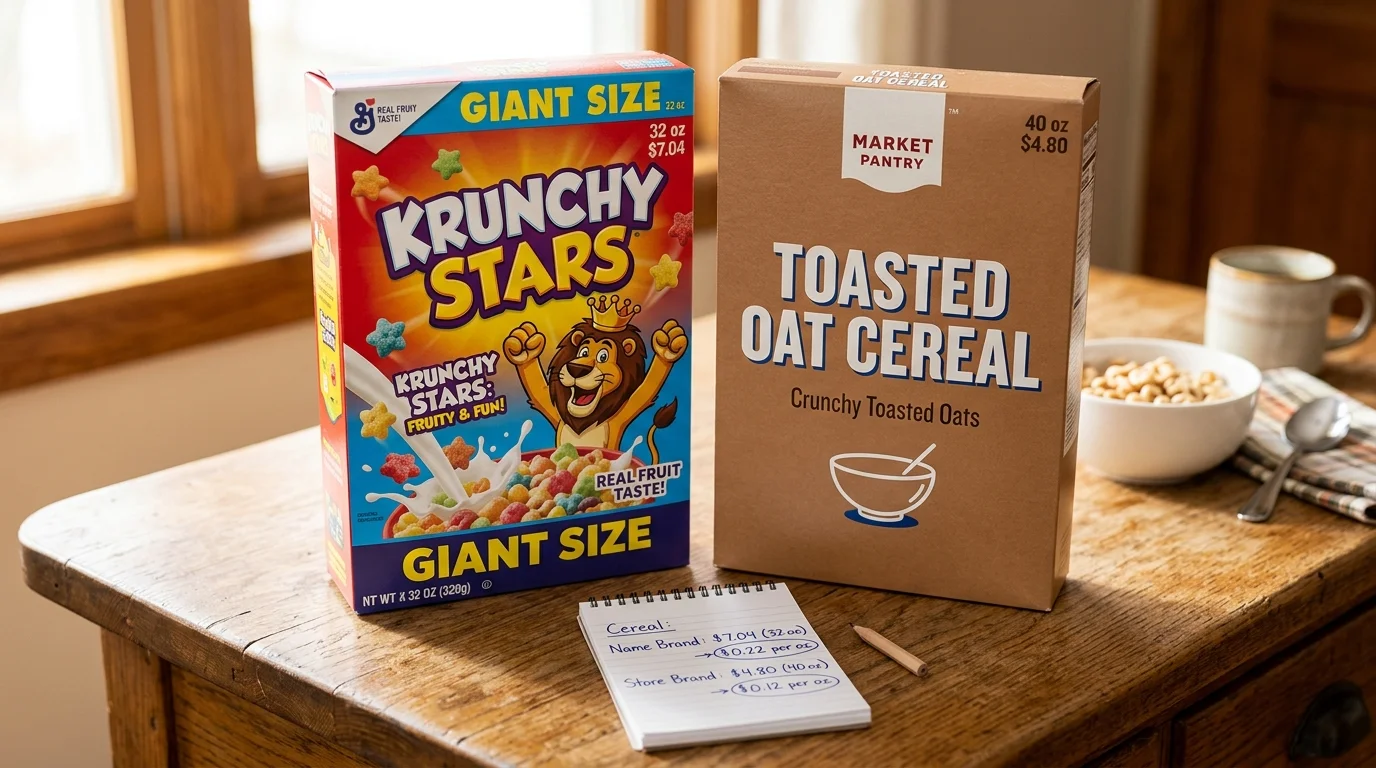
Costco prominently features giant twin-packs of popular name-brand cereals, marketing them as an effortless way to feed a hungry, growing household. The boxes look massive, and the price tags seem totally reasonable for the sheer volume you receive. However, sharp consumers know that buying name-brand cereal at a warehouse club is a rookie financial mistake. Traditional grocery stores frequently use breakfast cereal as a strategic “loss leader.” This means supermarkets heavily discount cereal to get you through their doors, fully expecting you to buy higher-margin items once you are wandering the aisles.
If you closely monitor the weekly circulars at local chains like Kroger, Publix, or Safeway, you will consistently spot aggressive “Buy One, Get One Free” promotions on these exact same breakfast staples. When you combine these BOGO sales with standard manufacturer coupons or digital rebates available through store apps, the price per ounce at a standard grocery store easily undercuts the warehouse price. You can also stack digital savings from rebate apps directly on top of these store promotions for even deeper discounts. That layered approach to couponing makes warehouse cereal prices look absolutely foolish.
Furthermore, standard cereal boxes actually fit inside a normal kitchen cabinet and do not require you to commit to eating fifty bowls of the exact same flavor just to justify the purchase. Variety is another significant factor to consider. Children and adults alike suffer from severe palate fatigue when staring down an endless supply of one specific cereal brand. By playing the supermarket sales cycle effectively, you secure a much wider variety of fresh breakfast options for significantly less money. Save your warehouse shopping trips for items that traditional grocery stores rarely, if ever, discount.

Perfect. 16 words.
Let’s double check the word count:
1. A
2. giant
Tip #4: Mega-Sized Condiments and Sauces
The condiment aisle at any warehouse club features mesmerizing, gallon-sized jugs of mayonnaise, ketchup, mustard, and soy sauce. The unit economics are undeniably attractive, often pricing out to mere pennies per ounce. Before you heave a sixty-four-ounce jar of mayonnaise into your cart, you must realistically evaluate your family consumption rate and your available refrigerator space. Be brutally honest about how often you actually eat hot dogs or make potato salad before you commit to these gargantuan bottles. A cluttered fridge full of expired condiments is the hallmark of an amateur budgeter.
Condiments possess a hidden trap—their shelf life plummets the exact moment you twist off the cap and break the factory seal. An unopened jar of mayonnaise might last a full year in a dark, cool pantry, but an opened jar must be kept perfectly cold and used within roughly two months for optimal safety and flavor. Ketchup and mustard slowly oxidize over time, turning dark and developing bitter, off-putting flavors long before you ever reach the bottom of the industrial-sized pump bottle. You are paying for food you will ultimately wash down the drain.
Furthermore, these gigantic containers consume premium, expensive real estate inside your refrigerator. Your fridge works much harder and uses significantly more electricity to keep air circulating around massive tubs of sauce. Unless you are actively hosting a massive neighborhood barbecue or a family reunion, you will inevitably end up throwing away a quarter of that giant jar when it passes its prime. Purchasing standard-sized condiments at a regular supermarket prevents this silent money drain and ensures your sandwiches always taste fresh. Keep your bulk shopping focused on dry goods that do not degrade rapidly upon opening.
Tip #5: Canned Soda and Sugary Beverages
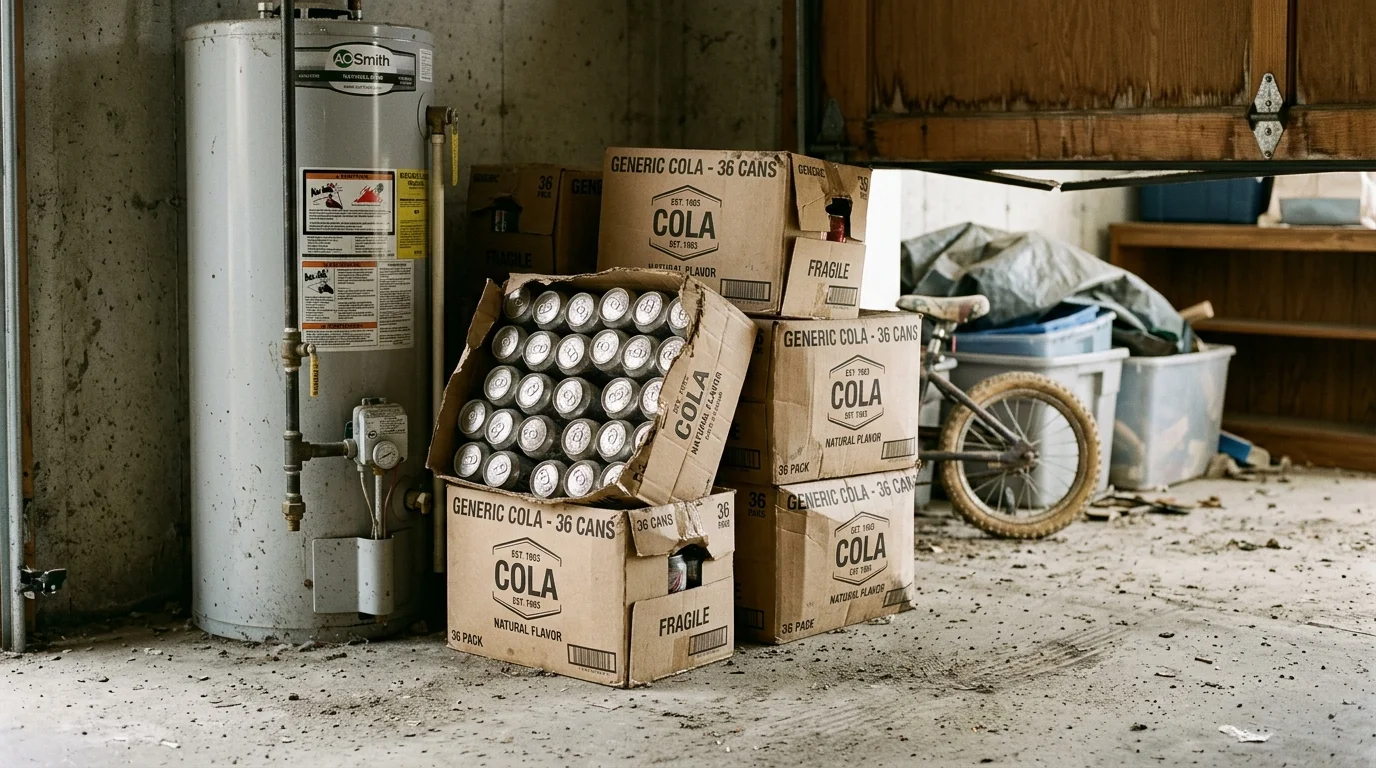
Stacking thirty-six-pack cubes of brand-name soda on your flatbed cart feels like the ultimate preparation for a long summer of entertaining. The price is consistent, and the supply seems absolutely endless. Surprisingly, this is one of the few grocery categories where the warehouse deals consistently fall short of the local competition. Supermarkets engage in brutal, hyper-competitive price wars over canned soda, particularly during major holiday weekends like Memorial Day, the Fourth of July, and Labor Day.
During these intense promotional periods, standard grocery stores slash the prices on twelve-packs of soda to practically nothing. You will frequently find deals offering four twelve-packs for the price of two, or massive instant discounts when you purchase a specific dollar amount of groceries. Even local pharmacies like CVS and Walgreens occasionally blow warehouse pricing completely out of the water during their holiday beverage promotions. Keep your eyes peeled for those front-page circular deals to maximize your soda savings. Costco rarely participates in these volatile, deep-discount price wars, preferring to maintain a steady, slightly elevated price point year-round.
By timing your beverage purchases around these highly predictable grocery store sales cycles, you easily beat the warehouse price per can. Additionally, buying twelve-packs from a local store allows you to mix and match flavors, satisfying different preferences within your household without committing to thirty-six cans of a single flavor. Leave the giant cardboard cubes of soda on the warehouse floor and let the local supermarkets compete aggressively for your beverage budget.

Tip #6: Books, Movies, and Entertainment Media
Costco strategically places long tables of hardcover books, box sets, and media directly in your path as you navigate the front of the store. You walk in looking for toilet paper and suddenly find yourself flipping through a bestselling thriller or a lavishly illustrated cookbook. This layout is entirely intentional, expertly designed to trigger impulse buys from shoppers experiencing the euphoria of discovering apparent bargains. The bright covers and prominent placement practically beg you to add them to your cart.
While the sticker price on a new release hardcover might be twenty percent lower than the manufacturer’s suggested retail price, it rarely represents the best deal available on the market. Giant online retailers typically match or beat these prices instantaneously through dynamic algorithmic pricing. More importantly, entertainment media represents a terrible long-term investment for a frugal, budget-conscious household. You will likely read that suspense novel exactly once before it becomes permanent clutter on a dusty shelf.
Savvy budgeters know that the local public library provides access to millions of physical and digital books, audiobooks, and streaming movies for absolutely zero dollars. Digital lending apps connected directly to your local library card deliver thousands of titles directly to your phone or tablet instantly. Embrace these free resources and watch your discretionary spending plummet. If you truly want to own a physical copy of a specific book, local thrift stores and used book websites offer gently read versions for pennies on the dollar. Do not let the allure of warehouse shopping trick you into paying a premium for media you will only consume once. Protect your wallet by walking right past the entertainment tables.
Tip #7: Giant Jugs of Cooking Oil
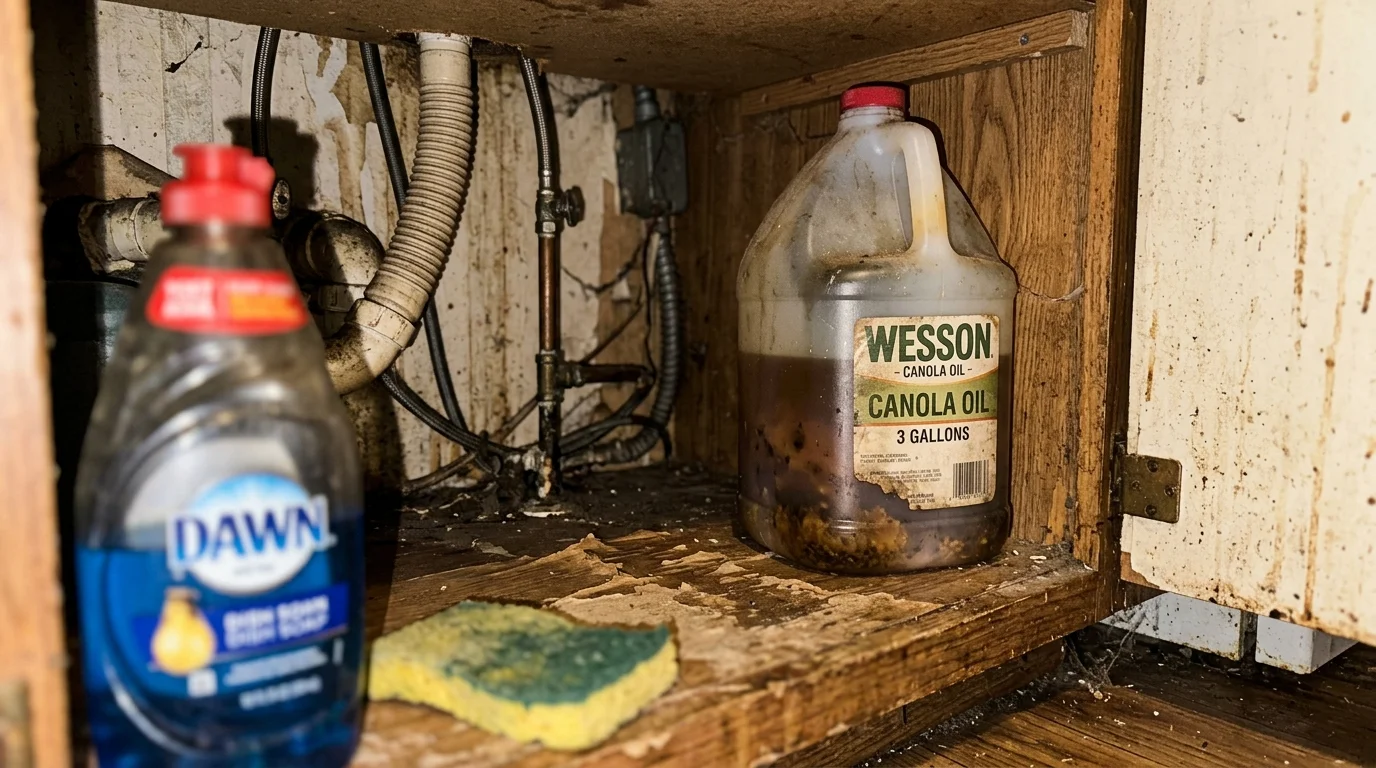
Cooking oil serves as the absolute foundation for countless daily recipes, making it a non-negotiable staple in every American kitchen. Warehouse clubs offer massive, multi-liter jugs of extra virgin olive oil, canola oil, and avocado oil that look incredibly tempting to the budget-minded chef. The store-brand products under the Kirkland Signature label are legitimately high quality, often passing rigorous purity tests that standard supermarket brands fail. However, the sheer volume of these containers presents a massive, hidden problem for the average home cook.
Fats are highly susceptible to oxidation. From the exact moment you open a bottle of cooking oil, oxygen, light, and ambient kitchen heat begin breaking down its delicate chemical structure. Extra virgin olive oil is particularly fragile in this regard. Within a few short months of opening, it transitions from a vibrant, peppery liquid into a flat, waxy, and potentially rancid substance that will actively ruin the flavor of your vinaigrettes and sautéed dishes.
A standard family simply does not fry or sauté enough food to drain a massive jug of oil before this degradation occurs. You end up pouring the last third of the bottle down the drain because it smells distinctly like old crayons. To maximize your investment, purchase smaller, dark-glass bottles of oil that you can realistically finish within a six-week window. Buying small allows you to experiment with different brands and flavor profiles without an enormous financial commitment. Keep your oil fresh, your food delicious, and your pantry free from rancid disasters. If you absolutely must buy oil at a warehouse club, split the massive jug with a friend or neighbor immediately upon returning home, storing your half in an airtight, dark container in a cool pantry.
The Bottom Line: What This Means for Your Wallet
Mastering the art of the warehouse club membership requires intense discipline, careful strategy, and a firm, honest understanding of your own household consumption habits. The bulk retail model thrives on the psychological thrill of the hunt. They want you to assume that every single item resting on a wooden pallet represents the best possible value for your money. As you have seen, buying in bulk only saves you money when you actually consume the product before it degrades, expires, or simply goes out of style.
True frugality is never about hoarding the largest quantities of food; it is about paying the lowest effective price for the goods you actually use and enjoy. Stop subsidizing your warehouse experience by throwing away rotten produce, stale spices, and rancid cooking oils. Compare unit prices diligently, track local supermarket loss leaders, and ruthlessly eliminate impulse buys from your oversized cart. Embrace the power of walking away from a seemingly good deal when it does not fit your exact lifestyle. This disciplined mindset transforms you from a corporate target into a tactical, empowered consumer. When you apply this highly selective approach to your warehouse shopping trips, you will finally unlock the true financial power of your membership card, ensuring every dollar you spend delivers maximum value to your family.
Frequently Asked Questions
Should I cancel my warehouse membership if I stop buying these seven items?
Absolutely not. Your membership remains an incredibly powerful tool for saving money on household staples that do not expire quickly. Paper goods, cleaning supplies, trash bags, frozen foods, and over-the-counter medications offer spectacular savings that easily justify the annual fee. The goal is not to stop shopping at warehouse clubs entirely; the goal is to shop strategically and avoid the specific categories that quietly drain your budget through spoilage and inevitable waste.
Are store-brand private label products generally reliable?
Yes, warehouse private labels are widely considered some of the highest-quality brands in the entire retail industry. Warehouse clubs frequently partner with top-tier national manufacturers to produce these items, meaning you are often getting a premium, name-brand product hidden inside a generic package. The issue with the seven items listed above is not the quality of the private label brand, but rather the sheer volume of the packaging and the strict biological reality of expiration dates. Unmatched quality means absolutely nothing if the food rots before you can put it on a plate.
How can I tell if a local grocery store deal actually beats a warehouse price?
You must develop the rigorous habit of calculating the price per ounce or price per unit for everything you buy. Ignore the total sticker price completely and look closely at the tiny print on the store shelf tag, which usually breaks down the exact unit cost. Bring a calculator or use your smartphone while walking the grocery aisles. When a local grocery store runs a deep promotional discount or a BOGO event, calculate the new unit price and compare it to your mental baseline for warehouse prices. You will quickly learn to spot the exact moments when supermarkets are taking a financial loss just to get you in the door.
For consumer protection information, visit the Federal Trade Commission (FTC) and the Consumer Financial Protection Bureau (CFPB). For product safety and reviews, consult Consumer Reports.
Disclaimer: This article is for informational purposes only and does not constitute financial advice. The content reflects the author’s opinion and research at the time of writing. Always do your own research before making financial decisions.








Leave a Reply