

Your wallet bleeds cash when you blindly trust mega-retailers to deliver the lowest price. Shopping at warehouse clubs requires ruthless strategy and insider knowledge to protect your bank account. These massive corporations engineer their store layouts to extract maximum dollars from your pocket through clever psychological triggers. You might believe tossing a giant tub of mayonnaise or a heavily promoted electronics bundle into your cart guarantees massive grocery savings, but you are frequently stepping into a carefully laid retail trap. If you master the hidden price tag codes, understand the true value of private labels, and recognize marketing illusions, you will instantly transform your weekly shopping trip into a major financial victory.

Tip #1: Ignoring the Secret Price Tag Codes
Retailers communicate directly with their employees through the numbers on price tags, and you can intercept these secret messages to save serious cash. When you browse the massive aisles at Costco, pay close attention to the cents printed on the price placard. A price ending in standard .99 indicates a regular retail value; you are paying full price. However, a price ending in .97 means the store manager heavily discounted the item to clear out local inventory.
Over at Walmart, the pricing strategy relies on a completely different set of digits. Prices ending in a 5 typically signify a first round of markdowns. If the price tag ends in a 1, you are looking at the final, absolute lowest clearance price. Memorize these hidden numerical codes; you will instantly know whether you are looking at a genuine bargain or a standard everyday price.
Tip #2: Assuming Bulk Always Translates to Cheaper
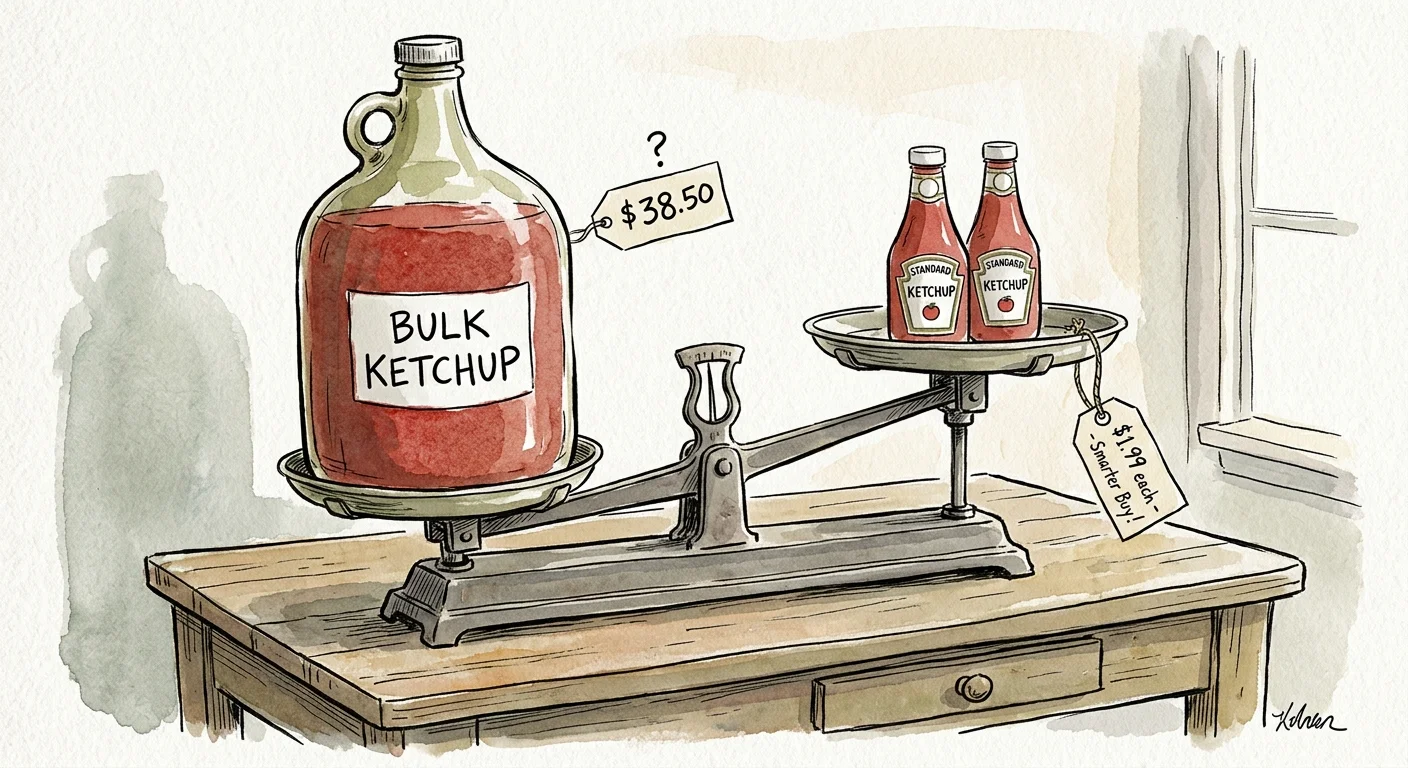
Supermarkets condition you to believe that purchasing larger quantities automatically results in a better deal. This assumption actively destroys your grocery budget. Retailers know you let your guard down when shopping in warehouse environments, so they occasionally price bulk items higher per ounce than standard grocery store sizes.
You must rigorously check the unit price on every single item you place in your oversized cart. Look for the tiny print on the shelf tag that shows the cost per ounce, per pound, or per hundred-count. You will frequently discover that buying two smaller bottles of ketchup at Walmart on a standard weekly sale costs significantly less per ounce than hauling home the massive gallon-sized jug from a warehouse club.

Tip #3: Turning Your Back on Private Label Products
National brands spend hundreds of millions of dollars on television commercials and flashy packaging. You personally pay for those marketing campaigns every single time you choose a name-brand product over a store brand. Ignoring private labels is one of the fastest ways to drain your monthly food budget.
Store brands like Kirkland Signature and Great Value are not inferior knock-offs produced in subpar factories. In many cases, the exact same big-name companies manufacture these private-label goods on the very same assembly lines. Blind taste tests routinely demonstrate that warehouse club coffees, batteries, and over-the-counter medications meet or exceed the quality of premium brands. Buy the store brand and keep the marketing markup in your own pocket.
Tip #4: Shopping Without a Militaristic List
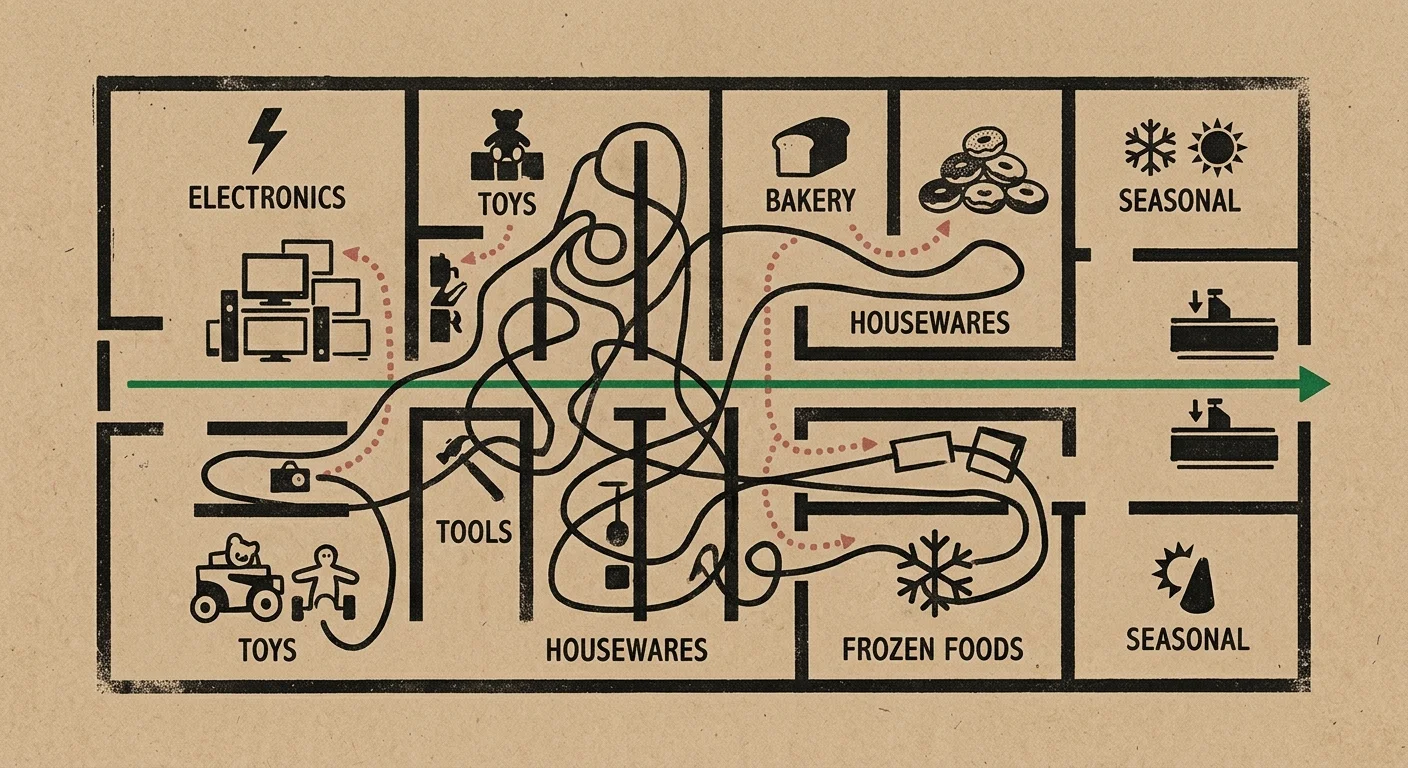
Massive supercenters design their floor plans to completely break your willpower. Costco utilizes a “treasure hunt” layout, constantly rotating essential household staples to unfamiliar aisles. They intentionally force you to wander past high-margin seasonal goods, sparkling electronics, and expensive outdoor furniture just to find your preferred brand of paper towels.
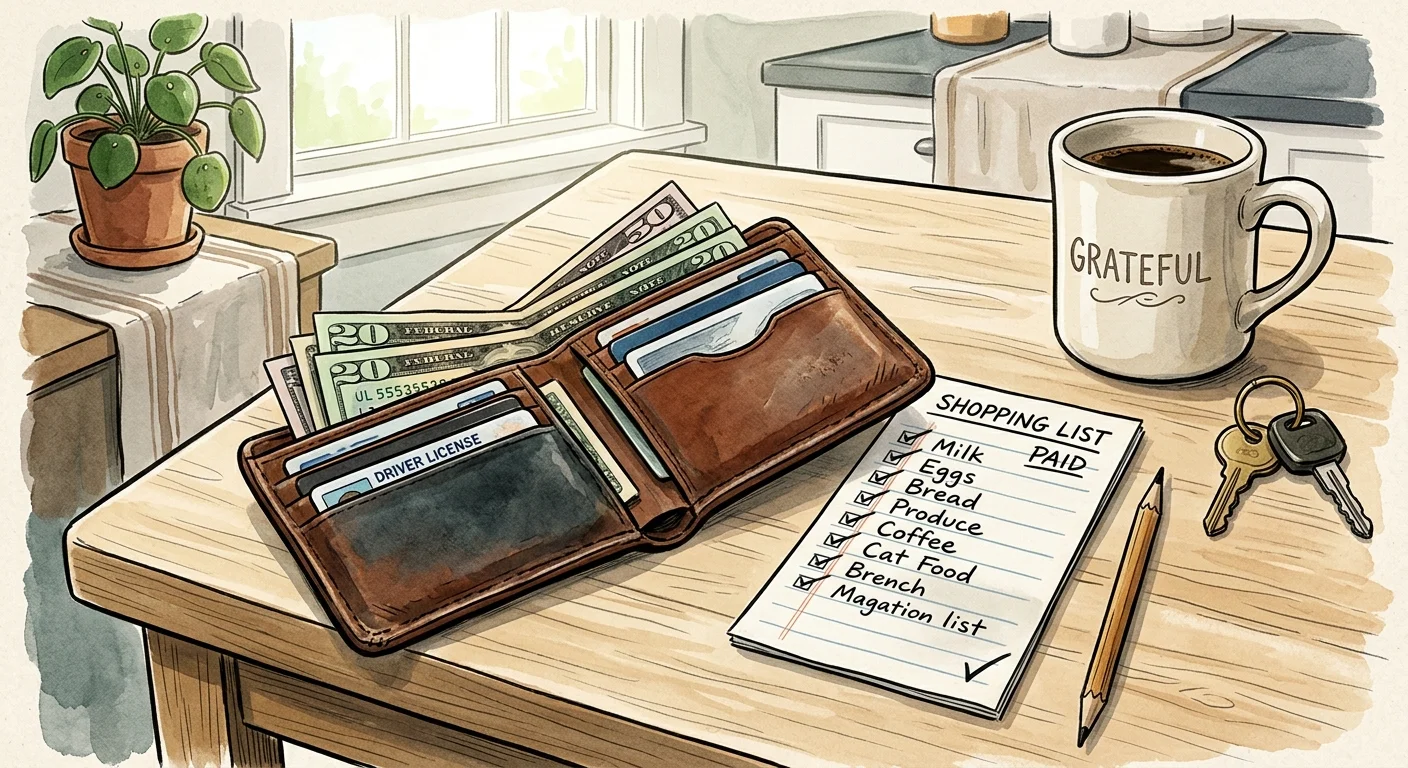
Entering these massive retail mazes without a strict, written shopping list guarantees you will walk out with items you never intended to buy. Write down exactly what you need before you leave your house; stick to that list with absolute ruthless discipline. If an item is not explicitly written on your digital or physical list, it does not go into your cart under any circumstances.
Tip #5: Letting Perishable Foods Rot in Your Fridge
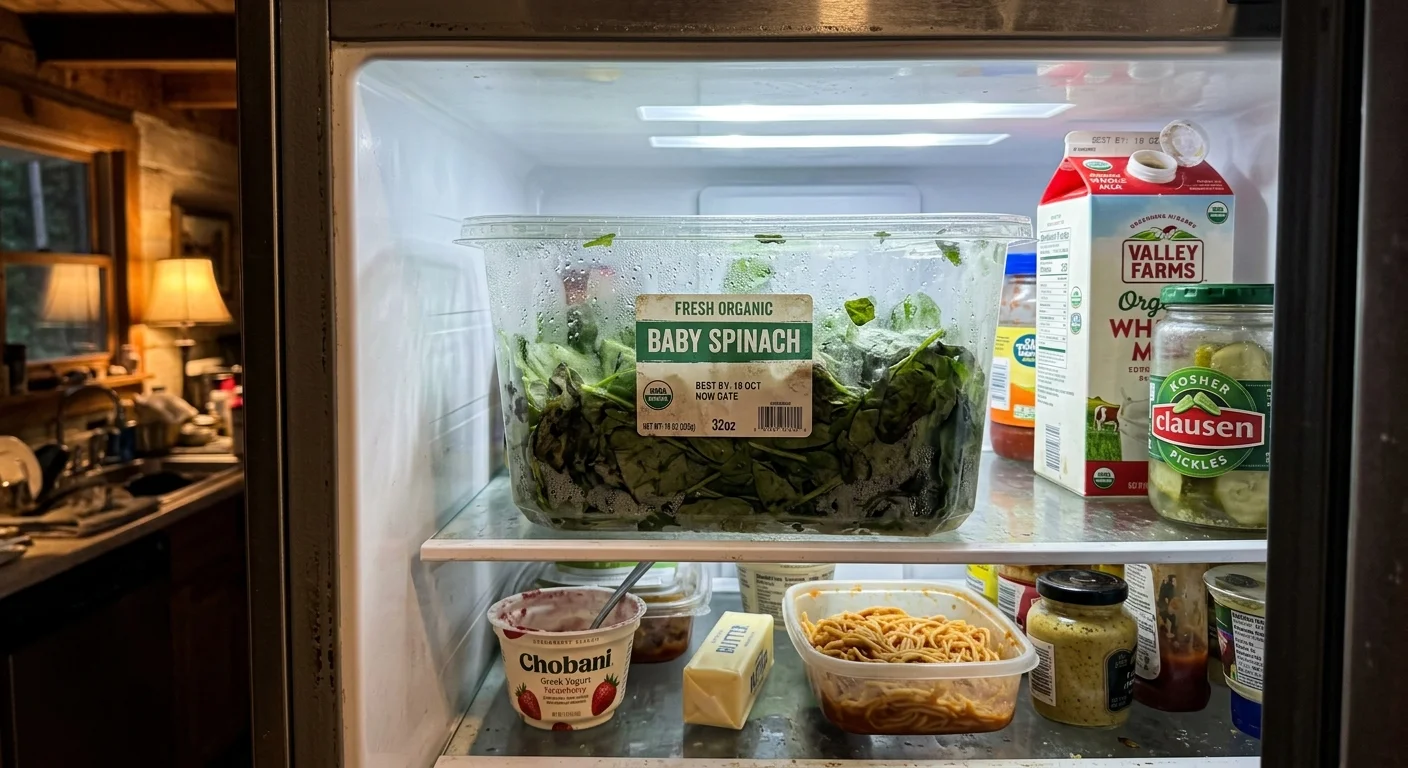
Buying a massive, five-pound bag of fresh organic spinach seems economically brilliant at the register. It becomes a massive financial failure when three pounds of that spinach liquefies into a slimy, unusable mess in the bottom of your crisper drawer. Food waste completely obliterates any grocery savings you initially achieved by buying in bulk.
You must honestly evaluate your family’s actual consumption habits before purchasing perishable goods in massive quantities. If you do not have a concrete meal plan or sufficient freezer space to preserve the excess, step away from the bulk produce. Stick to buying fresh fruits, vegetables, and dairy products in normal quantities at standard grocery stores to prevent literally throwing your hard-earned money into the garbage can.
Tip #6: Overlooking the Massive Gift Card Discounts
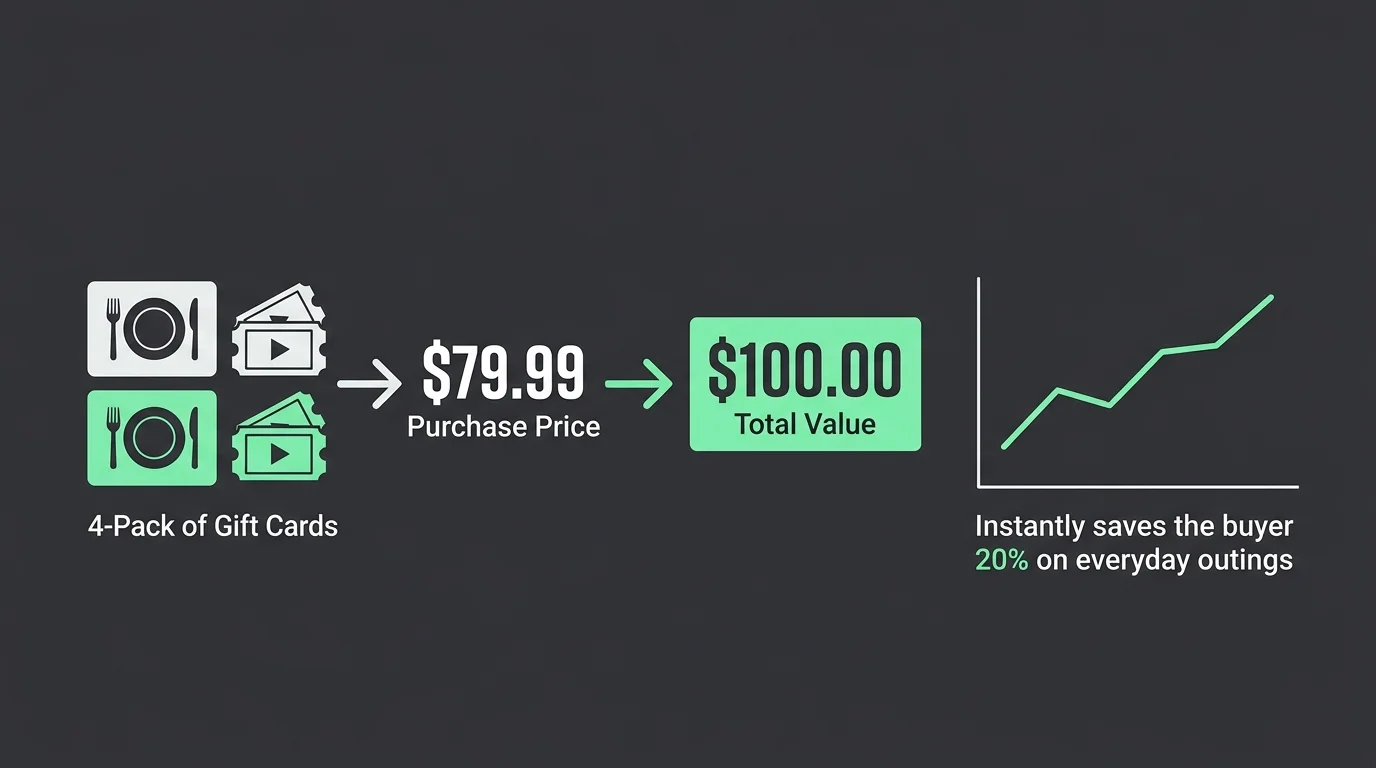
Most shoppers speed their carts right past the gift card displays without realizing they are leaving free money on the table. Warehouse clubs routinely sell bundles of gift cards for restaurants, movie theaters, streaming services, and airlines at massive discounts. You can regularly find one hundred dollars worth of value priced at seventy-five or eighty dollars.
If you already plan to take your family out for pizza on Friday night or book a domestic flight for an upcoming vacation, buying these discounted cards provides an instant twenty percent return on your investment. Treat the gift card rack as a strategic financial tool rather than a section exclusively reserved for last-minute holiday shopping.
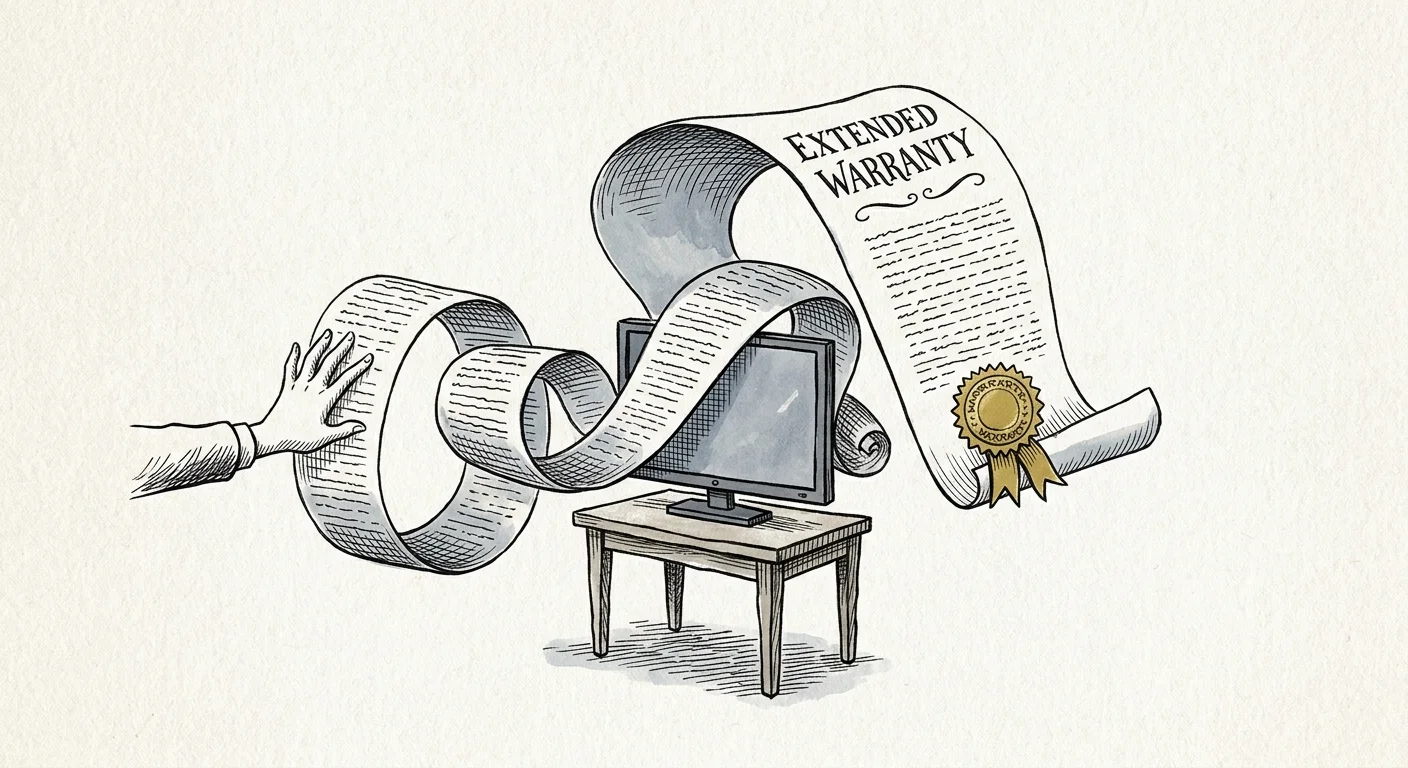
Tip #7: Paying Cash for High-Margin Extended Warranties
Electronics retailers push extended warranties incredibly hard because these service plans carry massive profit margins. Cashiers are trained to aggressively upsell you on protection plans when you purchase televisions, laptops, and major appliances. You completely waste your money buying this extra protection at standard retailers.
When you purchase electronics at Costco, the company automatically extends the manufacturer’s warranty to a full two years entirely for free through their concierge service. Furthermore, purchasing these big-ticket items with a premium travel or rewards credit card often adds yet another year of purchase protection. Stop handing retailers pure profit for redundant service contracts you will likely never use.

Tip #8: Falling for the Endcap Display Illusion
Retailers place products on the end of the aisles—known as endcaps—to immediately grab your attention as you navigate the main walkways. You instinctively assume these prime, highly visible locations feature heavily discounted items or special manager sales. In reality, this is premium promotional real estate.
Food and beverage brands pay massive slotting fees to place their products on these endcaps. The items stacked high in these prominent displays are frequently sold at their regular, everyday high prices. Never assume an item is on sale simply because it sits at the end of an aisle. Walk down the actual aisle to compare the promoted brand against cheaper alternatives before tossing it into your cart.

Tip #9: Skipping the Pharmacy and Optical Centers
You throw money away by filling routine prescriptions or purchasing eyeglasses at boutique pharmacies and dedicated optical shops. Warehouse clubs and discount supercenters operate some of the most aggressive, low-cost pharmacies in the country. They leverage their massive buying power to slash the prices of generic medications.
Many shoppers do not realize that laws in numerous states mandate that pharmacies remain completely open to the general public. This means you do not even need an active membership card to walk in and purchase discounted medications at a warehouse club. Always price-check your recurring prescriptions and pet medications at these mega-retailers before paying the inflated rates at your local corner pharmacy.

Tip #10: Failing to Exploit Generous Return Policies
Do not let lingering buyer’s remorse drain your bank account. Many Americans feel too embarrassed or too busy to return products that fail to meet their expectations. Costco offers an incredibly generous, nearly unrestricted return policy on the vast majority of their merchandise, allowing you to bring back items simply because you did not like the taste or the fit.
Walmart also allows seamless, highly efficient returns through their digital smartphone application. If a piece of clothing tears after a single wash, or if a bulk box of snacks tastes stale, march that item directly back to the customer service desk. Reclaim your cash instead of stuffing defective or unwanted products into the back of your pantry.
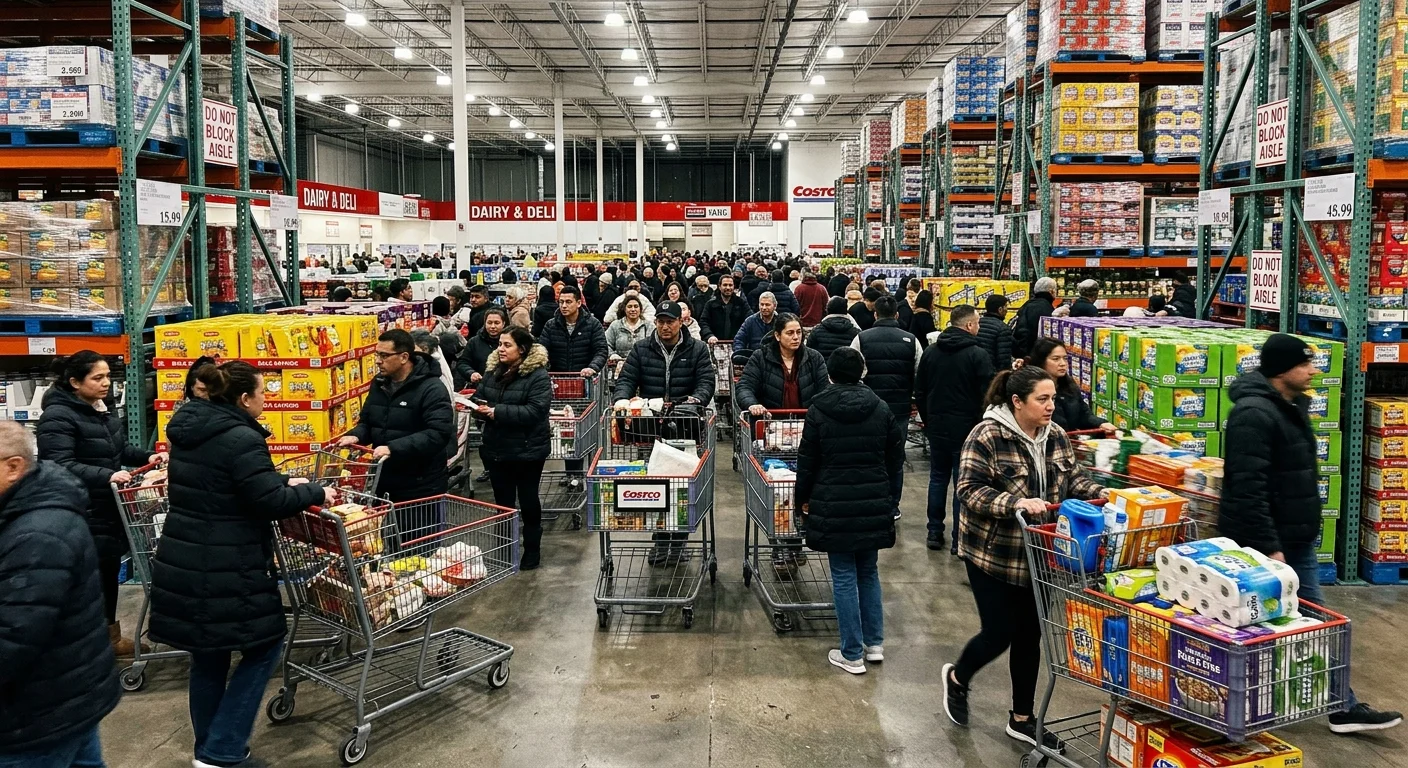
Tip #11: Wandering the Aisles on a Saturday Afternoon
Shopping during peak weekend hours destroys your ability to make rational, calculated financial decisions. Massive crowds, screaming children, and gridlocked checkout lines elevate your stress levels; you grab items quickly just to escape the chaos. Sensory overload forces you to abandon your shopping list and make expensive impulse decisions.
You must strategically time your shopping trips to protect your budget. Navigate the aisles early on a Tuesday or Wednesday morning. The stores are quiet, the shelves are freshly restocked, and the employees are actively marking down clearance items. Shopping during off-peak hours gives you the mental clarity needed to compare unit prices and execute your shopping strategy flawlessly.

Tip #12: Buying Books and Media at Retail Prices
Stacking your shopping cart with best-selling hardcover books and brand-new release movies inflates your final bill unnecessarily. While the convenience of grabbing the latest thriller alongside your groceries is incredibly tempting, warehouse clubs and supercenters rarely offer the best competitive prices on physical media.
Before you drop twenty-five dollars on a new book at the front of the store, open your smartphone. You can borrow digital audiobooks and e-books entirely for free using applications tied to your local public library. If you strongly prefer physical copies, utilize online second-hand retailers. Keep your grocery trips exclusively focused on food and household essentials.
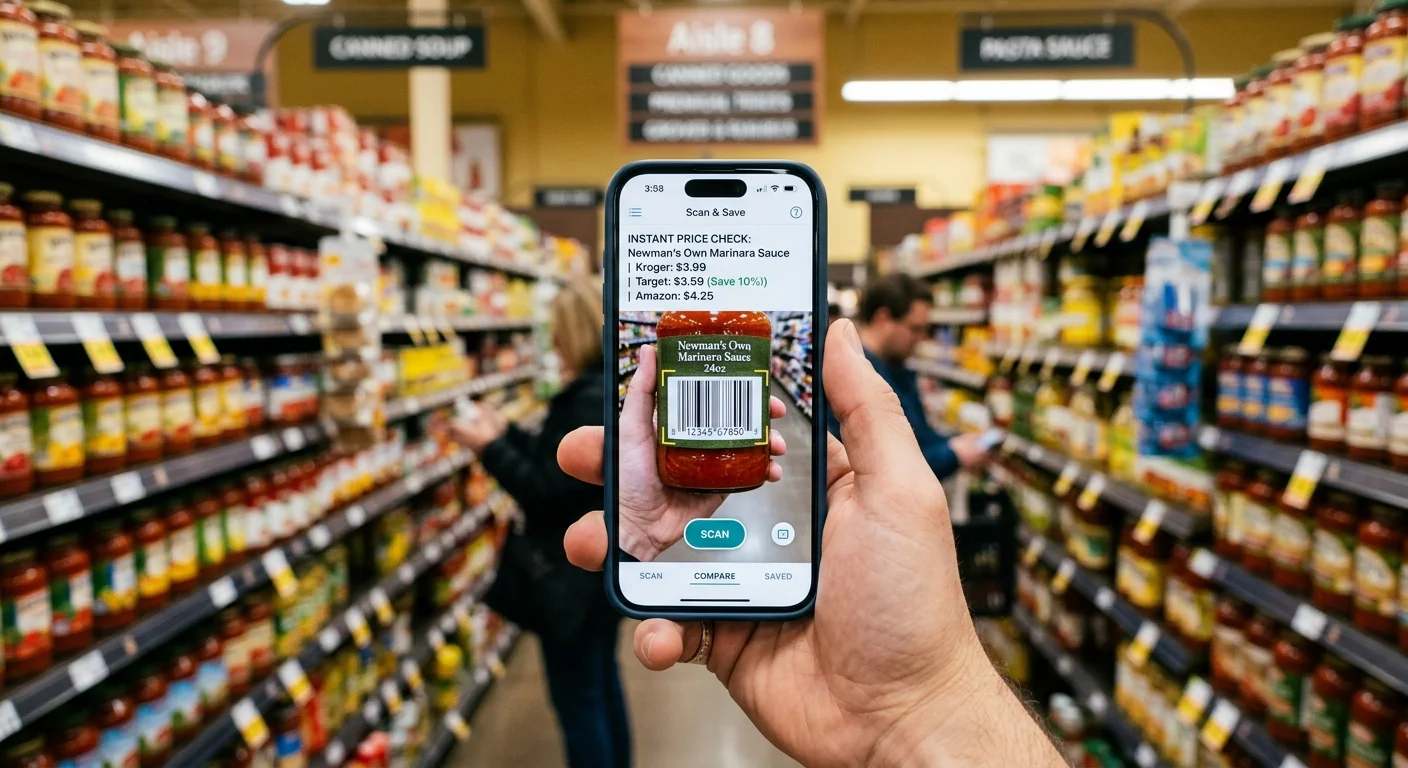
Tip #13: Leaving Your Smartphone in Your Pocket
Walking into a modern supercenter without their respective mobile application loaded on your smartphone puts you at a massive financial disadvantage. The pricing databases at giant retailers update much faster than employees can physically swap out the paper tags on the shelves.
The Walmart application features a built-in barcode scanner. Savvy shoppers constantly scan items in the clearance aisles because physical products frequently ring up at the register for drastically less than the printed sticker indicates. Use the technology in your pocket to uncover hidden digital markdowns and verify that you are actually receiving the lowest possible price before you check out.
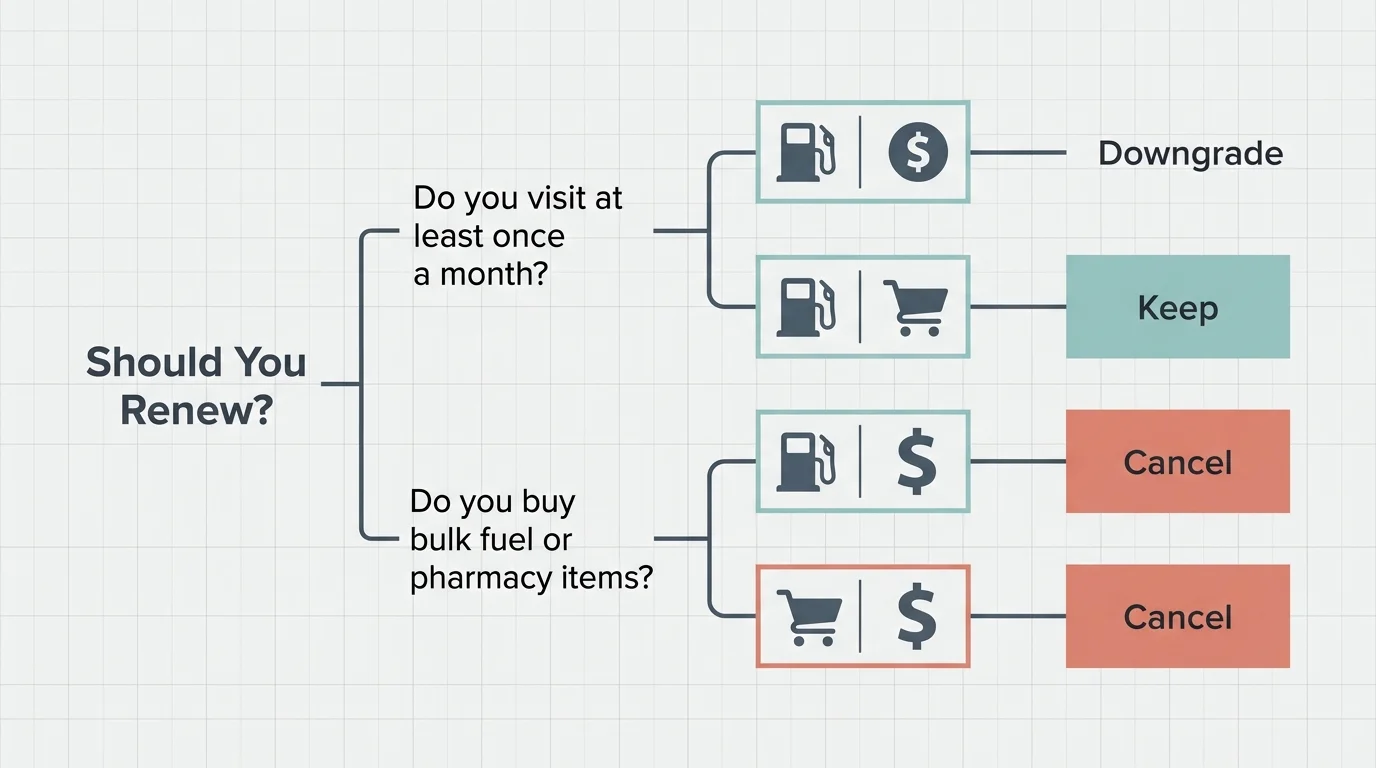
Tip #14: Blindly Renewing Your Annual Memberships
Paying an annual fee to access a warehouse club only makes logical financial sense if your concrete grocery savings exceed the upfront membership cost. Too many Americans blindly auto-renew their cards without running the basic math. If you only visit the warehouse twice a year to buy bulk paper towels and bottled water, you are actively losing money.
You must meticulously track your savings. For example, upgrading to the premium executive tier requires an extra fee but offers a two percent cash back reward. You must spend exactly three thousand two hundred and fifty dollars annually just to break even on that specific upgrade fee. Run your personal numbers; do not pay for access you do not heavily utilize.

Tip #15: Passing Up the Notorious Loss Leaders
Retail giants intentionally lose money on specific, highly visible items just to lure you through their massive front doors. The incredibly famous rotisserie chicken and the deeply discounted food court hot dog combos are prime examples of retail loss leaders. Store executives keep these prices artificially low to guarantee heavy foot traffic.
Capitalize on these specific deals, but do so with intense caution. Retailers place the cheap rotisserie chickens at the very back of the warehouse, forcing you to walk past hundreds of high-margin items to reach your dinner. Grab the loss leader, ignore the surrounding merchandise, and head directly to the checkout lanes to secure a genuine win.
The Bottom Line: What This Means for Your Wallet
Approach every single shopping trip as a calculated, strategic mission rather than a casual weekend outing. Mega-retailers build their immense profits by banking on your fatigue, your impulsivity, and your basic assumptions about bulk pricing. They are highly efficient businesses designed to separate you from your money, not charitable organizations trying to lower your cost of living.
When you arm yourself with the knowledge of hidden clearance codes, unit pricing math, and psychological store layouts, you flip the script entirely. You take back control of your budget. Shop with absolute intention, utilize digital tools to verify deals, and never let the massive scale of a supercenter intimidate you into making poor financial choices.
Frequently Asked Questions
Do I need an active membership to buy alcohol at warehouse clubs?
Depending on exactly where you live, you might not need a membership card to purchase alcohol. Several states strictly prohibit the requirement of a paid membership for the sale of alcohol. In these specific jurisdictions, you can confidently walk into the store and inform the door greeter you are exclusively there to buy liquor, wine, or beer.
Are private-label store brands truly the exact same as name brands?
Many private-label items are manufactured in the exact same facilities as their premium-priced competitors. While the proprietary recipe might vary slightly for certain food items, the core ingredients and manufacturing standards are often identical. For basic commodities like flour, sugar, over-the-counter pain relievers, and batteries, the generic product performs exactly like the expensive national brand.
Can I use manufacturer coupons at warehouse clubs?
Warehouse clubs generally do not accept standard manufacturer coupons clipped from the Sunday newspaper. Instead, they distribute their own exclusive monthly savings books that automatically apply discounts at the register. Supercenters, however, eagerly accept traditional manufacturer coupons, allowing you to stack physical coupons with digital cashback applications for maximum grocery savings.
How do I reliably find the hidden clearance items at Walmart?
Clearance items are heavily consolidated in specific, designated aisles, usually located near the toys, electronics, or garden center. However, the best markdowns are frequently hidden on the bottom shelves of regular aisles or placed randomly on unmarked endcaps. You must aggressively use the store’s mobile application scanner to verify the true price of items displaying yellow tags.
For consumer protection information, visit the Federal Trade Commission (FTC) and the Consumer Financial Protection Bureau (CFPB). For product safety and reviews, consult Consumer Reports.
Disclaimer: This article is for informational purposes only and does not constitute financial advice. The content reflects the author’s opinion and research at the time of writing. Always do your own research before making financial decisions.








Leave a Reply