
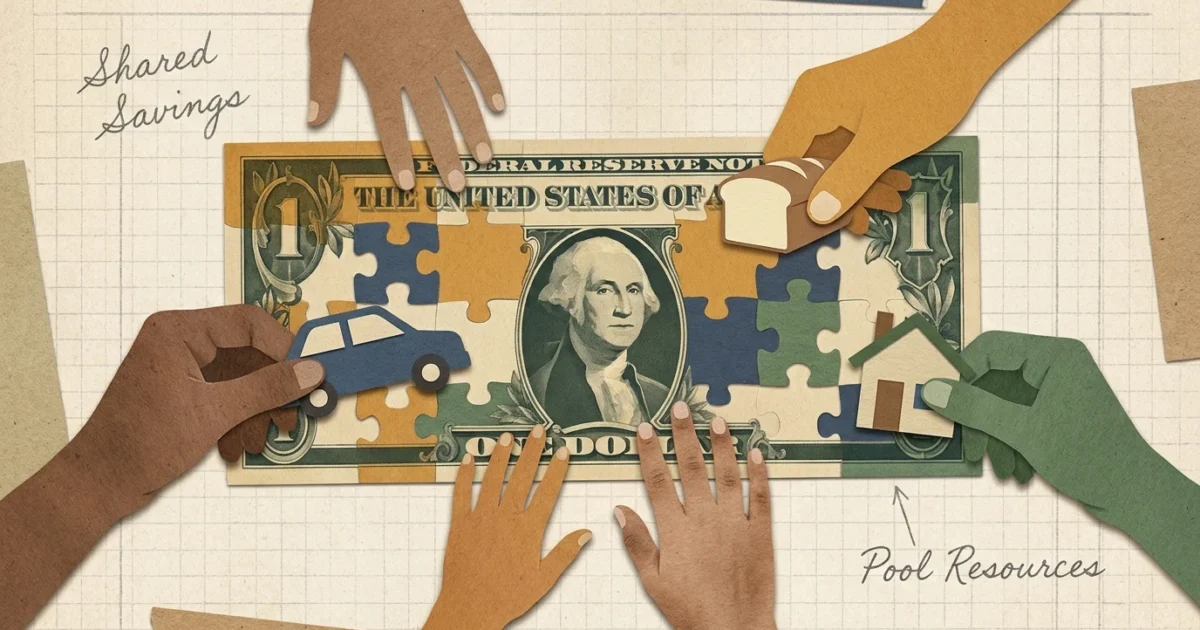
Stop letting corporations drain your wallet with individual pricing when you can slash your living costs by pooling resources. Single-user subscriptions, solo grocery runs, and standalone service plans are a tax on isolation. Savvy Americans recognize that consolidating purchasing power is the ultimate hack for family budgeting. You unlock massive discounts and secure premium services for pennies on the dollar just by teaming up. Instead of paying a premium for convenience, smart households combine their buying power to tackle shared expenses head-on. If you want to keep more cash in your bank account while upgrading your lifestyle, rethink how you buy everyday essentials. These are the specific purchasing trends saving modern families thousands of dollars every single year.
Tip #1: Multi-Line Cell Phone Megaplans
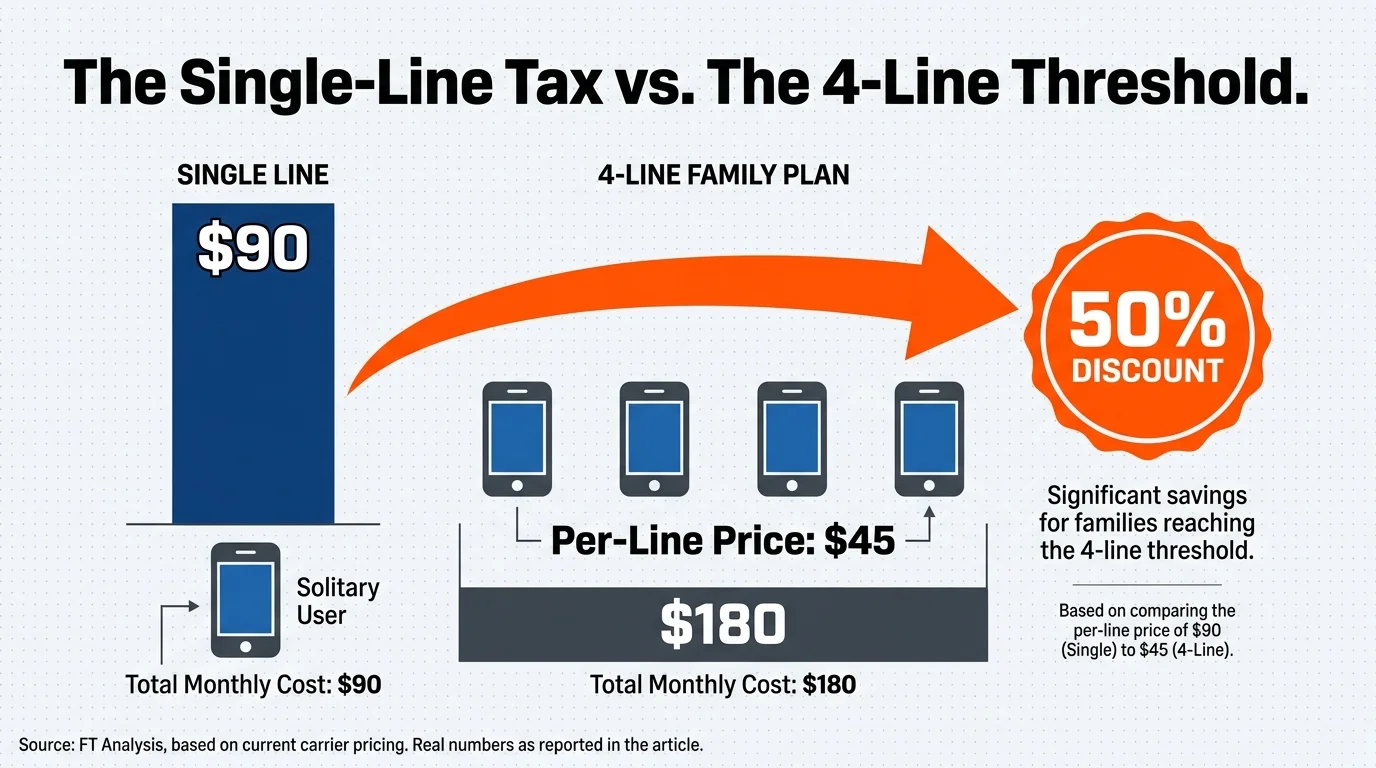
The telecommunications industry actively penalizes single users. If you walk into a major carrier store and ask for one unlimited data line, you will pay a massive premium. The single-line tax is a very real marketing trick designed to squeeze maximum profit from isolated consumers. To combat this, savvy families merge their accounts into massive multi-line megaplans. By placing four, five, or even six lines on a single unified account, the per-line cost drops dramatically.
You do not need to live under the same roof to take advantage of these multi-line discounts. Adult children, grandparents, and even trusted friends frequently combine their cellular bills to unlock top-tier unlimited plans for a fraction of the standalone price. Some major carriers drop the price of their premium unlimited tiers by more than fifty percent per line when you hit the four-line threshold. Furthermore, these bundled plans often include free perks like streaming service subscriptions or upgraded mobile hotspot data. You simply designate one person as the account administrator to pay the main bill, while the rest of the family sets up an automatic monthly transfer. This straightforward shared expense eliminates the cellular single-line tax forever.

Tip #2: Whole-Animal Meat Purchasing (Cow Pooling)
Wild inflation, shrinkflation, and middleman markups plague grocery store meat prices. Buying a pound of ground beef and a few steaks at retail prices week after week quietly destroys your family budgeting strategy. Instead of playing the supermarket game, families are pooling their cash to buy a quarter, half, or whole cow directly from local ranchers. This practice—often called cow pooling—allows you to secure hundreds of pounds of high-quality beef at a flat, wholesale rate.
When you buy a whole animal, you pay a single price per pound hanging weight. That means you get premium cuts like ribeyes, T-bones, and filet mignons for the exact same per-pound price as basic ground beef or chuck roast. A single family might struggle to afford a two-thousand-dollar upfront meat purchase or lack the deep freezer space to store it. By splitting the cost and the cuts among two or three households, you instantly solve both problems. You bypass the grocery store supply chain entirely, support a local agricultural business, and lock in a heavily discounted meat supply that will feed your entire family for the next six months.
Tip #3: Premium Cloud Storage and Software Subscriptions
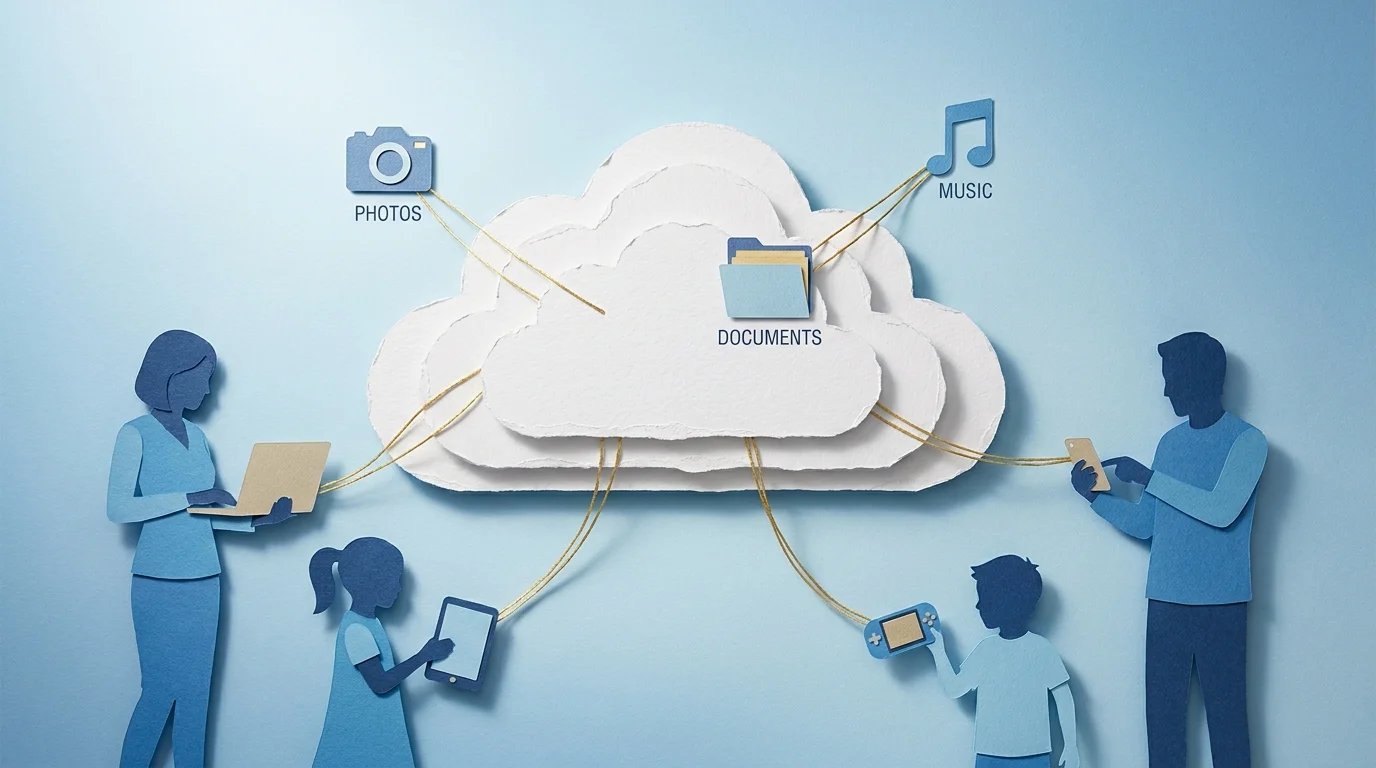
Digital hoarding is incredibly expensive. Tech giants want every single person in your household to pay ten dollars a month for a personal cloud storage upgrade or productivity software license. Those individual digital subscriptions represent a silent wealth killer that auto-drafts from your checking account every thirty days. Frugal families refuse to pay these redundant fees; instead, they upgrade to comprehensive family plans and share the digital wealth.
Whether you use the Apple ecosystem, Google One, or Microsoft 365, purchasing a unified family tier offers spectacular value. You can buy a massive block of cloud storage—often two terabytes or more—and divide it among up to six family members. Privacy remains completely intact, as each user maintains their own separate login and encrypted personal data silo; the only thing you share is the unified billing structure. Upgrading to a premium family software bundle costs marginally more than a single individual account but easily covers your spouse, your kids, and your parents. Consolidating these digital expenses clears out the clutter on your bank statements and ensures everyone has the storage and tools they need for a single, easily manageable yearly fee.

Tip #4: Warehouse Club Bulk Hauls
Warehouse clubs like Costco and Sam’s Club offer undeniable value, but the sheer volume of their products creates a logistical nightmare for a standard household. Buying a fifty-pound bag of flour, a gallon of mayonnaise, or sixty rolls of toilet paper is a massive commitment of both cash and pantry space. To capture the incredible savings of bulk purchasing without turning their homes into overcrowded warehouses, families are tag-teaming their big-box store runs.
The strategy is wonderfully straightforward. You coordinate your shopping list with your siblings or your neighbors before hitting the aisles. You buy the massive, deeply discounted institutional packages of paper goods, cleaning supplies, and dry grocery staples. Then, you literally divide the spoils in the driveway. Splitting a bulk package of premium organic chicken breasts or a massive flat of canned goods drops your unit price down to unbeatable levels. This shared approach to frugal living allows smaller households to reap the financial benefits of extreme bulk pricing without wasting money on food spoilage or sacrificing an entire hallway closet to paper towel storage.

Tip #5: Heavy-Duty Lawn and Snow Equipment
Homeownership demands an arsenal of expensive power equipment. Gas-powered snowblowers, heavy-duty riding lawn mowers, wood chippers, and commercial pressure washers cost thousands of dollars. Worse yet, you only use these high-ticket items a few times a year. They sit idle in your garage taking up valuable space and rapidly depreciating in value. Smart homeowners look at their immediate neighbors and extended family nearby and recognize the absurdity of everyone buying identical equipment.
Equipment sharing is quickly becoming a cornerstone of neighborhood household trends. Instead of three brothers living in the same city each buying a mediocre five-hundred-dollar snowblower, they pool their funds to buy one high-end, commercial-grade machine. You get a vastly superior piece of equipment that works faster, breaks down less frequently, and lasts a lifetime. The same logic applies to specialized tools like carpet cleaners, post-hole diggers, and heavy-duty tillers. You establish simple ground rules for maintenance, gas, and storage, and you instantly cut your lawn and garden capital expenses by a massive margin. Sharing heavy machinery is a highly practical way to access professional-grade tools on a beginner budget.

Tip #6: Nanny Shares and Private Childcare
Astronomical monthly tuition at daycare centers rivals the cost of a mortgage, and many facilities suffer from severe understaffing. If you want the personalized attention of a private, in-home nanny, the financial burden is typically out of reach for a middle-class household. To beat the system, families are aggressively adopting the nanny share model to secure premium childcare at a heavily discounted rate.
In a nanny share, two families hire one dedicated professional to watch both sets of children simultaneously. You host the children at one house, alternating locations if desired, and split the nanny’s hourly wage straight down the middle. If a high-quality nanny commands twenty-five dollars an hour, you only pay twelve dollars and fifty cents. This arrangement pays the childcare provider a competitive, living wage while slashing your personal out-of-pocket expenses compared to standalone nanny services or elite daycare centers. Your children benefit from daily socialization with their nanny-share siblings, and you gain the flexibility and specialized care of a private employee without enduring total financial ruin.
Tip #7: Vacation Rentals and Timeshare Alternatives
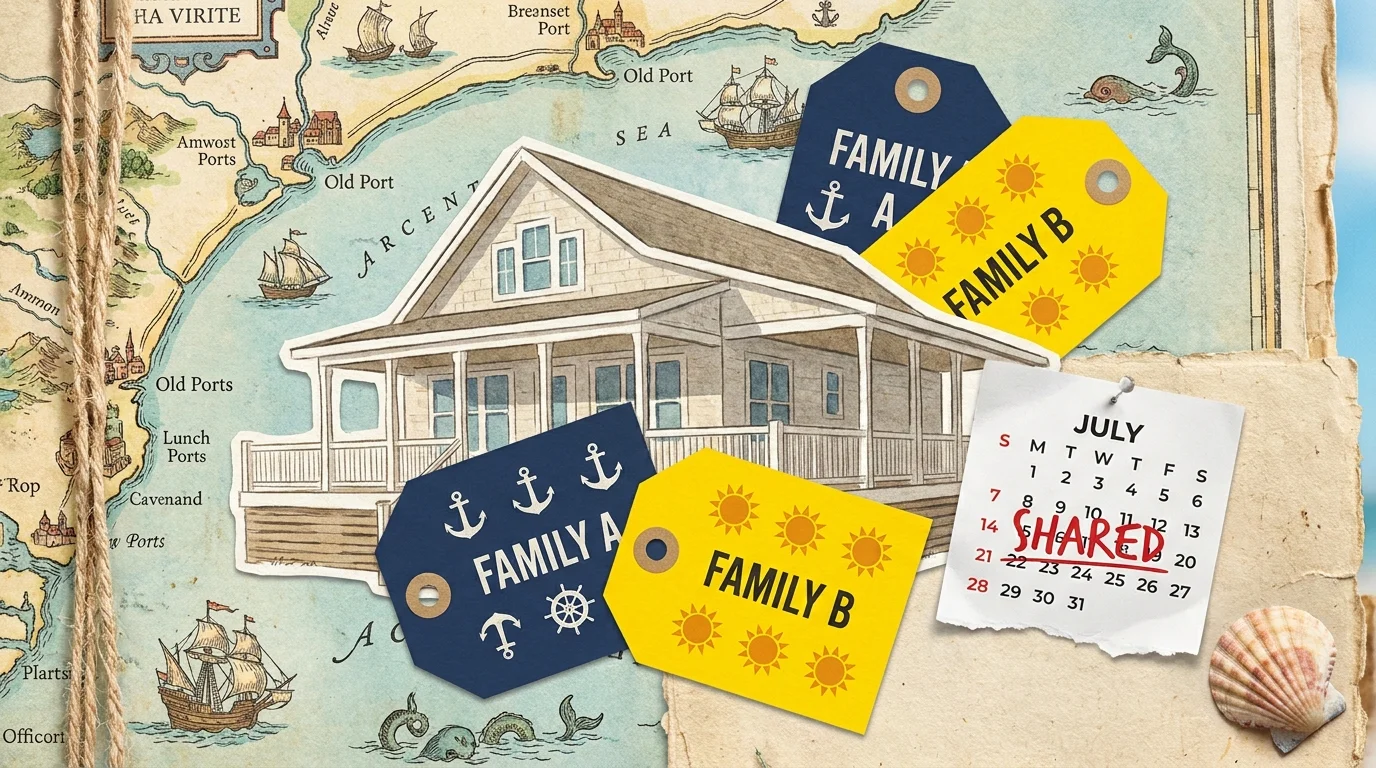
The traditional family vacation is undergoing a massive structural shift. Booking three separate hotel rooms for a multi-generational trip guarantees you will overpay for cramped quarters and basic amenities. Hotels nickel and dime you for daily parking, resort fees, and overpriced room service. Frugal Americans are abandoning the standard hotel model entirely in favor of pooling their vacation budgets to rent massive, luxury residential properties.
When you split the cost of a sprawling six-bedroom vacation rental with your extended family, the economics change immediately. You secure private pools, expansive outdoor entertainment areas, and premium locations for a fraction of the cost per person. More importantly, these large homes feature fully equipped, gourmet kitchens. By buying groceries and cooking group meals, you completely eliminate the catastrophic expense of feeding a large family at tourist-trap restaurants three times a day. You also split the notoriously high cleaning fees and service charges levied by short-term rental platforms. Sharing a single, high-end vacation property upgrades your travel experience while simultaneously driving down your core vacation costs.
Tip #8: Streaming Service and Entertainment Bundles
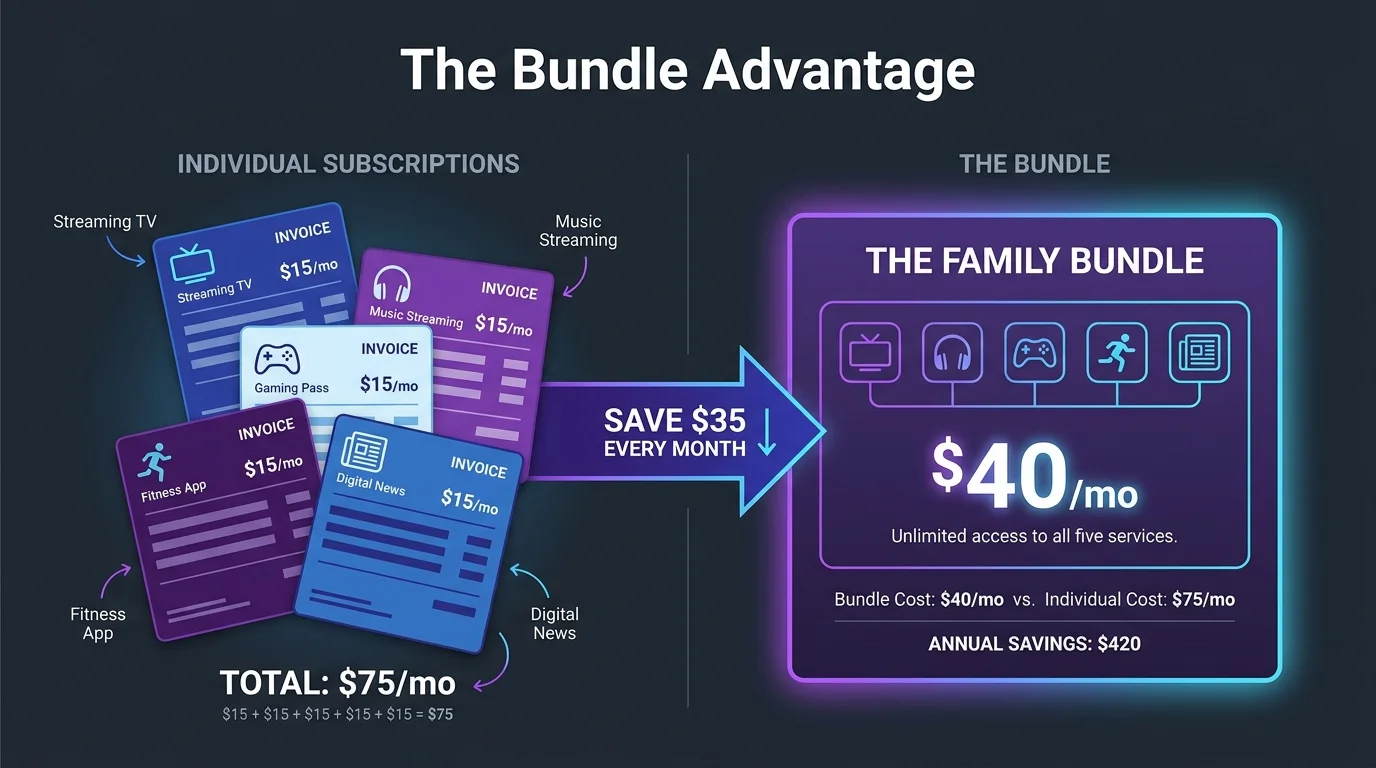
The era of cheap, easily shared streaming passwords is coming to a grinding halt. Major entertainment networks are aggressively cracking down on account sharing across different ZIP codes. As these individual subscription prices skyrocket, consumers find themselves paying upwards of a hundred dollars a month just to access three or four different platforms. To keep their entertainment budgets in check, families are strategically consolidating their viewing habits into tightly managed shared bundles.
Rather than every adult child paying for their own music streaming app, households mandate a shift to a master family audio plan. For video streaming, families living at the same address are dumping individual ad-free tiers and utilizing robust family profiles under one primary account. Furthermore, live television bundles like YouTube TV or Hulu + Live TV offer customized profiles and simultaneous streams that effectively replace the traditional cable box for the entire household. By auditing the family entertainment expenses and stripping out overlapping standalone subscriptions, you force the streaming giants to deliver maximum value. You stop paying the isolation penalty and keep your media access fully optimized.

Tip #9: Niche Kitchen Gadgets and Specialty Cookware
If you look inside the cabinets of any standard American kitchen, you will find hundreds of dollars tied up in hyper-specialized cooking equipment. Stand mixers, massive food dehydrators, pasta makers, turkey fryers, and giant roasting pans are notoriously expensive and take up an incredible amount of storage space. You might use these items twice a year during major holidays, leaving them to collect dust for the remaining three hundred and sixty days. Frugal families are putting an end to this culinary waste.
Instead of outfitting every single home with identical, rarely used gadgets, extended families are creating private lending libraries for their expensive kitchen tools. If your sister owns the five-hundred-dollar stand mixer and your parents own the commercial-grade meat slicer, you do not need to buy your own. You simply borrow the item for the weekend you actually need it. This highly collaborative approach to kitchen outfitting prevents you from wasting hard-earned cash on novelty appliances. It frees up your kitchen counter space and ensures that expensive culinary investments actually see regular, productive use across the entire family network.

Tip #10: Bulk Emergency Preparedness Supplies
Building a robust emergency preparedness stockpile requires a significant financial commitment. High-quality water filtration systems, long-term freeze-dried food buckets, and portable solar generators are highly specialized items that carry a premium price tag. While every household needs a basic survival kit, duplicating massive, expensive emergency infrastructure across multiple homes within the same geographic area is highly inefficient. Pragmatic families are treating disaster prep as a joint venture.
You can purchase emergency food supplies by the pallet for a drastically reduced wholesale price. By pooling your funds with relatives or trusted neighbors, you acquire top-tier, twenty-five-year shelf-life rations at a steep discount. Families are also co-investing in heavy-duty, portable dual-fuel generators. If a severe storm knocks out the power grid in your specific neighborhood, the shared generator is deployed to your house to save your deep freezer inventory; if the outage hits your brother across town the next month, the generator moves there. Sharing the financial burden of disaster readiness allows you to acquire professional-grade survival gear without draining your personal emergency fund to zero.
The Bottom Line: What This Means for Your Wallet
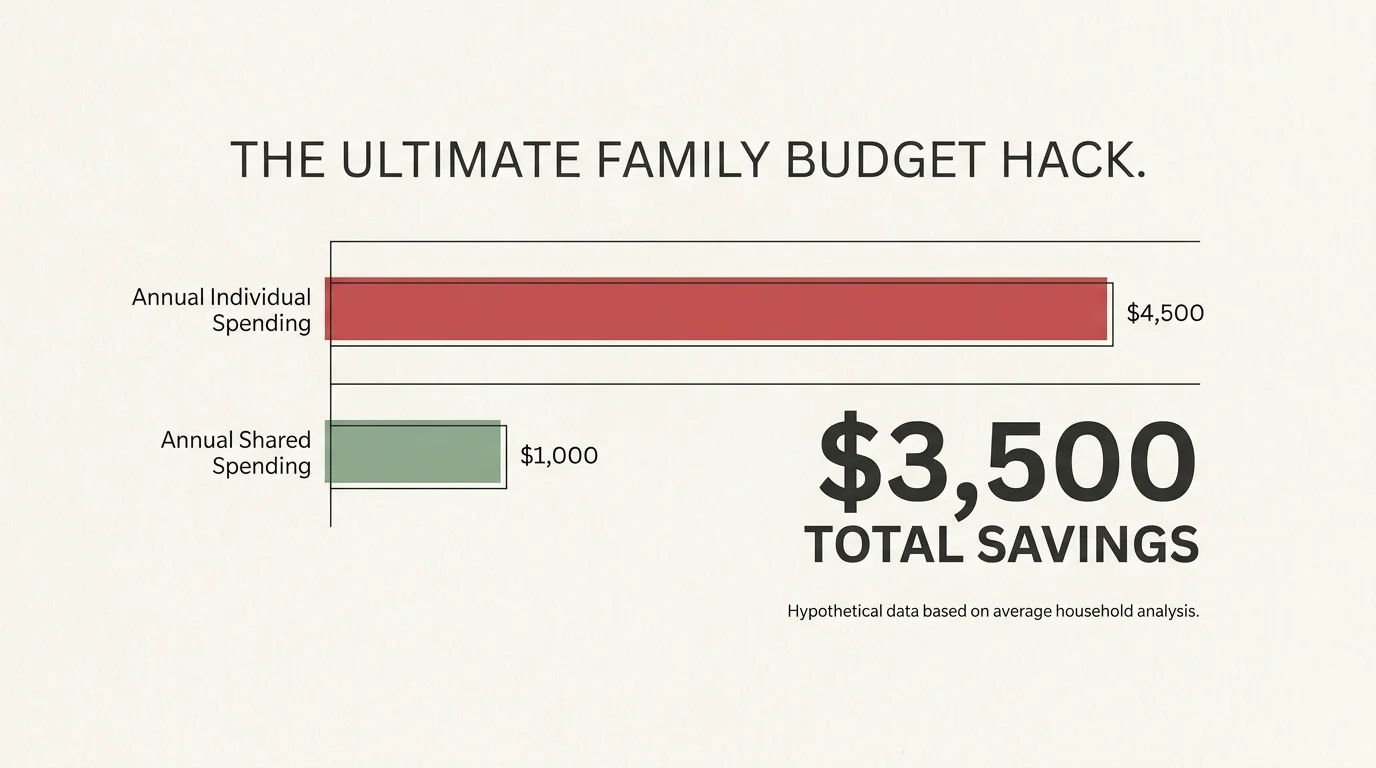
The modern consumer economy is meticulously designed to isolate you. Marketers know that when you buy as an individual, you lose all your leverage, forcing you to pay top dollar for every service, product, and subscription you consume. The secret to aggressive wealth building is breaking out of that isolated consumer mindset. You must view your family, your trusted friends, and your neighbors as a unified economic block ready to negotiate better deals.
When you start combining your financial resources to tackle shared expenses, the math shifts heavily in your favor. You dictate the terms of your purchases, you demand wholesale pricing, and you gain access to premium quality goods that would normally break a solo budget. Saving money is not just about cutting coupons or depriving yourself of the things you enjoy; it is about deploying your capital with extreme efficiency. Start auditing your monthly expenses today. Find the subscriptions, the services, and the physical goods that you can immediately merge with your family. By making collaborative purchasing your default strategy, you will effectively give yourself a permanent, life-changing raise.
For consumer protection information, visit the Federal Trade Commission (FTC) and the Consumer Financial Protection Bureau (CFPB). For product safety and reviews, consult Consumer Reports.
Disclaimer: This article is for informational purposes only and does not constitute financial advice. The content reflects the author’s opinion and research at the time of writing. Always do your own research before making financial decisions.
Frequently Asked Questions
How do you handle disagreements over shared family bills?
Transparency and automation are your best tools. Never rely on verbal agreements for ongoing shared expenses. You must designate one primary account holder to manage the main bill, and everyone else must set up an automatic monthly transfer from their bank to that account. If someone fails to pay their portion, you immediately remove them from the multi-line plan or shared subscription. Treat the arrangement like a strict business contract to prevent emotional family disputes.
Is it legal to share digital subscriptions and software licenses?
It depends entirely on the terms of service of the specific provider. Most software companies explicitly offer family plans designed to be shared among up to six users. However, streaming networks are aggressively updating their terms to restrict sharing to individuals living at the exact same physical address. You must read the fine print of your specific plan to ensure you stay compliant and avoid sudden account bans.
How do you split the cost of physical items fairly?
When buying bulk groceries, you divide the total receipt by the exact volume or weight each household takes. For heavy machinery or lawn equipment, you split the initial purchase price evenly. You also need an upfront agreement on ongoing maintenance costs; for example, everyone pitches in twenty dollars a year for an oil change and new spark plugs for the shared snowblower. Clear communication ensures physical property sharing remains mutually beneficial.









Leave a Reply