
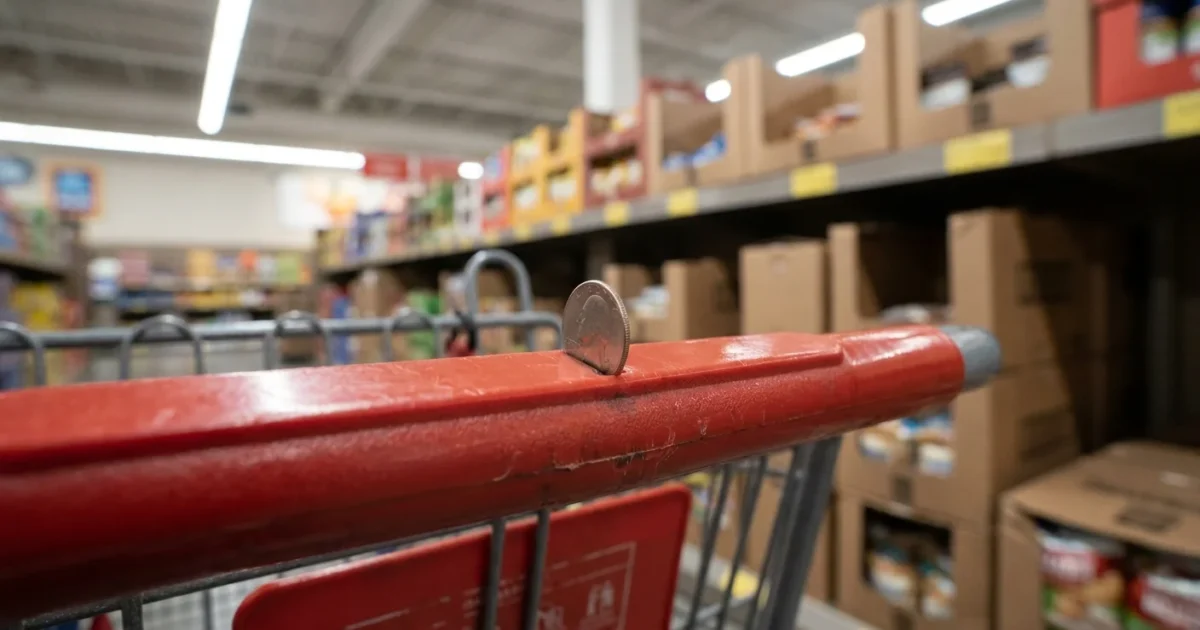
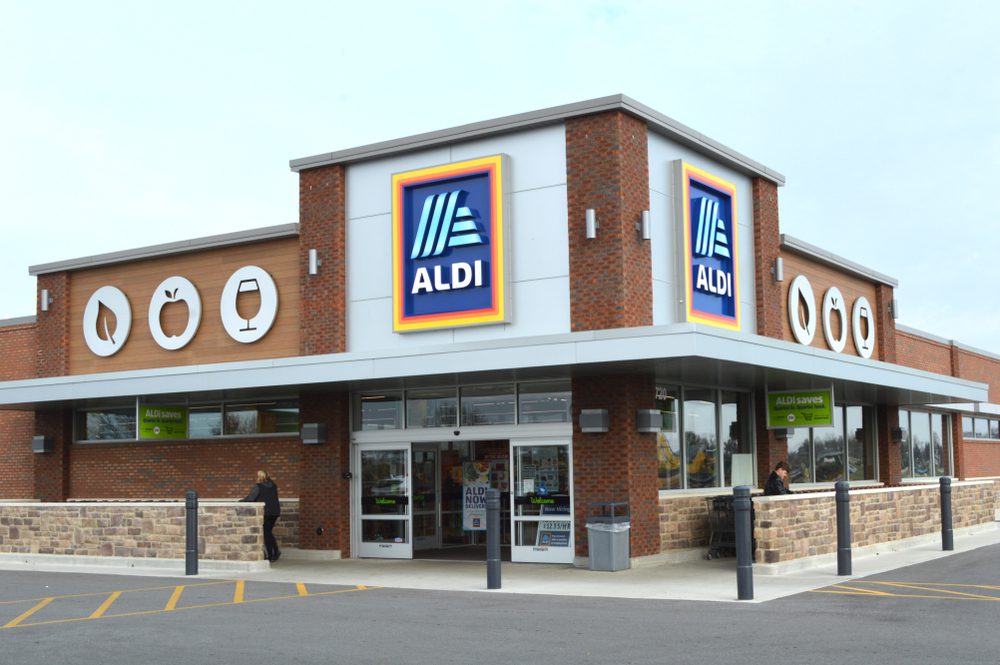
You can trim your weekly grocery bill by up to 40% simply by switching your primary supermarket to Aldi. The discount chain achieves massive savings through private labels, a streamlined store layout, and a cart deposit system that keeps overhead incredibly low. However, assuming every single item on their shelves offers unbeatable value guarantees you will sabotage your household budget. Smart shoppers understand how to separate the legitimate steals from the clever marketing illusions. While the dairy, bakery, and snack aisles overflow with bargains, certain categories consistently fall short when compared to regional supermarkets or big-box retailers. Keep your cash in your pocket by learning exactly which eight Aldi items you must skip on your next grocery run.
Tip #1: Name-Brand Pantry Staples
Aldi commands fierce loyalty because of its exceptionally high-quality private-label goods. You walk down the aisles and see familiar-looking boxes of cereal, crackers, and snacks that mimic your childhood favorites perfectly. To make the transition easier for new shoppers, the store stocks a handful of recognizable national brands. You will frequently spot Coca-Cola, Tide laundry detergent, and General Mills cereals strategically placed on the shelves.
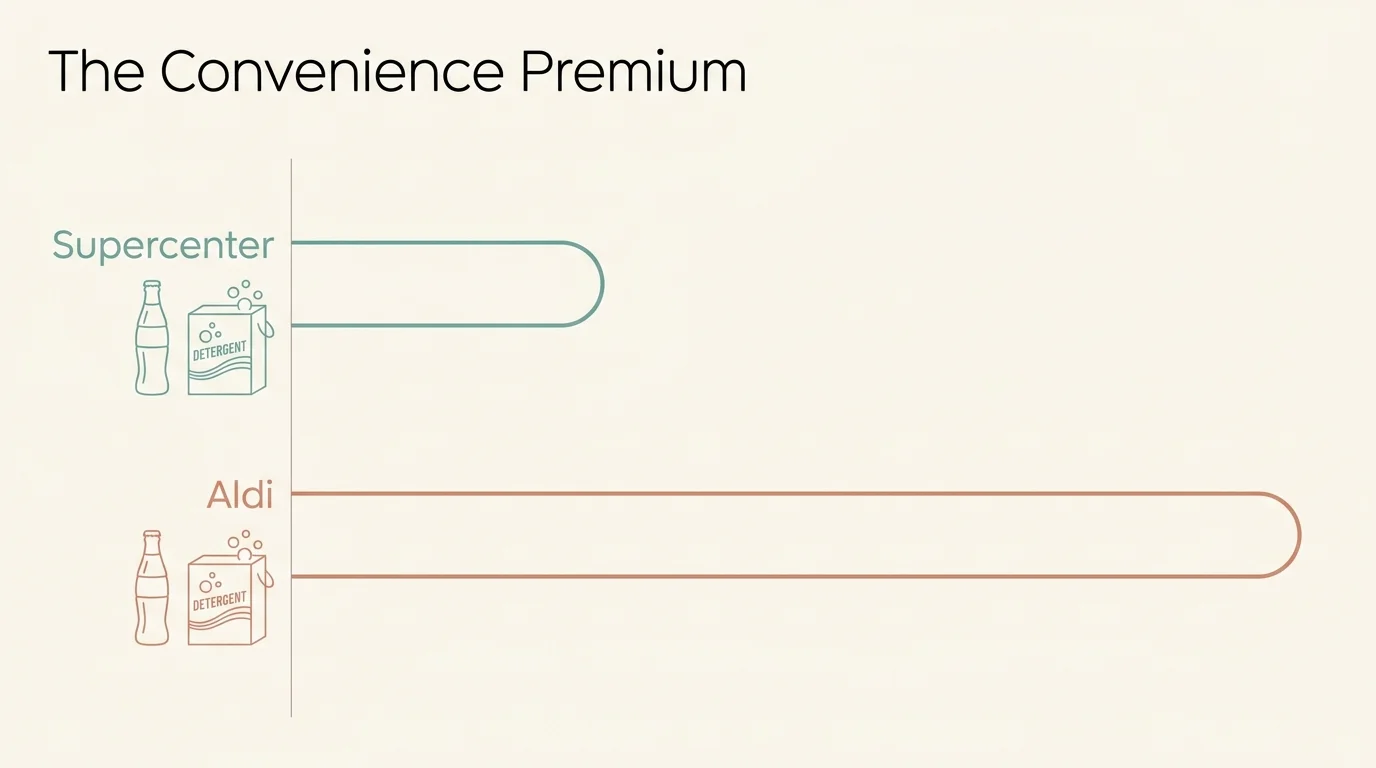
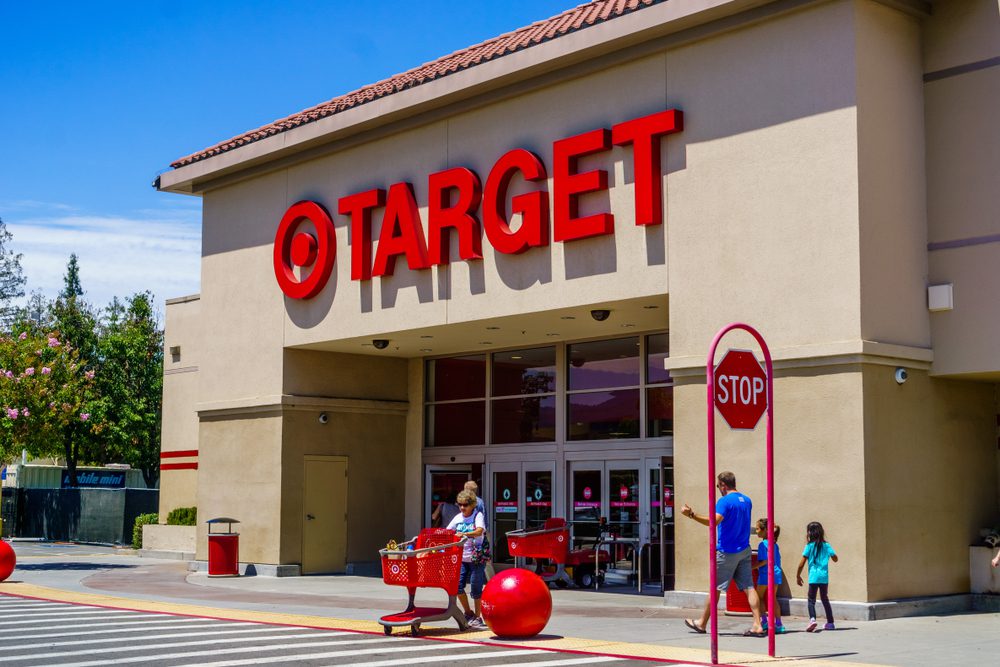
Grabbing these recognizable items feels incredibly convenient when you want to avoid making a second trip to another grocery store. However, convenience always comes at a premium. Aldi does not purchase these national brands in the same massive, pallet-level quantities as discount behemoths like Walmart or Target.
Consequently, they cannot pass along the steep volume discounts that larger retailers secure. When you analyze the unit price of a name-brand item at Aldi against the exact same product at a large supercenter, the math rarely works in your favor. You pay a hidden premium simply for the luxury of a one-stop shopping trip.
Savvy shoppers treat the name-brand products at Aldi as a massive red flag for their grocery budget shopping strategy. If your household refuses to compromise on a specific brand of soda or detergent, you must buy those specific items at big-box stores. Alternatively, you can wait for aggressive digital coupon sales at your regional supermarket. Keep your Aldi cart strictly filled with their private-label equivalents to maximize your financial savings.
Tip #2: Pre-Packaged Fresh Produce
Walking into the produce section at a discount grocer presents a unique retail experience; almost everything comes wrapped in plastic or bundled in mesh bags. You will find three-packs of brightly colored bell peppers, five-pound bags of russet potatoes, and pre-weighed clamshells of organic spinach.
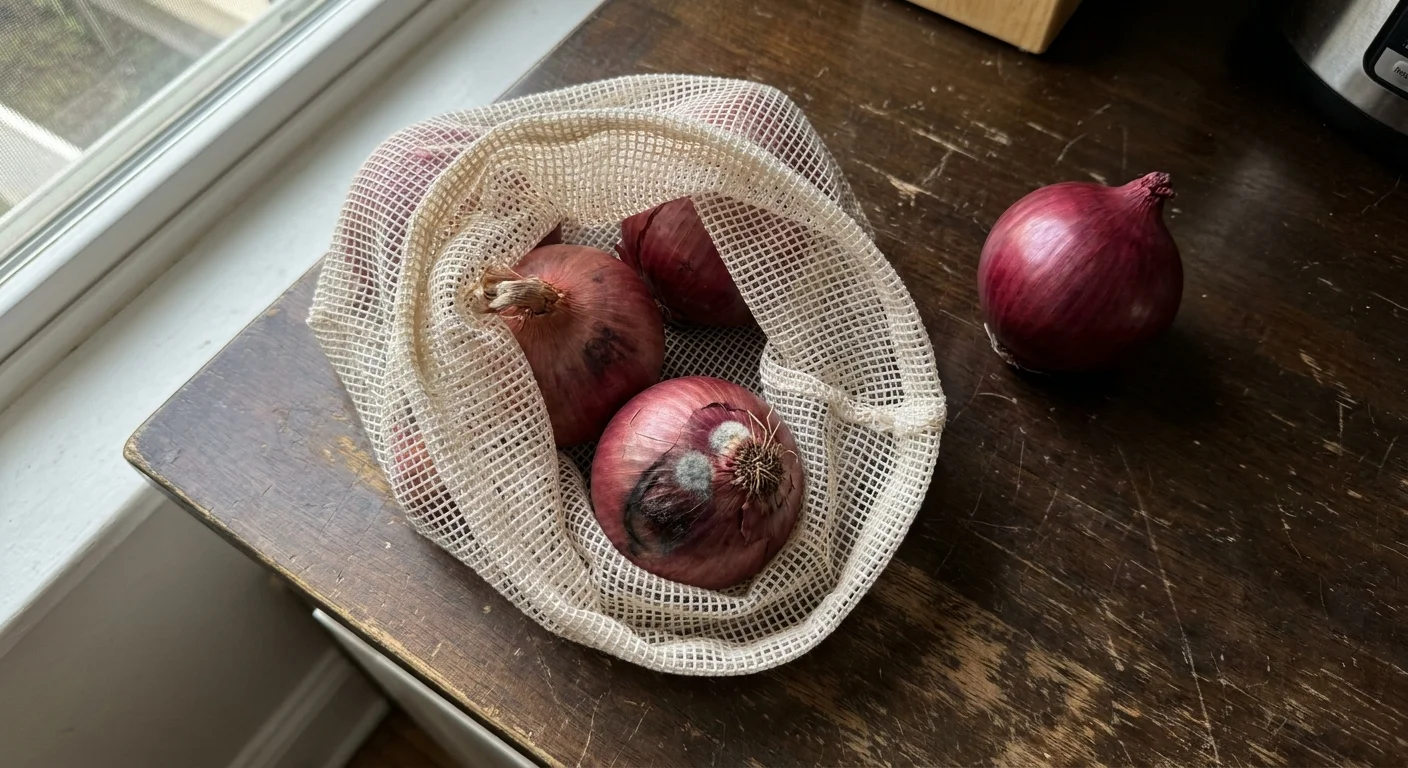
This specific packaging strategy allows cashiers to scan barcodes at lightning speed, keeping checkout lines moving and overhead costs remarkably low. However, the primary problem with this bundled system is forced overbuying. If your weekly meal plan only requires a single red onion, buying a three-pound bag means you are paying for food you likely will not eat.
Food waste directly destroys your budget and negates the discount you thought you received. Furthermore, inspecting produce quality becomes significantly harder when items are tightly bound in unbreathable plastic. One bruised apple or moldy lemon hidden in the center of a sealed bag instantly diminishes the overall value of your purchase.
To master Aldi value comparison, you have to weigh the bag price against the per-pound price at competing stores. Local supermarkets routinely use loose, fresh produce as loss leaders to drive foot traffic into their aisles. You can often buy exactly the amount of tomatoes or apples you need at a lower per-pound rate simply by browsing the front-page sales of a standard grocery store weekly circular.
Tip #3: Fresh Beef and Poultry
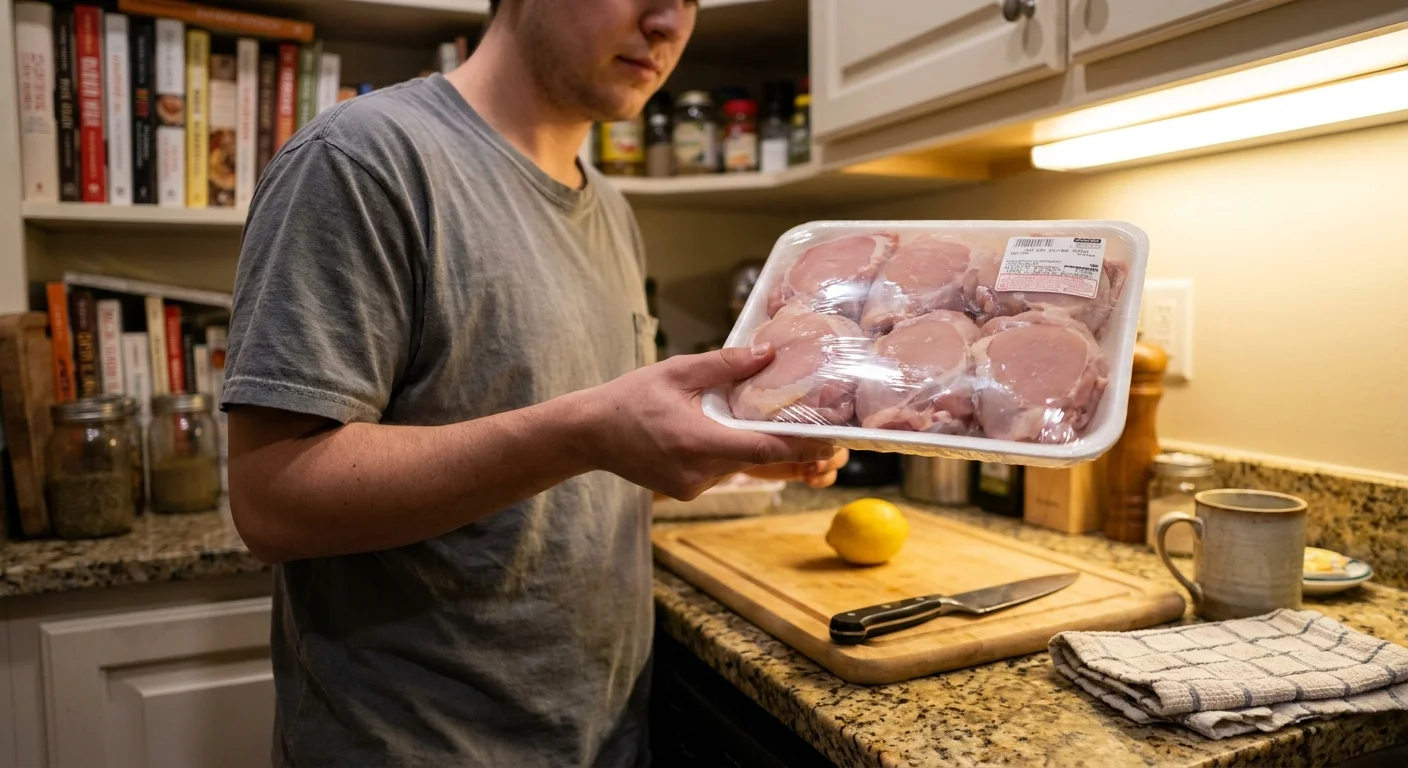
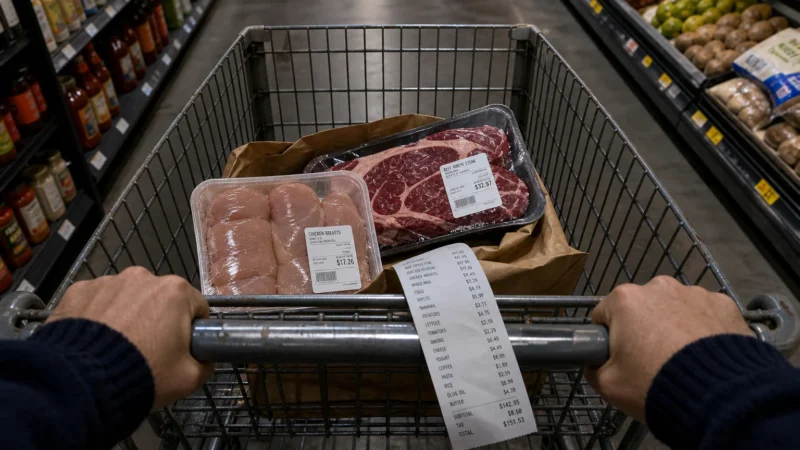
You can confidently plan a backyard barbecue using meat sourced exclusively from Aldi, but you will pay a standard, middle-of-the-road price for the convenience. The store carries a highly reliable inventory of ground beef, chicken breasts, and pork chops.
Their organic and grass-fed options often appeal to health-conscious consumers looking for an alternative to premium grocers like Whole Foods. Despite the reliable quality, fresh meat ranks surprisingly high on the list of Aldi products to avoid if you want absolute rock-bottom prices.
Traditional grocery chains operate large, dedicated meat departments staffed by professional butchers. They systematically slash prices on chicken quarters, pork shoulders, and ground chuck to lure you into the store, fully expecting you to buy high-margin items while you are there. Aldi rarely offers these deep, bottom-dollar meat discounts because their everyday pricing model does not rely on aggressive loss leaders.
Protect your hard-earned cash by tracking meat sales at regional competitors. When a local store drops the price of chicken breasts to an aggressive low, buy ten pounds and utilize your chest freezer. Reserve your primary grocery runs for pantry staples and dairy, rather than relying on discount supermarkets to supply the protein centerpieces of your nightly dinners.
Tip #4: Paper Towels and Toilet Paper
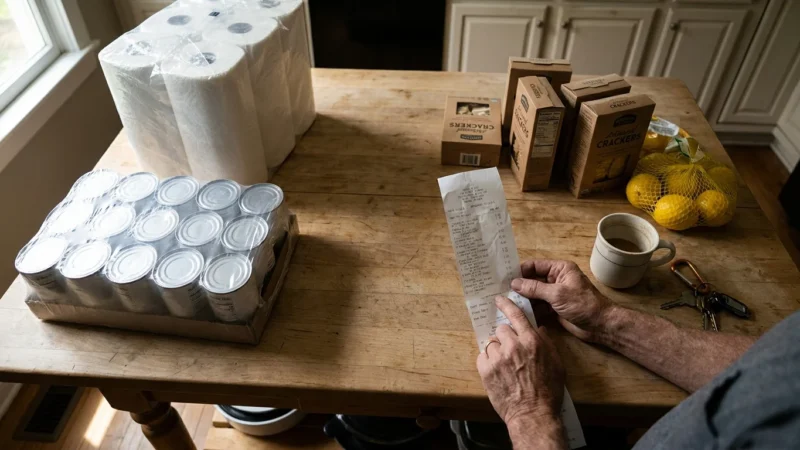
Household paper products consume a frustratingly large portion of the modern family budget. Aldi offers their own private label paper goods, primarily operating under the Boulder and Willow brand names. Standing in the aisle, the low sticker price on a pack of paper towels looks incredibly tempting compared to the staggering cost of a massive bundle of Bounty or Charmin.
You must always calculate the price per square foot—not the price per package—to determine the true value of your paper goods. When you break down the mathematical reality, discount store paper products fall severely short of the bargains found at traditional warehouse clubs.
Costco and Sam’s Club absolutely dominate the paper goods category by offering ultra-thick, two-ply products at a fraction of the per-sheet cost. Additionally, many consumers find that the discount paper goods require you to use twice as many sheets to clean up a simple spill, rapidly accelerating how fast you burn through a single roll.
Stop throwing money away on highly inefficient household essentials. If you do not hold a warehouse club membership, wait for promotional gift card deals at Target. You frequently see promotions rewarding you with a massive gift card simply for stocking up on household items. Your wallet and your cleaning routine will both benefit from avoiding the discount paper aisle entirely.
Tip #5: Name-Brand Personal Care Products
Aldi dedicates a remarkably small sliver of shelf space to health and beauty items. Mixed in among their limited private-label soaps and lotions, you will frequently spot highly recognizable brands of shampoo, toothpaste, and deodorant.
Seeing a stick of Old Spice or a tube of Crest might trigger a sense of relief for shoppers needing to grab a quick hygiene restock. Buying these toiletries at a discount grocer violates one of the most fundamental rules of smart shopping. The store explicitly prices these specific items for pure convenience.
They know you are tossing a bottle of Pantene into your cart solely to save yourself a frustrating trip to the local pharmacy. Because Aldi does not accept traditional manufacturer coupons, you end up paying the absolute maximum retail price for these everyday hygiene necessities.
You can easily hack the system by purchasing your personal care items at dedicated drugstores like CVS or Walgreens. By combining drugstore loyalty programs, digital manufacturer coupons, and store-specific cashback rewards, you can frequently acquire premium toothpaste, razors, and deodorant for pennies. Leave the name-brand shampoo on the supermarket shelf and keep your toiletries budget entirely separate from your food budget.
Tip #6: Premium Pet Food and Treats
Taking care of a dog or cat requires a constant, unending supply of kibble, canned food, and daily treats. Aldi caters to budget-conscious pet owners with their Heart to Tail brand, offering surprisingly cheap bags of dry food and large multipacks of wet food.
The upfront cost looks like a massive win for pet parents desperately trying to manage inflation. Unfortunately, cheaper pet food often relies heavily on inexpensive carbohydrate fillers, artificial colors, and meat by-products rather than high-quality, recognizable proteins.
If your dog or cat has a sensitive stomach or requires a specialized diet, transitioning them to a discount grocer’s brand can trigger severe digestive issues. This often leads to costly veterinary bills that instantly wipe out any initial grocery savings you thought you secured.
You can capture much better deals on high-quality pet food by leveraging technology and bulk shipping networks. Online retailers like Chewy or Amazon offer aggressive discounts when you sign up for their automated subscription delivery services. Local farm stores also provide excellent value on massive bags of premium kibble that far exceed the nutritional profile found in the discount grocery aisle.
Tip #7: Single-Serve Convenience Meals and Salads
The refrigerated deli section at Aldi features an impressive array of pre-made salads, heat-and-eat macaroni bowls, and single-serve protein packs. These grab-and-go options appeal directly to busy professionals and exhausted parents looking for a completely frictionless lunch.
They look fresh, taste great, and require absolutely zero preparation in your kitchen. However, paying for someone else to chop your lettuce and portion your dressing destroys the entire fundamental purpose of shopping at a discount supermarket.
A pre-made chicken Caesar salad might cost five dollars at the checkout register. While that undeniably beats the price of a restaurant lunch, it represents a massive premium over the raw cost of the individual ingredients. You are essentially paying a luxury convenience tax inside a store specifically designed for budget-conscious consumers.
Reclaim those lost dollars by leaning heavily into basic, weekly meal prep. You can buy a massive tub of fresh organic spinach, a bottle of premium dressing, and a pack of fully cooked grilled chicken strips for roughly ten dollars. Assembling your own salads from these bulk components drops your per-meal cost down to just two dollars. The best financial hacks always revolve around buying raw materials rather than fully assembled convenience foods.
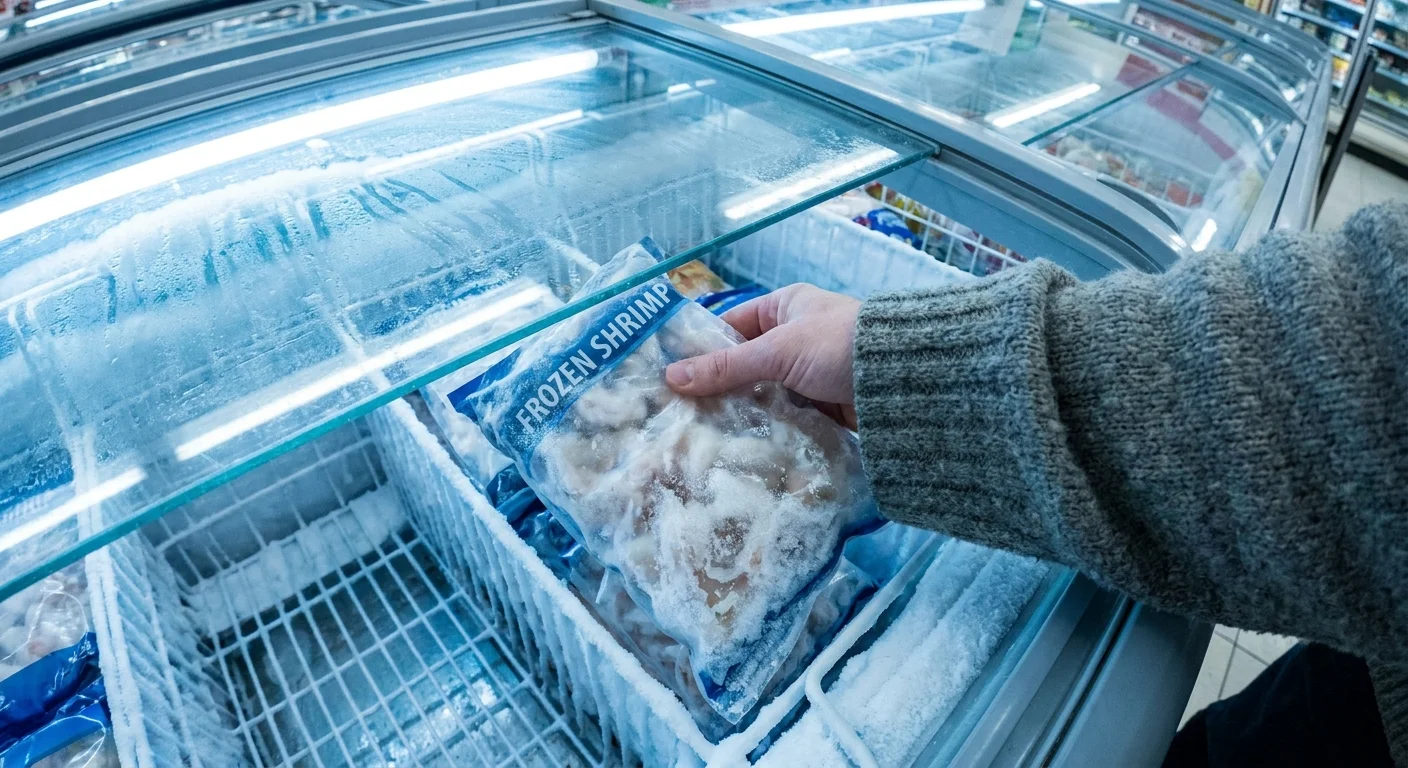
Tip #8: Specific Types of Frozen Seafood
Stocking your freezer with fish and shrimp seems like a brilliant way to incorporate healthy proteins into your diet without paying exorbitant fresh-market prices. Aldi offers an extensive frozen seafood section, featuring everything from delicate tilapia fillets to massive bags of jumbo shrimp.
The remarkably low price tags frequently entice shoppers to upgrade their standard weeknight dinners with a premium seafood feature. However, you have to look very closely at the tiny ingredient labels on the back of the bag to understand why these products cost so little.
Many budget-tier frozen shrimp and fish fillets are heavily treated with sodium tripolyphosphate. This chemical additive causes the seafood to absorb and retain excess water weight right before the freezing process. You end up literally paying by the pound for frozen tap water.
When you finally thaw the shrimp in your kitchen sink, they dramatically shrink in size, leaving you with a surprisingly small amount of actual edible protein. Always read the back of the package before putting frozen seafood in your cart. You want to see only one ingredient listed: the fish or shrimp itself. You will consistently find a vastly superior quality-to-price ratio by purchasing chemical-free frozen seafood during massive buy-one-get-one-free promotions at your local neighborhood grocery store.
The Bottom Line: What This Means for Your Wallet
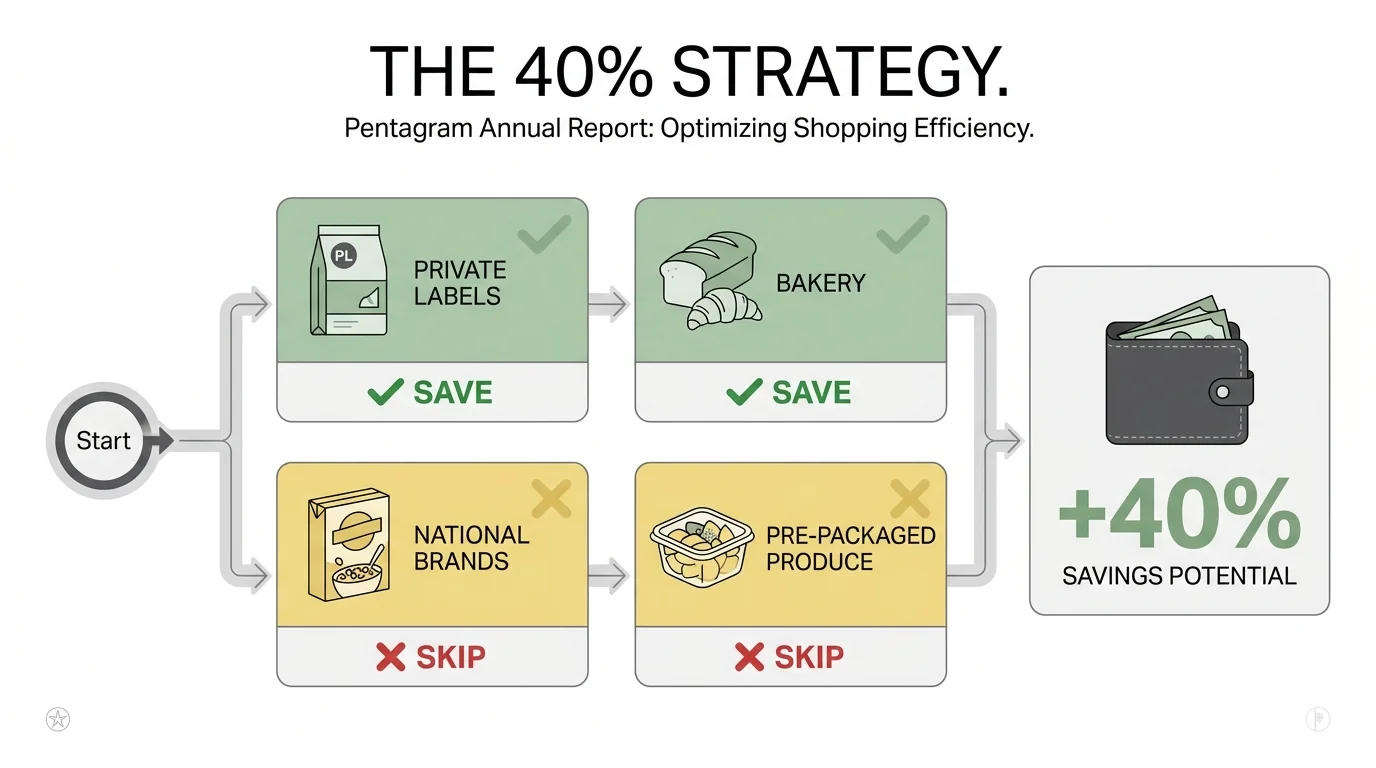
Navigating the aisles of a discount supermarket requires strategy, discipline, and a critical eye. Aldi absolutely dominates the grocery landscape when it comes to pantry staples, dairy products, baking supplies, and imported chocolates. You can transform your financial life simply by purchasing those core items from their high-quality private labels.
However, blind brand loyalty rarely benefits the consumer. Assuming that every single item under a discount roof represents the best possible deal guarantees you will leave money on the table. Identifying the Aldi best and worst buys allows you to build a sophisticated hybrid shopping strategy.
You should absolutely grab your milk, eggs, and weekly snacks from the German discount giant to capitalize on their incredible efficiencies. But you must fiercely protect your budget by purchasing meat, paper goods, and personal care items from big-box retailers and regional supermarkets that offer superior competitive pricing. Knowing exactly what to leave on the shelf separates the average consumer from the true financial optimizer.
Frequently Asked Questions
Are Aldi private label products secretly made by major national brands?
Yes, many private label items are manufactured by the exact same facilities that produce prominent national brands. Food producers often sell their excess capacity to discount supermarkets to keep their factory lines running efficiently. While the packaging looks entirely different, the soup, cereal, or snacks inside frequently share an identical manufacturing origin, allowing you to enjoy premium quality without the marketing markup.
Why do I have to pay for shopping bags at Aldi?
Charging for bags represents a core component of the discount grocery business model. Traditional supermarkets hide the cost of paper and plastic bags within the artificially inflated prices of your groceries. By requiring shoppers to bring their own reusable bags or purchase them at checkout, Aldi strips away hidden overhead costs. They pass those operational savings directly back to the consumer through lower overall food prices.
What happens if I purchase an Aldi private label item and hate the taste?
You can shop with complete confidence thanks to their incredibly generous return policy. The store operates under a “Twice as Nice Guarantee.” If you are not completely satisfied with the quality of any private-label food product, you can return the unused portion to the store manager. They will refund your original purchase price and replace the item with a different product of your choosing, entirely free of charge.
Does Aldi accept manufacturer coupons for the name-brand items they sell?
No, the store strictly refuses all traditional manufacturer coupons. Their point-of-sale systems are optimized for speed, and processing paper coupons drastically slows down the checkout line. Because they already negotiate the lowest possible wholesale prices for their inventory, they do not participate in external promotional programs. This rigid policy serves as another reason why buying name-brand goods there rarely represents a smart financial move.
For consumer protection information, visit the Federal Trade Commission (FTC) and the Consumer Financial Protection Bureau (CFPB). For product safety and reviews, consult Consumer Reports.
Disclaimer: This article is for informational purposes only and does not constitute financial advice. The content reflects the author’s opinion and research at the time of writing. Always do your own research before making financial decisions.



Leave a Reply