
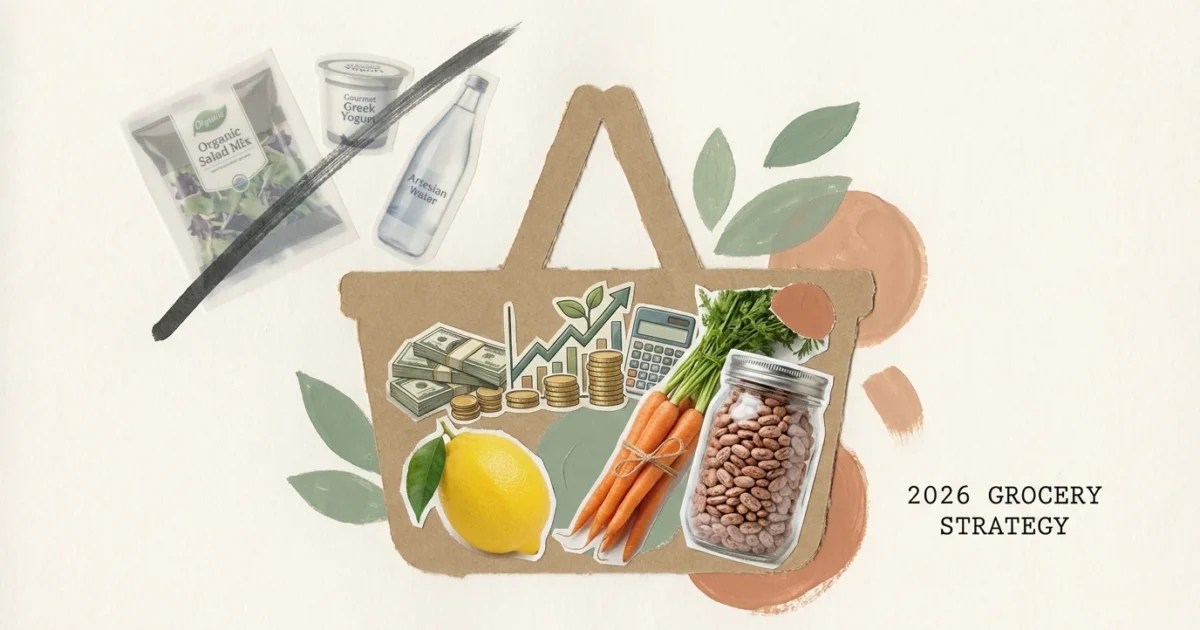
Fixed incomes demand ruthless prioritization, and smart shoppers are quietly stripping massive hidden costs from their weekly supermarket trips. As grocery bills remain stubbornly high, savvy seniors are abandoning the heavily marketed convenience foods that drain wealth without delivering nutritional value. Mastering inflation shopping means recognizing the difference between a genuine staple and an overpriced luxury disguised in a cardboard box. You can dramatically improve your grocery savings by simply leaving nine specific items on the shelf. These products siphon away your hard-earned cash, yet replacing them takes almost zero effort. By cutting these specific money pits, you master retiree budgeting and gain absolute control over what you spend at the checkout register.
Tip #1: Pre-Cut Produce and Packaged Salads
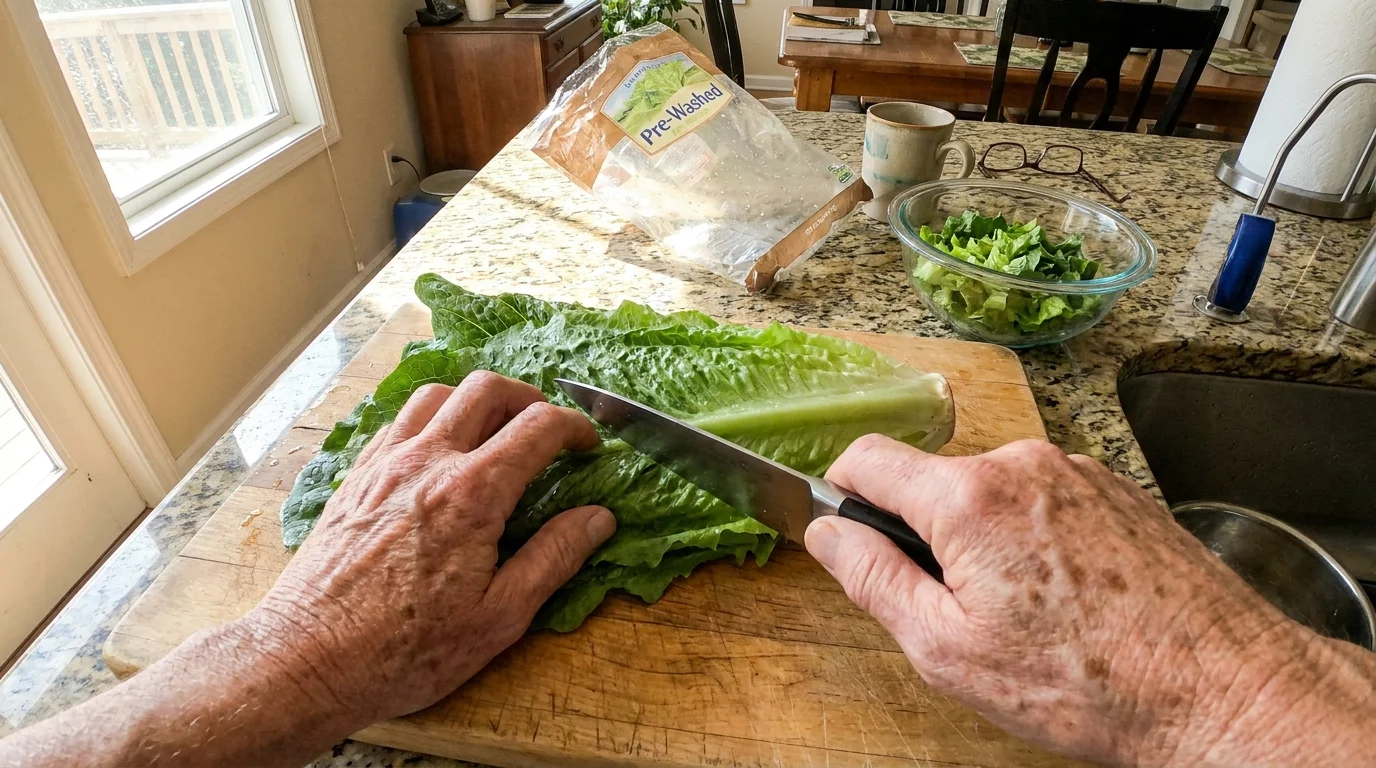
Supermarkets charge an outrageous premium for doing the bare minimum of knife work. Pre-chopped onions, cubed melons, and bagged salad mixes carry markups of up to three hundred percent compared to their whole, untouched counterparts. When you buy pre-cut fruits and vegetables, you pay handsomely for the thin plastic packaging and the minimum-wage labor, not the actual food itself. Worse, the moment a steel knife pierces a vegetable, the biological degradation process accelerates; those plastic tubs of chopped peppers lose vital nutrients and spoil significantly faster than whole produce sitting on the open shelf.
You inevitably end up throwing away slimy, unusable food halfway through the week, essentially dumping your money directly into the garbage disposal. Shrewd shoppers refuse to subsidize this artificial convenience. Investing ten extra minutes in your own kitchen to wash and chop your own vegetables yields fresher meals and immediate cash savings. Grabbing a crisp head of romaine lettuce instead of a sealed, nitrogen-flushed bag of greens instantly cuts your cost in half while tripling the shelf life in your crisper drawer. When you manage frugal living correctly, you quickly realize that paying a massive tax for someone else to slice an apple makes absolutely zero sense for your long-term financial health.
Tip #2: Name-Brand Over-the-Counter Medications
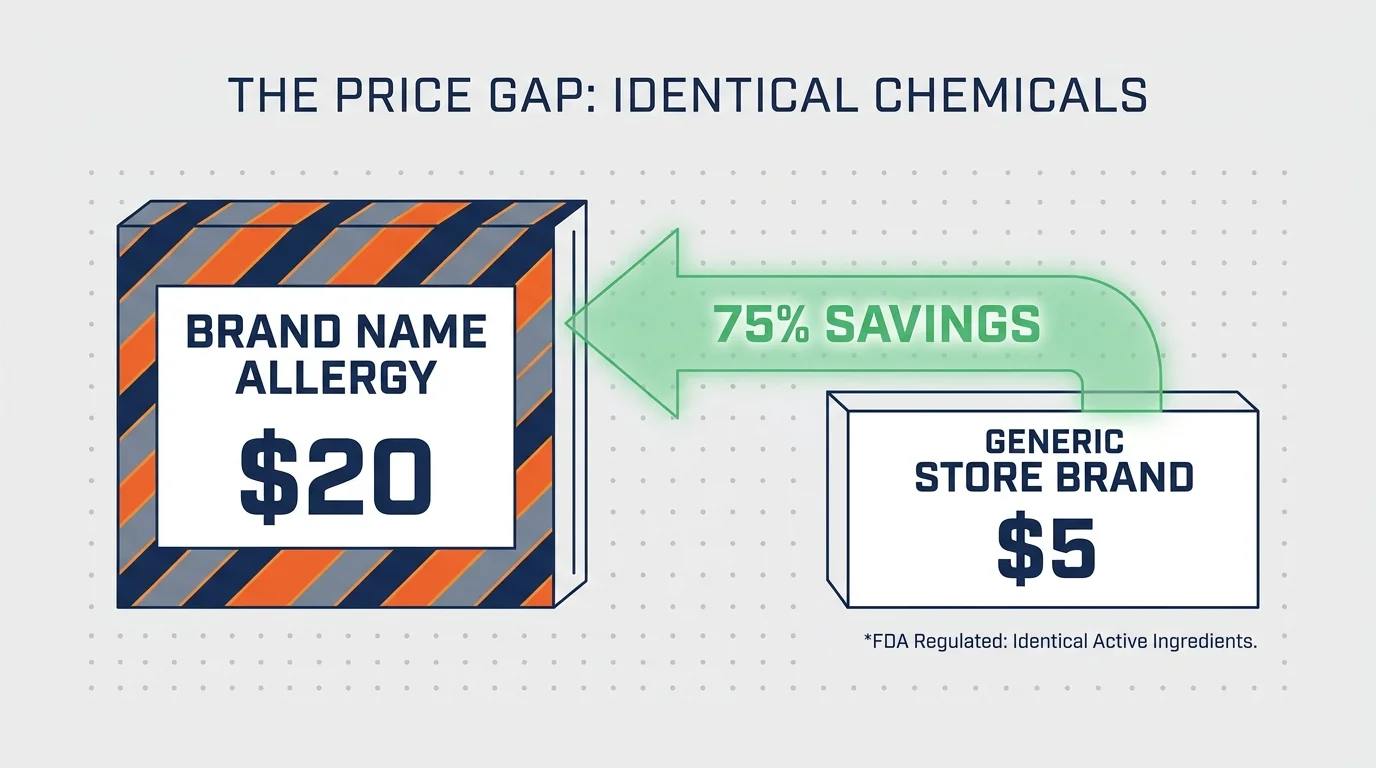
The pharmacy aisle strategically placed inside your local grocery store represents one of the most dangerous, high-margin traps for your weekly wallet. Purchasing name-brand pain relievers, allergy pills, or daily antacids directly funds massive corporate advertising campaigns without providing you with a single medical advantage. The active, healing ingredients in a premium bottle of ibuprofen are chemically identical to the generic, store-brand versions sitting exactly one shelf lower. The Food and Drug Administration strictly regulates these generic medications to ensure they deliver the exact same dosage, safety standards, and overall efficacy as the expensive household labels.
Buying a box of flashy, brand-name allergy medicine might cost you upwards of twenty dollars, while the generic equivalent rings up at an incredibly reasonable five dollars or less. Retirees operating on a strict, fixed budget deeply understand that blind loyalty to a pharmaceutical brand name serves as a completely foolish financial strategy. By deliberately reaching for the generic labels every single time, you easily keep hundreds of dollars in your bank account over the course of a calendar year. You receive the precise medical relief you need without paying a ridiculous premium for colorful cardboard packaging and prime-time television commercials.
Tip #3: Single-Serve Snack Portions
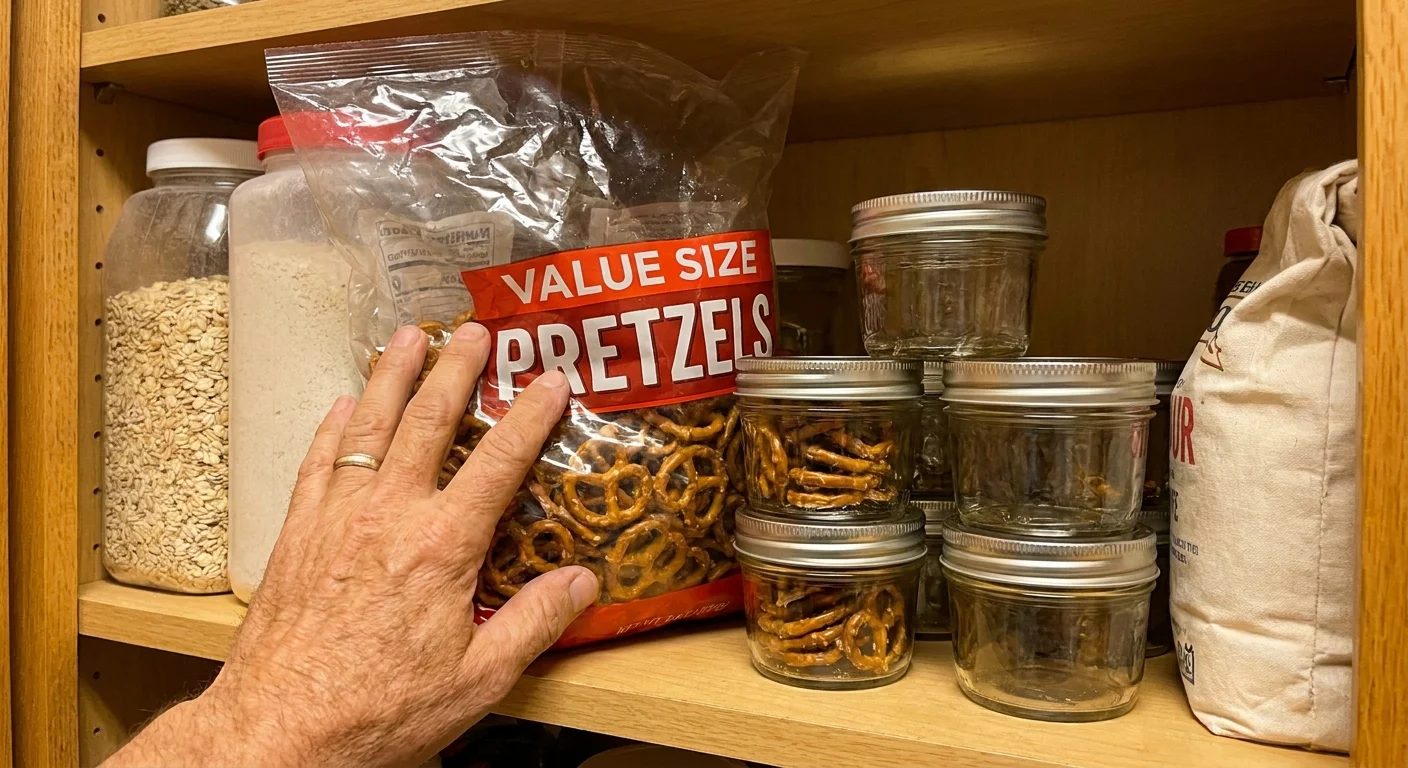
Grocery store executives dedicate entire aisles to miniature bags of potato chips, tiny fruit yogurt cups, and hundred-calorie cookie packs purposefully designed to prey on your desire for easy portion control. These single-serve formats represent an absolute masterclass in retail price gouging. When you meticulously calculate the actual price per ounce, those convenient little bags frequently cost twice as much as the standard family-size equivalent sitting just a few feet away. Manufacturers shamelessly exploit your fear of overeating by charging you exponentially more money for providing significantly less actual food.
Shrewd shoppers successfully bypass these deceptive traps entirely. You can dramatically save on groceries by simply purchasing the largest available container of a product and systematically portioning it out yourself at home. A large, economical tub of plain yogurt paired with a handful of fresh fruit costs a mere fraction of the price of individual, sugar-loaded yogurt cups. Buying a standard bag of roasted almonds and dividing them into small, reusable glass containers takes merely seconds but slashes your daily snacking budget right down the middle. True financial discipline means paying exclusively for the product itself, rather than the excess layers of thin plastic and cardboard that define single-serve packaging.
Tip #4: Premium Bottled Water and Flavored Beverages
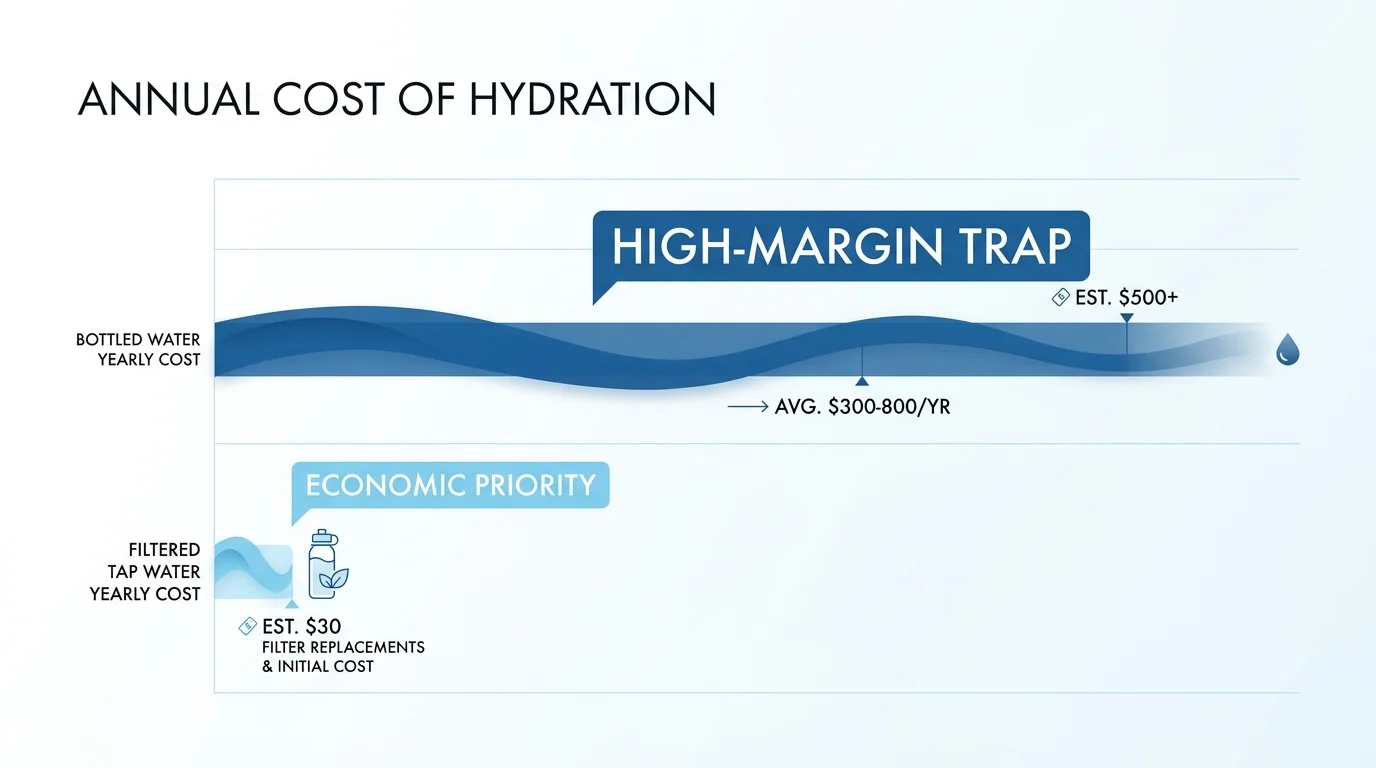
Paying hard-earned cash for ordinary water wrapped in disposable plastic remains a massive financial misstep that older generations are rapidly abandoning. Bottled water conglomerates do not actually produce water; they produce environmentally damaging plastic bottles and sophisticated marketing campaigns. The retail markup on a bottle of water frequently exceeds two thousand percent compared to the clean water that already flows directly from your kitchen tap. Even the heavily promoted enhanced or vitamin-infused waters offer little more than artificial flavoring, added sugars, and entirely unverified health claims wrapped in an excessively expensive package.
Rather than hauling heavy, awkward cases of overpriced water from the supermarket cart to the trunk of your car, invest those funds in a high-quality water filtration pitcher or a permanent under-sink filter system. A single, durable stainless steel water bottle completely eliminates the need to ever purchase a disposable drink again. This exceptionally simple swap permanently removes a recurring, useless expense from your weekly budget while simultaneously clearing out bulky plastic waste from your municipal recycling bin. Stopping the automatic purchase of bottled water and heavily marketed flavored teas keeps significant cash in your pocket every single month and firmly protects your retirement funds.

Tip #5: Frozen Complete Meals and TV Dinners
The brightly lit frozen food aisle consistently promises effortless, instant dinners, but those appealing cardboard boxes deliver abysmal nutritional value alongside staggering price tags. Pre-packaged frozen meals deliberately target the human desire for instant gratification, yet they rarely provide enough substantial calories or high-quality protein to constitute a genuine, satisfying meal. You routinely end up paying five to eight dollars for a meager, highly processed portion of sodium-heavy pasta and a few anemic, waterlogged vegetables.
Furthermore, food manufacturers constantly shrink the physical size of these meals while quietly raising the retail price—a deceptive phenomenon known as shrinkflation that disproportionately hurts seniors shopping on strictly fixed budgets. Instead of surrendering your cash to these dietary disaster zones, batch-cooking your own meals offers a highly effective, highly economical alternative. Cooking a massive batch of hearty chili, beef stew, or roasted chicken on a Sunday afternoon allows you to seamlessly create your own frozen, ready-to-eat dinners. Portioning your flavorful, home-cooked food into reusable freezer-safe containers guarantees you know exactly what ingredients you are consuming. This proactive strategy drastically lowers your exact per-meal cost and ensures you eat hearty, nutritious food rather than processed, chemical-laden filler designed by a food science laboratory.
Tip #6: Specialized Cleaning Products for Every Surface
Consumer goods conglomerates desperately want you to believe that your bathroom mirror, your granite kitchen counter, and your shower tiles each require a distinctly different, highly expensive chemical spray to achieve cleanliness. This brilliant marketing illusion forces unsuspecting shoppers to pack their under-sink cabinets with an entire arsenal of brightly colored, single-use plastic bottles. Buying a distinctly different ten-dollar spray for every single room in your house rapidly and mercilessly drains your weekly grocery budget.
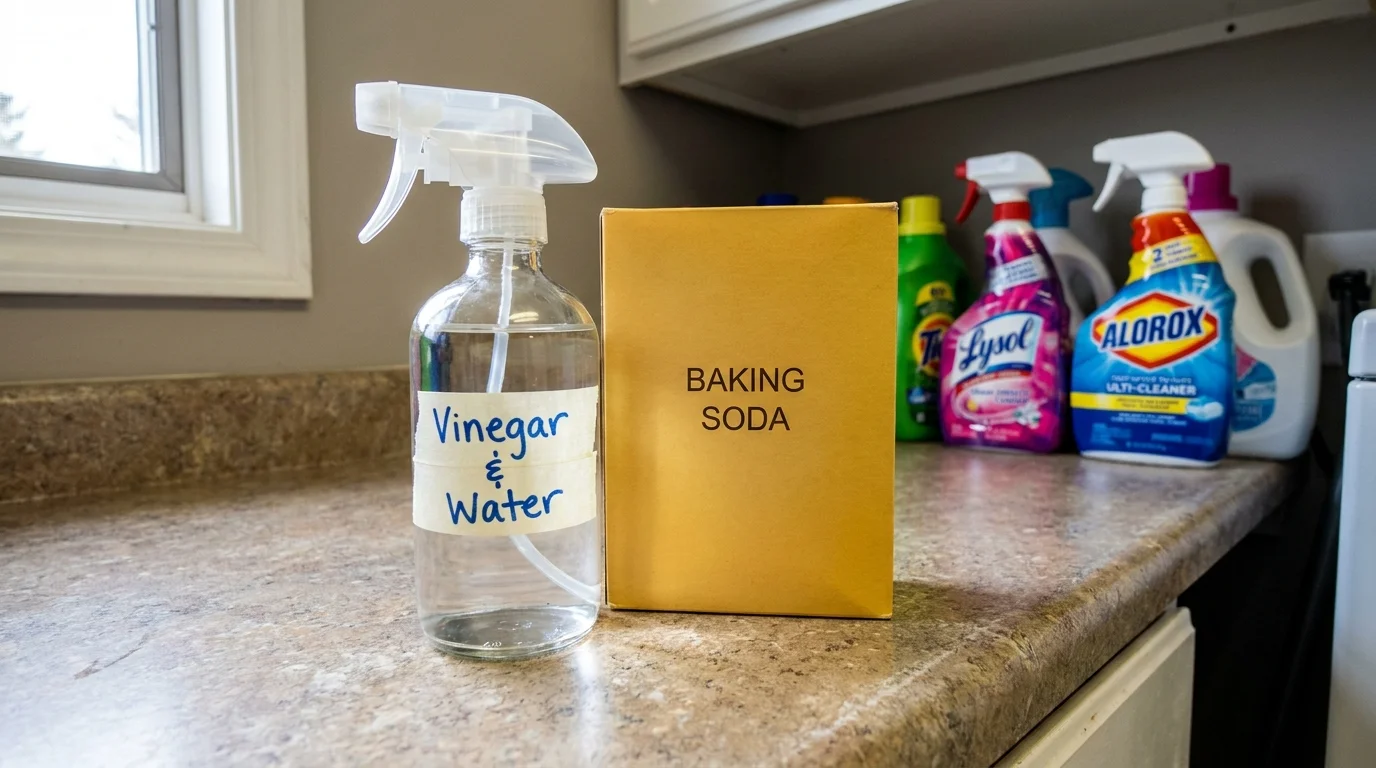
Savvy retirees are actively returning to the incredibly cheap, multi-purpose cleaning solutions expertly utilized by previous, highly frugal generations. A simple, homemade mixture of white vinegar, warm water, and a few drops of grease-cutting dish soap cleans glass windows, kitchen countertops, and hardwood floors just as effectively as the premium, name-brand chemical sprays. Traditional baking soda handles tough, greasy scrubbing jobs effortlessly without scratching delicate surfaces or releasing harsh, abrasive fumes into your living space. A single, heavy gallon of generic white vinegar costs roughly three dollars and can seamlessly replace sixty dollars worth of specialized household cleaners. Refusing to buy into the expensive myth of specialized surface cleaners simplifies your shopping list, frees up valuable cabinet space, and decisively redirects your money back toward things that actually matter.
Tip #7: Out-of-Season Fresh Berries and Produce
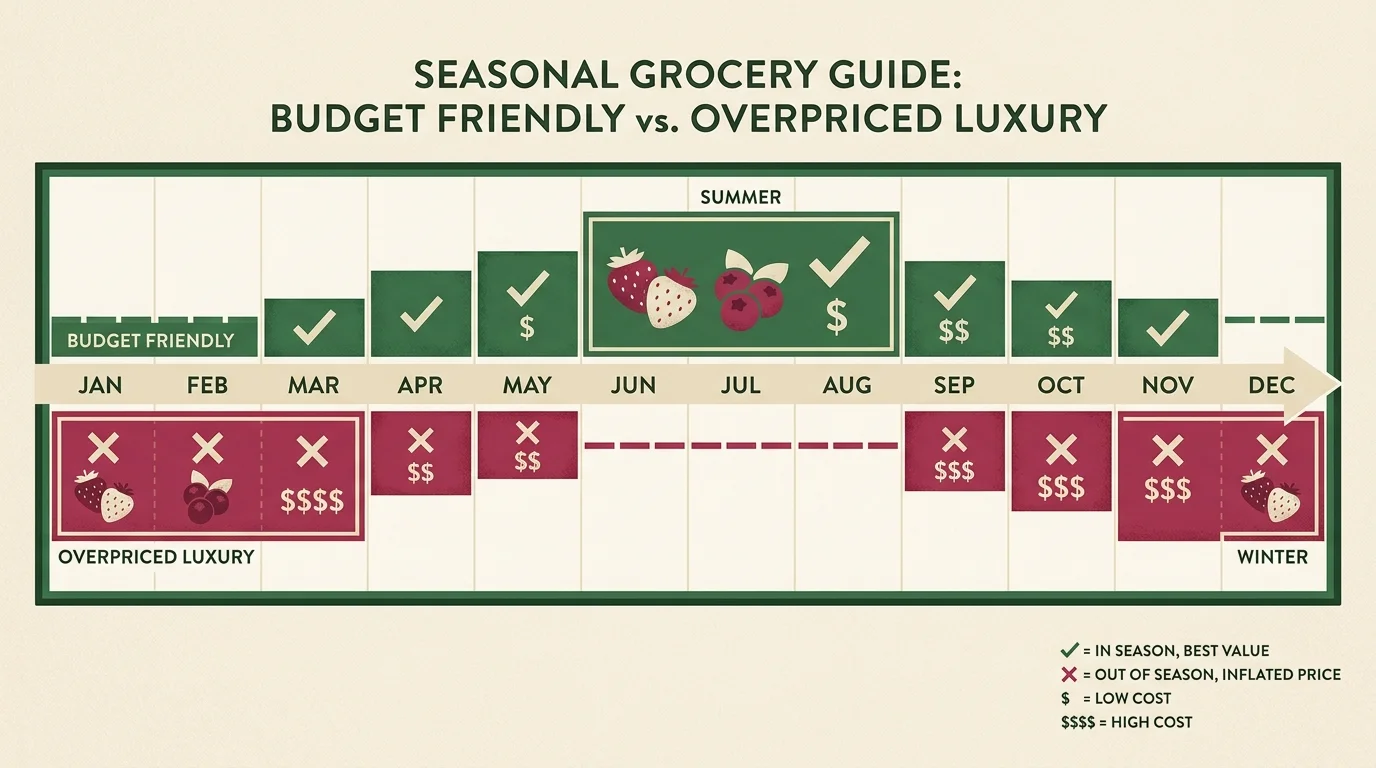
Purchasing plump strawberries in December or fresh asparagus in November represents a massive, entirely avoidable drain on your carefully managed grocery budget. When you impulsively buy out-of-season produce, you indirectly pay exorbitant international shipping fees to fly fragile, highly perishable fruits halfway across the globe. By the time these imported items finally reach the brightly lit bins of your local supermarket, they have severely lost their natural flavor, critically degraded in nutritional value, and acquired an astronomical retail price tag. A small, flimsy plastic clamshell of imported South American blueberries can easily cost six dollars during the freezing winter months, and half of them may turn mushy before you even successfully reach the checkout lane.
Protecting your budget requires a strict, unwavering adherence to seasonal eating habits. Embracing hardy root vegetables, robust winter greens, and vibrant citrus during the colder months keeps your grocery bills shockingly low and guarantees absolute peak freshness. When you intensely crave bright summer fruits during the dead of winter, head straight to the freezer aisle instead. Flash-frozen berries are expertly picked at peak ripeness, flawlessly retain their essential vitamins, and predictably cost a mere fraction of their fresh, traveled-weary imported counterparts.
Tip #8: Pre-Marinated and Processed Meats
The supermarket butcher counter frequently utilizes heavy marinades, sweet glazes, and aggressive spice rubs to cleverly disguise older, deteriorating cuts of meat and extract maximum profit from entirely unsuspecting shoppers. Pre-marinated chicken breasts, heavily seasoned beef skewers, and pre-formed specialty hamburger patties command an outrageous financial premium over plain, untouched cuts of protein. Supermarkets routinely charge two to three dollars more per pound simply for casually tossing a cheap teriyaki sauce or a basic dry rub onto the meat.
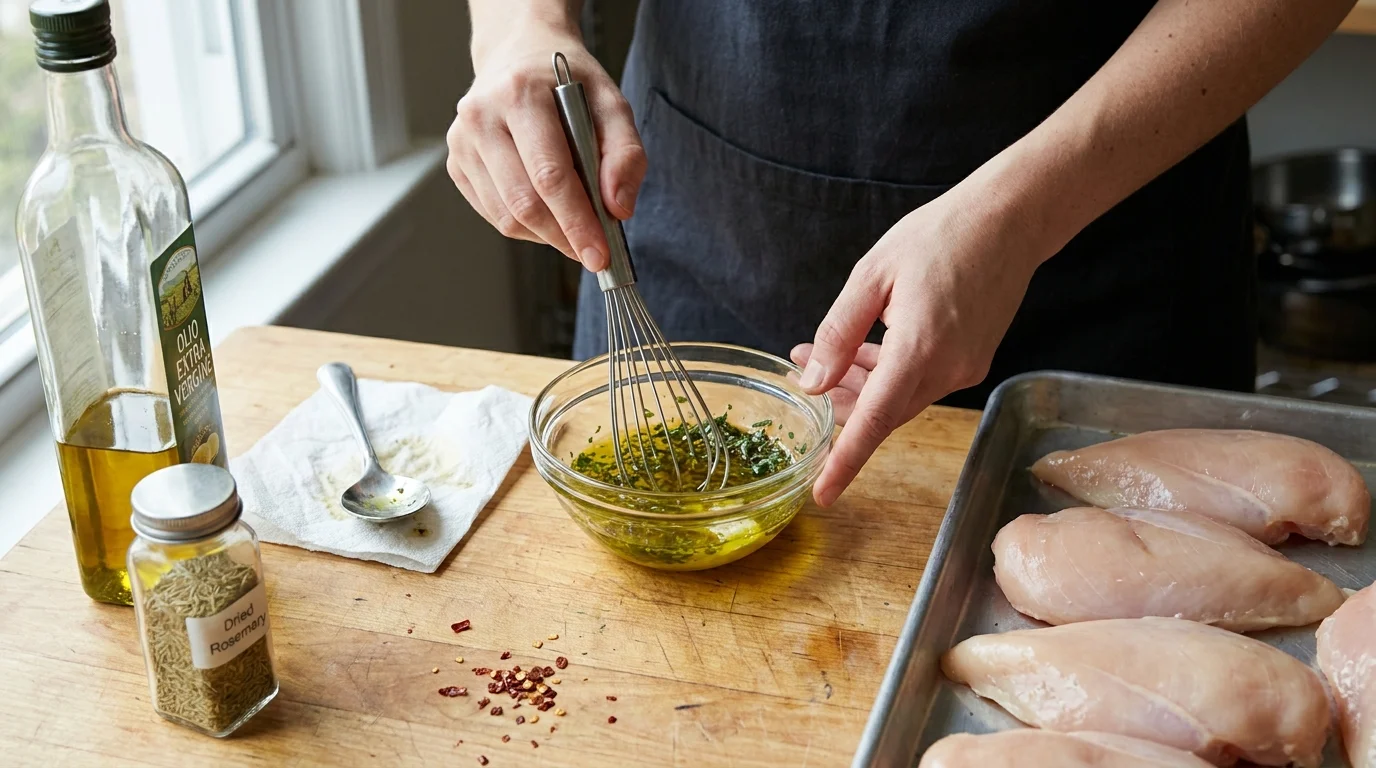
In many blatant cases, the heavy, viscous marinades add significant water weight, meaning you are literally paying exorbitant meat prices for cheap, sugary liquid. Taking absolute control of your protein purchases completely and instantly neutralizes this expensive retail trap. Buying standard, unseasoned cuts of chicken, beef, or pork allows you to properly evaluate the exact quality, color, and freshness of the meat you intend to take home. Creating a robust, incredibly flavorful marinade in your own kitchen requires only basic pantry staples like olive oil, soy sauce, crushed garlic, and apple cider vinegar. Seasoning the meat yourself takes under three minutes of active prep time and dramatically reduces your exact cost per pound, keeping your weekly protein budget firmly and decisively in check.

Tip #9: Gourmet Pet Food Found in Grocery Aisles
Supermarket shelves are increasingly and aggressively crowded with boutique, artisanal pet foods that distinctly mimic high-end human diets. These premium products utilize clever, evocative packaging and subtle emotional manipulation to strongly convince you that your aging dog or indoor cat absolutely requires grain-free, wild-caught salmon purees for optimal daily health. Purchasing specialized pet food directly from a conventional grocery store is a thoroughly guaranteed way to vastly overpay for animal nutrition. The grocery store acts purely as an unnecessary middleman, applying a hefty retail markup to specialty products that are already severely overpriced by the manufacturer.
Savvy, budget-conscious pet owners skip the grocery store pet aisle entirely and deliberately utilize bulk buying strategies or dedicated online pet retailers. Purchasing a massive, high-quality bag of dry pet food from a local farm supply store or setting up an automated, recurring delivery service instantly secures a significantly lower price per pound. Veterinary experts frequently point out that many expensive, flashy boutique grocery store brands actually lack the rigorous, long-term nutritional testing found in standard, highly established pet food lines. By aggressively sourcing your necessary pet supplies entirely outside of the standard weekly grocery run, you successfully avoid extreme retail markups while flawlessly ensuring your beloved companions receive properly formulated nutrition.

The Bottom Line: What This Means for Your Wallet
Taking a brutally honest look at your current weekly supermarket habits vividly reveals exactly how many deceptive, highly expensive conveniences you have been slowly conditioned to accept over the years. The modern, massively consolidated grocery store actively operates as a sophisticated psychological minefield explicitly designed to maximize corporate quarterly profits by relentlessly pushing pre-packaged, heavily marketed nutritional shortcuts. As base food prices persistently climb higher, you must actively and fiercely defend your fixed retirement income by outright rejecting these completely unnecessary financial premiums.
Leaving these nine distinct, money-draining items firmly on the supermarket shelf is never about unfairly depriving yourself; it is fundamentally about aggressively reclaiming your rightful purchasing power. Shifting your primary shopping focus toward whole, unprocessed ingredients, strictly generic medications, and bulk household staples creates an immediate, highly visible reduction in your weekly cash expenses. That easily saved cash compounds rapidly and impressively over the course of a single year, providing a crucial, stress-relieving buffer against entirely unpredictable economic shifts. You worked exceptionally diligently for decades to carefully build your retirement nest egg, and you absolutely deserve to keep it safely in your own accounts. By consciously shopping with ruthless intentionality and systematically stripping away the excessively expensive retail fluff, you solidly guarantee that your personal budget remains incredibly resilient.
Frequently Asked Questions
Does buying generic brands really save that much money over time?
Absolutely. The price difference between generic items and household name brands frequently ranges from thirty to fifty percent on any given aisle. When you aggressively apply that discount across your entire shopping cart week after week, the accumulated savings easily amount to thousands of dollars annually. Generic pantry staples like rolled oats, canned black beans, and dried spices undergo the exact same rigorous manufacturing and packaging processes as their premium counterparts, making the brand loyalty tax completely unnecessary for smart shoppers.
How can I find time to prep vegetables and cook if I am used to convenience foods?
The secret lies in dedicating a single, highly focused hour immediately after you return home from the grocery store. Wash, chop, and store your carrots, celery, and onions in airtight glass containers before you even put them away in the refrigerator. Batch-prepping your fresh produce ensures that grabbing necessary ingredients for a quick evening stir-fry or a healthy lunchtime salad takes just as little time during the busy week as opening a wildly overpriced bag of pre-cut vegetables.
Are frozen vegetables truly as healthy as fresh produce?
Yes; in fact, they are often measurably healthier. Agricultural operations flash-freeze fresh vegetables within hours of harvesting, permanently locking in vital, heat-sensitive nutrients that would otherwise rapidly degrade during a long, bumpy truck ride to your regional supermarket. Relying on bags of frozen broccoli, spinach, and mixed berries allows you to instantly access peak-season nutrition at a mere fraction of the cost, completely eliminating the painful financial waste associated with fresh produce rotting away in your crisper drawer.
Why should I avoid grocery store pet food when it is so convenient?
Supermarkets intentionally stock smaller, heavily marked-up bags of pet food specifically to capitalize on your desire for one-stop convenience shopping. You ultimately pay a massive financial premium for the simple privilege of throwing a colorful bag of dog food into the exact same cart as your milk and eggs. Buying in heavy bulk from dedicated agricultural retailers or aggressively utilizing online subscription services drops the exact price per ounce drastically and efficiently prevents you from overspending on flashy, lightly regulated boutique brands.
For consumer protection information, visit the Federal Trade Commission (FTC) and the Consumer Financial Protection Bureau (CFPB). For product safety and reviews, consult Consumer Reports.
Disclaimer: This article is for informational purposes only and does not constitute financial advice. The content reflects the author’s opinion and research at the time of writing. Always do your own research before making financial decisions.







Leave a Reply