
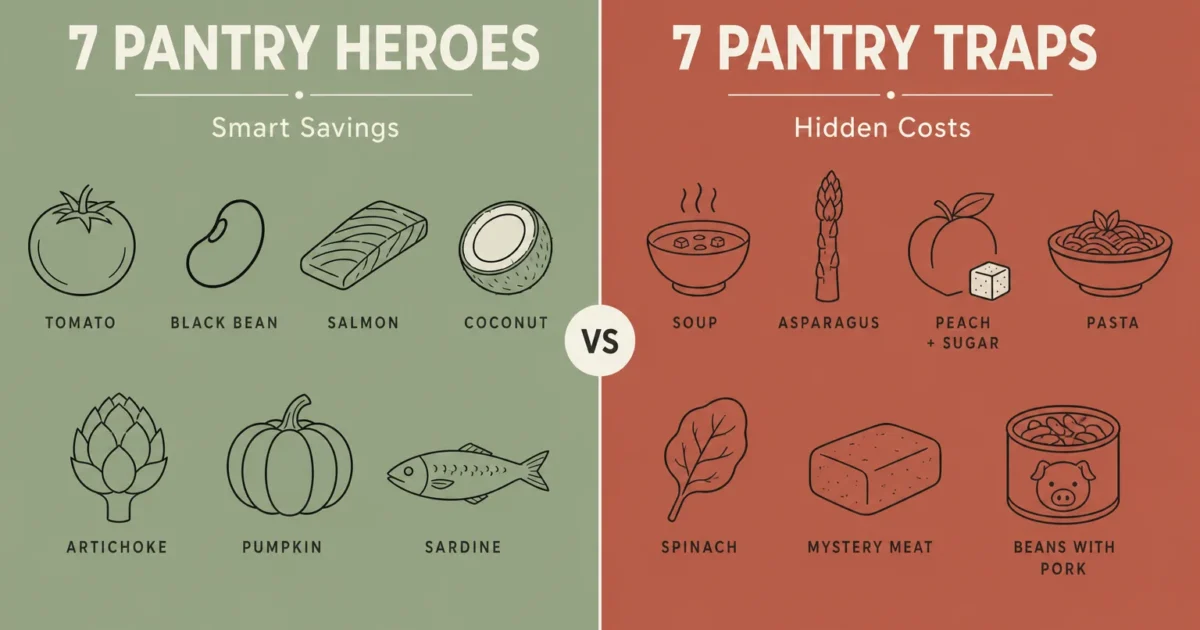
Stocking your pantry with canned foods is the ultimate cheat code for cutting your grocery bill while keeping nutritious meals within arm’s reach. Yet not every tin on the supermarket shelf deserves a spot in your kitchen. Many popular canned goods hide outrageous amounts of sodium, toxic preservatives, and added sugars that sabotage both your health and your budget. Knowing exactly which items to stockpile and which to leave at the store gives you a serious advantage when navigating the grocery aisles. By curating your pantry essentials properly, you guarantee that you always have the foundation for a cheap, healthy dinner—without relying on soggy vegetables or overpriced, sugar-laden traps.
1. Keep Diced Tomatoes
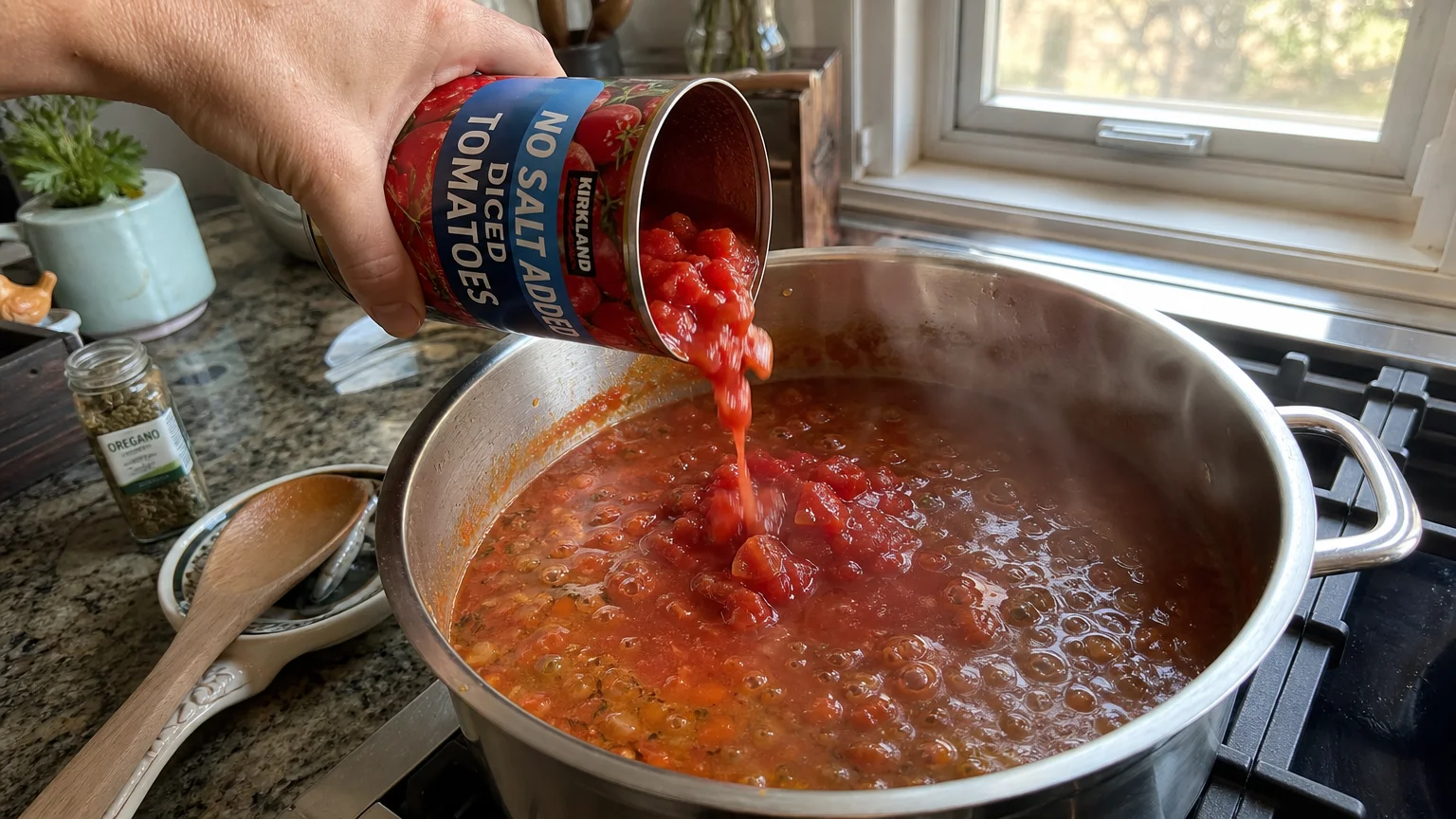
Diced tomatoes represent one of the most hardworking ingredients you can keep in your kitchen. Buying fresh tomatoes out of season usually results in pale, flavorless slices that cost a premium. Canned diced tomatoes, however, are picked and packed at the peak of ripeness, locking in a robust flavor profile that dramatically elevates your cooking. They serve as the perfect base for hearty chili, rich pasta sauces, and complex stews.
Beyond their incredible culinary versatility, canned tomatoes actually offer a unique nutritional advantage. The intense heat used during the commercial canning process increases the bioavailability of lycopene, a powerful antioxidant linked to reduced inflammation and better heart health. When you browse the grocery aisle, always look for the no-salt-added varieties. Manufacturers often pump standard cans full of unnecessary sodium to extend shelf life, but buying the unsalted version gives you complete control over your meal’s flavor profile. You secure top-tier nutrition, peak flavor, and year-round availability for a fraction of the cost of fresh produce.
2. Keep Black Beans
Black beans offer an unbeatable combination of dietary fiber, robust plant-based protein, and rock-bottom pricing. Keeping your pantry stocked with these nutritional powerhouses allows you to stretch expensive proteins like ground beef or chicken. You can effortlessly fold them into taco meat, blend them into black bean burgers, or toss them into a vibrant corn salad to instantly bulk up your meals without draining your wallet.
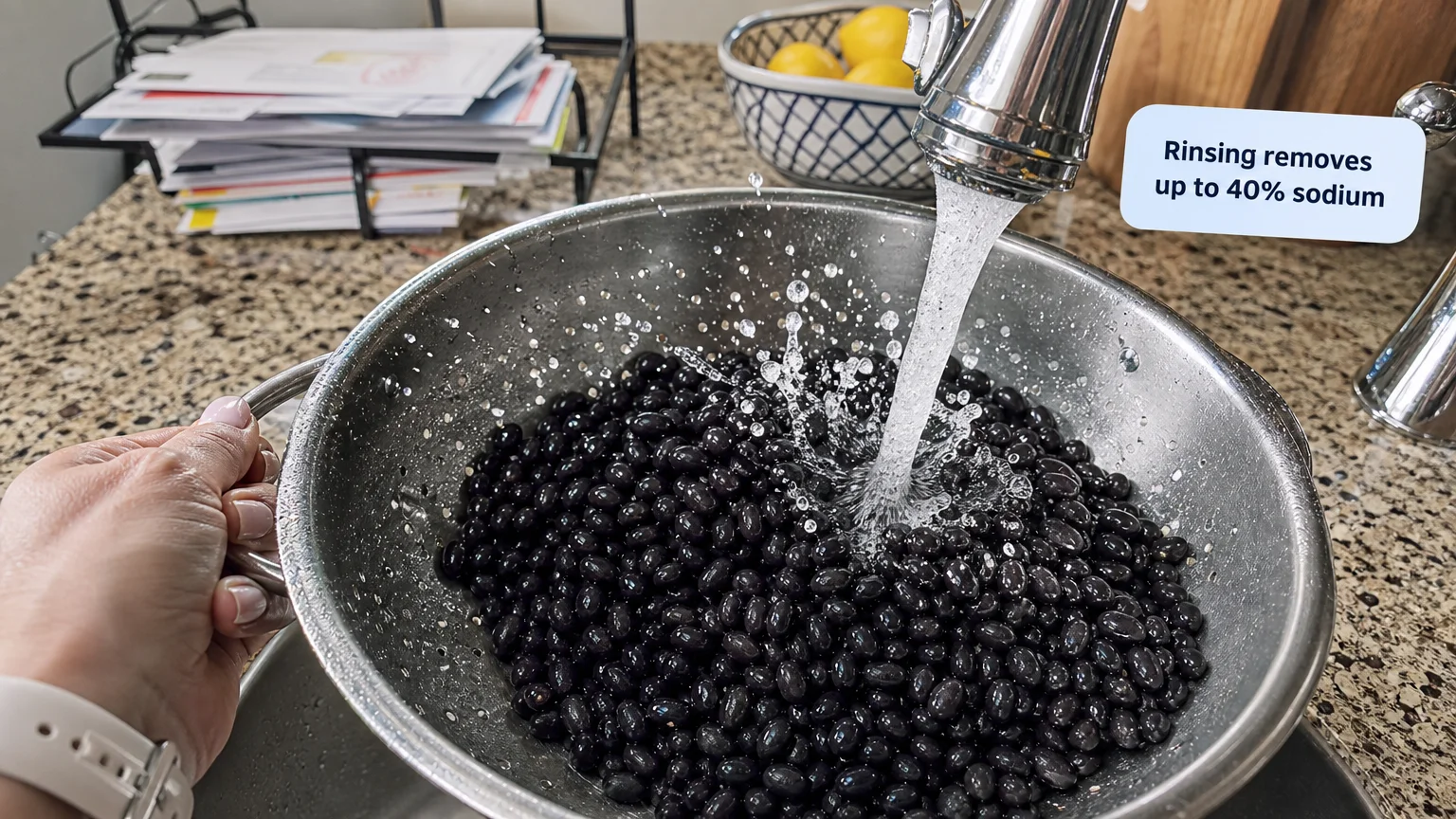
Dried beans certainly cost less per ounce, but they demand hours of soaking, simmering, and careful monitoring. Canned black beans provide immediate culinary gratification. Just remember to dump them into a colander and rinse them thoroughly under cold running water before cooking. Rinsing washes away the starchy canning liquid and eliminates up to forty percent of the added sodium. By making canned black beans one of your primary pantry staples, you build a reliable foundation for dirt-cheap, highly nutritious weeknight dinners without sacrificing hours to meal prep.
3. Keep Wild Caught Salmon
Fresh seafood prices continue to climb, pushing many shoppers away from the fish counter entirely. Canned wild-caught salmon provides a brilliant financial loophole for smart shoppers. You capture all the brain-boosting omega-three fatty acids, high-quality protein, and essential minerals of fresh salmon at a mere fraction of the cost.
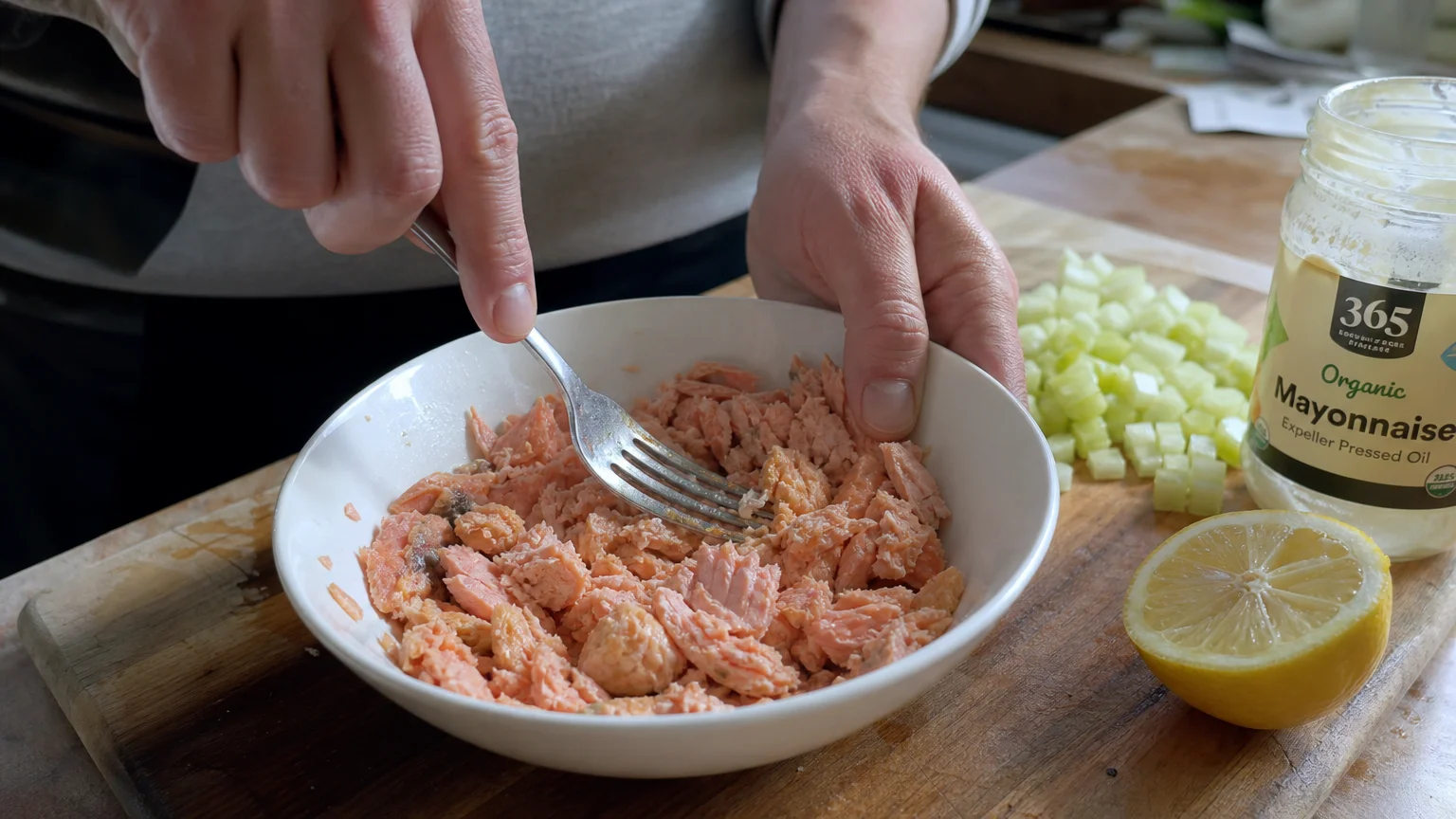
Manufacturers typically pack traditional canned salmon with the bones and skin included. While that might sound unappetizing at first glance, the commercial canning pressure softens the bones until they become entirely edible. Mashing those soft bones into your salmon salad or crispy patties delivers a massive, natural dose of calcium that rivals a glass of whole milk. Skip the expensive fresh fillets on a standard Tuesday night and leverage canned salmon to create a high-protein sandwich filling or a savory baked casserole. You secure premium seafood nutrition without the premium price tag.
4. Keep Full-Fat Coconut Milk
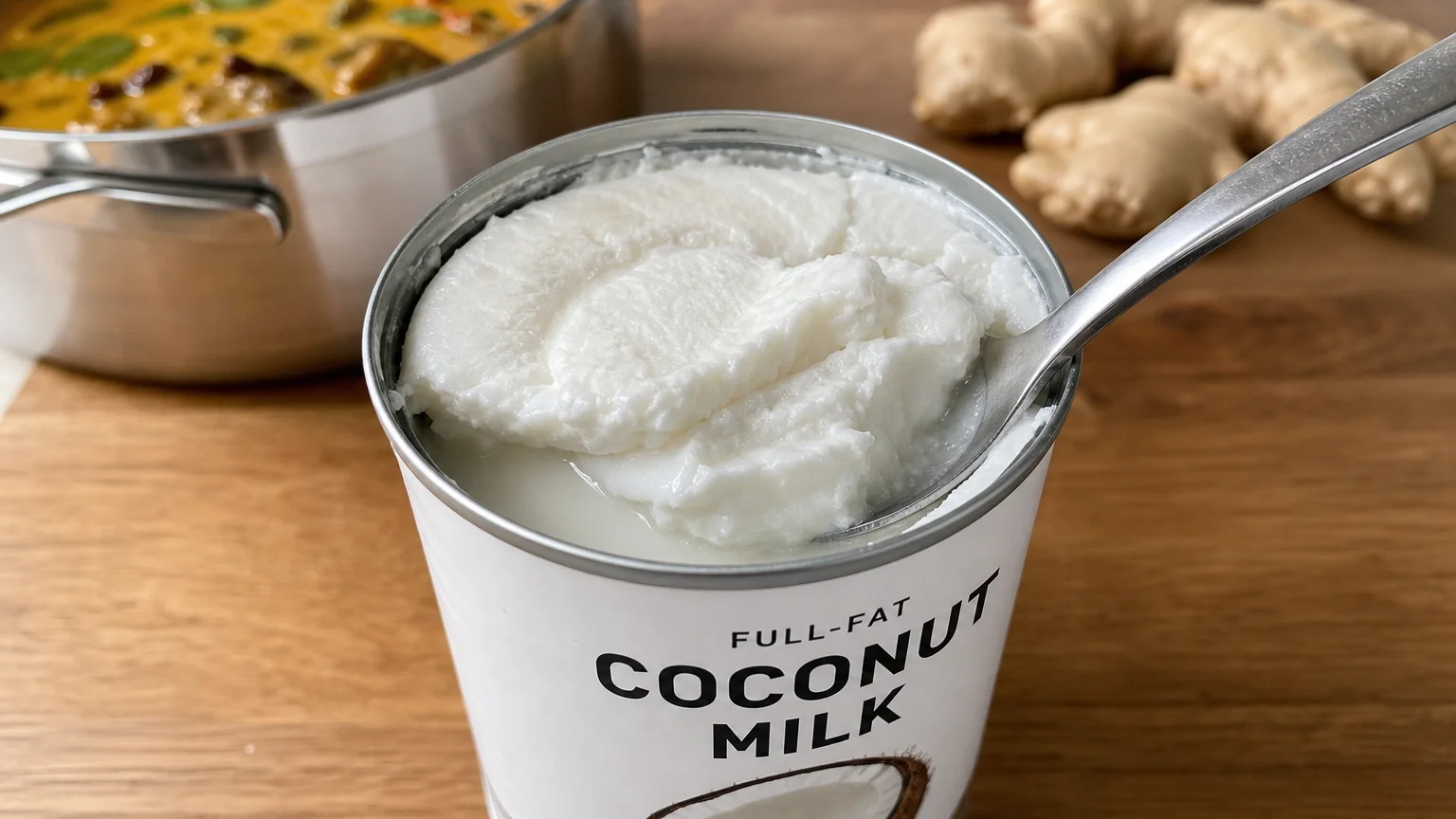
Do not confuse canned coconut milk with the watery cartons sold in the dairy aisle. Canned full-fat coconut milk acts as a rich, dairy-free cooking base that transforms ordinary ingredients into restaurant-quality meals. You need this staple to craft authentic Thai green curries, velvety blended vegetable soups, and decadent vegan desserts.
The high fat content provides immense satiety, keeping you full and preventing expensive late-night snacking. Avoid the lite versions completely. Manufacturers simply dilute the coconut cream with extra tap water and charge you the exact same price. You can easily buy the full-fat version and thin it out with water in your own kitchen, effectively getting twice the product for your money. Stashing a few cans of this versatile ingredient ensures you always have a creamy flavor booster ready for action.
5. Keep Artichoke Hearts
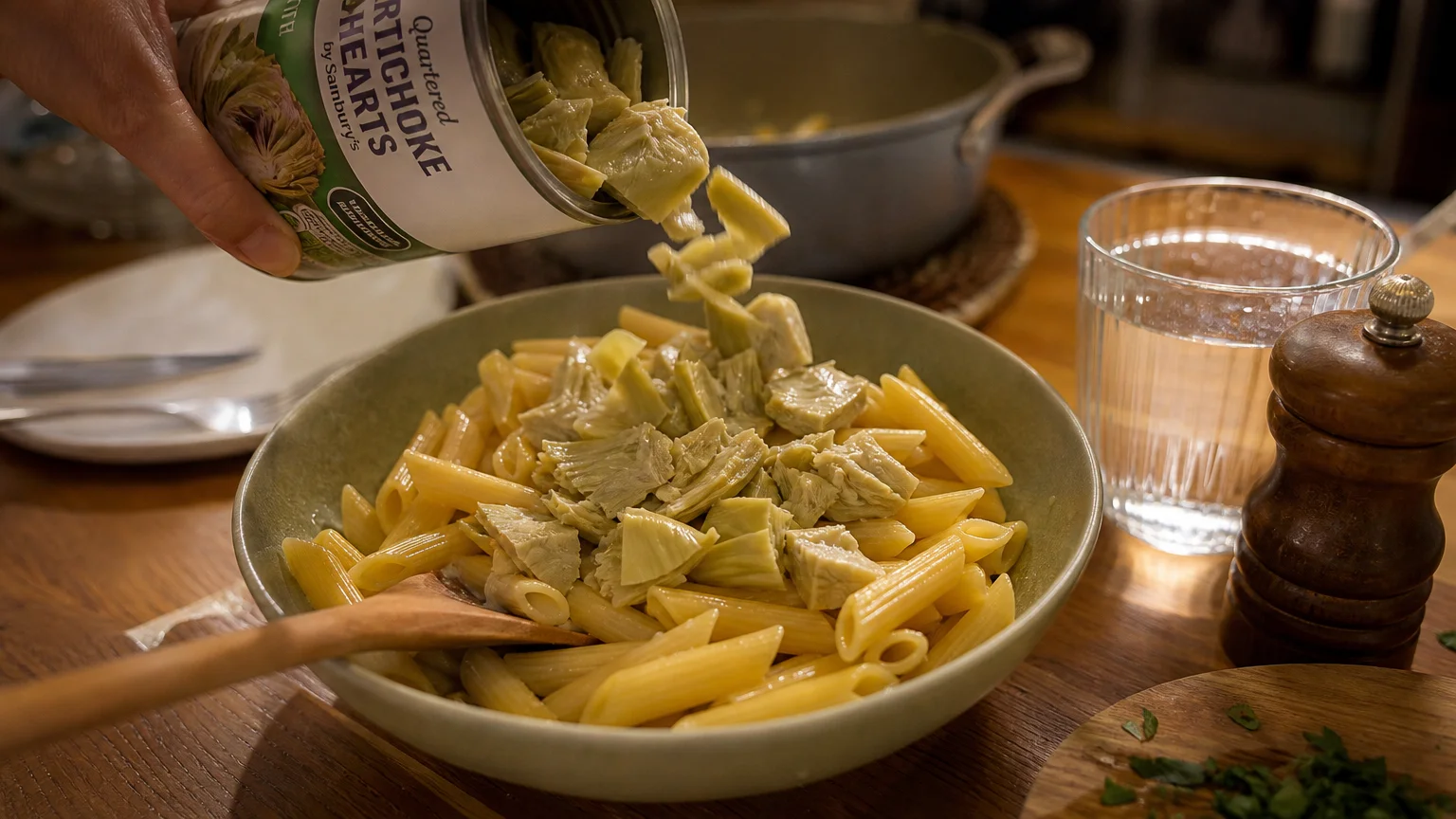
Preparing fresh artichokes requires serious knife skills, extreme patience, and a high tolerance for food waste. You chop away tough outer leaves and meticulously scoop out the fuzzy choke, leaving only a tiny morsel of edible flesh. Canned artichoke hearts eliminate this infuriating labor entirely, giving you immediate access to the tender, flavorful core of the vegetable for a highly reasonable price.
Toss them directly into Mediterranean grain salads, blend them into warm spinach dips, or roast them with olive oil for a crispy side dish. Buying them packed in water rather than heavy oil marinades keeps the calorie count low and preserves their natural, earthy flavor. They represent the ultimate triumph of canned food shopping, giving you high-end restaurant ingredients without the absurd prep time or the gourmet grocery markup.

6. Keep 100% Pumpkin Purée
Most Americans only grab canned pumpkin during the autumn baking season, but this vibrant orange superfood deserves year-round pantry real estate. Pumpkin purée boasts off-the-charts levels of vitamin A, significant dietary fiber, and a surprisingly low calorie count.
You can stir a generous spoonful into your morning oatmeal, blend it into protein smoothies, or use it to thicken savory turkey chili and autumn stews. It also serves as an incredibly effective digestive aid for dogs, making it a dual-purpose household staple. Read the label closely to verify you are buying pure pumpkin and not pre-sweetened pumpkin pie filling. The pie filling comes loaded with refined sugars and artificial spices that ruin its versatility. Keep a few cans of the pure stuff on hand for a massive nutritional upgrade that costs barely two dollars.

7. Keep Sardines
Sardines routinely face unfair judgment, yet they remain one of the most nutrient-dense foods on the planet. These tiny fish swim near the bottom of the food chain, meaning they accumulate almost zero mercury compared to larger predators like tuna. They pack enormous quantities of omega-three fatty acids, vitamin D, and easily digestible protein into a highly portable, shelf-stable tin.
Financial experts and nutritionists frequently praise sardines as the ultimate budget superfood. You can mash them onto toasted sourdough with a squeeze of fresh lemon, toss them into a bright pasta dish with capers, or eat them straight from the can. Look for sardines packed in high-quality olive oil or natural spring water. By embracing this misunderstood fish, you secure elite-level nutrition for less than the cost of a mediocre cup of coffee.
8. Skip Pre-Made Canned Soups
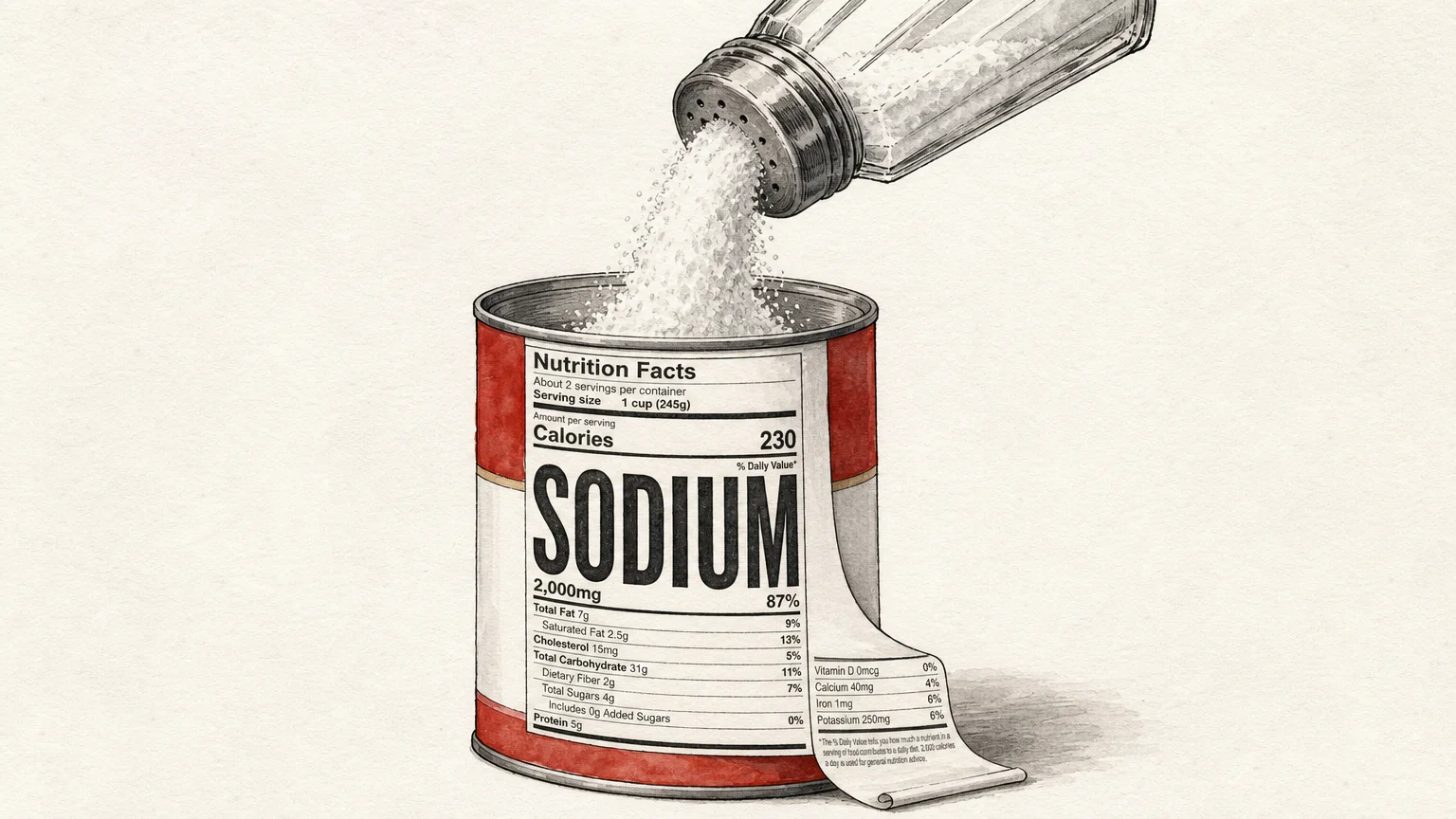
The canned soup aisle aggressively markets itself as the ultimate convenience food, but these tins hide serious flaws. The vast majority of pre-made canned soups operate as massive sodium delivery vehicles. A single can easily contains more than half of your recommended daily sodium intake, contributing directly to high blood pressure and painful water retention.
Beyond the excessive salt, you pay an exorbitant premium for what is essentially flavored water and a few mushy vegetables. Many major brands also still utilize can linings that contain trace amounts of questionable industrial chemicals. You save money and protect your health by skipping these overpriced convenience items. Instead, dedicate one Sunday afternoon to boiling your own rich chicken or vegetable broth, loading it with fresh ingredients, and freezing individual portions. You retain total control over the ingredients and drastically slash your grocery bill.
9. Skip Canned Asparagus
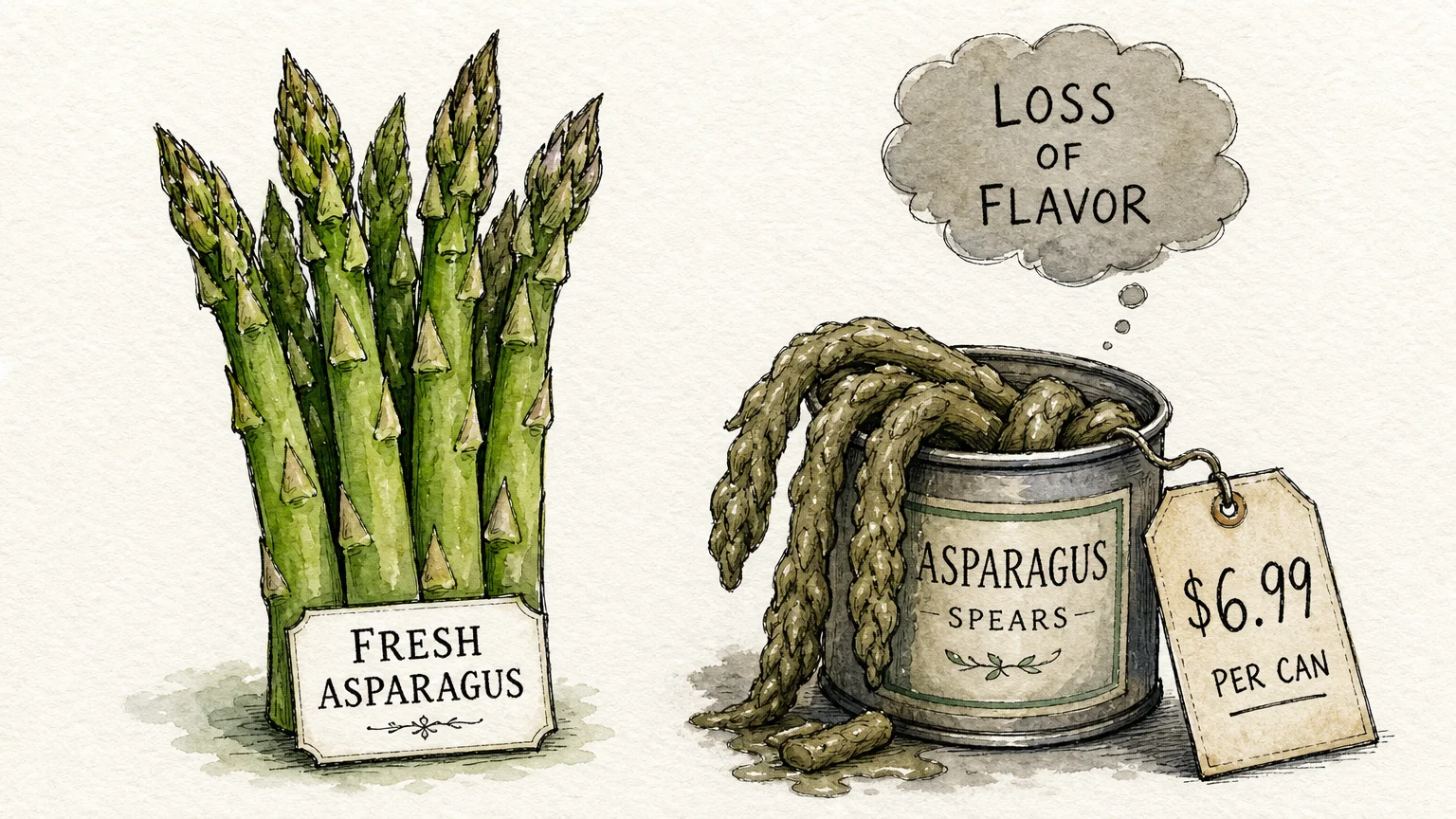
Canning vegetables requires intense heat to kill off dangerous bacteria, a necessary process that completely destroys delicate produce. Asparagus represents the most tragic victim of this preservation method. The vibrant, snappy green spears emerge from the can as olive-drab, sulfur-smelling mush that disintegrates the moment it touches your fork.
The aggressive processing leaches the vegetable’s water-soluble vitamins directly into the murky canning liquid, which you inevitably pour down the drain. You completely lose the appealing texture and nutritional benefits that make asparagus worth eating in the first place. If fresh asparagus stretches your budget too far out of season, pivot to the freezer aisle. Flash-frozen asparagus retains its cellular structure, bright color, and nutritional profile far better than its canned counterpart, giving you a vastly superior side dish for your hard-earned money.
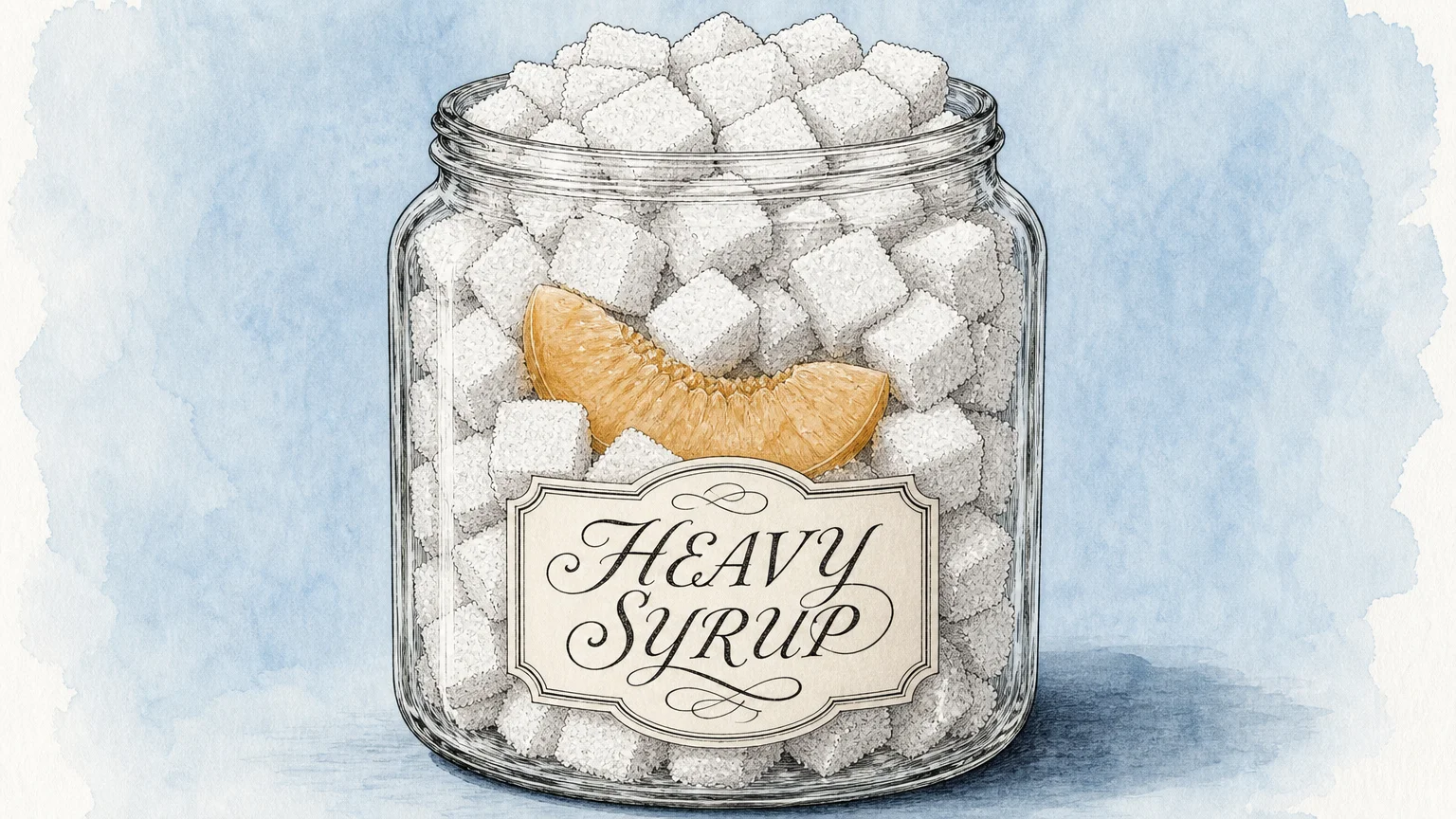
10. Skip Fruit in Heavy Syrup
Eating more fruit sounds like a healthy decision until you drown it in liquid sugar. Canned peaches, pears, and fruit cocktails packed in heavy syrup turn a natural nutritional source into a disguised dessert. The thick, viscous syrup drives the carbohydrate and calorie counts through the roof, causing massive blood sugar spikes that leave you feeling sluggish and hungry an hour later.
Food manufacturers routinely use this cheap, high-fructose syrup to mask the flavor of low-quality, overripe fruit that could not sell on the fresh produce tables. If your pantry requires fruit for baking or long-term emergency storage, rigorously check the labels. Only purchase fruit packed in its own natural juices or pure water. You eliminate the unnecessary sugar calories while actually preserving the genuine health benefits of the fruit itself.
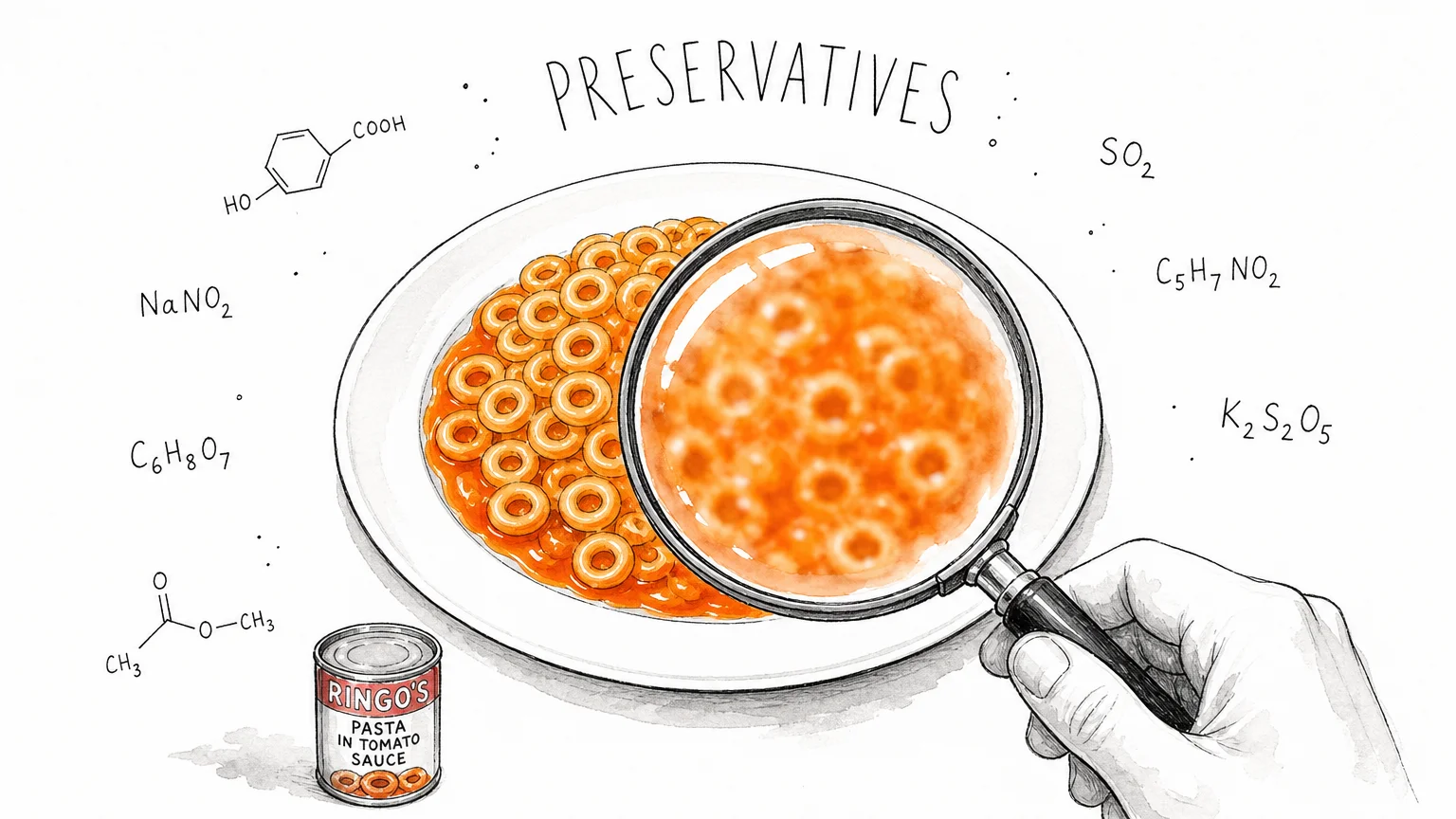
11. Skip Canned Pasta Meals
Those colorful cans of ravioli and spaghetti rings aggressively target children with fun shapes and cartoon mascots, but they represent a nutritional disaster. Canned pasta meals consist almost entirely of hyper-processed, empty carbohydrates swimming in a watery, overly sweet tomato sauce.
They lack meaningful protein, contain practically zero dietary fiber, and dump alarming amounts of added sugar and sodium into your system. From a purely financial perspective, they also offer a terrible return on investment. You pay heavily for the flashy marketing campaign and the metal tin. Buying a standard box of dry whole-wheat pasta and a jar of high-quality marinara sauce costs significantly less per serving. You yield a far healthier, much more satisfying meal that literally takes just ten minutes to boil on your stovetop.
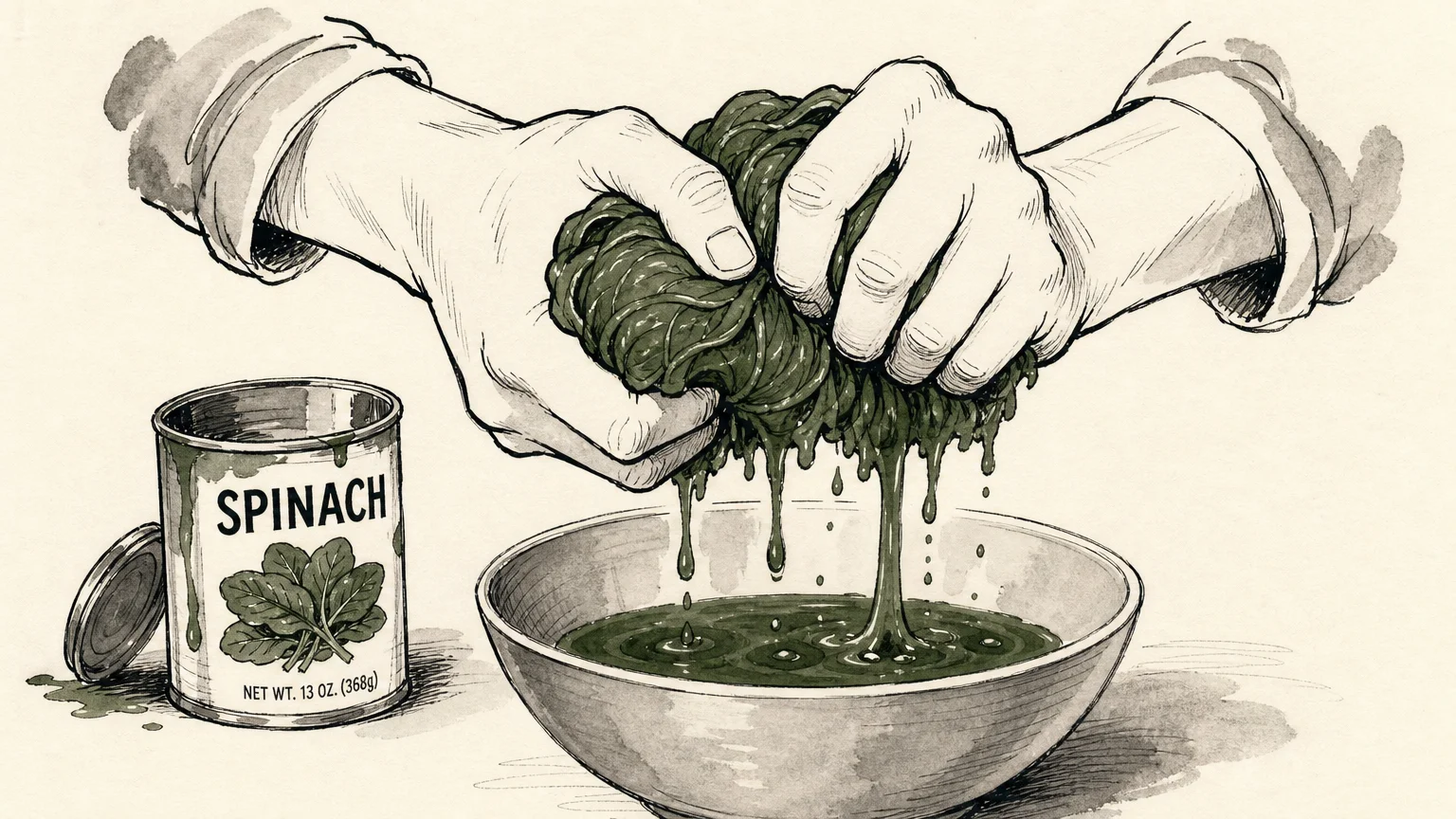
12. Skip Canned Spinach
Pop culture cartoons convinced generations that canned spinach builds incredible muscle, but modern palates know better. Much like asparagus, spinach simply cannot survive the extreme heat and pressure of the canning process without suffering severe structural damage. The delicate leaves break down into a slimy, unappetizing green paste that tastes heavily metallic and bitter.
The boiling process also causes crucial vitamins, particularly vitamin C and folate, to leach into the water. When you drain the can to serve the vegetables, you wash those vital nutrients right down the sink. Frozen spinach serves as the absolute champion of preserved greens. Flash-freezing locks in the vital nutrients, maintains a respectable texture, and costs pennies per serving. Leave the canned spinach on the shelf and rely entirely on your freezer when you need affordable leafy greens for casseroles or breakfast scrambles.

13. Skip Processed Canned Meats
Spam, Vienna sausages, and potted meat products gained immense popularity during tough economic times, but they no longer belong in a modern, health-conscious pantry. These intensely processed meat products rely on massive quantities of sodium, artificial preservatives, and chemical nitrates to achieve their incredibly long shelf lives.
Regular consumption of heavily processed meats correlates directly with increased risks of cardiovascular disease and certain types of cancer. Furthermore, when you calculate the actual price per pound of quality protein, these cans actually prove quite expensive. You end up paying for a concoction of fat, cheap fillers, and salt rather than genuine, healthy meat. If you need shelf-stable protein for emergencies or camping trips, stick to canned wild salmon, sardines, or chunk chicken breast packed in water. They offer vastly superior nutrition without the chemical baggage.
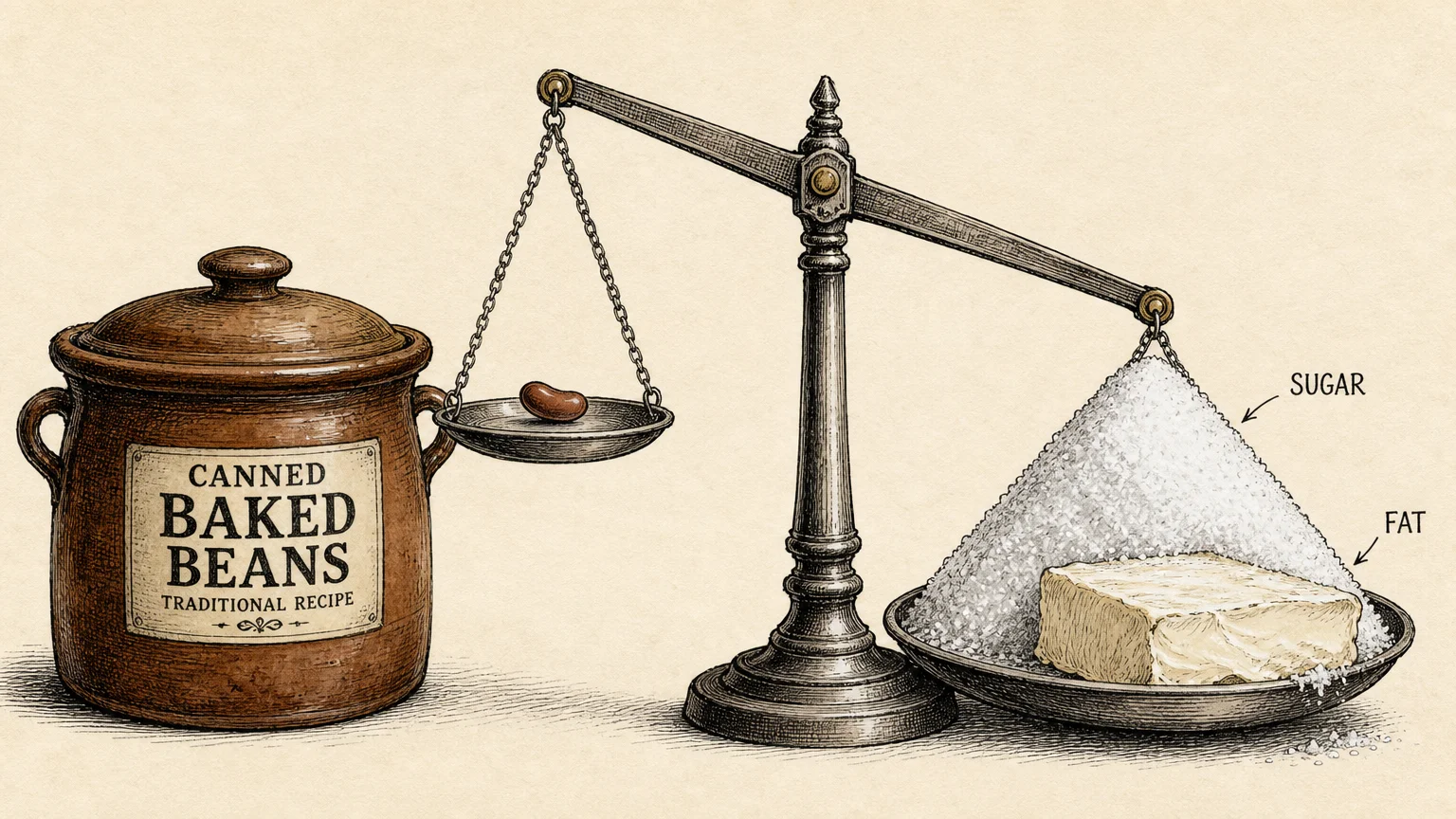
14. Skip Baked Beans with Pork
A simple can of baked beans seems like an innocent, traditional side dish for your summer barbecue. Unfortunately, commercial food manufacturers ruin the incredible nutritional profile of the navy bean by suffocating it in brown sugar, molasses, and high-fructose corn syrup.
A single half-cup serving often contains more added sugar than a frosted donut. The tiny, sad piece of pork fat floating at the top adds negligible flavor but needlessly increases the saturated fat content. You essentially pay a premium for beans cooked in dessert syrup. You can easily circumvent this sugary trap while keeping more cash in your wallet. Buy standard, unsalted canned navy beans or pinto beans. Simmer them on your stove with a dash of smoked paprika, a spoonful of apple cider vinegar, and a highly conservative drizzle of real maple syrup to completely control your sugar intake.
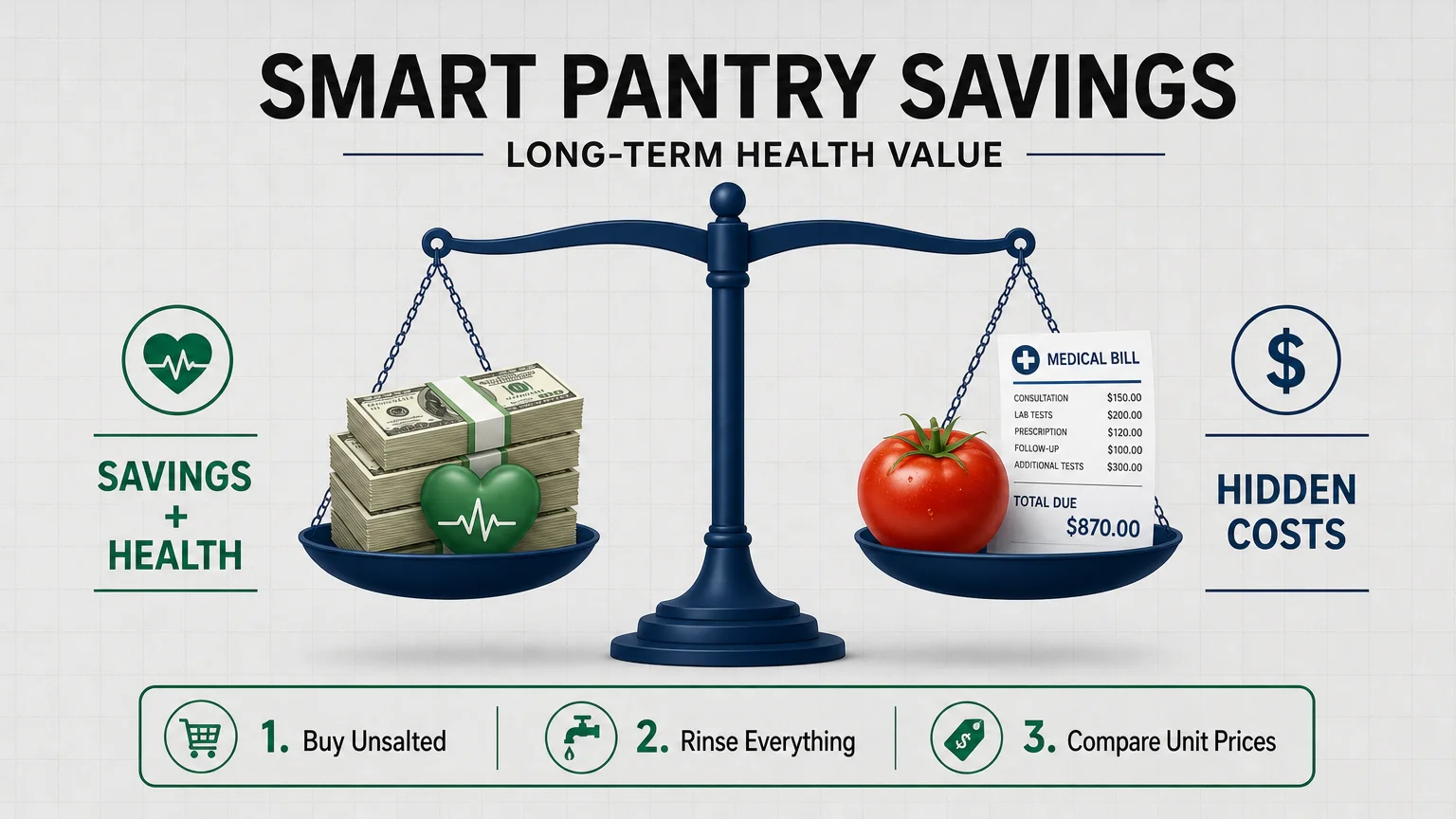
The Bottom Line: What This Means for Your Wallet
Navigating the grocery store requires a sharp eye and a strict refusal to pay for clever marketing or watered-down products. The best canned foods offer a brilliant way to insulate yourself against inflation, providing elite nutrition and unparalleled convenience for pennies on the dollar. However, filling your cart with the worst canned foods quietly drains your bank account and compromises your health with hidden sugars, absurd sodium levels, and destroyed nutrients.
By strategically stocking your pantry essentials with versatile staples like diced tomatoes, black beans, and wild salmon, you build a reliable arsenal of cheap, fast, and healthy meals. You stop relying on expensive takeout when you are too tired to cook, knowing your kitchen already holds exactly what you need. Take control of your grocery budget, read the labels relentlessly, and let the overpriced, processed junk gather dust on the supermarket shelves.
For consumer protection information, visit the Federal Trade Commission (FTC) and the Consumer Financial Protection Bureau (CFPB). For product safety and reviews, consult Consumer Reports.
Frequently Asked Questions
Are dented cans safe to buy and eat?
Minor dents on the body of the can generally pose no threat to your safety, and you can often score a deep discount by purchasing them. However, you must absolutely avoid cans with deep dents that you can lay your finger into, or any dents located directly on the top, bottom, or side seams. Damage to the seams compromises the airtight seal, allowing dangerous bacteria to enter and multiply. If a can bulges, swells, or sprays liquid when you open it, throw it in the trash immediately.
Does canned food actually expire?
The dates stamped on canned goods indicate quality, not safety. The manufacturer uses best-by or use-by dates to estimate how long the food will retain its peak flavor, color, and nutritional value. As long as the can remains in good condition—without deep dents, rust, or swelling—and you store it in a cool, dry place, the food inside stays safe to consume for years, or even decades. You might notice slight changes in texture or a muted flavor over extreme periods of time, but you do not need to panic and throw out a perfectly intact can just because it passed its printed date.
Should I be worried about BPA in can linings?
Bisphenol A (BPA) used to be a standard component in the epoxy linings of almost all metal food cans, utilized to prevent the acidic food from reacting with the metal. Due to growing health concerns regarding its hormone-disrupting properties, the vast majority of the canning industry voluntarily phased out BPA. Today, most cans utilize acrylic or polyester linings. If you remain concerned about chemical exposure, look for brands that explicitly state their cans are BPA-free on their labels, or choose foods packed in glass jars instead.
Can you heat canned food directly in the tin?
You should never heat food directly in its original metal can. The intense heat from a stove or campfire causes the interior plastic linings and chemical coatings to melt and leach directly into your meal. Always take ten extra seconds to transfer the contents into a proper saucepan or a microwave-safe glass bowl before you start cooking. This simple step protects you from ingesting toxic industrial chemicals and prevents the thin metal can from scorching your food.
Disclaimer: This article is for informational purposes only and does not constitute financial advice. The content reflects the author’s opinion and research at the time of writing. Always do your own research before making financial decisions.







Leave a Reply