
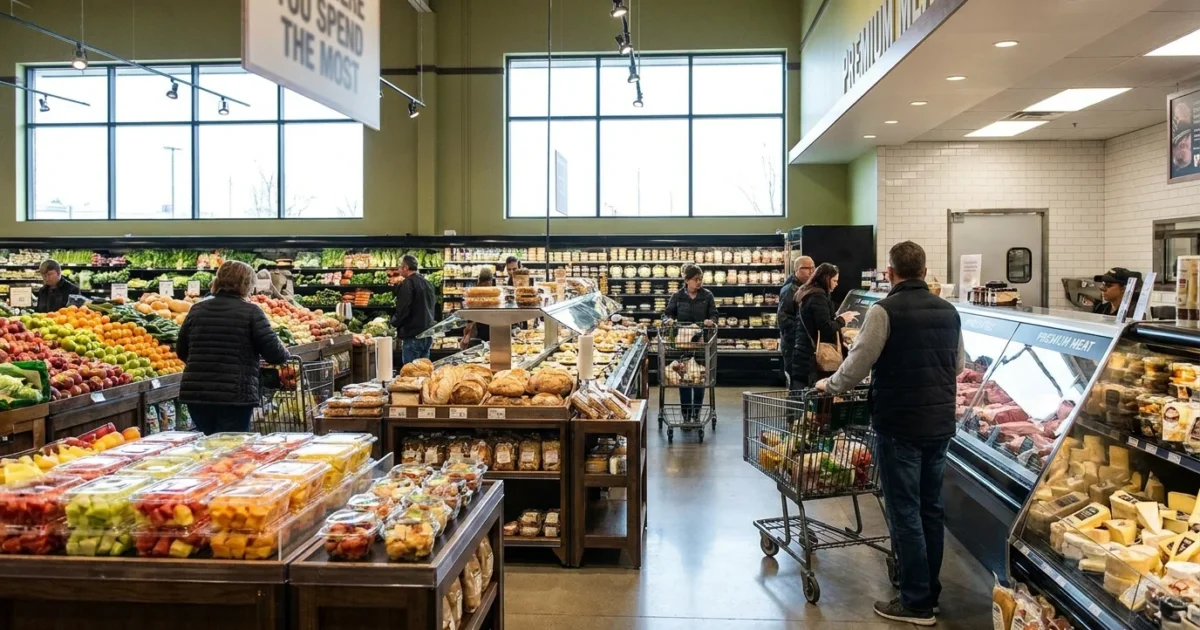
Supermarkets engineer every square foot of their floor plans to drain your wallet, and identifying these strategic traps is the fastest way to reclaim your monthly food budget. You step through the doors for milk and eggs, but retail psychology ensures you walk out with a cart full of high-margin impulse buys. We are exposing the exact zones where your grocery shopping budget goes to die so you can fight back. Retailers rely on sensory manipulation, strategic product placement, and deceptive packaging to drive up your bill. Stop subsidizing corporate profits with your hard-earned savings. Master these layouts, recognize the traps, and you will immediately slash your overspending without sacrificing meal quality.
Tip #1: The Fresh Produce Perimeter
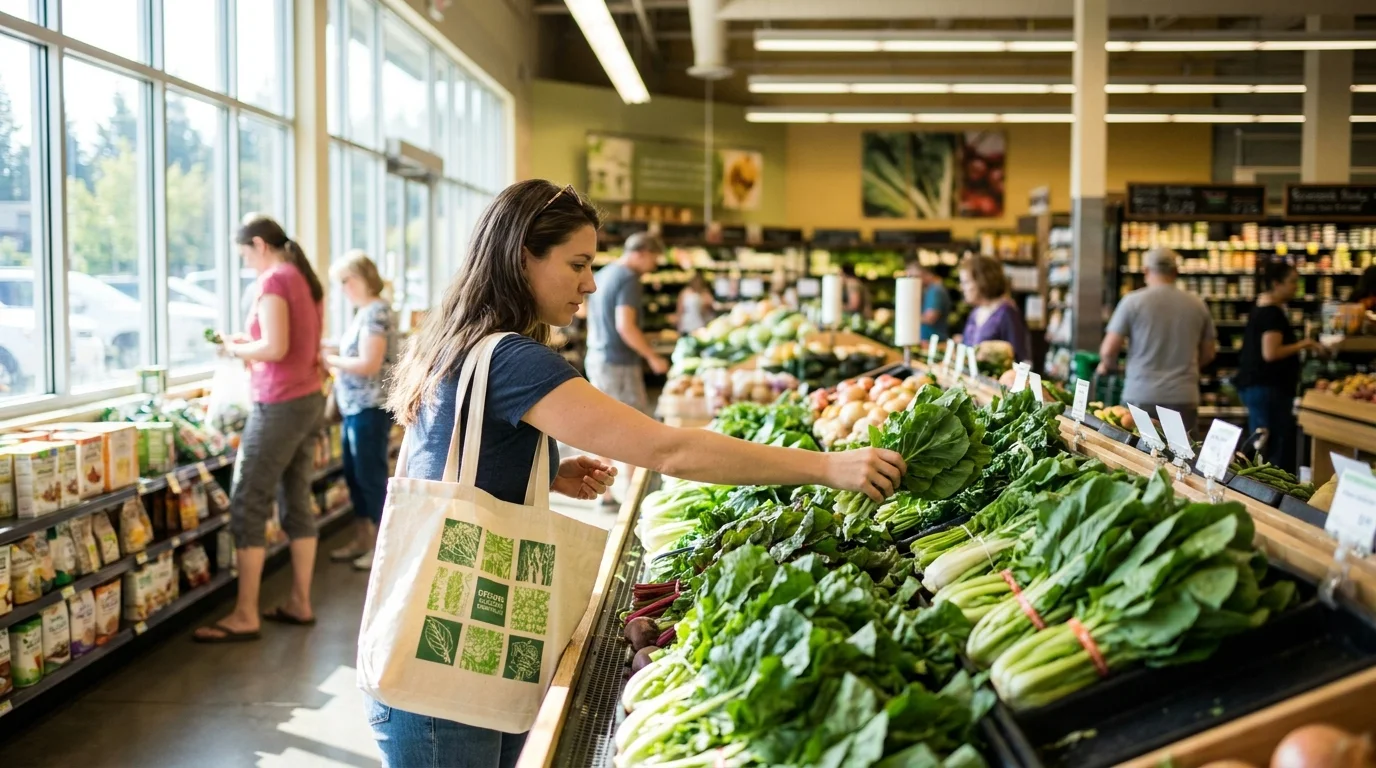
The perimeter of the supermarket is visually stunning, but the fresh produce department operates as a high-margin trap designed to siphon your dollars. Pre-cut vegetables and fruit are the ultimate budget killers. Retailers know you value convenience after a long workday, so they slice a bell pepper, wrap it in unrecyclable plastic, and mark up the price by an astonishing 300 percent. You are paying a massive premium for a few seconds of basic knife work.
Furthermore, grocers rely on sensory manipulation to drive sales. Those automatic misting machines spraying the leafy greens do not keep the produce fresh; they simply add sheer water weight to items sold by the pound. You end up paying for tap water at premium organic prices. The bright lighting and pristine displays also trigger a “health halo” effect, convincing you to fill your cart with exotic, expensive fruits that inevitably rot in your crisper drawer.
To fight back, skip the pre-packaged convenience entirely. Buy whole vegetables and spend ten minutes prepping them at home. Always weigh your produce before bagging it so you understand exactly what you are paying for. Finally, give those wet greens a vigorous shake to remove excess water before heading to the register.
Tip #2: The Aisle of Endcaps
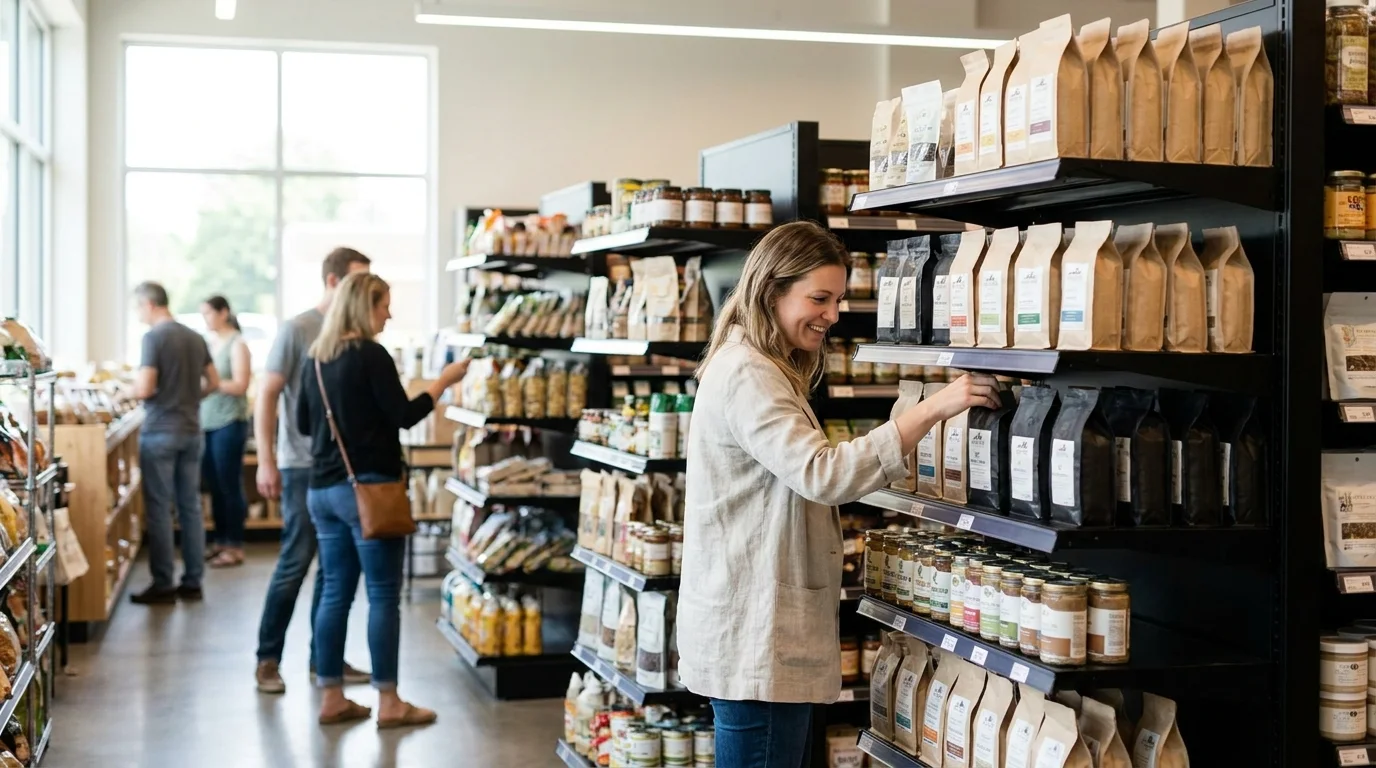
Supermarkets want you to believe that the items displayed at the end of the aisles—known as endcaps—are highly discounted promotional sales. This is a carefully constructed retail illusion. Supermarkets do not place items in these high-traffic areas because they want to offer you a generous deal. Instead, major food manufacturers pay lucrative slotting fees to secure these premium, highly visible placements.
The cost of that premium real estate is directly passed on to you. Endcaps create a false sense of urgency and scarcity. You see a towering display of premium pasta sauce and assume it must be the best deal in the store. In reality, the exact same brand is often priced the same—or even cheaper—in its regular home aisle. The endcap exists solely to disrupt your planned shopping list and trigger an impulse purchase.
Never grab an item from an endcap without performing a quick price check. Walk down the actual aisle where the product normally lives. Compare the endcap item’s unit price against the store-brand alternative sitting quietly on the bottom shelf. You will frequently find that the promotional item is significantly more expensive than the unpromoted staples.
Tip #3: The Cereal and Breakfast Aisle
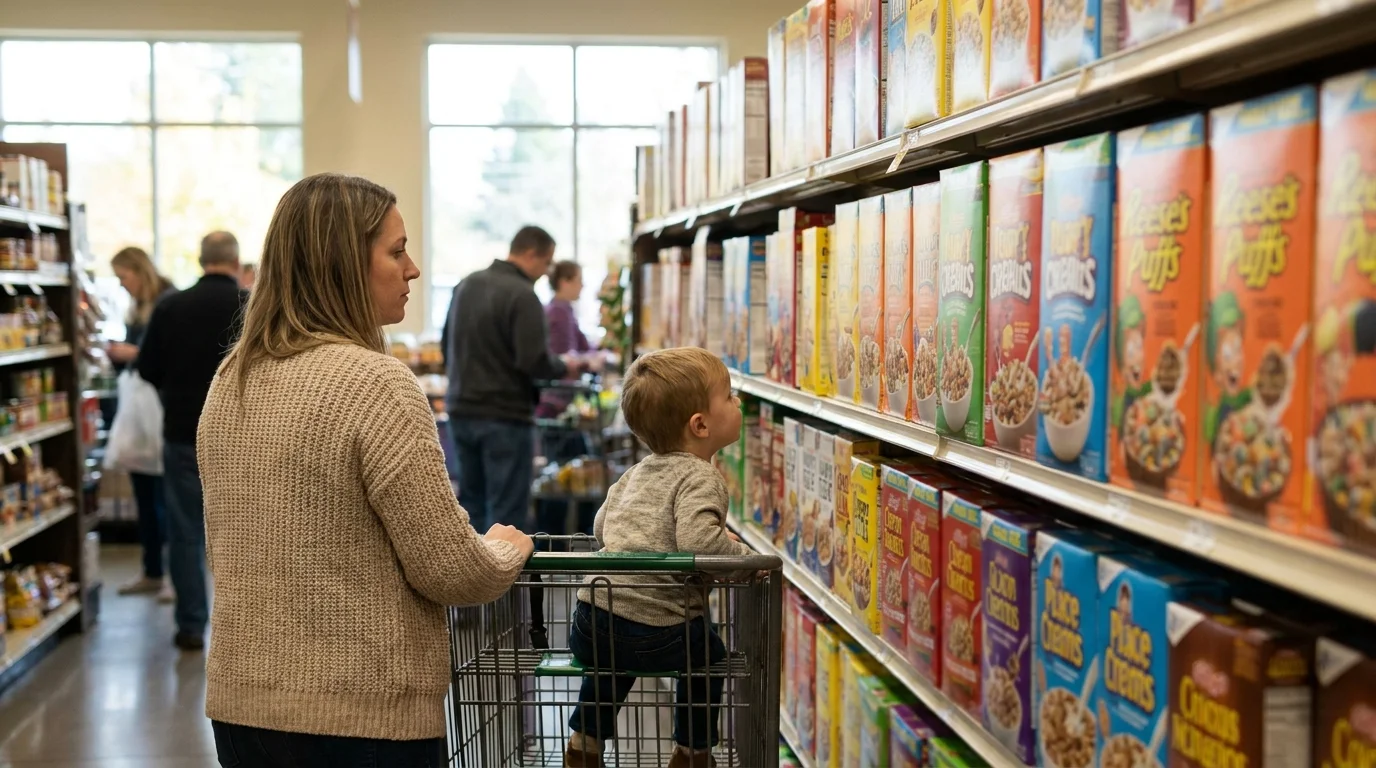
The breakfast aisle is a masterclass in demographic marketing and spatial manipulation. Supermarkets arrange cereal boxes based on precise eye-level calculations to maximize overspending. Sugary, brightly colored children’s cereals are positioned exactly three feet off the ground—perfectly aligned with a toddler’s line of sight. Meanwhile, expensive premium granolas and specialized diet cereals sit right at adult eye level.
This aisle is also the epicenter of shrinkflation. Manufacturers continuously redesign cereal boxes to look taller and wider from the front, while quietly narrowing the depth. You pay the exact same price—or more—for two fewer ounces of food. They rely on the fact that you shop by habit and brand recognition rather than scrutinizing the net weight printed in tiny font at the bottom of the box.
Protect your budgeting efforts by looking down. The bottom shelves hold the best values, including bagged cereals and large canisters of rolled oats that cost a fraction of their boxed counterparts. Always rely on the unit price sticker on the shelf edge. Comparing the price per ounce strips away the deceptive packaging and reveals the true cost of your breakfast.
Tip #4: The Meat and Seafood Counters
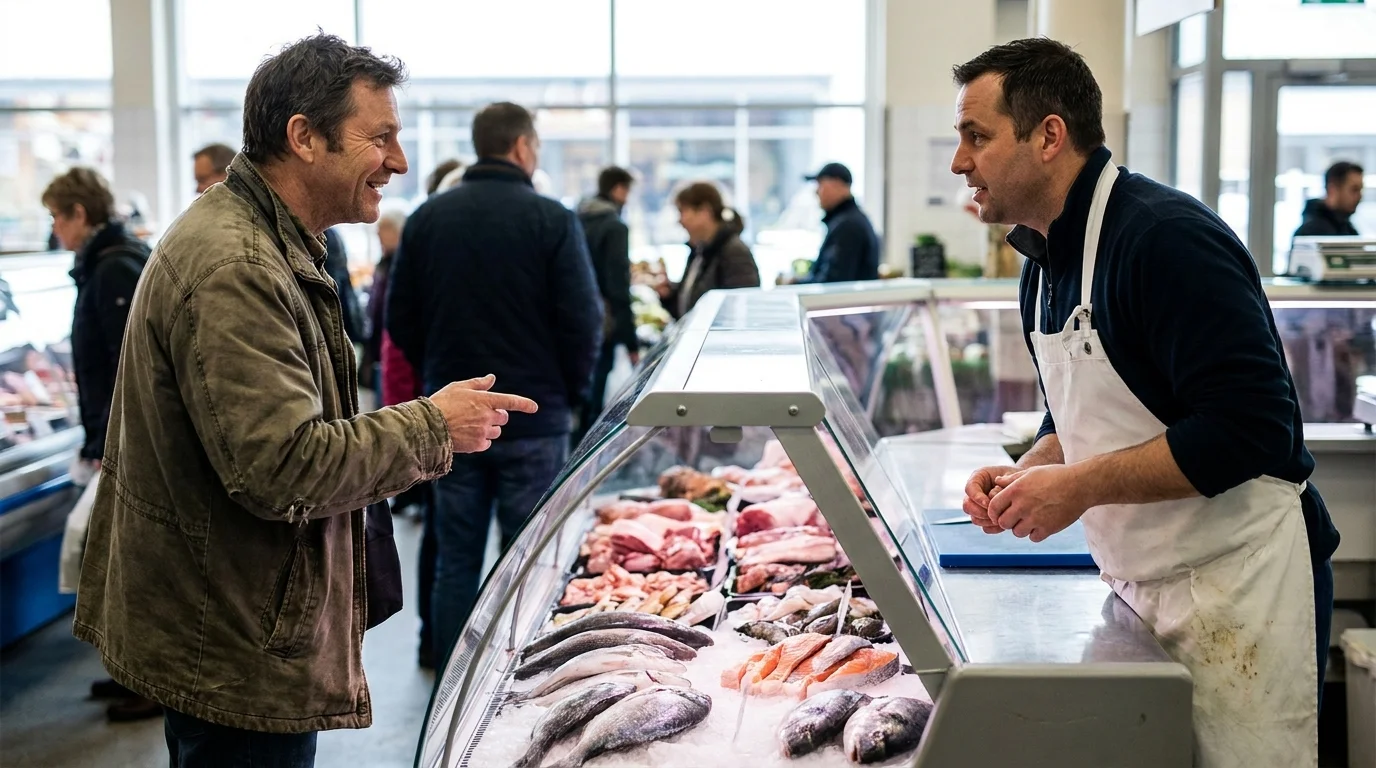
The meat counter exploits your desire for a quick dinner by offering pre-seasoned, pre-marinated, and pre-skewered proteins. A butcher will take chicken breasts or beef cuts that are nearing their sell-by date, toss them in a cheap, high-sodium marinade, and charge you three dollars more per pound for the privilege. You are literally paying premium steak prices for cheap liquid flavorings and wooden sticks.
The seafood counter utilizes similar deceptive tactics to drain your wallet. Shoppers naturally gravitate toward the beautiful fillets displayed on crushed ice, assuming they are fresh from the ocean. In most conventional supermarkets, that fish was commercially frozen at sea and simply thawed for display. You are paying a massive premium for the store to thaw the exact same fish you can buy in the freezer aisle.
Stop paying for retail labor. Buy primal cuts of meat or whole chickens and learn to portion them yourself with a sharp knife; the savings are staggering. Skip the crushed ice display entirely. Walk over to the frozen seafood section and buy the vacuum-sealed bags. You will get a fresher product, avoid the thaw markup, and drastically reduce your food waste.
Tip #5: The Deli and Prepared Foods Section
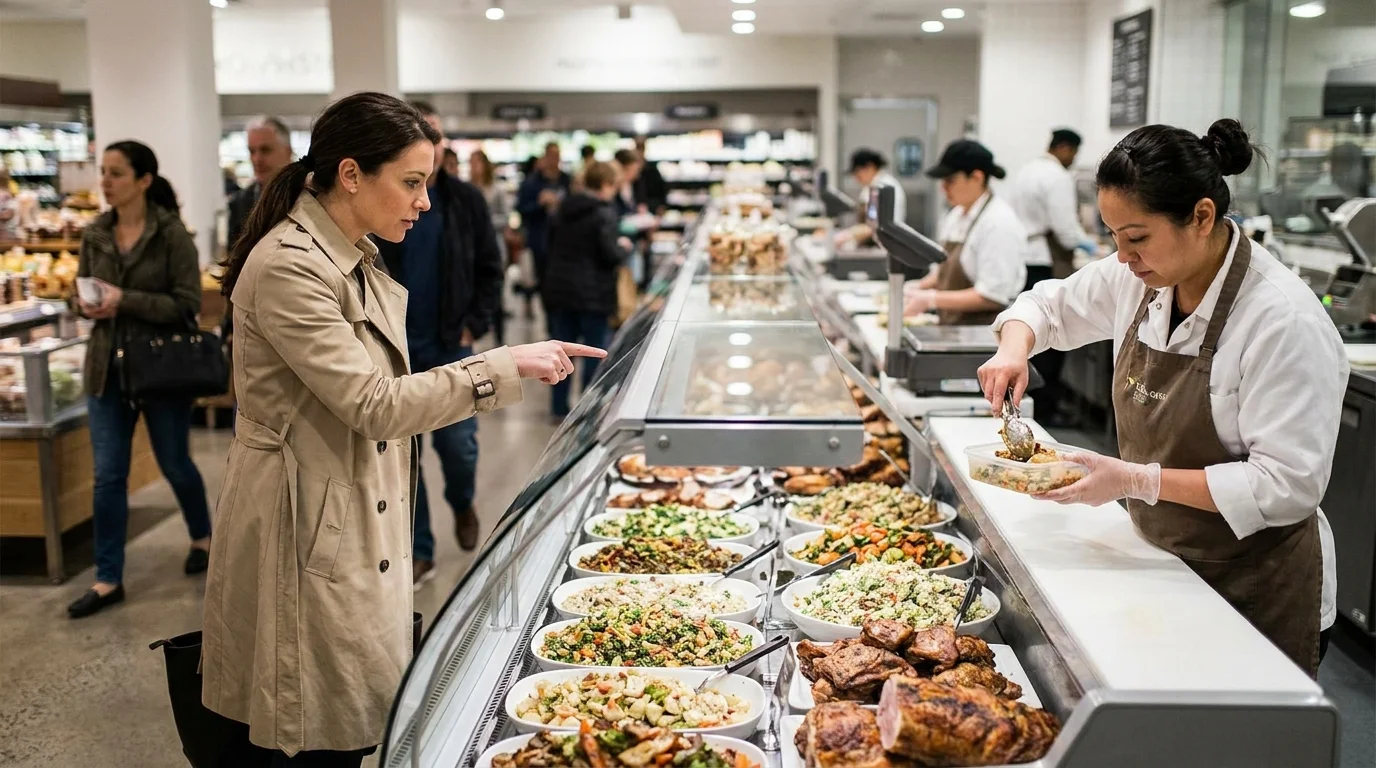
Walking past the deli and prepared foods section introduces a potent weapon in the supermarket arsenal: smell manipulation. The aroma of roasting chickens and fried foods triggers immediate hunger responses, completely derailing your disciplined shopping list. The rotisserie chicken is famously sold as a “loss leader”—priced artificially low just to get you into the store—but the trap is set right next to it.
Retailers surround that cheap chicken with incredibly high-margin side dishes. You grab the affordable poultry, but then you toss a tiny, overpriced tub of macaroni salad and a premium baguette into your cart. Suddenly, your cheap dinner costs twenty-five dollars. The sliced deli meat counter operates on a similar premise. Buying freshly sliced turkey breast or provolone cheese feels like a luxury, but you are paying an exorbitant premium for the employee’s labor.
Outsmart the deli by ignoring the prepared side dishes completely. Buy the cheap rotisserie chicken, but pair it with a ninety-cent bag of frozen vegetables and rice you cook at home. For sandwiches, purchase block cheese and slice it yourself; you will easily cut your cheese expenditures in half while enjoying a much fresher product.
Tip #6: The Pre-Packaged Snack Aisle
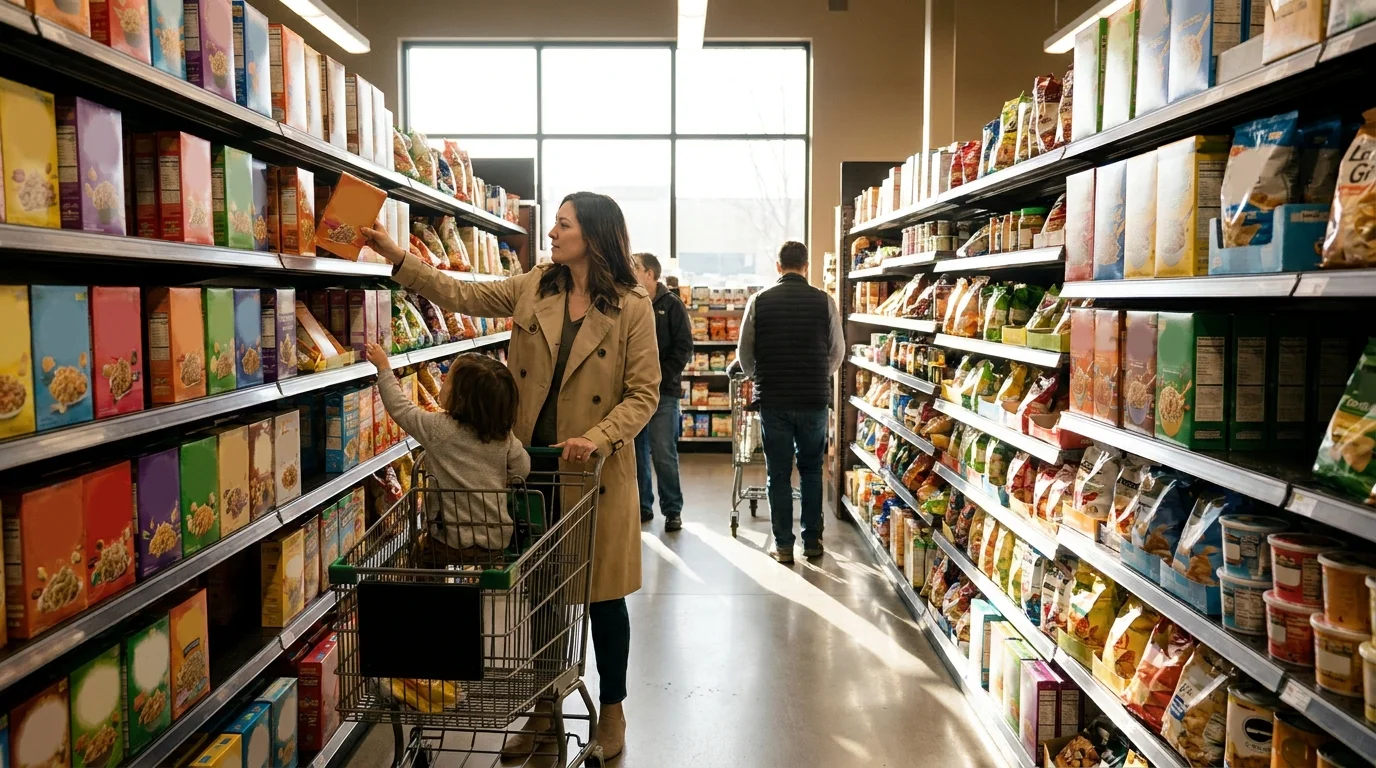
The snack aisle thrives on the modern consumer’s obsession with convenience and portion control. Retailers understand that shoppers feel guilty buying massive bags of potato chips or cookies, so they introduced 100-calorie snack packs and individually wrapped portions. This packaging strategy is a brilliant psychological trick designed to mask outrageous price gouging.
When you buy a box containing ten tiny bags of pretzels, you are no longer paying for the food; you are paying a heavy premium for cardboard, unrecyclable plastic wrappers, and factory sorting. The markup on these convenience items routinely exceeds 200 percent compared to buying the standard, full-sized equivalent. Furthermore, this aisle is notorious for “health-washing.” Slapping words like “baked,” “veggie,” or “all-natural” on highly processed junk food tricks you into paying top dollar for items devoid of actual nutrition.
Reclaim your savings by creating your own snack packs. Buy the largest family-sized bag of pretzels or crackers available—always checking the unit price—and invest in a set of reusable silicone bags or small containers. Spend five minutes portioning the snacks out on a Sunday afternoon. You achieve the exact same portion control without subsidizing corporate packaging costs.
Tip #7: The Beverage and Bottled Water Section
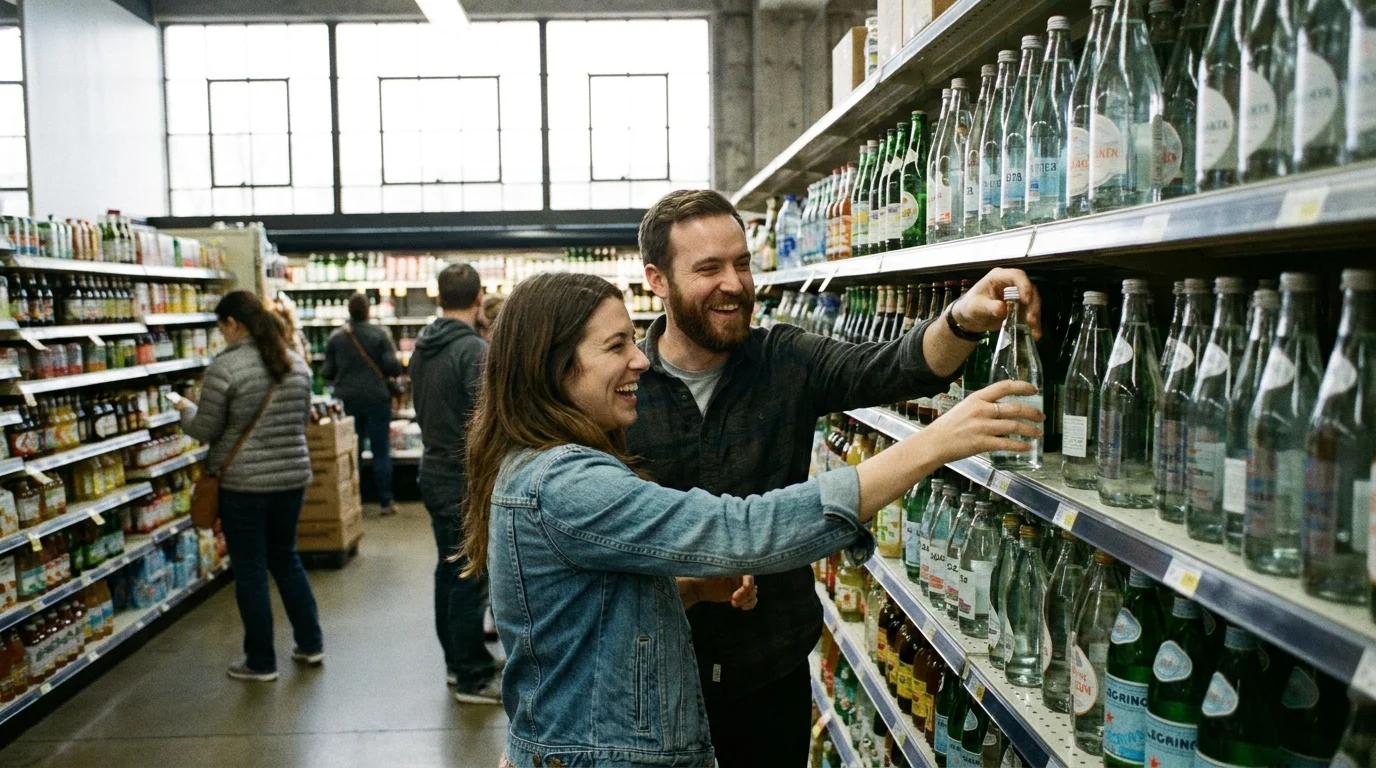
Bottled water represents one of the most astonishing marketing triumphs—and budget-draining traps—in modern retail history. Supermarkets dedicate entire aisles to towering pallets of single-use plastic bottles, convincing consumers that they need to buy hydration by the case. You are effectively paying a 2,000 percent premium for filtered municipal tap water, while simultaneously hauling fifty pounds of dead weight to your car.
The exploitation continues with single-serve sports drinks, iced teas, and boutique sodas. Supermarkets purposely stock these highly profitable individual bottles at eye level, while hiding the powdered mixes and concentrated versions on the bottom shelves. They rely on your immediate thirst and desire for convenience to override your basic math skills. Buying liquids in single-serve containers is the fastest way to bloat your weekly grocery bill.
Stop buying water at the supermarket. Invest in a high-quality water filter pitcher or a faucet attachment for your home; it will pay for itself within a month. If you absolutely need sports drinks or flavored beverages for your family, buy the bulk powder canisters and mix them yourself in reusable insulated bottles. Your wallet and your back will thank you.
Tip #8: The Health Food and Specialty Diet Aisle
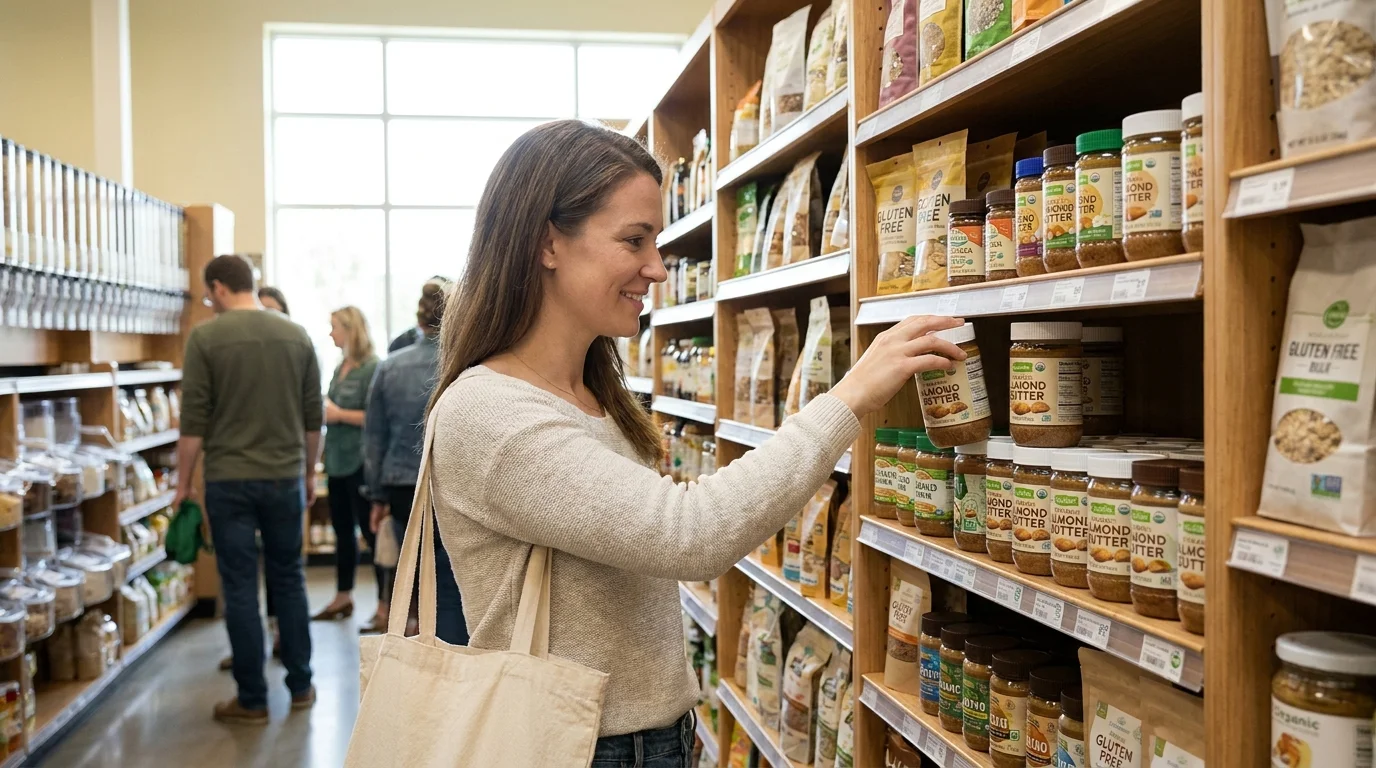
The specialty diet aisle is a financial minefield that thrives on the powerful “health halo” effect. Supermarkets corral products catering to specific dietary trends—such as gluten-free, keto, paleo, or vegan—into one dedicated space. Once a product crosses the threshold into this aisle, its price tag instantly doubles. Companies exploit your desire to eat healthier by charging exorbitant premiums for specialized processing.
Slapping a “keto-friendly” label on a box of processed cookies or a “gluten-free” badge on a bag of crackers instantly justifies a massive price hike. The irony is that many naturally healthy foods are inherently compatible with these diets. A potato is naturally gluten-free; a head of broccoli is naturally keto. Yet, shoppers routinely bypass cheap, whole foods in the produce section to overpay for highly processed, engineered food substitutes in the specialty aisle.
Do not let trendy marketing labels dictate your grocery budget. Instead of buying expensive specialty substitutes, build your meals around naturally compliant whole foods like lean meats, vegetables, rice, and legumes. If you must buy specialty packaged items, meticulously compare their ingredient lists and unit prices against regular items in the main aisles; you will often find identical nutritional profiles at half the cost.
Tip #9: The Personal Care and Pharmacy Aisle
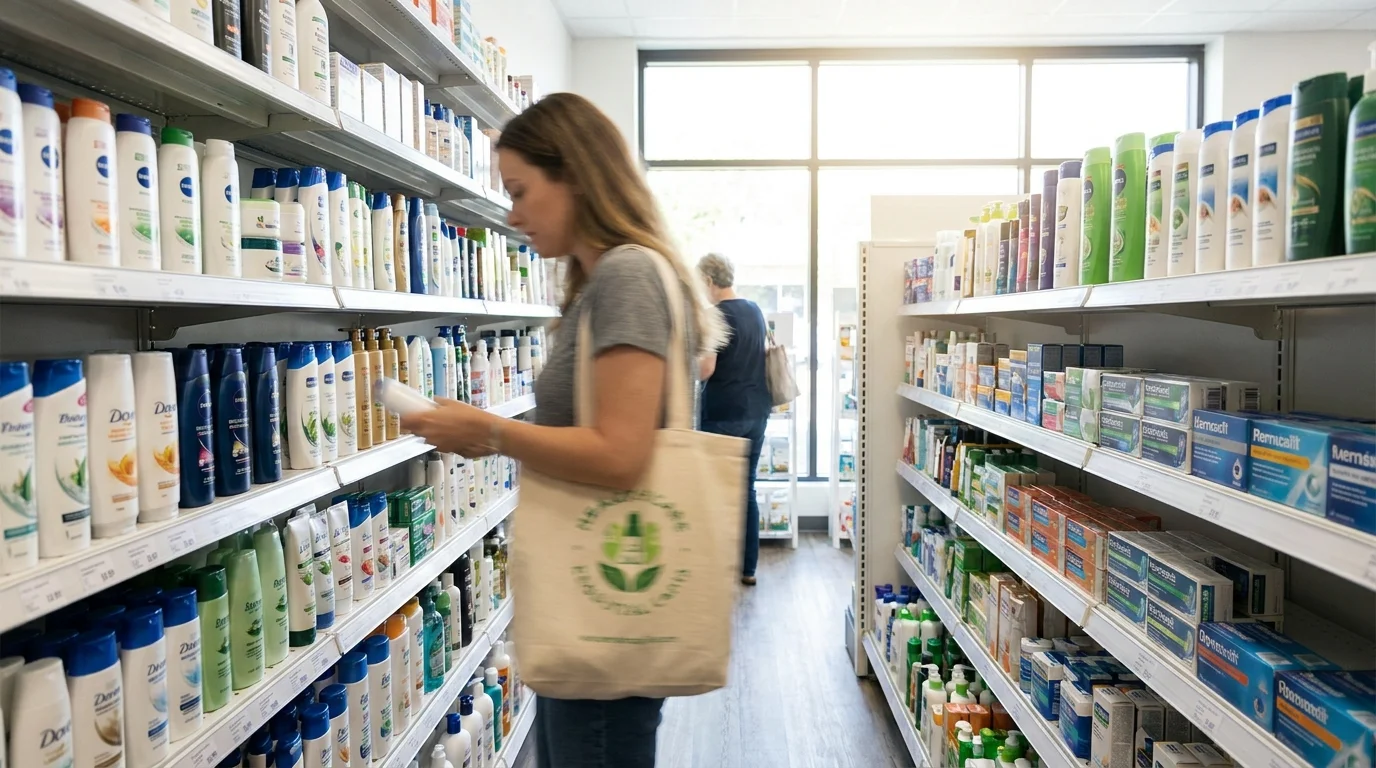
Supermarket profit margins on staple foods like milk and bread are notoriously razor-thin. To make up the difference, grocers rely heavily on the personal care and pharmacy aisles. Supermarkets know that after navigating a crowded store, you desperately want to avoid making a second trip to a dedicated drugstore. They weaponize this desire for convenience by dramatically inflating the prices of non-food necessities.
Items like shampoo, toothpaste, pain relievers, and razor blades carry astronomical markups in a traditional grocery setting. Furthermore, supermarkets often heavily feature “travel-sized” toiletries on endcaps near this section. These tiny bottles of lotion and mouthwash feature the absolute worst unit pricing in the entire building, exploiting shoppers who need an immediate solution for a weekend trip.
Never buy personal care items or over-the-counter medications at the grocery store unless it is an absolute emergency. Purchase these items in bulk at big-box warehouse clubs, or order them online where price-matching algorithms keep costs fiercely competitive. If you need travel toiletries, buy empty, reusable TSA-approved silicone bottles and fill them from your full-sized products at home.
Tip #10: The Checkout Lane
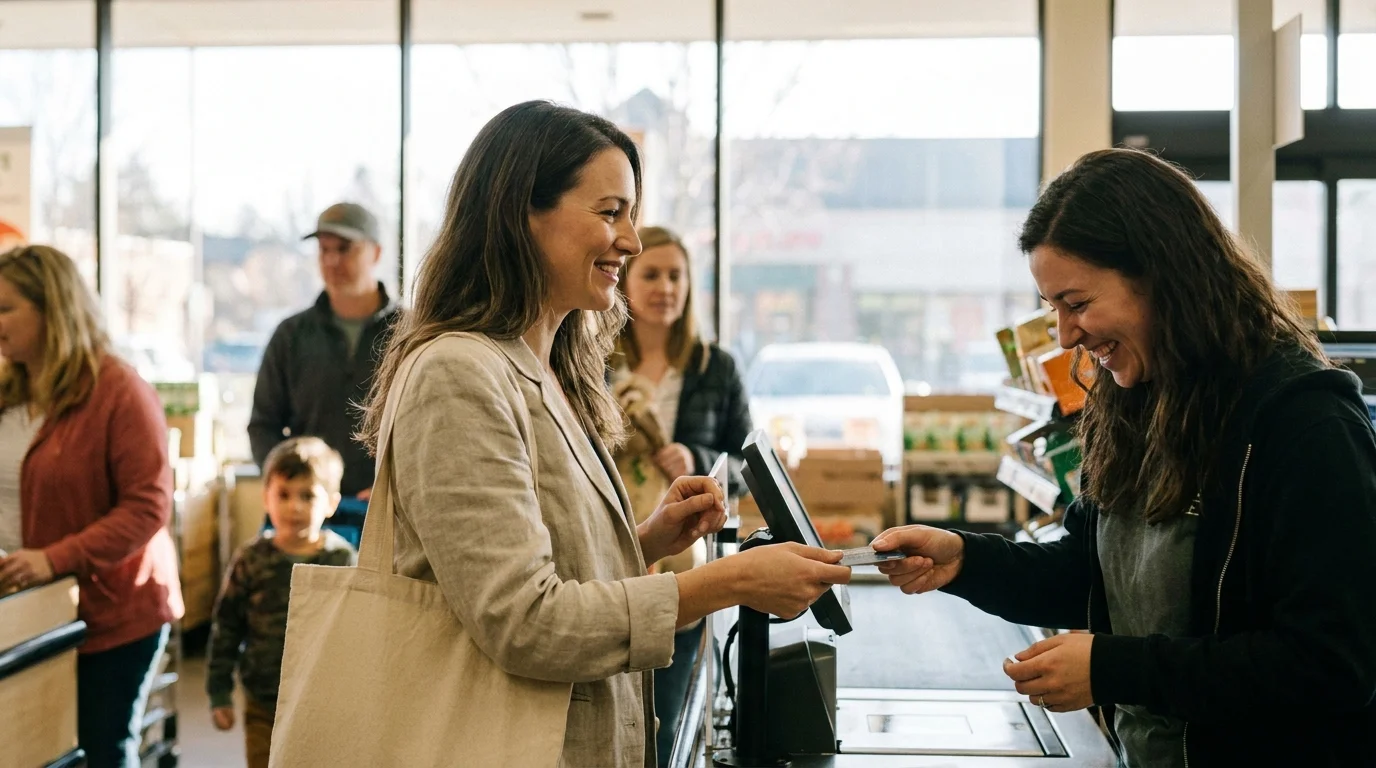
The checkout lane is the final, inescapable gauntlet of your shopping trip, engineered to break down whatever willpower you have left. After spending forty-five minutes navigating aisles and making dozens of micro-decisions about prices and brands, you suffer from acute decision fatigue. Your brain is tired, your discipline is depleted, and the supermarket knows exactly how to exploit this vulnerability.
Retailers design this unavoidable bottleneck to extract the last few dollars from your wallet. They surround the register with high-margin dopamine hits: brightly colored candy bars, chilled sodas, novelty toys, and gossip magazines. The items placed here are cheap enough to bypass your critical financial filters, but the profit margins for the store are massive. This is where harmless overspending quickly compounds into a busted monthly budget.
Survive the checkout lane by adopting a strict “hands-off” policy once your cart hits the conveyor belt. Distract yourself by calculating your total savings, reviewing your receipt, or looking at your phone. Better yet, utilize the self-checkout lanes if your store offers them; they typically feature far less impulse merchandising, allowing you to pay and escape without adding unneeded sugar to your bill.

The Bottom Line: What This Means for Your Wallet
Your grocery shopping routine should be a strategic financial mission, not a leisurely stroll through a corporate trap. Supermarkets spend millions of dollars studying consumer psychology to extract maximum profit from your wallet. Every towering endcap, every brightly lit specialty display, and every misting machine is meticulously designed to break down your spending discipline and inflate your bill.
You have the power to stop subsidizing these retail tricks. By recognizing the psychological triggers embedded in the store layout, you can instantly neutralize them. Commit to shopping the perimeter for whole ingredients, ignoring the deceptive packaging of the snack aisles, and calculating unit prices with ruthless efficiency. When you master these aisles, you take back control of your finances, ensuring your hard-earned money stays exactly where it belongs—in your bank account.
Frequently Asked Questions
Are store brands really as good as name brands?
Yes. In the vast majority of cases, store-brand products roll off the exact same manufacturing lines as their premium-priced competitors. The only tangible difference is the label on the can and the massive marketing budget factored into the name brand’s price. You can instantly reduce your grocery bill by 20 to 30 percent simply by swapping name brands for private-label alternatives, especially for pantry staples like canned beans, dried pasta, and baking supplies.
How can I stop impulse buying at the grocery store?
Never shop on an empty stomach. Hunger completely alters your purchasing behavior, making you highly susceptible to the bakery’s smells and the snack aisle’s bright packaging. Create a strict, itemized list before you leave the house and stick to it relentlessly. Consider using a handheld basket instead of a massive shopping cart if you only need a few items; the physical weight will quickly deter you from adding heavy, unnecessary products to your haul.
Are bulk purchases always a better deal?
Absolutely not. Retailers know that consumers blindly assume bulk packages offer the best value, so they exploit this trust. Supermarkets frequently price the medium-sized jar of peanut butter or the standard box of cereal cheaper per ounce than the giant family-sized version. Always check the unit price sticker on the shelf edge—usually expressed as the exact price per ounce or price per pound—to quickly determine the true mathematical value of an item.
Does using a grocery delivery app save money?
While delivery apps charge service fees and often inflate the baseline prices of the groceries themselves, they completely eliminate the threat of in-store impulse buying. For shoppers who struggle with severe overspending triggered by physical store displays, the premium cost of delivery might actually be lower than the cost of their typical impulse purchases. However, for disciplined shoppers who adhere to a list, picking up your own groceries remains the most economical choice.
For consumer protection information, visit the Federal Trade Commission (FTC) and the Consumer Financial Protection Bureau (CFPB). For product safety and reviews, consult Consumer Reports.
Disclaimer: This article is for informational purposes only and does not constitute financial advice. The content reflects the author’s opinion and research at the time of writing. Always do your own research before making financial decisions.




Leave a Reply