Frugal Americans

  • Home
  • Budgeting
  • Shopping
  • Household

6 Worst Grocery Stores to Buy Meat

June 3, 2026 · Uncategorized

Meat is the most expensive item in your grocery cart, but you can slash your weekly spending by identifying where not to buy meat. Many supermarket chains pump beef and chicken full of saltwater solutions to artificially inflate the weight; this forces you to pay premium prices for added liquid. Other retailers rely on clever marketing to charge astronomical markups for the exact cuts you can find at local butchers for much less. Stop throwing your hard-earned cash away on tough steaks, expiring ground chuck, and shrinking chicken breasts. Here is the ultimate breakdown of the worst grocery stores for meat to protect your wallet and ensure you get exactly what you pay for.
Tip #1: Avoid Walmart for Fresh Steaks and Poultry

Walmart dominates the retail landscape by driving down prices on consumer goods, but their fresh meat department operates on a business model that actively works against your wallet. The retail giant relies on heavily centralized processing facilities. Your steaks and chicken breasts are cut, packaged, and pumped with preserving gases hundreds of miles away before they ever reach the store. You will not find a real butcher behind a counter at a standard Walmart.

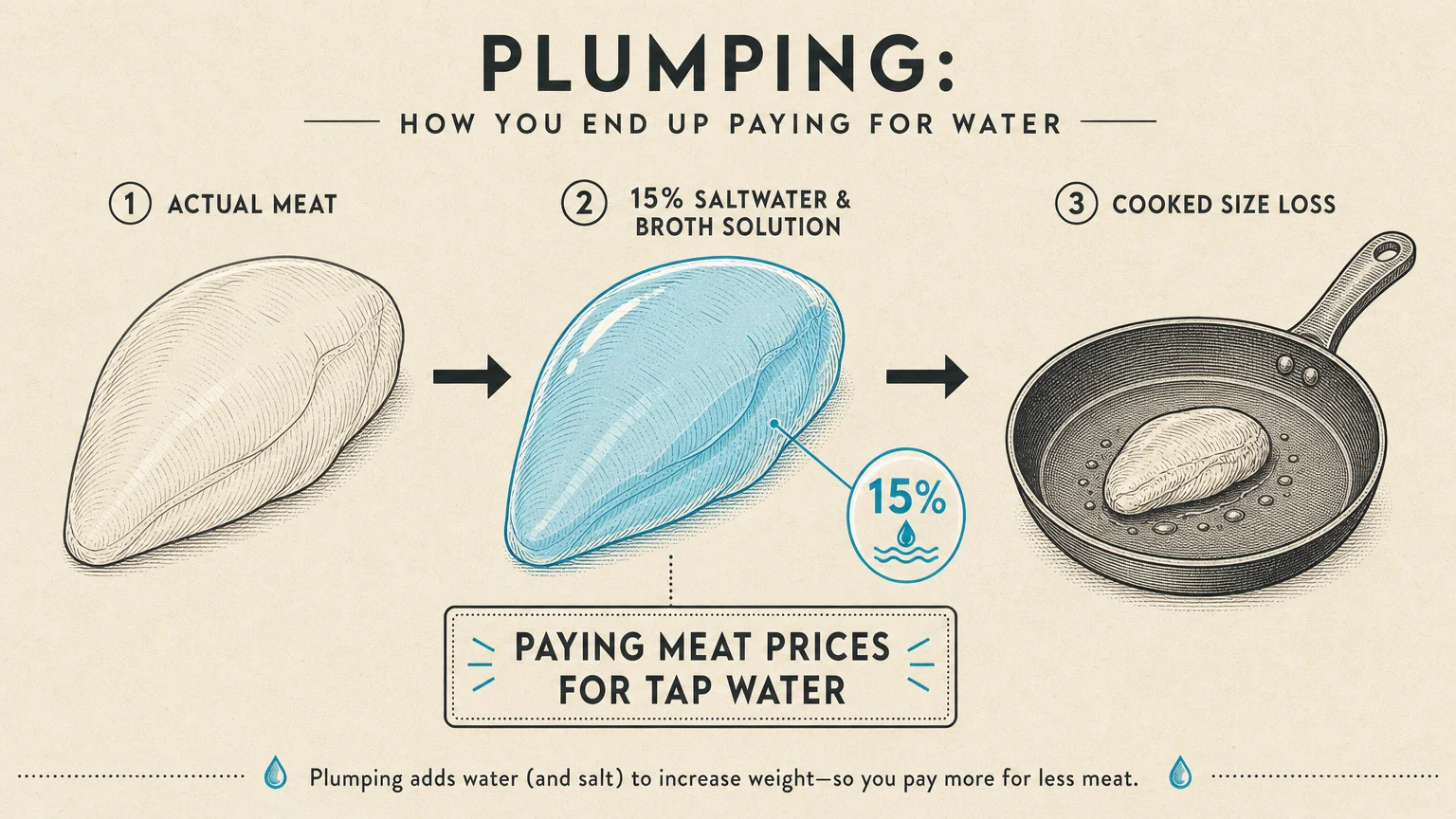
The real financial drain happens through a process called plumping. Walmart frequently stocks chicken and pork injected with a saltwater and broth solution. The label will quietly admit the meat contains up to fifteen percent added liquid. You are literally paying meat prices for tap water. When you throw those chicken breasts into a hot skillet, that injected water immediately evaporates. Your generously sized chicken breast quickly shrinks into a tough, rubbery medallion.

Walmart beef presents another major issue for smart shoppers. They heavily stock Select-grade beef, which sits at the bottom of the USDA quality grading scale for retail supermarkets. Select beef lacks the internal fat marbling required for flavor and tenderness. You end up chewing through tough, flavorless steaks that still cost a premium. If you do a grocery comparison, meat prices at Walmart routinely fall behind the value offered by regional grocers or wholesale clubs that employ on-site butchers and sell Choice-grade or Prime-grade beef.

Walmart also frequently slaps highly visible Rollback stickers on massive family packs of ground beef to create the illusion of a massive bargain. However, that bulk ground beef often comes packaged in opaque tubes known as chubs. You cannot inspect the meat inside the tube. Shoppers frequently slice open these tubes only to find gray, oxidized meat hidden beneath the bright red exterior. Protect your grocery budget by purchasing meat you can actually see and inspect.


Tip #2: Bypass Target and Its Pre-Packaged Meat Section

Target mastered the art of selling household goods, trendy apparel, and visual aesthetics. Their grocery department, however, remains a massive afterthought designed solely to capture your convenience spending. Buying fresh meat at Target guarantees you will overpay for inferior, highly processed products.

Target operates entirely without dedicated meat counters. Every single piece of protein arrives completely pre-packaged by third-party vendors. The lack of an on-site butcher means the store has zero control over the cutting, trimming, or packaging process. You cannot ask for a custom thickness on a ribeye, nor can you request a freshly ground batch of chuck. You are stuck with whatever sits in the refrigerated cases under the harsh fluorescent lights.

Pricing at Target relies heavily on shopper confusion. Many of their meat products display prices per package rather than per pound. You might grab a seemingly affordable package of chicken thighs for seven dollars, completely missing the fact that the package barely weighs a single pound. This deceptive pricing model disguises the exorbitant markup. You end up paying organic, premium prices for standard, factory-farmed poultry.

Turnover rates also plague the Target meat section. Because most shoppers visit Target for clothes and home goods, the raw meat sits on the shelves significantly longer than it does at high-volume grocery chains. This leads to serious freshness issues. Ground beef frequently approaches its absolute final sell-by date, and chicken often develops a sour smell immediately upon opening. Do not let the convenience of a one-stop shop trick you into buying old, overpriced meat. Make a separate trip to a real grocery store.

Tip #3: Stop Overpaying at Whole Foods Market

Whole Foods Market earned the nickname “Whole Paycheck” years ago, and their meat department stands as the primary reason why. The Amazon-owned grocer built a massive empire on the back of organic marketing and sustainability halos. While their sourcing standards generally exceed those of discount retailers, their pricing structure is entirely indefensible for anyone trying to manage a household budget.

Whole Foods utilizes a complex animal welfare rating system to justify astronomical markups on basic cuts of meat. You will routinely find standard New York strip steaks priced at double the going rate of your neighborhood butcher. The store essentially charges a luxury tax for peace of mind. You are paying for the brand name, the immaculate store aesthetic, and the highly curated shopping experience rather than the actual protein sitting on the styrofoam tray.

The organic chicken presents an equally terrible value proposition. Whole Foods often charges premium prices for air-chilled, free-range poultry. While air-chilling prevents the water-logging issues seen at discount stores, the massive price disparity eliminates any financial benefit. A family of four can easily spend thirty dollars just on raw chicken breasts for a single Tuesday night dinner. Amazon Prime members receive minor discounts on select items, but these markdowns rarely bridge the gap created by the initial forty percent markup.

If you genuinely care about grass-fed beef, pasture-raised pork, and ethical farming, bypass Whole Foods entirely. You can source the exact same quality of meat by purchasing directly from local farmers or independent butcher shops. Local butchers do not carry the massive corporate overhead of Whole Foods. They will sell you superior, locally sourced proteins at a fraction of the cost, and they will custom-cut the meat exactly to your specifications.

Tip #4: Leave the Dollar Tree Frozen Steaks in the Freezer

Dollar Tree expanded its frozen food section rapidly over the last decade, and they proudly offer frozen steaks for a mere dollar and twenty-five cents. Frugal shoppers often view this as the ultimate protein hack. In reality, purchasing dollar-store steaks stands as one of the worst financial and nutritional decisions you can make in a retail environment.

These steaks are a masterclass in deceptive food engineering. Dollar Tree primarily sells products manufactured by companies specializing in highly processed meats. These are not whole, natural cuts of beef carved from a single cow. They are mechanically tenderized scraps bound together using meat glue. The industry term for this chemical binder is transglutaminase. Manufacturers press these glued scraps into a mold, freeze them solid, and slice them paper-thin to resemble a tiny ribeye or strip steak.

The math behind these cheap steaks exposes a massive financial trap. A standard Dollar Tree steak weighs roughly three and a half ounces. At a dollar and twenty-five cents per package, you are actually paying nearly six dollars per pound. You can routinely find fresh, whole-muscle chuck roasts, pork chops, or even sale-priced sirloin at a standard grocery store for four to five dollars per pound. You are actively paying a premium price for glued-together scraps.

Furthermore, these frozen steaks undergo heavy plumping. Manufacturers pump them full of beef broth, potassium, and sodium solutions to add weight and flavor. When you attempt to sear one of these steaks in a hot pan, the added liquid immediately leaks out. The steak boils in its own artificial juices, resulting in a gray, rubbery texture that resembles shoe leather. Protect your health and your wallet by walking right past the dollar-store freezer section.

Tip #5: Reconsider Trader Joe’s for Your Weekly Protein Needs

Trader Joe’s commands a massive, fiercely loyal cult following. Shoppers flock to the nautical-themed aisles for unique snacks, excellent frozen meals, and cheap wine. However, savvy shoppers know to completely avoid the fresh meat section. Trader Joe’s fails spectacularly when it comes to providing high-quality, affordable raw proteins.

The most glaring issue involves their heavy reliance on pre-marinated meats. Trader Joe’s devotes a significant portion of its meat cooler to products like carne asada, pesto chicken breasts, and shawarma chicken thighs. You pay a massive premium for these ready-to-cook items. Worse, you are paying meat prices for cheap liquid marinades. A one-pound package of their famous marinated chicken might contain only eleven ounces of actual poultry. The rest of the weight comes from water, oil, and spices. You can recreate these marinades at home in three minutes for pennies on the dollar.

Packaging choices at Trader Joe’s also lead to widespread quality control issues. The store vacuum-seals almost all of its fresh beef and poultry to extend shelf life during transit. This tight plastic packaging frequently traps natural gases released by the meat. When you slice the plastic open in your kitchen, you are often hit with a distinct, sour odor. While this phenomenon—known as confinement odor—is sometimes harmless, it makes it incredibly difficult to tell if the meat has actually spoiled.

Trader Joe’s also struggles with fundamental pricing on basic cuts. Their plain ground beef and unseasoned chicken breasts routinely cost one to two dollars more per pound than the exact same products at regional grocery chains. The store does not employ butchers, meaning every cut is standardized and shipped from a central facility. Stick to Trader Joe’s for your pantry staples and frozen appetizers, but buy your fresh meat elsewhere.

Tip #6: Watch Out for Save-A-Lot Meat Additives

Save-A-Lot built a massive footprint by serving low-income neighborhoods and budget-conscious shoppers with heavily discounted groceries. They excel at providing cheap canned goods and dry staples, but their fresh meat department requires extreme caution. Discount grocers operate on razor-thin margins. To keep the sticker prices artificially low, they frequently source lower-tier meats that higher-end supermarkets reject.

This reality becomes glaringly obvious in their poultry selection. You will frequently encounter the woody breast phenomenon in cheap chicken. This occurs when chickens are bred to grow unnaturally fast, causing the muscle fibers to harden. The resulting chicken breast possesses a tough, crunchy texture that remains completely unpalatable no matter how you cook it. Deep discount stores are notorious dumping grounds for these heavily flawed cuts of meat.

Save-A-Lot also leans heavily on liquid injection. Many of their fresh pork and poultry products are enhanced with heavy sodium solutions. Always read the fine print on their meat labels. If you see a warning that the product contains up to fifteen percent retained water or broth, put the package down. You are throwing away your money on tap water. The heavy sodium content also ruins the nutritional profile of what should be a healthy, lean protein.

Visual inspection often reveals the poor handling and packaging practices at deep discount stores. If you look closely at the meat cases, you will frequently spot packages of ground beef or pork chops sitting in large pools of pink liquid. This liquid is called purge. Excessive purge indicates that the cell walls of the meat are breaking down, usually due to temperature fluctuations during shipping or prolonged storage. The meat is actively losing moisture and flavor right on the shelf. Save your money and shop at a store with stricter quality controls.

The Bottom Line: What This Means for Your Wallet

Shopping for meat requires extreme vigilance and a healthy dose of skepticism. The modern grocery industry utilizes a vast arsenal of psychological tricks, deceptive packaging, and chemical additives to separate you from your hard-earned money. You cannot simply walk into a supermarket, grab the first package of chicken you see, and assume you are getting a fair deal. These meat shopping tips will help you navigate the modern supermarket without falling for the standard retail traps.

To truly protect your grocery budget, you must change how you shop for protein. Stop looking exclusively at the large, bold sticker price on the package. You must calculate the exact price per ounce and check the ingredients list for added water or broth solutions. Never pay premium meat prices for cheap marinades, tap water, or heavy plastic packaging.

The most frugal Americans know that the best meat rarely comes from a massive corporate supermarket. Build a relationship with an independent local butcher. Invest in a vacuum sealer and a chest freezer so you can buy large primal cuts or wholesale meat from local farmers at a steep discount. Taking control of your meat purchasing habits will immediately improve the quality of your meals and leave hundreds of extra dollars in your bank account every single year.

Frequently Asked Questions

How can I quickly tell if my grocery store meat is pumped with water?

You must read the fine print on the actual pricing label or the brand packaging. The USDA requires manufacturers to disclose liquid enhancements. Look for phrases like “enhanced with up to 15% chicken broth,” “contains a solution of water and salt,” or “retained water.” Anything over two percent means the manufacturer is plumping the meat to rip you off.

Where is the absolute best place to buy meat on a tight budget?

Wholesale clubs like Costco and Sam’s Club offer the best balance of low pricing and high grocery store meat quality. Costco specifically employs real butchers in their warehouses and consistently stocks high-quality Choice and Prime beef. If you do not have a wholesale membership, look for regional supermarkets like H-E-B, Publix, or Wegmans. These chains use traditional butcher counters and frequently run aggressive loss-leader sales on chicken and pork to get you into the store.

Does buying meat in massive bulk quantities actually save money?

Yes, buying in bulk is the ultimate frugal meat hack, provided you store it correctly. You must invest in a high-quality vacuum sealer. If you simply throw store-bought styrofoam packages directly into your freezer, the meat will develop severe freezer burn within a month, wasting all your money. Vacuum-sealing whole cuts of meat protects them from oxygen and allows you to safely store bulk proteins for over a year without any loss in flavor or texture.

Is the meat counter always better than the pre-packaged meat aisle?

In most cases, the meat counter offers vastly superior quality and value. When you buy from a butcher counter, you can inspect the exact piece of meat you are buying from all angles. You can avoid the hidden fat and gristle that manufacturers frequently tuck underneath the cardboard trays in pre-packaged meat. Furthermore, you can request custom cuts, ask exactly when the meat was ground, and purchase the precise amount you need rather than settling for an overpriced family pack.

For consumer protection information, visit the Federal Trade Commission (FTC) and the Consumer Financial Protection Bureau (CFPB). For product safety and reviews, consult Consumer Reports.

Disclaimer: This article is for informational purposes only and does not constitute financial advice. The content reflects the author’s opinion and research at the time of writing. Always do your own research before making financial decisions.

Share this article

Facebook Twitter Pinterest LinkedIn Email

Leave a Reply Cancel reply

Your email address will not be published. Required fields are marked *

Search

MOST POPULAR

  • steakhouse
    Here Are 5 Worst Steakhouse Chains in America January 13, 2025
  • cheapest stores in America
    We’ve Made a List of 8 Cheapest Stores in America That You Will Definitely LOVE October 2, 2023
  • things you should sell before retirement
    8 Things You Should Sell Before Retirement, According to Experts August 30, 2023
  • items-bottle-pollution
    These 15 Everyday Items Are Just Not Worth Buying Anymore March 12, 2024
  • dollar store secrets
    11 Secrets Dollar Stores Don’t Want You to Know August 30, 2023

TRENDING

  • paying with a credit card
    Think Twice Before Buying These 10 Things With Your Credit Card March 14, 2024
  • buy at target
    Always Buy at Target: 5 Things to Have on Your List September 13, 2023
  • pantry items
    10 Pantry Items You Shouldn’t Keep Forever! September 18, 2023
  • T.J. Maxx
    7 Things You Should Never Buy at T.J. Maxx February 7, 2025
  • buy at target
    Target Cuts Prices on 2,000 Items: Here’s Why October 25, 2024

Newsletter

Get the latest posts delivered to your inbox.

Related Articles

Kirkland Signature

10 Kirkland Signature Items You Should Definitely Buy From Costco

Costco keeps expanding its array of beloved Kirkland Signature products with their distinctive black, red,…

Read More →
spend less money

8 Things You will Notice When You Start Spending Less Money

What happens when you start spending less money? It’s a common misunderstanding that living frugally…

Read More →
Savvy senior couple happily shopping in a grocery store with a full cart of fresh produce and a digital coupon app.

10 Grocery Store Tricks That Help Seniors Save More

Discover ten powerful grocery store tricks that help seniors slash their food bills, dodge retail…

Read More →
A conceptual collage showing a neighborhood map connected by golden threads, symbolizing shared resources and community saving.

10 Products People Are Secretly Sharing With Neighbors To Save Money

Discover how savvy Americans slash household expenses by secretly sharing ten expensive products with their…

Read More →
A colorful mid-century style illustration of a yearly calendar wheel showing the best months to buy specific household items for savings.

10 Items Families Are Buying Seasonally To Save The Most Money

Discover the exact timing smart families use to buy appliances, electronics, and seasonal gear at…

Read More →
save money on a low income

Are You on a Low Income? 9 Ways to Save Money!

How can you save money on a low income? When you struggle to make enough…

Read More →
A paper-cut collage showing multiple hands assembling a puzzle of a dollar bill, representing shared family expenses and savings.

10 Things Families Are Buying Together Instead Of Separately

Discover the top 10 shared expenses saving modern families thousands of dollars every year by…

Read More →

7 Target Buys That Can Actually Lower Your Monthly Costs In Retirement

Discover seven strategic Target purchases that help retirees slash monthly expenses, reduce utility bills, and…

Read More →
A person in a grocery store compares two items while checking a digital list on their phone.

9 Grocery Shopping Habits That Waste Money

Discover the sneaky grocery shopping habits draining your budget and learn practical, actionable hacks to…

Read More →
  • About Us
  • Contact
  • Terms and Conditions
  • Privacy Policy
  • Request to Know
  • Request to Delete
  • CA Private Policy

© 2026 Frugal Americans. All rights reserved.