
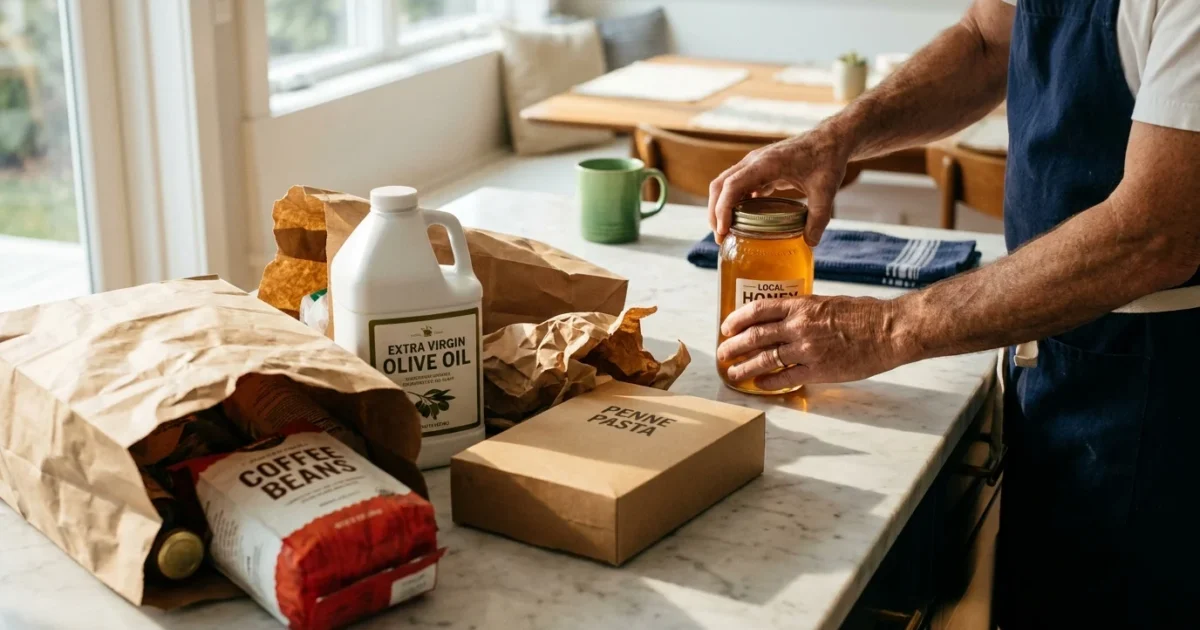
Inflation has fundamentally changed how you shop for groceries, making name-brand loyalty a luxury most households can no longer afford. You can instantly slash your monthly expenses by swapping overpriced national labels for high-quality private-label alternatives that often come off the exact same manufacturing lines. Decades ago, generic goods meant sacrificing flavor for a lower price tag; today, retailers invest billions into developing premium store brands that beat the household names you grew up buying. Savvy shoppers recognize that massive advertising budgets only inflate the retail price. By strategically choosing these ten powerhouse store brands, you can reclaim your budget without compromising on the products your family loves.
Tip #1: Kirkland Signature
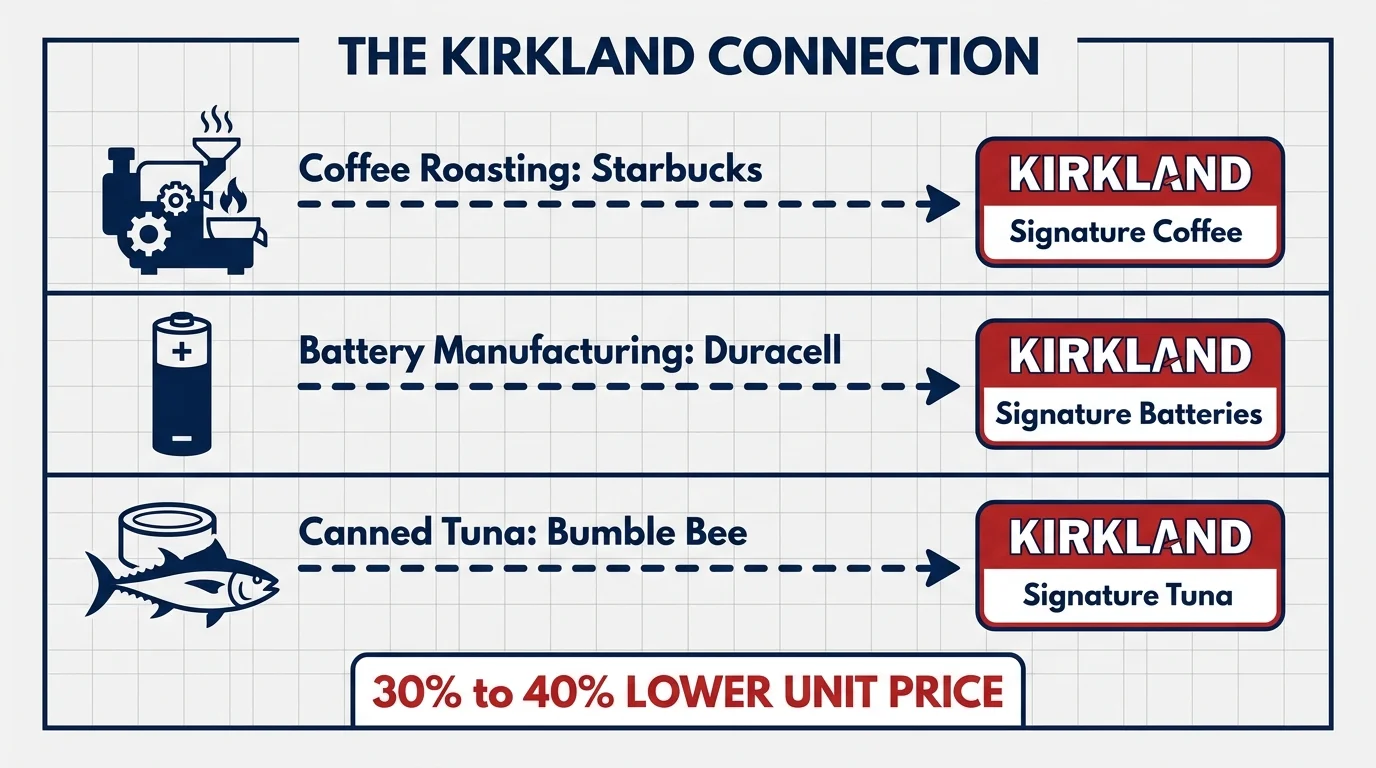
Costco’s Kirkland Signature remains the undisputed king of private labels; the brand alone generates tens of billions of dollars in annual revenue. You probably already know about the famous bulk toilet paper, but the real savings hide in the pantry staples and premium beverages. Costco partners directly with major national manufacturers to produce its house items, effectively stripping away the marketing costs and passing the massive discounts directly to you.
For example, you can buy Kirkland Signature coffee with absolute confidence knowing Starbucks actually handles the roasting process. The same white-label magic applies to their batteries, which Duracell manufactures, and their premium canned tuna, sourced directly from Bumble Bee. You secure top-tier quality without paying the heavy premium markup associated with those famous logos.
When you walk through the massive concrete aisles, pay close attention to the unit price on olive oil, maple syrup, and baking spices. The Kirkland versions routinely undercut national brands by thirty to forty percent. You keep hundreds of dollars in your pocket every single year simply by trusting the distinctive red and white label instead of reaching for the familiar, heavily advertised alternatives.
Tip #2: Great Value
Walmart dominates the American grocery market through sheer volume, and their Great Value line serves as a primary weapon against rising food inflation. Do not let the plain white packaging fool you into thinking these products lack quality. Walmart utilizes its massive supply chain leverage to force top-tier manufacturers into producing goods for the Great Value label, ensuring you receive excellent staple foods for a fraction of the cost.
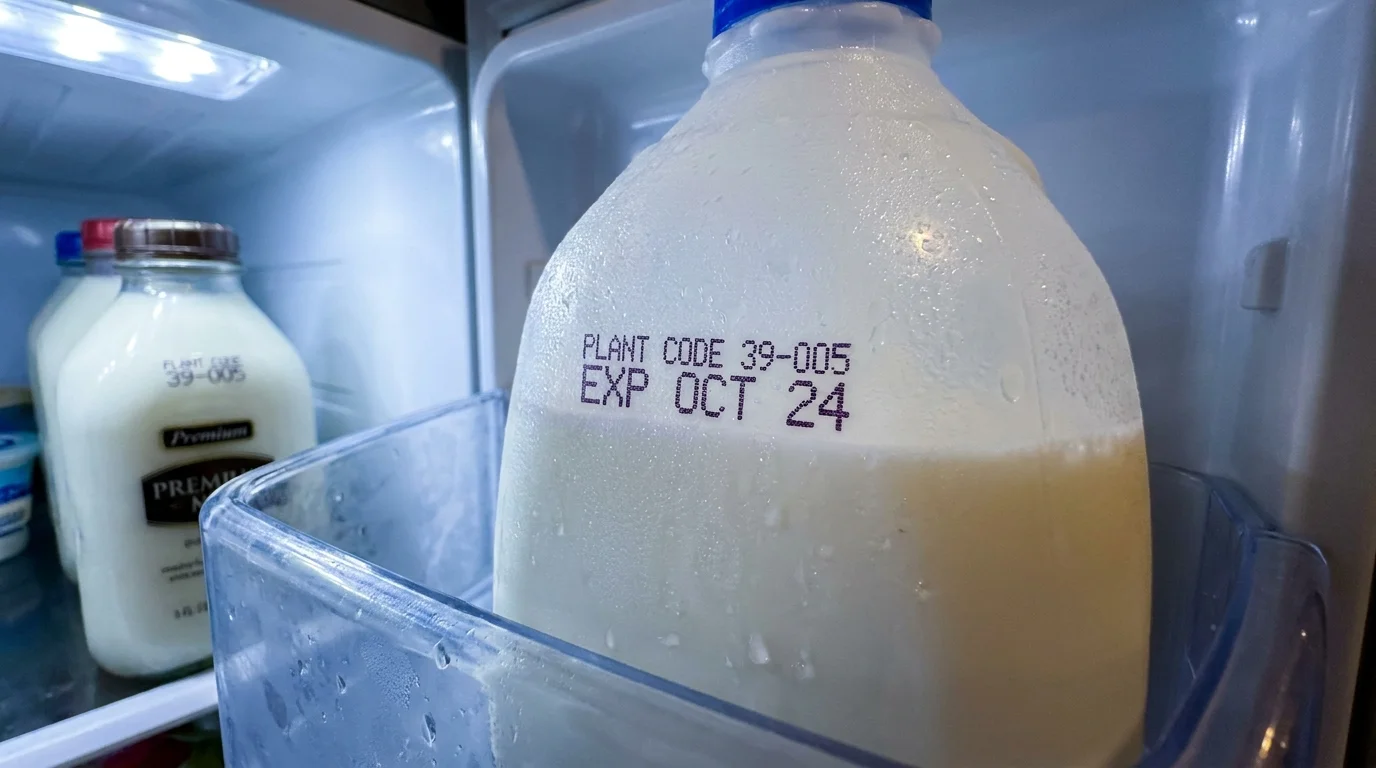
One of the greatest open secrets in the supermarket industry sits right in the dairy cooler. You can inspect the plant codes stamped on a gallon of Great Value milk and compare them to the expensive regional brands sitting one shelf over. You will frequently discover the exact same plant code on both jugs, proving that you are literally paying extra money just for a different plastic label.
The savings extend deep into the center aisles of the store. You can swap out name-brand canned beans, flour, sugar, and basic seasonings for Great Value equivalents and instantly shave twenty percent off your checkout total. Smart frugal shoppers build their entire foundational pantry around this brand; you reserve your splurges for specialty items while letting Walmart subsidize your everyday necessities.
Tip #3: Good & Gather
Target historically struggled to convince shoppers to buy full grocery loads until they launched the Good & Gather brand. This specific private label completely revolutionized how Americans view discount retail groceries. Target engineered this powerful brand to appeal directly to health-conscious consumers who refuse to pay premium prices at specialty health food boutiques.
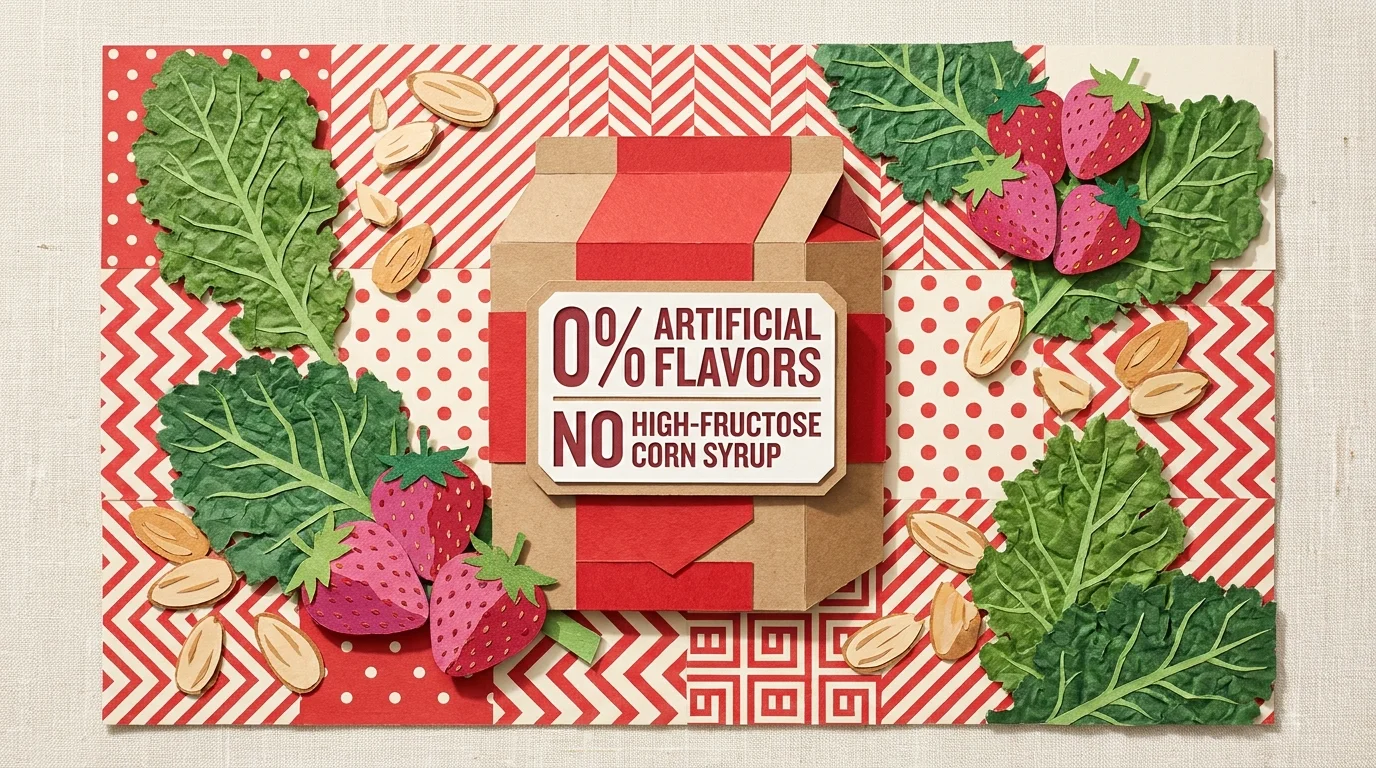
The true power of Good & Gather lies in its strict ingredient standards. You will never find artificial flavors, synthetic colors, or high-fructose corn syrup in any product bearing this specific label. When you buy a box of Good & Gather fruit snacks or a bag of frozen berries, you secure the clean ingredients your family wants without subsidizing the massive marketing budgets of specialized organic brands.
You instantly notice the price discrepancy when buying fresh produce and dairy. A carton of Good & Gather organic milk or a bag of fair-trade coffee consistently rings up dollars cheaper than the national equivalents. By trusting Target to curate high-quality suppliers, you effectively hack the premium grocery market and keep your household budget perfectly intact.

Tip #4: Clancy’s
Aldi operates on a beautifully ruthless business model that practically eliminates national brands from its shelves altogether. Clancy’s stands as the crown jewel of their snack aisle, offering a masterclass in how to clone popular junk foods. When inflation pushed bag prices for major chip brands toward the seven-dollar mark, middle-class shoppers flooded into Aldi to find immediate financial relief.
You can easily satisfy your cravings for cheese puffs, tortilla chips, and potato crisps by reaching for a bag of Clancy’s. Regional snack manufacturers quietly produce these items to keep their factory lines running at full capacity during off-peak hours. The chips taste remarkably similar to the famous brands you grew up eating, but they cost less than half the retail price.
Savvy shoppers refuse to pay a premium for air and television advertising. Families burning through snacks for school lunches or weekend gatherings realize massive savings by completely abandoning the traditional snack aisle at mainstream supermarkets. You simply grab the Clancy’s version, pocket the three-dollar difference per bag, and enjoy your movie night without the side dish of financial guilt.
Tip #5: Simple Truth
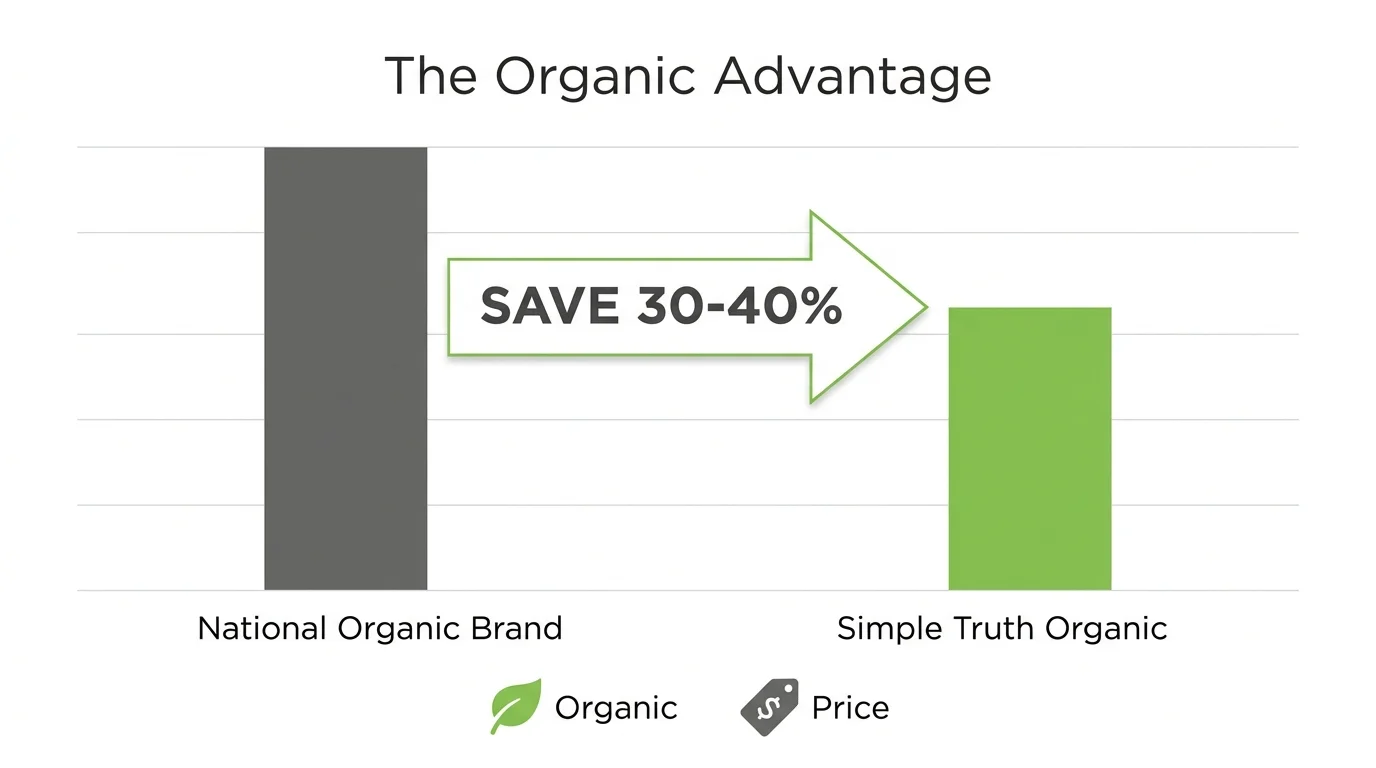
Kroger recognized the exploding consumer demand for clean, natural foods and aggressively positioned Simple Truth to capture that lucrative market. Organic eating historically required a massive household income; Simple Truth systematically dismantled that financial barrier. You can now build a fully organic meal plan without stepping foot inside a high-priced specialty boutique.
The brand essentially functions as a massive, affordable umbrella for natural foods. You can browse the aisles and easily spot the distinctive green circle logo on everything from cage-free eggs to plant-based milks and grass-fed beef. Kroger prices these premium items remarkably close to the cost of conventional, non-organic national brands.
Smart shoppers leverage Simple Truth to upgrade their dietary choices without expanding their weekly grocery budget. Instead of paying six dollars for a premium brand of oat milk, you grab the Simple Truth equivalent for a fraction of the cost. You stop paying the wellness tax that national natural brands levy on consumers and finally take control of your nutritional spending.
Tip #6: 365 Everyday Value
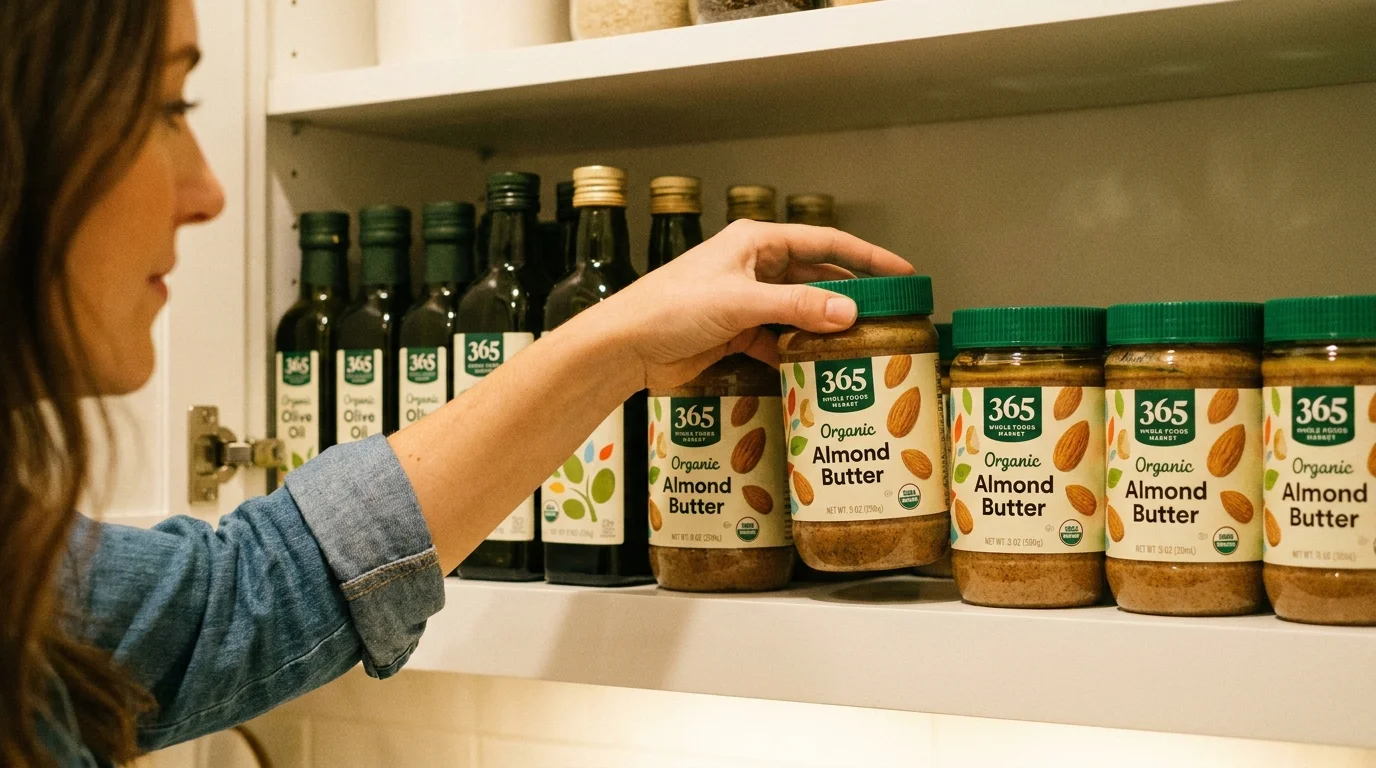
Whole Foods Market earned a notorious reputation for draining bank accounts, but the 365 Everyday Value line provides a strategic loophole for highly frugal shoppers. When Amazon acquired the upscale grocer, they immediately scaled the private label to make high-quality staples aggressively competitive. You can actually shop at Whole Foods without going broke if you possess the discipline to stick strictly to the 365 brand.
The savings materialize instantly in the pantry and freezer sections. You secure incredible deals on organic canned tomatoes, raw almonds, extra virgin olive oil, and frozen fruit. Whole Foods holds the 365 line to the exact same rigorous quality and sourcing standards as the rest of the store; the brand completely bans over two hundred controversial preservatives and synthetic ingredients.
You beat the massive grocery markup by treating Whole Foods purely as a private-label depot. Ignore the artisanal, small-batch brands lining the endcaps and focus your cart entirely on 365 products. You walk out the door with premium, carefully sourced groceries at prices that legitimately rival conventional neighborhood supermarkets.
Tip #7: Trader Joe’s
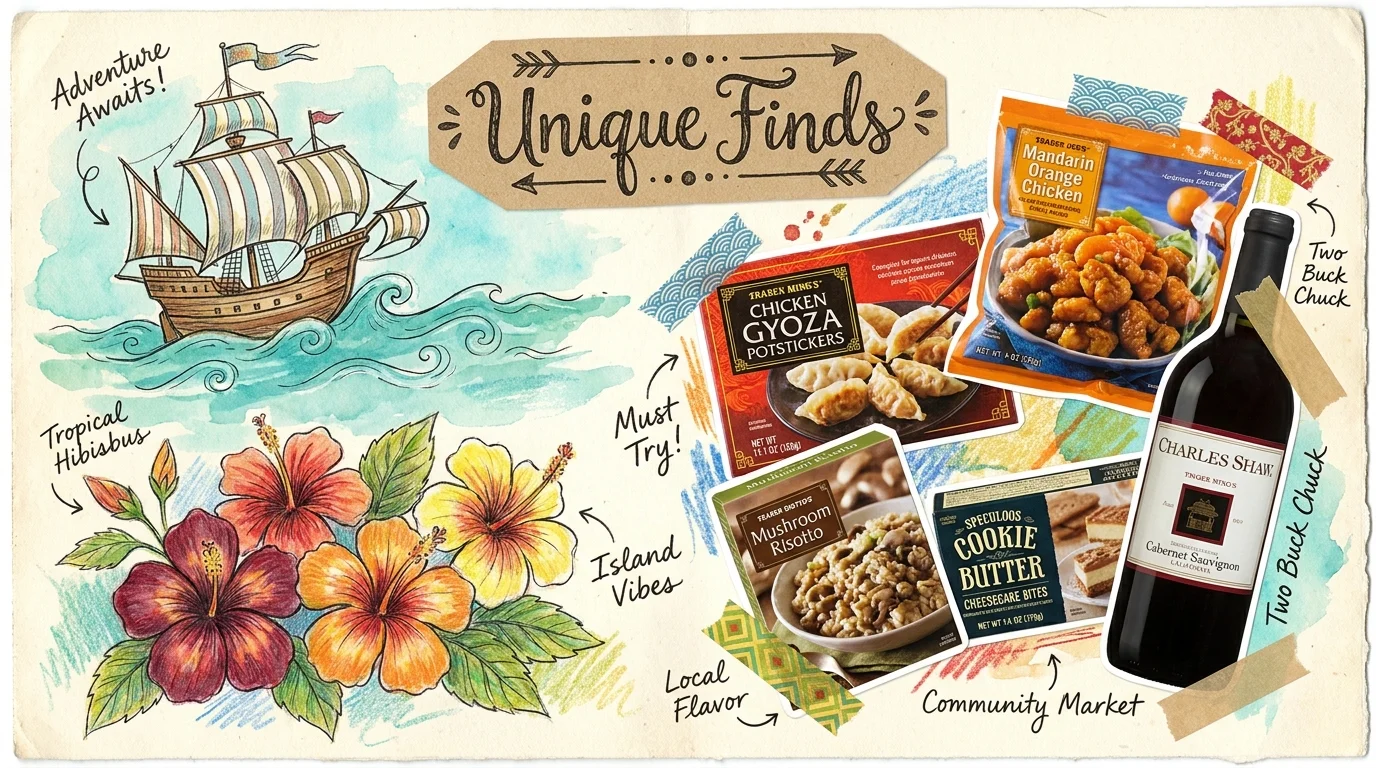
Trader Joe’s essentially operates as the most successful white-label distributor in American history. The quirky neighborhood grocery store completely rejects the traditional supermarket model; practically everything on the shelves carries the proprietary house brand. The company fiercely protects the identities of its suppliers, creating an aura of mystery that fuels immense brand loyalty.
Extensive product recalls and internet sleuthing routinely confirm that major national brands manufacture Trader Joe’s most popular items. You frequently buy the exact same premium pita chips, organic hummus, and roasted pistachios that sell for double the price at a standard grocery store. By eliminating the middleman and refusing to charge shelving fees, Trader Joe’s forces the retail price relentlessly downward.
This unique business model requires you to trust the retailer rather than the manufacturer. You abandon your emotional attachment to specific logos and discover unique, high-quality foods that cost significantly less than traditional supermarket equivalents. You protect your wallet by embracing the house brand and letting Trader Joe’s negotiate the heavy wholesale discounts on your behalf.
Tip #8: Member’s Mark
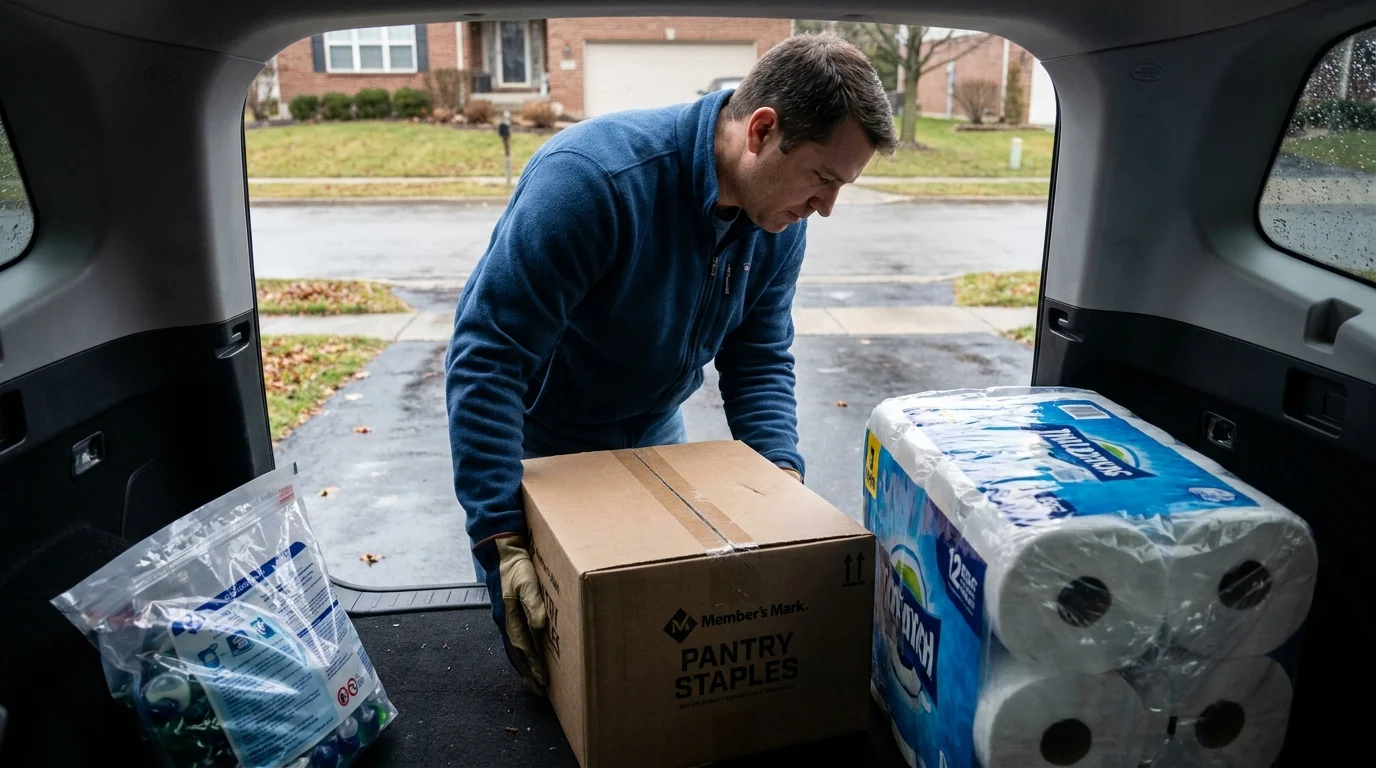
Sam’s Club spent the last several years completely reinventing the Member’s Mark label to compete directly with Costco’s massive success. The wholesale giant aggressively upgraded the quality of its house brand while ruthlessly holding the line on retail pricing. You immediately notice the profound difference in both the taste of the food items and the durability of the household goods.
The non-perishable aisles offer some of the most dramatic inflation relief available today. You can completely replace your expensive national brand paper towels, trash bags, and laundry detergents with Member’s Mark equivalents. These bulk items perform identically to the heavily advertised alternatives, ensuring you do not sacrifice cleanliness or everyday convenience for a lower receipt.
Your annual membership fee pays for itself after just a few strategic bulk purchases. Sam’s Club leverages the full logistical might of its parent company, Walmart, to keep production and distribution costs at rock bottom. You simply load up your cart with Member’s Mark products, bypass the branded displays, and watch your monthly household expenses plummet.
Tip #9: Amazon Basics
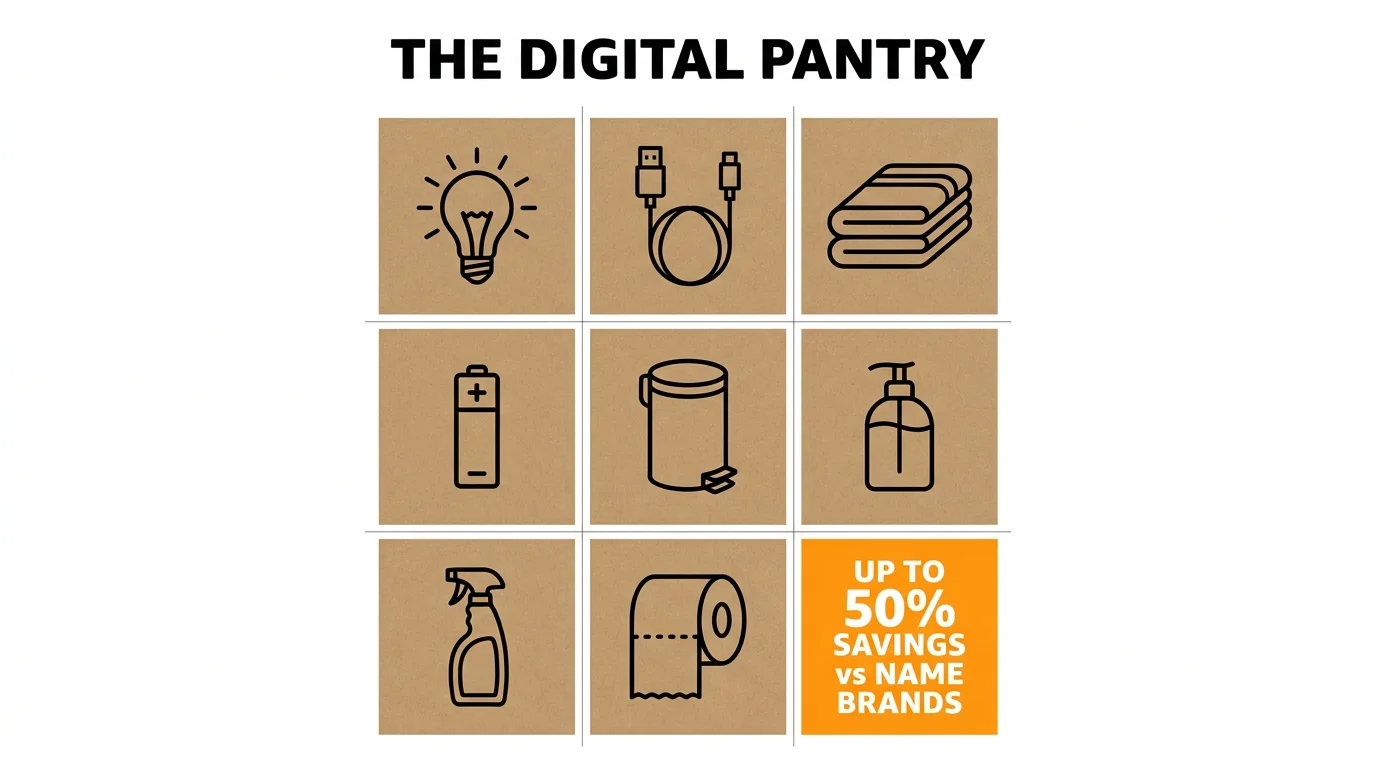
Grocery savings extend far beyond edible items, and Amazon Basics strictly dominates the non-food private label sector. Amazon possesses more consumer purchasing data than any other company on earth; they know exactly what you buy, how much you pay, and what specific features you value most. They use this massive data advantage to manufacture high-quality, budget-friendly versions of everyday household necessities.
You stop bleeding cash on household commodities the moment you switch to this digital store brand. Instead of buying expensive national brand batteries at the checkout lane of your local pharmacy, you order bulk packs of Amazon Basics batteries for a fraction of the cost. The exact same aggressive pricing model applies to phone chargers, office supplies, and basic kitchen utensils.
Amazon bypasses the traditional retail markup by shipping these items directly to your front door. You do not pay for extravagant cardboard packaging or premium retail display space. You simply recognize that a basic computer cable or standard kitchen knife requires no fancy logo, allowing you to capture immediate financial savings on routine household purchases.
Tip #10: Signature Select
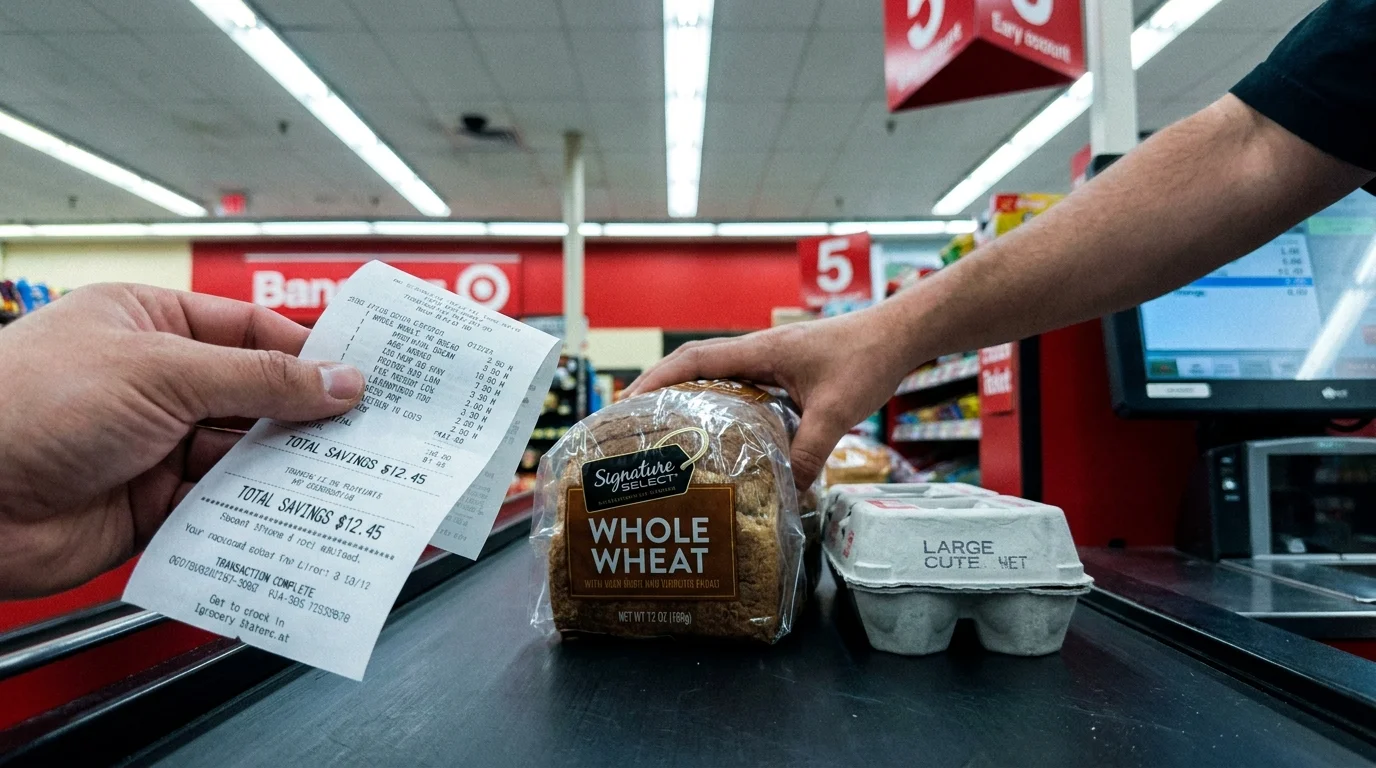
Albertsons and Safeway utilize the Signature Select brand to keep shoppers from defecting to massive discount box stores. Regional supermarkets face intense financial pressure from retail giants, forcing them to offer a premium private label that genuinely rivals national brands in taste and quality. Signature Select provides a seamless transition for shoppers who want better prices without completely switching to a different grocery chain.
The frozen food aisles serve as the ultimate proving ground for this powerful brand. You consistently find Signature Select frozen pizzas, premium ice creams, and ready-to-bake meals that outperform massive corporate food brands in blind taste tests. The parent company invests heavily in flavor development, ensuring you never feel like you settled for a cheap, generic knockoff.
You maximize your grocery savings by combining the Signature Select label with the digital coupons offered through the store’s mobile application. Regional grocers frequently run deep promotions on their house brands to build long-term customer loyalty. You secure serious discounts by timing your purchases, proving that you can still conquer rising inflation at a traditional neighborhood supermarket.
The Bottom Line: What This Means for Your Wallet
Brand loyalty represents an expensive and entirely optional tax on your household budget. For decades, massive food conglomerates conditioned you to believe that a recognizable logo guaranteed superior quality and absolute safety. The modern retail landscape proves that narrative completely false; you are simply paying a premium to subsidize corporate television commercials, celebrity endorsements, and expensive grocery shelf placement fees.
Retailers desperately want you to buy their house labels because it increases their profit margins, even while dramatically lowering your checkout total. You hold the ultimate power to reject the unnecessary markup by strategically altering your weekly shopping habits. The transition requires a minor mental shift, but the financial payoff arrives immediately.
You take back control of your finances the precise moment you start evaluating products based on actual ingredients and unit prices rather than familiar packaging. You can easily trim hundreds of dollars from your monthly grocery budget without sacrificing the taste or quality your family demands.
Frequently Asked Questions
Are store brands really made by name-brand companies?
Yes. Many major national manufacturers operate with excess capacity in their production facilities. Rather than letting expensive machinery sit idle, these companies quietly sign lucrative contracts to produce private-label goods for massive retailers like Costco, Walmart, and Trader Joe’s. You essentially buy the exact same product, just wrapped in different plastic packaging.
Is the quality of generic food regulated differently?
No. The Food and Drug Administration holds all food products sold in the United States to the exact same strict safety and sanitation standards. A store brand must pass the same rigorous health inspections and quality control checks as the most expensive luxury food brand currently sitting on the market.
Why are store brands so much cheaper?
National brands spend hundreds of millions of dollars on national marketing campaigns, beautifully designed packaging, and aggressive promotional strategies to maintain their market dominance. Retailers completely avoid these massive overhead costs when selling their house brands. They leverage their existing stores to display the goods and pass the operational savings directly to you.
Can I return a store brand product if I do not like the taste?
Almost always. Retailers desperately want you to try their private labels, so they purposefully remove the financial risk. Stores like Costco, Aldi, and Target offer robust, no-questions-asked money-back guarantees on their house brands. If a product fails to meet your expectations, you simply return the item for a full refund.
For consumer protection information, visit the Federal Trade Commission (FTC) and the Consumer Financial Protection Bureau (CFPB). For product safety and reviews, consult Consumer Reports.
Disclaimer: This article is for informational purposes only and does not constitute financial advice. The content reflects the author’s opinion and research at the time of writing. Always do your own research before making financial decisions.




Leave a Reply