

Hiding your financial reality from adult children puts your retirement security at serious risk. Transparent family money conversations retirement planning demands prevent bitter estate battles and protect your hard-earned wealth from devastating administrative blunders.
Silence leaves your loved ones guessing about long-term care plans, account access, and critical emergency directives. Taking charge of these discussions preserves your personal independence while shielding your adult children from unexpected financial panic.
Discussing finances with family early eliminates toxic surprises before emergencies strike. Here are eleven essential money talks every retiree needs to initiate immediately.
Tip #1: The Custodial Care Reality
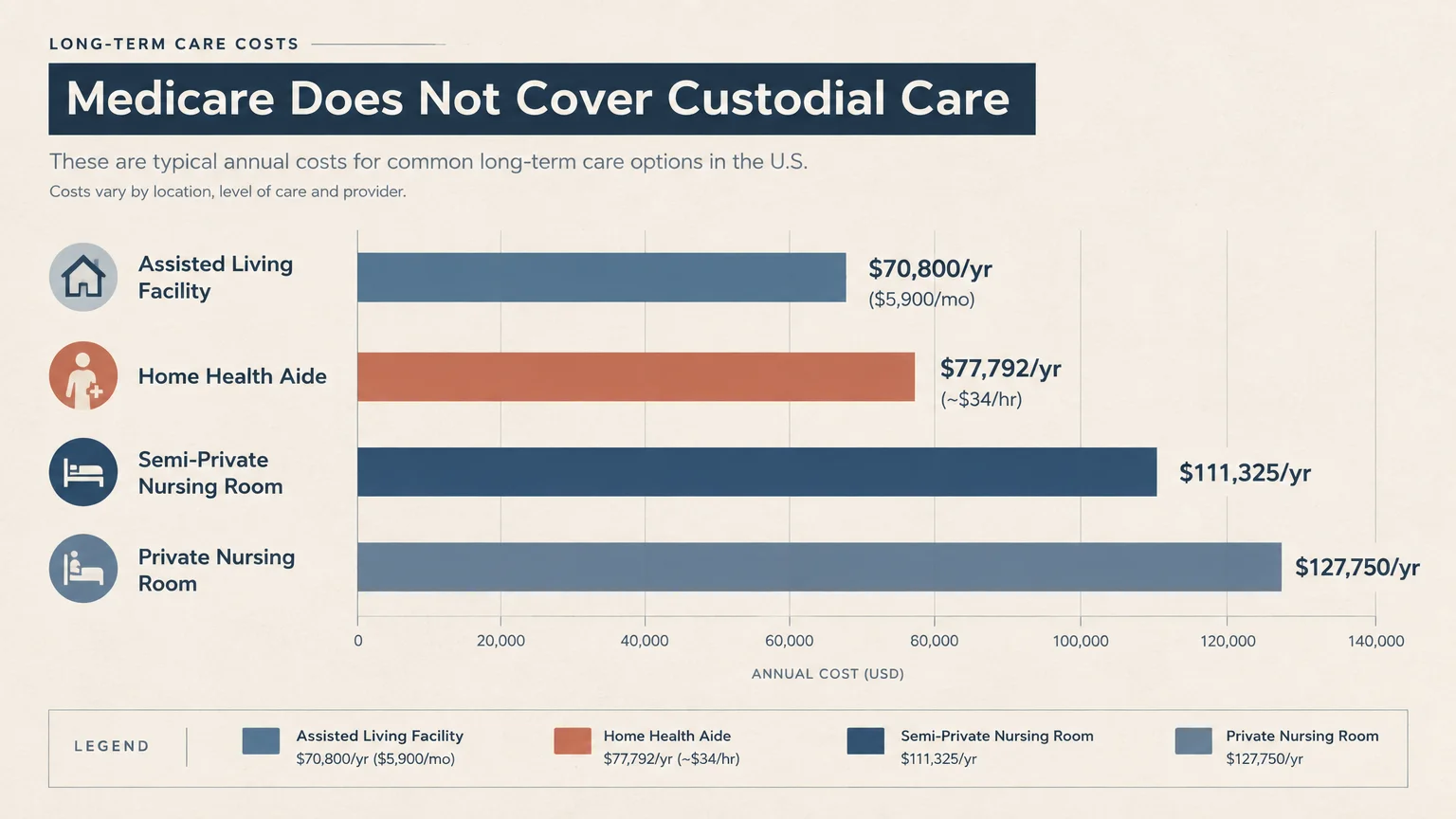
Medicare will not pay for long-term custodial care. Millions of retirees mistakenly assume government health plans cover everyday help with bathing, dressing, or eating.
In 2024, the median cost of an assisted living facility reached $70,800 per year, according to Genworth. That amounts to $5,900 every month for basic support.
If you need a skilled nursing facility, a private room now averages $127,750 per year. Even a semi-private room demands $111,325 annually.
Home health aides offer little relief, averaging $77,792 per year at roughly $34 per hour. These staggering bills quickly erase unprotected family wealth.
Talk to your family about how you plan to cover these potential expenses. Clarify whether you own a long-term care policy or will spend down personal assets for Medicaid.
Discussing finances with family early prevents panic and protects your adult children from unexpected caregiving burdens. Clear expectations stop emotional and financial chaos before an emergency strikes.
Make your wishes known regarding facility care versus staying at home. Knowing your preferences lets your children advocate effectively without second-guessing your desires.

Tip #2: The Bank of Mom and Dad Cutoff
Subsidizing your adult children can quietly wreck your retirement security. You cannot borrow money to fund your golden years, but your children have decades to earn and save.
Pew Research Center reveals that 59% of parents with adult children aged 18 to 34 provided them with financial assistance in the past year.
To make matters worse, only 45% of young adults in that age group consider themselves completely financially independent. Ongoing parental bailouts often create persistent dependence.
Retirement money talks with kids must establish clear financial boundaries. You need to inform adult children when recurring subsidies for rent, car insurance, or phone bills will end.
Frame the conversation around your fixed income reality. Explain that preserving your capital now ensures you will not become a financial burden to them later.
Giving adult children a specific deadline to take over their expenses allows them to budget proactively. True financial love includes encouraging self-reliance.
Stand firm when uncomfortable pushback occurs. Protecting your nest egg is not selfish; it is essential financial discipline.
Tip #3: The Inherited IRA Tax Bomb
Leaving a large pre-tax retirement account to your heirs can trigger a devastating tax bill. The SECURE Act eliminated the popular stretch IRA for most non-spouse beneficiaries.
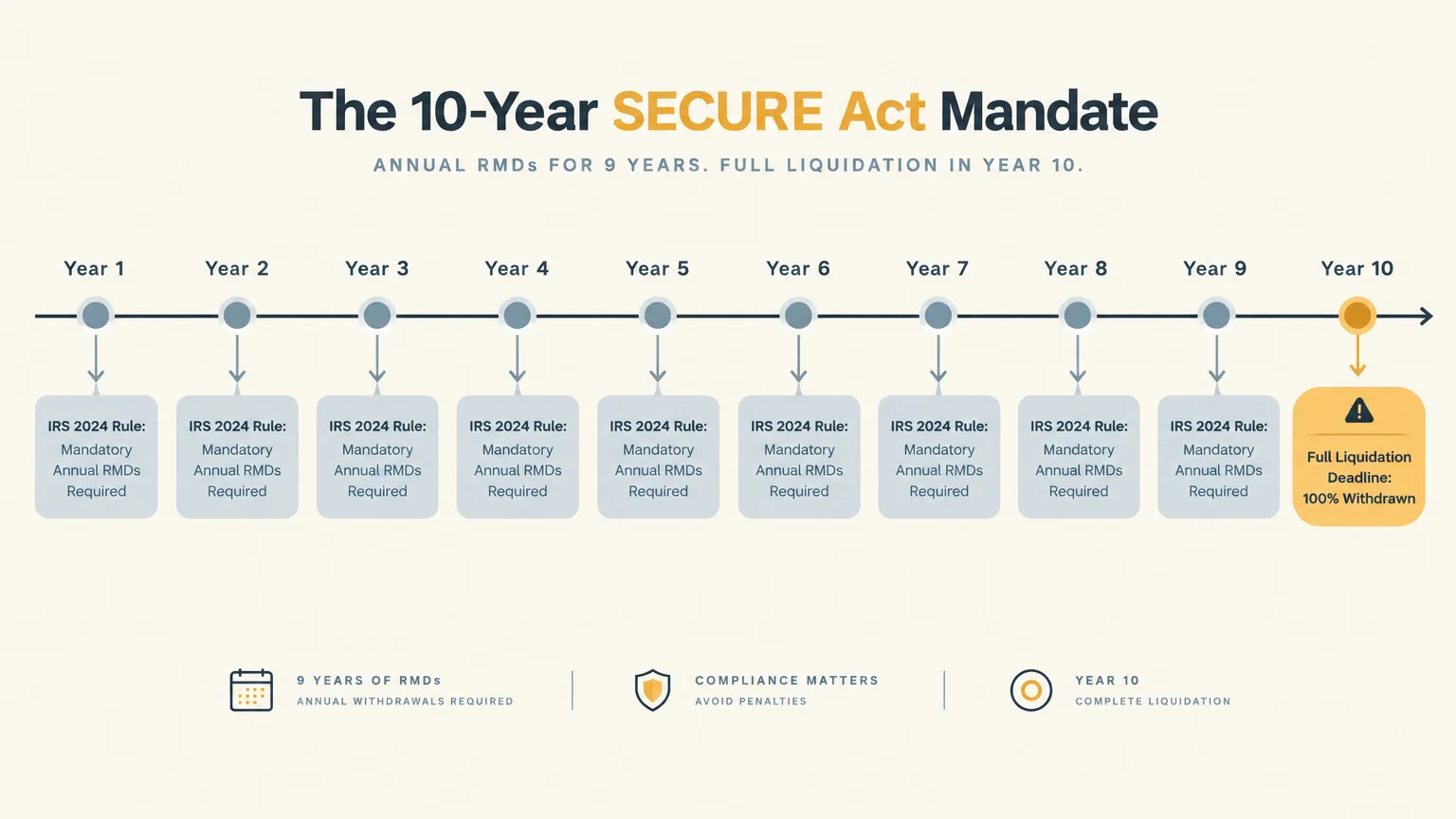
Under current federal law, non-spouse heirs who inherit an individual retirement account must withdraw all funds within 10 years. This rapid liquidation schedule creates severe tax consequences.
IRS final regulations released in July 2024 mandate annual distributions during years one through nine if the original owner died after reaching required minimum distribution age.
Because your adult children will likely inherit these accounts during their peak earning years, these mandatory withdrawals can easily shove them into higher tax brackets.
Discuss this issue openly with your adult heirs. Consider converting portions of your traditional balance into a Roth IRA during lower-income retirement years.
Strategic conversions generate tax-free inheritances and eliminate the risk of surprise tax shocks for your loved ones. Early planning keeps money in family hands rather than federal coffers.
Coordinate with a tax professional to evaluate multi-year distribution modeling. Helping your heirs prepare for future tax liabilities prevents expensive surprises down the road.

Tip #4: The Location of Vital Documents and Passwords
A comprehensive financial plan is worthless if your family cannot locate it during a sudden emergency. Your loved ones require swift access to your accounts, deeds, and legal papers.
Assemble a secure binder or encrypted digital repository with all vital account details. Include life insurance contracts, bank records, vehicle titles, and real estate deeds.
Do not neglect your digital presence. Modern estate administration requires access to email accounts, investment portals, online bill pay, and password vaults.
Ensure your designated executor knows the location of physical keys, safe combinations, and two-factor authentication devices. Without these credentials, probate delays can drag on for months.
Review this master checklist with your family every year. Confirming that documents and passwords remain up to date prevents confusion during emotionally exhausting times.
Specify which attorney drafted your estate documents and where the original signed paperwork resides. Having quick access to verified legal originals saves thousands in legal fees.
Store a certified copy of your birth certificate and marriage licenses alongside these records. Simple organizational habits eliminate endless bureaucratic headaches for your surviving family.

Tip #5: Choosing the Right Power of Attorney
Appointing a power of attorney is one of the most vital financial planning family discussions you will ever lead. Choosing the wrong individual can jeopardize both your assets and care.
Execute both a durable financial power of attorney and a healthcare proxy while you are in sound health. These legal documents grant trusted agents authority to manage bills and medical choices.
Avoid defaulting to the oldest child simply to prevent hurt feelings. Choose the person who demonstrates financial maturity, emotional stability, and impeccable integrity under pressure.
Host an open conversation with all siblings to explain your decision. Explaining your reasoning face-to-face prevents resentment, mistrust, and ugly legal battles down the road.
Provide your appointed agent with clear guidelines regarding your personal values. Clear instructions give them confidence to execute difficult decisions on your behalf.
Name an alternate proxy in case your primary choice becomes incapacitated. Redundancy ensures your financial affairs never stall inside an expensive court conservatorship.
Give copies of these legal designations to your bank and primary physicians now. Pre-registering these forms prevents bureaucratic resistance when immediate action is required.

Tip #6: Realistic Healthcare Cost Projections
Most retirees severely underestimate the out-of-pocket medical bills they will face before requiring assisted living. Basic Medicare does not cover every expense you will encounter.
Fidelity Investments estimates that a 65-year-old retiring today will spend between $165,000 and $172,500 on healthcare throughout retirement. This figure completely excludes custodial long-term care.
Prescription copays, Medicare Part B and Part D premiums, deductibles, and dental treatments consume substantial cash flow. These routine medical expenses require dedicated reserves.
Share these projected numbers with your family so they understand where your money goes. Showing them actual medical costs illustrates why you cannot afford reckless spending.
Discuss how your Health Savings Account or supplemental insurance policies fit into your broader budget. Transparency reassures your family that you have planned responsibly for your physical care.
Review your coverage choices during every annual Medicare open enrollment period. Exploring updated Advantage or Medigap policies protects your portfolio against unexpected pricing spikes.
Preparing your family for these predictable healthcare expenses removes fear from the equation. It keeps everyone grounded in realistic financial expectations.

Tip #7: Annual Gifting Strategies While Living
Distributing portions of your wealth while you are alive often delivers greater satisfaction than leaving a bequest after death. Living gifts allow you to see your generosity in action.
For tax year 2024, the IRS annual gift exclusion is $18,000 per recipient. That threshold climbs to $19,000 for tax years 2025 and 2026.
Married couples can combine their exclusions to give up to $38,000 per child without filing IRS Form 709. These transfers bypass probate and avoid gift taxes.
For ultra-wealthy families, the lifetime federal estate tax exemption stands at $13.61 million for 2024 and $13.99 million for 2025. Annual gifts keep your total estate safely below those ceilings.
Talk with your heirs before writing large checks. Clarify whether these gifts represent early inheritances or unconditional presents to prevent entitlement and future sibling rivalries.
You can also pay medical bills or tuition directly to institutions on behalf of relatives. These direct payments do not count toward your annual gift exclusion limit.
Transparent discussions prevent misconceptions about your financial capacity. Your family will understand that gifting is deliberate rather than an endless personal credit line.

Tip #8: Expectations Around Downsizing and the Family Home
The family residence often holds deep emotional meaning alongside substantial home equity. Unfortunately, unexpressed expectations regarding the property frequently trigger explosive family disputes.
Talking to family about retirement money tied up in your primary residence is essential. Clarify whether you intend to age in place, downsize, or sell the house to fund future care.
Property taxes, routine maintenance, and accessibility modifications can rapidly erode your monthly cash flow. Liquidating home equity can be a critical financial necessity rather than an abandonment of memories.
If an adult child desires to retain the home, discuss how they will buy out other siblings equitably. Never leave an undivided real estate asset to multiple heirs without an explicit agreement.
Setting expectations now removes emotional friction later. Your family will respect your practical choices when you clearly communicate the financial logic behind them.
Discuss the timeline for decluttering and distributing personal family heirlooms. Downsizing physical belongings early lightens the future burden on your loved ones.
Open property talks prevent sudden housing emergencies as your mobility changes. Taking control of your living situation keeps you firmly in the driver seat.

Tip #9: Equal Versus Equitable Inheritance Decisions
Treating your adult children fairly does not always mean dividing your estate into equal fractional shares. Real-life circumstances and past assistance frequently demand an equitable rather than equal division.
If one child spent years acting as your primary caregiver, compensating them with a larger inheritance is entirely justified. Caregiving requires massive personal sacrifice that deserves financial recognition.
Conversely, consider whether you already gave one child substantial capital for business ventures, debts, or housing. You may choose to subtract those prior advances from their final share.
Explain these decisions directly while you remain healthy. Leaving an unexpected, unequal distribution in a will breeds lifelong bitterness and prompts costly legal challenges.
Honest communication preserves sibling relationships long after you are gone. When heirs understand your reasoning, they are far less likely to challenge your estate plan.
Consider including an explanatory letter alongside your legal estate documents. A heartfelt, clear explanation directly from you reinforces your intentions and quells lingering family doubts.
Fair treatment is about recognizing unique family realities with honesty. Frank conversations prevent deep emotional wounds that outlast your final estate distribution.

Tip #10: Shielding Assets Against Scams and Exploitation
Financial predators steal billions of dollars from American retirees every year. Modern scammers exploit artificial intelligence, voice cloning, and urgent emotional appeals to deceive vulnerable seniors.
Remove the stigma surrounding scams by discussing these risks openly with your relatives. Everyone is susceptible to sophisticated fraud, regardless of intelligence or experience.
Add a trusted contact to your brokerage and bank accounts. This designation lets financial institutions notify your family of suspicious withdrawals without granting anyone transactional control over your assets.
Establish a secret family code word to counteract urgent imposter scams. If a caller claims a relative is stranded or in trouble, demanding the code word instantly thwarts fraudsters.
Partnering with your family creates a protective shield around your savings. Early discussions ensure your relatives stay vigilant against fraudulent threats targeting your hard-earned wealth.
Agree that any major, unexpected financial transaction requires a second opinion from a designated relative. Setting up mutual checks and balances deters aggressive predatory sales pitches.
Constant communication takes power away from criminal syndicates. Sharing information keeps your retirement portfolio secure against increasingly deceptive digital schemes.

Tip #11: Funeral Arrangements and Final Expense Directives
Emotional overspending at funeral homes frequently ruins a family’s budget during moments of intense grief. Unscrupulous sales tactics can push grieving relatives into buying expensive, unnecessary packages.
Pre-planning your funeral arrangements prevents loved ones from guessing your final desires under severe emotional strain. Document your exact preferences for burial, cremation, or memorial services.
Clarify whether you have already funded these services through pre-need contracts, burial insurance, or earmarked savings. Ensure your family knows exactly how these expenses will be paid.
Store your advance healthcare directives and memorial instructions alongside your other vital records. Tell your loved ones exactly where to locate these papers when the time arrives.
Having this final talk provides profound emotional relief to your family. You remove the pressure of urgent financial guesswork during their darkest hours.
Name the exact service providers or cemetery spaces you have secured. Laying out explicit logistical instructions eliminates guesswork when emotions run high.
Addressing your mortality directly is the ultimate gift of clarity for your family. They will appreciate knowing your precise wishes without second-guessing themselves.

The Bottom Line: What This Means for Your Wallet
Open communication is an indispensable tool for protecting your wealth. Hiding financial realities behind awkward silence only guarantees confusion, higher taxes, and family resentment.
By confronting long-term care realities, tax rules, and estate plans directly, you retain complete authority over your life. You also spare your children immense stress.
Choose calm, neutral settings to discuss these issues rather than chaotic holiday dinners. Treat these conversations as routine updates rather than high-stakes confrontations.
Organize your records, update beneficiary forms, and establish firm spending limits starting today. Proactive discussions defend your independence and preserve family harmony for decades to come.
Silence costs money, while honest dialogue builds a durable financial moat around your family. Start having these vital conversations today to safeguard your retirement legacy.
Frequently Asked Questions
When should retirees start discussing these money topics with family?
Start having these financial discussions as soon as you begin planning your retirement transition. Do not wait for a sudden health decline or cognitive emergency to force the conversation.
Addressing these matters while you are active and healthy ensures everyone has ample time to digest information. It allows for calm, strategic decisions rather than panicked reactions.
How can retirees discuss finances without sharing exact account balances?
You can explain logistics, legal directives, and asset locations without revealing exact dollar figures. Emphasize operational access, executor appointments, and estate structures rather than precise net worth numbers.
This approach protects your personal privacy while still providing your heirs with the vital roadmaps they need. Your family needs clear processes, not your personal balance sheet.
How do SECURE Act rules impact inherited retirement accounts?
Non-spouse beneficiaries must fully withdraw inherited traditional IRA assets within 10 years of your death. IRS rules also mandate annual distributions in years one through nine if you died after starting your required minimum distributions.
Since your current RMD age is 73, your heirs could face substantial mandatory annual withdrawals. These distributions can significantly increase their annual taxable income during their peak earning careers.
What is the most effective way to stop financially supporting adult children?
Establish a firm timeline and communicate it clearly without guilt or apologies. Explain that your retirement funds must support you for life, which requires eliminating recurring monthly subsidies.
Offer budgeting guidance or practical advice rather than cold hard cash. Giving adult children time to adjust their spending helps them build true long-term financial self-reliance.
For consumer protection information, visit the Federal Trade Commission (FTC) and the Consumer Financial Protection Bureau (CFPB). For product safety and reviews, consult Consumer Reports.
Disclaimer: This article is for informational purposes only and does not constitute financial advice. The content reflects the author’s opinion and research at the time of writing. Always do your own research before making financial decisions.









Leave a Reply