
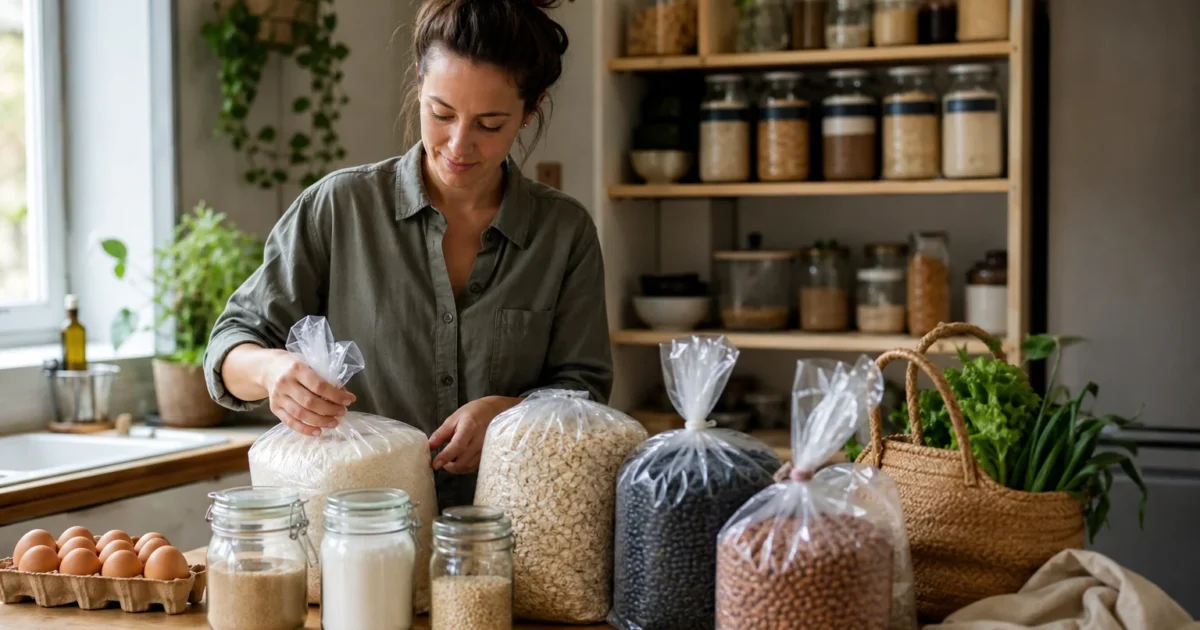
Buying in bulk is the ultimate cheat code for slashing your grocery bill without sacrificing the foods you love. Strategically stockpiling the right pantry essentials protects you from inflation and eliminates expensive mid-week supermarket runs. You do not need to buy fifty pounds of perishable produce that will rot before you finish it. The secret lies in targeting shelf-stable, high-yield ingredients that offer incredible cost-per-ounce value over time. By focusing on five affordable grocery staples, you can dramatically lower your monthly budget while keeping your kitchen fully equipped. Keep reading to discover exactly which items deliver the highest return on investment and how to store them for maximum freshness.

Tip #1: White Rice and Versatile Whole Grains
The grocery industry relies on convenience to empty your wallet. Supermarkets intentionally place small, one-pound bags of jasmine or basmati rice at eye level, pricing them at a premium. You might grab a bag for a few dollars, assuming you secured a reasonable deal. The reality reveals a massive markup designed to exploit shoppers who buy only what they need for a single week. When you shift your strategy to purchasing twenty-pound or fifty-pound sacks from warehouse clubs or local ethnic markets, you bypass the retail markup entirely. Your cost per serving plummets from quarters to single-digit pennies.
White rice dominates the category of budget grocery shopping because of its practically infinite shelf life. Unlike brown rice—which contains natural bran oils that inevitably go rancid after a few months—milled white rice remains perfectly edible for decades when kept away from moisture and pests. You can build a massive, reliable calorie reserve for your household with just a single upfront purchase. This single staple acts as a robust financial shock absorber; if money gets tight, you already possess the foundation for weeks of filling meals.
Proper storage remains the most critical factor when you buy in bulk. You must never leave a fifty-pound paper sack sitting open on your pantry floor. Doing so invites pantry moths, weevils, and ambient humidity to destroy your investment. You need to purchase heavy-duty, food-grade plastic buckets equipped with gamma seal lids. These screw-on lids create an airtight, impenetrable barrier that guarantees your rice stays perfectly dry and pest-free until the moment you need it.
From a culinary perspective, bulk rice stretches expensive ingredients further than any other carbohydrate. You can dice a single chicken breast and combine it with eggs, frozen peas, and a massive portion of day-old rice to feed a family of four with hearty fried rice. You can roll it into burritos, serve it under rich stews, or cook it down into comforting breakfast porridges. Rice absorbs the flavors of whatever sauces or broths you throw at it, making it the undisputed champion of bulk food savings.
Tip #2: Dried Beans and Legumes
Walking down the canned food aisle provides a masterclass in modern consumer manipulation. Retailers charge premium prices for canned beans, but you mostly pay for the aluminum container, brand marketing, and heavy water weight. A standard fifteen-ounce can of black beans yields barely one and a half cups of actual food. Conversely, dried beans represent the absolute pinnacle of high-yield pantry essentials. A single pound of dried pinto beans expands significantly during the cooking process, yielding more than six cups of dense, nutritious food for roughly the same price as a single can.
Skeptics constantly point to the extended cooking time as the primary reason they avoid dried beans. They falsely believe that soaking and simmering legumes requires hours of active labor. You can completely eliminate this hurdle by leveraging modern kitchen technology. Toss a pound of unsoaked beans into a pressure cooker or Instant Pot with water and seasonings; you will have perfectly tender beans in under an hour with zero babysitting. You can batch-cook large quantities on the weekend, portion them into small containers, and freeze them. This strategy replicates the instant convenience of canned beans without subjecting you to the exorbitant retail markup.
Dried lentils offer even faster returns on your investment. They require zero pre-soaking and cook to a tender finish in less than twenty minutes directly on the stovetop. Lentils provide incredible dietary fiber and complex plant-based protein, allowing you to stretch expensive meats incredibly far. You can seamlessly replace half the ground beef in a chili or taco recipe with cooked brown lentils. The texture mimics ground meat perfectly, your family will barely notice the difference, and you instantly cut your meat budget in half.
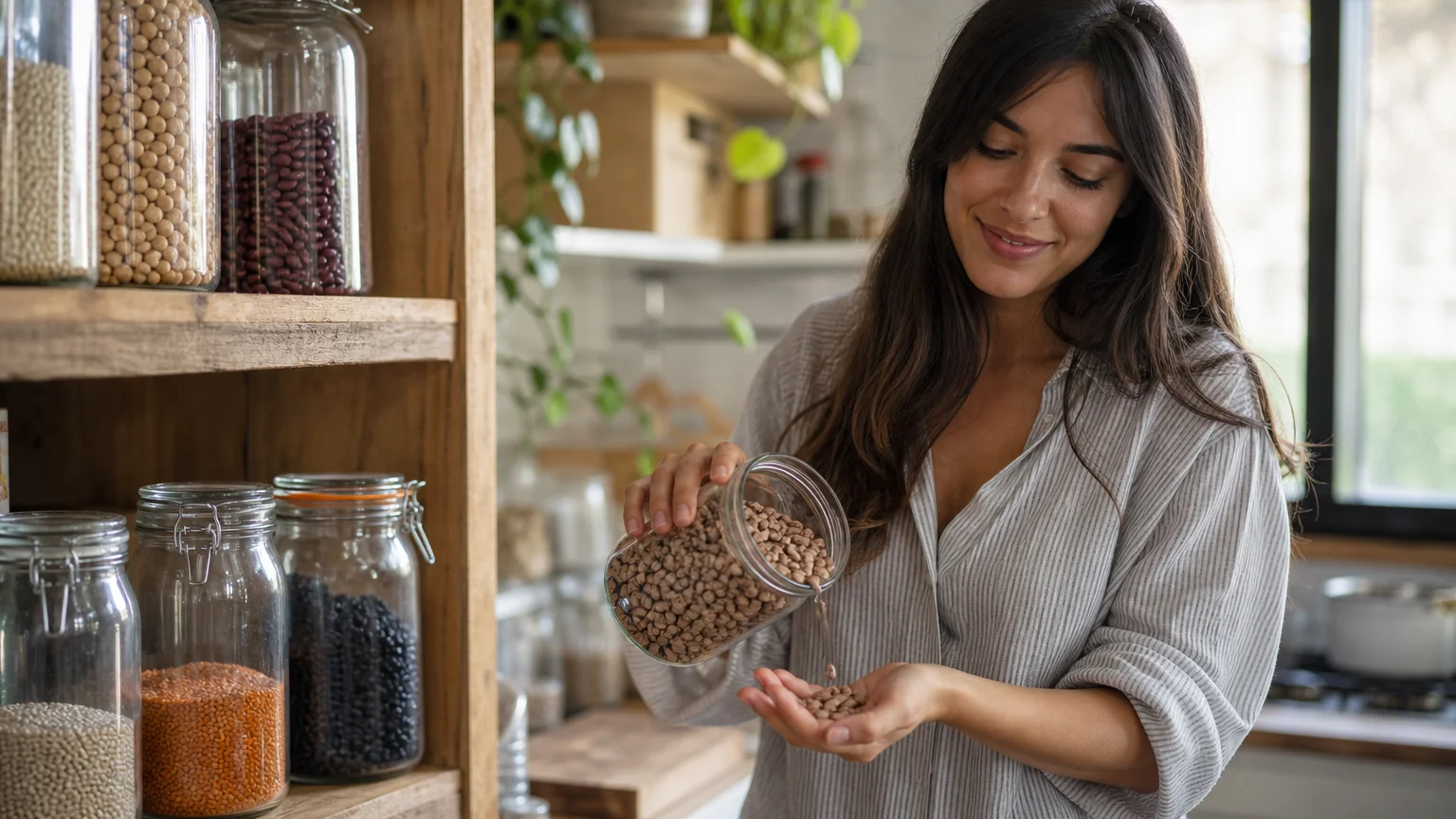
Storing dried legumes correctly ensures they soften properly when you finally boil them. Keep them in large glass mason jars or sealed buckets in a cool, dark environment. You should note that older beans naturally lose moisture over the years, which means they take slightly longer to cook. You can easily counteract this by adding a tiny pinch of baking soda to the soaking water; the alkaline environment breaks down the tough skins rapidly. Always rotate your stock by consuming the oldest purchases first, maintaining a perpetual cycle of fresh, affordable proteins.

Tip #3: Rolled Oats for Breakfast and Beyond
Instant oatmeal packets represent one of the most egregious ripoffs in the modern breakfast aisle. Food manufacturers take cheap oats, load them with processed sugar and artificial flavors, package them in tiny individual envelopes, and charge you a massive premium for the perceived convenience. You end up paying top dollar for cardboard packaging and empty air. Old-fashioned rolled oats bought in twenty-five-pound bags entirely dismantle this trap. When purchased from agricultural suppliers, Amish markets, or warehouse club bins, oats provide unparalleled bulk food savings.
Rolled oats boast immense versatility that extends far beyond a simple morning bowl of porridge. You can use them as a primary ingredient in homemade granola bars, saving yourself from buying overpriced, sugar-laden snack boxes for your children. You can throw them directly into a blender to create fine oat flour in seconds, which serves as a brilliant, gluten-free baking alternative. Furthermore, oats act as an exceptional binder in savory dishes. Swap out expensive seasoned breadcrumbs for rolled oats the next time you make meatballs or meatloaf; the oats absorb the meat juices beautifully and stretch the meal further.
The commercial oat milk industry offers another perfect example of unnecessary spending. Supermarkets charge five to six dollars for a carton of oat milk that consists almost entirely of filtered water and a handful of blended oats. You can bypass this racket entirely. By vigorously blending one cup of your bulk rolled oats with four cups of ice-cold water and a pinch of salt, then straining the liquid through a clean t-shirt or nut milk bag, you generate premium oat milk for approximately ten cents a batch. This single hack justifies the bulk purchase immediately.
Protecting your massive supply of oats requires vigilance against common pantry pests. Moths specifically target loosely sealed grain products. You must transfer your oats out of their original sacks the moment you bring them home. Utilize airtight polycarbonate containers or large glass jars for everyday access, and keep the deep reserve sealed in food-grade buckets with oxygen absorbers. This simple protocol guarantees your breakfast staple remains fresh, wholesome, and ready to use for years.
Tip #4: Dry Pasta and Noodles
Grocery store pasta aisles dazzle shoppers with imported Italian flags, colorful boxes, and dozens of specialty shapes. This clever marketing obscures the fundamental truth: dry pasta consists solely of semolina flour and water. There is absolutely no reason to pay inflated prices for an eight-ounce cardboard box of spaghetti. Purchasing your pasta in bulk cases or enormous ten-pound family bags from big-box retailers secures your carbohydrate baseline for a fraction of the cost. Pasta lasts indefinitely when protected from humidity, making it an indispensable asset for your pantry.
Pasta serves as the ultimate vehicle for pantry-clearing dinners. When you approach the end of the month and your grocery budget runs dry, a bulk supply of noodles saves the day. You can toss spaghetti with a simple emulsion of olive oil, garlic, and red pepper flakes for an elegant, high-end tasting meal that costs mere pennies. You can boil macaroni and fold in leftover vegetables, a splash of cream, or scraps of roast chicken to create a massive, filling casserole. The pasta acts as the cheap canvas that elevates your leftovers into a deliberate, satisfying meal.
Selecting the right shapes for your bulk reserve maximizes your efficiency. While long noodles like fettuccine and spaghetti remain popular, smaller shapes like macaroni, shells, or orzo often provide better mileage. Smaller shapes pack densely into storage containers, saving valuable shelf space. They also stretch further visually and physically when incorporated into heavy soups and stews. A single handful of dried macaroni transforms a thin, watery vegetable soup into a robust, hearty dinner that keeps you full until morning.
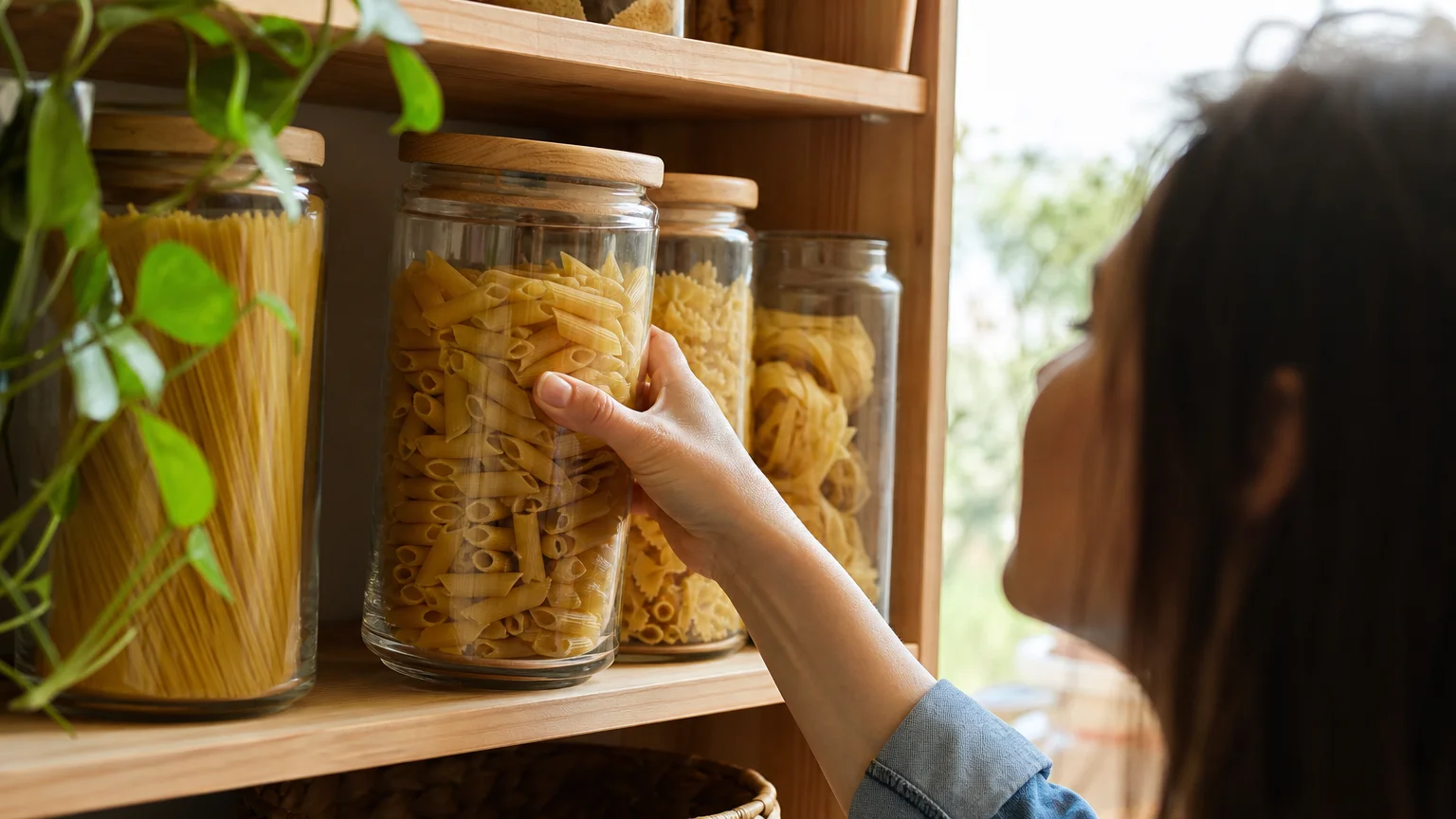
You must keep your bulk pasta incredibly dry to prevent mold and staleness. If you buy in large plastic bags, take care not to puncture the thin film during transport. Transfer the pasta into tall, airtight acrylic canisters that look attractive on your counter while maintaining an impenetrable seal against the ambient humidity of your kitchen. By keeping a massive reserve of cheap, versatile noodles on hand, you completely eliminate the temptation to order expensive delivery on nights when you feel too exhausted to cook a complex meal.
Tip #5: Core Baking Staples Like Flour and Sugar
The price discrepancy between a standard five-pound bag of all-purpose flour and a twenty-five-pound sack from a restaurant supply store borders on criminal. Retail grocers rely on the fact that most Americans view baking as an occasional hobby rather than a core survival skill. When you take control of your kitchen and begin baking your own bread, tortillas, and muffins, you instantly eliminate the massive markups associated with the commercial bakery aisle. Buying core baking staples in large quantities is the sharpest tool available for extreme budget grocery shopping.
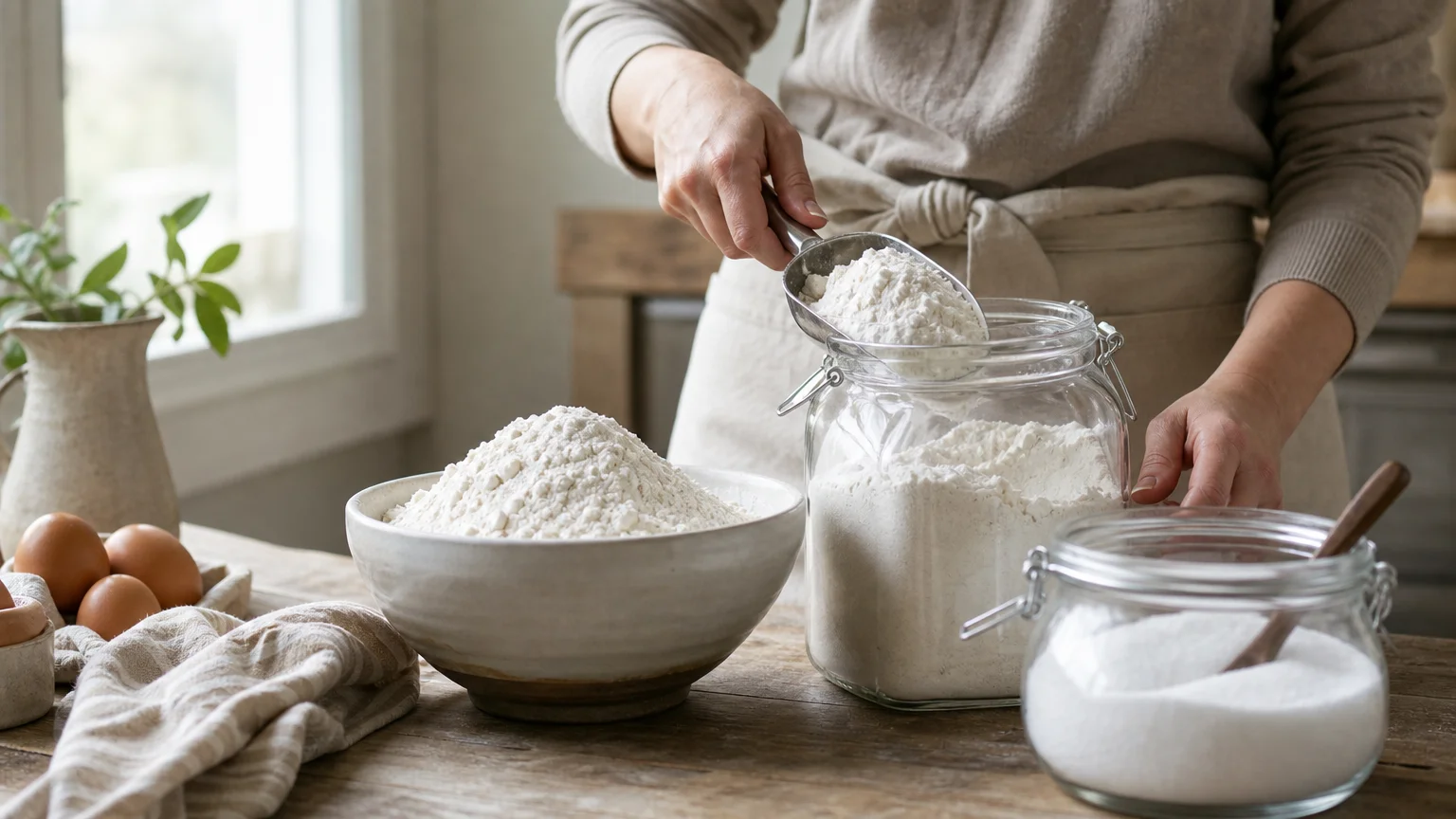
White granulated sugar acts as a natural preservative and physically cannot spoil or support bacterial growth. You can buy a fifty-pound bag of sugar, store it in a dry bucket, and use it confidently for the rest of your life. Flour requires slightly more care due to its vulnerability to moisture and microscopic weevil eggs that naturally exist in all agricultural grain products. You can neutralize this threat easily: place your newly purchased bags of flour in the deep freezer for forty-eight hours before transferring the contents into your airtight, long-term storage buckets.
The financial math of baking from scratch is undeniable. A standard loaf of artisan sourdough or sandwich bread at the supermarket now costs anywhere from four to seven dollars. When you buy your flour in bulk, the raw ingredient cost to bake that exact same loaf at home drops to roughly forty cents. Once you master a simple, no-knead bread recipe, the active labor involved shrinks to five minutes a day. You secure superior flavor, zero chemical preservatives, and thousands of dollars in retained wealth over a few short years.
Do not forget to buy supplementary baking ingredients like baking soda and kosher salt in commercial quantities as well. A massive box of baking soda costs practically nothing but provides endless utility. You use it to leaven your baked goods, naturally scrub your kitchen sinks, deodorize your refrigerator, and tenderize tough cuts of meat. By stocking up on these foundational, multi-purpose powders, you insulate your household against the constant, draining expense of specialty cleaning products and heavily processed convenience foods.

The Bottom Line: What This Means for Your Wallet
Mastering the art of buying in bulk requires a fundamental shift in how you view your kitchen. You must stop treating the local supermarket as your personal pantry, relying on them to hold your food until the exact moment you need it. Every time you make a mid-week trip to the store for a single missing ingredient, you expose yourself to impulse purchases and strategic retail marketing. By purchasing these five foundational items in massive quantities, you effectively build your own mini-grocery store right inside your home. You take total control of your supply chain.
The upfront cost of securing twenty-five-pound bags of oats, rice, and flour might feel intimidating during the first month. However, the math heavily favors the prepared shopper. The annualized savings generated by dropping your per-ounce food costs will easily reach into the hundreds or even thousands of dollars. You build a resilient, inflation-proof kitchen that guarantees your family always has access to nutritious, filling meals regardless of what happens to prices at the checkout register. Invest in proper storage, buy the right staples, and watch your monthly grocery budget plummet permanently.
Frequently Asked Questions
Do I need an expensive warehouse club membership to buy in bulk?
Absolutely not. While big-box retailers offer exceptional deals on massive quantities, you can find massive savings at restaurant supply stores, local ethnic markets, and even online bulk agricultural retailers. Many restaurant supply chains are fully open to the public and sell twenty-pound bags of rice, massive containers of spices, and commercial baking supplies without requiring any annual fees. You simply need to compare the unit price per ounce rather than relying solely on a paid membership card to guarantee a good deal.
How do I protect my bulk grocery staples from pantry pests?
The most effective strategy involves transferring your items out of their original paper or thin plastic packaging immediately upon arriving home. You must invest in high-quality, airtight storage solutions. Food-grade buckets equipped with gamma seal lids offer the best protection for large quantities of flour, rice, and oats. For extra security against microscopic eggs that naturally exist in grain products, you can place newly purchased bags of flour or grains in the freezer for forty-eight hours before transferring them to your permanent, room-temperature storage containers.
Is it actually cheaper if I have to spend money on heavy-duty storage containers?
Yes; the financial math heavily favors bulk purchasing even when factoring in the initial cost of buckets and lids. You only buy a food-grade bucket and a heavy-duty gamma seal lid once. That rigid plastic container will comfortably last for decades. The intense savings generated from your very first bulk purchase of rice or oats will often completely offset the cost of the bucket. From that point forward, every subsequent refill represents pure, unadulterated savings for your budget grocery shopping strategy.
For consumer protection information, visit the Federal Trade Commission (FTC) and the Consumer Financial Protection Bureau (CFPB). For product safety and reviews, consult Consumer Reports.
Disclaimer: This article is for informational purposes only and does not constitute financial advice. The content reflects the author’s opinion and research at the time of writing. Always do your own research before making financial decisions.







Leave a Reply