
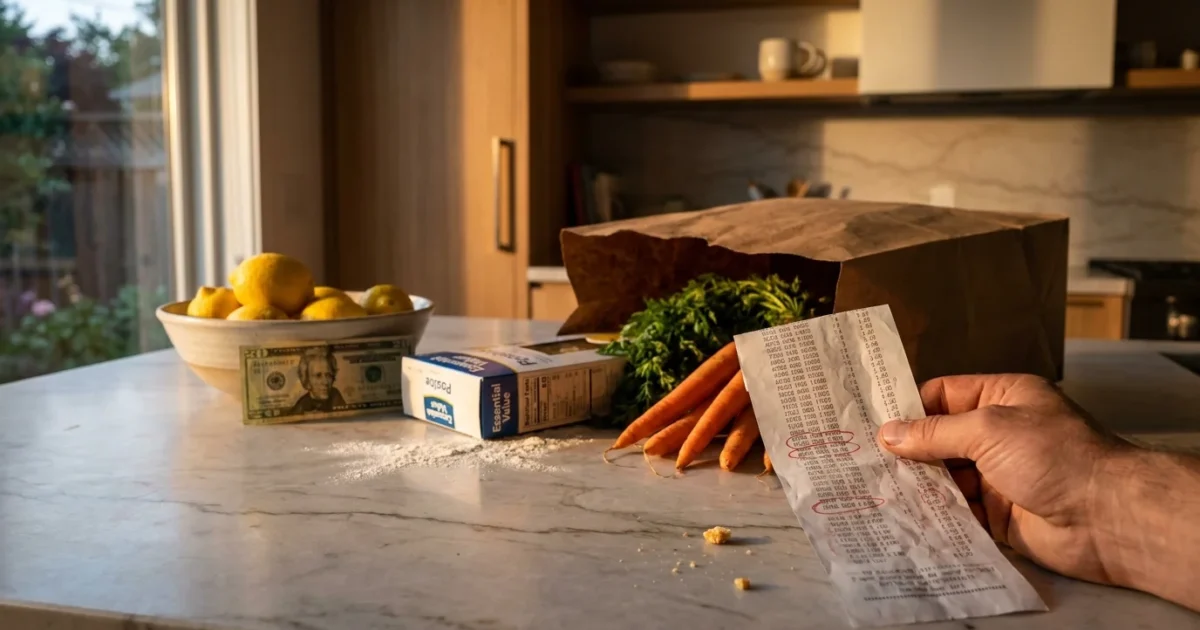
Supermarkets engineer every aisle, endcap, and promotion to extract maximum dollars from your wallet, making it incredibly easy to blow your budget without noticing. You can immediately keep more cash in your pocket by identifying the subtle shopping behaviors that drain your finances week after week. Most shoppers rely on autopilot, tossing the same familiar items into their carts and falling for deceptive bulk deals or eye-level product placements. Breaking these routines requires awareness, a solid plan, and a willingness to challenge grocery store psychology. By simply adjusting how you navigate the aisles and evaluate prices, you will dramatically reduce your weekly food costs while still bringing home exactly what you need.
Tip #1: Falling for the Bulk-Buy Illusion
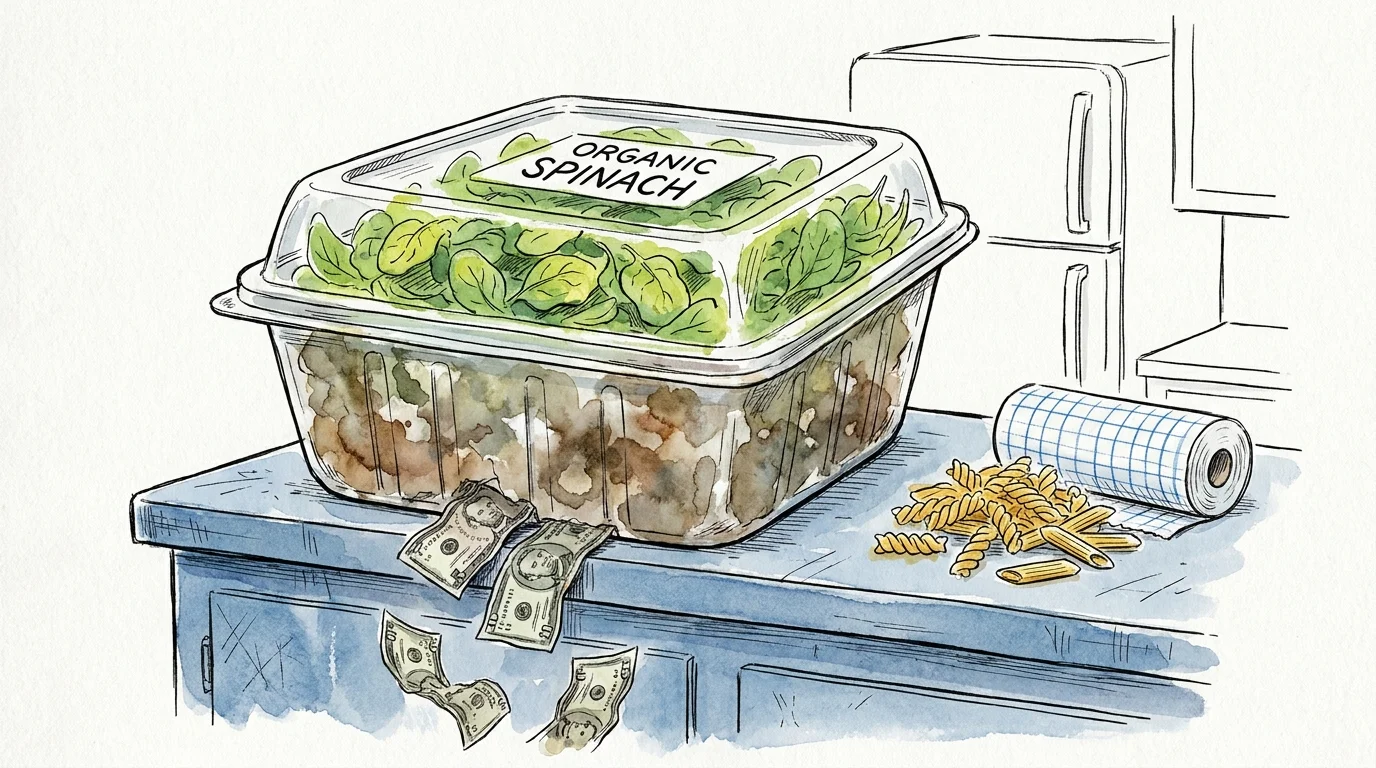
The warehouse club mentality frequently tricks well-meaning shoppers into burning cash. You see a massive clamshell of organic spinach or a gallon of mayonnaise, calculate the impressive per-ounce savings, and toss it into your cart. You feel like a champion of frugal living. However, perishability quickly destroys those theoretical savings. If you end up throwing away half of that bulk purchase because it wilted or expired, you effectively paid double the unit price for the portion you actually consumed. Supermarkets rely heavily on your optimism; they know you aspire to meal prep every Sunday, but they also know daily life often derails those plans. Keep your grocery budget intact by purchasing bulk quantities exclusively for non-perishable goods—like paper towels, toilet paper, or dried pasta. For fresh meat, dairy, and produce, buy only what you can realistically consume within five days. This single adjustment instantly prevents food waste and stops you from funding the grocery store with discarded produce.
Tip #2: Shopping the Eye-Level Shelves Blindly
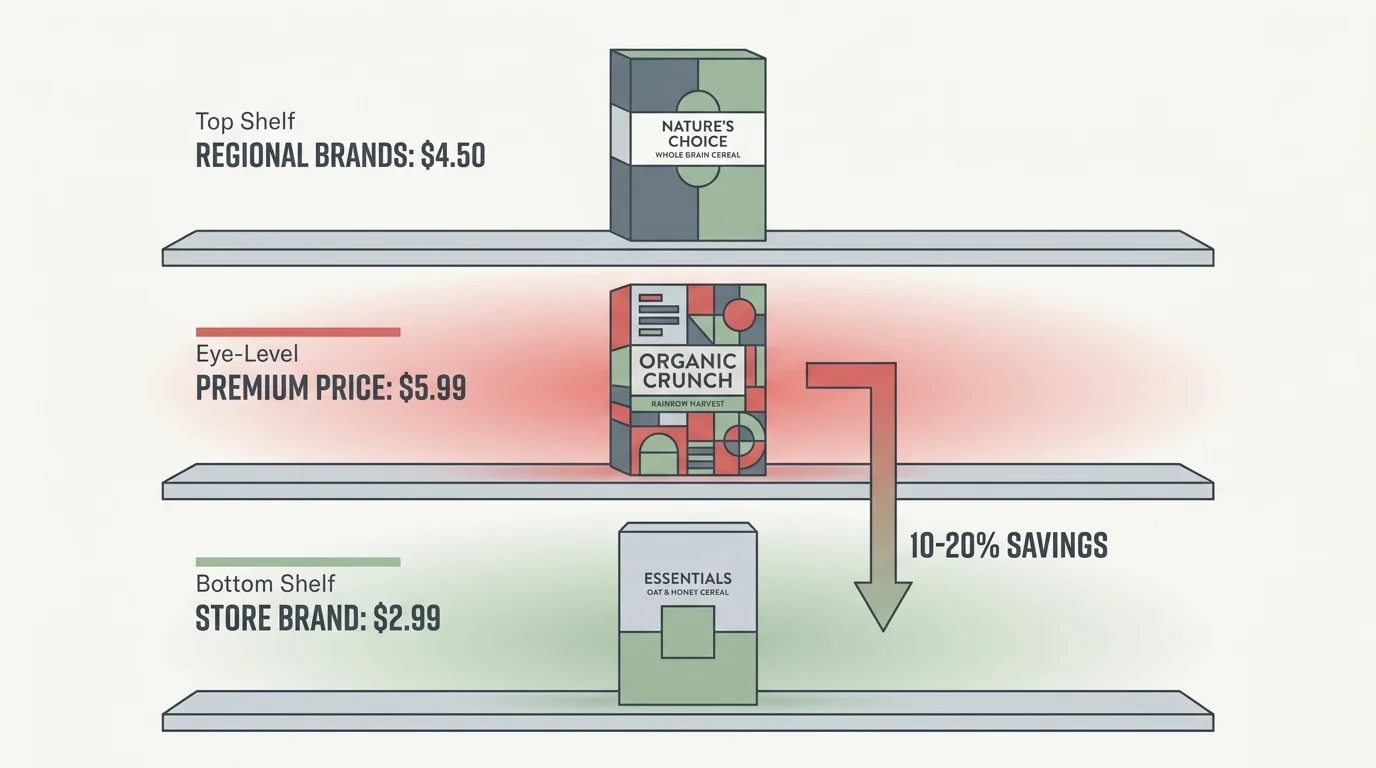
Supermarkets treat every square inch of shelf space as highly monetized real estate. Major food manufacturers pay massive premiums—known in the retail industry as slotting fees—to secure the prime display spots located directly at your eye level. Unsurprisingly, these premium spots highlight the most expensive, highly processed, and heavily advertised products in the entire building. If you simply grab the first box of cereal or jar of pasta sauce you see, you fall directly into a well-funded marketing trap. Train yourself to look high and look low. The bottom shelves usually house generic store brands and bulk items that offer identical nutritional value at a fraction of the cost. Meanwhile, the top shelves often feature regional or lesser-known brands striving to compete on price rather than relying on expensive television commercials. A simple physical tilt of your head routinely shaves ten to twenty percent off the cost of an individual item.
Tip #3: Buying Pre-Chopped Convenience Produce
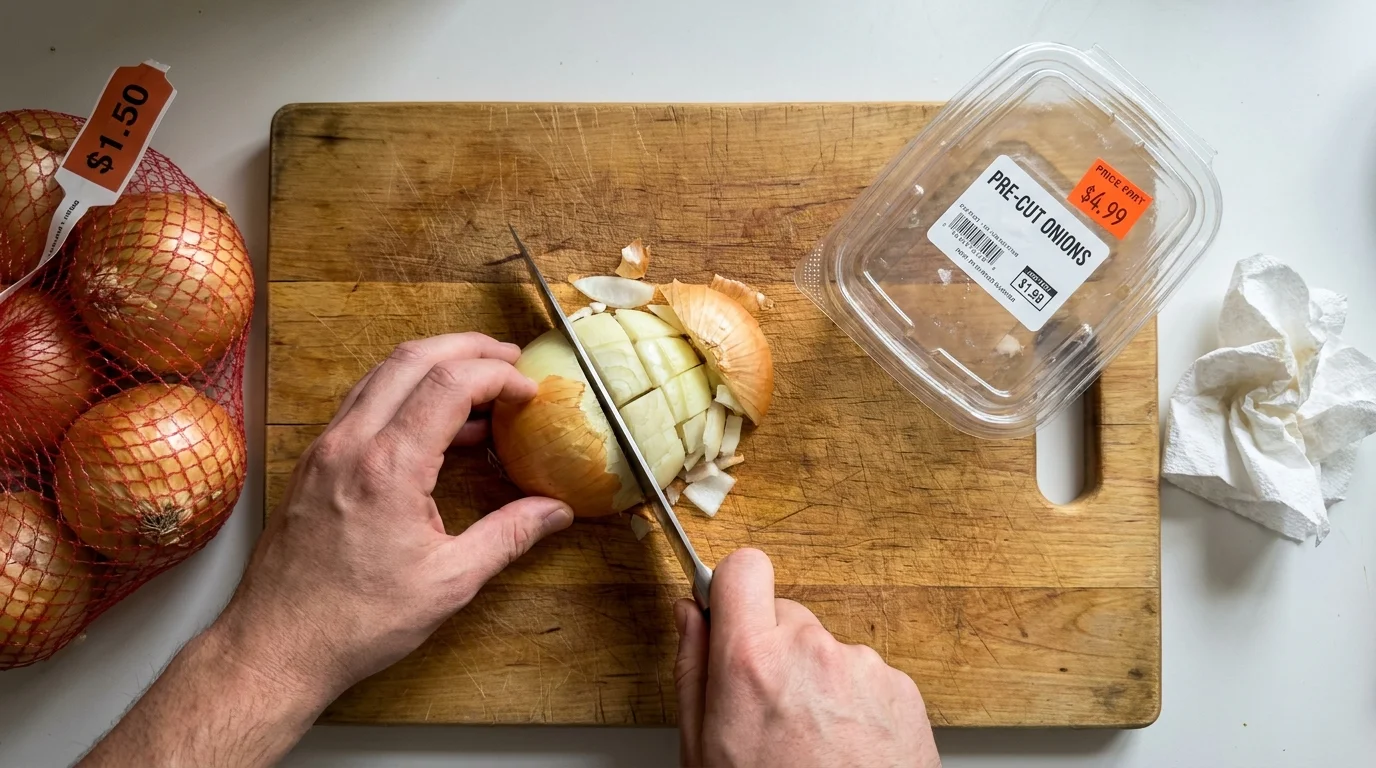
The allure of convenience is undeniably powerful, especially after a grueling workday when the idea of mincing garlic or dicing onions feels like an insurmountable chore. Grocers eagerly capitalize on this exhaustion by offering pre-cut, pre-washed, and neatly packaged fruits and vegetables. You will find plastic tubs of sliced melon, bagged broccoli florets, and cubed butternut squash prominently displayed right at the store entrance. However, the financial markup on these items borders on astronomical. You frequently pay three to four times the standard price per pound for the exact same produce, merely because an employee wielded a knife. Furthermore, pre-chopped vegetables oxidize and spoil significantly faster than their whole counterparts, cutting their usable shelf life in half. Investing five extra minutes in your kitchen to chop your own ingredients directly protects your cash. You retain maximum freshness, eliminate wasteful plastic packaging, and keep those exorbitant labor markups in your own checking account.
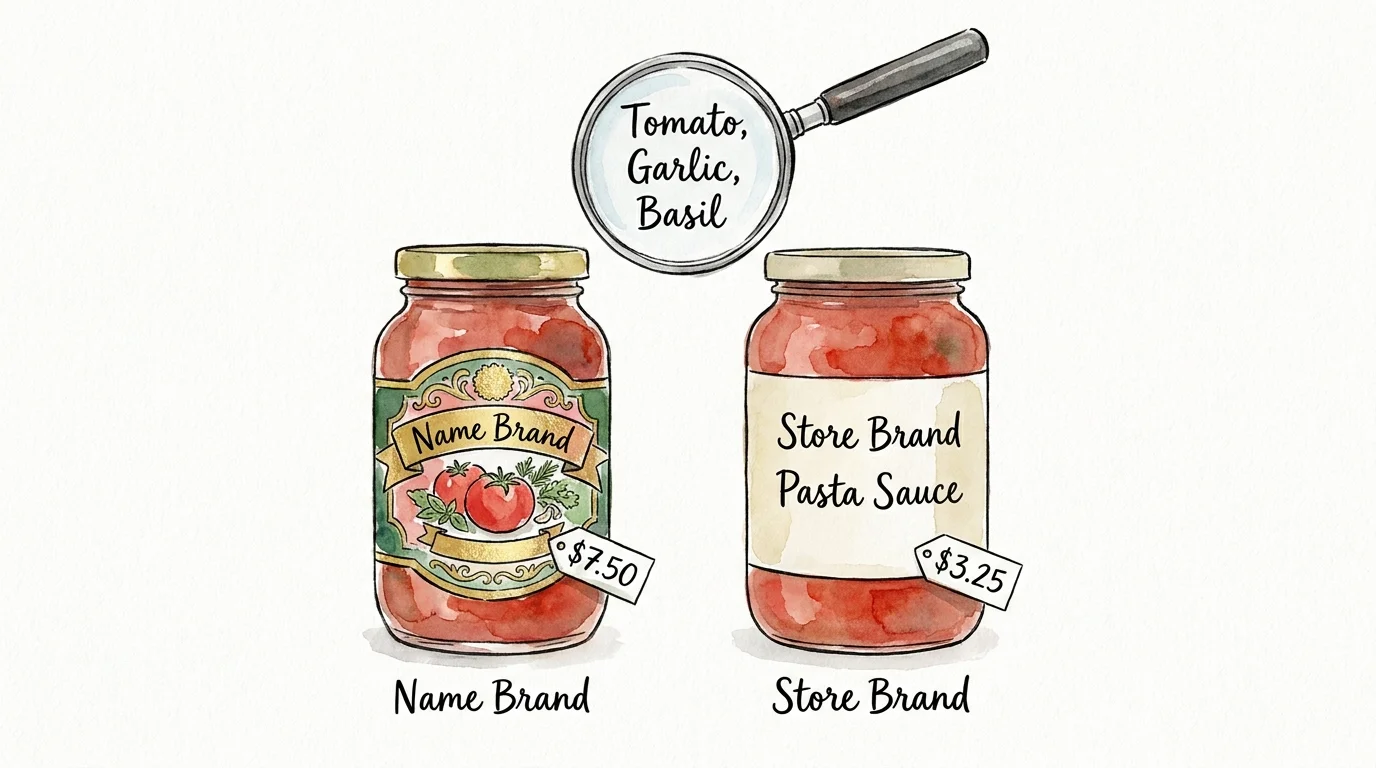
Tip #4: Sticking Exclusively to Name Brands
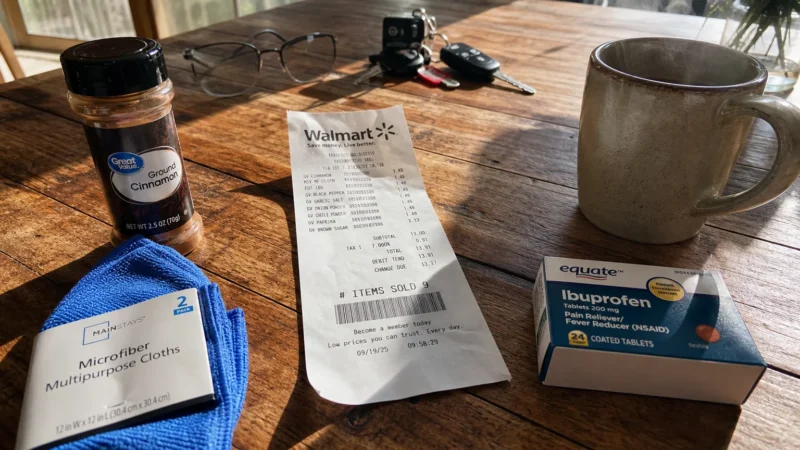
Blind brand loyalty ranks among the most expensive shopping behaviors you can possess. Decades of clever television commercials and vibrant packaging have conditioned American shoppers to believe that recognizable national brands inherently offer superior quality or taste. This assumption is largely a corporate illusion. In many cases, supermarket private labels—frequently referred to as store brands—are manufactured in the exact same industrial facilities, using the exact same raw ingredients, as their expensive national counterparts. The only tangible difference is the label pasted on the can and the corresponding checkout price. Whether you are buying rolled oats, canned diced tomatoes, or basic over-the-counter pain relievers, the generic alternative performs identically in blind taste tests. Making the switch across your entire shopping cart instantly reduces your total bill by up to twenty-five percent. Start by swapping out single-ingredient pantry staples where flavor profiles are practically indistinguishable, and watch your savings multiply.
Tip #5: Navigating the Store Without a Strict List
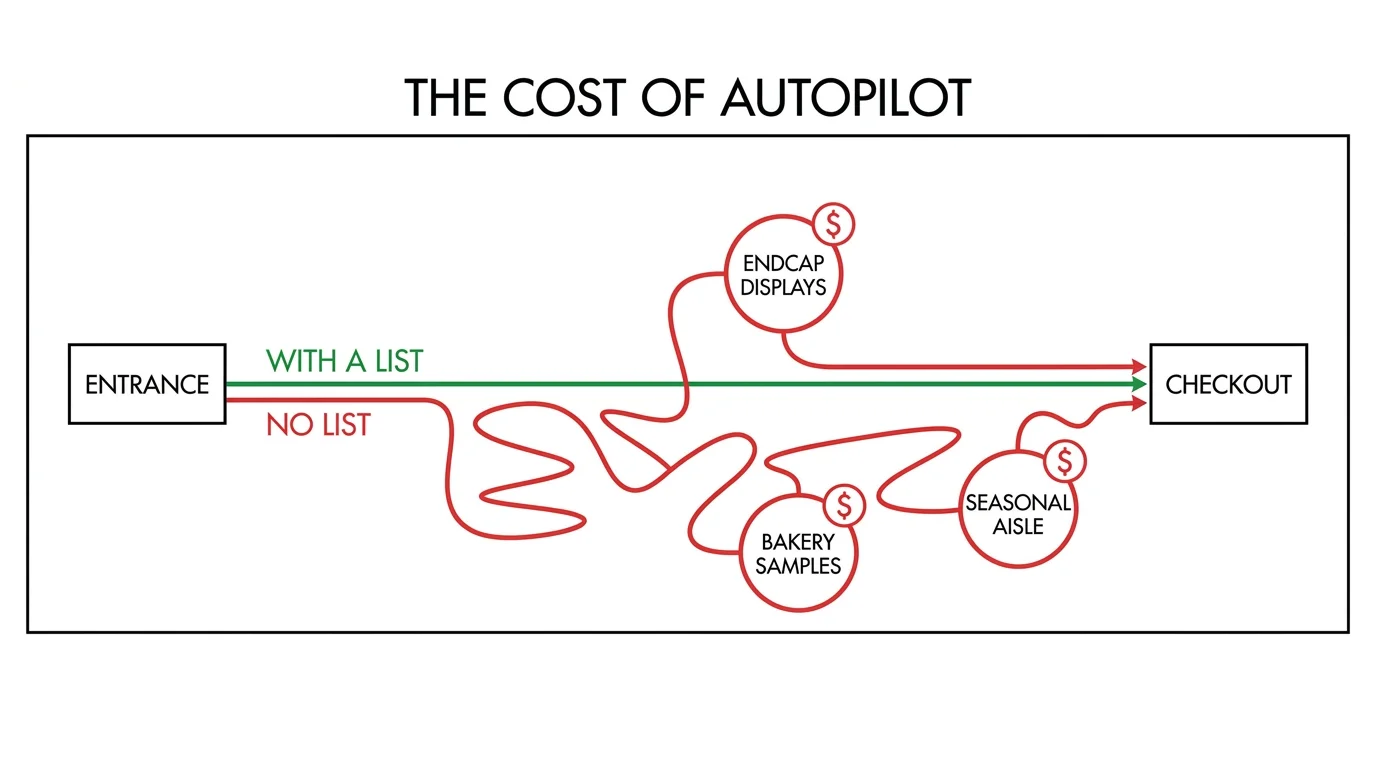
Entering a supermarket without a written plan guarantees you will sabotage your finances. Supermarkets are meticulously designed to maximize your dwell time and trigger impulsive decisions. You walk in simply needing milk and eggs, but you must traverse a gauntlet of fragrant bakery displays, flashy endcaps, and promotional bins just to reach the dairy cooler located at the very back of the store. Without a rigid shopping list to anchor your focus, you become highly susceptible to these environmental cues. You start tossing novel snack flavors and enticing promotional items into your cart, severely inflating your total before you even reach the register. A comprehensive list acts as your ultimate financial shield. It forces you to inventory your pantry beforehand, plan specific meals, and execute a singular mission. If an item is not explicitly written on your list, it does not cross the threshold of your cart; it is truly that simple.

Tip #6: Shopping When You Are Hungry or Tired
Your physiological state profoundly dictates your spending behavior, often overriding logic and budget constraints. When you shop on an empty stomach, your brain releases ghrelin, a powerful hormone that increases your appetite and amplifies the visual appeal of high-calorie, processed foods. Suddenly, a premium frozen pizza or an artisanal chocolate bar transforms from an optional luxury into an immediate biological necessity. Similarly, shopping when you are sleep-deprived rapidly depletes your executive functioning and willpower. You simply lose the mental energy required to compare unit prices, evaluate generic alternatives, or resist flashy promotional displays. To safeguard your cash, always time your grocery runs strategically. Go after eating a substantial meal, ideally on a morning when you feel rested and highly alert. If you must shop after work, eat a protein-dense snack before grabbing a cart. Stabilizing your blood sugar removes the emotional desperation from your purchasing decisions.
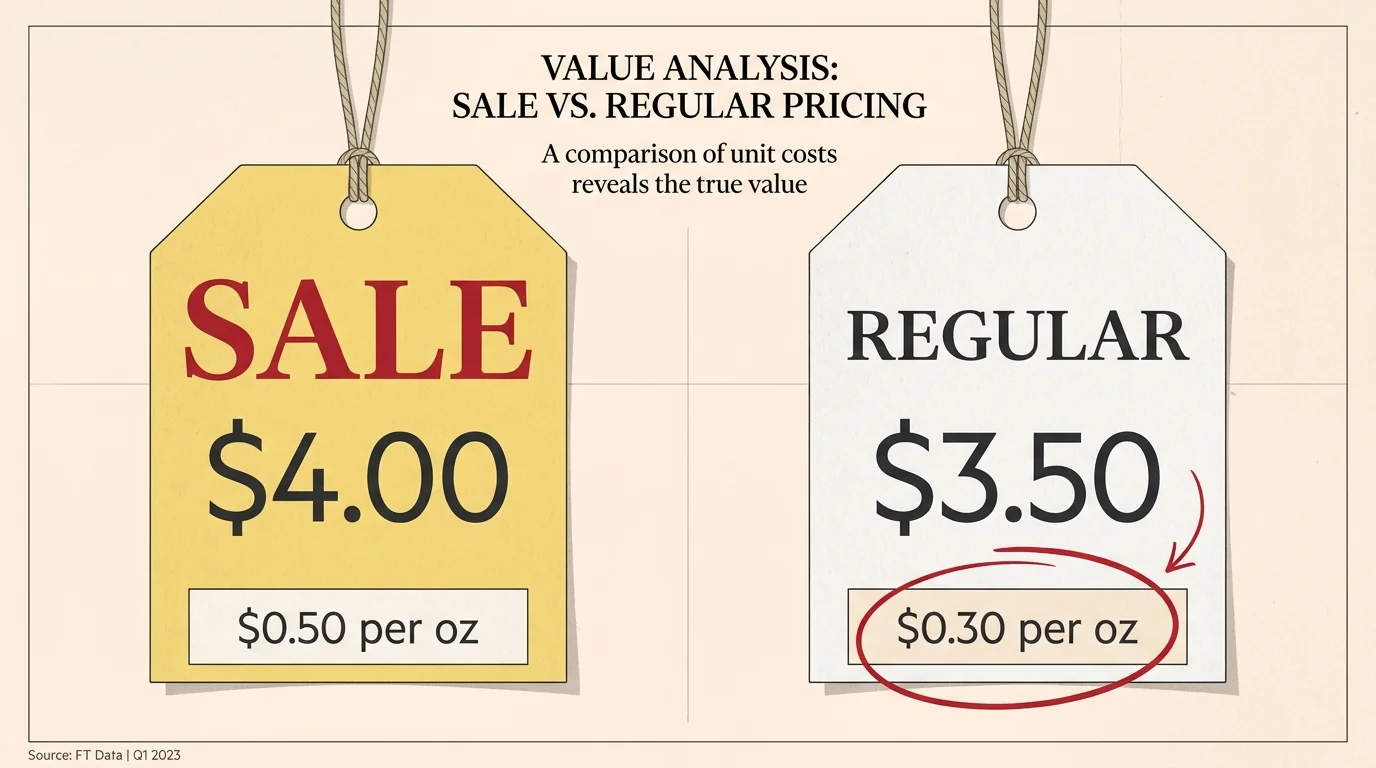
Tip #7: Ignoring the Price Per Ounce
While standard inflation normalizes broad price increases, shrinkflation represents a much more insidious threat to your wallet. Food manufacturers quietly reduce the net weight of a product while keeping the external packaging dimensions and the retail price exactly the same. A sixteen-ounce box of pasta suddenly becomes fourteen and a half ounces; a standard bottle of salad dressing subtly shrinks by two fluid ounces. If you only look at the large, bold sticker price, you completely miss these hidden hikes. The only reliable metric for comparing true value is the unit price—typically displayed as the cost per ounce or cost per pound in tiny print on the shelf tag. This microscopic number strips away deceptive marketing and reveals exactly how much food you are acquiring for your dollar. Always compare the unit price across different brands and package sizes to ensure you are actually getting the best possible deal.
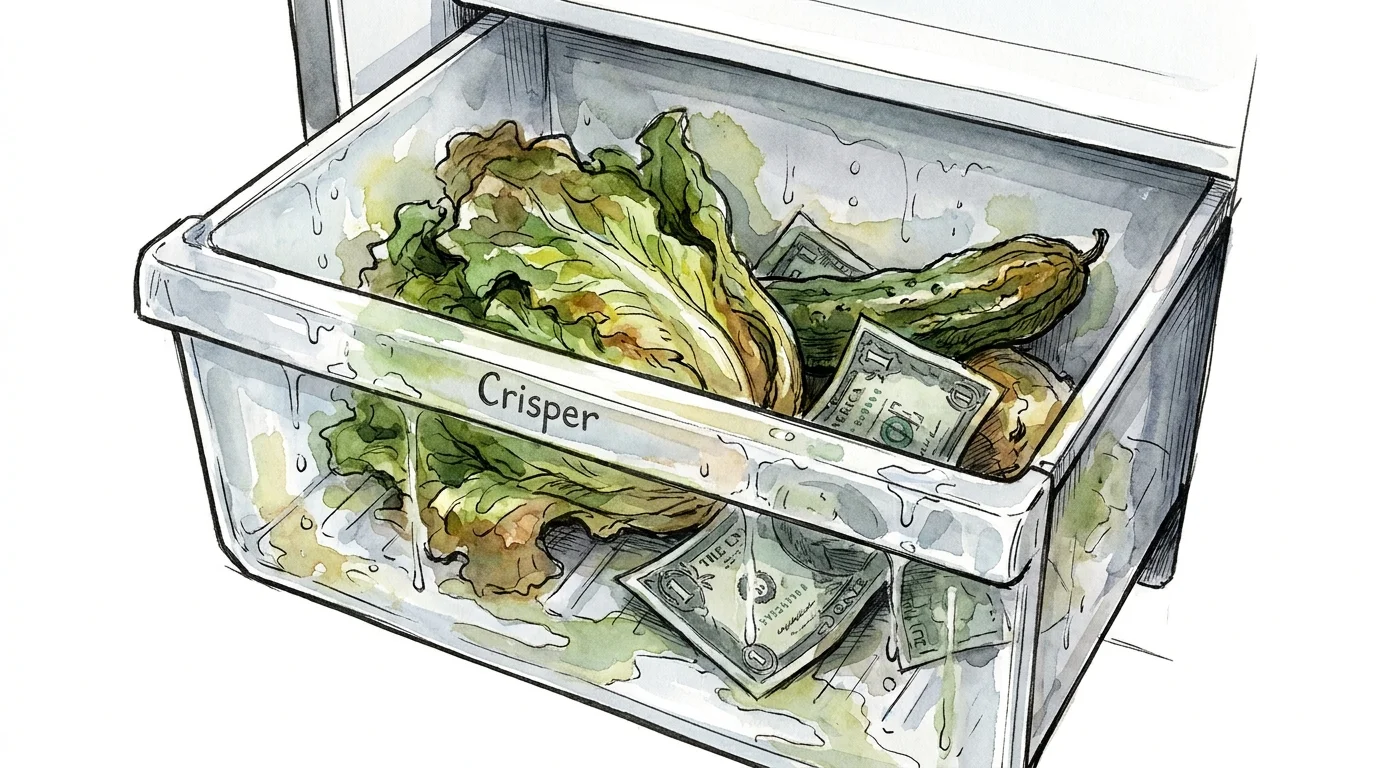
Tip #8: Letting Produce Rot in the Crisper Drawer
Aspirational grocery shopping remains a surprisingly common phenomenon that quietly drains bank accounts. You confidently purchase bundles of fresh kale, expensive organic spinach, and exotic vegetables, fully intending to transform your daily diet. Yet, the week gets chaotic, you order takeout instead, and those noble vegetables slowly liquefy into a tragic green sludge at the bottom of your refrigerator drawer. Buying fresh produce you consistently fail to consume is the functional equivalent of throwing five-dollar bills directly into the garbage can. To combat this expensive habit, ruthlessly audit your actual eating patterns rather than shopping for an idealized version of yourself. If you realistically only cook dinner twice a week, purchase your perishable inventory accordingly. A crucial element of saving money involves acknowledging your culinary limitations and buying only the fresh items you are absolutely guaranteed to eat before they spoil.

Tip #9: Paying for Elaborate Packaging
The snack aisle bursts with incredibly lucrative profit margins heavily masked as consumer convenience. One-hundred-calorie snack packs, individual bags of potato chips, and single-serve yogurt cups command massive retail premiums. You are essentially paying the manufacturer a hefty fee to portion the food and wrap it in excessive, environmentally damaging plastic. When you calculate the raw unit price, single-serve packages often cost double or triple the amount of a standard bulk container. You easily bypass this unnecessary markup by taking on the portioning labor yourself. Buy the massive tub of plain yogurt and flavor it at home with a spoonful of honey. Purchase the large, family-sized bag of pretzels and spend two minutes dividing them into reusable containers for your weekly lunches. This minor behavioral shift dramatically lowers your cost per serving while simultaneously reducing your household waste.
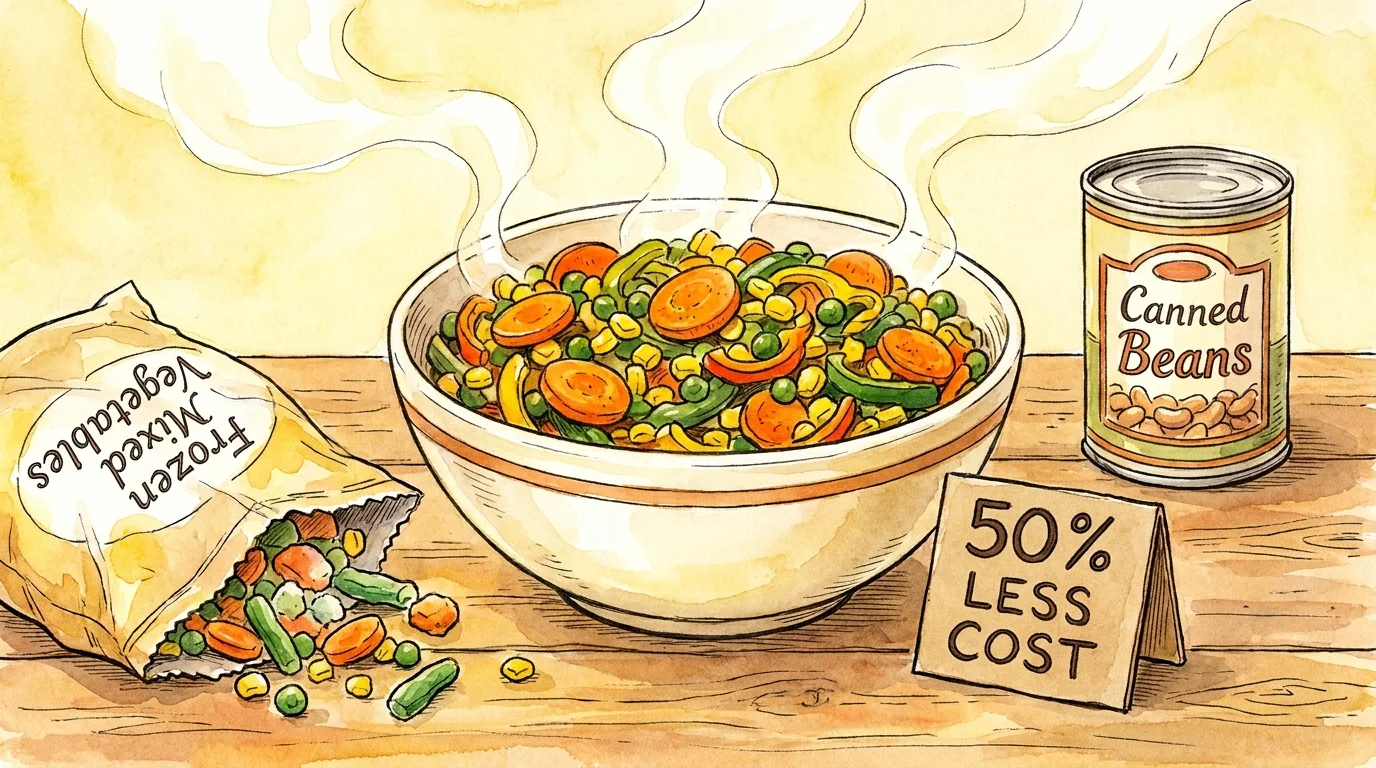
Tip #10: Overlooking the Frozen and Canned Aisles
A persistent culinary myth suggests that fresh produce invariably tastes better and offers superior nutrition compared to frozen or canned alternatives. This misconception drives shoppers to pay exorbitant premiums for fresh berries, tomatoes, and asparagus—even when those items are entirely out of season and have been shipped thousands of miles across the globe. The reality is that modern flash-freezing technology preserves vegetables and fruits at their absolute peak of ripeness. They frequently lock in more vitamins and nutrients than fresh produce that has slowly degraded during a week-long journey in a hot delivery truck. Frozen and canned goods are substantially cheaper, boast an incredibly long shelf life, and completely eliminate the anxiety of rapid spoilage. Embrace the freezer aisle to secure peak nutrition and flavor without paying the ridiculous out-of-season fresh premium.
The Bottom Line: What This Means for Your Wallet
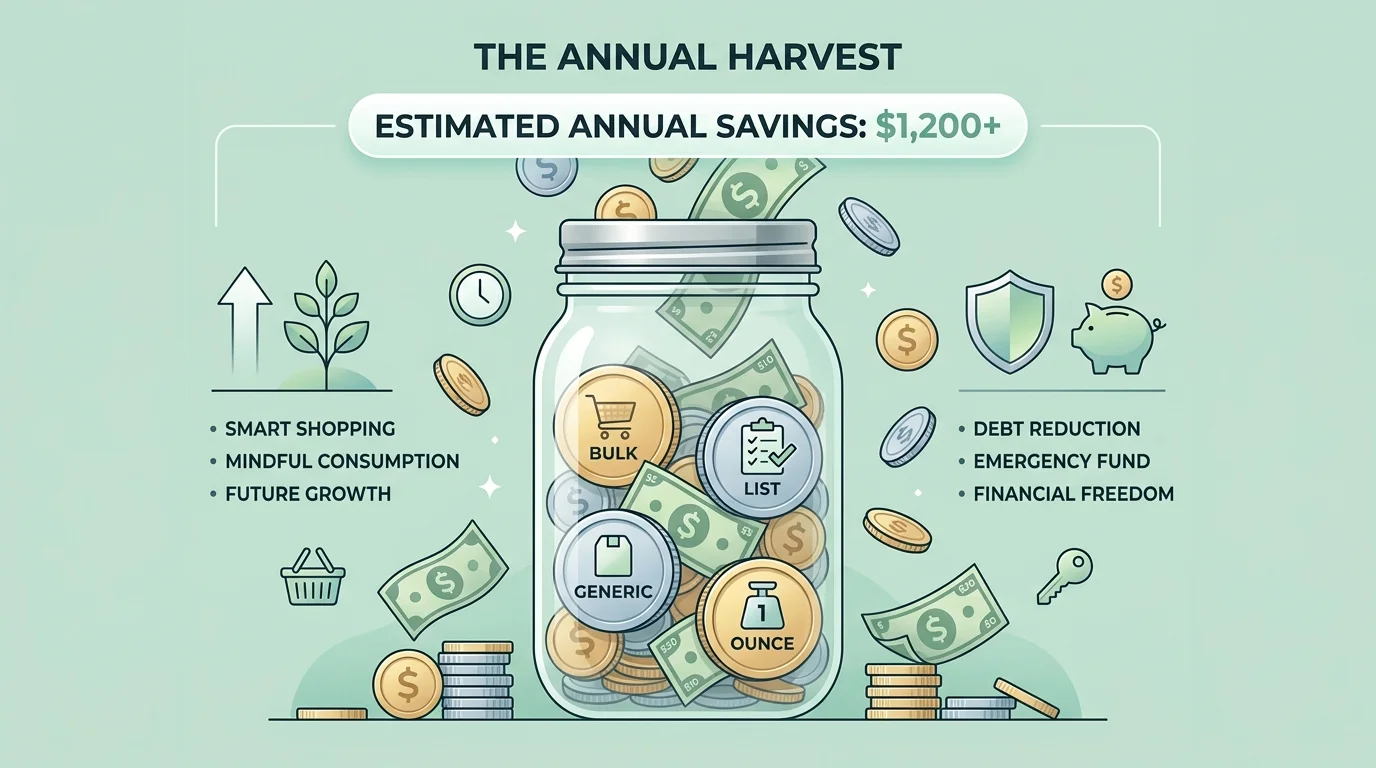
Breaking these entrenched shopping routines requires a deliberate shift in how you view the modern supermarket. It is not merely a benign building holding your dinner ingredients; it is a highly optimized environment designed specifically to extract your hard-earned cash. By remaining vigilant against deceptive bulk pricing, recognizing the psychological warfare of eye-level product placement, and rejecting the expensive allure of pre-packaged convenience, you forcefully reclaim control over your household finances. Every time you verify a unit price or confidently swap a heavily marketed national brand for a humble private label, you execute a micro-transaction that incrementally builds your savings. These minor daily choices compound massively over the course of a year, transforming silent financial leaks into a robust cash surplus. Smart shopping functions as an active, defensive discipline. Arm yourself with a strict list, shop with a clear mind, and refuse to pay for excessive marketing or unnecessary plastic packaging. Your diligence will be consistently rewarded at the checkout register, proving that profound financial victories often begin right in the grocery aisle.
Frequently Asked Questions
Does couponing still save money at modern grocery stores?
Yes, but the promotional landscape has shifted heavily toward digital applications. Traditional paper clipping has largely been replaced by store-specific loyalty apps that offer personalized digital coupons and lucrative cash-back rewards. However, you must remain cautious. Do not let a high-value digital coupon manipulate you into buying a heavily processed, expensive brand-name product if a generic alternative still offers a lower overall unit price.
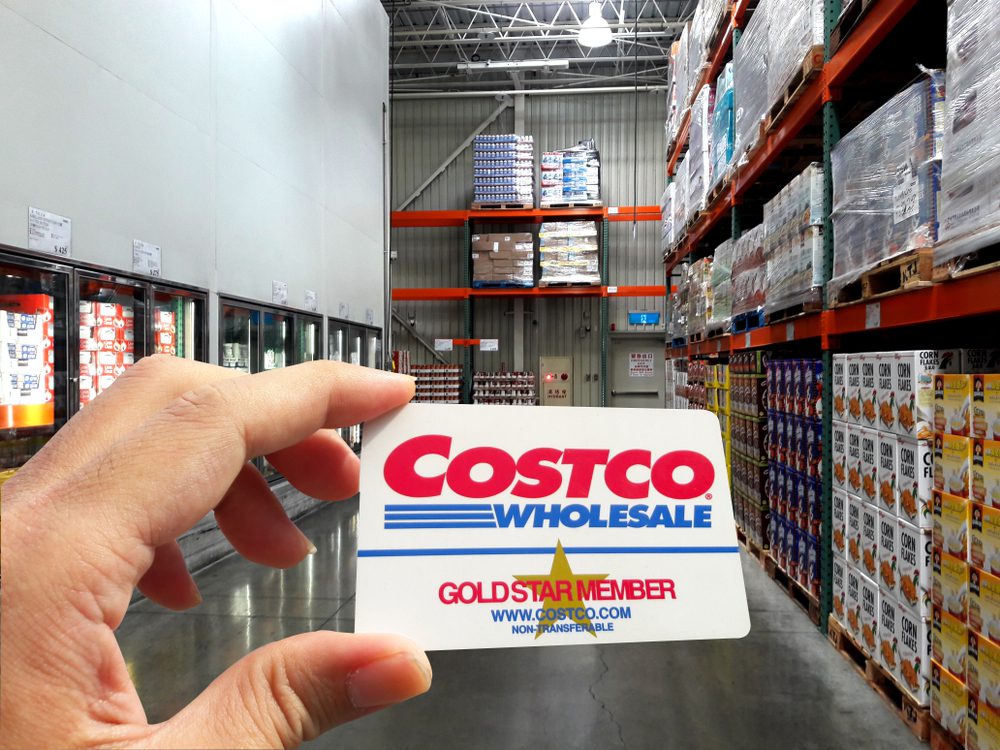
Are warehouse clubs like Costco or Sam’s Club actually worth the annual membership fee?
A warehouse club membership proves highly profitable if you strategically purchase non-perishable goods, household paper products, and frozen items. The value deteriorates rapidly if you use the club to buy perishable items in bulk that you ultimately cannot consume before they spoil. You must rigorously calculate whether your actual savings on dry staples outweigh the upfront cost of the annual membership.
How can I accurately compare prices when packages are totally different sizes?
Always consult the unit price sticker located directly on the store shelf below the physical item. This specific label breaks down the total cost into a standardized metric—such as price per ounce, per pound, or per hundred sheets. Ignoring the flashy retail price and solely comparing these standardized unit costs remains the only mathematically sound way to determine which package genuinely offers the best value.
Should I completely avoid the middle aisles of the supermarket?
While the perimeter of the store houses the healthiest whole foods like fresh produce, raw meat, and dairy, avoiding the center aisles entirely is a strategic mistake for budget-conscious shoppers. The middle aisles contain invaluable frugal staples including dried beans, rice, rolled oats, and canned tomatoes. The key is to navigate the center aisles with strict purpose, grabbing your raw ingredients while firmly ignoring the highly processed snacks and sugary beverages.
For consumer protection information, visit the Federal Trade Commission (FTC) and the Consumer Financial Protection Bureau (CFPB). For product safety and reviews, consult Consumer Reports.
Disclaimer: This article is for informational purposes only and does not constitute financial advice. The content reflects the author’s opinion and research at the time of writing. Always do your own research before making financial decisions.






Leave a Reply