

Skyrocketing grocery bills are forcing American households to ditch expensive takeout and pivot back to vintage, high-yield recipes that stretch a dollar. You do not need to rely on ultra-processed junk food or plain rice to feed your household during periods of stubborn inflation. By reviving forgotten depression-era and retro staples, you can slash your weekly food budget by hundreds of dollars while still eating heartily. These ten cheap dinners are making a massive comeback in 2026 because they rely on affordable, shelf-stable ingredients and simple preparation methods. Forget the overpriced meal kits; mastering these time-tested budget meals is the ultimate hack for protecting your wallet without sacrificing flavor or nutrition.

Tip #1: The Classic Lentil Shepherd’s Pie
Ground beef prices have surged over the past few years, making traditional recipes a heavy strain on the average grocery budget. Enter the lentil. This humble legume offers a massive protein punch at a fraction of the cost of red meat, making it a cornerstone of modern frugal living.
You can buy a one-pound bag of brown lentils for less than two dollars, and it yields enough filling for a massive, family-sized casserole. Savvy cooks are swapping out half—or even all—of the ground beef in their Shepherd’s Pie for lentils simmered in savory beef bouillon.
The trick to elevating this dish is aggressive seasoning. Hit your lentil mixture with Worcestershire sauce, thyme, and a heavy dose of garlic before topping it with a thick layer of buttery mashed potatoes. This meal easily feeds six people for under ten dollars, leaving you with hearty leftovers for lunch the next day.
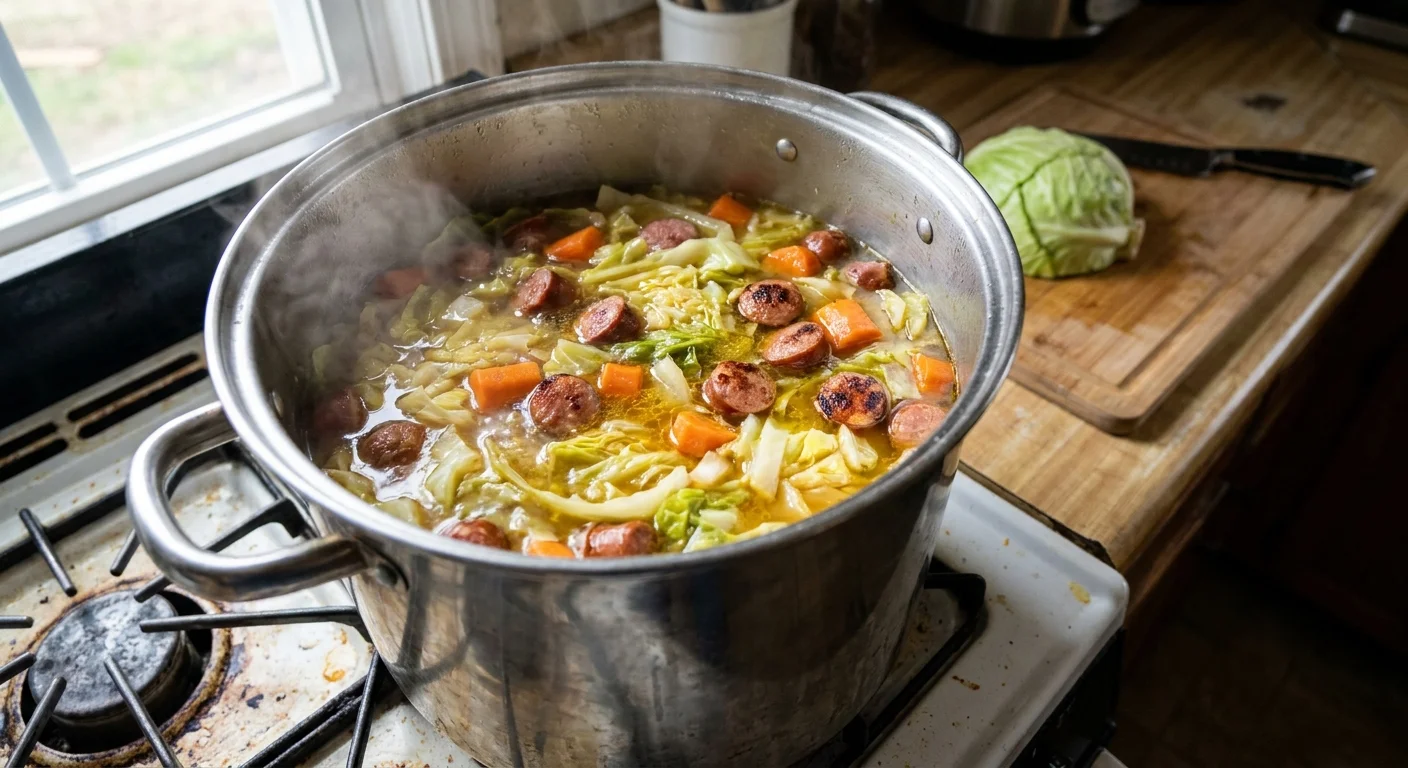
Tip #2: Eastern European Cabbage and Sausage Stew
Cabbage remains one of the most cost-effective vegetables in the produce aisle, consistently pricing out at under a dollar per pound. Smart shoppers are bypassing premium greens and reviving old-world peasant stews that utilize a single head of green cabbage, a few carrots, and just one package of smoked sausage.
You do not need expensive cuts of meat to build profound flavor. The smoked sausage renders down in the pot, releasing savory fats that permeate the cheap vegetables and create a rich, comforting broth. This is the definition of smart resource management; you use the meat purely as a flavoring agent rather than the main event.
Served alongside thick slices of discount bakery bread, this meal expands in your stomach and keeps you full for hours. A massive pot of this rustic stew costs roughly eight dollars to produce and tastes even better on the second and third days as the flavors meld in the refrigerator.
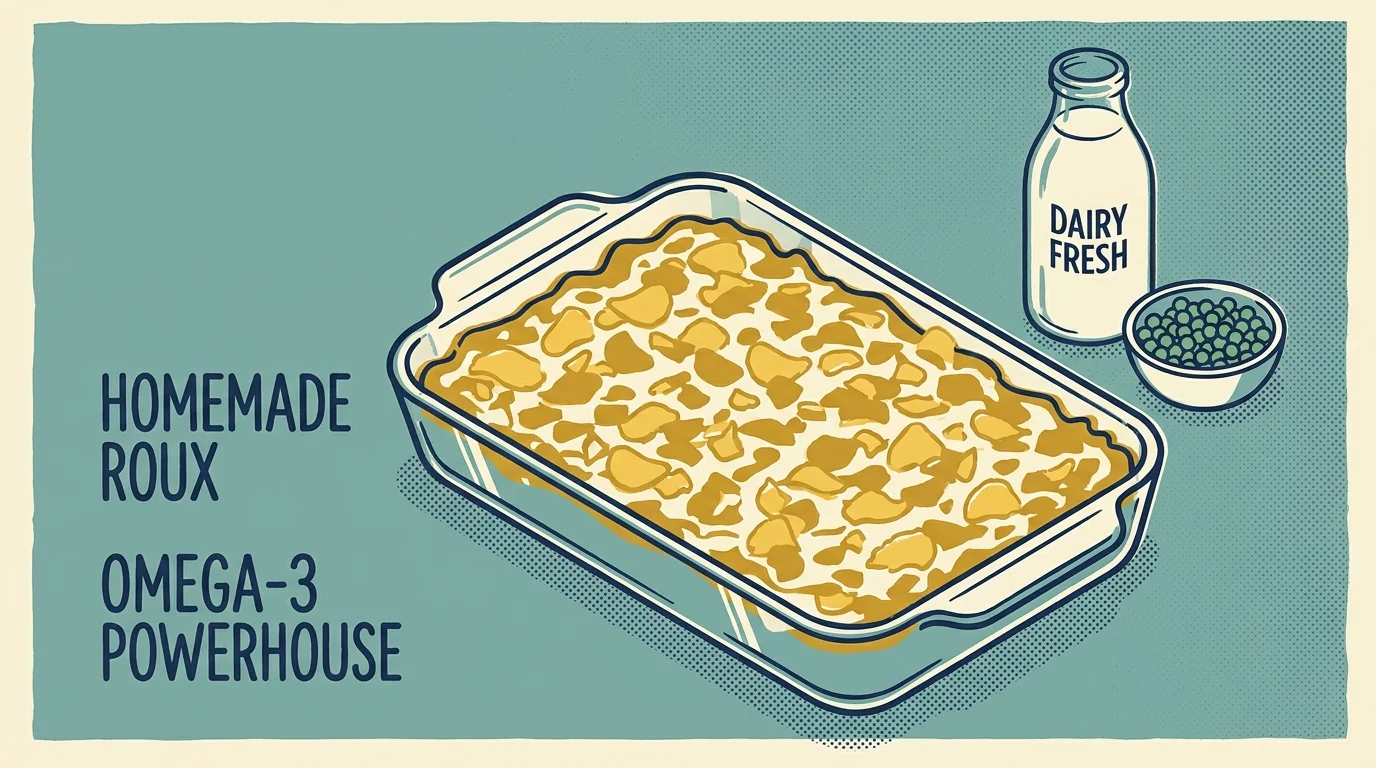
Tip #3: The Upgraded Tuna Noodle Casserole
The 1950s staple is back, but modern families are ditching the gloopy canned soups for a fresher, slightly elevated approach that still costs pennies per serving. Canned tuna is a powerhouse of omega-3 fatty acids and remains incredibly inexpensive when bought in bulk.
You can construct a massive baking dish of tuna noodle casserole using wide egg noodles, frozen peas, a simple homemade milk roux, and two cans of chunk light tuna. When you master a basic butter and flour roux, you unlock the ability to make rich, creamy sauces from scratch, entirely eliminating the need for overpriced, sodium-heavy canned cream soups.
To avoid the mushy texture of past decades, home cooks are topping the dish with crushed potato chips or seasoned breadcrumbs before baking it to a golden crisp. This meal completely bypasses the high costs of fresh seafood while delivering the savory satisfaction your family craves.
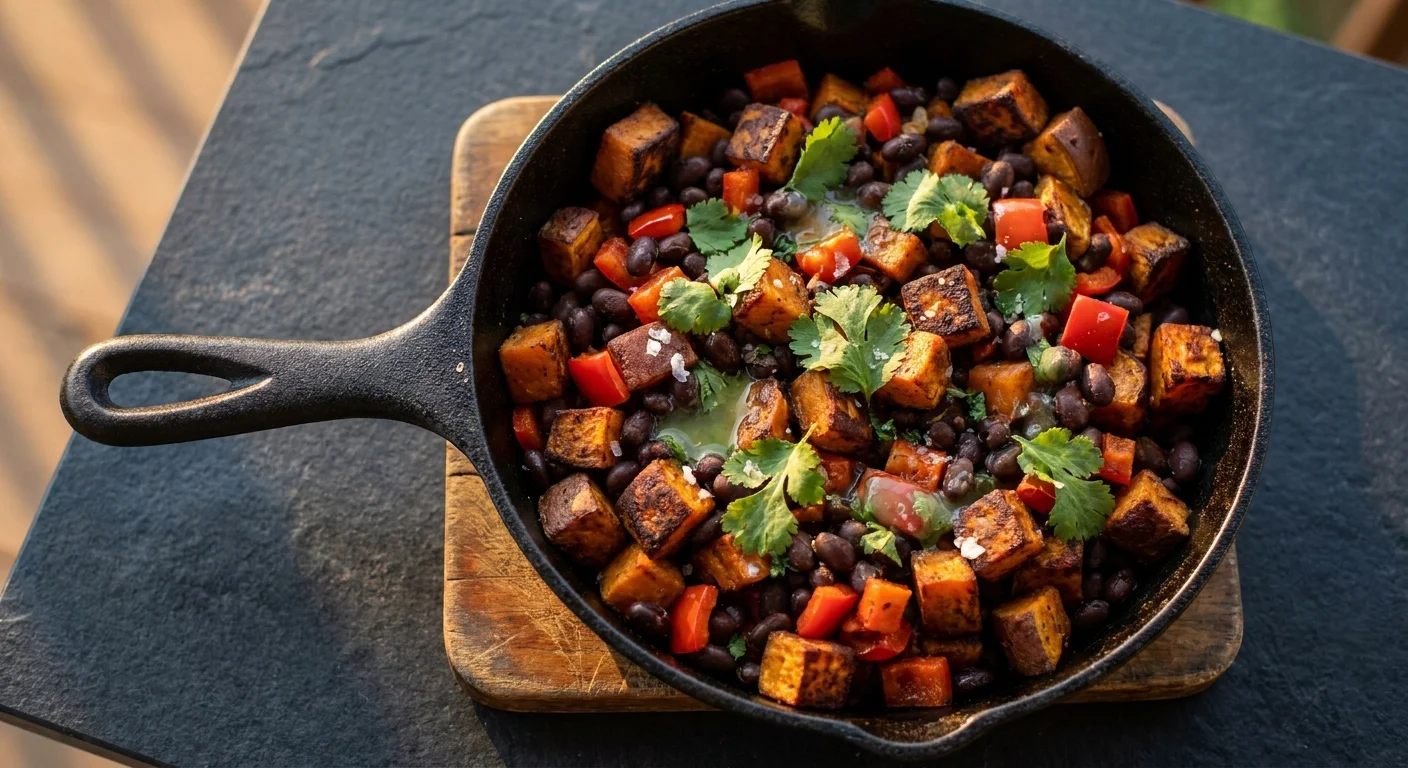
Tip #4: Black Bean and Sweet Potato Hash
Vegetarian dinners are a cheat code for drastically lowering your weekly food expenses. You do not have to announce a dreaded meatless night to get your family on board; you just need to serve something incredibly flavorful that leaves them completely satisfied.
Black bean and sweet potato hash is dominating dinner tables right now. Sweet potatoes provide complex carbohydrates and natural sweetness, while canned black beans bring dense, satisfying protein. Dice the sweet potatoes, fry them in a cast-iron skillet until the edges caramelize, and toss in a can of rinsed beans, diced onions, and a heavy sprinkle of cumin.
The ultimate hack for this dish is the topping. Crack a few eggs directly over the skillet and let them fry. The running yolk creates a rich sauce that ties the starchy potatoes and earthy beans together, delivering a massive, restaurant-quality meal for around six dollars.

Tip #5: The Return of the Patty Melt
The traditional backyard burger has become a luxury item. Between artisanal brioche buns, premium ground chuck, and expensive specialty condiments, a simple burger night at home can easily drain your wallet. Enter the patty melt.
This diner classic is making a fierce comeback because it utilizes ingredients you likely already have in your pantry. Instead of buying a dedicated pack of hamburger buns that will go stale in three days, you use standard sandwich bread. Toasting the bread in a skillet with a little butter gives it a premium, satisfying crunch.
You then stretch a smaller amount of ground beef by pressing it thin and piling it high with deeply caramelized onions. The onions act as a cheap, flavorful filler that tricks the brain into thinking you are eating a massive portion of meat. Add a slice of basic Swiss or cheddar cheese, and you have a decadent dinner that bypasses the premium markups of the modern burger aisle.
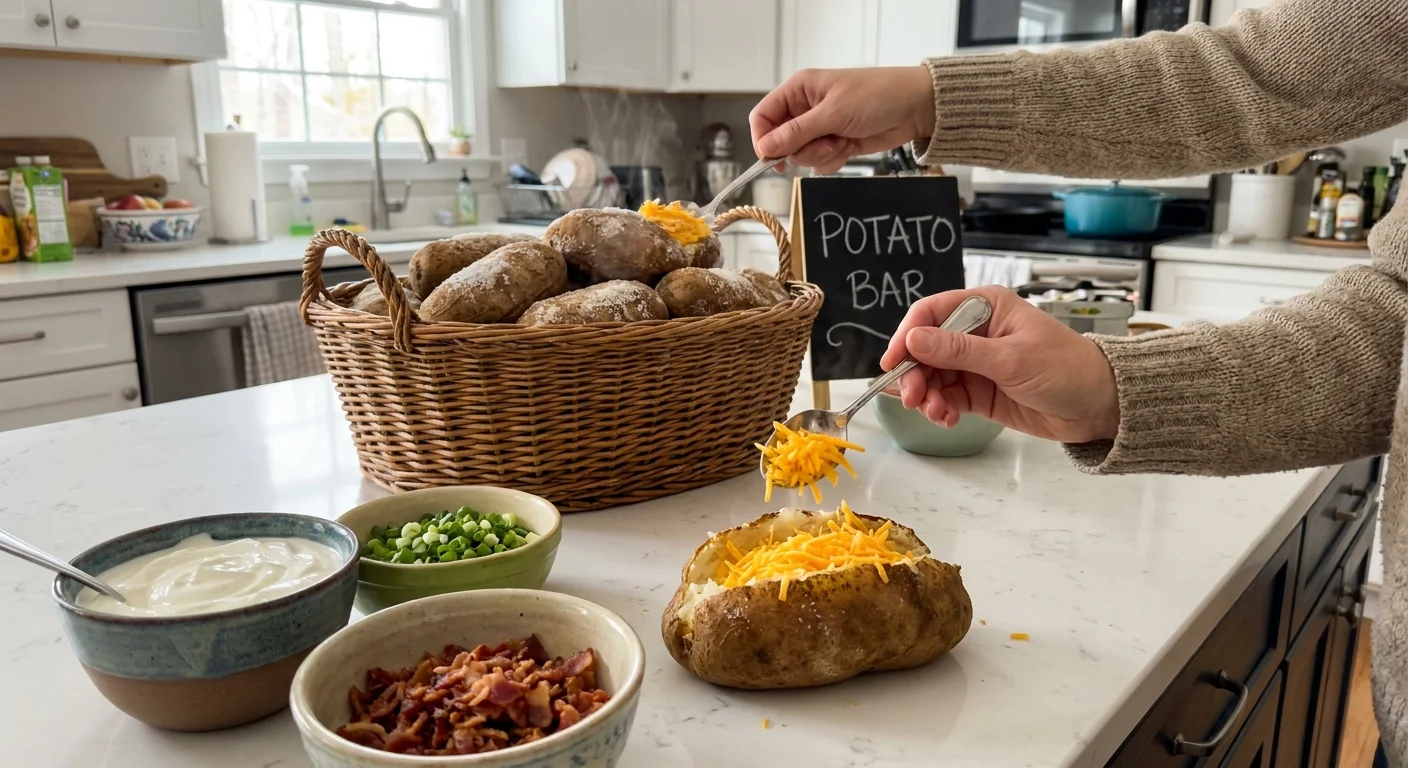
Tip #6: The Loaded Baked Potato Bar
Russet potatoes are the undisputed champions of the inflation era. A ten-pound bag often goes on sale for less than five dollars, providing a blank culinary canvas for an entire week’s worth of meals. Families are bringing back the baked potato bar as a primary dinner event.
The real secret here is treating the potato as a vessel rather than a side dish. You simply scrub and bake a dozen potatoes until the skins are crispy and the insides are fluffy. Then, you raid your refrigerator for odds and ends to serve as toppings.
Leftover chili, steamed broccoli florets, shredded cheese, sour cream, and bacon bits all work perfectly. This approach eliminates food waste by turning random, leftover ingredients into an exciting, customizable dining experience. By utilizing groceries you already purchased and preventing spoilage, the baked potato bar effectively costs nothing to execute.
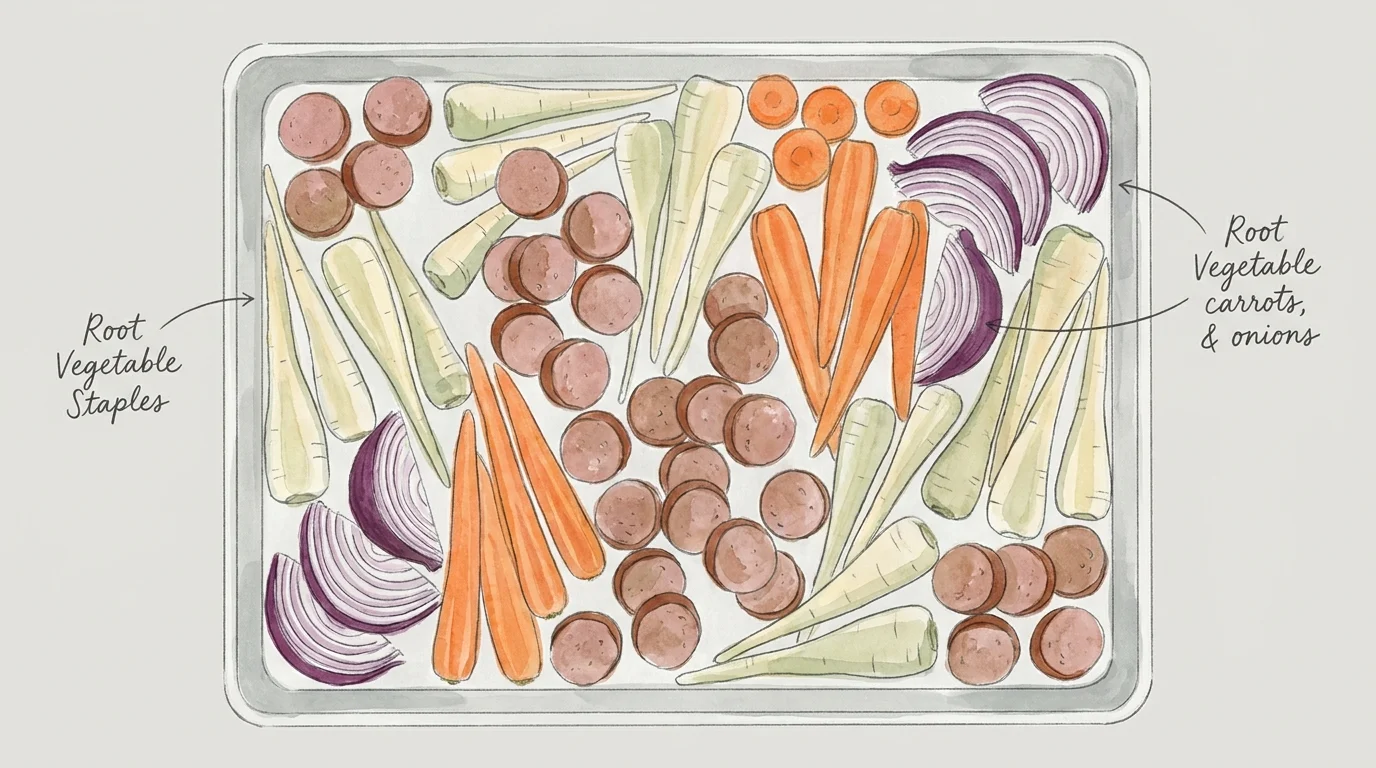
Tip #7: Sausage and Root Vegetable Sheet Pan Roasts
Time is money; complex recipes that require an hour of active chopping and stirring are being abandoned for high-efficiency sheet pan meals. Root vegetables like carrots, turnips, and onions are robust, exceptionally cheap, and boast an incredibly long shelf life.
Chop these vegetables into large chunks, toss them in olive oil, salt, and pepper, and spread them out on a baking sheet. Nestle a few inexpensive Italian sausages or bratwursts among the vegetables and blast them in a hot oven. As the sausages cook, their flavorful fats render out and baste the root vegetables.
This is one of the most effective cheap dinners available today because it requires minimal cleanup and maximizes the flavor of budget produce. You spend less than ten dollars on raw materials and about five minutes of active prep time. The oven does all the heavy lifting, delivering a caramelized, gourmet-tasting meal.
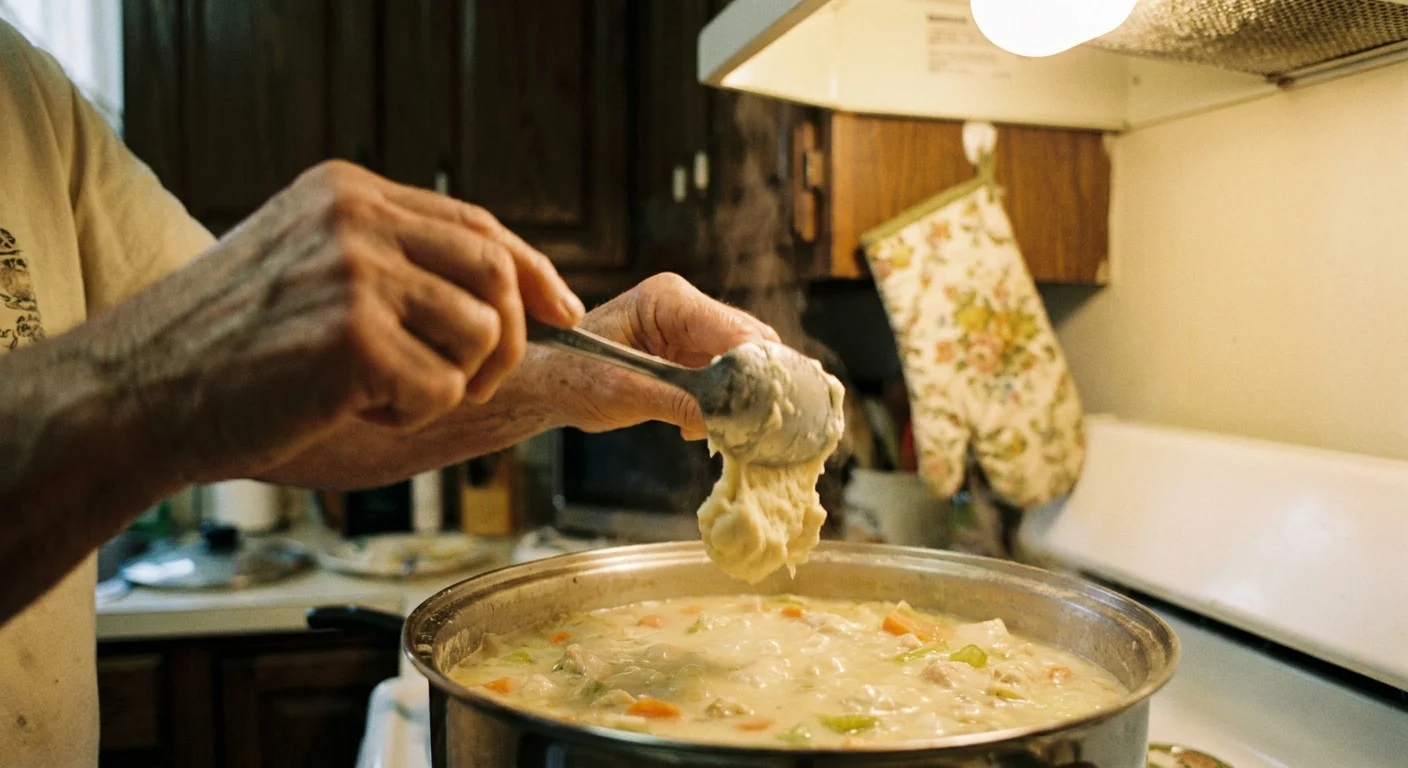
Tip #8: Scratch-Made Chicken and Dumplings
Whole chickens and large packs of bone-in chicken leg quarters remain the absolute best bargains in the meat department. Smart families are buying these cheap cuts, boiling them down to create a rich, golden broth, and picking the meat clean off the bone.
That foundational broth and shredded meat become the base for traditional chicken and dumplings. You do not need to buy pre-made biscuits or fancy pastry dough. Authentic, depression-era drop dumplings require nothing more than flour, baking powder, milk, and a pinch of salt.
Dropping spoonfuls of this cheap batter into boiling chicken broth creates fluffy, pillowy dumplings that instantly bulk up the meal. A single four-dollar package of chicken leg quarters can easily produce enough chicken and dumplings to feed a large family for two consecutive nights, providing an unparalleled return on your investment.
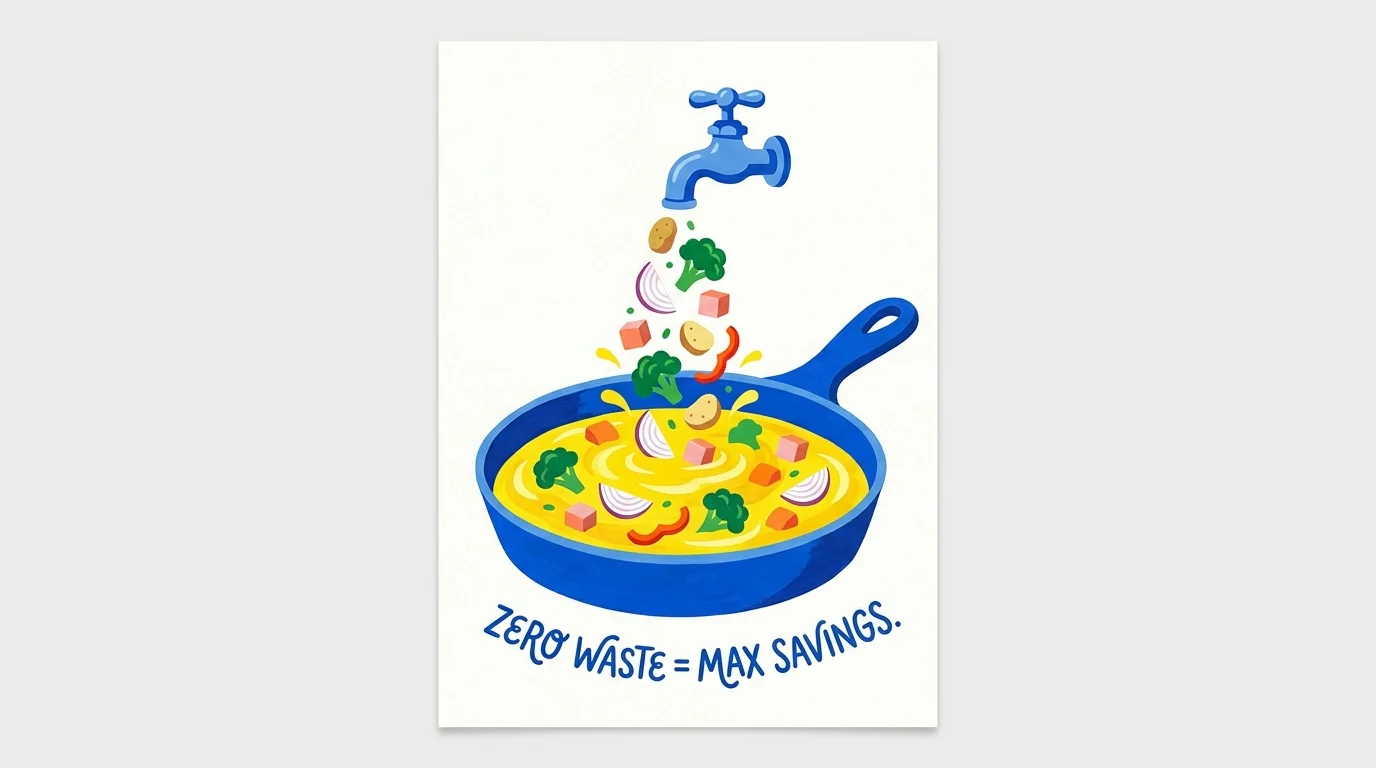
Tip #9: The “Kitchen Sink” Frittata
Eggs are no longer just for breakfast. With egg prices stabilizing in 2026, they have firmly regained their status as the ultimate budget protein. The “kitchen sink” frittata is the perfect Friday night dinner for families looking to stretch their dollars and eliminate food waste.
The concept is simple: take whatever wilting spinach, half-used onions, lonely bell peppers, and leftover cheese you have in the crisper drawer, sauté them in an oven-safe skillet, and pour a dozen beaten eggs over the top. Bake it until the center is set, and slice it like a pizza.
Restaurants charge fifteen dollars for a slice of gourmet frittata; you can bake an entire pan for under four bucks using scraps. This brilliant strategy cleans out your refrigerator before your next grocery run, ensuring you consume every single calorie you paid for earlier in the week.
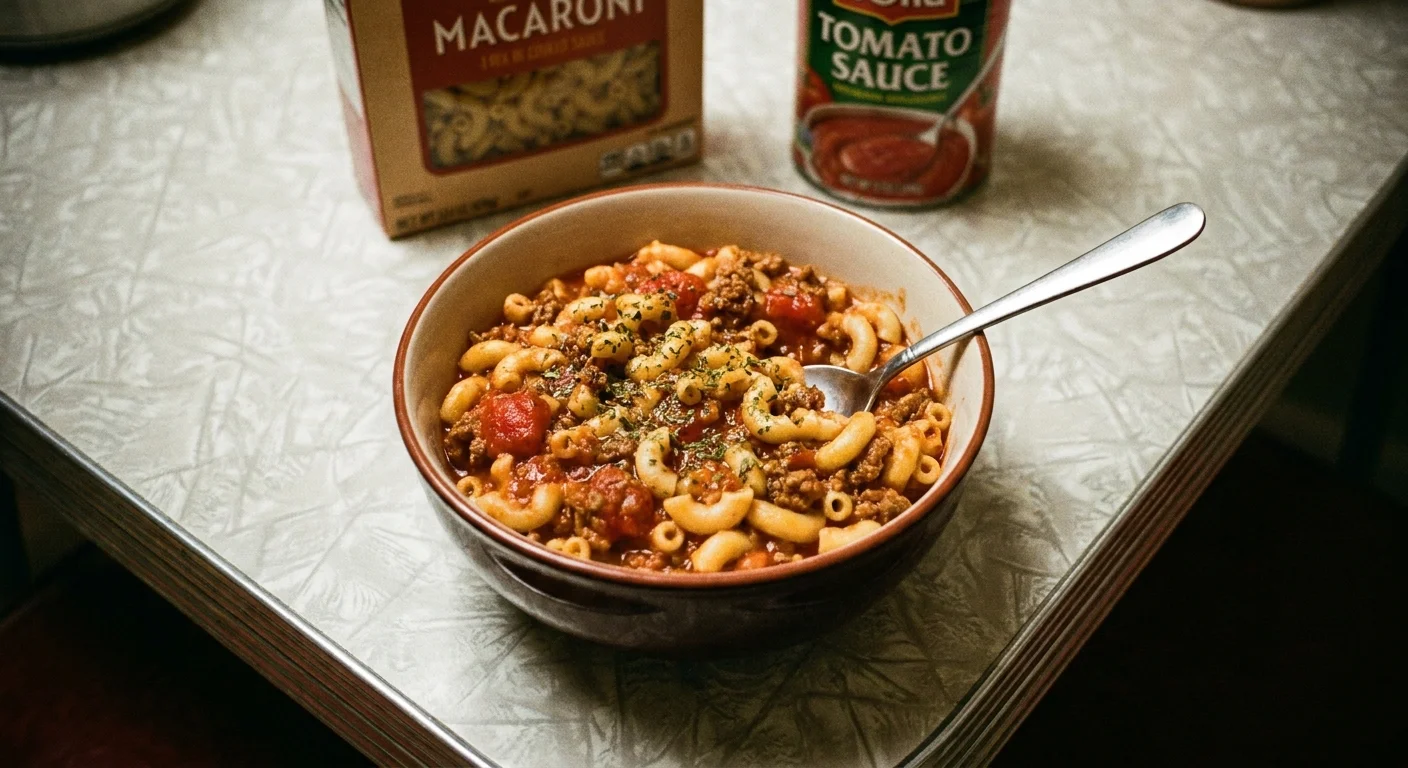
Tip #10: American Stovetop Goulash
Not to be confused with the complex Hungarian stew, American stovetop goulash is a retro, one-pot wonder that relies heavily on cheap pantry staples. You combine elbow macaroni, canned crushed tomatoes, diced onions, and a modest amount of ground beef or turkey.
The beauty of this dish lies in its sheer volume. The macaroni expands in the tomato sauce, absorbing the savory meat drippings and doubling the physical mass of the dinner. A single pound of ground meat is magically stretched to feed a table of hungry teenagers.
Season it aggressively with garlic powder, Italian seasoning, and a splash of soy sauce for a deep umami kick. You only dirty a single pot, and the ingredients are almost entirely shelf-stable items you can buy in bulk when they go on sale. It is the quintessential frugal comfort food.
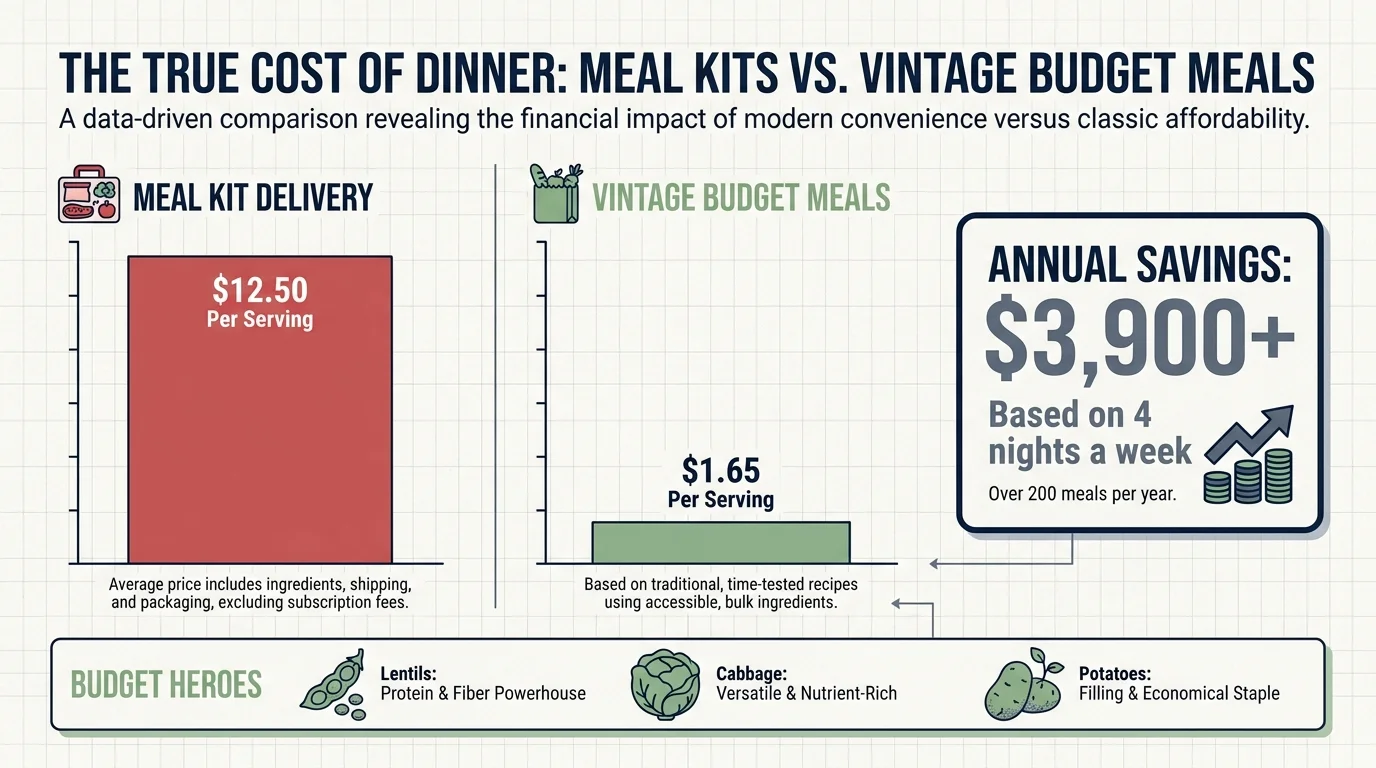
The Bottom Line: What This Means for Your Wallet
Surviving the modern economic landscape requires a fundamental shift in how you view dinnertime. The era of centering every single meal around a massive, premium cut of meat is over. By embracing these ten cheap dinners, you are not subjecting your family to deprivation; you are actively practicing intelligent resource management.
Relying on legumes, root vegetables, and clever cooking techniques allows you to build massive flavor profiles without draining your bank account. The families who are thriving financially in 2026 understand that the grocery store is a battleground, and simple, vintage recipes are the ultimate weapon against corporate markups.
When you master the art of stretching a dollar through smart cooking, you permanently reclaim control over your finances. You can redirect those hundreds of saved dollars toward investments, debt reduction, or family experiences. Eat smarter, cook with intention, and watch your monthly expenses plummet.
Frequently Asked Questions
How can I make cheap meals healthier without spending more money?
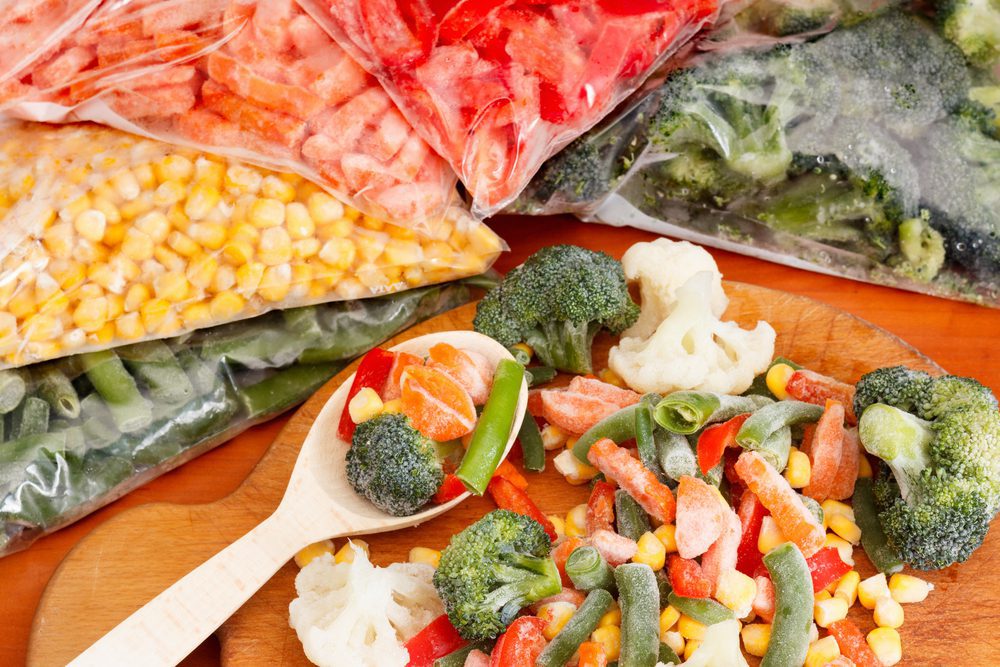
The secret lies in the frozen food aisle. Flash-frozen vegetables retain more nutrients than fresh produce that has been sitting on a delivery truck for a week. Buy giant bags of frozen peas, broccoli, and spinach to fold into your stews and casseroles. This adds essential vitamins and bulk without the high cost and fast spoilage rates of fresh vegetables.
What is the best way to store leftovers from these large batch meals?
Stop dumping everything into one giant storage container. The moment dinner is over, portion your leftovers into single-serve glass containers. This creates instant grab-and-go lunches for the rest of the week, entirely eliminating the temptation to spend fifteen dollars at a drive-thru during your workday.
Are these budget meals too time-consuming for busy weeknights?
Not if you utilize strategic batch cooking. Chop all your onions, carrots, and potatoes on Sunday afternoon. When Wednesday evening rolls around, your sheet pan roasts and peasant stews require zero knife work. You simply assemble the pre-chopped ingredients and let the stove do the heavy lifting while you decompress from the workday.
How do I get picky eaters to accept these retro dinners?
Familiarity is your best tool. If your family is used to heavy meat portions, do not switch to a fully vegetarian lentil pie overnight. Start by doing a fifty-fifty split of ground beef and lentils. Lean heavily on familiar flavors like garlic, cheese, and savory broths to bridge the gap between expensive takeout and homemade budget meals.
For consumer protection information, visit the Federal Trade Commission (FTC) and the Consumer Financial Protection Bureau (CFPB). For product safety and reviews, consult Consumer Reports.
Disclaimer: This article is for informational purposes only and does not constitute financial advice. The content reflects the author’s opinion and research at the time of writing. Always do your own research before making financial decisions.





Leave a Reply