

Marketers spend billions convincing consumers that high price tags guarantee superior quality for everyday necessities. You can easily outsmart these retail traps and keep more money in your bank account by swapping premium brands for lower-cost substitutes. Manufacturers frequently produce expensive name-brand items and generic alternatives on the exact same assembly lines, merely changing the packaging before doubling the price. Switching to inexpensive everyday product swaps slashes your monthly expenses without sacrificing performance or durability. When hunting for frugal alternatives, daily products offer massive savings opportunities. By leveraging these fifteen affordable substitutions, you will drastically reduce your spending while securing the exact same results as overpriced counterparts.

Tip #1: Traditional Safety Razors Over Multi-Blade Cartridges
Major grooming companies operate on a razor-and-blades business model; they sell you the handle cheaply and gouge you on the proprietary replacement cartridges. You can break this expensive cycle by switching to a traditional double-edged safety razor. A solid metal safety razor handle costs around thirty dollars and lasts a lifetime. More importantly, replacement blades cost just pennies each. When you swap five-dollar multi-blade cartridges for ten-cent double-edged blades, you save hundreds of dollars annually. Safety razors also provide a closer, cleaner shave with fewer ingrown hairs because you use a single, ultra-sharp blade rather than dragging five dulling blades across your skin. This makes traditional shaving one of the most effective affordable alternatives to expensive products on the market today.
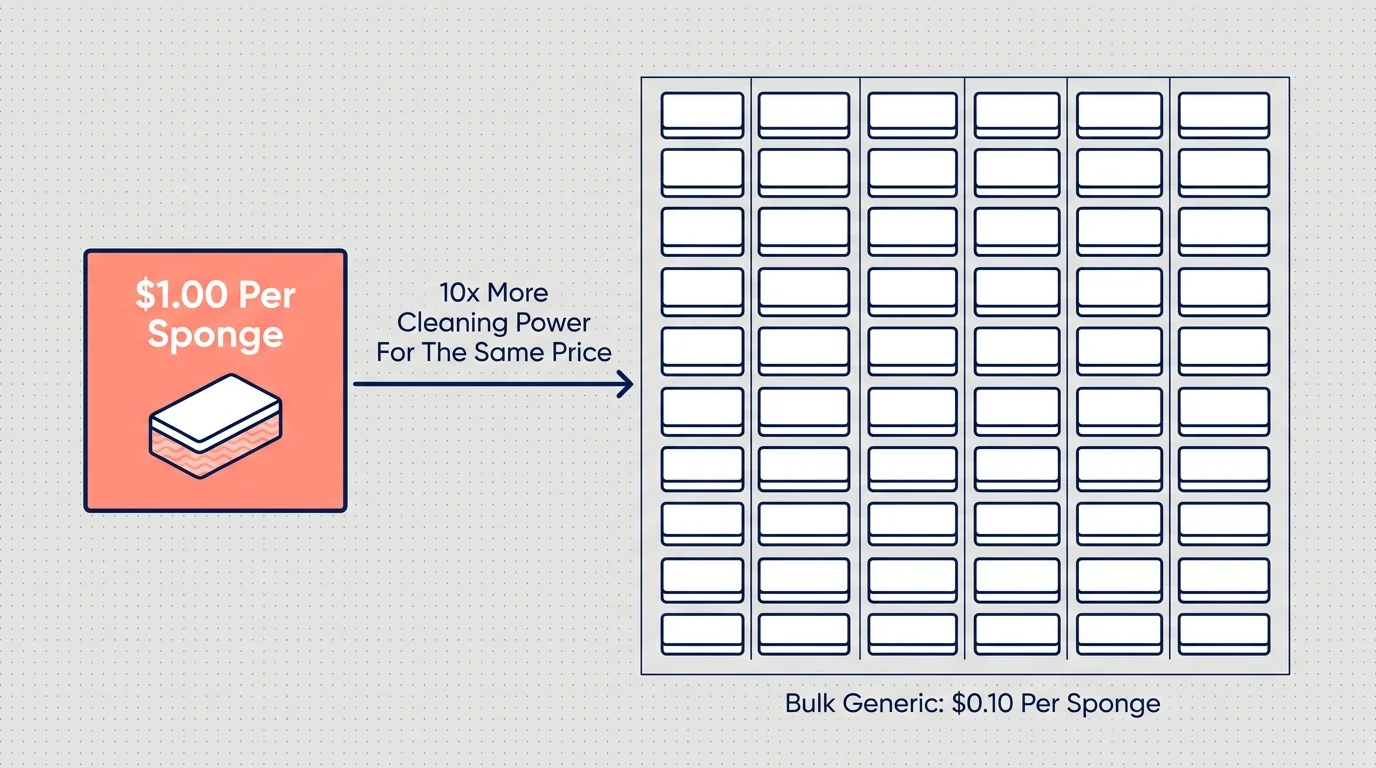
Tip #2: Bulk Melamine Sponges Over Name-Brand Magic Erasers
Cleaning companies heavily market magical white sponges that erase scuff marks from walls and grime from bathtubs. You pay a massive premium for that recognizable brand name and colorful box. Those famous erasers consist entirely of melamine foam, a common abrasive material manufactured in massive global quantities. You can purchase generic melamine sponges in bulk online for roughly ten cents per sponge, compared to the dollar or more you pay for the branded version at the grocery store. These cheap substitutes for costly items perform the exact same cleaning magic because they share the identical chemical composition. Keep a bulk box under your kitchen sink and you will never waste money on branded cleaning blocks again.
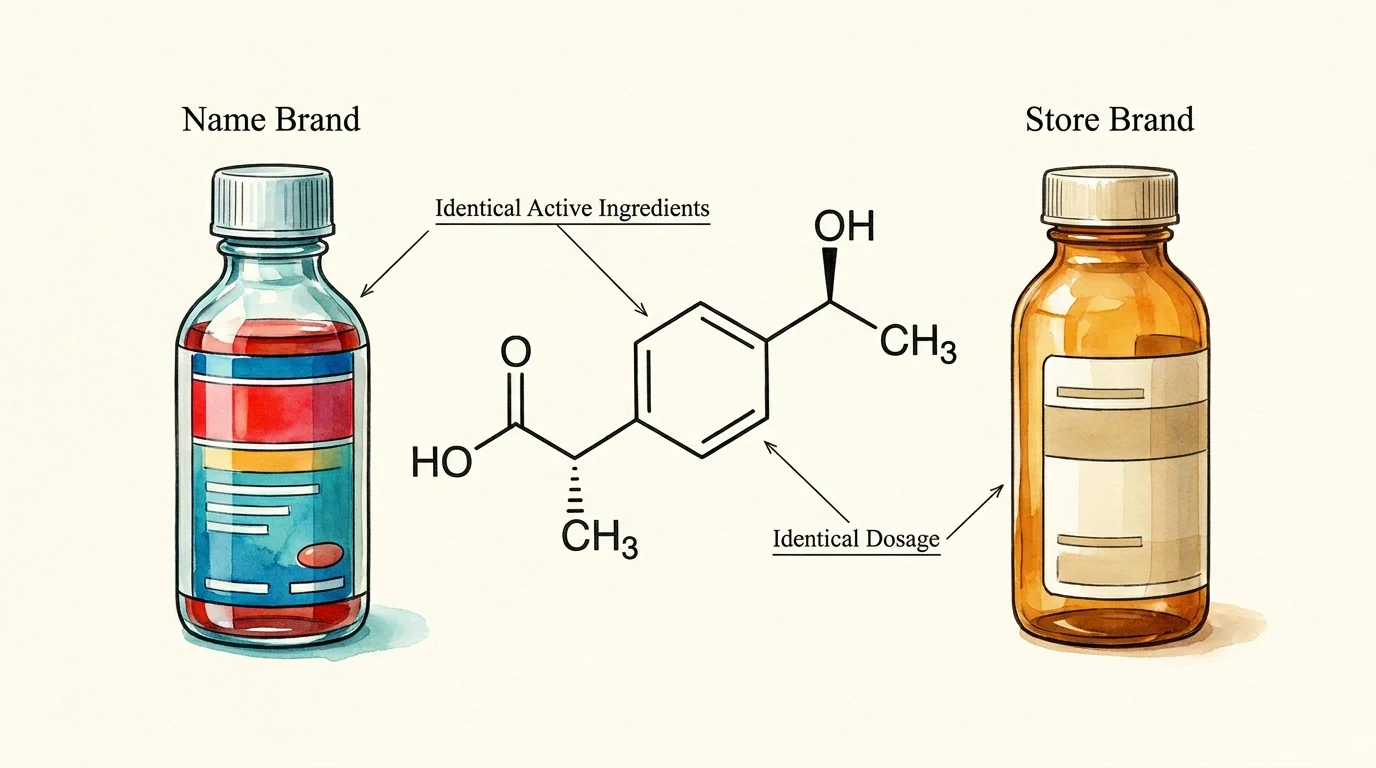
Tip #3: Generic Over-The-Counter Medications Over Premium Pain Relievers
Pharmaceutical companies spend fortunes on television commercials to convince you that their specific brand of ibuprofen or acetaminophen works faster and better than the rest. The law dictates otherwise. The Food and Drug Administration strictly regulates all over-the-counter medications, requiring generic store brands to contain the exact same active ingredients, dosage, and safety profile as their name-brand equivalents. You pay strictly for marketing overhead and fancy packaging when you buy the premium box. Grabbing the pharmacy’s private label version provides identical pain relief and fever reduction at a fraction of the cost. Always compare the active ingredients on the back of the box to confirm you are holding identical medicinal formulations.

Tip #4: Prepaid MVNO Phone Plans Over Major Carrier Contracts
You probably pay too much for cellular service if you maintain a direct post-paid contract with one of the big three telecom giants. Mobile Virtual Network Operators lease excess tower capacity from those exact same major carriers and resell it to you at steeply discounted rates. You get identical coverage, data speeds, and call quality because your smartphone connects to the very same cellular networks you already trust. Companies like Mint Mobile, Visible, and US Mobile offer robust, high-speed data plans for as little as fifteen dollars a month. Many of these modern providers allow you to bring your current phone and keep your existing number seamlessly. By abandoning the prestige of a flagship carrier and their restrictive contracts, you discover that these budget versions of expensive goods function flawlessly for your daily streaming, texting, and mobile browsing needs.
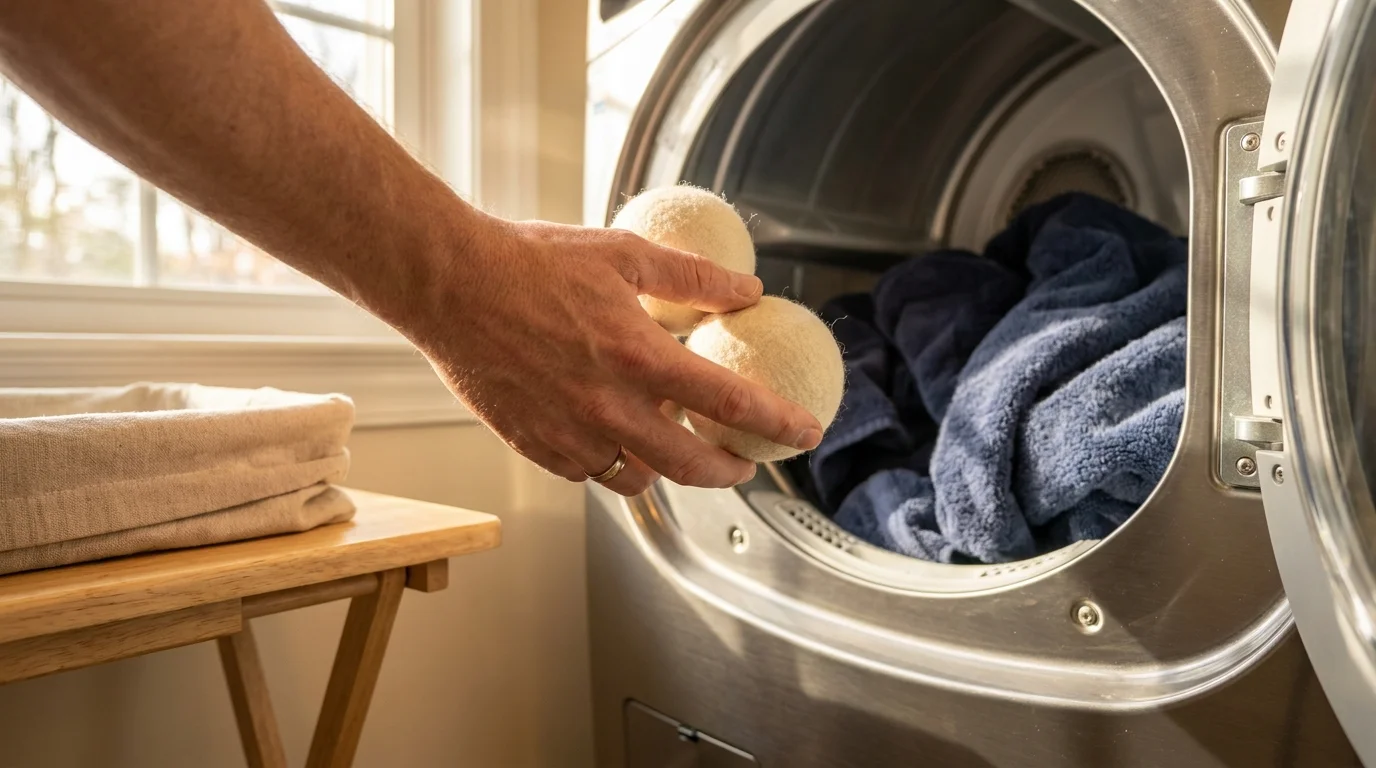
Tip #5: Reusable Wool Dryer Balls Over Disposable Fabric Softener Sheets
Laundry product manufacturers engineered fabric softener sheets as a brilliant recurring revenue stream. You use them once, throw them away, and buy more next month. Furthermore, these sheets coat your clothing and dryer sensors in a waxy residue that degrades fabric breathability over time. You can permanently eliminate this recurring grocery expense by purchasing a set of reusable wool dryer balls. Toss three or four solid wool balls into your dryer load to naturally separate garments, increase hot air circulation, and reduce drying time by up to twenty-five percent. They soften clothes through gentle physical agitation rather than artificial chemical coatings. A single set of wool dryer balls effortlessly lasts for over a thousand loads of laundry.

Tip #6: French Press Brewing Over Expensive Pod-Based Coffee Machines
Convenience comes at a staggering premium in the coffee aisle. Single-serve pod machines command high upfront prices and lock you into buying proprietary plastic capsules. When you calculate the price per pound of coffee inside those tiny pods, you often pay more than fifty dollars per pound for mediocre, stale grounds. A simple glass and steel French press requires zero electricity, takes up minimal counter space, and utilizes fresh whole bean coffee that you grind right before brewing. You completely control the water temperature and steep time, resulting in a significantly richer, more robust cup of coffee than any automated machine can produce. Buying high-quality whole beans by the bag saves you a small fortune compared to the daily financial drip of pod-based expenses. Plus, you eliminate the daily environmental guilt of tossing single-use plastics into the trash.

Tip #7: Classic Cast Iron Skillets Over High-End Non-Stick Pans
Kitchen supply stores constantly push modern, ceramic, and Teflon-coated pans as must-have culinary innovations. The dark secret of the cookware industry is that all chemical non-stick coatings inevitably degrade, scratch, and lose their slickness, forcing you to replace expensive pans every few years. A traditional cast iron skillet provides a permanent solution to this wasteful cycle. For less than thirty dollars, you secure a heavy-duty pan that naturally builds a non-stick surface through routine seasoning and cooking. Cast iron retains heat beautifully, sears meat perfectly, and effortlessly transitions from the stovetop directly into the hot oven. Instead of continuously renting fragile modern cookware, invest once in cast iron and pass it down to your grandchildren.

Tip #8: Drugstore Dermatological Skincare Over Luxury Beauty Creams
Department store beauty counters thrive on selling hope inside tiny, jeweled jars. Luxury skincare brands charge hundreds of dollars for moisturizers and serums, masking basic ingredients behind exotic botanical claims and heavy perfumes. Dermatologists consistently recommend affordable drugstore brands like CeraVe, Cetaphil, and The Ordinary because they prioritize scientifically proven active ingredients over flashy marketing campaigns. Powerful compounds like hyaluronic acid, ceramides, and retinoids work exactly the same way on your skin regardless of the brand name printed on the plastic bottle. By ignoring the luxury aura of high-end department stores, you unlock potent, effective skincare that respects your household budget and delivers measurable clinical results.
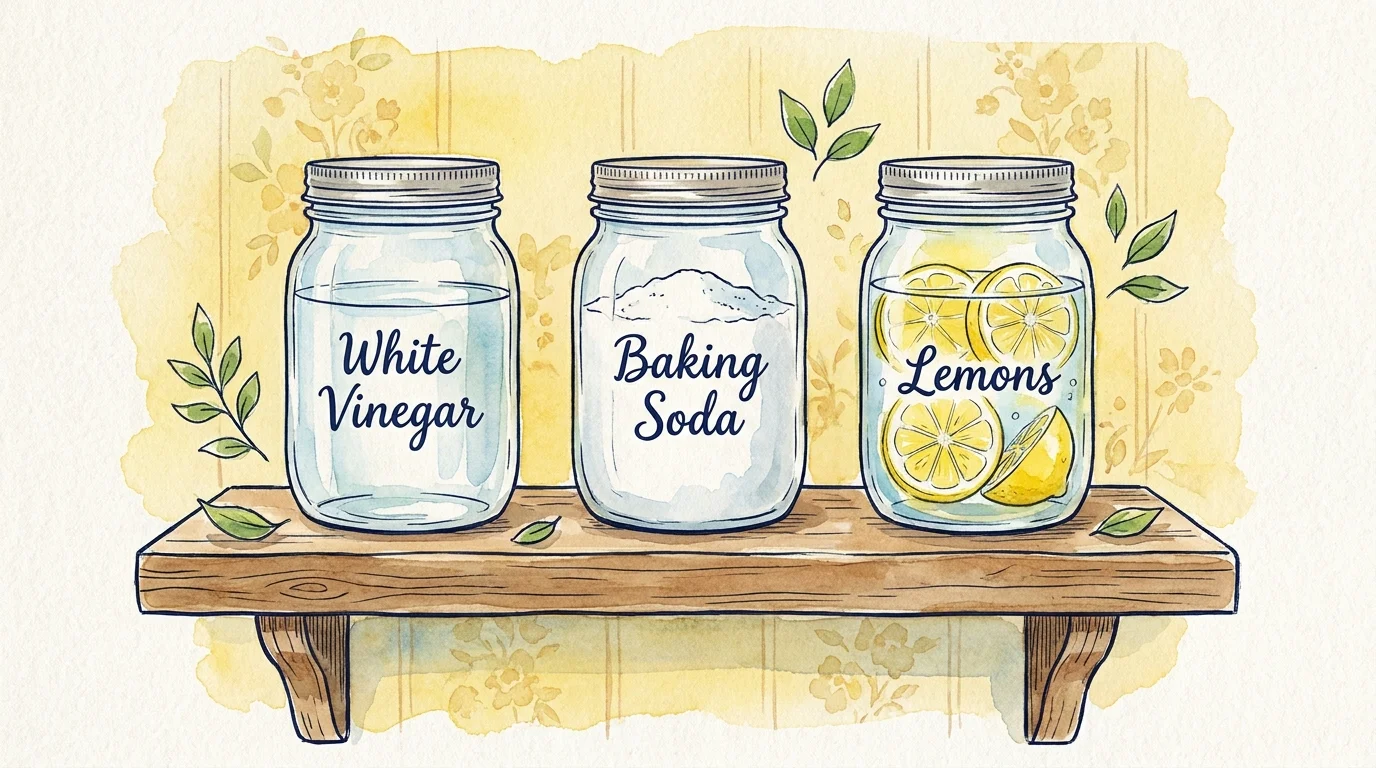
Tip #9: Vinegar and Baking Soda Over Specialized Chemical Cleaners
The supermarket cleaning aisle features a dizzying array of brightly colored sprays tailored for every specific room and surface in your house. You pay heavily for mostly water, artificial fragrances, and single-use plastic bottles. You can tackle almost every household cleaning task using simple white vinegar and basic baking soda. Vinegar acts as a powerful natural degreaser and glass cleaner, cutting through kitchen grime and bathroom mineral deposits with ease. Baking soda provides gentle, non-scratching abrasion for scrubbing porcelain sinks, tubs, and dirty grout lines. Mixing these raw ingredients empowers you to sanitize your home effectively without inhaling harsh synthetic fumes. They stand out as some of the most reliable frugal alternatives to expensive commercial chemical solutions available today.

Tip #10: Simple Bidet Attachments Over Premium Plush Toilet Paper
Paper companies continually invent new textures, layers, and quilted patterns to justify raising the price of premium toilet paper. Americans literally flush billions of dollars down the drain every year on this single-use paper product. Installing a basic bidet attachment on your toilet revolutionizes your bathroom hygiene and drastically cuts your paper consumption. A high-quality bidet attachment costs under forty dollars and takes less than ten minutes to install without requiring any specialized plumbing knowledge or electrical outlets. Using a targeted stream of fresh water cleans you far more effectively than dry abrasive paper ever could. You will immediately reduce your household toilet paper usage by up to eighty percent, allowing the device to pay for itself in a matter of a few short months.

Tip #11: Silicone Baking Mats Over Disposable Parchment Paper
Avid home bakers burn through rolls of aluminum foil and parchment paper at an alarming rate. These disposable kitchen products prevent food from sticking and simplify cleanup, but their constant replacement quietly drains your grocery budget. Reusable silicone baking mats offer a vastly superior and more economical solution. These flexible, heat-resistant mats fit perfectly inside standard half-sheet baking pans and provide a flawless non-stick surface for roasting vegetables, baking cookies, and kneading sticky dough. After cooking, you simply wash the mat with warm soapy water and roll it up for compact storage. A single silicone baking mat eliminates the need for hundreds of feet of disposable parchment paper over its multi-year lifespan.
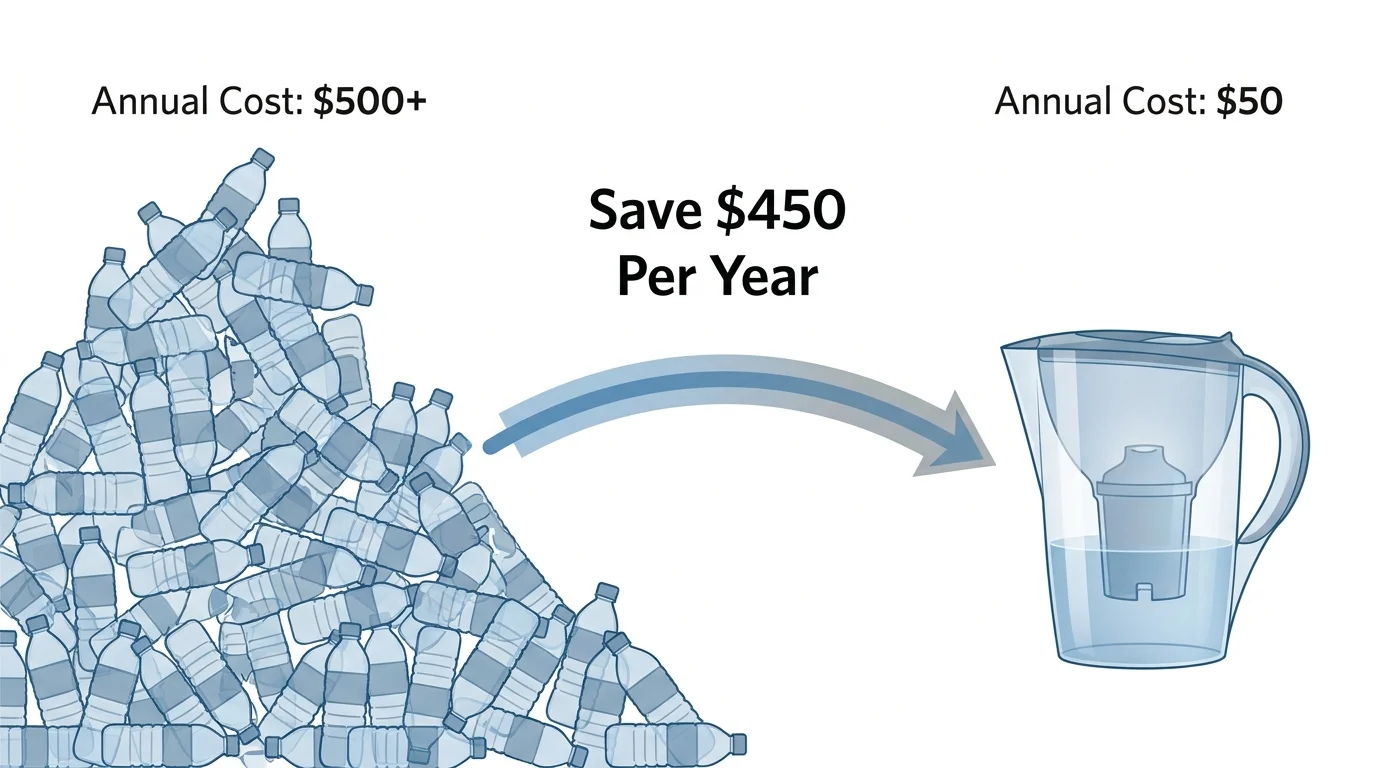
Tip #12: High-Quality Water Filters Over Single-Use Bottled Water
Bottled water companies do not actually produce water; they produce plastic bottles. When you purchase heavy cases of bottled water, you pay a massive markup for a natural resource that flows practically free from your kitchen tap. Many popular bottled water brands merely run municipal tap water through an industrial reverse osmosis filter before bottling it and shipping it to stores. You can easily replicate this exact process at home by investing in a high-quality water filter pitcher or a simple under-sink filtration system. Filtering your own tap water removes chlorine, heavy metals, and off-tasting impurities, providing you with crisp, clean drinking water for fractions of a penny per gallon.

Tip #13: Free Library Streaming Apps Over Premium Video Subscriptions
Digital entertainment budgets easily spiral out of control when you stack multiple monthly subscriptions for Netflix, Hulu, Max, and Disney. You probably already fund an incredible, ad-free streaming service through your local municipal taxes. Public library systems across the country partner with digital platforms like Kanopy and Hoopla to offer patrons thousands of blockbuster movies, critically acclaimed documentaries, and popular television shows absolutely free of charge. You only need an active library card to download these secure apps to your smart television, smartphone, or tablet. Exploring these hidden municipal benefits allows you to cancel at least one or two premium streaming subscriptions without sacrificing your weekend movie nights.
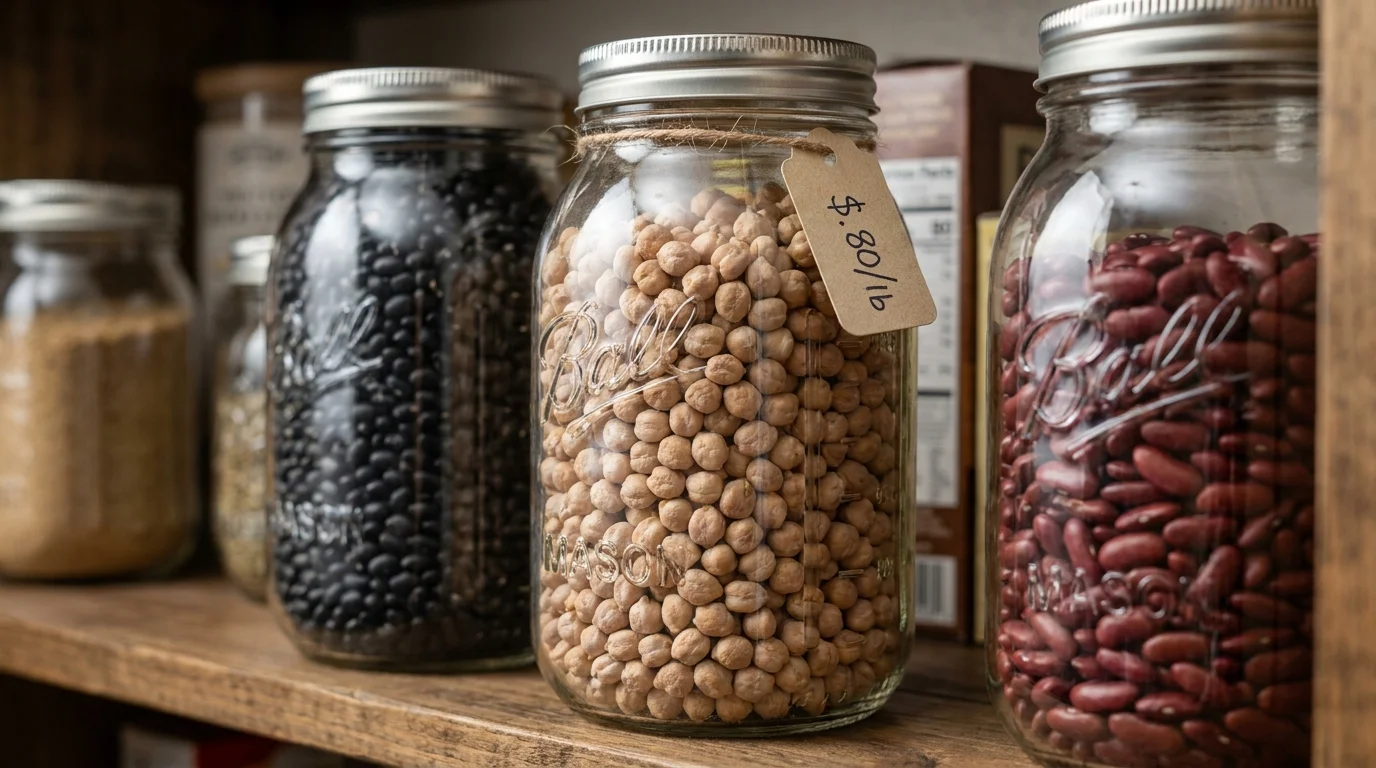
Tip #14: Bulk Dried Beans Over Pre-Cooked Canned Varieties
Canned beans offer undeniable kitchen convenience, but you pay a hidden premium for the added water, the tin can, and the heavy shipping weight. If you want to master frugal grocery shopping, pivot to purchasing bulk dried beans and legumes. A one-pound bag of dried black beans costs roughly the same as a single fifteen-ounce can, but the dried bag yields more than three times the amount of cooked food. Furthermore, preparing your own beans allows you to control the exact sodium content and infuse the cooking water with aromatics, fresh garlic, and robust spices for vastly superior flavor. Modern countertop appliances like electric pressure cookers make preparing unsoaked dried beans a rapid, completely hands-off process that takes less than an hour.
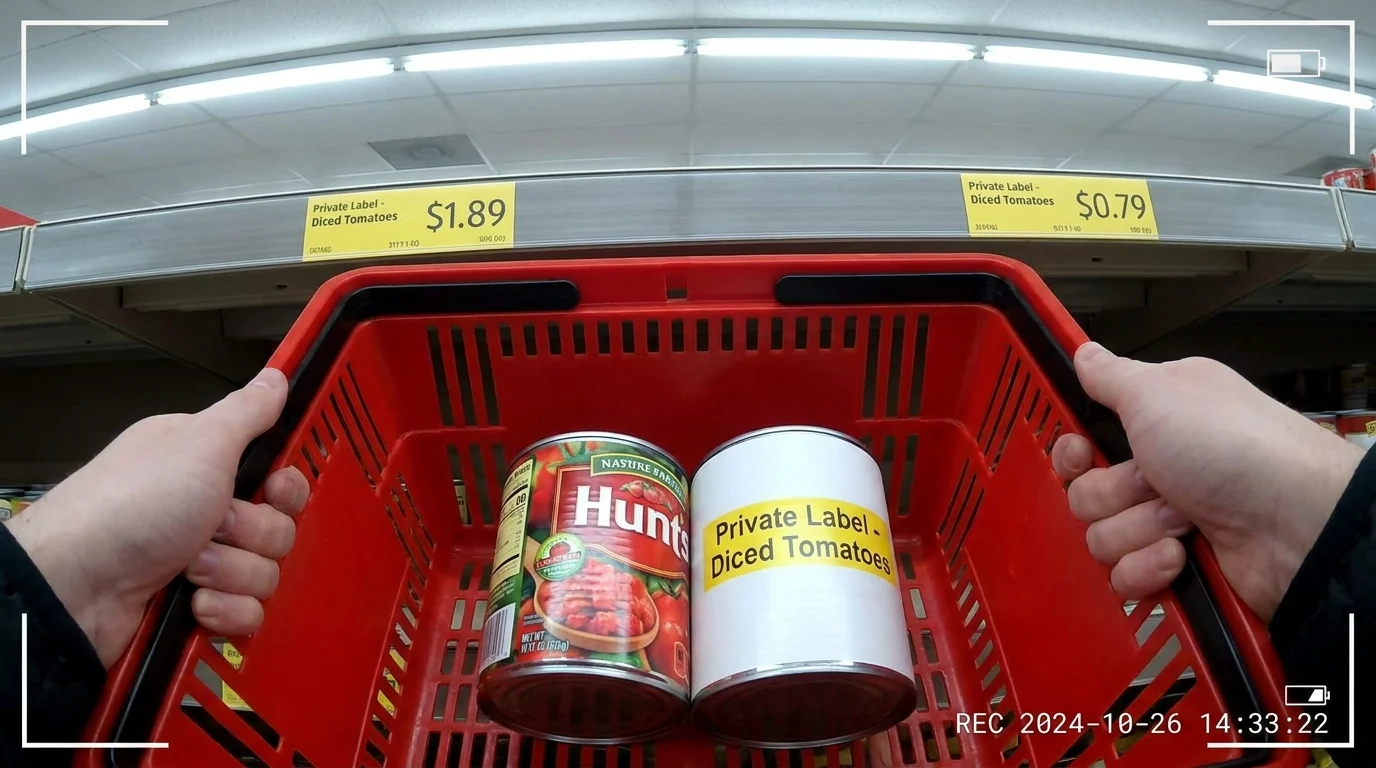
Tip #15: Private Label Pantry Staples Over National Grocery Brands
National food brands invest heavily in colorful packaging and eye-catching endcap store displays to convince you their basic ingredients taste better. The reality of commercial food manufacturing reveals that raw commodities like all-purpose flour, granulated sugar, table salt, and basic spices vary very little from brand to brand. In many cases, regional grocery chains contract the exact same manufacturing facilities used by national brands to package their private label store brands. Choosing the generic bag of rice or store-brand rolled oats instantly shaves twenty to thirty percent off your grocery receipt. You cannot taste the difference in your home-baked goods, but you will absolutely notice the difference in your monthly bank account balance.

The Bottom Line: What This Means for Your Wallet
Intelligent spending does not require you to adopt a lifestyle of extreme deprivation or sacrifice the comforts you genuinely enjoy. True financial savvy involves recognizing the aggressive retail marketing tactics designed to separate you from your hard-earned money and making informed, strategic product substitutions. Incorporating these fifteen affordable alternatives into your daily routine fundamentally alters your baseline living expenses. When you permanently stop paying a premium for luxury brand names, disposable convenience, and fancy packaging, you reclaim hundreds of dollars each month. You can confidently redirect those substantial savings toward building a robust emergency fund, paying down high-interest credit card debt, or investing aggressively for your future. Consistently choosing practical value over consumer vanity serves as the ultimate cornerstone of successful long-term wealth building.
Frequently Asked Questions
Are generic products truly identical to name-brand items?
In highly regulated industries like over-the-counter medications, generic products must contain the exact same active ingredients in the exact same dosages as their name-brand counterparts. For food and household goods, generics frequently roll off the identical manufacturing assembly lines as premium products, differing only in the printed label and the significantly lower price tag.
Do reusable alternatives actually save money despite their higher upfront costs?
Yes. Products like traditional safety razors, solid cast iron skillets, and silicone baking mats require a slightly higher initial cash outlay compared to their cheap disposable counterparts. However, their extreme durability eliminates the ongoing need for constant repurchasing, allowing them to pay for themselves rapidly and generate pure financial savings for years thereafter.
Is it worth the extra effort to make household cleaners from scratch?
Mixing basic white vinegar and baking soda requires mere seconds and costs practically nothing per use. Considering standard commercial chemical cleaners frequently cost five to eight dollars per spray bottle, taking thirty seconds to prepare a natural cleaning solution at home provides an incredibly high return on your invested time.
How can I identify which premium products are actually worth paying for?
Reserve your premium spending for specialized items where quality drastically impacts your personal safety, structural integrity, or significant longevity. Items like quality winter boots, supportive mattresses, and specialized safety equipment often justify higher retail prices. Conversely, heavily marketed daily consumables, disposable paper goods, and basic pantry staples remain prime candidates for aggressive frugal substitution.
For consumer protection information, visit the Federal Trade Commission (FTC) and the Consumer Financial Protection Bureau (CFPB). For product safety and reviews, consult Consumer Reports.
Disclaimer: This article is for informational purposes only and does not constitute financial advice. The content reflects the author’s opinion and research at the time of writing. Always do your own research before making financial decisions.






Leave a Reply