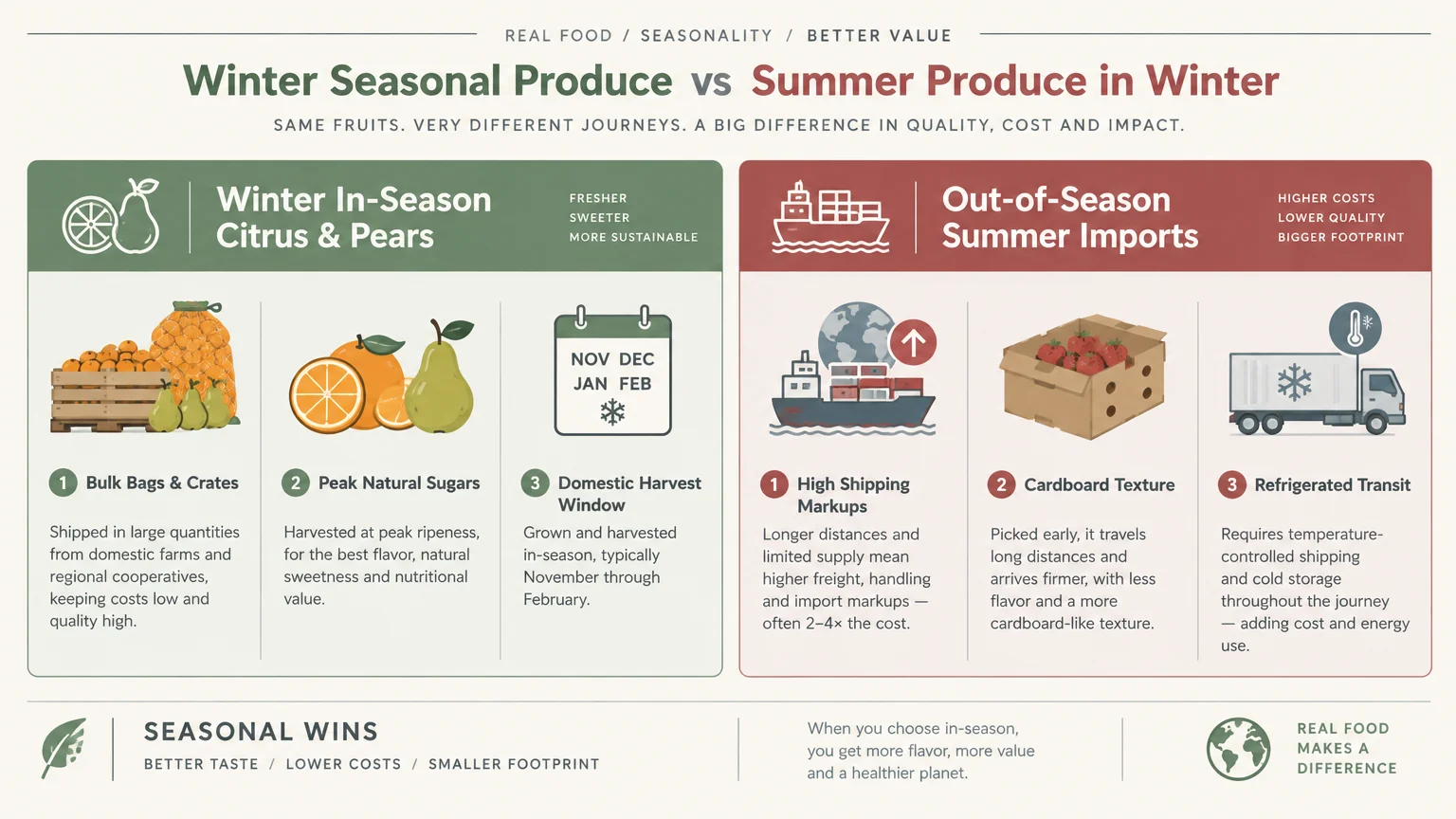
Stop buying tasteless, cardboard strawberries and rock-hard peaches in January. Supermarkets charge premium prices for out-of-season summer produce that traveled thousands of miles in refrigerated shipping containers.
When you pivot to seasonal produce winter items, you get peak natural sugars and rock-bottom prices. Winter fruits thrive in chilly conditions, delivering explosive juiciness that summer harvests cannot match.
This comprehensive winter fruit list reveals the ten smartest grocery picks to upgrade your daily diet and slash your produce bill before spring arrives.
Tip #1: Navel Oranges
Supermarkets trick shoppers into viewing oranges as a generic, year-round staple. In reality, domestic citrus season hits its absolute zenith between December and March.
California navels harvest during the winter chill, which triggers intense sugar production within the fruit. You get luscious, honeyed sweetness instead of the watery sourness typical of off-season summer imports.
Grocery chains frequently discount eight-pound bulk bags during the January harvest surge to clear inventory. Buying these economy sacks drops the unit price drastically compared to individual loose fruit.
Look for specimens that feel dense and heavy in your palm. A heavy navel orange signals packed juice vesicles, while a featherlight fruit indicates a dried-out, pithy interior.
Avoid oranges with spongy skins or deep green tinges around the stem end. Minor surface scarring or wind blemishes do not hurt the flesh, so ignore cosmetic flaws to spot markdowns.
Never store your oranges sealed inside plastic grocery bags. Trapped ambient humidity breeds green mold rapidly; keep them loose in a cool pantry or your refrigerator crisper.
If an orange feels slightly firm, leave it at room temperature for two days to soften its interior juice sacs before peeling. Cold citrus straight from the fridge numbs your taste buds and masks natural sweetness.
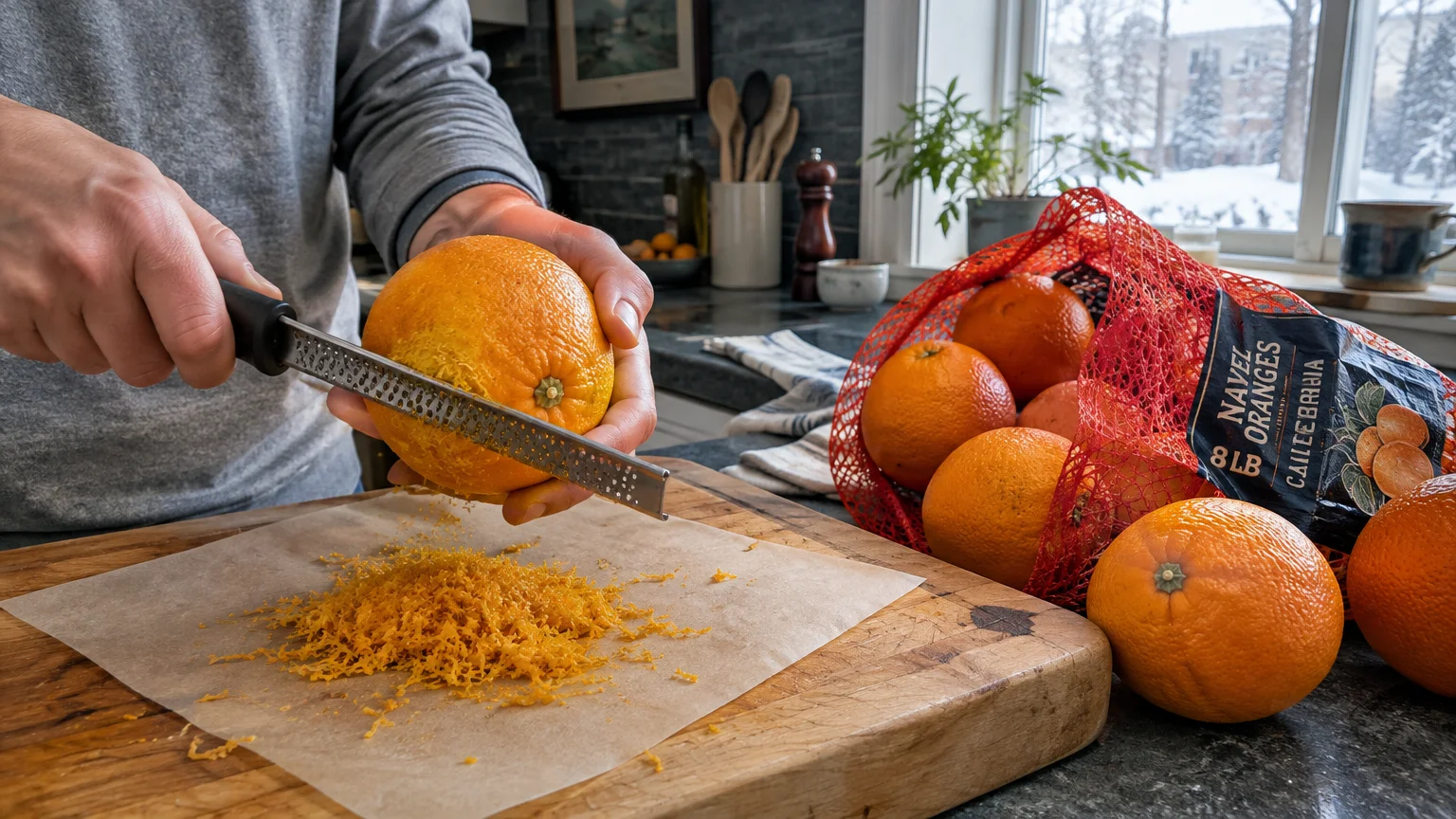
Zest the entire rind before peeling and eating the fruit. Freeze the aromatic zest in small containers to season baked goods, marinades, and grain bowls for months without spending an extra dime.
Tip #2: Pomegranates
Pre-packaged plastic cups of pomegranate arils represent one of the most egregious markups in the produce department. Grocers routinely charge five dollars for a tiny four-ounce tub of pre-extracted seeds.
Buying whole winter fruits bypasses that retail convenience tax entirely. A single whole pomegranate yields two to three times the edible arils found in those overpriced plastic containers.
American pomegranates hit their prime ripeness from late autumn through January. During this window, arils burst with tart, complex juice loaded with polyphenols and natural sugars.
Ignore smooth, perfectly spherical pomegranates. You want flattened, angular sides where the swelling arils have pressed firmly against the internal rind walls.
The fruit should feel surprisingly heavy for its size, like a solid baseball. That weight guarantees plump, liquid-filled seeds rather than shriveled pulp.
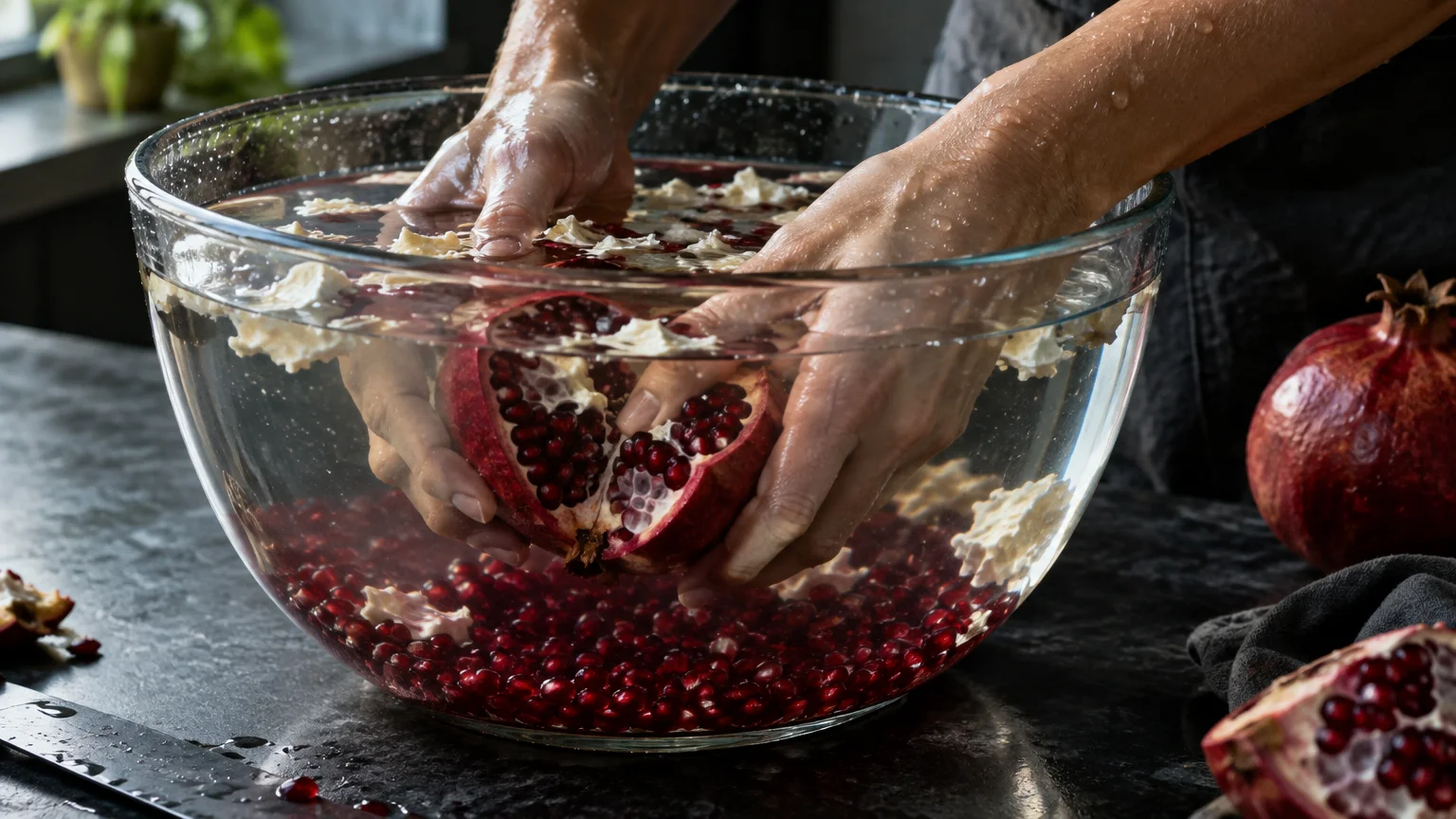
Avoid the messy splatter horror stories by opening the fruit submerged in a bowl of cool water. Score the skin, break the segments apart under water, and watch the ruby seeds sink while the white pith floats.
Whole unpeeled pomegranates maintain pristine freshness in your refrigerator crisper for up to two full months. Buy several when grocers discount them after the winter holidays.
Spread excess arils on a baking sheet, freeze them solid, and transfer them into an airtight container. They make vibrant, budget-friendly additions to salads, oatmeal, and sparkling water all winter long.
Tip #3: Winter Pears
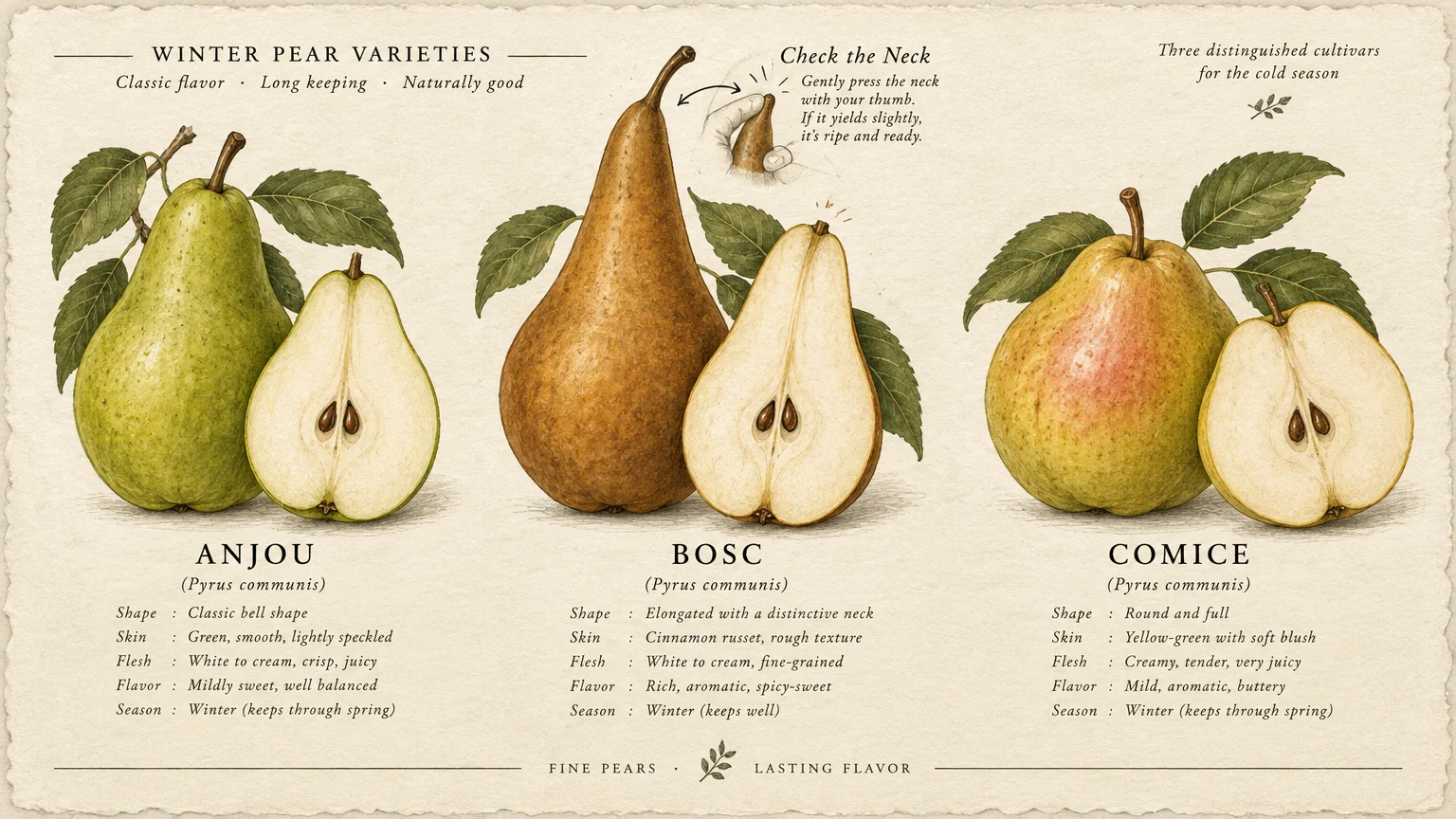
Summer pears like Bartletts disappear by late autumn, making room for denser winter varieties like Anjou, Bosc, and Comice. These late-harvest cultivars are engineered by nature for cold storage and winter eating.
Most shoppers ruin pears because they expect the fruit to ripen on the grocery display table. Pears ripen from the inside out only after growers transfer them out of cold storage.
If you wait for the outer skin of an Anjou pear to soften completely, the interior core turns to brown, unpalatable mush. Check the neck near the stem instead.
Apply gentle pressure to the fruit neck using your thumb. If the flesh yields slightly under moderate pressure, the pear is sweet, buttery, and ready to slice.
Bosc pears feature a rough, russeted bronze skin that turns many casual buyers away. That textured brown skin hides an intensely sweet, honey-flavored flesh that holds its structure when poached or baked.
Buy firm, hard pears in bulk at promotional winter prices. Keep the batch in your refrigerator, then bring out two or three at a time to ripen on the counter over four days.
To speed up the ripening timeline, toss a pear into a paper bag alongside an ethylene-emitting banana. The trapped natural gases trigger rapid sugar development within forty-eight hours.
Thinly slice firm winter pears into savory dishes like arugula salads, grilled cheese sandwiches, or roasted root vegetable medleys. Their crisp sweetness balances pungent cheeses without requiring expensive specialty spreads.
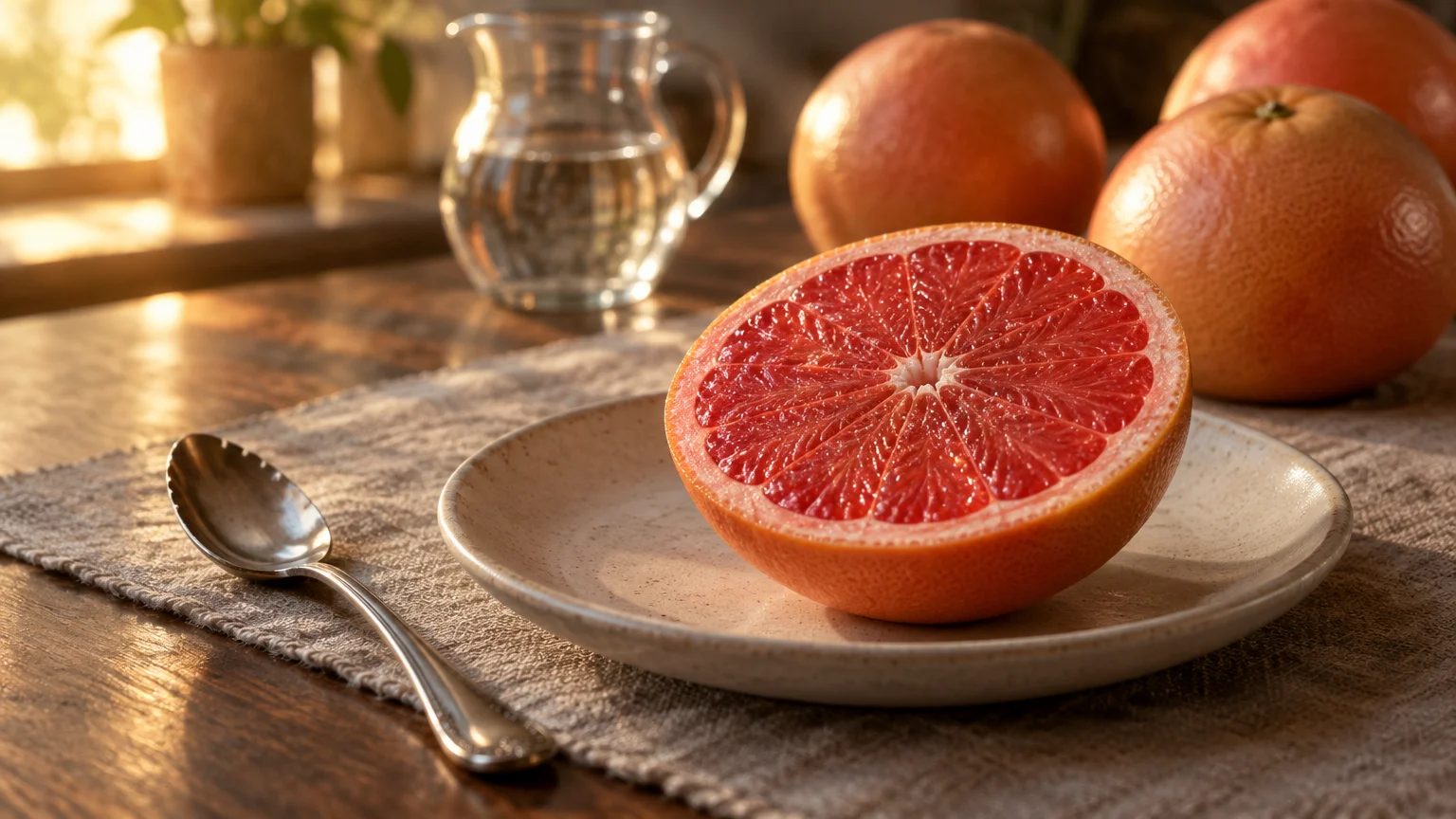
Tip #4: Ruby Red Grapefruit
If you think grapefruit tastes bitter and sour, you have likely been eating off-season fruit harvested before its sugars peaked. Winter is the true golden era for Texas and Florida grapefruit groves.
Midwinter sunshine and cold nights convert bitter naringin compounds into natural sucrose. Peak winter grapefruit delivers sweet, floral juice that requires zero sprinkled table sugar.
Commercial growers sort grapefruits aggressively by cosmetic standards. Smooth, perfectly round, flawless globes command premium tier pricing in boutique specialty markets.
Smart budget shoppers look for slightly flattened, oval specimens with thin skins. Round, thick-skinned grapefruits contain excessive white pith and deliver significantly less edible pulp.
Feel the weight in your hands compared to neighboring fruit of identical size. The heavier specimen holds more juice per square inch, maximizing your return on investment.
Supermarket managers frequently bundle five-pound bags of Rio Red or Star Ruby grapefruits at steep discounts during January health promotions. Grab these value bags rather than paying per-pound loose rates.
Segment your grapefruit over a glass bowl to catch every drop of sweet winter juice. Discard the bitter internal membranes, which contain the astringent compounds that turn people off.
Whole grapefruits store comfortably on your counter for a week or in the crisper drawer for an entire month. Use leftover juice in salad dressings as a vibrant substitute for expensive wine vinegars.
Tip #5: Persimmons
Persimmons remain an intimidating mystery to average supermarket shoppers, creating great markdown opportunities for savvy buyers. Knowing the difference between the two dominant types unlocks an exceptional winter delicacy.
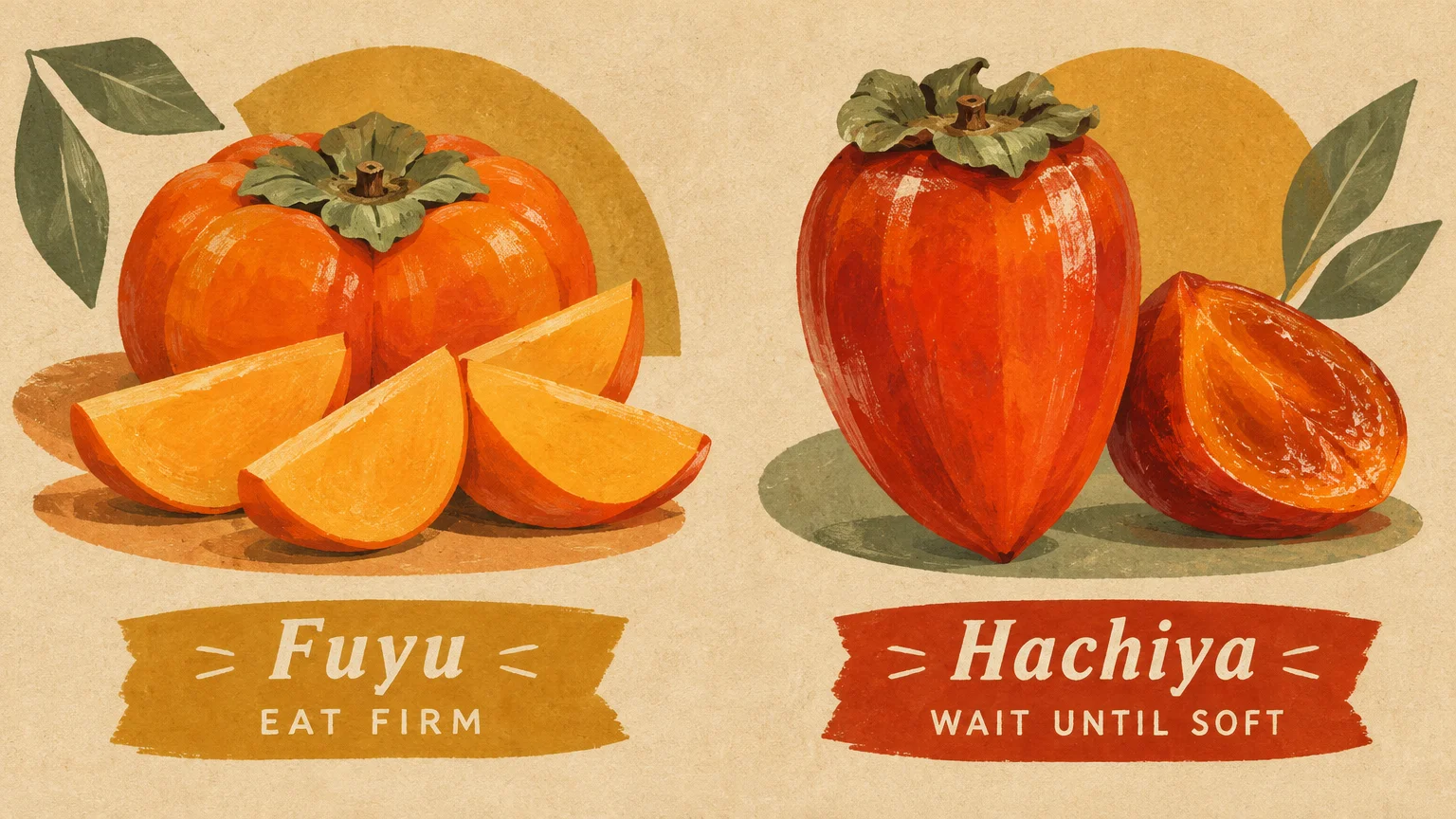
Fuyu persimmons resemble squat, orange heirloom tomatoes and are completely non-astringent. You can eat them crisp like an apple, skin and all, while they are still firm.
Hachiya persimmons feature an elongated, acorn-like shape and contain high concentrations of astringent tannins. If you take a bite of an unripe Hachiya, your mouth will turn instantly dry and chalky.
Hachiyas must soften until they feel like water balloons filled with sweet jelly. Once completely soft, scoop out the interior pulp, which tastes like spiced pumpkin custard.
Winter produce displays often lump these two varieties together or mislabel them completely. Check the bottom profile: flat bottoms indicate crisp Fuyus, while pointed cone bottoms indicate custard Hachiyas.
Hit Asian international markets or ethnic grocery outlets to find persimmons priced far below mainstream supermarket rates. Mainstream grocers treat persimmons as luxury items, inflating prices by massive margins.
Look for deep, uniform orange-red coloration across the skin. Avoid specimens with large yellow patches, which indicate premature harvesting before natural tree sugars fully matured.
Puree overripe Hachiyas to replace refined sugar and oil in winter muffin and bread batters. Slice firm Fuyus thinly onto cheese boards to replace costly imported dried figs.
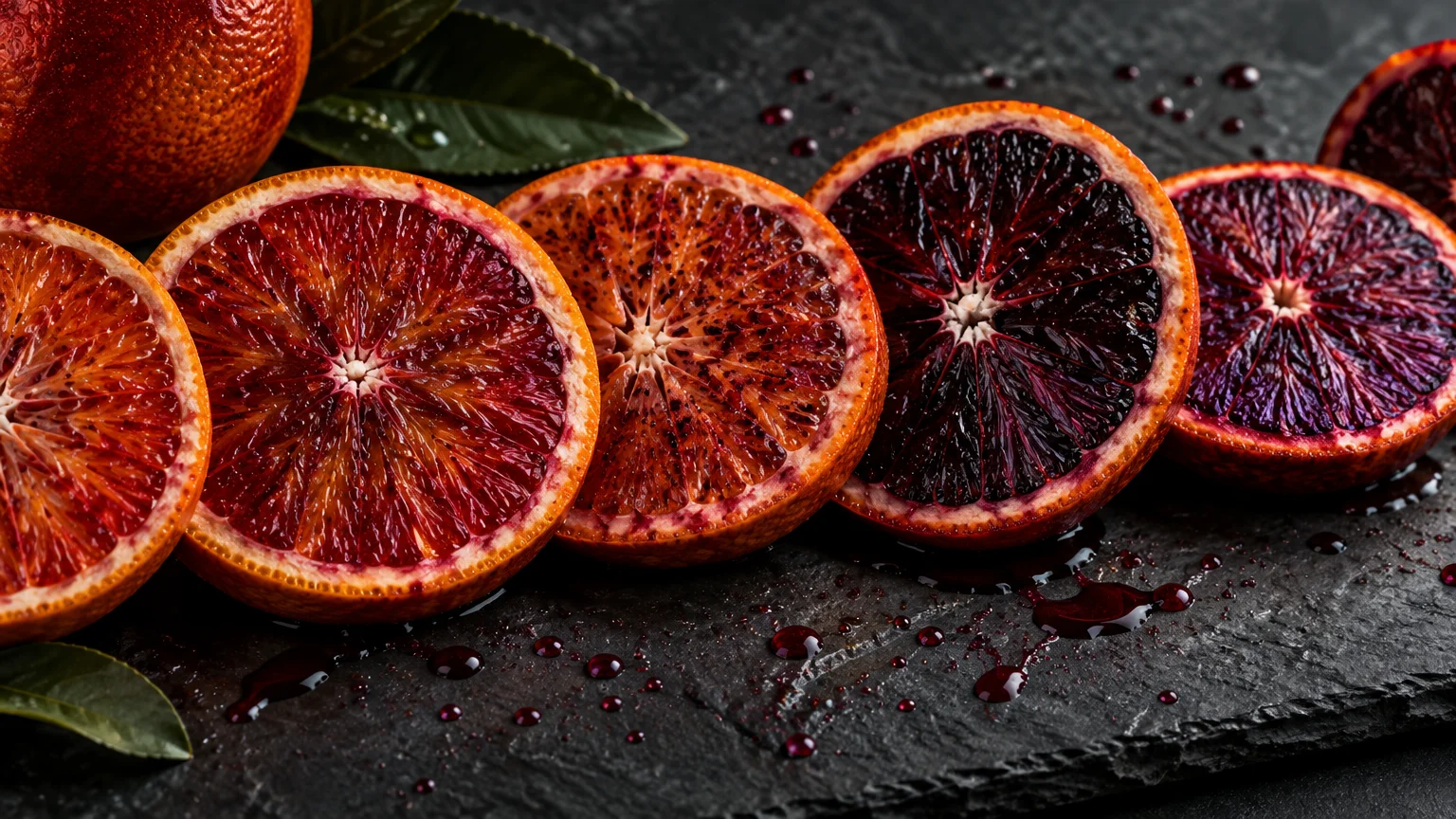
Tip #6: Blood Oranges
Blood oranges feature dark crimson flesh created by anthocyanins, the same powerful antioxidants found in blackberries and cherries. These pigments develop exclusively when citrus groves experience warm sunny days and brisk, freezing nights.
That cold-weather climate phenomenon makes blood oranges a premier member of any seasonal produce winter roster. You cannot replicate their complex raspberry-tinged citrus profile during the summer months.
Moro is the most common winter variety, known for its deep violet interior and bold, tart-sweet bite. Tarocco oranges offer a slightly milder sweetness and higher vitamin C levels, though their skin shows less blush.
Do not judge a blood orange by the redness of its outer peel. A completely orange peel can hide an inky purple interior, while a heavily blushed peel may reveal lighter flesh.
Focus your selection criteria on firmness and heft. Spongy or dry rinds signal fruit that sat in commercial packing houses too long after harvest.
Specialty grocers love marketing blood oranges at ridiculous luxury prices. Save money by shopping at regional farm stands or ethnic produce grocers who sell them by the bulk pound.
Squeeze fresh blood orange juice to elevate cheap sparkling water into an artisanal cocktail alternative. The deep ruby hue creates stunning presentation without buying artificial mixers or flavored syrups.
The zest of a blood orange contains floral essential oils distinct from standard navel oranges. Grate the rind into home vinaigrettes to cut the fat of rich winter roasts and braised meats.
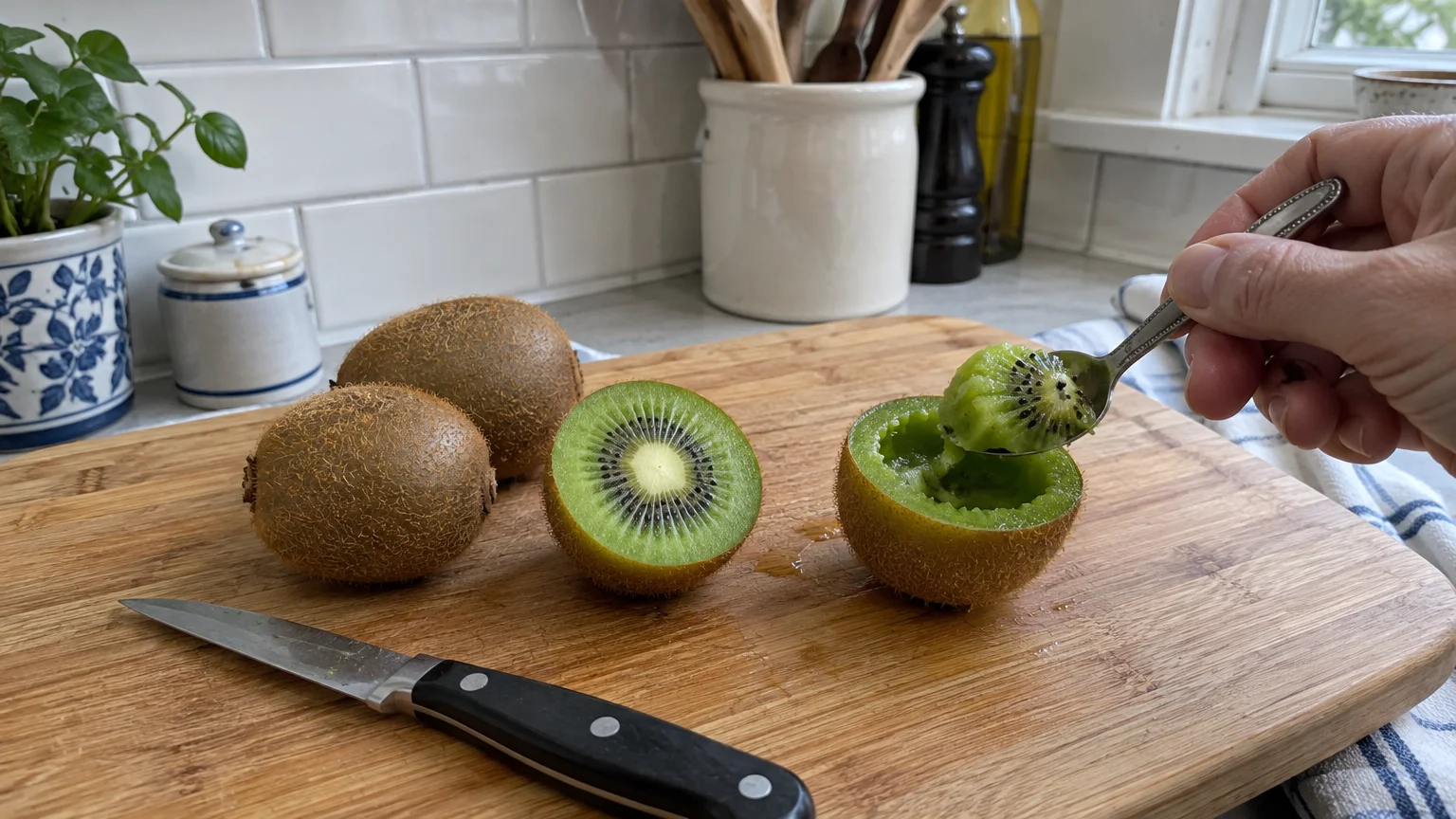
Tip #7: Kiwifruit
Most consumers associate fuzzy green kiwifruit with tropical summer smoothies. In North America, the domestic kiwi crop harvests in California throughout late autumn and floods stores across the winter months.
Buying domestic kiwifruit in winter costs significantly less than buying Southern Hemisphere imports during July. You receive fresher fruit that spent days in transit rather than weeks inside refrigerated cargo ships.
Kiwis deliver more vitamin C per ounce than standard oranges, along with robust dietary fiber and potassium. They serve as an economical superfood when winter colds circulate through your workplace or household.
Test for ripeness by pressing the exterior gently between your thumb and forefinger. A ripe kiwi yields to light pressure; rock-hard kiwis need three days in a fruit bowl at ambient room temperature.
Never throw away kiwis that have developed slightly wrinkled skins. A lightly wrinkled skin often indicates concentrated sugars and maximum sweetness, provided the flesh beneath has not fermented.
Stop wasting time and edible fruit flesh with a vegetable peeler. The fuzzy brown skin is completely edible, loaded with gut-friendly prebiotic fiber, and washes clean under warm running water.
If you dislike the fuzzy texture, slice the kiwi in half crosswise and scoop out the sweet emerald flesh using a common soup spoon. This technique preserves every drop of juice and eliminates cutting board mess.
Kiwifruit contains actinidin, an active natural enzyme that breaks down tough animal proteins. Mash a bruised kiwi over budget cuts of flank steak or pork loin to create an ultra-tender meat marinade.
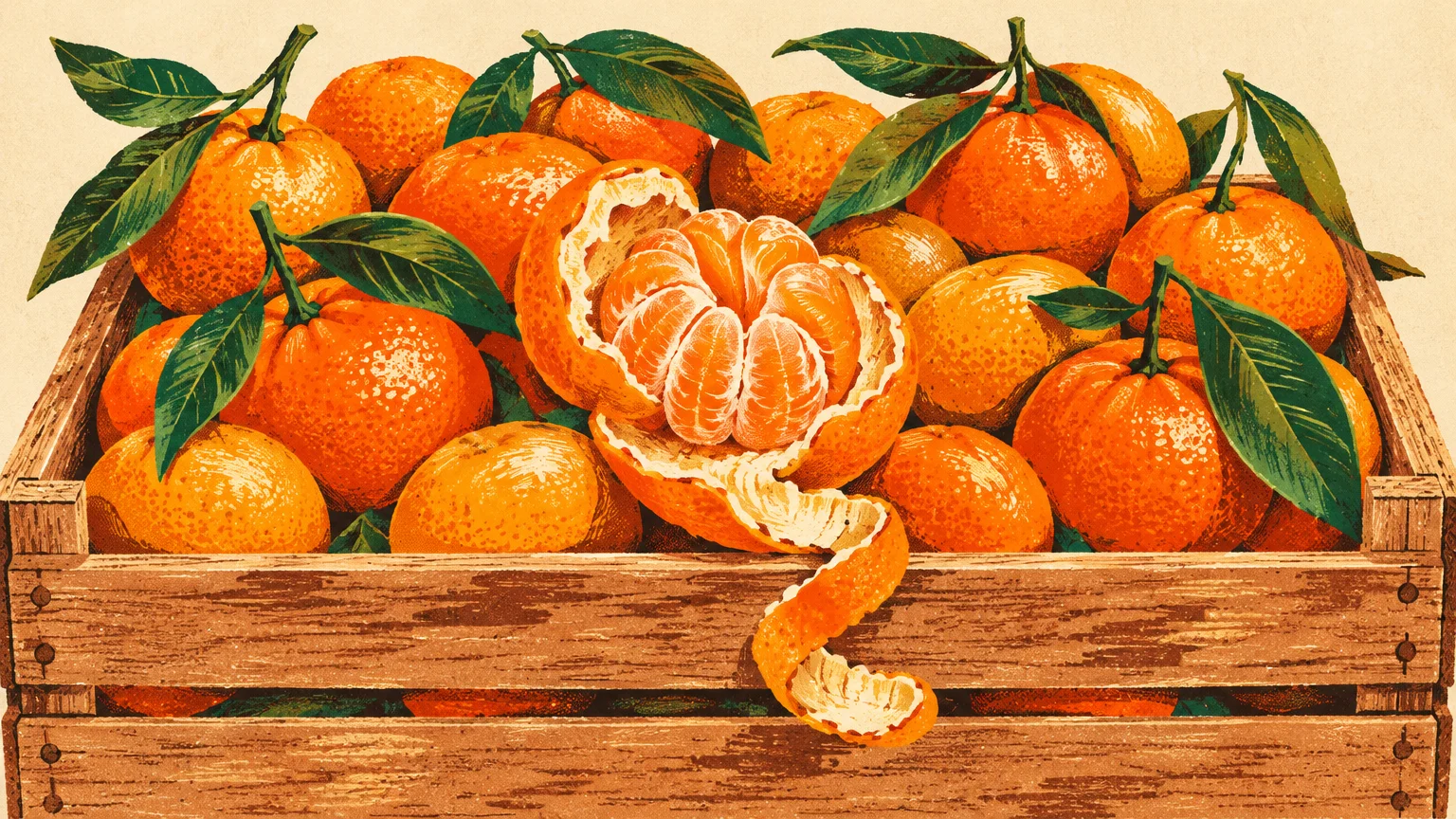
Tip #8: Mandarins and Clementines
Those bright wooden crates and netted sacks of mandarins filling grocery store entrances are quintessential winter fruits. Clementines, Satsumas, and Page mandarins peak between November and February, offering loose rinds and seedless convenience.
Corporate branding creates the illusion that names like Cuties or Halos represent unique fruit species. They are simply trademarked brand names that package standard clementines and W.
Murcott mandarins.
Check the actual botanical variety printed in small text on the netted bag label. Satsuma mandarins offer the absolute sweetest flavor profile and easiest peel, making them the superior choice when available.
Inspect bulk netted bags with vigilance before dropping them into your grocery cart. A single squished or moldy mandarin in the center will infect the entire five-pound sack within three days.
Choose fruit that feels firm with loose, baggy skin that pulls away effortlessly from the segments. Avoid mandarins with stiff, tight skins that cling tenaciously to the fruit pulp.
As winter progresses into February, monitor bulk sales as grocers push to liquidate excess citrus inventory. You can regularly find multi-pound boxes marked down by half price.
Store your mandarins loose in an open wire basket where cool air circulates around every piece. Plastic wrappers trap moisture and accelerate mold growth faster than dry room air.
Mandarin segments freeze beautifully on a parchment sheet for healthy, bite-sized frozen treats. Their intense winter sweetness satisfies late-night sugar cravings without opening expensive ice cream cartons.
Tip #9: Meyer Lemons
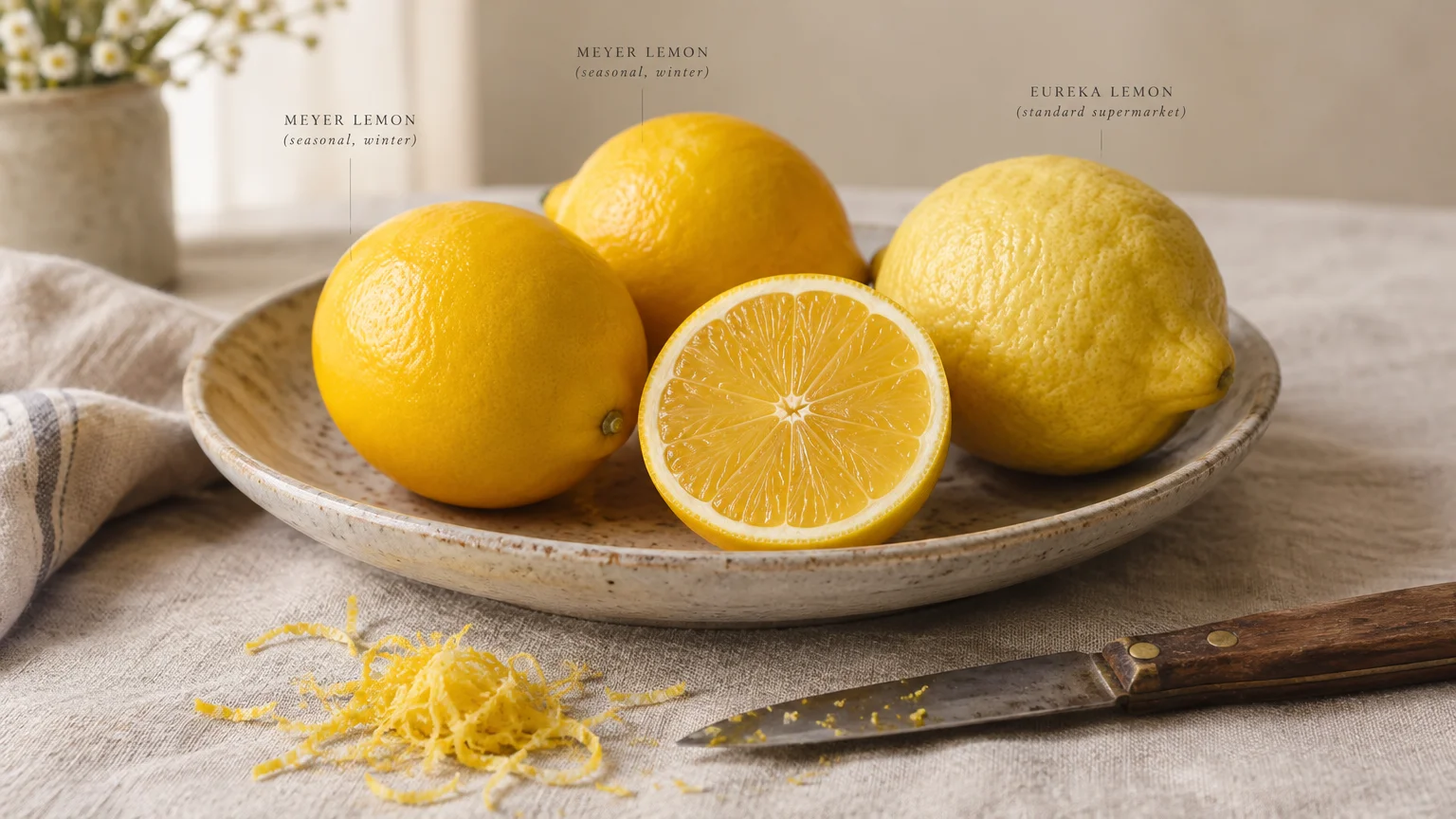
Meyer lemons are a winter-only hybrid cross between a standard sour lemon and a sweet mandarin orange. Their short seasonal window runs from December through April, making winter the sole time to buy them.
Standard Eureka grocery lemons feature thick skins, high acidity, and minimal floral depth. Meyer lemons boast a paper-thin, golden rind and a fragrant, herbal juice that tastes naturally mellow.
Because the acidity is gentle, you can use the entire fruit in culinary applications without overpowering your palate. The thin white pith lacks the bitter astringency found in commercial sour lemons.
Look for deep yellow or dark orange-tinted skin with a smooth, glossy texture. Avoid pale, greenish lemons, which indicate fruit picked before the mandarin sweetness developed.
Meyer lemons possess delicate skins that bruise far more easily than tough supermarket utility lemons. Inspect them for soft spots or weeping skin blemishes before paying.
Specialty recipes often treat Meyer lemons as costly luxury items. If your local grocer inflates their price, look for backyard trees in your community or check neighborhood produce swap groups.
Thinly slice whole Meyer lemons, seeds removed, and toss them directly into winter pastas, roasted chicken pans, or grain bowls. The rinds caramelize into sweet, aromatic bites during roasting.
Squeeze surplus winter lemons into ice cube trays and freeze the juice in measured two-tablespoon portions. You will enjoy gourmet citrus flavor all summer long at rock-bottom winter prices.
Tip #10: Kumquats
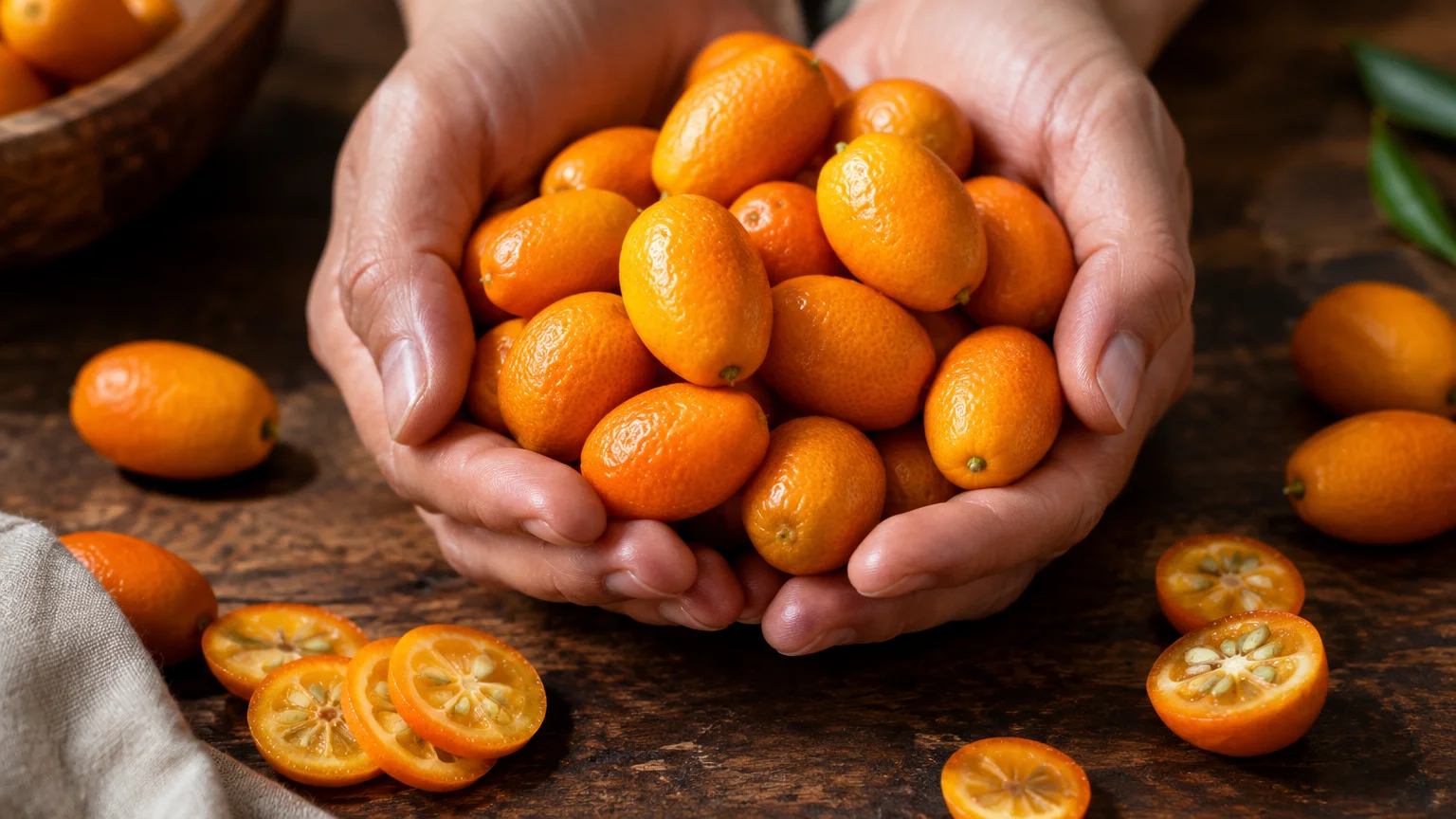
Kumquats represent the ultimate contrarian citrus experience: you eat the sweet peel and spit out or enjoy the tart seeds and juice. These bite-sized gems harvest in California and Florida throughout the midwinter months.
The peel holds all the aromatic essential oils and natural sugars, while the center juice provides an intense sour burst. Chewing them whole produces an explosion of sweet and tart flavors.
Nagami kumquats are oval and offer a delightfully sharp contrast between sweet rind and sour interior. Meiwa kumquats are rounder, contain fewer seeds, and deliver a noticeably sweeter overall bite.
Select kumquats that display bright, vibrant orange coloring without any lingering green patches. Firmness is essential; soft kumquats are past their prime and will taste musty.
Give the kumquat a gentle roll between your palms before popping it whole into your mouth. Rolling releases the fragrant essential oils in the skin, mellowing the tart pulp inside.
Kumquats offer zero food waste because there is no peel or pith to discard into your compost bin. Every penny you spend at the checkout register converts directly into edible produce.
Slice kumquats into thin wheels and pickle them quickly in white vinegar, water, and salt. They produce a tangy, shelf-stable condiment that enlivens bland winter braises and roasted root vegetables.
Kumquats keep exceptionally well in the refrigerator crisper drawer for up to three weeks. Toss them whole into morning smoothies to inject bright, complex citrus notes without buying artificial flavor syrups.
The Bottom Line: What This Means for Your Wallet
Eating well on a tight budget does not mean suffering through limp celery and rubbery carrots all winter long. Understanding seasonal produce cycles gives you the upper hand over commercial supermarket pricing tricks.
Supermarkets rely on consumer ignorance to sell out-of-season summer berries that lack both flavor and nutritional value. Those imported products cost twice as much because you are paying for refrigerated jet fuel and air freight.
Focusing your shopping cart on peak winter fruits rewards your palate with superior sweetness while keeping grocery bills manageable. Citrus season and late-harvest pomes deliver peak nutrient density right when your immune system needs it most.
Take advantage of seasonal gluts by purchasing bulk sacks and crate promotions during peak harvest windows in January and February. Simple home storage habits like proper refrigeration, freezing, and zesting ensure zero waste.
Real frugality is not about deprivation; it is about maximizing every dollar spent on high-flavor, nutrient-dense food. Align your shopping habits with nature’s calendar, and your taste buds and bank account will both thrive.
Frequently Asked Questions
Why are winter fruits cheaper than out-of-season berries?
Domestic winter fruits harvest in massive volumes across California, Texas, and Florida during cold months. This abundant local supply reduces expensive long-distance shipping costs, resulting in lower retail prices for savvy consumers.
Summer berries sold in winter must be flown in from South America under costly refrigeration. You end up paying for thousands of miles of international air freight rather than actual food quality.
How can I tell if citrus fruit is actually sweet before buying it?
Focus on weight and skin texture rather than bright coloration. A heavy citrus fruit indicates dense, sweet juice, whereas lightweight fruit contains thick, dry pith.
Look for thin, smooth skins that yield slightly to gentle thumb pressure. Thick, pebbled, or rock-hard rinds typically signal premature harvesting and dry interior pulp.
What is the most cost-effective way to store winter fruits?
Keep whole citrus and pears unwashed in your refrigerator crisper drawer to maintain optimal humidity and prevent premature decay. Moisture on the skin encourages mold, so only wash fruit right before eating.
Ripen hard pears and persimmons on the kitchen counter at room temperature before transferring them into cold storage. Freezing excess arils or citrus zest preserves rich flavor without extra cash outlay.
Can I freeze whole winter citrus for later use?
Freezing whole citrus damages cell walls, creating mushy, weeping pulp once thawed. The smarter strategy is to zest the rinds and juice the fruit prior to freezing.
Pour freshly squeezed juice into silicone ice cube trays and freeze until solid before transferring to freezer bags. This hack preserves vibrant, fresh flavor for sauces, marinades, and beverages throughout the summer.
For consumer protection information, visit the Federal Trade Commission (FTC) and the Consumer Financial Protection Bureau (CFPB). For product safety and reviews, consult Consumer Reports.
Disclaimer: This article is for informational purposes only and does not constitute financial advice. The content reflects the author’s opinion and research at the time of writing.
Always do your own research before making financial decisions.