
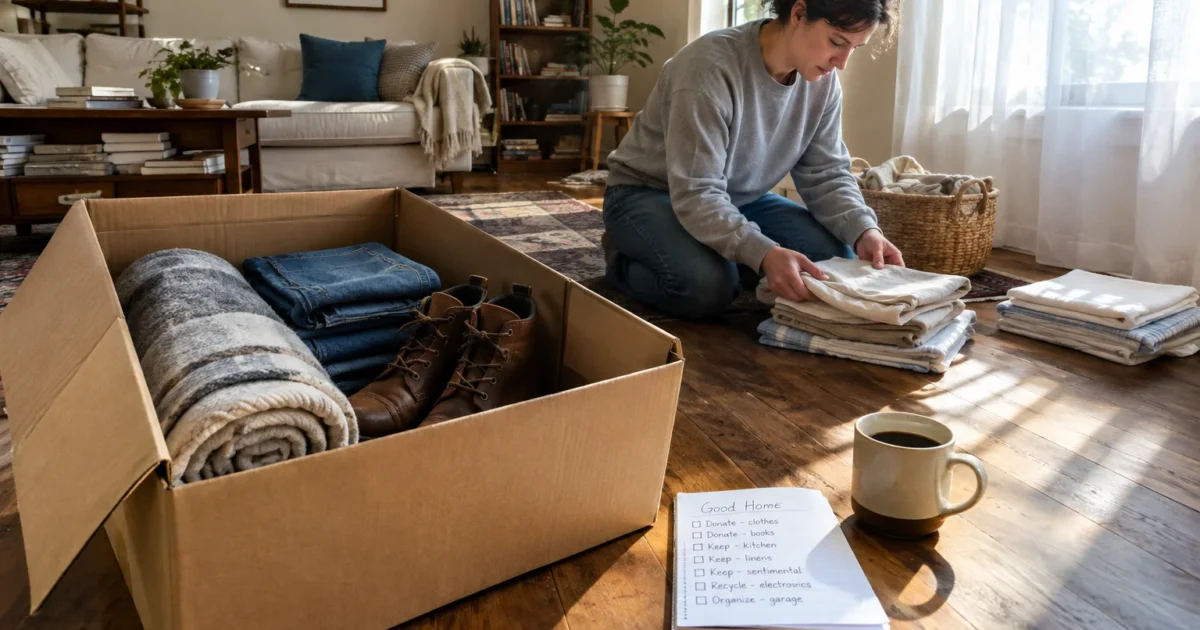
Clutter in your home is not just an eyesore; it actively drains your mental energy and household budget. Donating unwanted items clears your living space while unlocking valuable tax savings if you navigate federal rules correctly.
Most Americans drop oversized garbage bags at the nearest thrift shop without understanding the true economic value of their possessions. That careless habit costs you money, squanders usable resources, and sends truckloads of items straight into municipal landfills.
Knowing where to donate unwanted items ensures your goods directly assist struggling families while protecting your personal finances. This decluttering donation guide reveals the best places to donate stuff for maximum community impact and maximum financial return.
Tip #1: Habitat for Humanity ReStore
Best for Furniture, Large Appliances, and Building Materials
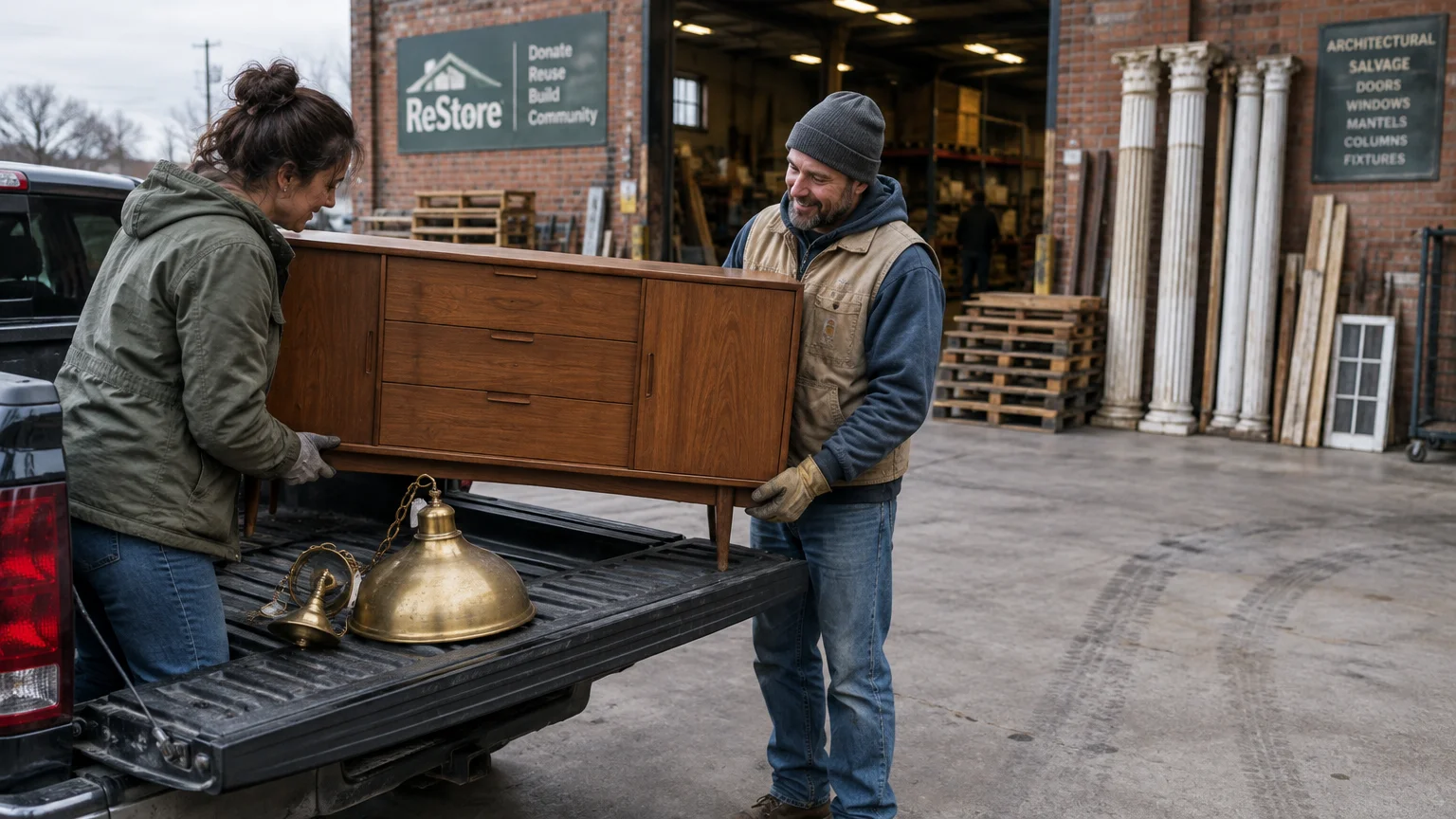
Habitat for Humanity ReStore ranks among the premier donation drop-off locations for home improvement materials, architectural salvage, and oversized furniture. These independently operated retail centers sell donated merchandise to fund local homebuilding initiatives.
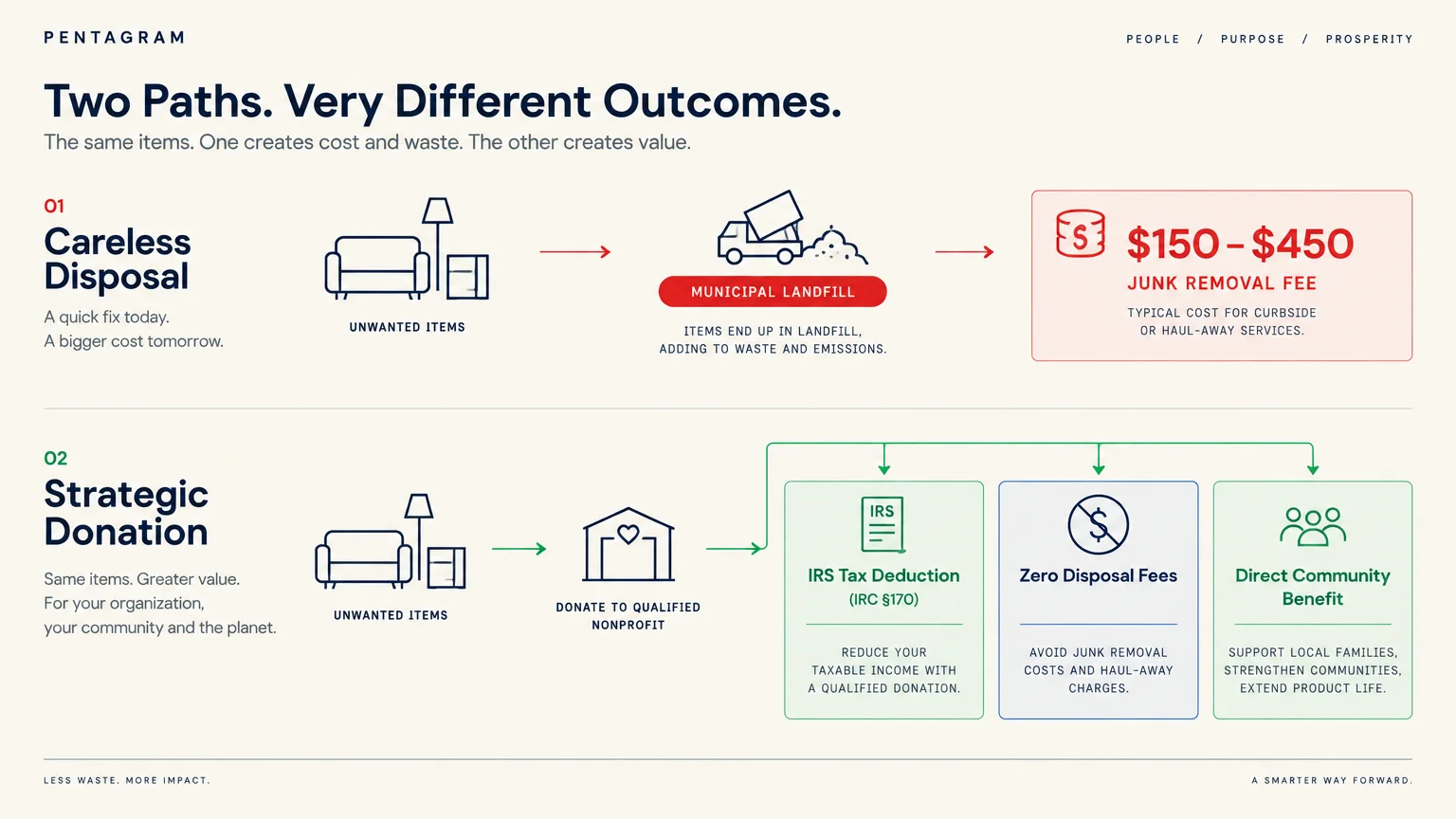
Commercial junk removal services routinely charge between $150 and $450 to cart away heavy items like sofas, refrigerators, and kitchen cabinets. ReStore frequently offers complimentary scheduled pickups for large items, instantly saving you hundreds of dollars in disposal fees.
They accept functional appliances, solid wood furniture, lighting fixtures, unopened hardware, and surplus construction supplies. However, they categorically reject broken glass, toxic chemicals, rusted tools, and appliances with significant mechanical defects.
Under federal regulations, the Internal Revenue Service requires all donated goods to be in good used condition or better under Internal Revenue Code Section 170(f)(16). Donating broken junk will not earn you a legitimate tax deduction and burdens nonprofit staff.
Before you load your vehicle, always call your local ReStore or upload photos to their intake portal. Their inventory requirements fluctuate based on seasonal showroom floor space and current warehouse capacity.
Smart homeowners schedule donations right after remodeling projects to maximize convenience and claim substantial non-cash deductions. Dropping off leftover tile boxes, unopened plumbing fixtures, and functional vanities keeps valuable materials out of the dump.
Always verify the organization’s active tax-exempt status using the IRS Tax Exempt Organization Search tool before claiming any write-off. Obtaining an itemized receipt at the drop-off dock safeguards your tax return against administrative disputes.
Keep detailed digital photographs of every major home item you donate before handing it over to store staff. Visual documentation serves as vital substantiation if tax authorities ever question your non-cash charitable valuations.
Tip #2: Local Domestic Violence Shelters and Community Havens
Direct Community Impact for Linens, Casual Apparel, and Everyday Essentials
Local domestic violence shelters and homeless assistance facilities put your items directly into the hands of people in crisis. Unlike retail thrift chains that resell your goods for cash, these community organizations give items away immediately to residents.
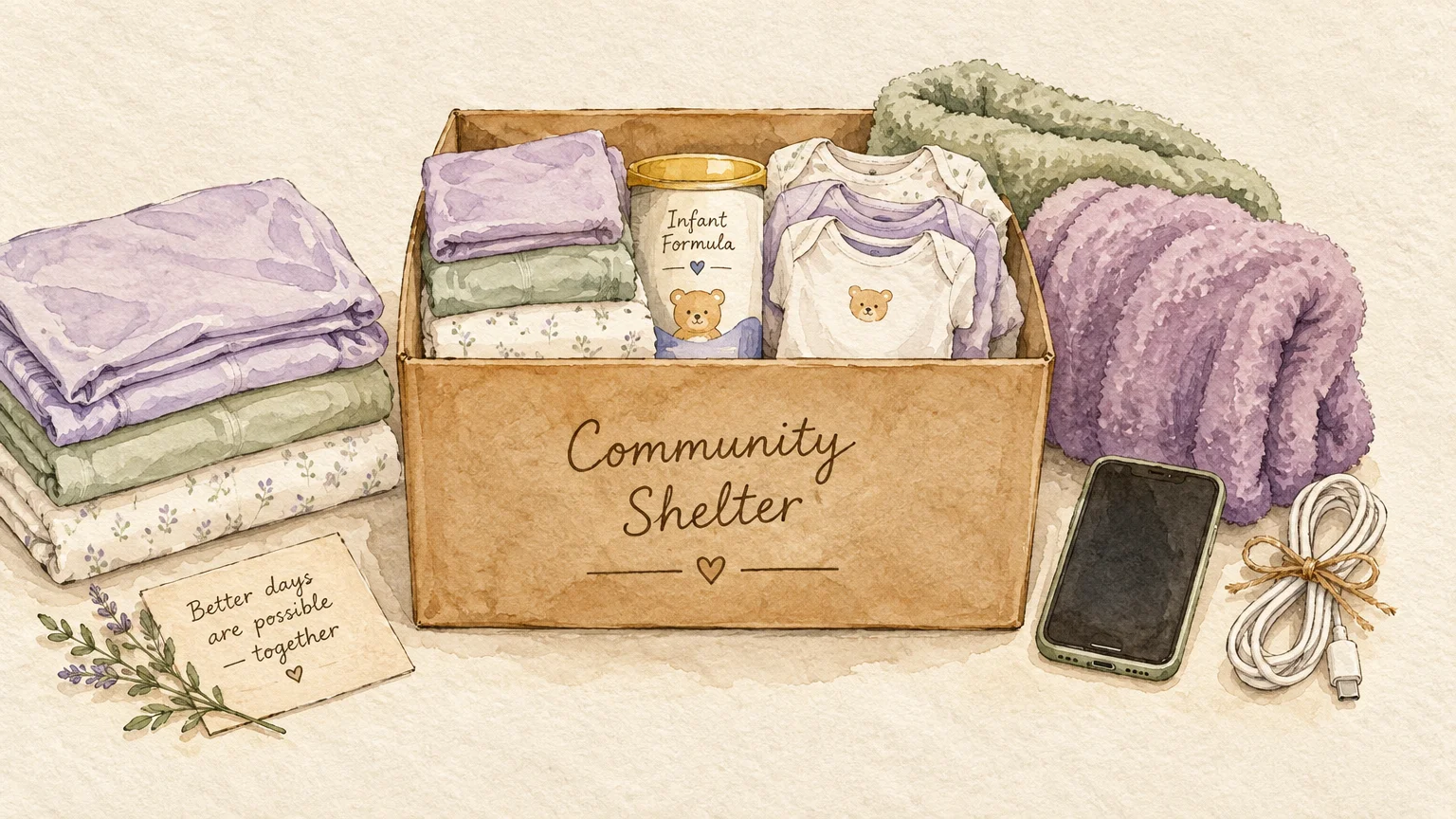
Shelters maintain ongoing shortages of clean bedsheets, new underwear, infant supplies, warm blankets, and everyday casual clothing. They also accept gently used smartphones and tablets, which social workers recondition to help survivors secure jobs and emergency communication.
Because resident safety remains paramount, most domestic violence shelters maintain confidential physical addresses. You will coordinate deliveries through off-site administrative offices, designated community partners, or secure drop boxes.
Always inspect every garment before packing your boxes. Shelters lack industrial dry-cleaning equipment and repair budgets, meaning soiled or damaged items divert crucial labor away from client services.
Focus your donations on practical, durable clothing rather than dry-clean-only evening wear or delicate fabrics. Comfortable jeans, winter coats, athletic sneakers, and basic work uniforms offer the greatest everyday utility for shelter residents.
For non-cash contributions valued between $250 and $500, federal law mandates that you secure a contemporaneous written acknowledgment. This document must state clearly whether the receiving charity provided you with any goods or services in exchange.
Call the shelter coordinator ahead of time to request their current wish list. Delivering specific items they urgently require saves warehouse space and prevents volunteers from managing surplus goods they cannot immediately use.
Connecting with these localized centers transforms surplus household clutter into immediate lifelines for families starting over from scratch. The emotional return on your donation far exceeds the minor convenience of dumping bags in random parking lot bins.
Tip #3: The Salvation Army and Goodwill Industries
High-Volume Solutions for Everyday Apparel, Kitchenware, and Media
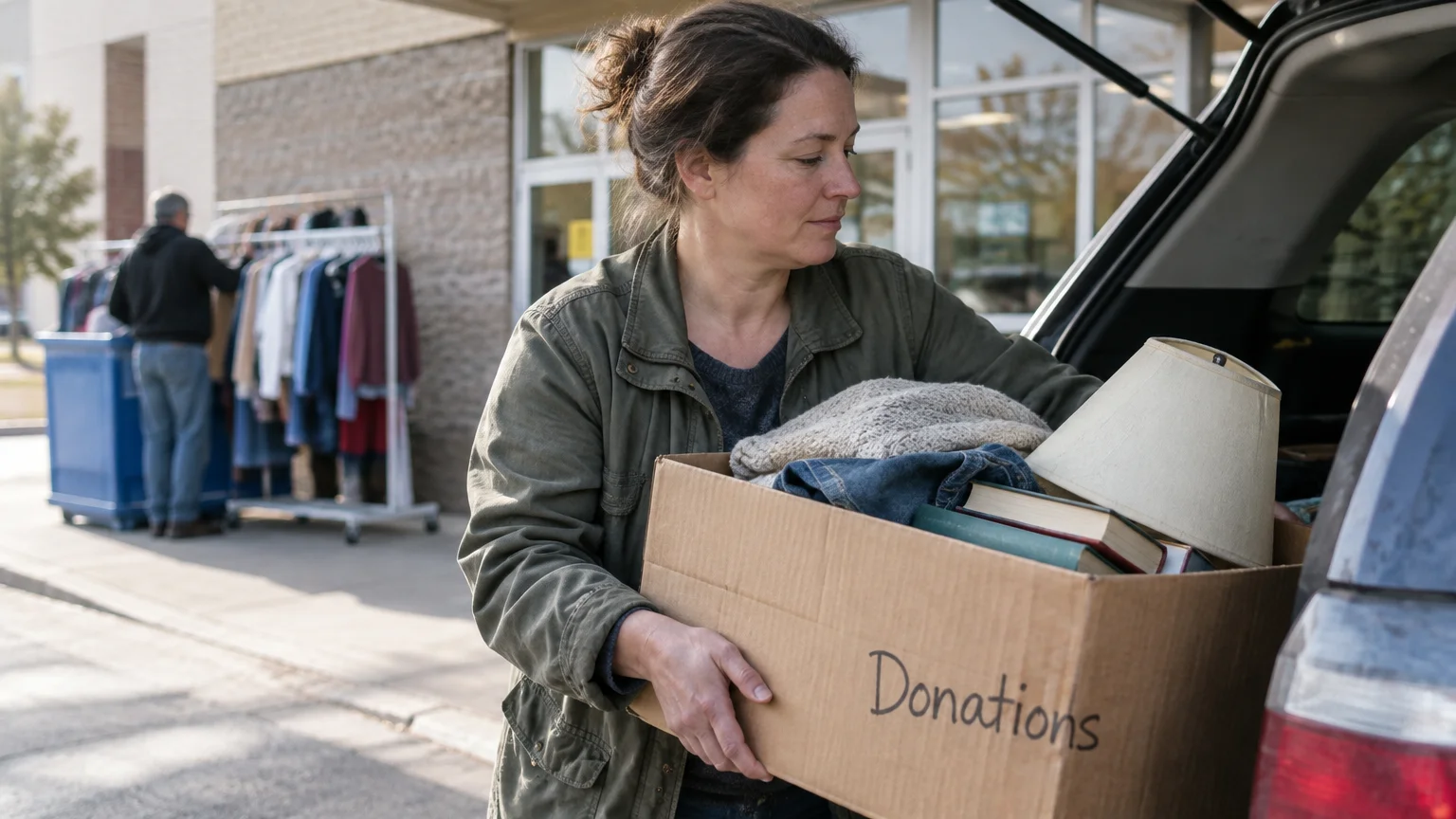
The Salvation Army and Goodwill Industries remain the most accessible places that accept used items nationwide. Their expansive networks of physical retail stores and drive-through collection centers make offloading large volumes of general goods quick and effortless.
These organizations excel at processing mixed household goods, including clothing, paperback books, kitchen dishware, toys, and functioning small electronics. Their high-capacity sorting warehouses can efficiently process multiple boxes in a single visit.
A widespread misconception exists that donation attendants determine the financial value of your drop-off. Under IRS regulations, determining and substantiating the fair market value of your property is strictly your legal responsibility as the taxpayer.
Both Goodwill and The Salvation Army publish annual online valuation guides that establish realistic thrift shop price ranges for common items. Review these published guides before packing so you can log defensible values for your records.
If the total claimed value of all your non-cash contributions across similar items exceeds $500, you must file IRS Form 8283 Section A. You must report how you acquired the property, your approximate date of purchase, and your calculated cost basis.
Avoid bundling damaged, torn, or non-functional items into donation bags hoping the thrift store can fix them. Unsellable items force nonprofits to pay commercial waste disposal fees, which directly diverts funds from local vocational training programs.
Take advantage of donation centers that provide itemized paper receipts or modern digital tracking kiosks. Tracking your donation dates and quantities systematically prevents chaotic scrambles when tax preparation season arrives.
Timing your drop-offs during midweek mornings helps you avoid long weekend vehicular lines at donation centers. Attendants have more time to handle your fragile goods carefully and issue detailed receipts without rushing.
Tip #4: The Buy Nothing Project and Freecycle Network
Hyperlocal Peer-to-Peer Networks to Eliminate Disposal Fees
Not every decluttering victory requires a traditional 501(c)(3) charitable nonprofit. Peer-to-peer gifting platforms like The Buy Nothing Project and The Freecycle Network connect you directly with neighbors seeking items you no longer want.
Gifting through neighborhood platforms produces zero federal tax deduction because you are transferring items directly to private individuals. However, the immediate financial savings generated by avoiding municipal bulk trash fees or private dump charges often outweighs standard tax benefits.
Under current federal tax brackets, standard deduction thresholds are exceptionally high. For tax year 2024, the standard deduction is $14,600 for single filers and $29,200 for married couples filing jointly.
For tax year 2025, those thresholds climb to $15,750 for singles and $31,500 for joint returns. Because nearly ninety percent of American taxpayers claim the standard deduction, most people cannot deduct charitable donations anyway.
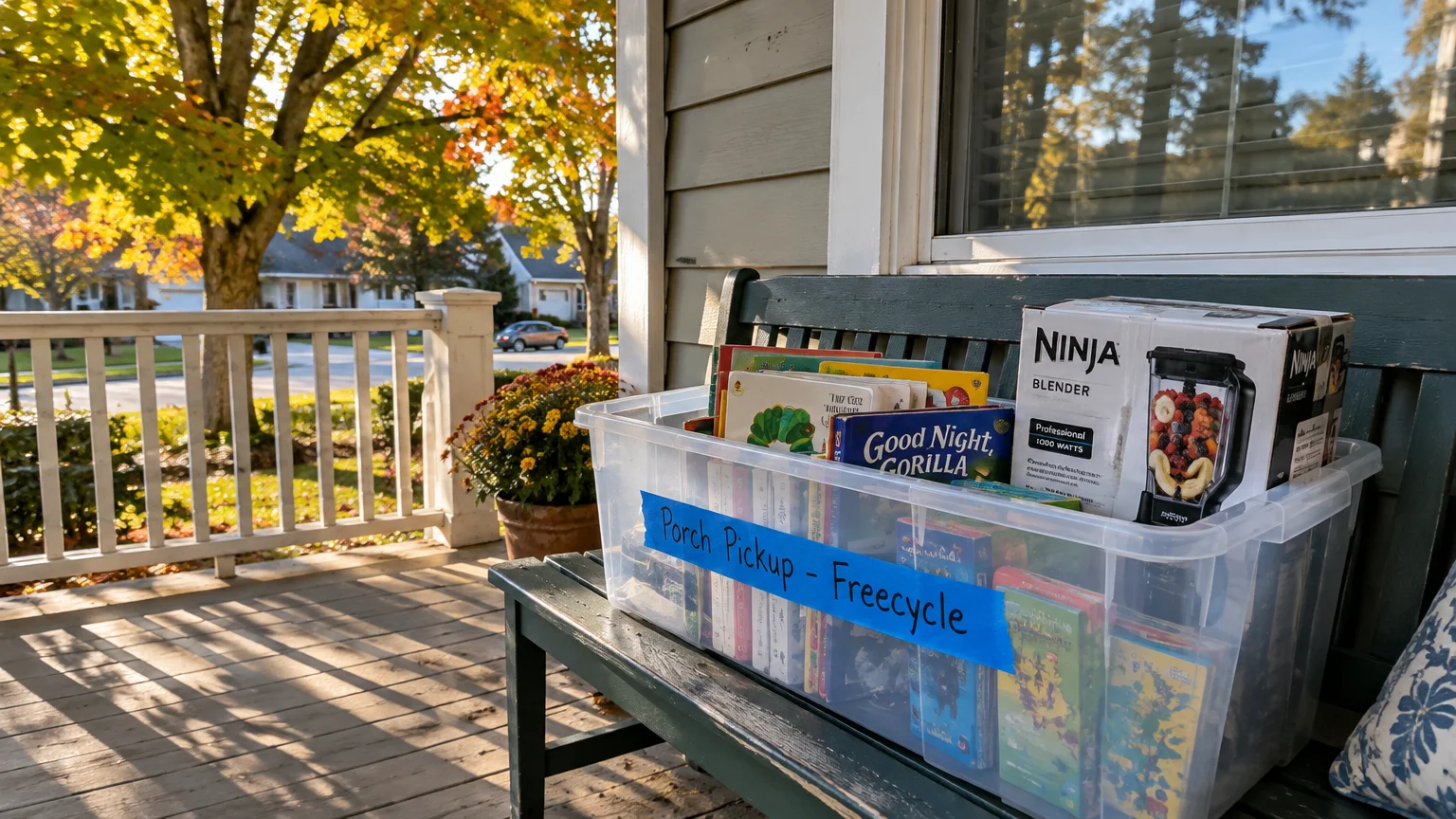
Hyperlocal gifting allows you to practice effortless porch pickup. You simply photograph the item, post the listing online, and leave the box outside your front door for a neighbor to collect.
This approach saves you vehicle gas, heavy lifting, and weekend travel time. It also finds enthusiastic new owners for niche oddities, half-used gardening supplies, or craft materials that commercial thrift stores routinely trash.
Neighbors frequently claim half-empty paint cans, extra moving boxes, landscaping bricks, and scrap lumber within hours of posting. These practical transactions keep perfectly usable materials out of incinerators while saving both parties real money.
Peer-to-peer gifting fosters strong local community resilience and establishes valuable neighborhood connections. You clear cluttered garage space instantly without filling out complex tax schedules or loading heavy cargo into your trunk.
Tip #5: Dress for Success and Career Closets
High-End Business Wear and Professional Attire
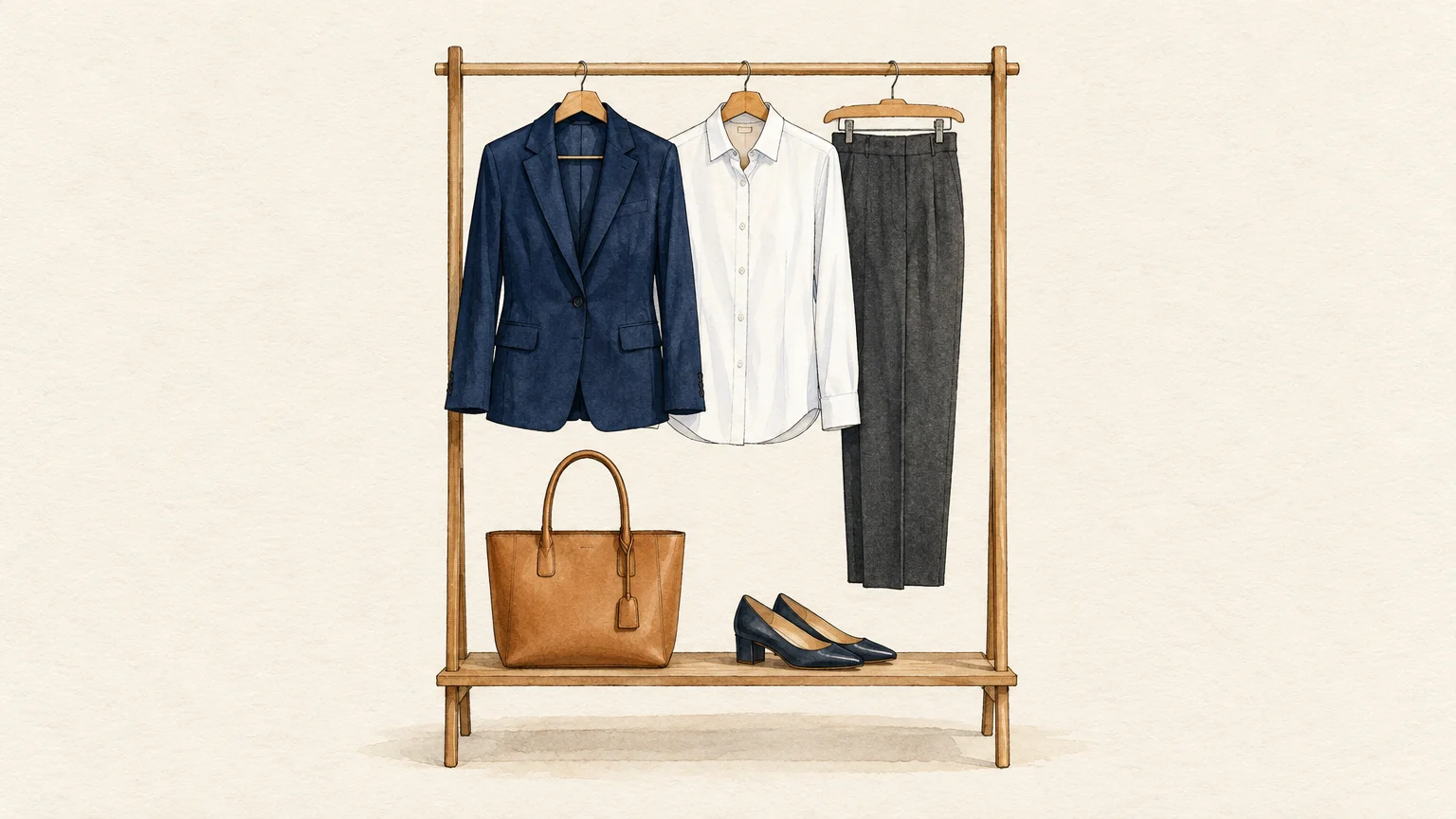
High-end corporate suits, silk blouses, tailored slacks, and professional footwear rarely belong in standard thrift store sorting bins. Specialized organizations like Dress for Success equip low-income job seekers with professional wardrobes, resume development, and interview training.
Career development charities maintain strict standards regarding current style and pristine condition. To qualify, garments must be clean, wrinkle-free, ready to wear immediately, and manufactured within the past several years.
Outdated business suits with exaggerated shoulder pads or stained lapels will be quickly rejected. These organizations seek polished, contemporary garments that instill confidence during crucial corporate employment interviews.
Because professional workwear carries a high initial purchase price, your non-cash donation totals can climb quickly. Keep original purchase receipts or credit card statements whenever possible to establish your historical cost basis for expensive designer items.
If your combined charitable deduction for a group of similar luxury clothing items exceeds $5,000, the IRS enforces strict scrutiny. You must obtain a formal qualified appraisal from an independent appraiser and complete Section B of Form 8283.
Many regional career closets also welcome professional accessories that complete an interview ensemble. Consider donating leather portfolios, professional briefcases, neutral handbags, unworn dress socks, and conservative jewelry pieces.
Donating your professional wardrobe directly accelerates upward economic mobility in your community. You help candidates land career-track jobs that permanently improve their household earnings and long-term financial stability.
Always dry-clean your garments and deliver them neatly arranged on sturdy hangers. Providing ready-to-wear clothing saves nonprofit volunteers precious prep time and ensures immediate distribution to awaiting clients.
Tip #6: Specialized Nonprofits, Animal Shelters, and Libraries
Targeted Outlets for Books, Eyeglasses, Worn Linens, and Vehicles
When you have niche belongings, specialized donation drop-off locations provide a far better home than generic department thrift stores. Public libraries, animal rescue organizations, and global health charities operate targeted collection programs with minimal operational overhead.
Local public libraries and Friends of the Library groups welcome gently read books, audiobooks, and DVDs. These organizations either add the titles to public circulation shelves or sell them in annual book sales to fund educational community programming.
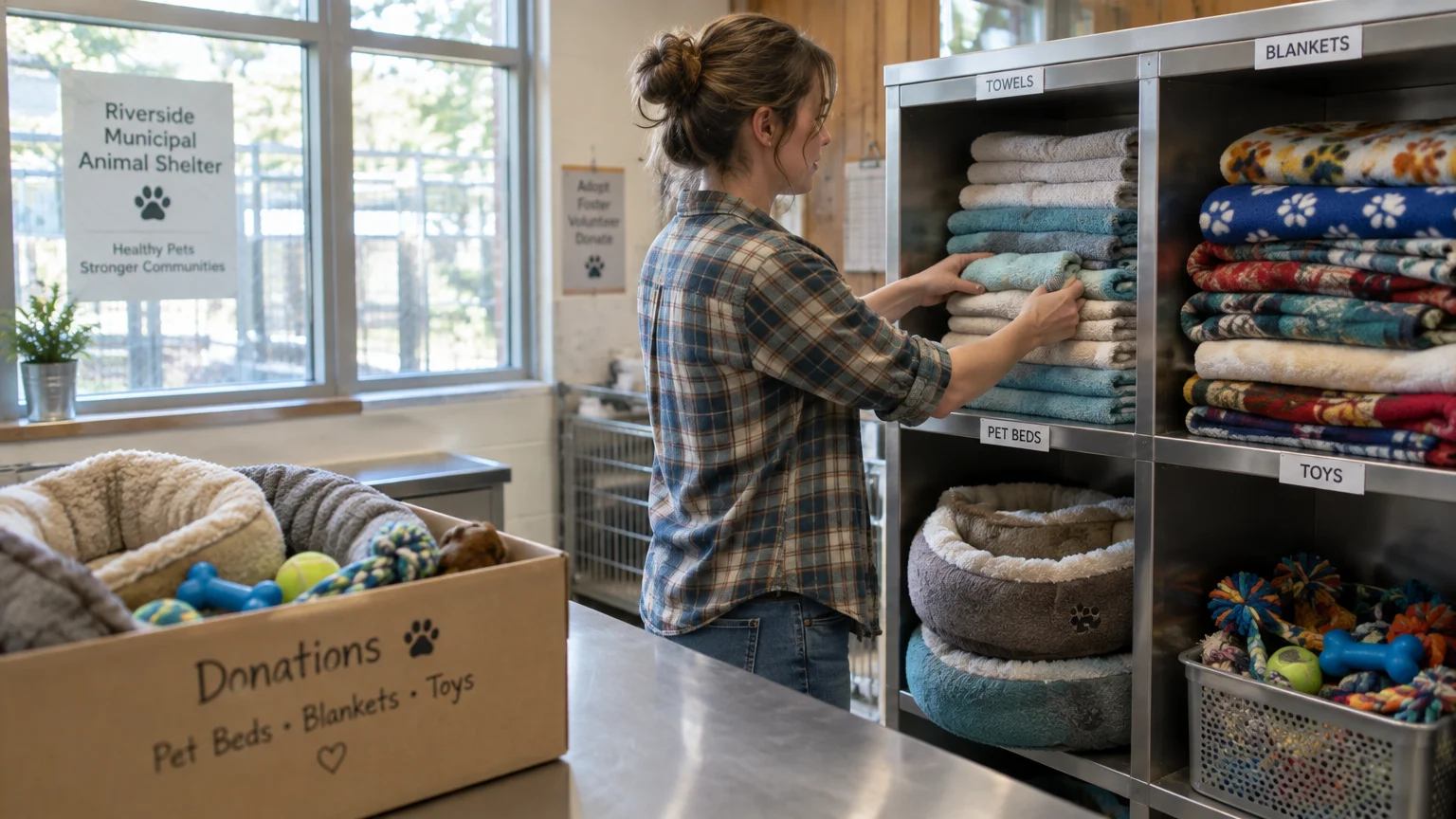
Animal shelters and veterinary rescues have an endless need for worn bath towels, threadbare blankets, and washcloths to line pet crates. Items that thrift stores reject as unsellable rag grade become comfortable bedding for rescue dogs and cats.
Before throwing away stained bedding or frayed bath towels, call your local humane society. They will gladly take clean, washed linens regardless of cosmetic flaws or faded fabric dyes.
For old prescription eyeglasses, Lions Club International collection boxes placed inside optical centers collect frames for redistribution across developing nations. Cell Phones for Soldiers accepts outdated mobile devices to purchase prepaid calling cards for deployed military personnel.
If you donate a motor vehicle, boat, or airplane valued over $500, distinct federal tax limits apply. If the receiving charity auctions the vehicle, your tax deduction is strictly capped at the actual gross proceeds from that sale.
The nonprofit organization must deliver IRS Form 1098-C to you within 30 days of the vehicle’s sale date. Filing your tax return without that mandatory form will result in an automatic rejection of your motor vehicle tax deduction.
Choosing targeted charities ensures your items serve an immediate purpose rather than lingering in warehouse storage. It also prevents valuable materials from ending up in local municipal incinerators.
The Bottom Line: What This Means for Your Wallet
Decluttering your living space is not merely an exercise in personal organization; it is an active financial strategy. Matching your unwanted items with the right organizations protects your time, eliminates waste hauling fees, and maximizes potential tax deductions.
Do not assume every donation automatically reduces your federal tax bill. With the standard deduction remaining near historic highs, itemizing deductions only benefits households with substantial qualified mortgage interest, state taxes, and non-cash gifts.
If you do itemize, strict compliance protects you from penalties. Follow IRS guidelines by photographing donated goods, retaining contemporaneous receipts, and filing Form 8283 whenever your non-cash deductions cross the $500 mark.
When tax write-offs do not make mathematical sense, prioritize hyperlocal peer gifting to bypass expensive landfill dump fees. That simple shift saves you hard cash immediately while keeping perfectly good goods in circulation.
Every item you remove from your home creates breathing room in your living environment and simplifies your daily routines. Approach donation with intention, document your contributions meticulously, and put your excess belongings to work for your community.
For consumer protection information, visit the Federal Trade Commission (FTC) and the Consumer Financial Protection Bureau (CFPB). For product safety and reviews, consult Consumer Reports.
Disclaimer: This article is for informational purposes only and does not constitute financial advice. The content reflects the author’s opinion and research at the time of writing. Always do your own research before making financial decisions.
Frequently Asked Questions
Can I deduct the original purchase price of my donated items on my taxes?
No, you cannot deduct the original retail purchase price of used household items. The IRS requires taxpayers to calculate deductions based strictly on the current fair market value of the property at the time of donation.
Fair market value represents the cash price a willing buyer would pay a willing seller in an open thrift market. Established charity valuation guides provide reliable thrift store estimates that will withstand standard IRS scrutiny.
What specific tax forms do I need if my non-cash donations exceed $500?
When total non-cash deductions for similar items exceed $500 across an entire tax year, you must file IRS Form 8283 Section A. You will list the charity name, item descriptions, acquisition dates, and fair market values.
If your total claimed deduction for single high-value items or similar groups exceeds $5,000, you must complete Section B. This higher threshold requires a certified appraisal from an independent qualified appraiser and the charity’s authorized signature.
Do donation drop-off attendants assess or certify the value of my items?
Charity attendants will not inspect, calculate, or certify the monetary value of your donated belongings. Staff members provide standard receipts noting the drop-off date, organization name, and broad item descriptions, but they leave value fields completely blank.
Tax law places the burden of valuation and legal substantiation entirely on the individual taxpayer. Maintain your own detailed inventory log with dates, descriptions, photographs, and matching thrift guide values before dropping off goods.
Why do some charitable donation centers reject certain household items?
Charities reject items due to safety standards, municipal disposal regulations, and floor space constraints. Recalled consumer products, expired infant car seats, open chemical containers, and broken electronics pose severe legal liabilities for nonprofit organizations.
Unusable items also force charities to divert limited cash donations toward commercial landfill disposal costs. Checking an organization’s specific acceptance criteria online before traveling prevents unnecessary trips and saves valuable charity resources.







Leave a Reply