
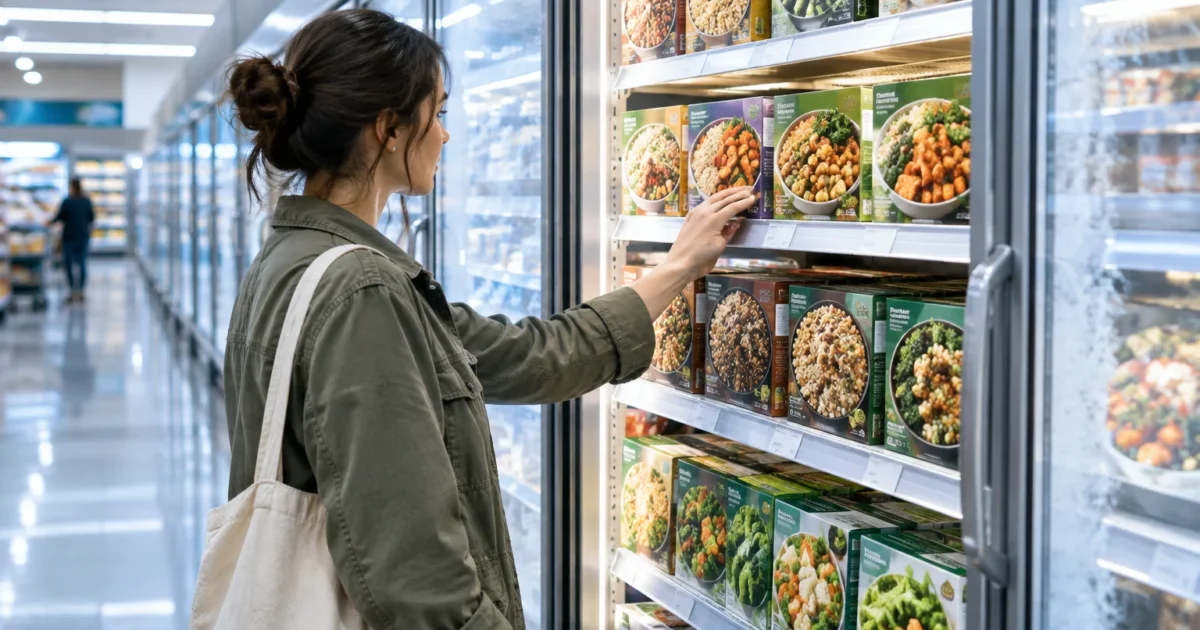
Swapping expensive restaurant takeout for the right frozen meal can instantly save you over $100 every month. Consumer Reports tested 30 popular frozen dinners across 10 major brands to separate the nutritious winners from the bland, sodium-loaded duds.
Finding a quick dinner that delivers restaurant-quality taste without wrecking your health or budget takes smart shopping. Top-performing options provide high fiber and authentic whole vegetables, while legacy diet brands still push rubbery textures and excess salt.
You do not have to settle for watery sauces or spend eight dollars at a drive-thru. Here is how the top contenders stacked up and how you can shop the freezer aisle like a pro.
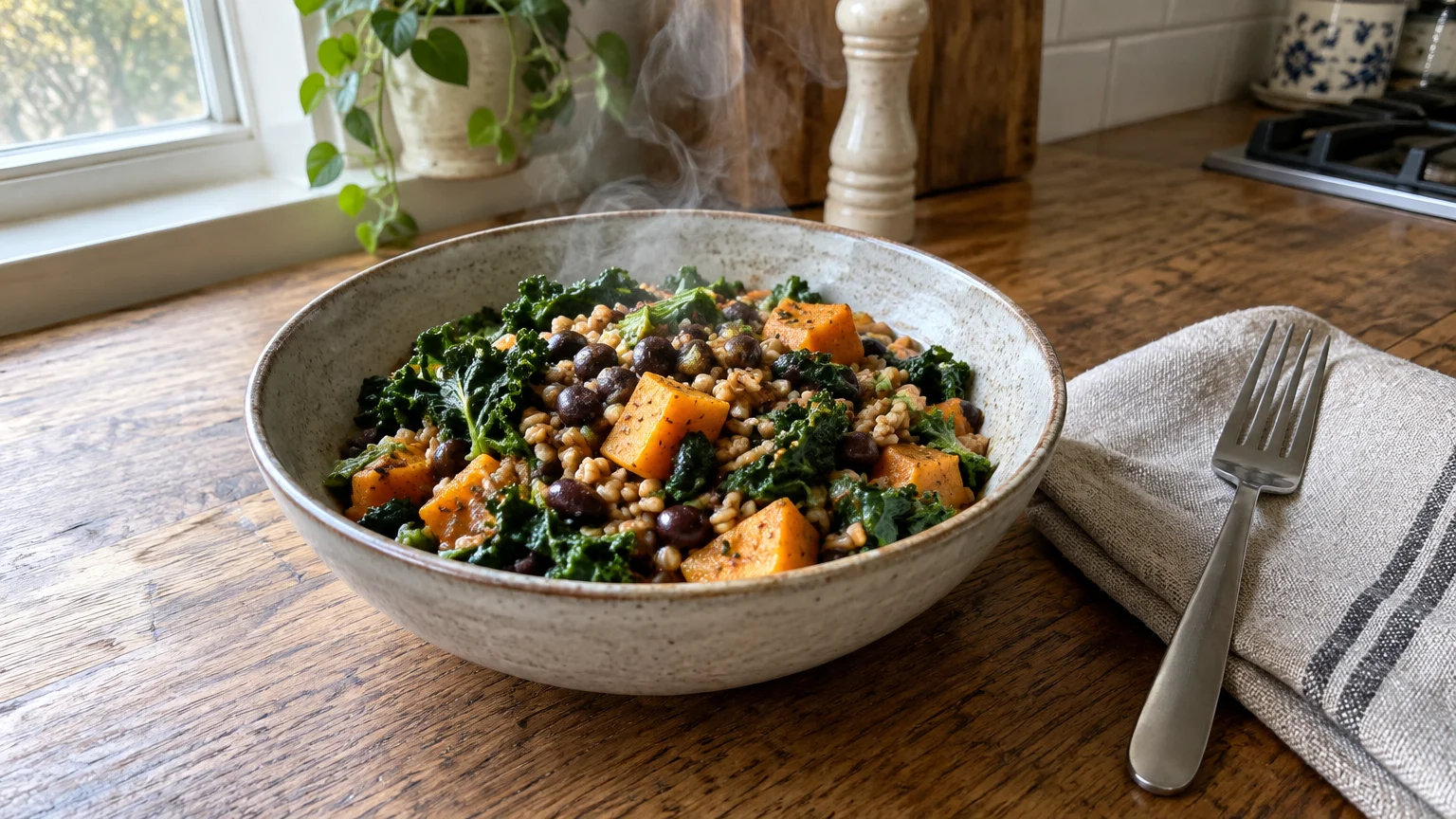
Tip #1: Choose Blue Zones Kitchen for Whole-Food Nutrition
Blue Zones Kitchen dominated the rankings by ditching artificial stabilizers for nutrient-dense, longevity-focused ingredients. Their plant-forward recipes lean heavily on hearty beans, leafy greens, and ancient grains.
These meals keep sodium modest while delivering abundant dietary fiber. You get genuine satiety that curbs the urge to spend money on mid-afternoon office snacks.
Tip #2: Grab Healthy Choice Simply Steamers for Value and Texture
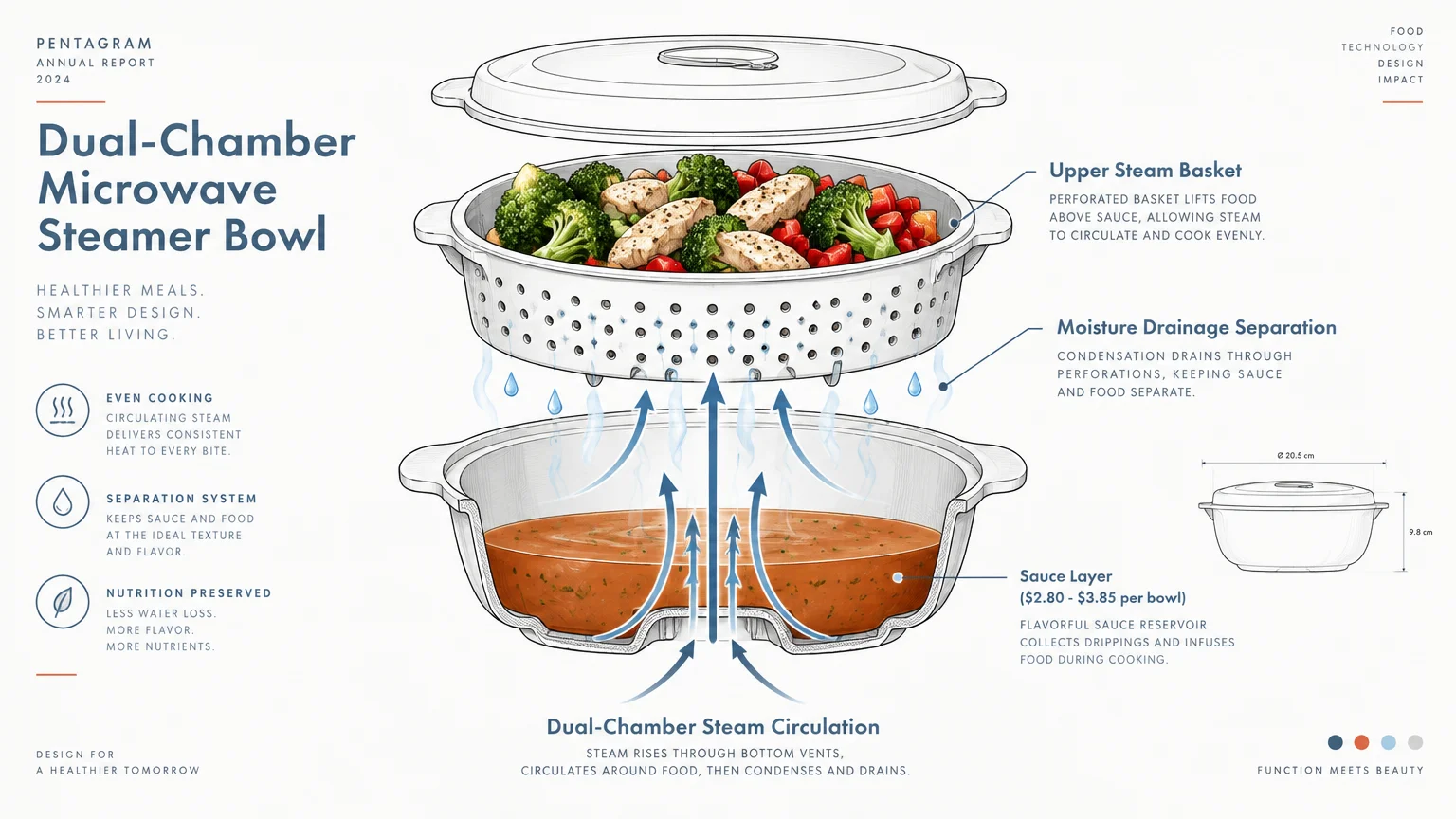
Healthy Choice Simply Steamers emerged as one of the top rated frozen meals for everyday budget shoppers. At $2.80 to $3.85 per bowl, they rival takeout at a fraction of the cost.
Their dual-chamber steaming basket separates the sauce from the vegetables and proteins during microwaving. This smart design prevents the mushy, waterlogged texture that ruins most discount frozen trays.
Tip #3: Rely on Amy’s Kitchen for High-Flavor Vegetarian Fare
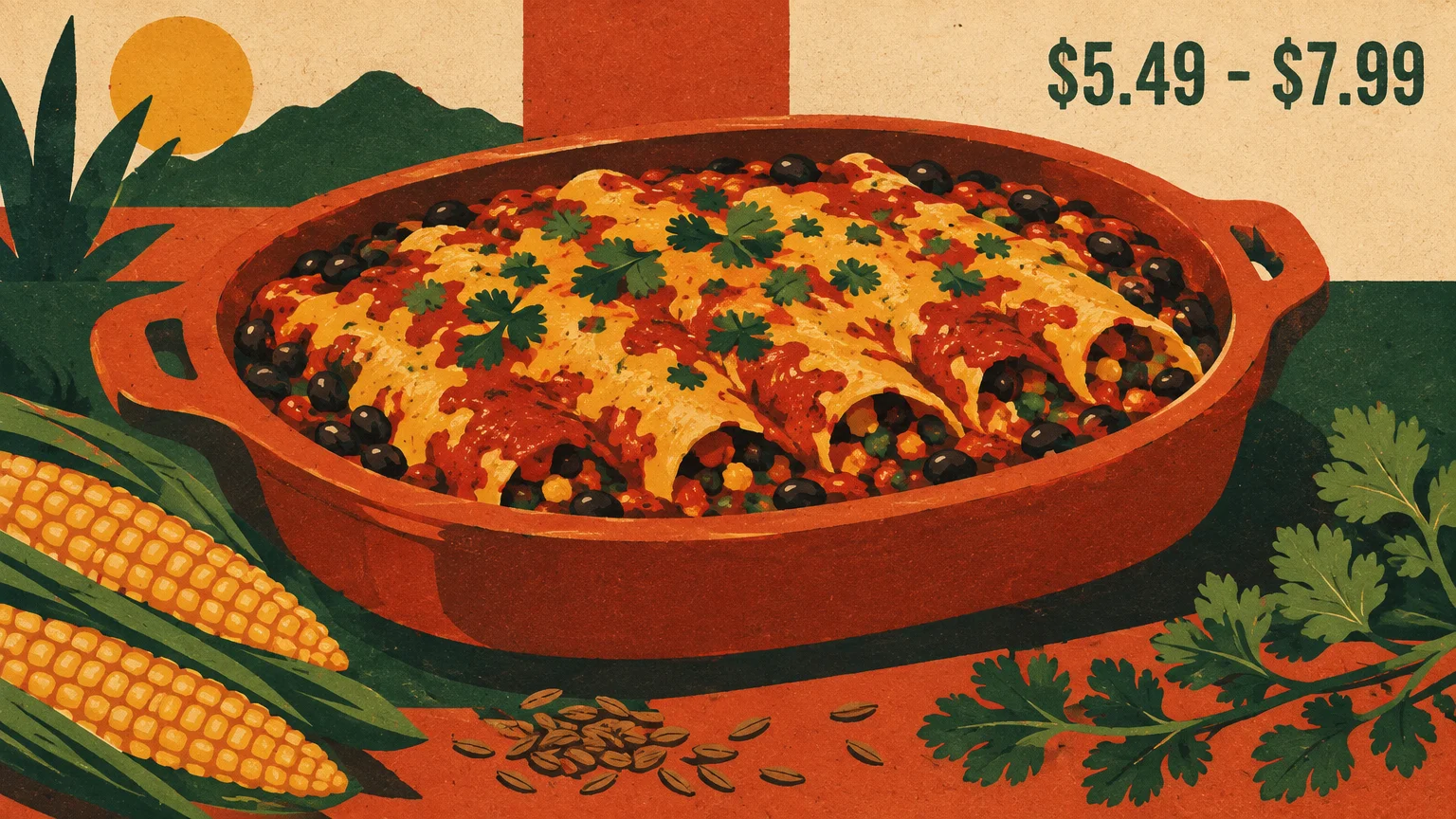
Amy’s Kitchen proved that meatless meals can crush blind flavor evaluations without cutting corners. Their entrees deliver rich sauces and organic vegetables that satisfy even dedicated carnivores.
While they retail between $5.49 and $7.99, they easily replace a $15 fast-casual lunch. They consistently rank among the best frozen meal brands for ingredient integrity.
Tip #4: Pick Trader Joe’s Plant-Based Bowls for Global Spices
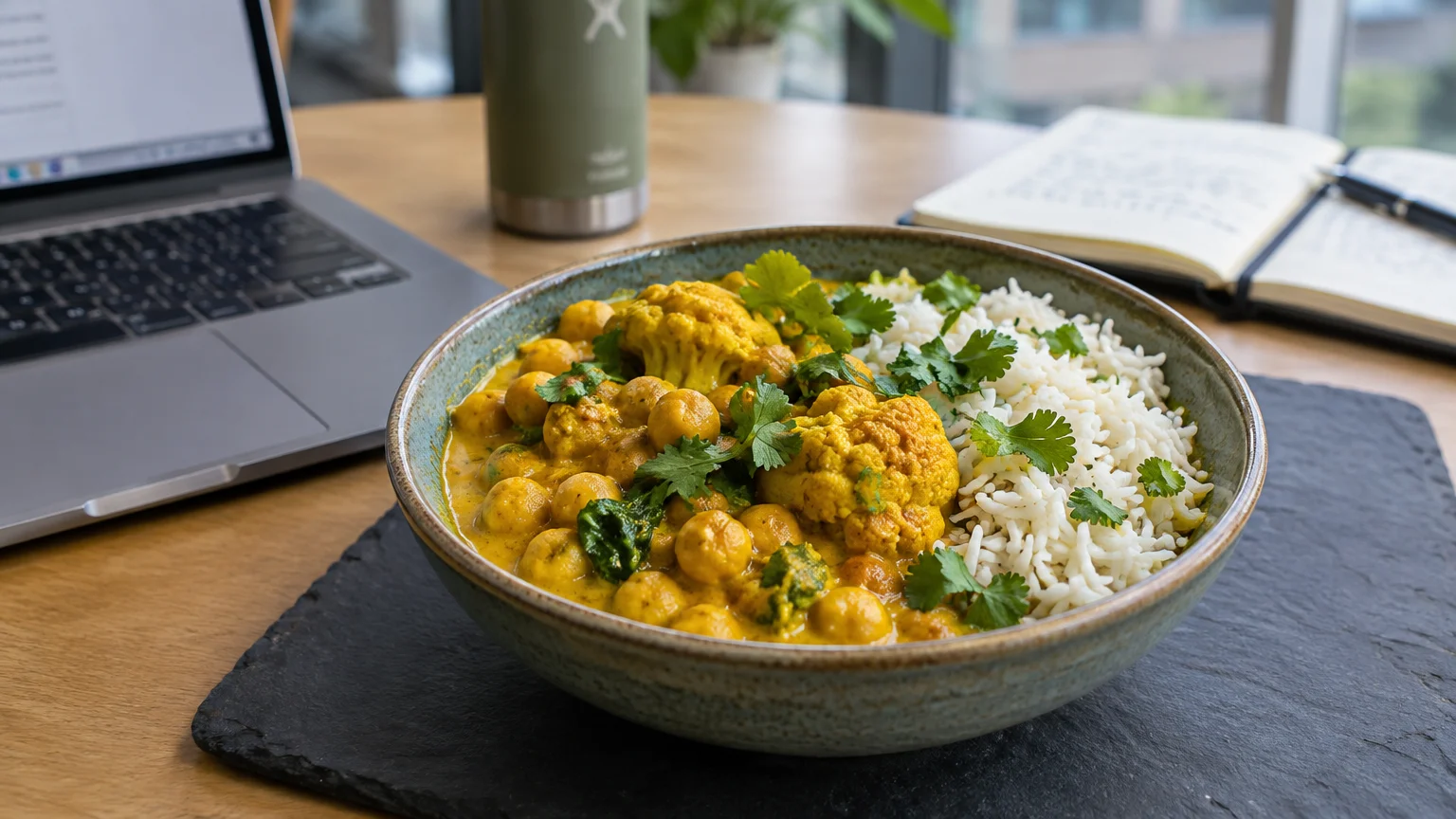
Trader Joe’s frozen aisle offers standout entrees packed with bold, scratch-cooked taste. Their vegetable-centric curries and grain bowls scored high marks for natural spices and authentic textures.
You get complex flavors without paying specialty bistro prices. Keep two or three in your work freezer to protect your wallet from unplanned takeout runs.
Tip #5: Leverage Healthy Choice Power Bowls for Plant Protein
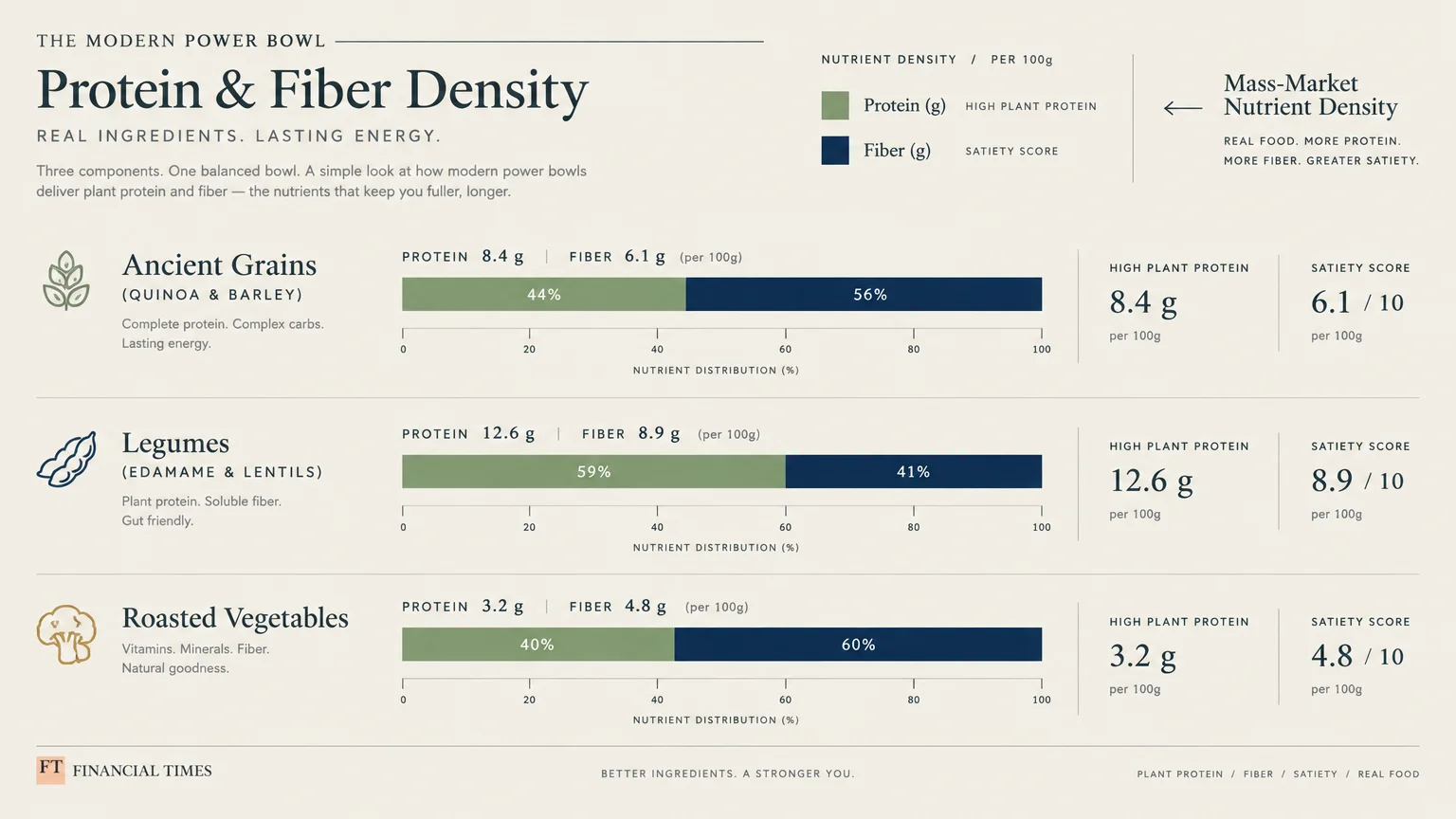
Healthy Choice Power Bowls upgrade the classic TV dinner into a dense mix of whole grains and legumes. Testers praised their generous vegetable portions and chewy, satisfying grain blends.
These bowls offer dependable nutrition without forcing you to pay premium organic grocery prices. They prove that mass-market brands can execute modern, health-conscious meals.
Tip #6: Ditch Lean Cuisine for Lackluster Texture and Low Satiety
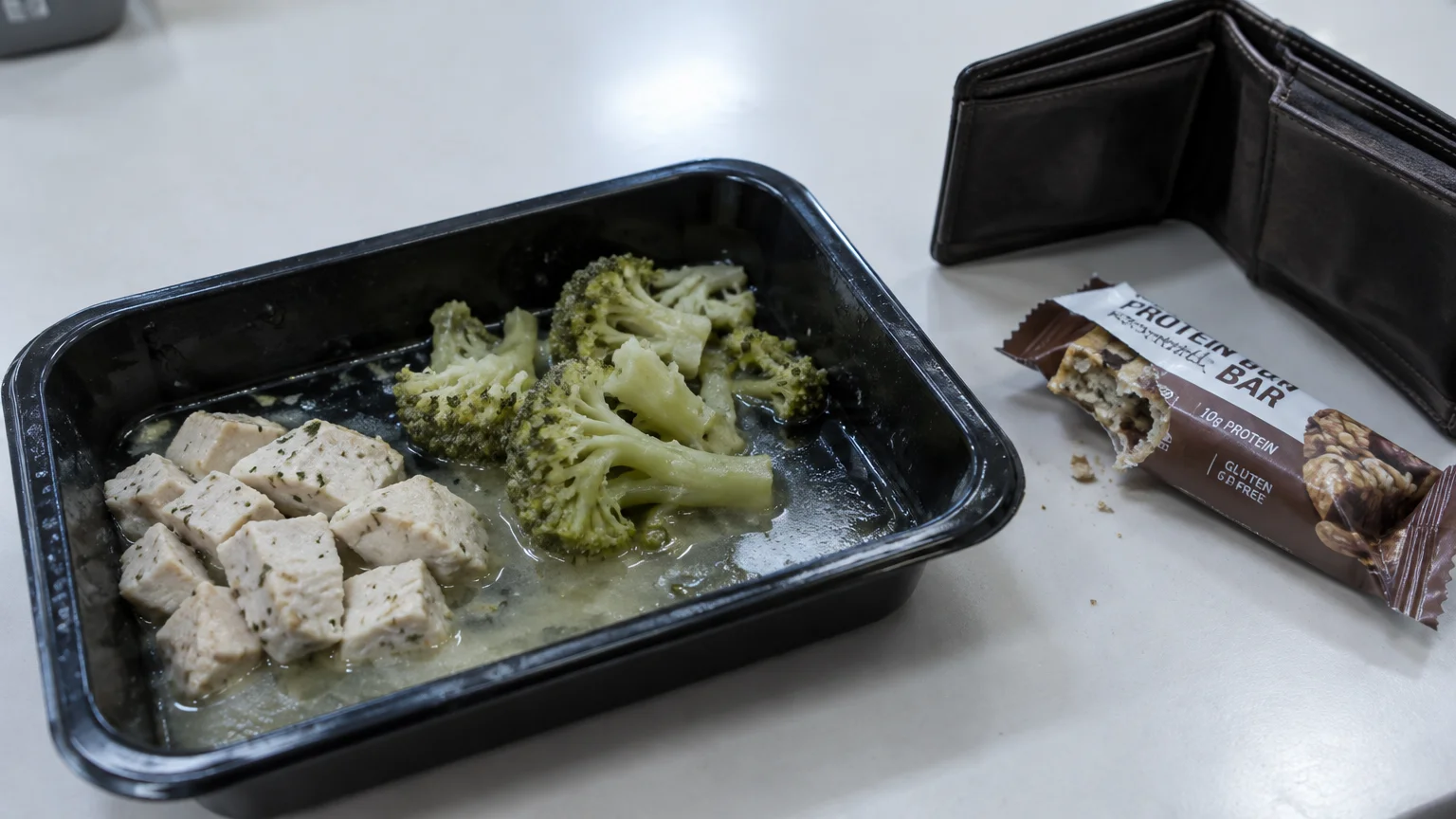
In the taste test frozen dinners category, Lean Cuisine landed near the bottom of the tester scorecards. Microwaving often left their meats chewy and their sauces thin and watery.
Worse, their skimpy portions fail to keep you full for more than two hours. You end up wasting money on extra snacks, wiping out any initial grocery savings.
Tip #7: Skip Smart Ones to Dodge Watery Sauces
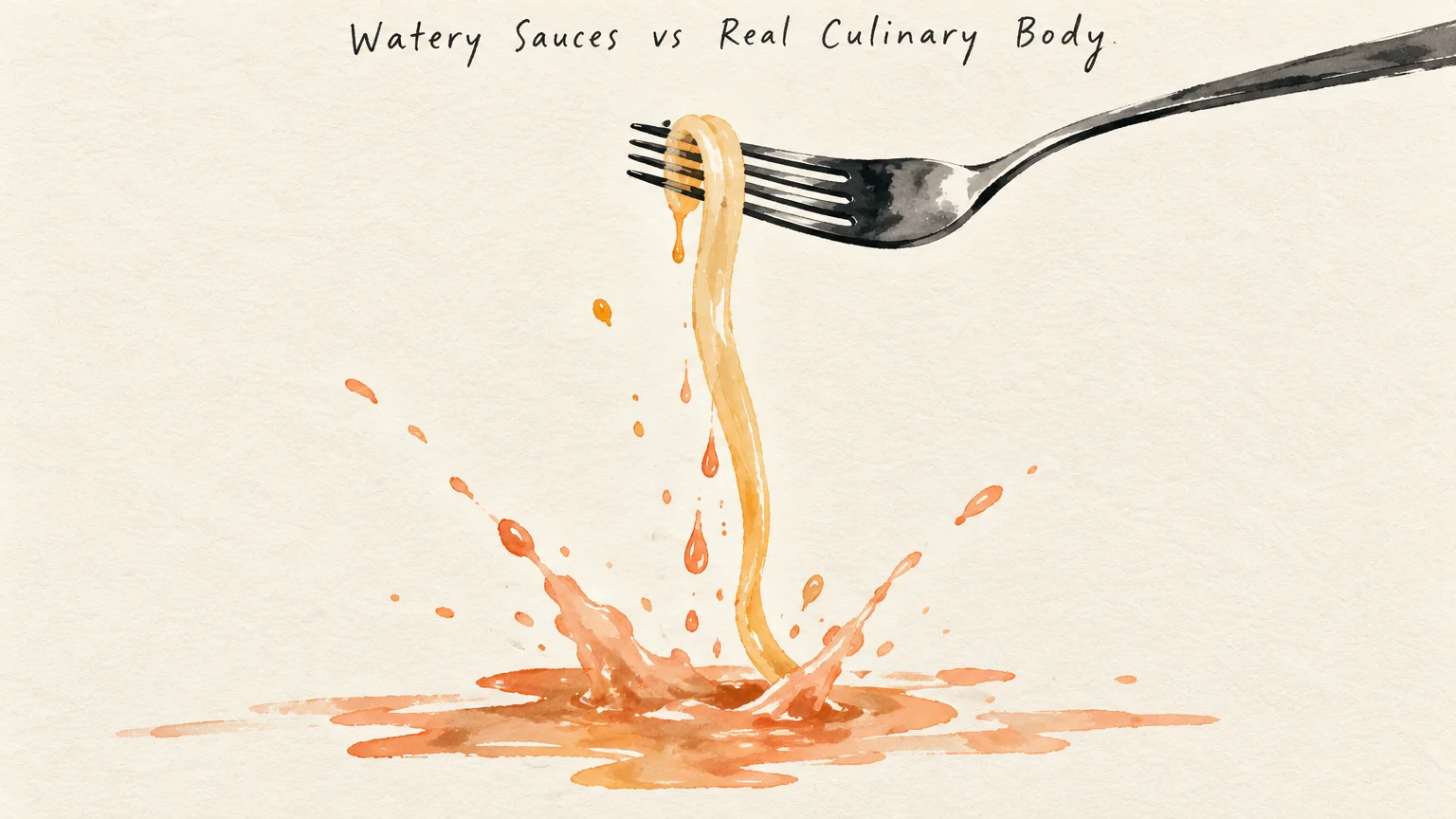
Smart Ones joined Lean Cuisine at the bottom of the Consumer Reports frozen food ranking. Evaluators noted bland flavor profiles and soggy pasta that failed to satisfy.
Marketing a meal as a weight-loss tool means nothing if you dread eating it. Spend your grocery dollars on entrees that use real culinary techniques instead of artificial thickeners.
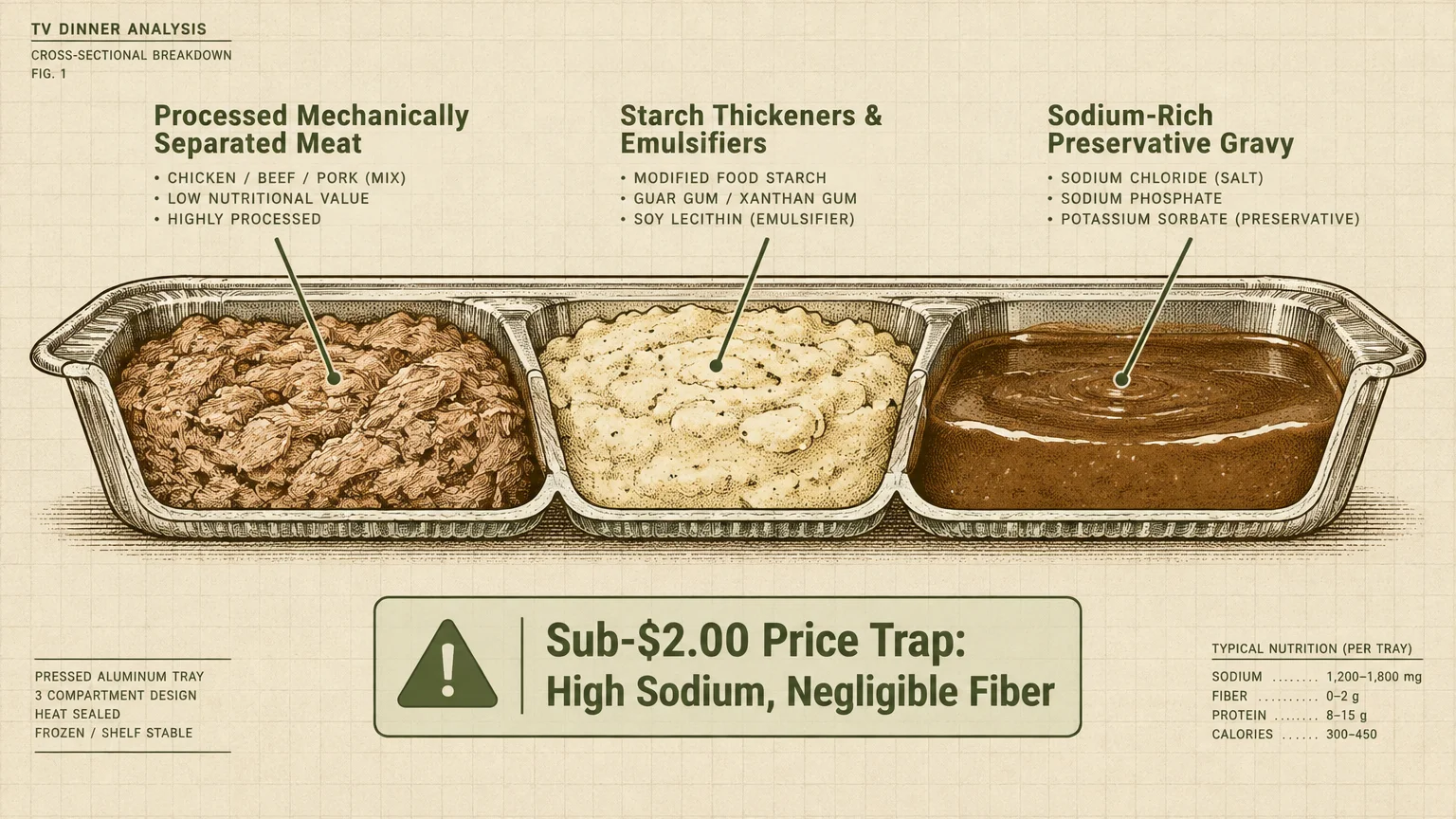
Tip #8: Beware Traditional Budget TV Dinners Loaded with Fillers
Ultra-cheap frozen dinners selling for under two dollars rely on mechanically separated meats and refined flour. These trays use heavy salt and saturated fat to disguise low-grade ingredients.
They deliver empty calories that trigger sluggish energy crashes. Upgrading to a three-dollar whole-grain bowl protects both your physical health and your daily productivity.
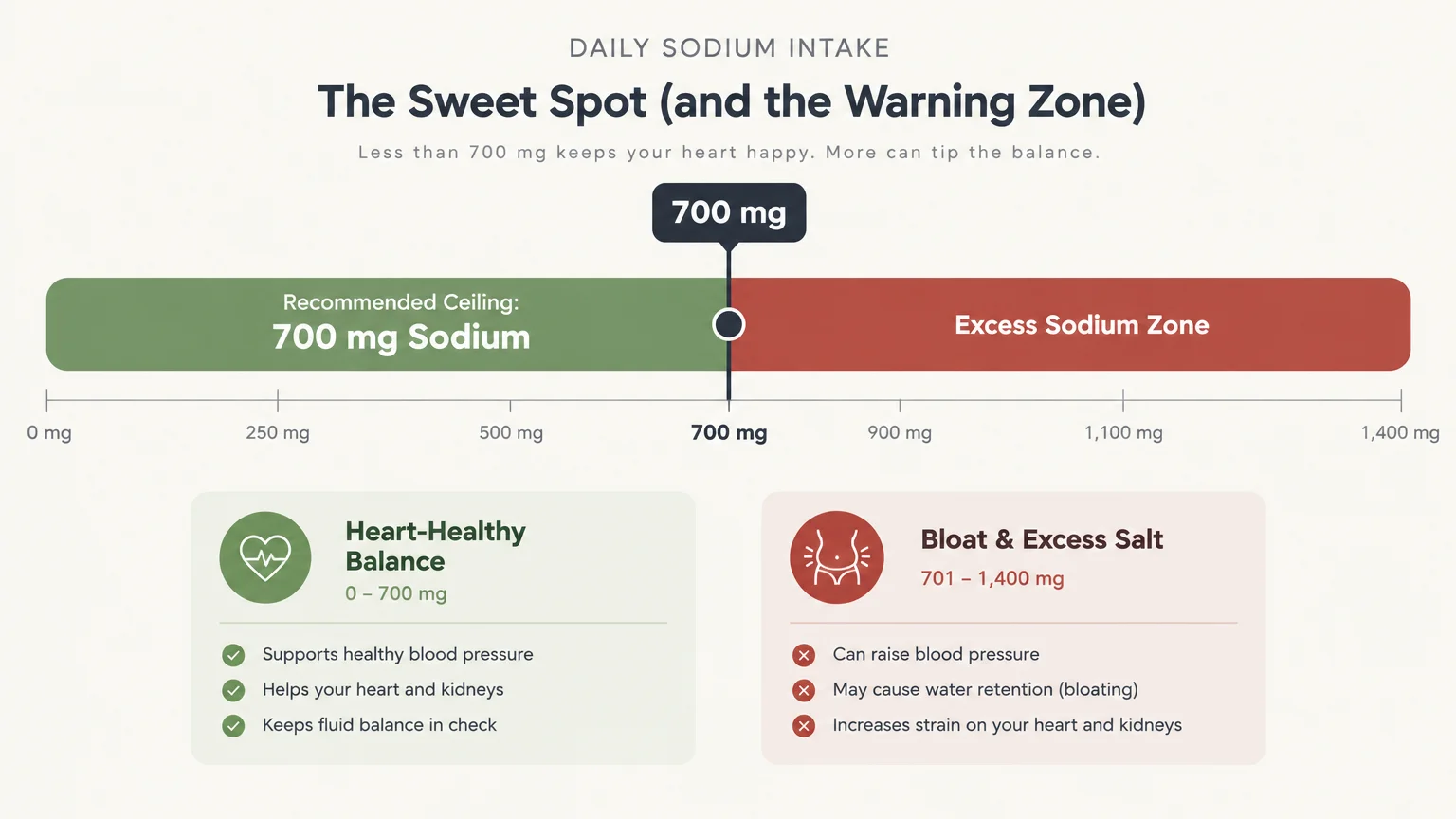
Tip #9: Cap Your Entree Sodium at 700 Milligrams
Consumer Reports advises shoppers to select frozen dinners with 600 to 700 milligrams of sodium or less. The worst commercial options cram more than half your daily 2,300-milligram limit into one bowl.
Excessive sodium spikes blood pressure and leaves you dehydrated throughout the afternoon. Always flip the package over and verify the milligrams before tossing a box into your cart.
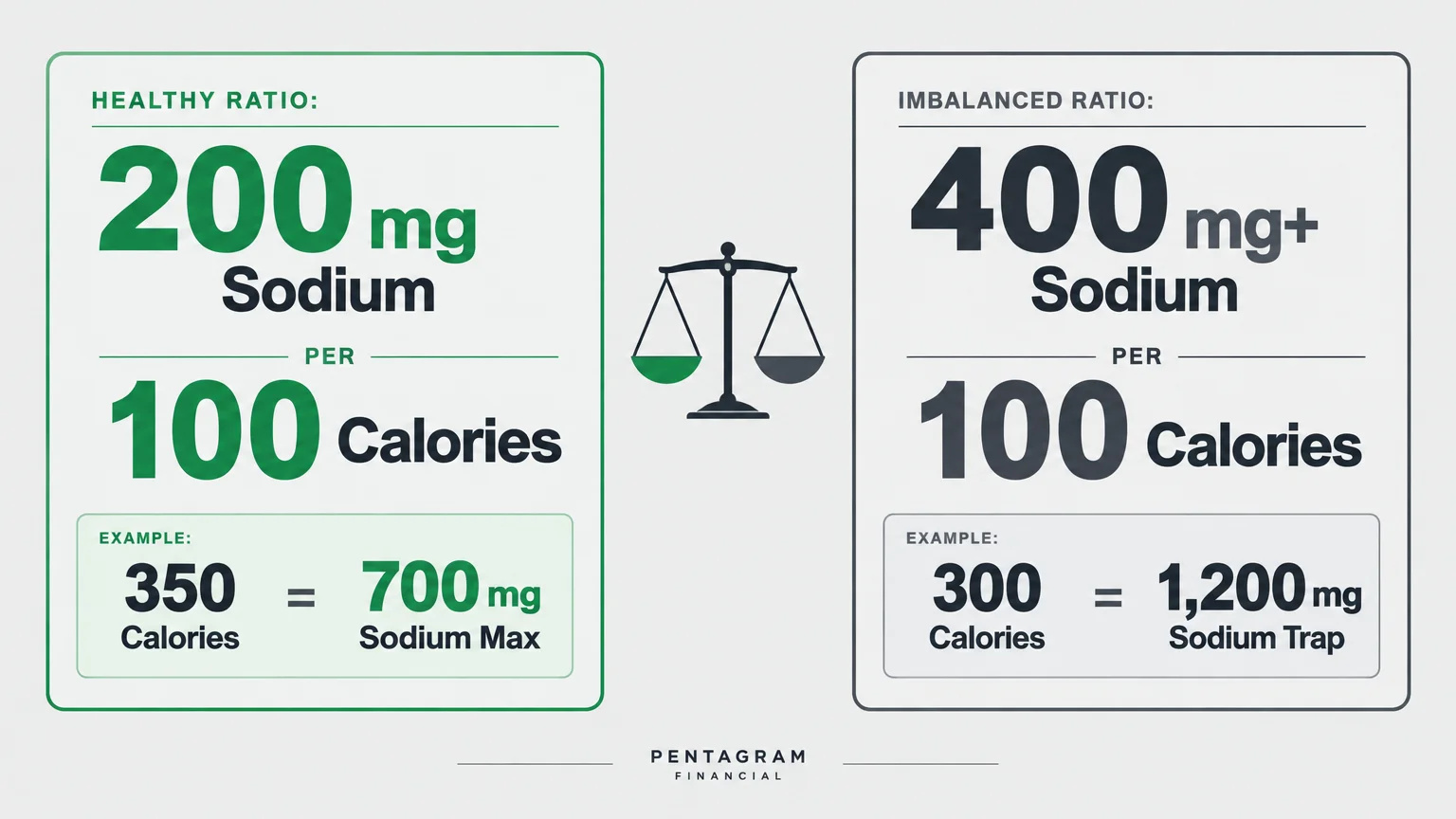
Tip #10: Follow the 200 Milligram Sodium per 100 Calorie Rule
A quick mental shortcut helps you evaluate sodium density in seconds. Divide the sodium milligrams by the calorie count; the ratio should stay under two to one.
If a 300-calorie entree contains 800 milligrams of sodium, put it back on the shelf. This quick calculation keeps you from accidentally buying salt bombs disguised as healthy dinners.
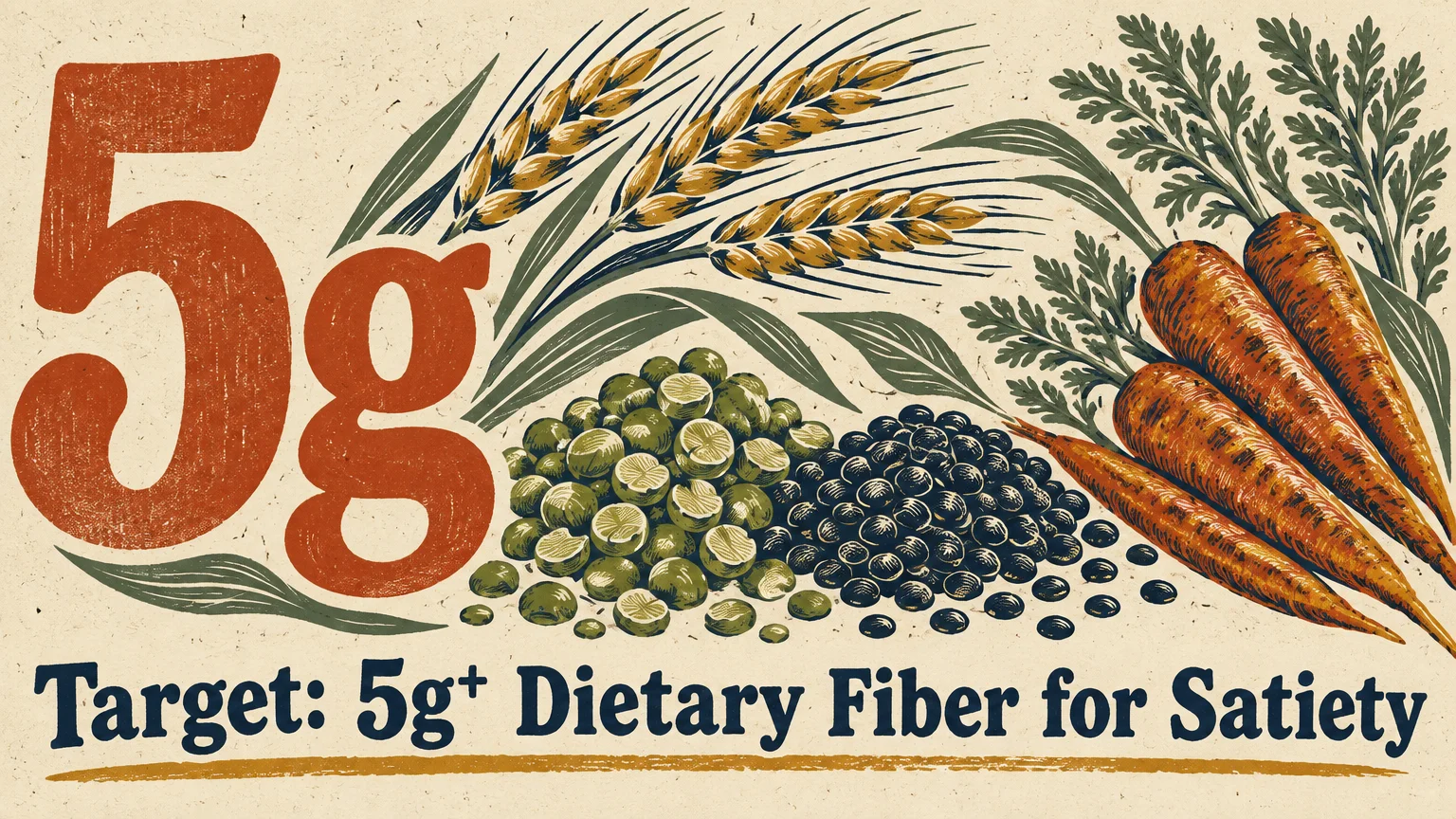
Tip #11: Target Meals with at Least 5 Grams of Fiber
The healthiest frozen meals supply at least 5 to 6 grams of dietary fiber per serving. Fiber slows digestion, maintains steady blood sugar, and provides lasting fullness.
Look for ingredient panels that lead with black beans, lentils, broccoli, or brown rice. Entrees lacking fiber leave you rummaging through the kitchen pantry thirty minutes later.
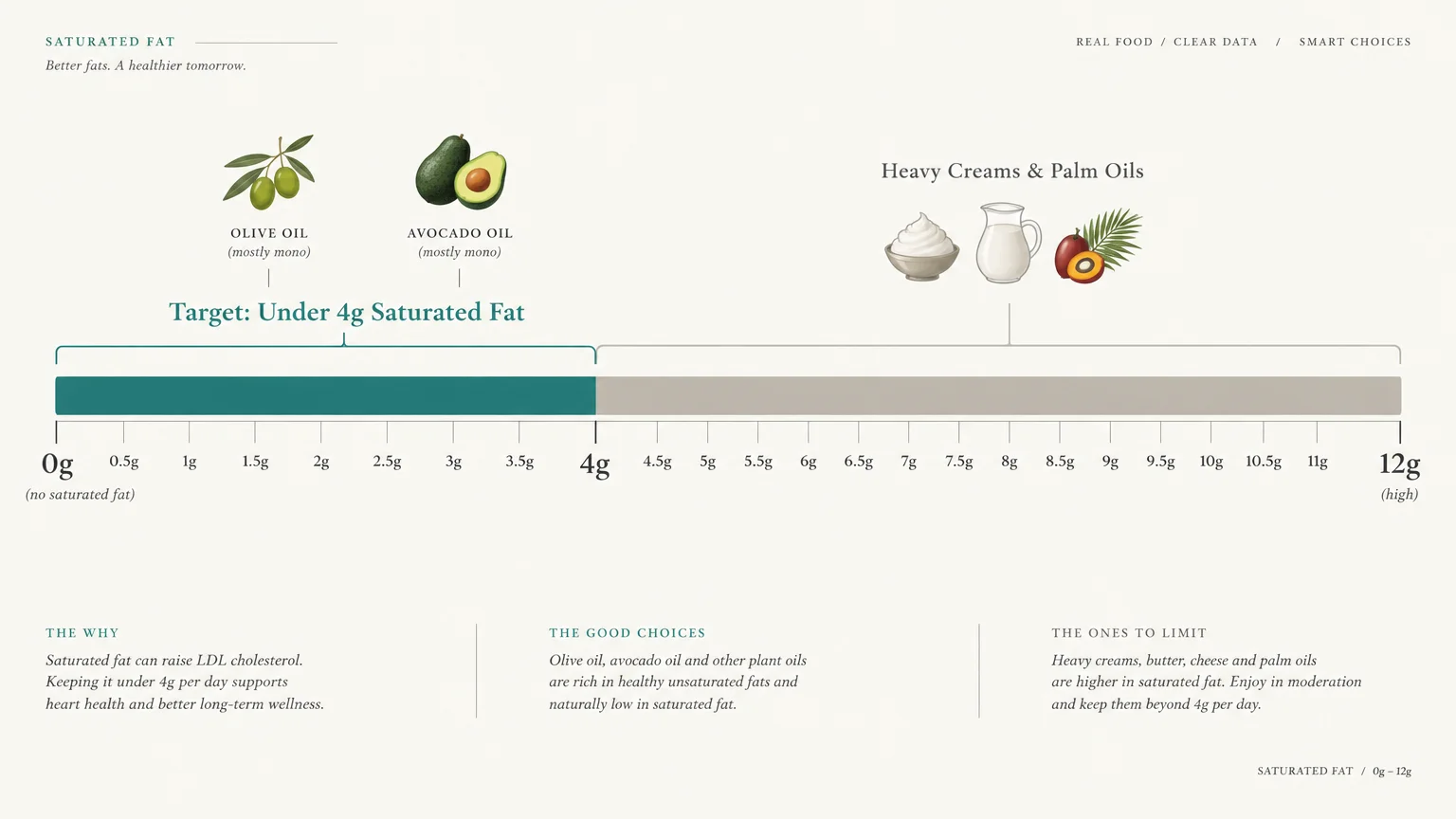
Tip #12: Keep Saturated Fat Under 4 Grams per Serving
Top-tier frozen entrees keep saturated fat capped at 3 to 4 grams per meal. This standard ensures saturated fat accounts for less than 10 percent of your daily caloric intake.
Many frozen brands hide butter-heavy cream sauces and cheap palm oil under flashy protein claims. Protect your arteries by choosing garlic, olive oil, and tomato-based sauces instead.
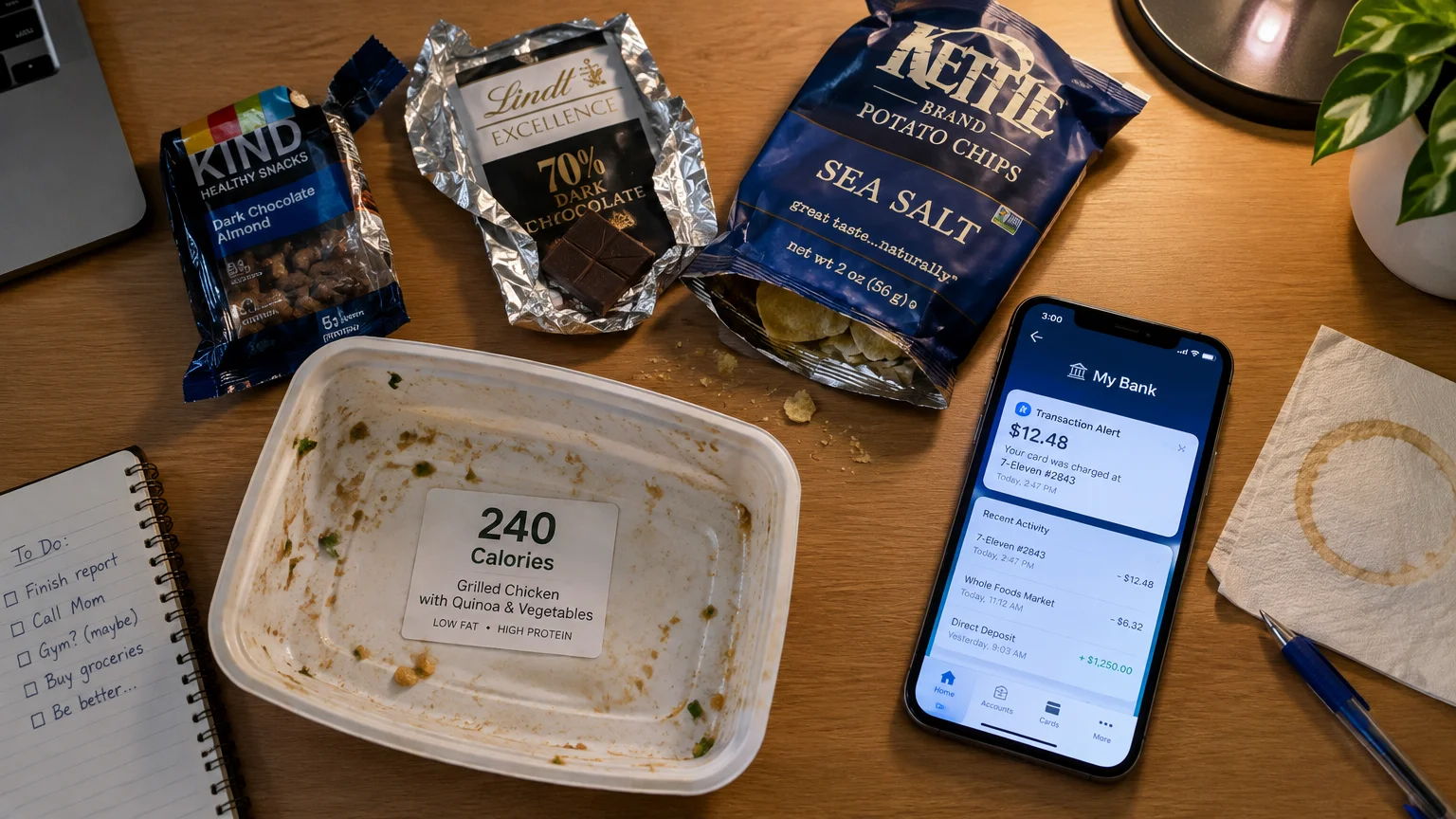
Tip #13: Avoid the Sub-300 Calorie Diet Food Trap
Frozen meals clocking in under 300 calories might look great for dieting, but they backfire financially and nutritionally. These micro-portions leave you starving and prompt impulse convenience store runs.
Aim for entrees in the 300 to 500 calorie sweet spot. That caloric range provides enough energy to power your afternoon without demanding supplementary snacks.
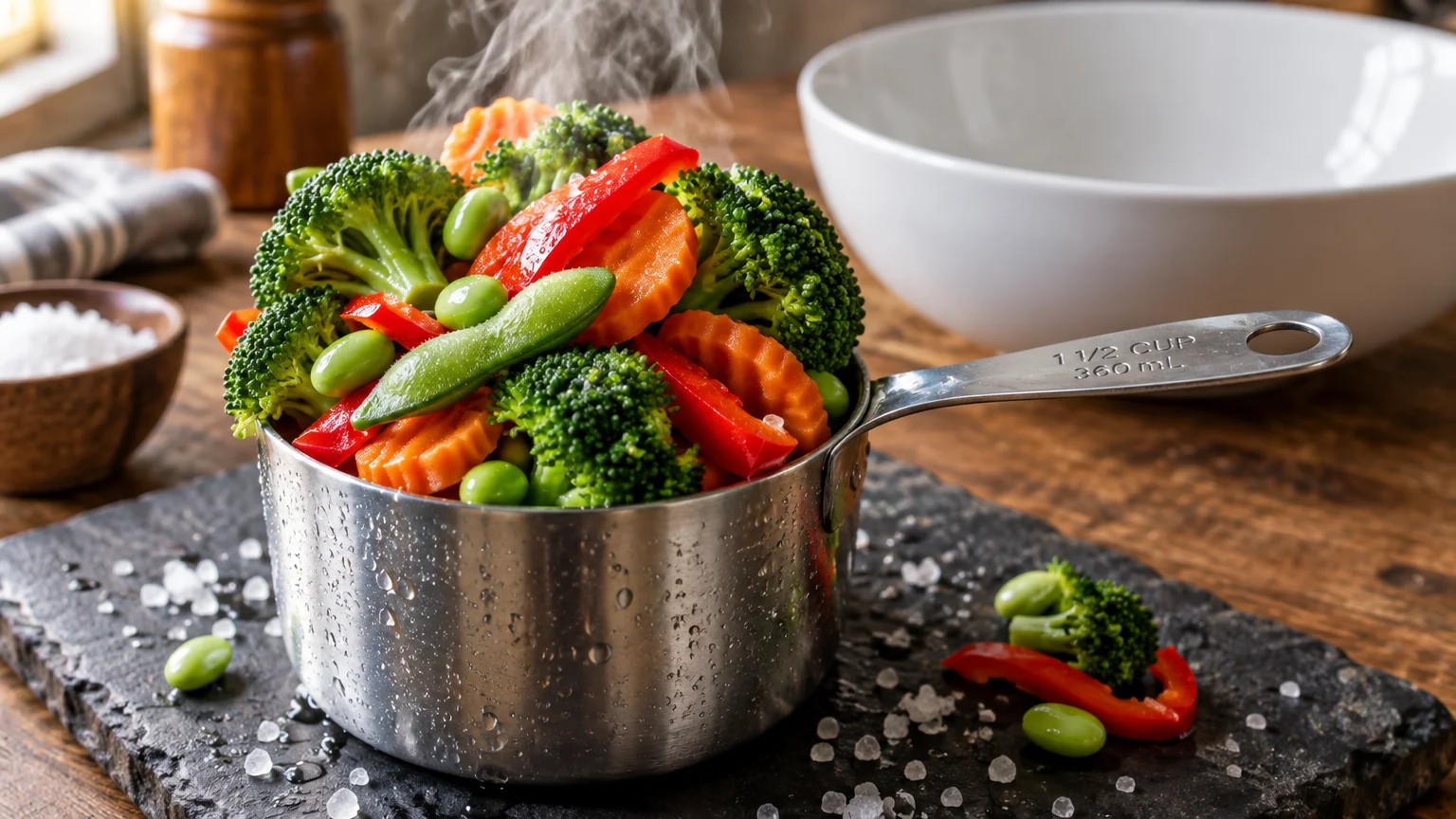
Tip #14: Hunt for 1 to 1.5 Cups of Whole Vegetables
Top-performing meals in the study contained roughly 1 to 1.5 cups of real vegetables and hearty grains. They delivered crisp bell peppers, leafy greens, and firm edamame rather than tiny vegetable specks.
Generous vegetable volume bulks up your meal naturally without adding costly empty calories. Check the ingredient list to ensure vegetables appear before water and starches.
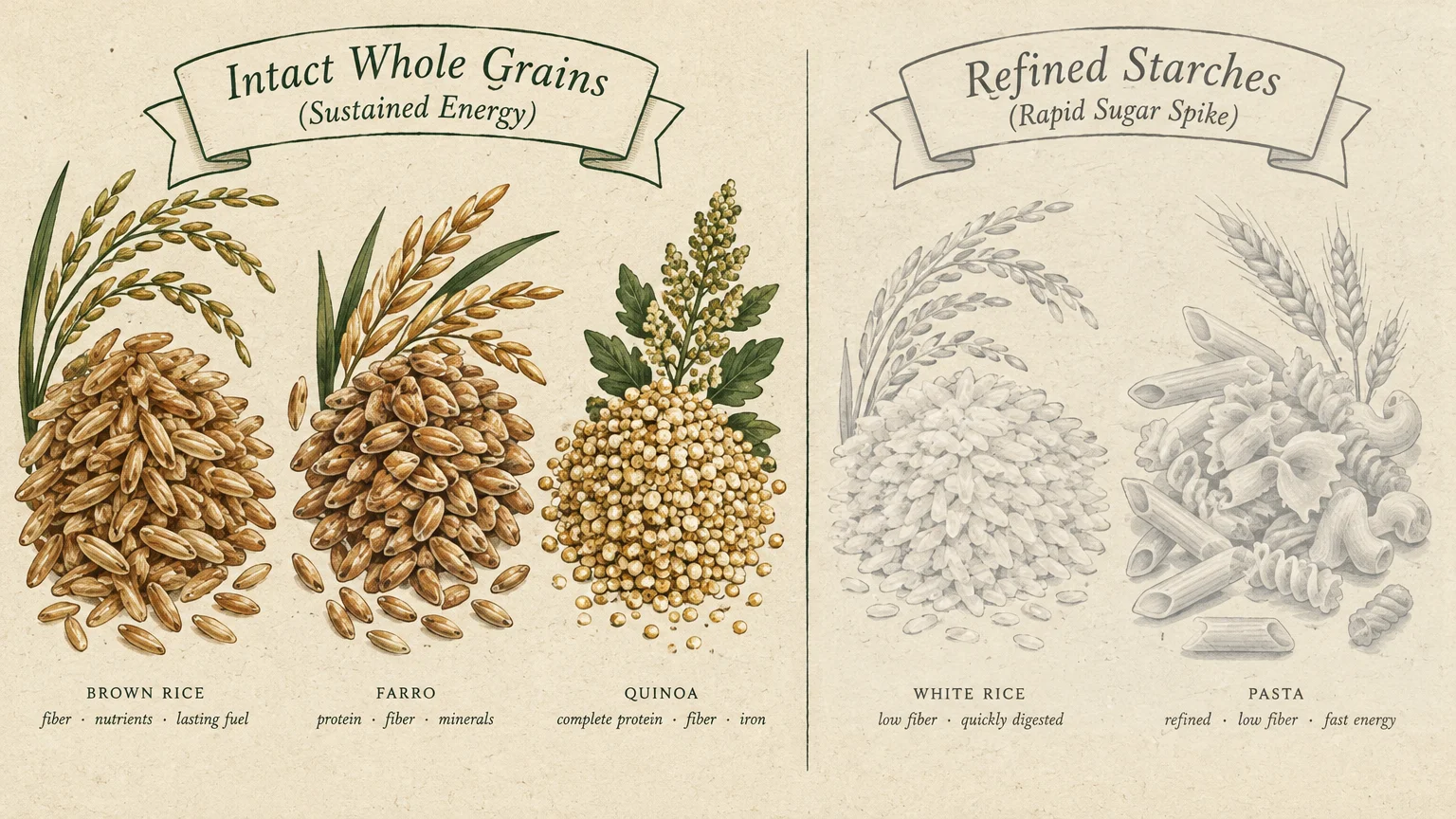
Tip #15: Scan for Intact Grains Over Refined Starches
Cheap frozen trays rely on white rice and bleached pasta because they cost food manufacturers pennies. Better brands use quinoa, farro, wild rice, and barley.
Intact grains retain their nutrient-rich bran and germ layers. They also hold their bite in the microwave, avoiding the mushy slop common to refined noodles.
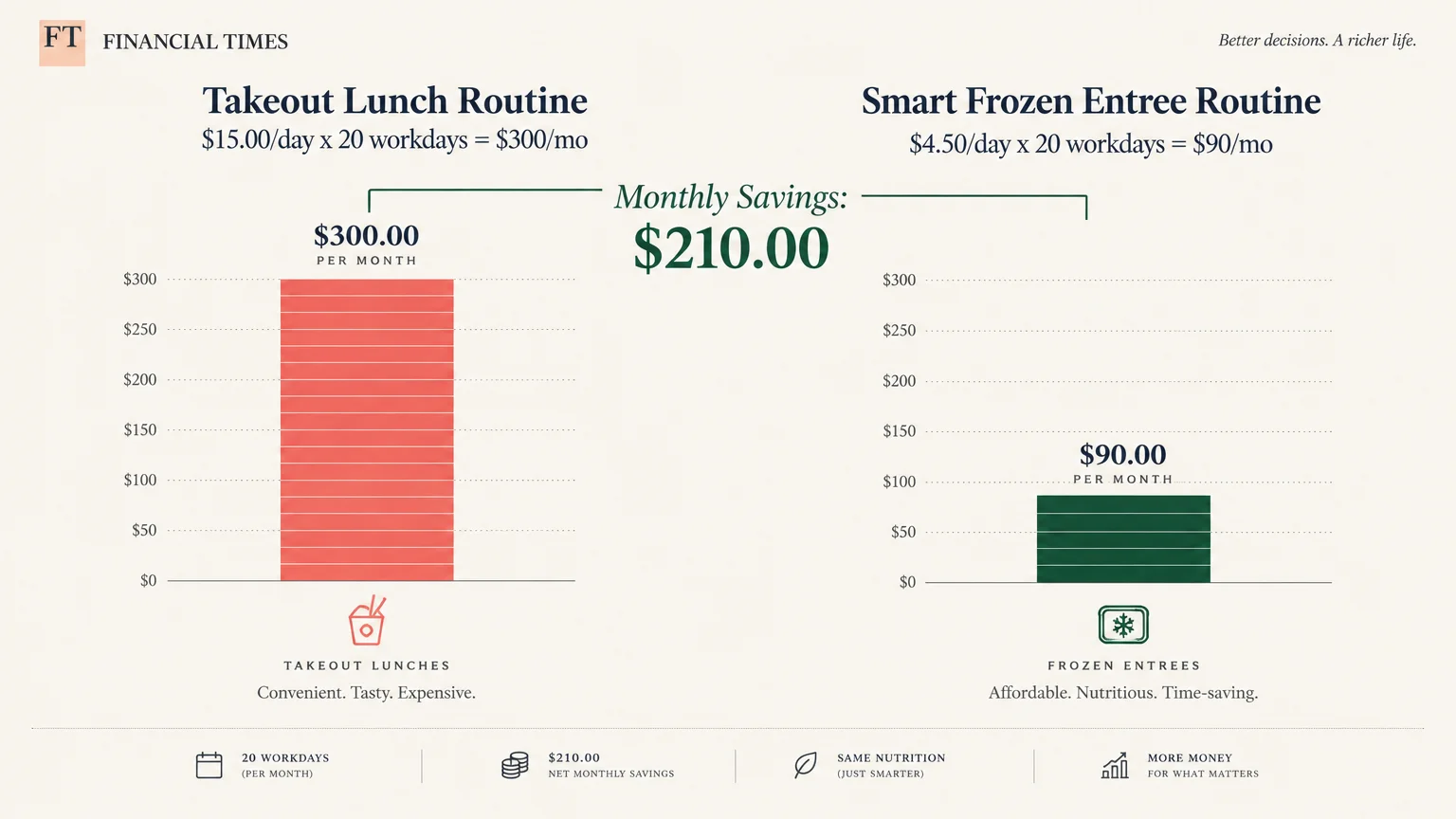
Tip #16: Use Frozen Entrees to Replace Pricey Takeout Lunches
The average fast-casual or takeout lunch in America now costs between $12 and $16. Grabbing a premium $6 frozen entree saves you at least $6 to $10 every single day.
Keep a stash of high-scoring meals in the office freezer to resist midday delivery temptation. Those small daily decisions keep substantial cash inside your checking account.
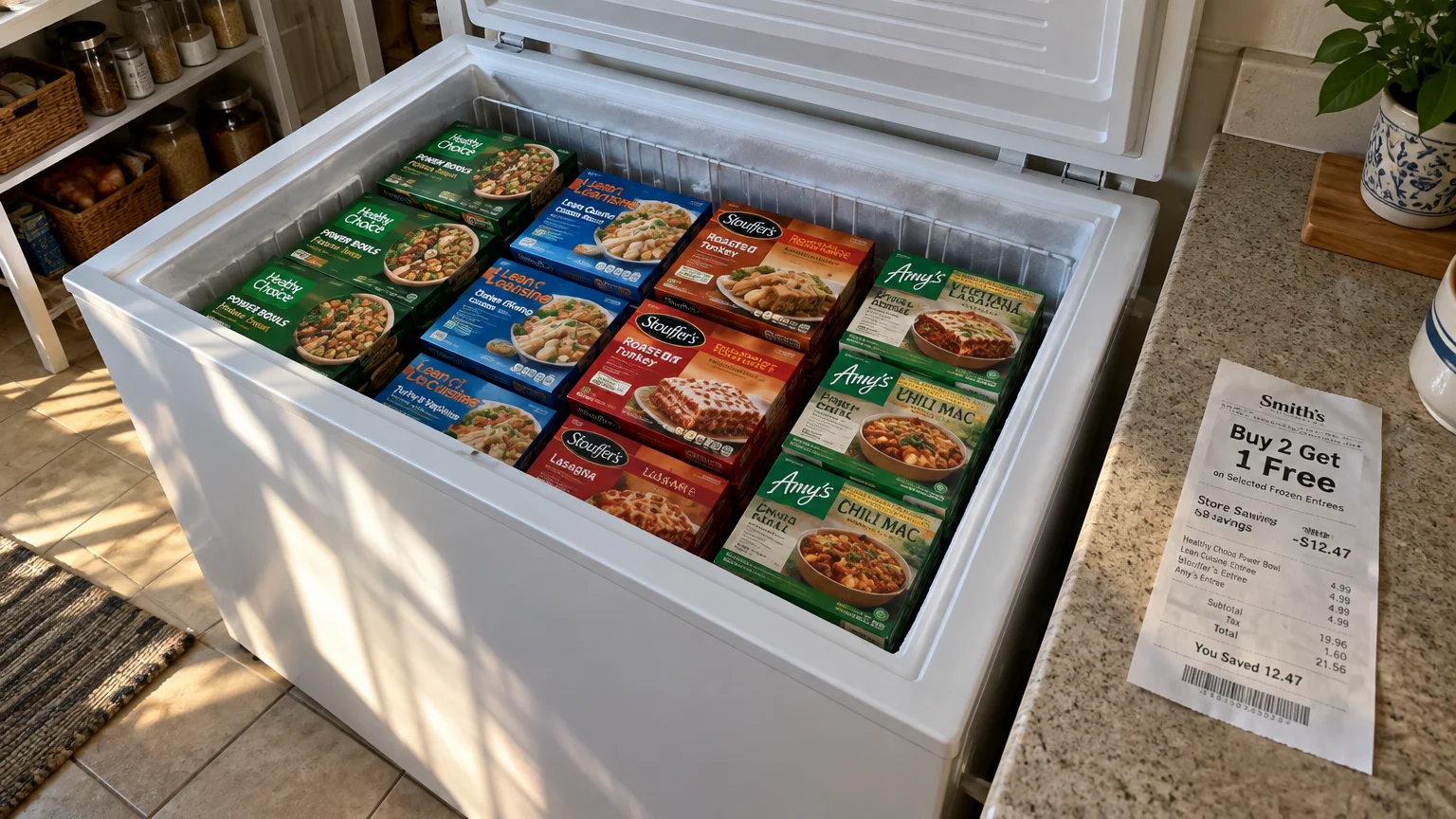
Tip #17: Stock Up When Top Brands Hit Promotional Sale Cycles
Grocery stores run cyclic promotions on premium frozen brands every four to six weeks. You can routinely find $6 bowls marked down to $3.99 during manufacturer sales.
Clear space in your freezer and purchase ten or twelve units when your favorite variety hits its lowest price. Strategic stockpiling slashes your annual grocery bill without sacrificing meal quality.
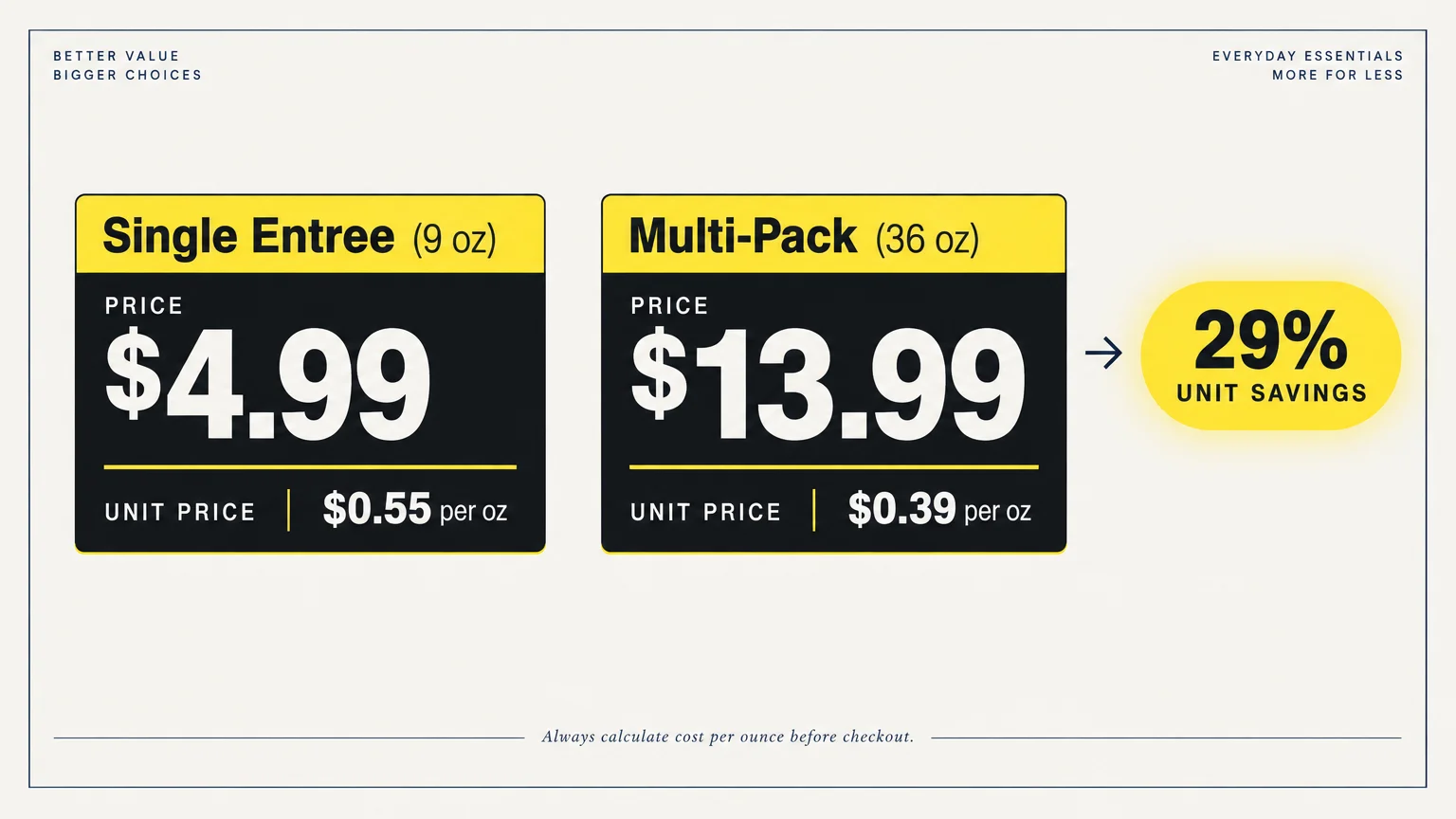
Tip #18: Compare Unit Prices Between Single Servings and Family Packs
Many grocery brands sell their popular skillet meals and bakes in multi-serving bags. Calculate the cost per ounce using the shelf tag before picking single-serve boxes.
Buying a 32-ounce family bag and portioning it into glass containers often trims 25 percent off your per-meal cost. You get identical recipes while trimming manufacturing packaging markups.
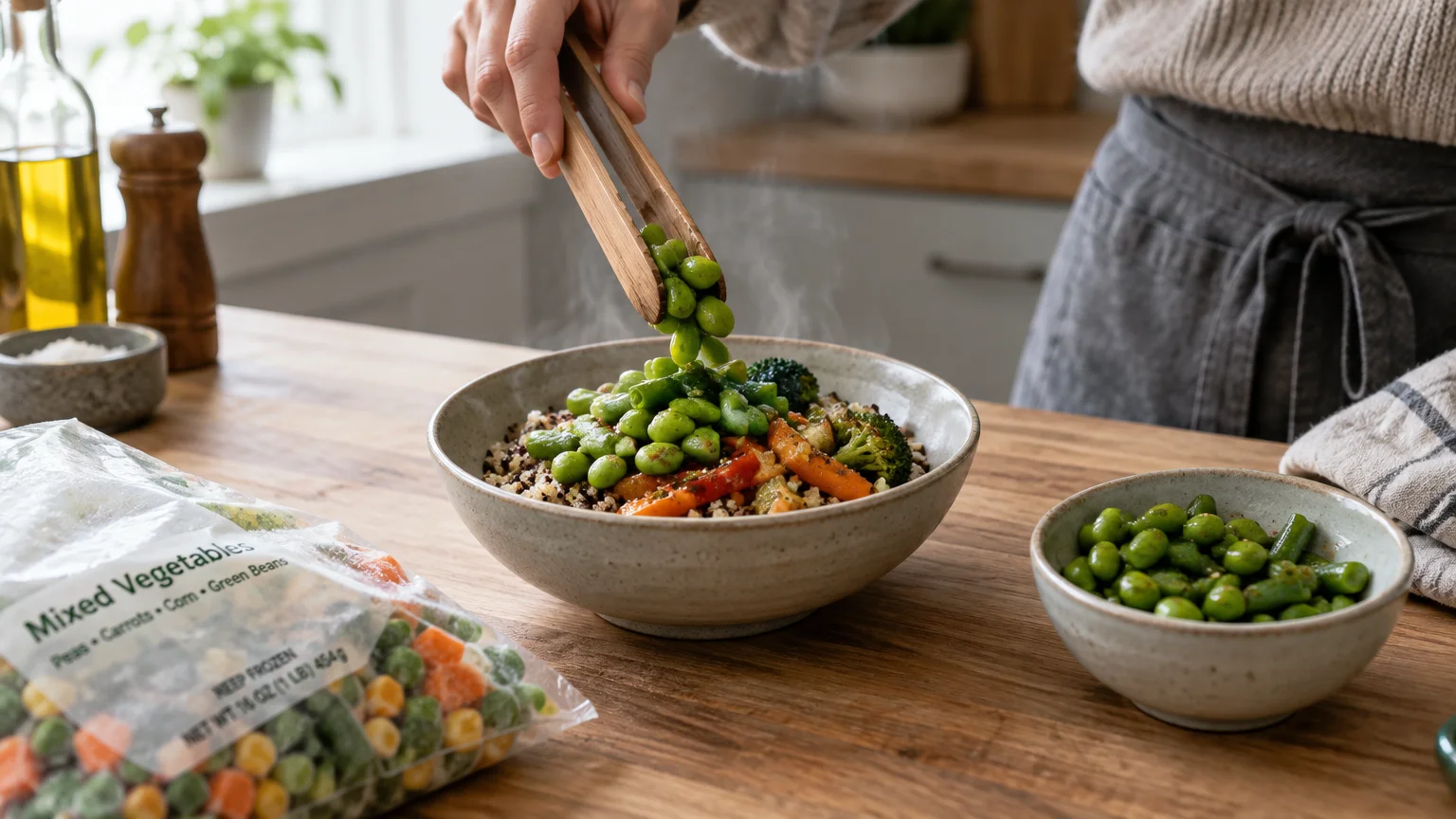
Tip #19: Supplement Cheap Bowls with Your Own Frozen Veggies
If you buy basic $3 steamer bowls, elevate them by stirring in half a cup of plain frozen broccoli or peas. A standard two-pound bag of frozen vegetables costs less than two dollars.
This simple trick doubles your vegetable intake and fiber for just pennies per portion. It transforms an ordinary frozen entree into a dense, nutrient-packed feast.

Tip #20: Check the Ingredient List for Real Herbs and Spices
High-scoring entrees get their punch from ginger, cumin, garlic, and cilantro rather than artificial flavoring agents. Read past the label promises and scrutinize the fine print.
When a brand uses real spices, the entree tastes freshly cooked instead of chemically engineered. Real ingredients also eliminate the flat, metallic aftertaste found in discount dinners.
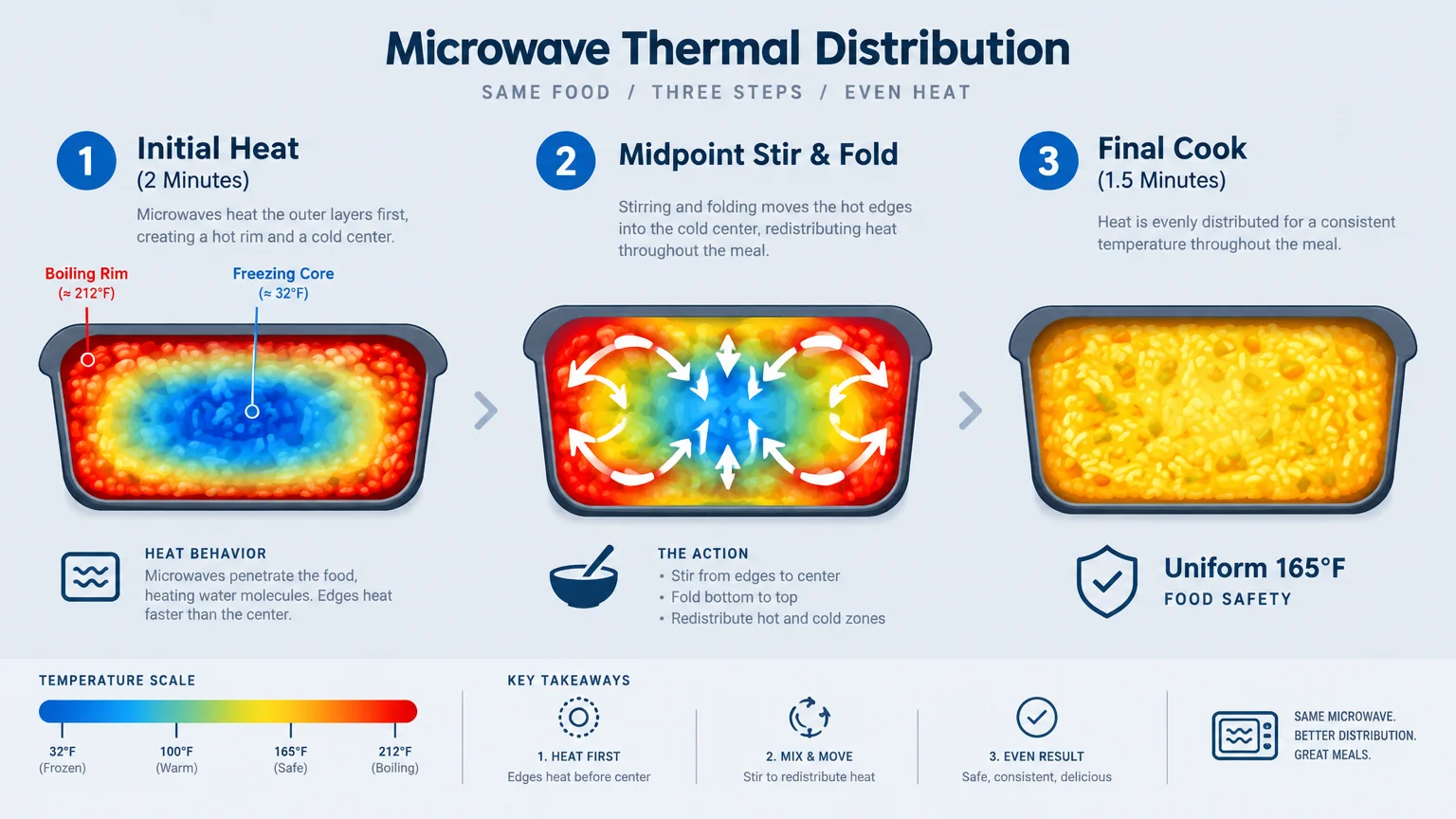
Tip #21: Stir Halfway Through Cooking to Eliminate Frozen Cold Spots
Microwave ovens heat unevenly, leaving center spots icy while the outer edges overcook. Pausing the microwave halfway through the cycle to stir ensures heat distributes evenly.
This basic culinary habit restores sauce consistency and guarantees safe internal temperatures. It takes only twenty seconds and prevents ruined, rubbery meals.
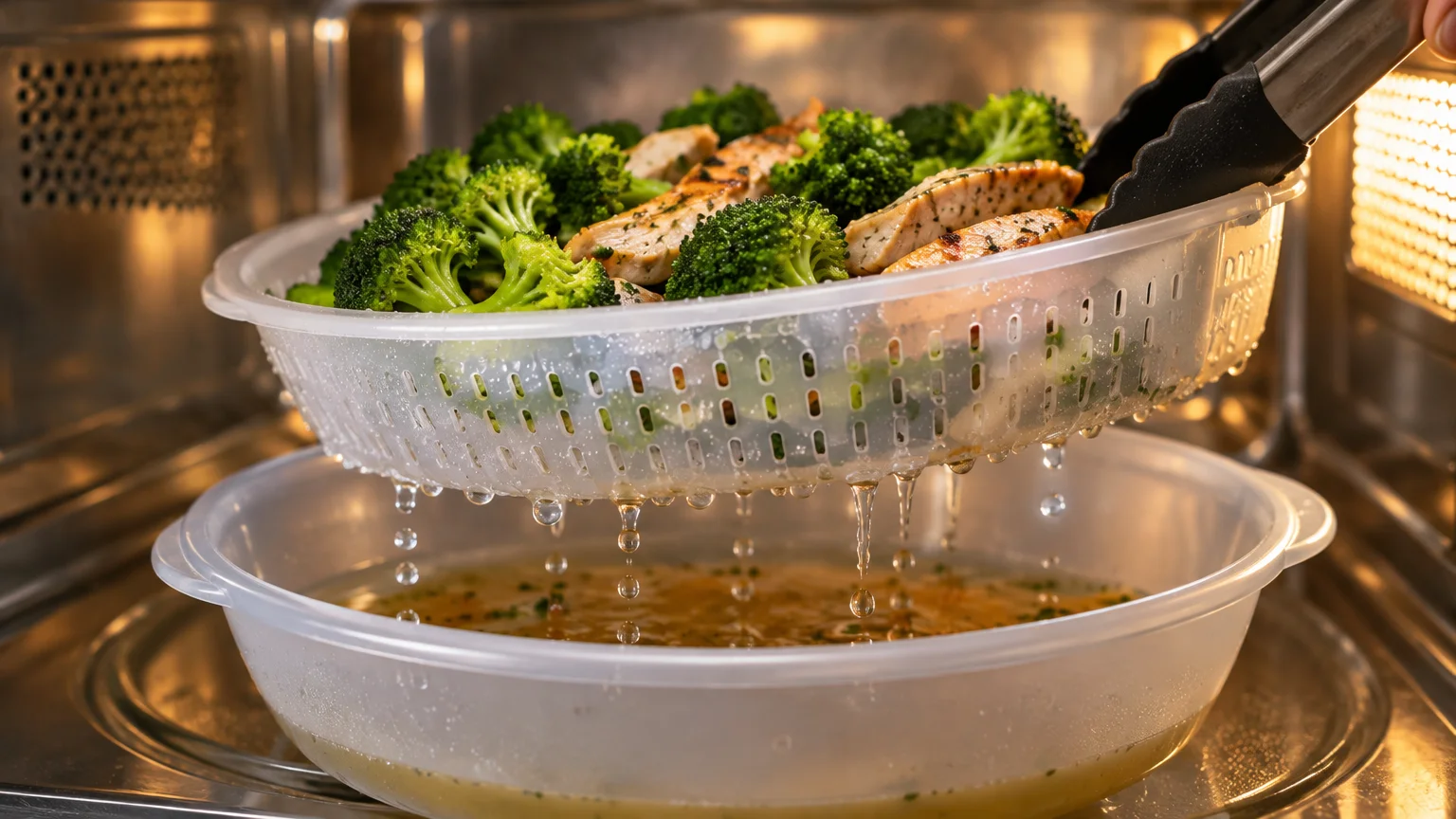
Tip #22: Respect the Steam Basket Design in Modern Trays
Brands like Healthy Choice engineered two-piece steamer trays for a precise culinary reason. Suspending ingredients above the simmering sauce lets steam gently cook the vegetables without boiling them into mush.
Do not combine the components before cooking. Follow the package instructions and pour the ingredients into the sauce bowl only after heating finishes.
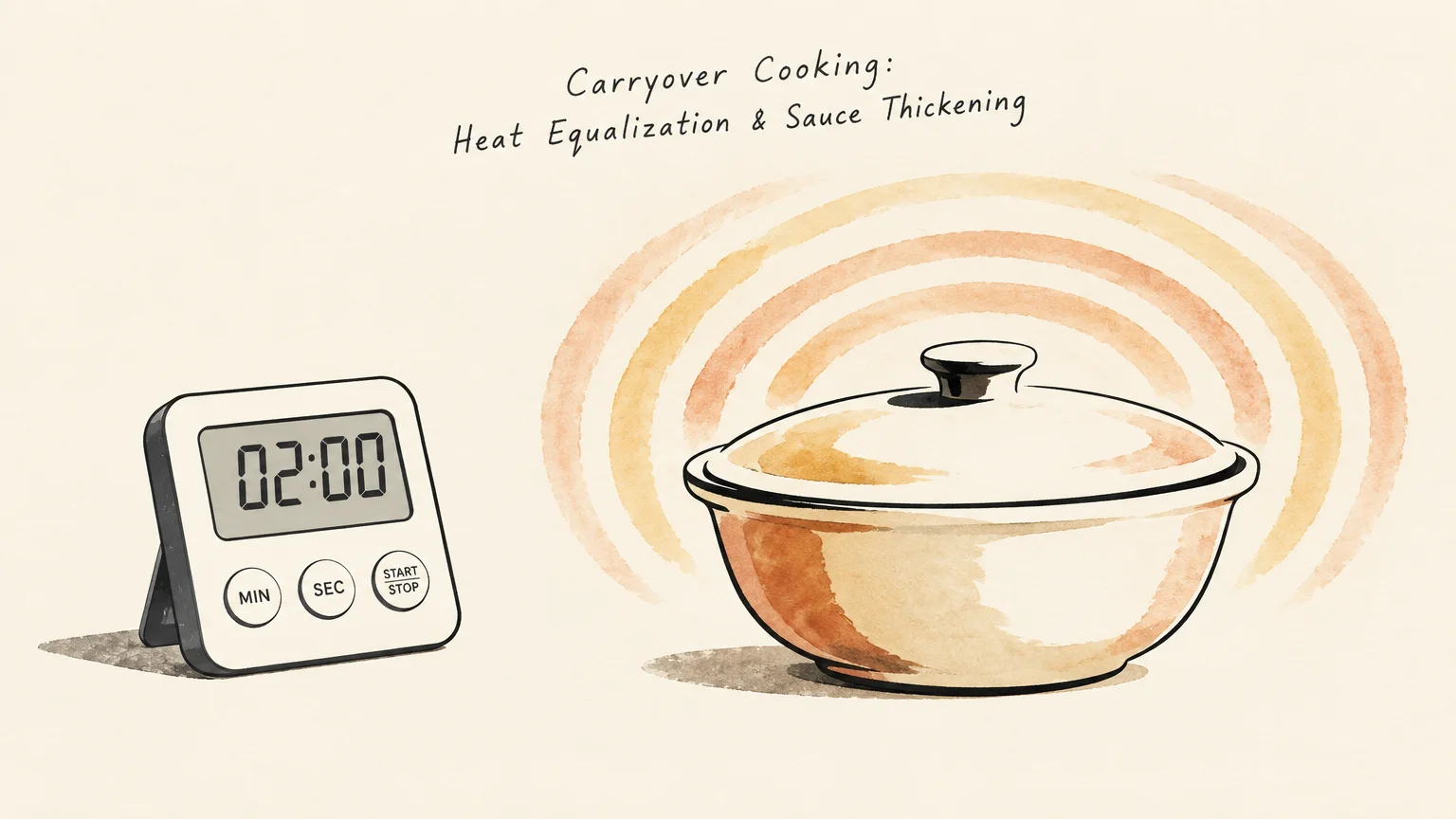
Tip #23: Let Your Meal Rest for Two Minutes to Finish Cooking
Tearing into a frozen dinner immediately after the microwave beeps is a common mistake. Carryover steam completes the cooking process while the container rests on your counter.
Resting also allows sauces to thicken and stabilizes the temperature of the vegetables. Giving your food two minutes to settle creates a dramatically better dining experience.
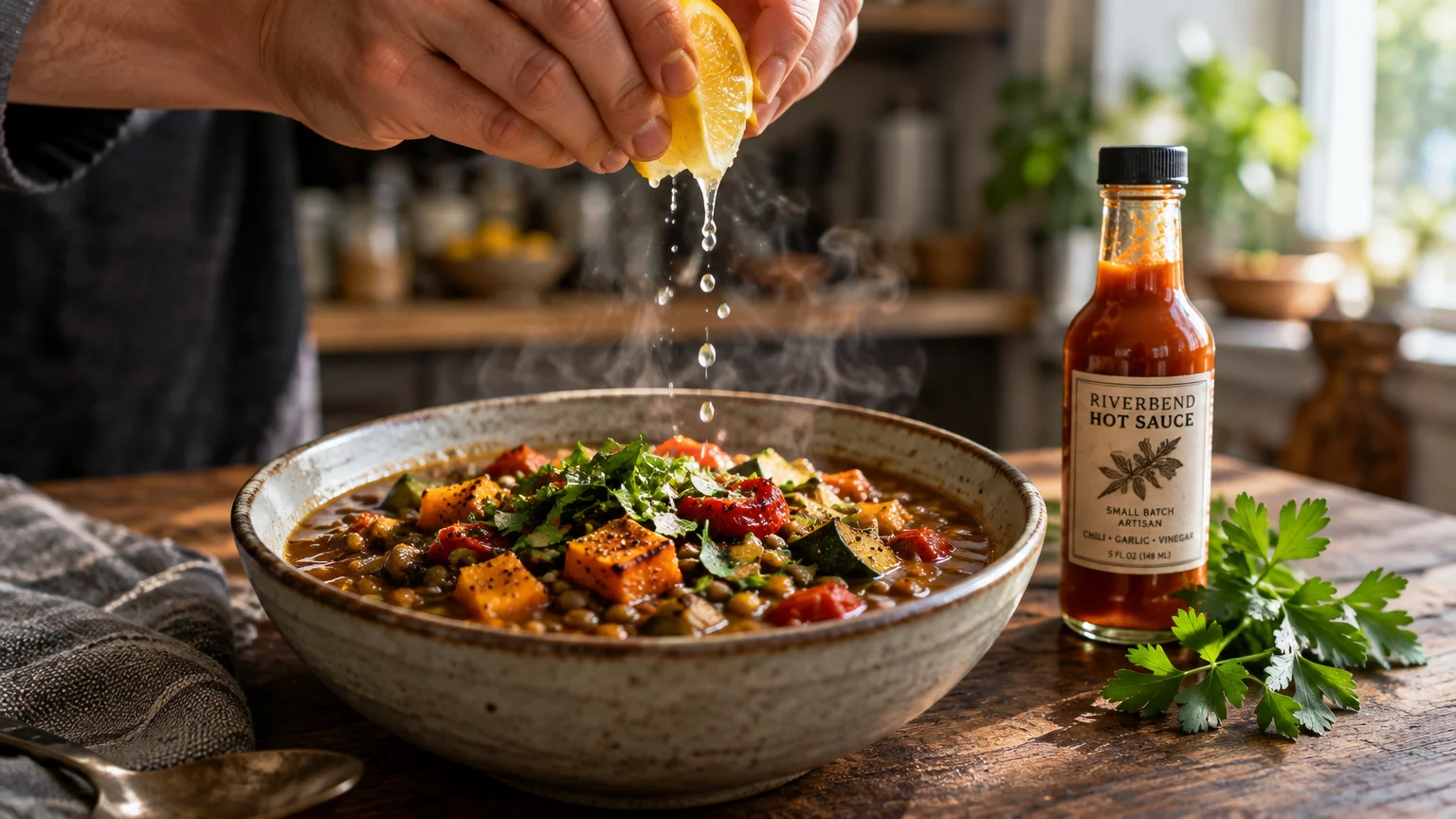
Tip #24: Add Fresh Citrus or Hot Sauce to Brighten Low-Sodium Trays
Nutritious meals with under 600 milligrams of sodium can occasionally taste slightly mild to salt-accustomed palates. Do not reach for the salt shaker to fix the issue.
Squeeze a fresh lime wedge or splash vinegar-based hot sauce over the hot bowl. Acid activates your salivary glands and enhances natural flavors without adding a milligram of sodium.
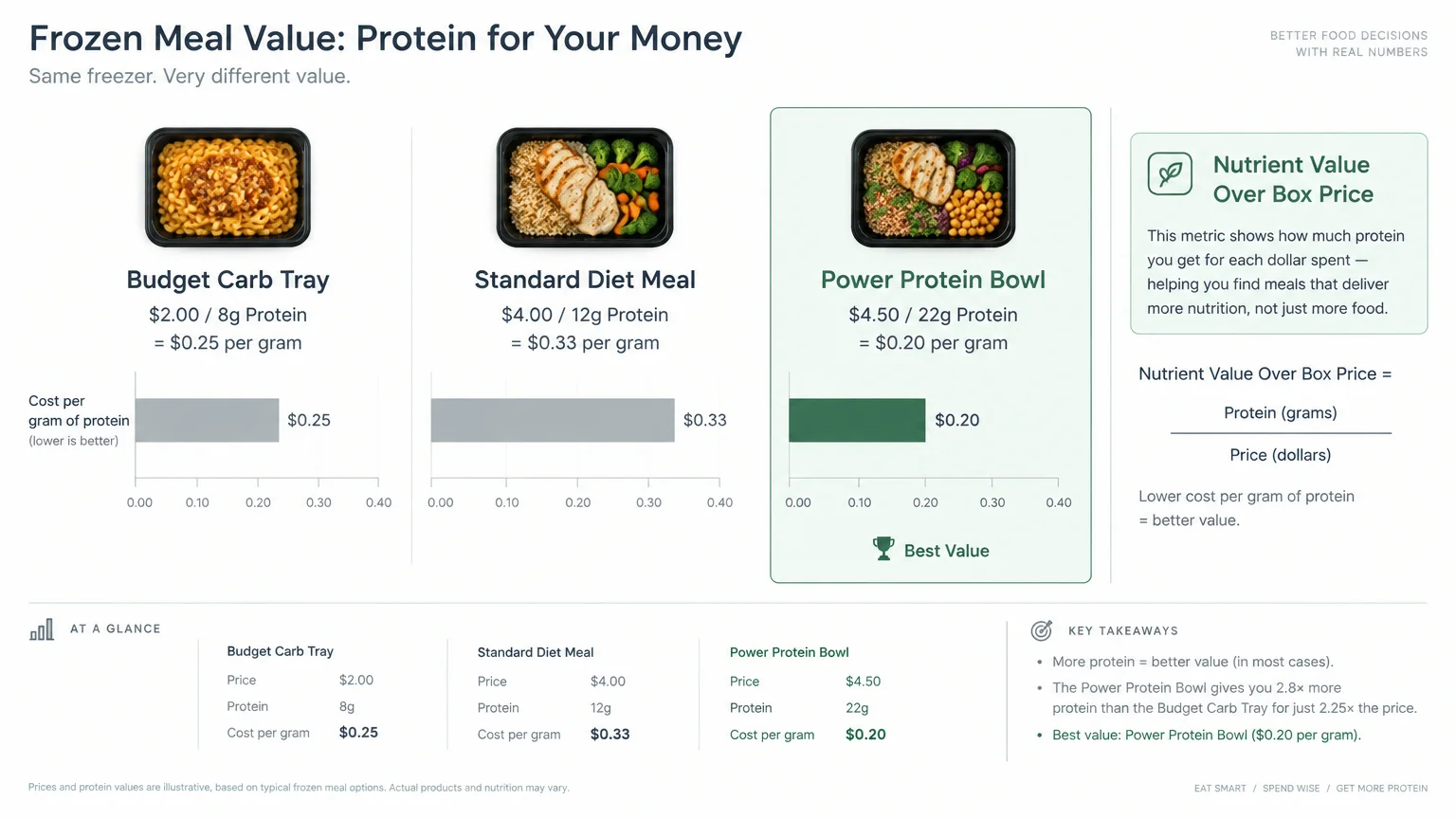
Tip #25: Calculate Your True Cost per Gram of Protein
Do not let bold front-label protein claims fool you into overpaying for marketing. Divide the retail price by the total grams of protein listed on the nutrition panel.
A $5 bowl with 20 grams of protein delivers nutrition at 25 cents per gram. If an $8 specialty bowl offers only 12 grams, you pay an exorbitant premium for branding.
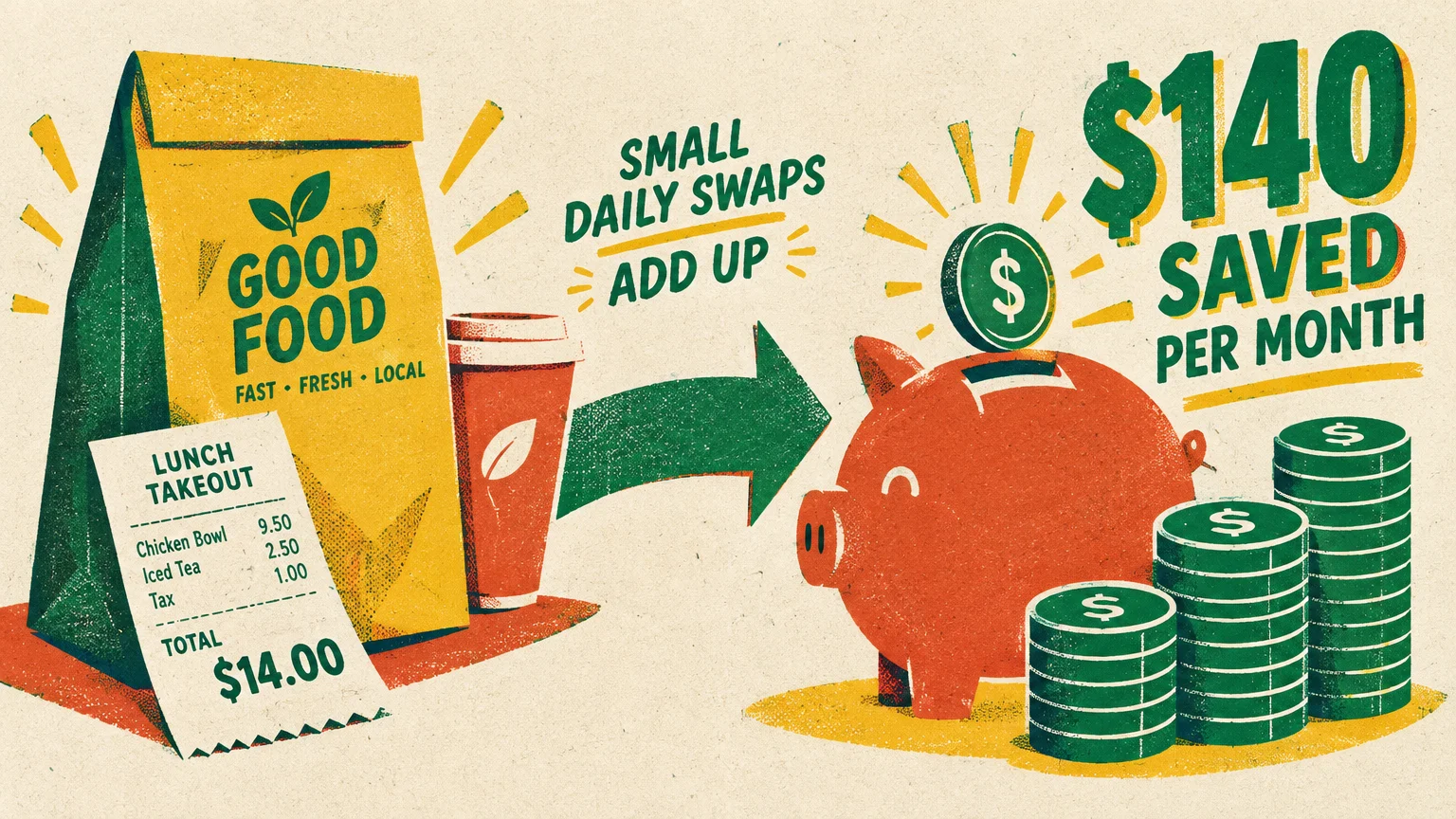
Tip #26: Bank $140 Monthly by Skipping Fast-Casual Bowls
Replacing just three restaurant lunches per week with high-ranking frozen meals saves roughly $30 weekly. That adds up to over $120 to $140 in cold cash saved each month.
Direct those monthly savings straight into an emergency fund or a high-yield savings account. Modest lunchtime adjustments build genuine wealth over time without requiring severe deprivation.
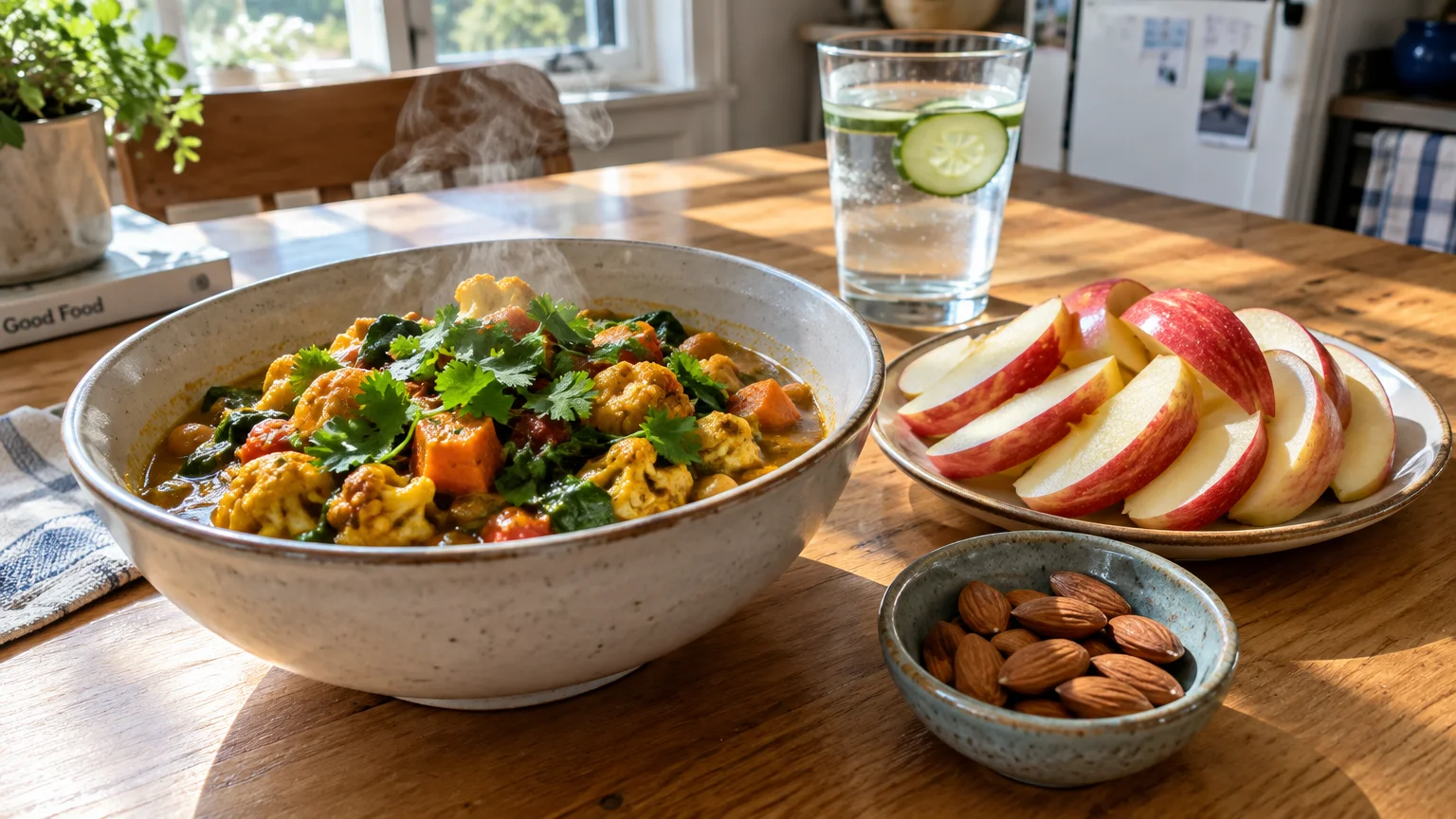
Tip #27: Pair Low-Calorie Trays with Inexpensive Fresh Fruit
If your favorite nutritious frozen entree lands near 300 calories, do not leave your hunger unsatisfied. Pair the meal with an apple, a banana, or a handful of raw almonds.
Adding twenty cents worth of whole fruit provides healthy carbohydrates and water volume. You leave the table full without buying overpriced packaged side dishes.
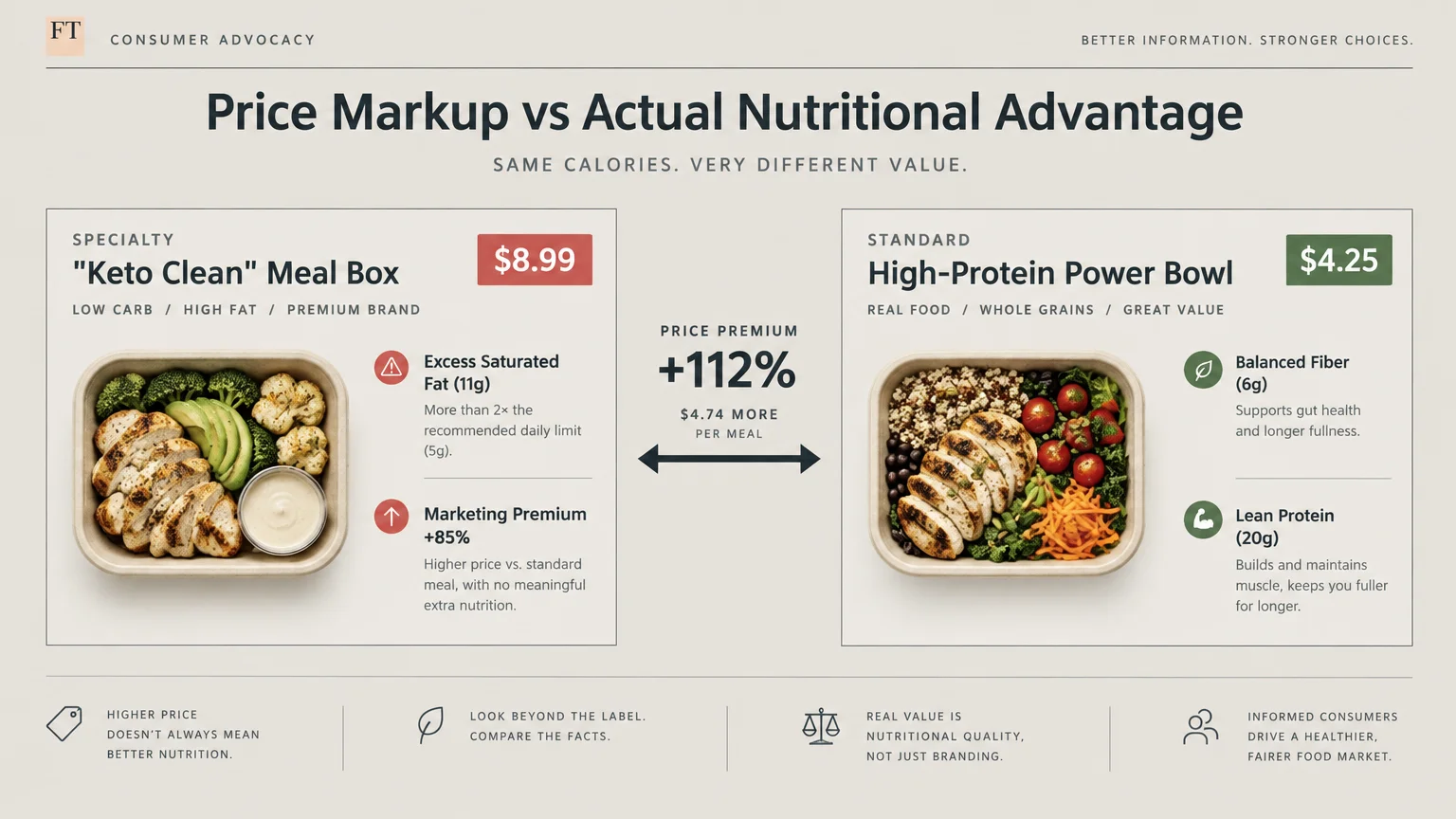
Tip #28: Avoid Overpaying for Gimmicky Keto or Clean Labels
Specialty lifestyle branding routinely tacks a two-dollar markup onto standard frozen meals. Trendy labels often disguise high saturated fat levels and minimal vegetable volume.
Focus on basic nutrition metrics rather than certified diet badges. Whole ingredients, high fiber, and modest sodium matter far more than trendy wellness buzzwords.
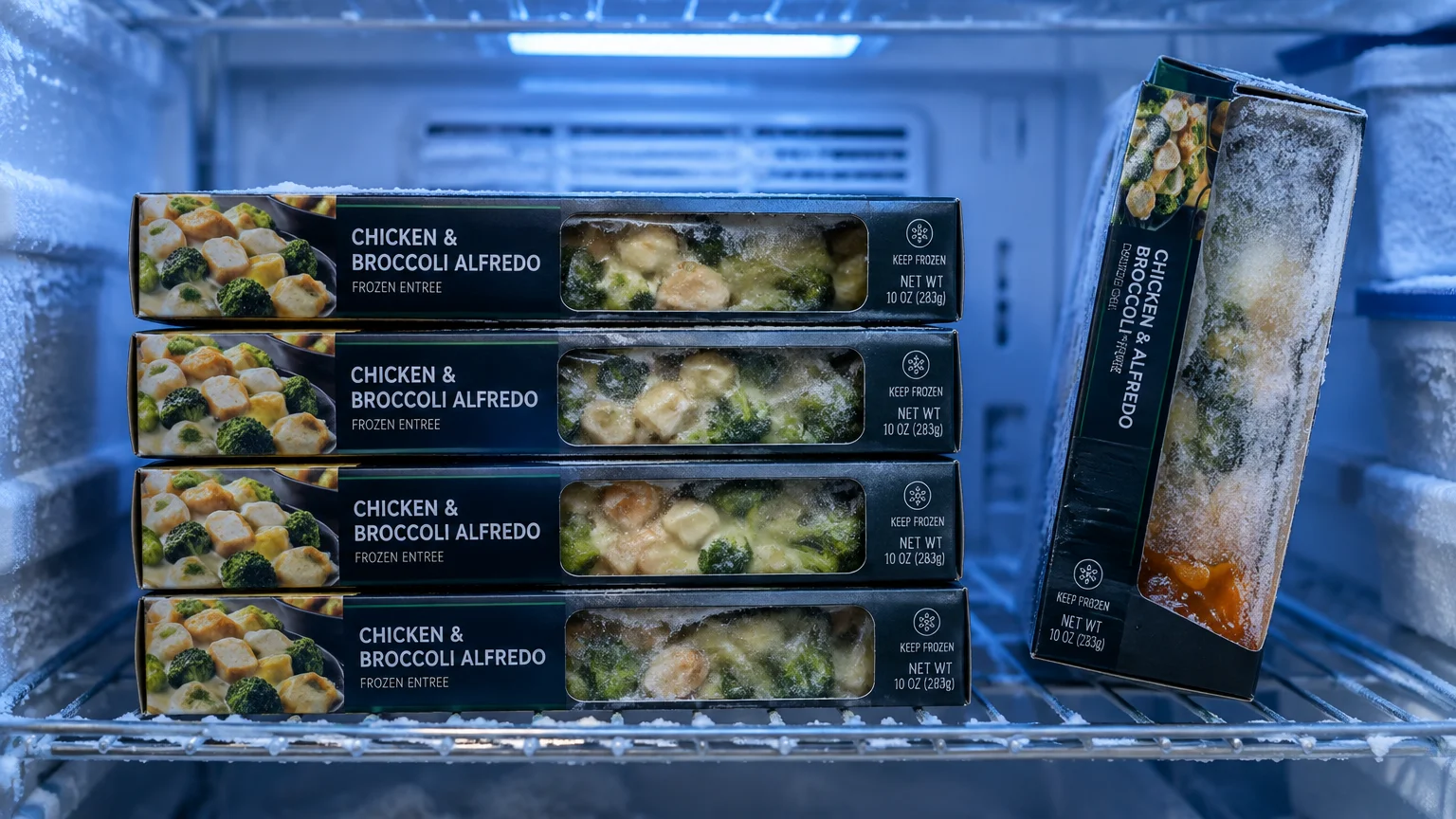
Tip #29: Store Meals Flat to Prevent Freezer Burn and Waste
Stacking frozen dinner boxes upright or wedging them diagonally damages the plastic seal and creates internal ice crystals. Freezer burn ruins food texture and forces you to throw away meals.
Keep boxes lying flat against the freezer shelves to maintain uniform temperatures. Preventing food waste is the fastest way to protect your hard-earned grocery budget.
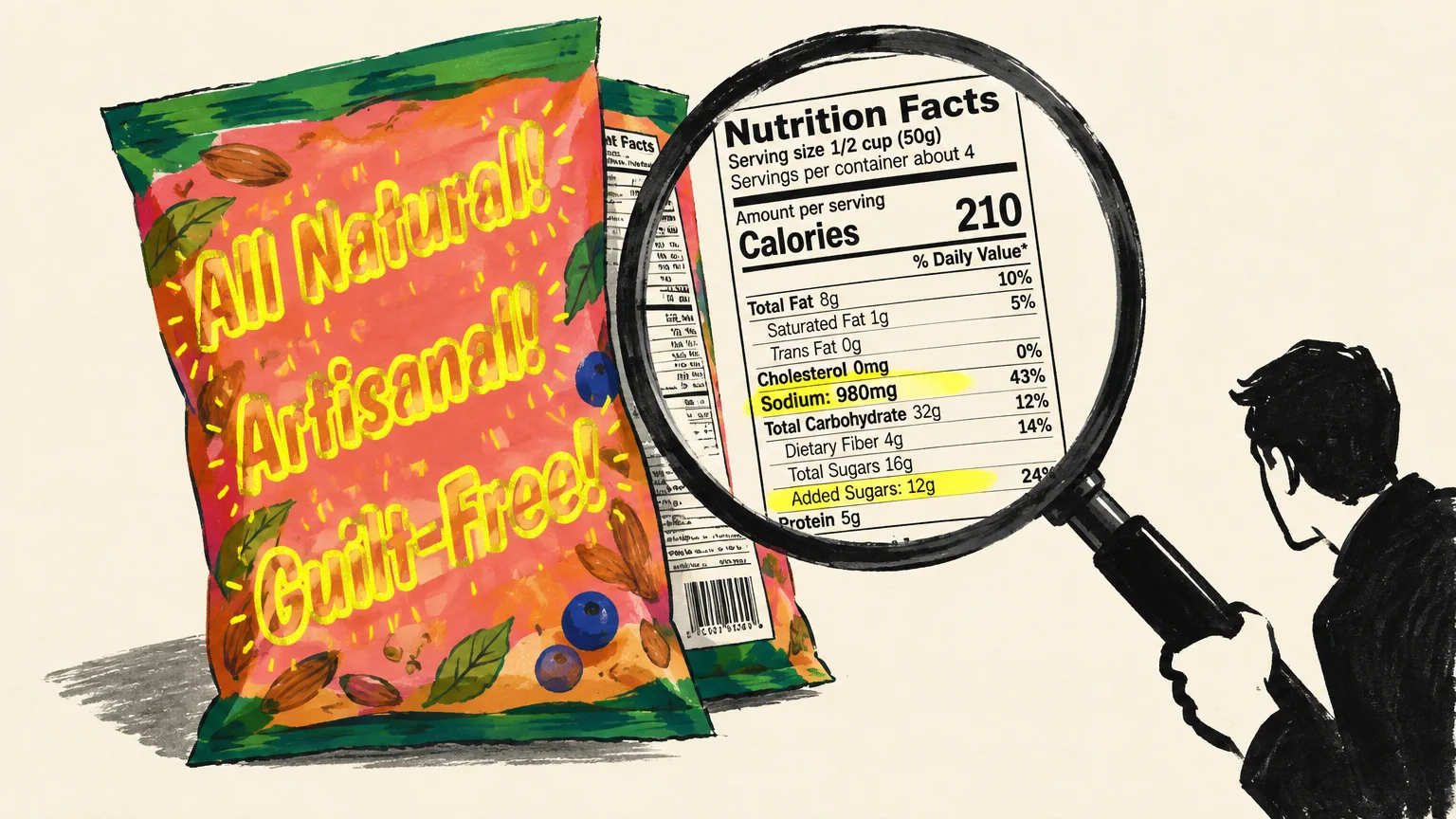
Tip #30: Read Past the Front-of-Package Marketing Buzzwords
Food manufacturers employ clever copywriters to make mediocre meals sound like artisan delicacies. Words like natural, artisan, and wholesome carry zero strict regulatory weight.
Flip the box over immediately to inspect the nutrition facts and ingredient roster. The real story always lives on the back panel, where numbers and ingredients cannot lie.

The Bottom Line: What This Means for Your Wallet
Frozen meals no longer have to mean rubbery meat, soggy starch, and salt-laden gravies. The latest testing proves that several national brands now combine authentic flavor with solid nutritional profiles.
By choosing top performers like Healthy Choice Simply Steamers, Blue Zones Kitchen, or Amy’s Kitchen, you protect your health and your bank account. Swapping restaurant takeout for quality frozen bowls can save you well over $1,000 annually.
Pay close attention to sodium, fiber, and whole vegetables while ignoring flashy diet claims. With a smart freezer strategy, convenience eating becomes a legitimate financial advantage rather than a budget leak.
Frequently Asked Questions
Are frozen meals healthy enough to eat every day?
Yes, provided you choose entrees that feature whole grains, lean proteins, and at least 5 grams of fiber. Keep entree sodium capped under 700 milligrams to safeguard your cardiovascular health.
Why did traditional diet brands score so poorly in tests?
Brands like Lean Cuisine and Smart Ones rely heavily on processed thickeners, skimpy portions, and excessive salt. Testers found their textures watery and their flavors artificial compared to newer whole-food competitors.
How can I make a frozen dinner more filling without adding junk?
Stir in a cup of plain steamed vegetables or add half a can of rinsed black beans directly into the bowl. You boost meal volume, fiber, and micronutrients for pennies without adding unhealthy fats.
Do frozen vegetables lose their nutritional value during processing?
Frozen vegetables are flash-frozen at peak ripeness, locking in vitamins and minerals effectively. In many cases, they offer superior nutrient density compared to fresh produce that spent days in transit.
For consumer protection information, visit the Federal Trade Commission (FTC) and the Consumer Financial Protection Bureau (CFPB). For product safety and reviews, consult Consumer Reports.
Disclaimer: This article is for informational purposes only and does not constitute financial advice. The content reflects the author’s opinion and research at the time of writing. Always do your own research before making financial decisions.



Leave a Reply