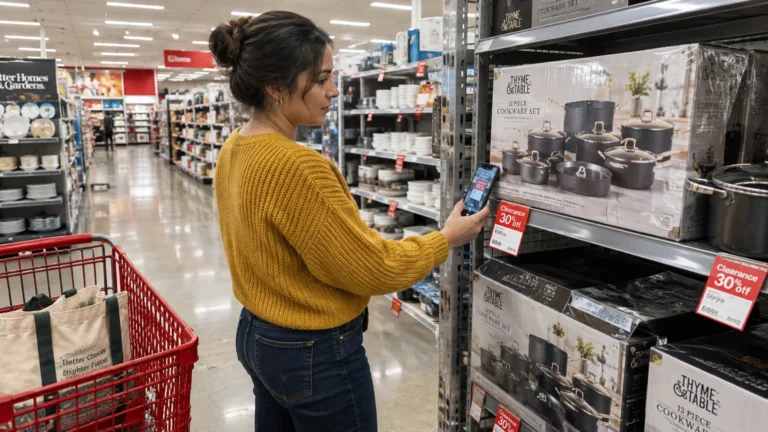
Warehouse club aisles are masterfully engineered to tempt you with oversized impulse purchases that wreck your household budget. If you target the right staples, you can slash your grocery spending without letting bulk food rot in your pantry.
Rising living expenses force American families to seek genuine relief at the register. A calculated warehouse strategy turns an ordinary annual membership into a dependable savings engine.
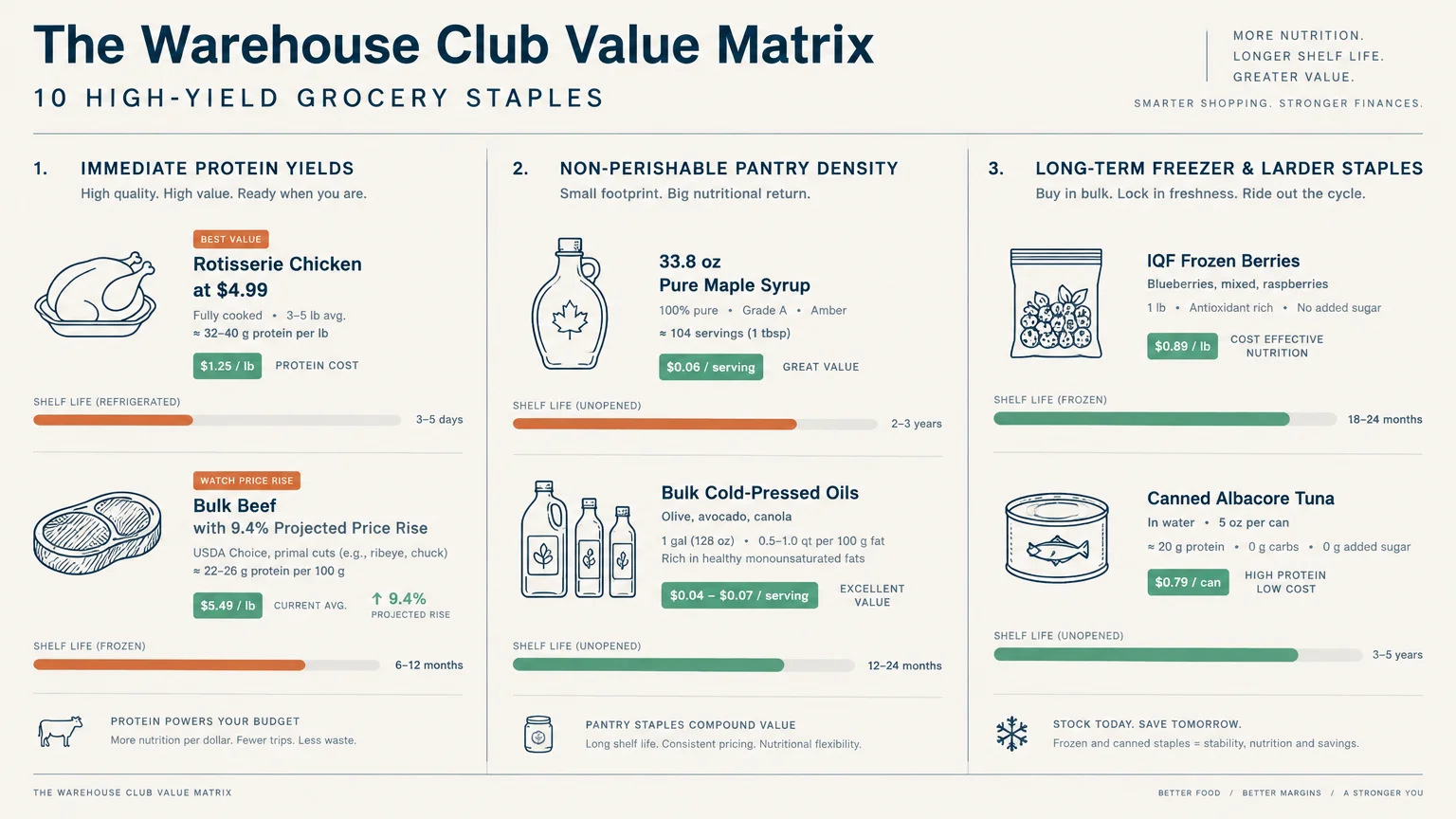
Not every bulk package deserves your money or pantry shelf space. Focus exclusively on these ten high-value grocery staples to maximize your return on every club run.
Tip #1: Rotisserie Chicken
Both major warehouse giants treat cooked whole chickens as legendary loss leaders. Costco prices its Kirkland Signature rotisserie chicken at $4.99, while Sam’s Club offers its Member’s Mark bird for $4.98.
These birds weigh roughly three pounds; conventional supermarkets charge far more for raw, unprepared chickens of similar size. You lock in immediate savings before taking a single bite.
Costco sold a record 157.4 million rotisserie chickens globally in fiscal year 2025. That volume shows how many households rely on these prepared birds for cheap weekly sustenance.
Quality remains remarkably high despite the rock-bottom pricing. In July 2026, Consumer Reports ranked Sam’s Club’s $4.98 rotisserie chicken number one in taste tests among ten major retailers.
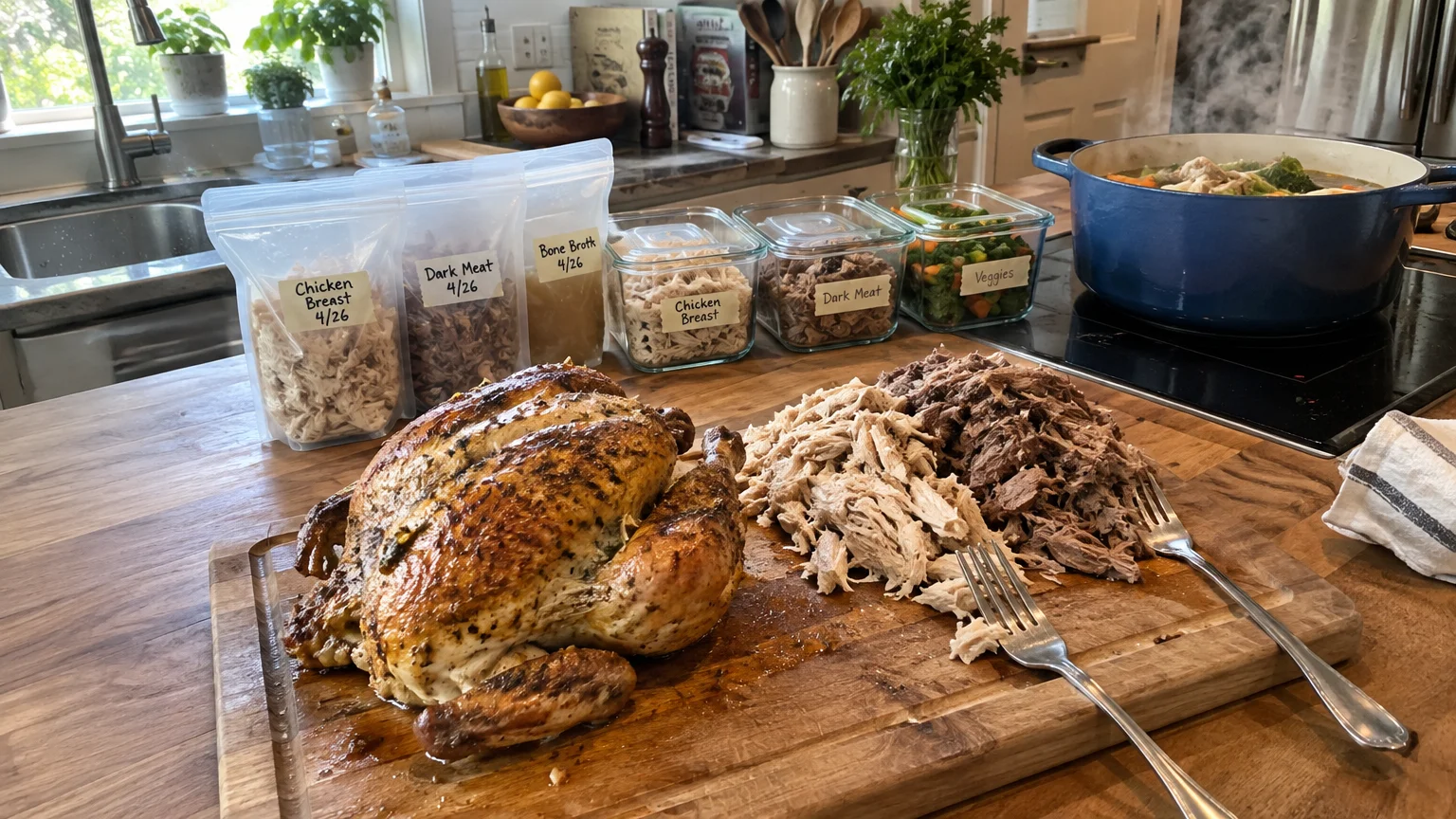
Smart shoppers do not stop at eating the freshly carved meat for dinner. Strip the breast meat for weeknight salads, shred the dark meat for enchiladas, and store the portions in freezer bags.
Never discard the stripped carcass into the trash. Simmer the bones with vegetable scraps and water for a rich, nutrient-dense bone broth that costs virtually nothing.
One single sub-five-dollar purchase can supply protein and cooking stock for multiple family meals. That versatility makes it one of the absolute best warehouse club grocery deals available.
Tip #2: Ground Beef and Primal Meat Cuts
Meat purchases routinely claim the biggest share of any family food budget. Supermarket butcher cases tack on significant markups for standard slicing, trimming, and wrapping services.
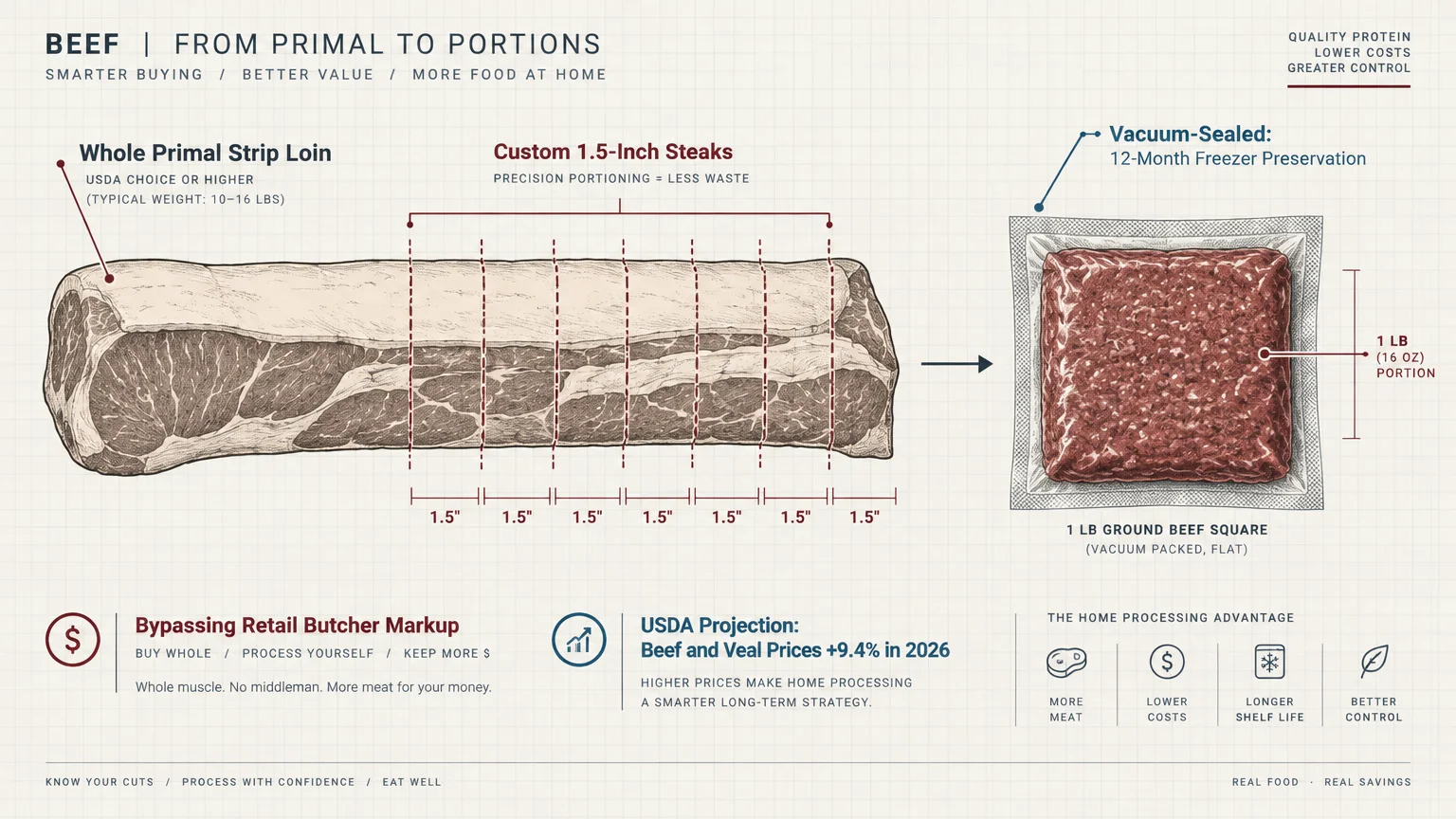
According to the USDA Economic Research Service, beef and veal prices are projected to rise 9.4% in 2026. Absorbing that sharp increase at conventional retail stores will strain your finances.
Warehouse clubs sell whole primal cuts and large chubs of ground beef at wholesale margins. Buying unportioned beef allows you to bypass the retail butcher markup entirely.
You do not need professional culinary training to process whole loins or roasts. A sharp chef’s knife and a clean cutting board let you slice whole strip loins into custom steaks in minutes.
Divide large packages of ground beef into one-pound meal portions as soon as you get home. Flatten the beef inside freezer bags to save space and accelerate thawing later.
Invest in an inexpensive vacuum sealer to protect your portioned steaks and roasts from freezer burn. Properly sealed beef preserves peak flavor and tenderness in the freezer for up to twelve months.
Capturing substantial bulk buying savings on beef can cover your membership dues within a few shopping cycles. Always calculate the cost per pound before purchasing to ensure maximum value.

Tip #3: Pure Maple Syrup and Raw Honey
Supermarkets price pure Grade A maple syrup as an expensive gourmet luxury. They charge steep prices for fragile eight-ounce bottles that vanish after two weekend breakfasts.
Costco groceries and Sam’s Club groceries sell 33.8-ounce jugs of pure maple syrup at rock-bottom unit costs. You secure pure amber syrup for pennies on the ounce compared to conventional grocers.
Pure maple syrup keeps indefinitely when sealed and stored in a dark pantry. Once opened, a large jug stays fresh in your refrigerator for up to a year without spoiling.
Raw honey represents an even more durable pantry asset. Pure honey never truly expires; its low moisture content and natural acidity prevent bacterial growth permanently.
If your bulk container of honey crystallizes over time, do not throw it away. Submerge the sealed container in a pot of warm tap water to restore its smooth consistency.
Stocking these natural sweeteners eliminates the need to buy cheap corn-syrup pancake toppings. You can use them for everyday baking, homemade marinades, and breakfast dishes throughout the year.
Bypassing supermarket markups on quality sweeteners delivers massive cumulative savings over time. The upfront investment yields premium pantry staples that never go to waste.
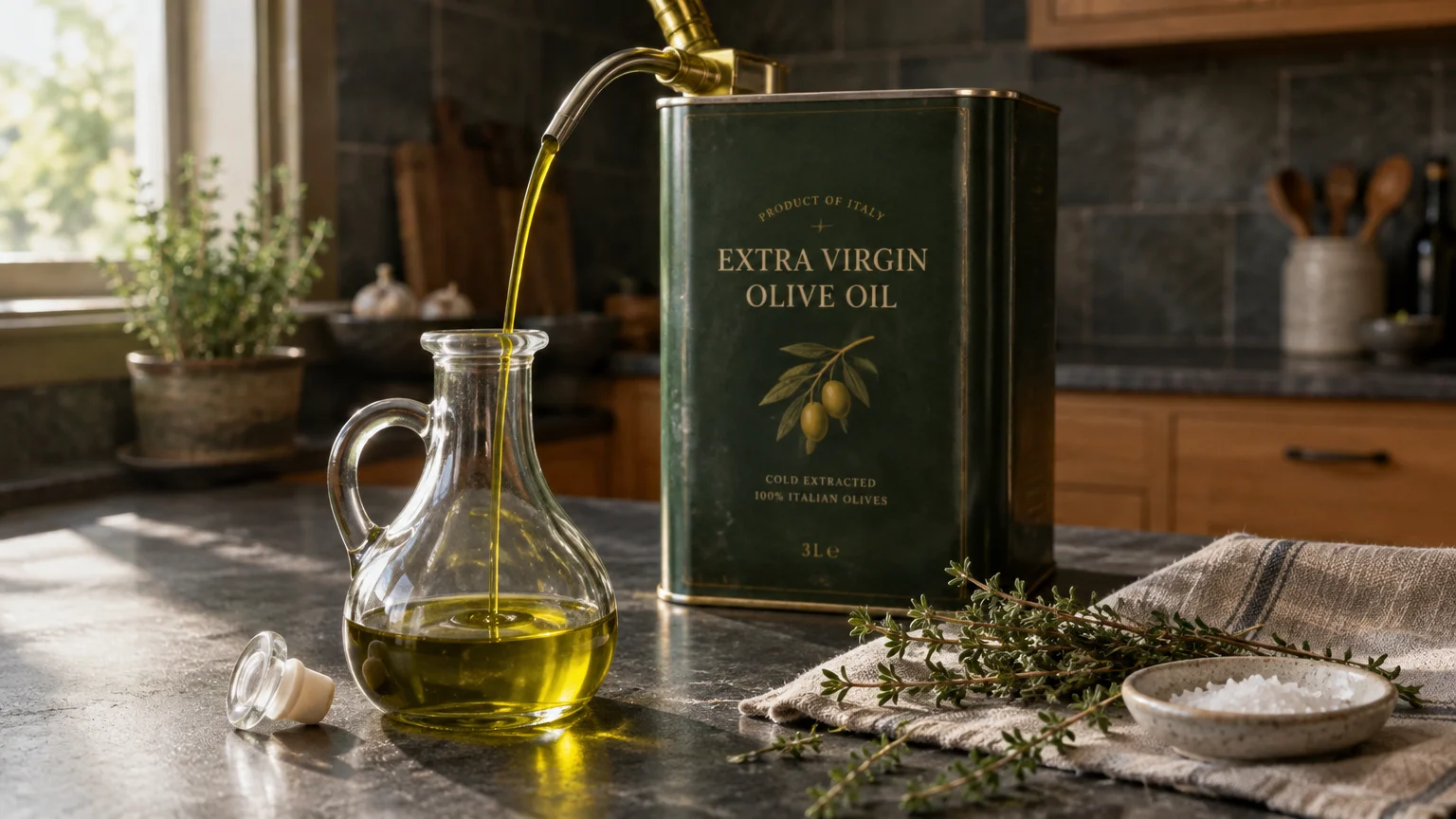
Tip #4: Extra Virgin Olive Oil and Cooking Oils
Cooking oil serves as the daily foundation for home-cooked meals, yet standard grocery stores charge premium rates for modest bottles. Frequent shoppers watch these small bottles drain rapidly.
Warehouse clubs source private-label extra virgin olive oil directly from reputable growers in Italy, Greece, and California. Independent testing consistently confirms the purity and high quality of these house brands.
You secure certified cold-pressed olive oil without paying the marketing markups associated with boutique designer labels. The per-ounce price difference between warehouse clubs and standard grocers is staggering.
Heat, light, and oxygen degrade delicate olive oil over time. Protect your bulk investment by decanting a small portion into a dark glass dispenser for daily kitchen use.
Store the primary bulk container in a cool, dark pantry or low cabinet far away from your stove. This storage method keeps the oil tasting fresh and prevents premature oxidation.
High-heat cooking oils like avocado oil also provide exceptional value in warehouse sizes. Conventional supermarkets charge exorbitant rates for small bottles of pure avocado oil.
Because every kitchen consumes cooking oil on a daily basis, buying in volume guarantees predictable savings. You keep a reliable cooking foundation in stock without constantly paying retail prices.
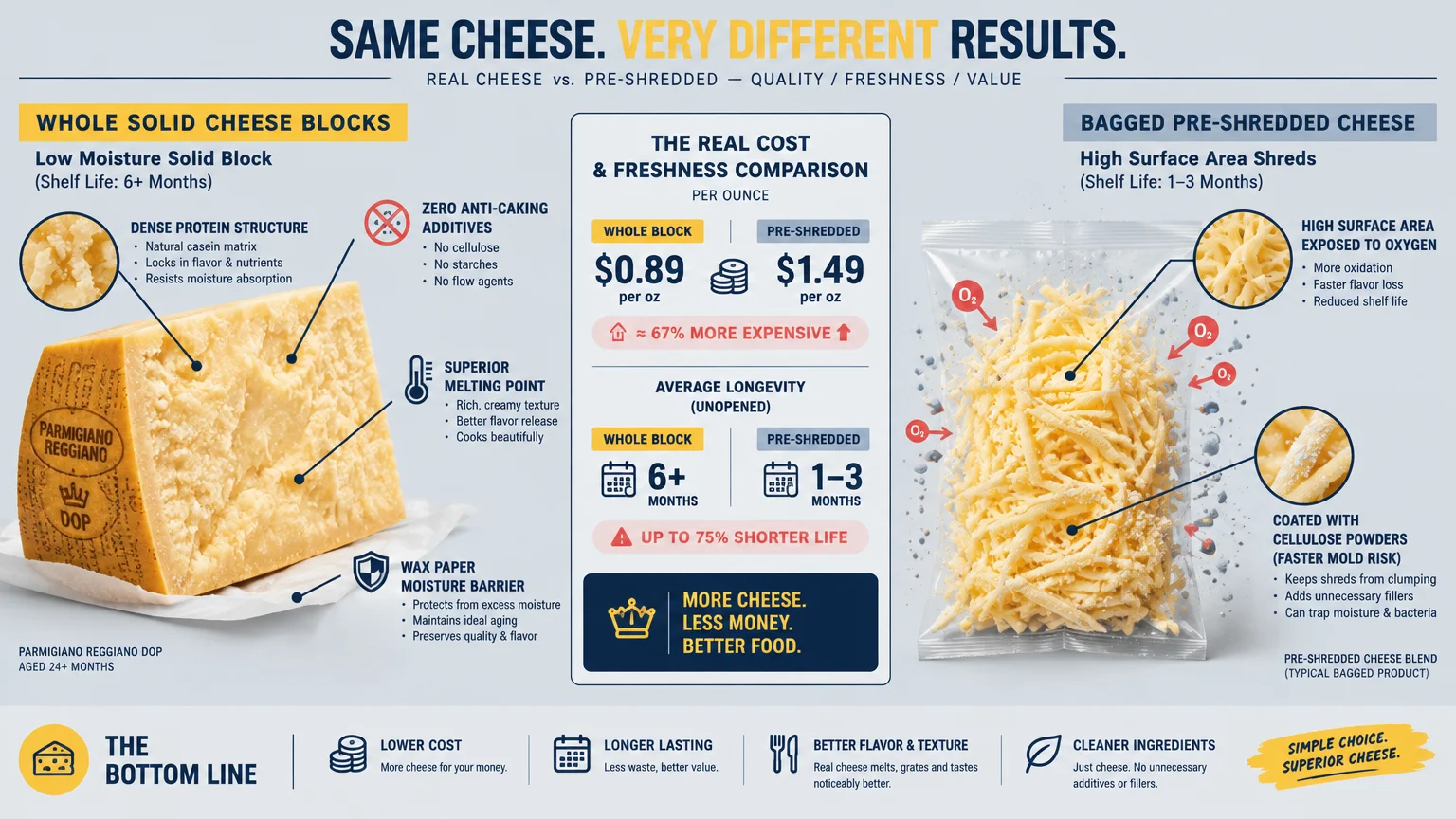
Tip #5: Hard Cheeses and Block Dairy
Pre-shredded cheese from typical grocery aisles carries inflated price tags and unnecessary additives. Manufacturers coat shredded cheese with powdered cellulose and potato starch to prevent clumping, which ruins its melting quality.
Warehouse clubs sell authentic Parmigiano-Reggiano, sharp cheddar blocks, and aged Gruyere at wholesale prices. Buying block cheese cuts your cost per ounce dramatically while upgrading your culinary results.
Hard cheeses contain very little moisture, meaning they stay fresh in your refrigerator for months when wrapped tightly in parchment paper. You never have to rush through a block before it spoils.
You can grate an entire two-pound block of cheddar or mozzarella at home using a food processor in two minutes. Transfer the freshly grated cheese into freezer bags for quick weeknight meal prep.
Frozen shredded cheese retains its flavor and texture perfectly when tossed into hot skillet dishes, baked casseroles, or pizzas. You get superior melting performance without paying for commercial anti-caking starches.
Save your leftover hard cheese rinds in a freezer bag instead of tossing them in the garbage. Drop a frozen rind into simmering pasta sauces, minestrone, or bean soups to impart rich umami depth.
Purchasing whole blocks of dairy staples protects your grocery budget from frequent supermarket runs. You elevate everyday dinners while keeping dairy expenses tightly controlled.

Tip #6: Raw and Roasted Nuts
Supermarket snack aisles are notorious budget traps filled with tiny six-ounce bags of nuts sold at inflated prices. Buying these miniature packages drains your snack budget in a matter of weeks.
Warehouse clubs stock massive two-pound and three-pound bags of raw almonds, walnuts, pecans, and cashews at wholesale prices. You pay a fraction of the supermarket cost per pound.
Nuts contain delicate unsaturated fats that can turn rancid if left in a warm pantry for several months. Many shoppers avoid bulk nuts because they fear spoilage before finishing the bag.
You can solve this problem entirely by storing your bulk bags of nuts directly in the freezer. Sub-zero temperatures protect the natural oils from oxidation without altering the crunch or flavor.
Frozen nuts do not freeze solid; you can grab a handful directly from the freezer whenever you need them. Toss them into hot morning oatmeal, blend them into smoothies, or fold them into baking batters.
You can also roast raw nuts on a baking sheet with olive oil, rosemary, and sea salt for cheap party snacks. This simple hack replaces expensive pre-packaged gourmet snack mixes.
High-protein snacking becomes affordable when you eliminate retail packaging markups. Keeping bulk nuts in your freezer shields your wallet from high convenience-food prices.
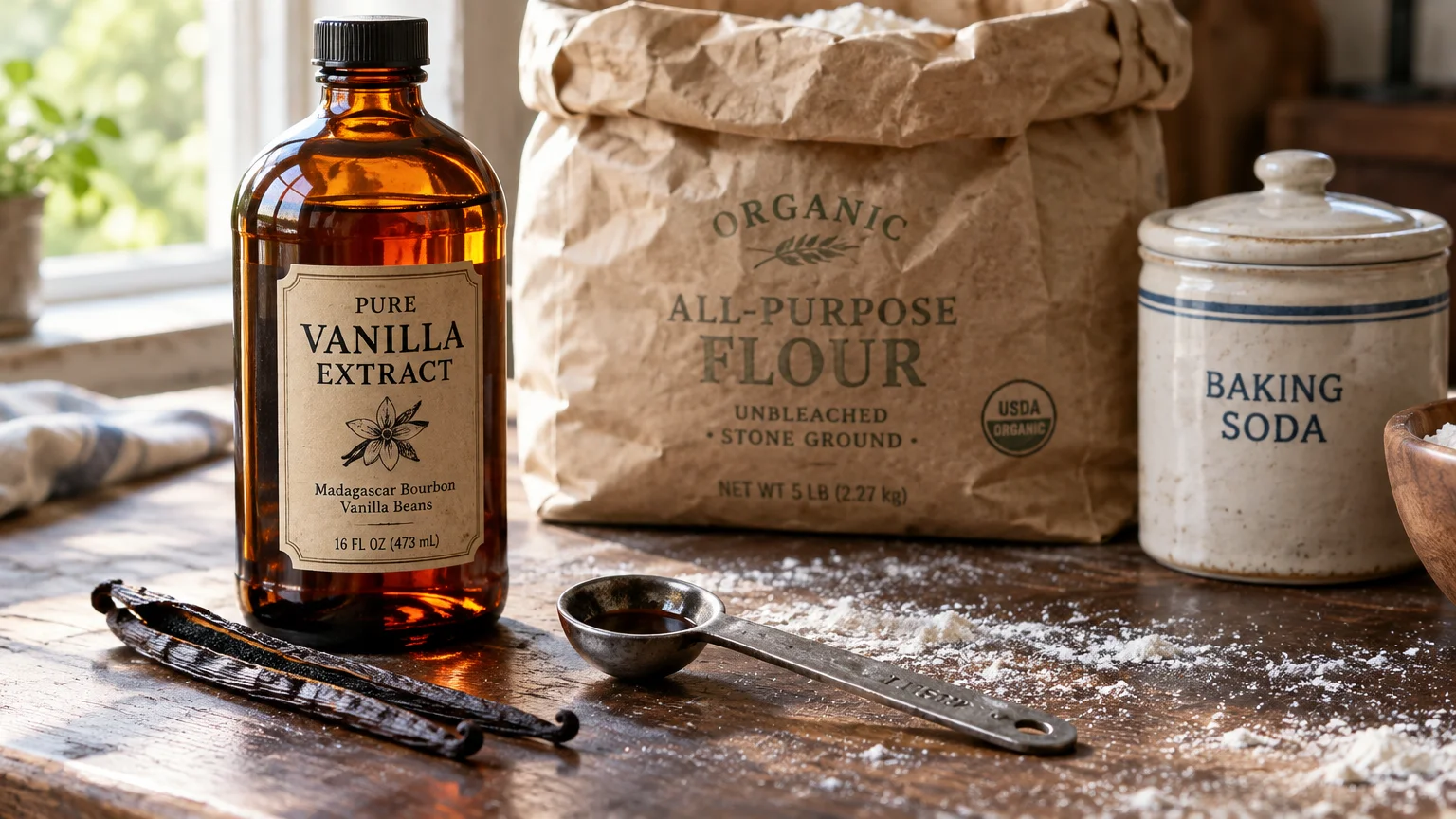
Tip #7: Pure Vanilla Extract and Baking Essentials
The supermarket spice aisle is engineered to deliver huge retail profit margins on tiny glass bottles. Pure vanilla extract represents one of the most egregious markups in the entire grocery store.
Conventional grocers routinely charge hefty prices for minuscule two-ounce bottles of pure vanilla extract. At that rate, holiday baking projects become unnecessarily expensive.
Costco and Sam’s Club offer massive sixteen-ounce bottles of pure vanilla extract for roughly the cost of a small supermarket bottle. You secure an eight-fold increase in volume for the exact same outlay.
Pure vanilla extract contains an alcohol base, meaning it possesses an indefinite shelf life. It will sit in your pantry cupboard for years without losing its aromatic potency or flavor intensity.
Other high-turnover baking staples like baking soda, active dry yeast, and semisweet chocolate chips also offer dramatic bulk savings. These ingredients resist spoilage when stored in airtight containers.
If a giant container of baking spices feels too large for your household, consider splitting the purchase with a neighbor. Both households capture the bulk discount without taking on storage clutter.
Avoiding supermarket spice racks is one of the easiest ways to protect your hard-earned dollars. Stocking pure vanilla extract and basic seasonings at wholesale clubs pays off every time you bake.
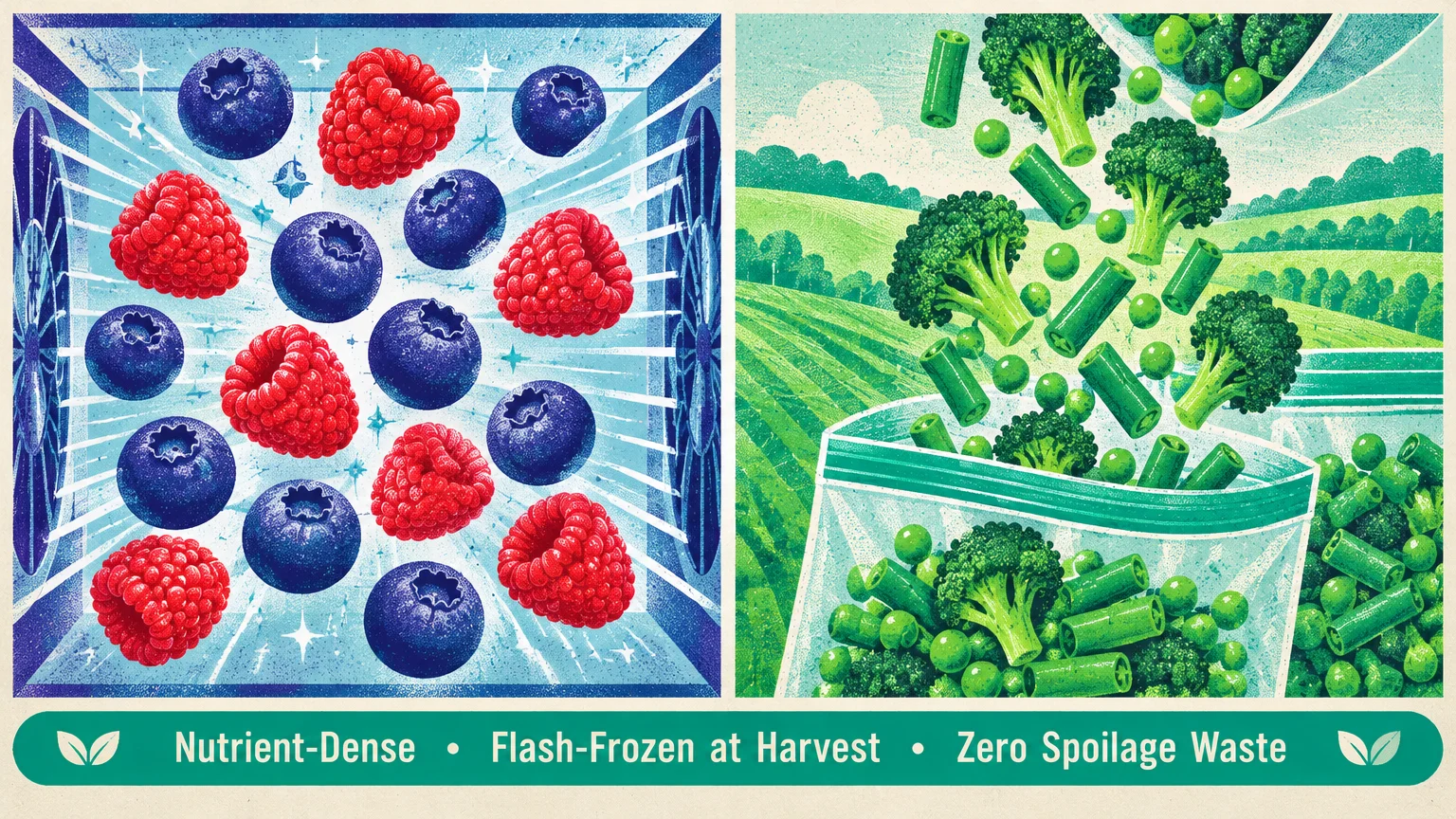
Tip #8: Frozen Berries and Organic Vegetables
Fresh produce is often the primary culprit behind household grocery waste. Delicate berries and fresh greens frequently develop mold in refrigerator crisper drawers before families find time to eat them.
Throwing away spoiled produce is like tossing cash directly into your kitchen trash can. Warehouse club freezer sections provide a practical, waste-free alternative for budget-minded shoppers.
Growers flash-freeze these fruits and vegetables within hours of harvest, locking in peak vitamins, minerals, and natural flavors. In many cases, frozen produce offers superior nutritional value compared to fresh produce that spent days in transit.
Massive bags of frozen blueberries, strawberries, and broccoli florets sell at a fraction of fresh organic prices. You get certified organic produce without paying standard boutique supermarket premiums.
Frozen fruits serve as an economical, nutrient-dense foundation for morning protein shakes, oatmeal bowls, and homemade compotes. You simply measure out the exact portion you need while keeping the rest frozen.
Frozen vegetables make weeknight dinners effortless because they require zero washing, peeling, or chopping. Steam them quickly or roast them on a hot sheet pan with olive oil and spices.
Zero spoilage means that every single dollar you invest in frozen produce turns into consumed nourishment. That reliable efficiency keeps your monthly food spending predictable and lean.
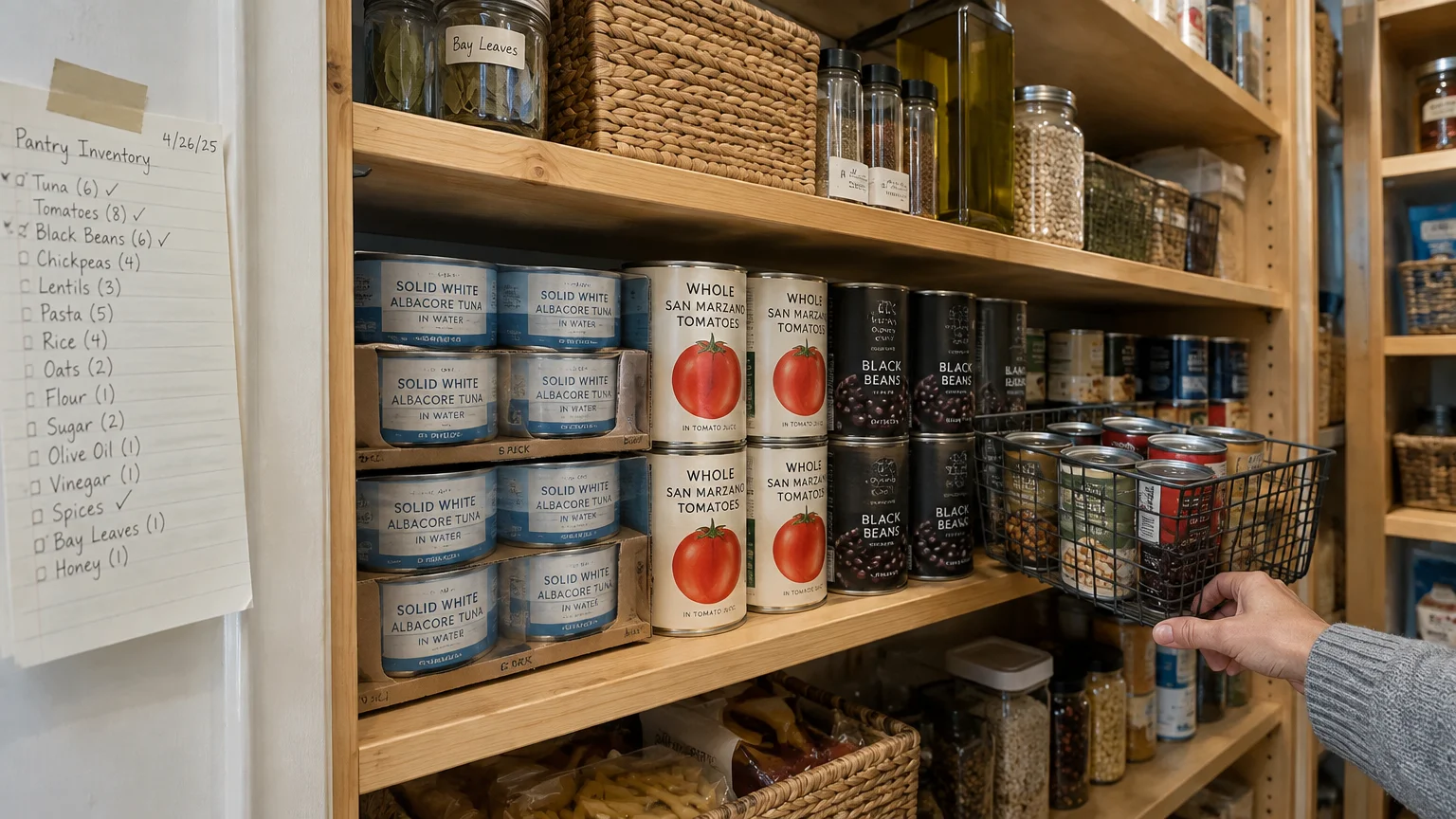
Tip #9: Canned Pantry Staples and Albacore Tuna
Non-perishable canned goods serve as your ultimate defense against grocery inflation and chaotic weeknight schedules. Warehouse clubs sell shrink-wrapped cases of organic black beans, diced tomatoes, and premium canned seafood at steep discounts.
Supermarket canned tuna often disappoints with watery cans filled with shredded, mushy flakes. Warehouse club private labels provide solid white albacore tuna packed in water or olive oil with superior texture.
You pay standard supermarket prices for high-grade tuna that rivals expensive gourmet brands. That makes warehouse club tuna a cheap, high-protein staple for lunches and quick dinners.
Canned black beans, chickpeas, and San Marzano-style plum tomatoes store safely in your pantry for years. You can buy multiple flats without worrying about expiration dates or storage degradation.
Having a well-stocked pantry allows you to throw together chilis, curries, and pasta dishes without visiting the store. You bypass the temptation to order expensive restaurant delivery on hectic evenings.
Always inspect the unit price per can when purchasing multi-packs at warehouse clubs. In almost every case, the case price delivers substantial savings over single-can retail pricing.
Stocking shelf-stable ingredients guarantees that your family always has access to nutritious, low-cost meals. It is the simplest way to insulate your household budget from sudden grocery spikes.
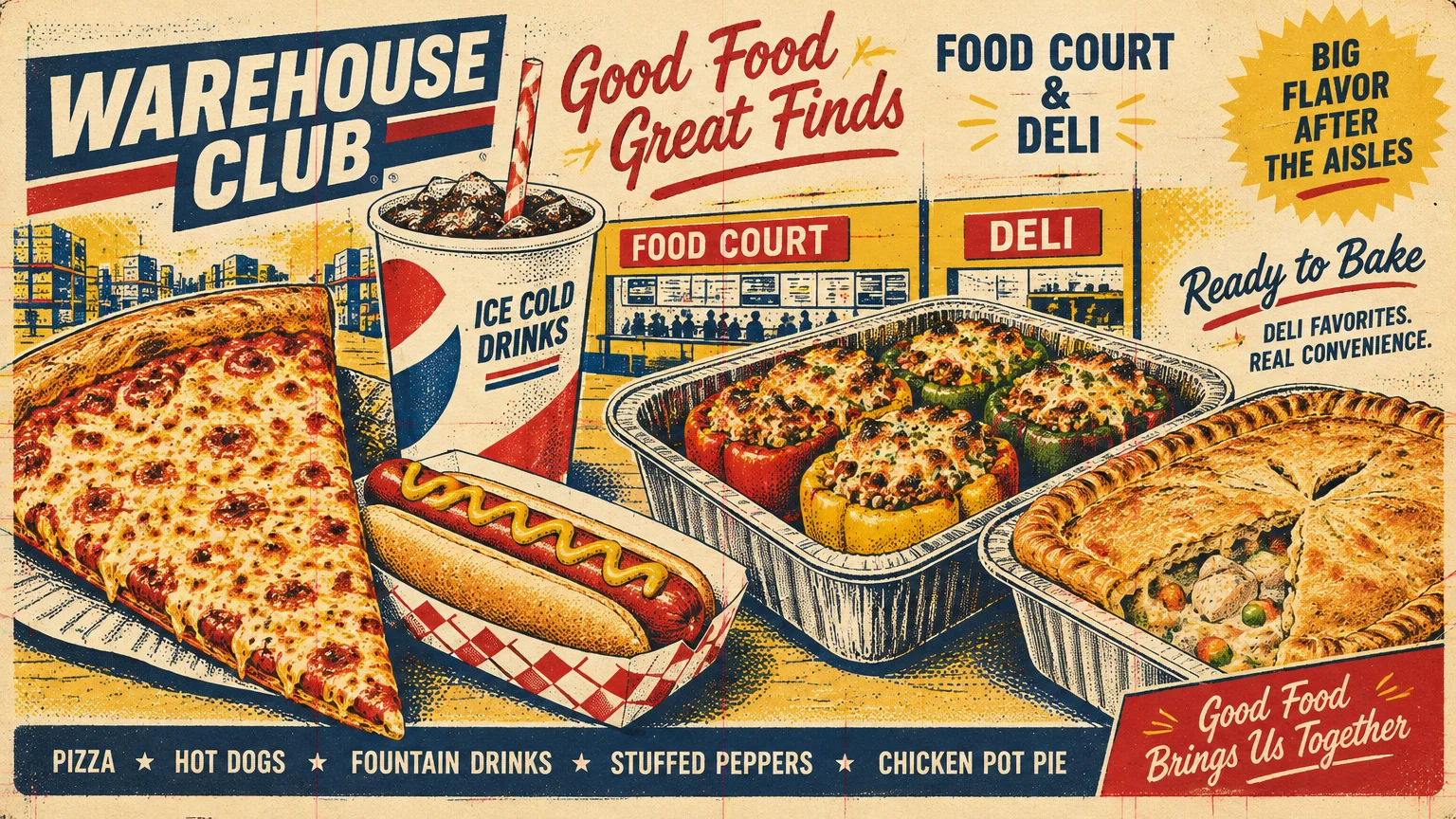
Tip #10: Food Court Combos and Deli Prepared Meals
Exhaustion at the end of a busy week regularly drives households toward expensive restaurant takeout. A single evening of fast-casual dining can easily wipe out your entire weekly grocery savings.
Warehouse club delis provide a convenient alternative with oversized, pre-cooked meals ready for your home oven. Giant chicken pot pies, stuffed peppers, and street taco kits feed whole families for a modest cost.
These freshly assembled meals cost substantially less per portion than standard fast-food drive-thrus. You get real ingredients and generous protein portions without spending hours standing over the stove.
You can also take advantage of iconic food court pricing to solve dinner before leaving the warehouse. Costco’s quarter-pound hot dog and twenty-ounce fountain drink combo remains locked at $1.50.
Costco sold 245.1 million of these hot dog combos in fiscal year 2025 alone. They completed a switch back to Coca-Cola fountain beverages across all clubs in late summer 2025 and introduced a Kirkland bottled water combo option in April 2026.
Sam’s Club aggressively competes with its own quarter-pound hot dog and fountain drink combo priced at just $1.38. Feeding your entire family for less than ten dollars makes errand day remarkably cheap.
Using the food court strategically prevents you from ordering overpriced takeout on your way home. It delivers an immediate financial win that protects your household budget on shopping days.

The Bottom Line: What This Means for Your Wallet
Warehouse shopping pays massive dividends when you stick to high-yield staples that match your routine consumption. Bypassing impulse buys and focusing on real pantry essentials unlocks genuine financial relief.
According to USDA data, the Thrifty Food Plan reached $1,000.20 per month for a family of four in 2026. Meanwhile, the Moderate-Cost Plan climbed to $1,509.60 per month, totaling $18,115 each year.
Adopting a disciplined warehouse shopping strategy keeps your family spending closer to the thrifty benchmark. Those monthly savings add up to thousands of dollars in preserved capital over a full year.
A 2026 SSRS national poll found that 44% of U.S. adults buy groceries at warehouse clubs. That membership divides into 28% shopping at Costco, 20% at Sam’s Club, and 6% at BJ’s.
Furthermore, an August 2026 consumer survey revealed that 68% of paid members rely more heavily on clubs due to rising household expenses. Millions of Americans recognize that wholesale buying offers real shelter from inflation.
Deciding if a warehouse club worth it scenario fits your household requires evaluating membership dues against your annual savings. Each club operates with distinct annual fee structures and reward tiers.
Costco charges $65 per year for Gold Star memberships and $130 for Executive memberships. Executive members earn a 2% annual reward capped at $1,250 and receive a $10 monthly credit on qualifying $150 Instacart or SameDay orders.
Sam’s Club raised its annual dues on May 1, 2026, setting Club membership at $60 and Plus membership at $120. Plus members earn a 2% reward capped at $750 annually.
BJ’s Wholesale Club prices its standard membership at $60 annually and The Club+ Card at $120. Club+ members earn 2% back capped at $500 per year and receive a five-cent discount per gallon at club gas stations.
Focusing your spending on our ten highlighted grocery staples recovers these membership fees within your first few shopping trips. Everything you save after that point represents pure profit for your household balance sheet.
Audit your pantry, freeze your excess portions, and track your unit costs to ensure you maximize every club run. Smart execution turns warehouse shopping into an unbeatable financial advantage.
For consumer protection information, visit the Federal Trade Commission (FTC) and the Consumer Financial Protection Bureau (CFPB). For product safety and reviews, consult Consumer Reports.
Disclaimer: This article is for informational purposes only and does not constitute financial advice. The content reflects the author’s opinion and research at the time of writing.
Always do your own research before making financial decisions.
Frequently Asked Questions
How do you prevent food waste when buying groceries in bulk?
Divide perishable items like meat and block cheese into meal-sized portions immediately after returning home from the store. Use a vacuum sealer to protect your portions from freezer burn and preserve freshness for months.
Avoid buying oversized containers of fresh produce with short shelf lives unless you have a concrete meal plan for the week. Shift your produce purchases toward frozen berries and vegetables to eliminate spoilage entirely.
Is an upgraded Executive or Plus membership worth the higher annual fee?
Upgraded tiers pay for themselves if your regular household spending generates enough cash back to exceed the fee difference. For example, spending $3,250 annually at Costco earns $65 back, completely covering the Executive upgrade cost.
High-spending families easily max out annual rewards, which reach $1,250 at Costco, $750 at Sam’s Club, and $500 at BJ’s. If your spending falls short at year-end, warehouse customer service desks often refund the upgrade difference upon request.
Which grocery items should you never buy at warehouse clubs?
Skip massive containers of ground spices, baking powder, and cooking oils that you cannot finish within six to twelve months. These items slowly oxidize and lose their culinary potency long before you scrape the bottom.
Avoid colossal bakery sheet cakes, giant packages of fresh muffins, and oversized snack boxes unless hosting a large party. These high-calorie impulse items frequently encourage overeating or end up discarded in the trash.
Do warehouse club private labels match national name-brand quality?
Private labels like Kirkland Signature and Member’s Mark routinely match or exceed name-brand performance in independent consumer testing. Top-tier manufacturers frequently produce these store brands under confidential commercial contracts.
Buying private-label goods slashes your costs by eliminating expensive national advertising campaigns and retail middleman fees. You secure identical quality and strict purity standards while keeping substantial money in your wallet.