Supermarket chains design grocery store loyalty programs to track your purchases, but smart shoppers can flip the script to slash food bills by hundreds of dollars each year.
You do not need to fall for store marketing traps to win; you simply need to master how point multiplier events, gas rewards, and digital coupon stacking actually function.
Industry data reveals that loyalty members average a 15% to 22% higher basket size, proving grocers actively entice you to spend more.
By strategically choosing the best supermarket rewards programs and skipping the low-value fluff, you will retain total control over your monthly budget while pulling real cash back into your bank account.
Tip #1: Target Circle and Target Circle 360
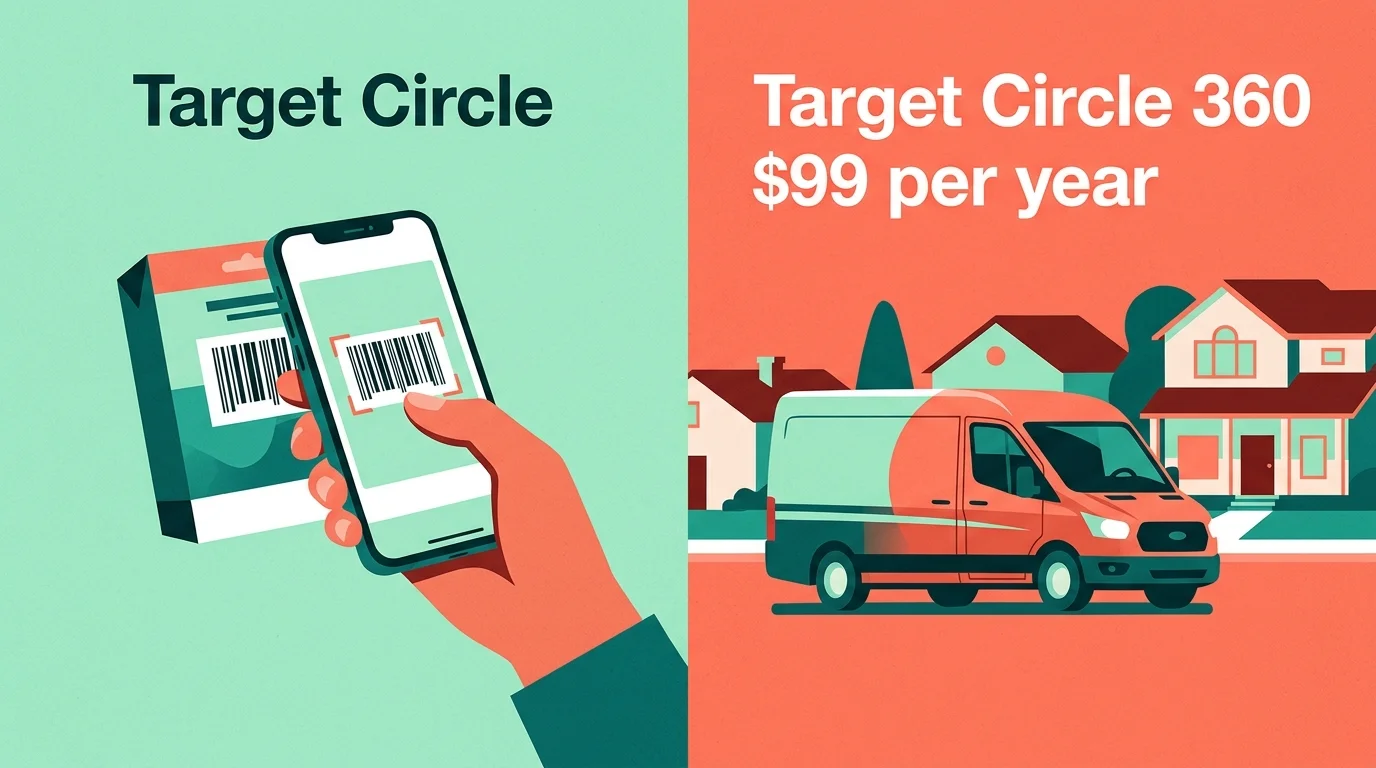
Target revamped its rewards ecosystem to offer a two-tiered structure that caters to casual spenders and heavy online shoppers alike.
The free tier, Target Circle, earns you 1% back on non-Target card purchases to redeem on future visits, provides personalized digital offers, and grants a 5% birthday discount.
You can instantly unlock extra grocery rewards programs savings by saving digital manufacturer coupons directly inside the Target app before scanning your barcode at checkout.
If you desire convenience, the paid tier, Target Circle 360, costs $99 per year or $10.99 per month. Target Circle Card holders secure a discounted rate of $49 per year.
This tier provides unlimited free same-day delivery on orders over $35 through Shipt, free two-day shipping, extended 30-day return windows, and exclusive monthly freebies.
To maximize your return, avoid buying retail-priced items just to hit minimum thresholds; pair your free-tier rewards with weekly gift card promotions on household essentials to lower your net food bill.

Tip #2: Walmart+ and Walmart Grocery Rewards
Walmart transformed its digital infrastructure with Walmart+, positioning it as a direct competitor to traditional club memberships. Standard pricing runs $98 per year or $12.95 per month.
However, low-income households enrolled in SNAP, WIC, or Medicaid qualify for Walmart+ Assist at just $49 per year or $6.47 per month, making it one of the most accessible grocery store membership benefits nationwide.
The primary perk includes free same-day delivery on grocery orders of $35 or more and free online shipping with zero order minimums. Additionally, members collect a 10¢ per gallon fuel discount at over 13,000 participating stations, including Exxon, Mobil, Walmart, and Murphy locations.
Subscribers also receive an ad-supported streaming membership to Paramount+ Essential or Peacock Premium. Suburban drivers who fill up their fuel tanks twice a month can single-handedly offset the annual membership cost through gas savings alone.
Tip #3: Kroger Plus and Kroger Boost
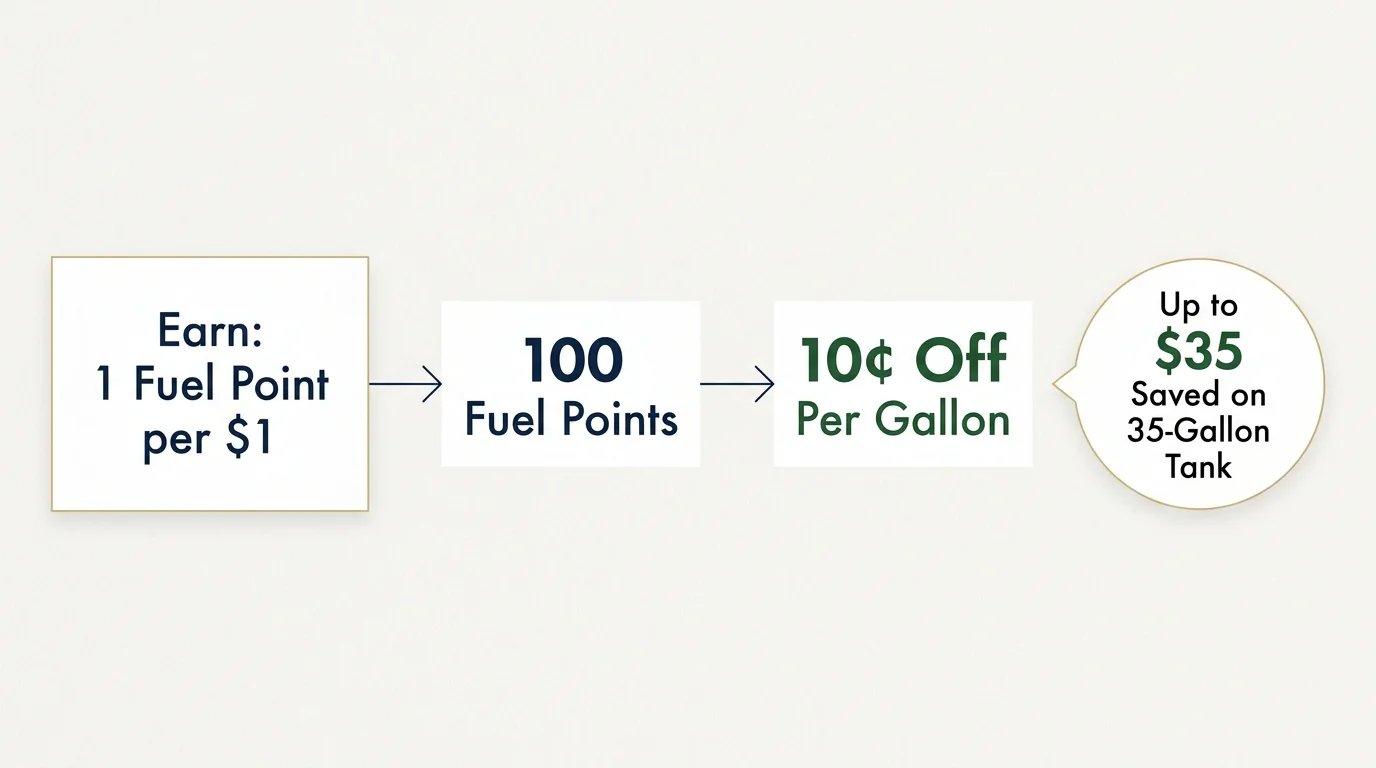
Kroger operates one of the most robust loyalty ecosystems in North America through its free Kroger Plus card. Every grocery and pharmacy purchase earns 1 Fuel Point per dollar spent, while gift card purchases earn 2 Fuel Points per dollar.
Accumulating 100 points grants you 10¢ off per gallon of gas, up to $1.00 off per gallon on a maximum 35-gallon tank. That means a single fuel redemption can save you up to $35 at the pump.
For frequent shoppers, Kroger offers two paid tiers under Kroger Boost. Boost Essential costs $69 per year for free next-day delivery on $35+ orders, while full Boost costs $99 per year for free same-day delivery.
Both paid tiers double your earnings to 2x Fuel Points on every purchase and include an annual streaming subscription to Disney+, Hulu, or ESPN+.
You can hack this system by purchasing third-party gift cards during 4x point weekend promotions, generating instant fuel savings for planned home improvements or dining out.
Tip #4: Albertsons and Safeway for U
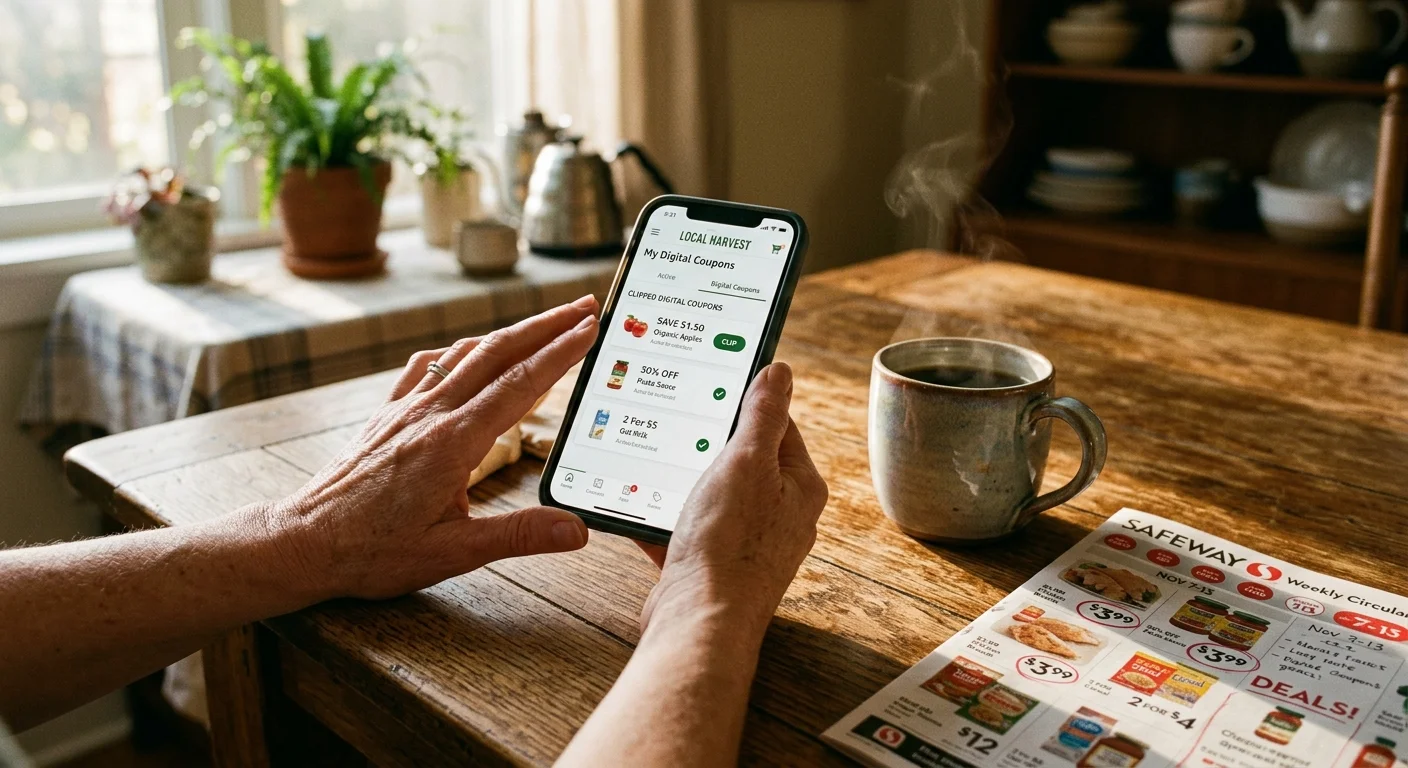
Operating across regional brands like Safeway, Jewel-Osco, Vons, and ACME, the free “for U” program gives shoppers flexible customization over their savings. Members earn 1 point per dollar on everyday grocery purchases and 2 points per dollar on gift card buys.
Redeeming 100 points yields 10¢ off per gallon of fuel (up to $1.00 off per gallon up to 25 gallons at participating Exxon, Mobil, or store pumps) or $1 off your grocery total.
Unlike programs with long point lifetimes, “for U” points expire after two months. Smart consumers avoid point expiration by converting their earnings into automatic cash discounts at checkout inside the mobile application.
The platform also offers personalized price drops based on your past purchase history, allowing you to secure items like milk, meat, and produce at prices lower than standard weekly ad circular rates.
Tip #5: Stop & Shop GO Rewards and Giant Flexible Rewards
Stop & Shop and Giant Supermarkets utilize the GO Rewards and Flexible Rewards platforms to deliver straight point earnings on every checkout. Members accrue 1 point for every dollar spent in-store or online.
Redeeming 100 points yields 10¢ off per gallon at participating Shell pumps and store fuel stations, allowing up to 1,500 points for a total discount of $1.50 off per gallon. Alternatively, you can convert those 100 points directly into $1 off your grocery receipt.
The critical constraint of this program is timing: points expire exactly 30 days after your qualifying purchase. To prevent losing your hard-earned value, set a routine to redeem points on your primary vehicle fill-up or weekly grocery trip at the end of every month.
Furthermore, watch for bonus point promotions on select brand-name pantry staples to accelerate your progress toward fuel rewards.
Tip #6: Meijer mPerks
Midwestern retailer Meijer offers mPerks, a free program that stands out for its straightforward high-volume earning structure. Members collect 10 points for every dollar spent across all store departments, alongside a generous 1,000 points for every prescription filled at the Meijer pharmacy.
Redeeming 10,000 points grants you $10 off a future purchase or $1.00 off per gallon of gas on up to 30 gallons.
Because Meijer combines a full supercenter department store with a supermarket, you can aggregate points on general merchandise like bedding, pet supplies, and automotive care.
The true strategy lies in stacking mPerks custom reward coupons with manufacturer paper coupons and quarterly storewide clearance events to maximize total cart savings.

Tip #7: Club Publix
Club Publix skips complex point accumulation systems in favor of immediate, actionable discount perks. The free program focuses heavily on digital coupon integration, e-receipts, custom sub and cake pre-ordering, and personalized savings tailored to your exact shopping habits.
Members also receive a special birthday treat reward every year.
The most valuable feature of Club Publix is early access to weekly ad circulars, granting you a sneak peek at sales one full day before ads go live to the general public.
By viewing circulars early, you can plan your shopping trip around Publix’s legendary buy-one-get-one (BOGO) sales. Combining early circular planning with digital coupon clipping allows you to stock up on brand-name non-perishables before shelves get cleared out by weekend rushes.

Tip #8: Whole Foods Market via Amazon Prime
If you frequently shop for organic groceries, integrating your Amazon Prime membership at Whole Foods Market unlocks meaningful discount layers. Amazon Prime costs $139 per year or $14.99 per month, while eligible SNAP and EBT recipients can access Prime Access for $6.99 per month.
At Whole Foods, Prime members receive an extra 10% off items marked with yellow sale tags throughout the store.
Additionally, Amazon curates weekly rotating sale items exclusively for Prime members, discounting organic produce, high-end meats, and specialty pantry goods by up to 30% to 40%.
To capture these loyalty card savings, present your Amazon app barcode at checkout or link your Prime account to your payment credit card. Never purchase full-price items at Whole Foods; restrict your basket to yellow-tag sale items to maximize the return on your Prime subscription.
Tip #9: Hy-Vee Fuel Saver + Perks
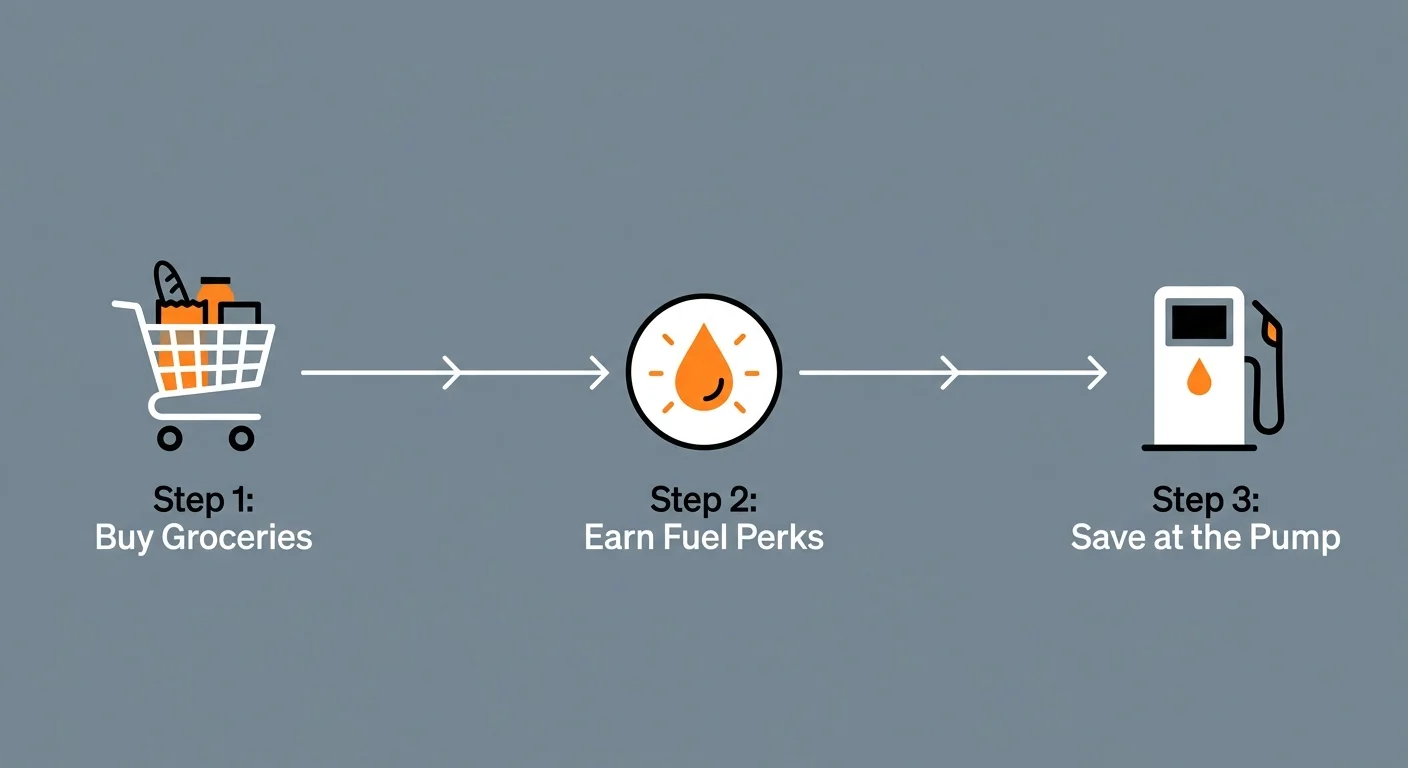
Hy-Vee’s Fuel Saver + Perks program provides one of the most aggressive gas savings programs in the grocery industry. Instead of offering a flat point-per-dollar rate, Hy-Vee links specific shelf products directly to per-gallon fuel discounts.
Purchasing designated items can earn you anywhere from 2¢ to 25¢ off per gallon per product, and these discounts stack together on your fuel card.
You can redeem accumulated savings at Hy-Vee Fast & Fresh, Casey’s, Shell, and Mobil stations. Dedicated shoppers frequently stack fuel discounts to earn several dollars off per gallon, occasionally resulting in free tank fill-ups.
Check the app every Tuesday morning to identify high-yield fuel items, purchase shelf-stable items you already use, and save your fuel redemptions for your largest household vehicle.

Tip #10: ShopRite Price Plus Club
ShopRite’s Price Plus Club card is an absolute necessity for mid-Atlantic grocers looking to optimize their food budgets. The free membership automatically applies instant store sale prices at checkout and enables seamless digital coupon clipping via the ShopRite app.
The real value lies in ShopRite’s seasonal rewards tracking initiatives, which reward long-term shopping frequency.
During major holiday promotional periods, ShopRite tracks your cumulative spend over several weeks. Once you hit specified threshold amounts, the store awards you a free holiday ham, turkey, or plant-based roast.
Furthermore, ShopRite integrates paperless coupon stacking, allowing you to combine digital store offers with manufacturer coupons on single items to dramatically reduce out-of-pocket cash expense.
The Bottom Line: What This Means for Your Wallet
Grocery store loyalty programs are carefully engineered marketing tools designed to increase consumer retention. Industry research proves that loyalty program members display a 65.2% repeat purchase intent rate for physical grocers, which rises to 71% among online delivery shoppers.
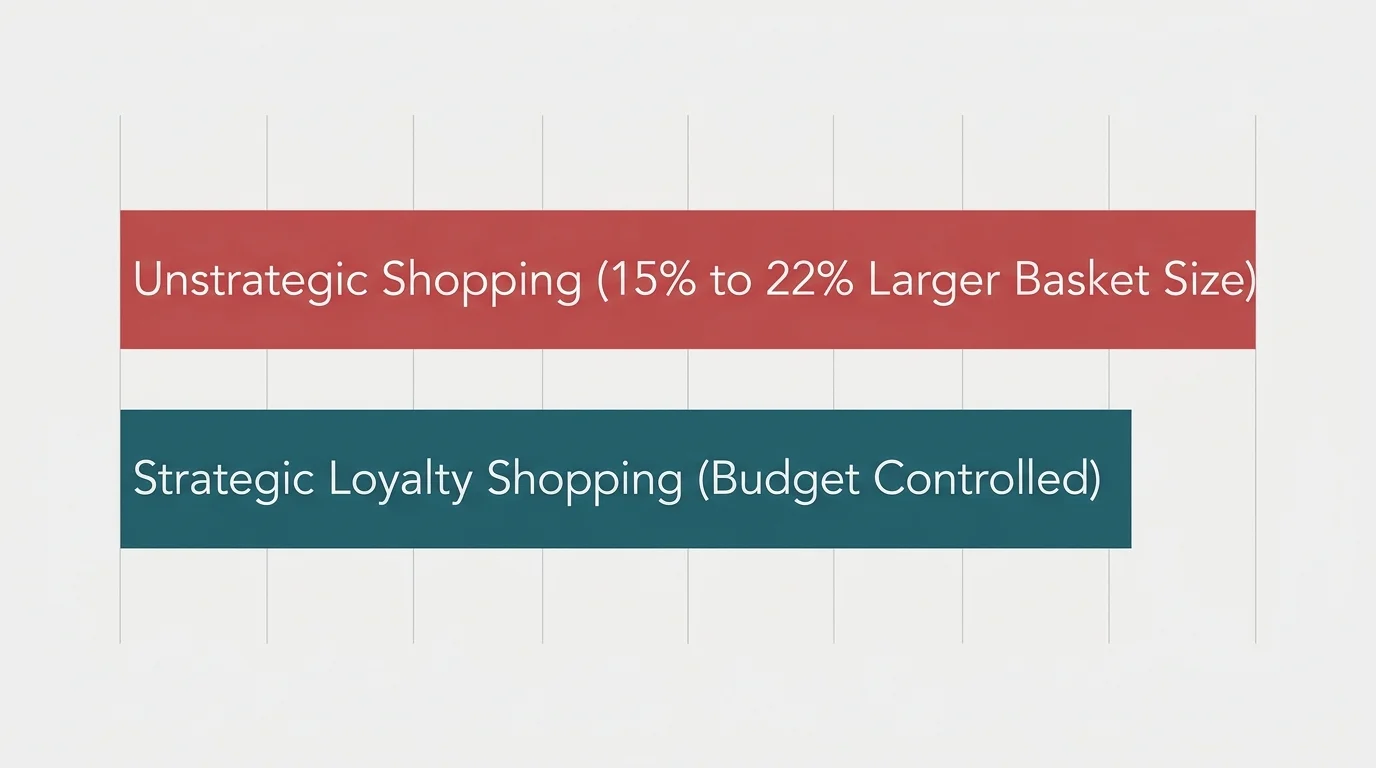
Grocers know that once you sign up, your average basket size increases by 15% to 22%. However, you can easily outsmart these algorithms by remaining disciplined.
Never modify your buying habits simply to collect arbitrary points. Focus your efforts on free rewards platforms that offer clear gas savings or instant checkout cash back.
If you choose to invest in paid options like Walmart+ or Kroger Boost, audit your usage every six months to confirm that your delivery convenience and fuel discounts outpace the annual subscription price.
When you approach supermarket rewards as a strategic tool rather than a spending incentive, you consistently protect your hard-earned income.
Frequently Asked Questions
Are paid grocery memberships like Walmart+ or Target Circle 360 worth the annual cost?
Paid grocery memberships are worth the investment only if you consistently utilize their core perks, such as free same-day delivery or fuel discounts.
For example, if you order delivery twice a month, saving third-party delivery fees and tip markups will quickly cover the $98 or $99 annual charge.
However, if you prefer driving to the store yourself and do not buy gas at affiliated stations, stick strictly to free grocery rewards programs to avoid wasting money.
Do grocery store fuel points expire if you do not use them?
Yes, almost every major supermarket gas program enforces strict expiration windows on fuel points. Programs like Stop & Shop GO Rewards expire points within 30 days of purchase, while Albertsons and Safeway for U points remain valid for two months.
Kroger fuel points expire at the end of the calendar month following the month in which they were earned. Always monitor expiration dates inside your store’s mobile app so you can redeem points before they vanish.
Can you stack physical paper coupons with digital loyalty program offers?
In most traditional supermarkets, you can stack one manufacturer coupon (whether physical or digital) with store-specific promotions or cash-back rewards. However, store systems usually prevent you from stacking a physical manufacturer coupon and a digital manufacturer coupon on the exact same item.
Read your local store’s written coupon policy to understand automated register rules and optimize your savings at checkout.
How do grocers make money if they give away so many loyalty discounts?
Grocers profit from loyalty programs by collecting valuable data on consumer purchasing habits, which allows them to target you with personalized advertising and upsells. Additionally, industry metrics show that loyalty members spend between 15% and 22% more per store visit than non-members.
Supermarkets willingly trade small point discounts in exchange for guaranteed customer retention and larger overall shopping baskets.
For consumer protection information, visit the Federal Trade Commission (FTC) and the Consumer Financial Protection Bureau (CFPB). For product safety and reviews, consult Consumer Reports.
Disclaimer: This article is for informational purposes only and does not constitute financial advice. The content reflects the author’s opinion and research at the time of writing.
Always do your own research before making financial decisions.