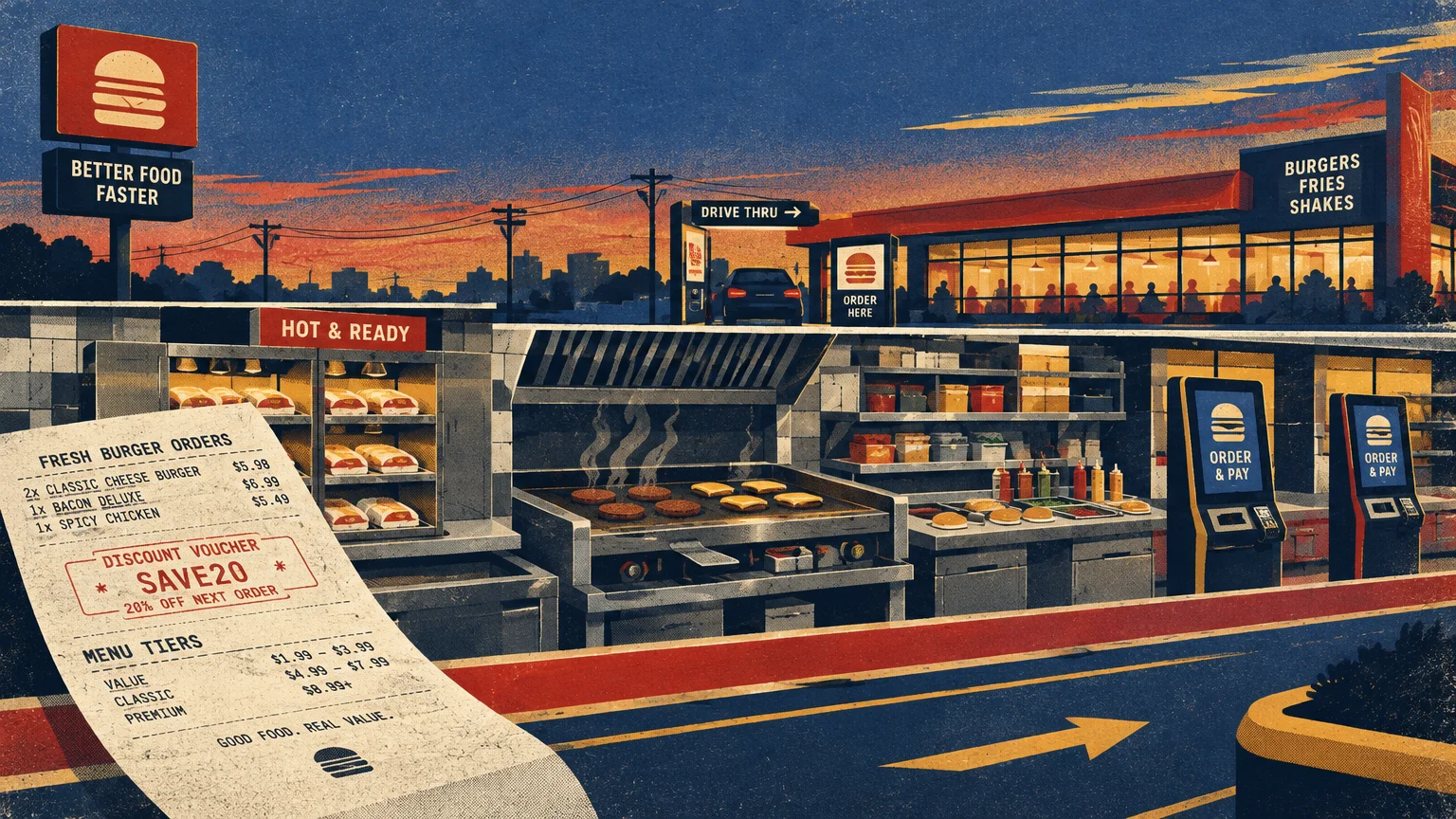
You do not need to spend ten dollars to get a hot, satisfying meal at McDonald’s. Learning a few behind-the-counter operational habits will instantly cut your food spending and guarantee fresh food every visit.
Fast food operations rely on automated routines and subtle menu engineering to protect corporate margins. When you understand how the kitchen functions, you gain complete control over your order and your wallet.
Crew members see these retail mechanics unfold every single shift. These ten McDonald’s insider tips expose how the system works so you can order smarter right now.
Tip #1: Exploit the Fresh Beef Policy on Quarter Pounders
Most customers assume every burger patty at McDonald’s receives the exact same kitchen treatment. That assumption costs you freshness and flavor every time you order.
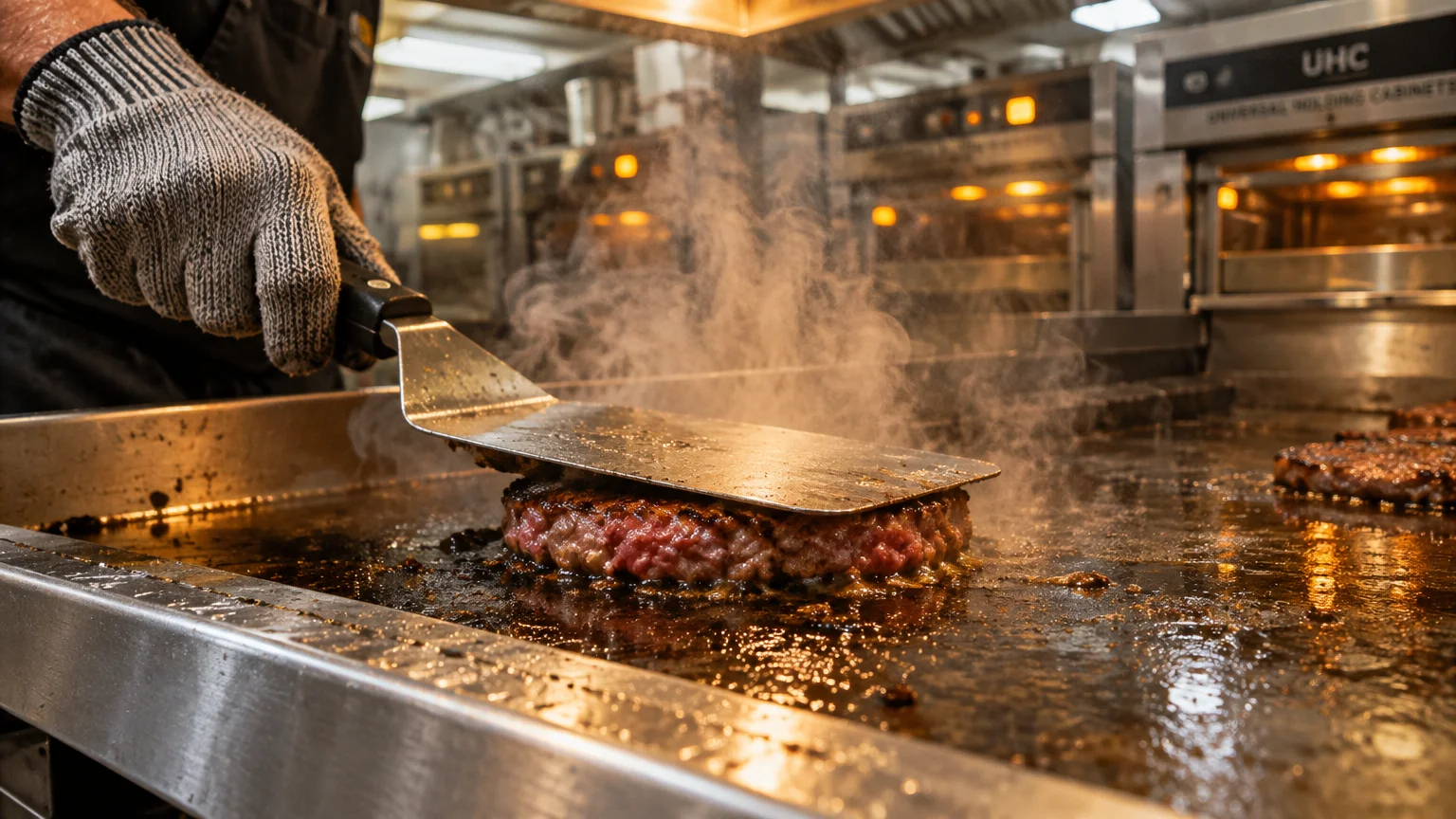
McDonald’s prepares standard small patties in large batches before storing them in heated Universal Holding Cabinets. These thin patties—designated as 10:1 beef in kitchen shorthand—sit in warming trays until a customer orders them.
If you visit during a slow afternoon lull, those smaller patties might sit in warming drawers for an extended period. The meat dries out; the texture turns chewy and bland.
Quarter Pounder patties operate under an entirely different company mandate. McDonald’s cooks all Quarter Pounder burgers with 100% fresh, never-frozen beef that hits the grill only after you order.
When you order any Quarter Pounder variation, the kitchen staff must drop fresh beef onto the searing platens immediately. This guarantees hot meat with natural juices intact.
You can leverage this operational rule to guarantee a freshly prepared burger every single time. If premium meat quality matters to you, skip the batch-cooked double cheeseburgers and select a Quarter Pounder instead.
Tip #2: Harvest Receipts for the McDVoice Survey Routine
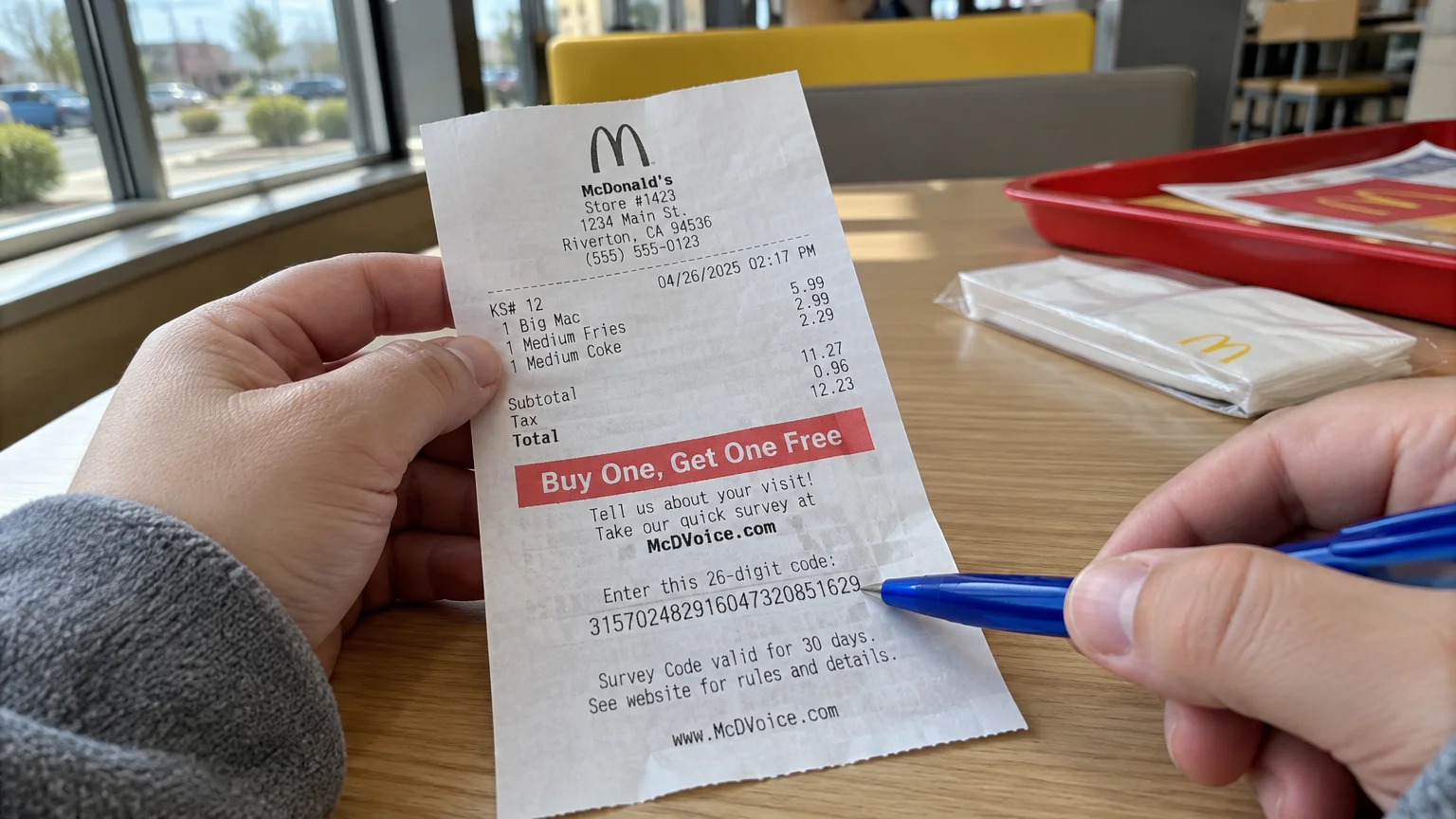
Throwing away your register receipt means tossing real money straight into the trash can. Every single McDonald’s receipt contains a gateway to deeply discounted meals.
Look at the bottom of your paper receipt for a unique 26-digit survey code. That code unlocks the official feedback survey at McDVoice.com.
Completing this short questionnaire takes roughly two minutes of your time. In exchange, the system generates a validation code for a Buy One, Get One (BOGO) Free sandwich.
Participating franchise locations usually apply this BOGO offer to high-ticket staples like the Egg McMuffin or the Quarter Pounder with Cheese. You instantly cut your sandwich cost in half on your next trip.
You must keep two strict operational rules in mind when banking these coupons. The survey code expires 30 days from the original transaction date printed on the slip.
Additionally, the corporate validation system enforces a strict redemption limit. You can complete a maximum of five surveys per month, per restaurant location.
Savvy diners check the collection counter and self-service kiosk bays before walking out. Customers constantly leave discarded receipts behind, providing you with unlimited survey codes without spending an extra dime upfront.
Tip #3: Pivot to the McValue Menu and Core Bundles
Ordering standard medium or large combo meals represents one of the biggest financial traps in fast food. McDonald’s prices numbered combos to extract premium margins from hurried drivers.
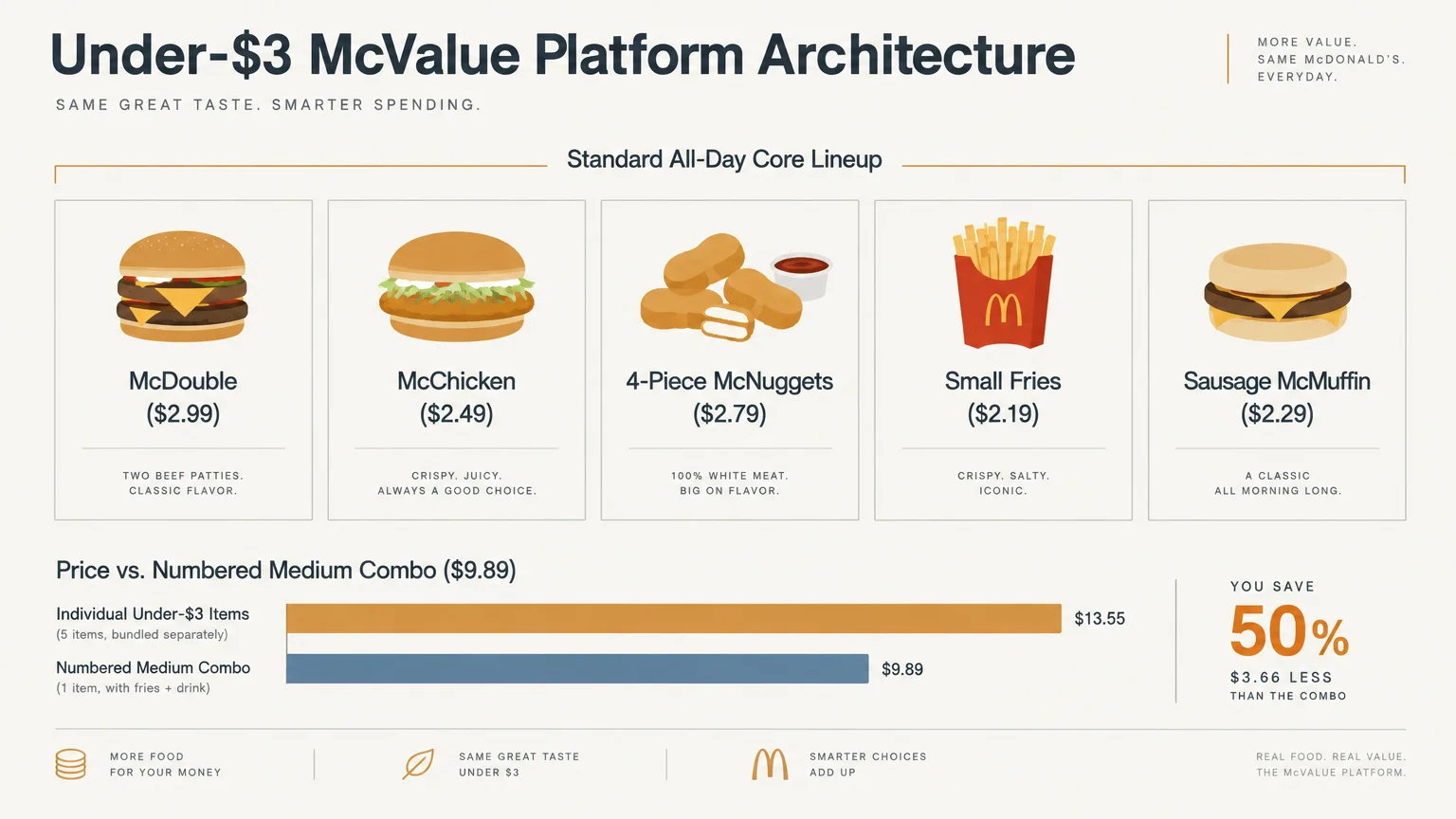
On April 21, 2026, McDonald’s overhauled its nationwide value architecture by launching the standardized McValue platform. This structure introduced an aggressive, all-day Under-$3 Menu packed with essential staples.
This Under-$3 tier includes at least ten distinct items across every daypart. You can purchase a McDouble, McChicken, 4-Piece McNuggets, Small Fries, or a Sausage McMuffin without crossing the three-dollar threshold.
Alongside this low-cost tier, McDonald’s standardized three core meal deals nationwide. These fixed packages deliver massive savings compared to legacy combo pricing.
The $4 Breakfast Meal Deal pairs a Sausage McMuffin or Sausage Biscuit with a hash brown and small coffee. You get a complete morning meal for less than the standalone price of many specialty sandwiches.
For lunch and dinner, look directly at the $5 McChicken Meal Deal and the $6 McDouble Meal Deal. Both bundles package your chosen sandwich with a 4-piece McNuggets, small fries, and a small soft drink.
Purchasing those bundled components separately would cost you significantly more. Sticking to the McValue framework shields your budget from aggressive individual menu markups.
Tip #4: Target High-Yield Tiers in MyMcDonald’s Rewards
The MyMcDonald’s Rewards program offers an easy route to free food, but most customers burn their points on terrible redemptions. You earn 100 points for every dollar spent on eligible purchases.
When you download the app and link a payment card for the first time, McDonald’s grants 1,500 bonus points. New accounts also typically receive an immediate free item with any purchase of one dollar or more.
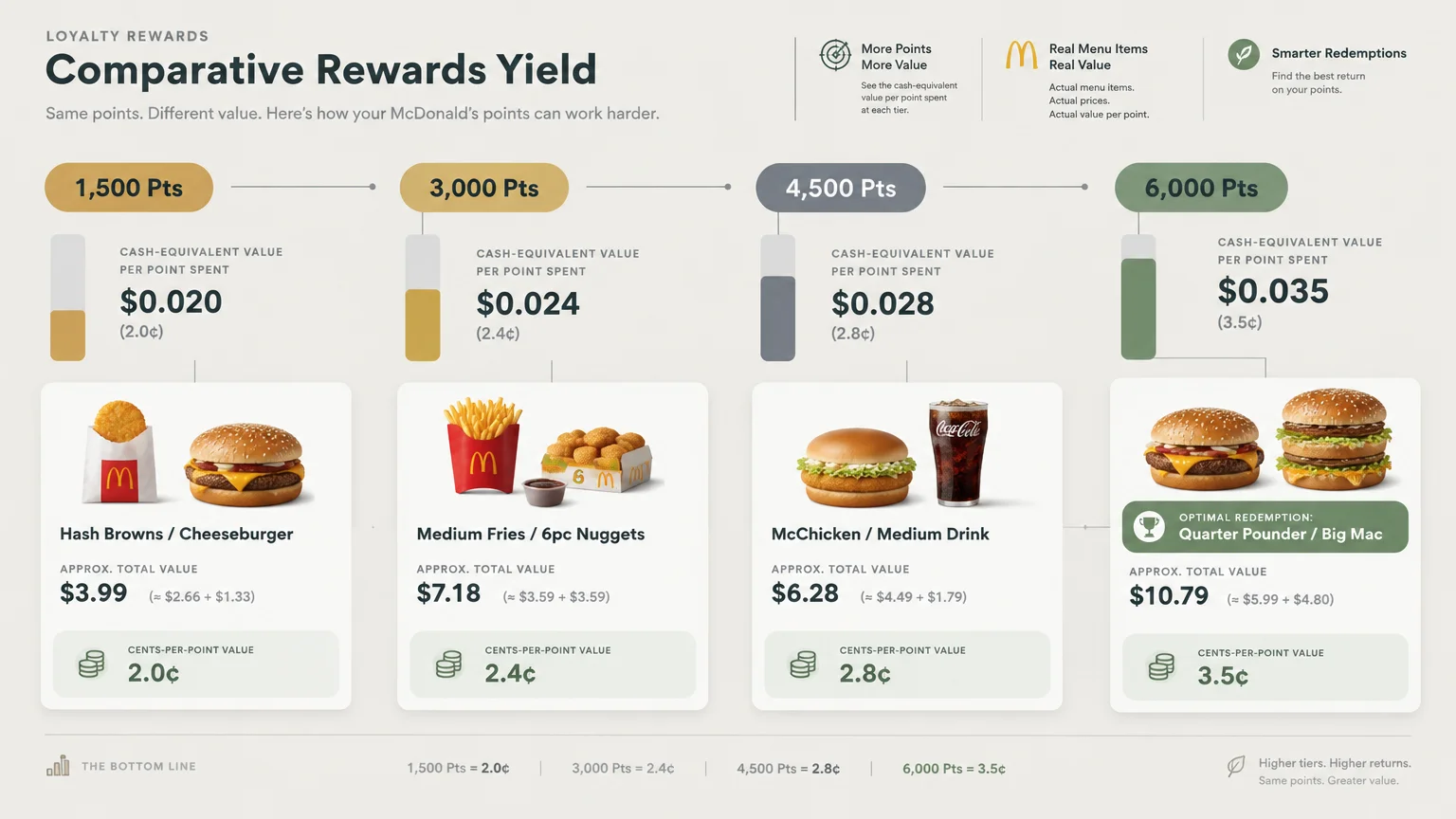
In May 2026, McDonald’s replaced its legacy four-tier reward catalog with an expanded six-tier redemption structure. Understanding point valuation across these tiers keeps you from wasting digital balance.
The lowest tier costs 1,500 points and covers Hash Browns, Apple Pies, Vanilla Cones, or Small Coffees. The second tier sits at 2,000 points, unlocking a McChicken, Cheeseburger, or Sausage Biscuit.
Mid-tier levels include 3,500 points for Medium Fries, Sausage Burritos, or 6-piece McNuggets, alongside a 4,000-point tier offering three dollars off an order. Top tiers cost 5,000 points for Filet-O-Fish or Hotcakes, and 7,000 points for a Big Mac.
The 2,000-point tier represents the highest financial yield per point in the entire catalog. Cashing out 2,000 points for a McChicken delivers far more retail value per point than hoarding 7,000 points for a Big Mac.
Watch your digital calendar closely to avoid losing your hard-earned rewards balance. Points expire on the first day of the month after the sixth month from the date you earned them.
Tip #5: Navigate the Kiosk Cooldown Timer Enforcement
Mobile ordering hacks used to let shoppers double dip on corporate promotions. However, recent software updates closed those loopholes and created strict digital barriers.
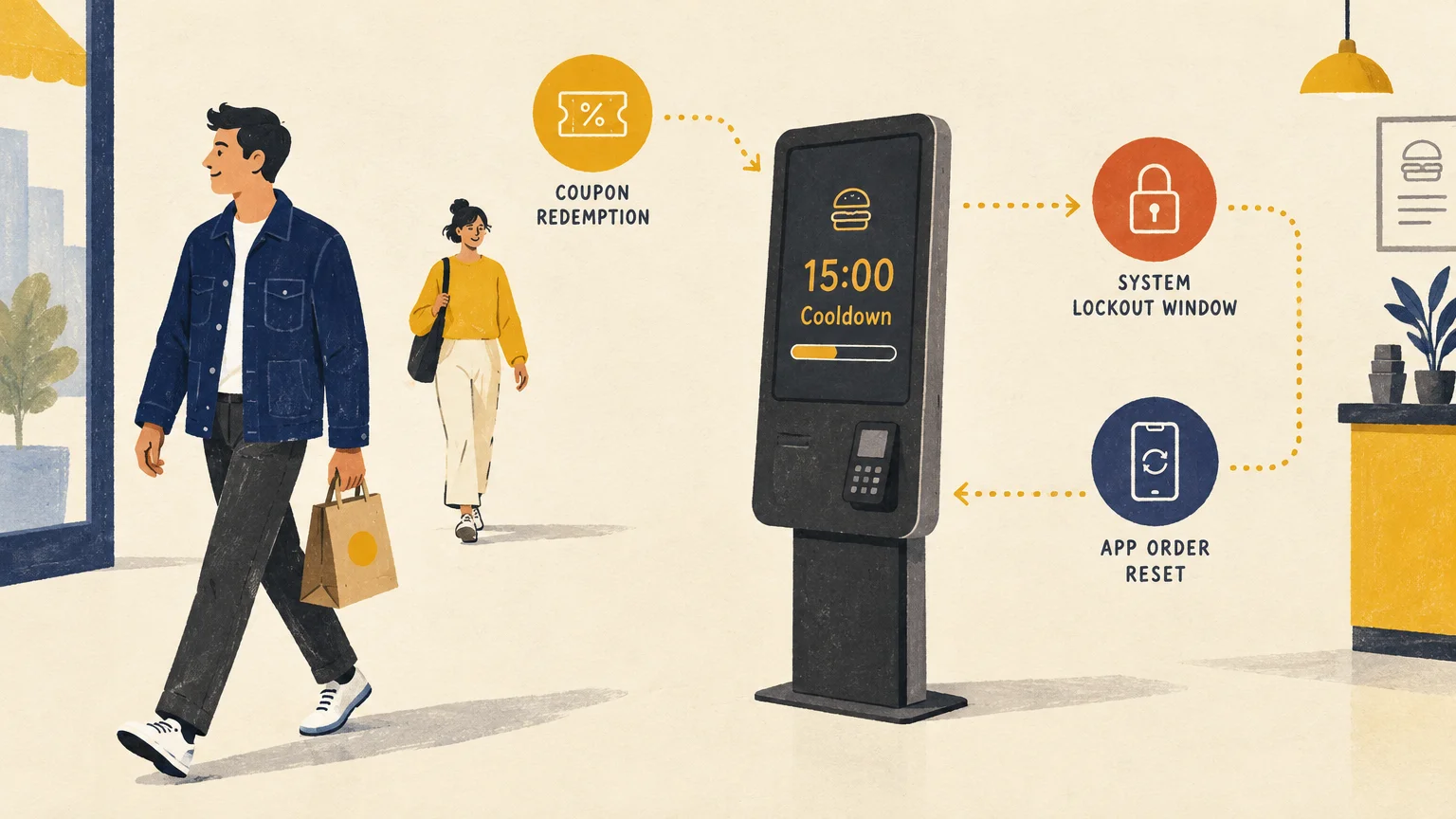
The McDonald’s app enforces a mandatory cooldown timer between redeeming digital deals or loyalty rewards. This cooldown locks your account for 15 to 60 minutes after you scan a barcode.
In the past, customers bypassed this mobile restriction by placing an app order and immediately scanning their four-digit code at an in-store kiosk. That kiosk workaround allowed back-to-back deal redemptions on a single visit.
That digital loophole no longer functions. In July 2026, McDonald’s deployed a software patch to kiosk networks nationwide, strictly enforcing the 15-minute cooldown timer across all in-store hardware.
If you scan your loyalty code at a kiosk, the system locks your profile from claiming additional deals until the timer expires. Attempting to scan duplicate app deals in rapid succession will only trigger an onscreen error.
You can outsmart this restriction by pairing digital app redemptions with physical paper survey coupons. Cash registers process McDVoice validation codes independently from the digital mobile network.
Alternatively, bring a dining partner along and split the order across two separate smartphones. Both accounts can redeem high-value promotions simultaneously without triggering digital lockouts.
Tip #6: Understand the Soft-Serve Downtime Reality
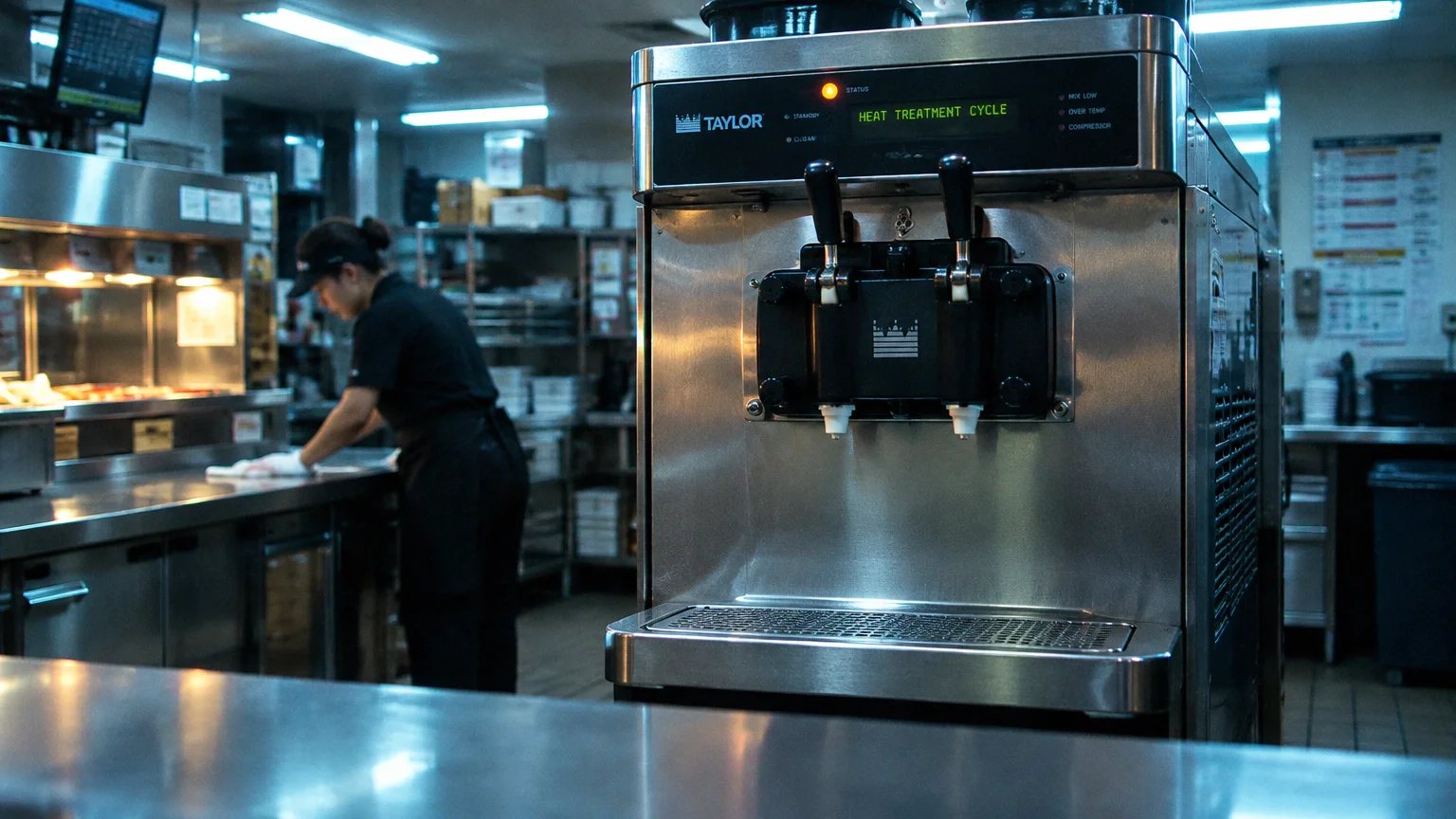
The running joke about McDonald’s ice cream machines being permanently broken contains a surprising operational truth. The Taylor C602 soft-serve machine in your local kitchen rarely experiences mechanical failure.
Instead, these automated machines require an intense, daily four-hour heat-treatment cycle to sanitize the dairy reservoir. If the internal heat cycle fails to reach target temperatures, the machine locks automatically.
Employees cannot dispense shakes or cones while this sanitation lock remains active. During late shifts, busy crews often trigger this cleaning routine early to finish closing duties on time.
Historically, franchise owners faced extreme barriers when attempting to repair minor machine software errors. Taylor held exclusive maintenance contracts that prevented store managers from reading machine error codes.
That legal monopoly shifted dramatically on October 28, 2024. The U.S. Copyright Office approved an exemption to Section 1201 of the Digital Millennium Copyright Act (DMCA), legalizing third-party software bypasses on commercial food equipment.
While independent technicians can now legally service these machines, franchise contracts adapt slowly. Soft-serve machines still face regular downtime during off-peak hours while internal sanitation cycles run.
Check the mobile app before driving to the restaurant for an ice cream cone. If soft-serve items show as temporarily unavailable inside the menu interface, the machine is deep in its cleaning cycle.
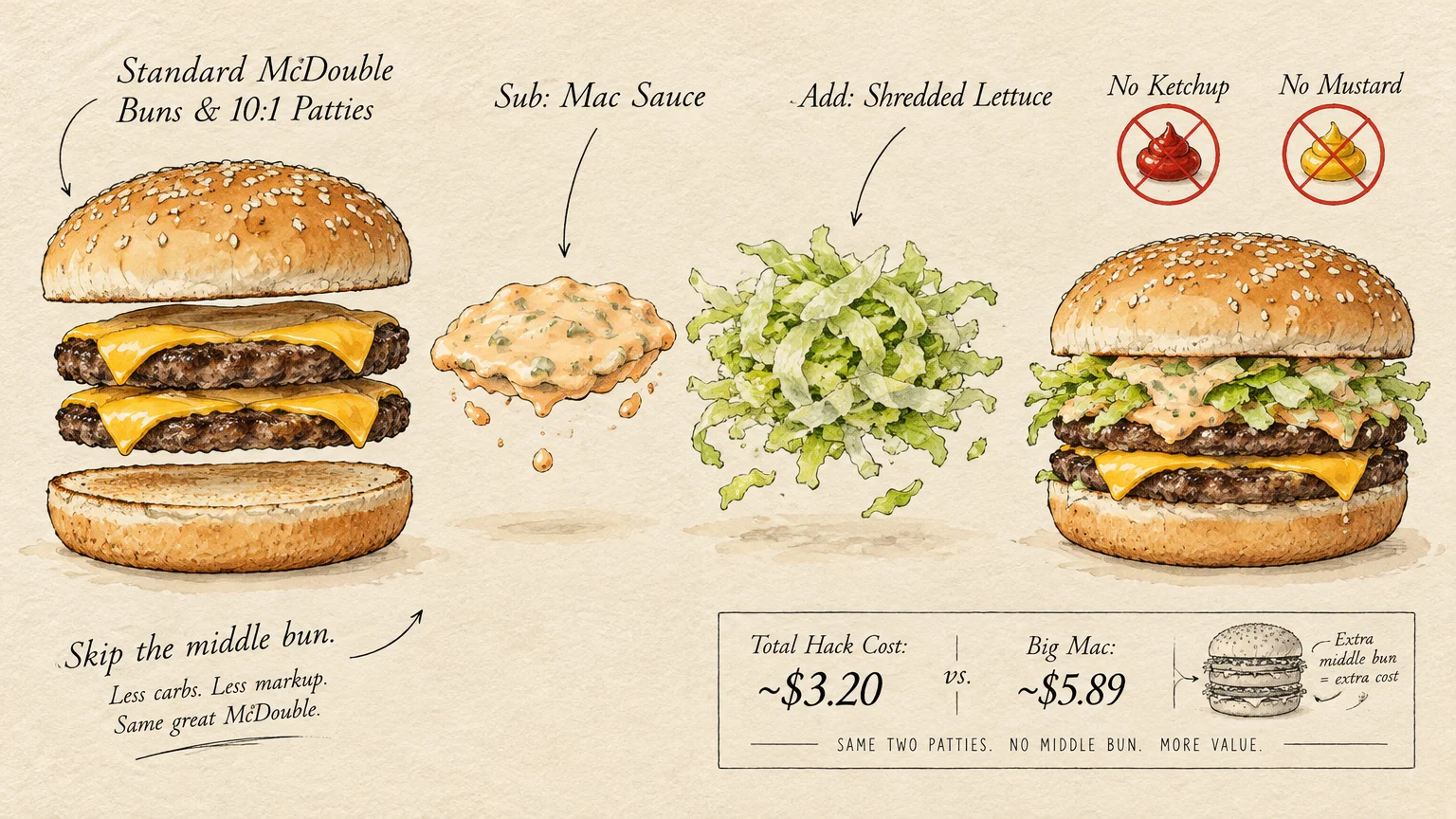
Tip #7: Build the McDouble Big Mac Hack
The Big Mac remains one of the most heavily marked-up sandwiches on the fast food market. You pay a substantial marketing premium for a middle bun and special dressing.
Crew members know you can replicate the exact flavor and meat profile of the Big Mac for half the price. The solution starts with the humble McDouble on the Under-$3 McValue Menu.
A McDouble features the exact same two 10:1 beef patties, single slice of American cheese, and toasted bun. The only functional differences are the condiments, the lettuce, and that unnecessary center bread slice.
To execute the hack, order a McDouble with no ketchup and no mustard. Request shredded lettuce and Big Mac sauce added to the sandwich instead.
Some franchise locations charge a nominal twenty or thirty cents to add Big Mac sauce. Even with that tiny custom add-on, your total price remains far below the standalone cost of a traditional Big Mac.
The finished product gives you identical taste, identical beef volume, and fewer empty carbohydrates from bread. This simple ordering pivot saves you multiple dollars every single time you crave that signature sauce.
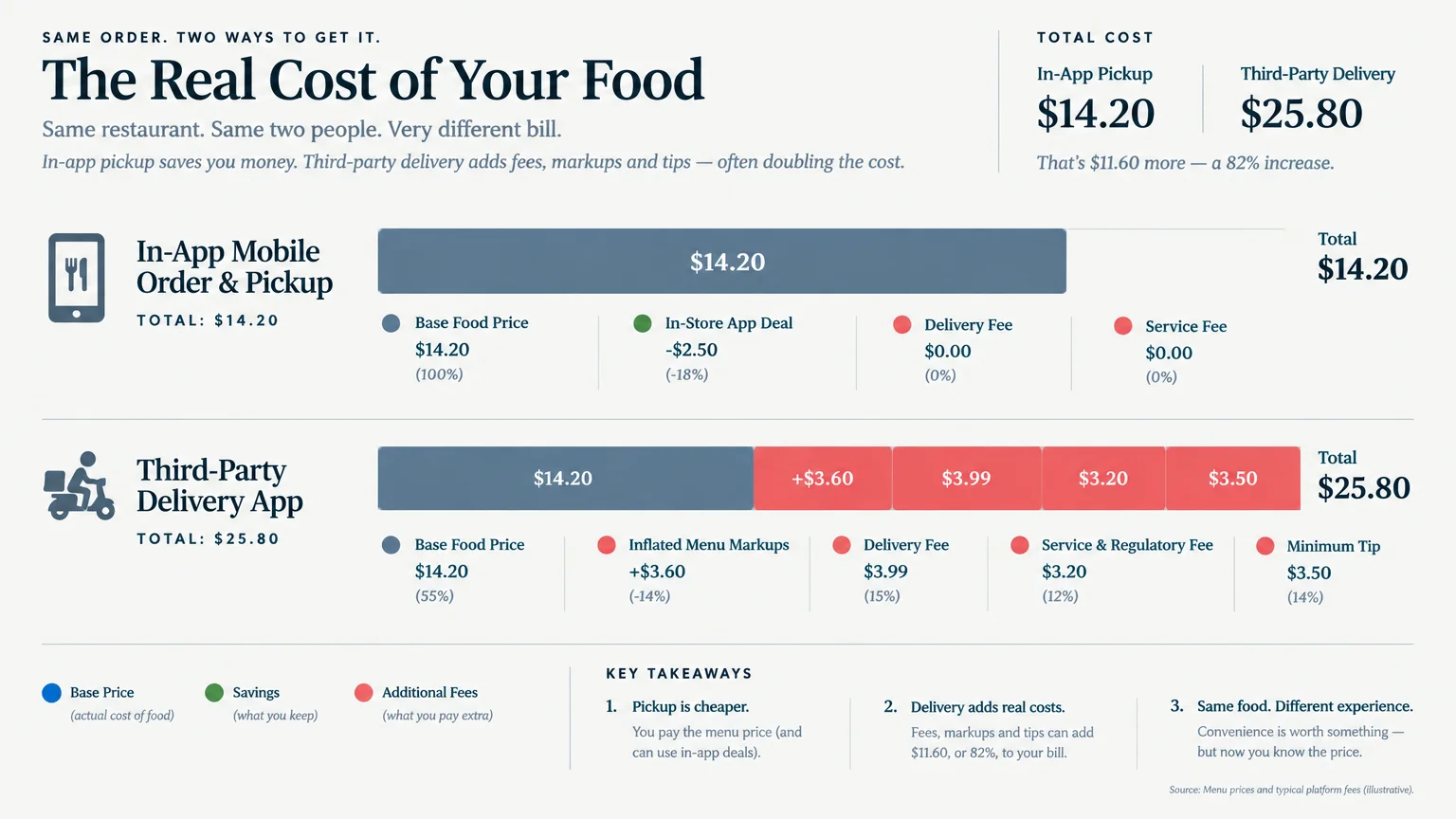
Tip #8: Bypass Third-Party Delivery Markup Traps
Ordering fast food through third-party delivery apps represents an enormous drain on personal finances. Services like DoorDash, Uber Eats, and Grubhub add massive layers of hidden friction.
Third-party platforms routinely mark up individual McDonald’s menu items by 20% to 40% above in-store counter pricing. A value meal that costs six dollars at the drive-thru quickly balloons past eight dollars before fees.
More importantly, third-party delivery orders completely sever you from the MyMcDonald’s Rewards ecosystem. Third-party aggregators do not grant reward points, nor do they allow you to redeem accumulated digital balances.
If you order through an outside app twice a week, you forfeit thousands of potential loyalty points each month. You also lose access to native McValue promotions and exclusive app deals.
When you cannot pick up food in person, order exclusively through McDelivery inside the native McDonald’s mobile app. This direct channel preserves your standard point accumulation rate of 100 points per dollar spent.
The native app also lets you apply eligible account rewards to your delivery bag. Cutting out independent delivery middlemen protects your wallet and keeps your loyalty balance growing.
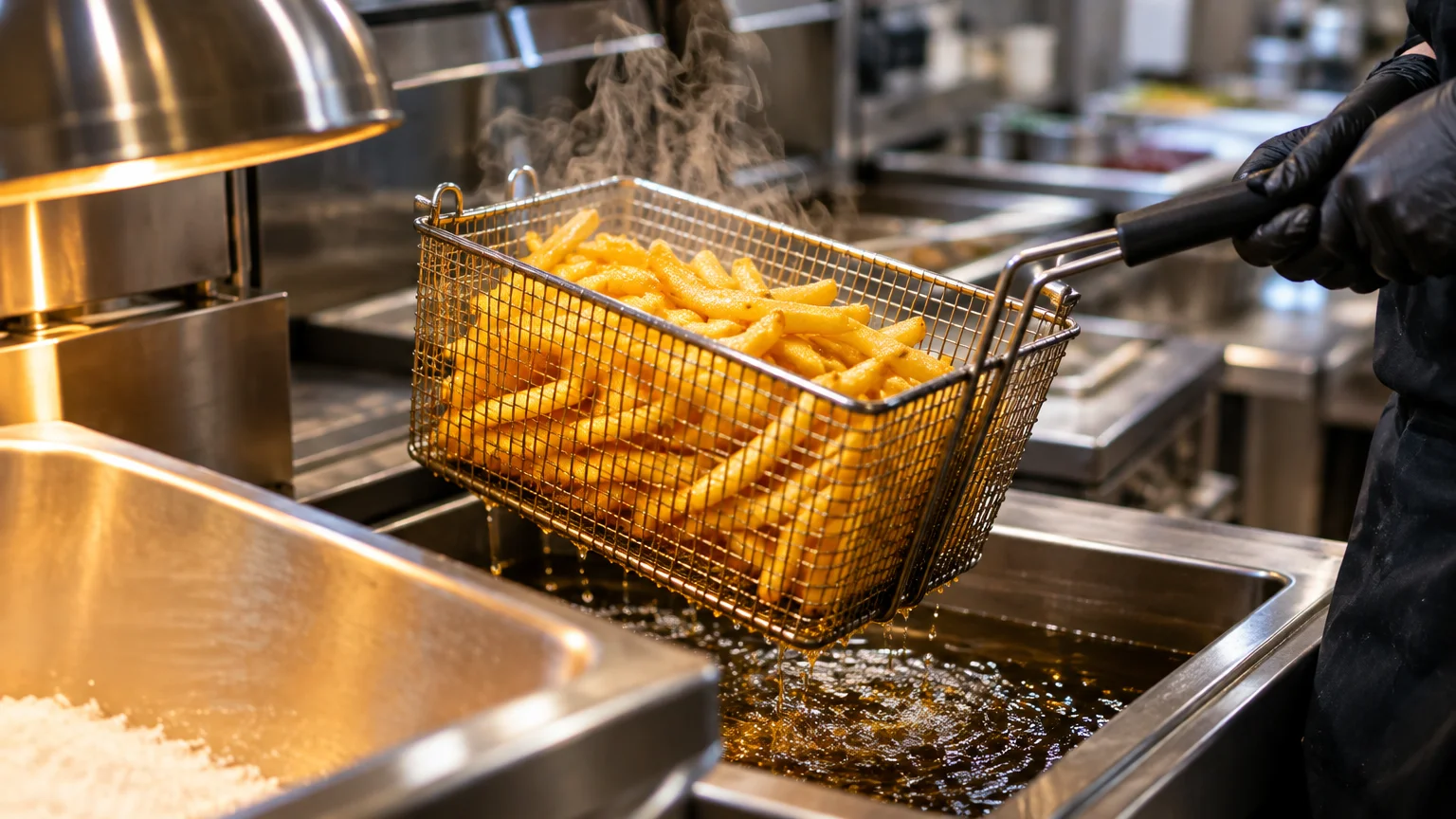
Tip #9: Drop the No-Salt Fry Gimmick for Direct Requests
An outdated viral internet tip tells diners to order french fries without salt to force the kitchen into cooking a fresh batch. While this trick works mechanically, crew members despise it.
Ordering unsalted fries forces staff to halt the entire assembly line. Workers must scrub down the fry dump station, sanitize the metal scoop, and fry an isolated batch to prevent salt contamination.
This process stalls the drive-thru line and frustrates the kitchen crew during peak volume hours. Furthermore, your fries end up scalding hot but entirely flavorless unless you scramble to salt them yourself.
Salt does not adhere properly to cold or dry cooked potatoes. Salting your own fries out of a paper packet creates an uneven, gritty mess that tastes noticeably worse than factory-salted batches.
You do not need to play passive-aggressive games with kitchen staff to get fresh food. Crew members respect honest, direct communication far more than assembly line disruptions.
Simply ask the cashier for fresh fries and state clearly that you do not mind waiting two minutes for the drop. Kitchens rotate fry batches rapidly, and staff will happily drop fresh potatoes when you ask politely.
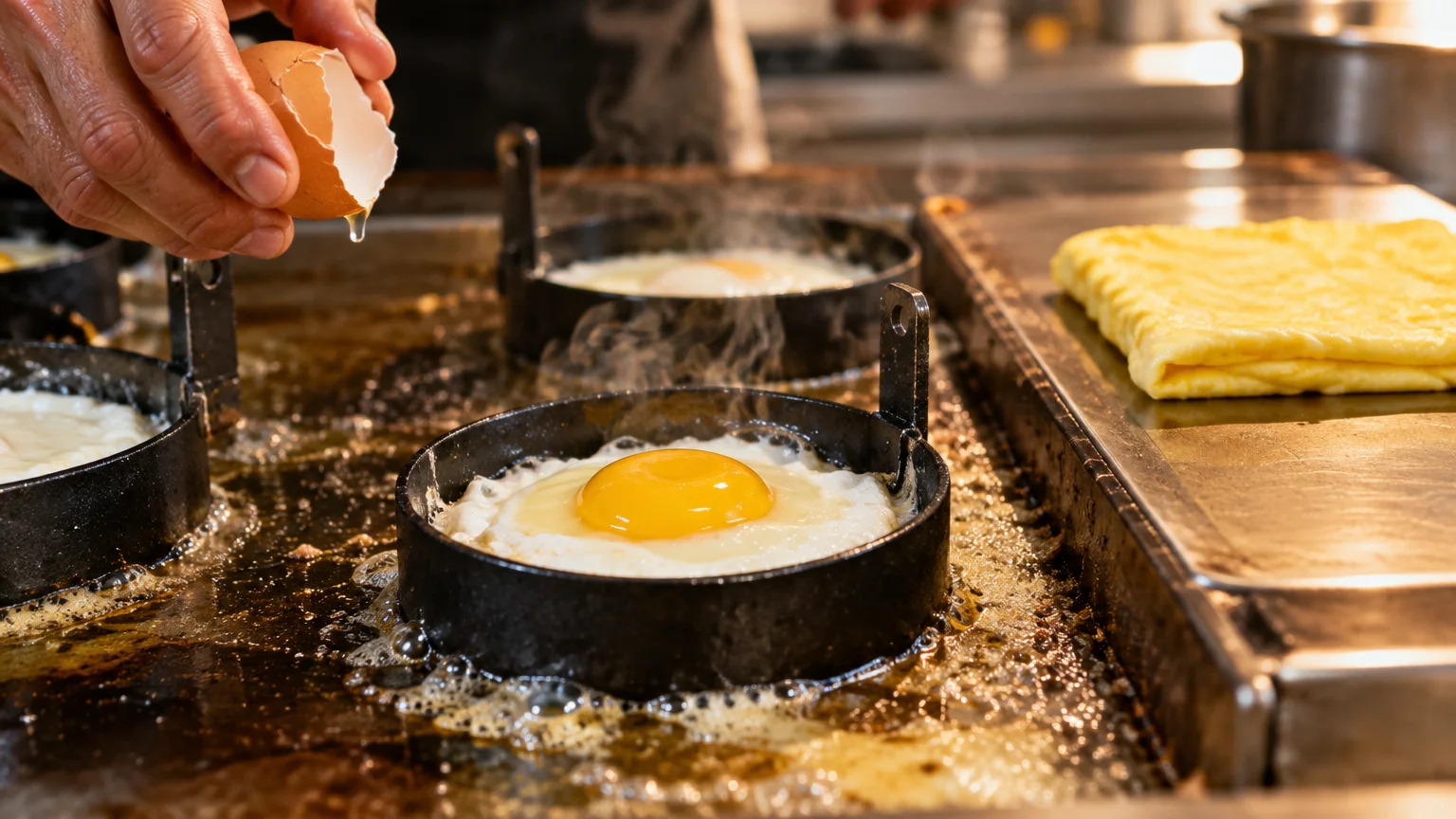
Tip #10: Request Fresh-Cracked Round Eggs on Breakfast Items
McDonald’s serves two fundamentally different egg varieties during morning breakfast hours, and the difference in quality is staggering. Most diners never realize they have a choice.
The yellow, rectangular folded egg found on biscuits and McGriddles arrives at stores as a liquid, pasteurized egg mixture. Kitchen staff heat these pre-mixed, folded egg patties on the grill from refrigerated bags.
The round egg served on the classic Egg McMuffin represents real culinary freshness. Staff prepare round eggs by cracking real Grade-A shell eggs directly into circular metal steam rings on the grill.
You can upgrade your breakfast quality instantly by requesting a round egg substitution on any breakfast sandwich. Ask the order taker to swap the folded egg for a round egg on your biscuit or bagel.
Nearly every McDonald’s kitchen will execute this egg swap without batting an eye. The vast majority of locations process this direct substitution at zero additional charge.
This single customization replaces processed liquid egg mix with a fresh-cracked, protein-dense egg. Pair this hack with the $4 Breakfast Meal Deal to build a premium breakfast without paying coffee-shop prices.
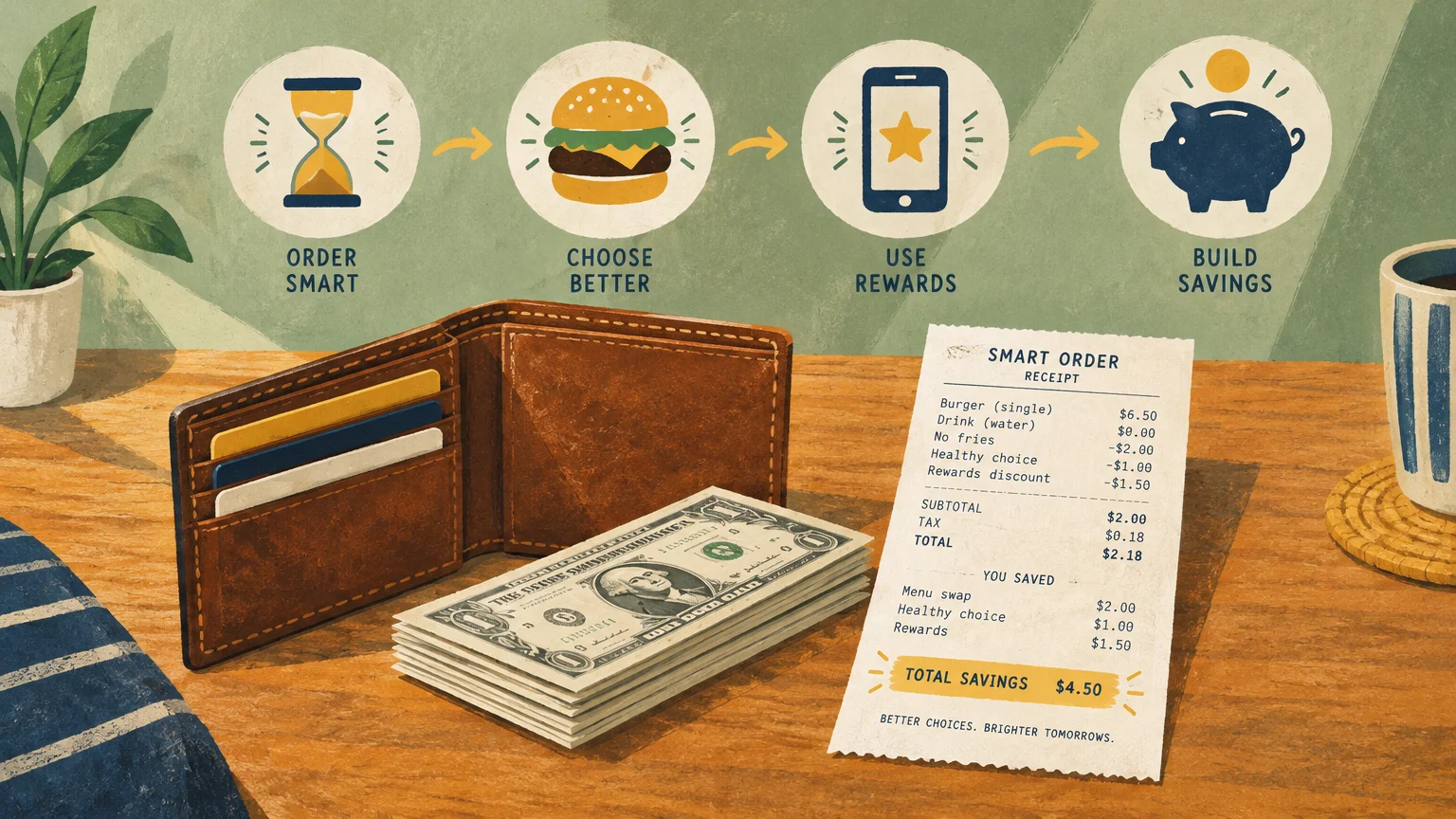
The Bottom Line: What This Means for Your Wallet
Fast food pricing structures have evolved rapidly, turning casual dining into an expensive daily habit for unprepared consumers. You can no longer pull into the drive-thru and expect automatic affordability without a deliberate strategy.
Corporate pricing models intentionally penalize passive diners who order standard combo meals. By switching to the McValue Under-$3 tier and core meal deals, you immediately cut your average ticket cost by half.
Stacking these structural discounts with the 26-digit McDVoice receipt survey ensures a continuous flow of BOGO sandwiches. You essentially secure a free entree on every alternating visit to the restaurant.
Managing your MyMcDonald’s Rewards balance thoughtfully turns regular spending into dependable grocery relief. Redeeming points exclusively at high-yield levels—like the 2,000-point tier—prevents point dilution and optimizes your return on investment.
Fast food chains design their menus to maximize corporate profitability. When you deploy these ten employee-tested ordering rules, you tilt the financial scale back in your favor on every single visit.
Frequently Asked Questions
Can you combine a McDVoice survey coupon with an app deal?
Yes, you can combine a paper McDVoice survey coupon with a digital mobile app deal at the front counter. The register terminal processes the 26-digit paper validation code separately from the digital mobile scanning platform.
However, you cannot stack two digital mobile app promotions within the exact same smartphone order. The mobile software strictly limits you to one digital deal or reward per transaction.
Do MyMcDonald’s Rewards points expire if you do not use them?
Yes, MyMcDonald’s Rewards points carry a firm expiration timeline that you must monitor carefully. Your points expire on the first day of the month after the sixth month from the date they were earned.
For instance, points earned in January expire on August 1 if left unused. The app displays your expiring balance within the rewards tab so you can redeem points before they disappear.
Are Quarter Pounder burgers always cooked fresh to order?
Yes, McDonald’s corporate policy mandates that all Quarter Pounder patties are made with 100% fresh, never-frozen beef cooked strictly to order. Unlike smaller 10:1 patties, fresh beef patties never sit in Universal Holding Cabinets.
This fresh-beef protocol applies across the entire Quarter Pounder family, including the Double Quarter Pounder. If you want a burger seared immediately after you order, choose a Quarter Pounder.
What is the most cost-effective breakfast deal on the menu?
The $4 Breakfast Meal Deal launched under the nationwide McValue platform delivers the strongest financial value on the morning menu. The package includes your choice of a Sausage McMuffin or Sausage Biscuit, a hash brown, and a small coffee.
Purchasing those three morning items individually costs significantly more at almost every franchise location. Swapping the folded egg for a fresh-cracked round egg maximizes the overall nutritional value of your breakfast purchase.
For consumer protection information, visit the Federal Trade Commission (FTC) and the Consumer Financial Protection Bureau (CFPB). For product safety and reviews, consult Consumer Reports.
Disclaimer: This article is for informational purposes only and does not constitute financial advice. The content reflects the author’s opinion and research at the time of writing.
Always do your own research before making financial decisions.